Coat of arms of CameroonMinistry of Arts
and Culture
Republic of Cameroon
My procedures
Home
Minister’s message
News
Press releases
Cultural calendar
Official speeches
Press review
Photo library
Video library
Calls for projects
Job vacancies
Public procurement
Newsletter
Frequently asked questions
Site map
Contact
Press area
Podcast “The Voice of Culture”
Legal notices
Privacy policy
Cookies and trackers
The Ministry
Missions and responsibilities
Organisation
Organisation chart
Minister’s Office (Cabinet)
Management team
General Secretariat
General Inspectorate
Central directorates
Regional Delegations
Institutions under supervision
Legislative texts
Regulatory texts
Sector strategy
Major projects
Budget and reports
Partners
Careers
Archives
Institutional communication
Quality and accessibility
Arts
Visual and plastic arts
Visual arts
Performing arts
Theatre
Dance
Music
Literature and books
Cinema and audiovisual
Photography
Fashion and design
Digital arts
Art crafts
Artists’ directory
Residencies
Prizes and awards
Arts education
Urban arts
Heritage
Tangible heritage
Intangible heritage
UNESCO sites
National museums
Listed monuments
National inventory
Palaces and chiefdoms
Archaeology
Linguistic heritage
Oral traditions
Traditional know-how
Restitution of cultural property
Fight against illicit trafficking
Listing and protection
Conservation and restoration
Heritage Days
Cultural landscapes
Industries
Music and recording
Cinema
Publishing and books
Digital arts
Fashion and creativity
Crafts
Cultural tourism
Funding for culture
Support funds
Incubators
Cultural entrepreneurship
Culture Observatory
Vocational training
Studies and reports
Sector statistics
Export and outreach
Intellectual property
Copyright
Legal framework
Copyright and neighbouring rights
Collective management societies
Register a work
Licences
Private copying
Fight against piracy
Model contracts
Social status of artists
Mediation
Disputes
Training
Fee scales
Register of works
Contact
Digital neighbouring rights
Public domain
Festivals
National calendar
Ngondo
Nguon
Écrans Noirs
Heritage Days
Music Day
Regional festivals
Fairs and exhibitions
Biennials
National competitions
Cultural days
Organise a festival
Event grants
Ticketing
Archives
Volunteering
Diaspora festivals
Regions
Adamawa
Centre
East
Far North
Littoral
North
North-West
West
South
South-West
Cultural map
Regional Delegations
Traditional chiefdoms
National languages
Cultural routes
Decentralised cooperation
Regional observatory
Cooperation
UNESCO
Francophonie (OIF)
African Union
Commonwealth
CEMAC
Bilateral cooperation
Cultural agreements
Professional organisations
Scholarships
Artist exchanges
Cultural years
Diaspora
Funded projects
Embassies
Technical partners
International restitution
International monitoring and calls
Services
Artist card
Show authorisation
Filming authorisation
Festival authorisation
Deposit of a work
Export of works of art
Listing of a property
Grant application
Association accreditation
File tracking
Forms
Fees
Opening hours and addresses
Reporting
Online help
My account
One-Stop Shop
Industries

Export and outreach

International fairs, cooperation missions, artists’ visas and partners: everything needed to make Cameroonian creativity shine beyond its borders, within the framework of the NDS30.

Updated on 6 November 20264 sub-pages
Strategic frameworkNDS30
Partner countries in 20267
Reference organisationsUNESCO, OAPI, OMPI
Fairs attended each year12
Outreach

Making Cameroonian culture shine

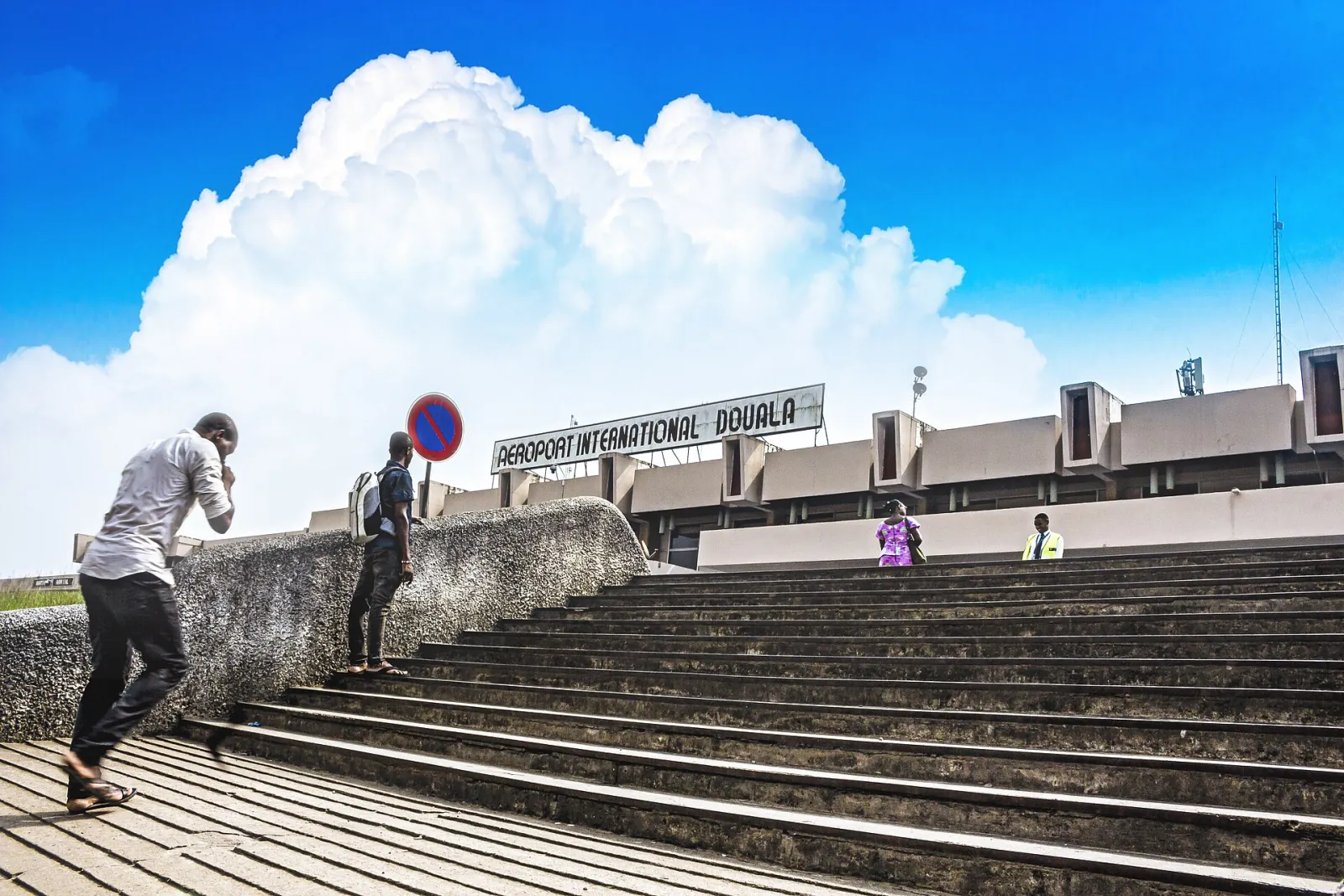
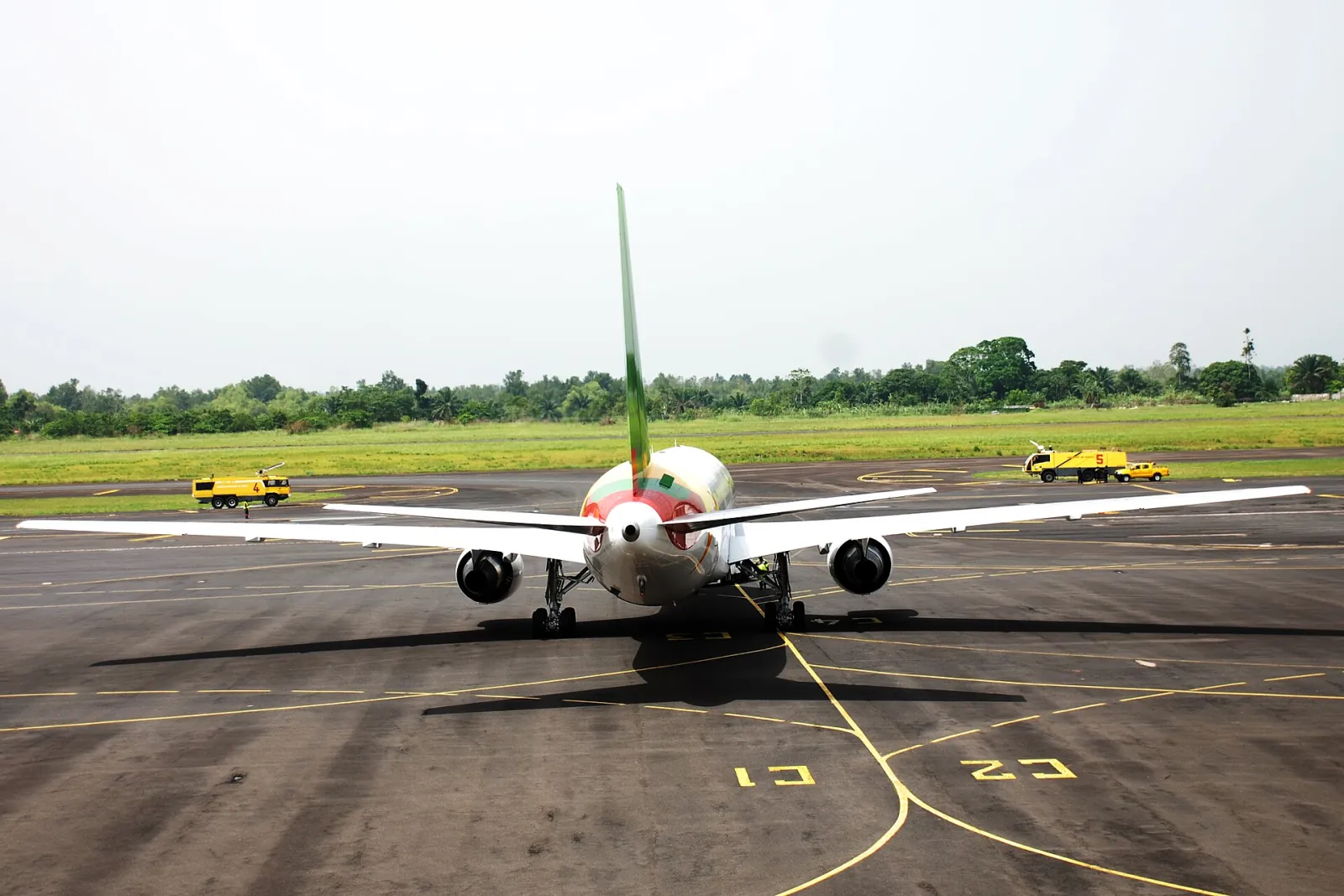
Terminal building of Douala international airport under a cloudy sky

Cameroon’s artists, creators and cultural enterprises have an audience well beyond its borders: music, cinema, literature, fashion, art crafts, video games. The National Development Strategy 2030 (NDS30) sets the cultural and creative industries the objective of seeking and developing new local, national, regional and international markets.

The Minister liaises with UNESCO, the African Intellectual Property Organisation (OAPI), the World Intellectual Property Organisation (OMPI) and the embassies. In 2026, exchanges took place with Morocco, Japan, Equatorial Guinea, Colombia, India, China and the International Indigenous Peoples Organisation (IIPO). This page guides you through fairs, missions, visas and partners.

  • International fairs open to Cameroonian professionals
  • Cooperation missions and bilateral audiences
  • Support for export procedures and artists’ mobility
See the international fairs
Markets

International fairs: showcases and places of business

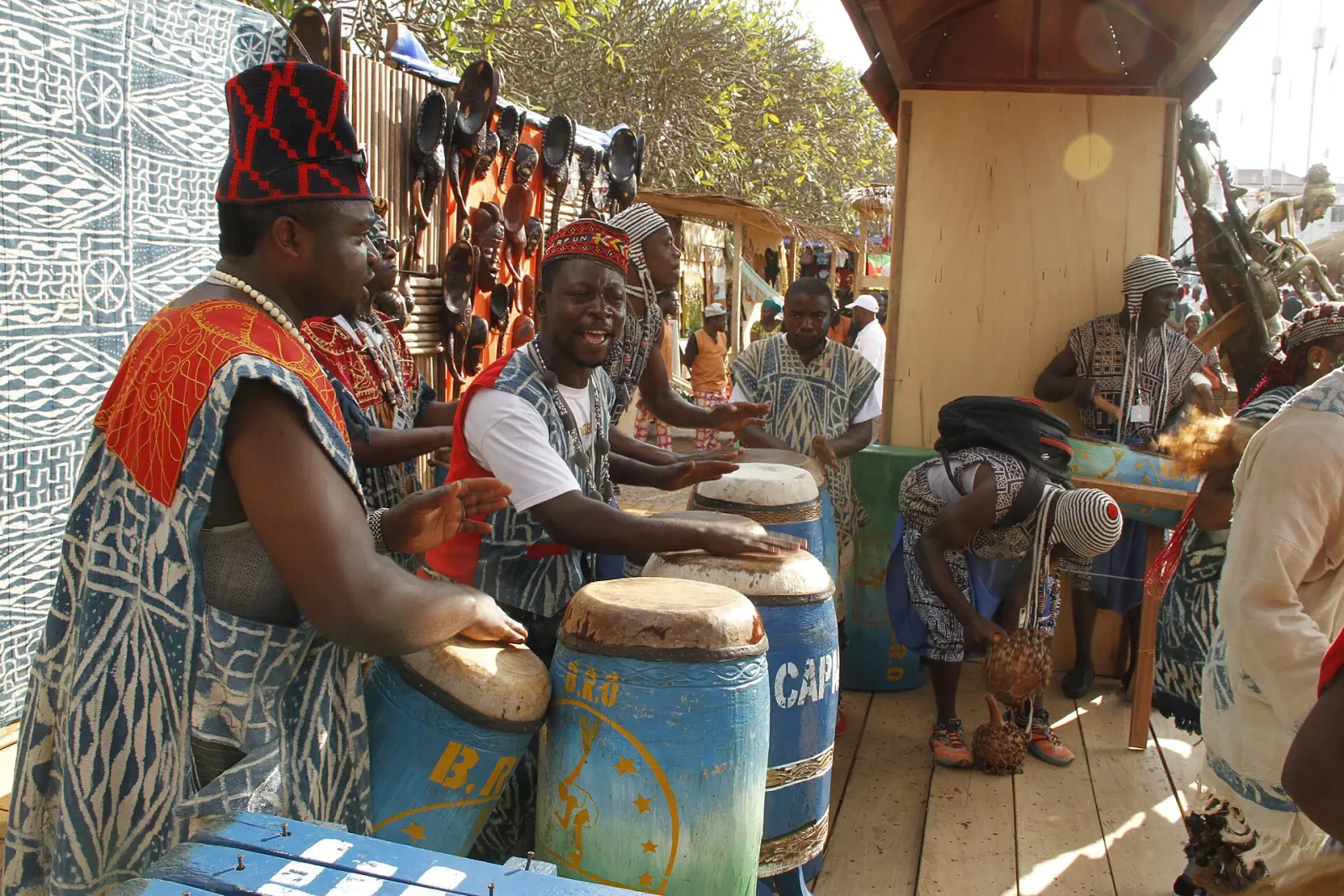
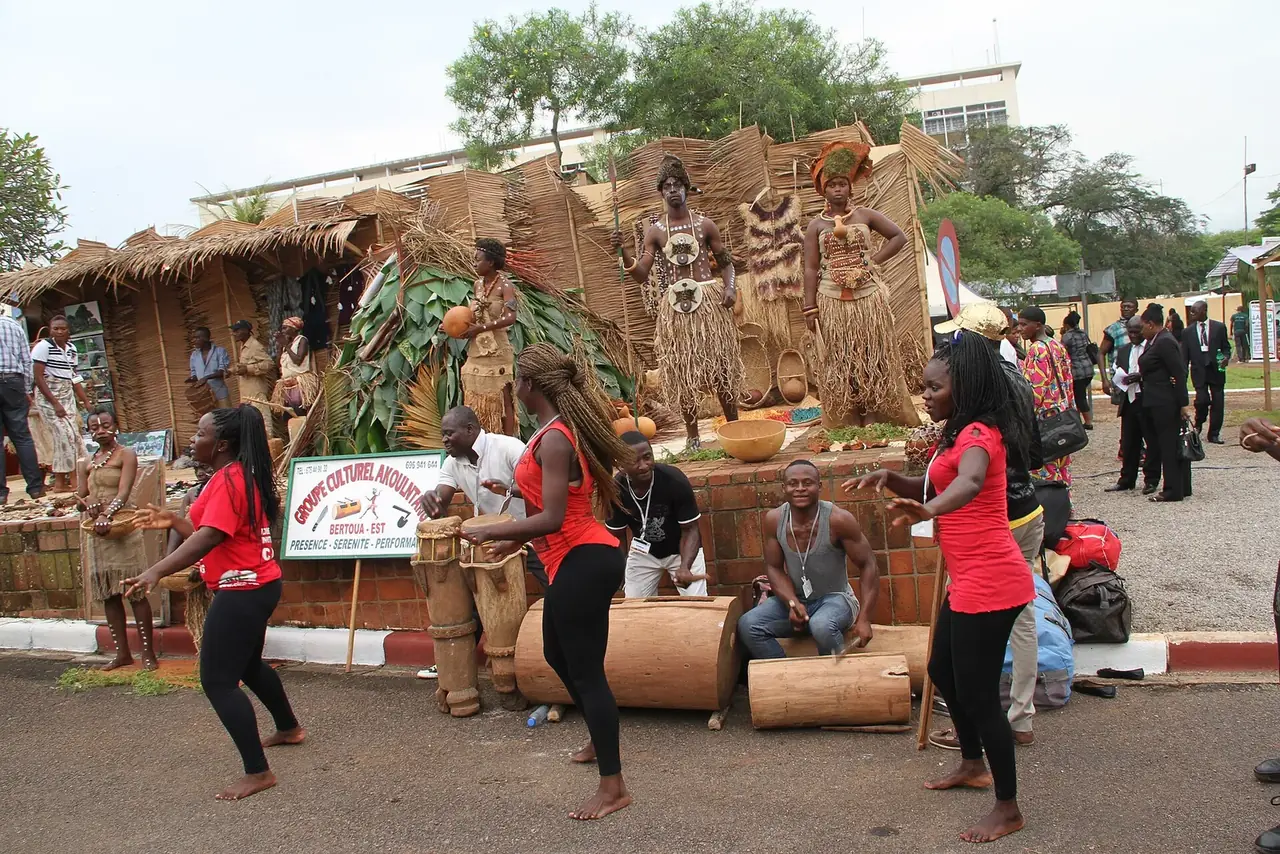
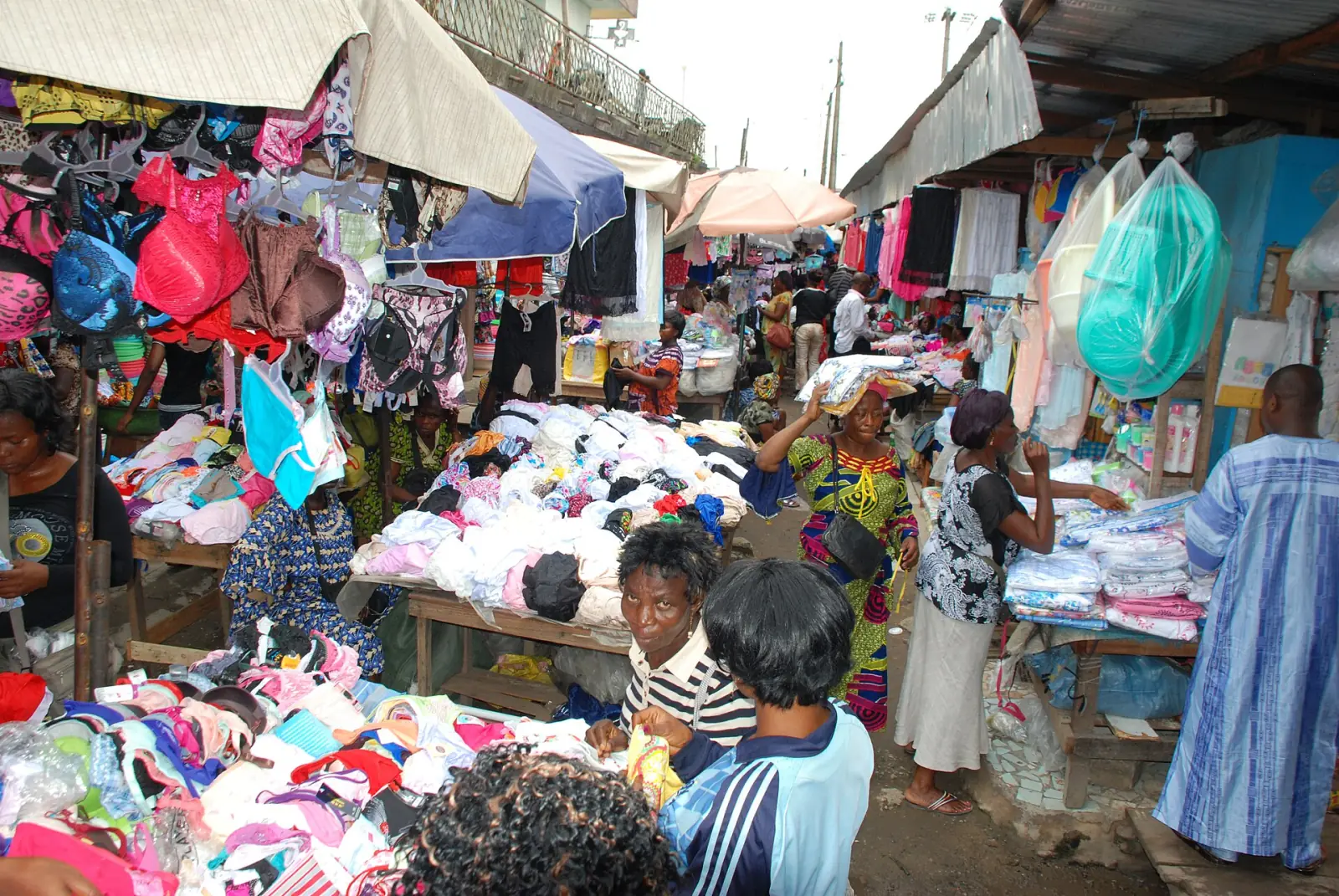
Drummers in embroidered dress in front of a craft stand at a fair

An international fair is both a showcase and a place of negotiation. The music producer meets programmers there, the filmmaker meets distributors and co-production funds, the publisher meets rights agents, the fashion designer meets buyers, the craftsperson meets importers. Each year, Cameroon is present at around a dozen professional events, either on a national stand or within sector delegations.

The main types of fair

  • Music and live performance markets: showcases, exchange forums, meetings with programmers;
  • Film and audiovisual markets: co-production, programme sales, project pitches;
  • Book fairs: rights sales, translations, co-publishing;
  • Fashion, design and crafts fairs: collections, objects, orders;
  • Video game and digital meetings.

Getting ready

Taking part in a fair needs to be prepared several months in advance: defining a target, putting together a catalogue or press kit, translating materials, budgeting for travel, scheduling appointments, checking the rights on your works. The Ministry can support participation through a collective stand, travel assistance or partial coverage of freight via the support fund.

The calendar of fairs appears in the cultural agenda; the national organisations are described in the fairs and trade shows and biennials pages.

ℹ️
A collective stand

Several professionals share a national stand: reduced costs, shared visibility, logistical support and organised appointments.

Cooperation

Missions abroad and cooperation audiences

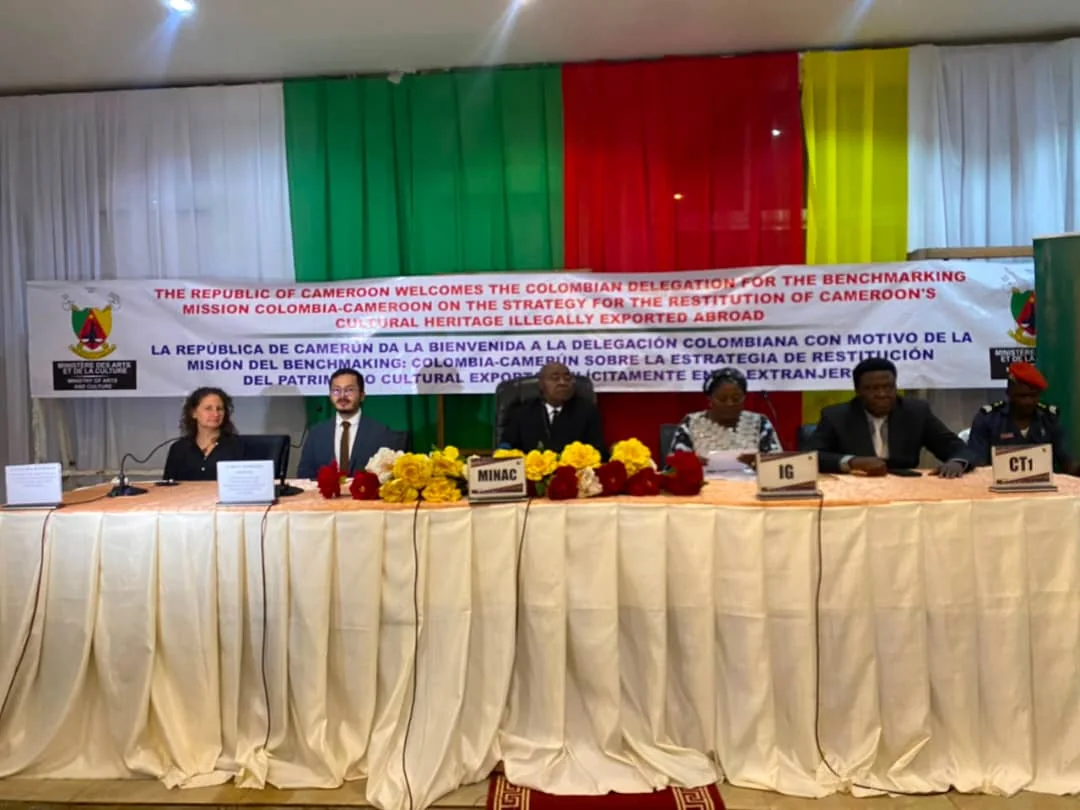
Colombian delegation welcomed by the Ministry on the restitution of cultural property

Cultural diplomacy relies on regular meetings between the Minister, ambassadors and international organisations, and on delegation missions abroad. In 2026, audiences brought the Ministry together with representatives of Morocco, Japan, Equatorial Guinea, Colombia, India and China, as well as the IIPO, around very concrete projects.

Topics of discussion

  • Morocco: exchange of expertise, twinning of cultural venues, training;
  • Japan: cultural cooperation, scholarships, exchanges of artists and exhibitions;
  • Equatorial Guinea: regional cooperation in Central Africa, festivals, circulation of works;
  • Colombia: fight against illicit trafficking in cultural property and restitution, with a triangular co-financing model;
  • India: cinema, crafts, creative industries;
  • China: cultural events, youth exchanges, crafts and heritage;
  • IIPO: promotion of indigenous cultural heritage.
ℹ️
Join a delegation

Professionals who wish to take part in a mission write to the relevant directorate with a file presenting their activities and objectives.

Mobility

Artists’ visas and the circulation of works

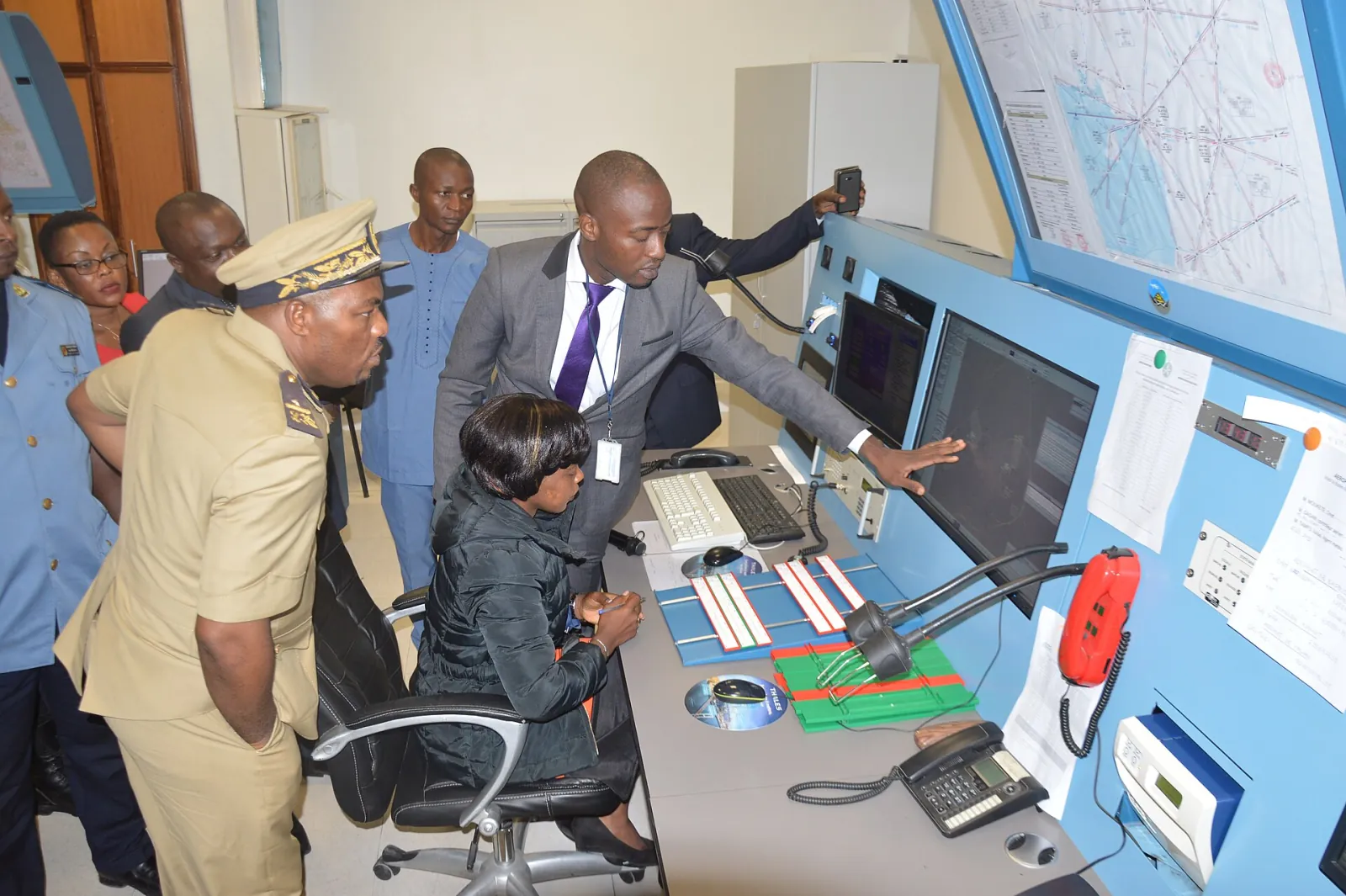
Officials visiting an airport control tower in Cameroon, watching air traffic controllers at their screens

Travelling to exhibit, perform, film or sign a contract requires papers in order. The issuing of visas is the responsibility of the competent authorities of the host country and consular services; the Ministry does not issue visas, but it can facilitate applications with certificates and letters of support.

What the Ministry can provide

  • A certificate confirming the status of artist or cultural professional, based on the artist card;
  • A letter of support stating the purpose, duration and organiser of the trip;
  • Advice on the documents to gather: invitation, contract, insurance, ticket, proof of resources.

Sending a work abroad

The export of works of art and cultural objects is subject to prior authorisation in order to protect heritage: see the procedure for exporting works of art. Listed properties or those forming part of the national heritage may leave the territory only within a specific framework (temporary exhibition, restoration). The temporary import of equipment, instruments and sets is subject to a customs declaration that should be planned in advance.

Good practice

Submit applications eight to twelve weeks before departure, keep copies of all contracts, arrange insurance for works and instruments and inform your regional delegation.

ℹ️
Plan ahead

Start the visa procedures as soon as you receive the invitation: processing times vary by country and season.

Alliances

Export partners: organisations, embassies, networks

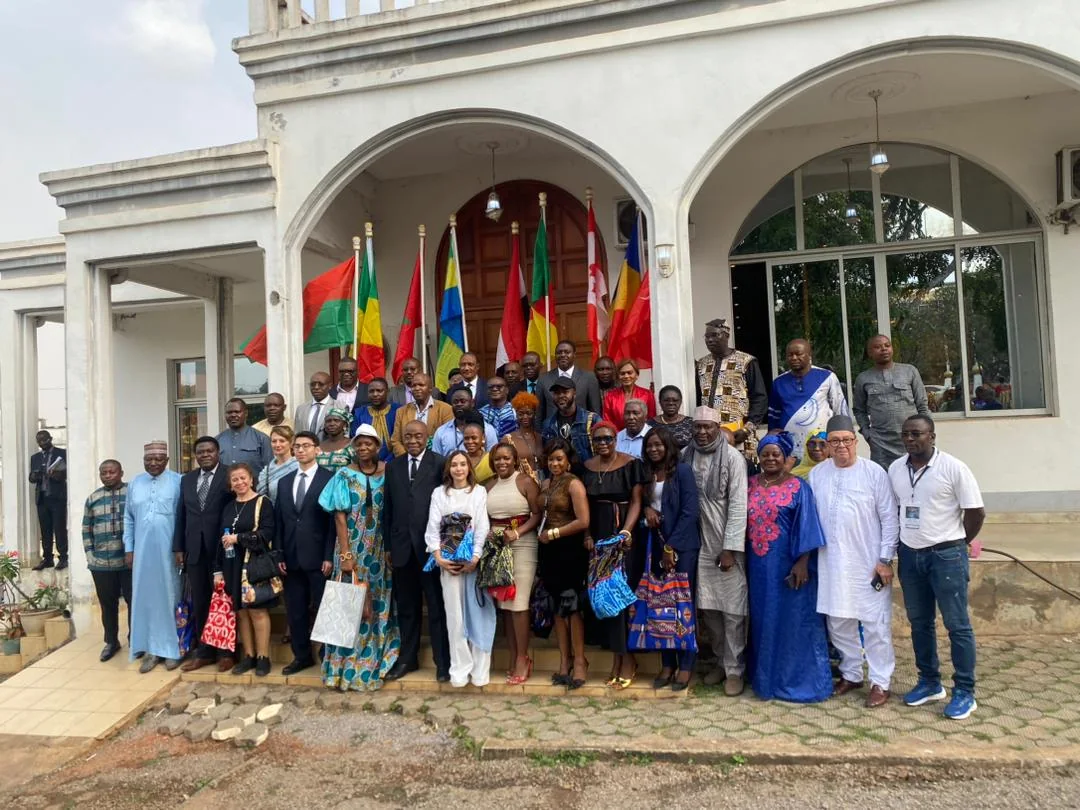
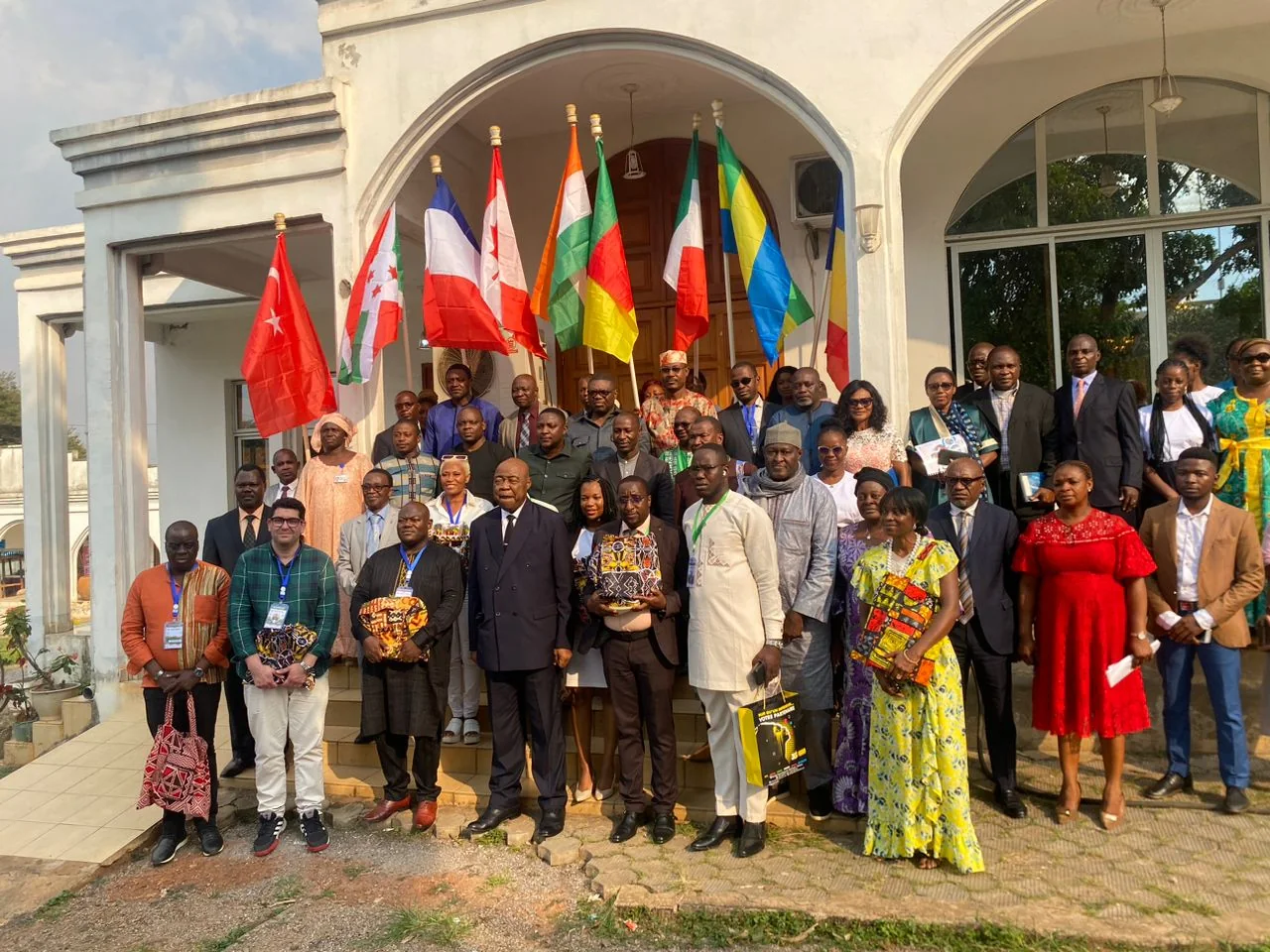
Participants in an international meeting in front of the flags, on the Ministry steps

No artist conquers foreign markets alone. A network of partners supports professionals: international organisations (UNESCO, OMPI), regional organisations (OAPI, Central African bodies), foreign embassies and cultural centres, export agencies, sector federations, festival networks, chambers of commerce and donors.

ℹ️
A guidance desk

To find out which partner to approach for your project, contact the relevant directorate: it will direct you and prepare the file with you.

Content

Exporting music, films, books and creations

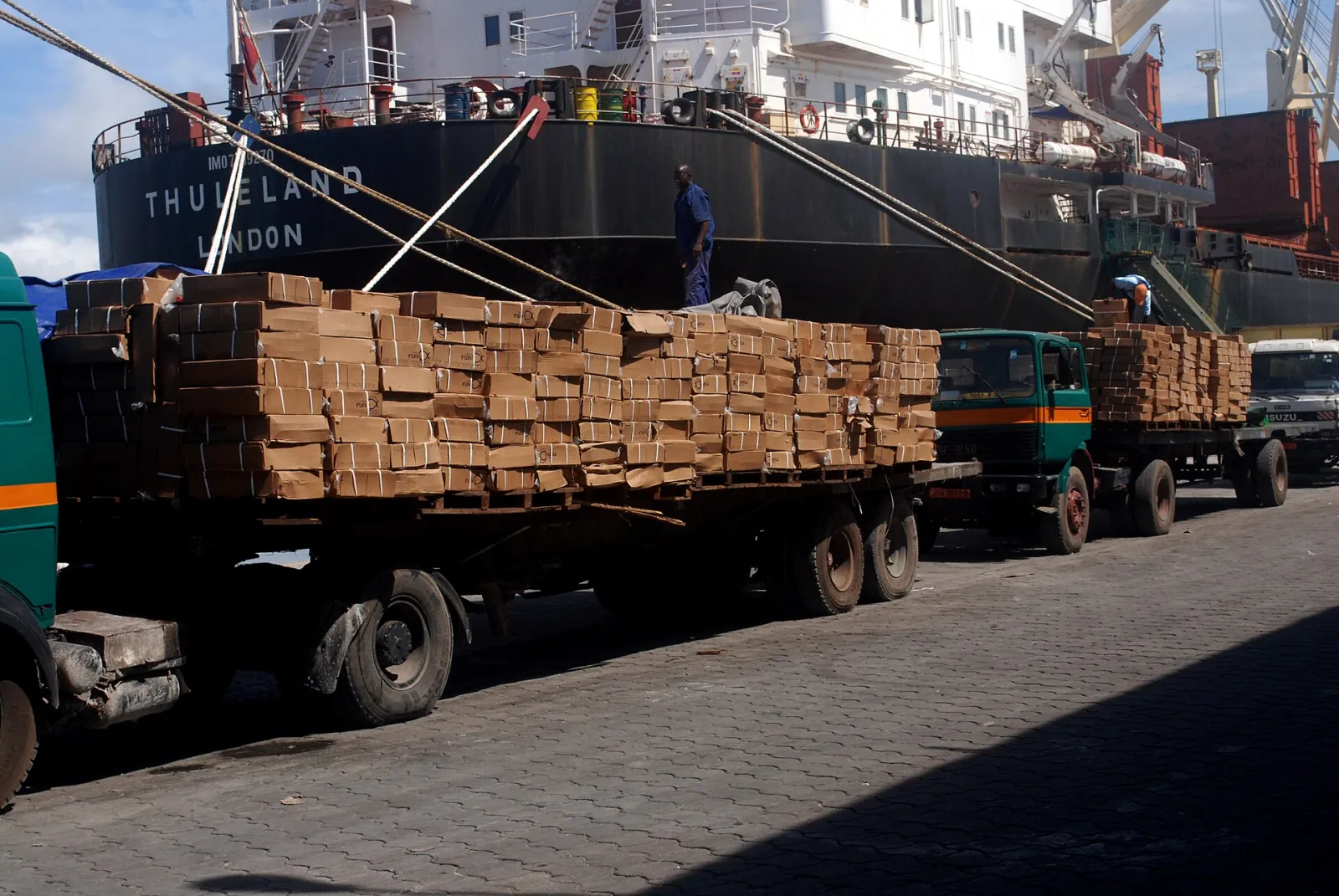
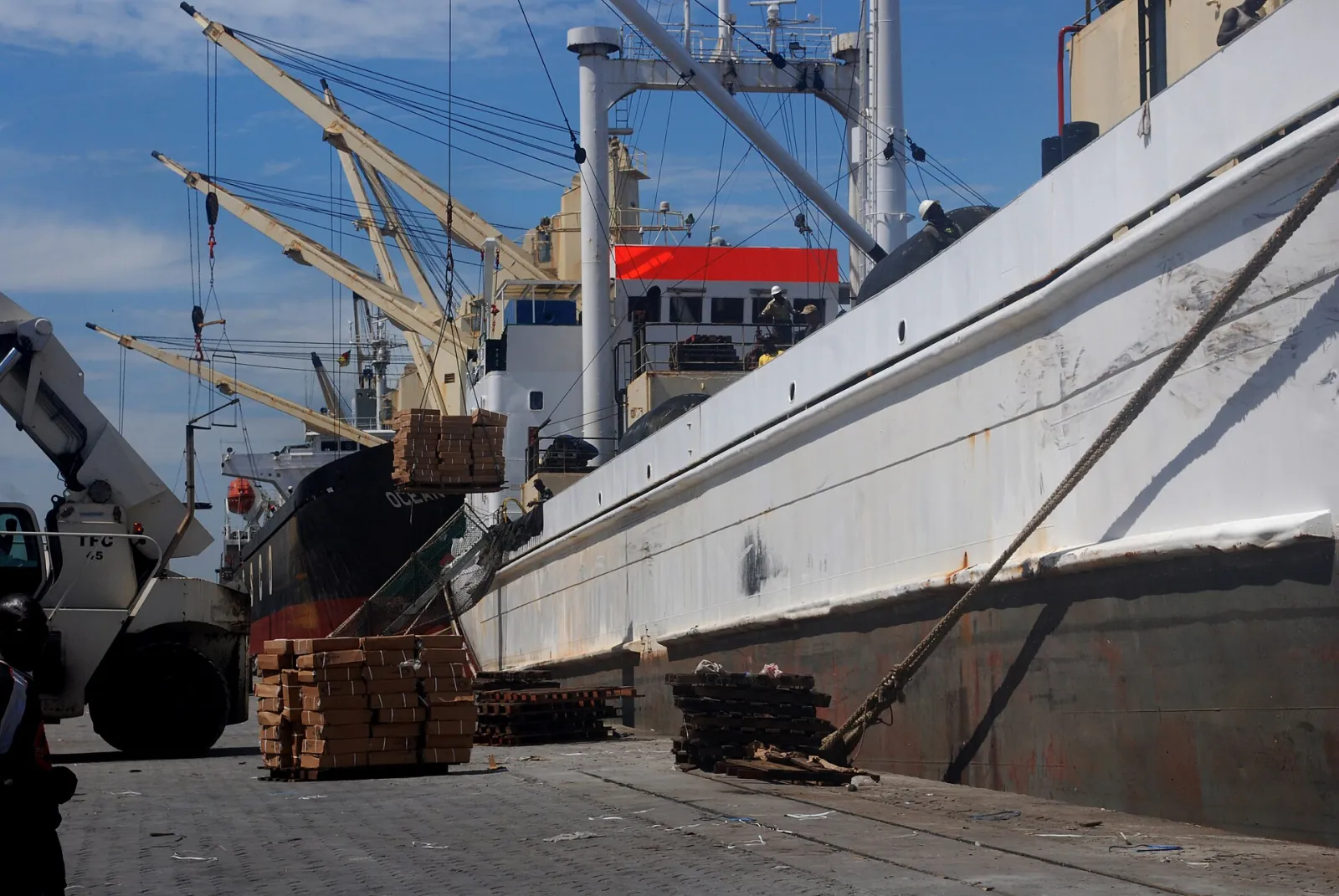
Lorries loaded with sawn timber beside a cargo ship at the port of Douala

Each sector has its own routes. Music is exported through tours, platforms and licences; cinema through festivals, international sales and co-production; books through rights sales and fairs; fashion and crafts through orders, online shops and fairs. Advice by sector is found in music and recording, cinema, publishing and books and fashion and creativity.

Data

Measuring cultural outreach

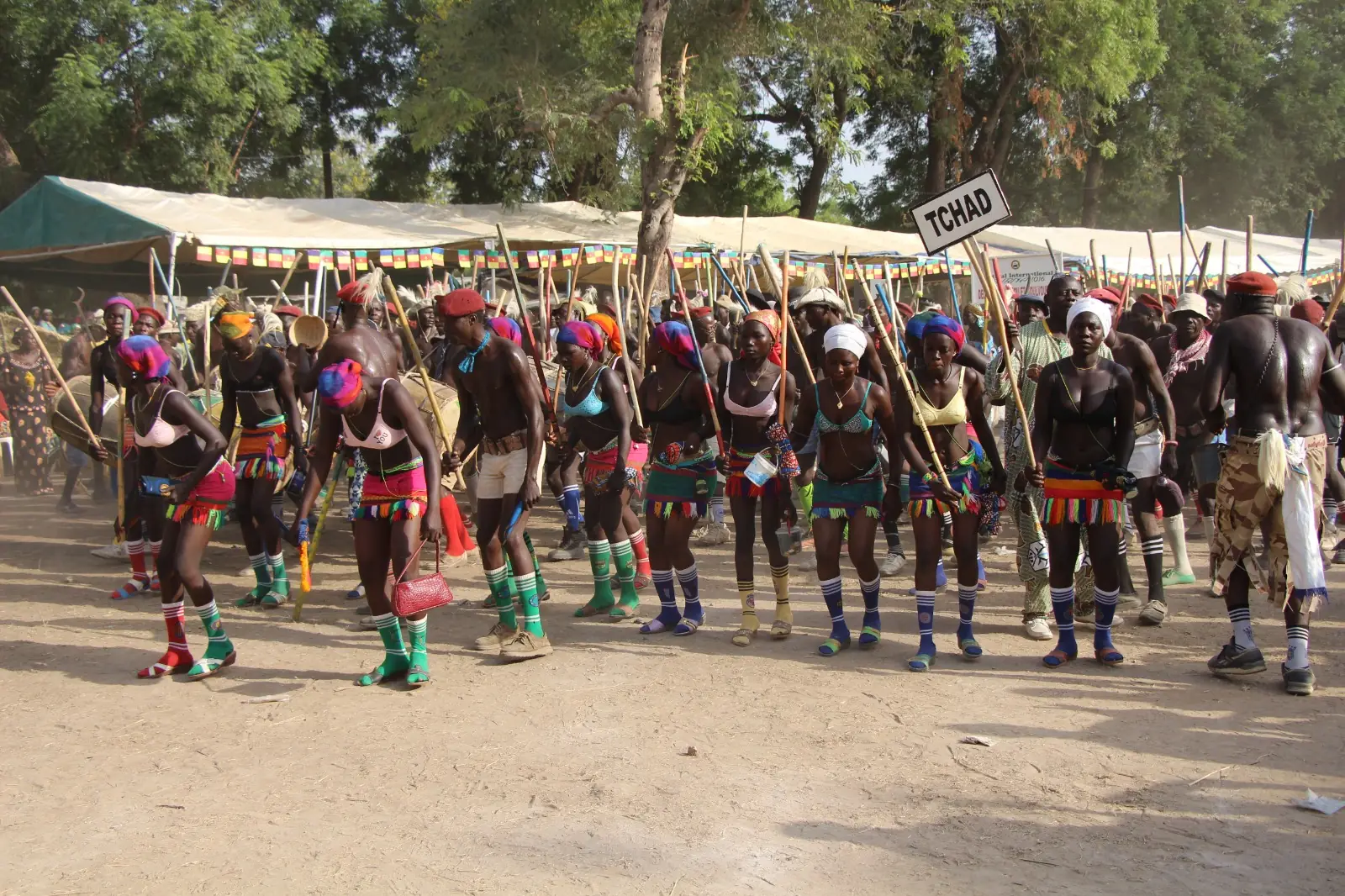
Dancers in front of a craft stand at a festival

Outreach can be measured: number of contracts signed abroad, tours carried out, works sold, presence in festivals, mobility scholarships awarded. These indicators are consolidated with the sector statistics and discussed in the studies and reports, in order to evaluate the effects of the NDS30 strategy on the opening of markets.

An annual review summarises the fairs attended, missions accomplished, agreements signed and artists supported, region by region. It makes it possible to identify the sectors that are progressing, such as music and crafts, and those that need stronger support. Professionals are invited to submit their results after each trip, via their regional delegation.

Step by step

Preparing an international presence

Choose your market

Identify the country, audience and fair best suited to your work, drawing on studies and sector advice.

Protecting your creations

Declare your works, register your trademarks and secure your contracts before any presentation abroad.

Prepare the file

Gather your catalogue, video showreel, biography, translated materials and references, then request the Ministry’s support.

Sort out logistics

Gather visas, insurance, freight, export authorisations and agreements with the organisers.

Present and negotiate

Attend every appointment, take notes and obtain written commitments with deadlines.

Building on the experience

Write a report, follow up contacts within two weeks and share the lessons with your professional network.

Key facts

The export steps in a table

StageProcedureContact pointRecommended lead time
PreparationFile, contracts, translation of materialsRelevant directorate, federation3 to 6 months before
ProtectionDeclaration of work, trademark registrationCollective management body, OAPI2 to 4 months before
AuthorisationExport of works of art and cultural objectsMinistry, One-Stop Shop2 to 3 months before
MobilityVisa, insurance, artist certificateConsulate, Ministry8 to 12 weeks before
LogisticsTransport, customs, temporary importFreight forwarder, customs1 to 2 months before
PresentationStand, showcase, screening, appointmentsFair organiserDuring the event
TrackingReport, follow-ups, contractsProfessional, MinistryWithin 15 days after
Journey

Growing outreach

1960sFirst tours

The national ballets and ensembles present the country’s culture on foreign stages.

1990sCinema and music

Cameroonian films and artists are winning their place in festivals and music markets.

2010sCreative industries

Fashion, craft and digital creators are exploring new markets, particularly in Africa.

2026Cycle of audiences

Morocco, Japan, Equatorial Guinea, Colombia, India, China and the IIPO are received at the Ministry around concrete projects.

Horizon 2030NDS30

The national strategy opens new local, national, regional and international markets to the creative industries.

To explore

Outreach in other sections

“Seeking and developing new markets at local, national, regional and international level: this is the ambition that the NDS30 sets for the cultural and creative industries.”

National Development Strategy 2030
Journey

Voices from abroad

“
Our first collective stand brought us three distribution contracts; on our own, we would never have obtained those meetings.
A music producer
Littoral
“
The Ministry’s certificate simplified my visa application: the consulate understood the nature of the trip straight away.
An actor
Centre
“
Thanks to the prior declaration of my works, the sale of rights to a foreign publisher was negotiated without dispute.
A novelist
West
“
Cooperation with a partner country allowed my apprentices to spend a month in a weaving workshop abroad.
A master weaver
North-West
To act

Export support

Export a work

Submit online the application for authorisation to export works of art, with photographs, certificate of authenticity and precise destination.

Apply

Support funds

Request support for your travel, freight, stand or the translation of your promotional materials.

See the fund

Artist card

Have your professional status recognised to support your visa applications and your contracts abroad.

Apply
To download

Export resources

Glossary

The words of cultural export

Outreach

A country’s influence abroad through its culture, artists and works.

NDS30

National development strategy to 2030, the framework for the country’s economic policy.

OAPI

African Intellectual Property Organisation, responsible in particular for trademarks.

OMPI

World Intellectual Property Organisation, a United Nations agency.

UNESCO

United Nations Educational, Scientific and Cultural Organisation.

IIPO

International Indigenous Peoples Organisation, partner for indigenous heritage.

Showcase

Short stage performance intended to convince programmers.

Co-production

Production of a work financed and carried out by several partners.

Assignment of rights

Contract by which an author authorises a third party to exploit their work.

Temporary admission

Customs regime allowing goods to be brought in without paying duties, then re-exported.

Audience

Official meeting between the Minister and a representative of a country or organisation.

On the site

Avenues to go further

Resources

Useful links for outreach

Stakeholders

Who supports outreach?

Questions

Your questions about export and outreach

Can I export a work of art from Cameroon?

Yes, with prior authorisation. The application is made online and includes photographs of the work, its description, the name of the artist, the destination and the length of stay. Listed properties are exported only within a strict temporary framework.

Does the Ministry issue visas to artists?

No, visas are the responsibility of the authorities of the host country and consular services. The Ministry can provide a certificate of artist status and a letter of support specifying the purpose and duration of the trip.

How do I take part in an international fair?

Find the fair in the agenda, put together a presentation file, then ask the Ministry or your federation to join a collective stand. Allow three to six months for preparation.

Which countries cooperate with the Ministry?

In 2026, exchanges took place with Morocco, Japan, Equatorial Guinea, Colombia, India and China, as well as with the IIPO. Each of these partnerships opens up prospects for training, the circulation of works and co-production.

What role does the NDS30 play?

The national development strategy to 2030 makes the cultural and creative industries a lever for growth. It provides for developing new local, national, regional and international markets for creators.

Are my trademarks protected abroad?

Registering a trademark with the OAPI is valid in the member States of the organisation. For other countries, you must file separately or use the international procedures managed by the OMPI.

Is there assistance with transport and freight?

Yes, the support fund and certain partners may cover part of the travel, freight or translation costs. The application must be submitted before departure, with quotes and a forecast budget.

How do I join a cooperation mission?

Write to the relevant directorate with a presentation of your activity, your objectives and the target country. Delegations are composed according to the theme of the mission and the merit of the application.

Contact

Talk about your project internationally

State your sector, the target country and the timetable: your message is forwarded to the relevant directorate.

Competent directorate

Contact the Minister’s Office and cooperation

Address

Minister’s Office (Cabinet) – Cooperation and International Relations
Ministry of Arts and Culture
Quartier du Lac – Ministerial Zone
P.O. Box 1053 Yaoundé, Centre Region, Cameroon

Reach us

+237 6 51 70 58 41

contact@minac.gov.cm

Opening hours

Monday to Friday, 8 am to 4 pm

A work to send abroad?

Submit your export authorisation application online and track it with your file number.

Request an authorisation
WhatsApp