Coat of arms of CameroonMinistry of Arts
and Culture
Republic of Cameroon
My procedures
Home
Minister’s message
News
Press releases
Cultural calendar
Official speeches
Press review
Photo library
Video library
Calls for projects
Job vacancies
Public procurement
Newsletter
Frequently asked questions
Site map
Contact
Press area
Podcast “The Voice of Culture”
Legal notices
Privacy policy
Cookies and trackers
The Ministry
Missions and responsibilities
Organisation
Organisation chart
Minister’s Office (Cabinet)
Management team
General Secretariat
General Inspectorate
Central directorates
Regional Delegations
Institutions under supervision
Legislative texts
Regulatory texts
Sector strategy
Major projects
Budget and reports
Partners
Careers
Archives
Institutional communication
Quality and accessibility
Arts
Visual and plastic arts
Visual arts
Performing arts
Theatre
Dance
Music
Literature and books
Cinema and audiovisual
Photography
Fashion and design
Digital arts
Art crafts
Artists’ directory
Residencies
Prizes and awards
Arts education
Urban arts
Heritage
Tangible heritage
Intangible heritage
UNESCO sites
National museums
Listed monuments
National inventory
Palaces and chiefdoms
Archaeology
Linguistic heritage
Oral traditions
Traditional know-how
Restitution of cultural property
Fight against illicit trafficking
Listing and protection
Conservation and restoration
Heritage Days
Cultural landscapes
Industries
Music and recording
Cinema
Publishing and books
Digital arts
Fashion and creativity
Crafts
Cultural tourism
Funding for culture
Support funds
Incubators
Cultural entrepreneurship
Culture Observatory
Vocational training
Studies and reports
Sector statistics
Export and outreach
Intellectual property
Copyright
Legal framework
Copyright and neighbouring rights
Collective management societies
Register a work
Licences
Private copying
Fight against piracy
Model contracts
Social status of artists
Mediation
Disputes
Training
Fee scales
Register of works
Contact
Digital neighbouring rights
Public domain
Festivals
National calendar
Ngondo
Nguon
Écrans Noirs
Heritage Days
Music Day
Regional festivals
Fairs and exhibitions
Biennials
National competitions
Cultural days
Organise a festival
Event grants
Ticketing
Archives
Volunteering
Diaspora festivals
Regions
Adamawa
Centre
East
Far North
Littoral
North
North-West
West
South
South-West
Cultural map
Regional Delegations
Traditional chiefdoms
National languages
Cultural routes
Decentralised cooperation
Regional observatory
Cooperation
UNESCO
Francophonie (OIF)
African Union
Commonwealth
CEMAC
Bilateral cooperation
Cultural agreements
Professional organisations
Scholarships
Artist exchanges
Cultural years
Diaspora
Funded projects
Embassies
Technical partners
International restitution
International monitoring and calls
Services
Artist card
Show authorisation
Filming authorisation
Festival authorisation
Deposit of a work
Export of works of art
Listing of a property
Grant application
Association accreditation
File tracking
Forms
Fees
Opening hours and addresses
Reporting
Online help
My account
One-Stop Shop
Heritage

Conservation and restoration

Preventive conservation, curative restoration, worksites, workshops, restorer training and support: how to preserve the property of Cameroonian cultural heritage over the long term.

Updated on 6 November 20264 sub-pages
Types of intervention2
Authorisation for a listed propertyMandatory
Training institutionINAC
Temporary seizure of a movable property6 months max.
Preserve

Conserving for tomorrow

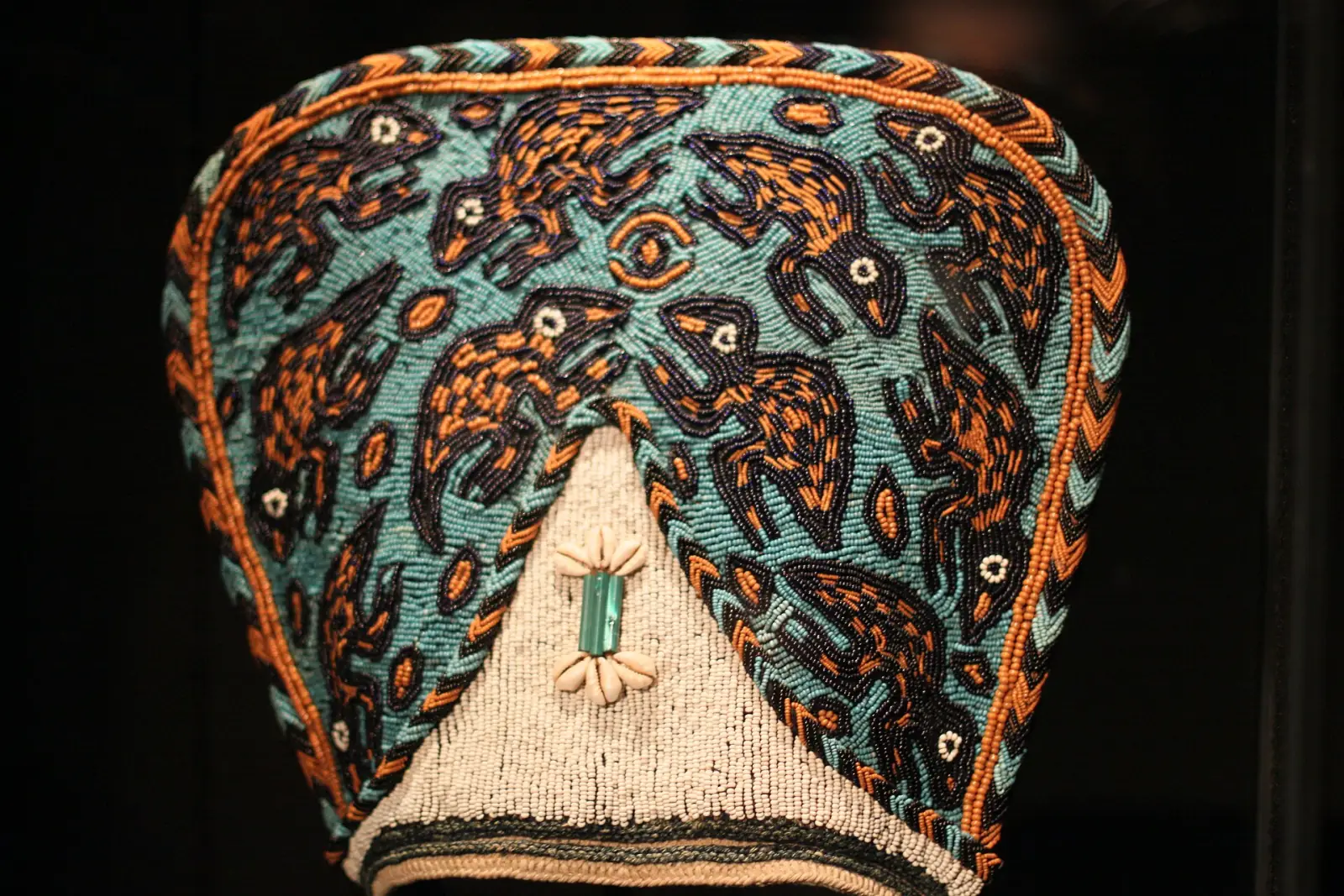
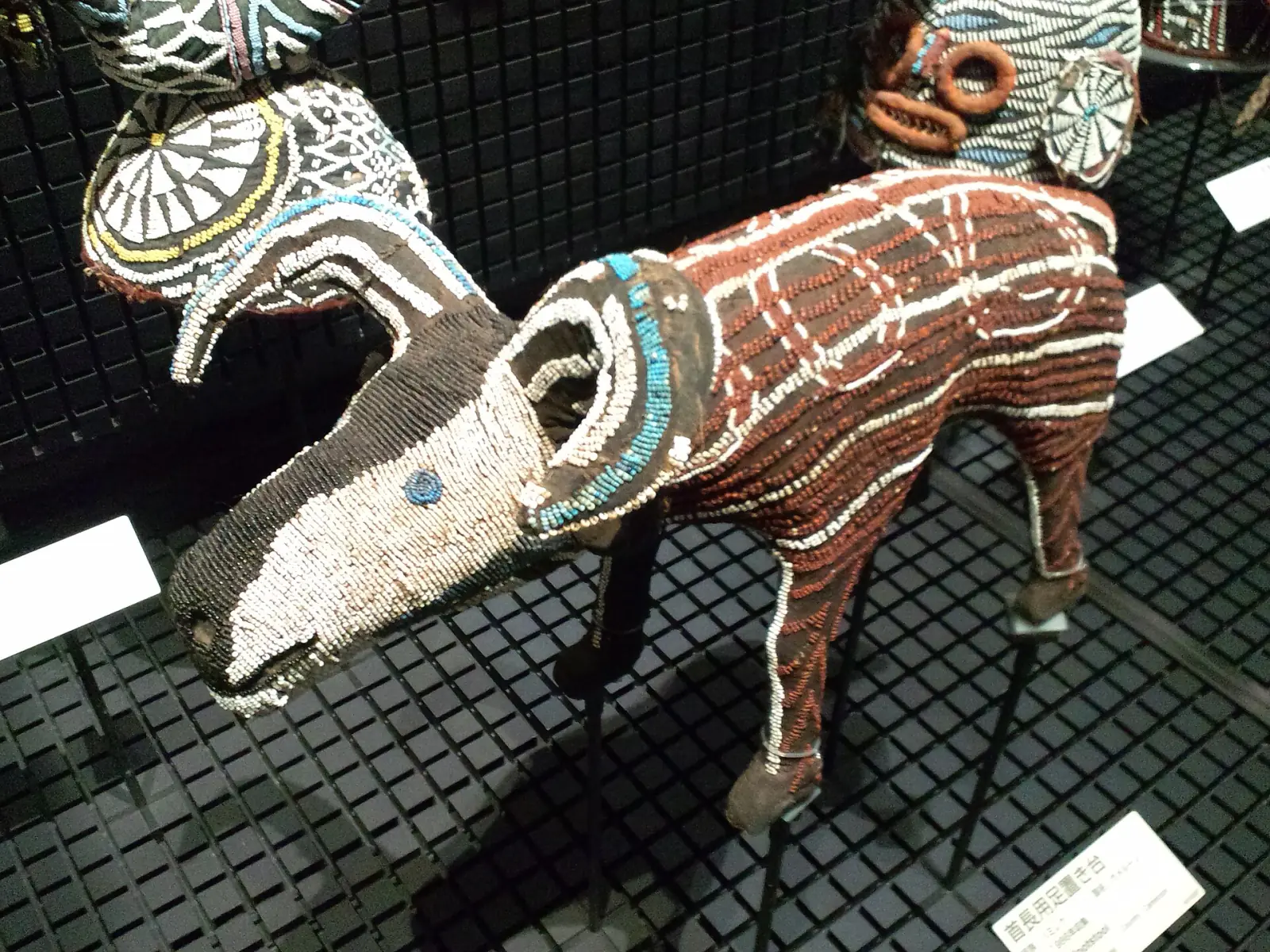
Beaded cap with orange reptile motifs on a turquoise ground, in a display case

Law No. 2013/003 distinguishes two families of intervention. Preventive conservation creates the optimal conditions for the preservation of cultural property, so that it is sheltered from deterioration caused by nature as well as by human action. Restoration, or curative conservation, removes later additions and replaces them with better materials in order to reconstitute the original state of the object, while guaranteeing its integrity.

This page describes how these principles are applied in the field: worksites run with the directorates concerned, restoration workshops, training of curators and restorers, and support offered to owners. It is intended for museum managers, traditional chiefs, elected officials, private owners and students of heritage professions.

  • Preventing deterioration before it occurs
  • Restoring with suitable, reversible materials
  • Training professionals and supporting owners
See the worksites
Worksites

The conservation and restoration worksites

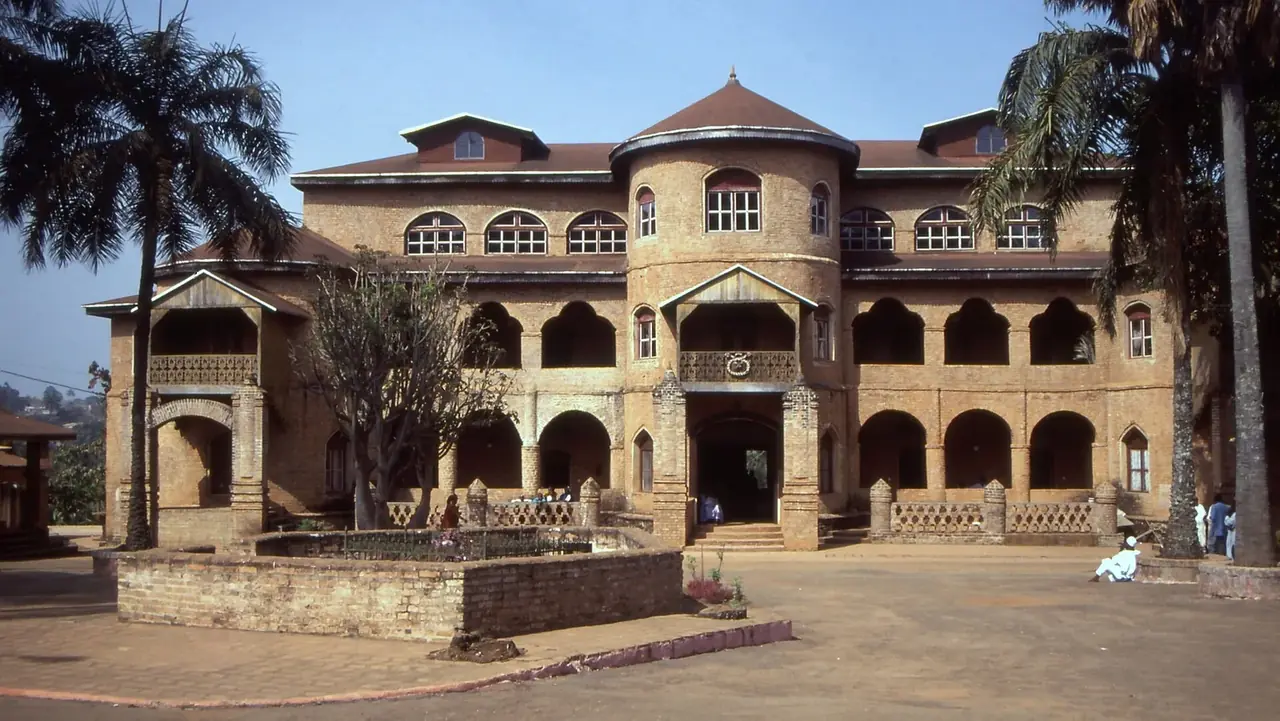
Foumban sultans’ palace seen from the front

A heritage worksite is not improvised. It is planned with the Directorate of Cultural Heritage, the regional delegations, the museums concerned and, in the case of a listed immovable property, after authorisation from the Minister in charge of heritage, in collaboration with the competent administrations. The Ministry includes the most important ones among its major projects.

The main types of worksite

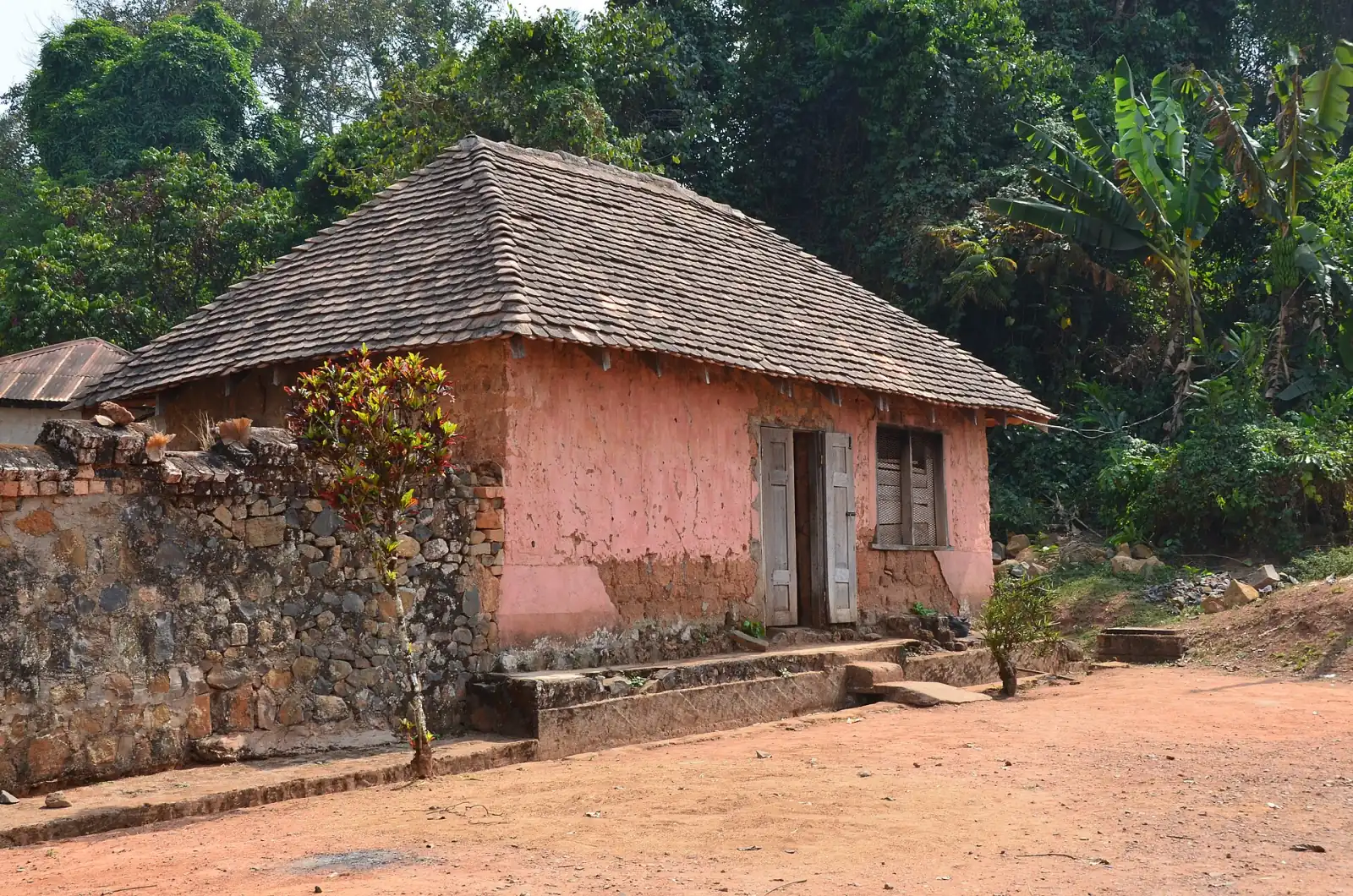
  • Earth and wood architecture: huts, palaces, enclosure walls, thatched roofs, with repair of plasterwork and roof frames;
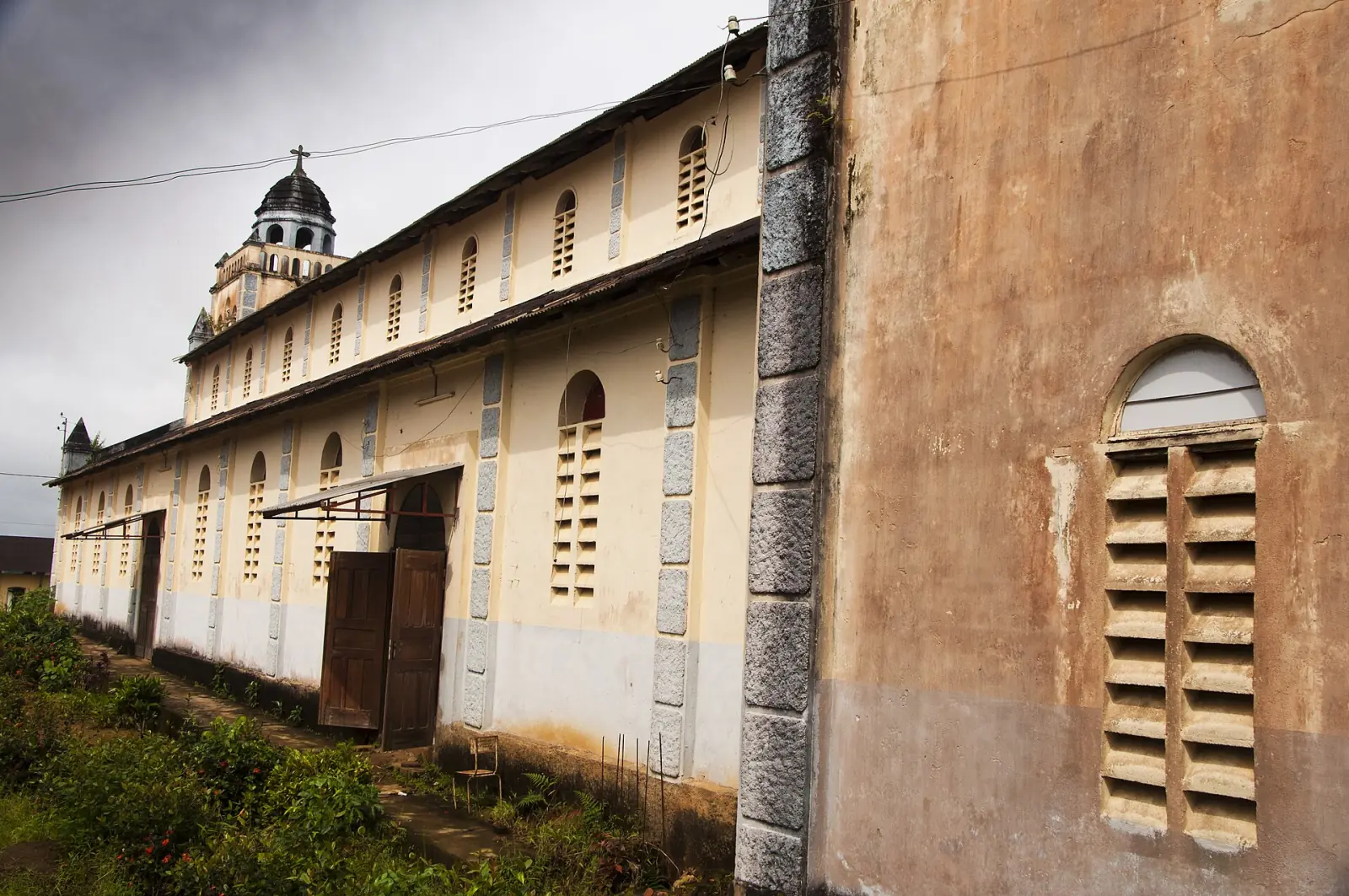
  • Brick and stone architecture: 20th-century administrative and religious buildings, façades, joinery, roofs;
  • Museum collections: sculptures, masks, textiles, instruments, metal objects;
  • Heritage documents: registers, plans, photographs and archive collections;
  • Archaeological sites: consolidation of trenches, shelters, protection against erosion.

How a worksite proceeds

Each operation begins with a diagnosis and complete documentation of the property, continues with a project approved by the competent directorate, then the works, followed by an illustrated report. The administration may also have the work it considers necessary for the safeguarding of a listed immovable property carried out ex officio, at the State’s expense and after notifying the owner; for a listed movable property, a temporary seizure of up to six months may be ordered in order to carry out maintenance work. For sites that are already protected, see listed monuments and palaces and chiefdoms.

ℹ️
Before any worksite

On a listed property, no restoration is carried out without the Minister’s authorisation. Write to the directorate with a description of the work and photographs of the current condition.

Workshops

The restoration and conservation workshops

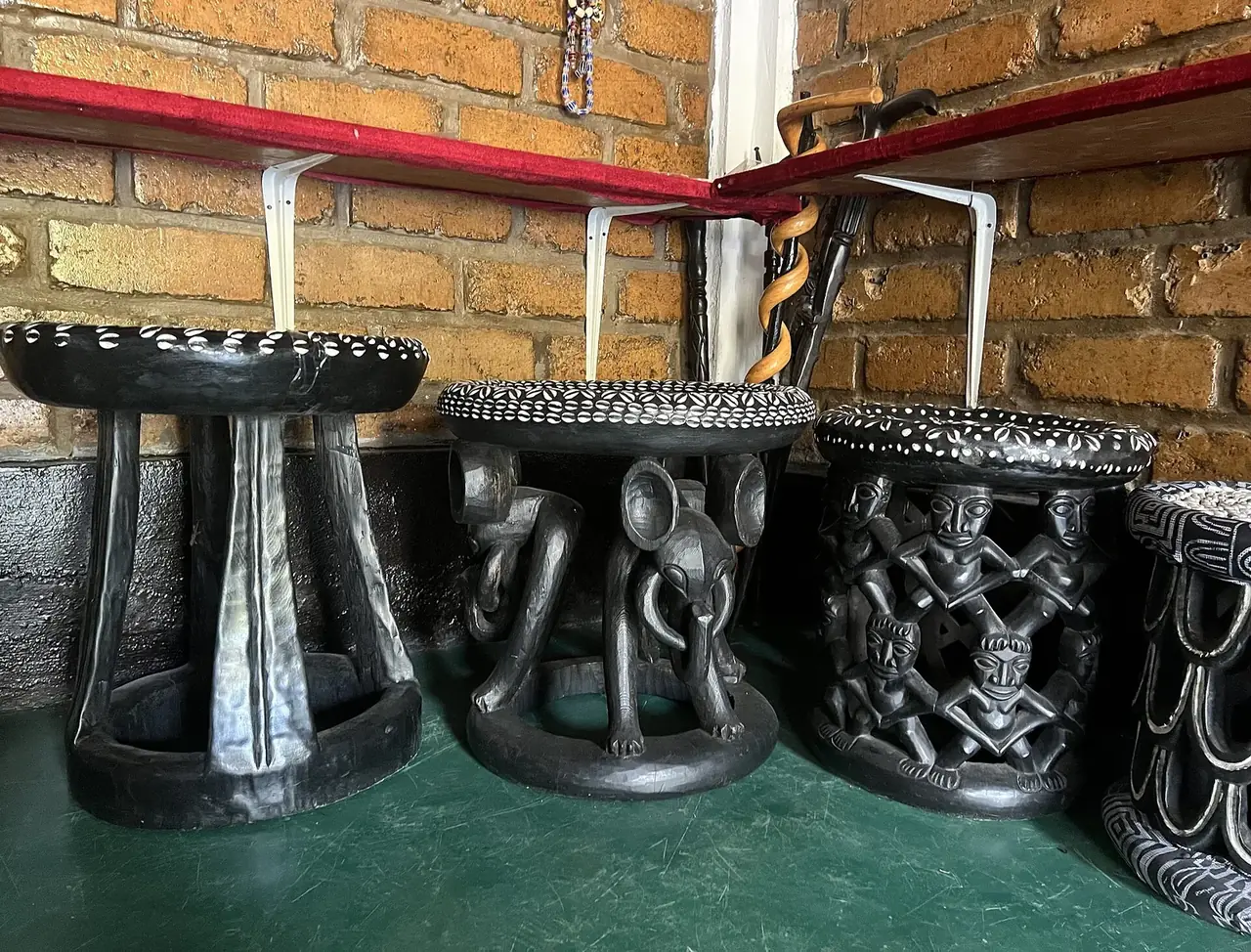
Carved stools displayed in an art workshop

Workshops are where objects are cared for. They operate within museums, archive services and some regional delegations, and sometimes host interventions by invited specialists. Their calendar is published in the cultural agenda.

What types of workshop?

There are workshops for restoring wooden objects (masks, statues, chiefs’ stools), textile and basketry workshops, metal workshops (bronzes, forged objects), paper and photography workshops, and workshops for ceramics and archaeological items. Each has a workbench, a storage area, a quarantine space for infested objects and a register in which every intervention is recorded.

Materials and techniques

  • Reversible adhesives and consolidants, tested before use;
  • Replacement wood selected from the same species as the original;
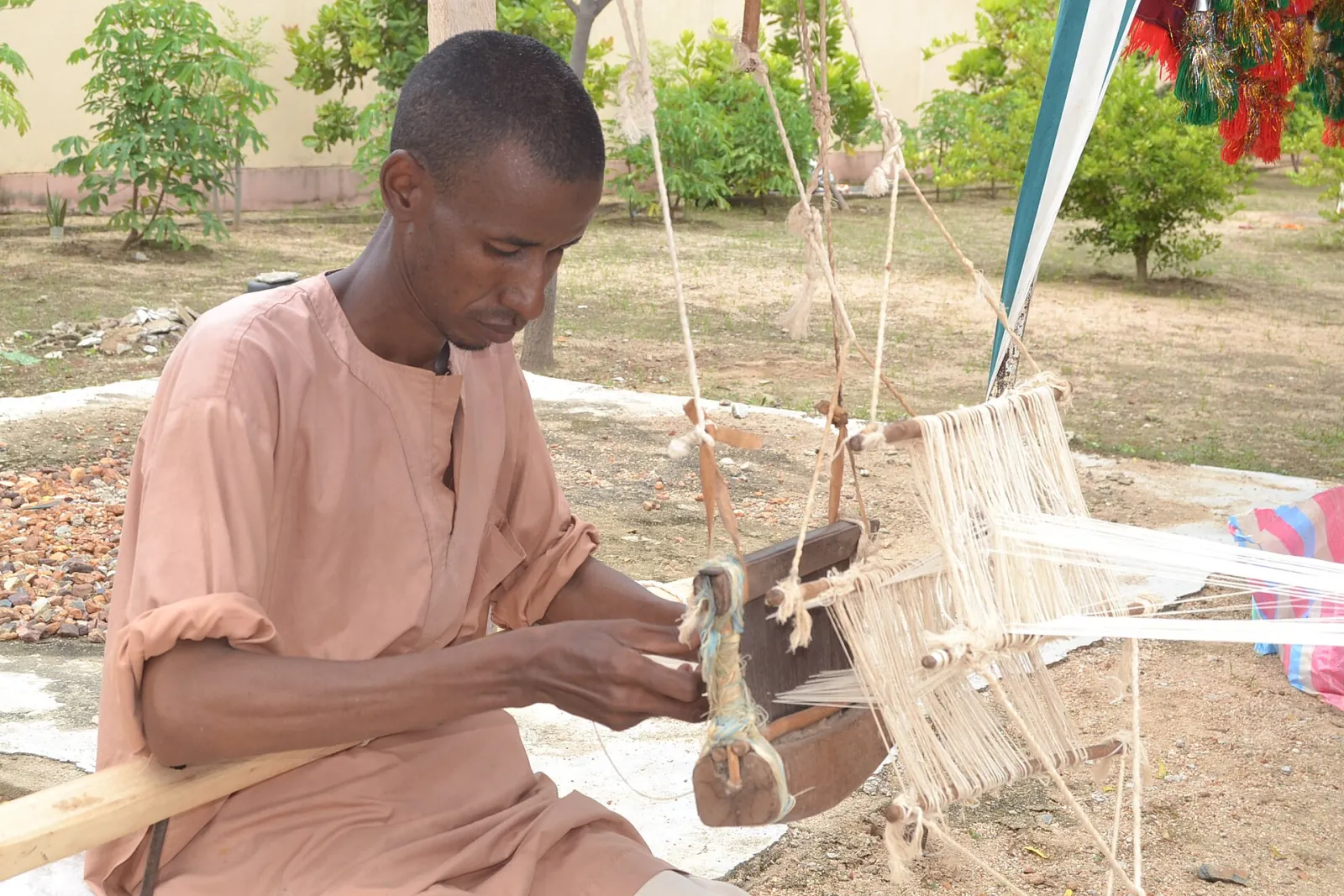
  • Plant fibres and natural pigments for textiles and decoration;
  • Gentle mechanical cleaning rather than chemical cleaning where possible;
  • Acid-free boxes, supports and labels for storage.

Open to communities

Technical presentation sessions are organised for chiefdom guardians, managers of small community museums and teachers. They form part of the policy of the national museums and, for know-how, are extended by the traditional know-how page.

ℹ️
Bringing an object

An owner who wishes to have an object examined can make an appointment with the regional delegation; the officer directs them to the appropriate workshop.

Training

Training in conservation professions

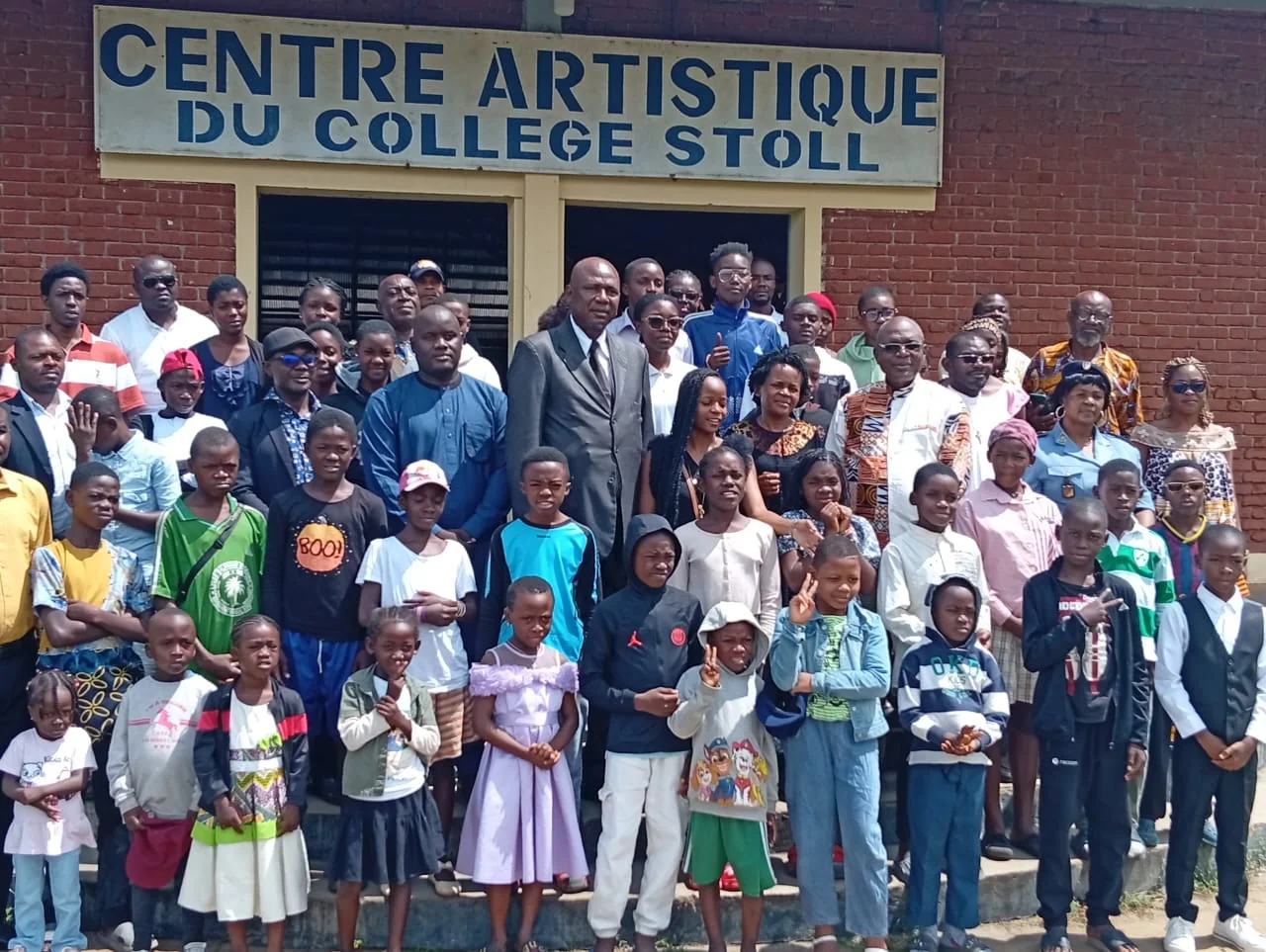
Pupils and staff posing in front of the entrance of the Stoll College arts centre

Conserving and restoring are professions that require years of learning. Conservation professions are trained in specialised institutions, foremost among them the National Institute of Arts and Culture (INAC), whose phase 2 of construction is among the Ministry’s major projects. Other courses are offered by universities, schools of architecture and cooperation programmes.

Profiles sought

  • Curator: manages a collection, decides priorities and exhibition policy;
  • Restorer: treats objects, most often by specialism (wood, textile, metal, paper);
  • Preventive conservation technician: monitors climate, light and pests;
  • Heritage architect and craftsperson in historic buildings: leads worksites on immovable property;
  • Registrar: organises transport and loans.

Training step by step

The typical path combines theoretical teaching in art history, archaeology and materials chemistry, placements in a museum workshop and fieldwork. Scholarships make it possible to complete training abroad, and the transmission workshops of master craftspeople are described in the vocational training section. Young people discovering these professions can also come through arts education.

ℹ️
Training

Internship and job offers in museums and heritage services are published in the Ministry’s job vacancies section.

Support schemes

Support for owners and managers

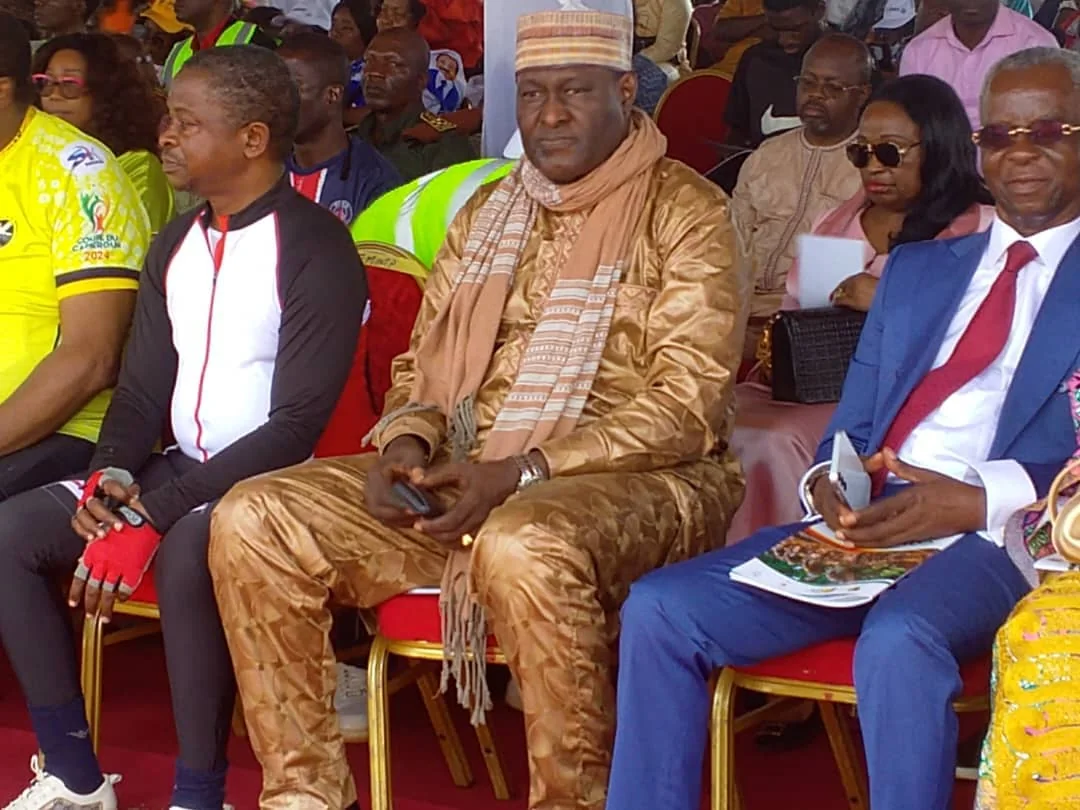
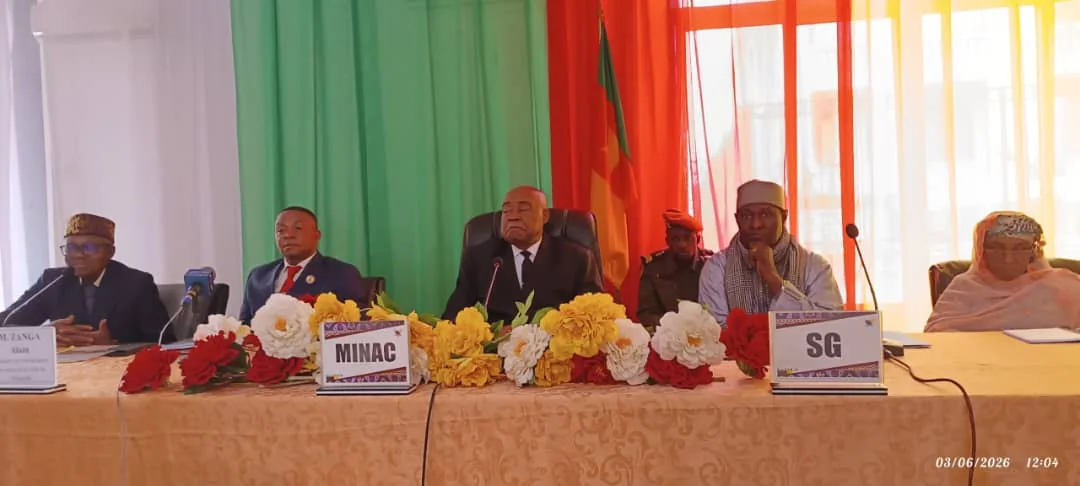
Guests and officials seated during an official ceremony

Maintaining a heritage property is a burden, particularly for communities without regular resources. The Ministry offers subsidies and technical support to owners, depending on available funds and the heritage interest of the property. The application is made using the grant form, enclosing the quotation and the diagnosis.

Benefits provided for by law

Promoters of cultural heritage goods and services who operate in accordance with the law benefit from two tax benefits: free registration in the inventory and exemption from property tax. Communities whose heritage is listed also receive assistance in information, education, training and promotion.

Practical support

  • Free expertise from a regional delegation officer for an initial diagnosis;
  • Loan of measuring and preventive conservation equipment to small museums;
  • Help in drafting the specifications for a worksite;
  • Guidance towards support funds and patronage;
  • Connection with qualified craftspeople and partners in decentralised cooperation.
ℹ️
Fee scales

Amounts do not appear in the procedures: consult the fees page for scales, exemptions and payment methods.

Prevention

Everyday preventive conservation

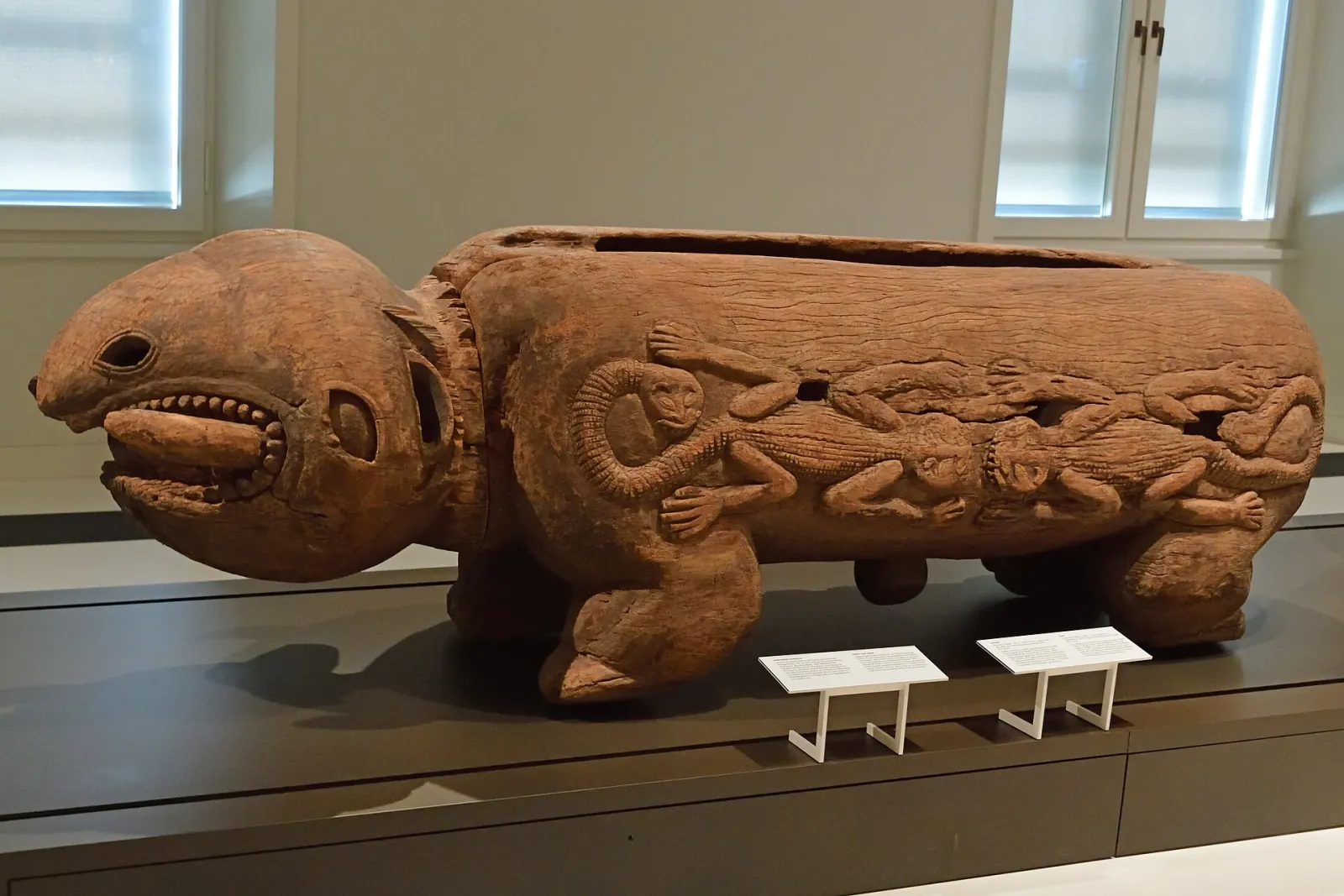
Large trough drum shaped like an animal and carved with figures, displayed in a museum

Five simple rules prevent most damage: control humidity, limit light, fight insects and mould, handle with care and plan for risks. In a country with a hot, humid climate in the South and a very dry one in the North, each region calls for different responses.

Depending on the climate

In the forest and on the coast, humidity, which encourages mould and termites, is monitored; in the savannah and the Sahel, it is dust and temperature variations that damage textiles and paintings. Storerooms are ventilated, objects raised off the floor and crates lined with neutral paper.

Depending on the type of property

  • Wood: regular inspection for insects, localised treatment;
  • Textile: protection from direct light, flat storage;
  • Metal: dry storage, light greasing;
  • Paper and photographs: neutral sleeves, digitisation as a security copy;
  • Architecture: maintenance of roofs and drains, repair of plasterwork before the rainy season.

The same principles apply to the collections in the archives section and to objects in archaeology.

Restoration

Restoring without betraying the property

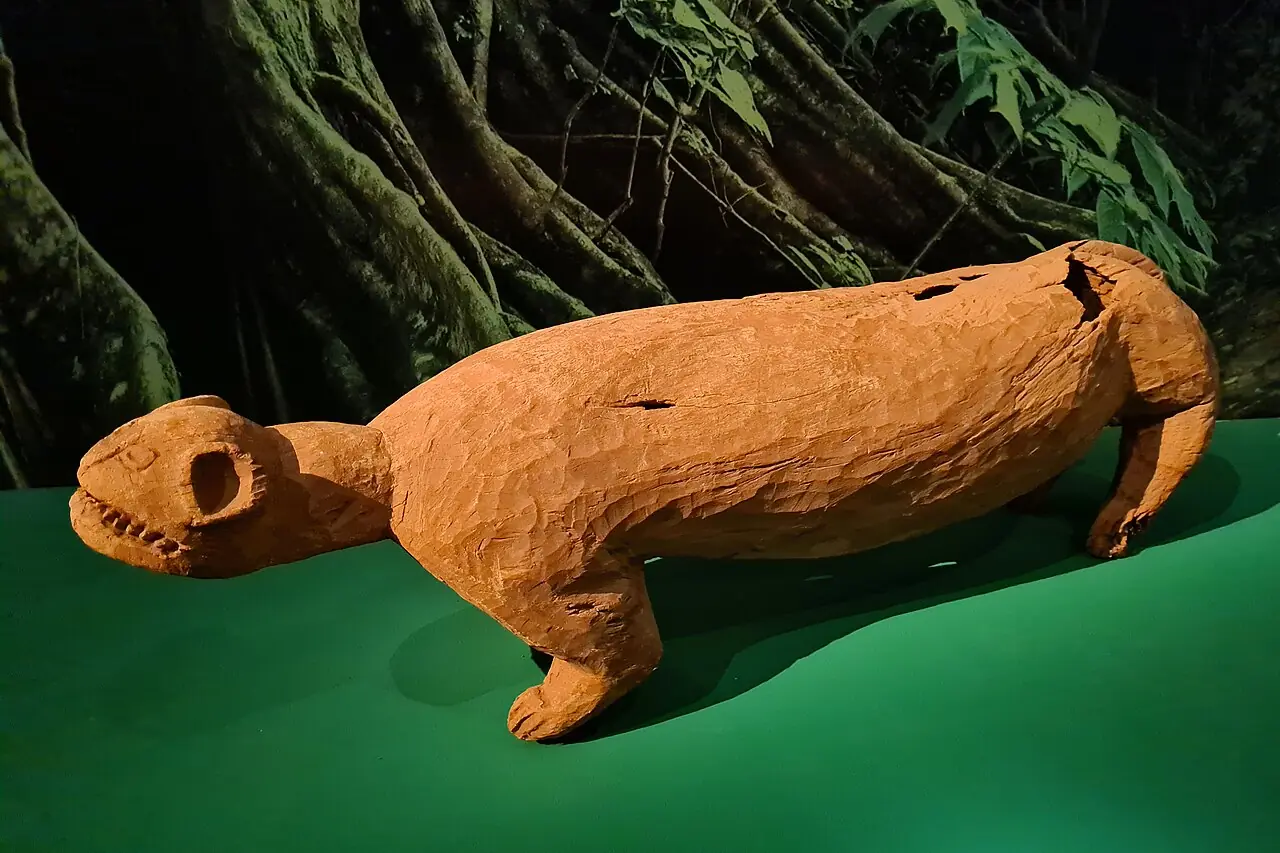
Totemic panther statue from Baha country, terracotta sculpture

Restoration aims to recover the original state of an object by removing later additions and replacing them with better materials, without ever harming the integrity of the property. The cardinal principle is legibility: an intervention must be distinguishable from the original by a trained eye, and be capable of being undone without damage.

The stages of a treatment

Examination and documentation, tests on small areas, cleaning, consolidation, filling of gaps, retouching if necessary, then a final report with before-and-after photographs. The restoration file follows the object throughout its life.

Ethical questions

Should a missing element be replaced? Should a mask used in ceremonies remain active or go into a display case? Decisions are made with the holders, because ritual use is part of the property’s value. The associated intangible practices and oral traditions are recorded in the file. For loaned or returned property, see the restitution of cultural property.

Step by step

Running a restoration worksite

Carry out the diagnosis

An expert examines the property, notes the deterioration, measures humidity and photographs each area before proposing a programme.

Obtain authorisation

For a listed property, the application for work is addressed to the Minister; it specifies methods, materials and contractor.

Secure the funding

Combine a grant, the owner’s contribution, patronage or support from a local authority; a detailed quotation is required.

Carry out the works

The worksite is run by qualified professionals, with a daily log and progress meetings with the directorate.

Document and hand over

An illustrated report describes the condition before and after; it is added to the property’s file and to the inventory.

Ensure follow-up

A maintenance schedule is given to the owner, with an annual visit from a delegation officer.

Key facts

Conservation operations at a glance

OperationObjectiveTypical actionWho intervenes
Preventive conservationCreate optimal conditions for preservationVentilation, raising objects off the floor, light controlManager, technician
MonitoringSpot deterioration earlyQuarterly inspection, humidity readingDelegation officer
ConsolidationStop deterioration under wayInjection of consolidant, shoringRestorer
Curative restorationRemove additions and reconstitute the original stateRemoval of a cement render, replacement of a piece of woodRestorer, architect
Routine maintenanceExtend the life of the propertyRoof repair, cleaning of guttersOwner, craftsperson
DigitisationKeep a security copyHigh-definition photography, 3D surveyDigital workshop
Ex officio workSafeguard a threatened listed immovable propertyMaking watertight, shoring at the State’s expenseAdministration
Journey

From diagnosis to long-term follow-up

Month 1Assessment

Site visit, condition survey, photographs and first recommendations to make the property safe.

Month 2Project and authorisation

Drafting of the work programme, quotation, authorisation application addressed to the Minister for a listed property.

Month 3Funding

Drawing up of the funding plan, submission of the grant application, search for a patron or local authority support.

Months 4 to 8Worksite

Conservation and restoration works, with a worksite log and regular meetings with the competent directorate.

Month 9Handover of the property

Acceptance, illustrated final report, training of guardians in maintenance procedures and update of the inventory sheet.

Every yearMaintenance

Inspection visit, minor work before the rainy season and adjustment of the maintenance schedule.

To explore

Conservation in other sections

“Restoring is not making new out of old: it is giving an object back its voice without erasing the traces of time.”

A restorer of wooden objects, Foumban
Professionals speak

Those who conserve every day

“
We learned to monitor the humidity of the storeroom with a simple hygrometer. Since then, no mould has reached our masks.
A community museum guardian
West Region
“
The training gave us precise techniques for cleaning without damaging. I now explain these techniques to the young people of the chiefdom.
A field restorer
North-West Region
“
The delegation’s free diagnosis spared us an unnecessary expense: the roof could be saved, only the gutters needed repair.
An owner of an old building
Douala
“
In our workshop, every object has its file. When a researcher returns ten years later, they find everything we have done.
A museum curator
Yaoundé
To act

The procedures for conservation

Apply for a grant

Fund a diagnosis, a worksite or the purchase of conservation equipment using the dedicated form.

Request

Authorisation for works

For a listed property, submit your authorisation application through the property listing service.

Deposit

Report a danger

A collapsing roof, a looted site: alert the competent directorate quickly.

Report

Meet an officer

Make an appointment at the regional delegation for a first opinion on the condition of a property.

Make an appointment
To download

The restorer’s resources

Glossary

The vocabulary of conservation and restoration

Preventive conservation

Operation that creates the optimal conditions for preserving property, sheltered from natural or human deterioration.

Restoration

Also called curative conservation: removes later additions and reconstitutes the original state while guaranteeing the integrity of the property.

Preservation

Action of keeping the material of a property as it is and slowing its deterioration to extend its life.

Assessment

Assessment of the condition of a property, its deterioration and its causes, prior to any intervention.

Deterioration

Degradation of a material caused by humidity, light, insects or use.

Reversibility

Quality of a treatment that can be removed without damage to the object.

Consolidation

Operation that strengthens a weakened material to stop its deterioration.

Condition report

Document that precisely describes the appearance of an object at a given moment, with photographs.

Storage

Collection storage room, fitted out to protect collections from light, humidity and pests.

Promotion

Set of measures that increase the heritage value of a property without harming it or its environment.

Registrar

Professional who organises the movement, packing and loan of collection objects.

On the site

Pages related to heritage conservation

Resources

Useful links for conserving and restoring

Stakeholders

Who conserves heritage?

Questions

Your questions on restoration

What is the difference between preventive conservation and restoration?

Preventive conservation creates the optimal conditions for preservation (climate, storage, monitoring) to avoid damage. Restoration, or curative conservation, intervenes on a property that is already deteriorated: it removes later additions and replaces them with better materials in order to reconstitute the original state.

Can I restore a listed object or building myself?

No. A listed property may not be altered without the authorisation of the Minister in charge of heritage. For an immovable property, development, restoration or modification is carried out in collaboration with the administrations concerned. Submit your application through the property listing service before the work begins.

Where can I train in restoration professions?

In specialised institutions, notably the National Institute of Arts and Culture, but also in universities, schools of architecture and cooperation programmes. Placements are possible in the national museums, and scholarships make it possible to specialise abroad.

Is there support for maintaining a heritage property?

Yes. The Ministry grants subsidies and technical support to owners. The law also provides tax benefits for heritage promoters: free registration in the inventory and exemption from property tax. The scales can be consulted on the fees page.

Can the State step in on my behalf if my property is deteriorating?

For a listed immovable property, the administration may have the work needed to safeguard it carried out ex officio, at the State’s expense, after notifying the owner. For a listed movable property, it may order a temporary seizure of up to six months in order to carry out maintenance work.

How do I know whether my object needs restoration?

Look for warning signs: cracks, wood dust, white stains, deformation, fading colours. Photograph the object and contact the regional delegation, which arranges a diagnostic visit. The officer will tell you whether it needs treatment, better storage or simply a periodic check.

Can communities take part in the worksites?

Yes, and it is desirable. The holders of the property, craftspeople and elders are involved in the decision, because ritual or social use is part of the property’s value. Training sessions on maintenance procedures are planned at the end of each worksite.

Whom should I contact for general information?

Write to the Directorate of Cultural Heritage via the contact form on this page, by e-mail at contact@minac.gov.cm or by telephone on +237 6 51 70 58 41, Monday to Friday from 8 a.m. to 4 p.m. State the nature of the property and the region concerned.

Contact

Write to the Ministry: Conservation and Restoration

Specify the property or site concerned.

Competent directorate

Contacting heritage conservation

Address

Directorate of Cultural Heritage
Ministry of Arts and Culture
Quartier du Lac – Ministerial Zone
P.O. Box 1053 Yaoundé, Centre Region, Cameroon

Reach us

+237 6 51 70 58 41

contact@minac.gov.cm

Opening hours

Monday to Friday, 8 am to 4 pm

A property to care for?

Tell us about your worksite project or request support from the regional delegation.

Apply for a grant
WhatsApp