Coat of arms of CameroonMinistry of Arts
and Culture
Republic of Cameroon
My procedures
Home
Minister’s message
News
Press releases
Cultural calendar
Official speeches
Press review
Photo library
Video library
Calls for projects
Job vacancies
Public procurement
Newsletter
Frequently asked questions
Site map
Contact
Press area
Podcast “The Voice of Culture”
Legal notices
Privacy policy
Cookies and trackers
The Ministry
Missions and responsibilities
Organisation
Organisation chart
Minister’s Office (Cabinet)
Management team
General Secretariat
General Inspectorate
Central directorates
Regional Delegations
Institutions under supervision
Legislative texts
Regulatory texts
Sector strategy
Major projects
Budget and reports
Partners
Careers
Archives
Institutional communication
Quality and accessibility
Arts
Visual and plastic arts
Visual arts
Performing arts
Theatre
Dance
Music
Literature and books
Cinema and audiovisual
Photography
Fashion and design
Digital arts
Art crafts
Artists’ directory
Residencies
Prizes and awards
Arts education
Urban arts
Heritage
Tangible heritage
Intangible heritage
UNESCO sites
National museums
Listed monuments
National inventory
Palaces and chiefdoms
Archaeology
Linguistic heritage
Oral traditions
Traditional know-how
Restitution of cultural property
Fight against illicit trafficking
Listing and protection
Conservation and restoration
Heritage Days
Cultural landscapes
Industries
Music and recording
Cinema
Publishing and books
Digital arts
Fashion and creativity
Crafts
Cultural tourism
Funding for culture
Support funds
Incubators
Cultural entrepreneurship
Culture Observatory
Vocational training
Studies and reports
Sector statistics
Export and outreach
Intellectual property
Copyright
Legal framework
Copyright and neighbouring rights
Collective management societies
Register a work
Licences
Private copying
Fight against piracy
Model contracts
Social status of artists
Mediation
Disputes
Training
Fee scales
Register of works
Contact
Digital neighbouring rights
Public domain
Festivals
National calendar
Ngondo
Nguon
Écrans Noirs
Heritage Days
Music Day
Regional festivals
Fairs and exhibitions
Biennials
National competitions
Cultural days
Organise a festival
Event grants
Ticketing
Archives
Volunteering
Diaspora festivals
Regions
Adamawa
Centre
East
Far North
Littoral
North
North-West
West
South
South-West
Cultural map
Regional Delegations
Traditional chiefdoms
National languages
Cultural routes
Decentralised cooperation
Regional observatory
Cooperation
UNESCO
Francophonie (OIF)
African Union
Commonwealth
CEMAC
Bilateral cooperation
Cultural agreements
Professional organisations
Scholarships
Artist exchanges
Cultural years
Diaspora
Funded projects
Embassies
Technical partners
International restitution
International monitoring and calls
Services
Artist card
Show authorisation
Filming authorisation
Festival authorisation
Deposit of a work
Export of works of art
Listing of a property
Grant application
Association accreditation
File tracking
Forms
Fees
Opening hours and addresses
Reporting
Online help
My account
One-Stop Shop
Industries

Studies and reports

Publications, activity reports, summary notes and archives: how the Ministry produces, disseminates and preserves the studies that inform the Cameroonian cultural sector.

Updated on 6 November 20264 sub-pages
Activity reportsQuarterly and annual
Thematic studies per year6
Summary notes per year24
Archive collections available for consultation12
Understanding the sector

Studies and reports to decide and to inform

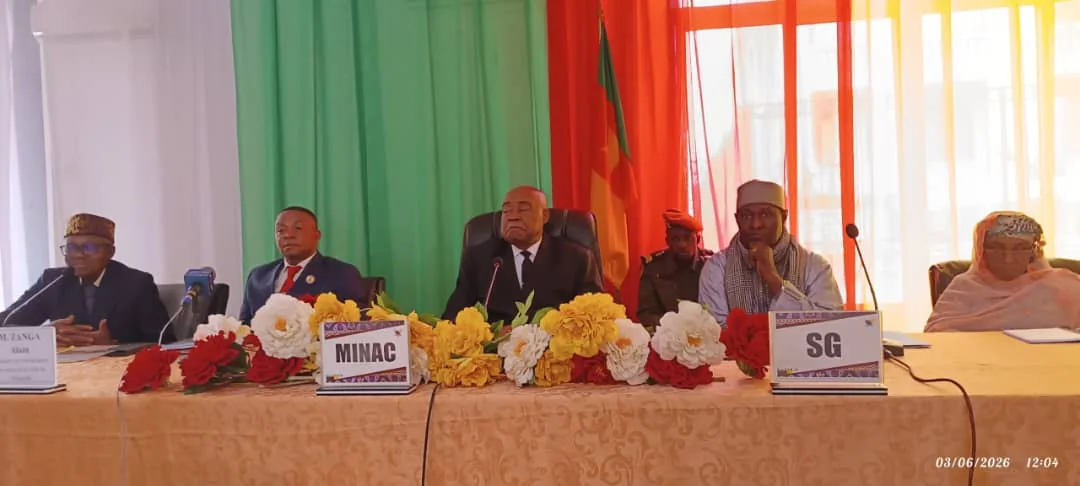
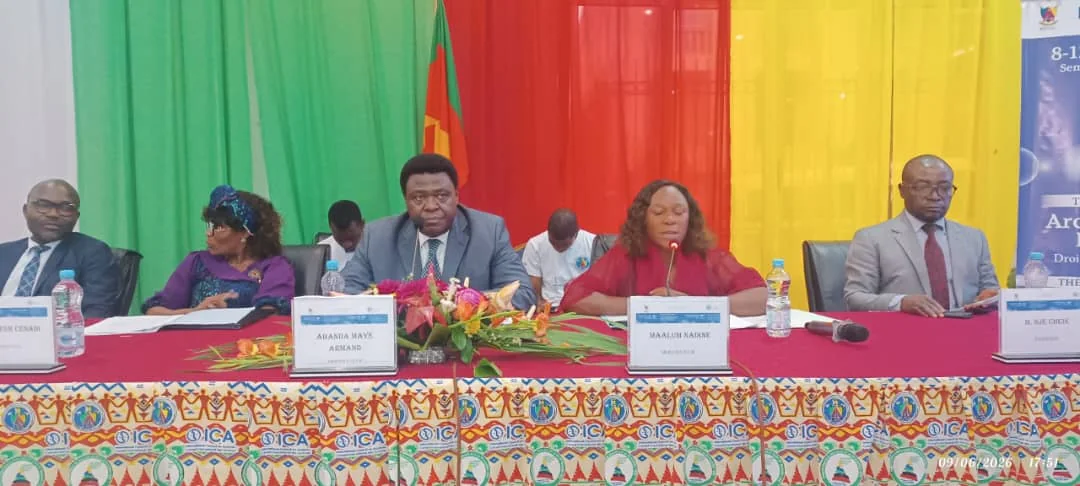
Panel table during an institutional meeting of the Ministry

Steering a cultural policy requires measuring, analysing and reporting. The Ministry produces and gathers publications of several kinds: an institutional magazine, quarterly and annual activity reports, thematic studies on the sectors, summary notes for decision-makers, and documentary archive collections preserved for the memory of the sector.

This page presents each type of document, how it is prepared, who it is intended for and how to consult it. It is addressed to researchers, journalists, project leaders, students and partners who need reliable data on the cultural and creative industries.

  • Regular reports, from the scale of a quarter to that of a decade
  • Studies by sector: music, film, books, crafts, tourism
  • Short notes to inform decisions
Discover the publications
Documents

The Ministry’s publications

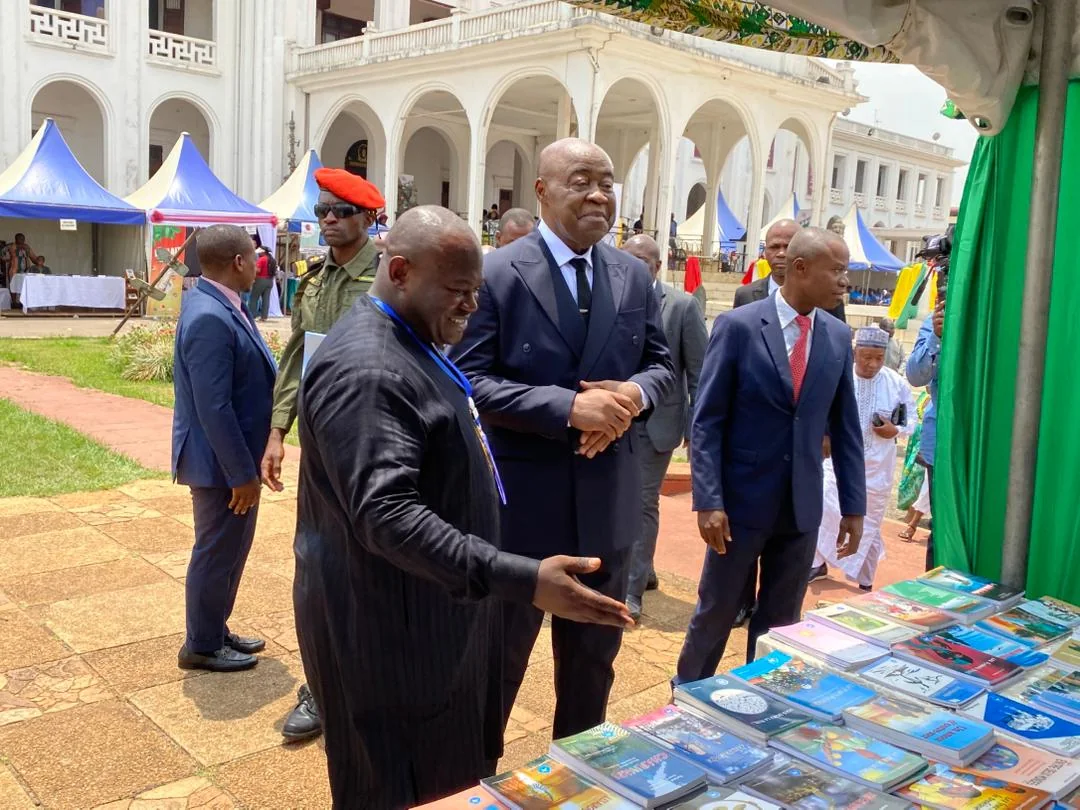
The Minister and officials in front of books displayed on a stand in the courtyard of a colonial-style building

The publications form the Ministry’s editorial showcase. They include the Ministry magazine, which reports on cultural news, the press kits prepared for major events, the practical guides for project leaders and the thematic booklets devoted to a sector or a region. Their schedule follows that of the cultural year: issues linked to festivals, heritage days and major projects.

The main families

  • The magazine: reports, interviews with professionals, profiles of venues and a calendar of events;
  • The guides: online procedures, funding, copyright, organising a festival;
  • The sector booklets: one file per industry (music and recording, film, books, crafts, fashion, digital arts);
  • The proceedings: reports of conferences, forums and consultation workshops.

Where to find them

Publications are put online in PDF format, with an accessible version, in the press area and in the forms and documents section. Printed copies are distributed to the regional delegations, cultural centres and libraries. The news announces each publication and the newsletter relays it.

ℹ️
Reusing a publication

Extracts and graphs may be reproduced provided the source and date are cited; for any full reproduction, contact the communication department.

Accountability

Activity and inspection reports

Ministry panel table during a working meeting

The Ministry reports on its action at regular intervals. The quarterly reports review the progress of programmes and projects; the annual activity report gives the full picture: budget executed, events organised, files processed, projects launched. These documents draw on contributions from the central directorates and the regional delegations.

The content of an annual report

A typical annual report has six parts: the context and priorities, financial and human resources, achievements by directorate, major projects, international cooperation and prospects for the following year. It comes with statistical annexes setting out the indicators monitored in the sector strategy.

Audit reports

The General Inspectorate draws up a report for each audit or inspection mission; the findings of use to the public are summarised in the transparency documents. Budget information is available under budget and reports.

Sector reports

In addition, sector reports analyse the situation of a field: overview, difficulties, strengths and recommendations. They serve as a basis for discussions with professionals and for the decisions of support committees.

ℹ️
A regular rhythm

Quarterly for progress, annual for the review, multi-year for policy evaluations: each report answers a specific question.

Summary

Summary notes for quick decisions

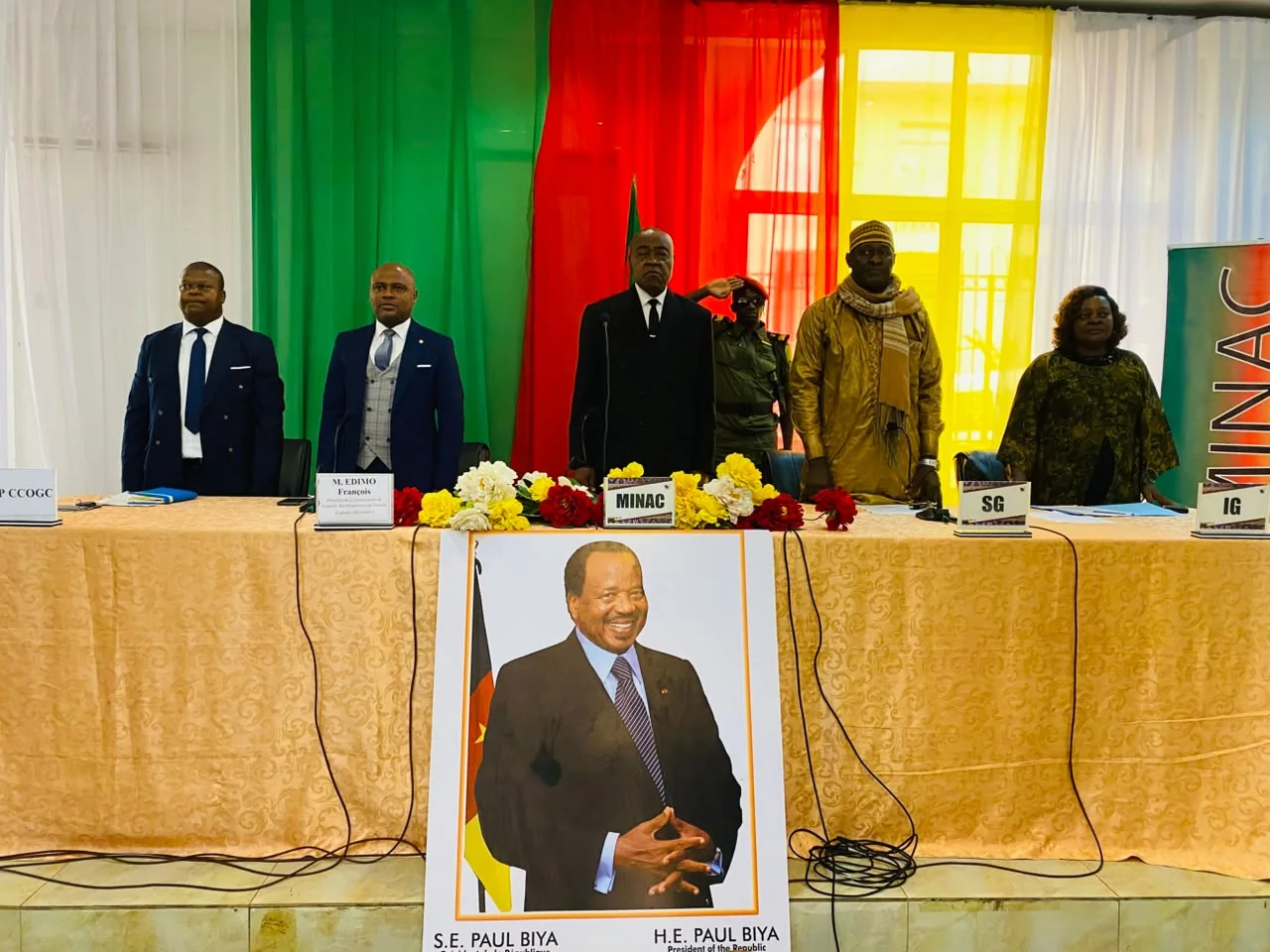
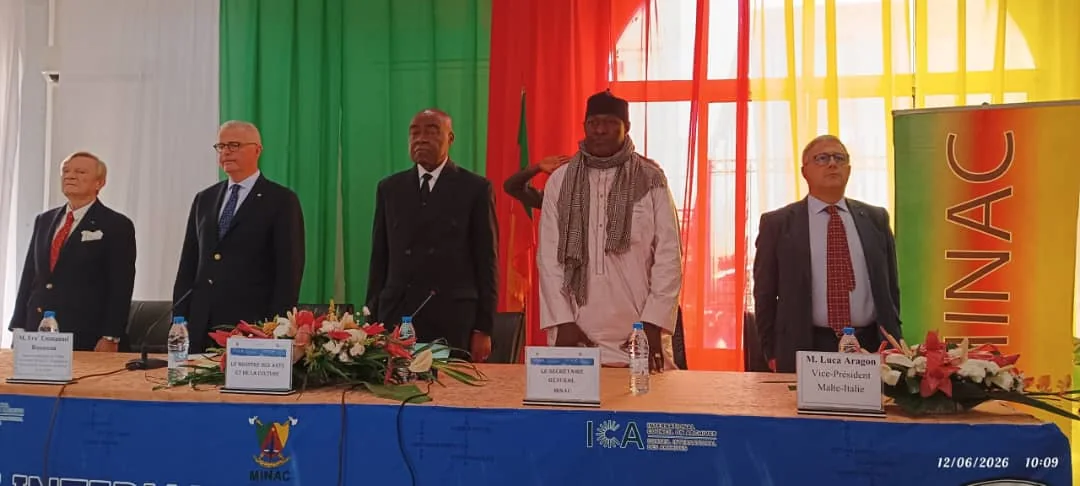
Opening session with the portrait of the Head of State in front of the panel table

A summary note runs to two to four pages. It sets out a specific subject (the evolution of a market, the effect of a scheme, the situation of a festival, the needs of a sector), summarises the available data and puts forward options or recommendations. Intended for the Minister’s Office, the directorates and partners, it makes it possible to prepare a meeting, a budget decision or a trip.

How it is built

  1. A question stated in one sentence;
  2. The essential facts and figures, with their source and date;
  3. An analysis of two or three paragraphs;
  4. Prioritised recommendations;
  5. A list of reference documents.

The most frequent themes

The notes deal with the policy on awards and grants, the progress of projects, trends in museum attendance, the economic impact of a festival, external markets and the funding of industries. Several are published in summary form for the partners of the culture observatory.

The notes also feed into the work of the sector strategy and exchanges with partners. A researcher or journalist may request access to a non-confidential note.

ℹ️
Requesting a note

Non-confidential notes can be provided on written request addressed to the Ministry, specifying the subject and scope required.

Memory

The sector’s documentary archives

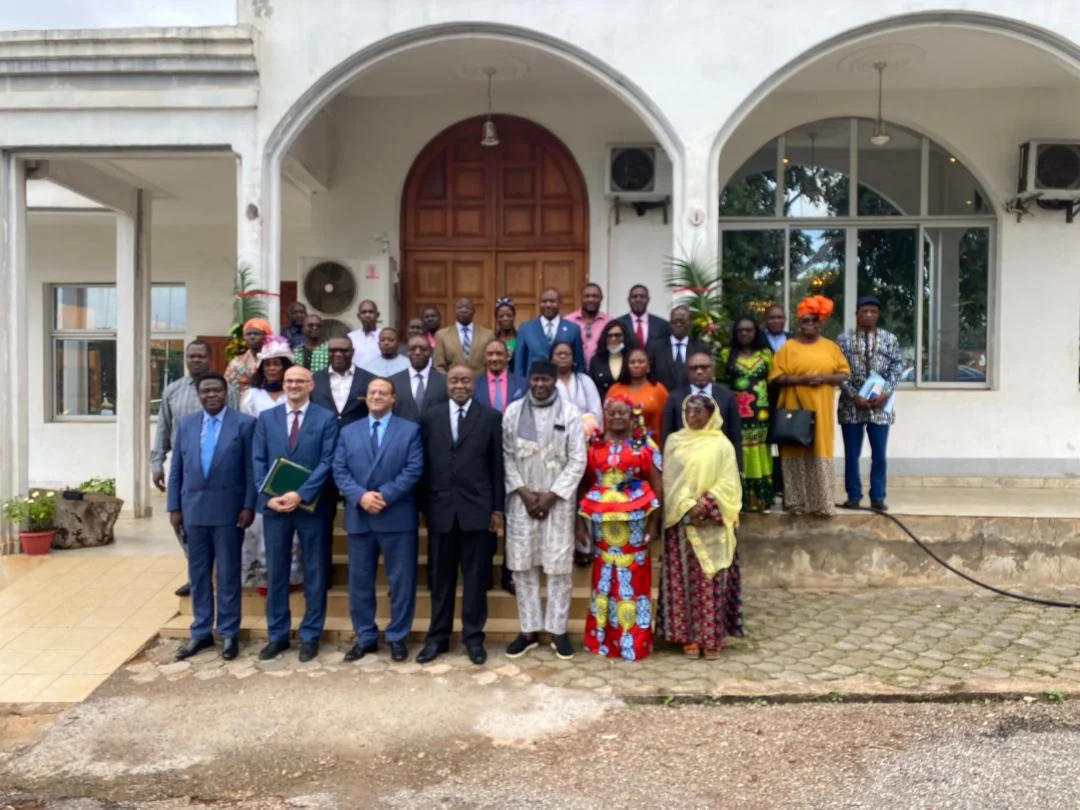
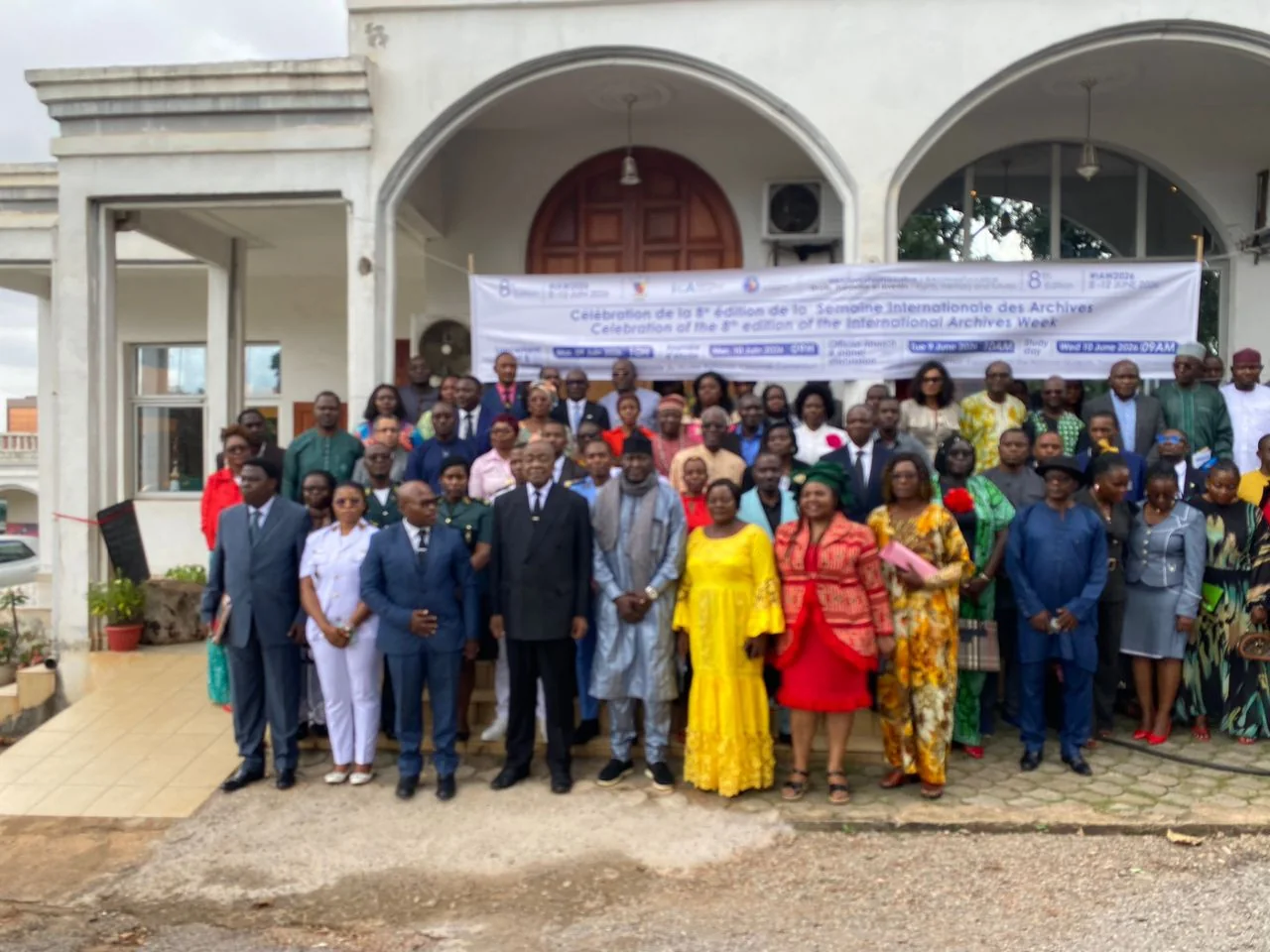
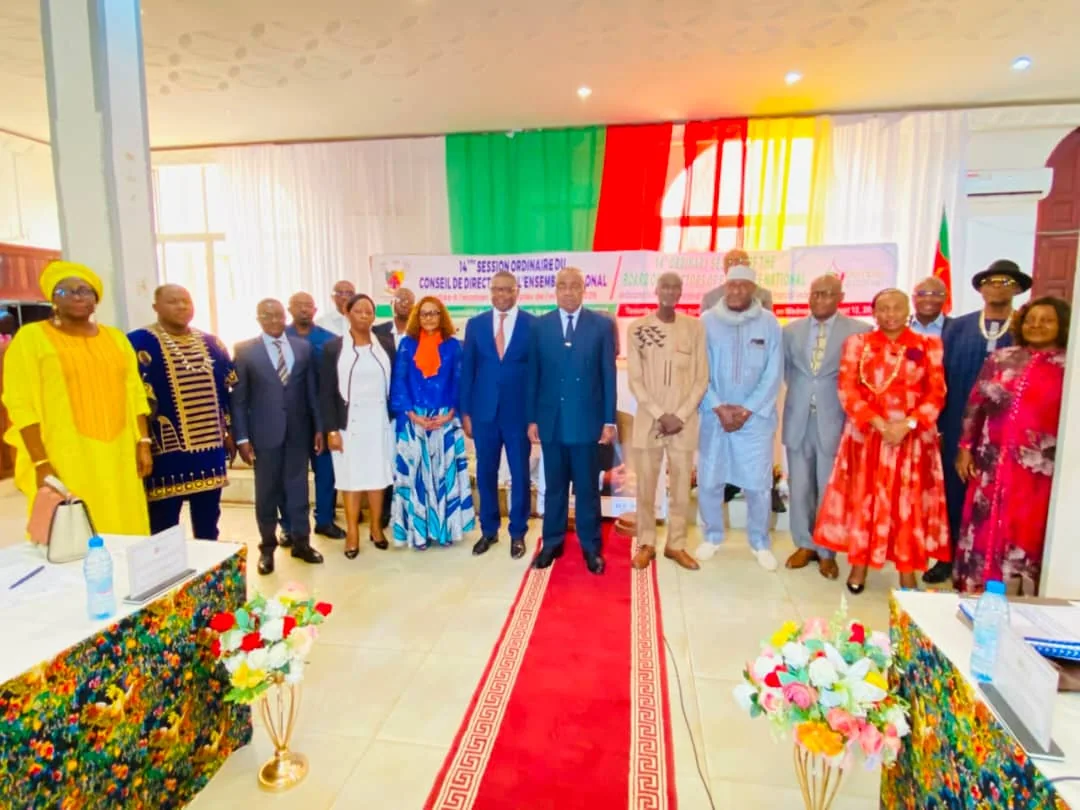
A group of men in suits and women in colourful outfits poses in front of the arched entrance of a building.

The reports, studies and files of a ministry are only worth something if they are preserved. The Ministry entrusts the memory of its documents to the Directorate of Archives and Administrative Documents (DADA) and, with it, is carrying out the digitisation of archives, one of its major projects. The construction of the National Archives of Cameroon extends this safeguarding effort.

What is preserved

  • Activity reports since the creation of the ministerial department;
  • Sector studies and surveys, with their raw data;
  • Minutes of the support and listing committees;
  • Files on major events: festivals, biennials, fairs;
  • Posters, programmes and brochures.

Browse the archives

Consultation is by request, according to the rules on access: ordinary administrative documents can be consulted after a period set by law, while personal and sensitive records remain protected for longer. See Ministry archives for the access request.

Digitisation and legal deposit

Digitisation makes it easier to search by keyword and date. Publications issued in Cameroon are also subject to the deposit of a work and feed the national collections.

ℹ️
Digitisation

The digitisation of collections makes it possible to search for a document by title, date or theme and to consult it remotely.

Method

How the studies are carried out

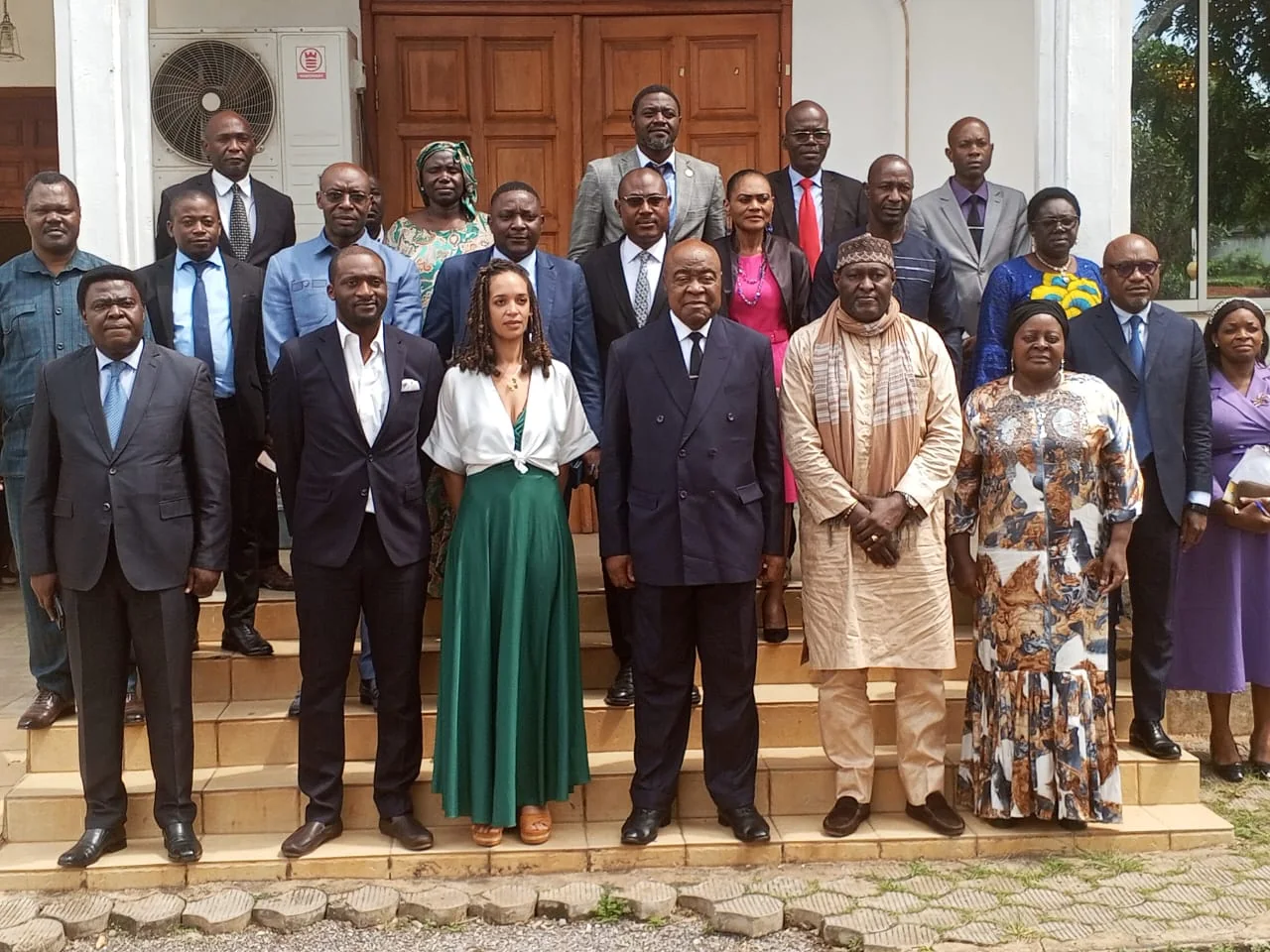
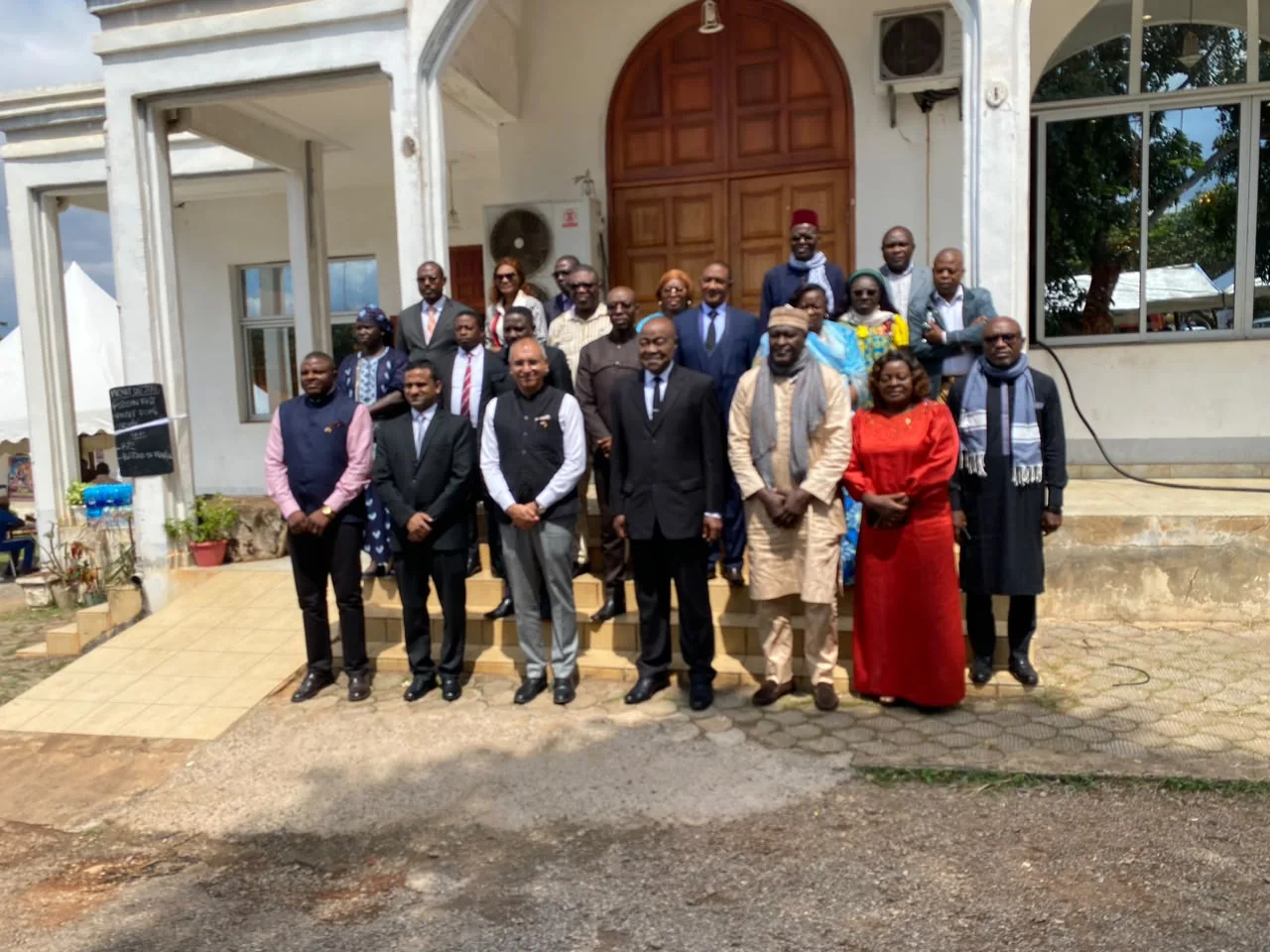
Regional delegates and Ministry staff gathered in front of a building

A sector study goes through four stages: scoping with the commissioning directorate, collection (online surveys, interviews, visits, administrative data), analysis and writing, then feedback to professionals. It lasts from four to eight months and draws on the findings of the cultural statistics; its method is described in an annex so that the results can be discussed.

The questionnaires are short and anonymous, results are presented in orders of magnitude and never in the name of a particular organisation. Professionals who respond receive personalised feedback for their region, enabling them to compare themselves with their peers. Surveys on film or crafts involve professional organisations from the design stage. Heritage data come from the national inventory, event data from the festival calendar and creative data from the register of works.

Promotion

Bringing the results to life among professionals

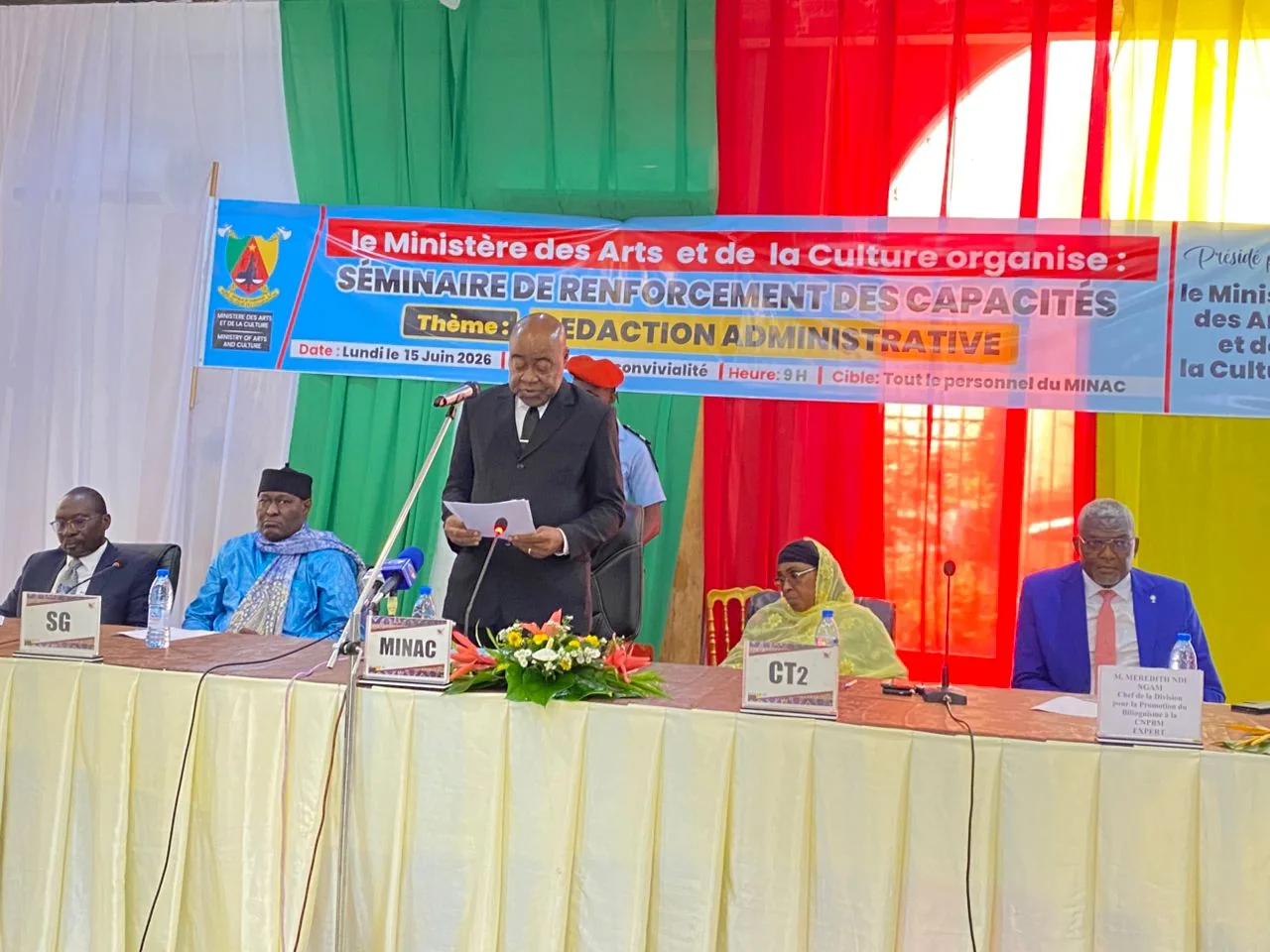
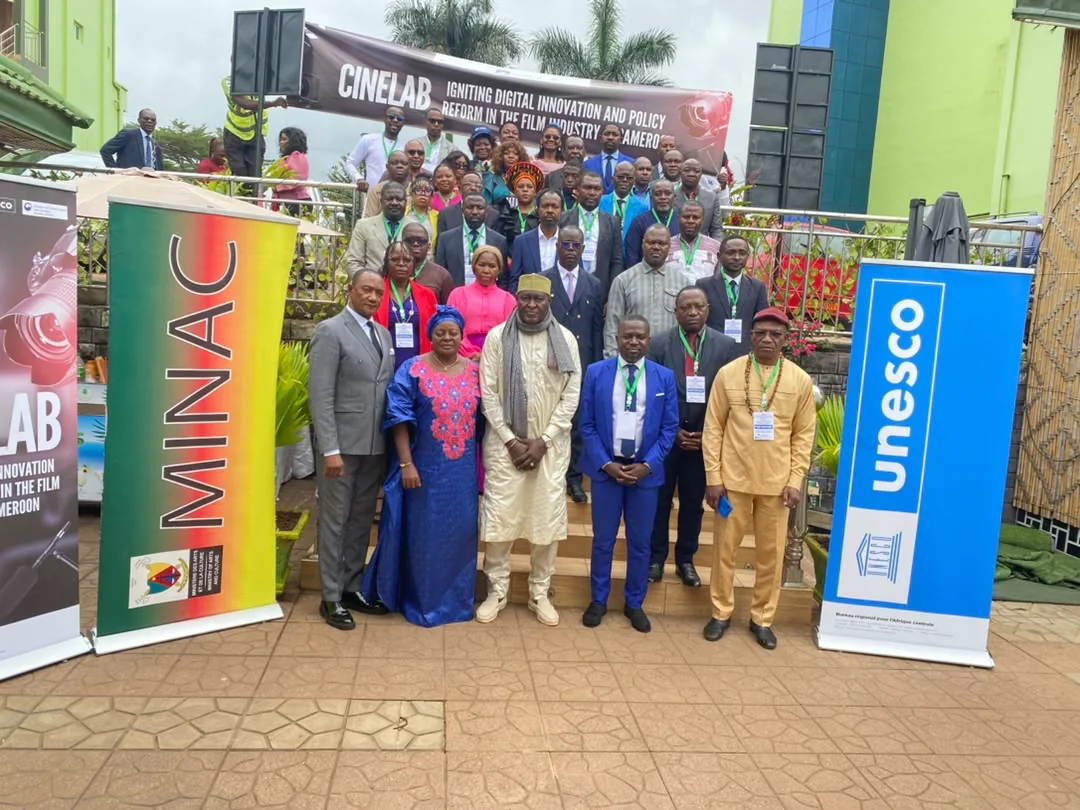
Ministry capacity-building seminar, panel table and speaker

A study has value only if it is read and used. Each publication comes with a one-page summary, reusable graphs and a presentation session for professionals, online or in the regions. The support funds, incubators and cultural entrepreneurs draw on them for benchmarks to build their files.

Feedback workshops are held each year in Yaoundé, Douala and Bafoussam, then in the regional capitals, with a plain-language version and an illustrated version of each summary. Journalists can obtain help from the press area in reading the figures and avoiding misinterpretation.

The results by sector, notably for music and fashion, are reflected in the criteria of the calls for projects.

Step by step

From commissioning to publication of a study

Scope the question

The directorate concerned formulates the question, scope, timetable and intended audience of the study, then sets up a monitoring committee.

Collect the data

Surveys of professionals, interviews, use of administrative files and cross-checking with the directorates’ statistics.

Analyse and write

The team cross-references the data, writes up the findings and formulates recommendations; an independent reviewer checks the figures.

Validate with stakeholders

The monitoring committee, made up of professionals, discusses the results and corrects errors before the final version.

Put online

The document is published as a PDF with a summary, its data tables and its methodological note.

Follow the effects

One year later, an evaluation note measures the use of the study and the decisions it has inspired.

Journey

An information policy taking shape

The 2000sFirst annual reviews

The Ministry publishes its first activity reports and brings together its directorates’ data in a single document.

2010sSector studies

The first surveys on music, film and crafts provide benchmarks for professionals and donors.

2020Put online

Reports and guides are distributed in PDF on the site, with a version accessible to screen readers.

2024Briefing notes

A short format is adopted to inform decisions and make sector monitoring regular.

TodayObservatory and archives

Studies, statistics and digitised archives are linked within a shared system of knowledge about the sector.

To explore

Studies in the other sections

Uses

Readers talk about the studies

“
The study on the music sector gave me solid figures to persuade a financial partner to support my label.
A producer
Douala
“
The summary notes help me prepare my committee sessions with clear, sourced benchmarks.
A local elected official
West
“
For my dissertation, the digitised archives saved me several trips to Yaoundé and weeks of time.
An art history student
Centre
“
The annual report allows us to compare our regional results with those of the other delegations.
A regional delegate
North

“A public report is a useful report: it must enable a craftsperson, a publisher or an elected official to understand the sector and make informed decisions.”

Studies and reports
To download

The reference documents

To act

Document requests

Request access

Request an archive item or a non-confidential administrative document from the directorate concerned, stating the period and the reason for your research.

Apply

Subscribe to the newsletter

Receive each publication, each new study and each report directly in your e-mail inbox, once a month.

Subscribe

Press accreditation

Journalists can access the press kits, media kit and dedicated contacts to cover an event or a publication.

See the press area
Glossary

The words of studies and reports

Study

Analytical work based on data and a method, devoted to a specific question.

Activity report

Document that reports on the action of a directorate or the Ministry over a period.

Summary note

Short text that summarises a subject and proposes recommendations.

Indicator

Quantified measure that tracks the evolution of a phenomenon or policy.

Series

Sequence of comparable data collected at regular intervals.

Methodology

Description of how the data were collected and processed.

Sample

Group of respondents chosen to represent a whole population.

Archiving

Organised preservation of documents for their administrative or historical value.

Disclosure eligibility

Possibility of consulting a document in accordance with the law and protection periods.

Legal deposit

Obligation to submit copies of a publication to a national institution.

Evaluation

Assessment of the results of a policy against its objectives.

On the site

Reading that extends the studies

Resources

Useful links for research

Stakeholders

Who produces and preserves these documents?

Key facts

The documents in a table

DocumentPaceRecipientsWhere to consult it
Inspection reportFor each missionMinister’s Office, directoratesGeneral Inspectorate, public summary
Quarterly reportFour times a yearDirectorate, partnersBudget and reports
Annual activity reportOnce a yearPublic, Parliament, donorsBudget and reports, press area
Sector studyOne to two per yearProfessionals, researchersIndustries, observatory
Summary noteOn requestMinister’s Office, directoratesOn written request
Ministry magazineRegular publicationGeneral publicPress area, delegations
Conference proceedingsAfter each meetingParticipants, universitiesPublications and archives
Questions

Your questions about studies and reports

Where can I find the latest annual report?

Annual reports can be consulted in the Budget and reports section, in PDF format, with their statistical annexes. Printed versions are available at the regional delegations and at the Ministry’s reception desk.

How often are reports published?

Progress reports are quarterly, the activity report is annual and policy evaluations are multi-year. Sector studies are published once or twice a year depending on priorities.

Can I reuse the published data?

Yes, provided you cite the source and publication date and do not distort the figures. Tables are offered in open formats to make them easier to reuse in your work.

How do I obtain a summary note?

Send a written request stating the subject and the intended use. Non-confidential notes are provided by the competent directorate within about one month.

How do I consult an old archive?

Submit a request for access to the archives service, stating the type of document, the period and the reason. A consultation appointment will be offered in the reading room, or remotely if the collection has been digitised.

Are the studies free of charge?

Publications put online are free. Reproduction of archive documents on paper may incur copying fees, detailed on the fees page.

Can a researcher propose a joint study?

Yes. Academics and research institutes can propose a partnership to the culture observatory, presenting the question, method and timetable. A committee examines the request.

How do I report an error in a report?

Write to the contact address, indicating the document, the page and the proposed correction. After verification, an erratum is published with the document and the online version is corrected.

Contact

Write to the studies and reports service

Specify the document you are looking for, the period and the intended use: your message will be forwarded to the service concerned.

Competent directorate

Contact studies and archives

Address

Directorate of Archives and Administrative Documents
Ministry of Arts and Culture
Quartier du Lac – Ministerial Zone
P.O. Box 1053 Yaoundé, Centre Region, Cameroon

Reach us

+237 6 51 70 58 41

contact@minac.gov.cm

Opening hours

Monday to Friday, 8 am to 4 pm

A report to consult?

Find the Ministry’s budget, activity reports and public procurement.

See budget and reports
WhatsApp