Coat of arms of CameroonMinistry of Arts
and Culture
Republic of Cameroon
My procedures
Home
Minister’s message
News
Press releases
Cultural calendar
Official speeches
Press review
Photo library
Video library
Calls for projects
Job vacancies
Public procurement
Newsletter
Frequently asked questions
Site map
Contact
Press area
Podcast “The Voice of Culture”
Legal notices
Privacy policy
Cookies and trackers
The Ministry
Missions and responsibilities
Organisation
Organisation chart
Minister’s Office (Cabinet)
Management team
General Secretariat
General Inspectorate
Central directorates
Regional Delegations
Institutions under supervision
Legislative texts
Regulatory texts
Sector strategy
Major projects
Budget and reports
Partners
Careers
Archives
Institutional communication
Quality and accessibility
Arts
Visual and plastic arts
Visual arts
Performing arts
Theatre
Dance
Music
Literature and books
Cinema and audiovisual
Photography
Fashion and design
Digital arts
Art crafts
Artists’ directory
Residencies
Prizes and awards
Arts education
Urban arts
Heritage
Tangible heritage
Intangible heritage
UNESCO sites
National museums
Listed monuments
National inventory
Palaces and chiefdoms
Archaeology
Linguistic heritage
Oral traditions
Traditional know-how
Restitution of cultural property
Fight against illicit trafficking
Listing and protection
Conservation and restoration
Heritage Days
Cultural landscapes
Industries
Music and recording
Cinema
Publishing and books
Digital arts
Fashion and creativity
Crafts
Cultural tourism
Funding for culture
Support funds
Incubators
Cultural entrepreneurship
Culture Observatory
Vocational training
Studies and reports
Sector statistics
Export and outreach
Intellectual property
Copyright
Legal framework
Copyright and neighbouring rights
Collective management societies
Register a work
Licences
Private copying
Fight against piracy
Model contracts
Social status of artists
Mediation
Disputes
Training
Fee scales
Register of works
Contact
Digital neighbouring rights
Public domain
Festivals
National calendar
Ngondo
Nguon
Écrans Noirs
Heritage Days
Music Day
Regional festivals
Fairs and exhibitions
Biennials
National competitions
Cultural days
Organise a festival
Event grants
Ticketing
Archives
Volunteering
Diaspora festivals
Regions
Adamawa
Centre
East
Far North
Littoral
North
North-West
West
South
South-West
Cultural map
Regional Delegations
Traditional chiefdoms
National languages
Cultural routes
Decentralised cooperation
Regional observatory
Cooperation
UNESCO
Francophonie (OIF)
African Union
Commonwealth
CEMAC
Bilateral cooperation
Cultural agreements
Professional organisations
Scholarships
Artist exchanges
Cultural years
Diaspora
Funded projects
Embassies
Technical partners
International restitution
International monitoring and calls
Services
Artist card
Show authorisation
Filming authorisation
Festival authorisation
Deposit of a work
Export of works of art
Listing of a property
Grant application
Association accreditation
File tracking
Forms
Fees
Opening hours and addresses
Reporting
Online help
My account
One-Stop Shop
Section

Regions

Ten regions, ten delegations: the culture of each region, its sites, festivals and languages, and the tools to discover them and submit your procedures close to home.

17 sub-menus68 thematic pagesUpdated on 7 November 2026
Regions10
Regional Delegations10
Thematic pages7
Switchboard+237 6 51 70 58 41
The ten regions of Cameroon

Culture in every region

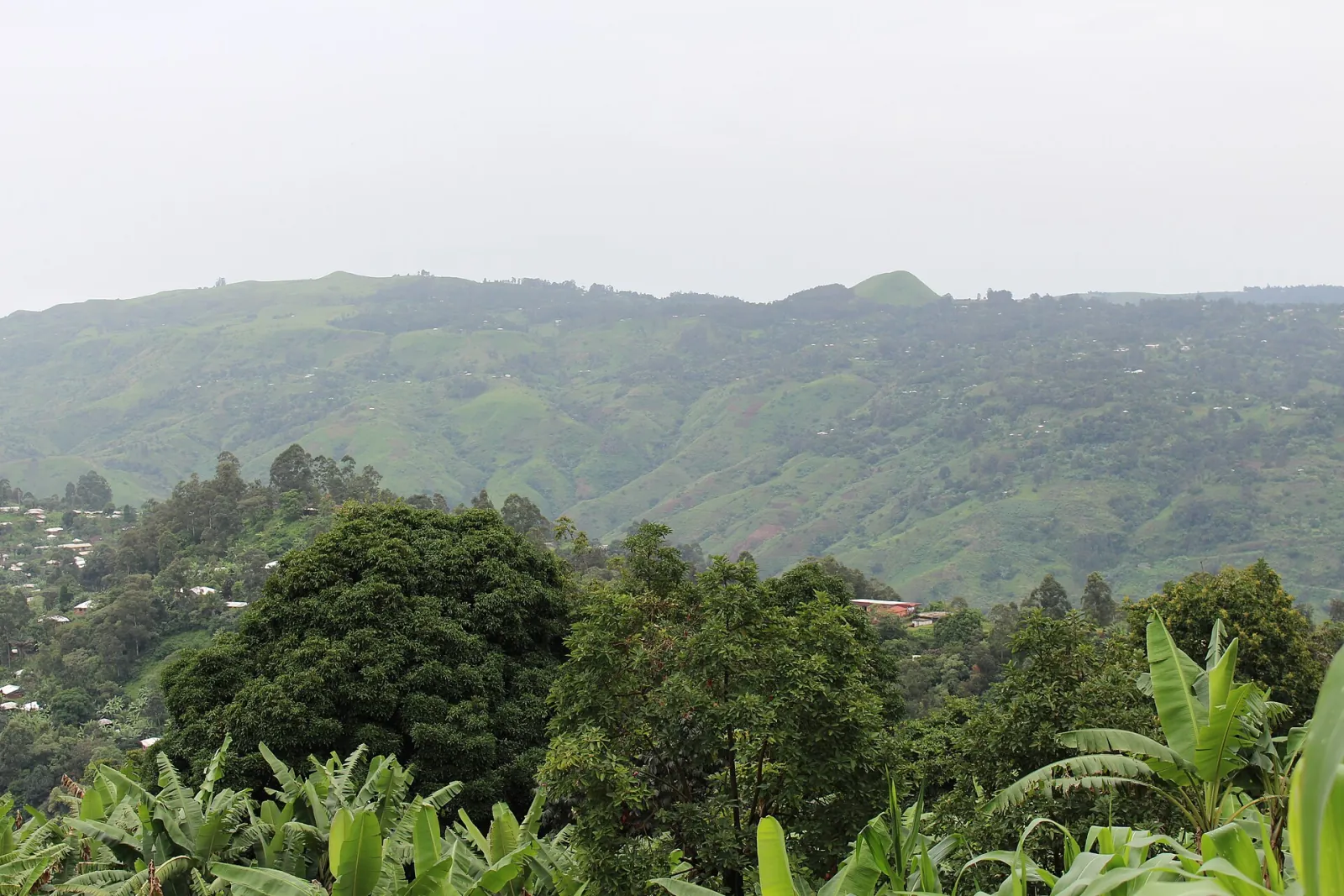
Green hills of the Boyo range near Bamenda

From the lamidates of the North to the chiefdoms of the West, from the Mandara Mountains to the coast, every region of Cameroon has its heritage, languages, festivals and know-how. Ten regions, ten regional capitals and ten regional delegations relay the action of the Ministry of Arts and Culture and welcome users as close as possible to where they live.

This section brings together the regional portraits, the cultural map, the itineraries, the national languages, cooperation with local authorities and the regional observatory.

  • Ten regional portraits and seven thematic pages
  • A delegation in every region for procedures
  • A cultural map and itineraries for travelling
Browse all the pages
All pages

17 pages to explore the country

Ten regional pages and seven thematic pages to learn about the culture of each region, plan a trip, understand the languages and contact the right delegation.

The territory

A country in miniature: landscape, peoples and cultures

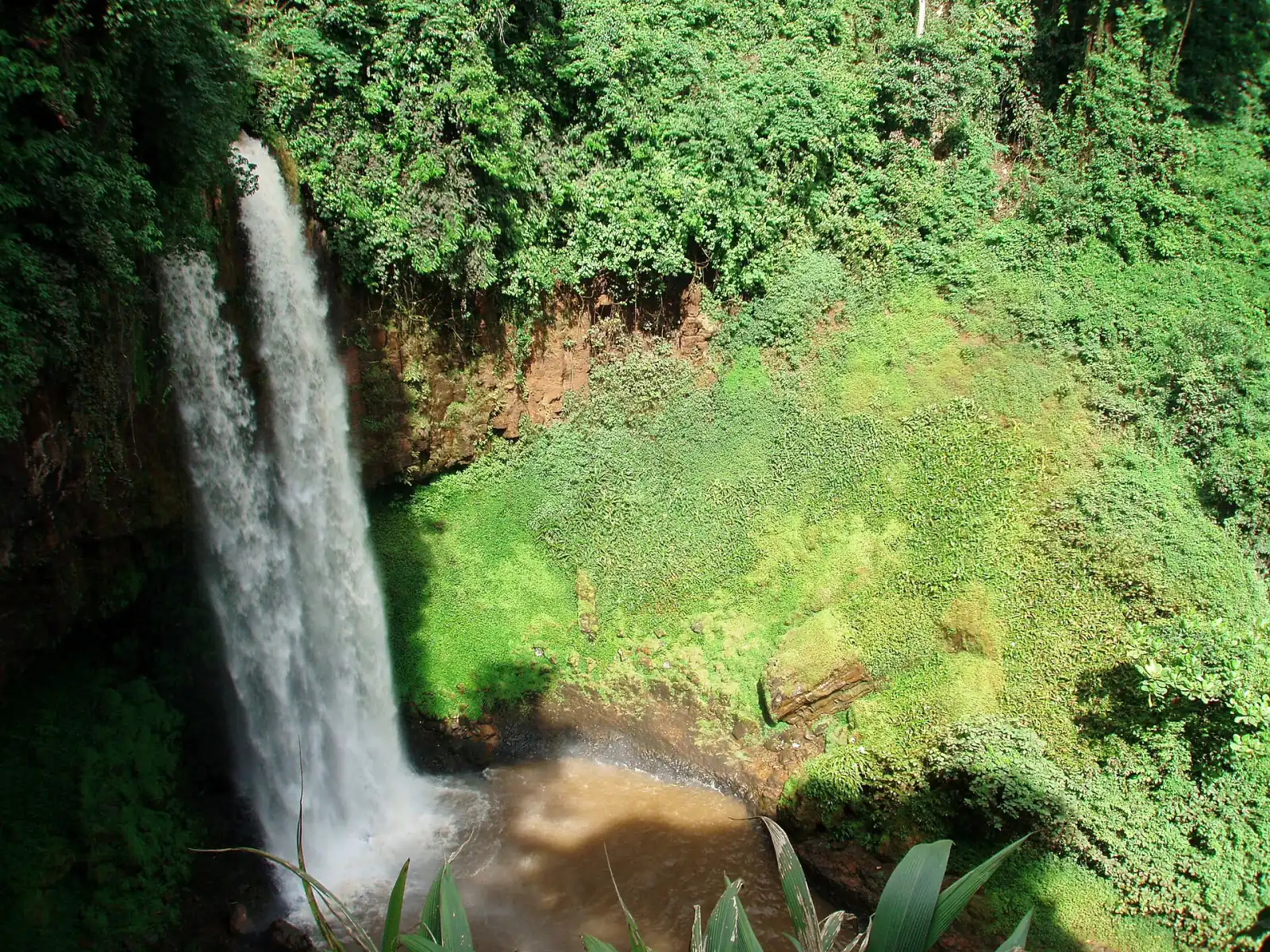
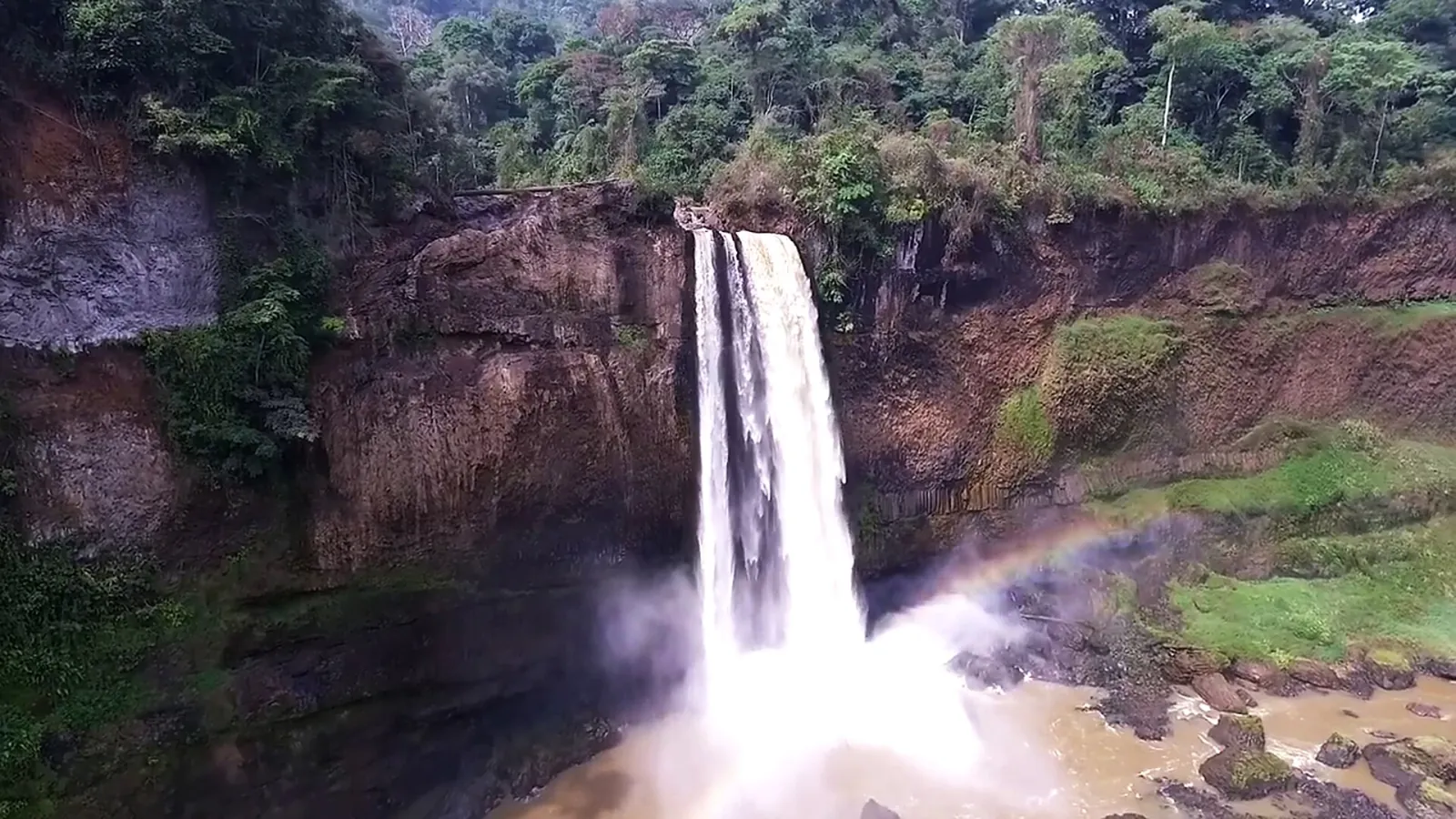
Ekom-Nkam falls plunging from a red cliff with a rainbow

Cameroon is often described as Africa in miniature, because on a roughly triangular territory it brings together almost all the continent’s landscapes: Atlantic coast and mangroves, dense forest in the South and East, high plateaux in the West, savannah plains of Adamawa, steppes in the North and the Mandara Mountains. This variety has produced an extraordinary diversity of peoples, languages and traditions.

Five major cultural areas

In broad terms, one can distinguish the peoples of the coast and estuary, those of the forest in the South and East, the kingdoms of the western and north-western highlands, the Fulani lamidates and the peoples of the savannahs of Adamawa and the North, and finally the communities of the Mandara Mountains and the Lake Chad basin. Each has its court arts, dances, instruments, cuisine and festivals.
Two official languages, hundreds of languages

French and English are the official languages, but the country has several hundred national languages, as well as Pidgin English, which is very present in markets. See the National languages page.

An administrative network

The country is divided into ten regions, each organised around a regional capital. The Ministry’s action relies on this network: one regional delegation per region, divisional services and relays in the municipalities. Local authorities, regions and municipalities, are also partners, notably for the culture centres and conservatoires provided for by the NDS30.

Portraits

Five regions to discover: from Adamawa to Littoral

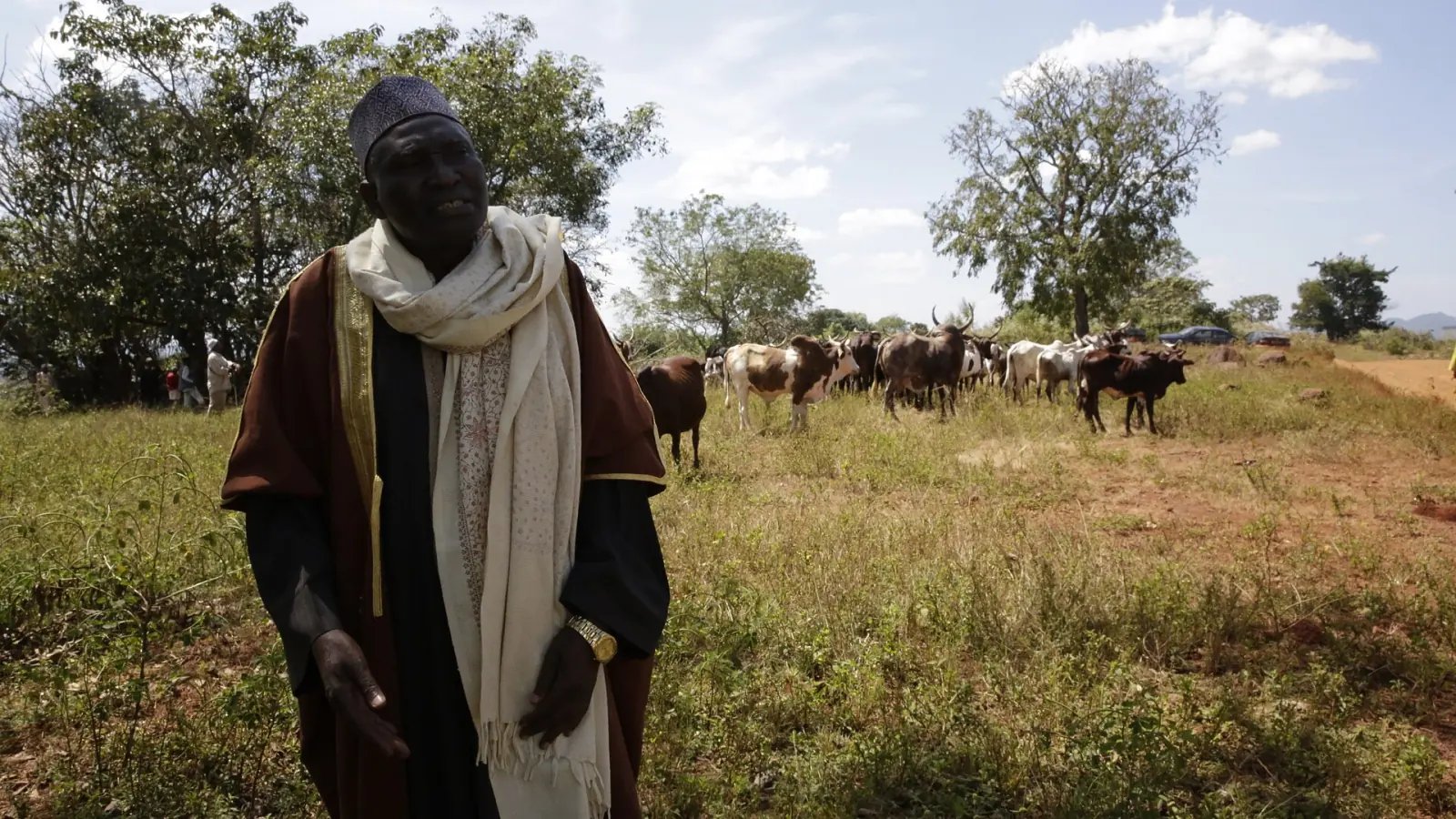
Fulani herder in a robe in front of his cattle herd in Adamawa

Adamawa – Ngaoundéré

Nicknamed the country’s water tower, the high-altitude Adamawa region is a land of livestock farming and of encounters between the Fulani, Mbum and Gbaya peoples. Ngaoundéré, the railway terminus, is a city of lamidates and markets. See the Adamawa page.

Centre – Yaoundé

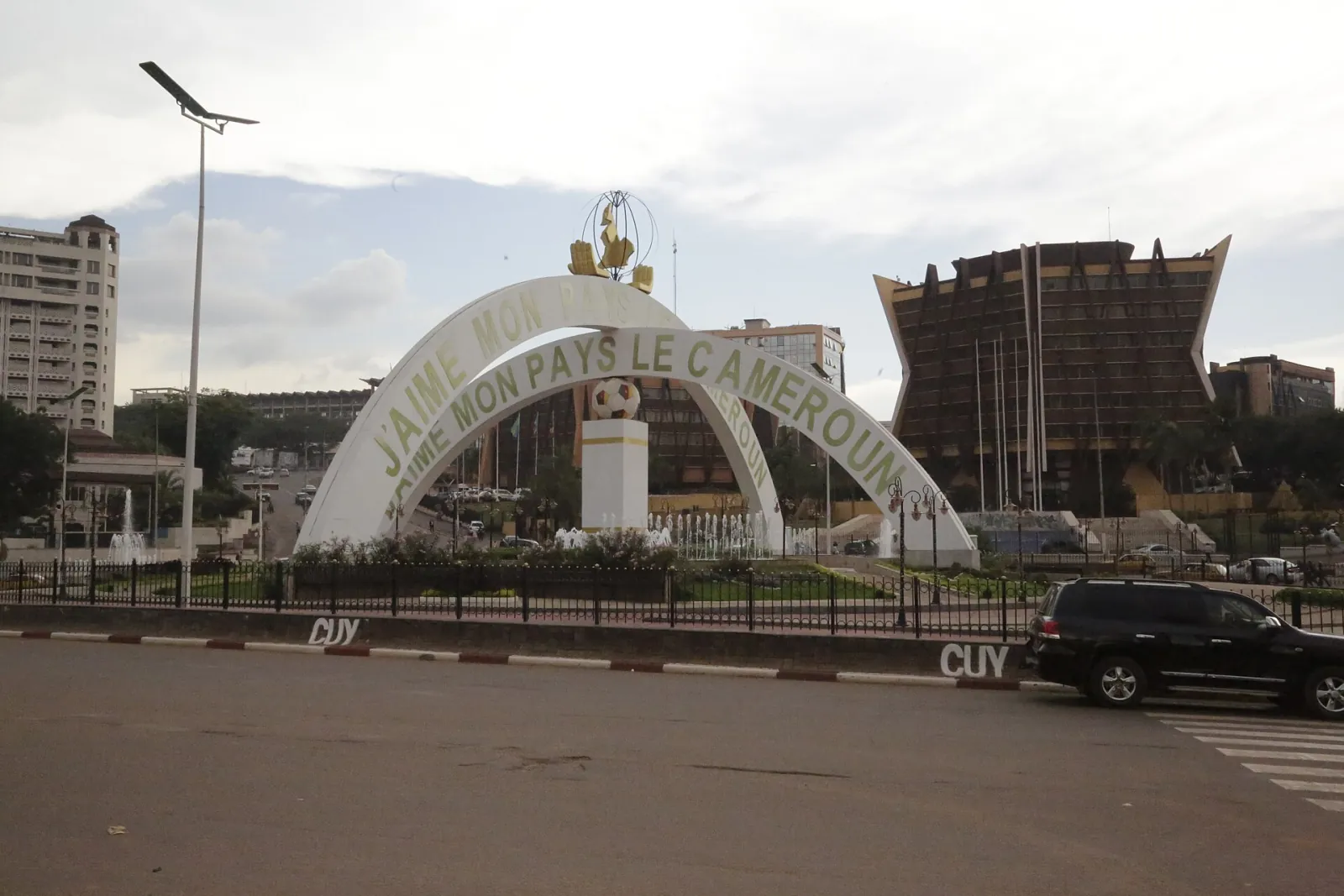
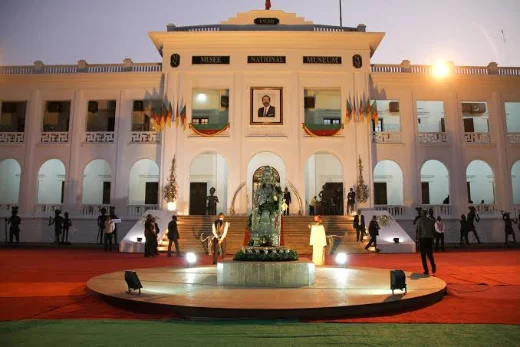
Seat of the institutions and of the Ministry, the Centre region combines museums, theatres, studios and bikutsi stages. Beti languages, such as Ewondo, are spoken there, and the Mbam’Art festival recalls the vitality of the creators of the Mbam. See Centre.

East – Bertoua

A large forest region, the East is home to forest peoples and Baka communities whose polyphonic songs are renowned. Bertoua is the gateway to a territory still little explored. See East.

Far North – Maroua

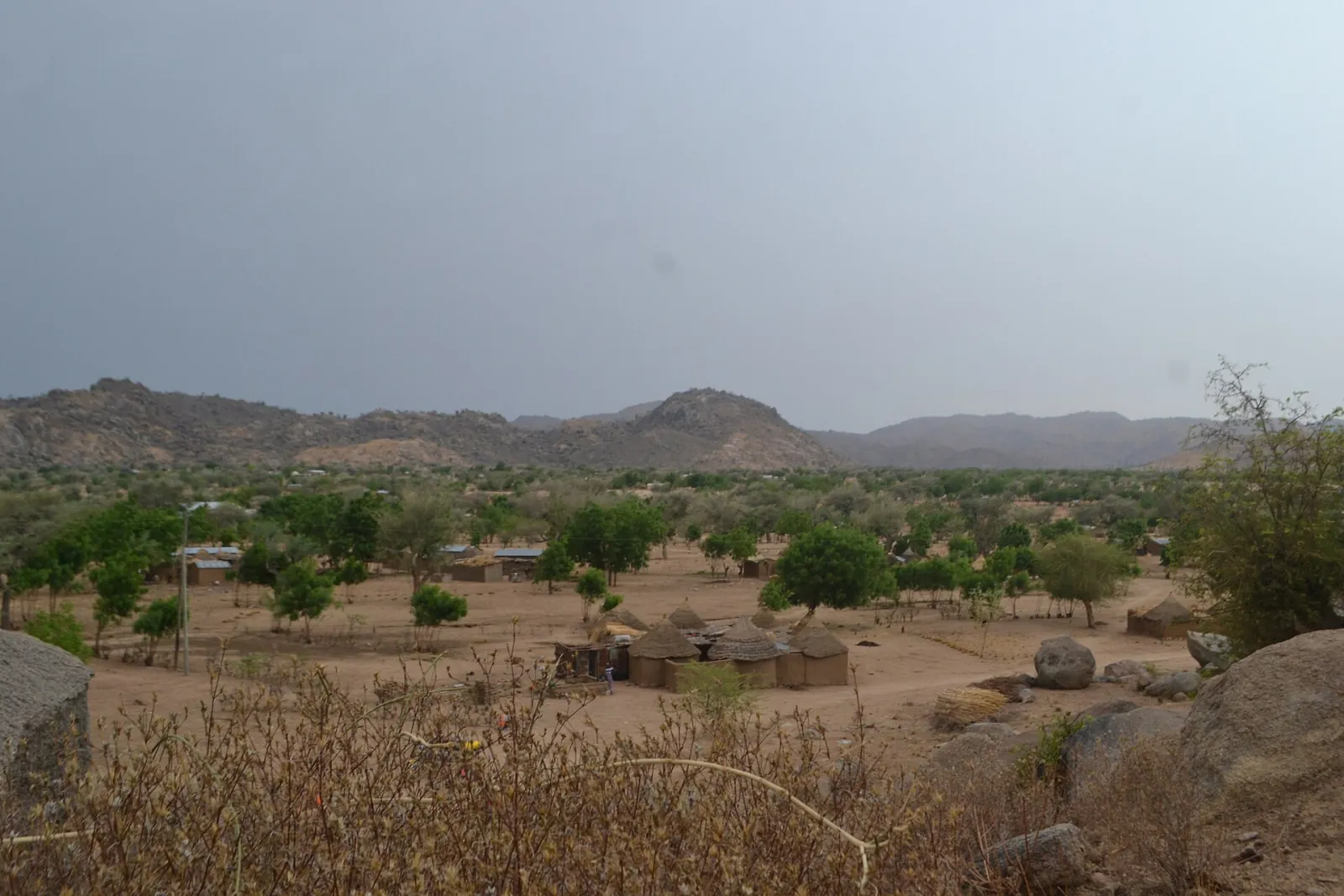
Between Lake Chad and the Mandara Mountains, the Far North offers the cultural landscape of Diy-Gid-Biy, the villages of Rhumsiki, Mousgoum architecture and dry-season festivals. Maroua is a centre of leather craft. See Far North.

Littoral – Douala

The economic capital, Douala is a city of music, galleries and festivals, where the Sawa people celebrate the Ngondo every year. See Littoral.

Portraits

Five regions to discover: from North to South-West

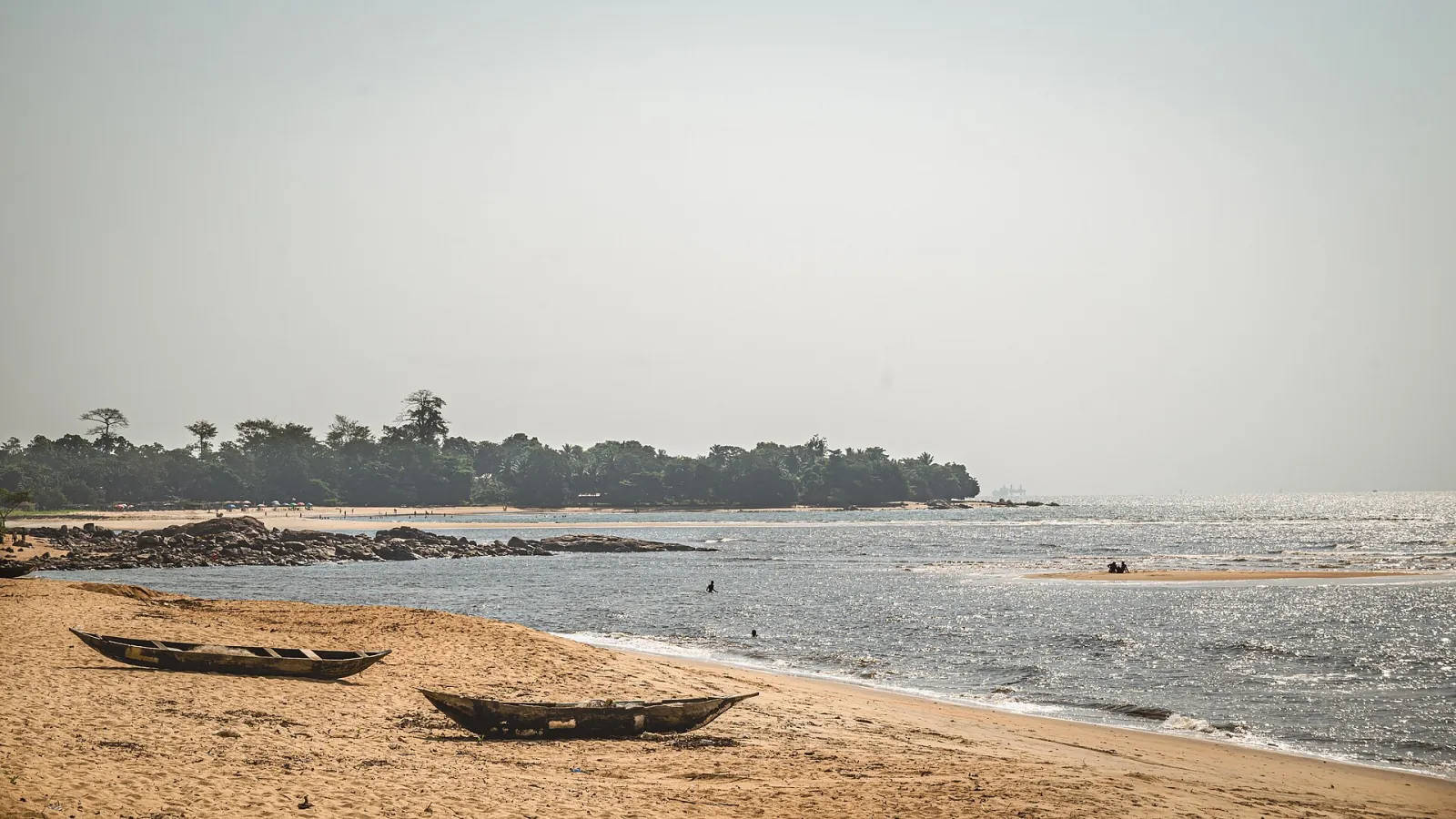
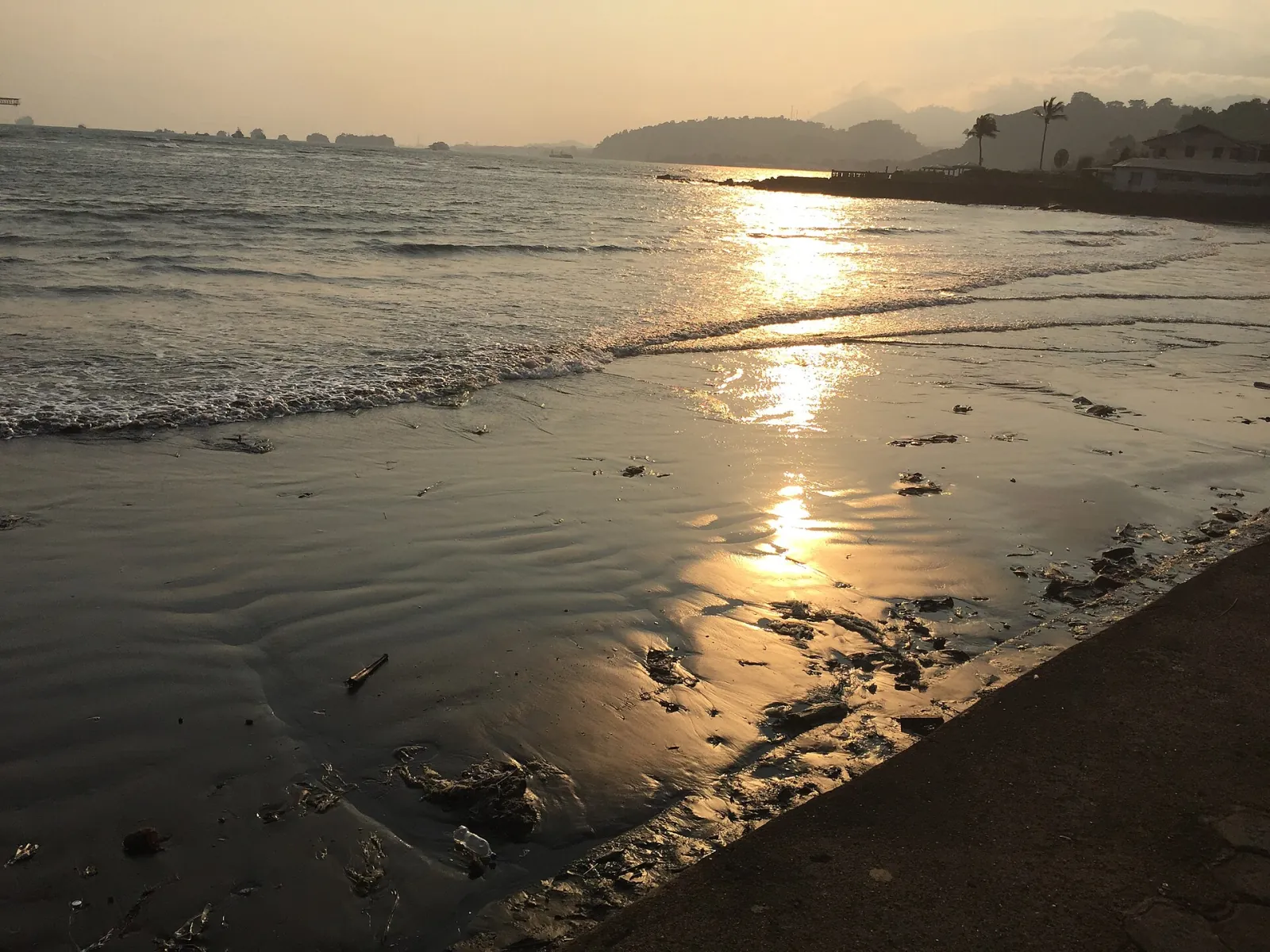
Sunset over the black-sand Down Beach in Limbe

North – Garoua

Crossed by the Benue, the North region is the land of the lamidates, including that of Rey-Bouba, and of great nature parks. Garoua hosts a craft market and court ceremonies featuring flute and drum music. See North.

North-West – Bamenda

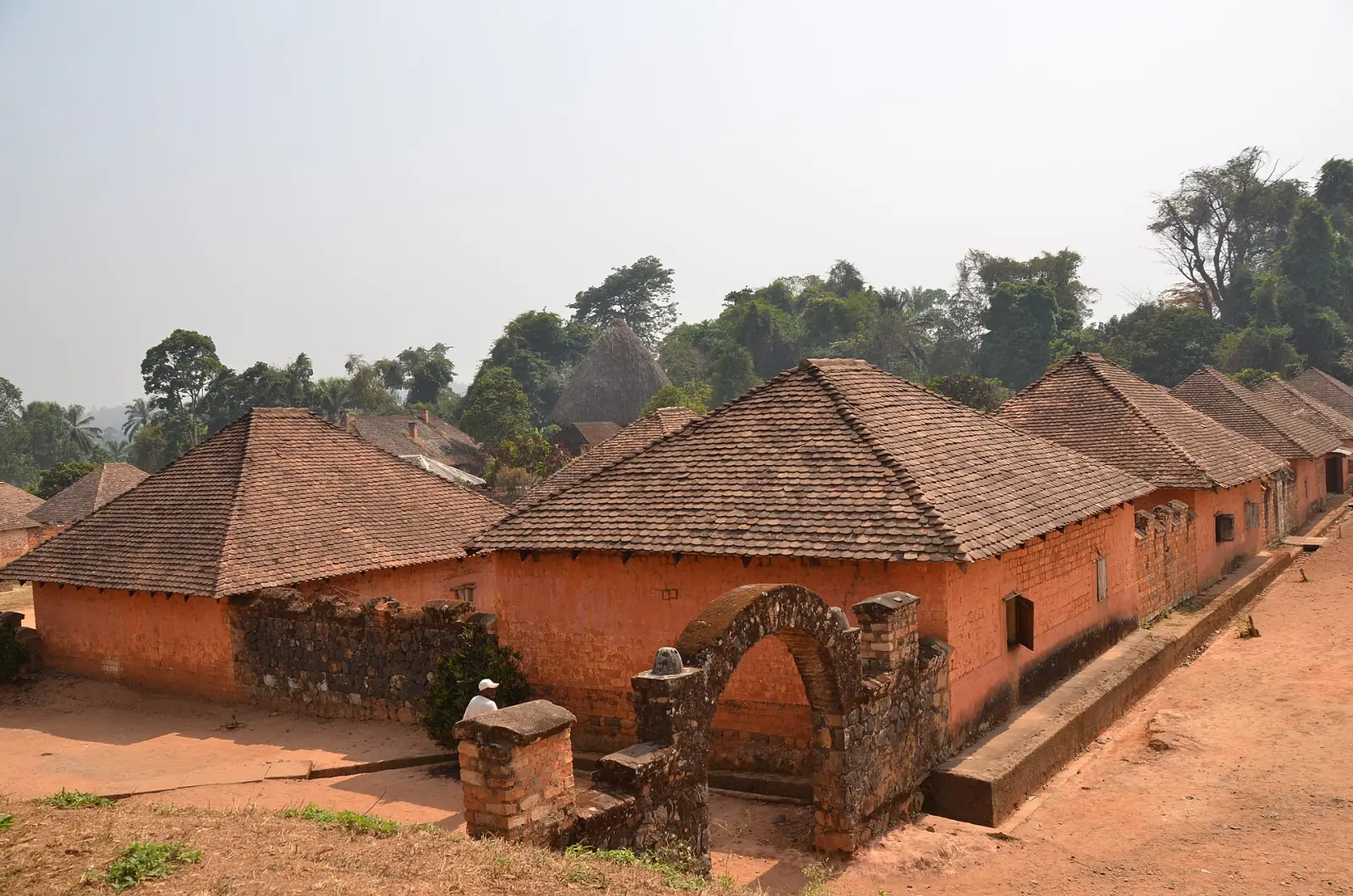
The land of the Grassfields, the North-West has kingdoms and palaces such as that of Bafut, masks and society dances. Bamenda is a university city and a centre of popular theatre. See North-West.

West – Bafoussam

Land of the Bamileke chiefdoms and the Bamum kingdom, the West brings together palaces, museums, beads, textiles and the great Nguon festival in Foumban. Bafoussam, the regional capital, is a dynamic trading city. See West.

South – Ebolowa

A region of forest and coast, the South is linked to the Bulu, Fang and Ntumu peoples, to evening songs and to the mvet epic. Ebolowa hosts the Journées des Patriarches and the Bia So Mengong festival. See South.

South-West – Buéa

Dominated by Mount Cameroon, the South-West region is an English-speaking region of plantations, coasts and forests. Buéa, the regional capital, has an intense university and cultural life. See South-West.

Key facts

The ten regions and their regional capitals

RegionRegional capitalCultural featuresPage to consult
AdamawaNgaoundéréLivestock plateau, lamidates, Fulani, Mbum and Gbaya/regions/adamaoua
CentreYaoundéCapital, museums, bikutsi, Beti languages/regions/centre
EastBertouaForest, Baka communities, polyphonic songs/regions/est
Far NorthMarouaMandara Mountains, Diy-Gid-Biy, leather craft/regions/extreme-nord
LittoralDoualaNgondo, urban music, port and galleries/regions/littoral
NorthGarouaBenue, lamidates, flutes and drums/regions/nord
North-WestBamendaGrassfields, Bafut palace, masks/regions/nord-ouest
WestBafoussamBamileke chiefdoms, Bamum kingdom, Nguon/regions/ouest
SouthEbolowaForest and coast, mvet, Bia So Mengong/regions/sud
South-WestBueaMount Cameroon, plantations, university life/regions/sud-ouest
By need

I want to explore the country

“The festivals relayed by the Ministry in 2026 illustrate the vitality of the regions.”

News
Journey

From the regions to the Ministry

RegionLocal creation

Artists, associations and chiefdoms run the festivals, workshops and rites in their territory.

MunicipalityThe first relay

The town hall receives the request, and hosts the local facility and meetings between residents.

DelegationThe Ministry’s relay

The regional delegation advises, examines files and forwards them to Yaoundé.

ManagementNational examination

The competent directorate examines the file and prepares the decision.

MinistryNational policy

The Ministry sets the guidelines and funds the most structuring actions.

ReturnFollow-up

The decision rests with the region, with monitoring and evaluation by the observatory.

Framework

Decentralisation, heritage and listed landscapes

Waterfall near Bafang plunging into a green amphitheatre

Culture is played out at the level of territories. The National Development Strategy 2020-2030 (NDS30) provides for the creation, under the supervision of the decentralised local authorities (CTD), of structures for training in and promotion of the arts and culture, such as culture centres and conservatoires. Regions and municipalities thus become major players, alongside the Ministry’s regional delegations.

Listing initiated by local executives

Law 2013/003 on cultural heritage provides that the listing of a property may be initiated by local executives. A mayor or the president of a regional council may propose the listing of a monument, a site or a landscape: see the decentralised cooperation page and the listing procedure.

Diy-Gid-Biy and recognised sites

The cultural landscape of Diy-Gid-Biy, in the Mandara Mountains, illustrates the importance of such recognition. It is one of the sites presented on the UNESCO sites page, alongside other natural and cultural sites of the country. Its management involves the communities, the chiefdom, local authorities and the Ministry.

To follow developments in facilities and festivals in each territory, consult the regional observatory.

Worth reading

The reference documents of the regions

For everyone

A gateway for every need

Users

To submit a file, obtain an authorisation or contact the Ministry close to home.

Regional DelegationsOne-Stop Shop

Travellers

To plan a stay, choose a circuit and visit chiefdoms in accordance with the rules.

Cultural routesCultural map

Researchers

To understand the languages, consult the data and explore the traditions in greater depth.

National languagesRegional observatory

Local authorities

To set up a house of culture or a conservatoire, or to propose a listing.

Decentralised cooperationTraditional chiefdoms
They bring the regions to life

The faces of the ten regions

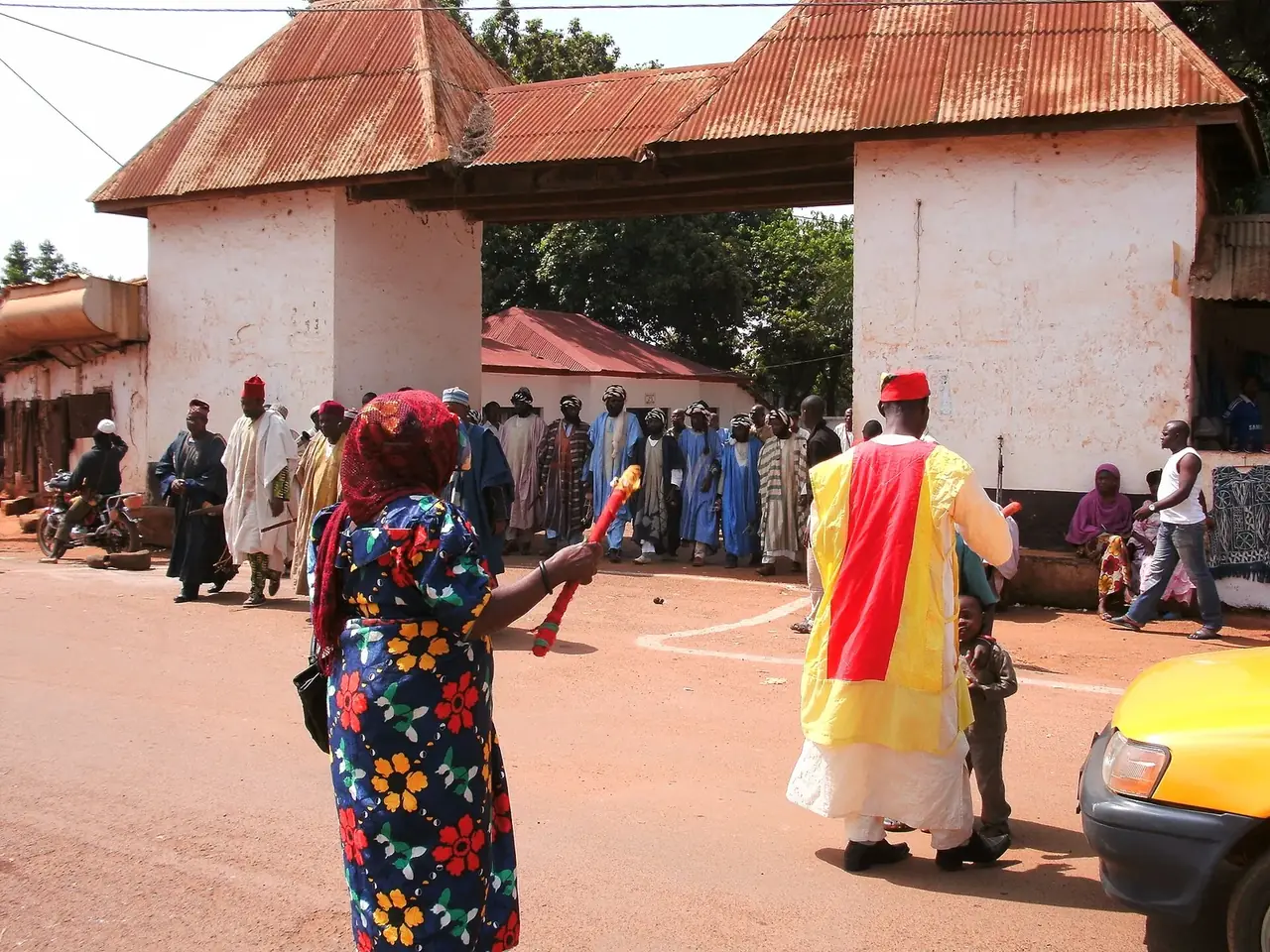
Entrance of the Foumban royal palace during a ceremony/ Foumban
A palace guardian

“Every visitor is received as a guest; we tell them the story of each object in the palace.”

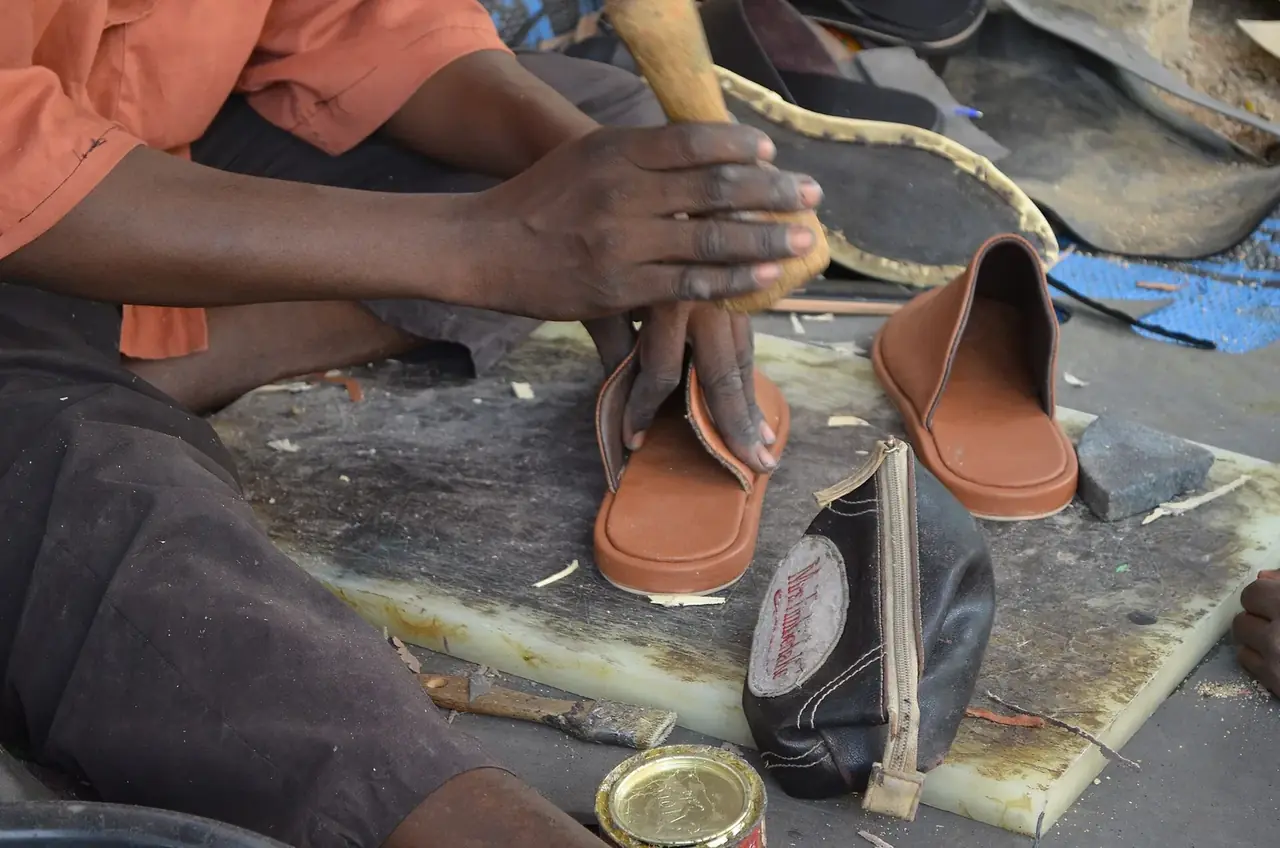
Shoemaker making leather shoes/ Maroua
A leather craftswoman

“My bags travel to the markets of the big cities, but the workshop stays in the village.”

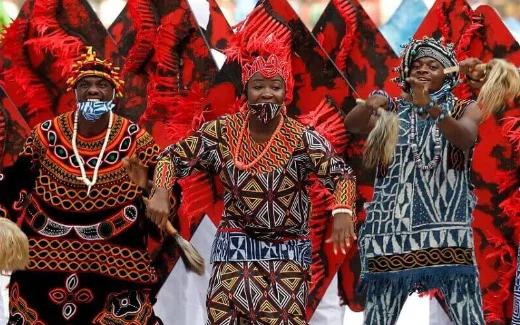
Dancers in red and black costumes at the Ngondo festival/ Douala
A festival organiser

“Every year, thousands of people come to the banks of the Wouri for the festival of our people.”

/ Ebolowa
A regional delegate

“Our mission is to listen to artists, to guide them and to carry their projects all the way to Yaoundé.”

Support

Schemes close to home

Find your delegation

Contact details, opening hours and services of the delegation in your region, with a reception desk on site and appointments available.

Delegations

One-Stop Shop

Submit your applications online from your region and track their progress with your file number.

One-Stop Shop

Grant application

Local authorities and associations may request financial support for a facility, a festival or a local project.

Request support

Festival authorisation

Organisers of regional festivals: the compulsory procedure to complete several weeks before the event.

Apply
Glossary

The words of the ten regions

Region

Administrative division of the country, ten in number, each organised around a regional capital.

Regional capital

Main city of a region, seat of its institutions and of the delegation.

Lamidate

A Fulani chiefdom of the North, headed by a lamido.

Chiefdom

Traditional authority and its territory, with its palace and its rules.

CTD

Decentralised local authorities: regions and councils.

Grassfields

High plateaux of the West and North-West, a land of kingdoms and chiefdoms.

House of Culture

Multipurpose local facility for performances, exhibitions and workshops.

Cultural landscape

Territory shaped by people and by nature, such as Diy-Gid-Biy.

Regional Delegation

Decentralised service of the Ministry in each region.

Pidgin English

Contact language of English origin used in many exchanges.

Mvet

String instrument and oral epic of the peoples of the South.

Bikutsi

Rhythm and dance of Beti origin, very popular in the Centre.

Resources

Regional resources

Stakeholders

Who is active in the regions?

Headlines

The regions to discover first

Questions

Your questions about the regions

Where do I submit a file in a region?

You can submit your file online through the One-Stop Shop or hand it in to the regional delegation of your region, which registers it and forwards it to the competent directorate. Bring the documents requested and keep your tracking number.

Where can I see the festivals of each region?

The national calendar lists festivals by month, region and discipline. You will find in particular the 2026 events such as Mbam’Art, Ngul Be Mvamba, Bia So Mengong or Ka’a Ndeh Mu’nka, as well as chiefdom festivals.

Is there a map of the culture of the regions?

Yes, the cultural map shows the museums, chiefdoms, venues, sites and festivals of the ten regions, with filters by theme and by region. It is enriched by reports from the delegations and from residents.

How many regions are there in Cameroon?

The country has ten regions: Adamawa, Centre, East, Far North, Littoral, North, North-West, West, South and South-West. Each region has its regional capital and its regional delegation of the Ministry of Arts and Culture.

Can a municipality have a property listed?

Yes. Law 2013/003 provides that listing may be initiated by local executives. The municipality or region submits a file to the Ministry, which examines it with the regional delegation.

Who funds the culture centres?

The NDS30 provides for their creation under the supervision of the decentralised local authorities. Funding brings together the local authority, the State and partners; the Ministry advises on set-up and operation.

How do I visit a chiefdom?

Inform the chiefdom or the delegation of your visit, respect the dress code and instructions, ask before taking photographs and give the customary contribution. A local guide makes it easier to meet the notables.

How do I have my association featured on the map?

Fill in the declaration form of the regional observatory and hand it in to the delegation of your region. After verification, your organisation appears in the region’s data and on the cultural map.

Contact

Contact the Ministry from your region

Address

Minister’s Office
Ministry of Arts and Culture
Quartier du Lac – Zone ministérielle
P.O. Box 1053 Yaoundé, Centre Region, Cameroon

Reach us

+237 6 51 70 58 41

contact@minac.gov.cm

Opening hours

Monday to Friday, 8 am to 4 pm

Continue the visit

Continue to other sections

Find your delegation

Contact details, opening hours and services of the delegation in your region, with a reception desk on site and appointments available.

Delegations
WhatsApp