
Festivals
Ngondo, Nguon, Écrans Noirs, fairs, biennials, regional and diaspora festivals: the calendar of Cameroon’s events and all the procedures to attend, organise and fund them.
Celebrations that make the heart of the country beat
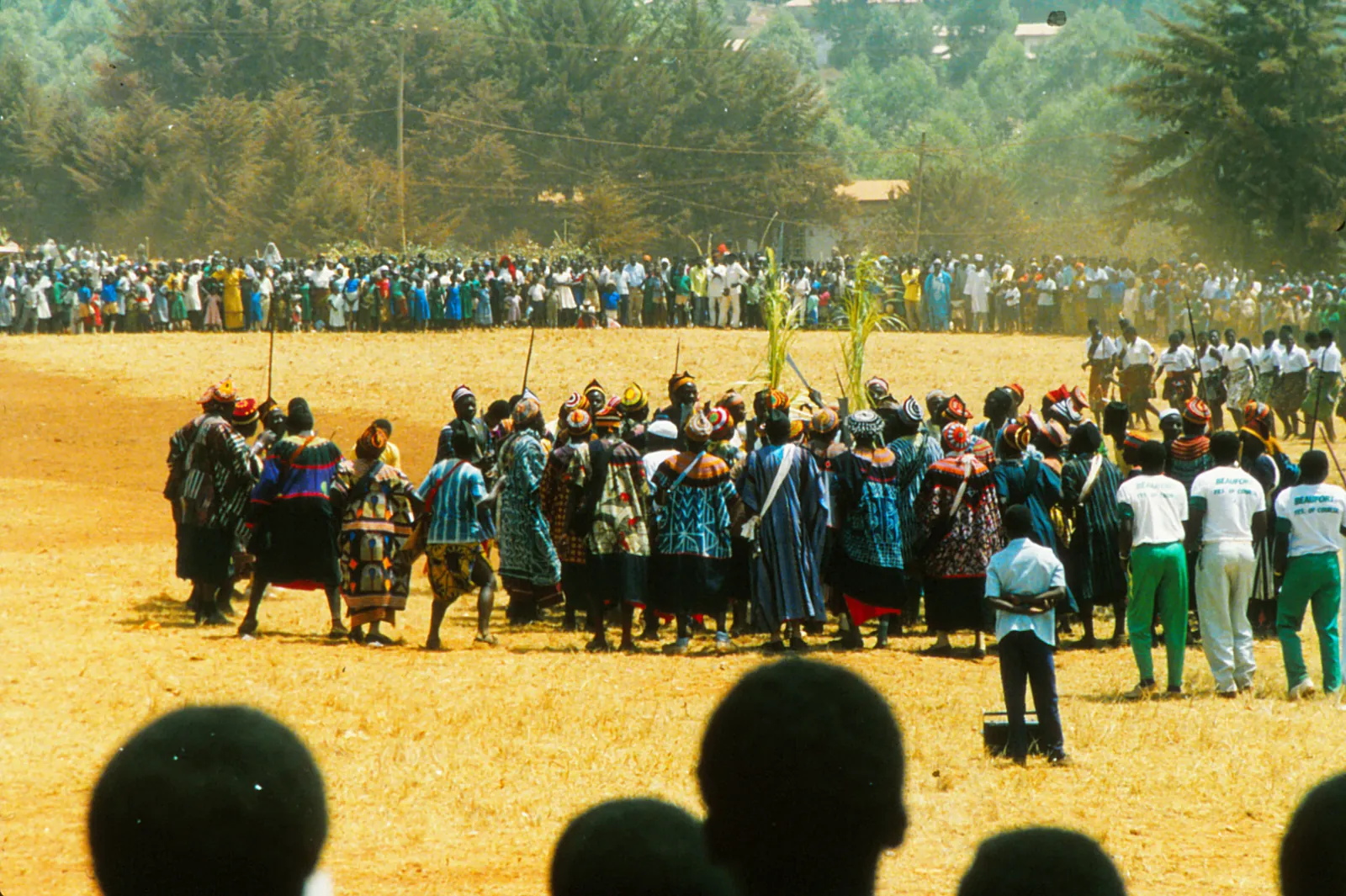
All year round, somewhere in Cameroon, a drum sounds, a regatta heads down the river, a cinema falls dark before the screening, a craftspeople’s market opens its stalls. Festivals are where culture meets its audience: festivals of peoples born centuries ago, modern book or fashion fairs, gatherings of music, dance, film and theatre.
This section brings together the national calendar, the major events, the festivals of each region, those of the diaspora, and everything that makes it possible to attend or organise them: authorisation, grants, ticketing, volunteering and archives. Seventeen pages for the spectator, the organiser, the volunteer and the researcher.
- A national calendar by month, by region and by discipline
- Dedicated pages on the Ngondo, the Nguon and the Écrans Noirs
- Everything needed to set up, fund and open a festival in due form
Why celebrate? From rites to today’s festivals
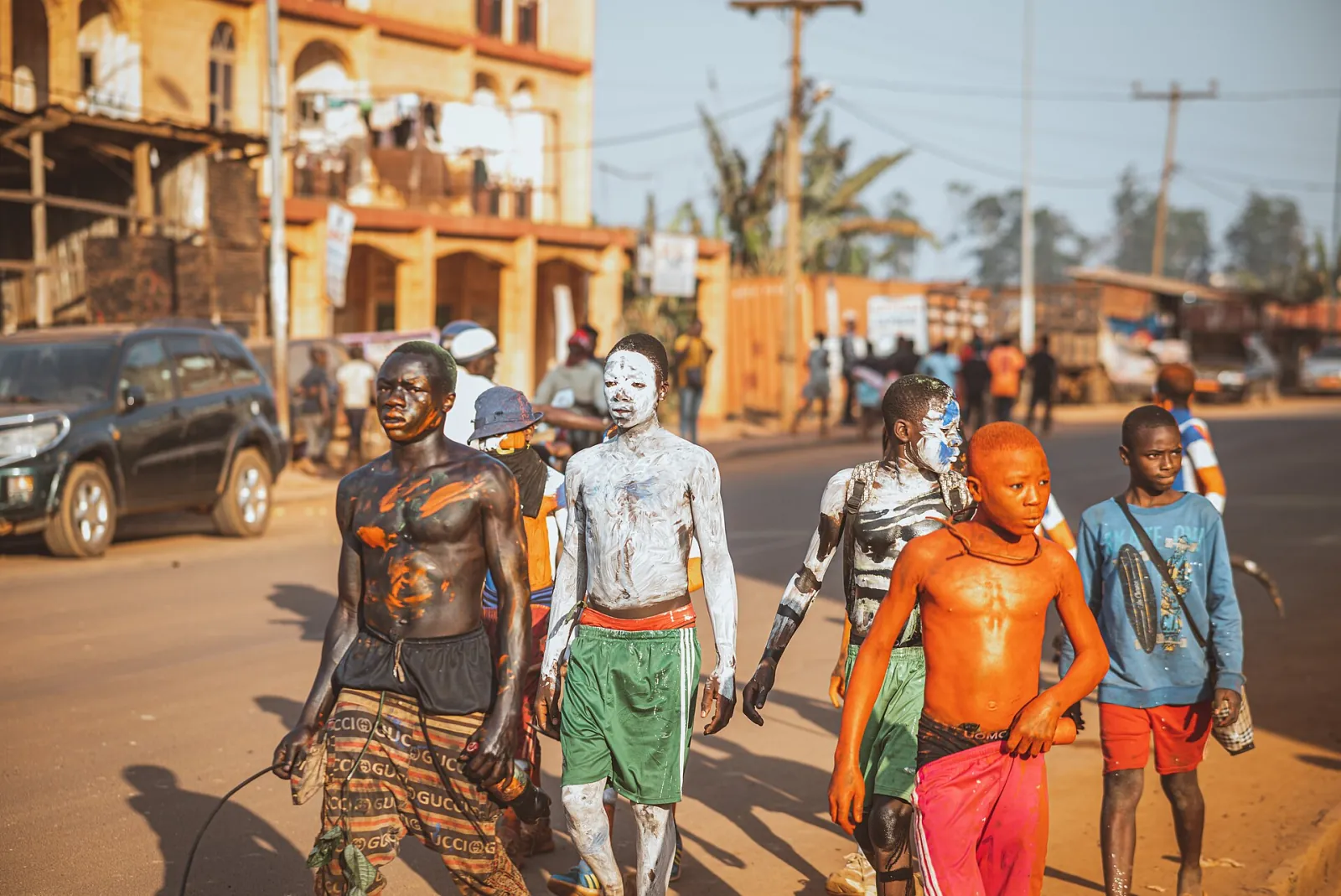
In Cameroon, the celebration came before the festival. Peoples have for centuries celebrated harvests, water rites, the enthronement of chiefs and initiations. Some of these celebrations have become major public events, with an organising committee, a programme and a national audience. Others, more recent, have arisen from initiatives by associations, towns or artists’ collectives.
The role of festivals is threefold. They transmit, because elders meet young people there; they disseminate, because companies, musicians, filmmakers and writers find an audience there; they develop, because they keep hotels, transport, crafts and catering alive, as the Cultural tourism page shows.
In 2026, the Ministry relayed several editions: Mbam’Art, Ka’a Ndeh Mu’nka, the Ngul Be Mvamba Patriarchs’ Days, Tokna Massana and the International Book and Reading Fair. These events and many others appear in the national calendar, which can be consulted by month, region and discipline, and exported to your diary.
The site’s cultural agenda complements the national calendar with the month’s events.
Ngondo, Nguon, Écrans Noirs: three events that matter
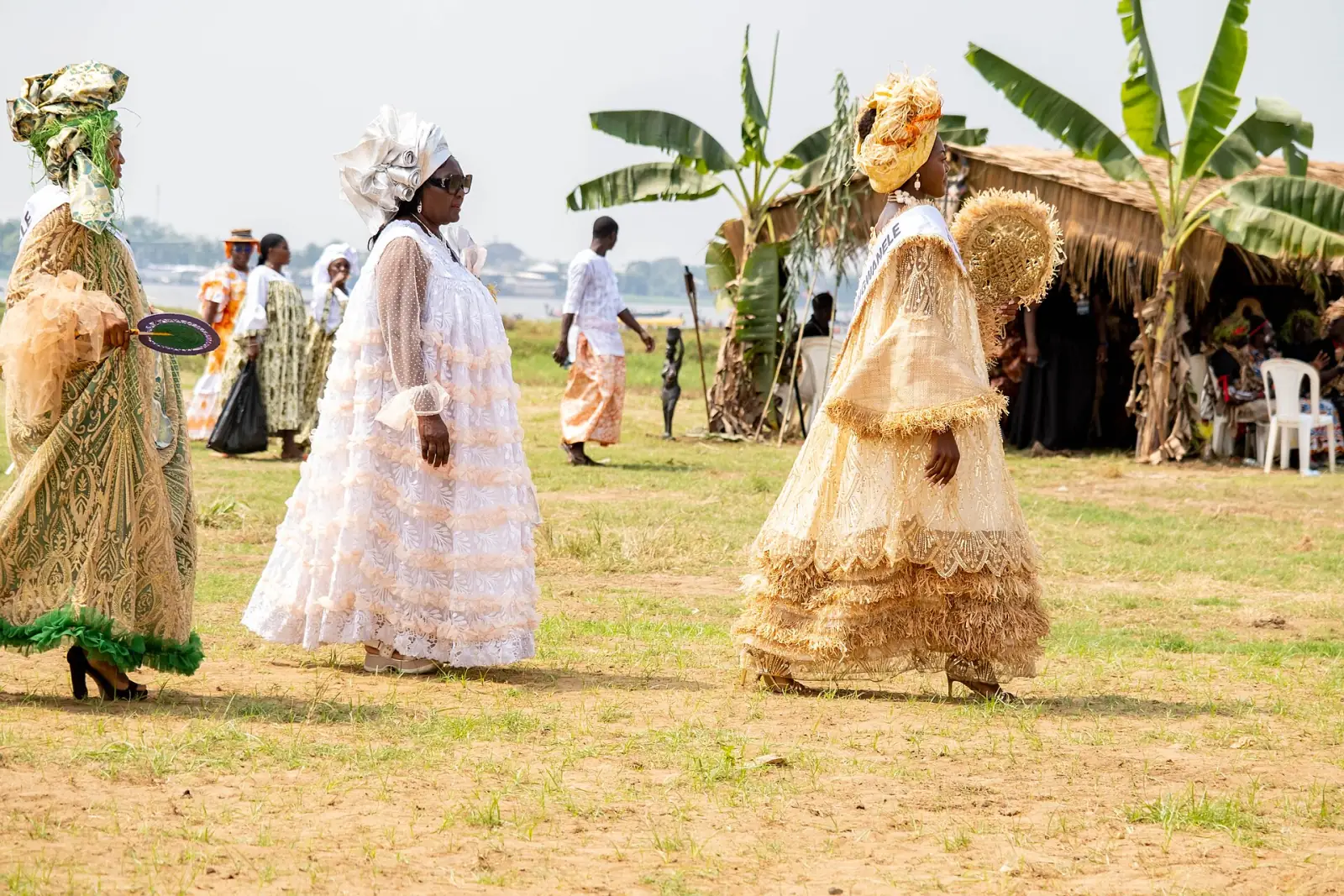
The Ngondo is the great festival of the Sawa people, in the Littoral. Its ceremonies span four days in Douala: rites on the Wouri river, regattas, parades, concerts and gatherings of traditional authorities. The page presents the festival’s history, the programme, practical information and media coverage.
The Nguon celebrates the Bamoun kingdom in Foumban, in the West region. Its 2026 edition, the 549th, was run by the Nguon Foundation: court ceremonies, dances, parades and discovery of the royal city. The page offers a visitor guide and a calendar of ceremonies.
The Écrans Noirs is a film festival: official selection, jury, programme and accreditation for professionals and the press. It complements the traditional cultural scene with a highlight devoted to the image, in connection with the Cinema and audiovisual page.
Heritage, music, books, stage: the events of the year
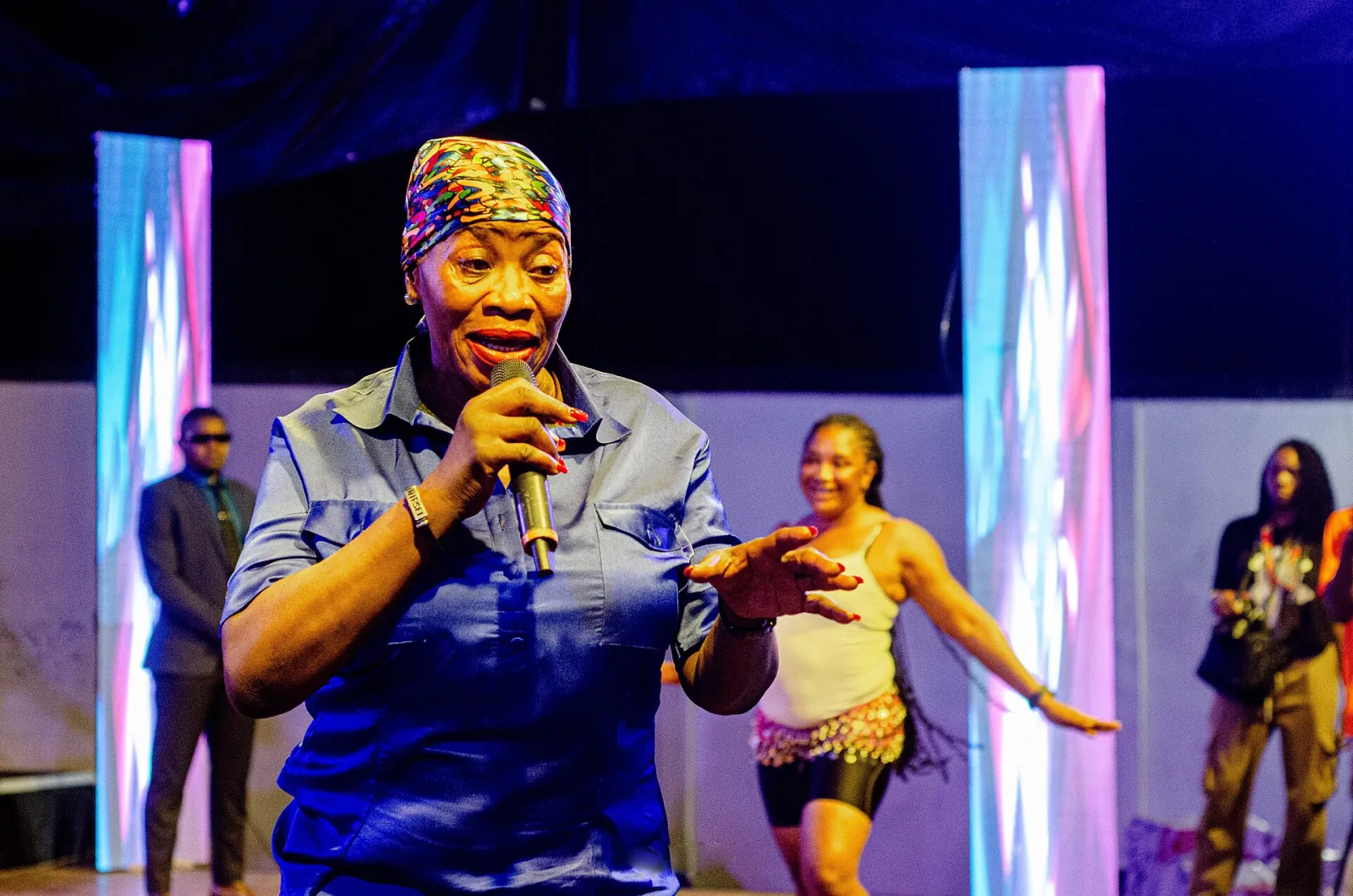
Each year, the heritage days open around one hundred and twenty sites across the ten regions, with hundreds of activities and thousands of schoolchildren. On 21 June, the music festival takes over the streets of forty towns. The cultural days link schools, towns and the diaspora; in 2026 they included a cultural camp in the South-West.
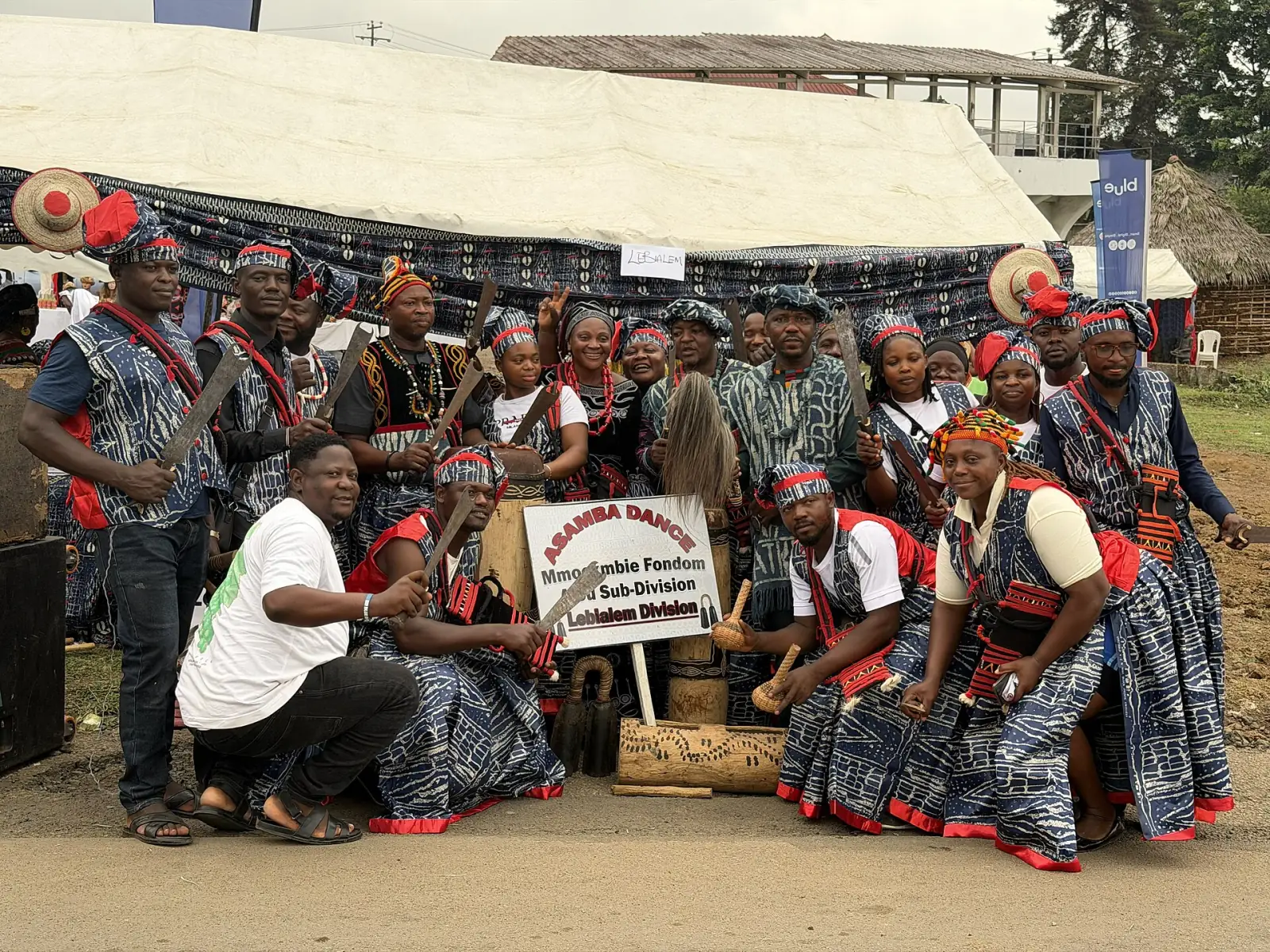
The regional festivals cover the Centre, Littoral, West, North and the other regions: Mbam’Art is on its twelfth edition, Ka’a Ndeh Mu’nka on its sixth and Ya Jazz on its twenty-sixth. The fairs and trade shows bring together books, crafts, fashion and tourism, while the biennials celebrate, every two years, the visual arts, dance and architecture.
Finally, the national competitions in music, theatre and dance offer emerging talents a three-stage selection path, from the regions to the final.
Authorise, fund, sell, mobilise: setting up a festival
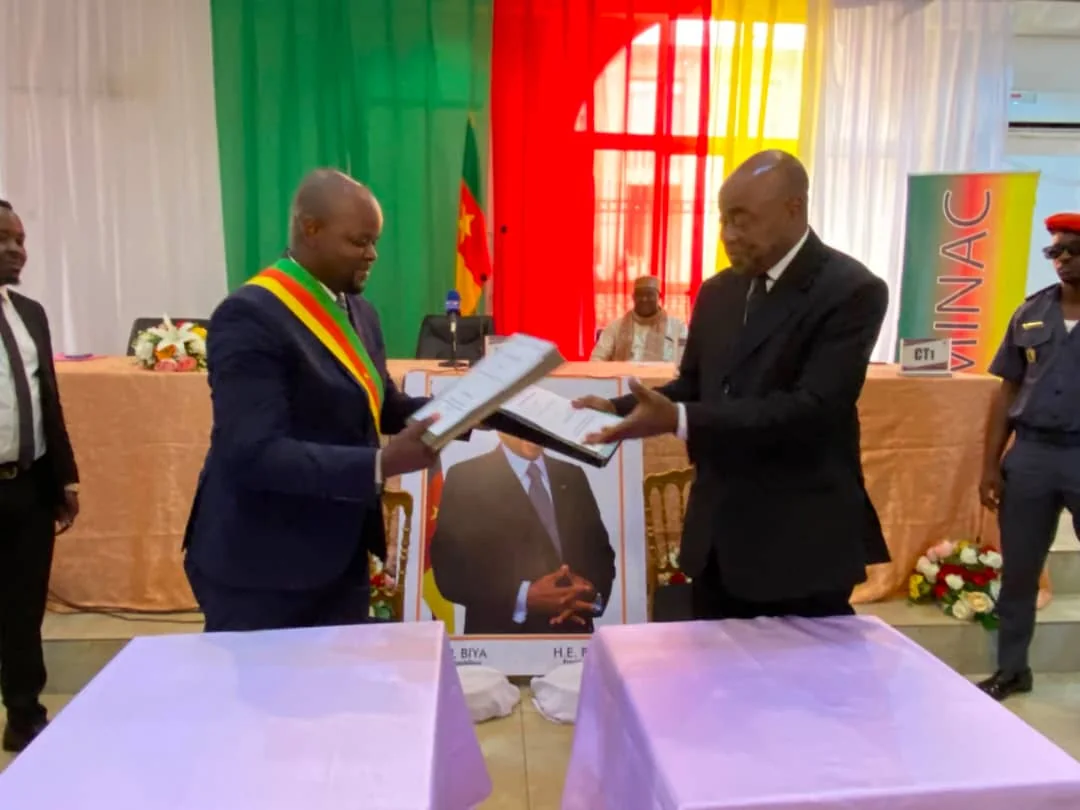
Everything begins with the Organising a festival page, which serves as the organiser’s guide: concept, calendar, budget, public safety. The festival authorisation is requested online, at any time, several weeks before the date; the show application covers each public performance, and the filming authorisation covers professional filming.
Funding comes through event grants: eligibility criteria, composition of the file, annual calendar and final report. Other sources are described in Funding culture. Ticketing governs sales, prices, points of sale and accessibility, and volunteering mobilises the field teams with assignments, training and a charter.
The Ministry recommends submitting the file as early as possible: processing times lengthen as the season advances. Remember also to inform the town hall, the health services and the law enforcement forces, whose support will be needed on the day of the event, as well as the traditional authorities when the festival is held in a chiefdom.
Festival authorisation is processed in order of arrival; track your file with its number on the tracking page.
Archives and diaspora festivals: keeping a record, going further
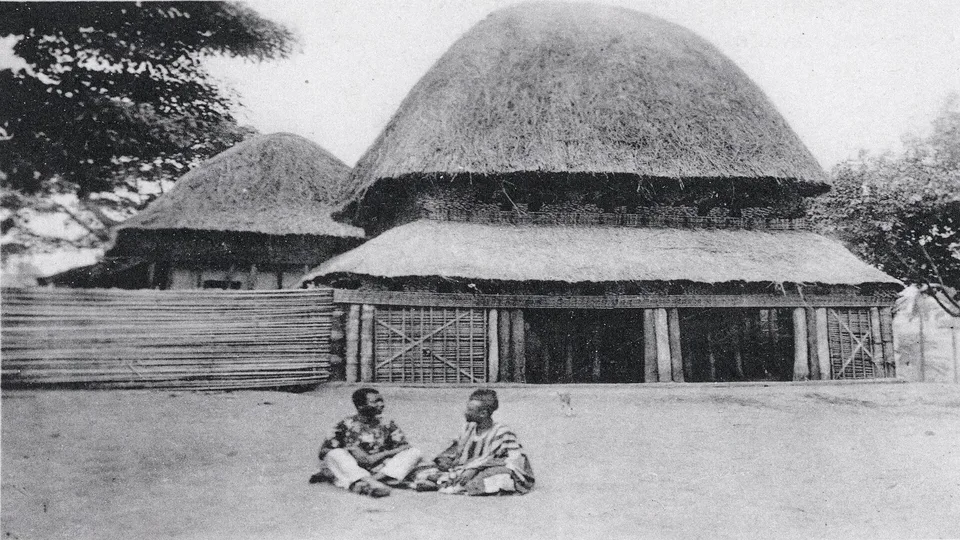
A festival does not end when the lights go out. The archives preserve past editions, photographs, videos and award lists, enabling researchers, journalists and organisers to understand how an event has evolved. They are complemented by the Ministry’s work on institutional conservation.
The diaspora festivals extend the country’s celebrations to Europe, the Americas and Africa: dances, music, cuisine, film and gatherings. Artists may apply to take part, and diaspora associations may request a partnership with the Ministry. The Cooperation section describes the links with Cameroonians abroad and the artist exchanges page the mobility options.
An entry point for every participant
Spectator or tourist
Find a festival, buy a ticket and plan your stay in the host region.
National calendarTicketingOrganiser
Obtain authorisations, fund the event, ensure safety and submit a report.
Organise a festivalEvent grantsArtist or company
Apply to competitions, biennials and diaspora festivals.
National competitionsDiaspora festivalsVolunteer, student or journalist
Join a team, consult the archives and prepare a report.
VolunteeringArchivesA year of festivals in Cameroon
Regional festivals open their calls, national competitions begin their selections and organising committees file their authorisation applications.
The season of music gatherings opens, with the music festival on 21 June in forty towns and open stages in neighbourhoods.
Cinema, summer cultural camps and several festivals of peoples bring together young people, families and visitors from afar.
The heritage days open the sites, while book and craft fairs enliven the major cities.
Organisers submit their reports, the archives are updated and the end-of-year celebrations give rise to numerous concerts.
The events at a glance
| Appointments | Venue or region | Nature | Page to consult |
|---|---|---|---|
| Ngondo | Douala, Littoral | Festival of the Sawa people, rites of the Wouri | Ngondo |
| Nguon | Foumban, West | Festival of the Bamoun kingdom | Nguon |
| Écrans Noirs | Yaoundé | Film festival | Écrans Noirs |
| Heritage Days | Ten regions | Opening of sites and workshops | Heritage Days |
| Music Day | Forty towns, 21 June | Open stages | Music Day |
| Fairs and exhibitions | Major cities | Books, crafts, fashion, tourism | Fairs and exhibitions |
| Biennials | Rotating between towns | Visual arts, dance, architecture | Biennials |
| National competitions | Ten regions then final | Music, theatre, dance | National competitions |
The pages to consult first
National calendar
64 events listed in 2026, classified by month, region and discipline.
Discover →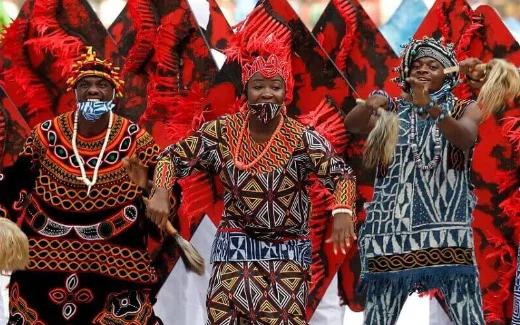
Ngondo
The festival of the Sawa people and its water rites on the Wouri.
Discover →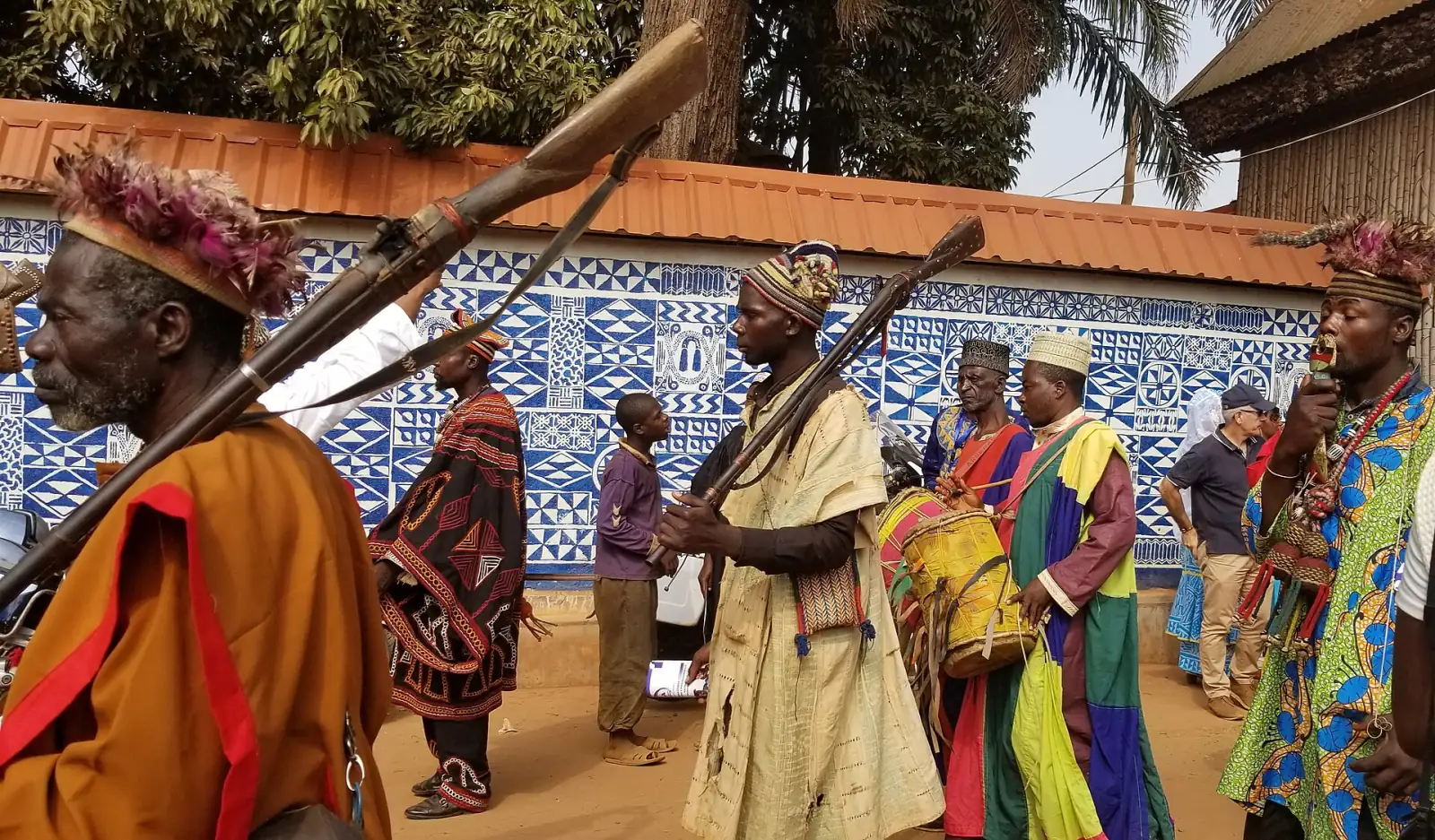
Nguon
Foumban in celebration: court ceremonies, dances and visits.
Discover →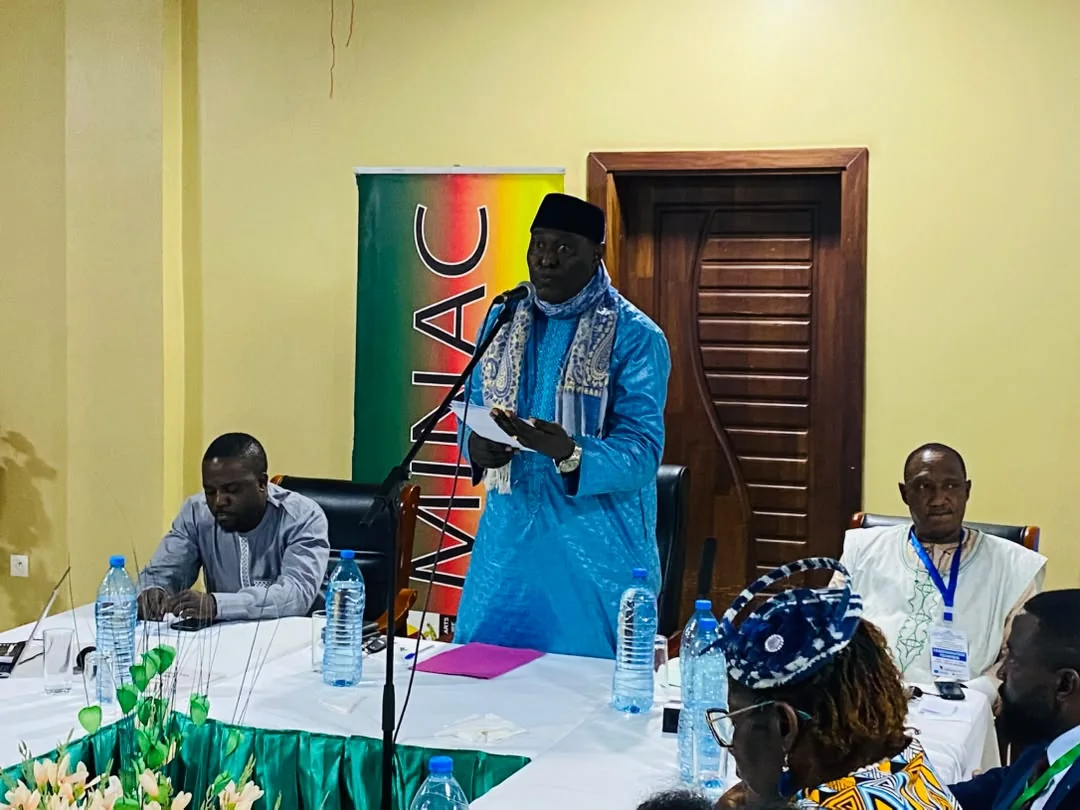
Organise a festival
Organiser’s guide: authorisation, safety and funding.
Discover →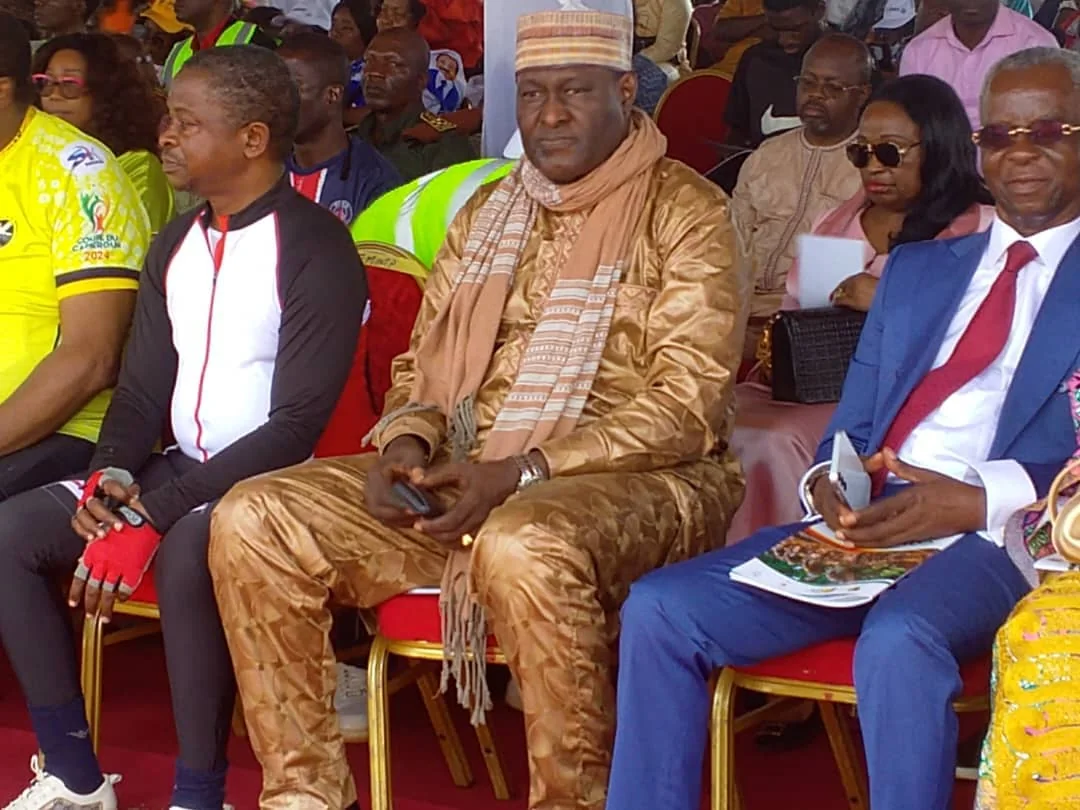
Event grants
Criteria, file, timetable and report for funding an event.
Discover →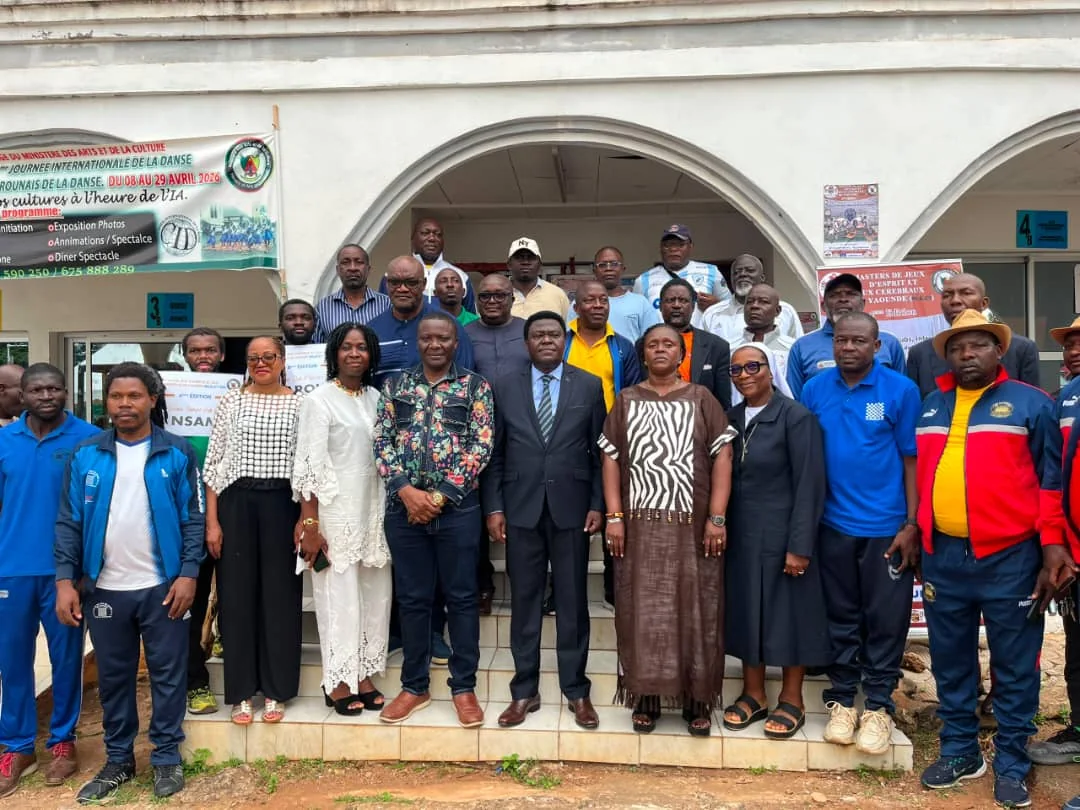
Volunteering
Becoming a volunteer, assignments, training and the volunteer charter.
Discover →“A festival is judged the next day: in the clean streets, the craftspeople paid, the volunteers thanked and the archives put in order.”
Organisers’ procedures
Festival authorisation
Request authorisation online, at any time, with the programme, the venue and the safety plan.
Submit the applicationOrganisers’ texts and guides
Law 2004/001 on the regulation of performances
Full text of the regime governing shows and licencesImplementing decree for the regime governing shows
Regulatory text on the organisation of showsFestival organiser’s guide
Steps, deadlines and responsibilities of the organiserModel event grant file
Documents to assemble for the funding applicationFestival volunteer charter
Volunteer assignments, training and commitmentsExport of the national calendar in ICS format
Compatible with diary applicationsThe words of festivals
Publishing
An occurrence of a festival: the 549th edition of the Nguon was held in 2026.
Programming
Ordered list of the shows, screenings and gatherings of a festival.
Accreditation
Access authorisation reserved for professionals, journalists and teams.
Ticketing
System for selling tickets, online or on site.
Biennial
Artistic event held every two years.
Open stage
Show open to amateur artists, without prior selection.
Organising committee
The team that carries the event and answers for its preparation before the authorities.
Security plan
A document describing access, emergency services, evacuation and crowd supervision.
Regatta
Canoe race, at the heart of several Littoral water festivals.
Diaspora
A community of Cameroonians living abroad and attached to the country.
Review
Final report on the programming, attendance and accounts of an event.
They experience the festivals
For the first time, our authorisation file was processed online without any travel; we were able to devote that time to the programming.
Bafoussam
As a volunteer, I learned about welcoming the public, logistics and communication; the experience opened the door to a cultural job.
Douala
The festival filled our guest rooms for a week and kept the whole village working: craftspeople, cooks, taxi drivers, guides.
Foumban
From abroad, we applied to the diaspora festival; our company was able to present a new work to an audience of several hundred people.
Europe
Going further into festivals
Who keeps the festivals going?
Your questions about festivals
Where can I find the dates of the year’s festivals?
In the national calendar, which classifies events by month, region and discipline, and offers an export for your diary. The site also publishes a cultural agenda and the news relayed by the Ministry, including the 2026 editions of several festivals.
Is authorisation needed to organise a festival?
Yes. The festival authorisation is requested online, at any time, several weeks before the event. It is supplemented by the show authorisation for each public performance and, where applicable, by the filming authorisation.
Can my festival receive a grant?
Yes, by an online application to the competent directorate. The Event grants page sets out the eligibility criteria, the composition of the file, the annual calendar and the final report required for any new application; the reply is notified to the organiser.
How do I buy tickets, and what should I do to get an accessible seat?
Ticketing is run by the organiser, online and on site. Reduced rates are set by each organiser, and accessible venues are indicated on the event page. Contact the team in advance to reserve a suitable seat.
How do I become a festival volunteer?
See the Volunteering page: it presents the assignments, the training offered and the volunteer charter. Register with the organiser of the festival you are interested in; an interview will clarify your availability and preferences.
Can my group take part in a national competition?
Yes, in three disciplines: music, theatre and dance. Registration is online with the regional delegation, ahead of a regional selection, then a national selection and a final. The National competitions page details the rules and how to read the results.
Are there diaspora festivals?
Yes, in Europe, the Americas and Africa. Artists may apply, and associations may request a partnership. The Diaspora festivals page presents the events and the application procedure.
Whom should I contact for any other question?
Write to the Directorate of Shows and Creative Industries at the Ministry’s official address or call +237 6 51 70 58 41 from Monday to Friday. The regional delegation can also guide you and support you in your procedures.
Contact the Directorate of Shows
Address
Directorate of Shows and Creative Industries
Ministry of Arts and Culture
Quartier du Lac – Ministerial Zone
P.O. Box 1053 Yaoundé, Centre Region, Cameroon
Opening hours
Monday to Friday, 8 am to 4 pm
Explore other themes
Is your festival taking shape?
Submit the authorisation application online and follow your file through to the decision.