Coat of arms of CameroonMinistry of Arts
and Culture
Republic of Cameroon
My procedures
Home
Minister’s message
News
Press releases
Cultural calendar
Official speeches
Press review
Photo library
Video library
Calls for projects
Job vacancies
Public procurement
Newsletter
Frequently asked questions
Site map
Contact
Press area
Podcast “The Voice of Culture”
Legal notices
Privacy policy
Cookies and trackers
The Ministry
Missions and responsibilities
Organisation
Organisation chart
Minister’s Office (Cabinet)
Management team
General Secretariat
General Inspectorate
Central directorates
Regional Delegations
Institutions under supervision
Legislative texts
Regulatory texts
Sector strategy
Major projects
Budget and reports
Partners
Careers
Archives
Institutional communication
Quality and accessibility
Arts
Visual and plastic arts
Visual arts
Performing arts
Theatre
Dance
Music
Literature and books
Cinema and audiovisual
Photography
Fashion and design
Digital arts
Art crafts
Artists’ directory
Residencies
Prizes and awards
Arts education
Urban arts
Heritage
Tangible heritage
Intangible heritage
UNESCO sites
National museums
Listed monuments
National inventory
Palaces and chiefdoms
Archaeology
Linguistic heritage
Oral traditions
Traditional know-how
Restitution of cultural property
Fight against illicit trafficking
Listing and protection
Conservation and restoration
Heritage Days
Cultural landscapes
Industries
Music and recording
Cinema
Publishing and books
Digital arts
Fashion and creativity
Crafts
Cultural tourism
Funding for culture
Support funds
Incubators
Cultural entrepreneurship
Culture Observatory
Vocational training
Studies and reports
Sector statistics
Export and outreach
Intellectual property
Copyright
Legal framework
Copyright and neighbouring rights
Collective management societies
Register a work
Licences
Private copying
Fight against piracy
Model contracts
Social status of artists
Mediation
Disputes
Training
Fee scales
Register of works
Contact
Digital neighbouring rights
Public domain
Festivals
National calendar
Ngondo
Nguon
Écrans Noirs
Heritage Days
Music Day
Regional festivals
Fairs and exhibitions
Biennials
National competitions
Cultural days
Organise a festival
Event grants
Ticketing
Archives
Volunteering
Diaspora festivals
Regions
Adamawa
Centre
East
Far North
Littoral
North
North-West
West
South
South-West
Cultural map
Regional Delegations
Traditional chiefdoms
National languages
Cultural routes
Decentralised cooperation
Regional observatory
Cooperation
UNESCO
Francophonie (OIF)
African Union
Commonwealth
CEMAC
Bilateral cooperation
Cultural agreements
Professional organisations
Scholarships
Artist exchanges
Cultural years
Diaspora
Funded projects
Embassies
Technical partners
International restitution
International monitoring and calls
Services
Artist card
Show authorisation
Filming authorisation
Festival authorisation
Deposit of a work
Export of works of art
Listing of a property
Grant application
Association accreditation
File tracking
Forms
Fees
Opening hours and addresses
Reporting
Online help
My account
One-Stop Shop
Regions

Far North

Mandara Mountains, the Diy-Gid-Biy cultural landscape inscribed on the World Heritage List, Musgum huts, blacksmiths, weavers and horsemen: the Far North Region (regional capital Maroua) is a mosaic of peoples, languages and know-how.

Updated on 6 November 20264 sub-pages
Regional capitalMaroua
Divisions6
World Heritage siteDiy-Gid-Biy
Peoples recorded20+
Far North region

Culture in the Far North region

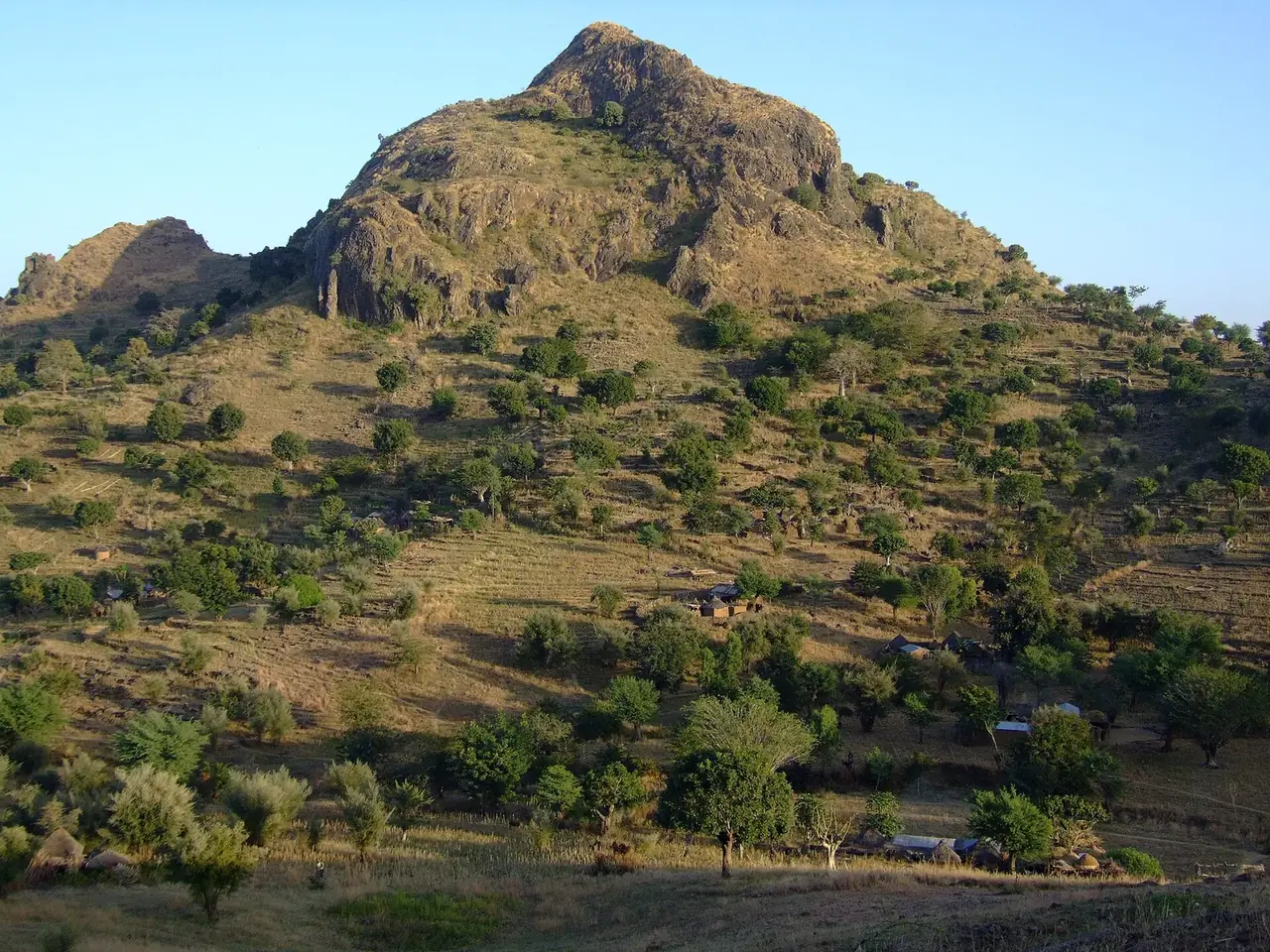
Mora plain and village beneath the Mora massif

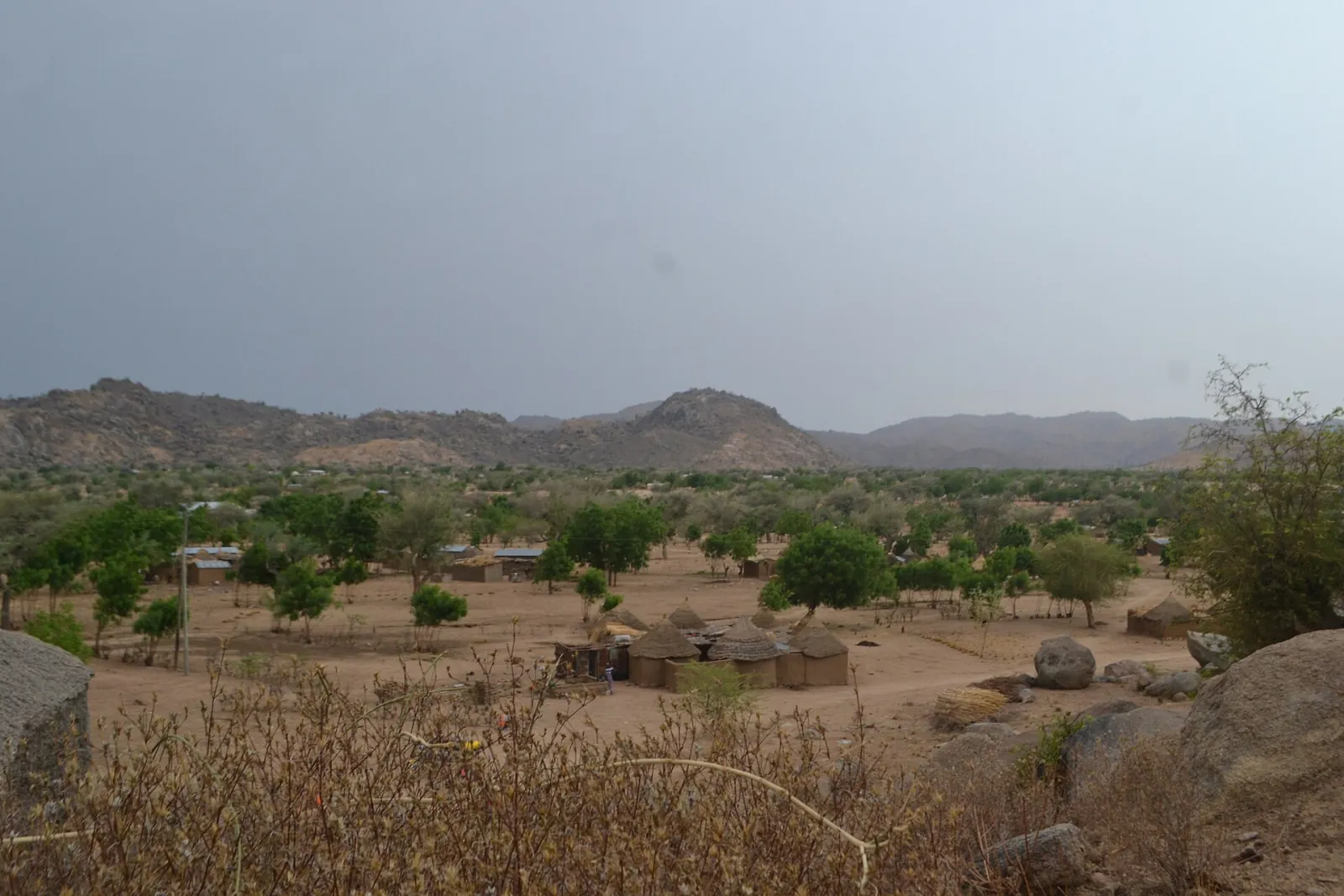
Between the Sahelian plateaux, the Logone plains and the Mandara Mountains, the Far North has one of the highest cultural densities in the country. Mafa, Kapsiki, Mofou, Guiziga, Musgum, Massa, Toupouri, Kotoko, Mandara, Shuwa Arabs and Fulani live side by side there, with their own architectures, languages and festivals.

The Diy-Gid-Biy cultural landscape of the Mandara Mountains is listed among the World Heritage sites. The Maroua regional delegation of arts and culture relays the Ministry’s action for its safeguarding and for the support of artists, craftspeople and organisers in the region.

  • A regional delegation in Maroua
  • A cultural landscape inscribed on the World Heritage List
  • Languages, architectures and know-how of great variety
The delegation and the sites
Delegation

The regional delegation of the Far North in Maroua

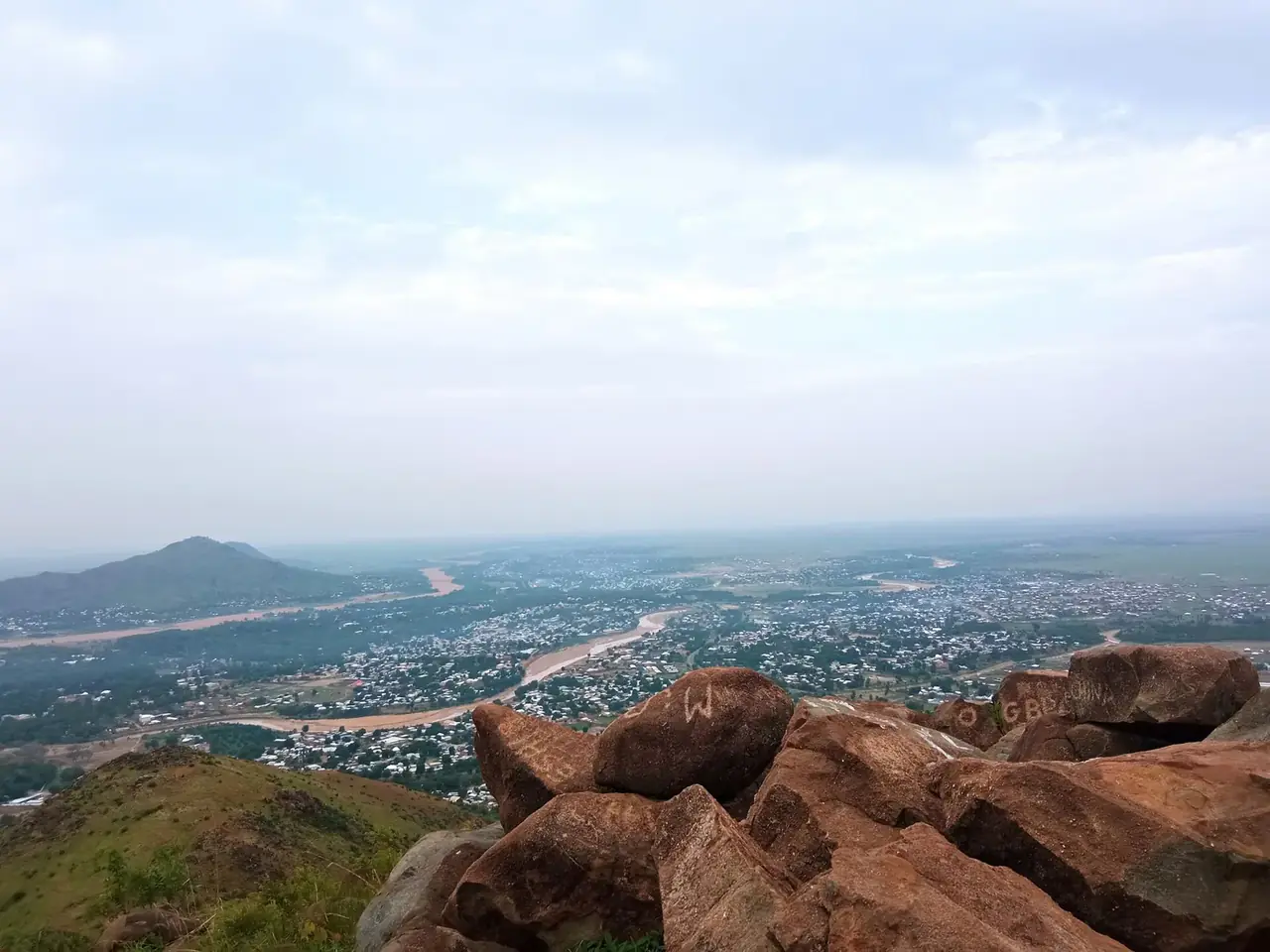
View of Maroua from Mount Mayo Ismaïlou

The Far North Regional Delegation of Arts and Culture has its seat in Maroua, a town of the Diamaré and a major market for leather, weaving and livestock. It is the first point of contact for artists, craftspeople, lamidates, mountain chiefdoms and event organisers in the six divisions: Diamaré, Mayo-Danay, Mayo-Kani, Mayo-Sava, Mayo-Tsanaga and Logone-et-Chari.

Its missions

  • welcome and guide applicants and help them compile the files submitted to the One-Stop Shop;
  • relay information on performance authorisations and festival authorisations;
  • record know-how, rites and songs for the national inventory;
  • support the management of the Diy-Gid-Biy cultural landscape with communities and local authorities;
  • support craft markets, harvest festivals and museums in the region.

An action programme for 2026-2027

The delegation plans drop-in sessions in Mokolo, Yagoua and Kousséri, training workshops for weavers’ and blacksmiths’ associations, and awareness days in Maroua schools on earthen architecture. It also runs a working group with the communes of the Mandara Mountains to support visitors without disturbing village life.

To contact it, use the Ministry switchboard or the regional delegations page.

ℹ️
Contacting the delegation

The switchboard +237 6 51 70 58 41 and the e-mail contact@minac.gov.cm will direct you to the Far North delegation; see also the contact page.

Sites and museums

Sites and museums of the Far North

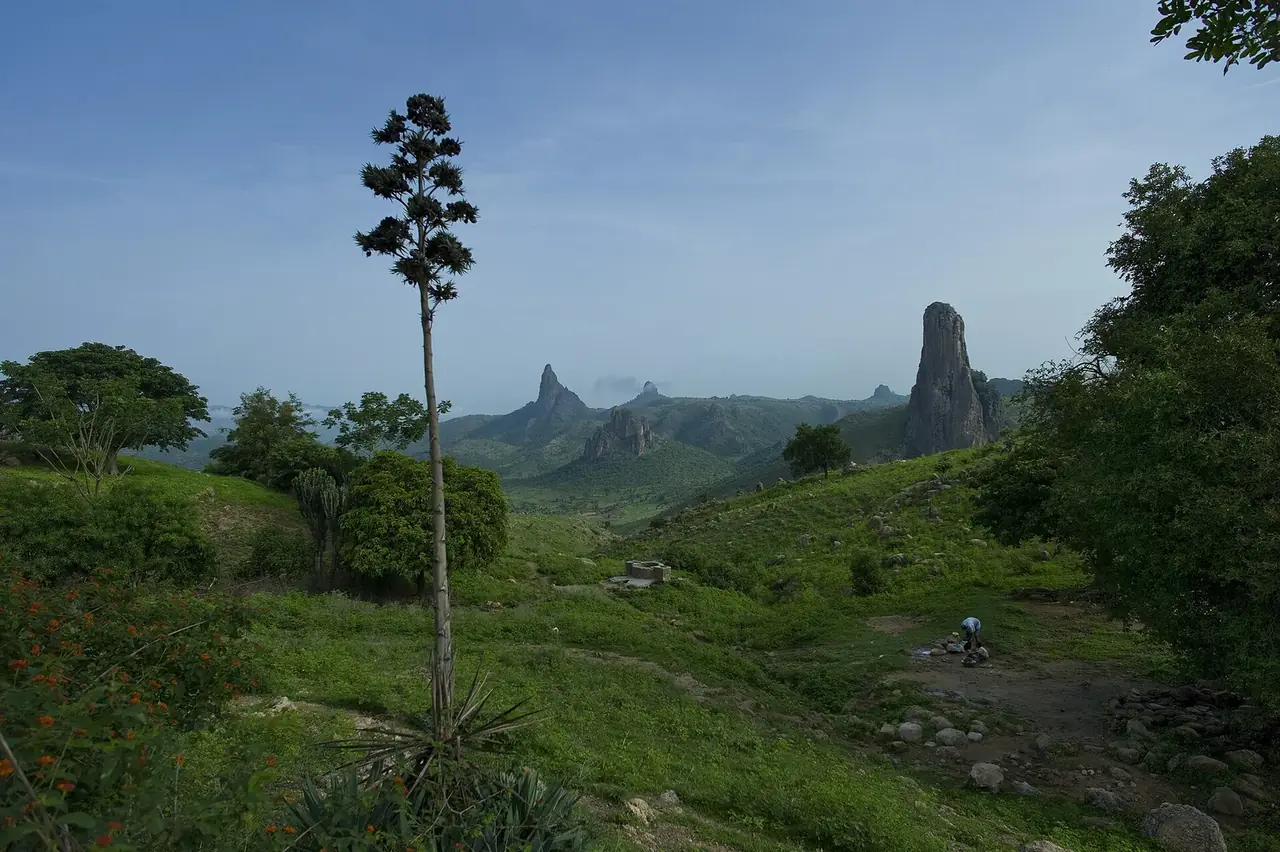
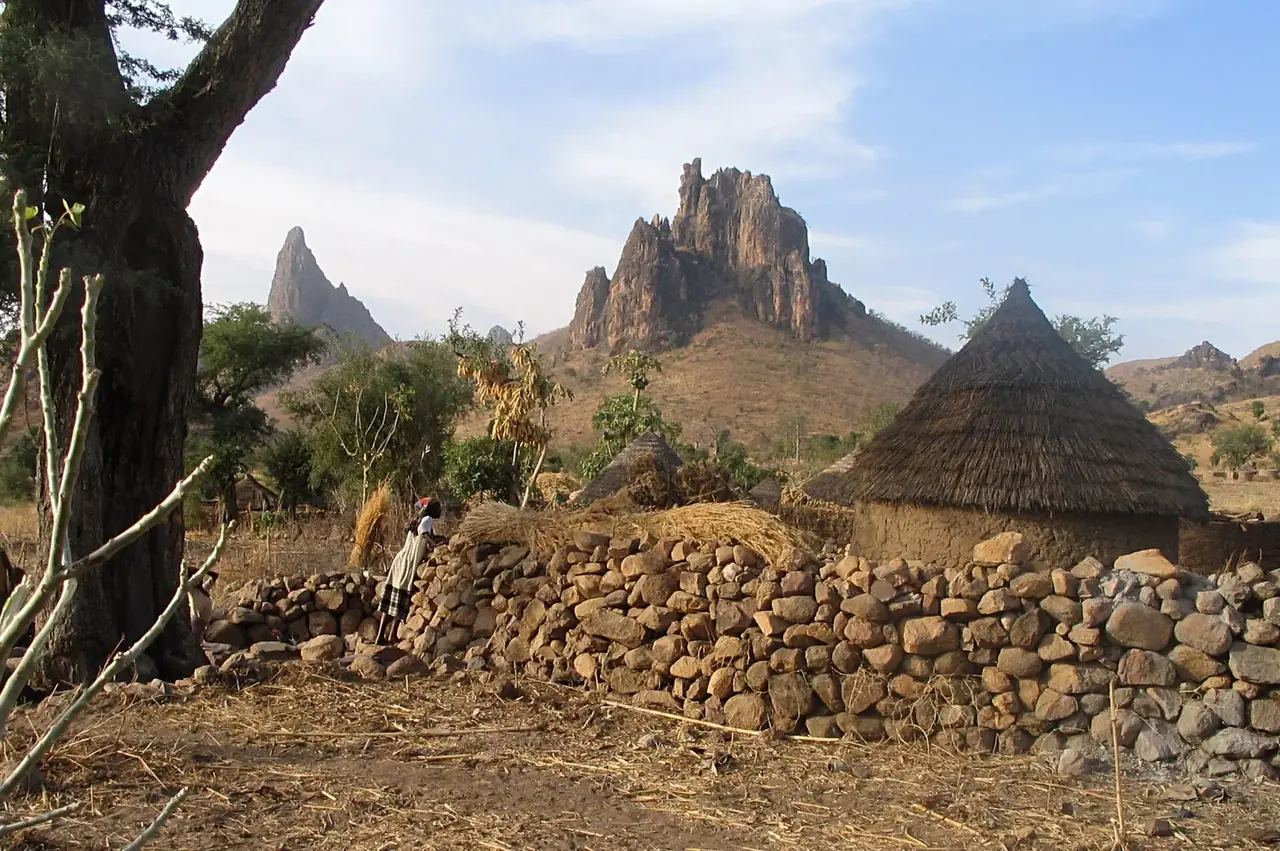
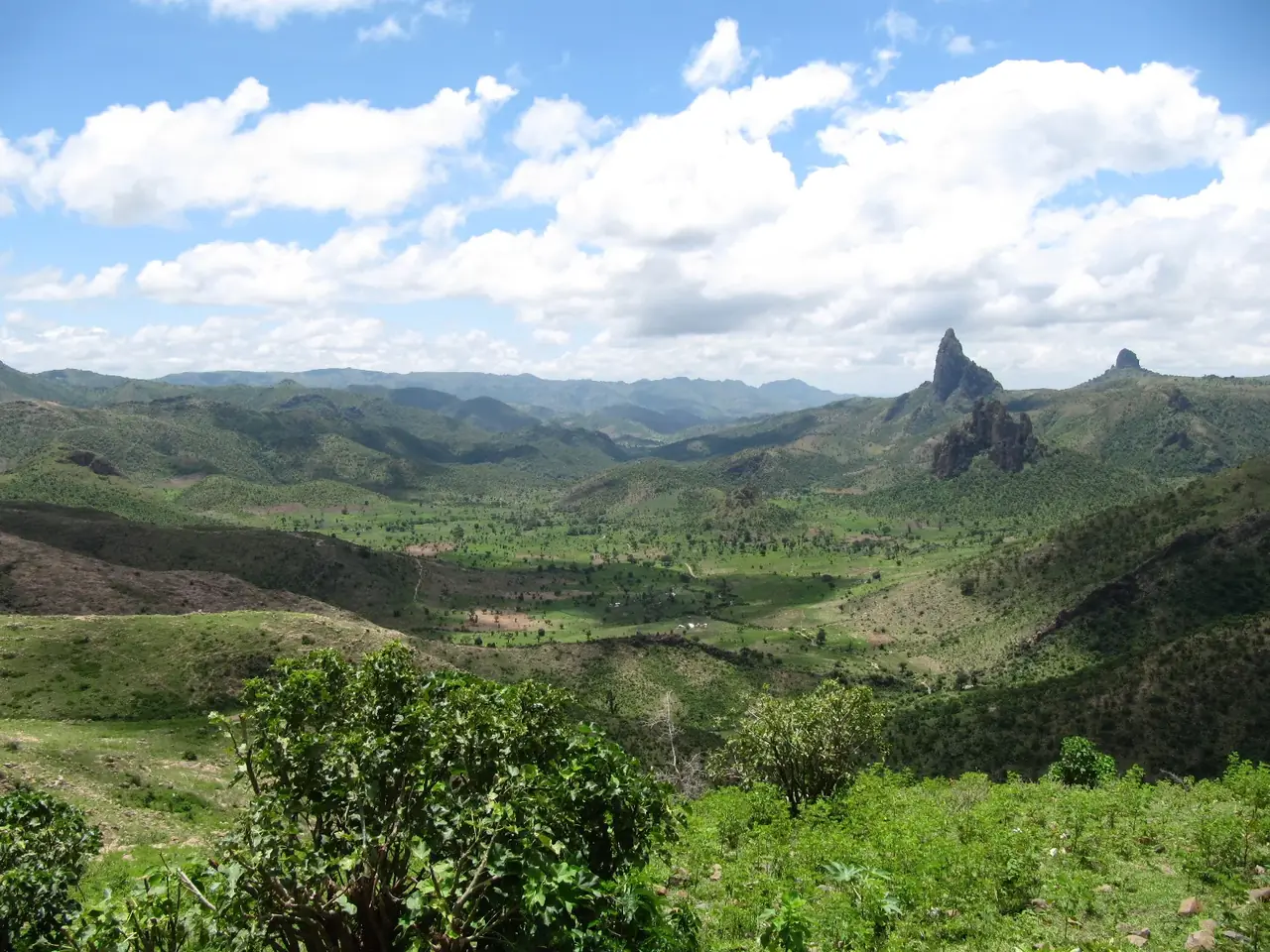
Kapsiki peak overlooking the Rhumsiki valley

The region offers an exceptional built and landscape heritage, which can be read in its perched villages, decorated huts and markets. It also has museum institutions that bring together collections of everyday and ritual objects.

Diy-Gid-Biy, a mountain cultural landscape

The Diy-Gid-Biy cultural landscape of the Mandara Mountains is listed among the World Heritage sites. It combines terraced fields, family compounds, dry-stone and earthen dwellings, forges and places of worship. It illustrates a way of life in the mountains passed down from generation to generation. For an overview of the country’s protected sites, see the UNESCO sites and cultural landscapes pages.

Villages, peaks and markets

Around Rhumsiki, Mokolo and Tourou, the volcanic peaks, Mafa huts and weekly markets attract visitors and photographers. In Mayo-Danay, the shell-shaped Musgum huts, built of moulded earth, are a masterpiece of vernacular architecture. In Maroua, the lamido’s palace and the Domayo market tell the story of Sahelian trade.

Museums

The regional museums of Maroua and Mokolo preserve objects of art, cooking, blacksmithing and worship. The delegation organises school visits and travelling exhibitions, in conjunction with the national museums. To visit the palace, see the palaces and chiefdoms page.

ℹ️
Visiting without disturbing

In mountain villages, ask the neighbourhood chief for permission and accept a local guide; some huts and ritual places are closed to visitors.

Festivals

Festivals and celebrations of the Far North

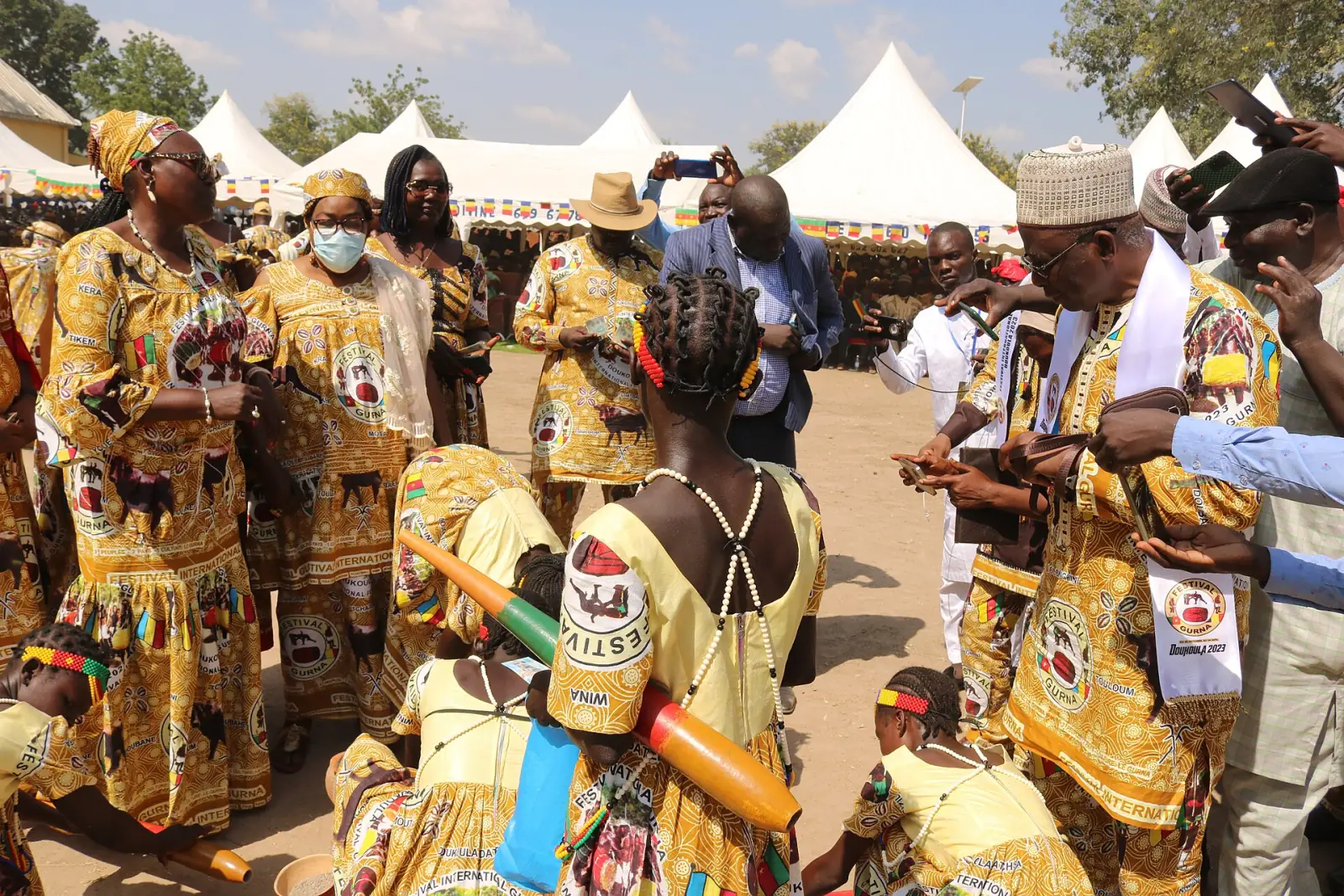
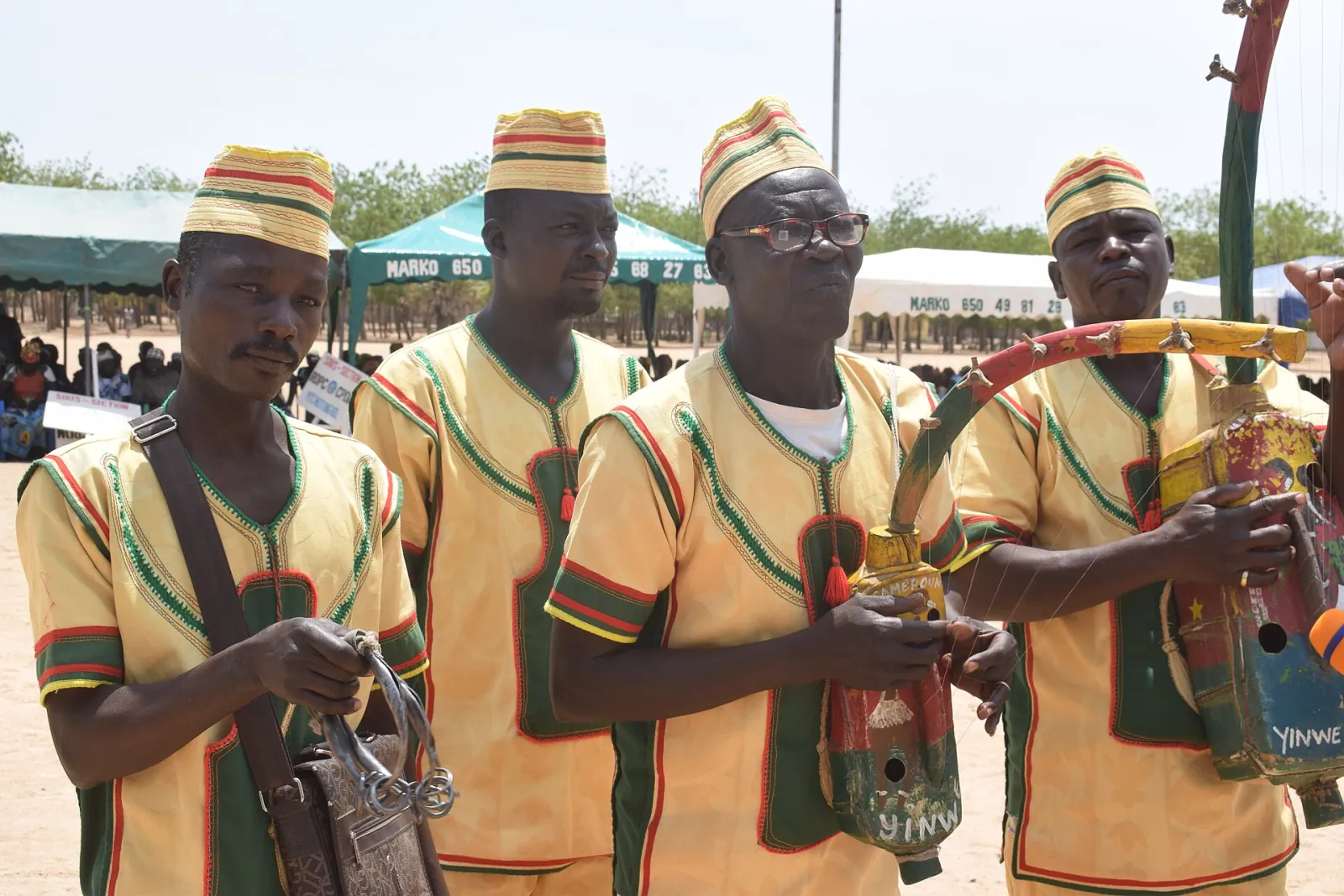
Tupuri dance in yellow outfits at the Gurna international festival under white tents

The cultural year in the Far North is shaped by the cycles of millet, cotton and livestock, as well as by the religious calendar. Festivals are moments of collective affirmation: people dance, wear their finest clothes and visit the elders.

Mountain and plain festivals

Among the Mafa, the bull festival, maray, punctuates funeral and reconciliation ceremonies, with dances, flutes and libations. In the plains, the end-of-harvest festivals of the Toupouri, Guiziga and Massa feature singing contests, races and group dances. The Fulani of the lamidates, for their part, celebrate Ramadan and Tabaski with cavalcades in front of the palace.

A regional cultural season

For 2026-2027, the delegation is supporting a Mandara Mountains Cultural Meetings event, a leather and weaving fair in Maroua, and an earthen architecture day in Pouss. These events are announced in the national calendar and in the cultural agenda. Associations wishing to create an event can consult the regional festivals section and the organising a festival page.

Take part

Dance troupes, musicians, blacksmiths and potters are invited to present their work: a short file with a recording or photographs is enough. An application for a festival authorisation is required for any public gathering.

ℹ️
Organisers

Inform the town hall and the traditional authority several weeks before the date, and provide for the security arrangements required.

Languages

Languages of the Far North

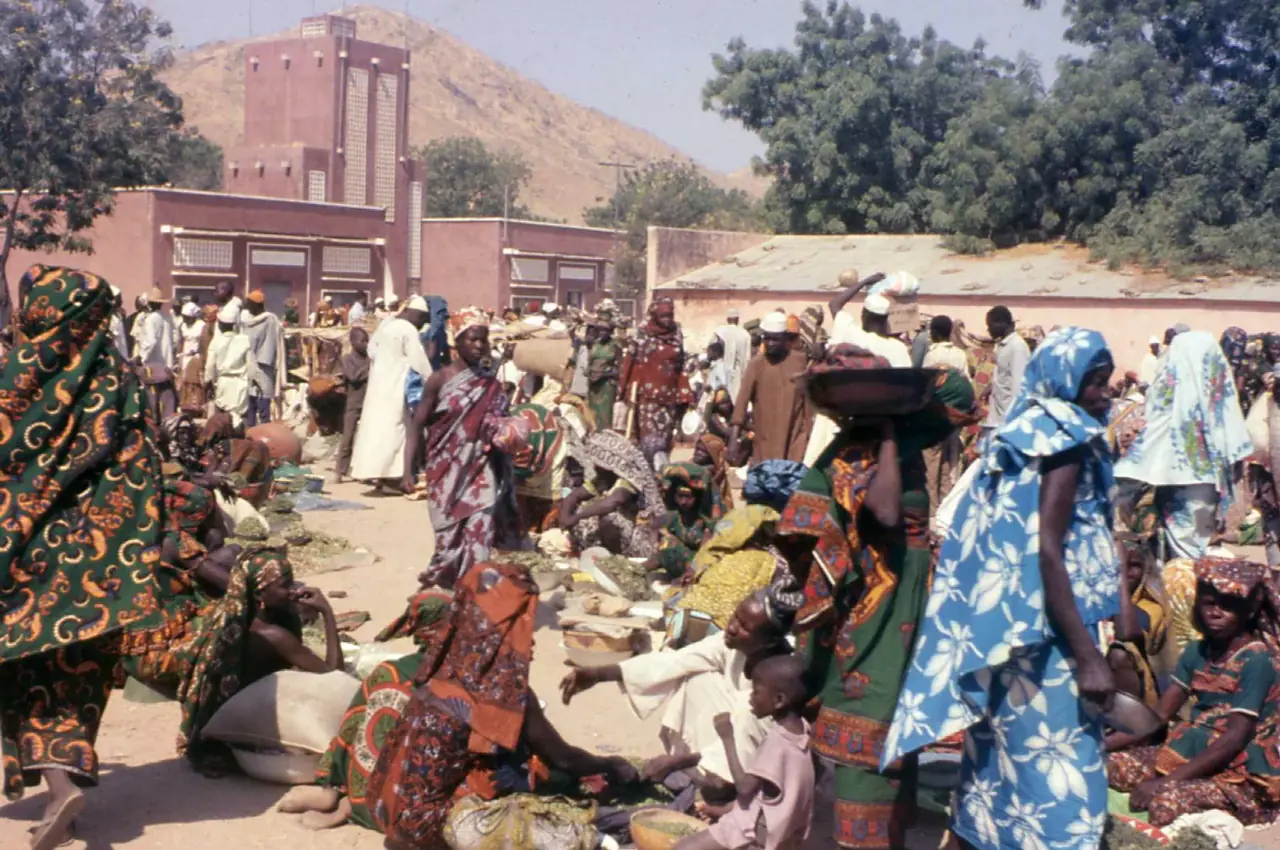
Busy Maroua market

The Far North is one of the regions of Africa with the highest number of languages per inhabitant. In the mountains, two neighbouring villages may speak different languages; in the plains, Fulfulde and Shuwa Arabic serve as languages of exchange.

Some languages of the region

  • Fulfulde, a vehicular language, spoken in Maroua and in the lamidates;
  • Mafa, Kapsiki, Mofou, Podokwo and other languages of the Mandara Mountains;
  • Mandara (Wandala), Guiziga and Musgum;
  • Kotoko, spoken on the banks of the Logone and the Chari;
  • Toupouri and Massa, in Mayo-Danay; Shuwa Arabic, in Logone-et-Chari.

Documenting and passing on

These languages carry proverbs, genealogies, work songs and origin stories. Many are still rarely written. The delegation encourages bilingual collections, radio recordings and reading workshops for children, in connection with linguistic heritage and oral traditions. For an overview, see national languages.

Mountain schools and community radio stations are the first partners in this transmission.

ℹ️
For teachers

The delegation can provide templates of collection sheets for tales and proverbs.

Peoples and skills

Mafa, Musgum, Kotoko and Fulani: the arts and crafts of the Far North

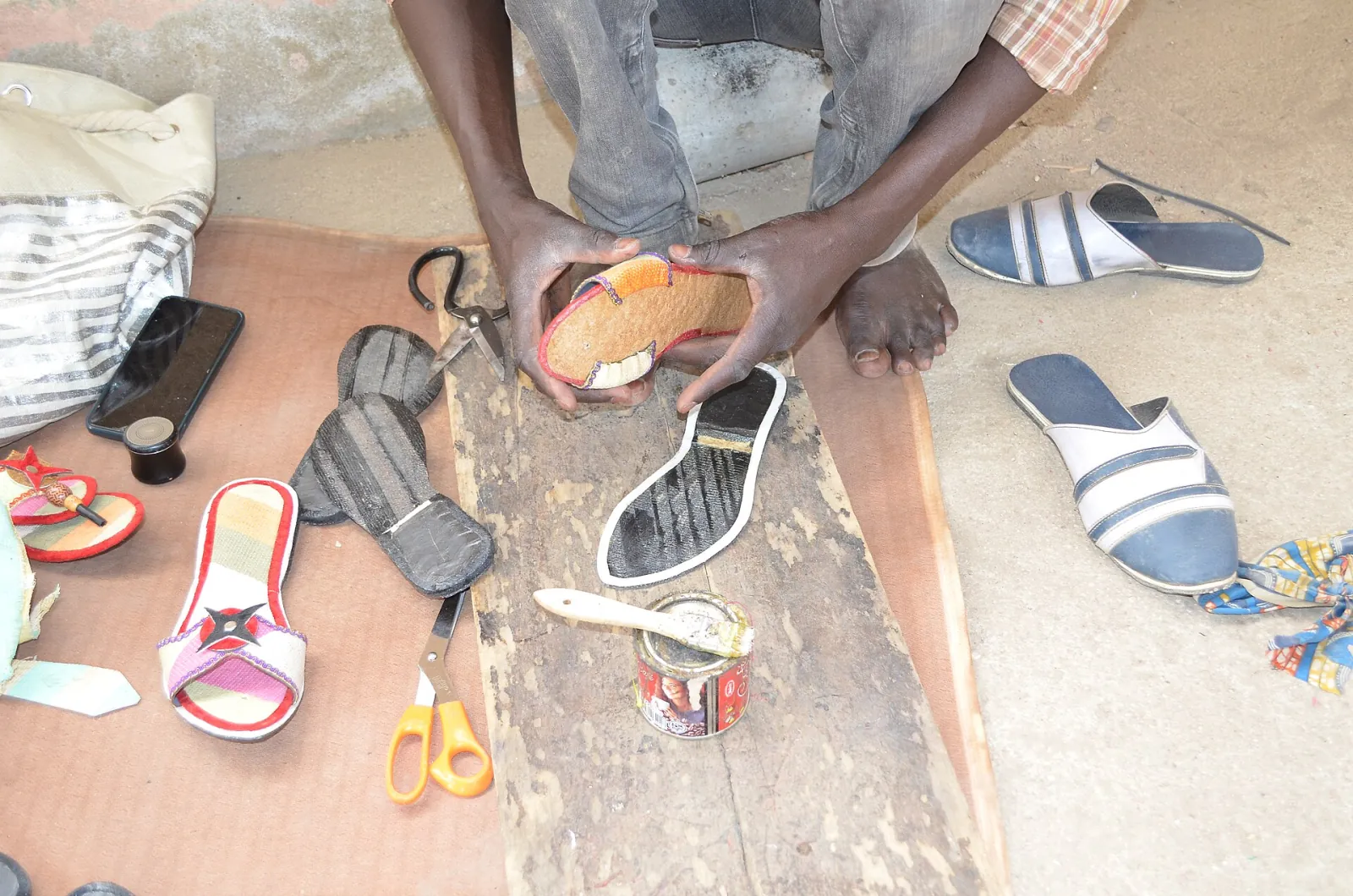
Craftsman making sandals at the regional craft centre in Maroua

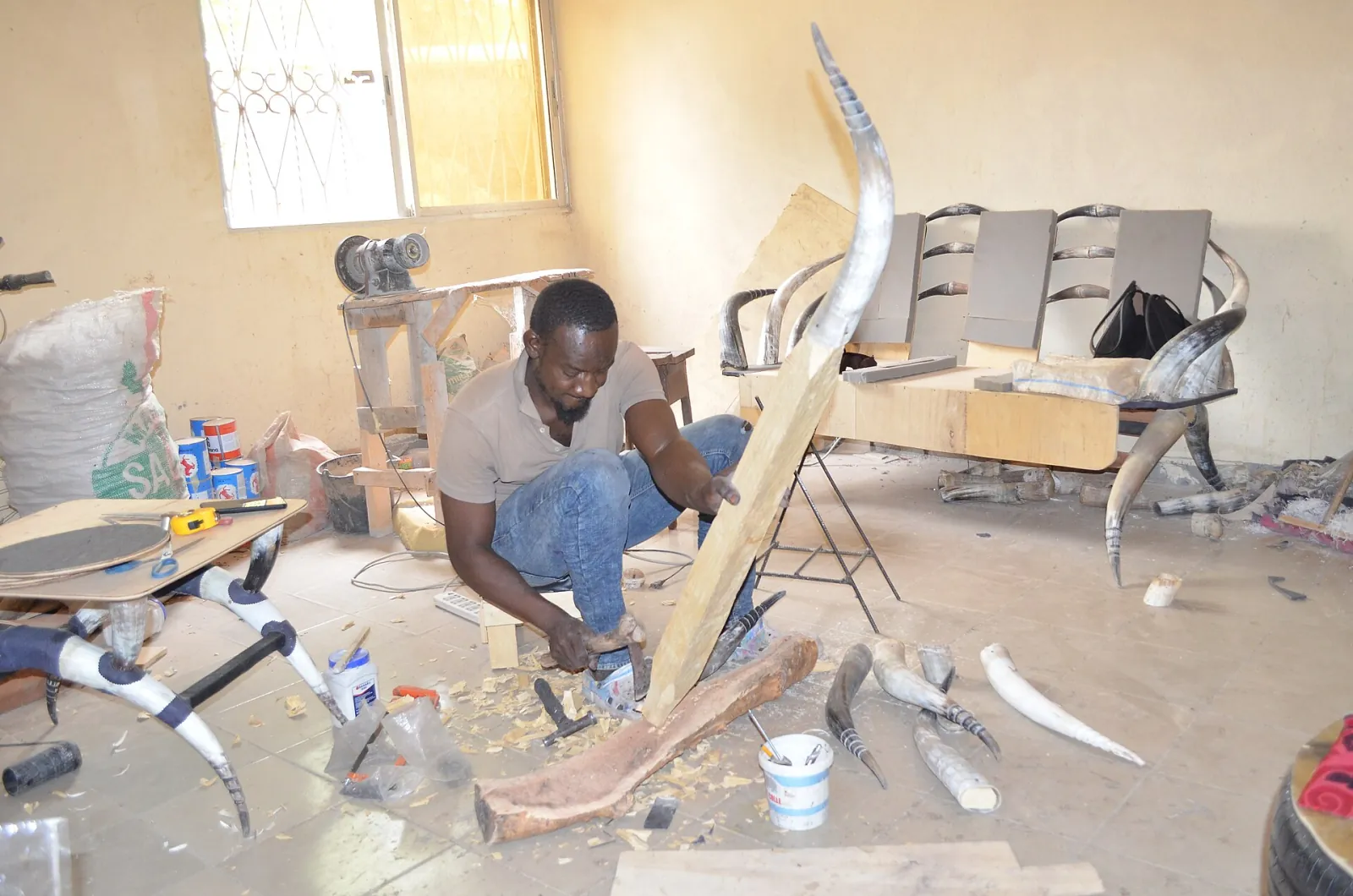
The Mafa and their neighbours are renowned for their blacksmiths, potters and terrace builders. The Musgum build shell-shaped earthen huts several metres high, whose lines evoke both a beehive and a seashell. The Kotoko are fishermen and potters settled in the fortified towns of the Logone. The Fulani and the Mandara have developed weaving, leatherwork, embroidery and earthen palaces.

Crafts

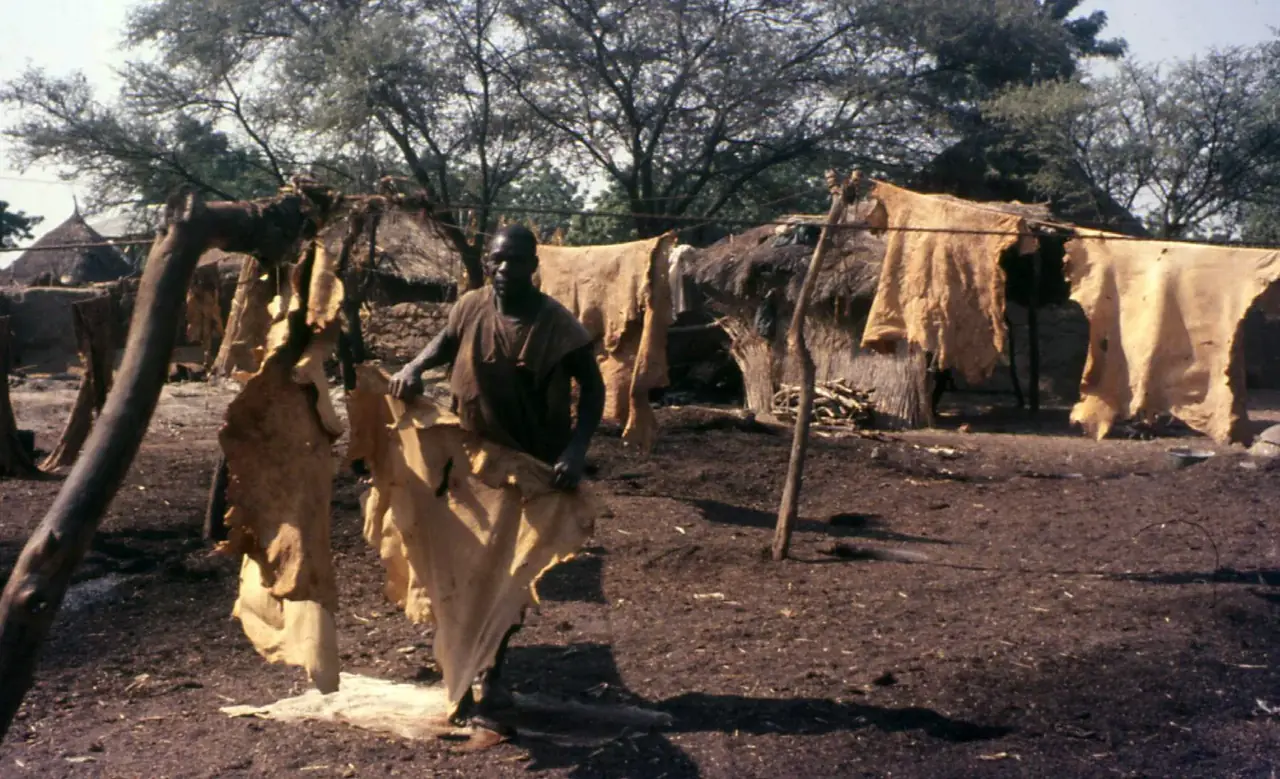
Maroua is a centre of leatherwork: bags, sandals, cushions and saddles. Weavers make cotton strips sewn into garments, while basket makers produce mats and baskets. To learn more about these sectors, see the fine crafts and crafts pages.

Music and cuisine

Shepherds’ flutes, drums, horns and lutes accompany the festivals; the music page places them in context. As for cuisine, millet balls, okra sauce, dried meat and smoked fish are staple dishes, accompanied by millet beer at mountain festivals.

Step by step

Submitting a cultural file from the Far North

Define the project

Write a one-page note: nature of the activity, venue, expected audience, dates and local partners. State the division.

Meet the delegation

Present your project to the regional delegation, which checks that the file is complete and points out the procedures specific to the Far North.

Involve the local authorities

Inform the town hall and, where the place falls under a chiefdom or a lamidate, obtain the agreement of the traditional authority. Involve the neighbourhood chief for mountain villages.

Submit online

Create your account on the One-Stop Shop, attach the documents requested and confirm the application; a file number is given to you immediately.

Follow the review

Check the status of your file with your tracking number and respond promptly to requests for documents. A mobile drop-in service can assist you on site.

Carry out and report

Once the activity has taken place, send the delegation a short report with photographs and attendance figures.

Key facts

The Far North Region at a glance

FieldRegional landmarkDistinctive featureTo go further
Regional capitalMaroua, town of the DiamaréMajor market for leather, weaving and livestockRegional Delegation
DivisionsDiamaré, Mayo-Danay, Mayo-Kani, Mayo-Sava, Mayo-Tsanaga, Logone-et-ChariSix hubs of cultural activityCultural map
World siteDiy-Gid-Biy cultural landscape of the Mandara MountainsTerraces, compounds and mountain forgesUNESCO sites
PeoplesMafa, Kapsiki, Musgum, Massa, Kotoko, FulaniMore than twenty communitiesIntangible heritage
LanguagesFulfulde, Mafa, Kotoko, Mandara, ToupouriGreat linguistic diversityNational languages
ArchitecturesMusgum shell-shaped huts, Mafa compounds, earthen palacesEarth, dry stone and strawPalaces and chiefdoms
CraftsLeather, weaving, pottery, blacksmithing, basketryWeekly markets of Maroua and MokoloArt crafts
FestivalsMaray, harvest festivals, Ramadan and TabaskiDances, flutes and cavalcadesNational calendar
Journey

The Far North through time

Since AntiquityThe peoples of the mountains

Communities of blacksmiths and farmers settle in the Mandara Mountains and build terraces and compounds there.

15th-19th centuriesKingdoms and cities

The Mandara kingdom, the Kotoko cities and the Fulani lamidates structure trade around Lake Chad and the Logone.

Early twentieth centuryCotton and markets

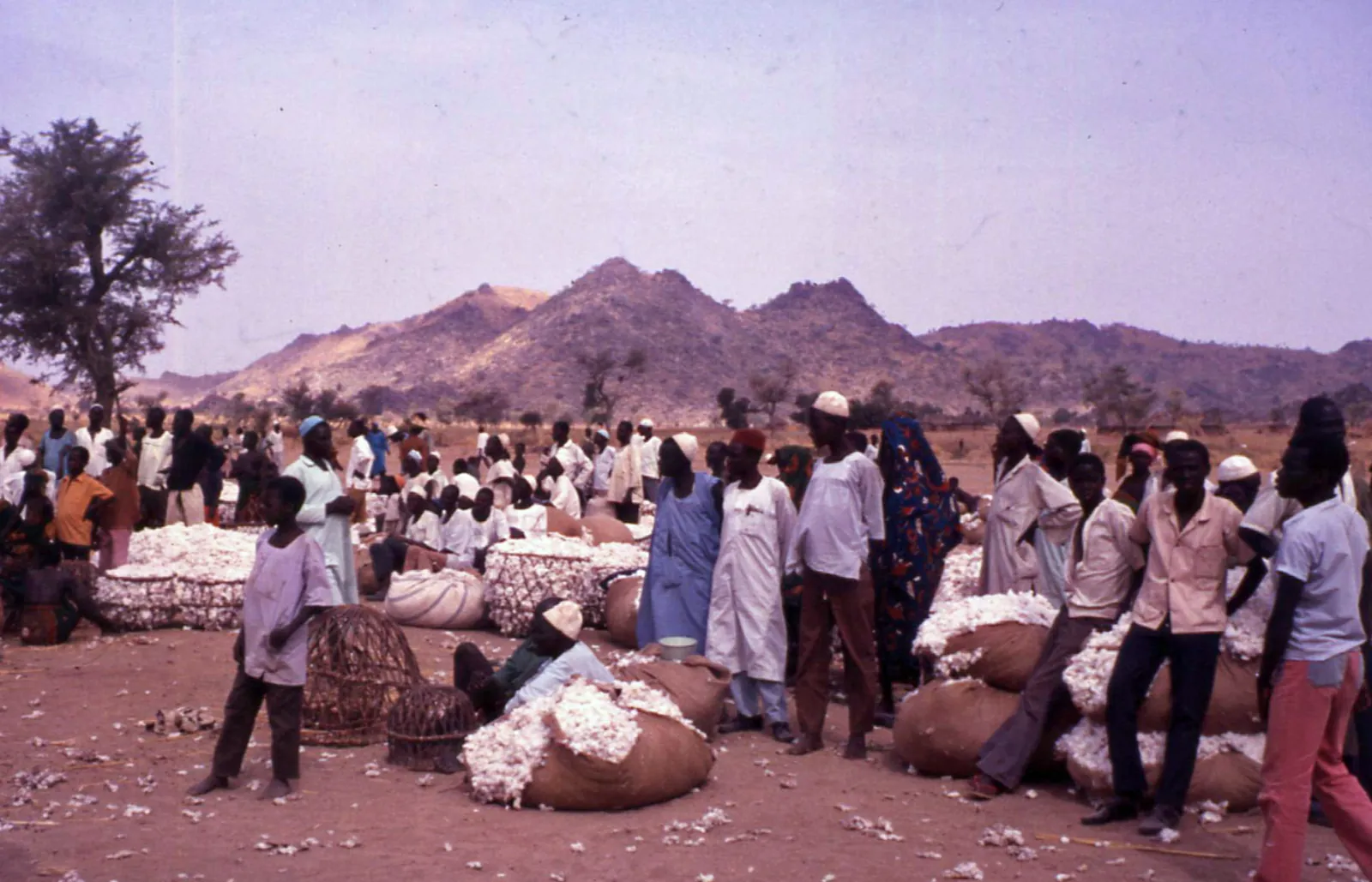
Cotton growing, the markets of Maroua and Mokolo and the routes to Nigeria transform the regional economy.

1980sCrafts and museums

Leatherwork, weaving and pottery are promoted by craft centres and regional museums.

2020sGlobal recognition

The Diy-Gid-Biy cultural landscape is listed among the World Heritage sites, recalling the value of mountain knowledge.

2026-2027Regional cultural season

The delegation supports meetings, a leather and weaving fair, and an earthen architecture day.

To explore

The Far North in other sections

“In the mountains, every terrace is a page of history: those who built it left us a book in stone that we must continue to write.”

An elder of a Mafa village
Voices from the region

Voices of the Far North

“
The listing of our landscape as World Heritage made us want to pass on the blacksmith’s skills to the young before they die out.
A blacksmith of the Mandara Mountains
Mayo-Tsanaga
“
Our shell-shaped huts are repaired every dry season by the women of the village; the delegation helps us train apprentices.
A hut builder, Pouss
Mayo-Danay
“
Since we started taking part in the Maroua leather fair, our bags go to customers throughout the sub-region.
A leather craftsman, Maroua
Diamaré Division
“
We transcribe Kotoko tales with the pupils, and the grandparents are proud to see them written down.
A schoolteacher, Kousséri
Logone-et-Chari Division
To act

Procedures to know in the Far North

Show authorisation

Every public performance in the Far North requires an authorisation, submitted online several weeks before the date.

Submit the application

Festival authorisation

Organisers of regional festivals submit their file with programme, security plan and provisional budget.

See the procedure

Event grant

Cultural associations of the Far North can request support from the Ministry for their projects of public interest.

Request support

Artist card

Musicians, dancers, visual artists and fine craftspeople of the region have their professional status recognised.

Apply
Calendar 2026-2027

The cultural agenda of the Far North

To download

Resources for taking action in the Far North

Glossary

The vocabulary of the Far North

Diy-Gid-Biy

Cultural landscape of the Mandara Mountains, cited among the World Heritage sites.

Shell-shaped hut

Earthen Musgum dwelling, of ovoid shape, decorated with reliefs.

Maray

The Mafa bull festival, linked to funeral and reconciliation ceremonies.

Mandara Mountains

A massif of the far north, covered with cultivated terraces and family compounds.

Lamidate

A political entity headed by a lamido, inherited from the Fulani kingdoms of the 19th century.

Fulfulde

Language of the Fulani, used as a lingua franca in much of the region.

Kotoko

A people of fishermen and potters on the banks of the Logone and the Chari.

Blacksmith

A metalworking craftsman who holds rites and precious knowledge in mountain societies.

Millet

The staple cereal of the region, eaten as balls, beer or porridge.

Regional Delegation

Decentralised service of the Ministry in charge of arts and culture in a region.

On the site

Continue exploring from the Far North

Resources

Useful links for culture in the Far North

Stakeholders

Who supports culture in the Far North?

Questions

Your questions about culture in the Far North

Where can I submit a cultural file from the Far North?

At the online One-Stop Shop or at the Maroua regional delegation. Mobile drop-in sessions are organised in the divisions to help associations that have no reliable connection.

How can I contact the Far North Regional Delegation?

Through the Ministry switchboard, +237 6 51 70 58 41, or by e-mail at contact@minac.gov.cm, stating the region. Your message is forwarded to the Maroua delegation, which will reply or call you back.

What is the Diy-Gid-Biy cultural landscape?

It is a set of terraces, compounds, forges and places of worship in the Mandara Mountains, listed among the World Heritage sites. It bears witness to a mountain way of life passed down over centuries.

Can mountain villages be visited?

Yes, with the agreement of the neighbourhood chief and a local guide. Some ritual places are closed to visitors. Avoid photographing people without permission and respect market days.

How can I have earthen architecture protected?

Contact the delegation with photographs and a description: it compiles a file and can initiate the listing application. Owners and the community remain involved in decisions.

Where can I buy authentic crafts?

At the Maroua and Mokolo markets and in craft centres. The fine crafts label, awarded by the Ministry, helps identify quality products made in the region.

Which languages are heard in Maroua?

Fulfulde is the most common language of exchange, along with French; Guiziga, Mafa, Mandara, Shuwa Arabic and other languages are also heard depending on the neighbourhoods and markets.

Can my association obtain support?

If it is registered and approved and its project is of public cultural interest, yes. Submit a grant application stating objectives, budget and timetable; the delegation gives a preliminary opinion.

Contact

Write to the Ministry: Far North

Specify your region and your request.

Delegation and Ministry

Contact the Ministry from the Far North

Address

Ministry of Arts and Culture
Quartier du Lac – Ministerial Zone
P.O. Box 1053 Yaoundé, Centre Region, Cameroon

Reach us

+237 6 51 70 58 41

contact@minac.gov.cm

Opening hours

Monday to Friday, 8 am to 4 pm

A cultural project in the Far North?

Submit your file at the One-Stop Shop or meet the Maroua delegation to prepare it.

Open the One-Stop Shop
WhatsApp