Coat of arms of CameroonMinistry of Arts
and Culture
Republic of Cameroon
My procedures
Home
Minister’s message
News
Press releases
Cultural calendar
Official speeches
Press review
Photo library
Video library
Calls for projects
Job vacancies
Public procurement
Newsletter
Frequently asked questions
Site map
Contact
Press area
Podcast “The Voice of Culture”
Legal notices
Privacy policy
Cookies and trackers
The Ministry
Missions and responsibilities
Organisation
Organisation chart
Minister’s Office (Cabinet)
Management team
General Secretariat
General Inspectorate
Central directorates
Regional Delegations
Institutions under supervision
Legislative texts
Regulatory texts
Sector strategy
Major projects
Budget and reports
Partners
Careers
Archives
Institutional communication
Quality and accessibility
Arts
Visual and plastic arts
Visual arts
Performing arts
Theatre
Dance
Music
Literature and books
Cinema and audiovisual
Photography
Fashion and design
Digital arts
Art crafts
Artists’ directory
Residencies
Prizes and awards
Arts education
Urban arts
Heritage
Tangible heritage
Intangible heritage
UNESCO sites
National museums
Listed monuments
National inventory
Palaces and chiefdoms
Archaeology
Linguistic heritage
Oral traditions
Traditional know-how
Restitution of cultural property
Fight against illicit trafficking
Listing and protection
Conservation and restoration
Heritage Days
Cultural landscapes
Industries
Music and recording
Cinema
Publishing and books
Digital arts
Fashion and creativity
Crafts
Cultural tourism
Funding for culture
Support funds
Incubators
Cultural entrepreneurship
Culture Observatory
Vocational training
Studies and reports
Sector statistics
Export and outreach
Intellectual property
Copyright
Legal framework
Copyright and neighbouring rights
Collective management societies
Register a work
Licences
Private copying
Fight against piracy
Model contracts
Social status of artists
Mediation
Disputes
Training
Fee scales
Register of works
Contact
Digital neighbouring rights
Public domain
Festivals
National calendar
Ngondo
Nguon
Écrans Noirs
Heritage Days
Music Day
Regional festivals
Fairs and exhibitions
Biennials
National competitions
Cultural days
Organise a festival
Event grants
Ticketing
Archives
Volunteering
Diaspora festivals
Regions
Adamawa
Centre
East
Far North
Littoral
North
North-West
West
South
South-West
Cultural map
Regional Delegations
Traditional chiefdoms
National languages
Cultural routes
Decentralised cooperation
Regional observatory
Cooperation
UNESCO
Francophonie (OIF)
African Union
Commonwealth
CEMAC
Bilateral cooperation
Cultural agreements
Professional organisations
Scholarships
Artist exchanges
Cultural years
Diaspora
Funded projects
Embassies
Technical partners
International restitution
International monitoring and calls
Services
Artist card
Show authorisation
Filming authorisation
Festival authorisation
Deposit of a work
Export of works of art
Listing of a property
Grant application
Association accreditation
File tracking
Forms
Fees
Opening hours and addresses
Reporting
Online help
My account
One-Stop Shop
Services

Artist card

The artist card attests to your professional activity and facilitates access to grants, residencies and meetings. Find out the conditions, the documents in the file, step-by-step tracking and the remedies available in your region.

Updated on 6 November 20264 sub-pages
SubmissionOnline or in the regions
Main families of disciplines8
Main documents6
TrackingBy file number
Status of the artist

The artist card, your professional recognition

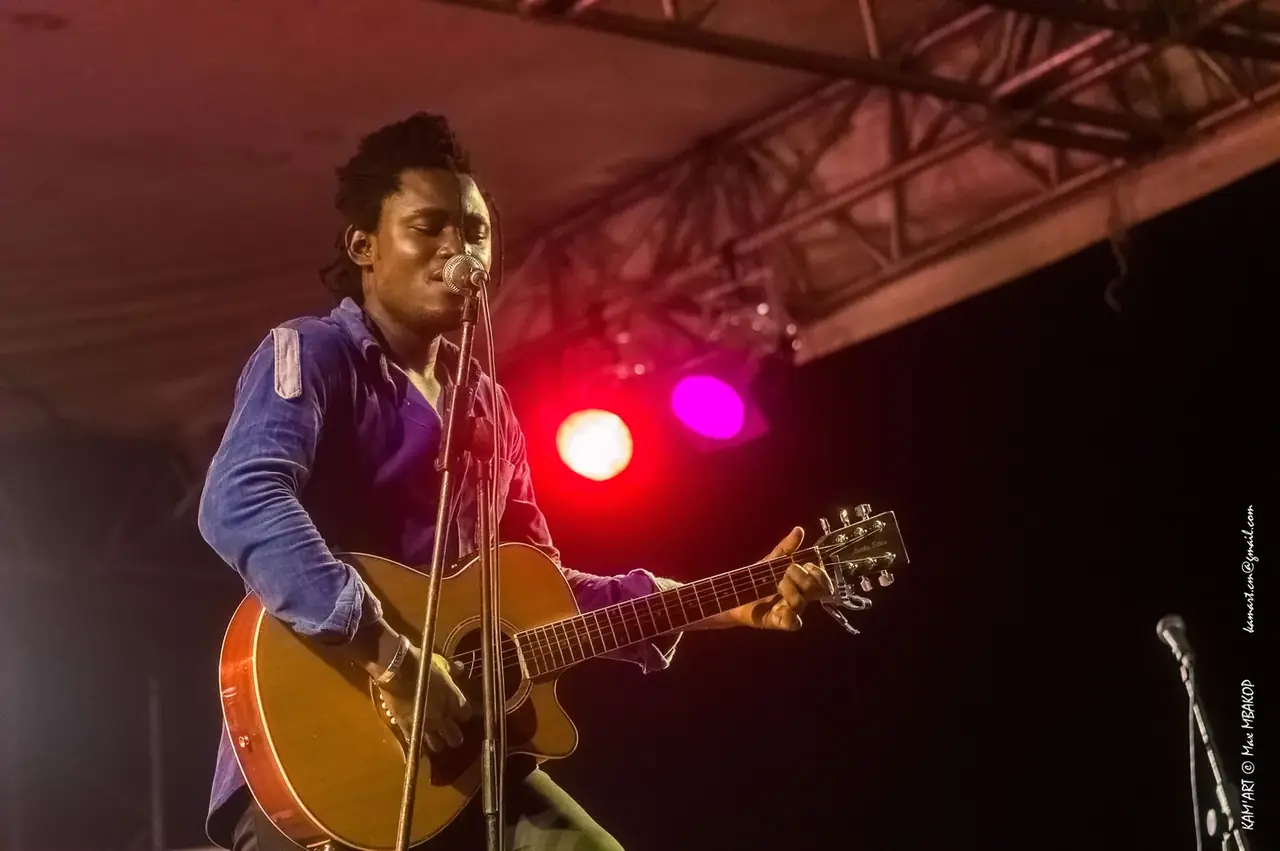
Guitarist and singer in concert

A painter from Douala, a balafon player from Bertoua, an actor from Bamenda, a storyteller from the Far North: the artist card establishes that you practise an art regularly and seriously. It does not by itself open automatic rights, but it simplifies all the procedures that follow, because it spares you from proving your career again at every counter.

This page follows your file from A to Z: who can apply, what conditions must be met, how to put together the artistic file, how to fill in the form, how to follow the processing and what to do if the decision seems unfair to you. For any fees, see the Fees page.


  • A supporting document recognised by the Ministry’s services and their partners
  • A procedure available online or at your regional delegation
  • A file tracked at every stage with your number
See the conditions
One-Stop Shop

Submit your application online

Online submission is open at all hours: create or retrieve your account, fill in the form, attach your documents and confirm. Any fee appears before payment; the scale is detailed on the Fees page. You immediately receive a file number, which you can enter on the tracking page. If you prefer paper, the delegation in your region will receive your file. Need a hand? The One-Stop Shop and the online help answer the most common questions.

Fee payable 10,000 FCFA Online payment: Orange Money, MTN Mobile Money or bank card.
Submission Online, 24 hours a day You receive a file number to keep for tracking.
Who it is for

Who is the artist card for?

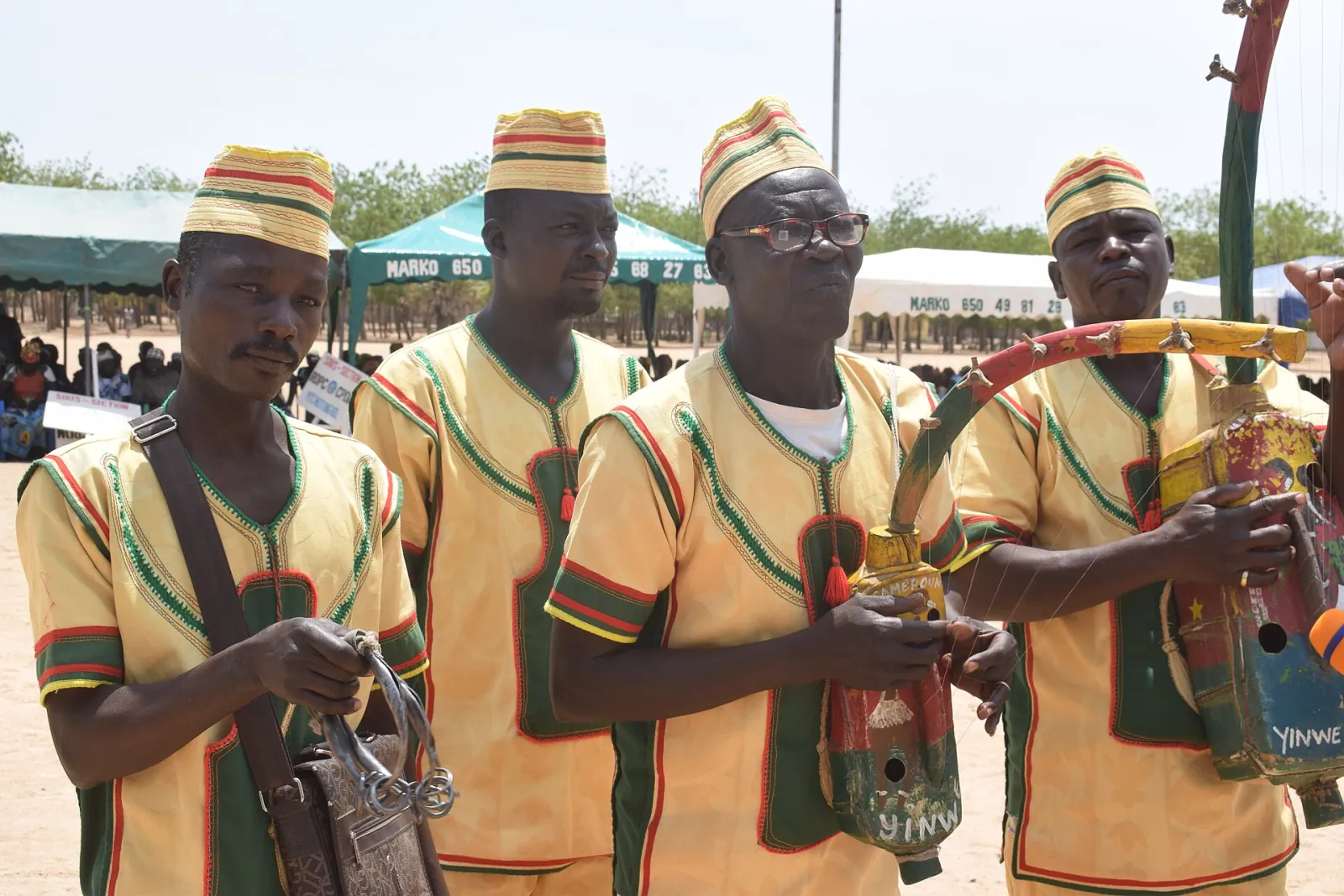
Griots in matching tunics playing stringed instruments at a public event

The card is open to creators and performers of Cameroonian nationality, as well as foreign artists who live and work in Cameroon. All disciplines are covered: visual arts, music, theatre, dance, literature, photography, cinema and art crafts.

Criteria

The conditions for obtaining the artist card

Musician blowing a long traditional wind instrument, wearing bracelets

Three substantive requirements frame the application, assessed with goodwill but without complacency by the officers of the artist status service.

A genuine artistic activity

You must practise a discipline recognised by the Ministry and be able to show it: exhibitions, concerts, performances, publications, screenings, commissions or sales. A long-standing, interrupted activity is assessed flexibly if your return is documented.

A dated career

The artistic file must present identifiable productions: photographs of works, performance programmes, recordings, extracts of texts, press cuttings. Several documents covering different years are worth more than a single spectacular one.

Works in good standing

Authors and composers are invited to have declared their works and to be up to date with their collective management society. Foreign artists must also show lawful residence in Cameroon.

  • No degree requirement: experience and output count;
  • No age limit, but the age of majority is required to apply alone;
  • One file per person and per renewal.

Professionals in the performing arts find support here for their festival tours, and creators of activity a springboard towards cultural entrepreneurship.

ℹ️
Minors and young talents

A minor artist submits their file with the written consent of their legal representative. See the social status of artists.

File

The documents for the artist card file

Procession of musicians in red and yellow robes with horns and drums

The file consists of administrative documents and artistic documents. The former identify the applicant, the latter demonstrate their practice.

Administrative documents

  • The application form duly completed and signed;
  • A legible copy of the identity document, or of the residence permit for a foreign artist;
  • Two recent passport-type photographs, full face, on a light background;
  • Proof of residence or a certificate from the chiefdom or the town hall of the place of residence.

Artistic documents

The artistic file is the heart of the application. It includes a short biography, a list of references ordered by year, and three to five supporting documents: exhibition catalogue, poster or performance programme, engagement contract, link to a recording or video, press page, certificate from an organiser. Artists of oral tradition may attach a certificate from their community or their master.

For digital files, prefer common formats and sharp images; paper originals are returned on request. Templates for letters and certificates are on the Forms page.

Form

Filling in the form for the artist card

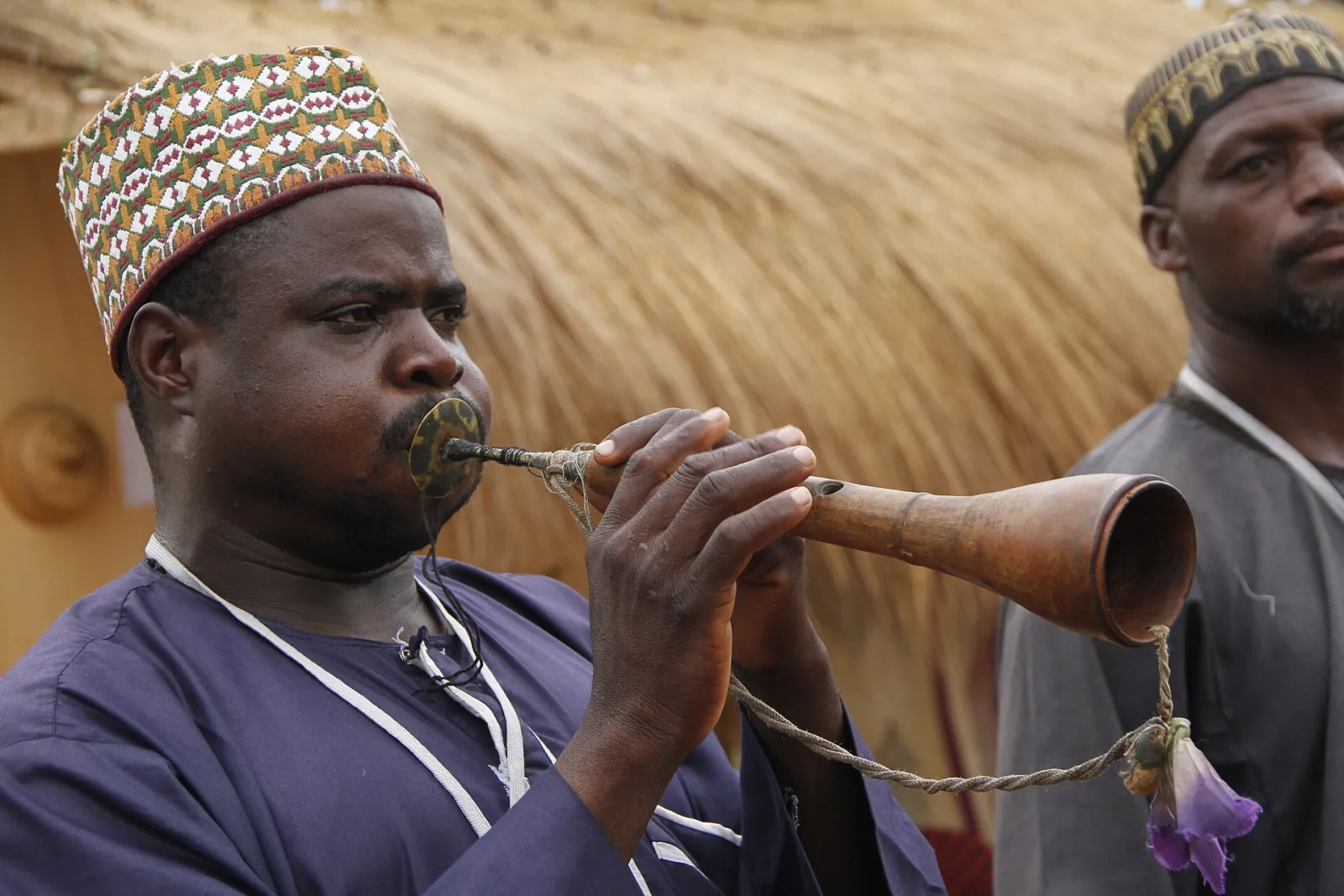
Musician in an embroidered cap playing a long traditional horn

The form exists in a digital version, accessible from the online submission above, and in a paper version to be collected at the regional delegation or downloaded from the Forms page. Both versions contain the same sections.

Step by step

Obtaining the artist card in five steps

Take stock of your career

List your productions of recent years and sort the supporting documents by discipline and date before opening the form.

Put together the artistic file

Write a short biography, select the most telling references and scan or photocopy each document legibly.

Fill in and submit

Complete the online form from your account or hand the paper file to the regional delegation; keep the acknowledgement of receipt.

Respond to the processing officer’s requests

If a document is missing or illegible, you are notified and have a reasonable time to replace it without losing your place in the queue.

Collect or receive the card

Once the decision has been notified, collect the card at the delegation, on presentation of your identity document and your file number.

Special cases

The special situations of the artist card

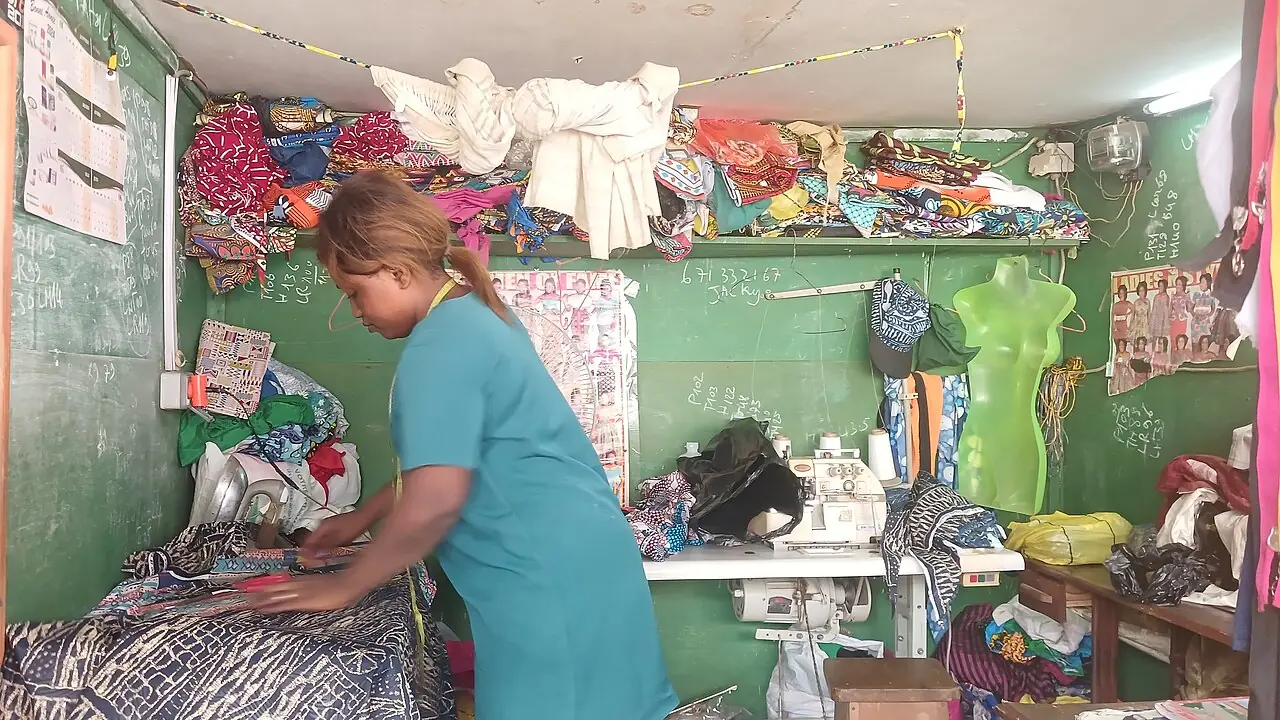
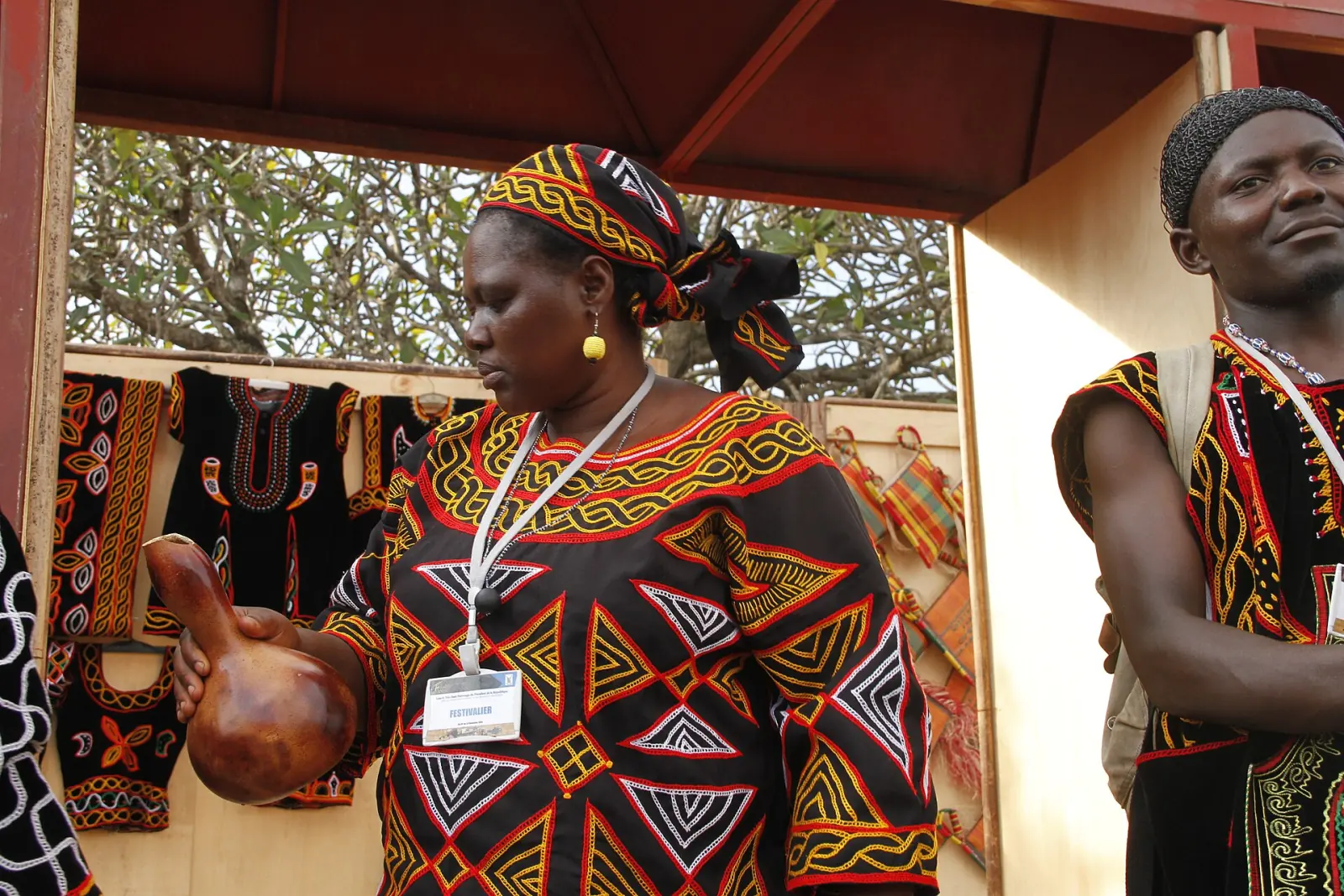
Seamstress in her fashion workshop with colourful fabrics

Not every career fits into a single category. Here are the most frequent situations that officers encounter at the counter.

Foreign artist resident in Cameroon

They attach their valid residence permit and proof of activity in the territory, for example a contract with a venue, a gallery or a Cameroonian company.

Artist of oral tradition or holder of know-how

A storyteller, a mvet player or a master sculptor of a chiefdom do not always have written documents. They may present the certificate of the chief, the council of notables or a community, as well as recordings made with the national inventory, within the framework of intangible heritage.

Multidisciplinary artist

A singer who paints chooses one main discipline; the others appear as secondary disciplines and can be added at renewal.

Loss, theft or change of civil status

The loss of a card gives rise to a duplicate on declaration; a change of name requires the supporting document to be attached. For an artist who also makes a legal deposit of a work, the two procedures are independent. For an artist working within a collective structure, see also association approval.

To explore

You may also need …

Close to you

Submit the artist card application in your region

Each region has a Ministry delegation that welcomes you and receives your file.

Real-life experiences

Artists describe their application

“
My file ran to ten pages; the official helped me choose five key documents. The card has since spared me from justifying my career with every residency application.
A visual artist
Douala
“
I have no paperwork for my village concerts. The chiefdom’s certificate and two recordings were enough for my activity to be recognised.
A balafon player
West
“
As a foreigner who settled here several years ago, I enclosed my residence permit and my contracts with a venue. The service replied without requiring any additional document.
A singer
Yaoundé
“
I submitted my application without travelling, thanks to the online account, then collected the card from my region’s delegation in just a few minutes.
A photographer
Garoua
Tracking

Tracking your artist card application

Instrumentalists in embroidered traditional costumes around a stand at a cultural event

Each stage of processing triggers a notification. From submission, you receive a file number that serves as a unique identifier: it allows you to check progress on the File tracking page without travelling, from a computer or a telephone.

The statuses you will see

  • Received: the file is registered, processing has not yet begun;
  • Under processing: an officer is examining the documents;
  • Further documents requested: a document is missing or must be redone; the message specifies which;
  • Decision given: approval or reasoned refusal;
  • Card available: it can be collected at the delegation.

Staying reachable

Check your messages regularly, along with the account created on My account. A message left unanswered during the stated period may lead to the file being archived. If you change your telephone number or address, notify the delegation quoting your file number. Processing times are communicated at submission and vary according to the period and the completeness of the file. In periods of heavy demand, for example before the major festivals listed in the cultural agenda, allow an additional margin.

To avoid

The common mistakes in an artist card application

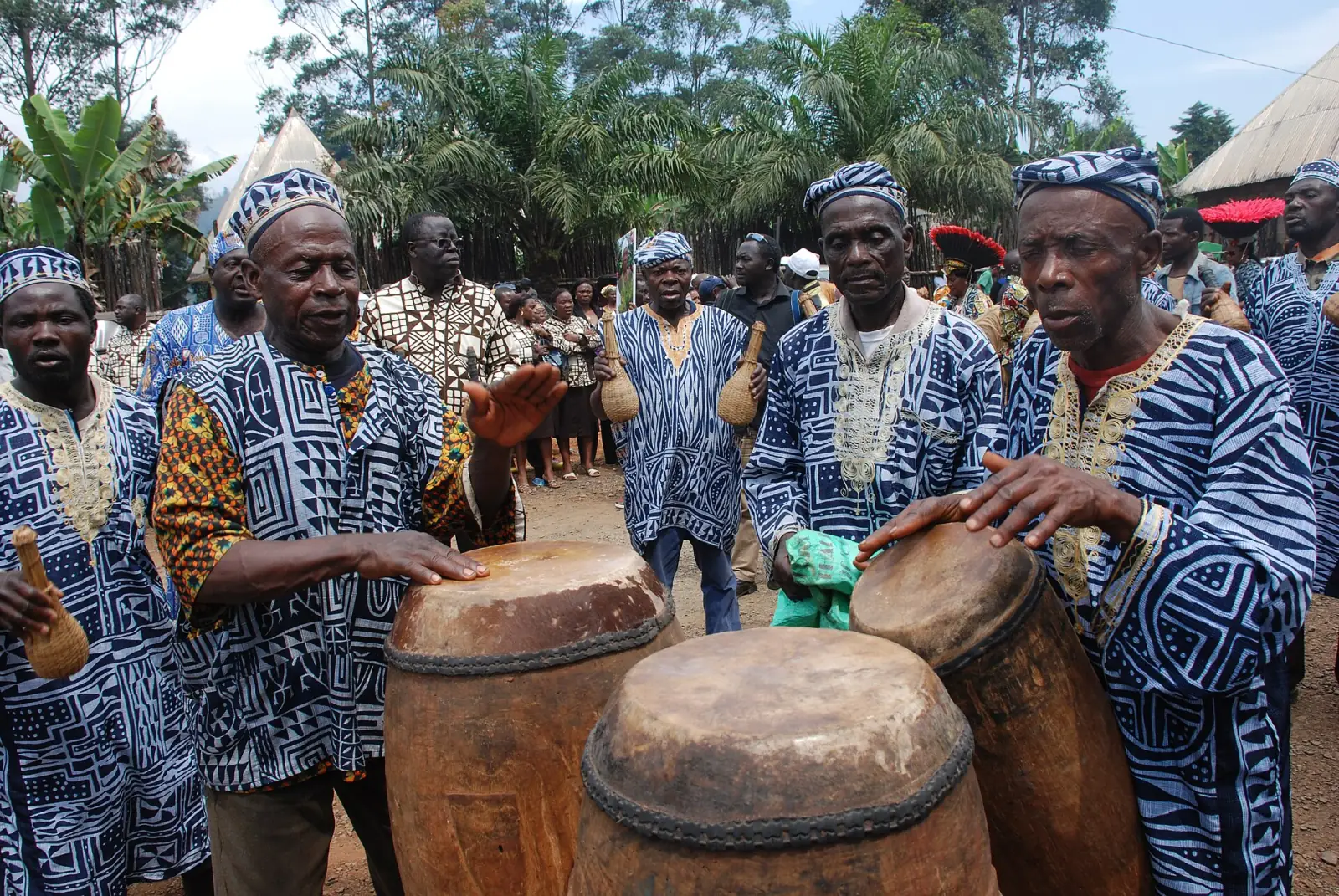
Drummers in embroidered indigo outfits beating large wooden drums

Most delays come from simple causes, which a little attention can avoid.

An artistic file that is too thin or too old

Providing only documents several years old gives the impression of an activity that has stopped. Always add at least one recent proof.

Illegible photographs of works

Blurred images, without a caption or date, cannot be assessed. State the title, technique, dimensions and year.

A poorly chosen discipline

Declaring yourself in a discipline in which you have no references leads to a request for further documents. Choose the one that reflects your real work, and if necessary consult the map of practices by region.

A submission made to the wrong structure

A file sent to a service unrelated to artist status is redirected, which takes time. If in doubt, call the switchboard or consult the online help.

Appeal

Challenging a decision or following up on a file

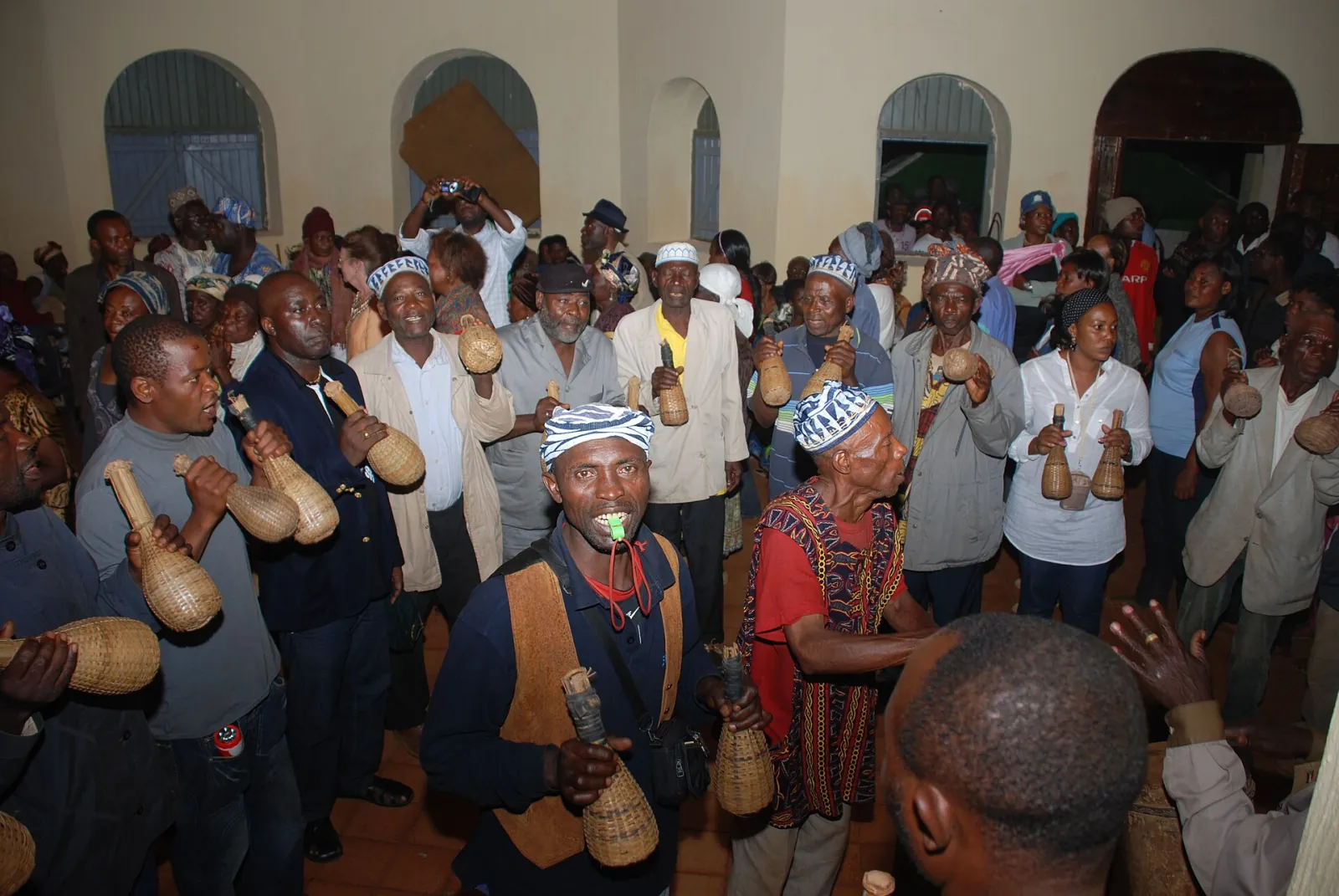
Crowd of musicians playing resonant gourds in a large hall

If your file remains unanswered or if a refusal seems unfounded to you, several routes exist, from the simplest to the most formal.

  1. Contacting the delegation: the first step is to go back to the Regional Delegation that received the file, quoting your file number. Many blockages are resolved at this stage;
  2. Request for review: you send a short, reasoned letter to the artist status service, enclosing the new documents;
  3. Institutional complaint: you refer the matter to the mediator described on the Quality and accessibility page, or to the General Inspectorate in the event of improper conduct;
  4. Reporting: an official who asks for an unauthorised payment must be reported via the Reporting page.

A refusal is never final: you may resubmit an enriched file after a few more months of activity. Legal appeals fall to the competent courts and may be informed by mediation where the dispute concerns your rights.

Accessibility

An application procedure accessible to all artists

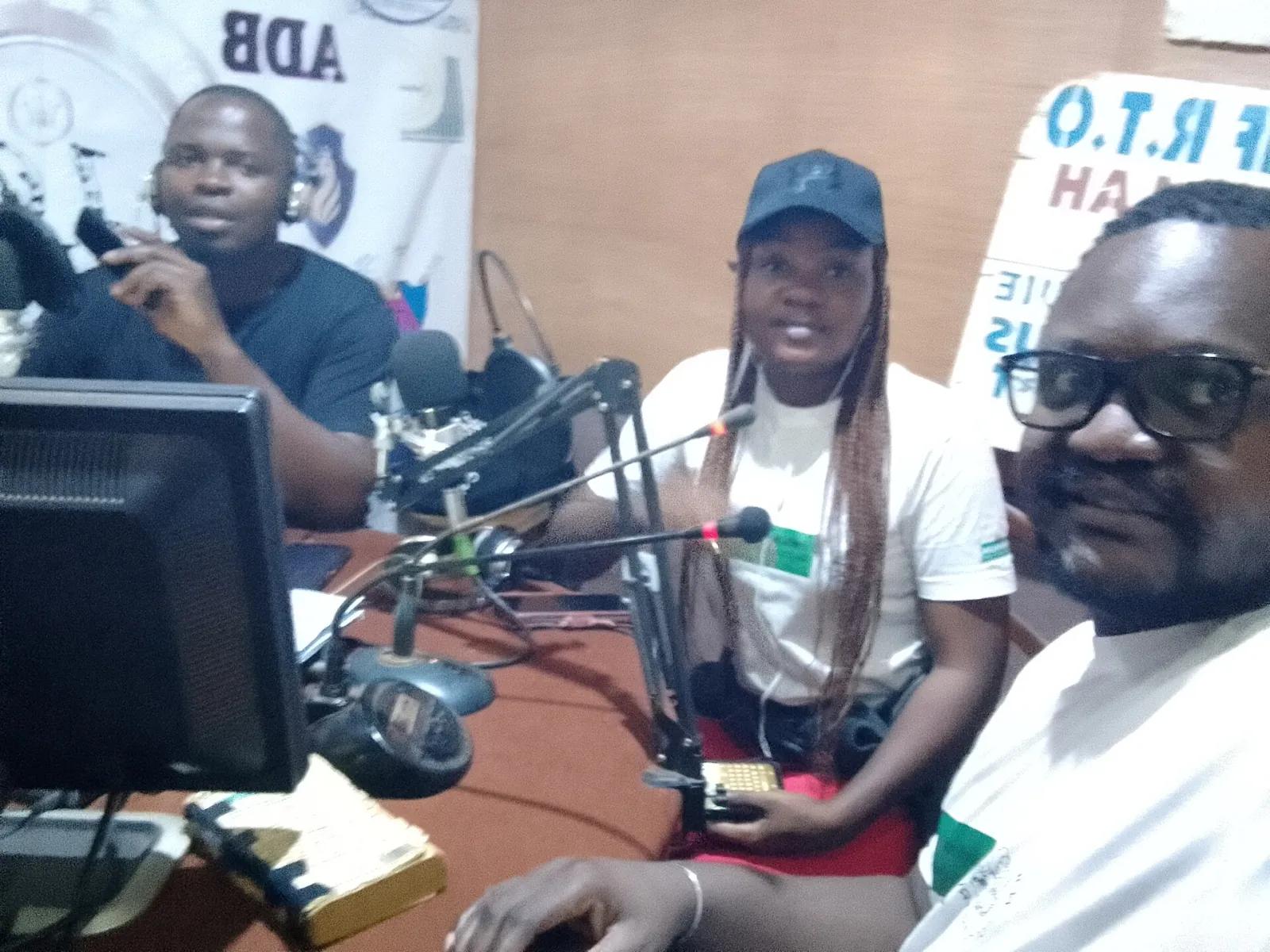
Presenters and guests around the microphones of a radio studio in Dschang

The Ministry ensures that every artist can submit a file, regardless of where they live, any disability or their level of literacy.

Outside the major cities

The ten Regional Delegations (contact details on the Regional delegations page) receive paper files and help to digitise documents. Artists living far away may hand their file to a representative of their association or chiefdom, provided with a simple proxy.

Disability and help with completing forms

Artists with a motor, visual or hearing disability may request an adapted appointment and be accompanied by the person of their choice. The site complies with the commitments set out in Quality and accessibility.

Languages and oral tradition

Officials receive visitors in French and English, and can refer them to interpreters for national languages. An artist who cannot write may dictate their biography to an official, who records it faithfully.

To protect your creations, see intellectual property. For the opening hours and addresses of each site, see Opening hours and addresses.

To go further

What the card makes easier

Aid and grants

Your recognised status speeds up the examination of project funding applications to the Ministry.

Apply for a grant

Creative residencies

Residency juries value candidates whose career is already documented.

See the residencies

Social protection

Retirement, health and taxation: social status rests on professional recognition.

Learn about the status

Artists’ directory

Be noticed by programmers by registering your profile in the directory.

Register
To download

The documents to download for the card

Glossary

The terms of the artist card

Artistic portfolio

All the documents that present the applicant’s career, works and references.

Main discipline

Artistic field in which the artist carries out most of their activity and from which they derive their recognition.

Acknowledgement of receipt

Document issued on submission certifying that the file has been registered and bearing its number.

Processing

Stage during which an official examines the file and checks the conditions of the application.

Additional documents

Additional document requested to complete the examination of a file deemed insufficient.

Duplicate

New copy of the card issued in the event of loss, theft or damage.

Renewal

New application submitted when the card expires, with an updated career record.

Community certificate

Document signed by a traditional or association authority confirming the activity of an oral-tradition artist.

Proxy

Written mandate authorising a trusted person to submit or collect the file.

Regional Delegation

Representation of the Ministry in each of the ten regions, which receives files and issues cards.

Resources

Useful links around the card

Key facts

The supporting documents accepted by discipline

DisciplineCommon supporting documentsProof of regularityService advice
Visual and plastic artsCatalogues, photos of works, sales invoicesExhibition datesAttach dated and captioned photographs
MusicConcert programmes, recordings, declarations of worksStage contractsState the collective management society
Theatre and dancePosters, programmes, engagement contractsCompany certificatesIndicate role and length of the tour
LiteraturePublished works, publishing contracts, articlesDeposit numberAttach the title page and the colophon
Cinema and audiovisualCredits, production contracts, broadcastsBroadcast certificatesSpecify the position held
PhotographySeries, publications, exhibitionsPrinted creditsProvide legible plates
Art craftsPieces made, commissions, participation in fairsWorkshop or master’s certificatePhotograph the stages of production
Oral traditionCommunity certificates, recordingsTestimony of the chief or councilHave it validated by the delegation
Path of the file

From application to issue of the card

SubmissionRegistration of the application

The One-Stop Shop or the delegation issues you an acknowledgement of receipt bearing your file number, to be kept for all your dealings with the Ministry.

OversightChecking admissibility

An officer checks that the essential documents are present and legible, and promptly alerts you to any omission to avoid needlessly blocking the file.

ProcessingArtistic review

The artist status service examines your artistic file and may consult professionals in the discipline or the delegation in your region.

DecisionNotification

The decision is communicated to you through your online account, by message or through the channel you have chosen; a refusal is always reasoned.

PresentationCollection of the card

The card is issued at the delegation chosen at submission, against your identity document. It is valid for a period set at issue.

Questions

Your questions about the artist card

Is the artist card compulsory in order to practise?

No. It is not a condition for creating, exhibiting or performing. It is proof of status that facilitates access to aid, residencies and the Ministry’s procedures, and that reassures the organisers and partners you work with.

Can I apply if I am still a student?

Yes, provided you can show regular, public artistic practice outside your classes: performances, exhibitions, publications or screenings. Enclose your institution’s certificate and proof of recent activity to facilitate the examination of the file.

Where do I submit my file if I live far from a town?

You can submit it online from a telephone, or hand it in to the Regional Delegation for your region. If travelling is difficult, a person authorised by simple proxy can submit it and collect the card on your behalf.

How long must I wait for the decision?

The processing time is communicated at submission and depends on the period and the completeness of the file. A complete and legible file moves forward faster. You can follow each stage with your file number on the tracking page.

What should I do if my application is refused?

The refusal is reasoned. Read the reasons given, strengthen your artistic file, then request a review from the artist status service or submit a new application later. The Ministry’s ombudsman can also be approached in the event of persistent disagreement.

How do I renew or replace my card?

Renewal is done through a new, simplified application, with an update of your career. In the event of loss or theft, a declaration allows you to obtain a duplicate. Always state your file number or the number of your old card.

Can a foreign artist obtain it?

Yes, if they are lawfully resident in Cameroon and carry out an artistic activity there. They enclose their valid residence permit and proof of activity in the country, such as contracts with venues, galleries or companies.

Are the fees payable indicated in advance?

Yes. Any fee is displayed before payment at the time of submission, and the applicable rules appear on the Fees page. No official should ask you for any sum outside the official channel; any suspicious payment must be reported.

Competent service

Contact the artist status service

Address

Artist Status Service
Ministry of Arts and Culture
Quartier du Lac – Ministerial Zone
P.O. Box 1053 Yaoundé, Centre Region, Cameroon

Reach us

+237 6 51 70 58 41

contact@minac.gov.cm

Opening hours

Monday to Friday, 8 am to 4 pm

Your career deserves to be recognised

Submit your application online, track it with your number and collect your card in your region.

Submit my application
WhatsApp