Coat of arms of CameroonMinistry of Arts
and Culture
Republic of Cameroon
My procedures
Home
Minister’s message
News
Press releases
Cultural calendar
Official speeches
Press review
Photo library
Video library
Calls for projects
Job vacancies
Public procurement
Newsletter
Frequently asked questions
Site map
Contact
Press area
Podcast “The Voice of Culture”
Legal notices
Privacy policy
Cookies and trackers
The Ministry
Missions and responsibilities
Organisation
Organisation chart
Minister’s Office (Cabinet)
Management team
General Secretariat
General Inspectorate
Central directorates
Regional Delegations
Institutions under supervision
Legislative texts
Regulatory texts
Sector strategy
Major projects
Budget and reports
Partners
Careers
Archives
Institutional communication
Quality and accessibility
Arts
Visual and plastic arts
Visual arts
Performing arts
Theatre
Dance
Music
Literature and books
Cinema and audiovisual
Photography
Fashion and design
Digital arts
Art crafts
Artists’ directory
Residencies
Prizes and awards
Arts education
Urban arts
Heritage
Tangible heritage
Intangible heritage
UNESCO sites
National museums
Listed monuments
National inventory
Palaces and chiefdoms
Archaeology
Linguistic heritage
Oral traditions
Traditional know-how
Restitution of cultural property
Fight against illicit trafficking
Listing and protection
Conservation and restoration
Heritage Days
Cultural landscapes
Industries
Music and recording
Cinema
Publishing and books
Digital arts
Fashion and creativity
Crafts
Cultural tourism
Funding for culture
Support funds
Incubators
Cultural entrepreneurship
Culture Observatory
Vocational training
Studies and reports
Sector statistics
Export and outreach
Intellectual property
Copyright
Legal framework
Copyright and neighbouring rights
Collective management societies
Register a work
Licences
Private copying
Fight against piracy
Model contracts
Social status of artists
Mediation
Disputes
Training
Fee scales
Register of works
Contact
Digital neighbouring rights
Public domain
Festivals
National calendar
Ngondo
Nguon
Écrans Noirs
Heritage Days
Music Day
Regional festivals
Fairs and exhibitions
Biennials
National competitions
Cultural days
Organise a festival
Event grants
Ticketing
Archives
Volunteering
Diaspora festivals
Regions
Adamawa
Centre
East
Far North
Littoral
North
North-West
West
South
South-West
Cultural map
Regional Delegations
Traditional chiefdoms
National languages
Cultural routes
Decentralised cooperation
Regional observatory
Cooperation
UNESCO
Francophonie (OIF)
African Union
Commonwealth
CEMAC
Bilateral cooperation
Cultural agreements
Professional organisations
Scholarships
Artist exchanges
Cultural years
Diaspora
Funded projects
Embassies
Technical partners
International restitution
International monitoring and calls
Services
Artist card
Show authorisation
Filming authorisation
Festival authorisation
Deposit of a work
Export of works of art
Listing of a property
Grant application
Association accreditation
File tracking
Forms
Fees
Opening hours and addresses
Reporting
Online help
My account
One-Stop Shop
Heritage

UNESCO sites

Dja Faunal Reserve, Sangha Trinational, the Diy-Gid-Biy cultural landscape and the tentative list: Cameroon’s World Heritage sites, their management, visiting them and their communities.

Updated on 6 November 20264 sub-pages
Cameroonian sites cited3
Area of the Dja Reserve526,000 ha
Partner countries of the Sangha Trinational3
Region of the Diy-Gid-Biy landscapeFar North
World Heritage

Cameroon on the World Heritage List

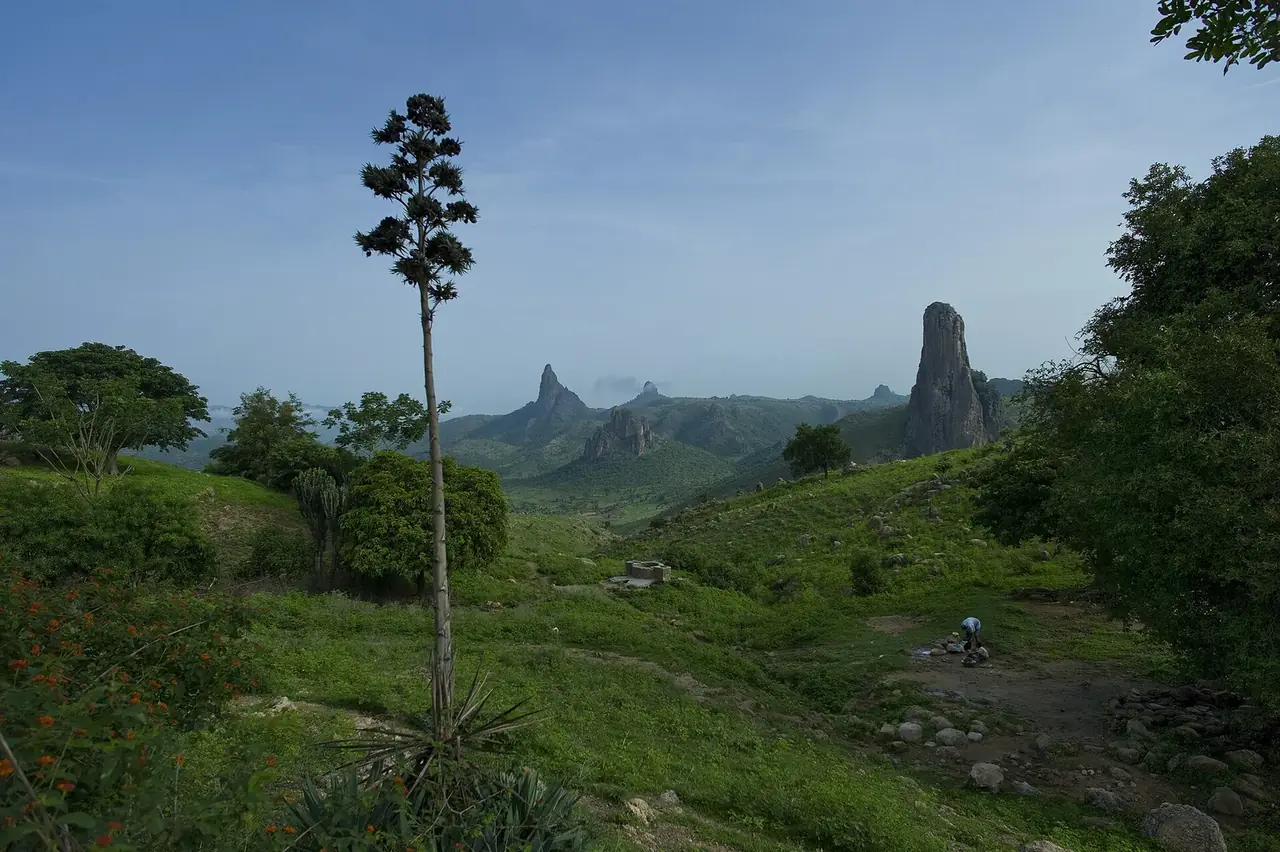
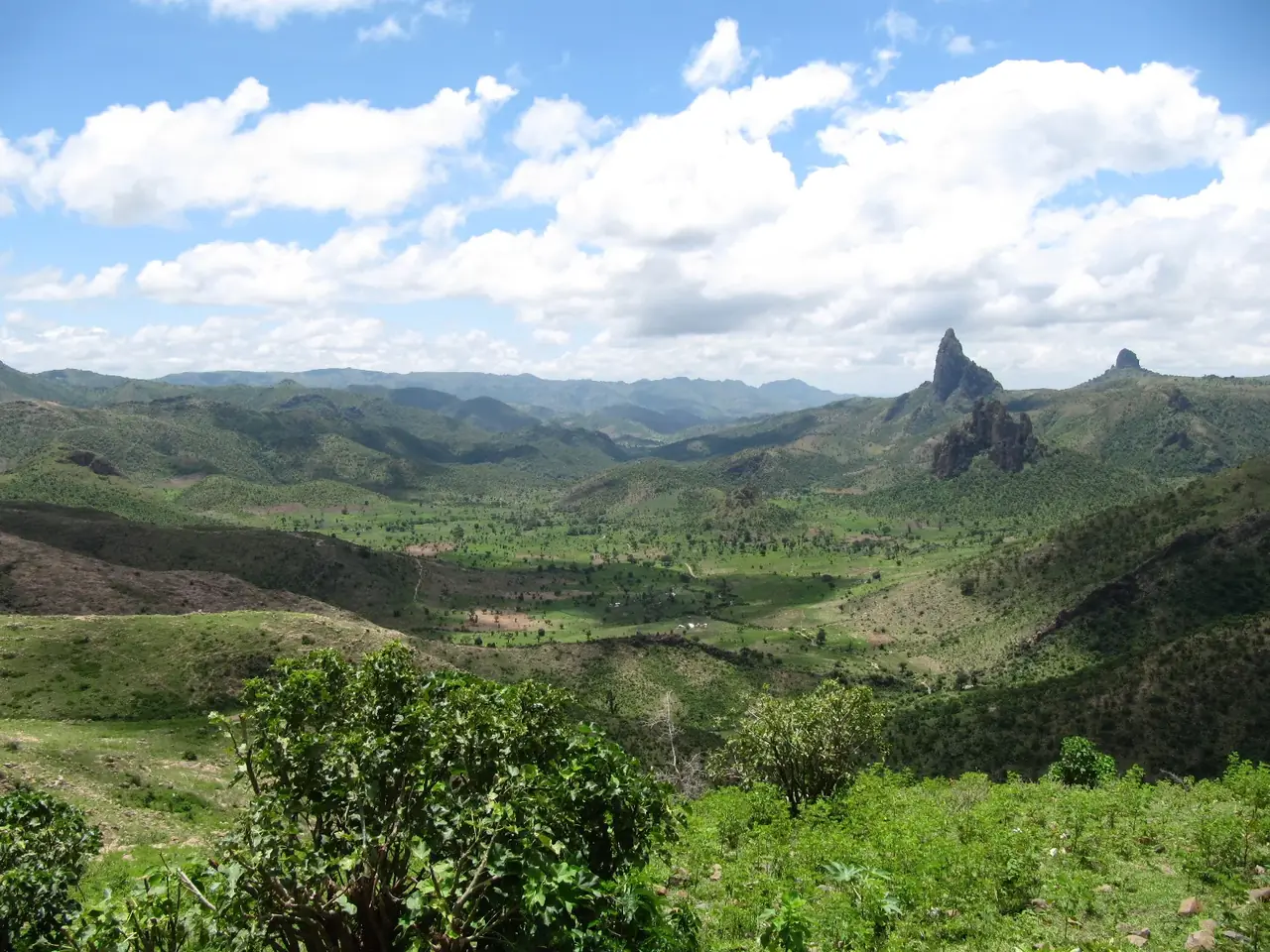
Green valley of northern Cameroon and the Rhumsiki pinnacles

Several Cameroonian sites appear on UNESCO’s World Heritage List: the Dja Faunal Reserve, the Sangha Trinational and the Diy-Gid-Biy cultural landscape. They tell of the country’s richness, from the dense forest of the South-East to the mountains of the Far North.

The Minister acts as the link between the Government and UNESCO. This page presents each site, its values, its inhabitants, the conditions for visiting, the way a property enters the tentative list and the monitoring that the State must provide. It is intended for visitors, neighbouring communities, researchers and project leaders.

  • Three inscribed sites, natural and cultural
  • Communities as guardians of these territories
  • A tentative list for future nominations
Discover the Dja Reserve
Dja Faunal Reserve

The Dja Faunal Reserve: the dense forest of the South-East

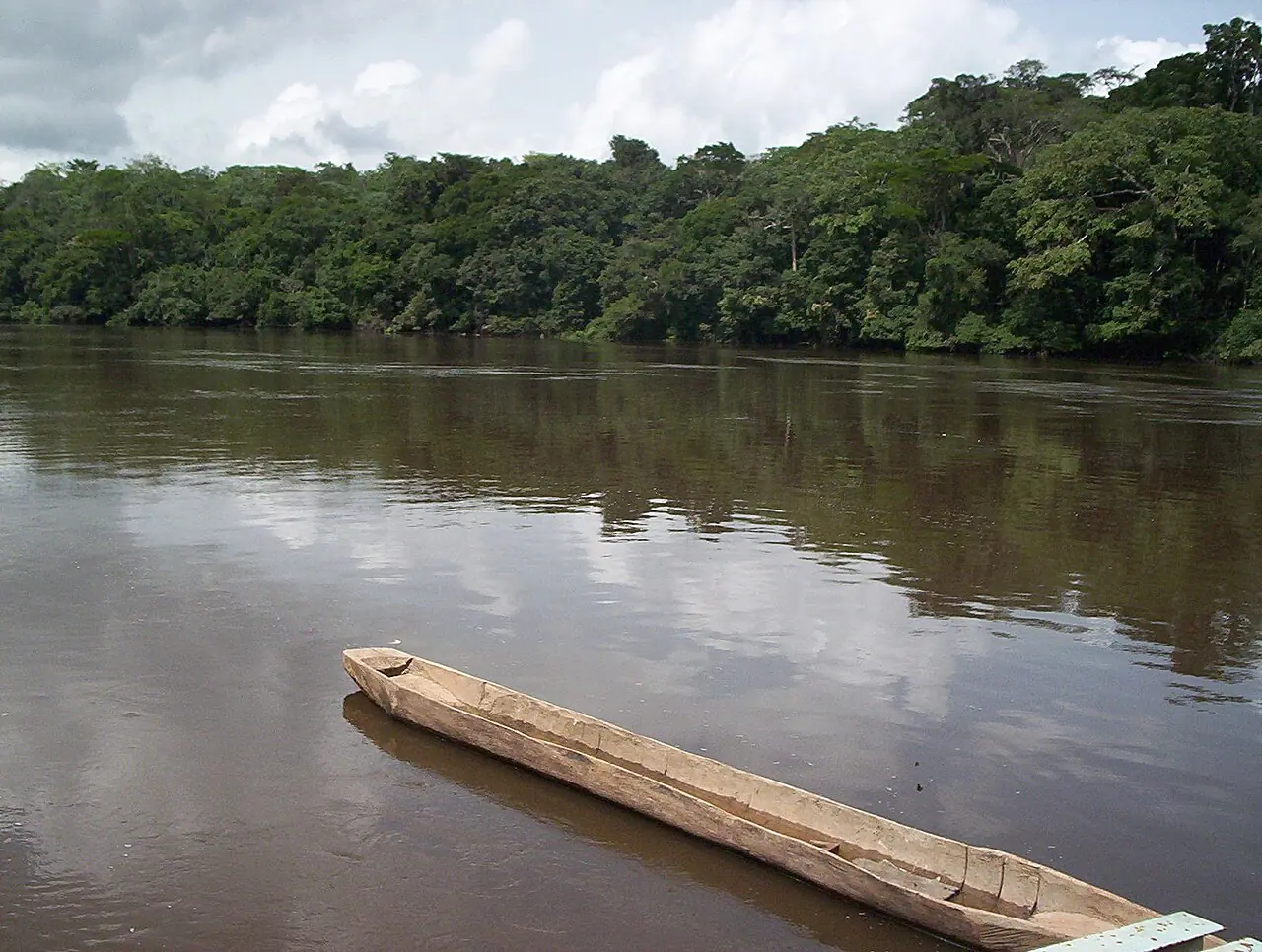
Dugout canoe on the Dja river lined with forest

A natural site of dense forest, the Dja Faunal Reserve is one of the best-preserved protected areas in Central Africa. It occupies a vast loop of the Dja River, largely surrounded by the watercourse, which has protected it from intensive exploitation. Inscribed on the World Heritage List in 1987 for its natural values, it covers about 526,000 hectares in the South-East of the country.

Exceptional biodiversity

The Dja forest is home to lowland gorillas, chimpanzees, forest elephants, forest buffaloes, antelopes and more than a hundred species of mammals, as well as numerous birds, reptiles, butterflies and medicinal plants. The canopies, swamps and clearings form a mosaic of habitats.
The forest peoples

The Baka, hunter-gatherers of the forest, and Bantu communities live on the edge of the reserve. Their knowledge of the plants, animals and rhythms of the forest is a living part of the heritage. Hunting, gathering, music and dance practices form part of intangible heritage.

Visiting and protecting

  • Visits are accompanied by approved local guides, along marked trails and campsites;
  • Commercial hunting, illegal logging and poaching are prohibited and punished;
  • Neighbouring villages take part in the management committees and share in the benefits of tourism.

The region’s discovery itineraries are presented with the East Region and the South Region.

ℹ️
For visitors

Prepare your stay with the regional delegation; it will put you in touch with authorised guides and campsites.

Sangha Trinational

The Sangha Trinational: three countries, one forest

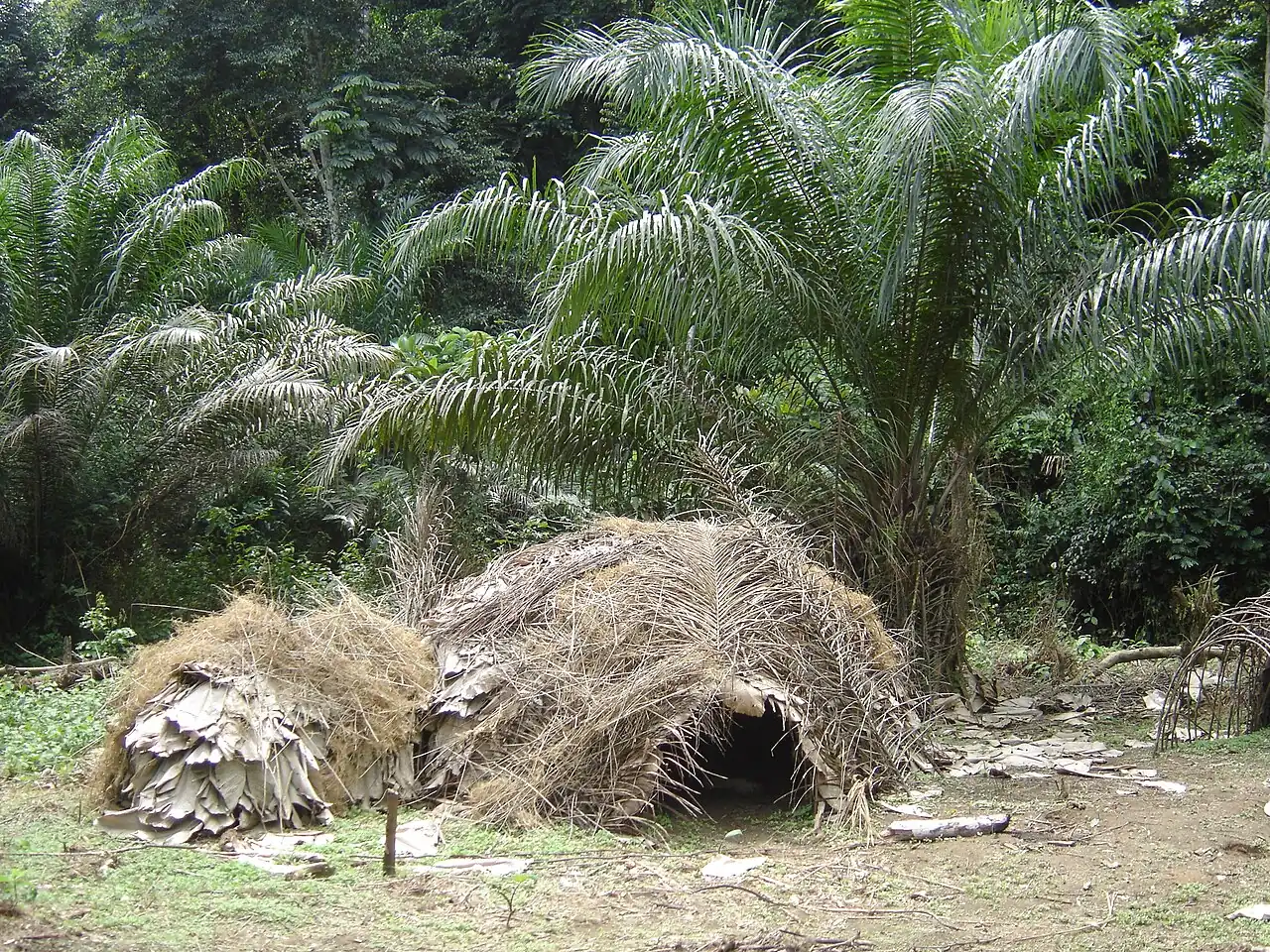
Leaf hut at the edge of the Dja forest

The Sangha Trinational is a transboundary site inscribed on the World Heritage List in 2012. It brings together three contiguous protected areas in the Congo Basin: Lobéké National Park in Cameroon, Dzanga-Ndoki National Park, with the Dzanga-Sangha Special Reserve, in the Central African Republic, and Nouabalé-Ndoki National Park in the Republic of the Congo. Together, they form a forest massif of about 750,000 hectares.

The Cameroonian part: Lobéké

Located in the far South-East of Cameroon, the Lobéké area combines dense forest, swamps and clearings where elephants, gorillas, buffaloes and antelopes gather. The salt licks, or bais, offer exceptional opportunities for observation. The Baka and Bantu communities living around the area take part in management and tourism.

Cross-border cooperation

The site’s management rests on a tripartite committee, coordinated anti-poaching patrols and information exchange between the three countries. This cooperation is a model for the protection of shared landscapes and forms part of the action of CEMAC and international technical partners.

The challenges

  • Combating poaching and trafficking in wildlife;
  • Reconciling subsistence hunting, tourism and conservation;
  • Promoting the traditional knowledge and languages of neighbouring communities;
  • Developing local jobs as guides, trackers and ecotourism agents.

Coordination with the ministries of the environment and tourism is ensured at national level; see also the technical partners page.

ℹ️
Culture and nature

World Heritage is not limited to monuments: forests, knowledge and rites of the guardian peoples are part of the protected property.

Diy-Gid-Biy

The Diy-Gid-Biy cultural landscape of the Mandara Mountains

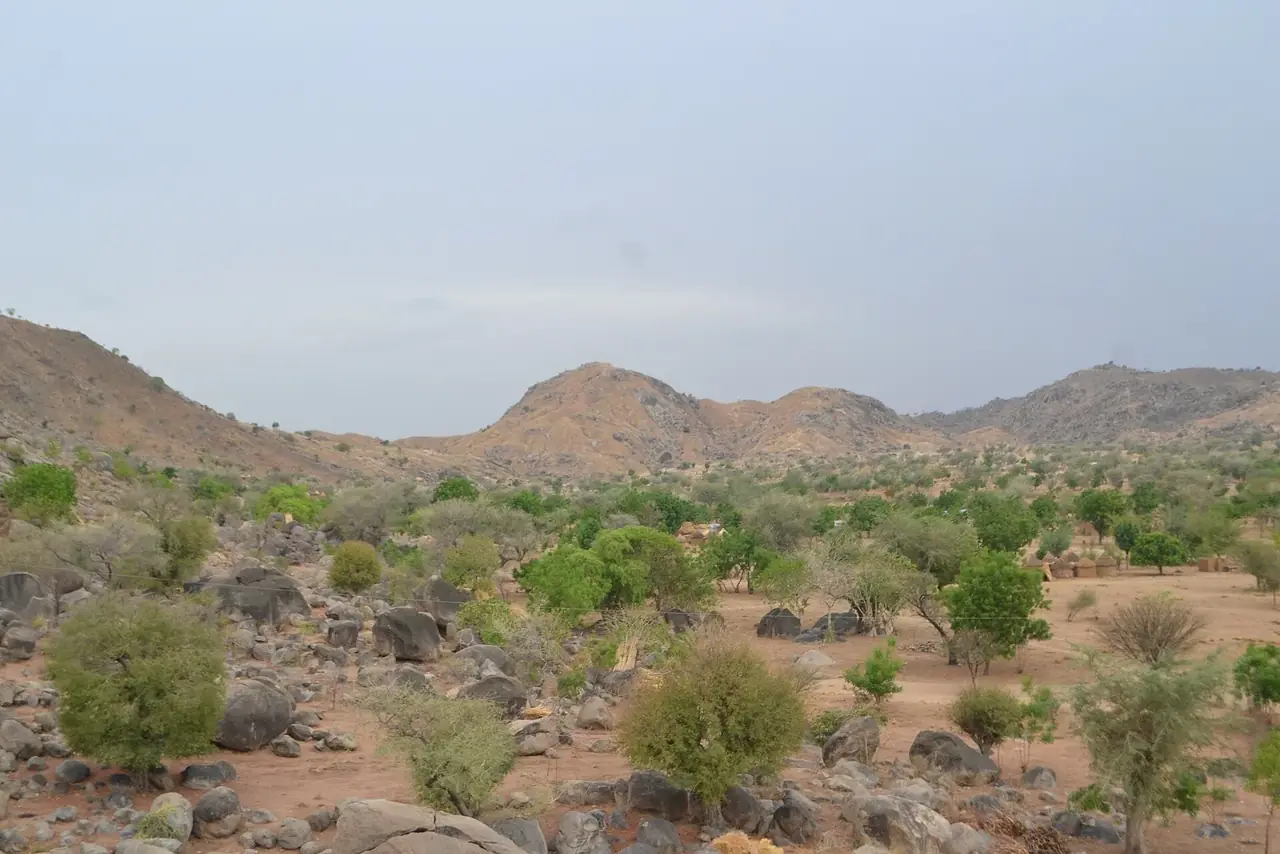
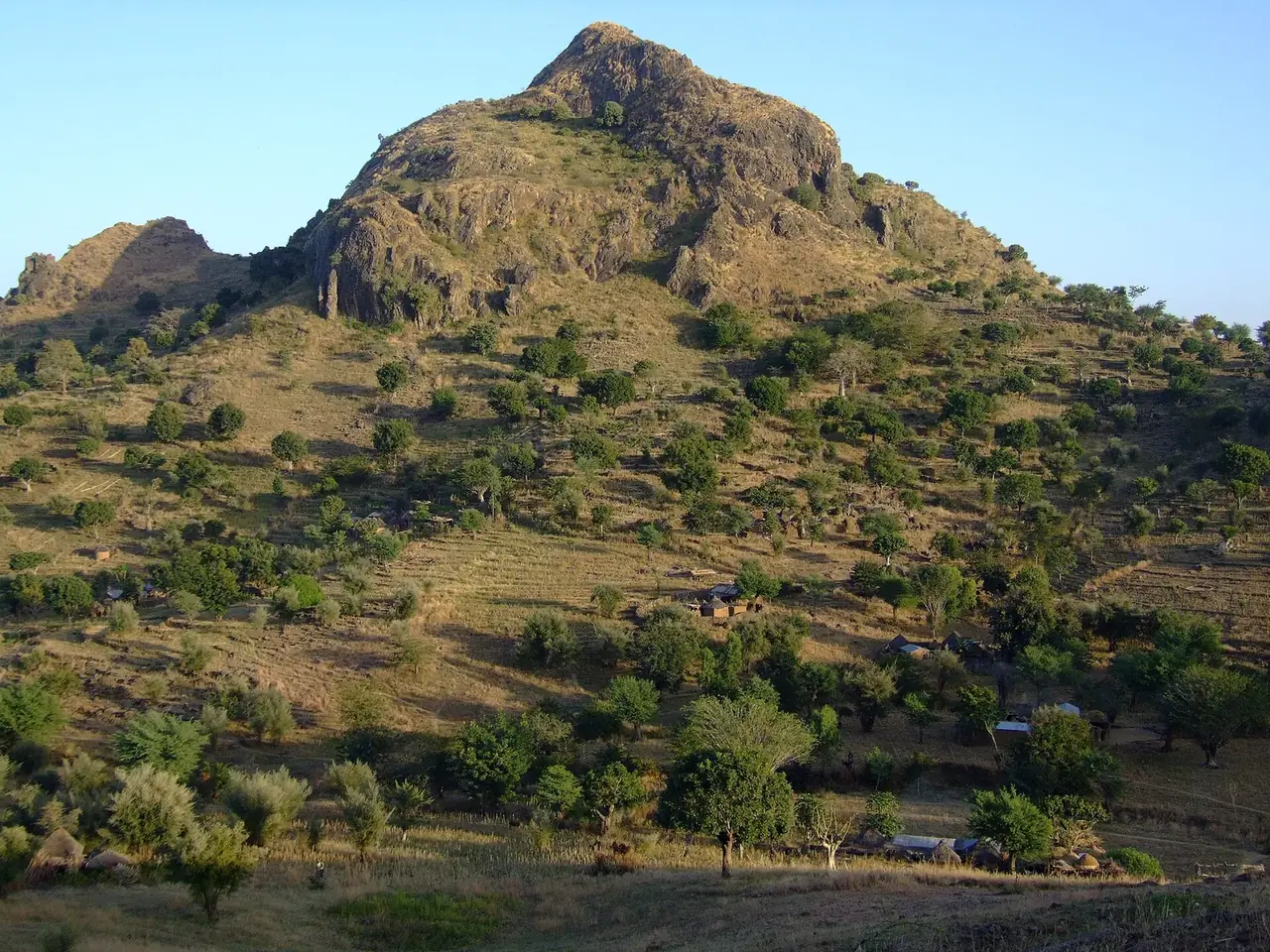
Rocky mountain of the Mandara Mountains

The Diy-Gid-Biy cultural landscape is a mountainous territory of the Far North, in the Mandara Mountains, where communities, notably the Mafa, have shaped over the centuries a way of life in harmony with the terrain. It is inscribed on the World Heritage List for its cultural and landscape value.

A landscape shaped by people

The slopes are laid out in dry-stone terraces where millet, sorghum and groundnuts are grown. The compounds consist of round huts of earth and stone, grouped around a courtyard; raised grain stores, enclosures and paths shape the landscape. Blacksmiths, potters and diviners occupy a central place in social life.

Rites, calendars and knowledge

  • Harvest festivals and rituals of the rainy season;
  • Ceremonies marking the end of mourning and the passage to adulthood;
  • Techniques of irrigation, manuring and erosion control;
  • Music of flutes, horns and drums, associated with the dances of the region.

Preserving the landscape and its uses

Protection of the site relies on the rules of listing and protection and on the recognition of cultural landscapes, which the law defines as territories where nature and human activity form an ensemble worthy of conservation. Its enhancement draws on crafts, cultural tourism and village life. The site is also presented in the Far North Region and on the traditional know-how page.

ℹ️
Respect the places

Villages have their own rules for visitors. Always ask the families’ permission before entering a compound or photographing a rite.

Tentative list

The tentative list: future candidate sites

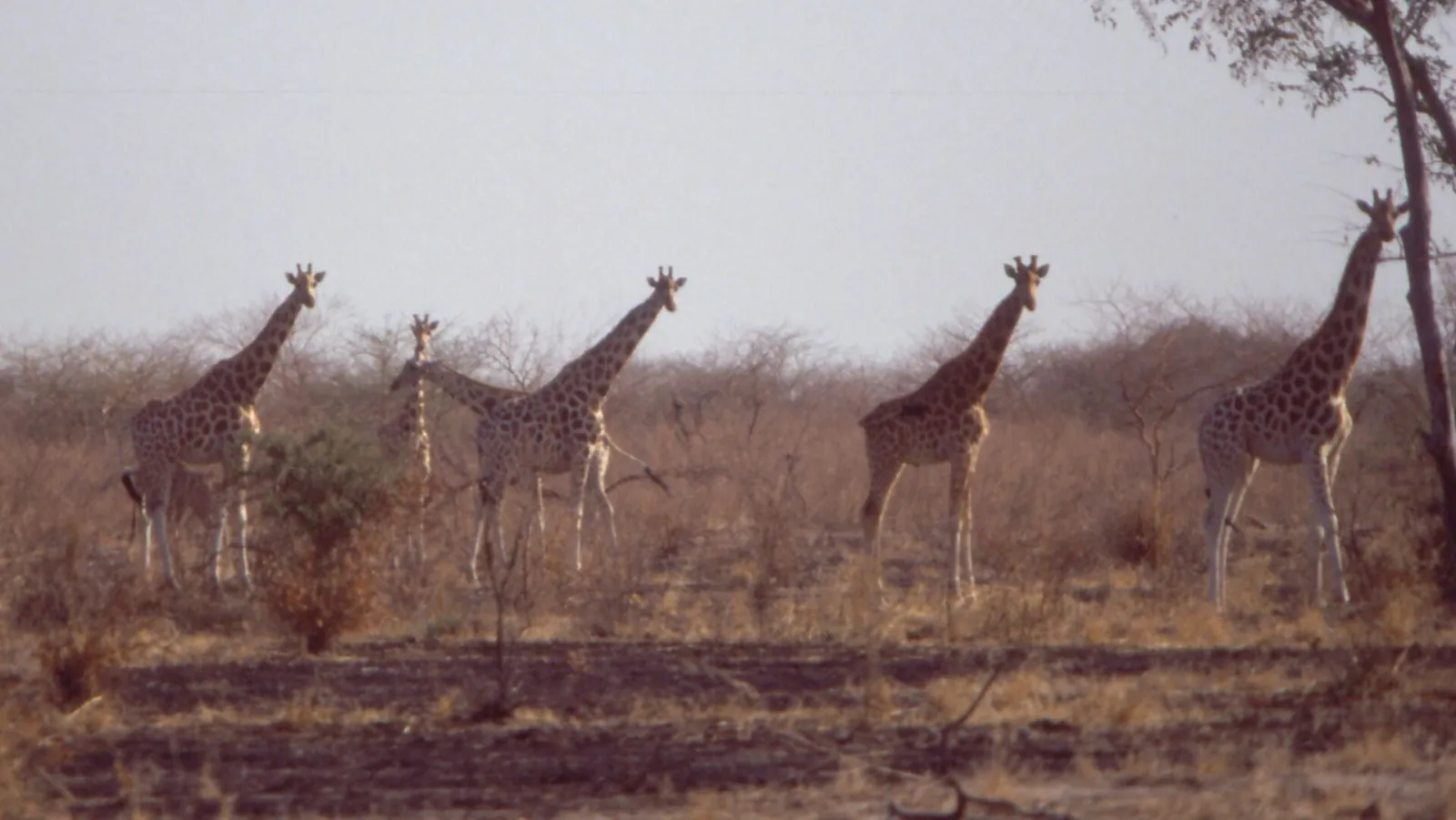
Giraffes in the dry savannah of Waza National Park

Before putting a site forward for inscription on the World Heritage List, a State must enter it on its tentative list, an inventory of the properties it intends to propose. This stage makes it possible to document the property’s universal value, involve the communities and assess the means of management.

Criteria to consider

  • An exceptional and universal value, cultural, natural or mixed;
  • The authenticity and integrity of the property, that is, the preservation of its characteristics and its environment;
  • A legal framework and a management plan guaranteeing lasting protection;
  • The agreement and involvement of local communities.

Avenues under study

The heritage services are studying several groups of sites: chiefdoms of the West and their palaces, lamidates of the North, coastal landscapes and archaeological sites of the Sanaga. These avenues draw on the national inventory, on the work of archaeology and on the surveys of palaces and chiefdoms.

Each avenue is the subject of a pre-feasibility study with the communities, a public consultation and, if selected, entry on the tentative list. A full nomination file then requires several years of preparation.

ℹ️
Propose a site

A municipality, a chiefdom or an association may suggest a property. The proposal file is sent to the regional delegation, which forwards it to the competent directorate.

Management

Managing a World Heritage property: plans, committees and monitoring

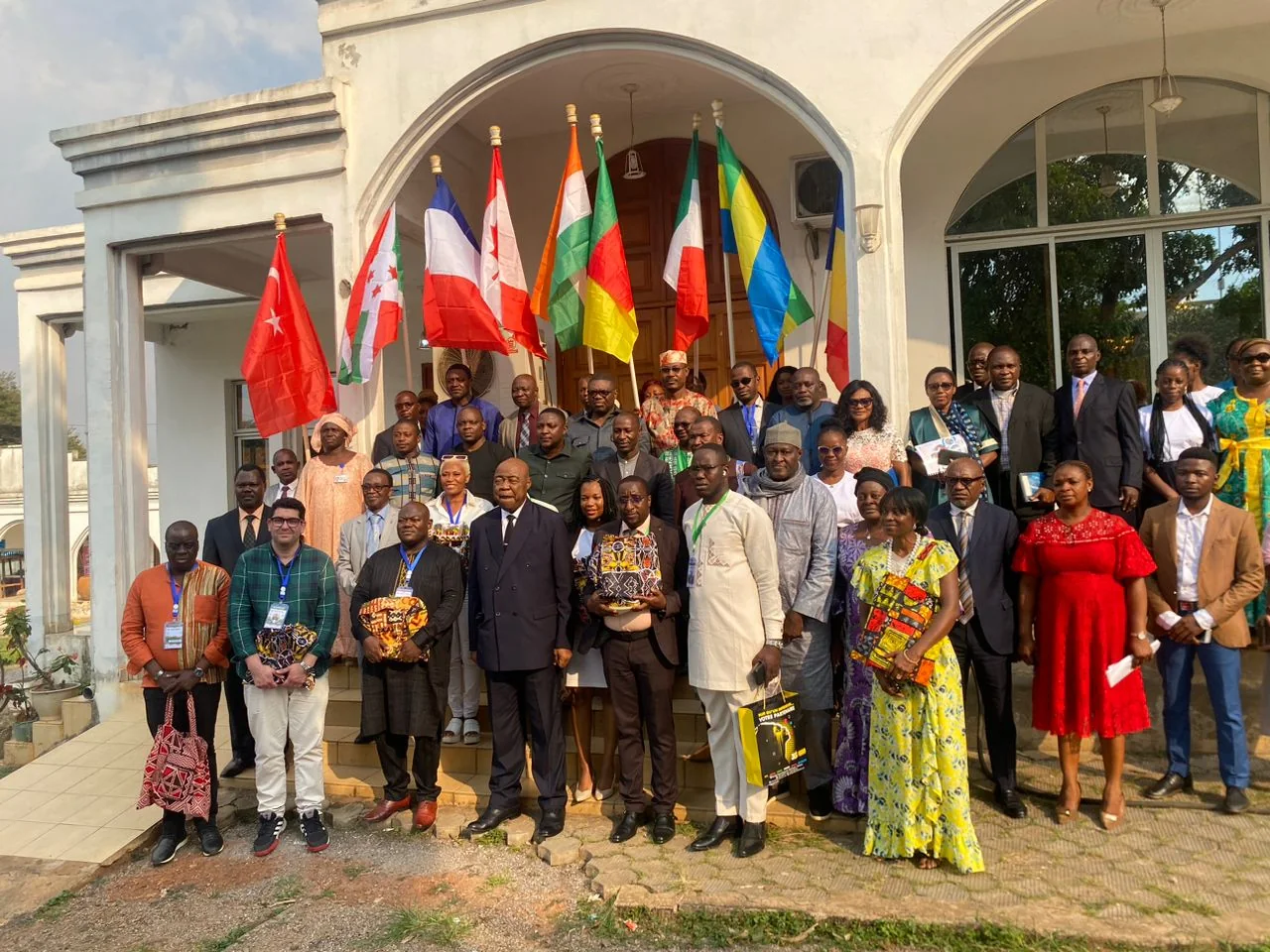
Group of participants posing in front of the flags of several countries during a meeting at the Ministry

The inscription of a site is not an end in itself: it creates obligations. The State undertakes to protect it, to manage it according to a plan, to report regularly on its state of conservation and to involve the communities. In Cameroon, management rests on shared responsibility between the ministry in charge of heritage, the relevant technical ministries, local authorities and communities.

Communities

Neighbouring communities and tourism at UNESCO sites

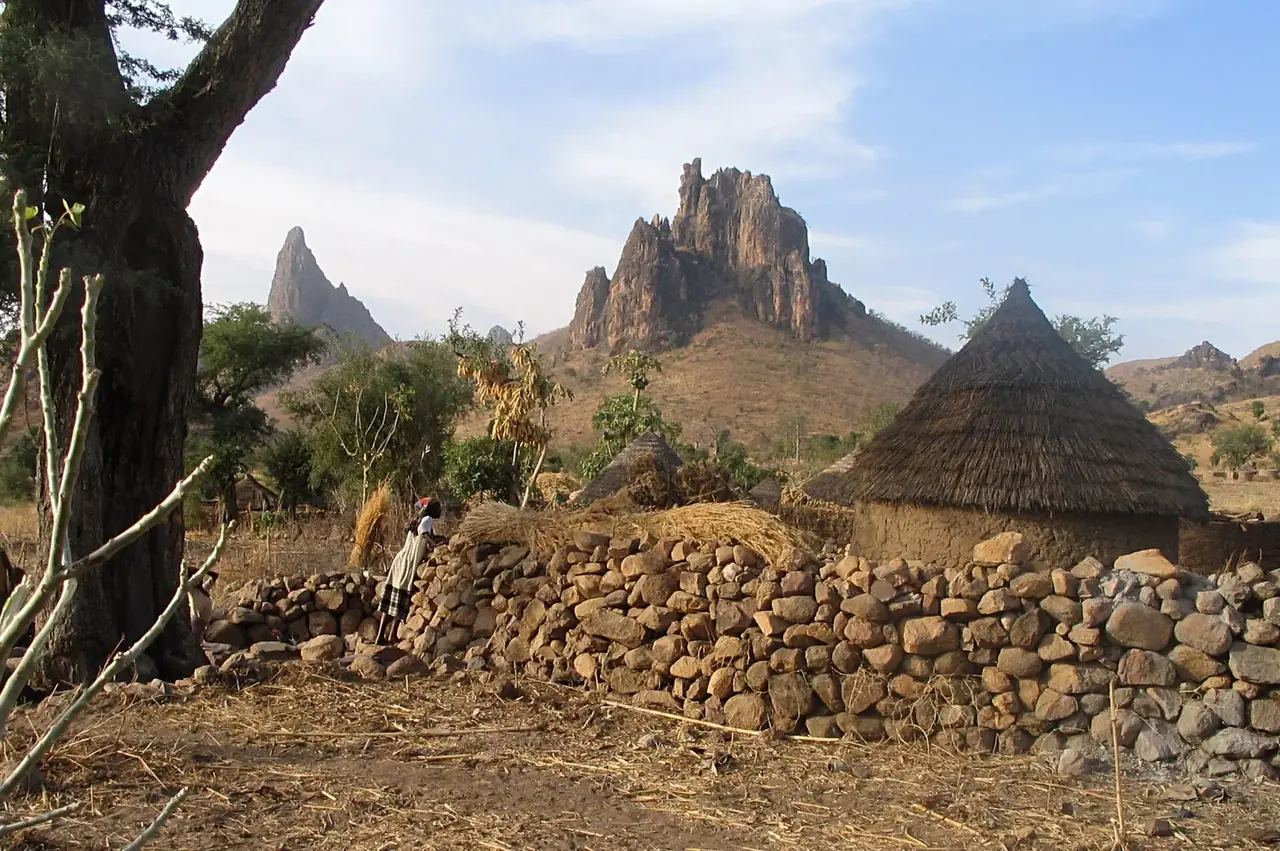
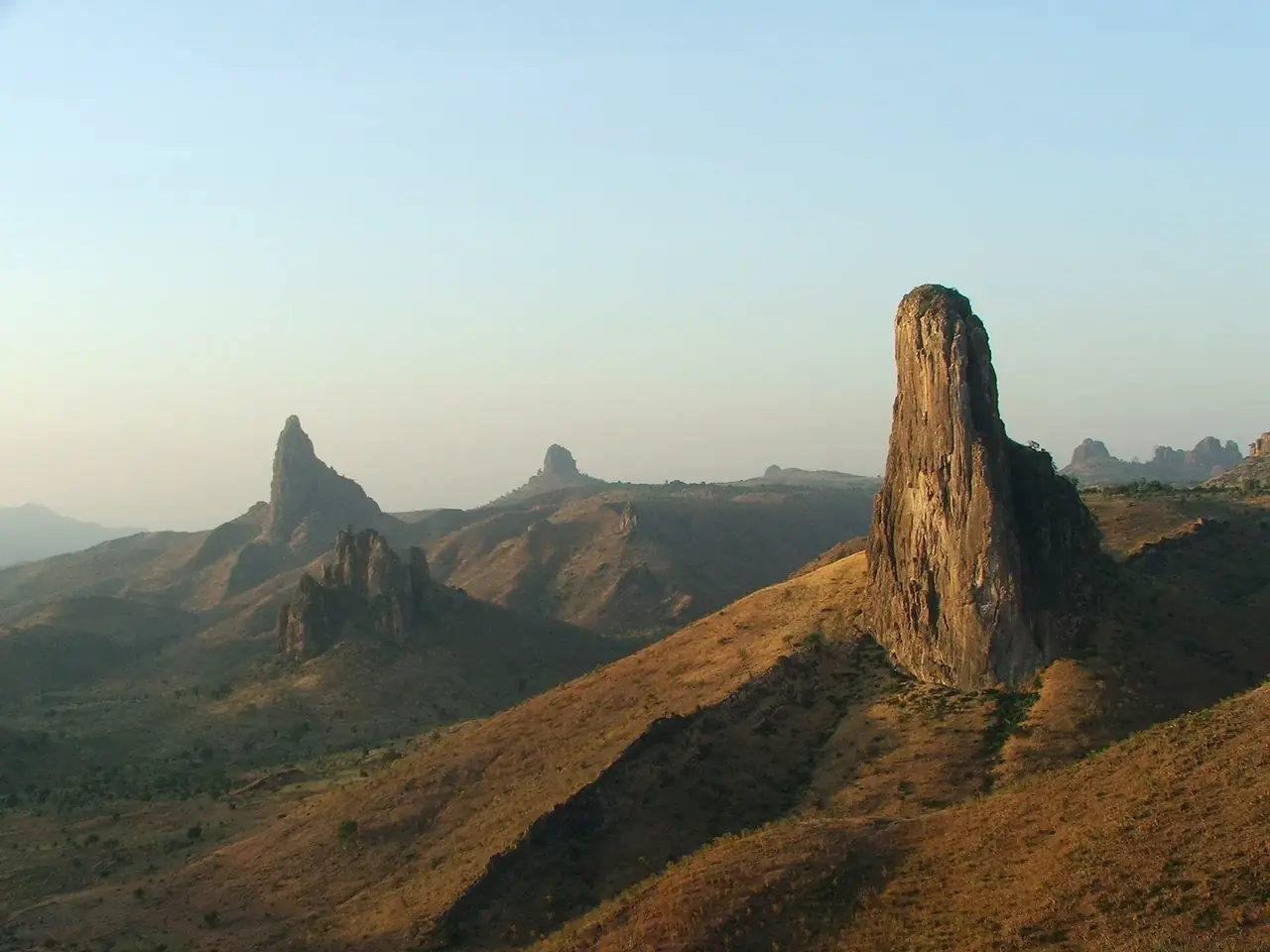
Kapsiki house in Rhumsiki in front of the rock pinnacles

The inhabitants around the sites are the first guardians of their heritage. Their participation in conservation, in welcoming visitors and in promoting knowledge is a condition of success. It also brings income: jobs as guides, trackers, cooks, craftspeople and hosts, and sales of local products.

Tourism serving heritage

Circuits are designed with the villages, with clear rules on visitor numbers, access periods and the sharing of revenue. Training in hospitality and interpretation is offered, in connection with training for cultural professions and cultural tourism.

Good practice for visitors

  • Book through an approved operator and prefer local guides;
  • Keep your distance from animals and respect village prohibitions;
  • Take your waste away, avoid plastics and save water;
  • Buy crafts directly from the producers, see crafts.
Step by step

From local property to the world list

Inventory the property

The property is described, mapped and entered in the national inventory with its inhabitants, its uses and its state of conservation.

Protect it legally

It is recognised or listed under the 2013 law, with a protection regime suited to its class and its environment.

Enter it on the tentative list

A study demonstrates its universal value; after consultation with the communities, the State puts it forward for the tentative list at UNESCO.

Prepare the file

Experts, communities and administrations draw up the nomination file: description, comparative analysis, management plan, maps and photographs.

Undergo evaluation

Advisory bodies evaluate the property on site, then the World Heritage Committee decides on inscription.

Manage and report

After inscription, the management committee applies the plan, carries out annual monitoring and submits periodic reports.

Key facts

The three sites in one table

SiteNatureLocationMain values
Dja Faunal ReserveNatural site inscribed in 1987South-East, loop of the Dja RiverDense forest, gorillas, elephants, Baka peoples
Sangha TrinationalTransboundary natural site inscribed in 2012Far South-East, Lobéké areaCongo Basin forest, salt licks, cooperation of three countries
Diy-Gid-BiyCultural landscape of the Mandara MountainsFar North, Mokolo regionTerraces, compounds, forges, harvest rites
Tentative listNomination avenuesWest, North, Littoral, CentreChiefdoms, lamidates, coastal landscapes, archaeological sites
Buffer zonesTransition areas around the sitesPeriphery of each propertyLimits on activities, support for neighbouring residents
Management authoritiesInstitutional partnersNational and local levelProtection, monitoring, tourism and research
Journey

Cameroon’s sites through time

1987Inscription of the Dja

The Dja Faunal Reserve enters World Heritage thanks to its state of conservation and the richness of its dense forest.

2012Inscription of the Sangha Trinational

Cameroon, the Central African Republic and the Congo jointly inscribe a transboundary forest massif managed in cooperation.

2013The cultural heritage law

The Law of 18 April 2013 lays the foundations for the inventory, listing and management of properties, including cultural landscapes.

2024Recognition of Diy-Gid-Biy

The Diy-Gid-Biy cultural landscape of the Mandara Mountains is recognised for the universal value of its terraces, villages and rites.

TodayTowards new nominations

Cameroon continues to study properties for the tentative list and strengthens the management plans of the three inscribed sites.

To explore

The sites and their regions

“Our forest is not a backdrop: it is our home, our pharmacy and our memory. Protecting it means protecting all those who will come after us.”

A guide from a neighbouring village, East
Voices from the field

Voices from the inscribed sites

“
Since inscription, the young people of the village have been trained as guides and trackers; they know every salt lick and every path in the forest.
A site management officer
East
“
Visitors learn to recognise birdsong with us. They leave with a different view of the forest.
A campsite guide
South-East
“
Our stone terraces are several generations old. When visitors come, we show them how we maintain them.
A farmer in the Mandara Mountains
Far North
“
The committee brings together the villages, the municipality and the State. Everyone now understands that protecting the site benefits all.
A local committee chair
Far North
To act

Procedures relating to the sites

Propose a property

A municipality or an association may suggest a site for the tentative list by writing to the Directorate of Heritage.

Write to the Ministry

Report damage

Poaching, deforestation, illegal construction or looting: alert the services so that the authorities can intervene.

Report

Filming authorisation

A report or film on a protected site requires special authorisation, to be requested online.

Request authorisation
To download

The files on the UNESCO sites

Glossary

The key terms of World Heritage

World Heritage

All the cultural and natural properties of universal value recognised by the competent international bodies.

Outstanding universal value

Cultural or natural importance so remarkable that it transcends borders and concerns all humanity.

Tentative list

Inventory of the properties that a State intends to propose for inscription on the World Heritage List.

Management plan

Document that sets out the objectives, rules and actions for protecting and enhancing a site.

Buffer zone

Area surrounding a property to limit activities that could affect it.

Cultural landscape

Territory resulting from the interaction between natural and human factors, worthy of conservation.

Transboundary property

Site extending across the territory of several countries, managed in cooperation.

Authenticity

Fidelity of a property to its original forms, materials, uses and spirit.

Integrity

Completeness and intactness of a property and its environment.

Salt lick

Forest clearing where animals come to find mineral salts; also called a bai.

Periodic report

Document that reports to UNESCO on the state of conservation of a site.

On the site

Other gateways to the UNESCO sites

Resources

Useful links for UNESCO sites

Stakeholders

Who protects the inscribed sites?

Questions

Your questions about UNESCO sites

How many Cameroonian sites are on the World Heritage List?

Three sites are cited on this page: the Dja Faunal Reserve, the Sangha Trinational and the Diy-Gid-Biy cultural landscape. Other properties are being studied for the tentative list, the stage that precedes any nomination.

Can the Dja Faunal Reserve be visited?

Yes, under the conditions set by the management authorities: visits accompanied by local guides, marked trails and overnight stays in authorised campsites. Contact the East delegation to organise your stay.

Who manages the Sangha Trinational?

It is managed in cooperation by the three countries concerned, with a tripartite committee and patrol teams. The Cameroonian part falls under the competent ministries, in conjunction with neighbouring communities and technical partners.

Can the villages of the Diy-Gid-Biy landscape be photographed?

Yes, with the agreement of the inhabitants. Families have their own rules for visitors; a compound, a granary or a ritual may not be photographed without permission. A local guide will help you make contact and respect local customs.

How does a site enter the tentative list?

The property is first inventoried and protected under the 2013 law, then a study demonstrates its universal value and its management plan. After consultation with the communities, the State puts it forward to UNESCO. The process can take several years.

What does inscription change for the inhabitants?

It brings visibility, technical support and opportunities for responsible tourism. It also imposes rules: respect for zoning, limits on certain activities and participation in the management committee. Communities must be consulted before any decision.

Can a film be shot in a protected site?

Yes, but a filming authorisation is compulsory. The application is submitted online with the script, the schedule, the crew list and the locations concerned. Special conditions may apply to wildlife and sensitive sites.

Whom should I contact in the event of poaching or damage?

Use the Ministry’s reporting form or contact the regional delegation. State the place, date and nature of the facts, with photographs if possible. The services pass the alert on to the competent authorities.

Contact

Write to the Ministry: UNESCO sites

Specify the property or site concerned.

Competent directorate

Contact the World Heritage sites

Address

Directorate of Cultural Heritage
Ministry of Arts and Culture
Quartier du Lac – Ministerial Zone
P.O. Box 1053 Yaoundé, Centre Region, Cameroon

Reach us

+237 6 51 70 58 41

contact@minac.gov.cm

Opening hours

Monday to Friday, 8 am to 4 pm

A site to protect?

Report damage or propose a property for the tentative list: the heritage service will reply.

Report damage
WhatsApp