Coat of arms of CameroonMinistry of Arts
and Culture
Republic of Cameroon
My procedures
Home
Minister’s message
News
Press releases
Cultural calendar
Official speeches
Press review
Photo library
Video library
Calls for projects
Job vacancies
Public procurement
Newsletter
Frequently asked questions
Site map
Contact
Press area
Podcast “The Voice of Culture”
Legal notices
Privacy policy
Cookies and trackers
The Ministry
Missions and responsibilities
Organisation
Organisation chart
Minister’s Office (Cabinet)
Management team
General Secretariat
General Inspectorate
Central directorates
Regional Delegations
Institutions under supervision
Legislative texts
Regulatory texts
Sector strategy
Major projects
Budget and reports
Partners
Careers
Archives
Institutional communication
Quality and accessibility
Arts
Visual and plastic arts
Visual arts
Performing arts
Theatre
Dance
Music
Literature and books
Cinema and audiovisual
Photography
Fashion and design
Digital arts
Art crafts
Artists’ directory
Residencies
Prizes and awards
Arts education
Urban arts
Heritage
Tangible heritage
Intangible heritage
UNESCO sites
National museums
Listed monuments
National inventory
Palaces and chiefdoms
Archaeology
Linguistic heritage
Oral traditions
Traditional know-how
Restitution of cultural property
Fight against illicit trafficking
Listing and protection
Conservation and restoration
Heritage Days
Cultural landscapes
Industries
Music and recording
Cinema
Publishing and books
Digital arts
Fashion and creativity
Crafts
Cultural tourism
Funding for culture
Support funds
Incubators
Cultural entrepreneurship
Culture Observatory
Vocational training
Studies and reports
Sector statistics
Export and outreach
Intellectual property
Copyright
Legal framework
Copyright and neighbouring rights
Collective management societies
Register a work
Licences
Private copying
Fight against piracy
Model contracts
Social status of artists
Mediation
Disputes
Training
Fee scales
Register of works
Contact
Digital neighbouring rights
Public domain
Festivals
National calendar
Ngondo
Nguon
Écrans Noirs
Heritage Days
Music Day
Regional festivals
Fairs and exhibitions
Biennials
National competitions
Cultural days
Organise a festival
Event grants
Ticketing
Archives
Volunteering
Diaspora festivals
Regions
Adamawa
Centre
East
Far North
Littoral
North
North-West
West
South
South-West
Cultural map
Regional Delegations
Traditional chiefdoms
National languages
Cultural routes
Decentralised cooperation
Regional observatory
Cooperation
UNESCO
Francophonie (OIF)
African Union
Commonwealth
CEMAC
Bilateral cooperation
Cultural agreements
Professional organisations
Scholarships
Artist exchanges
Cultural years
Diaspora
Funded projects
Embassies
Technical partners
International restitution
International monitoring and calls
Services
Artist card
Show authorisation
Filming authorisation
Festival authorisation
Deposit of a work
Export of works of art
Listing of a property
Grant application
Association accreditation
File tracking
Forms
Fees
Opening hours and addresses
Reporting
Online help
My account
One-Stop Shop
Copyright

Disputes

Courts, lawyers, procedure and legal aid: everything you need to know to enforce a copyright or neighbouring right when the amicable route is not enough.

Updated on 6 November 20264 sub-pages
Imprisonment for infringement5 to 10 years
Fine incurred500,000 to 10 M FCFA
Time limit to refer to the judge after seizure15 days
Reference textLaw No. 2000/011
In court

Enforcing your rights before the judge

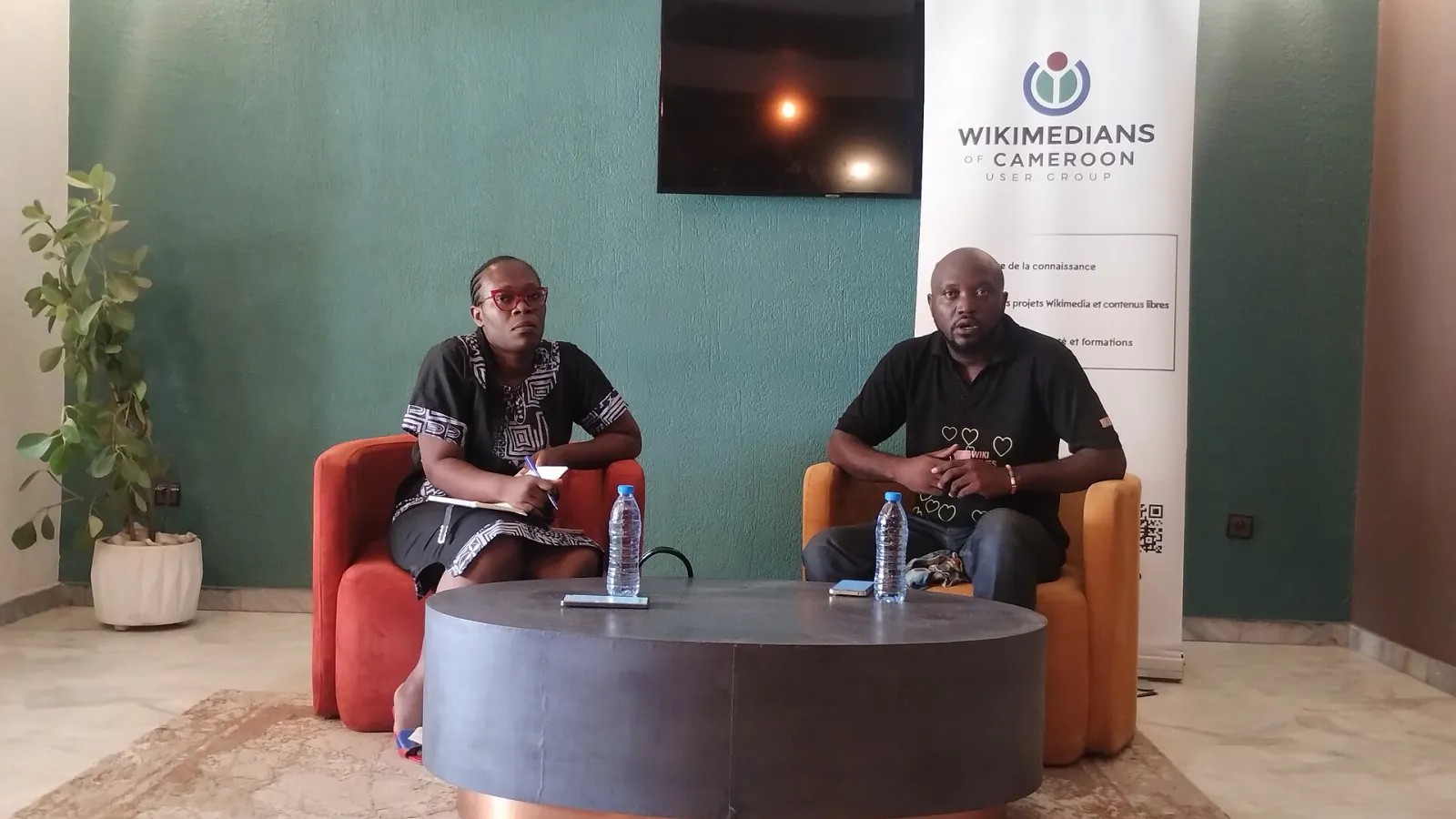
Two speakers seated in front of a banner at the launch of a photo competition

An author, performer, producer or publisher whose work is copied, broadcast or sold without authorisation has several routes available: amicable settlement, mediation, civil action and criminal complaint. Law No. 2000/011 of 19 December 2000 on copyright and neighbouring rights organises these remedies and provides for real penalties: imprisonment of five to ten years and a fine of 500,000 to 10,000,000 FCFA for infringement, with penalties doubled where the offender is the contracting party of the holder of the infringed right.

This page describes the litigation path from start to finish: the courts, the role of the lawyer, the procedure from seizure to decision, legal aid and the evidence-gathering reflexes to adopt even before approaching a judge. It is aimed at creators, collective management societies, show organisers and anyone who is the subject of a claim.

  • Civil and criminal courts, Arbitration Commission
  • Lawyer, bailiff, intellectual property adviser
  • Seizure, urgent application, judgment, appeals
Understanding the courts
Courts

The courts competent in copyright matters

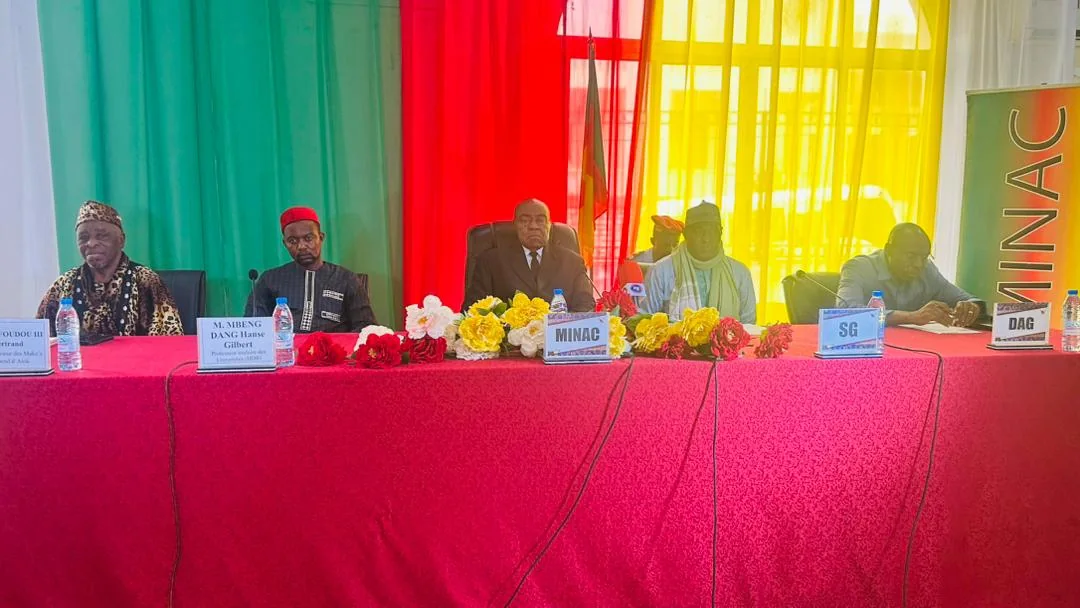
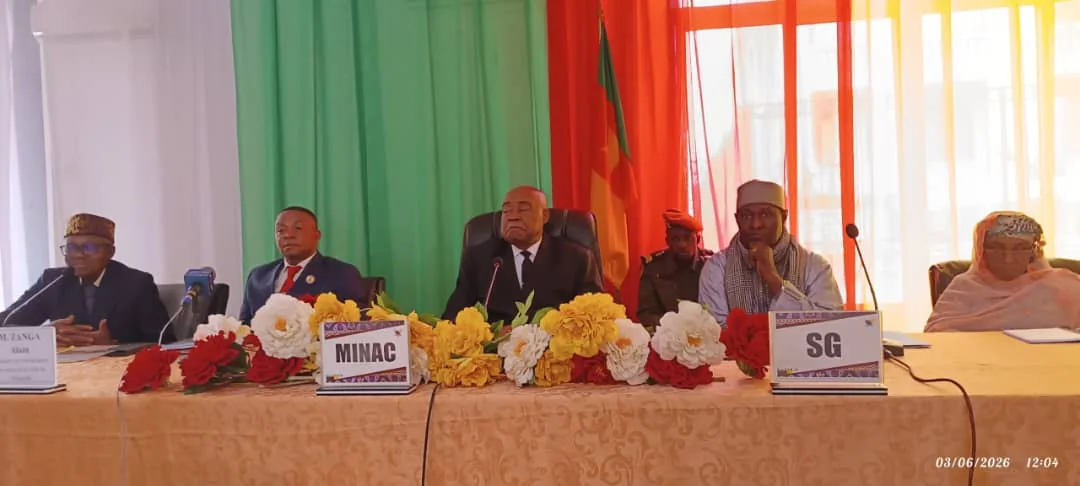
Officials sit behind a long meeting table covered with a red cloth and flowers, in front of curtains in the national colours.

A copyright dispute may be brought before two orders of courts. The civil court is approached to obtain an end to the infringement, compensation for the harm and, if necessary, urgent measures. The criminal court is approached when the facts constitute an offence, notably infringement, reproduction or broadcast without authorisation, or the sale of unlawful copies. The two routes can be combined: a victim who joins the criminal proceedings as a civil party claims damages at the same time.

The urgent applications judge

The law gives the president of the competent civil court a power of rapid intervention. On application, they may suspend a production in progress that tends towards the unlawful reproduction of a work, suspend unlawful public performances or renditions, and order the seizure of infringing copies, of the equipment used in production and of the takings from the unlawful exploitation. This seizure may take place even on a non-working day, which makes it possible to act on the evening of a show or the day before a launch.
The Arbitration Commission

For a specific category of disputes, the ordinary judge is not the point of contact: the Arbitration Commission, organised by Decree No. 2015/3978/PM of 25 September 2015 and placed under the Minister in charge of Culture, rules definitively on disagreements between collective management bodies and persons who use phonograms. It is chaired by a judge of the judicial branch and includes representatives of the ministries of Culture, Justice and Territorial Administration; its rules of procedure are set out in its internal regulations and the secretariat is provided by the Ministry’s legal services.

Which court should you choose?

The choice depends on the objective pursued: quickly putting an end to an infringement (urgent application), obtaining compensation (civil action), punishing an infringer (criminal action) or settling a tariff disagreement with a management society (arbitration). The legal framework texts and the page on the fight against piracy detail the offences.

ℹ️
Before approaching a judge

Gather your evidence and try mediation: it is not compulsory, but it is often faster and less costly.

Advice

Lawyers specialising in creative work

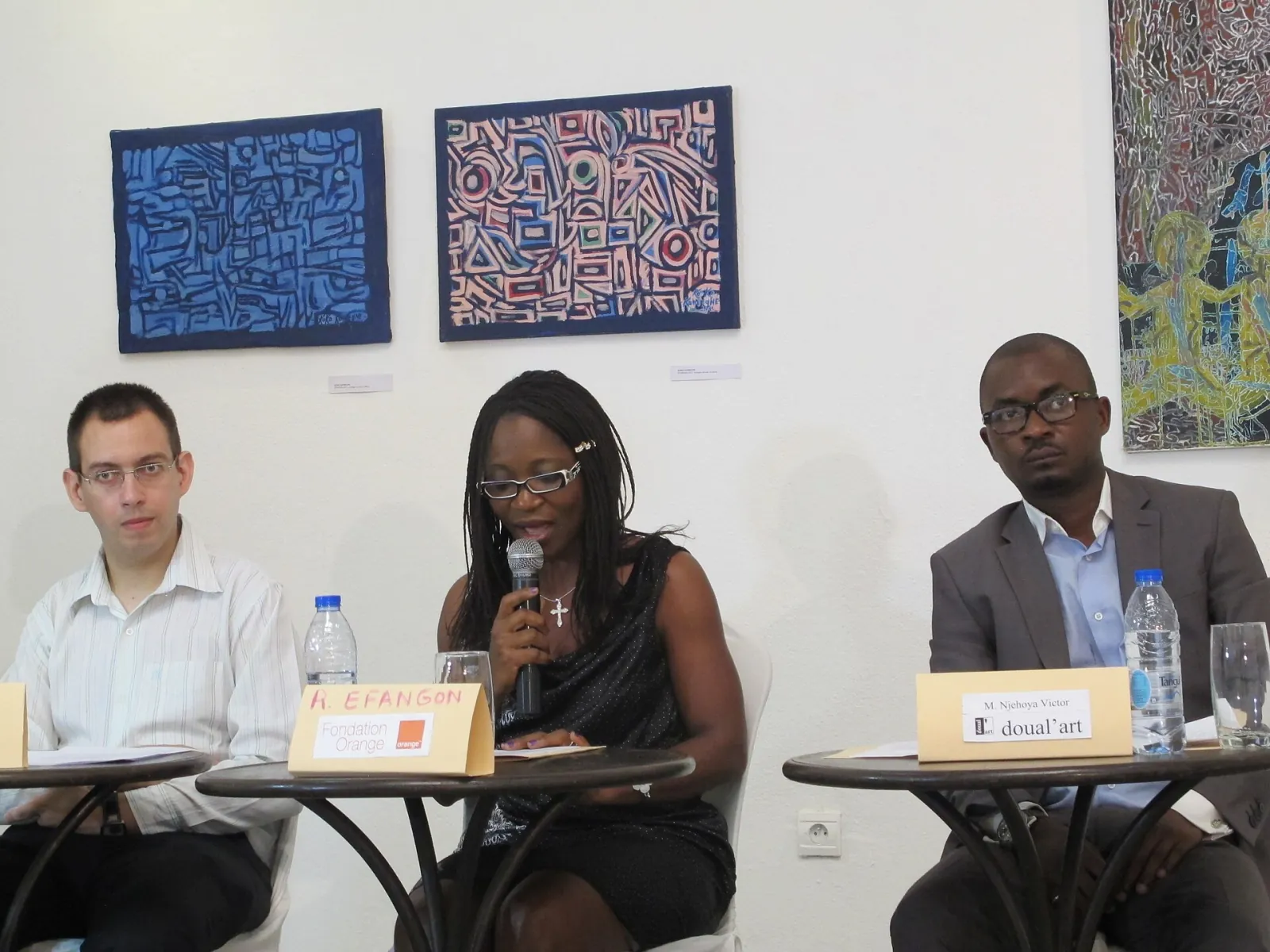
Panel of three speakers at a press-conference table in front of paintings in Douala

The lawyer is the first point of contact for anyone considering action. They examine the facts, check that the work is indeed protected and that the claimant holds the rights (author, heir, assignee, management society), then recommend the most suitable route. In a copyright case, their work often begins well before the hearing: formal notice, negotiation of a cease-and-desist agreement, drafting of a settlement agreement.

What the lawyer does

  • Characterise the facts: slavish copying, unauthorised adaptation, use of a folklore work without declaration, public broadcast without a licence;
  • Build the evidence file: registry deposit certificate, contracts, correspondence, dated screenshots, bailiff’s reports;
  • Draft the application, the summons or the complaint, and represent their client at the hearing;
  • Quantify the harm: loss of earnings, damage to reputation, infringement of moral rights.

Choosing your counsel well

Ask the lawyer whether they have already handled intellectual property cases, what routes they envisage and how their fees are set. An author who is a member of a collective management society can obtain legal support from it for infringements affecting their repertoire. Performing artists will also find advice from their professional organisations.

Other court officers

The bailiff draws up the reports that will serve as evidence: copies on sale in a market, a performance given without authorisation, a web page distributing a work. The intellectual property adviser, for their part, supports protection and licensing procedures. For the contracts underlying the dispute, consult the model contracts.

Journey

The procedure from seizure to judgment

Ministry panel table during a working meeting

Copyright proceedings generally follow four stages: establishing the facts, acting urgently, bringing the case before the court on the merits, and obtaining and enforcing the decision.

Establishing the infringement

The victim has the facts documented. A bailiff’s report, the purchase of an infringing copy with an invoice, a dated capture of a page distributing the work or a witness statement are all solid evidence. The certificate issued upon deposit of the work establishes the date on which the creation existed.

Acting urgently

By order on application, the president of the civil court may suspend the unlawful manufacture or performances and order seizure. Within fifteen days of the seizure report, the person whose goods were seized may ask the president of the court to limit its effects, or to authorise continued exploitation against the deposit of a sum guaranteeing damages. Conversely, if the person who had the seizure carried out fails to bring the matter before the competent court within fifteen days, the seizure may be lifted by summary proceedings.

Judgment on the merits

The court then examines whether the infringement exists and sets the reparations. It may order the confiscation of the infringing copies, the equipment used and the proceeds, their destruction and the publication of the decision. In the event of a breach of the rules on resale right, it may order the joint and several payment of damages to the beneficiaries, the purchaser, the seller and the person in charge of the auction.

Enforcing and preventing

Once the decision has been handed down, the author may have the sentence enforced and ask for the seized sums to be paid over to them as reparation. The outcomes of a judgment also feed prevention: collective management organisations regularly publish reminders for show organisers and radio stations.

ℹ️
Two fifteen-day time limits

After a seizure, both the person whose goods were seized and the seizing party have fifteen days each in which to act: consult your lawyer without delay.

Resources

Legal aid for creators on modest incomes

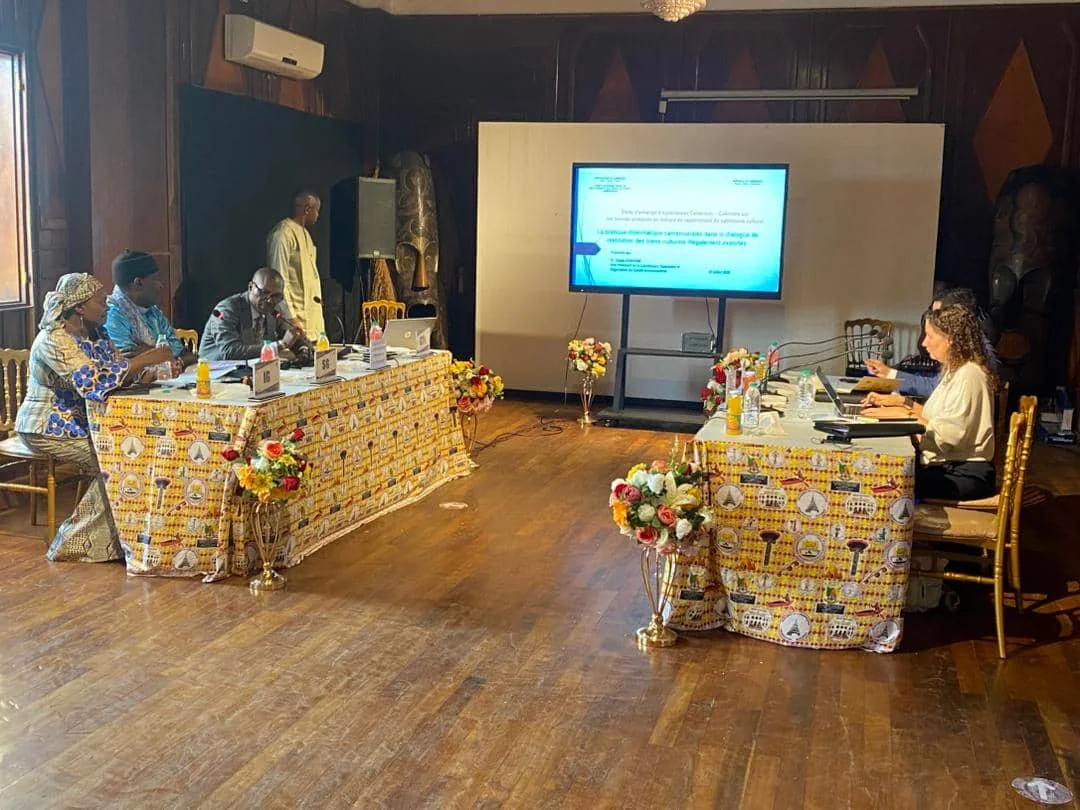
Meeting room with a projection screen during a Ministry workshop

Many creators hesitate to take action for lack of means. Several schemes make it possible not to give up one’s rights: legal assistance for people without sufficient resources, support from collective management societies for their members, legal consultations offered by the Ministry and advice from professional organisations.

Legal assistance

A person whose resources do not allow them to bear the costs of proceedings may apply for them to be covered in full or in part before the court seized. The application is accompanied by documents proving the financial situation and a statement of the facts. The practical arrangements are set out by the court registries and by the bar of the region concerned.

Guidance consultations

The Ministry’s Directorate of Legal Affairs receives artists who have questions about their rights, directs them to the right procedure and explains the procedures at the One-Stop Shop. It does not replace the lawyer, but it avoids costly mistakes: wrong court, missed deadline, insufficient evidence.

Collective solutions

Where several artists suffer the same infringement (piracy of an album, counterfeiting of a book), the action may be brought by the collective management society, which pools the costs. Artists without a professional card would do well to apply for the artist card, which makes it easier to establish their status with the administrations. To understand the social risks linked to working as an artist, see the social status of the artist.

ℹ️
A useful reflex

Write to the Directorate of Legal Affairs describing the facts: an officer will tell you which procedure to follow and which documents to gather.

Prevention

Gather evidence before a dispute arises

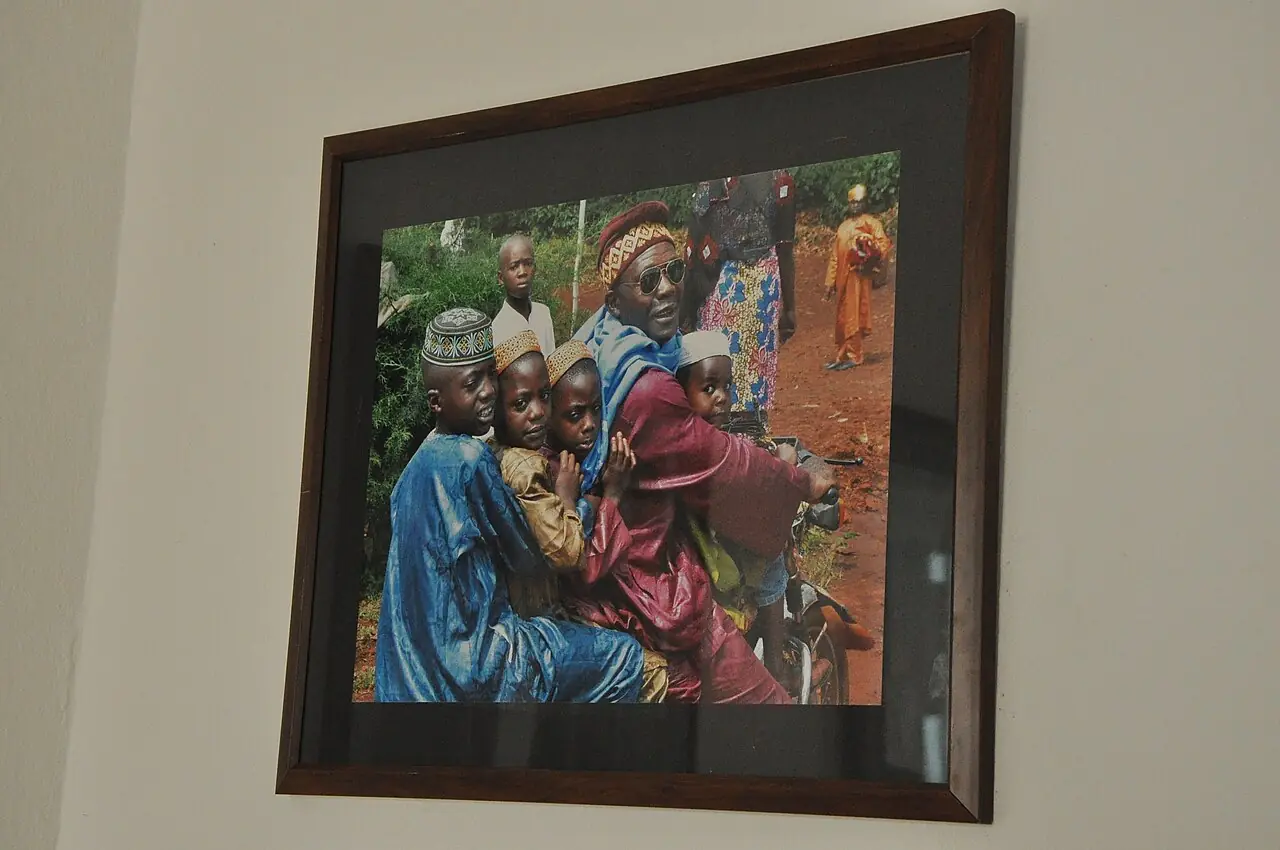
Framed photograph of a family in colourful dress at an exhibition

In most cases, the difficulty is not convincing the judge that the work is beautiful, but proving that it existed on a specific date and that you are its author. Get into the habit of keeping drafts, mock-ups, working recordings and exchanges with collaborators. Have your creations dated by an official deposit and sign written contracts with your publishers, producers and organisers.

Licences and model contracts greatly reduce the risk of dispute, as they set in advance the scope of the authorisation, its duration, its territory and the remuneration.

Alternatives

Settling a dispute without going to trial

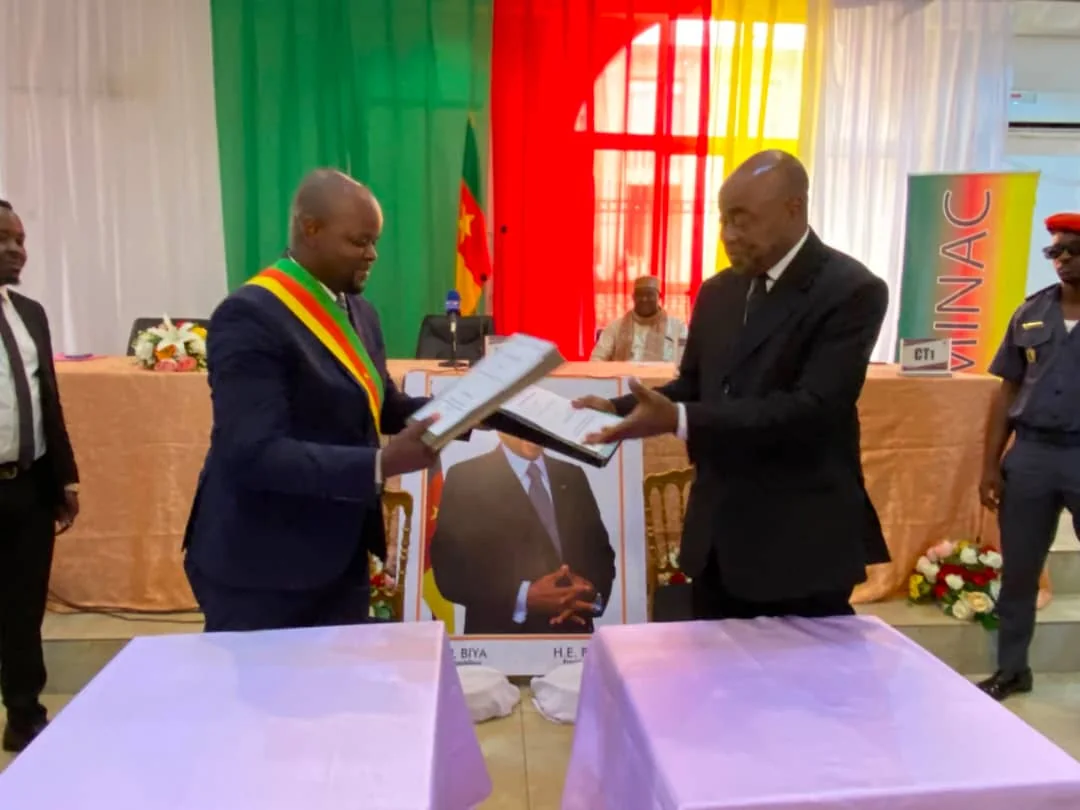
Signing of an agreement in front of the portrait of the Head of State

Trial is a last resort. Before getting there, a formal notice sent by registered letter makes it possible to demand that exploitation stop and that the situation be regularised. Mediation brings the parties together with a neutral third party and often results in a regularised licence, staged payment or removal of the content. Finally, for tariff disagreements between a management society and a user of phonograms, arbitration is provided for by the texts. The outcome of these procedures may be recorded in a settlement agreement signed by the parties.

Step by step

Going to court in six steps

Gather the evidence

Collect the deposit certificate, contracts, invoices, dated captures and testimonies; have a bailiff draw up a report where the infringement is visible.

Send a formal notice

Request in writing that the unlawful exploitation cease and set a reasonable time limit for a reply; keep the acknowledgement of receipt.

Attempt mediation

Propose a meeting with a mediator to negotiate regularisation or compensation without a hearing.

Apply to the urgent applications judge

If exploitation continues, seek an order on application to suspend manufacture or performance and to seize the copies.

Bring the action on the merits

Summon the defendant before the civil court or file a complaint before the criminal court within fifteen days of the seizure.

Have the decision enforced

Obtain confiscation, destruction, publication of the judgment and payment of the damages set by the court.

Journey

The development of copyright litigation

2000The copyright law

The law of 19 December 2000 creates the framework for civil and criminal remedies and provides for the Arbitration Commission.

2015The decree on arbitration

Decree No. 2015/3978/PM sets the composition and operation of the Arbitration Commission attached to the Minister in charge of culture.

2010sManagement societies take action

Collective management organisations are stepping up actions against unauthorised broadcasts and raising awareness among organisers.

2020Digital content

Complaints now concern platforms, social networks and online sales of copies of albums or books.

TodayStronger support

The Ministry directs creators towards mediation, arbitration or the courts, and distributes practical guides for artists.

To explore

Litigation on other pages

Feedback

Creators who have asserted their rights

“
After a formal notice and mediation, the producer regularised the broadcasting of my titles and paid compensation without our going to a hearing.
A singer-songwriter
Douala
“
The bailiff’s report drawn up at a market led to the seizure of hundreds of copies of my book; the court ordered their destruction.
An independent publisher
Yaoundé
“
My deposit certificate was enough to establish the priority of my sculpture against a workshop that was selling reproductions of it.
A sculptor
Foumban
“
The management society brought the action for all its members: we could never have funded such proceedings alone.
A performer
Bafoussam

“A right that cannot be proved is a right that cannot be defended: date, sign, keep.”

A lawyer from the Directorate of Legal Affairs
To download

The litigant’s templates

To act

Useful procedures in the event of a dispute

Report damage

A form allows you to send the Ministry the counterfeiting incidents observed in a market, on a website or on a stage.

Report

Date your work

Deposit of the work establishes the date of your creation and facilitates any subsequent action.

Deposit a work

Refer to a mediator

An amicable route, often quicker than a trial, to obtain regularisation.

See mediation

Write to the Ministry

Describe your dispute: the message is forwarded to the Directorate of Legal Affairs.

Contact us
Glossary

The vocabulary of litigation

Disputes

All disputes brought before a court or an arbitration body.

Infringement

Reproduction, distribution or sale of a work without the authorisation of its rights holder.

Order on application

Decision handed down quickly by the president of the court, without a prior adversarial hearing.

Urgent applications procedure

Urgent procedure before the president of the court to obtain a provisional measure.

Summons

Act by which a claimant summons an opponent to appear before the court.

Civil party

Victim who seeks reparation before the criminal court.

Confiscation

Dispossession of the copies, equipment and proceeds for the benefit of the rights holder or the State.

Formal notice

Letter demanding that conduct cease and setting a time limit for regularisation.

Bailiff’s report

Official record drawn up by a bailiff to establish facts materially.

Damages

Sum paid to make good the harm suffered by the victim.

Contracting party

Person bound by contract to the rights holder, notably a publisher or producer.

Arbitration

Procedure in which a commission rules definitively on a specific dispute.

On the site

Extend your study of litigation

Resources

Useful links for litigation

Stakeholders

Who is involved in a dispute?

Key facts

The outcomes of a trial in a table

MeasureWhat it provides forWho requests itWhere to learn more
Suspension of manufactureImmediate halt to the unlawful reproduction of a workThe rights holder, on applicationFight against piracy
Suspension of performancesInterruption of an unauthorised show or public performanceThe author, the performer or the management societyShow authorisation
SeizureInfringing copies, manufacturing equipment, exploitation proceedsThe rights holder, with an order from the presidentProcedure
ConfiscationHanding over of copies, equipment and proceedsOrdered by the courtCourts
DestructionElimination of infringing copies and equipmentOrdered by the courtCourts
PublicationPublication of the judgment at the expense of the convicted partyThe rights holder, as reparationProcedure
Prison sentence and fineFive to ten years and 500,000 to 10,000,000 FCFA, doubled for the contracting partyThe public prosecutor, on complaintLegal framework
DamagesReparation for material and moral damageThe victim, as civil partyLawyers
Questions

Your questions on litigation

Must I go through mediation before going to court?

No, mediation is not compulsory. It remains strongly recommended: quicker and less costly than a trial, it often leads to regularisation. If it fails, you retain your right to take legal action, and the record of the attempt may serve as proof of your good faith.

What penalties does an infringer face?

The law provides for imprisonment of five to ten years and a fine of 500,000 to 10,000,000 FCFA, or only one of these two penalties. The penalties are doubled where the offender is the contracting party of the holder of the infringed right, notably a publisher or producer.

What can the court order in addition to the sentence?

It may order the confiscation of the infringing copies, the equipment used and the proceeds, their destruction and the publication of the decision. It may also award damages that compensate for the material harm and the infringement of the author’s moral right.

Can a show or a production in progress be stopped?

Yes. The president of the civil court may, on application, suspend an unlawful production or performances and order seizure, even on a non-working day. After the seizure, a period of fifteen days begins in which to refer the matter to the competent court, failing which the measure is lifted.

Where can I find a lawyer who knows copyright law?

Contact the bar association of your region and ask for a lawyer who has handled intellectual property cases. Your collective management society can also guide you, and the Ministry’s Directorate of Legal Affairs will tell you the procedure to follow without appointing counsel.

What evidence do I need?

The certificate of deposit of the work, contracts, invoices, dated screenshots and above all a bailiff’s report when the infringement is visible. Also keep your drafts and working recordings: they show the creative process and support your status as author.

Can the Arbitration Commission rule on any counterfeiting?

No. It rules definitively only on disagreements between collective management organisations and persons who use phonograms. Counterfeiting, criminal complaints and claims for damages fall within the jurisdiction of the courts.

Is there any assistance for those who cannot afford to litigate?

Yes, legal assistance may cover all or part of the costs of a person without sufficient resources. Collective management societies may also bring the action on behalf of their members, and the Ministry directs artists towards the appropriate procedures.

Contact

Write to the Ministry: Litigation

Describe your dispute.

Competent directorate

Contact the litigation service

Address

Directorate of Legal Affairs
Ministry of Arts and Culture
Quartier du Lac – Ministerial Zone
P.O. Box 1053 Yaoundé, Centre Region, Cameroon

Reach us

+237 6 51 70 58 41

contact@minac.gov.cm

Opening hours

Monday to Friday, 8 am to 4 pm

An infringement to report?

Send the facts to the Ministry via the reporting form; an officer will contact you to guide you.

Report damage
WhatsApp