Coat of arms of CameroonMinistry of Arts
and Culture
Republic of Cameroon
My procedures
Home
Minister’s message
News
Press releases
Cultural calendar
Official speeches
Press review
Photo library
Video library
Calls for projects
Job vacancies
Public procurement
Newsletter
Frequently asked questions
Site map
Contact
Press area
Podcast “The Voice of Culture”
Legal notices
Privacy policy
Cookies and trackers
The Ministry
Missions and responsibilities
Organisation
Organisation chart
Minister’s Office (Cabinet)
Management team
General Secretariat
General Inspectorate
Central directorates
Regional Delegations
Institutions under supervision
Legislative texts
Regulatory texts
Sector strategy
Major projects
Budget and reports
Partners
Careers
Archives
Institutional communication
Quality and accessibility
Arts
Visual and plastic arts
Visual arts
Performing arts
Theatre
Dance
Music
Literature and books
Cinema and audiovisual
Photography
Fashion and design
Digital arts
Art crafts
Artists’ directory
Residencies
Prizes and awards
Arts education
Urban arts
Heritage
Tangible heritage
Intangible heritage
UNESCO sites
National museums
Listed monuments
National inventory
Palaces and chiefdoms
Archaeology
Linguistic heritage
Oral traditions
Traditional know-how
Restitution of cultural property
Fight against illicit trafficking
Listing and protection
Conservation and restoration
Heritage Days
Cultural landscapes
Industries
Music and recording
Cinema
Publishing and books
Digital arts
Fashion and creativity
Crafts
Cultural tourism
Funding for culture
Support funds
Incubators
Cultural entrepreneurship
Culture Observatory
Vocational training
Studies and reports
Sector statistics
Export and outreach
Intellectual property
Copyright
Legal framework
Copyright and neighbouring rights
Collective management societies
Register a work
Licences
Private copying
Fight against piracy
Model contracts
Social status of artists
Mediation
Disputes
Training
Fee scales
Register of works
Contact
Digital neighbouring rights
Public domain
Festivals
National calendar
Ngondo
Nguon
Écrans Noirs
Heritage Days
Music Day
Regional festivals
Fairs and exhibitions
Biennials
National competitions
Cultural days
Organise a festival
Event grants
Ticketing
Archives
Volunteering
Diaspora festivals
Regions
Adamawa
Centre
East
Far North
Littoral
North
North-West
West
South
South-West
Cultural map
Regional Delegations
Traditional chiefdoms
National languages
Cultural routes
Decentralised cooperation
Regional observatory
Cooperation
UNESCO
Francophonie (OIF)
African Union
Commonwealth
CEMAC
Bilateral cooperation
Cultural agreements
Professional organisations
Scholarships
Artist exchanges
Cultural years
Diaspora
Funded projects
Embassies
Technical partners
International restitution
International monitoring and calls
Services
Artist card
Show authorisation
Filming authorisation
Festival authorisation
Deposit of a work
Export of works of art
Listing of a property
Grant application
Association accreditation
File tracking
Forms
Fees
Opening hours and addresses
Reporting
Online help
My account
One-Stop Shop
Cooperation

UNESCO

Conventions, world heritage, programmes and permanent delegation: the Minister acts as the link with UNESCO, and three Cameroonian sites are on the World Heritage List.

Updated on 6 November 20264 sub-pages
Cameroonian World Heritage sites3
UNESCO cultural conventions applied4
Role of the MinisterLiaison
Headquarters of the organisationParis
With UNESCO

Cameroon and UNESCO, a long-standing cooperation

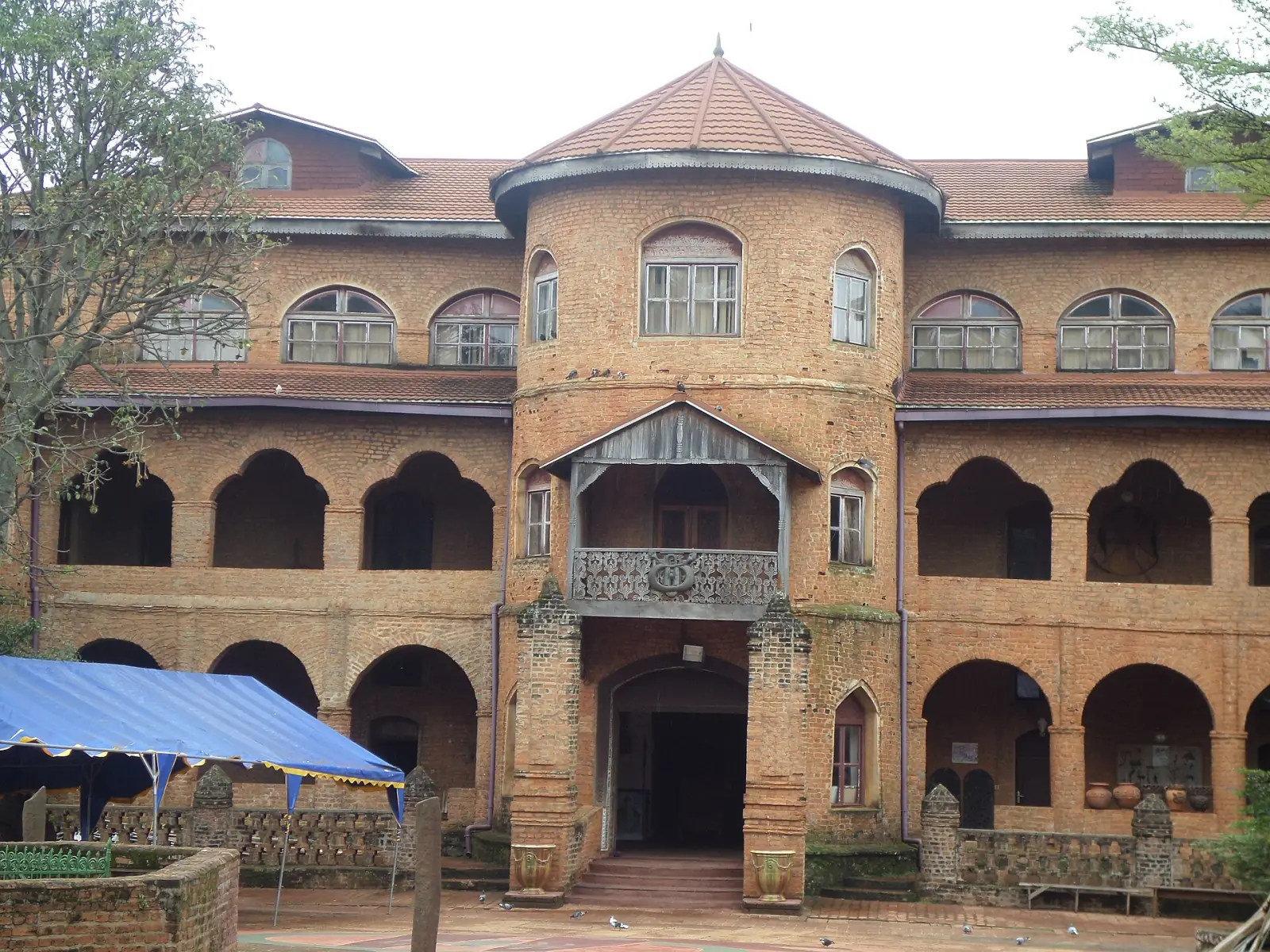
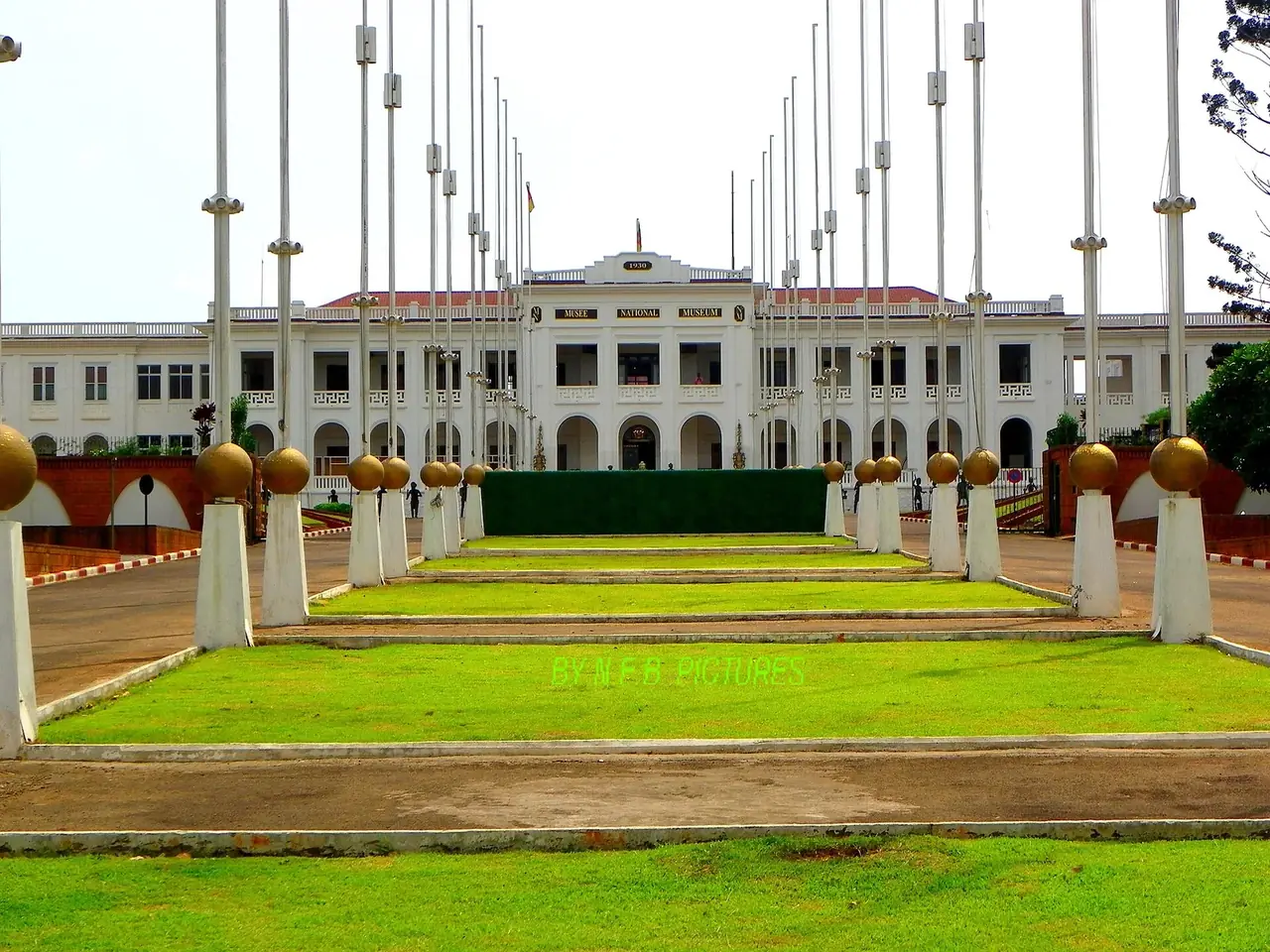
Façade of the National Museum in Yaoundé

Cameroon has been a member of the United Nations Educational, Scientific and Cultural Organization since 1960. This membership commits the country in several areas: protecting heritage, defending the diversity of cultural expressions, fighting illicit trafficking in cultural property, passing on knowledge and encouraging creativity.

Within the Government, the Minister of Arts and Culture acts as the link with UNESCO and the other international organisations working in the field of culture, in conjunction with the Ministry of External Relations. This page presents the conventions, the sites inscribed on the World Heritage List, the programmes run by the Ministry and the role of the permanent delegation.

  • Four major cultural conventions implemented
  • Three sites inscribed on the World Heritage List
  • National programmes for safeguarding, training and awareness-raising
See the conventions
Conventions

The UNESCO conventions applied in Cameroon

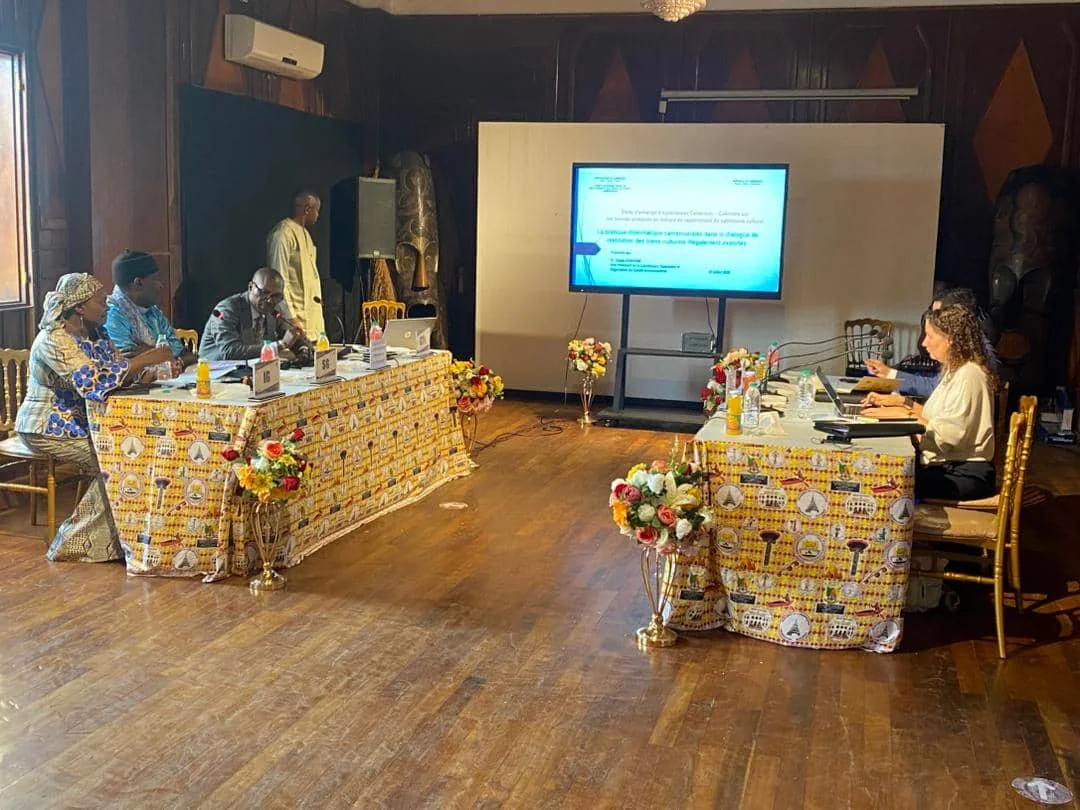
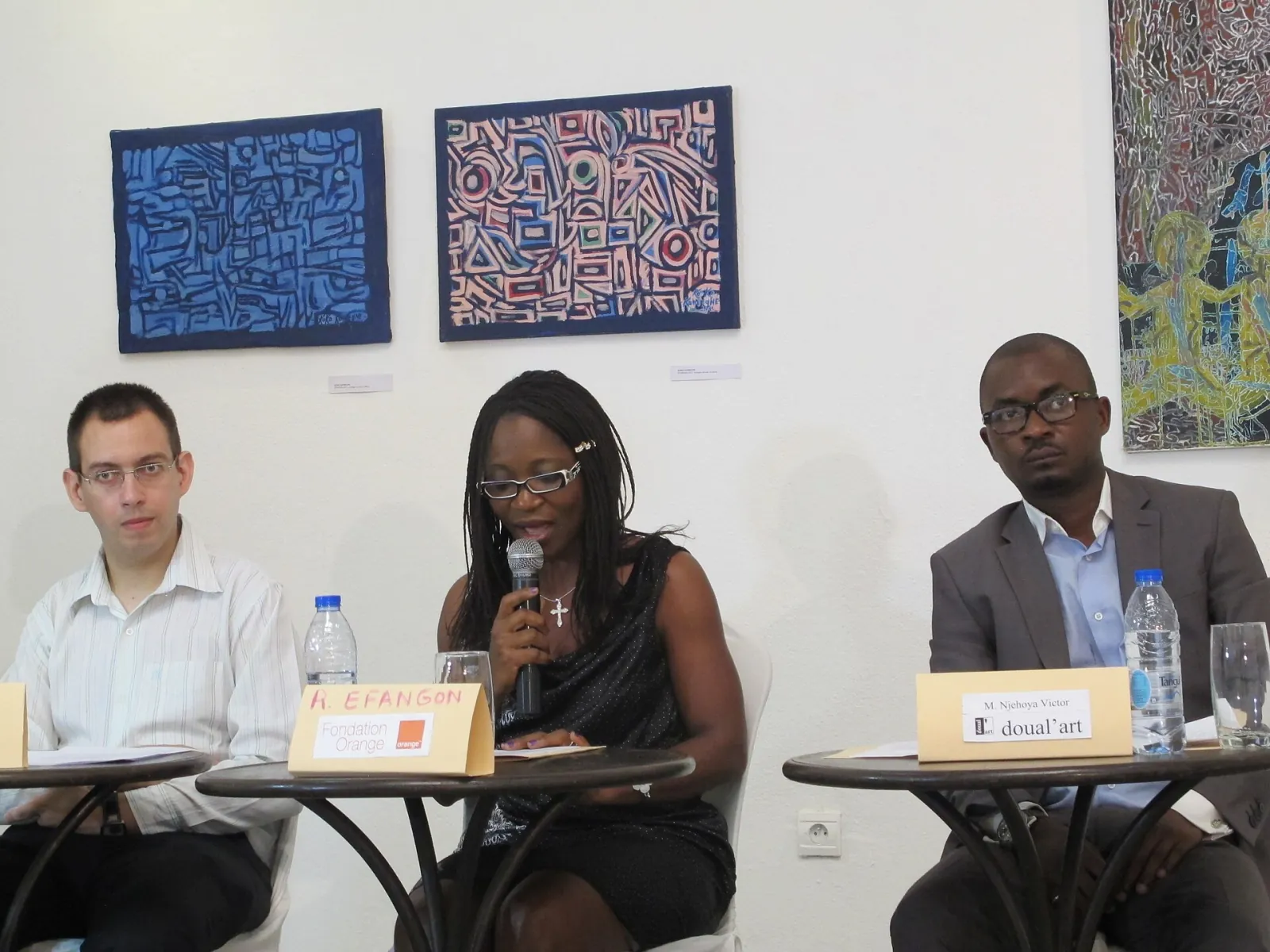
Meeting room with a projection screen during a Ministry workshop

Cameroon’s cultural action draws on several international instruments developed within UNESCO. The country is a party to the 1972 Convention concerning the Protection of the World Cultural and Natural Heritage, the 2003 Convention for the Safeguarding of the Intangible Cultural Heritage, the 2005 Convention on the Protection and Promotion of the Diversity of Cultural Expressions and the 1970 Convention on the Means of Prohibiting and Preventing the Illicit Import, Export and Transfer of Ownership of Cultural Property.

Reports and monitoring

States parties report periodically on the application of these texts. At the Ministry, the Unit for Studies, Planning and Cooperation gathers the contributions of the directorates, institutions under supervision and regional delegations, then forwards them through diplomatic channels. National texts, notably those in the legislative texts section, transpose these commitments into domestic law.

ℹ️
Where to find the texts

The official texts of each convention can be consulted on the UNESCO website; the Cameroonian laws implementing them are listed in the regulatory texts section.

World Heritage

Cameroonian World Heritage sites

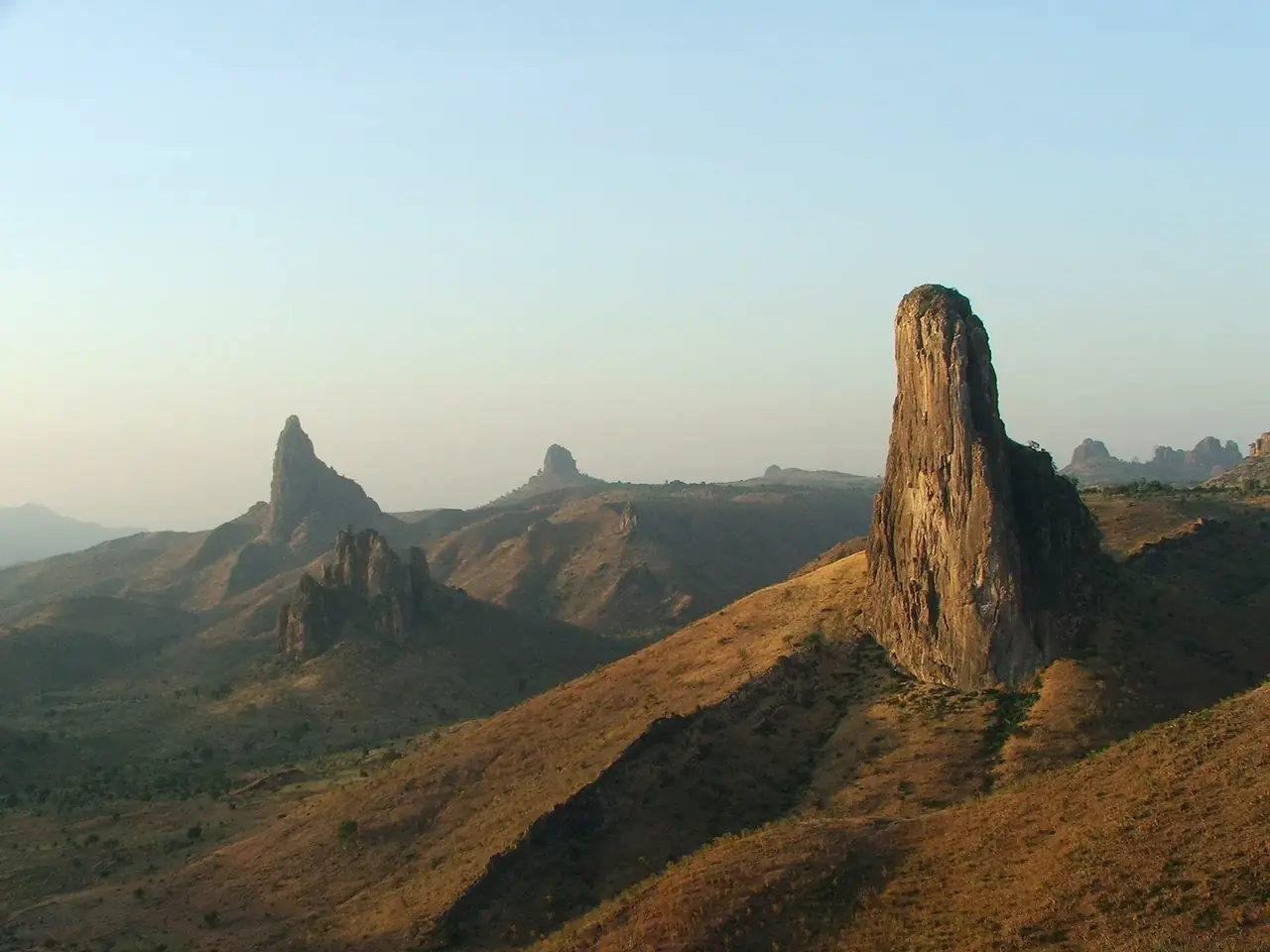
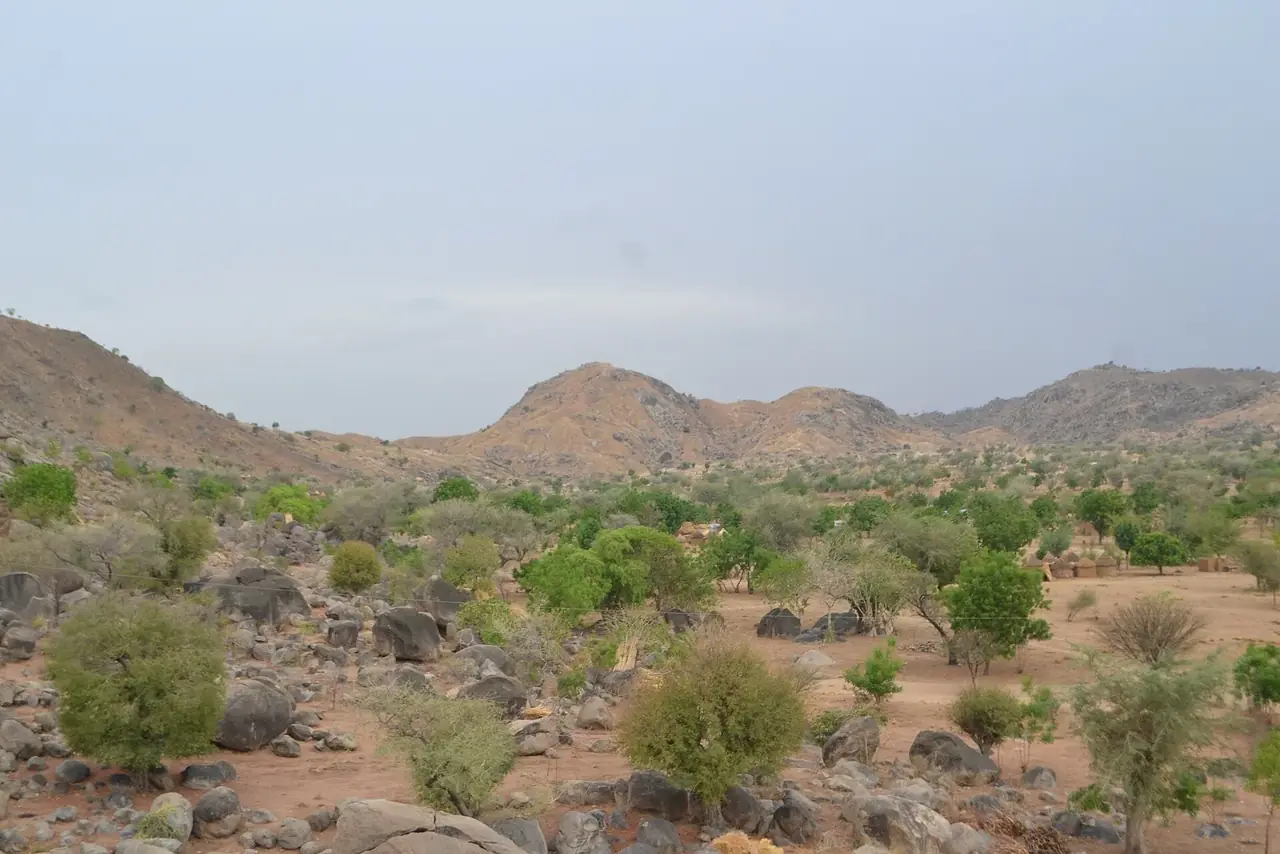
Rhumsiki peak in the Mandara Mountains

Three sites in Cameroon are inscribed on the UNESCO World Heritage List. They illustrate the country’s dual wealth, natural and cultural.

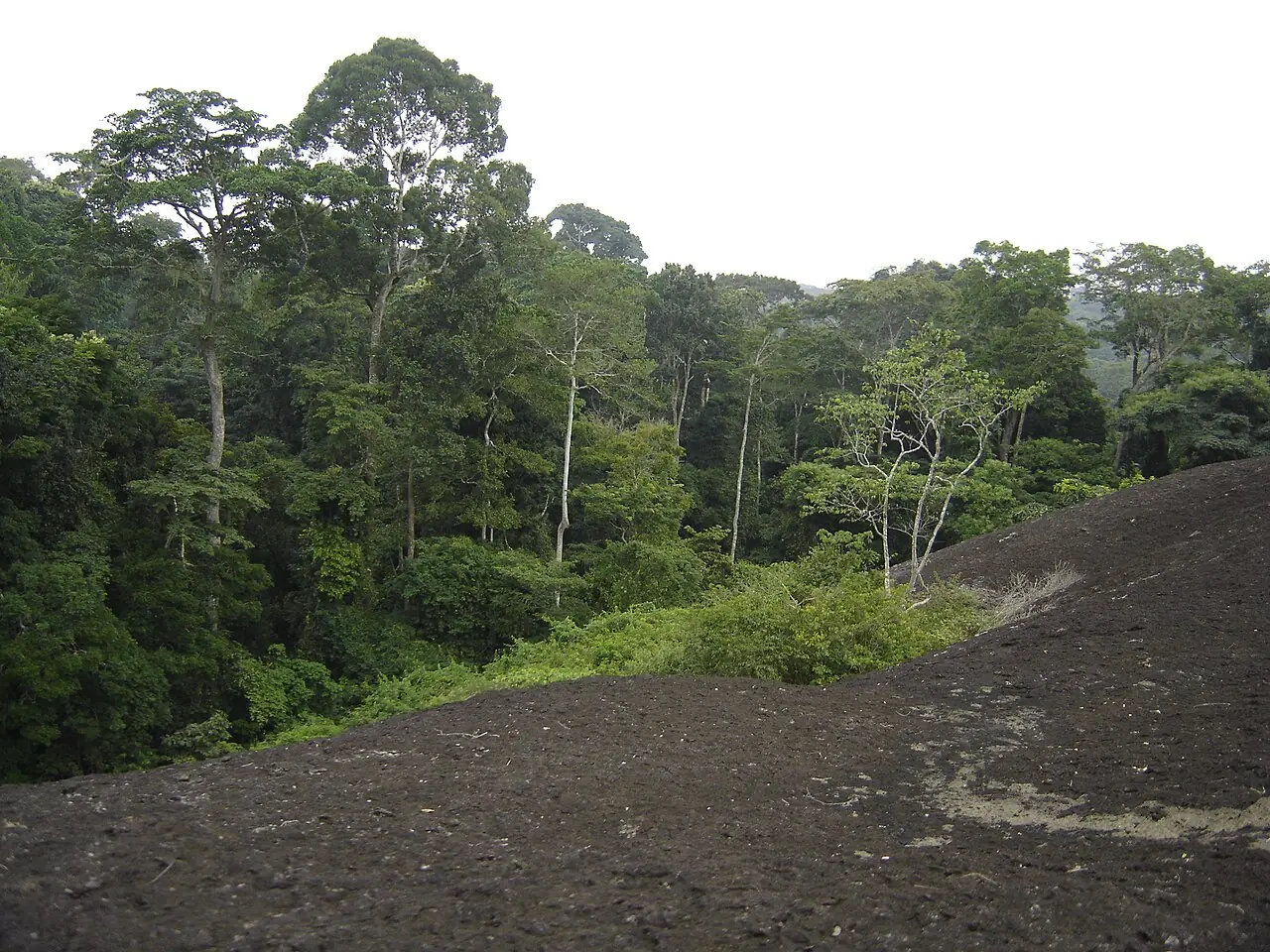
The Dja Faunal Reserve

Inscribed in 1987 as a natural site, the reserve covers a vast massif of tropical rainforest in the south-east of the country, straddling several divisions. It is home to gorillas, chimpanzees, forest elephants and numerous bird species, and the forest peoples, notably the Baka, have lived and foraged there for centuries. Its management falls primarily to the administrations in charge of wildlife and the environment; the Ministry intervenes for the associated knowledge and practices.

The Sangha Trinational

Inscribed in 2012, this transboundary natural site brings together protected areas of Cameroon, the Central African Republic and the Republic of the Congo in the Congo Basin. It shows what cooperation between neighbouring countries can achieve for the forest, wildlife and neighbouring communities.

The Diy-Gid-Biy cultural landscape

Inscribed in 2024, this cultural landscape in the Mandara Mountains, in the Far North Region, is the first cultural site of Cameroon on the list. It combines dry-stone dwellings, agricultural terraces, ritual sites and the social organisation of the mountain peoples. To discover it, see the page on UNESCO sites, cultural landscapes and the Far North Region.

ℹ️
Tourism and respect for the sites

Visiting a listed site is arranged with the regional delegation and local guides: see the cultural tourism offer.

Programmes

The programmes carried out with UNESCO

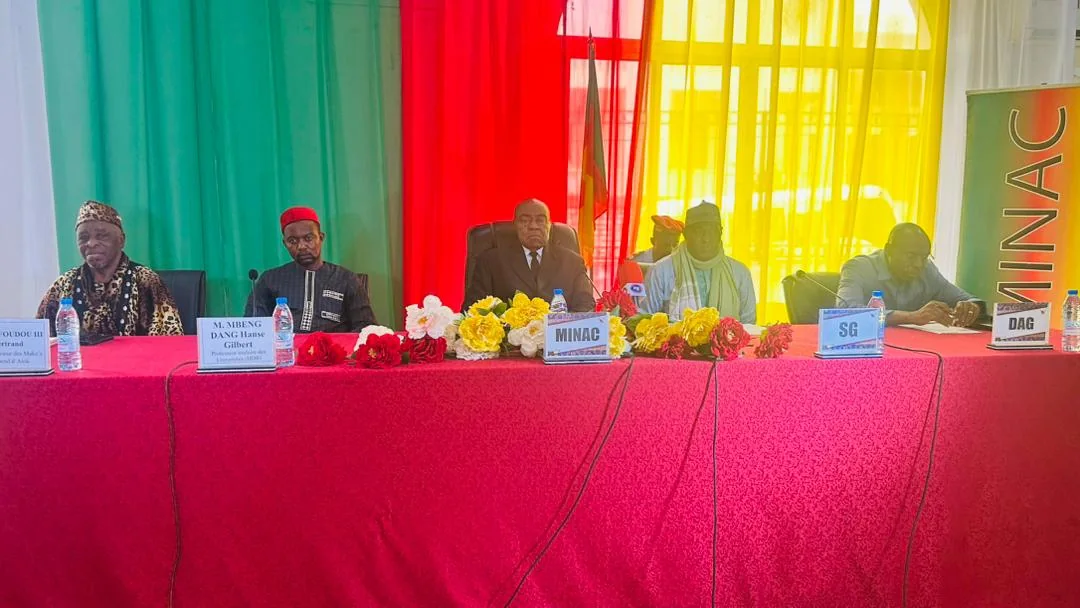
Officials sit behind a long meeting table covered with a red cloth and flowers, in front of curtains in the national colours.

Beyond the texts, cooperation with UNESCO takes the form of field programmes. The Ministry runs several, aligned with the organisation’s priorities and the guidelines of the sector strategy.

The national participatory inventory programme

Each year, around ten communities are supported in describing their living practices: dances, rites, know-how, oral traditions. Officials of the regional delegations train local relays in recording, in obtaining the prior consent of the holders and in drafting the sheets. This work feeds the national inventory and prepares possible nomination files.

The programme for safeguarding languages and oral traditions

In connection with the work on linguistic heritage and oral traditions, transcription and digitisation workshops are organised with storytellers, singers and village chiefs.

Arts education and training

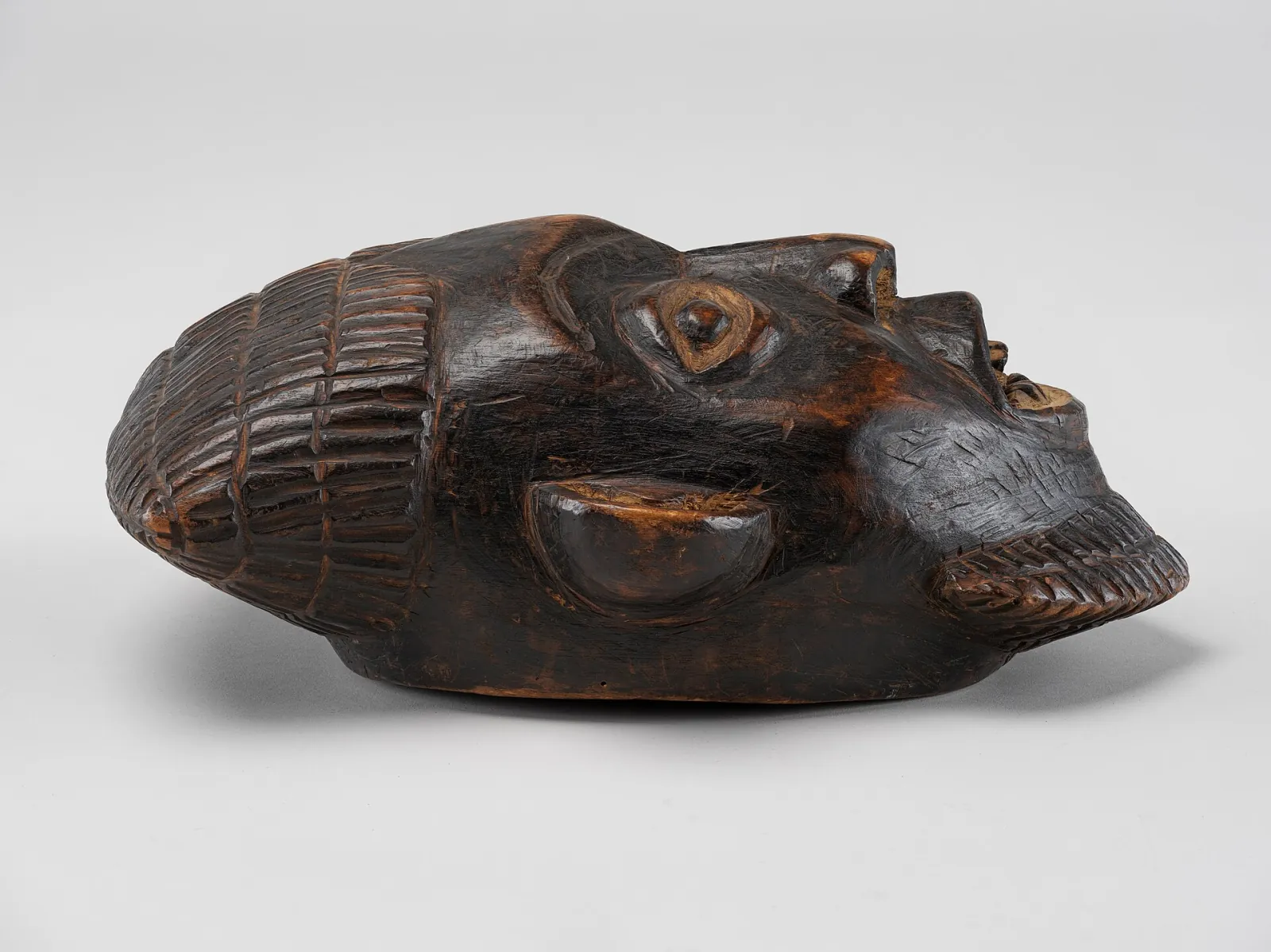
The Ministry involves schools, conservatoires and houses of culture in arts education projects. Training courses in preventive conservation, museum management and the fight against illicit trafficking are aimed at staff of the national museums, customs and the police.

International days

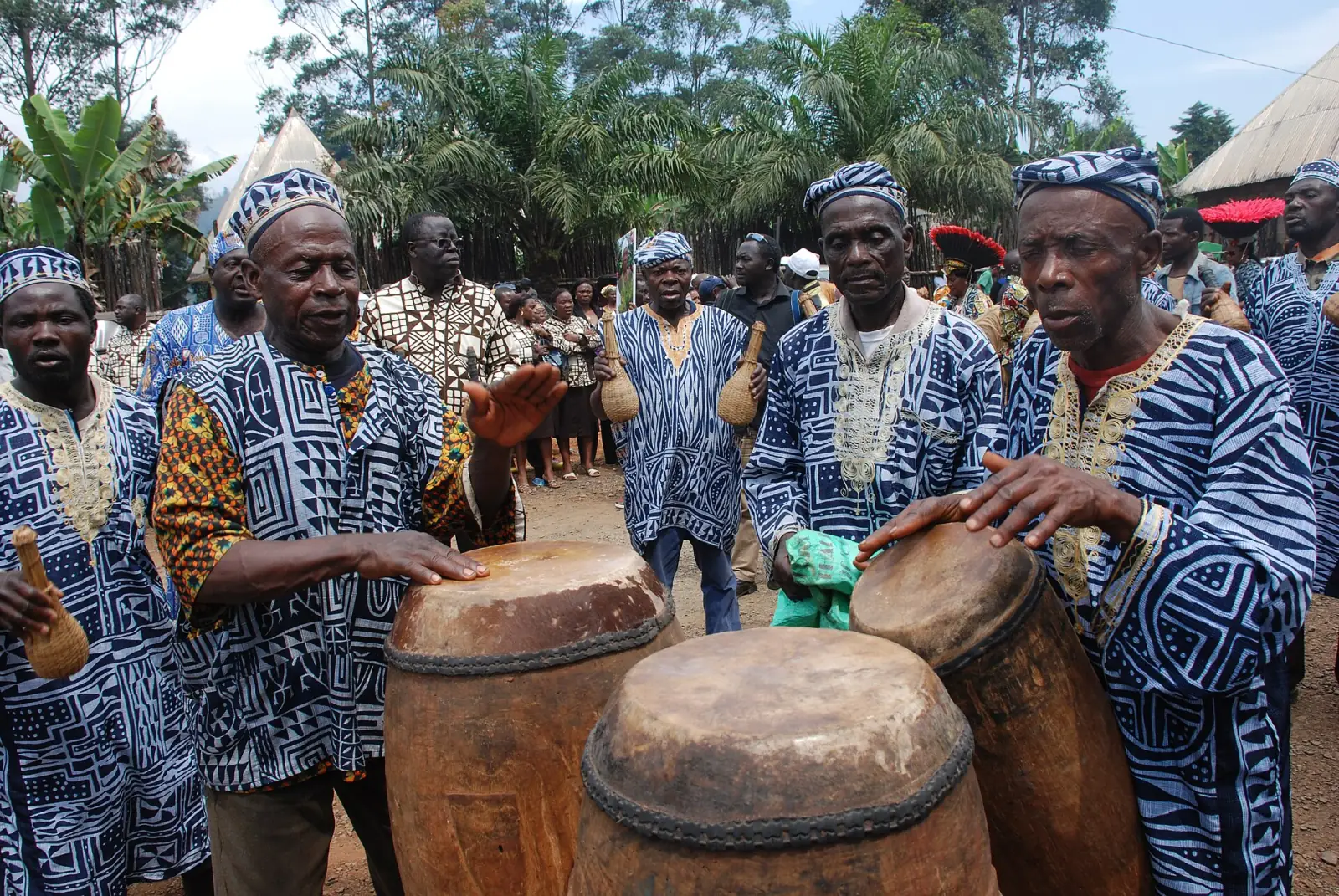
The Ministry takes part in the international days proclaimed by UNESCO, such as those for world heritage, mother languages or jazz, by offering activities in the regions, sometimes on the occasion of the heritage days.

Permanent delegation

Cameroon’s permanent delegation to UNESCO

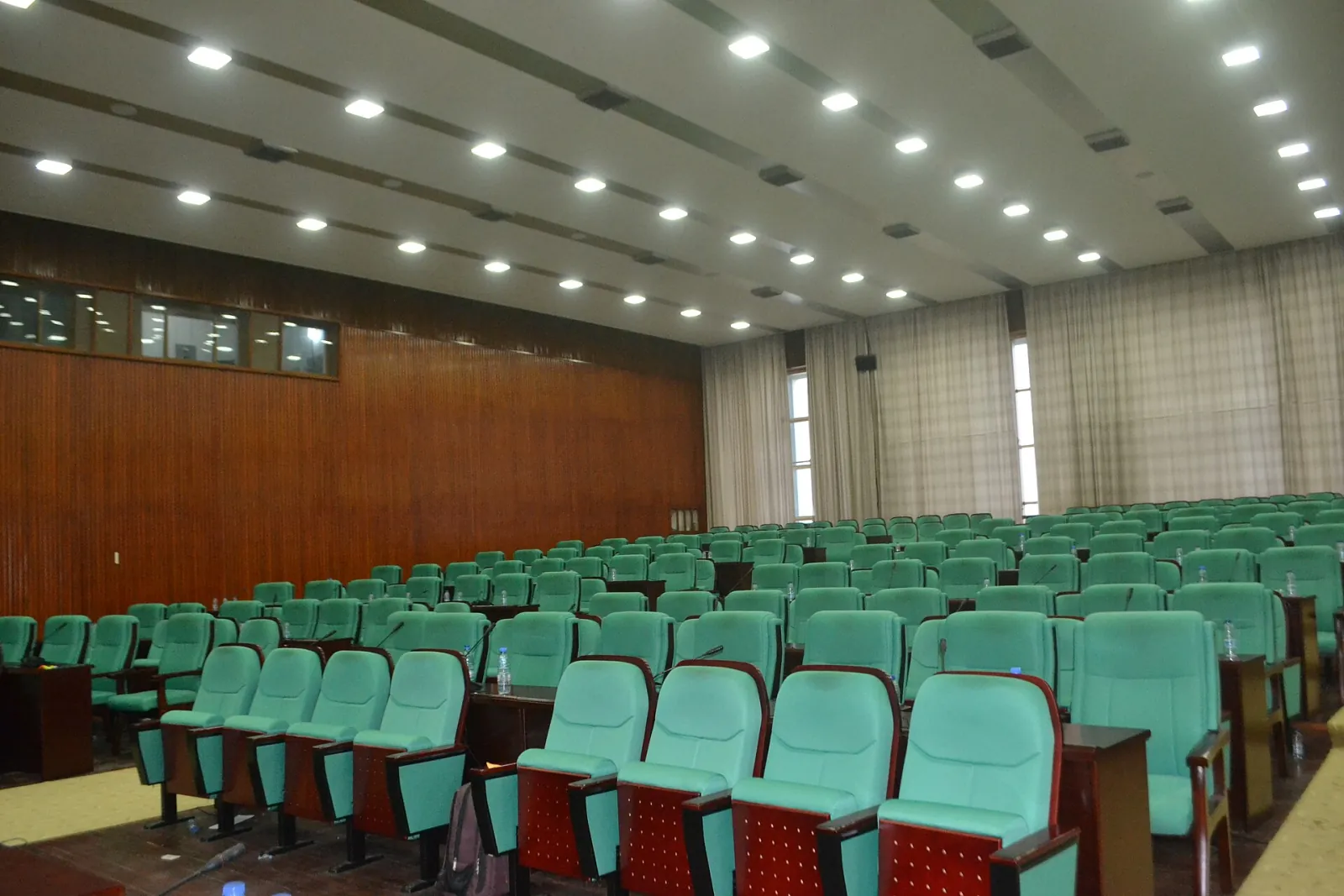
Conference hall with green seats and a ceiling of spotlights at the Yaoundé Conference Centre

Each member State may appoint a permanent delegation to the organisation. Cameroon’s is based in Paris, the seat of UNESCO. Under the authority of the Ministry of External Relations, it represents the country at meetings of the General Conference, the Executive Board and the committees of the conventions, defends its nominations and follows the programmes that concern it.

A chain of work with the Ministry

The delegation receives guidelines from the Government, relayed by the Office (Cabinet) of the Minister of Arts and Culture and by the Cooperation Unit. In return, it provides information on calls, session calendars and funding opportunities. Exchanges take place through diplomatic channels, in conjunction with the Embassy of Cameroon in Paris.

What a cultural stakeholder can expect from it

  • Information on calls for applications and on UNESCO grants, relayed by the international watch;
  • Support in making a project known to the secretariat’s experts;
  • Access to international networks, for example for the training of museum professionals;
  • A relay during the preparation of nomination files for sites or elements of intangible heritage.

Individuals and associations do not approach the delegation directly: they write to the Ministry, which directs the request to the right contact. Contact details should be requested from the Minister’s Office (Cabinet), which provides them depending on the nature of the file.

Implementation

How the Ministry prepares a nomination file

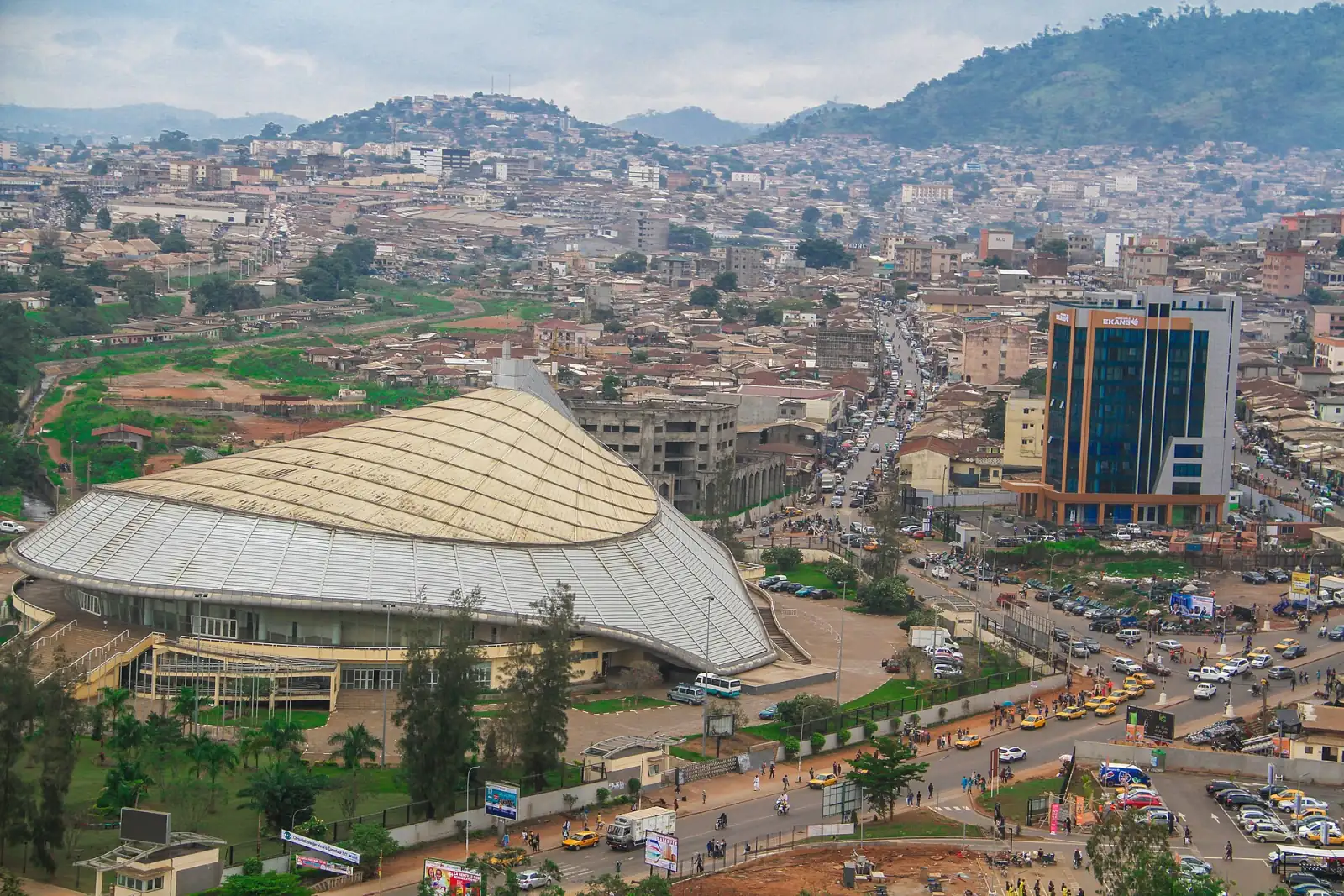
Panoramic view of Yaoundé with the Sports Palace roof and the surrounding hills

Inscribing a site on the World Heritage List or an element on the intangible heritage lists is a multi-year undertaking. The Ministry follows a path in several stages: survey with the communities, scientific study, management plan, consultation of traditional authorities and then submission of the file by the State.

Step by step

From the convention to the field programme

Ratify and transpose

The State accedes to the convention, then adopts the national texts that specify its application and designate the services responsible for implementing it.

Record

The regional delegations inventory sites, practices and collections with the communities, obtaining their consent before any publication.

Plan

The Cooperation Unit sets priorities with the directorates, prepares the budget and identifies technical and financial partners.

Implement

The teams carry out the work: documentation, restoration, training and awareness-raising, with quarterly monitoring.

Reporting

A periodic report is sent to UNESCO through diplomatic channels, summarising the actions, difficulties and needs.

Evaluate and adjust

An annual review brings the stakeholders together to measure results, share lessons learned and redirect actions.

Key facts

The partnership with UNESCO at a glance

FieldText or programmeImplementation in CameroonDirectorate or page concerned
World Heritage1972 ConventionThree listed sites: Dja, Sangha Trinational, Diy-Gid-BiyHeritage, UNESCO sites
Intangible heritage2003 ConventionParticipatory inventory with the communitiesNational inventory
Cultural diversity2005 ConventionSupport for cultural industries and creationCultural industries
Illicit trafficking1970 ConventionCustoms training, inventories, restitutionFight against illicit trafficking
Arts educationProgrammes of the organisationWorkshops in schools and cultural centresArts and education
Languages and traditionsInternational daysTranscription, recording, regional eventsLinguistic heritage
BiosphereMan and the Biosphere ProgrammeBiosphere reserves, including those of Dja, Waza and BenouéEnvironment and forests
Voices from the field

Those who work with UNESCO

“
The inventory programme taught us to record our harvest songs and to ask each family for its agreement before sharing them.
A village chief, Mandara Mountains
Participatory inventory
“
The training courses gave us practical methods for securing our storerooms and photographing each object before it is exhibited.
A museum curator, Yaoundé
Museums
“
On the Dja, we work with Baka guides who tell the story of the forest differently: the knowledge they carry complements the protection work.
A regional delegation officer, East
Forest knowledge
“
Preparing a file for the organisation means first learning to listen to the community and to write down what it wants to preserve.
A senior officer of the Cooperation Unit
Nominations
To download

Resources on cooperation with UNESCO

“Protecting a site does not mean shutting it away: it means enabling those who live there to continue living there, to pass it on and to share it with the world.”

A heritage curator, Far North
Glossary

The words of cooperation with UNESCO

UNESCO

United Nations Educational, Scientific and Cultural Organization, headquartered in Paris.

Convention

International treaty that States ratify and undertake to apply in their domestic law.

Ratification

Act by which a State officially confirms its adherence to a treaty.

World Heritage

The set of natural and cultural sites considered to be of outstanding universal value.

Outstanding universal value

Central criterion for listing a site: its importance transcends national borders.

Intangible heritage

Practices, knowledge and expressions that communities recognise as part of their culture.

Cultural landscape

Territory shaped jointly by people and nature, such as the terraces of the Mandara Mountains.

Management plan

Document that organises the protection, use and monitoring of a listed site.

Permanent delegation

The country’s representation to the organisation, based at its headquarters.

Transboundary site

Listed site extending across the territory of several States, such as the Sangha Trinational.

Biosphere reserve

Territory recognised for reconciling nature conservation with community development.

To act

The Ministry’s schemes

Inventory a practice

A community wishing to have a practice recognised contacts its regional delegation.

View the inventory

Visit a listed site

Practical information and advice for discovering the World Heritage sites.

UNESCO sites

Report trafficking

A cultural property that has been stolen or illegally exported can be reported in complete confidence.

Report

Follow the calls

Calls from UNESCO and its networks are relayed every month.

International monitoring
On the site

Continue reading with UNESCO

Resources

Useful links for UNESCO

Stakeholders

Who acts with UNESCO?

Journey

UNESCO and Cameroon since 1960

1960Membership

Newly independent, Cameroon becomes a member of the organisation and joins the States cooperating in education, science and culture.

1987The Dja is listed

The Dja Faunal Reserve becomes the first Cameroonian site on the World Heritage List, as natural heritage.

2012The Sangha Trinational

The transboundary site is listed together with the Central African Republic and the Republic of the Congo, a sign of regional cooperation for the forest.

2018The participatory inventory

The Ministry launches, with the communities, its first survey campaigns of living heritage, in accordance with the 2003 Convention.

2024Diy-Gid-Biy

The Mandara Mountains cultural landscape is listed, the first cultural site of Cameroon on the World Heritage List.

To explore

UNESCO in the other sections

Questions

Your questions about UNESCO

Who handles liaison with UNESCO within the Government?

The Minister of Arts and Culture handles liaison between the Government and UNESCO on matters of art and culture, in cooperation with the Ministry of External Relations, which leads the country’s diplomatic representation to the organisation.

Which Cameroonian sites are listed as World Heritage?

They are the Dja Faunal Reserve (listed in 1987), the Sangha Trinational (2012, a transboundary site) and the Diy-Gid-Biy cultural landscape (2024), in the Mandara Mountains. The first two are natural sites; the third is the country’s first cultural site.

How can a community have a traditional practice recognised?

It applies to the regional delegation, which helps it to describe the practice, obtain the agreement of the custodians and draw up the inventory form. National recognition precedes any possible nomination to an international list, which remains a procedure carried out by the State.

Where can I consult the conventions to which Cameroon is a party?

The texts of the conventions are published by UNESCO; their national application is explained on this page and in the legislative texts section. For a specific question, write to the Ministry stating the convention and the subject concerned.

Does UNESCO fund cultural projects in Cameroon?

The organisation offers calls for projects and specific funds, sometimes open to associations. The Ministry relays them in its monthly watch, helps to put files together and maintains the link with the secretariat through diplomatic channels.

How do I report a cultural property that has been stolen or illegally exported?

Use the site’s reporting service or write to the Ministry enclosing photographs, a description and the circumstances. The file is forwarded to the competent services, which can initiate national and international procedures, notably under the 1970 Convention.

Can the World Heritage sites be visited?

Yes, with a few precautions. The Mandara Mountains are visited with local guides and with respect for places of worship; forest sites require authorisations and access conditions. The regional delegation advises on the season and itinerary.

Who is responsible for representing Cameroon at the organisation’s headquarters?

A permanent delegation based in Paris represents the country to UNESCO. It reports to the Ministry of External Relations and works with the Ministry of Arts and Culture on cultural files. Requests are forwarded through the Ministry.

How can I take part in UNESCO’s international days?

Associations, schools and museums can propose an activity to the regional delegation, specifying the theme, date, venue and audience. Selected activities are relayed in the cultural agenda and linked to the heritage days.

Contact

Write to the Ministry: UNESCO

Specify the partner or programme concerned.

Contacts

Contact the Ministry’s cooperation team

Address

Ministry of Arts and Culture
Quartier du Lac – Ministerial Zone
P.O. Box 1053 Yaoundé, Centre Region, Cameroon

Reach us

+237 6 51 70 58 41

contact@minac.gov.cm

Opening hours

Monday to Friday, 8 am to 4 pm

Discover the World Heritage sites

Three Cameroonian sites appear on the UNESCO list: location, history and visiting advice.

See the UNESCO sites
WhatsApp