Coat of arms of CameroonMinistry of Arts
and Culture
Republic of Cameroon
My procedures
Home
Minister’s message
News
Press releases
Cultural calendar
Official speeches
Press review
Photo library
Video library
Calls for projects
Job vacancies
Public procurement
Newsletter
Frequently asked questions
Site map
Contact
Press area
Podcast “The Voice of Culture”
Legal notices
Privacy policy
Cookies and trackers
The Ministry
Missions and responsibilities
Organisation
Organisation chart
Minister’s Office (Cabinet)
Management team
General Secretariat
General Inspectorate
Central directorates
Regional Delegations
Institutions under supervision
Legislative texts
Regulatory texts
Sector strategy
Major projects
Budget and reports
Partners
Careers
Archives
Institutional communication
Quality and accessibility
Arts
Visual and plastic arts
Visual arts
Performing arts
Theatre
Dance
Music
Literature and books
Cinema and audiovisual
Photography
Fashion and design
Digital arts
Art crafts
Artists’ directory
Residencies
Prizes and awards
Arts education
Urban arts
Heritage
Tangible heritage
Intangible heritage
UNESCO sites
National museums
Listed monuments
National inventory
Palaces and chiefdoms
Archaeology
Linguistic heritage
Oral traditions
Traditional know-how
Restitution of cultural property
Fight against illicit trafficking
Listing and protection
Conservation and restoration
Heritage Days
Cultural landscapes
Industries
Music and recording
Cinema
Publishing and books
Digital arts
Fashion and creativity
Crafts
Cultural tourism
Funding for culture
Support funds
Incubators
Cultural entrepreneurship
Culture Observatory
Vocational training
Studies and reports
Sector statistics
Export and outreach
Intellectual property
Copyright
Legal framework
Copyright and neighbouring rights
Collective management societies
Register a work
Licences
Private copying
Fight against piracy
Model contracts
Social status of artists
Mediation
Disputes
Training
Fee scales
Register of works
Contact
Digital neighbouring rights
Public domain
Festivals
National calendar
Ngondo
Nguon
Écrans Noirs
Heritage Days
Music Day
Regional festivals
Fairs and exhibitions
Biennials
National competitions
Cultural days
Organise a festival
Event grants
Ticketing
Archives
Volunteering
Diaspora festivals
Regions
Adamawa
Centre
East
Far North
Littoral
North
North-West
West
South
South-West
Cultural map
Regional Delegations
Traditional chiefdoms
National languages
Cultural routes
Decentralised cooperation
Regional observatory
Cooperation
UNESCO
Francophonie (OIF)
African Union
Commonwealth
CEMAC
Bilateral cooperation
Cultural agreements
Professional organisations
Scholarships
Artist exchanges
Cultural years
Diaspora
Funded projects
Embassies
Technical partners
International restitution
International monitoring and calls
Services
Artist card
Show authorisation
Filming authorisation
Festival authorisation
Deposit of a work
Export of works of art
Listing of a property
Grant application
Association accreditation
File tracking
Forms
Fees
Opening hours and addresses
Reporting
Online help
My account
One-Stop Shop
Cooperation

Artist exchanges

Tours, residencies, visas and funding: the complete journey of a Cameroonian artist or company that travels, with procedures, mistakes to avoid and Ministry support.

Updated on 6 November 20264 sub-pages
Forms of exchange3
Visas issued byThe host State
ContractAlways in writing
Mobility supportSupport funds
Artistic mobility

Create beyond borders

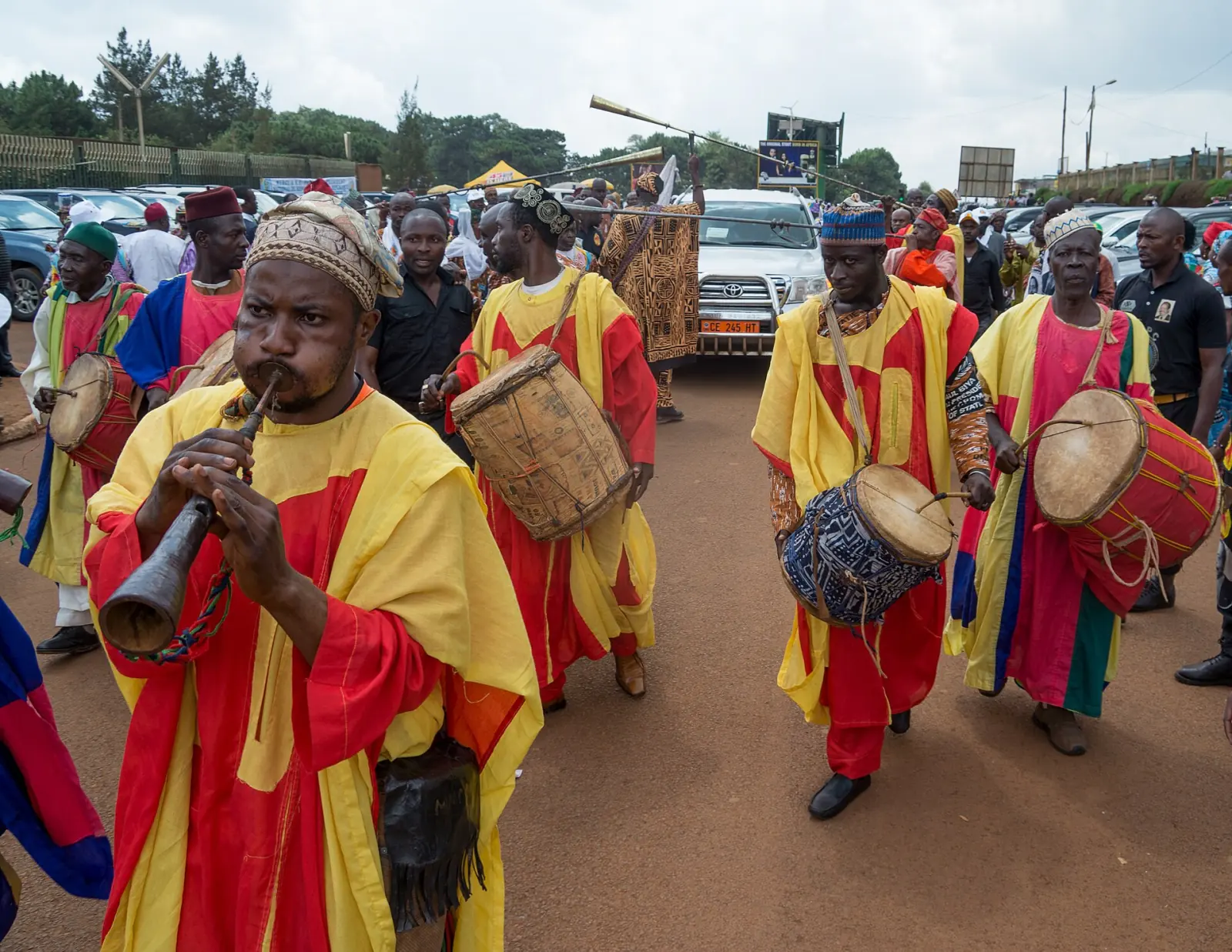
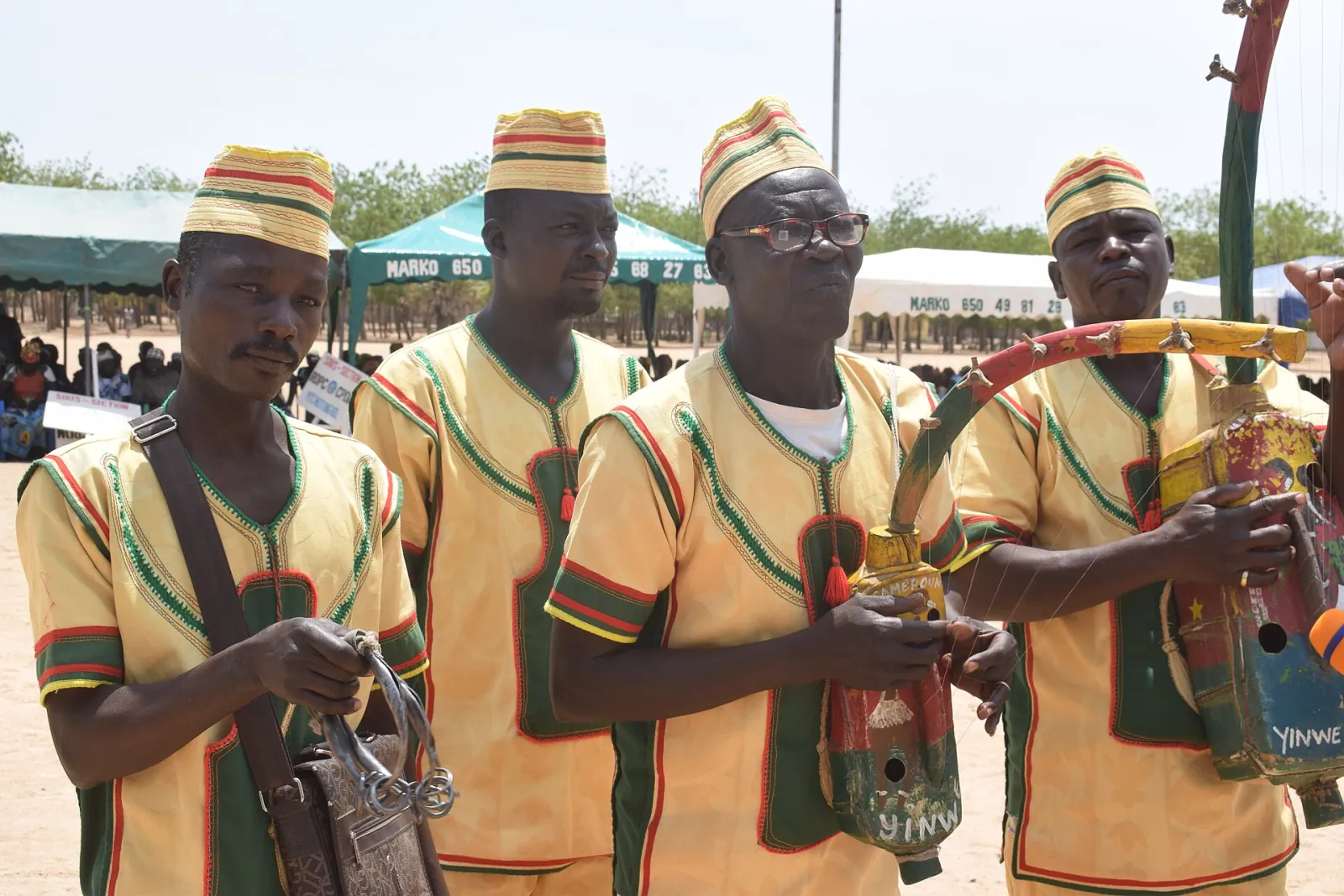
Griots in matching tunics playing stringed instruments at a public event

Cameroonian artists travel to perform, exhibit, train and create; foreign artists in turn come to Cameroon. These exchanges take three forms: tours, residencies and participation in foreign festivals and markets. They enrich artistic writing, open up markets and make the country known.

Visas, contracts, insurance and funding are prepared with the Ministry and the embassies. This page follows the complete journey of an artist or company, from invitation to stage, with practical guidance, mistakes to avoid and links to One-Stop Shop procedures.

  • Tours, residencies and festivals abroad
  • Visas: the role of the host State and the Ministry’s certificate
  • A mobility support fund and support from partners
Preparing a tour
Tours

Tours: organising a series of performances abroad

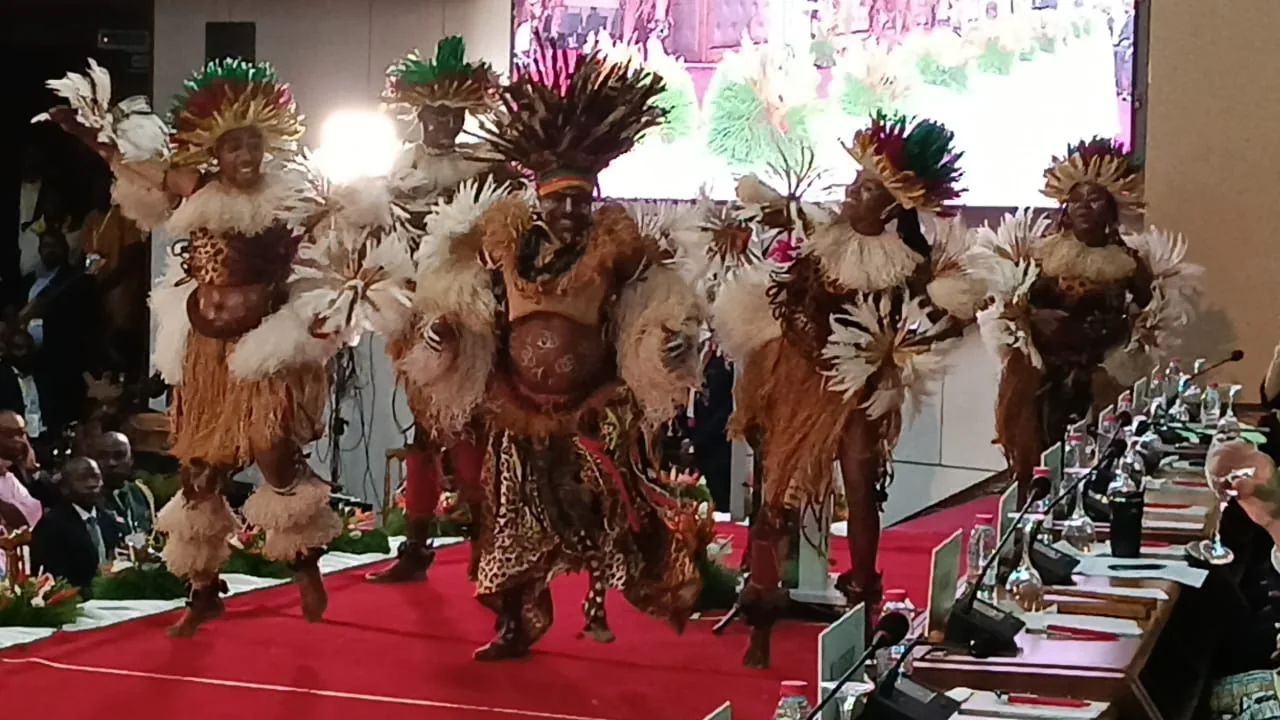
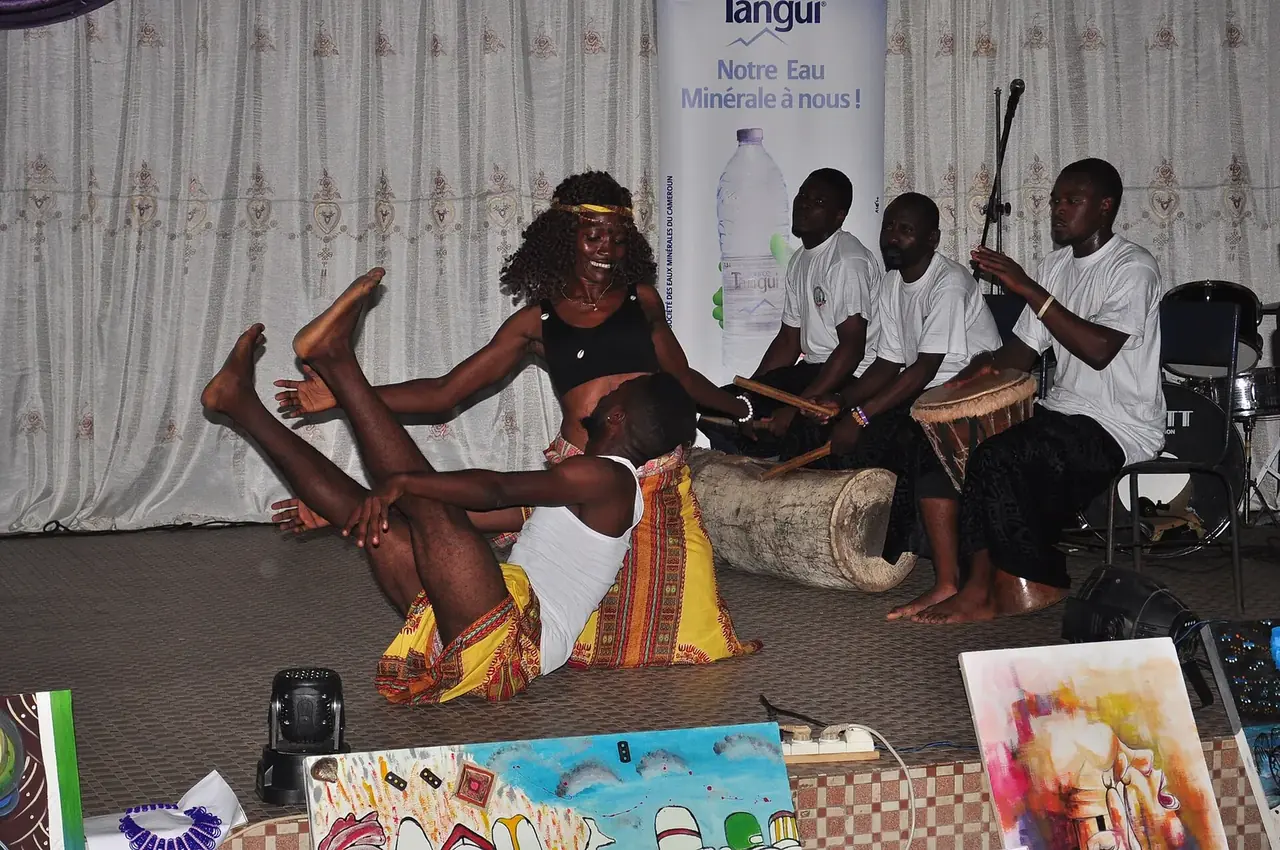
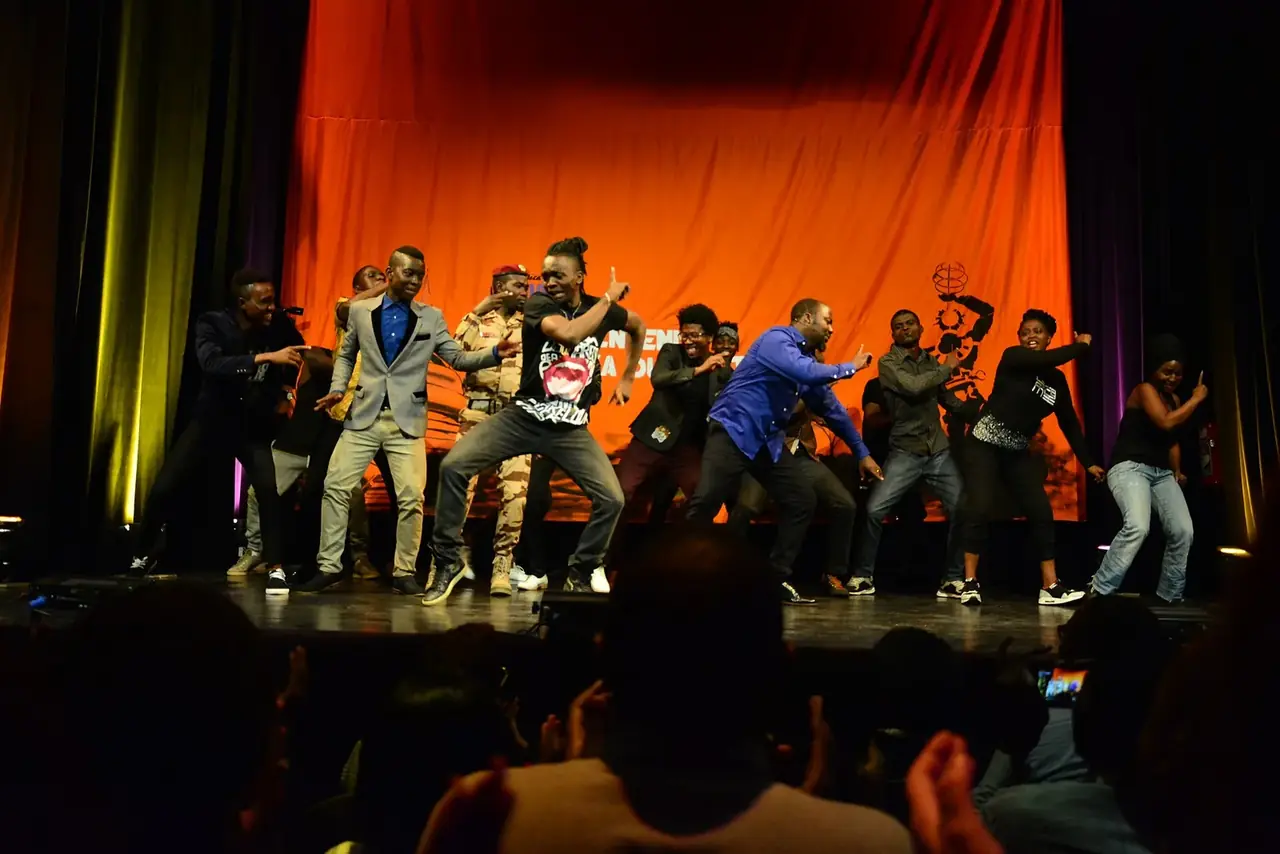
Troupe of performers dancing on a theatre stage

A tour is a series of performances organised in several cities or several countries. It involves contracts, insurance, licences and visas. A show that travels involves a company, a producer, programmers and sometimes embassies: each must know their share of responsibility before departure.

Contracts

An assignment or co-production contract specifies the number of performances, the fee, who pays for transport, meals and accommodation, the technical rider and the credits. Model contracts serve as a basis; performance rights are declared to the collective management societies.
Authorisations before departure

A professional show needs a licence: see the show authorisation. The export of works of art is subject to its own rules. Musical instruments and stage equipment may qualify for temporary admission at customs.

Preparing the tour well

  • A technical rider adapted to different venues;
  • Insurance covering people and equipment;
  • A schedule leaving time for travel and recovery;
  • A communication plan with the music sector and local media;
  • A bilingual press kit.

Musicians will find further guidance in the music and record sector, and dance companies on the dance page.

ℹ️
Common mistake

Many tours fail because the contract is signed too late: allow at least four months between signing and the first date, to leave time for visas and authorisations.

Residencies

Residencies: creating abroad, hosting in Cameroon

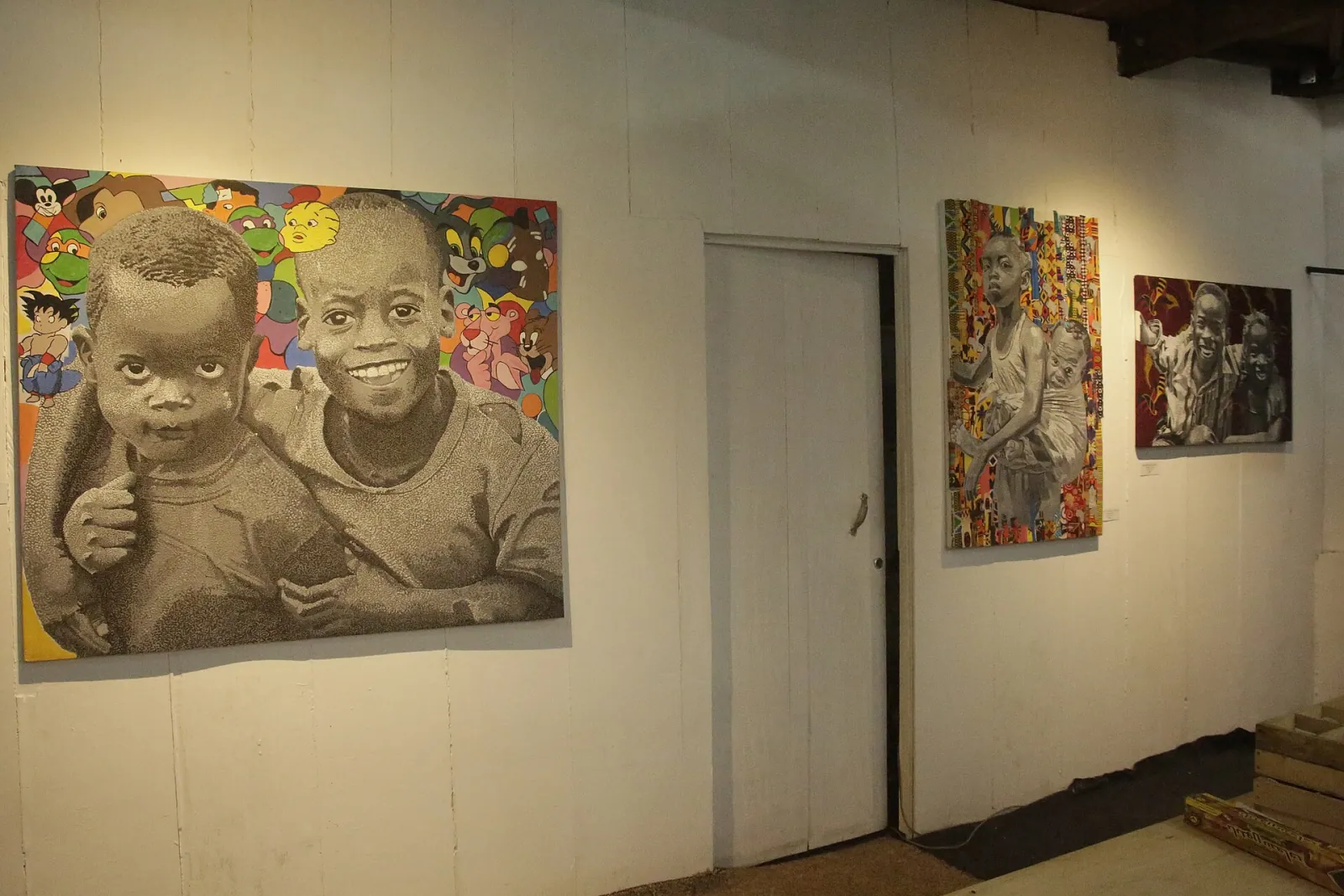
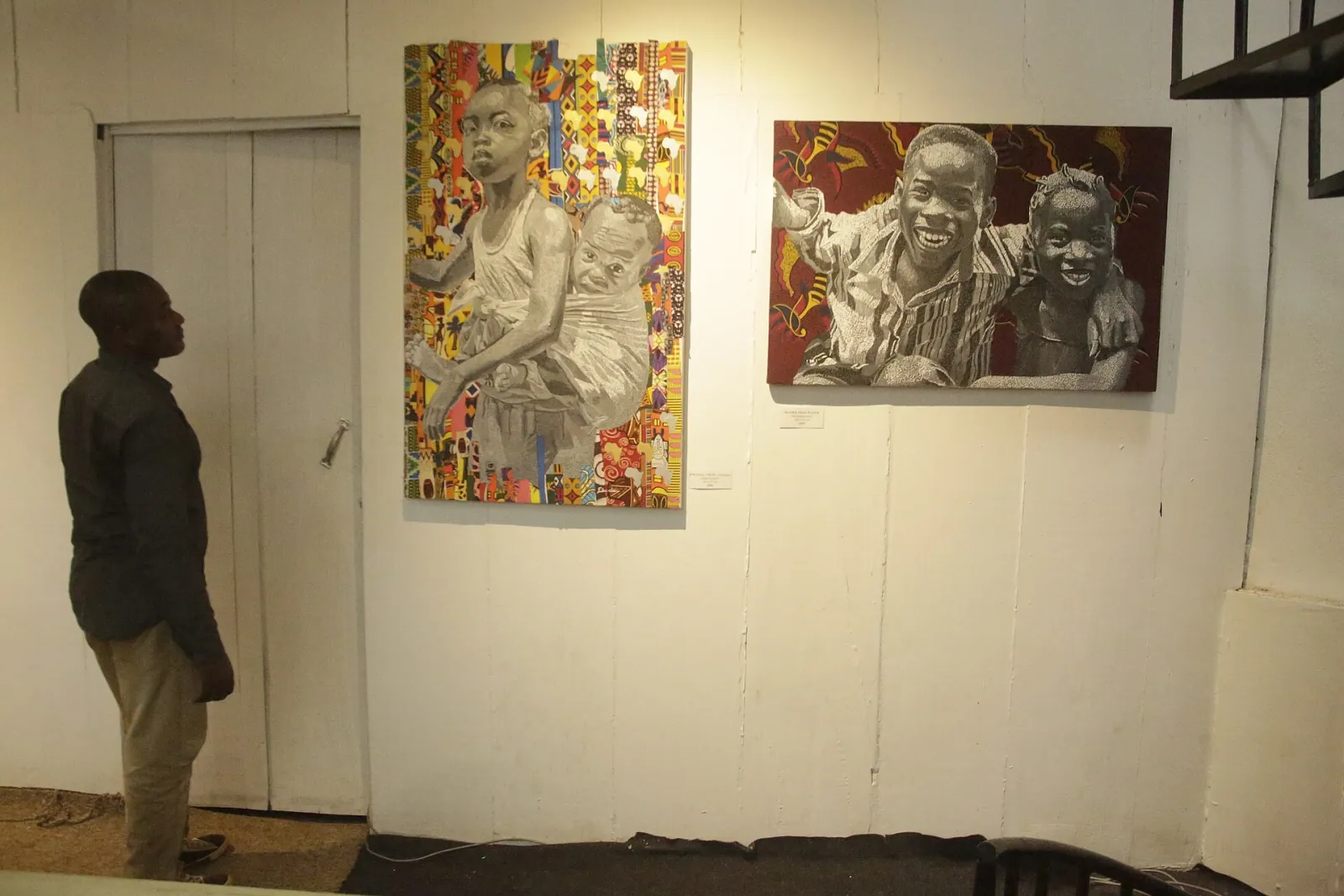
Visitor looking at colourful paintings hung in an exhibition room

A residency is a creative stay granted to an artist in an equipped venue: studio, theatre, library, laboratory. It lasts from a few weeks to several months, generally includes accommodation, sometimes a grant and artistic support, and ends with a public presentation. It is a major exchange tool: the artist steps out of their context, encounters other practices and returns with new networks.

Residencies abroad

They are offered by art centres, festivals, theatres, universities or foundations. Calls are relayed by international monitoring and by the site’s calls for projects area. The file includes a portfolio, a statement of intent, a timetable and a budget.

Hosting in Cameroon

The Ministry encourages the hosting of foreign artists in its cultural centres and with its partners. This reciprocity is often required by foreign organisations. The residencies page details the venues, application procedures and the timetable of national programmes.

Getting the most from a residency

  • Set a precise research objective, rather than aiming for a finished work;
  • Plan a public presentation and time to meet local residents;
  • Document the work with photographs, videos or a notebook;
  • Stay in touch with the host organisation after the stay.

Visual artists, writers and filmmakers can find rare research time there, notably within the framework of visual arts and literature.

ℹ️
Reciprocity

Several foreign partners offer a residency exchange: a Cameroonian artist is hosted by them, and a foreign artist is hosted in Cameroon in the same season.

Visas

Visas: what the Ministry can do, and what it cannot do

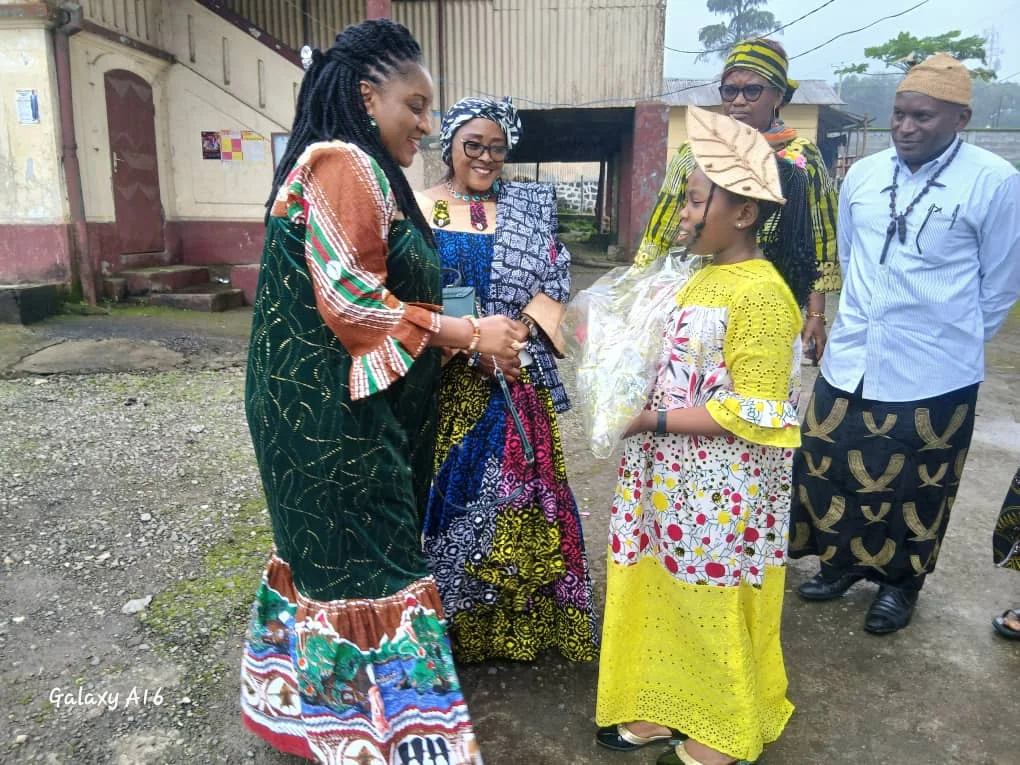
Two women in colourful outfits welcome a girl in a yellow dress who is handing them a bouquet in a courtyard.

The visa is a decision of the host State. Neither the Ministry of Arts and Culture nor the company can guarantee that it will be granted. The Ministry can, however, issue certificates confirming the person’s status as an artist, the purpose of the mission and the official nature of the invitation; this document helps consulates process the application.

The standard file

  • Invitation letter from the host organisation with dates, venues and conditions;
  • Contract or programme of the tour or residency;
  • Ministry certificate and, where applicable, artist card;
  • Proof of resources and accommodation;
  • Travel insurance and return ticket.

Timelines

Consulates require processing times that vary by country and season. It is better to submit files as soon as the contract is signed and to allow a margin of several weeks. Embassies and cultural attachés can support the procedures of artists invited to an official event.

Anticipating refusals

A refusal is never final: the artist can resubmit a more complete file or request a review. Foreign organisers must plan a fallback solution, such as remote participation or a postponement. For travel linked to an agreement between States, see cultural agreements.

In case of difficulty, the contact form lets you report the file to the cooperation unit.

ℹ️
Ministry certificate

The certificate is requested with the contract or the invitation letter and states the artist’s name, the nature of the mission, and the place and length of stay.

Funding

Funding: support funds, partners and good practices

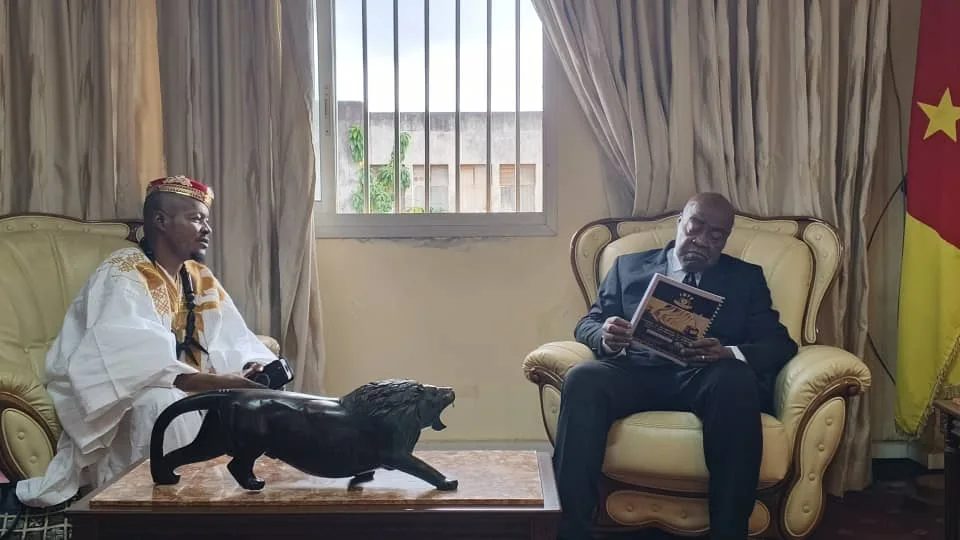
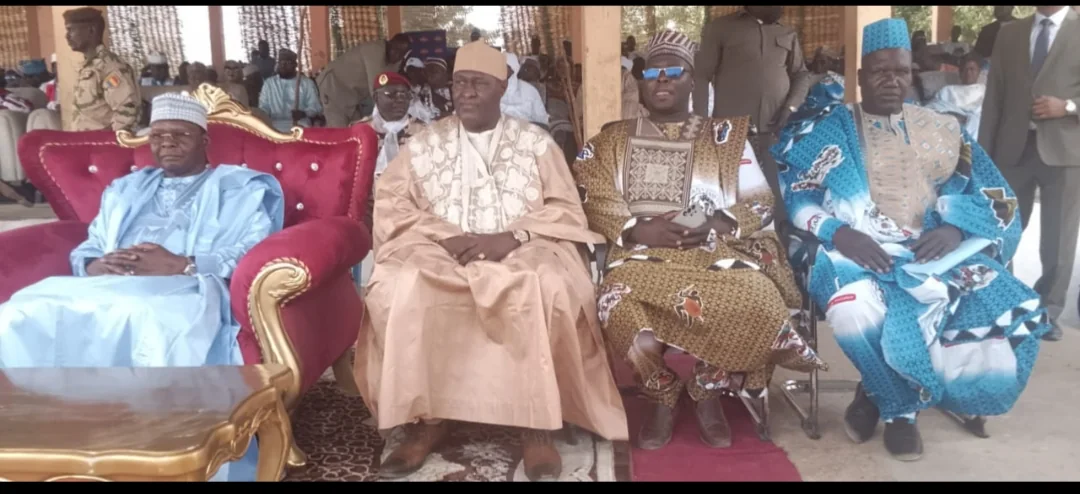
A traditional chief in white robes and a man in a suit sit in armchairs on either side of a sculpted big cat on a low table.

Travelling is expensive: transport, visas, accommodation, fees, insurance, freight of equipment. Several sources are combined to balance a budget. The Ministry supports mobility through the support fund, described on the support fund page, and through the grant application. Foreign partners, embassies, foundations, international organisations and patrons complete this support.

Building a financing plan

  1. Cost all expenses, including contingencies;
  2. Identify what the host organisation covers;
  3. Apply to the support fund for transport or fees;
  4. Seek additional funds from partners, patronage or crowdfunding; see funding for culture;
  5. Plan for own revenue: ticketing, sales, workshops.

What the commission looks at

It examines artistic quality, clarity of the project, the genuineness of the invitation, the consistency of the budget and the benefits for Cameroon: a tour in several regions on return, a knowledge-sharing workshop, a public presentation. A company that has properly reported on a first grant is viewed favourably for the next one.

Reporting

Each grant gives rise to a final report: invoices, programme, photographs, press review. This report feeds the culture observatory and serves as a reference for future applications.

ℹ️
Think about the return

The most convincing file shows what the artist will bring back to the country: training for teams, contacts, new shows and relationships with other festivals.

Step by step

Preparing an artist exchange

Receive the invitation

Obtain a written invitation specifying the dates, the venue, the nature of the engagement and what the host organisation covers.

Sign the contract

Negotiate fees, transport, accommodation, rights and insurance; have the text reviewed before signing and keep a copy.

Obtain the authorisations

Submit the show licence application, the declarations of works and, if necessary, the application for a Ministry certificate.

Apply for visas

Put together the consular files as soon as the contract is signed, with the invitation letter, certificate, insurance and proof of resources.

Close the funding

Submit the grant application, approach partners and check that the budget covers contingencies and the freight of equipment.

Travel and report back

Perform, exhibit or create, then submit a final report: programme, photographs, press, expenses, lessons to share.

To act

The procedures for artistic mobility

Show authorisation

Obtain the licence required for a professional performance before leaving on tour.

Submit the application

Artist card

Prove your professional status to consulates and organisers.

Apply

Mobility grant

Submit a file to cover transport, accommodation or production costs.

Request support

Export of works

Plan ahead for the formalities of taking artworks, instruments or art objects abroad.

See the procedure
Key facts

The stages of an exchange at a glance

StageDocument or actionContact pointRecommended lead time
InvitationLetter or contract specifying dates and conditionsHost organisationAt least four months before departure
Show licenceOnline submission of the authorisation applicationMinistry One-Stop ShopSeveral weeks before the first date
Mission certificateWritten request with invitation and programmeCooperation unitTwo to three weeks before the visa application
VisaComplete consular fileEmbassy or consulate of the host countryAs soon as the contract is signed
FundingGrant file and financing planCompetent directorate, partnersTwo to three months before departure
Transport of equipmentList of equipment, temporary admissionCustoms and carrierOne month before departure
ReviewReport, invoices, press reviewCompetent directorateOne month after return
Glossary

The vocabulary of artistic mobility

Tour

A series of performances of the same show in several venues, cities or countries.

Residency

A creative stay granted to an artist in an equipped venue, often concluded with a public presentation.

Visa

Authorisation to enter the territory of a State, issued by its consular authorities.

Mission certificate

A document from the Ministry confirming artist status and the official purpose of the trip.

Mobility

The ability of artists, works and teams to move from one country to another.

Assignment

A contract by which a producer sells a promoter the right to present a show.

Co-production

An arrangement in which several partners jointly finance and carry the creation of a work.

Technical sheet

A document specifying stage requirements: dimensions, sound, lighting, stage and dressing rooms.

Temporary admission

A customs regime allowing equipment to enter or leave duty-free, provided it is returned.

Fee

Payment made to an artist for a performance or service.

“Artists are the first ambassadors of culture: every foreign stage on which they perform speaks of Cameroon better than any speech.”

A festival director
They travel

Mobile artists’ journeys

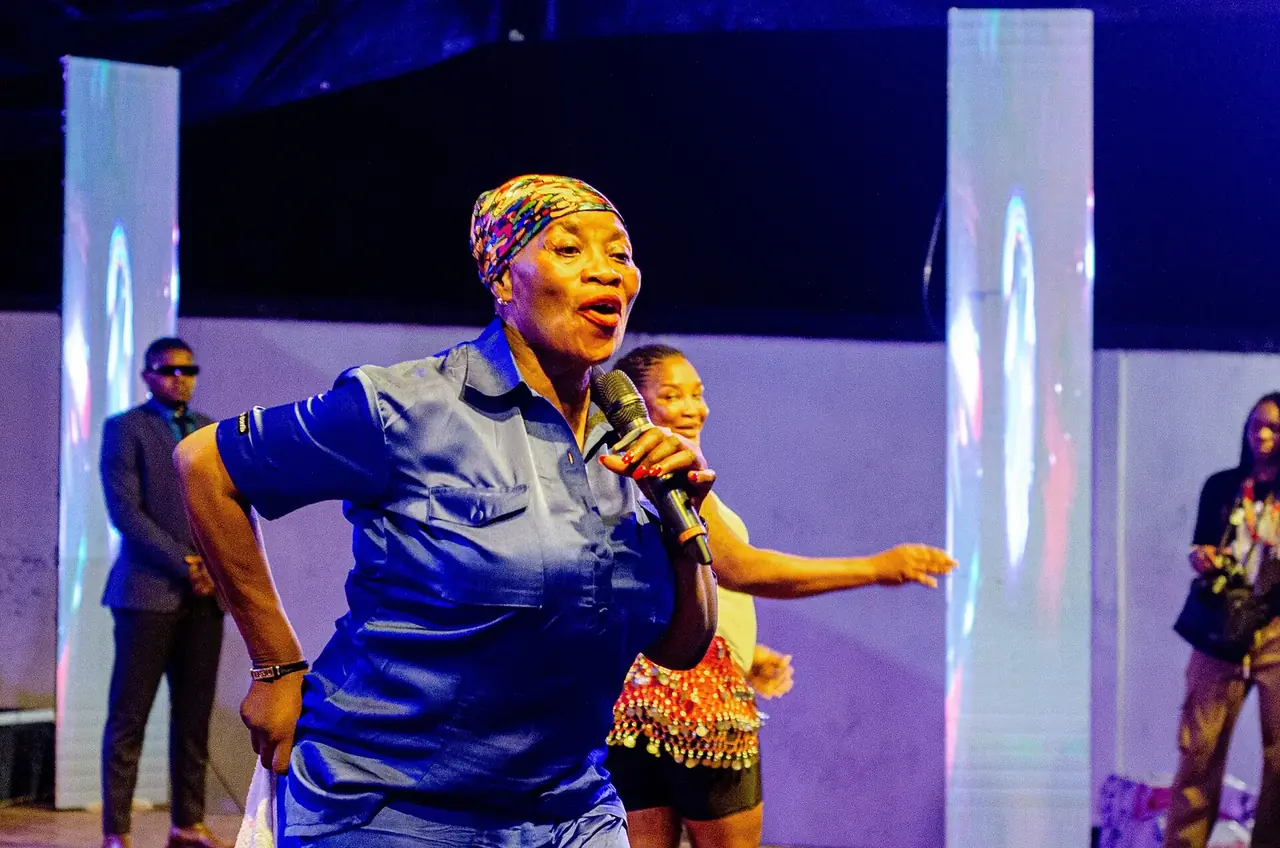
Singer on stage during a concert/ Douala
A singer

“My first tour taught me that a clear contract is worth more than a large, poorly defined fee.”

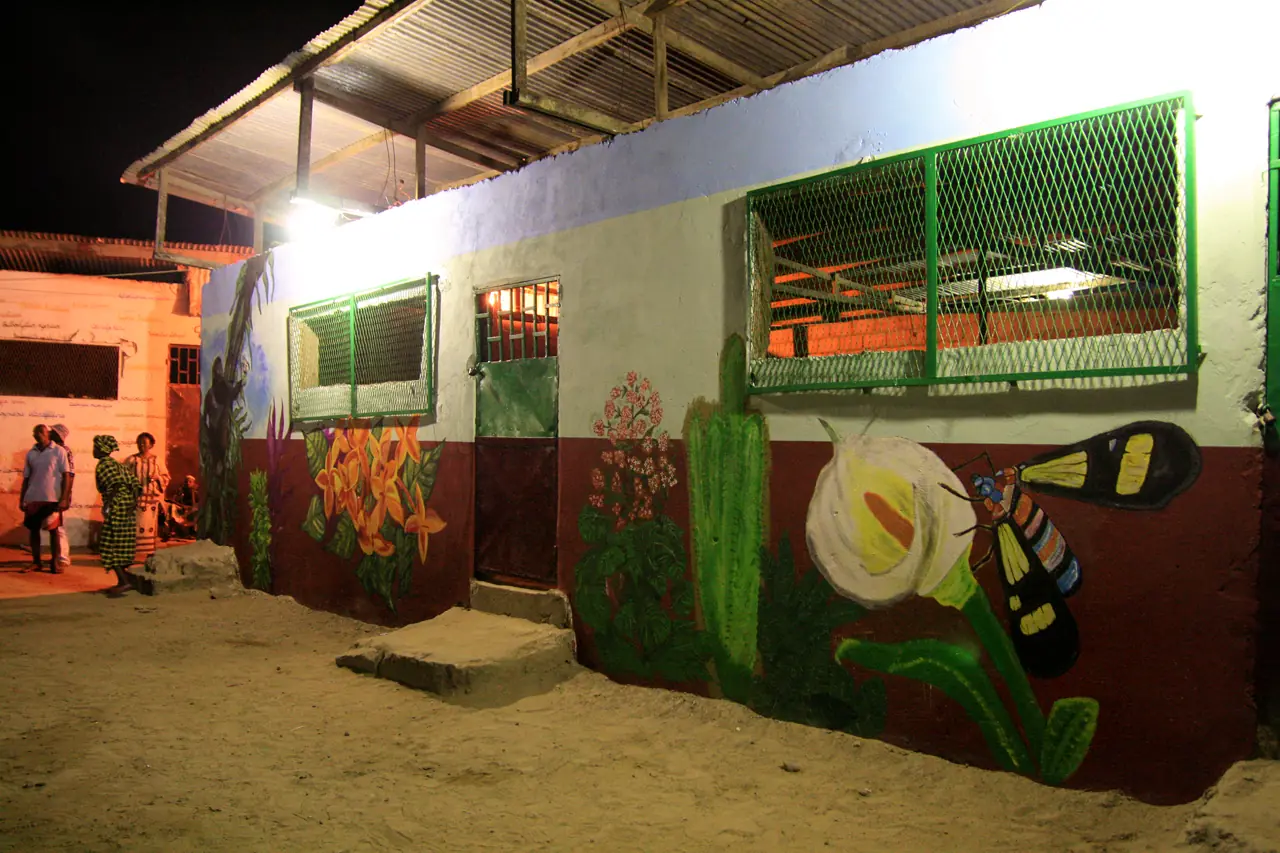
Mural painted on the wall of a house, urban art/ Foumban
A visual artist

“Three months of residency abroad changed the way I work with wood and present my pieces.”

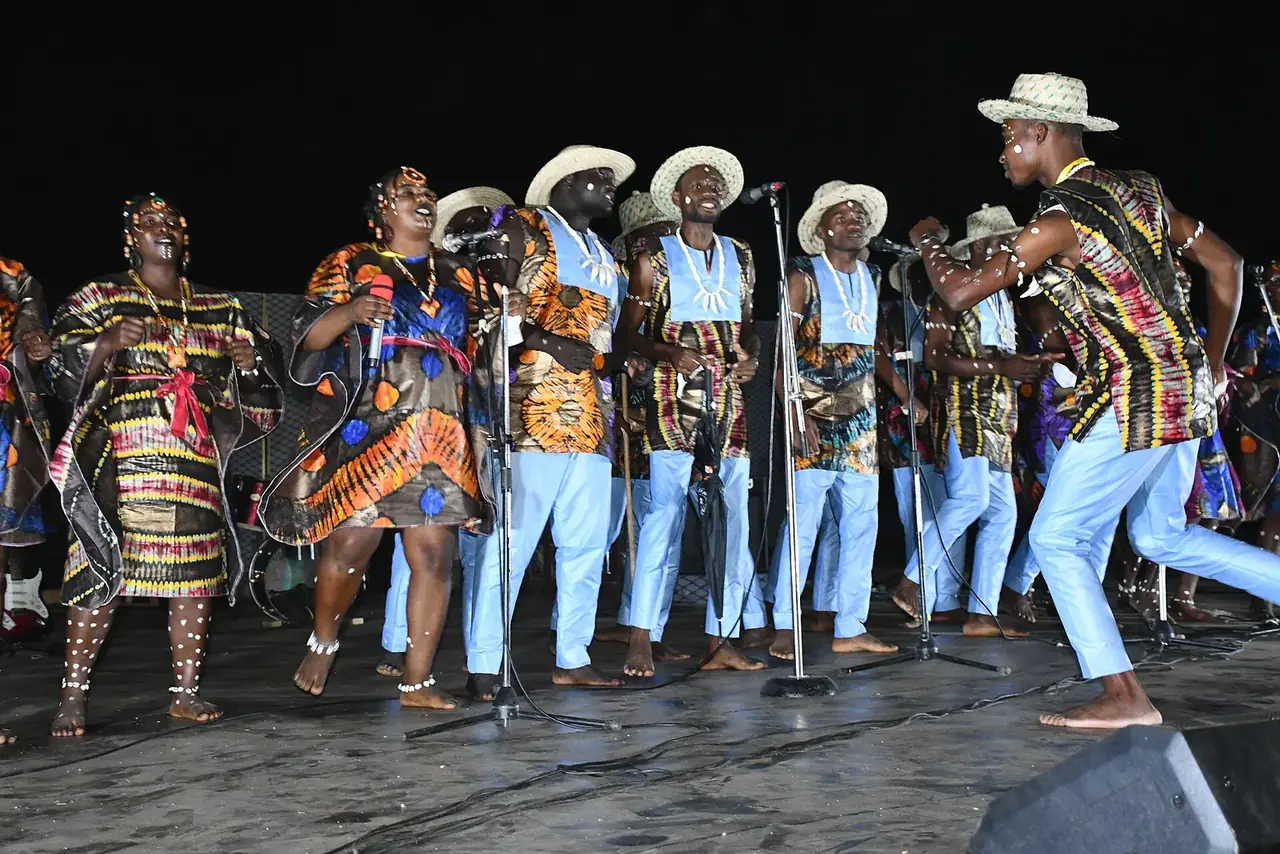
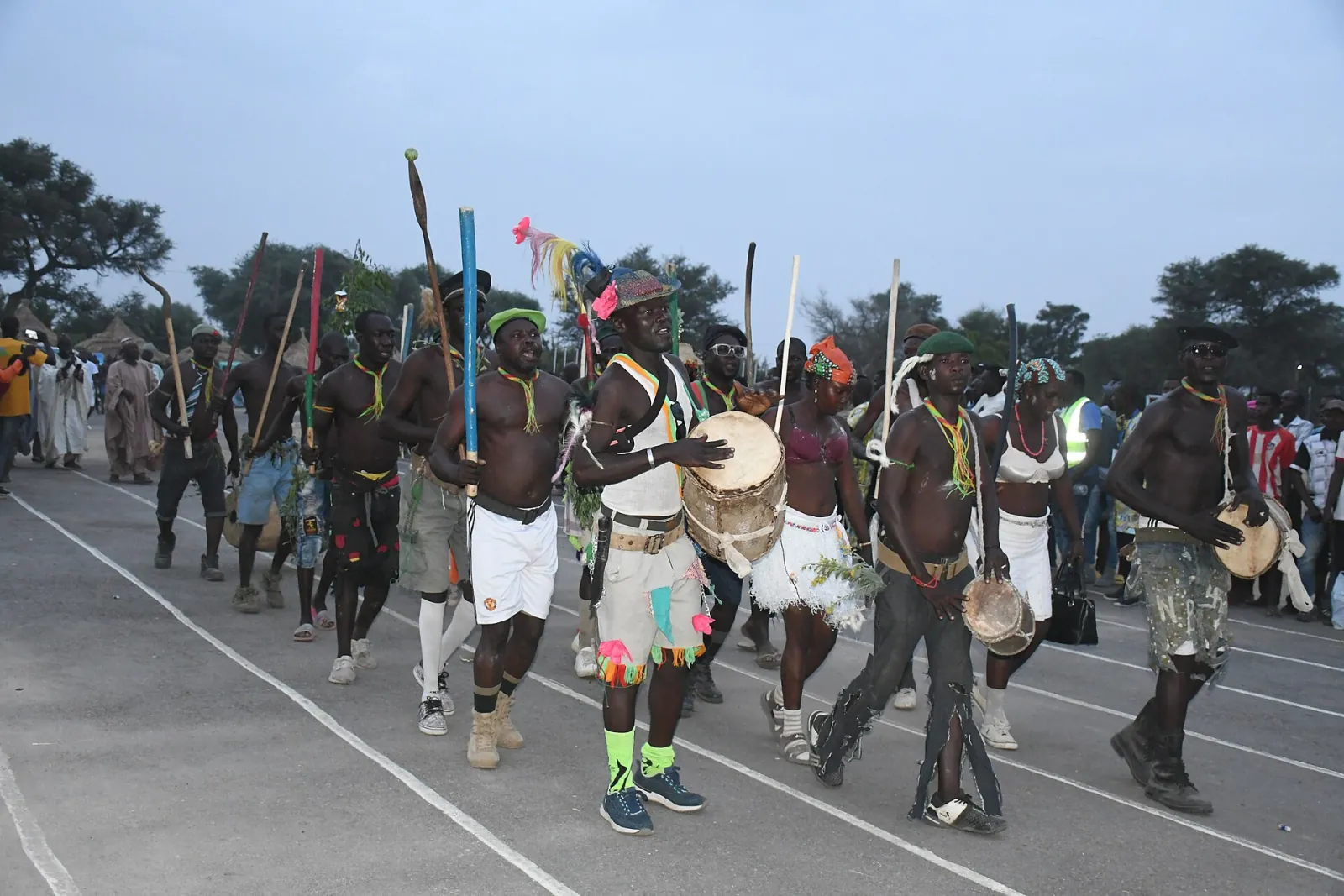
Troupe in colourful outfits on stage at the Maroua cultural festival/ Yaoundé
A theatre director

“The hardest part is not performing; it is obtaining visas in time for the whole team.”

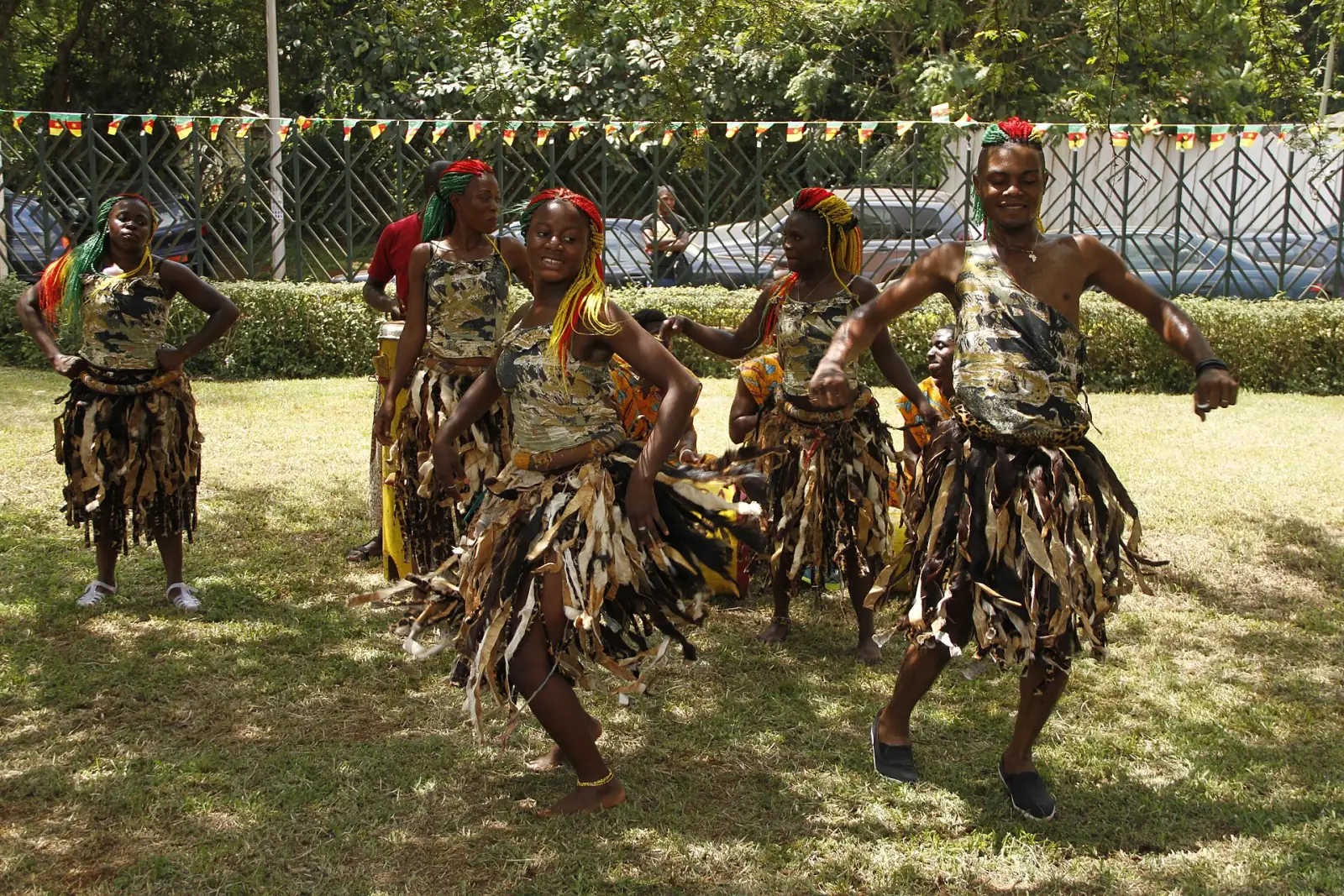
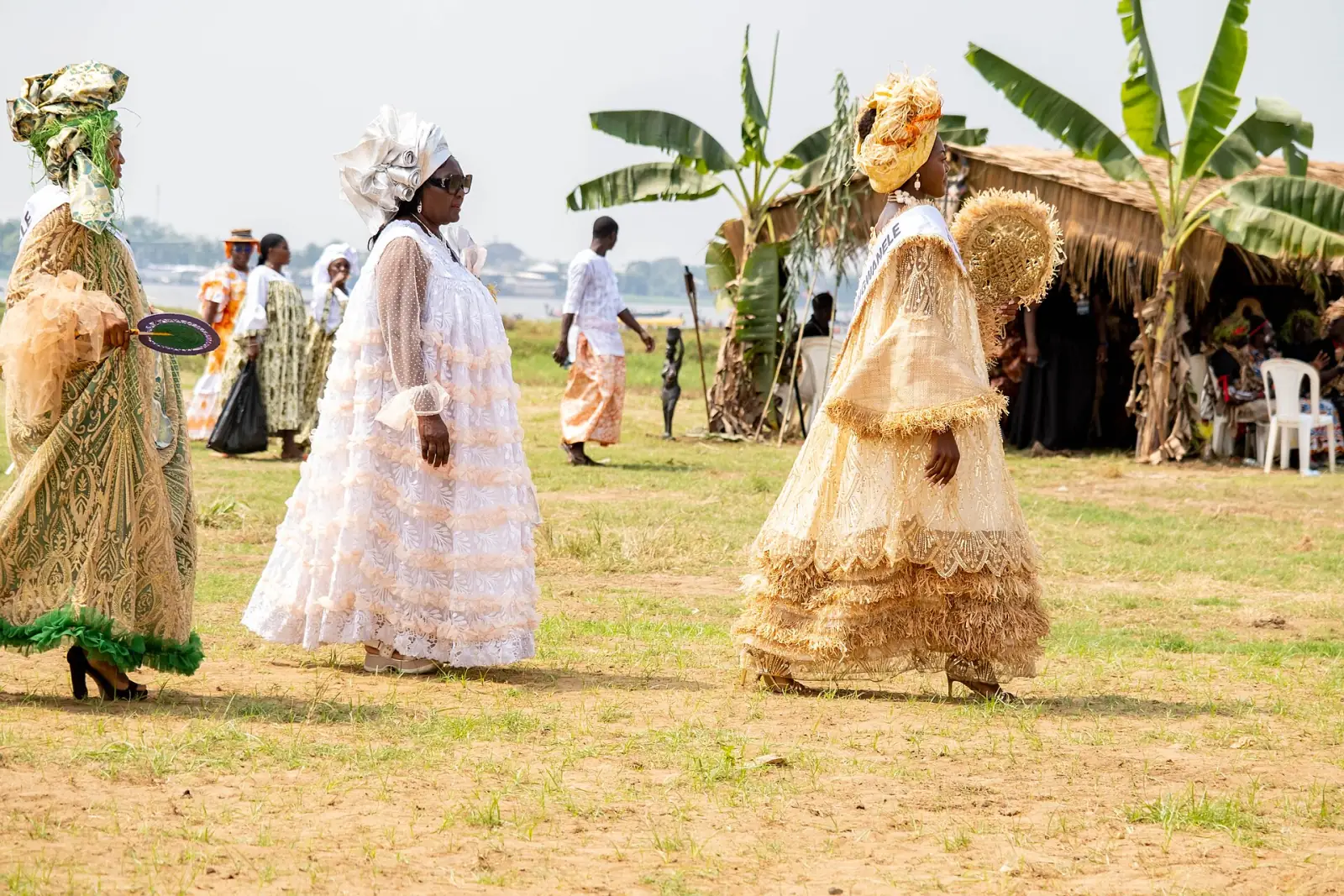
Dancers in raffia and leaf costumes performing on a lawn/ Bafoussam
A company director

“We organised the tour in two parts, so that we could return to let our young performers play in the regions.”

A cycle

From invitation to stage

Month 1Invitation and contract

The company receives the invitation, negotiates the conditions and signs the contract, which sets dates, fees, transport and responsibilities.

Month 2Authorisations and certificate

The company submits the application for a performance licence and requests the Ministry’s certificate, which consulates need in order to assess the mission.

Month 3Visas and funding

Consular files are submitted, the financing plan is finalised and tickets are booked as soon as decisions are known.

Month 4Departure and tour

The troupe travels, performs in the planned venues and festivals, engages with audiences and professionals, and documents each stage.

Month 5Return and sharing

The report is submitted; the company presents its work in several regions and organises a knowledge-transfer workshop for young artists.

On the site

Continue with the stage and funding

Resources

Useful links for travelling with your creations

Stakeholders

Who supports mobile artists?

To explore

Artist exchanges in other sections

To download

The mobile artist’s toolkit

Questions

Your questions about artist exchanges

Who helps me organise an artist exchange?

The Ministry and embassies. The relevant directorate advises on authorisations and grants, the cooperation unit issues certificates and directs artists to foreign partners, and embassies can support artists invited to an official event.

Is there funding for going on tour?

Yes, a mobility support fund exists, as well as the Ministry’s grant. These forms of support supplement the contributions of the host organisation, embassies, foundations and patrons. You must present a written invitation, a detailed budget and a feedback plan.

Is a licence required for a show presented abroad?

For professional shows, yes: the performance authorisation licence is requested before departure. It certifies that the show complies with the rules and facilitates dialogue with organisers. The host country may also impose its own formalities.

Can the Ministry get me a visa?

No, the visa is issued by the host State. The Ministry can, however, issue a certificate confirming your status as an artist and the purpose of the mission. Attach it to the invitation, the contract and the supporting documents when you apply at the consulate.

How do I find a residency abroad?

Follow the calls published on the site and through international monitoring, consult professional networks and register in the directory. Prepare a portfolio, a statement of intent and a timetable. Applications are often open several months before the residency begins.

What contracts must I sign?

At a minimum, an assignment or engagement contract specifying dates, fees, transport, accommodation, rights and insurance. The Ministry’s model contracts serve as a basis. Always have the text reviewed, and keep a copy signed by all parties before leaving the country.

Can I take my instruments and equipment with me?

Yes, but the equipment must be declared to customs and, where possible, temporary admission used. Draw up a detailed list with serial numbers. For artworks, consult the export procedure before departure to avoid any difficulty at the border.

What should I do if a visa is refused?

Examine the reason, complete the file and resubmit it if the schedule allows. Inform the organiser immediately, who may offer a postponement or remote participation. Report the situation to the cooperation unit through the contact form to obtain support.

Contact

Prepare your mobility project

State your discipline, the host country, the dates and the type of exchange: your message is forwarded to the cooperation unit.

Entry point

Contact artist exchange follow-up

Address

Unit for Studies, Planning and Cooperation
Ministry of Arts and Culture
Quartier du Lac – Ministerial Zone
P.O. Box 1053 Yaoundé, Centre Region, Cameroon

Reach us

+237 6 51 70 58 41

contact@minac.gov.cm

Opening hours

Monday to Friday, 8 am to 4 pm

Fund your trip

Discover the support funds and grants that back the mobility of Cameroonian artists.

See the support funds
WhatsApp