Coat of arms of CameroonMinistry of Arts
and Culture
Republic of Cameroon
My procedures
Home
Minister’s message
News
Press releases
Cultural calendar
Official speeches
Press review
Photo library
Video library
Calls for projects
Job vacancies
Public procurement
Newsletter
Frequently asked questions
Site map
Contact
Press area
Podcast “The Voice of Culture”
Legal notices
Privacy policy
Cookies and trackers
The Ministry
Missions and responsibilities
Organisation
Organisation chart
Minister’s Office (Cabinet)
Management team
General Secretariat
General Inspectorate
Central directorates
Regional Delegations
Institutions under supervision
Legislative texts
Regulatory texts
Sector strategy
Major projects
Budget and reports
Partners
Careers
Archives
Institutional communication
Quality and accessibility
Arts
Visual and plastic arts
Visual arts
Performing arts
Theatre
Dance
Music
Literature and books
Cinema and audiovisual
Photography
Fashion and design
Digital arts
Art crafts
Artists’ directory
Residencies
Prizes and awards
Arts education
Urban arts
Heritage
Tangible heritage
Intangible heritage
UNESCO sites
National museums
Listed monuments
National inventory
Palaces and chiefdoms
Archaeology
Linguistic heritage
Oral traditions
Traditional know-how
Restitution of cultural property
Fight against illicit trafficking
Listing and protection
Conservation and restoration
Heritage Days
Cultural landscapes
Industries
Music and recording
Cinema
Publishing and books
Digital arts
Fashion and creativity
Crafts
Cultural tourism
Funding for culture
Support funds
Incubators
Cultural entrepreneurship
Culture Observatory
Vocational training
Studies and reports
Sector statistics
Export and outreach
Intellectual property
Copyright
Legal framework
Copyright and neighbouring rights
Collective management societies
Register a work
Licences
Private copying
Fight against piracy
Model contracts
Social status of artists
Mediation
Disputes
Training
Fee scales
Register of works
Contact
Digital neighbouring rights
Public domain
Festivals
National calendar
Ngondo
Nguon
Écrans Noirs
Heritage Days
Music Day
Regional festivals
Fairs and exhibitions
Biennials
National competitions
Cultural days
Organise a festival
Event grants
Ticketing
Archives
Volunteering
Diaspora festivals
Regions
Adamawa
Centre
East
Far North
Littoral
North
North-West
West
South
South-West
Cultural map
Regional Delegations
Traditional chiefdoms
National languages
Cultural routes
Decentralised cooperation
Regional observatory
Cooperation
UNESCO
Francophonie (OIF)
African Union
Commonwealth
CEMAC
Bilateral cooperation
Cultural agreements
Professional organisations
Scholarships
Artist exchanges
Cultural years
Diaspora
Funded projects
Embassies
Technical partners
International restitution
International monitoring and calls
Services
Artist card
Show authorisation
Filming authorisation
Festival authorisation
Deposit of a work
Export of works of art
Listing of a property
Grant application
Association accreditation
File tracking
Forms
Fees
Opening hours and addresses
Reporting
Online help
My account
One-Stop Shop
Home

Job vacancies

Job vacancies at the Ministry, internships and positions with our partners: profiles sought, deadlines, the role of SIGIPES and the Ministry of the Public Service, competitive examinations and advice for a successful application.

Updated on 5 November 20264 sub-pages
Ministry vacancies4
Internships offered3
Application fees0
SubmissionDepending on the vacancy
Working for culture

Careers serving heritage and creation

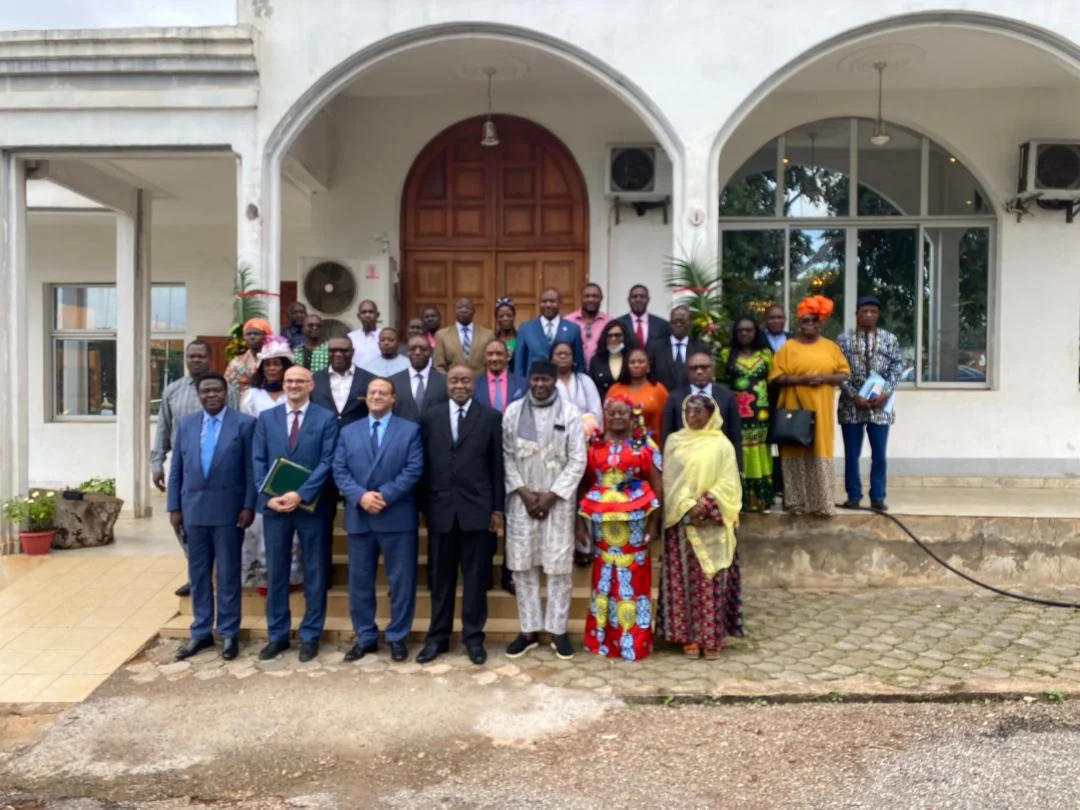
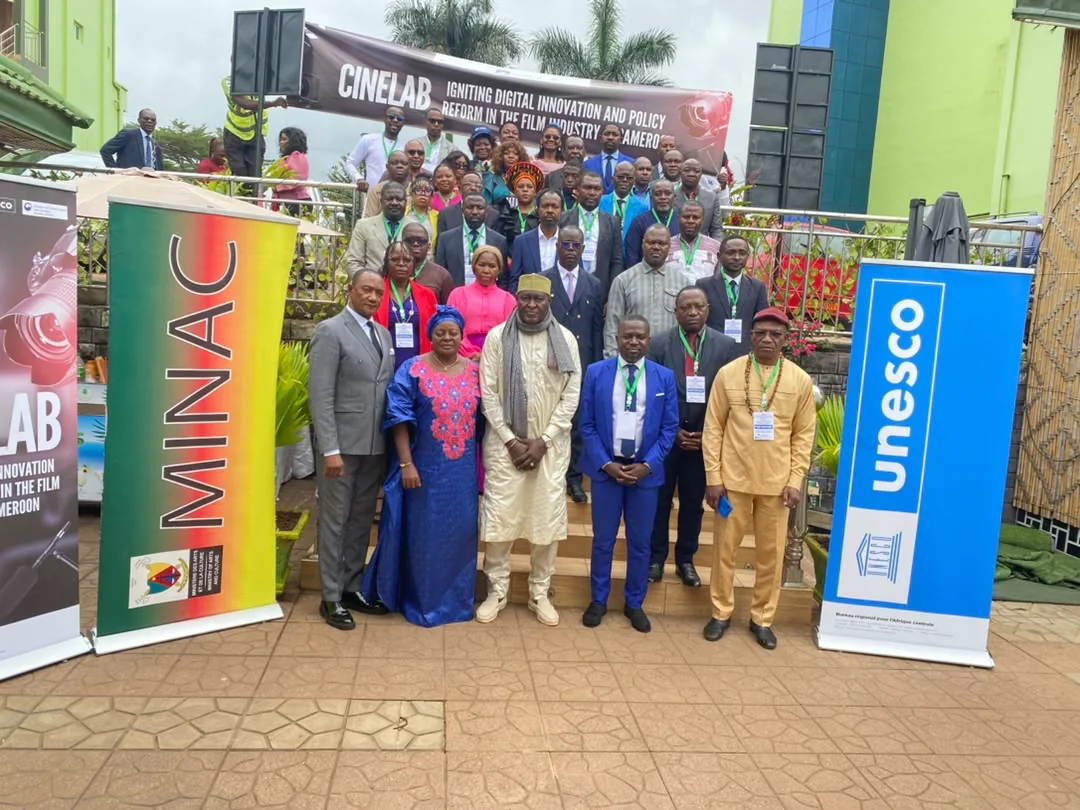
A group of men and women in varied outfits poses on the steps in front of a building entrance.

The Ministry recruits staff to inventory heritage, support artists, process One-Stop Shop files and run services in the regions. Institutions under supervision and public or private partners also publish their vacancies: museums, training institute, collective management societies, festivals.

This page brings together current vacancies with their deadlines, explains how public recruitment is organised (SIGIPES, civil service examinations, contracts), details the documents to prepare and answers the questions of applicants, both recent graduates and experienced professionals.


  • Vacancies published with profile and deadline
  • No application fees, ever
  • Internships, contracts and unsolicited applications
See the Ministry’s vacancies
At the Ministry

The Ministry’s job vacancies: positions, profiles, deadlines

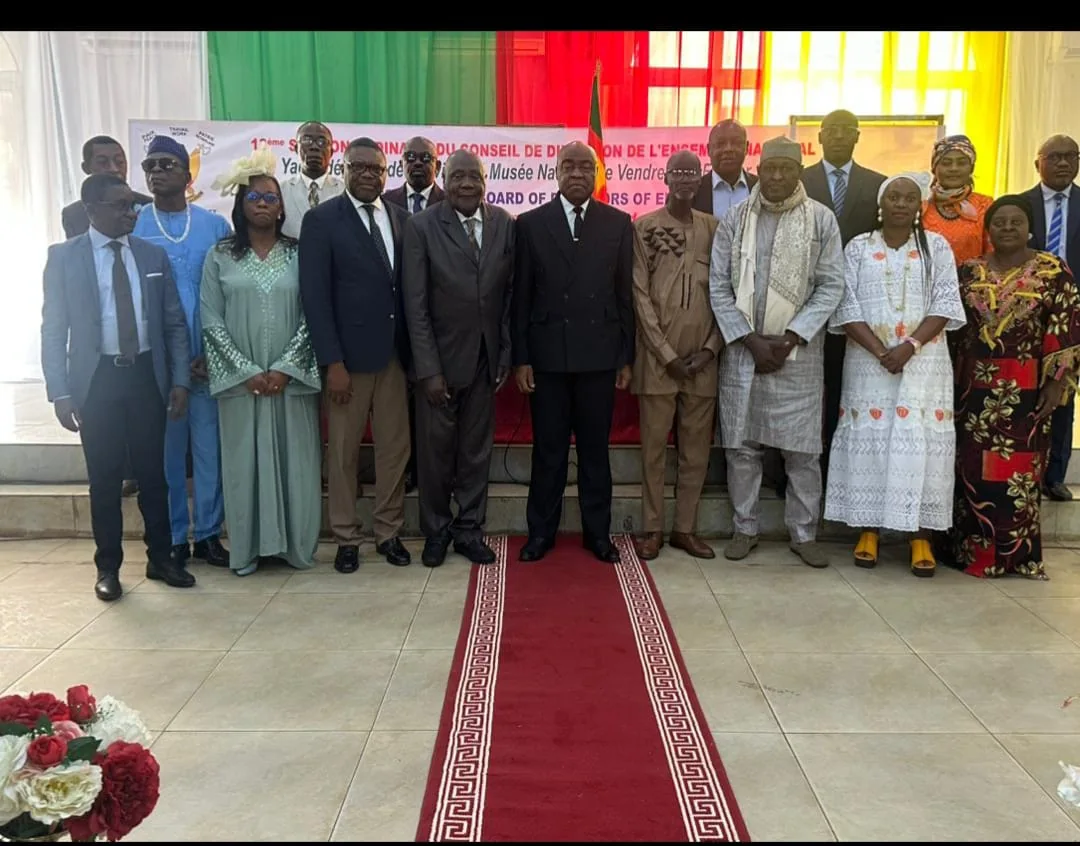
Board members posing on a red carpet at the National Museum

Posts offered directly by the Ministry cover the central services, regional delegations and attached structures. Four vacancies are posted as of 28 October 2026, each with a precise submission deadline: do not miss it, as no file received after the deadline is examined.

Four profiles sought

  • Heritage Inventory Officer, at the Directorate of Heritage, to take part in the field campaigns of the national inventory (deadline: 12 November 2026);
  • One-Stop Shop Manager, responsible for processing online applications (19 November 2026);
  • Communications Officer, in the Minister’s Office (3 December 2026);
  • Deputy Regional Delegate, a vacancy that will shortly open for submissions (15 January 2027).

Reading a vacancy before applying

Each job description states the reporting line, duties, level of qualification, skills required, place of assignment and type of contract. Compare them with your background point by point, then adapt your cover letter to the duties described. To understand where you will work, consult the central directorates and the organisation chart.

ℹ️
Careers page

The general recruitment rules are detailed on the Careers at the Ministry page.

In progress

The Ministry’s vacancies and their deadlines

With our partners

Jobs with the Ministry’s partners: museums, schools, festivals

Pupils and staff posing in front of the entrance of the Stoll College arts centre

The cultural sector employs well beyond the administration. Institutions under supervision, collective management societies, festivals and private structures regularly publish vacancies that the Ministry relays on this page to widen their circulation.

The organisations that recruit

The national museums are looking for mediators, exhibition managers and curators; the institute for artistic training, part-time teachers; the collective management societies, distribution and documentation officers; the festivals, stage managers, production assistants and supervised volunteers.

Different statuses

Each employer applies its own arrangements: standard employment contract, casual work, seasonal assignment or permanent post. Read the conditions carefully and remember that the social status of the artist applies to intermittent performing arts workers.

The Ministry does not manage its partners’ recruitment: send your application to the organisation named in the vacancy. Private and voluntary organisations recruit mainly on the basis of references, portfolios and recommendations: update your entry in the artists’ directory and take care over the presentation of your work. To identify other employers, consult the culture observatory and the sector statistics.

Conditions

What each type of post requires

TypeLevelDurationSelection
Permanent civil servantDepending on the corps, from baccalaureate to master’s degreeOpen-ended, with established statusExamination organised by the ministry of the public service
Fixed-term contractDepending on the post, often a bachelor’s or master’s degree6 to 24 monthsFile and interview before a panel
InternshipHigher education studies in progress3 to 6 monthsFile and interview, internship agreement mandatory
Teaching casual workConfirmed expertise in the disciplineHours over the seasonFile and interview with the head of the institution
One-off assignmentRecognised expertiseDepending on the assignmentFile, references and assignment letter
Young people

Internships at the Ministry: duration, levels, agreement and possible outcomes

Children reading and writing at colourful tables on a lawn, next to a library bus

Each year the Ministry hosts interns from higher education and professional schools. An internship lasts from three to six months, takes place in a specific service under the guidance of a supervisor, and gives rise to an agreement signed with the applicant’s training institution.

Three internships open

The three-month internship in digital communication (deadline: 26 November 2026) is aimed at information and communication students. The six-month internship supporting the inventory (10 December 2026) suits students in history, archaeology, anthropology or conservation. The four-month internship in cultural project management (20 December 2026) is open to students in management and cultural management.

What an internship offers

The intern takes part in the real tasks of the service, discovers how the cultural administration works and builds a professional network. At the end of the internship, they submit a report and receive a certificate. An internship does not guarantee recruitment, but it counts in the file for a later application.

To fund your training or go abroad to study, consult the artist exchanges page, see the scholarships and the page on Training for careers.

ℹ️
Agreement mandatory

The internship begins only after the agreement is signed by the institution, the intern and the Ministry.

Young people

The internships offered this winter

No vacancy

The unsolicited application: when and how to send it

A group of men in suits and women in colourful outfits poses in front of the arched entrance of a building.

No vacancy matches your profile? You can send an unsolicited application. It is kept in a pool consulted for future recruitment in the services: human resources draw on it when a post opens, in particular for fixed-term contracts or one-off assignments.

What to include

A one-page letter stating the service or field targeted (heritage, arts, cultural industries, communication, digital, finance), your availability and the region where you wish to work; an up-to-date CV of no more than two pages; copies of your diplomas and certificates. No fee is charged.

What you should know

An unsolicited application is not an application for a competitive examination and gives no right to recruitment into the civil service: that goes through the routes described in the section on SIGIPES and competitive examinations. It is valid for twelve months; renew it if your situation changes.

Refine your profile using the careers presented on the Careers page, and consult the directory of artists if you are a creator.

ℹ️
Address

Send your file to the human resources department, at the contact details given at the bottom of the page.

Civil service

SIGIPES, MINFOPRA and competitive examinations: how one enters the cultural civil service

Board session of a Ministry institution, participants posing in the room

The recruitment of public officials follows national rules that the Ministry applies without modifying them. You need to know them so as not to confuse a contract offer with a route into the civil service.

The role of MINFOPRA

The ministry responsible for the public service and administrative reform (MINFOPRA) organises the entrance examinations for the civil service corps, opened by order, with age, qualification and nationality conditions specified for each test. Examination notices are published by that ministry: the Ministry of Arts and Culture does not organise them and charges no fees in that respect.

SIGIPES

The integrated State personnel and payroll management system (SIGIPES) keeps the register of public officials: staff number, career, assignment and pay. An official who is recruited or promoted is recorded in it; an applicant cannot register themselves and should beware of anyone claiming to do so for payment.

Contract and temporary staff

Contract staff come under labour law; their contract specifies the duration and duties. The Ministry publishes its vacancies on this page and on Careers at the Ministry; also consult the regulatory texts.

ℹ️
Caution

No money is ever requested for recruitment or a competitive examination: report any solicitation via the reporting form.

Procedure

Apply for a vacancy in five steps

Read the vacancy

Post, reporting line, duties, profile, contract conditions and deadline: note each requirement and check that you meet it.

Prepare the file

Tailored cover letter, two-page CV, certified copies of diplomas, identity document, and professional references if requested.

Submit on time

Online or at the address given in the vacancy, before the deadline date and time; keep the acknowledgement of receipt.

Go through the selection

File review, invitation to an interview, sometimes a written test or a practical exercise depending on the post.

Track the decision

Each applicant is informed of the result. The successful applicant provides the administrative documents and signs their contract.

Deadlines

The path of a recruitment at the Ministry

PublicationThe vacancy is published online

The job description is published with the profile, conditions and deadline, generally four weeks before the closing date.

SubmissionReceipt of applications

An acknowledgement of receipt is sent to each applicant; incomplete files are flagged for correction.

ShortlistingReview by the panel

Files are compared with the profile of the post; a shortlist of applicants is invited.

MaintenanceHearing of applicants

Applicants present their background and answer the jury’s questions on the duties of the post.

DecisionNotification and taking up duties

The successful applicant is informed in writing; other applicants receive a reasoned reply on request.

Documents

The application file documents

To avoid

Applying without a false note: the most frequent mistakes

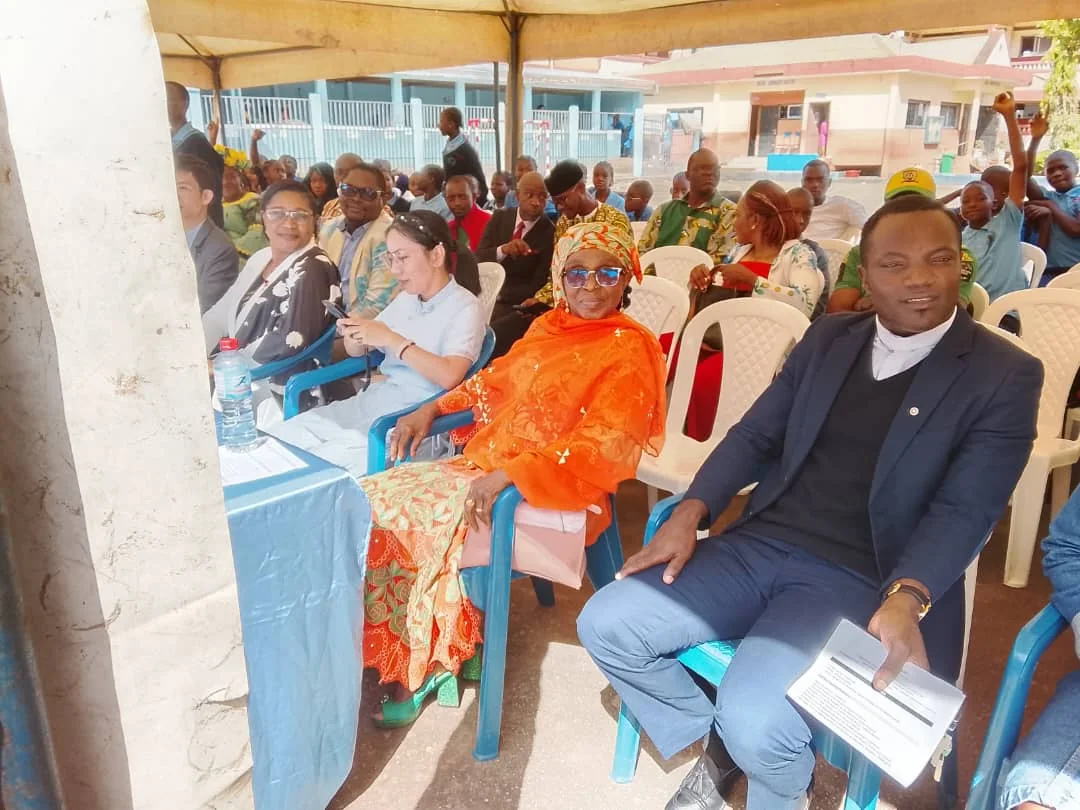
An audience seated under a tent, including a woman in orange in the foreground, attends a ceremony.

Human resources departments note the same mistakes every year, almost all avoidable. Knowing them clearly increases your chances of being selected for interview.

File mistakes

  • Sending a generic letter that mentions neither the post nor the service;
  • Submitting after the deadline, or the night before at midnight, when the connection becomes unreliable;
  • Forgetting copies of diplomas or attaching illegible documents;
  • Giving an incorrect e-mail address or one that is never checked;
  • Confusing a partner’s vacancy with a civil service examination.

External traps

Beware of offers received by private message, requests for payment and promises of integration in return for money: these are scams. If in doubt, call the switchboard, consult the frequently asked questions or write via the Contact page. To be notified of new vacancies, subscribe to the newsletter and follow the calls for projects if you are an artist or project leader.

Training

Training for cultural careers

Schools and courses

Map of training in the sector, from university programmes to art schools, with admission requirements, course lengths and career prospects.

Vocational training

Scholarships

Training and mobility support for studying in Cameroon or abroad, with application calendars and required documents.

Scholarships

Cultural entrepreneurship

Creating your own organisation rather than being an employee: choice of status, taxation, professional networks, incubators and initial funding.

Set up your organisation
Glossary

The vocabulary of recruitment

Competitive examinations

Tests ranking candidates for access to a civil service corps.

MINFOPRA

Ministry responsible for the public service and administrative reform, which organises the examinations.

SIGIPES

Integrated State personnel and payroll management system, register of public officials.

Talent pool

Database of applications kept for future recruitments.

Contract staff

Official recruited under an employment contract, without civil servant status.

Established status

Decision confirming an official in a civil service corps after their probationary period.

Casual work

Work paid by the hour or by the session, in particular for teaching.

Job description

Document describing the duties, reporting line and profile expected for a post.

Internship agreement

Agreement signed between the institution, the intern and the host organisation.

Supervisor

Officer responsible for guiding and assessing an intern during their placement.

Journey

They were recruited

“
The process was transparent and every stage was notified to me: I knew where my file stood.
A project officer
Centre
“
I started as an intern and joined the team a year later, after sending an unsolicited application.
A delegation officer
West
“
The interview focused on the duties of the service: having read the Ministry’s texts really helped me.
A file manager
Littoral
“
My institution signed the agreement within forty-eight hours and my supervisor gave me real files to work on.
A communications intern
South-West
Rules

Recruitment rules and resources

Employers

The organisations recruiting with us

Partners

Our partners’ vacancies

Questions

Apply without falling into traps

Do I have to pay to apply?

No: no recruitment or internship at the Ministry requires fees, commissions or payment to an intermediary. Any request for money, even presented as a formality, must be reported immediately through the reporting form or to the human resources department.

How can I check that a vacancy is genuine?

It appears on this page or on the Careers page, with a deadline and a reporting service. Beware of offers received by private message, without an official address, or promising quick integration into the civil service.

Does SIGIPES allow registration for an examination?

No. SIGIPES is a management register for staff already recruited; it is not used to submit an application. Examinations are opened by notices published by the ministry responsible for the public service, which states the documents required and the place of submission.

Does the Ministry organise competitive examinations?

Competitive examinations for entry into the civil service corps come under the ministry responsible for the public service. The Ministry of Arts and Culture states its staffing needs, then welcomes the successful candidates assigned to its services.

Can I apply if I live in a region?

Yes. Many posts are in regional delegations and some interviews can be held on site. State in your letter the region where you can work and your availability, which makes assignment easier.

How long is my unsolicited application kept?

Twelve months in principle. After that period, it leaves the pool; you can renew it by updating it. You can also request its deletion at any time by writing to the human resources department.

Is an internship paid?

It depends on the duration and the agreement. In each offer the Ministry states the conditions for any allowance, the place of hosting and the possibility of covering certain costs. Read the notice before applying.

What should I do if I receive no reply?

Write to the human resources department, quoting the title of the vacancy and the date of submission. Unsuccessful applicants receive a written reply; if the silence is unusual, follow up two weeks after the end of the selection period.

Contact

Ask a question about a recruitment

State the vacancy, internship or examination concerned and your situation: your message is forwarded to the human resources department.

Competent service

Contact human resources

Address

Directorate of Human Resources
Ministry of Arts and Culture
Quartier du Lac – Ministerial Zone
P.O. Box 1053 Yaoundé, Centre Region, Cameroon

Reach us

+237 6 51 70 58 41

contact@minac.gov.cm

Opening hours

Monday to Friday, 8 am to 4 pm

A vacancy that interests you?

Prepare your file, reread the job description and submit your application before the deadline.

Careers at the Ministry
WhatsApp