Coat of arms of CameroonMinistry of Arts
and Culture
Republic of Cameroon
My procedures
Home
Minister’s message
News
Press releases
Cultural calendar
Official speeches
Press review
Photo library
Video library
Calls for projects
Job vacancies
Public procurement
Newsletter
Frequently asked questions
Site map
Contact
Press area
Podcast “The Voice of Culture”
Legal notices
Privacy policy
Cookies and trackers
The Ministry
Missions and responsibilities
Organisation
Organisation chart
Minister’s Office (Cabinet)
Management team
General Secretariat
General Inspectorate
Central directorates
Regional Delegations
Institutions under supervision
Legislative texts
Regulatory texts
Sector strategy
Major projects
Budget and reports
Partners
Careers
Archives
Institutional communication
Quality and accessibility
Arts
Visual and plastic arts
Visual arts
Performing arts
Theatre
Dance
Music
Literature and books
Cinema and audiovisual
Photography
Fashion and design
Digital arts
Art crafts
Artists’ directory
Residencies
Prizes and awards
Arts education
Urban arts
Heritage
Tangible heritage
Intangible heritage
UNESCO sites
National museums
Listed monuments
National inventory
Palaces and chiefdoms
Archaeology
Linguistic heritage
Oral traditions
Traditional know-how
Restitution of cultural property
Fight against illicit trafficking
Listing and protection
Conservation and restoration
Heritage Days
Cultural landscapes
Industries
Music and recording
Cinema
Publishing and books
Digital arts
Fashion and creativity
Crafts
Cultural tourism
Funding for culture
Support funds
Incubators
Cultural entrepreneurship
Culture Observatory
Vocational training
Studies and reports
Sector statistics
Export and outreach
Intellectual property
Copyright
Legal framework
Copyright and neighbouring rights
Collective management societies
Register a work
Licences
Private copying
Fight against piracy
Model contracts
Social status of artists
Mediation
Disputes
Training
Fee scales
Register of works
Contact
Digital neighbouring rights
Public domain
Festivals
National calendar
Ngondo
Nguon
Écrans Noirs
Heritage Days
Music Day
Regional festivals
Fairs and exhibitions
Biennials
National competitions
Cultural days
Organise a festival
Event grants
Ticketing
Archives
Volunteering
Diaspora festivals
Regions
Adamawa
Centre
East
Far North
Littoral
North
North-West
West
South
South-West
Cultural map
Regional Delegations
Traditional chiefdoms
National languages
Cultural routes
Decentralised cooperation
Regional observatory
Cooperation
UNESCO
Francophonie (OIF)
African Union
Commonwealth
CEMAC
Bilateral cooperation
Cultural agreements
Professional organisations
Scholarships
Artist exchanges
Cultural years
Diaspora
Funded projects
Embassies
Technical partners
International restitution
International monitoring and calls
Services
Artist card
Show authorisation
Filming authorisation
Festival authorisation
Deposit of a work
Export of works of art
Listing of a property
Grant application
Association accreditation
File tracking
Forms
Fees
Opening hours and addresses
Reporting
Online help
My account
One-Stop Shop
Home

Cultural calendar

Cultural calendar of Cameroon: calendar of the month, events by region, event submission and export in calendar format, from participation in the Francophonie Games to the major December festivities.

Updated on 5 November 20264 sub-pages
Events announced in the calendar8
Regions represented5
Next submission deadline5 Nov.
Export format.ics
How it works

A calendar shared by everyone in culture

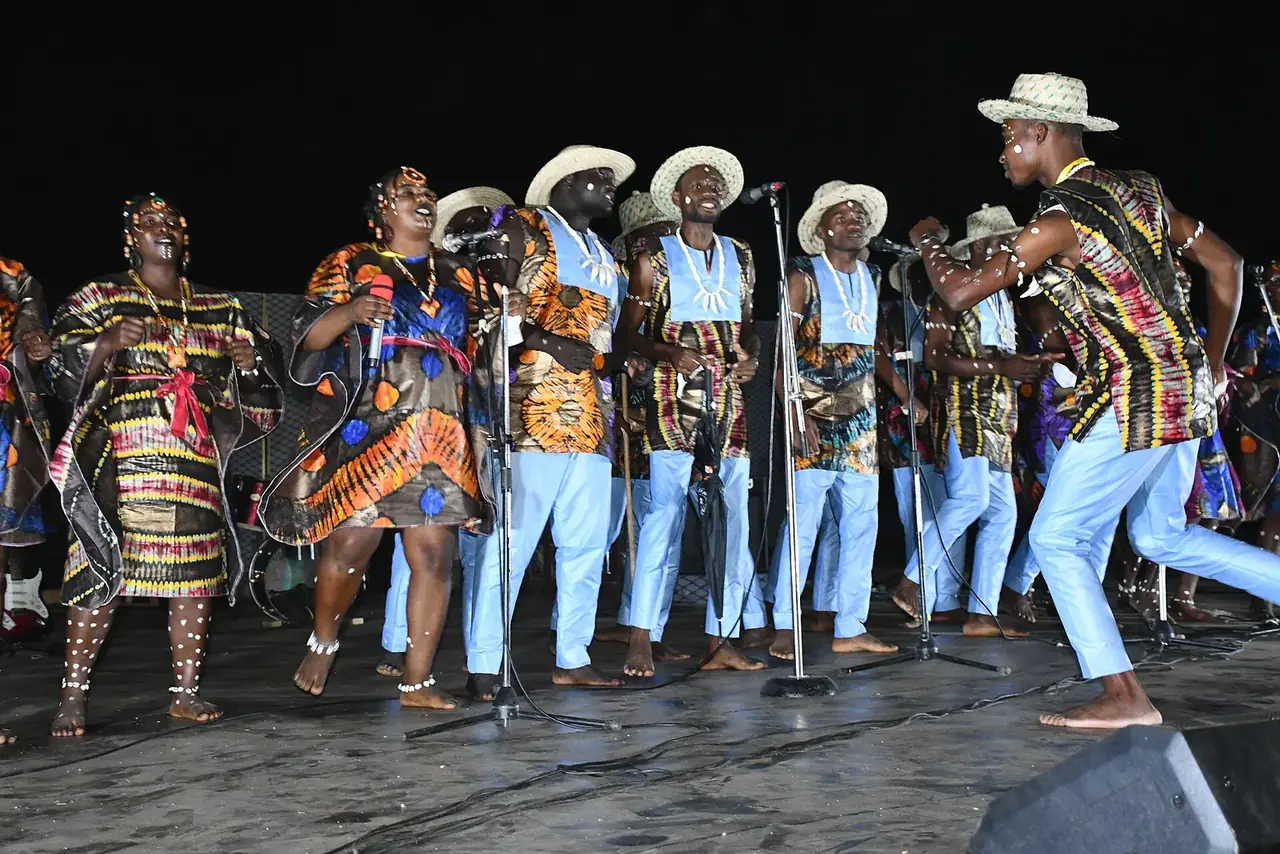
Troupe in colourful outfits on stage at the Maroua cultural festival

The calendar brings together the events announced by the Ministry, its regional delegations and approved organisers: festivals, fairs, exhibitions, performances, training courses, themed days and file submission deadlines. Each event shows the date, the venue and a link to its presentation page.

Organisers’ submissions are examined before publication, in order to guarantee reliable information. The calendar is updated every week, and it can be taken into your personal calendar. The first event of the season is that of 28 October 2026: the Ministry’s participation in the Francophonie Games in Yerevan, Armenia.

  • Events verified before publication
  • Weekly update
  • Export to your personal calendar
Suggest an event
Month by month

The calendar of the month: reading the calendar and planning your season

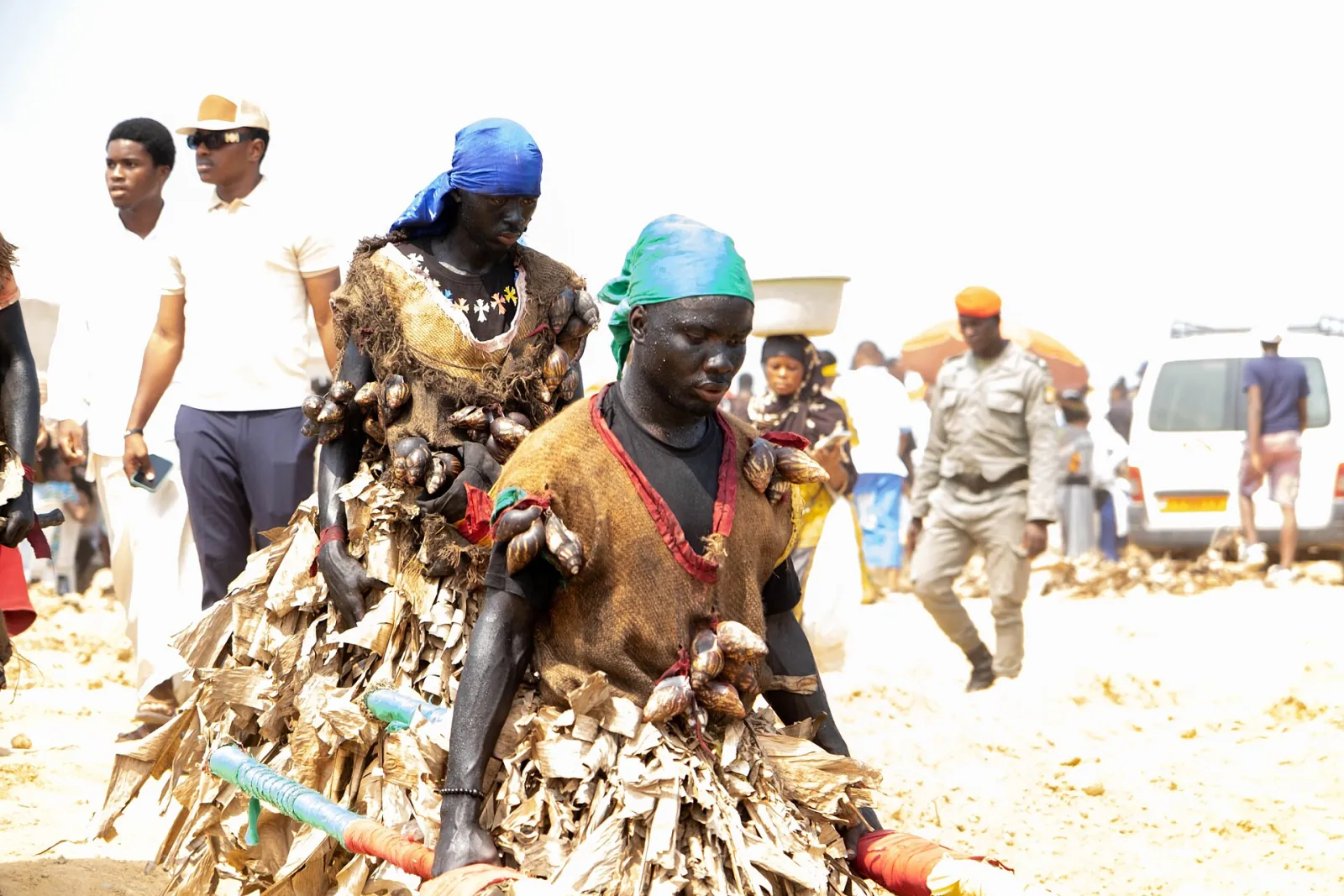
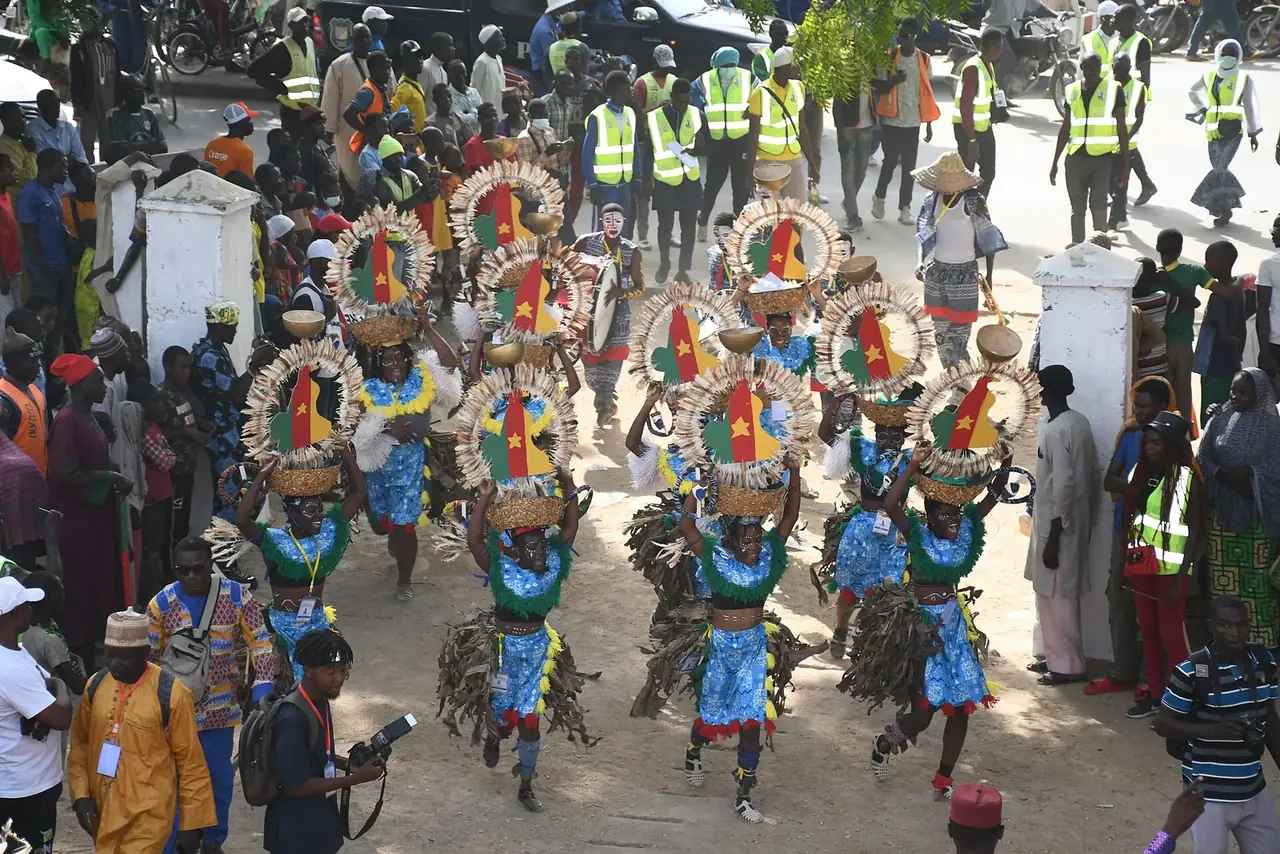
Dancers in raffia costumes at a cultural festival

The calendar presents events in chronological order, from the nearest date to the furthest. Each line combines four pieces of information: the date, the title, the venue and a short description. One click opens the detailed sheet, with the programme, access conditions and the organiser’s contact.

A season that opens in Yerevan

On 28 October 2026, the Ministry takes part in the Francophonie Games in Yerevan, Armenia, within the framework of cooperation with the Francophonie. Next come the opening of file submissions for the call for projects for the performing arts (5 November), the National Heritage Days (14 November), the contemporary dance meetings in Yaoundé (21 November) and the book and reading fair in Douala (28 November).
December, the month of festivities

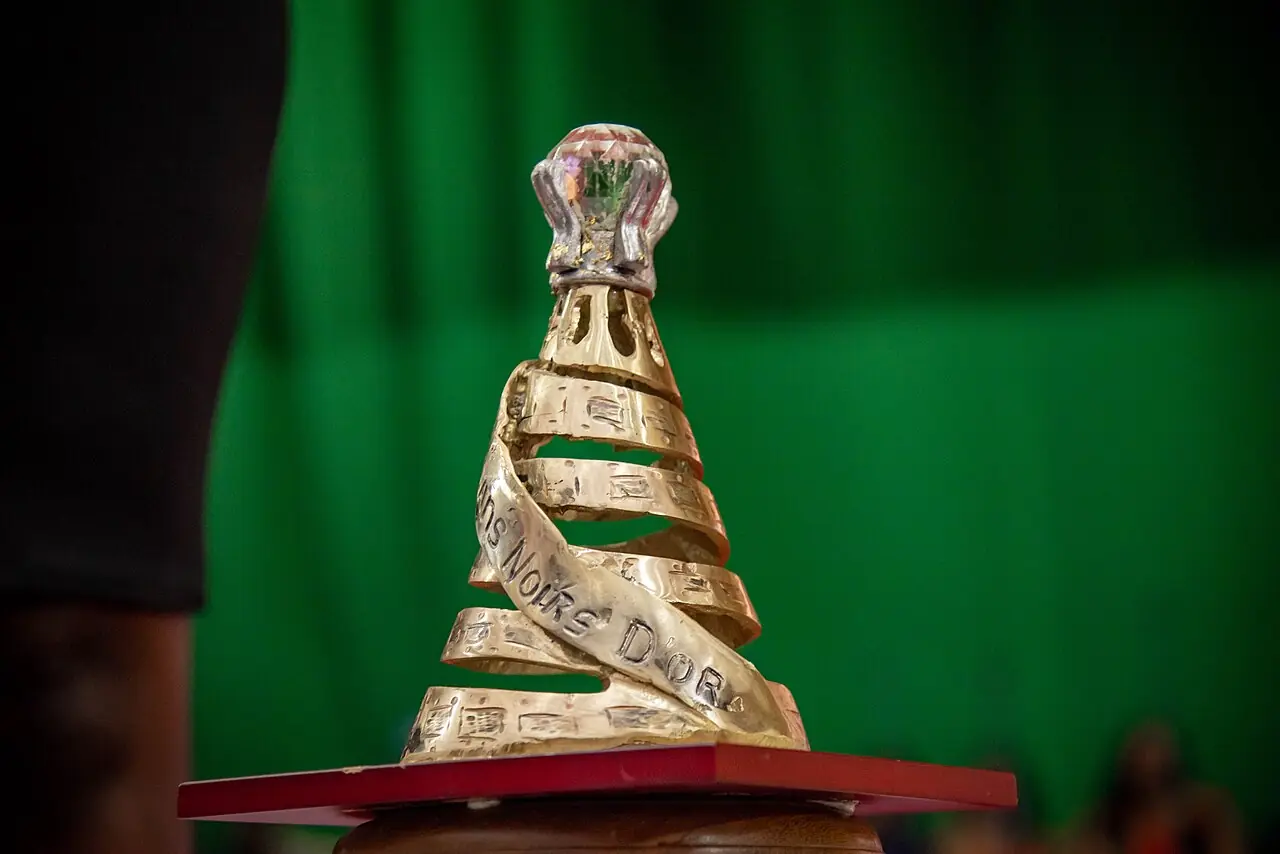
The end of the year concentrates the major events: the Ngondo on 6 December in the Littoral, the Nguon from 4 to 13 December in Foumban, the nights of music on 12 December in Bafoussam and the Écrans Noirs on 19 December. The full calendar appears on the national festival calendar page.

Planning tips

  • Note the deadlines before the performance dates: a file is submitted several weeks in advance;
  • Check the performance authorisation before announcing a date;
  • Plan travel between regions for tours.
ℹ️
Dates liable to change

Before travelling, consult the event sheet: the organiser flags any change of venue or time there.

Calendar

Events in the coming weeks

In the ten regions

The calendar by region: where the events take place this season

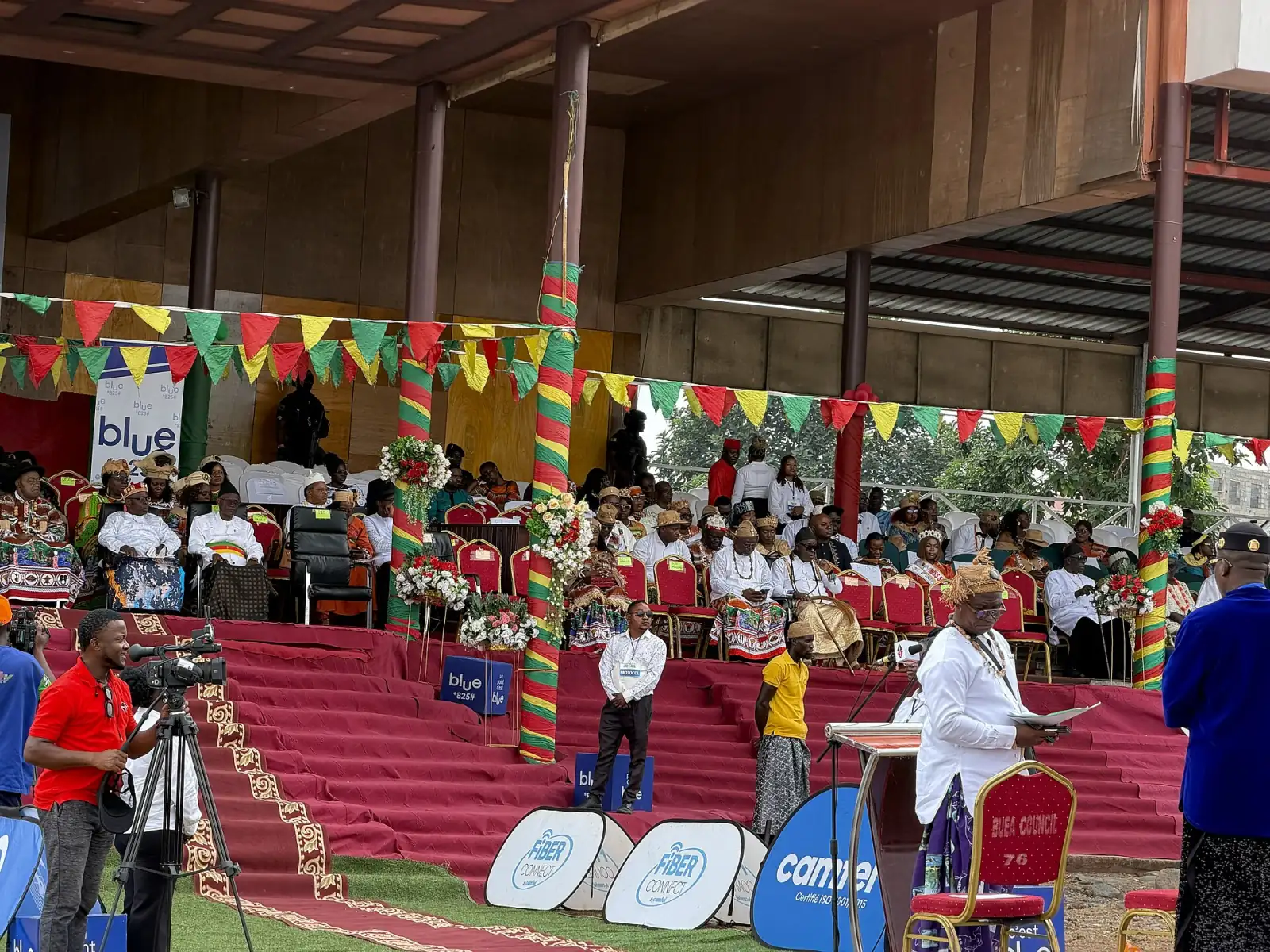
Decorated grandstand in national colours during the South West Festival of Culture

Cameroon’s cultural life is spread across ten regions, each with its own character. The calendar lets you choose a region to discover its specific features and the number of events announced.

Centre and Littoral, the two hubs

The Centre, with Yaoundé, concentrates museums, theatres and festivals, including the contemporary dance meetings. The Littoral, with Douala, hosts the Ngondo, fairs and a dense music scene.

The West and North-West, lands of chiefdoms

The West combines chiefdoms, crafts and music; Foumban hosts the Nguon there. The North-West brings together the Grassfields and its House of Culture.

From North to South

The Far North offers the Mandara Mountains and the traditions of the Sahel, while the Adamawa, the North, the East, the South and the South-West contribute through their festivals, such as Bia So Mengong in the South or the cultural camps of the South-West.

Figures and findings

The announced events are unevenly distributed: four for the Centre, two for the Littoral, one for the West and one for the North-West, while the Far North has none yet for the current season. The delegations concerned are working with local organisers to complete the calendar.

To choose an itinerary, the cultural map and the cultural itineraries offer themed routes.

Map of events

The calendar region by region

Choose a region to see its features and the number of events announced.

For organisers

Submitting an event: who can do it and under what conditions

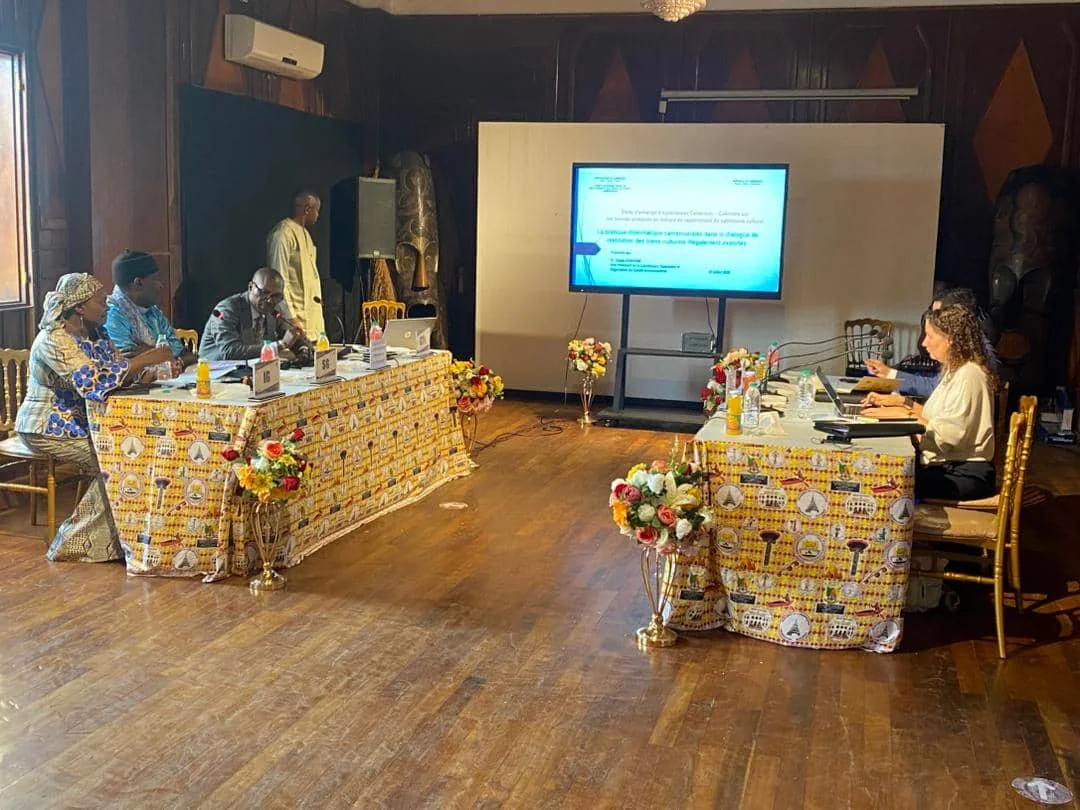
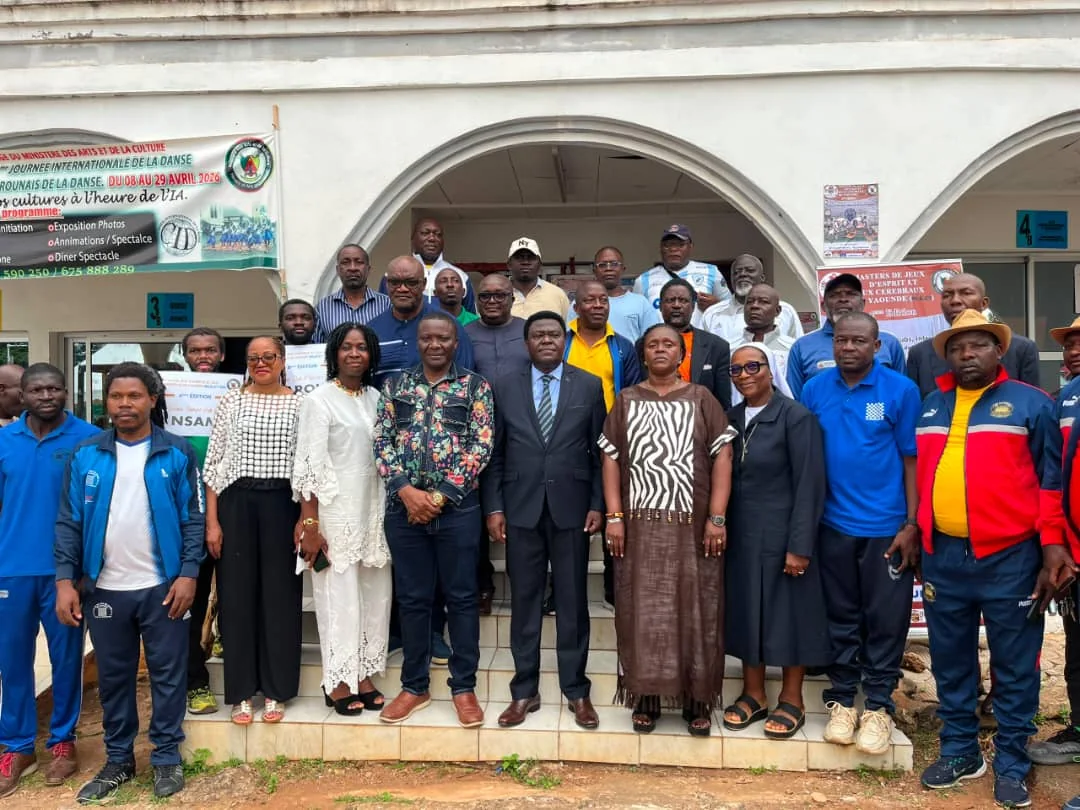
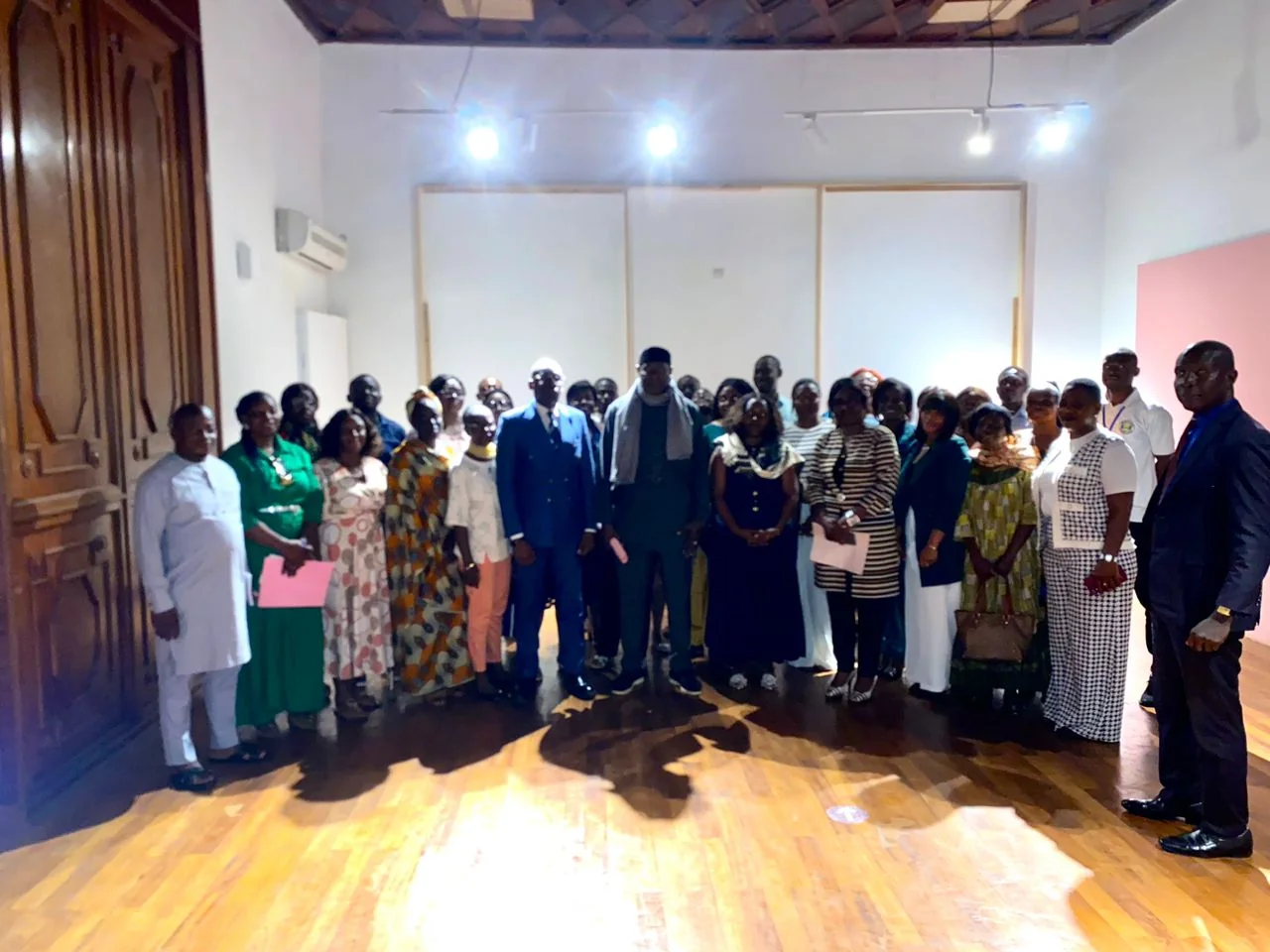
Group of participants in varied outfits posing in the middle of a wooden-floored hall during a Ministry meeting

Any organiser, association, company, local authority or institution may submit an event open to the public. The submission is examined by the regional delegation concerned, which checks the accuracy of the information before publishing it. This check protects the public against approximate announcements.

What to provide

  • The title of the event and its nature (festival, exhibition, performance, workshop);
  • The date, time, precise venue and access for people with reduced mobility;
  • A brief programme, the expected audience and any prices;
  • The name of the organising body and a contact who can be reached.

Deadlines

Ideally, the submission arrives several weeks before the event. The delegation replies after checking, and the event is published in the calendar at the weekly update.

ℹ️
Before submitting

Provide the date, venue, programme, expected audience and a contact. For an online application, go through the One-Stop Shop.

Step by step

Submitting your event in five steps

Describe the event

Gather the title, date, venue, programme and target audience in a one-page sheet, proofread by your team.

Obtain the authorisations

If the event is public, submit the authorisation requests to the One-Stop Shop and keep your file numbers.

Send the submission

Use the contact form or contact the regional delegation for your area with the complete sheet.

Wait for the check

The delegation checks the information, may request clarification, then validates publication in the calendar.

Keep it up to date

Report any change of date or venue; the calendar is updated every week to remain reliable.

Personal calendar

Exporting the calendar: importing events into Google Calendar, Outlook or your phone

Meeting room with a projection screen during a Ministry workshop

Download the calendar in calendar format (.ics) to import it into your usual application. The file includes the published events with their date, venue and a link to their page. It is available at /agenda-culturel.ics.

Importing the file

  1. Download the file from the link above;
  2. Open your calendar application (phone, computer or mail client);
  3. Choose “Import” and select the downloaded file;
  4. Check that the events appear on the right date and in the right time zone.

Staying up to date

To follow updates, re-import the file from time to time: as the calendar is updated every week, a new import adds the events announced since the last time. Remember to delete the old calendar first to avoid duplicates.

Time zones and reminders

Times are expressed in Yaoundé time. If you travel or follow an event from abroad, your application will convert the time automatically. You can also add a reminder one day before each event to prepare your trip.

To be notified of new items without opening the calendar, subscribe to the newsletter.

ℹ️
Download

The file is available at /agenda-culturel.ics.

Overview

The cultural season from October 2026 to January 2027

Late OctoberOpening to the international scene

On 28 October, participation in the Francophonie Games in Yerevan, Armenia, the first stage of the season’s calendar.

NovemberHeritage and calls

Submissions open on 5 November, National Heritage Days on the 14th, contemporary dance in Yaoundé and the book fair in Douala.

DecemberThe major festivals

Nguon in Foumban, Ngondo in Douala, nights of music in Bafoussam and Écrans Noirs in Yaoundé punctuate the end of the year.

JanuaryMobility scholarships

Deadline for young creators’ mobility scholarships on 15 January 2027 and first programme of the year.

Throughout the yearCamps and regional festivals

The delegations run holiday camps, local festivals and bookmobiles in the regions, announced as they are confirmed.

Authorisations

The useful authorisations before announcing an event

Venues

The venues that host the events

Deadlines

The deadlines to remember

Choose

Finding an event that suits you

Stage

Theatre, dance, music: performances, meetings and festivals in halls and public squares.

Performing arts

Heritage

Heritage days, visits to museums, palaces and listed sites in the regions.

Heritage

Books and screens

Book fairs, film previews, screenings and meetings with authors.

Cinema and audiovisual

Creative economy

Forums, funding workshops and meetings for cultural entrepreneurs.

Industries
Audiences

A calendar for every audience

General public

Outings, performances and visits near you, with prices and accessibility information.

By regionFestivals

Professionals

Fairs, forums and meetings to develop contacts, sales and co-productions.

Fairs and exhibitionsCultural entrepreneurship

Artists and companies

Calls for projects, residencies, prizes and competitions to fund and distribute your creations.

Calls for projectsResidencies

Teachers and families

Heritage days, workshops for children and arts and culture holiday camps.

Arts educationHeritage Days
Glossary

The vocabulary of the cultural calendar

Biennial

An event held every two years, such as the Venice Biennale where Cameroon is represented.

Preview

First public presentation of a work before its official release.

Residency

A creative stay granted to an artist in an equipped venue, with support.

.ics file

A universal calendar format that allows events to be imported into a personal calendar.

Deadline

The last day to submit a file, an application or an authorisation request.

Open stage

A show where anyone can present a short performance in front of the audience.

Private view

The opening evening of an exhibition, in the presence of the artists.

Masterclass

A working session in which an established artist passes on their practice to a small group.

Programmer

A professional who chooses the performances and artists presented in a venue or festival.

Ticketing

A service that sells or distributes admission tickets to an event.

For organisers

The sheets and guides for announcing an event

Organisers

They announced their event in the calendar

“
Appearing in the national calendar brought us an audience from across the region, including neighbouring towns.
A festival director
Littoral
“
The online submission is simple, and the delegation replied quickly, with a useful request for clarification.
A company manager
Centre
“
We imported the file into our phones: the whole team follows the season without re-entering anything.
An association coordinator
West
“
Thanks to the deadlines displayed, we submitted our residency file before the closing date.
A visual artist
North-West
Programming

The partners in programming

Highlights

The festivals of the season not to be missed

Behind the scenes

Those who bring the calendar to life

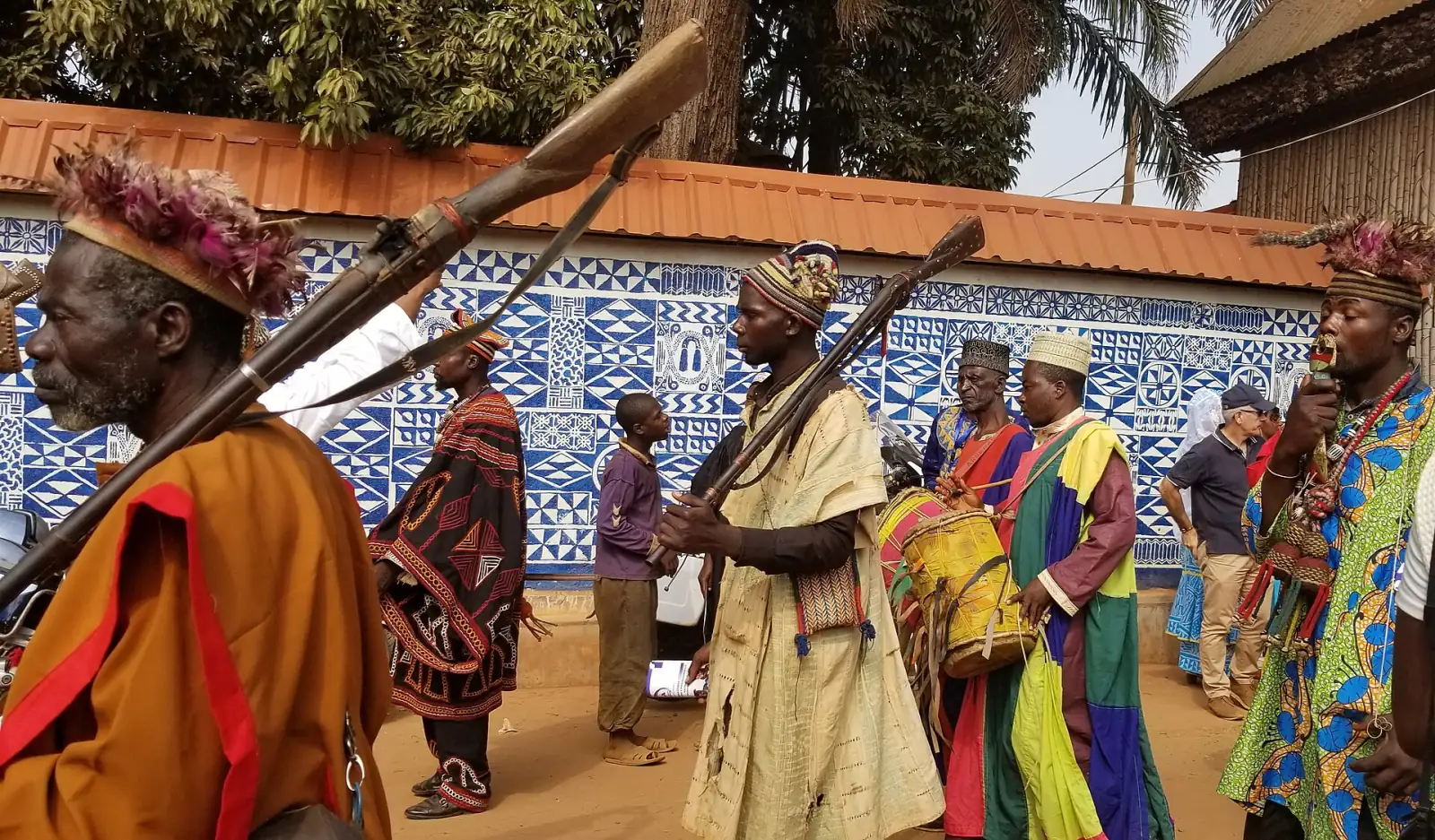
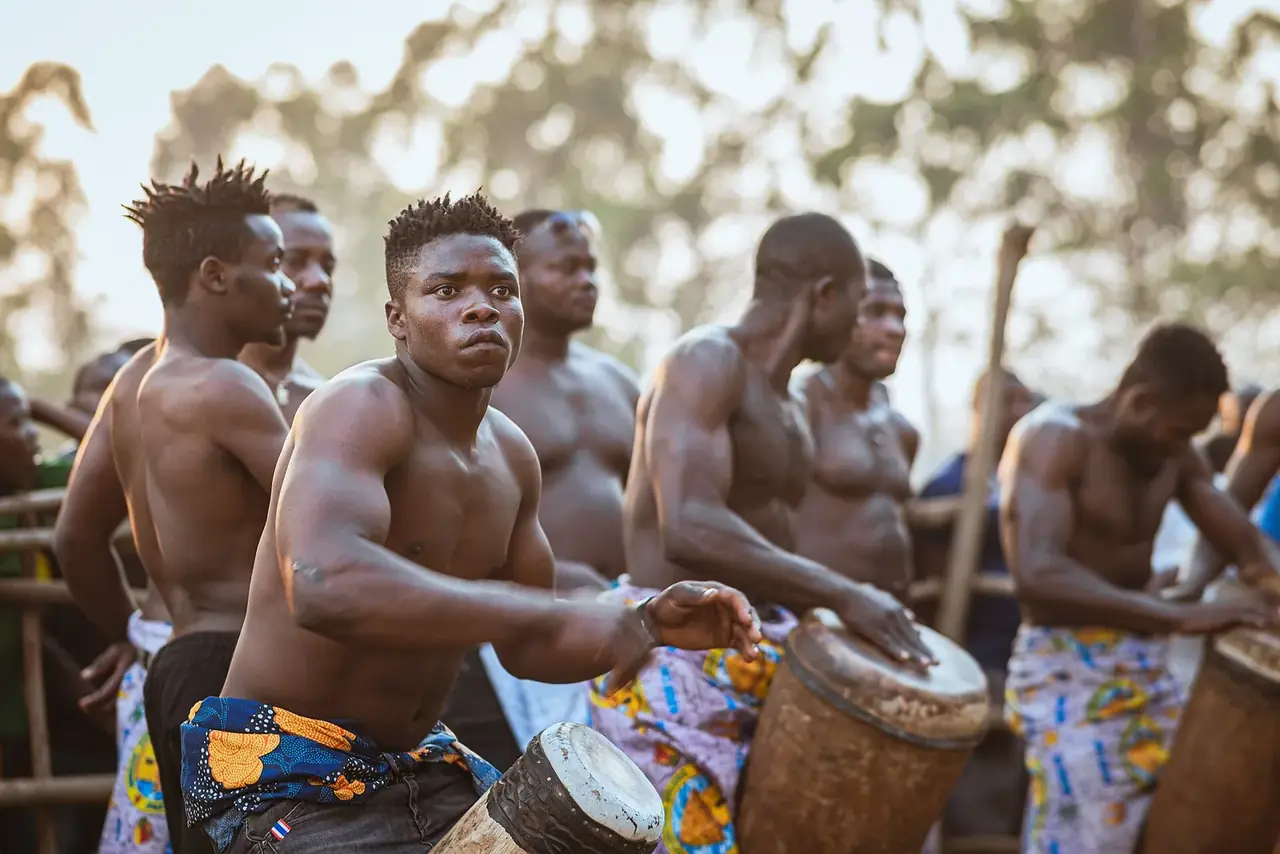
Bamileke drummers at a celebration/ Littoral
A festival director

“A festival is a promise kept to its audience and its neighbourhood.”

/ Centre
A programmer

“I consult the calendar every week to spot companies before putting together my season.”

/ West
A delegation officer

“I check every sheet, I call the organiser back and I update as soon as a date changes.”

/ South-West
A volunteer

“I prepare the welcome of the public: signposting, ticketing, seating arrangements and refreshments.”

Detail

The festivals of the season in detail

DateFestivalRegionDiscipline
14/11/2026National Heritage DaysTen regionsHeritage
21/11/2026Contemporary Dance EncountersCentreDance
28/11/2026Book and Reading FairLittoralBooks
04/12/2026Nguon (until 13 December)WestTraditions
06/12/2026NgondoLittoralTraditions
12/12/2026Music NightsWestMusic
19/12/2026Écrans NoirsCentreCinema
Questions

Your questions about the cultural calendar

Must a free event be listed in the calendar?

Yes, as long as it is open to the public. Being free of charge does not exempt you from any authorisation required, but it makes communication easier: a free and well-announced event attracts more people. Provide the same information as for a paid event.

How far in advance should an event be submitted?

Ideally several weeks before, to give the regional delegation time to check the information and, if necessary, to ask you for additional details. For a major festival, allow more time, because authorisation and public safety take time.

How do I know whether my event has been accepted?

The regional delegation replies by e-mail after checking. If the information is complete and accurate, the event is published at the weekly update. In case of doubt, it asks you for clarification, then validates the submission.

Can I modify or cancel an event that has already been published?

Yes. Write to the delegation stating the published title and date as well as the change you want: new date, new venue or cancellation. The calendar is updated every week, but an urgent cancellation is handled more quickly.

Is the calendar available in my personal calendar?

Yes, the file /agenda-culturel.ics can be imported into most calendar applications. It contains the published events with their date, venue and a link to their page. Re-import it from time to time to pick up new items.

What is the first event of the season?

The first event of the season is the Ministry’s participation in the Francophonie Games in Yerevan, Armenia, on 28 October 2026. National events follow from 5 November, with the opening of submissions for the call for projects for the performing arts.

Which regions are represented?

The calendar covers the ten regions. The published events are currently concentrated in the Centre, Littoral, West, North-West and Far North, but each delegation can add its events as soon as the organiser confirms the date and venue.

How do I announce a private or invitation-only event?

The calendar is reserved for events open to the public. An invitation-only evening, an internal meeting or a closed training course cannot appear in it, but you can inform the regional delegation so that it takes it into account in its programming.

Programming

Contact the calendar service

Address

Cultural Programming Service
Ministry of Arts and Culture
Quartier du Lac – Ministerial Zone
P.O. Box 1053 Yaoundé, Centre Region, Cameroon

Reach us

+237 6 51 70 58 41

contact@minac.gov.cm

Opening hours

Monday to Friday, 8 am to 4 pm

An event to announce?

Write to us: your submission will be forwarded to the regional delegation concerned.

Write to the Ministry
WhatsApp