Coat of arms of CameroonMinistry of Arts
and Culture
Republic of Cameroon
My procedures
Home
Minister’s message
News
Press releases
Cultural calendar
Official speeches
Press review
Photo library
Video library
Calls for projects
Job vacancies
Public procurement
Newsletter
Frequently asked questions
Site map
Contact
Press area
Podcast “The Voice of Culture”
Legal notices
Privacy policy
Cookies and trackers
The Ministry
Missions and responsibilities
Organisation
Organisation chart
Minister’s Office (Cabinet)
Management team
General Secretariat
General Inspectorate
Central directorates
Regional Delegations
Institutions under supervision
Legislative texts
Regulatory texts
Sector strategy
Major projects
Budget and reports
Partners
Careers
Archives
Institutional communication
Quality and accessibility
Arts
Visual and plastic arts
Visual arts
Performing arts
Theatre
Dance
Music
Literature and books
Cinema and audiovisual
Photography
Fashion and design
Digital arts
Art crafts
Artists’ directory
Residencies
Prizes and awards
Arts education
Urban arts
Heritage
Tangible heritage
Intangible heritage
UNESCO sites
National museums
Listed monuments
National inventory
Palaces and chiefdoms
Archaeology
Linguistic heritage
Oral traditions
Traditional know-how
Restitution of cultural property
Fight against illicit trafficking
Listing and protection
Conservation and restoration
Heritage Days
Cultural landscapes
Industries
Music and recording
Cinema
Publishing and books
Digital arts
Fashion and creativity
Crafts
Cultural tourism
Funding for culture
Support funds
Incubators
Cultural entrepreneurship
Culture Observatory
Vocational training
Studies and reports
Sector statistics
Export and outreach
Intellectual property
Copyright
Legal framework
Copyright and neighbouring rights
Collective management societies
Register a work
Licences
Private copying
Fight against piracy
Model contracts
Social status of artists
Mediation
Disputes
Training
Fee scales
Register of works
Contact
Digital neighbouring rights
Public domain
Festivals
National calendar
Ngondo
Nguon
Écrans Noirs
Heritage Days
Music Day
Regional festivals
Fairs and exhibitions
Biennials
National competitions
Cultural days
Organise a festival
Event grants
Ticketing
Archives
Volunteering
Diaspora festivals
Regions
Adamawa
Centre
East
Far North
Littoral
North
North-West
West
South
South-West
Cultural map
Regional Delegations
Traditional chiefdoms
National languages
Cultural routes
Decentralised cooperation
Regional observatory
Cooperation
UNESCO
Francophonie (OIF)
African Union
Commonwealth
CEMAC
Bilateral cooperation
Cultural agreements
Professional organisations
Scholarships
Artist exchanges
Cultural years
Diaspora
Funded projects
Embassies
Technical partners
International restitution
International monitoring and calls
Services
Artist card
Show authorisation
Filming authorisation
Festival authorisation
Deposit of a work
Export of works of art
Listing of a property
Grant application
Association accreditation
File tracking
Forms
Fees
Opening hours and addresses
Reporting
Online help
My account
One-Stop Shop
Copyright

Register a work

Declare a work to date its existence: online procedure, form, documents to attach by type of creation, receipt, file tracking and difference from legal deposit.

Updated on 6 November 20264 sub-pages
SubmissionOnline
Required to be protectedNo
Proof issuedDated receipt
TrackingFile number
Procedure

Date your creation

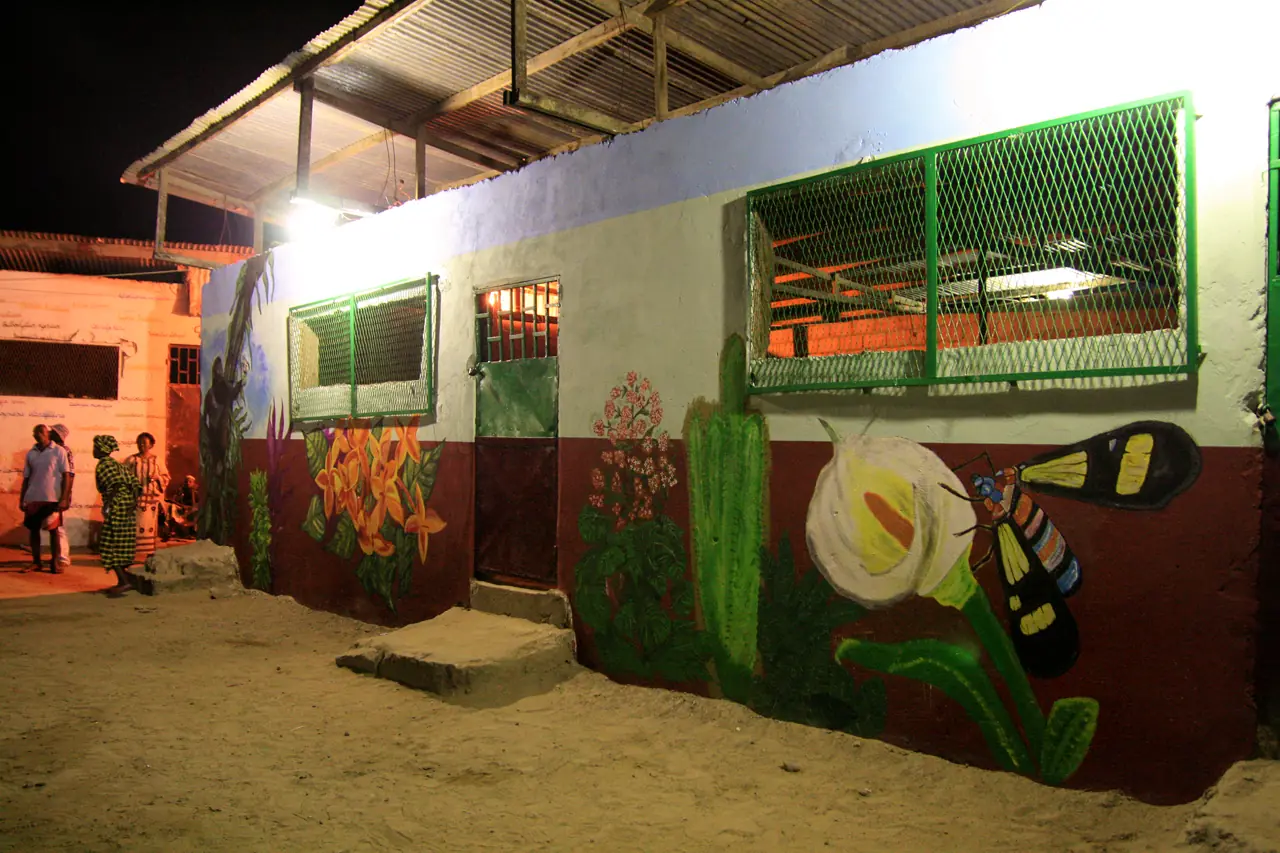
Mural painted on the wall of a house, urban art

Your work is protected from the moment you create it: no formality is required by Law No. 2000/011 of 19 December 2000. But in the event of a dispute, you must be able to prove that you are the author and that the work existed on a given date. Declaration to the Ministry meets this need: it provides a dated receipt and a file number.

The procedure is carried out online, at the One-Stop Shop, in a few minutes. This page guides you from preparing the file to tracking the application, and helps you avoid the most frequent mistakes.

  • Online submission from a computer or a phone
  • Receipt with file number and certified date
  • Tracking at any time using the file number
See the procedure
Procedure

The declaration procedure, step by step

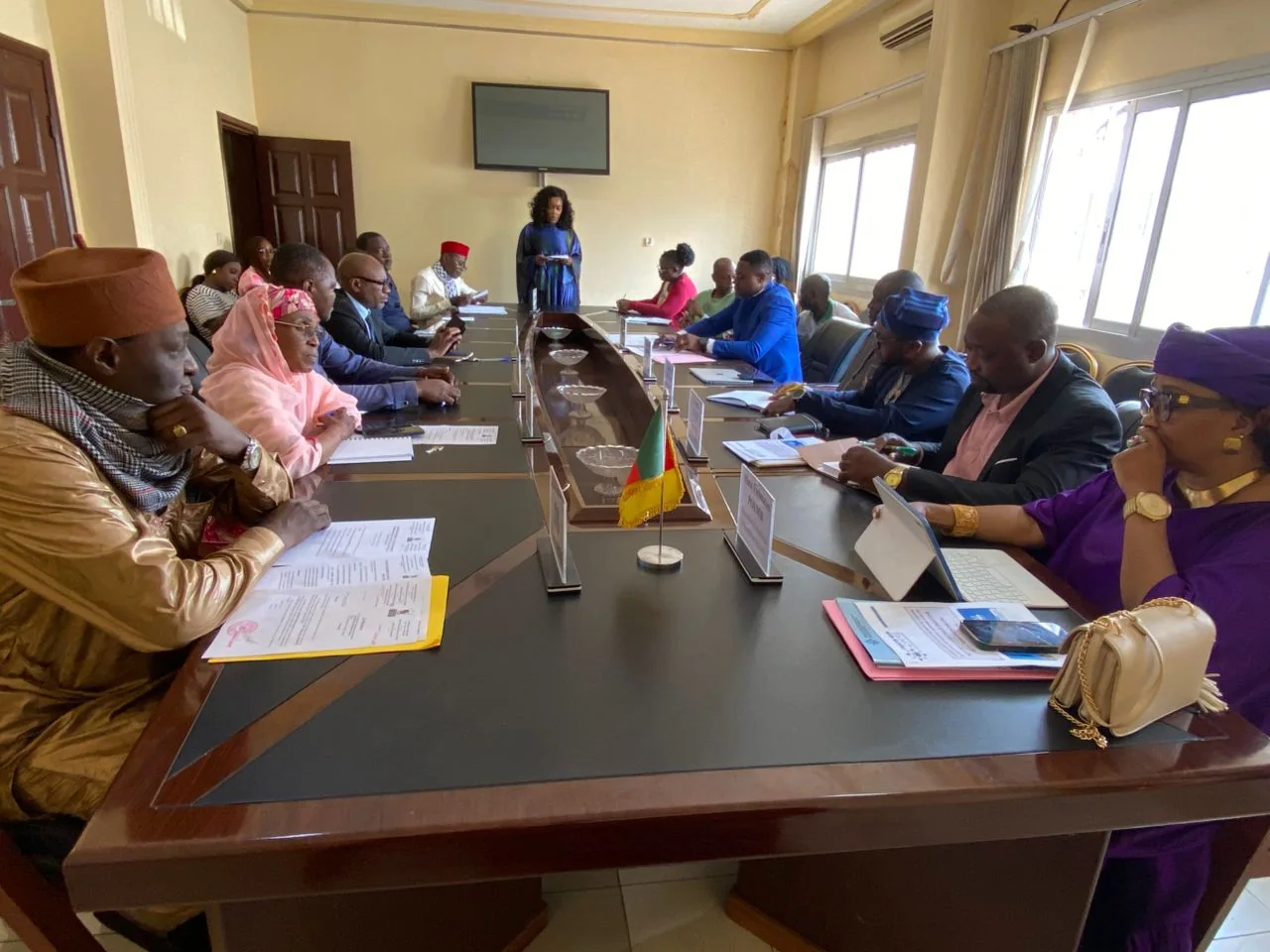
Working meeting around a large table in a Ministry room

A work is declared entirely online, without travelling. Allow about ten minutes if your file is ready. Here is the full process, from choosing the procedure to keeping the receipt.

Before you begin

Gather the work as a file (text, score, audio recording, video, image, plan, software) or a significant extract, your identity documents and, for a work by several hands, the agreement of each co-author. If you already have an online account, log in: your information will be pre-filled.
The online steps

  1. open the “Registration of a work” procedure on the One-Stop Shop or directly on the registration of a work page;
  2. fill in the form: title, nature of the work, author(s), date of creation;
  3. attach the copy or extract and the supporting documents;
  4. check the summary, accept the conditions and pay any fees, the details of which are given in the rates;
  5. confirm: a receipt and a file number are displayed and sent to you by e-mail.

After confirmation

The copyright service checks that the file is complete and that it has been entered in the register of works. You can follow progress using your file number. In the event of an anomaly, an officer will contact you to correct it.

ℹ️
Good to know

Declaring a work does not make it “more protected”: the law already protects it. The receipt merely dates the creation and makes it easier to prove authorship.

Form

Completing the declaration form without errors

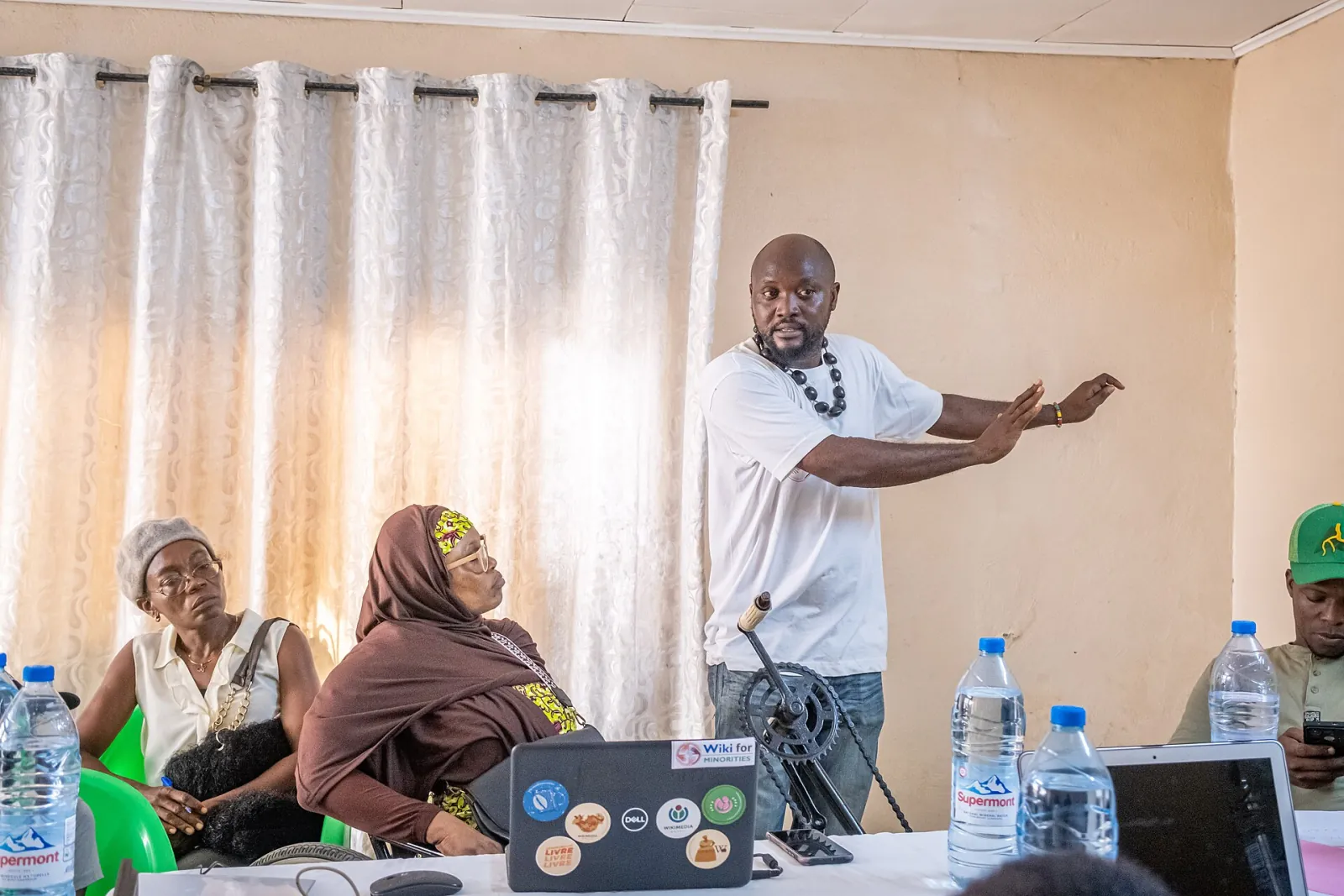
Trainer addressing participants seated around a table during a workshop

The online form asks for the title, the nature of the work, the author’s name and the date of creation. Each field matters: an error in a title or name can complicate proof several years later. All the forms on the site are gathered on the forms page.

Each field explained

  • Title: the final title of the work, as it will appear on the media. If the work has no title, give a working title and say so;
  • Nature of the work: novel, short story, song, score, play, choreography, film, photograph, painting, sculpture, software, database, applied art work;
  • Author(s): surname and first names of each author, or stage name with the civil-status names, and the capacity (author, composer, co-author);
  • Date of creation: the date on which the work took its current form, which may precede the date of registration;
  • Description: a presentation of two or three lines (genre, length, language, medium).

Particular types of work

A collaborative work must name all the co-authors. A composite work must name the pre-existing work used. A work inspired by folklore must state its cultural origin, see intangible heritage. Software is declared with its name and version.

Pseudonym and anonymous work

You may declare a work under a pseudonym or anonymously. Keep a record of your real identity: it will allow you to prove that you are the author.

ℹ️
Tip

Use the same names and spellings as in your contracts and your memberships of a collective management society.

Supporting documents

Supporting documents by type of work

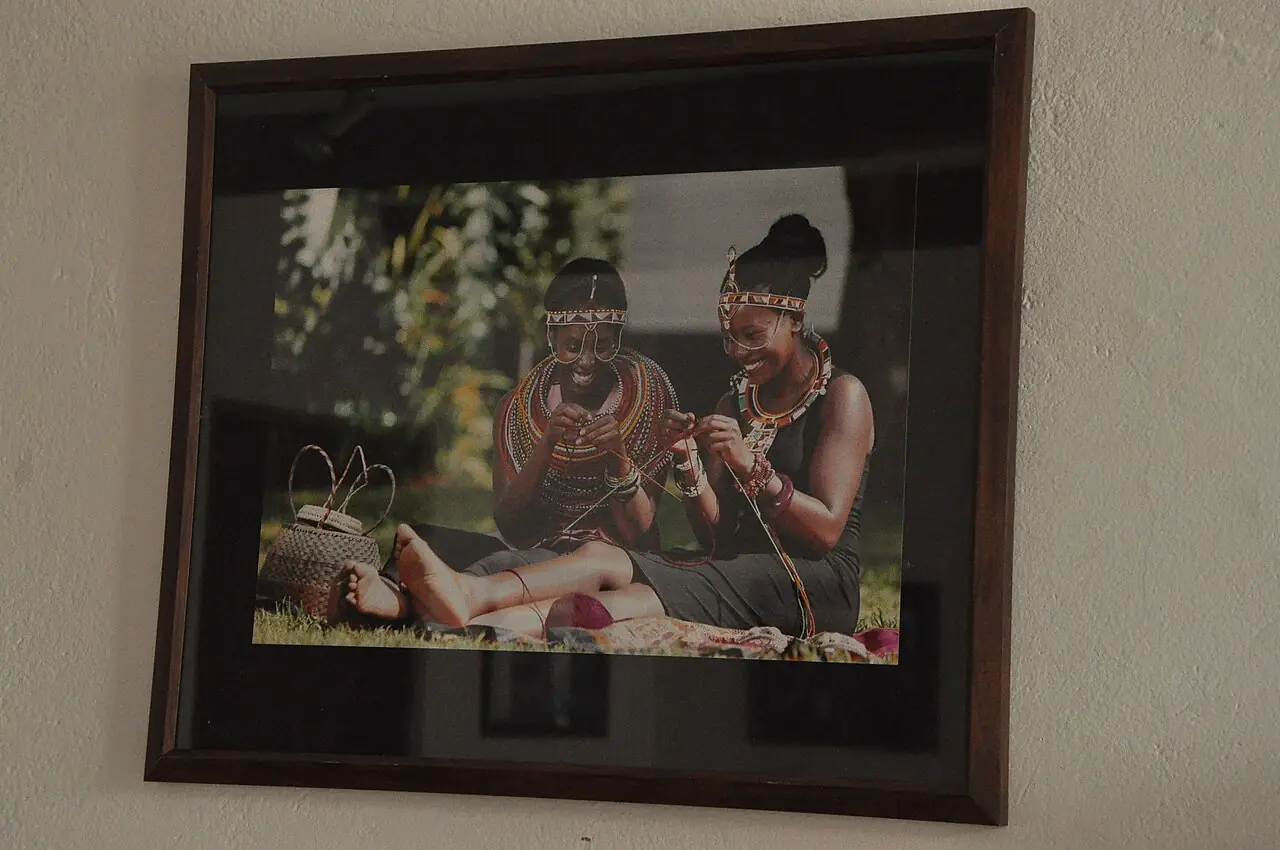
Framed photograph of two women in beads at an exhibition

The file always includes proof of identity, a copy or extract of the work and, where applicable, the co-authors’ agreement. The content of the copy varies according to the type of creation; the aim is for the file to be enough to identify unambiguously what is being declared.

By type of work

  • Text (novel, poem, play): the complete manuscript or an extract of several pages, in PDF format;
  • Music: the audio recording or score, and the lyrics for a song;
  • Choreography: a video recording or a descriptive notation, see the dance page;
  • Image (photograph, painting, drawing): a high-resolution file or a series of views;
  • Film and audiovisual: a significant extract, the synopsis and the credits;
  • Software and databases: the description, screenshots and an extract of the code or structure.

Identity documents

National identity card, passport or residence permit of the author. For a legal entity (publishing house, production company), attach the statutes and the representative’s mandate.

Co-authors’ agreement

For a work by several people, each co-author confirms their participation, either by signing the declaration themselves or by a written statement. A template statement is included in the model contracts.

Formats and size

Prefer common formats (PDF, MP3, MP4, JPEG) and check the size before sending. An unreadable file delays the application.

ℹ️
Common mistakes

Corrupted file, extract too short, author’s name different from the identity document, forgotten co-author: these four errors account for most correction requests.

Tracking

Tracking your declaration and using your receipt

Working meeting in a Ministry office under the high patronage of the Head of State

As soon as you confirm, you have a file number. Enter it on the file tracking page to find out the status of your declaration: received, under review, completed, registered. If you have an account, the history of your procedures is also kept there.

What should I do with the receipt?

The receipt is your proof of date. Keep it with the submitted file, in a safe place and in two forms (digital and printed). Attach it to your publishing, production or licensing contracts, present it to a collective management society when you join and produce it in the event of a dispute.

Amending or supplementing

Forgotten a co-author, corrected a title error or created a new version of the work? Write to the service quoting your file number. For a substantially reworked work, submit a new declaration instead: each version will have its own date.

ℹ️
File number

Note it down as soon as the receipt is displayed. It is essential for tracking, correcting or supplementing your declaration.

Step by step

Declaring a work in six steps

Prepare the file

Export the work or its extract in a common format and check that it opens correctly.

Open the procedure

Log in to the One-Stop Shop and choose “Registration of a work” from the list of procedures.

Fill in the form

Give the title, nature, authors, date of creation and a short description of the work.

Attaching the documents

Add the file, the identity document and, if needed, the agreement of each co-author.

Confirm and pay

Review the summary, confirm and pay any fees specified in the rates.

Keep the receipt

Note the file number, save the receipt and back up a copy of the submitted file.

Key facts

The procedure in a table

StageDetailDocument or linkOutcome
Choice“Registration of a work” procedure at the One-Stop ShopRegistration of a work pageForm opened
DescriptionTitle, nature, authors, date of creationOnline formDeclaration recorded
DocumentsIdentity document, copy or extract, co-authors’ agreementFiles attachedFile complete
CostsAccording to the rate scheduleRates pagePayment confirmed
ValidationSummary accepted by the declarantConfirmation screenReceipt and file number
TrackingEntering the file numberFile tracking pageProgress status
ProofKeeping the dated receiptReceiptProof of authorship and date
RegisterEntry of the declarationRegister of worksWork listed
Journey

From creation to receipt

CreationYour work exists

The work is protected from its creation, published or not, without formality, provided it is original.

PreparationThe file is ready

You gather the file, your identity documents and any co-authors’ agreement.

SubmissionThe online declaration

You complete the form at the One-Stop Shop and attach the documents.

ValidationThe receipt is issued

The system gives you a dated receipt and a file number, also sent by e-mail.

OversightThe file is checked

The copyright service checks completeness and enters the declaration in the register.

ExhibitionThe receipt serves as proof

You use it for your contracts, your membership of a society or any dispute.

To explore

After the declaration, pages to consult

“To declare is to date your creation: the day your authorship is challenged, a receipt in hand is worth more than a thousand memories.”

An officer of the copyright service
Feedback from the field

They have dated their creation

“
I declared my collection of short stories before sending it to several publishers; the receipt reassured me about the date of my manuscript.
An author
Yaoundé
“
There were three of us composing the album; each confirmed their share at the time of the declaration, which avoided tensions later.
A group of musicians
Douala
“
Registering my series of photographs took ten minutes from my phone, and the receipt arrived by e-mail.
A photographer
Maroua
“
I declared the choreography before the tour: when a foreign festival recorded it, my receipt served as proof.
A choreographer
Bafoussam
To act

Procedures after the declaration

Open the procedure

Declare your work online, from completing the form to obtaining the receipt.

Deposit a work

Track a file

Enter your file number to check the progress of your declaration.

Track my file

Consult the rates

Check any fees before starting the procedure, according to the official schedule.

View the fees

Get help

An officer guides you online with the form, the documents and file tracking.

Online help
To download

Help with declaring

Glossary

Work declaration glossary

Statement

Information given to the administration to date a creation and register its author.

Prior creation

The fact of having created a work before a given date, shown by a dated document.

Receipt

Proof given on registration, with date and file number.

Co-author

Author associated with the creation of a collaborative work.

Excerpt

Significant part of the work attached to the declaration.

Certified date

Date whose authenticity is established by an official document.

Pseudonym

Assumed name under which the author signs their work.

Composite work

Work that incorporates a pre-existing work without the collaboration of its author.

Legal deposit

Mandatory deposit of published documents to build the national documentary heritage.

Register

Official list of declared works.

Authorship

Right to be recognised as the author of the work.

On the site

Going further with declaring a work

Resources

Useful links for declaring a work

Stakeholders

Who processes your declaration?

Questions

Your questions on declaring a work

Is registration mandatory?

No. Your work is protected from its creation, without formality. Declaration is still very useful: it provides a dated receipt and a file number that make it easier to prove your authorship in the event of a dispute.

How much does it cost?

Any fees are set out in the Ministry’s rate schedule, available on the Rates page. Check it before starting the procedure: the amount is repeated in the summary, before you confirm your registration.

Can I amend my registration?

Yes, by writing to the copyright service with your file number. To correct a name or title, or to add a co-author, a request is enough. If the work has been substantially reworked, submit a new declaration.

Can I declare an unfinished work?

Yes, a work in progress can be declared in its current form. The receipt attests to the state of the creation on the date of registration. Submit a new version when the work is completed.

Must I declare a work with several authors?

Yes, by naming all the co-authors and attaching their agreement. Each is a joint holder of the rights in the collaborative work, unless otherwise agreed. A written agreement avoids disputes over exploitation.

What exactly does the receipt prove?

It attests that a file was submitted on a specific date under your name. On its own it does not settle a question of ownership, but it is solid evidence, which your drafts and correspondence will reinforce.

What is the difference from legal deposit?

Legal deposit is mandatory for published documents (books, records, films, software) and aims to preserve the national heritage. Work declaration, which is optional, serves to date a creation and prove authorship.

How do I track my file?

Enter your file number on the tracking page. The status is displayed: received, under review, completed or registered. If you are stuck, write to the service quoting that number.

Can I declare a work under a pseudonym?

Yes. Give the pseudonym on the form and keep proof of your civil identity. This will be necessary to establish your capacity as author when the time comes, in particular before a collective management society.

Contact

Write to the Ministry: Registering a work

Include your file number.

Copyright

Write to the work declaration service

Address

Directorate of Legal Affairs
Ministry of Arts and Culture
Quartier du Lac – Ministerial Zone
P.O. Box 1053 Yaoundé, Centre Region, Cameroon

Reach us

+237 6 51 70 58 41

contact@minac.gov.cm

Opening hours

Monday to Friday, 8 am to 4 pm

Register a work

Open the online procedure and obtain your dated receipt in a few minutes.

Deposit
WhatsApp