Coat of arms of CameroonMinistry of Arts
and Culture
Republic of Cameroon
My procedures
Home
Minister’s message
News
Press releases
Cultural calendar
Official speeches
Press review
Photo library
Video library
Calls for projects
Job vacancies
Public procurement
Newsletter
Frequently asked questions
Site map
Contact
Press area
Podcast “The Voice of Culture”
Legal notices
Privacy policy
Cookies and trackers
The Ministry
Missions and responsibilities
Organisation
Organisation chart
Minister’s Office (Cabinet)
Management team
General Secretariat
General Inspectorate
Central directorates
Regional Delegations
Institutions under supervision
Legislative texts
Regulatory texts
Sector strategy
Major projects
Budget and reports
Partners
Careers
Archives
Institutional communication
Quality and accessibility
Arts
Visual and plastic arts
Visual arts
Performing arts
Theatre
Dance
Music
Literature and books
Cinema and audiovisual
Photography
Fashion and design
Digital arts
Art crafts
Artists’ directory
Residencies
Prizes and awards
Arts education
Urban arts
Heritage
Tangible heritage
Intangible heritage
UNESCO sites
National museums
Listed monuments
National inventory
Palaces and chiefdoms
Archaeology
Linguistic heritage
Oral traditions
Traditional know-how
Restitution of cultural property
Fight against illicit trafficking
Listing and protection
Conservation and restoration
Heritage Days
Cultural landscapes
Industries
Music and recording
Cinema
Publishing and books
Digital arts
Fashion and creativity
Crafts
Cultural tourism
Funding for culture
Support funds
Incubators
Cultural entrepreneurship
Culture Observatory
Vocational training
Studies and reports
Sector statistics
Export and outreach
Intellectual property
Copyright
Legal framework
Copyright and neighbouring rights
Collective management societies
Register a work
Licences
Private copying
Fight against piracy
Model contracts
Social status of artists
Mediation
Disputes
Training
Fee scales
Register of works
Contact
Digital neighbouring rights
Public domain
Festivals
National calendar
Ngondo
Nguon
Écrans Noirs
Heritage Days
Music Day
Regional festivals
Fairs and exhibitions
Biennials
National competitions
Cultural days
Organise a festival
Event grants
Ticketing
Archives
Volunteering
Diaspora festivals
Regions
Adamawa
Centre
East
Far North
Littoral
North
North-West
West
South
South-West
Cultural map
Regional Delegations
Traditional chiefdoms
National languages
Cultural routes
Decentralised cooperation
Regional observatory
Cooperation
UNESCO
Francophonie (OIF)
African Union
Commonwealth
CEMAC
Bilateral cooperation
Cultural agreements
Professional organisations
Scholarships
Artist exchanges
Cultural years
Diaspora
Funded projects
Embassies
Technical partners
International restitution
International monitoring and calls
Services
Artist card
Show authorisation
Filming authorisation
Festival authorisation
Deposit of a work
Export of works of art
Listing of a property
Grant application
Association accreditation
File tracking
Forms
Fees
Opening hours and addresses
Reporting
Online help
My account
One-Stop Shop
Regions

Traditional chiefdoms

Lamidates of the North, Bamileke and Grassfields chiefdoms, the Bamoun kingdom of Foumban: discover the traditional authorities, their palaces, their festivals and the rules for visiting them with respect for custom.

Updated on 6 November 20264 sub-pages
LamidatesNorth, Adamawa
ChiefdomsWest, North-West
Major royal palaceFoumban
VisitWith the chief’s consent
Traditional chiefdoms

Chiefdoms, guardians of tradition and memory

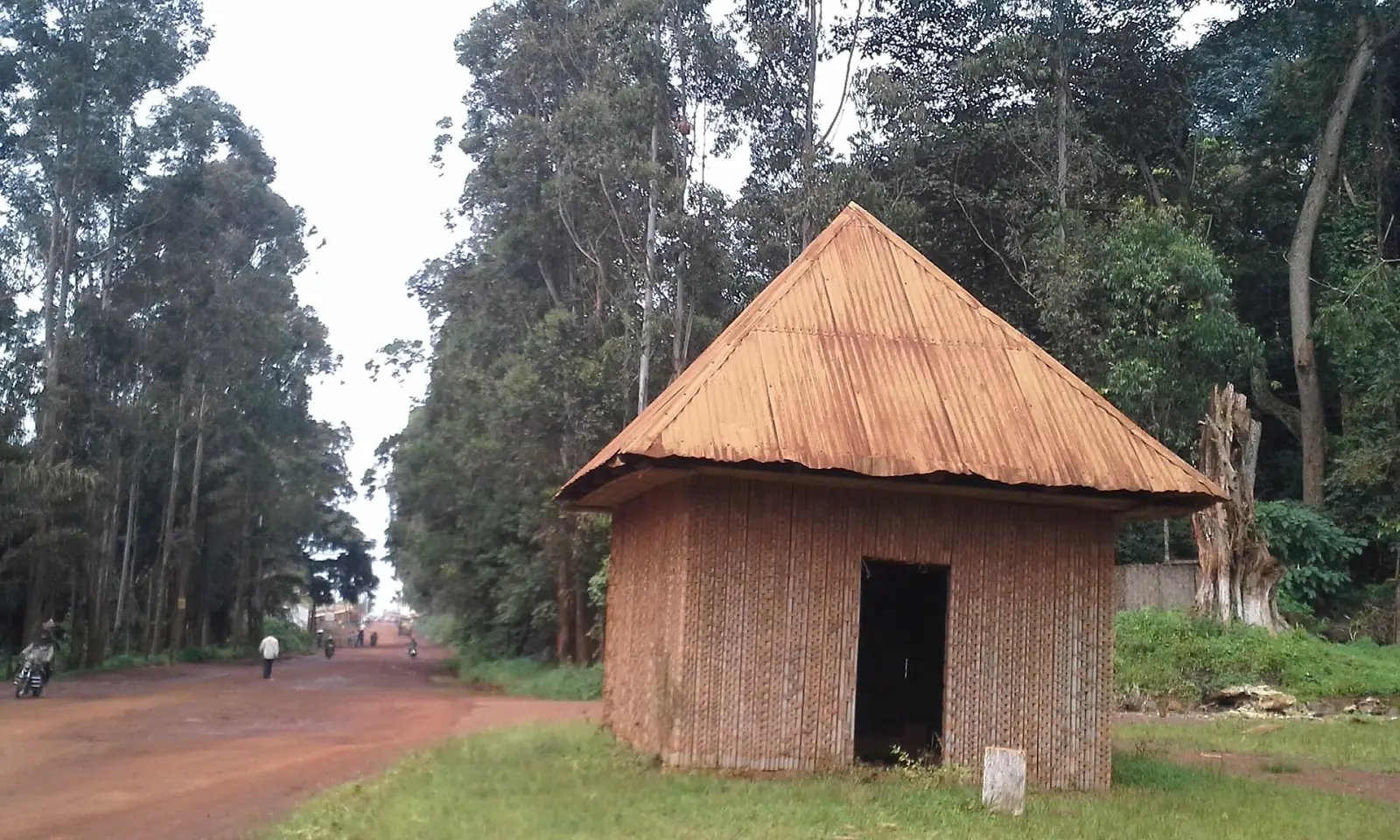
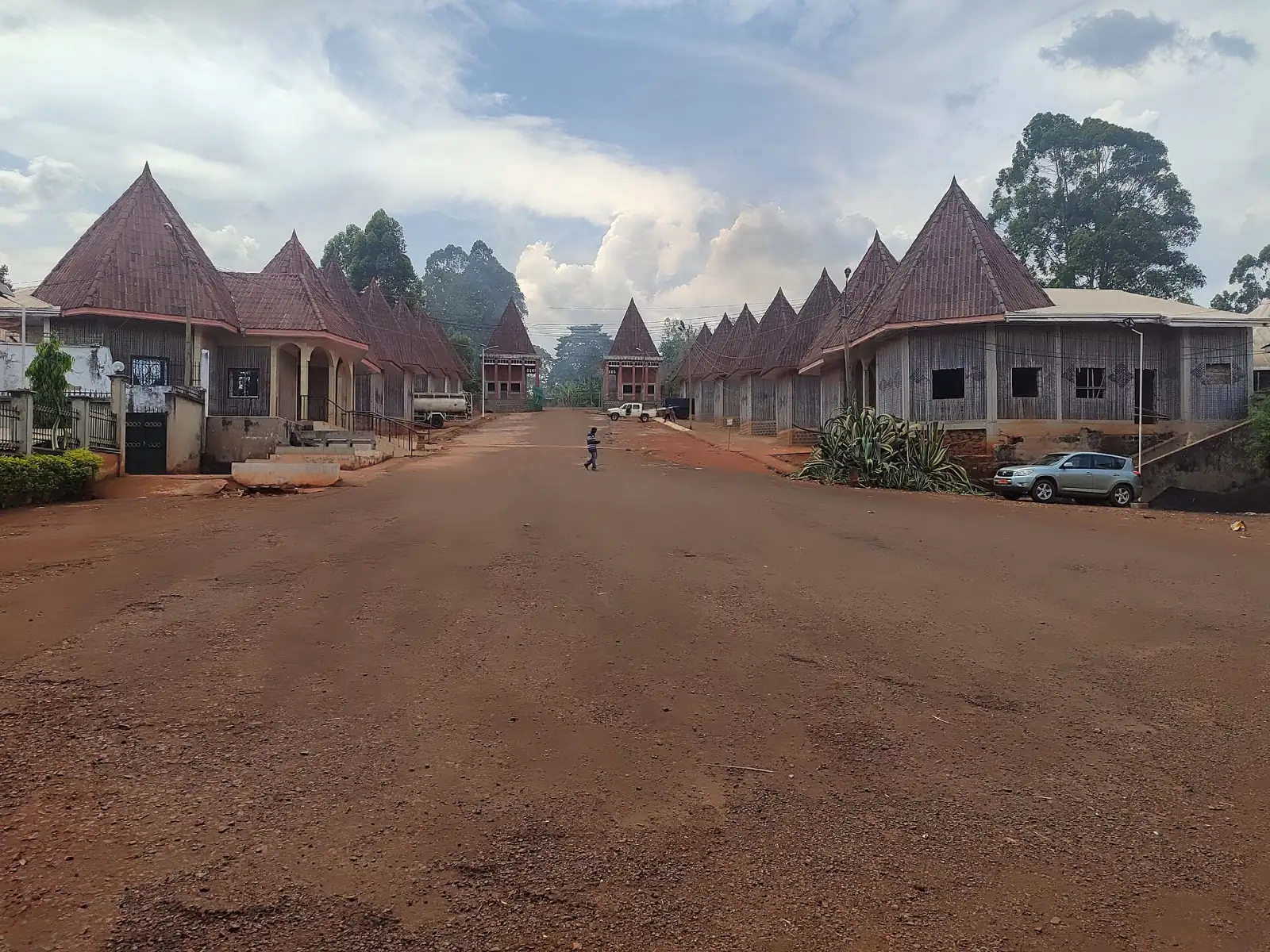
Avenue of traditional pointed-roof huts in the Bandjoun chiefdom

Fulani lamidates of the North and Adamawa, sultanates of the Mandara Mountains, Bamileke chiefdoms of the West, fondoms of the North-West Grassfields, the Bamoun kingdom of Foumban: traditional authorities structure the social life of millions of Cameroonians. They arbitrate disputes, preside over ceremonies, protect land and preserve palaces, thrones, masks and oral archives of exceptional value.

Their dialogue with the State is constant. In 2026, traditional authorities, including the Makaa community, were received at the Ministry. This page presents the lamidates, chiefdoms, palaces and rules for visiting, with useful guidance for travellers, researchers and communities.

  • Lamidates, chiefdoms and the Bamoun kingdom
  • Palaces, thrones, masks and festivals
  • Visiting with respect, with the consent of the notables
Discovering the lamidates
Lamidates

The lamidates of the North and Adamawa: power, palaces and festivals

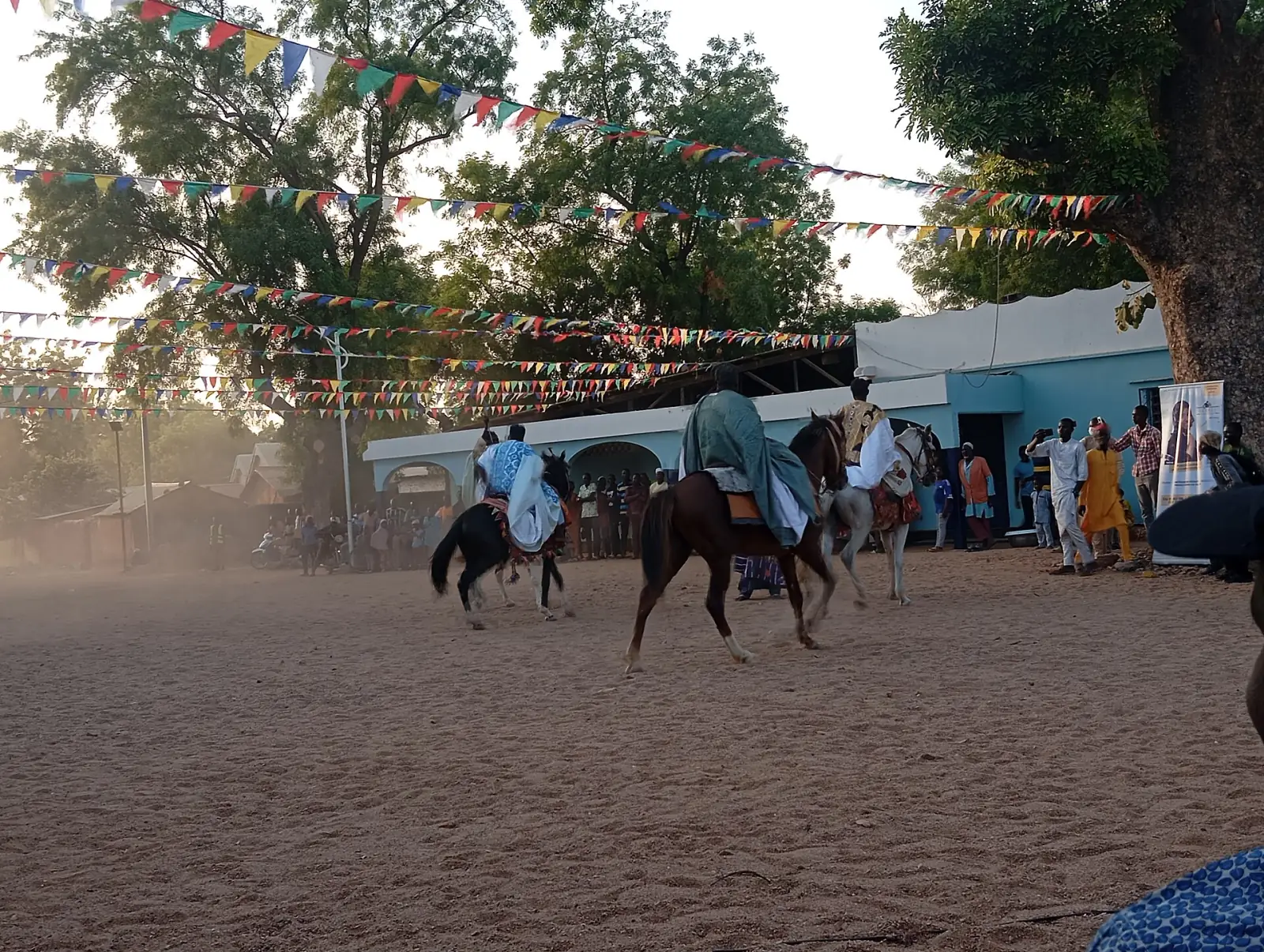
Equestrian fantasia in a sandy courtyard under bunting during the Tabaski celebrations

The lamidate is the form of traditional authority inherited from the Fulani kingdoms founded in the 19th century on the plains and plateaux of the North, Adamawa and the Far North. At its head, the lamido holds authority that is at once political, religious and customary, surrounded by dignitaries (wakili, jaouro, galdima, maji) who administer the quarters, the lands and the service of the palace.

Remarkable lamidates

The lamidate of Rey-Bouba, in the Benue, is one of the oldest and largest; that of Ngaoundéré, in the heart of Adamawa, overlooks a cattle-rearing plateau and hosts well-attended ceremonies; those of Tibati, Banyo, Garoua and Maroua complete a dense network. In the Far North, the sultanates of Mora and of the Kotoko of Logone-Birni perpetuate similar traditions.
Architecture and ceremonies

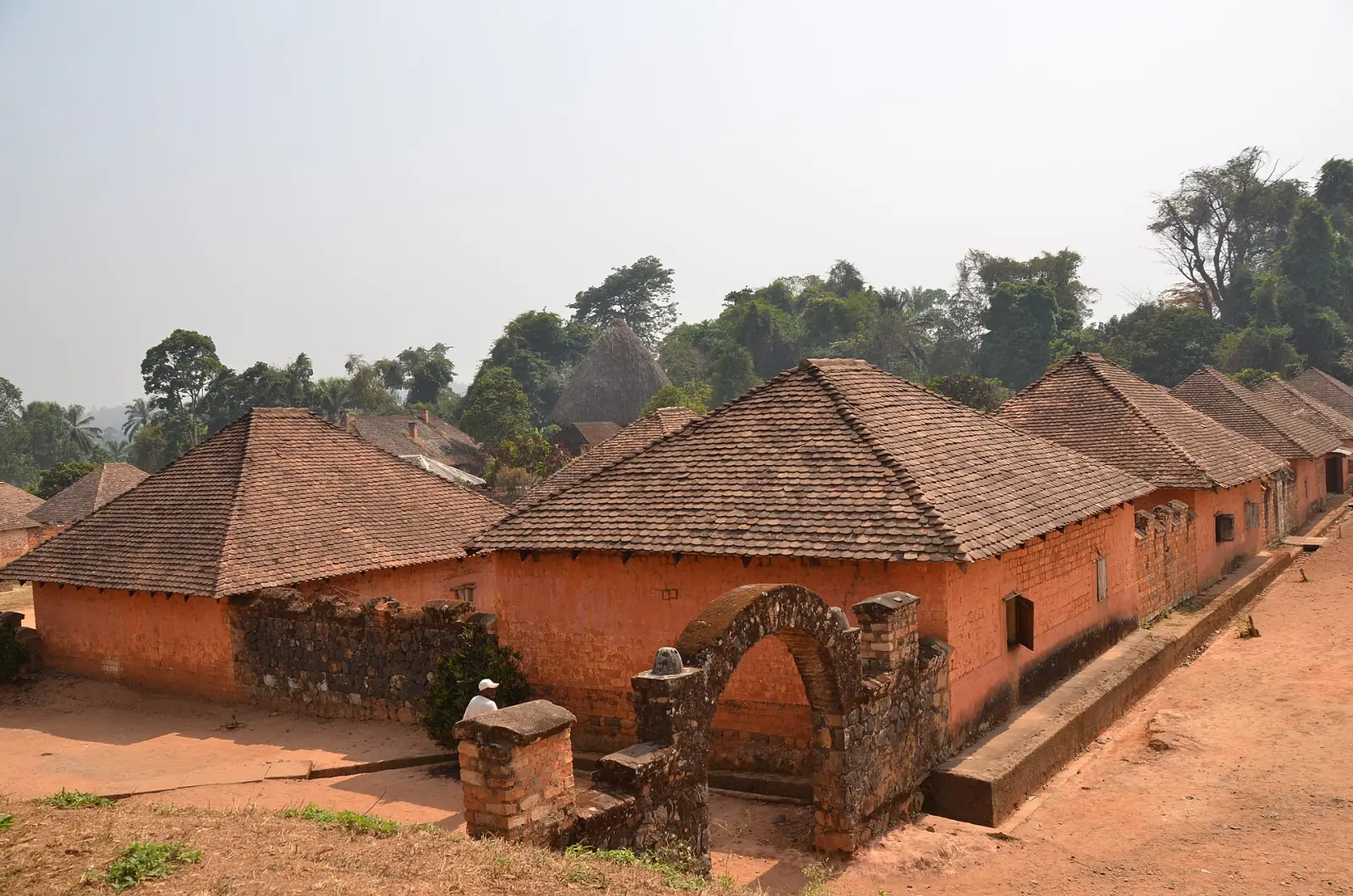
The palaces, built of mud brick (banco) or stone and enclosed by walls and entrance halls (soudou), house audience halls, courtyards, mosques and living quarters. The highlights are religious festivals, investiture, parades of horsemen in ceremonial dress and ceremonies marking the end of the rainy season. The fantasias, with horsemen in flowing boubous and richly harnessed horses, draw thousands of people.

The regions concerned are presented in Adamawa, North and Far North; see also Palaces and chiefdoms.

ℹ️
Protocol

An audience at the palace requires a prior appointment, sober dress and respect for the customs of approach, which the notable who receives you will explain.

Chiefdoms

The chiefdoms of the West and North-West: fons, notables and societies

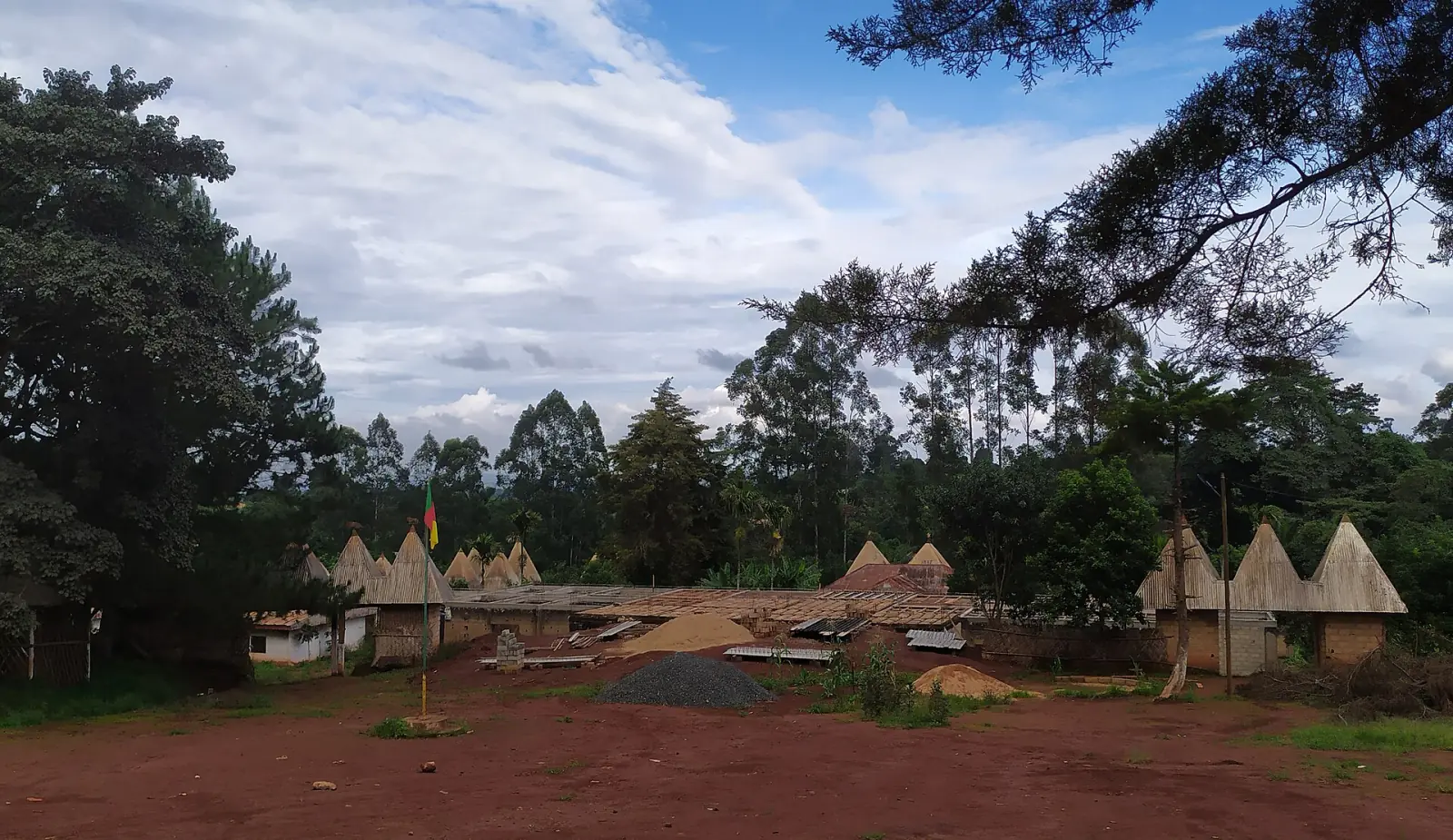
Red earth courtyard of the Batcham chiefdom with its conical-roofed huts

In the highlands of the West and North-West, social organisation rests on chiefdoms, called fon in the English-speaking world and fo among the Bamileke. Each chiefdom brings together several quarters and lineages, headed by a chief assisted by notables and by societies such as kwifo or ngumba, which provide policing, customary justice and the organisation of funerals.

Exceptional architecture

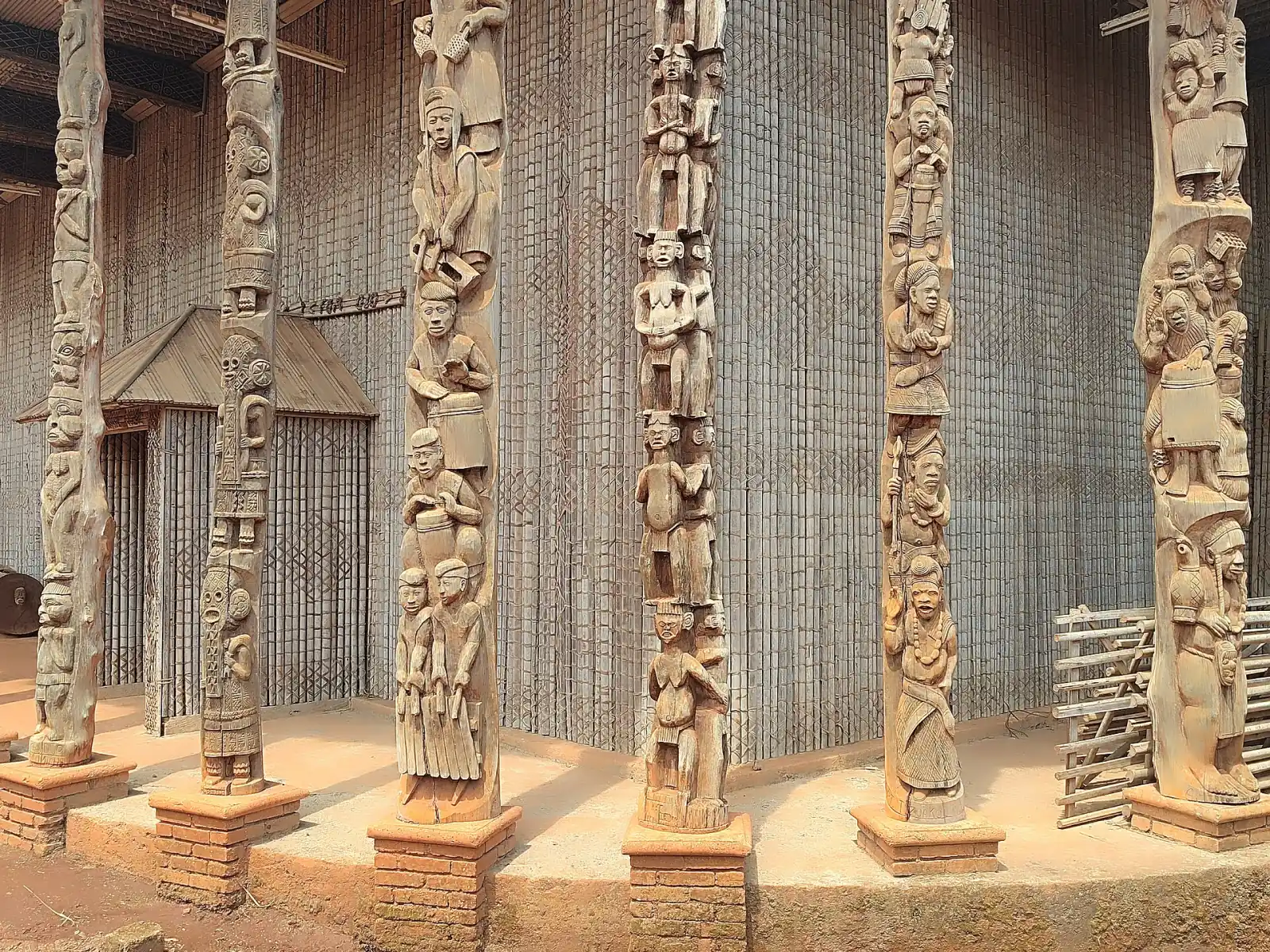
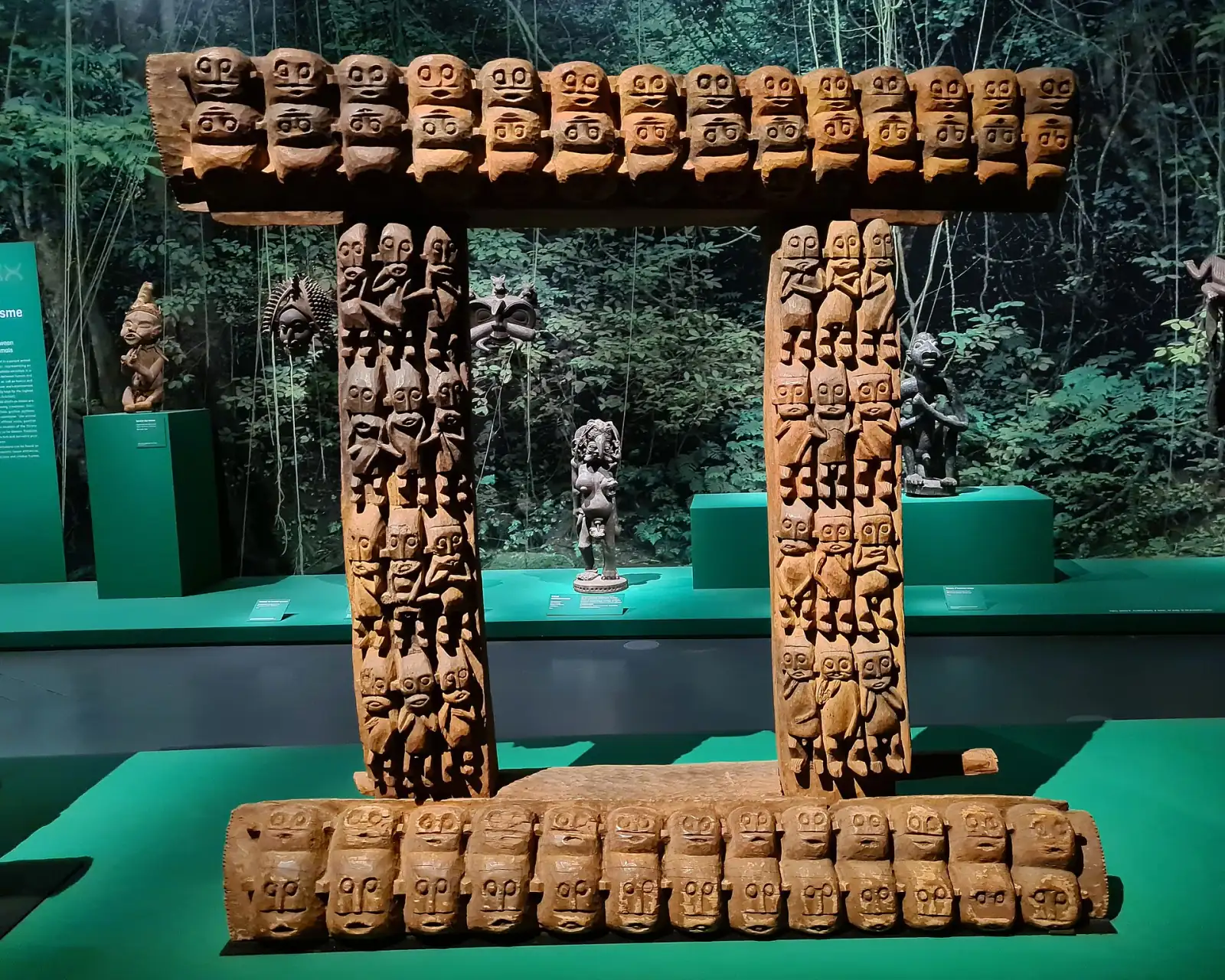
The architecture of the chiefdoms is famous: huts with conical thatched roofs, carved posts depicting ancestors, panthers and spiders, large meeting halls, ceremonial courtyards and sacred groves. The chiefdoms of Bandjoun, Baham, Bafoussam, Bamendjou and Foréké-Dschang in the West, and of Bafut, Bali Nyonga and Kom in the North-West, are among the most visited.

Objects, dances and festivals

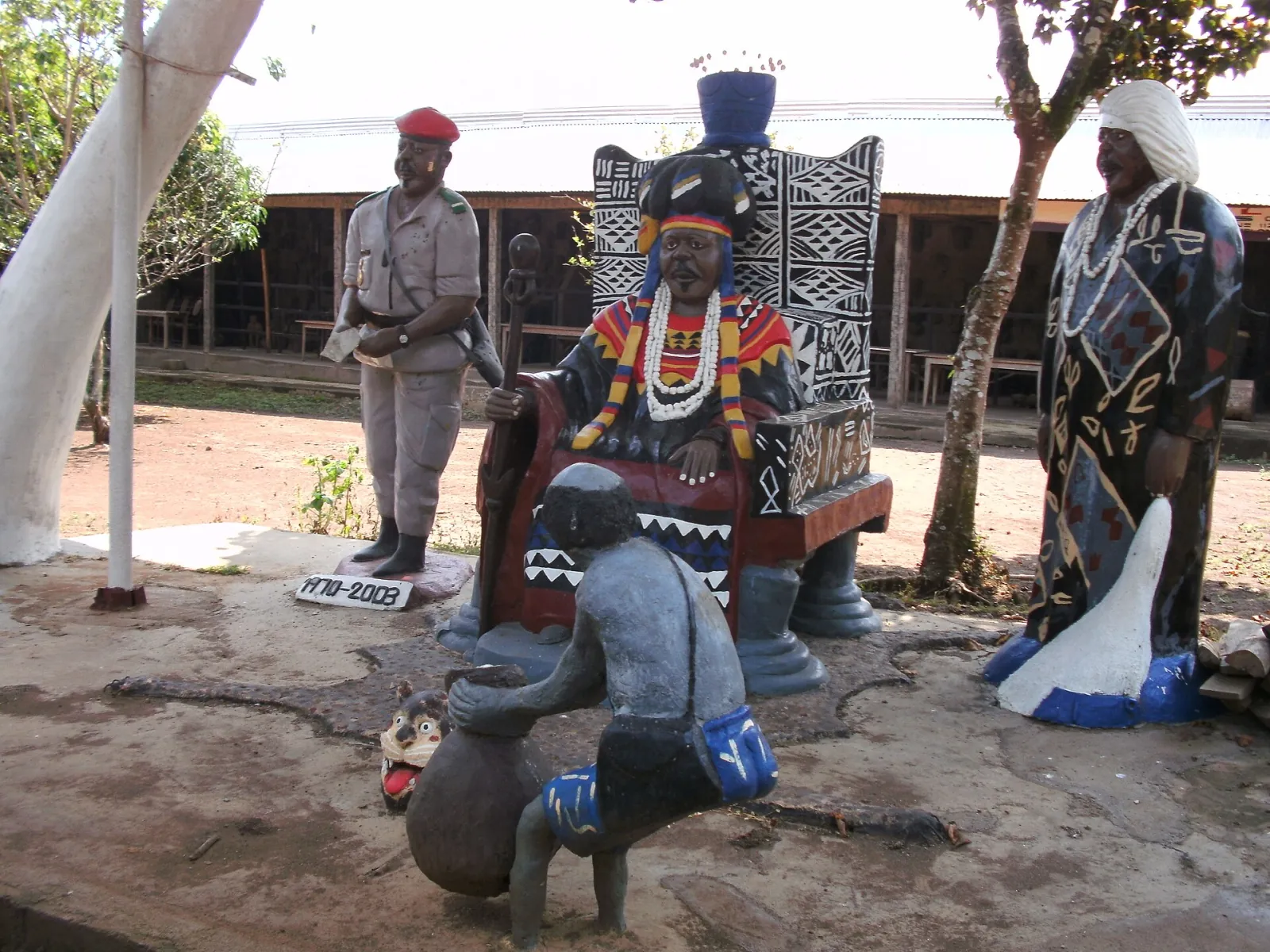
Beaded thrones, elephant masks, statuettes, drinking horns and royal stools are objects of power, kept in the houses that hold the collections. Court dances, annual festivals and royal funerals bring together the community and the diaspora. See West, North-West, Dance and Art crafts.

The languages, from ngemba to medumba, are described in National languages.

ℹ️
Initiation societies

Certain places, objects and ceremonies are reserved for initiates. A visitor refrains from entering sacred groves and never takes photographs without permission.

Palaces

The palaces of Foumban and elsewhere: thrones, museums and memory

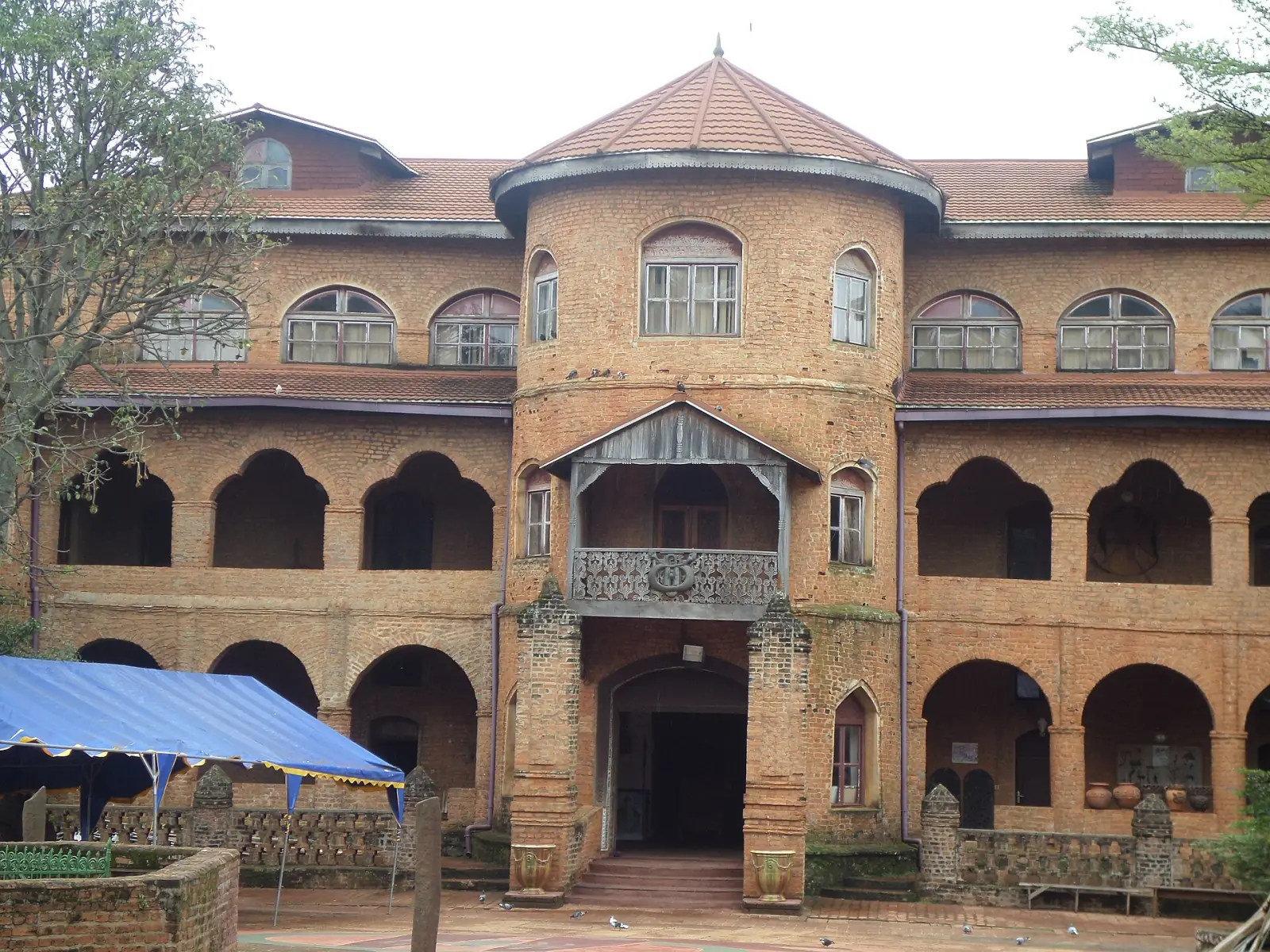
Brick facade of the royal palace of the Bamum sultans in Foumban

The palace of the Bamoun kings in Foumban is one of the country’s major heritage sites. Built in the early 20th century under King Njoya, it contains state rooms, collections of royal objects (thrones, masks, weapons, musical instruments) and documents written in the shümom script, invented by this sovereign, as well as archives that tell the history of the kingdom. It houses a museum and still serves as a royal residence.

The Nguon festival

The Nguon, the annual festival of the Bamoun kingdom, sees processions, masked dancers, horses and notables parade before the sultan-king; it bears witness to the vitality of tradition. It attracts visitors and researchers to Foumban, which is also known for its workshops of lost-wax bronze casting, sculpture, painting and weaving.

Other palaces worth knowing

  • the palace of Bafut, in the North-West, with its carved huts and its museum;
  • the chiefdom of Bandjoun, in the West, with its large carved-wood huts;
  • the palaces of the lamidates of Rey-Bouba and Ngaoundéré;
  • the palace of the sultan of Mora and the courts of the Kotoko in the Far North.

The protection of these monuments falls under listing and conservation; their collections form part of the tangible heritage. For the museums of Foumban and other regions, see national museums.

ℹ️
Restitution

The subject of royal objects taken abroad is dealt with in Restitution of cultural property.

Visit

Visiting a chiefdom or a palace: rules and good practice

Posts carved with figures framing the great hut of the Bandjoun chiefdom

A chiefdom is not an ordinary monument: it is the living place of a community and of an authority. Visiting is possible and encouraged, provided that you follow a few rules of courtesy that ensure good relations with your hosts.

Before the visit

  • Contact the notable in charge of reception or the manager of the chiefdom’s museum, by telephone or through the regional delegation;
  • agree on a date, a duration and any contribution to costs (entrance fee, donation, guide);
  • find out about periods of mourning, retreat or ceremony that may suspend access.

On site

Introduce yourself at the entrance, greet the notables, follow the designated guide and do not enter forbidden huts or groves. Dress soberly, avoid shorts, and remove your hat and sunglasses in front of the chief if asked. Ask for permission before photographing or filming, in particular people, thrones and masks; certain images are reserved.

ℹ️
Photographing

Always ask the notable’s permission before photographing a chief, a throne or a mask, and do not circulate the images without the community’s authorisation.

Dialogue with the State

Traditional authorities and the Ministry: a permanent partnership

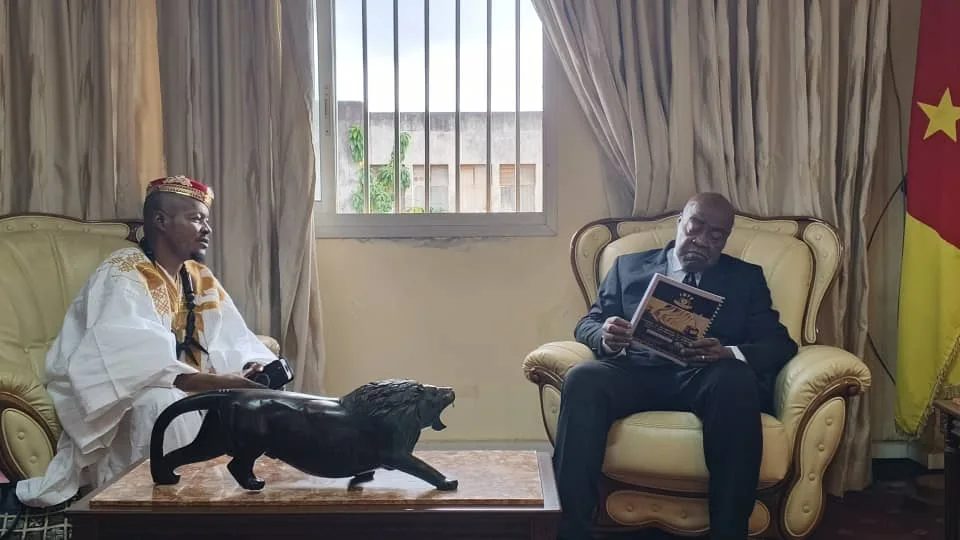
A traditional chief in white robes and a man in a suit sit in armchairs on either side of a sculpted big cat on a low table.

Traditional authorities are recognised as auxiliaries of the administration and guardians of custom. The Ministry involves them in cultural policy through several forms of collaboration: consultation for the heritage inventory, support for traditional festivals, assistance with the restoration of palaces and the promotion of collections.

Regular meetings

Meetings between the Ministry and the chiefs make it possible to exchange views on safeguarding languages, protecting sacred sites and passing knowledge on to young people. In 2026, traditional authorities, including the Makaa community, were received at the Ministry; they were able to present their expectations for the recognition of their cultural practices and places of memory.

To act

Procedures relating to chiefdoms

List a property

Palace, sacred hut, sacred grove: a property of the chiefdom may be proposed for listing with the community’s consent.

List a property

Filming authorisation

Filming in a palace or chiefdom requires the chief’s consent and the Ministry’s authorisation.

Request approval

Report a theft

A stolen ritual object or a damaged site: alert the Ministry without delay.

Report

Organise a festival

For your annual festival, submit the authorisation application and register it in the calendar.

Festival authorisation
Step by step

Organising a visit to a chiefdom

Choose the chiefdom

Use the cultural map and the region page to select a chiefdom or palace open to visitors.

Contact the hosts

Call the notable in charge of reception or the museum manager, or go through the regional delegation to obtain a contact.

Agree the arrangements

Agree on the date, the duration, the number of people, the guide and the contribution, and check that no ceremony prevents the visit.

Getting ready

Brief your group on local customs: sober dress, no photography without consent, local prohibitions, language of greeting.

Thank and report back

Leave the planned contribution, thank your hosts and send your feedback to the delegation to improve the welcome.

To explore

Chiefdoms in other sections

Voices of the chiefdoms

What guardians and visitors say

“
When a visitor tells us in advance and respects our customs, we receive them with joy: the visit becomes an exchange between two worlds.
A notable of a chiefdom, West
Bamileke
“
The horsemen, the songs and the ceremonies at the end of the rains are not a show: they remind everyone of their place in the community.
A dignitary of a lamidate, North
Benue
“
The palace museum allows us to show our objects to schools without exposing them to dust or to eyes that do not respect them.
A curator of a chiefdom museum, North-West
Grassfields
“
The Ministry received us to talk about our places of memory; we want them to appear on the map, in our own way and with our consent.
A community representative, East
Makaa

“The chief is not the owner of tradition: he is its guardian, and that is why the community defends it with him.”

A notable from a chiefdom in the West
To download

Resources for visiting and protecting

Key facts

Traditional powers at a glance

TypeRegionsChief’s titleMarks of power
LamidateAdamawa, NorthLamidoMud-brick palaces, horsemen, religious festivals
SultanateFar North (Mora, Kotoko)SultanFortified courts, fantasias, pottery
Bamoun kingdomWest (Foumban)Sultan-kingPalace, shümom script, Nguon festival
Bamileke chiefdomWestFoCarved huts, kwifo societies, court dances
Grassfields chiefdomNorth-WestFonBeaded thrones, masks, palace of Bafut
Forest chiefdomSouth, Centre, EastTraditional chiefPalaver hut, mvet, clan rites
Coastal chiefdomLittoral, South-WestParamount chiefWater ceremonies, Ngondo, fishing
Glossary

The vocabulary of traditional chiefdoms

Lamido

Head of a lamidate, traditional sovereign of the Fulani regions.

Fon

Title of the traditional chief in the English-speaking Grassfields.

Fo

Title of the chief in the Bamileke chiefdoms of the West.

Sultan

Title of the Bamoun traditional chief, as well as of the sultanates of Mora and Logone.

Notable

Member of the chief’s court or council, entrusted with a specific function.

Chiefdom

Traditional power entity bringing together several lineages and quarters.

Kwifo

Society of notables that ensures order, justice and funerals in certain chiefdoms.

Shümom

Script invented in Foumban to write the Bamoun language.

Soudou

Entrance hall of the lamidate palaces.

Banco

Mud brick used to build the palaces of the North.

Palaver hut

Open hut where the affairs of the community are debated.

On the site

Continuing your journey towards the chiefdoms

Resources

Useful links on chiefdoms

Stakeholders

Who supports the chiefdoms?

Journey

Chiefdoms through time

18th-19th centuriesFoundation of the kingdoms

The Fulani lamidates, the Bamoun kingdoms and the Grassfields chiefdoms are organised around dynasties and initiation societies.

Early twentieth centuryThe Foumban palace

King Njoya has a great palace built, invents a writing system and organises a modern administration.

Colonial periodAuxiliary chiefs

Chiefs become auxiliaries of the administration while keeping their customary role.

Since independenceRecognition and protection

Chiefdoms are recognised by law as collaborators of the administration, and their heritage is increasingly well documented.

2026Dialogue at the Ministry

Traditional authorities, including the Makaa community, are received at the Ministry to discuss the safeguarding of their heritage.

Questions

Your questions on traditional chiefdoms

Can a chiefdom or a palace be visited?

Yes, with the consent of the chief or of the notable who receives visitors. Contact them in advance, agree on the date and the contribution, and respect local customs: sober dress, no photography without consent, restrictions on certain places.

Are the chiefdoms listed?

It depends on the case. Some palaces and sites are listed or under examination; others are protected by custom. Listing requires an application, supporting documents and the consent of the community.

Whom should I contact to organise a group visit?

Start with the regional delegation of the region concerned, which can guide you, then with the notable or the museum manager. A cultural tourism operator can also take charge of the organisation.

What is the difference between a lamido, a fon and a fo?

These are titles of traditional chiefs: lamido in the Fulani regions of the North, fon in the English-speaking Grassfields, fo among the Bamileke of the West. Their functions vary, but all involve authority and the protection of tradition.

May thrones, masks and ceremonies be photographed?

Only with the permission of the person in charge. Certain objects and ceremonies are reserved for initiates; the circulation of images must respect the wishes of the community.

Is filming possible in a chiefdom?

Yes, with the consent of the chief and a filming authorisation issued by the Ministry. Inform the community, respect its customs and state the intended use of the images.

What should I do if an object from a chiefdom has been stolen?

Alert the regional delegation immediately and use the reporting page. Send photographs and a description: they help the Directorate of Heritage and the services combating illicit trafficking.

How can my chiefdom’s festival appear in the calendar?

Submit a festival authorisation application and notify the delegation of your event. Once approved, the festival may appear in the national calendar and the cultural agenda.

Contact

Write to the Ministry: Traditional chiefdoms

Specify your region and your question.

Ministry

Contacting the Ministry about chiefdoms

Address

Ministry of Arts and Culture
Quartier du Lac – Ministerial Zone
P.O. Box 1053 Yaoundé, Centre Region, Cameroon

Reach us

+237 6 51 70 58 41

contact@minac.gov.cm

Opening hours

Monday to Friday, 8 am to 4 pm

A project with a chiefdom?

Contact the delegation in your region for support, then submit your application online.

See the palaces and chiefdoms
WhatsApp