Coat of arms of CameroonMinistry of Arts
and Culture
Republic of Cameroon
My procedures
Home
Minister’s message
News
Press releases
Cultural calendar
Official speeches
Press review
Photo library
Video library
Calls for projects
Job vacancies
Public procurement
Newsletter
Frequently asked questions
Site map
Contact
Press area
Podcast “The Voice of Culture”
Legal notices
Privacy policy
Cookies and trackers
The Ministry
Missions and responsibilities
Organisation
Organisation chart
Minister’s Office (Cabinet)
Management team
General Secretariat
General Inspectorate
Central directorates
Regional Delegations
Institutions under supervision
Legislative texts
Regulatory texts
Sector strategy
Major projects
Budget and reports
Partners
Careers
Archives
Institutional communication
Quality and accessibility
Arts
Visual and plastic arts
Visual arts
Performing arts
Theatre
Dance
Music
Literature and books
Cinema and audiovisual
Photography
Fashion and design
Digital arts
Art crafts
Artists’ directory
Residencies
Prizes and awards
Arts education
Urban arts
Heritage
Tangible heritage
Intangible heritage
UNESCO sites
National museums
Listed monuments
National inventory
Palaces and chiefdoms
Archaeology
Linguistic heritage
Oral traditions
Traditional know-how
Restitution of cultural property
Fight against illicit trafficking
Listing and protection
Conservation and restoration
Heritage Days
Cultural landscapes
Industries
Music and recording
Cinema
Publishing and books
Digital arts
Fashion and creativity
Crafts
Cultural tourism
Funding for culture
Support funds
Incubators
Cultural entrepreneurship
Culture Observatory
Vocational training
Studies and reports
Sector statistics
Export and outreach
Intellectual property
Copyright
Legal framework
Copyright and neighbouring rights
Collective management societies
Register a work
Licences
Private copying
Fight against piracy
Model contracts
Social status of artists
Mediation
Disputes
Training
Fee scales
Register of works
Contact
Digital neighbouring rights
Public domain
Festivals
National calendar
Ngondo
Nguon
Écrans Noirs
Heritage Days
Music Day
Regional festivals
Fairs and exhibitions
Biennials
National competitions
Cultural days
Organise a festival
Event grants
Ticketing
Archives
Volunteering
Diaspora festivals
Regions
Adamawa
Centre
East
Far North
Littoral
North
North-West
West
South
South-West
Cultural map
Regional Delegations
Traditional chiefdoms
National languages
Cultural routes
Decentralised cooperation
Regional observatory
Cooperation
UNESCO
Francophonie (OIF)
African Union
Commonwealth
CEMAC
Bilateral cooperation
Cultural agreements
Professional organisations
Scholarships
Artist exchanges
Cultural years
Diaspora
Funded projects
Embassies
Technical partners
International restitution
International monitoring and calls
Services
Artist card
Show authorisation
Filming authorisation
Festival authorisation
Deposit of a work
Export of works of art
Listing of a property
Grant application
Association accreditation
File tracking
Forms
Fees
Opening hours and addresses
Reporting
Online help
My account
One-Stop Shop
Copyright

Training

Workshops, guides, webinars and schools: the formats for understanding copyright, signing informed contracts and defending one’s works, in Yaoundé and in the regions.

Updated on 6 November 20264 sub-pages
Formats offered4
Target audiencesArtists, publishers, producers, organisers
VenuesYaoundé and the regions
RegistrationOnline
Learn

Training to better protect one’s creation

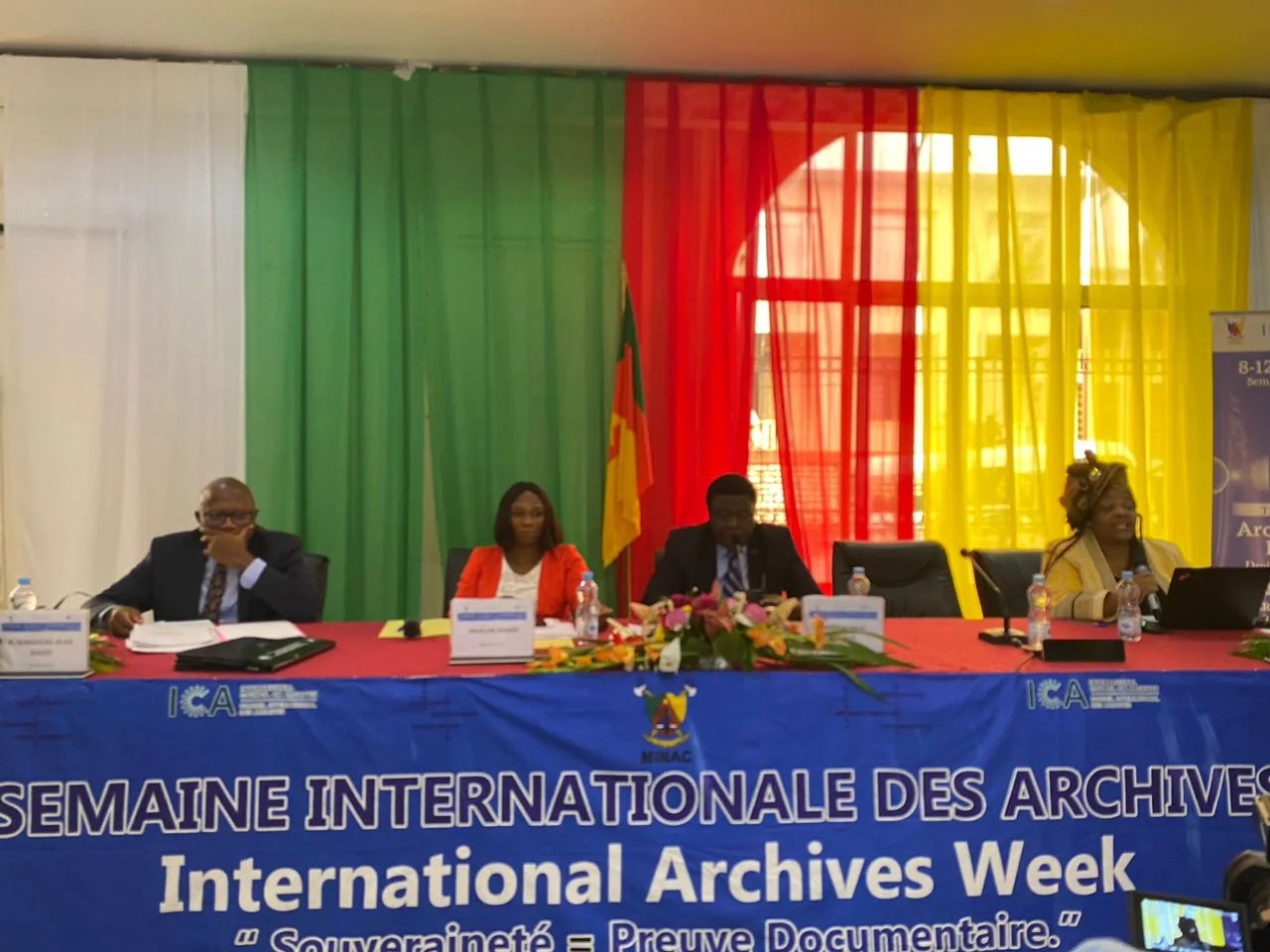
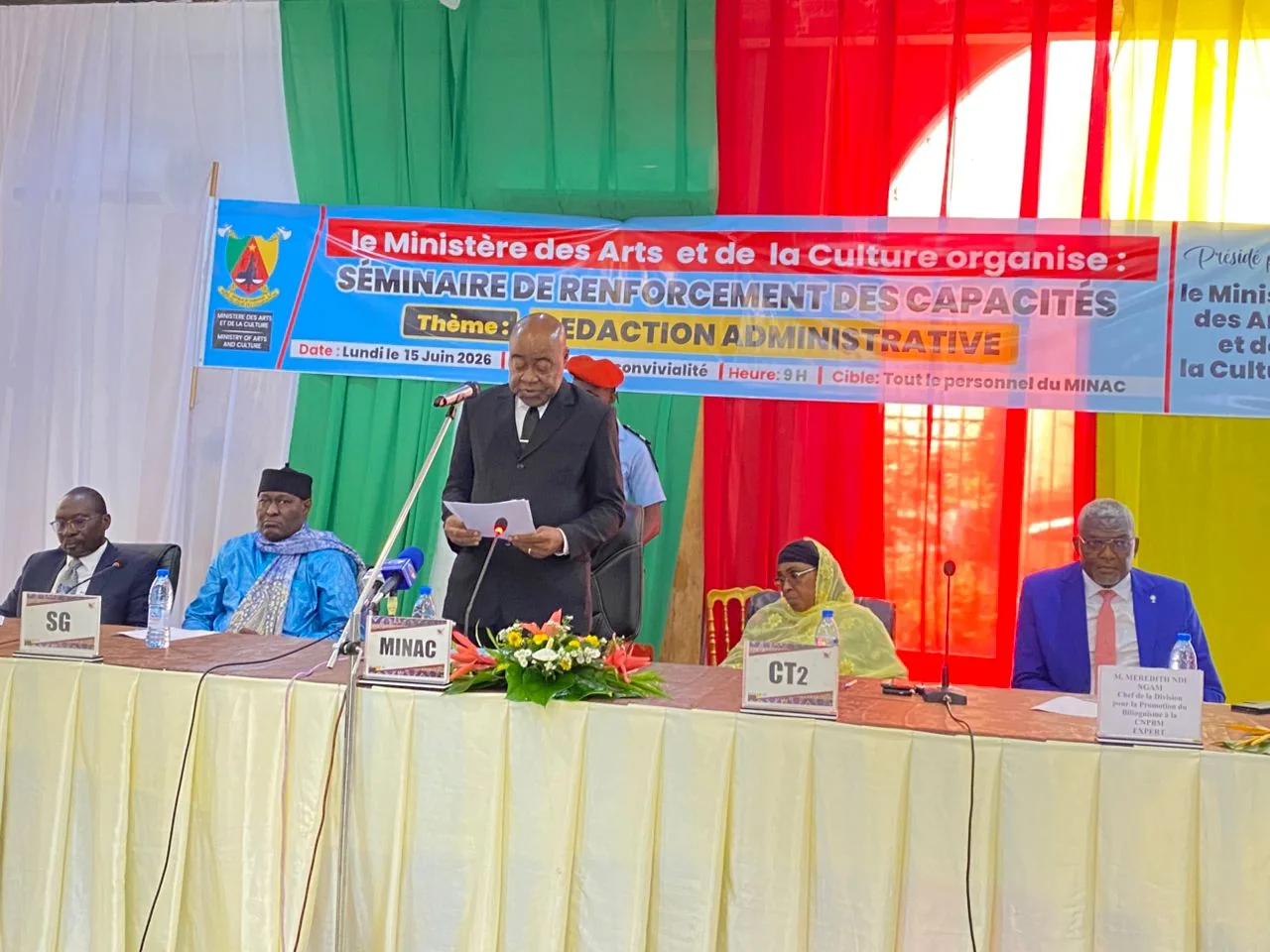
Ministry capacity-building seminar, panel table and speaker

Copyright is effective only if it is known both to those who create and to those who exploit. A musician who does not know what they are assigning by signing a contract, a festival organiser who does not know they must obtain authorisation to broadcast works, a bookseller who discovers the rules on private copying too late: all have an interest in training.

The Ministry of Arts and Culture, together with the collective management societies and educational institutions, offers four complementary formats: practical workshops, illustrated guides, remote webinars for the regions and courses in schools. Law No. 2000/011 of 19 December 2000 forms their common foundation.

  • Practical workshops on declaring works and on contracts
  • Illustrated guides, factsheets and templates to download
  • Webinars for the regions and courses in schools
See the workshops
Practical

Copyright workshops: learning by doing

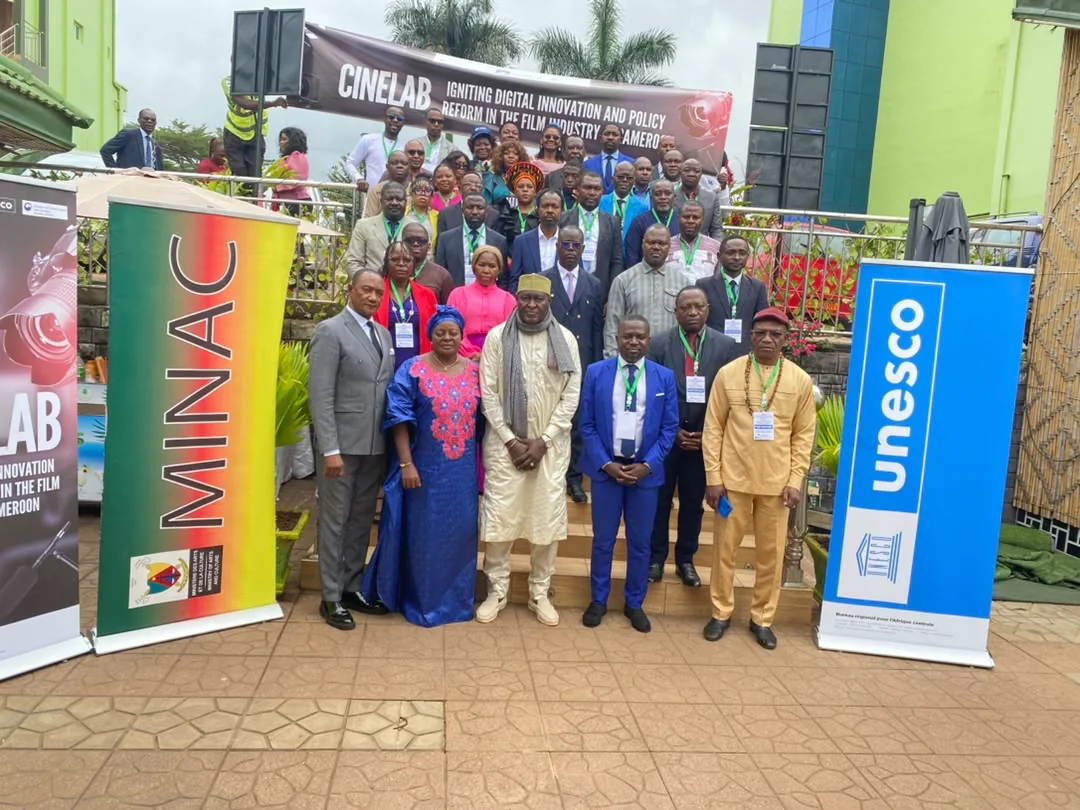
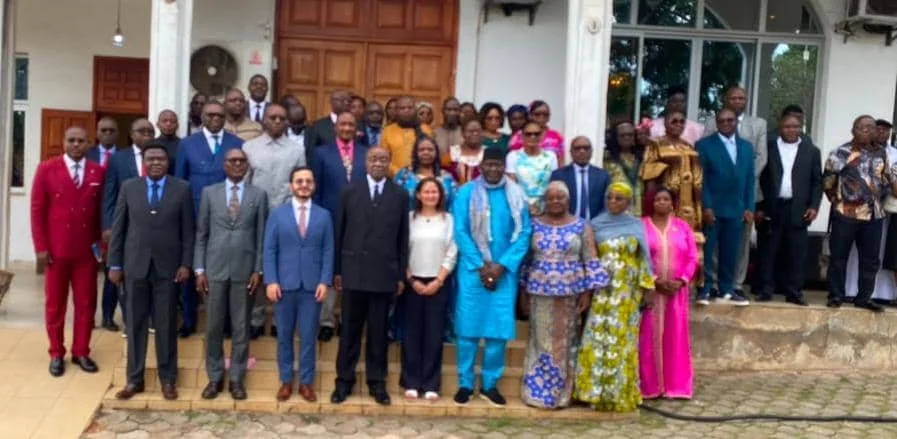
CINELAB workshop participants in front of the Ministry and UNESCO banners

The workshops are working sessions of one to three half-days, led by Ministry lawyers, representatives of collective management societies and practitioners from the sector (publishers, producers, programmers). Each workshop starts from a concrete case brought by the participants: a publishing contract to analyse, a song to declare, a show to authorise.

Themes

  • Declaring a work: completing the form, gathering the documents and following the file, in connection with the declaring a work page;
  • Understanding a contract: assignment, duration, territory, remuneration, using the model contracts;
  • Joining a management society: categories of works, distribution of rights, oversight;
  • Organising a show in compliance: authorisation, licences and programme declarations;
  • Fighting counterfeiting: establishing the facts, reporting, taking action.

Who can take part

The workshops are open to authors, composers, performers, publishers, producers, organisers, managers of radio stations and cultural venues, and to students. Places are allocated in the order of online registrations, with a balance between regions. Financial terms, where they exist, can be found on the fees page.

Typical session format

A session alternates a short presentation, case studies in sub-groups, feedback and individual time with a lawyer. Each participant leaves with a summary sheet, a document template suited to their activity and the list of procedures to carry out at the One-Stop Shop.

ℹ️
Workshops in the regions

Regional delegations relay the workshops: enquire at the delegation in your region.

Resources

The illustrated copyright guides

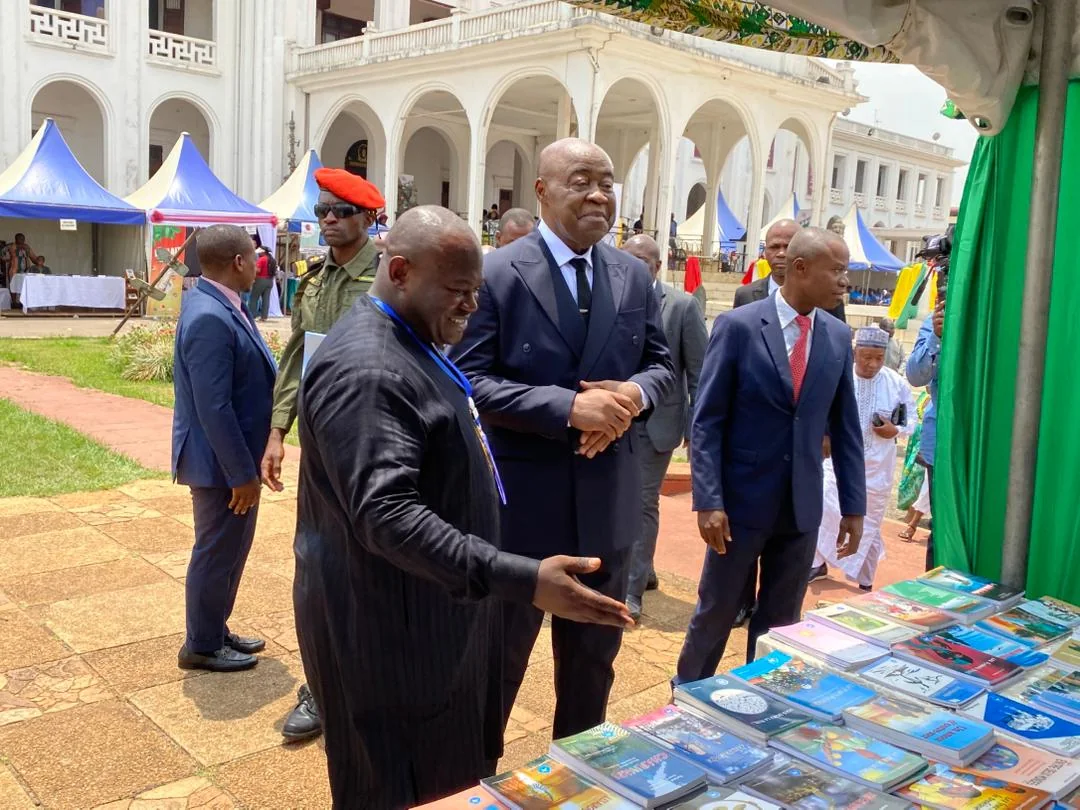
The Minister and officials in front of books displayed on a stand in the courtyard of a colonial-style building

The guides are designed to be read alone, at the office or in the studio. Their editorial approach: short sentences, diagrams, cases drawn from the daily life of Cameroonian artists, and precise references to online procedures.

The collection

  • The author’s guide: what is protected, moral and economic rights, duration, what can be assigned;
  • The performer’s guide: the neighbouring rights of performing artists, producers and communication companies;
  • The organiser’s guide: licences, declarations, royalties and good practice for festivals and venues;
  • The visual artist’s guide: resale right, auctions, contracts with galleries;
  • The publisher’s and bookseller’s guide: publishing contracts, deposit, private copying of printed works.

Where to find them

The guides can be downloaded from the forms page and consulted in the regional delegations, culture centres and libraries. They are supplemented by two-page practical sheets: “What should I do if my work is copied?”, “How do I calculate a resale right?”, “What credits should go on a sleeve?”.

Materials for teachers

Teachers in lower and upper secondary schools can use teaching sheets adapted to arts education; they draw on simple cases (a covered song, a photograph published without authorisation) and on the resources of the arts education page.

Remote

Webinars for all regions

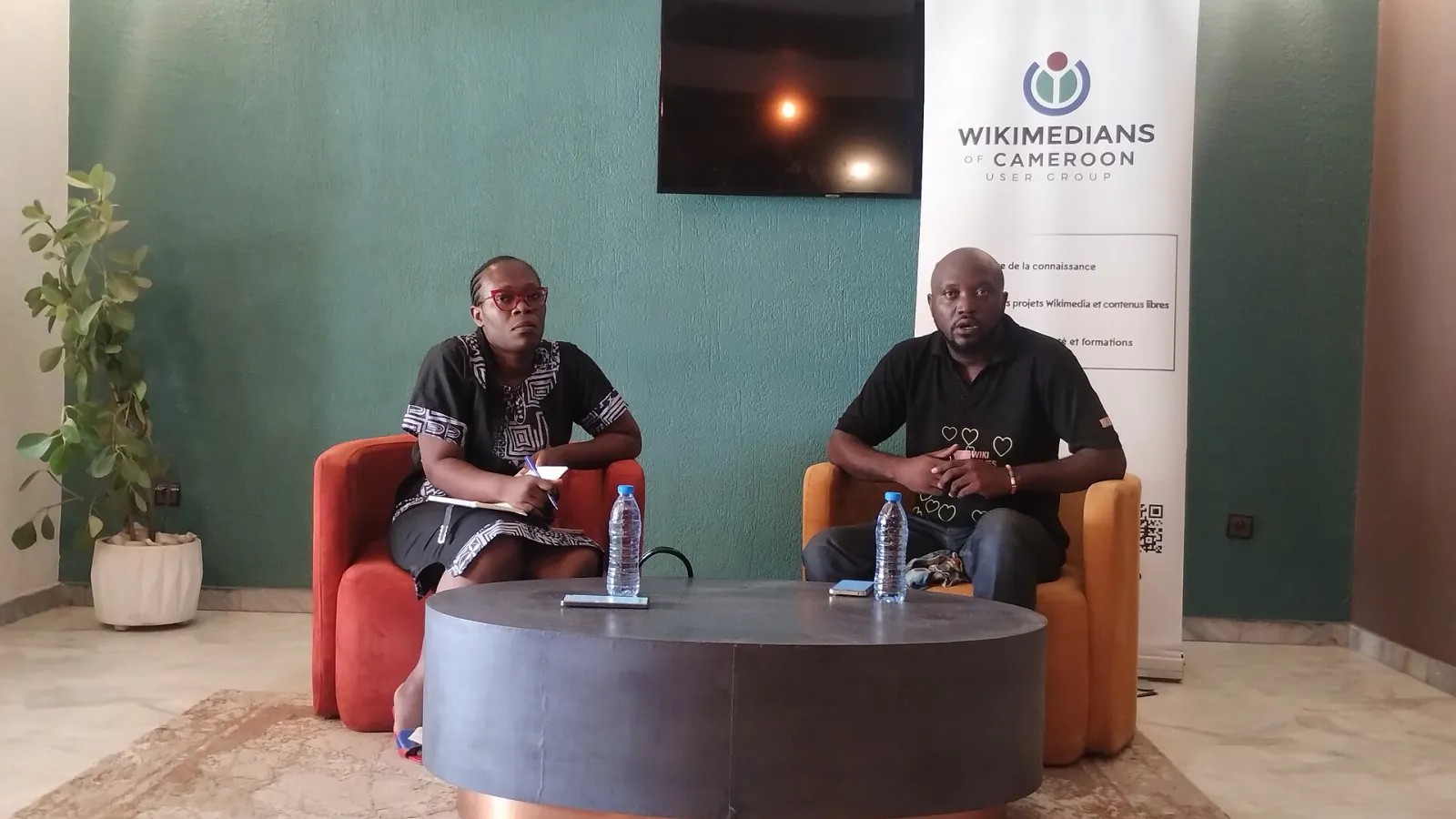
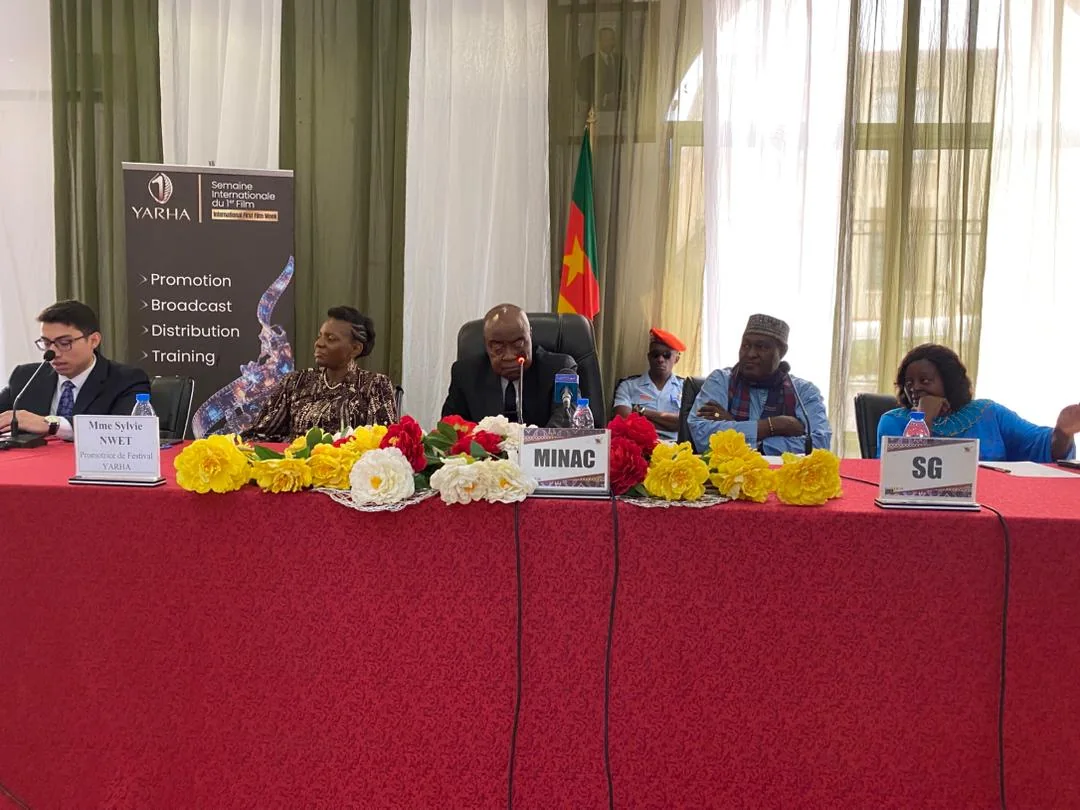
Two speakers seated in front of a banner at the launch of a photo competition

Many artists live far from Yaoundé or Douala. Webinars allow them to follow a training session from their own town, with a modest connection: video is optional, audio matters most, and materials are sent in advance.

The principle

A session lasts about an hour and a half: forty minutes of presentation, twenty minutes of exchanges with participants by messaging or live, then a written summary sent to all registrants. The recording is kept in the site’s video library so that it can be viewed again at your own pace.

Cycles offered

  • First steps: declaring your first work and understanding your rights;
  • Music and live performance: collective management, licences, programme declarations;
  • Books and images: publishing, private copying, resale right;
  • Digital: online distribution, platforms, digital neighbouring rights.

Preparing for it

Prepare your questions in advance, note the title of the work or contract that concerns you and keep your file number to hand if you already have a procedure under way. Registration is done through the online form, and the connection link is sent by e-mail a few days before the session. For access questions, the site’s online help guides you step by step.

Curricula

Schools and training institutions

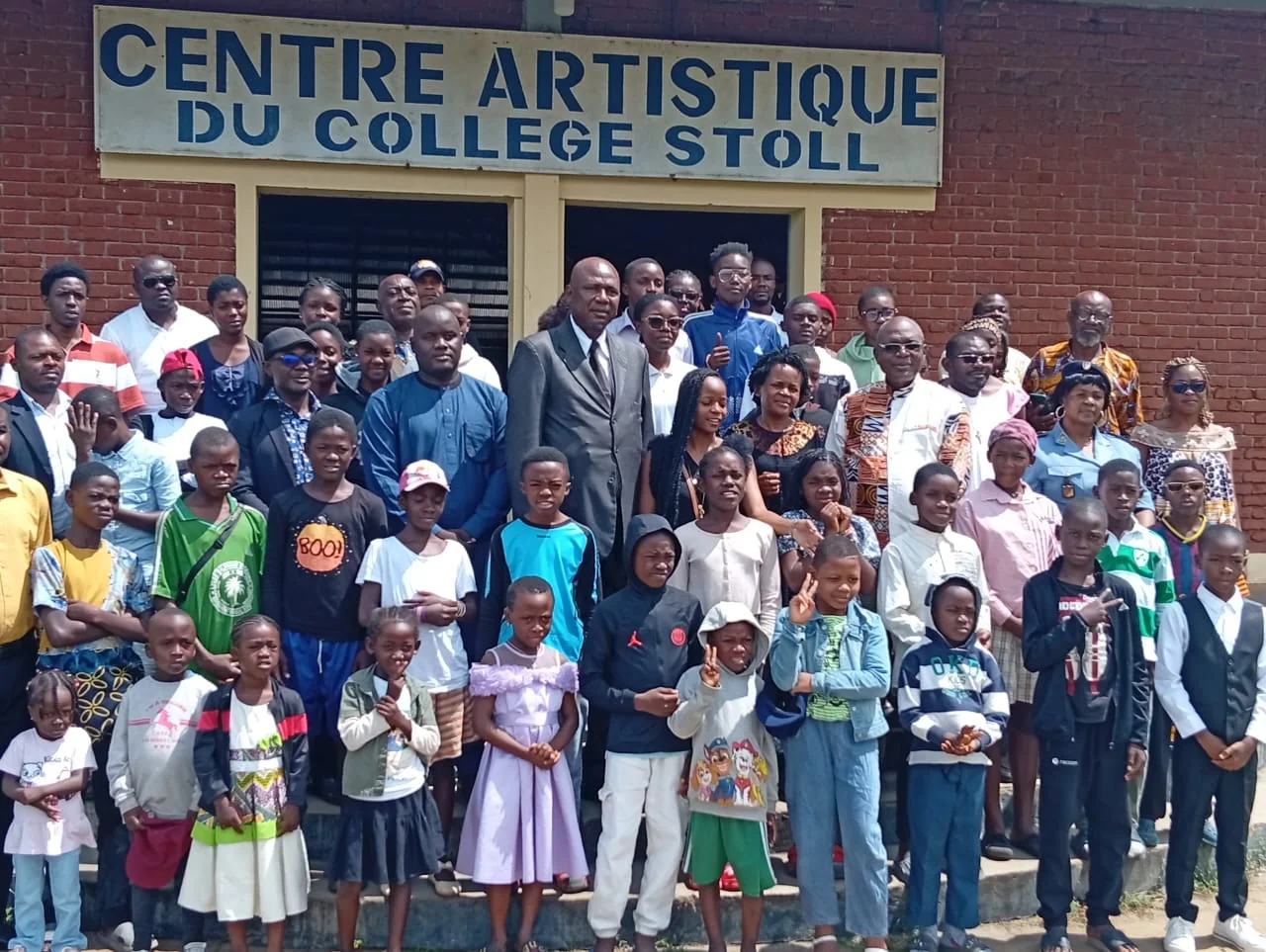
Pupils and staff posing in front of the entrance of the Stoll College arts centre

For those who wish to make cultural law their profession, several institutions offer structured courses. The National Institute of Arts and Culture trains for careers in culture and live performance; copyright modules complement the artistic teaching and project management there. Faculties of law and arts, communication schools and vocational training centres also include intellectual property modules.

Possible paths

  • Cultural project management: budget preparation, contracts, authorisations;
  • Intellectual property law: copyright, neighbouring rights, trademarks, geographical indications;
  • Careers in books, music and cinema: publishing, production, distribution, programming;
  • Collective management: collection and distribution roles within collective management societies.

Internships and work-study

Each year the Ministry hosts interns in its directorates and facilitates internships in management societies, publishing houses and studios. Offers appear on the job vacancies page and on the page devoted to training for cultural professions.

Scholarships and exchanges

Advanced training scholarships abroad and exchanges with other culture administrations are opened through cooperation. Some of these programmes concern intellectual property and rights management.

ℹ️
Referral

Unsure about the right course? Write to the Ministry stating your profile and your region: an adviser will guide you.

Continuing training

Training the teams of cultural organisations

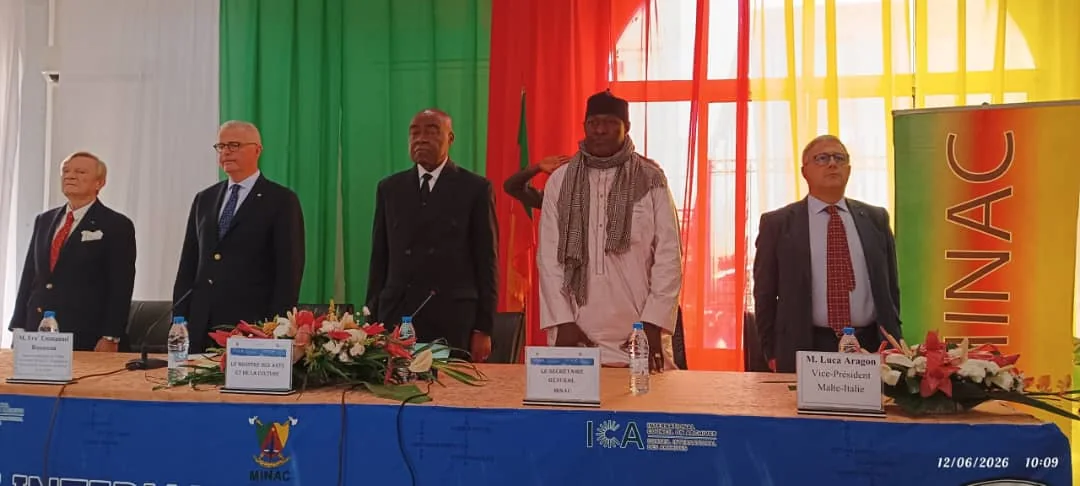
Ministry working meeting around a flower-decked table

Companies, labels, publishing houses, radio stations and venues can request tailor-made training for their team. The Ministry reviews the request, mobilises a legal trainer and adapts the content to the organisation’s professions. The request is made in writing to the competent directorate; it states the number of participants, the venue and the themes wanted. These in-house sessions are particularly useful before the opening of a festival or the launch of a catalogue.

Calendar

Upcoming training sessions

Step by step

Registering for training in five steps

Choose the format

In-person workshop, webinar or factsheet to read alone: the right format depends on your availability, your region and your level.

Check the calendar

Find the session that matches your theme and check the registration deadline shown in the agenda.

Fill in the form

State your profile, your region, your activity and the question that concerns you so that the trainer can adapt their practical cases.

Receive the invitation

An e-mail confirms your place, the venue or connection link, the materials to read and the detailed programme.

Follow and build on it

After the session, receive the summary and templates; then contact the One-Stop Shop to start your procedures.

Journey

A training pathway from first step to expertise

Get informedRead a guide

Discover the basic notions: work, author, moral right, economic rights, term of protection.

PractiseAttend a workshop

Work on your own file with a lawyer and leave with a document template suited to you.

Keep up to dateFollow a webinar

Update your knowledge of digital matters, licences and royalties without travelling.

Go furtherJoin a module

Enrol in a university module or a specialised intellectual property course.

Passing onBecome a relay

After a few years of practice, lead sessions in turn in your region or your association.

To explore

Training in the other sections

Participants’ words

They have trained

“
After the workshop, I re-read my publishing contract clause by clause and renegotiated the duration of the assignment. I no longer sign anything without understanding it.
A novelist
Yaoundé
“
The webinar saved me an eight-hour journey. I asked my question live and received the answer the same day.
A singer
Maroua
“
Our radio station updated its programme declarations after the tailor-made session; the team finally knows who owes what to whom.
A radio director
Bertoua
“
The school’s modules opened the door to an internship in a management society, then to a post in rights collection.
A recent graduate
Douala

“Knowing your rights is already defending them; teaching them is protecting a whole generation of creators.”

A trainer from the Directorate of Legal Affairs
To download

The teaching materials

To act

The gateways to training

Check the agenda

Find the workshops and webinars of the coming months, region by region.

See the calendar

Download the guides

Guides, factsheets and model contracts to read at your own pace.

Go to the forms

Request tailor-made training

For a company, label or publishing house that wishes to train its team.

Write to the Ministry

Discover the courses

Long training programmes for careers in culture and their outcomes.

See the professions
Glossary

The vocabulary of training

Studio

Practical working session, in a small group, based on cases brought by the participants.

Webinar

Seminar broadcast online, with time for exchanges and a recording available afterwards.

Continuing training

Teaching intended for professionals already in work to update their knowledge.

Curricula

Course of study organised in modules leading to a diploma or certificate.

Module

Teaching unit devoted to a specific theme, such as contracts or collective management.

Teaching material

Document given to participants: sheet, guide, model contract, slideshow.

In-house

Training organised on the premises of a company, label or publishing house.

Certificate

Document given at the end of a session confirming participation in a training course.

Moral right

The author’s right to respect for their name and for the integrity of their work.

Economic right

Right to authorise the exploitation of a work and to derive income from it.

Neighbouring rights

Rights of performers, producers and audiovisual communication companies.

Collective management

Collection and distribution of rights by a body on behalf of many rights holders.

On the site

Extend your copyright training

Resources

Useful links for training

Stakeholders

Who provides training in copyright?

Key facts

Training at a glance

FormatMain audienceDurationVenue or medium
Practical workshopAuthors, composers, performers, producersOne to three half-daysYaoundé, Douala and regional capitals
Tailor-made workshopTeams from companies, labels, publishersOn requestIn the organisation or at the regional delegation
Illustrated guideAll audiencesFree to readWebsite, regional delegations, culture centres
Practical sheetArtists and organisersTwo pagesDownload from the website
WebinarParticipants far from the large citiesAbout an hour and a halfOnline, recording available
University moduleStudents of law, arts, communicationOne semesterHigher education institutions
National Institute courseStudents of arts and cultureFull cycleNational Institute of Arts and Culture
InternshipRecent graduatesA few monthsMinistry, management society, cultural organisations
Questions

Your questions about training

Is the training chargeable?

The Ministry’s workshops and webinars are open on registration, and any fees can be found on the tariffs page. The guides and practical sheets can be downloaded freely. The courses of educational institutions have their own conditions, to be requested directly from the school concerned.

How do I register for a workshop?

Check the agenda, choose the session that suits you, then fill in the online form stating your profile, your region and your question. An e-mail confirms your place and sends you the programme and the reading materials to prepare.

Who leads the training?

Lawyers from the Directorate of Legal Affairs, representatives of collective management societies, teachers and professionals from publishing, music, live performance and the visual arts. Each speaker works from concrete cases and official documents.

Can I follow a webinar with a limited connection?

Yes. Sessions are designed for a modest connection: audio is enough, video is optional and materials are sent beforehand. If you cannot attend, the recording and the written summary remain available.

Can my company request tailor-made training?

Yes. Write to the Ministry stating the number of participants, the venue, the themes wanted and your availability. A legal trainer adapts the content to your professions: live performance, publishing, recorded music, audiovisual.

Is a certificate issued?

A certificate of attendance is issued to people who have followed the whole session. It can supplement an application file for an artist card, a grant or a recruitment, and show your interest in managing your rights.

Which school should I choose to work in rights management?

A course in law, cultural management or communication, supplemented by intellectual property modules, is well suited. Internships in a collective management society are an excellent complement for understanding collection and distribution.

Where can I find printed versions of the guides?

In the regional delegations, culture centres and several libraries. You can also write to the Ministry to request a batch for an association or a school, subject to available stocks.

Contact

Write to the Ministry: Training

State the training you would like.

Competent directorate

Contact the legal training unit

Address

Directorate of Legal Affairs
Ministry of Arts and Culture
Quartier du Lac – Ministerial Zone
P.O. Box 1053 Yaoundé, Centre Region, Cameroon

Reach us

+237 6 51 70 58 41

contact@minac.gov.cm

Opening hours

Monday to Friday, 8 am to 4 pm

A session awaits you

Choose a workshop or webinar in the cultural agenda and register online.

Check the agenda
WhatsApp