Coat of arms of CameroonMinistry of Arts
and Culture
Republic of Cameroon
My procedures
Home
Minister’s message
News
Press releases
Cultural calendar
Official speeches
Press review
Photo library
Video library
Calls for projects
Job vacancies
Public procurement
Newsletter
Frequently asked questions
Site map
Contact
Press area
Podcast “The Voice of Culture”
Legal notices
Privacy policy
Cookies and trackers
The Ministry
Missions and responsibilities
Organisation
Organisation chart
Minister’s Office (Cabinet)
Management team
General Secretariat
General Inspectorate
Central directorates
Regional Delegations
Institutions under supervision
Legislative texts
Regulatory texts
Sector strategy
Major projects
Budget and reports
Partners
Careers
Archives
Institutional communication
Quality and accessibility
Arts
Visual and plastic arts
Visual arts
Performing arts
Theatre
Dance
Music
Literature and books
Cinema and audiovisual
Photography
Fashion and design
Digital arts
Art crafts
Artists’ directory
Residencies
Prizes and awards
Arts education
Urban arts
Heritage
Tangible heritage
Intangible heritage
UNESCO sites
National museums
Listed monuments
National inventory
Palaces and chiefdoms
Archaeology
Linguistic heritage
Oral traditions
Traditional know-how
Restitution of cultural property
Fight against illicit trafficking
Listing and protection
Conservation and restoration
Heritage Days
Cultural landscapes
Industries
Music and recording
Cinema
Publishing and books
Digital arts
Fashion and creativity
Crafts
Cultural tourism
Funding for culture
Support funds
Incubators
Cultural entrepreneurship
Culture Observatory
Vocational training
Studies and reports
Sector statistics
Export and outreach
Intellectual property
Copyright
Legal framework
Copyright and neighbouring rights
Collective management societies
Register a work
Licences
Private copying
Fight against piracy
Model contracts
Social status of artists
Mediation
Disputes
Training
Fee scales
Register of works
Contact
Digital neighbouring rights
Public domain
Festivals
National calendar
Ngondo
Nguon
Écrans Noirs
Heritage Days
Music Day
Regional festivals
Fairs and exhibitions
Biennials
National competitions
Cultural days
Organise a festival
Event grants
Ticketing
Archives
Volunteering
Diaspora festivals
Regions
Adamawa
Centre
East
Far North
Littoral
North
North-West
West
South
South-West
Cultural map
Regional Delegations
Traditional chiefdoms
National languages
Cultural routes
Decentralised cooperation
Regional observatory
Cooperation
UNESCO
Francophonie (OIF)
African Union
Commonwealth
CEMAC
Bilateral cooperation
Cultural agreements
Professional organisations
Scholarships
Artist exchanges
Cultural years
Diaspora
Funded projects
Embassies
Technical partners
International restitution
International monitoring and calls
Services
Artist card
Show authorisation
Filming authorisation
Festival authorisation
Deposit of a work
Export of works of art
Listing of a property
Grant application
Association accreditation
File tracking
Forms
Fees
Opening hours and addresses
Reporting
Online help
My account
One-Stop Shop
Home

Minister’s message

Biography of the Minister of Arts and Culture, recent speeches, New Year greetings and access to the Minister’s Office: the Minister’s message, his priorities, his career and how to write to him.

Updated on 6 November 20264 sub-pages
Minister of Arts and Culture since2019
Year of birth1953
Ministerial portfolios held4
Strategic frame of referenceNDS30
Ministerial objectives
“Emphasis on growth and the creation of decent jobs”

The Ministry of Arts and Culture intends to place the emphasis on growth while making a substantial contribution to the creation of decent jobs, enabling the various players and stakeholders of the arts and culture sub-sector to enjoy their civic rights and fulfil their duties while being major players in the economy.

Ministry of Arts and CultureMinisterial objectives
The career

Biography of the Minister, from Nanga Eboko to Quartier du Lac

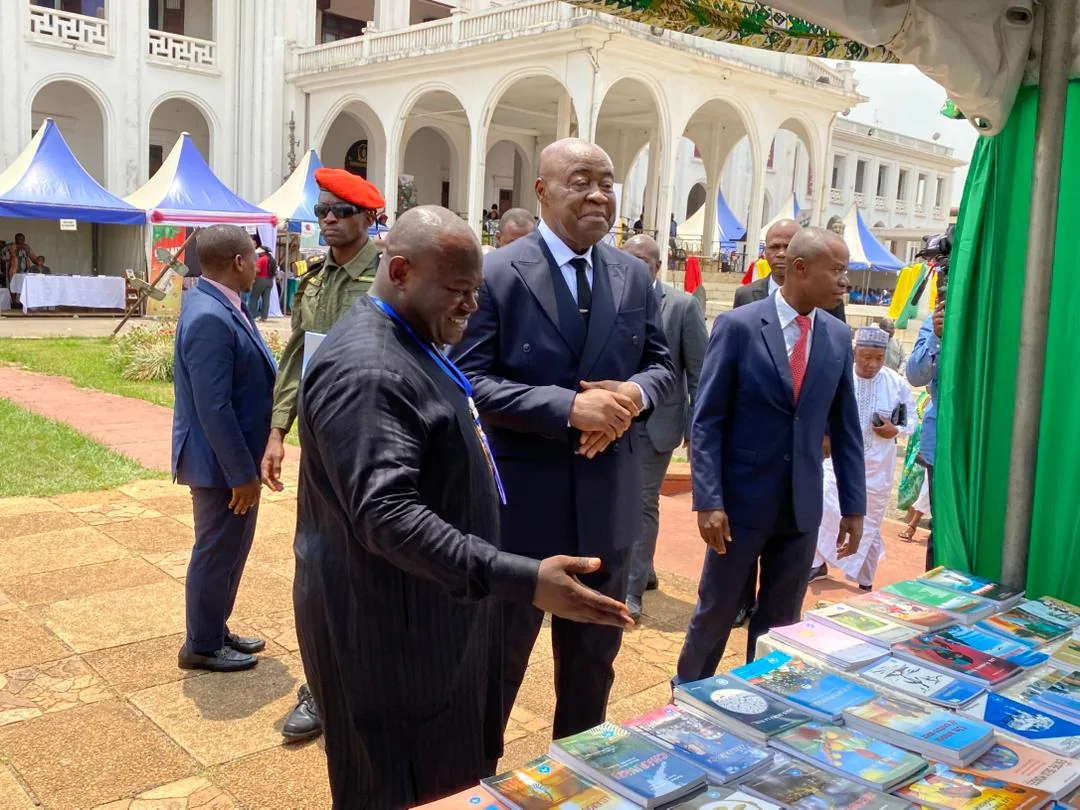
The Minister presenting books displayed on a stand, alongside officials

Pierre Ismaël Bidoung Mkpatt was born on 16 November 1953 in Nanga Eboko, a locality in the Centre Region of Cameroon. A political playwright, university academic, educator and community leader, he has built his career at the crossroads of the stage, teaching and public service. This fourfold background explains the attention he gives to artists, teachers and young people, three groups that the Ministry supports every day.

From the field of education to ministerial office

Before joining the government, he served as Director of the National Institute of Youth and Sports (INJS), an institution responsible for training professionals in community activity leadership, physical education and youth supervision. This experience as head of a training institution remains a point of reference: the Ministry of Arts and Culture likewise relies on schools, institutes and cultural centres to prepare tomorrow’s professionals.

Four successive portfolios

  • Minister of Youth and Sports, then Minister of Youth and Civic Education, from 2011 to 2015;

  • Minister of Sports and Physical Education, appointed on 2 October 2015;

  • Minister of Arts and Culture, appointed on 4 January 2019 in the new government, a position he holds today.

These stages are detailed in the timeline below; the leadership team and the Minister’s Office present the colleagues who work alongside him.

ℹ️
Key points

Born on 16 November 1953 in Nanga Eboko, political playwright, academic, educator and social worker, former director of INJS, Minister of Arts and Culture since 4 January 2019. See also the general mission of the Ministry.

Worksites

Four major projects of the term of office to follow

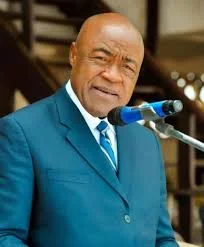
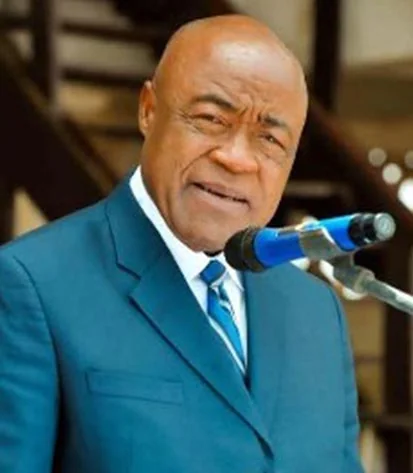
/ Priorities of the term of office Portrait of the Minister in a blue suit, speaking at a microphone.
Priorities of the term of office

Cultural and creative industries, an engine of growth

The Ministry aims to develop the cultural and creative industries with a view to making the arts and culture sub-sector economically profitable, in line with the guidelines of the National Development Strategy Paper – Cameroon 2030 (NDS30). Music, film, publishing, live performances, crafts and digital arts are the sectors where this ambition translates into jobs and revenue.

The country thus has a frame of reference for its development action over the coming decade. The sector strategy sets out its vision, action plan and monitoring indicators.

  • Growth of the arts and culture sub-sector
  • Creation of decent jobs
  • Reference framework: NDS30
Read the sector strategy
The Minister’s word

Recent speeches and guidelines of the Minister

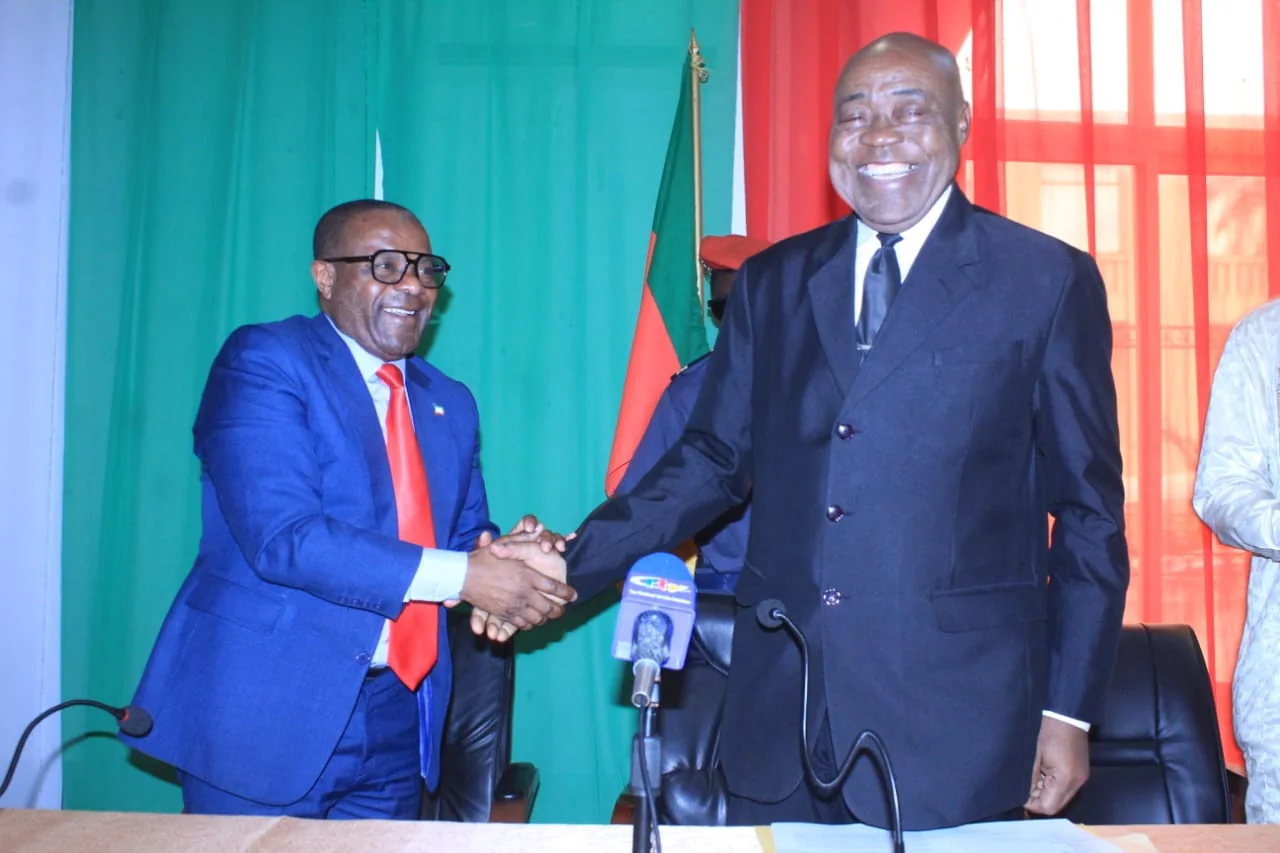
Handshake between the Minister and a partner during an official meeting

The Minister’s addresses follow a common thread: making the arts and culture a sector that produces wealth and decent jobs, without ever losing sight of what gives them their primary value, social bonds and identity. Opening ceremonies of fairs, prize-giving ceremonies, boards of directors of institutions, meetings with professionals: every occasion restates this course.

Recurring themes

  • The structuring of the industries, from publishing to film, with implementing texts awaited by professionals;

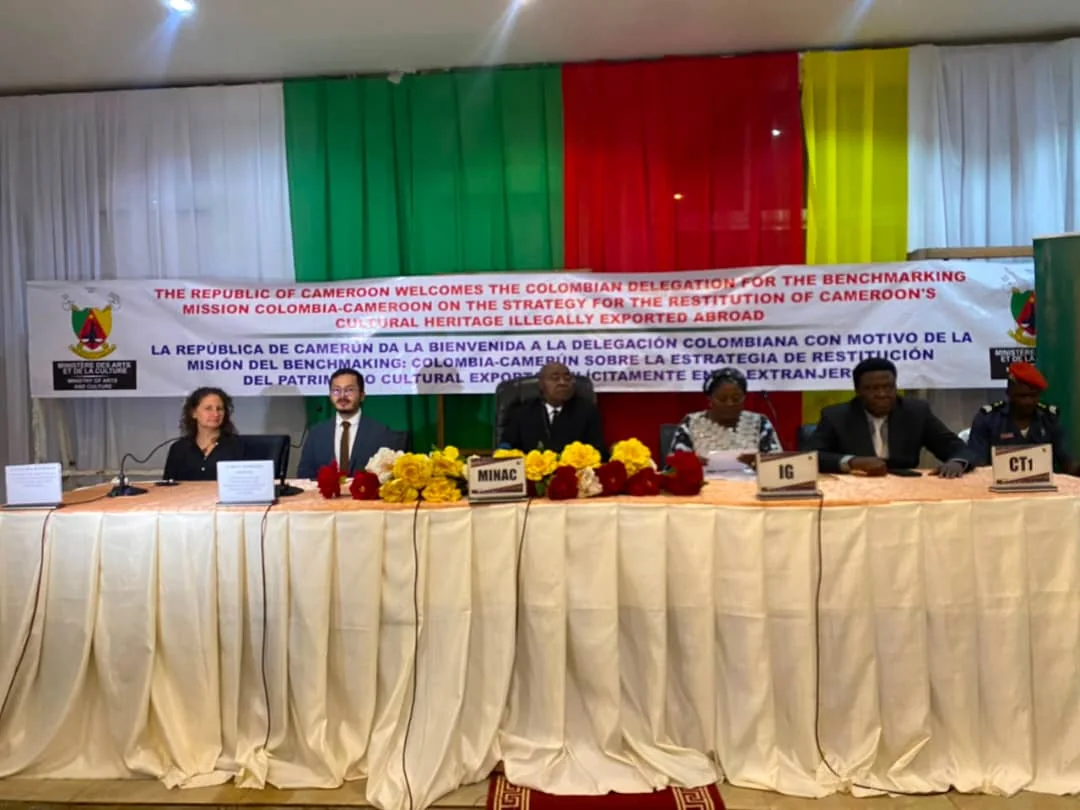
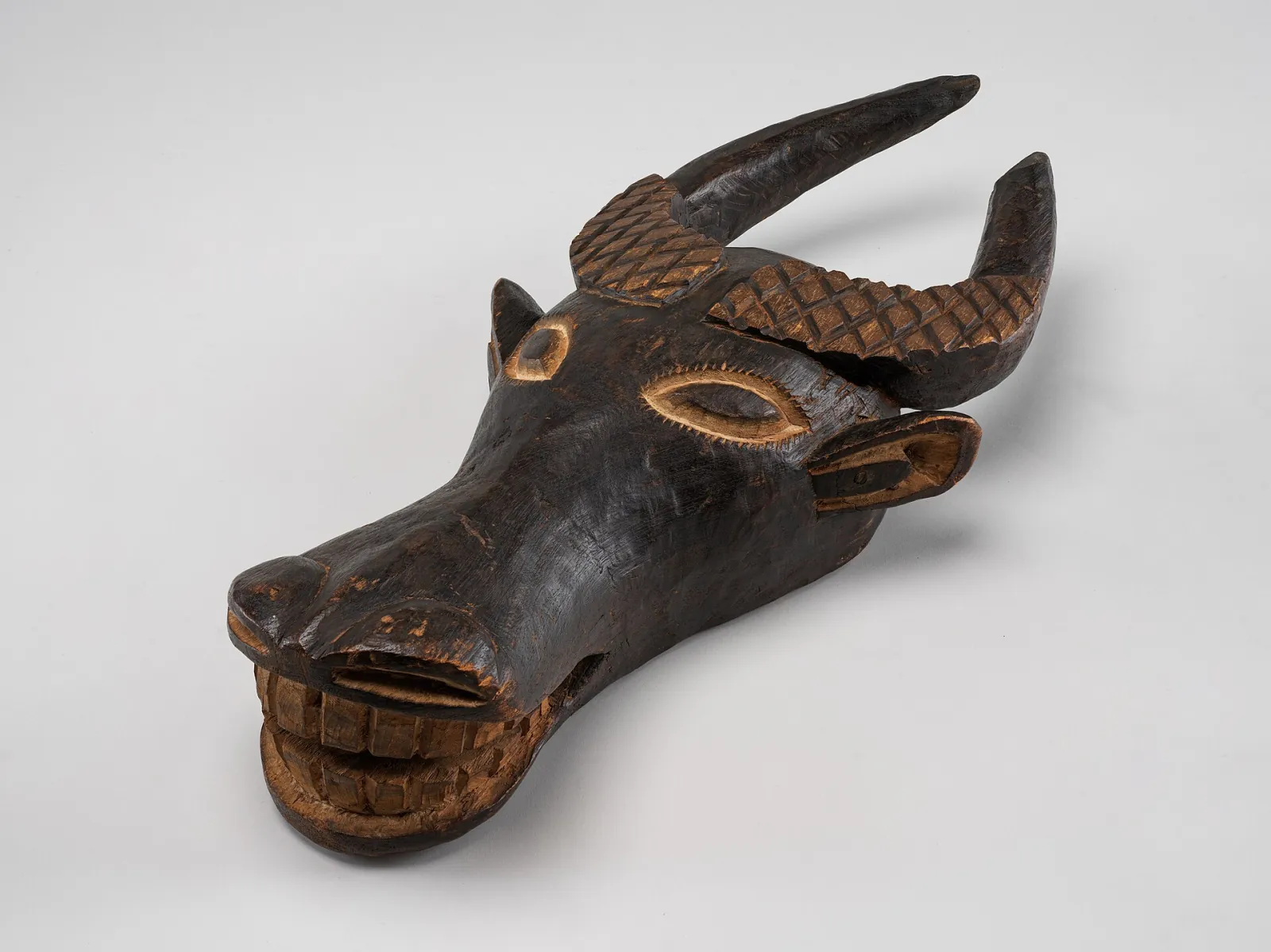
  • The safeguarding and return of illicitly exported cultural property, the subject of cooperation missions with partner countries;

  • The digitisation of archives and the construction of the National Archives;

  • Arts education for young people, through holiday camps and workshops in schools.

Where to find the texts

Full speeches are filed in the Official speeches section. Images of the ceremonies can be found in the photo library and recordings in the video library. The feed below continuously presents the Ministry’s latest activities, and the press review collects the coverage published by the media.

ℹ️
How to cite a speech

Indicate the date, the venue of the ceremony and the exact title of the address as they appear in the official speeches section.

In the news

The Ministry’s latest activities

This feed updates automatically each time the communication service publishes: audiences granted to ambassadors, festival openings, cooperation missions, official ceremonies and meetings with professionals. Each headline links to the full article, with its date and, usually, photographs. For a classification by theme, region or year, open the news section; official press releases also appear there.

All news
The January to March appointment

The New Year greetings ceremony at the National Museum

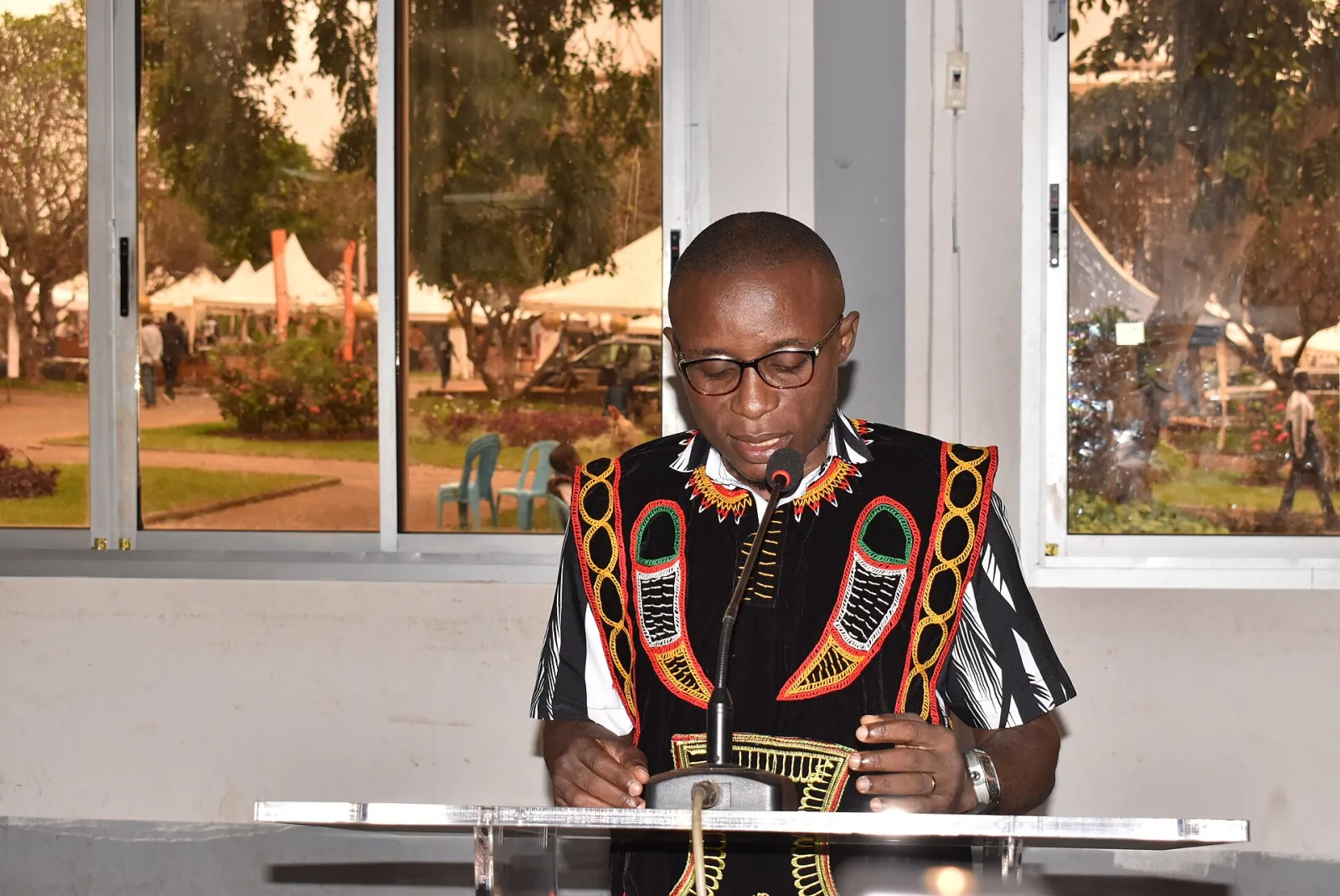
Speaker in a black embroidered toghu tunic at a lectern at the National Museum in Yaoundé

At the start of each year, Ministry staff present their greetings to the head of the ministerial department. At the most recent ceremony, on Wednesday 18 March, the esplanade of the National Museum welcomed Ministry staff, heads of central services and guests in a convivial yet solemn atmosphere.

A review and outlook

The meeting presented a review of the activities carried out in the arts and culture sub-sector during 2025 and outlined the outlook for 2026: continuation of major projects, preparation of festivals, and consolidation of the texts governing the book and film professions. The review draws on the directorates’ reports, which can be consulted in the Budget and reports section.

Decorations and tributes

The ceremony began with the decoration of Technical Adviser No. 1 with the rank of Officer of the Order of Merit. Guests then attended tributes paid to five Ministry staff members who are about to retire. Beyond its ceremonial character, this moment is a reminder that the Ministry is first and foremost a community of people, whose careers deserve recognition.

The full programme of the day is covered in the site’s news.

Write to the Minister

Contacting the Minister’s Office: audience requests, correspondence and follow-up

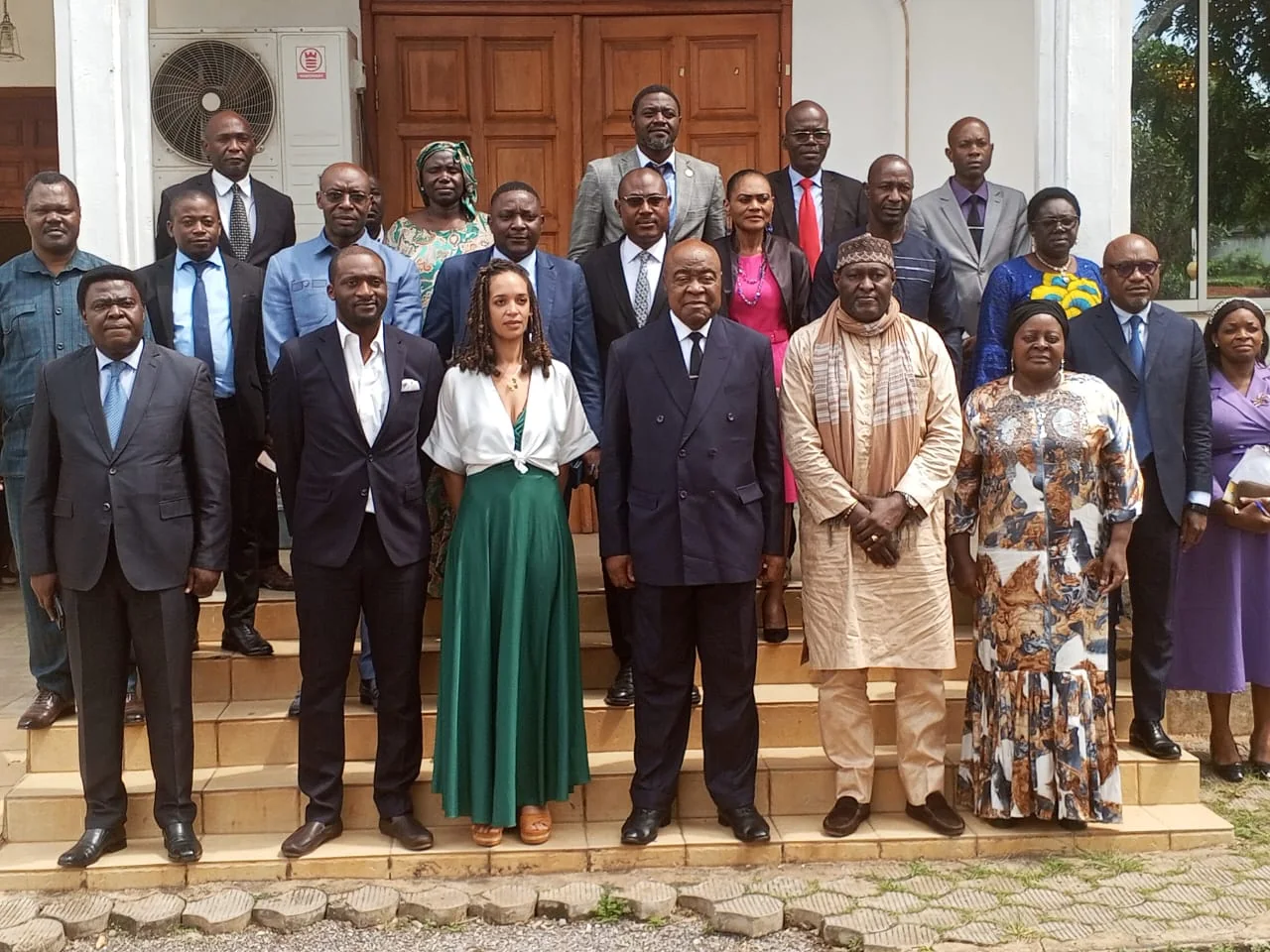
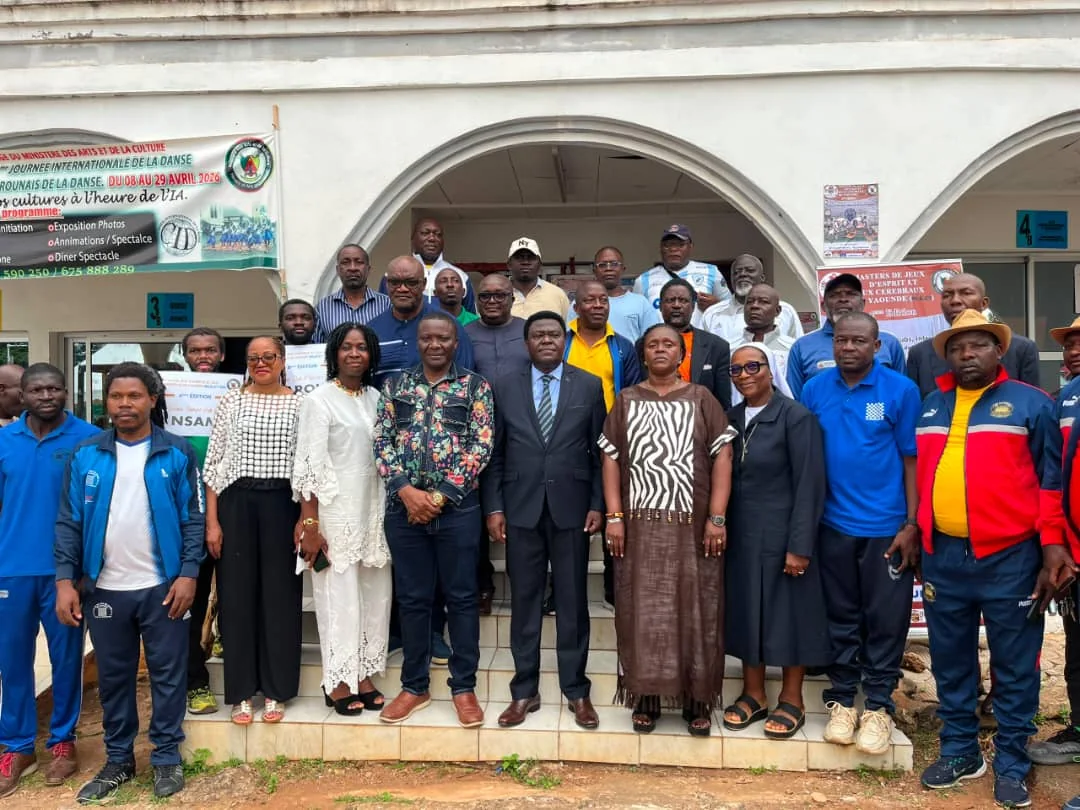
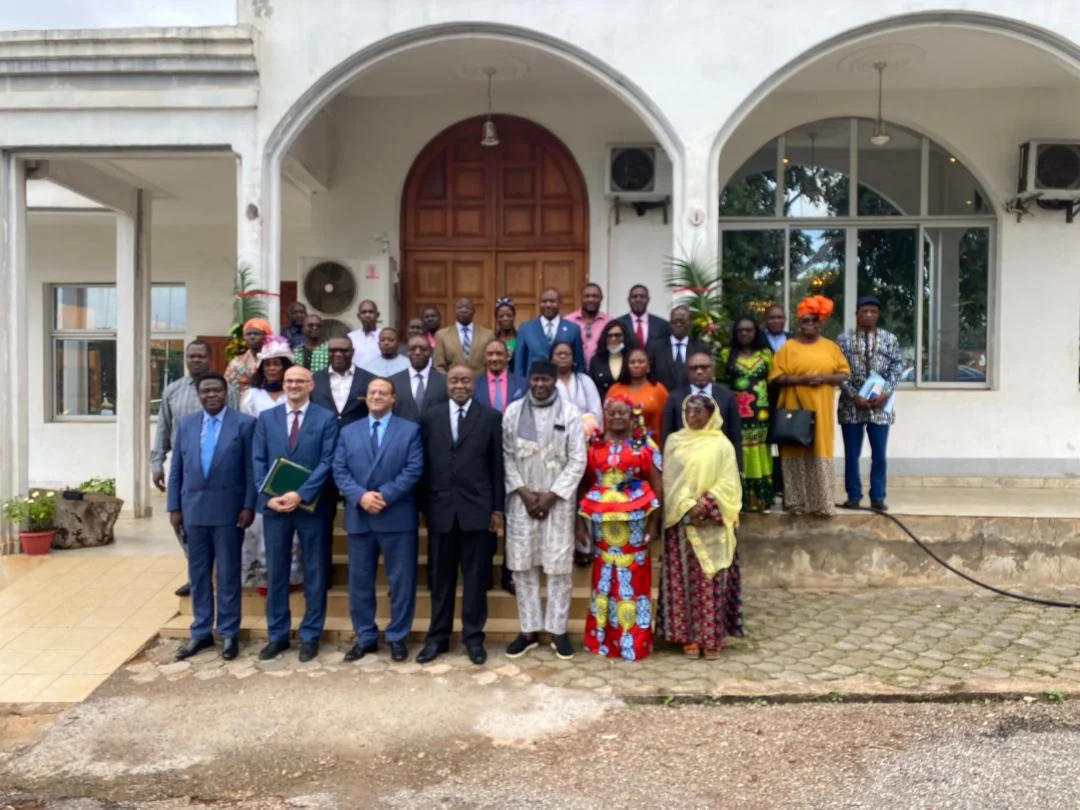
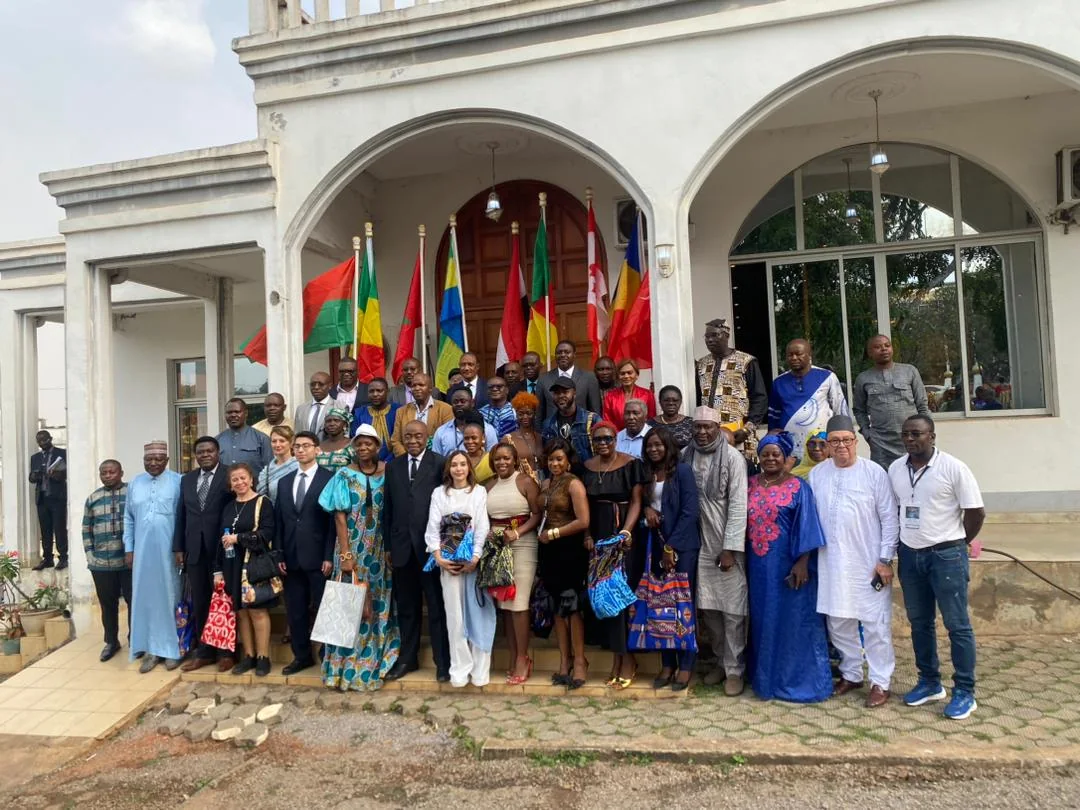
A group of men in suits and women in colourful outfits poses in front of the arched entrance of a building.

The Minister’s Office receives audience requests, official invitations and letters from institutions, artists and citizens. It directs them to the competent service or submits them to the Minister when they fall within his decision-making remit. The audiences granted in 2026 thus received delegations of ambassadors, festival promoters, traditional authorities and representatives of the cultural press.

How to proceed

  1. Use the contact form below, stating the purpose of your request: meeting, invitation or information;

  2. Attach a short presentation of your organisation and, if possible, a signed letter;

  3. Provide your full contact details so that you can receive the reply.

ℹ️
Response time

The Minister’s Office acknowledges receipt of requests and forwards them to the relevant service; a clear and complete message speeds up processing.

Write to the Minister

Write to the Minister’s Office

“Book an appointment” or “Contact us for more information”.

Priorities

The three ministerial priorities: growth, jobs, major projects

Growth

Develop the cultural and creative industries to make the arts and culture sub-sector economically profitable, from music to film, from publishing to art crafts, throughout the country.

Industries

Decent jobs

Enable the players in the sub-sector to become major players in the economy, to enjoy their civic rights and fulfil their duties, with decent jobs.

Careers

Major projects

National Archives, Houses of Culture, INAC: structuring facilities to broaden the range of cultural goods and services available to the population.

Major projects

“Our project is to move from a culture lived unconsciously to a culture freely thought out. My conviction is that a courageous and consistent cultural policy is the lever of the fruitful political culture that I intend to promote in order to consolidate Cameroonian democracy.”

H.E. Paul BIYA, Communal Liberalism, 1987, p. 114
Why support creation

Is art useful? The benefits of a cultural policy

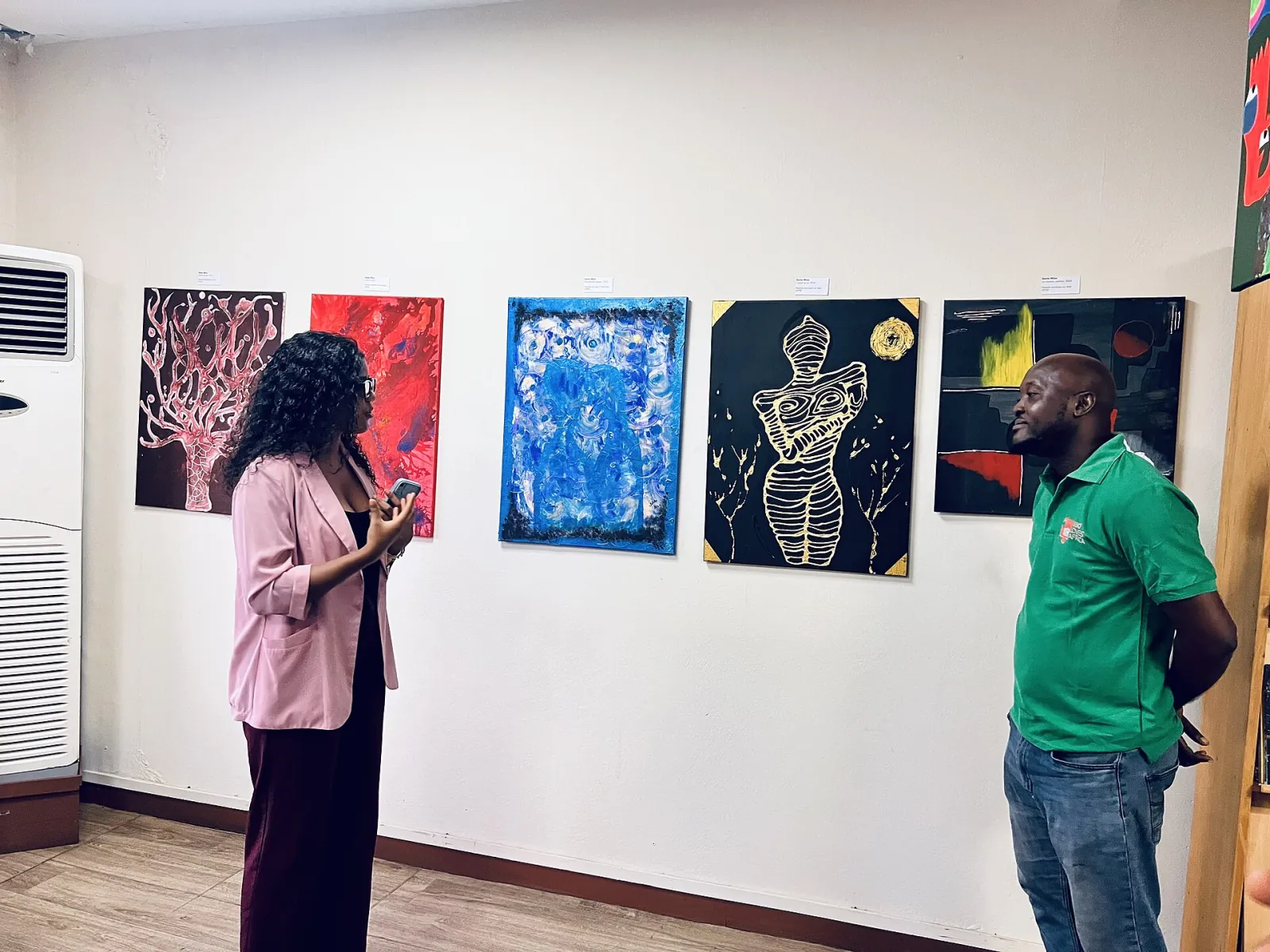
Visitors in front of abstract paintings hung on the walls of an art gallery

Art stimulates deep and intimate emotions, and practising it develops children’s cognitive abilities. Beyond this, it first satisfies an aesthetic need by providing disinterested satisfaction, the opposite of primary needs. This is why the Ministry champions arts education from school onwards.

Culture and art refer to all activities linked to the creation, production, distribution or consumption of music, theatre, dance, visual arts or radio and television programmes. Culture is the relationship to the thing; art is an archaic human activity that consists in formulating a symbolic discourse using very diverse materials: words, images, sounds, movements.

A practical consequence follows from this definition: supporting a festival such as the Ngondo, opening a library or protecting a listed monument is part of the same effort as funding a studio or a cinema.

Step by step

Requesting an audience with the Minister

Stating the purpose

Write a few lines on what you are asking for: support for a festival, presentation of a project, a visit by a delegation, an invitation to a ceremony.

Write to the Minister’s Office

Send your request through the contact form on this page or by post to the Minister’s Office, at the Ministry’s address in Yaoundé.

Attaching the documents

Add the presentation of your organisation, the event calendar and, where applicable, the authorisation obtained from the One-Stop Shop.

Awaiting direction

The Minister’s Office directs the request to the competent directorate or proposes an audience date according to the Minister’s agenda.

Preparing for the meeting

Come with a concise file, visuals and specific requests, so that the discussion leads to concrete decisions.

Career

A ministerial career in three portfolios

Youth and Civic Education (2011-2015)
About four years at the head of the portfolios for youth, civic education and civic responsibility among young people.
57 %
Sports and Physical Education (2015-2019)
About three years after the appointment of 2 October 2015, until the reshuffle of 4 January 2019.
43 %
Arts and Culture (since 2019)
More than seven years at the head of the Ministry of Arts and Culture, the longest of the three stages.
100 %
Glossary

The terms of the ministerial term of office

NDS30

National Development Strategy Paper – Cameroon 2030, the frame of reference for public action for the decade.

Cultural and creative industries

Economic sectors based on creation: music, film, publishing, live performances, crafts, digital arts.

Arts and culture sub-sector

All activities falling under the Ministry, from museums to festivals, including books.

Decent work

Paid activity carried out under conditions of safety, social protection and respected rights.

Minister’s Office

A team of advisers who assist the Minister in his decisions and organise his agenda.

INJS

National Institute of Youth and Sports, a training institution headed by the Minister before he joined the government.

INAC

National Institute of Arts and Culture, an institution whose second phase of construction is under way.

Regional Delegation

A decentralised service of the Ministry present in each of the ten regions.

Technical adviser

A collaborator of the Minister in charge of a specific field, who may represent him at a ceremony.

Order of Merit

A national distinction, several grades of which are awarded at official ceremonies.

Worth reading

The reference texts of the term of office

Around the Minister

The services around the Minister

Going further

Pages related to the Minister’s Message

International

The international partners mentioned by the Minister

Key facts

From 16 November 1953 to January 2019: the key dates

16 November 1953Born in Nanga Eboko

The future Minister is born in this locality in the Centre Region, the cradle of a career devoted to teaching, the stage and public service.

Before 2011Directorship of the INJS

He directs the National Institute of Youth and Sports, where he trains professionals in community activity leadership and physical education before being called to join the government.

2011 – 2015Youth and Civic Education

As Minister of Youth and Sports, then Minister of Youth and Civic Education, he focuses on youth supervision and civic responsibility.

2 October 2015Sports and Physical Education

He is appointed Minister of Sports and Physical Education, a portfolio he holds until the reshuffle of early 2019.

4 January 2019Arts and Culture

The new government entrusts him with the Ministry of Arts and Culture, which he has led to this day with the central directorates and regional delegations.

Commitments

The Minister’s forms of engagement throughout the year

Type of appointmentWhat it includesWhere to find a record
Opening and closing ceremoniesFairs, festivals and professional meetings chaired or attended by representationNews and photo library
AudiencesReceptions of ambassadors, promoters, traditional authorities and foreign delegationsNews and press review
International missionsParticipation in the Francophonie Games in Yerevan, Armenia, on 28 October 2026Cultural agenda and cooperation
Boards of directorsSessions of the governing bodies of institutions under supervision, including the National EnsembleInstitutions under supervision
Interministerial workRevision of the texts on film and publishing with other departmentsLegislative texts
Internal ceremoniesNew Year greetings, tributes to staff retiring, staff celebrationsMinistry news
Questions

Your questions about the Minister and his Office

Who is the current Minister of Arts and Culture?

It is Pierre Ismaël Bidoung Mkpatt, born on 16 November 1953 in Nanga Eboko. A political playwright, university academic, educator and community leader, he was appointed Minister of Arts and Culture on 4 January 2019 and holds this position to this day.

What posts did he hold before 2019?

He headed the National Institute of Youth and Sports, then served as Minister of Youth and Sports, followed by Minister of Youth and Civic Education from 2011 to 2015, before being appointed Minister of Sports and Physical Education on 2 October 2015.

How do I request an audience?

Use the contact form on this page, choosing the purpose closest to your request and clearly describing your organisation, your project and the date you would like. The Minister’s Office acknowledges receipt, then directs the request to the competent service or proposes a meeting.

Where can I find the Minister’s speeches?

Speeches are filed in the Official speeches section. Images of the ceremonies are in the photo library, recordings in the video library, and press coverage in the press review, regularly updated by the communication service.

What are the Ministry’s objectives?

To focus on the growth of the arts and culture sub-sector, develop the cultural and creative industries, create decent jobs and enable stakeholders to enjoy their civic rights, in line with the NDS30 framework and the sector strategy.

Does an administrative procedure go through the Minister’s Office?

No. Authorisations, approvals, artist cards and grants are processed online through the One-Stop Shop, with a file number for tracking. The Minister’s Office handles audience requests, official invitations and letters addressed to the Minister.

Does the Minister travel to the regions?

The Minister chairs, or is represented by the Secretary General or a technical adviser at, festivals, fairs and ceremonies in the regions. The regional delegations organise the reception and report on these occasions in the site’s news.

Where can I see the Minister’s agenda?

Public appointments, such as participation in the Francophonie Games in Yerevan on 28 October 2026, appear in the site’s cultural agenda. Events open to the public are added after verification by the programming service.

Minister’s Office

Contacting the Minister’s Office

Address

Minister’s Office
Ministry of Arts and Culture
Quartier du Lac – Zone ministérielle
P.O. Box 1053 Yaoundé, Centre Region, Cameroon

Reach us

+237 6 51 70 58 41

contact@minac.gov.cm

Opening hours

Monday to Friday, 8 am to 4 pm

A request to the Ministry?

The One-Stop Shop centralises your procedures: authorisations, approvals, grants and file tracking.

Go to the One-Stop Shop
WhatsApp