
Services
Submission at any hour, payment by Mobile Money or card, tracking by file number: the Services section brings together the Ministry’s seventeen procedures and support pages, for artists, associations, organisers and owners of cultural property.
Your procedures with the Ministry, from submission to follow-up
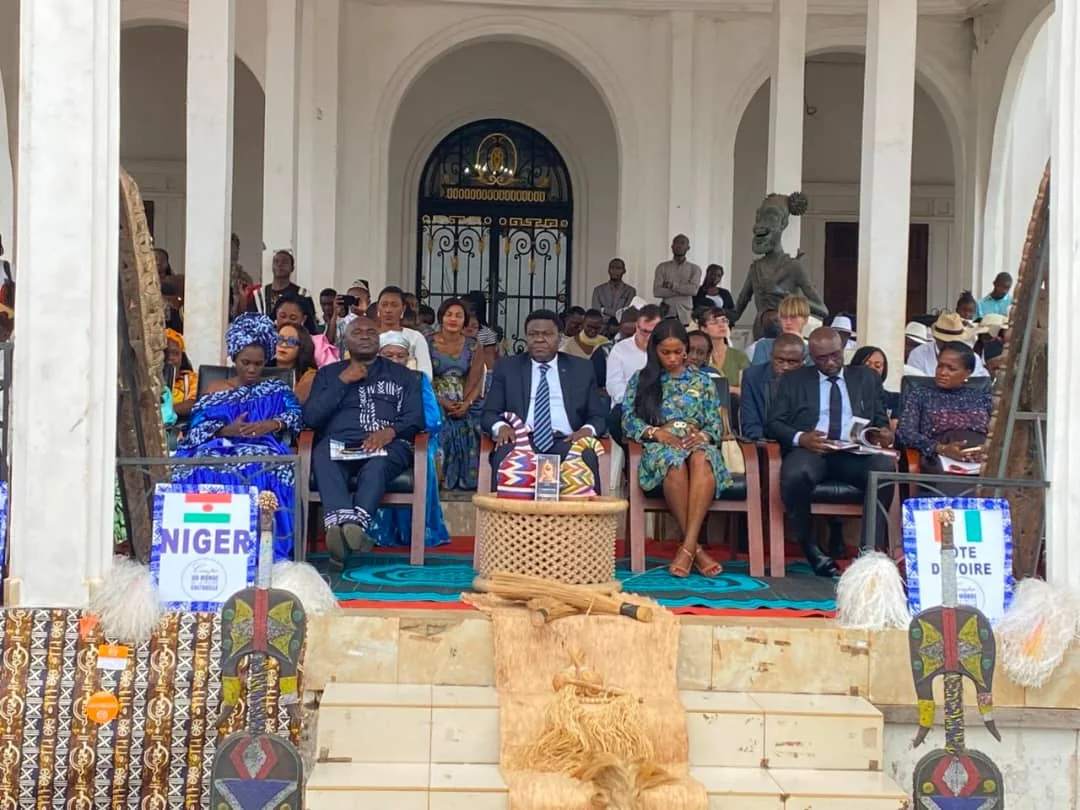
The Services section brings together in one place all the procedures that the Ministry of Arts and Culture processes for artists, associations, event organisers, producers and owners of cultural property. Each procedure has its own page: conditions, documents to be supplied, form, receipt and tracking, presented in the same order so that you can find your way from one procedure to another.
The entry point is the One-Stop Shop. There you submit your file at any hour, pay any fee by Mobile Money or bank card, then track progress with a file number. The ten regional delegations also receive paper files for those who prefer the counter.
- Online submission or at a regional delegation
- Secure payment by Mobile Money or card
- Tracking by file number, with or without an account
A cultural administration that is becoming simpler: how the section came about
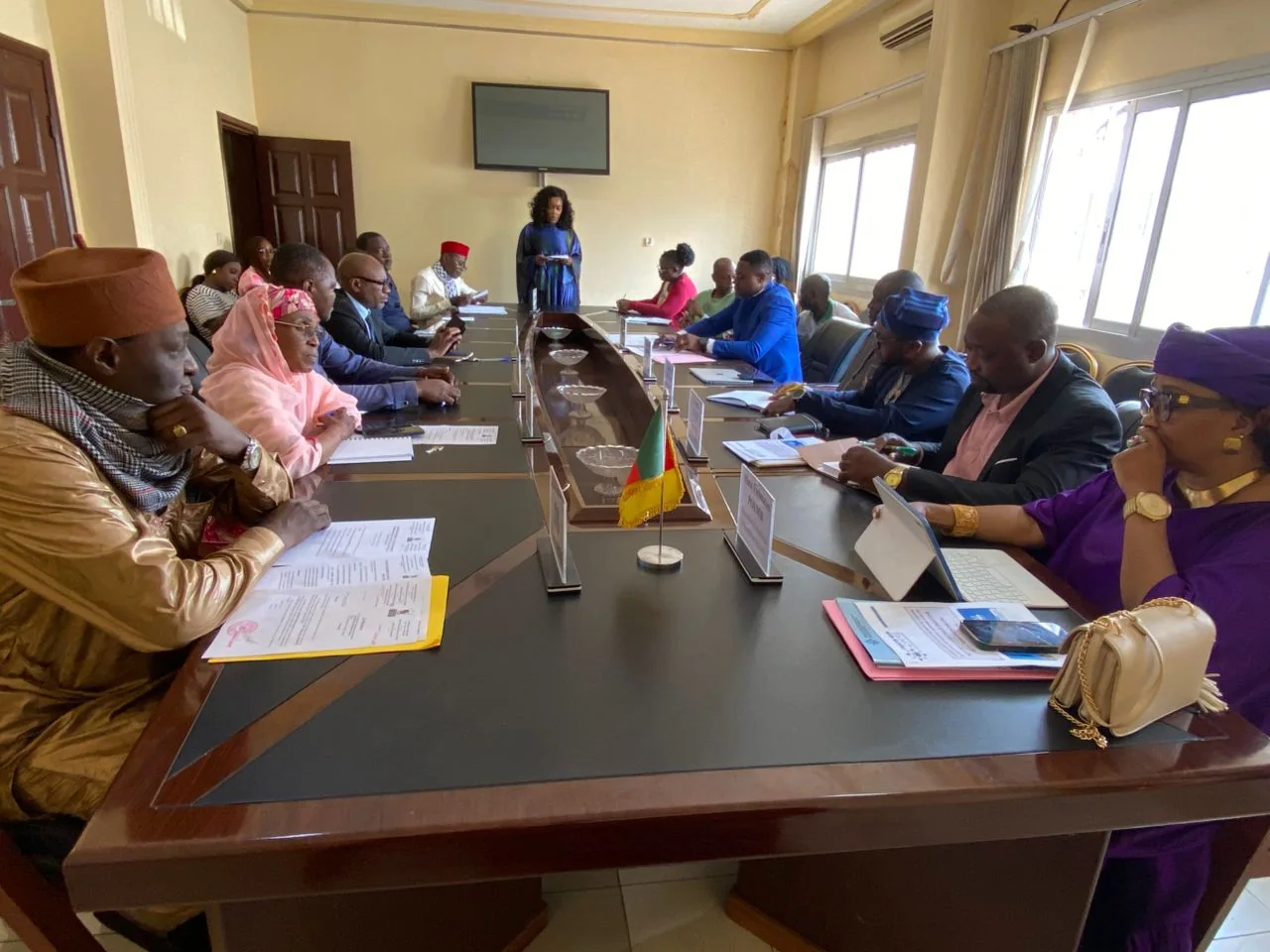
For a long time, obtaining a performance authorisation or an association approval meant knowing which office was responsible, submitting documents in several copies and returning in person to find out where the file stood. Users in the regions, far from Yaoundé, were the first to be penalised. The One-Stop Shop was designed to remove these obstacles: one form per procedure, scanned documents, a recorded payment and a number that allows the file to be tracked from end to end.
This modernisation is part of the general direction of the sector strategy derived from the NDS30: making the cultural services on offer clearer and closer to citizens. It relies on the central directorates, which process the files, and on the regional delegations, which welcome users.
A procedure for every situation, from creator to collector
Artists and creators
Having your status recognised, dating and protecting your creations, financing a project: three procedures are enough to lay the foundations of a career in good standing.
Artist cardDeposit of a workSubsidyCultural associations
Obtain the approval that gives official existence, then apply for financial support for the structure’s activities.
Association accreditationGrant applicationFormsOrganisers and producers
Declare a performance, a festival or a film shoot, within the deadlines and with the documents expected, so that the event takes place with full legal security.
Show authorisationFestival authorisationFilming authorisationOwners and collectors
Have a property of heritage interest listed or obtain authorisation to export a work of art, with the support of the heritage services.
Listing of a propertyExport of works of artReportingThe One-Stop Shop in detail: submission, guidance and acknowledgement of receipt
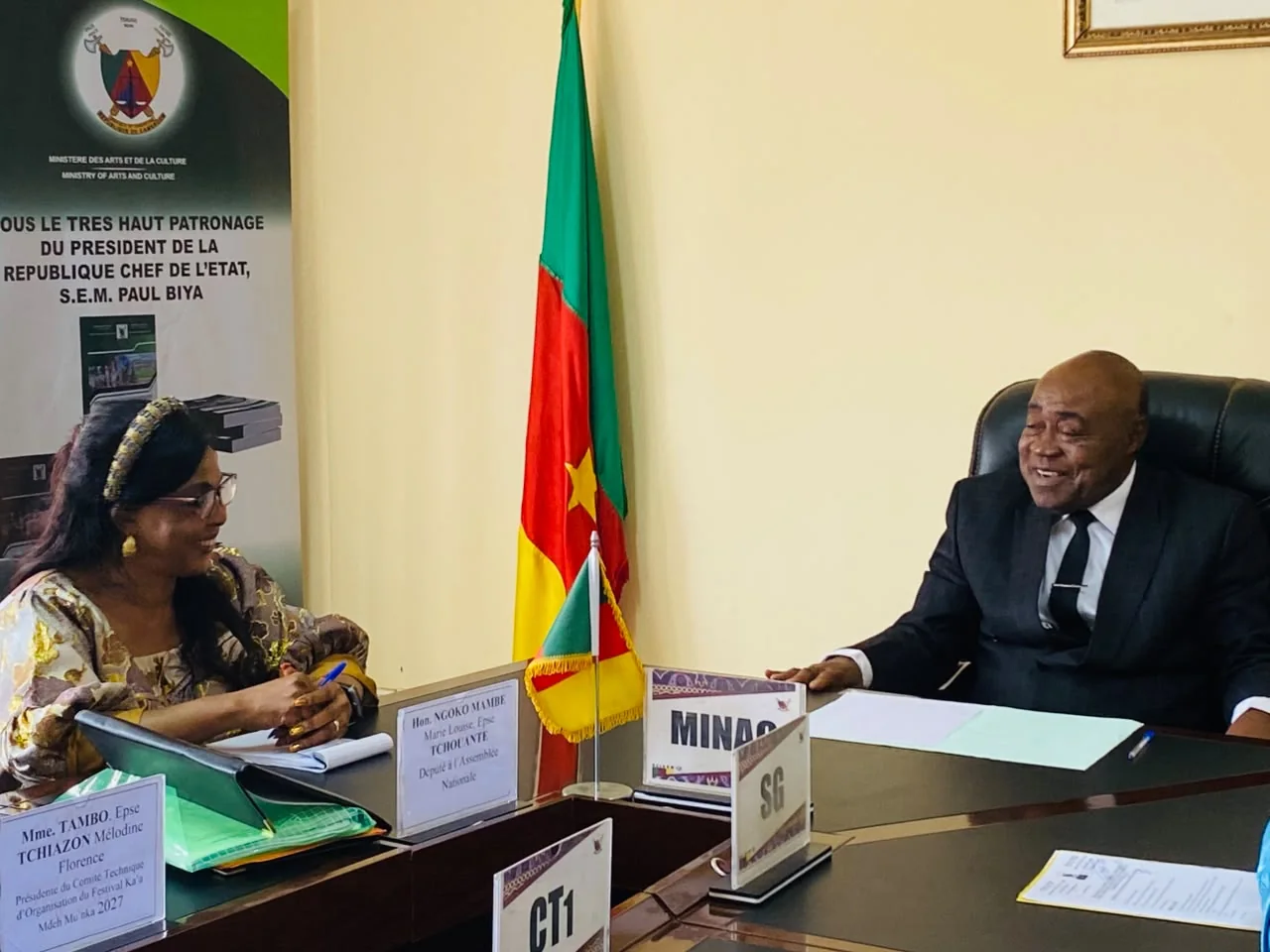
The One-Stop Shop is the digital front of the Ministry’s services. It does not replace the directorates: it forwards files to them in a common format, with verified documents and recorded payment. Users no longer need to wonder which office is responsible; the One-Stop Shop directs them.
With an account, the form lets you save a draft and resume your entry later. The sections adapt to the procedure chosen: a theatre company does not see the same questions as the owner of a listed property. On submission, the screen displays a file number and a receipt, and a confirmation message is sent to the e-mail address entered.
Submission and tracking work without an account, using the file number. A free account also keeps your drafts, documents and messages: the My account page explains both routes.
Artist status, works and grants: the procedures for creation

This family groups the procedures that support the professional life of a creator. The artist card attests to professional standing and opens access to schemes specific to the sector, notably those of the social status of the artist. The deposit of a work dates the creation and establishes authorship, which is valuable in the event of a dispute; it complements, without replacing, the protection that the law grants from the moment of creation.
The grant application is addressed to artists, associations and project leaders seeking support from the Ministry. It requires a structured file: project description, timetable, budget, partners. Open calls are flagged on the calls for projects page.
Performances, festivals and film shoots: event authorisations

Organising a concert, a festival or a film shoot requires prior authorisation, because these events involve public safety, the use of space and the rights of artists. Three procedures cover these situations: the performance authorisation for shows, the festival authorisation for multi-day or large-scale events, and the filming authorisation for film and audiovisual productions.
Each is processed by the competent directorate: performances and creative industries for the first two, cinematography and audiovisual productions for the third, as detailed on the central directorates page. The file must be submitted early enough for processing, and where necessary consultation of the local authorities, to be completed before the date of the event.
Listing a property, exporting a work: the heritage procedures
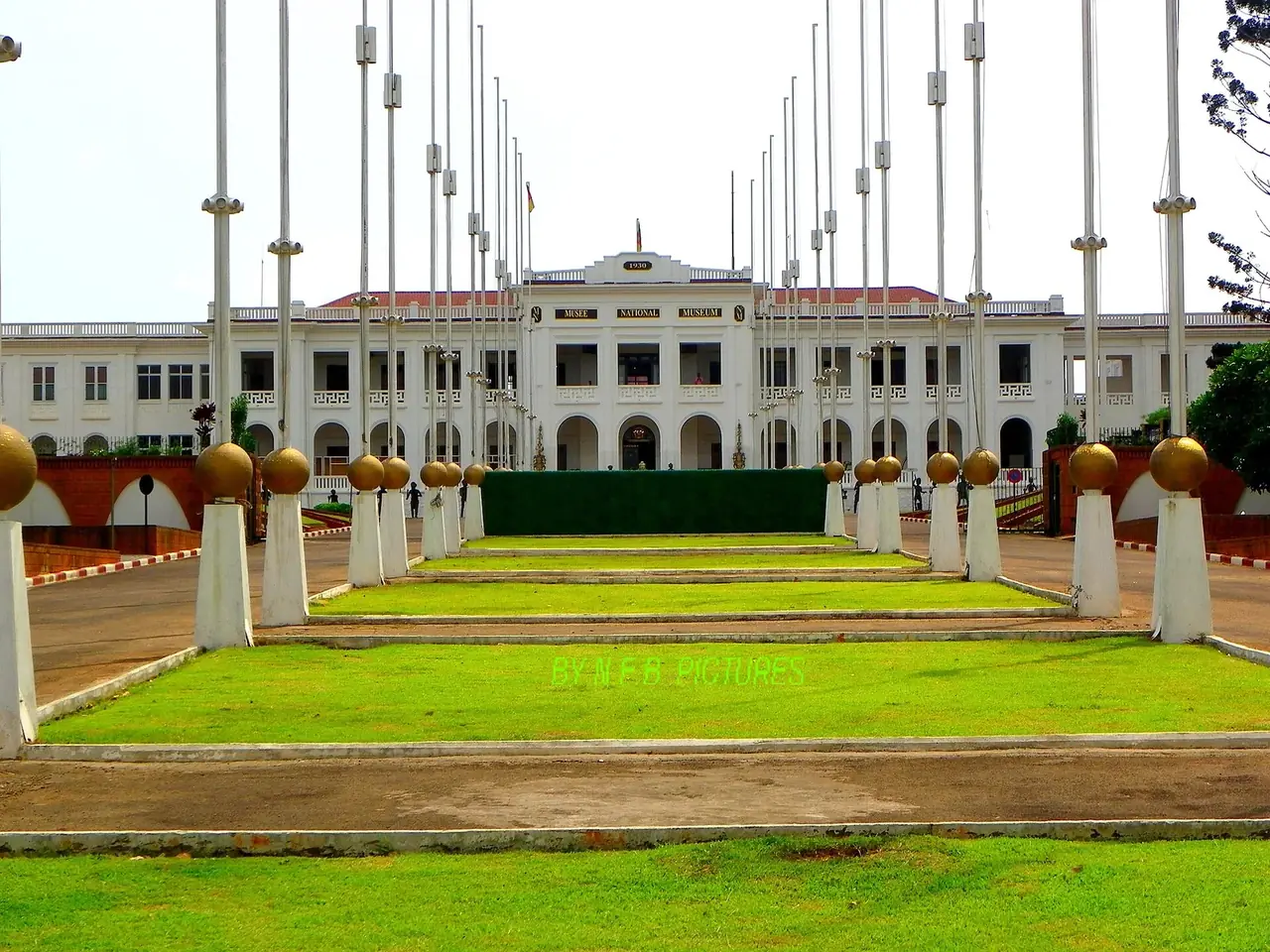
Two procedures protect the country’s tangible memory. The listing of a property officially recognises the historical, artistic or archaeological interest of a monument, an object or a site, and applies to it the protection regime provided for by the heritage law. Export of works of art regulates the removal from the territory of cultural works and objects in order to prevent the loss of major items.
These procedures are extended by citizen vigilance: the reporting page makes it possible to alert the Ministry to a threatened property, illicit trafficking or a case of piracy, with the option of remaining anonymous. The heritage services then cross-check the information against the national inventory and, if necessary, with the control authorities.
Approving a cultural association: legal existence and access to support

Many cultural initiatives are born within associations: theatre troupes, music ensembles, visual arts collectives, neighbourhood libraries. Association approval gives them official status with the Ministry. It facilitates access to grants, participation in competitions and the signing of agreements with local authorities and partners.
The file generally includes the articles of association, the list of board members, the minutes of the inaugural meeting and a presentation of activities. The exact documents and conditions are detailed on the page of the procedure; templates are available in the forms intended for associations.
From choosing the procedure to the decision in five steps
Choose
Find your procedure in the list or by need, then read the conditions, the documents expected and the stated time before you begin.
Prepare
Gather the scanned documents, check names and dates, and if necessary download the corresponding template from the forms page.
Deposit
Fill in the guided form, attach the documents and validate: the file number and the receipt are displayed immediately on screen.
Pay
If the procedure involves a fee, pay it by Mobile Money or bank card; the amount is shown on the fees page.
Follow
Enter your file number to see the current stage, respond to a request for further documents and collect the decision.
Paying your fees online: Orange Money, MTN MoMo and bank card

Paid procedures are settled at the time of submission. The One-Stop Shop accepts the two major Mobile Money services, Orange Money and MTN MoMo, as well as bank cards. The amount is not repeated on each procedure page: it is published and updated on the fees page, then shown again on the payment screen before any validation.
With Mobile Money, you choose your operator, enter the number linked to the account and confirm the request on your telephone. With a card, entry is made on a secure page. In both cases, a receipt is issued and attached to the file, which avoids having to prove payment during processing.
From idea to decision: the life cycle of an application
The form is validated, the file number and receipt are displayed, and a confirmation message is sent by e-mail.
The One-Stop Shop checks that the documents are legible and complete, records the payment and directs the file to the competent directorate.
The processing service studies the application, consults the delegations or experts where necessary and may request additional information.
If a document is missing, the user is notified; they reply online with their file number and processing resumes where it had stopped.
The decision is signed by the competent authority, posted online in the tracking and, depending on the procedure, issued in the form of a card, an order or an authorisation.
“A successful procedure is one you understand from the first page: the conditions, the documents, the time, then a number to know where your file stands.”
Tracking your file, following up, complaining: the rights of the user
Each file submitted receives a number in the form MINAC-2026-XXXXXX. Combined with the e-mail address used at submission, it gives access to the file tracking page, open at any hour and free of charge. There you can read the current stage, the further documents requested and, once given, the decision.
If the stated time has elapsed, a courteous reminder quoting the file number often speeds up processing. If this has no effect, the user may submit a complaint following the procedure described on the quality and accessibility page, which also presents the service commitments and the administration’s ombudsman.
The vocabulary of administrative procedures
One-Stop Shop
Digital and physical entry point that receives files and directs them to the competent service.
File number
Identifier in the form MINAC-2026-XXXXXX, issued at submission and used for tracking.
Receipt
Document issued after a submission, attesting to the date and receipt of the application.
Supporting document
Document attached to the file to prove a piece of information: identity, articles of association, quotation, programme.
Processing
Examination of a file by the competent service before the authority’s decision.
Additional documents
Document or clarification requested from the user when the file is incomplete.
Approval
Official recognition granted to an association or a cultural organisation.
Listing
Measure that recognises and protects cultural property under the heritage law.
Mobile Money
Payment by telephone via Orange Money or MTN MoMo, accepted for fees.
Regional Delegation
Decentralised service of the Ministry based in the regional capital of each of the ten regions.
Key dates
Ten delegations, ten entry points: submit and get information in the regions
The One-Stop Shop is online, but the Ministry is also present in the ten regions of the country through its delegations: Ngaoundéré for Adamawa, Yaoundé for Centre, Bertoua for East, Maroua for Far North, Douala for Littoral, Garoua for North, Bamenda for North-West, Bafoussam for West, Ebolowa for South and Buéa for South-West. Their contact details are on the regional delegations page.
There you can collect templates, submit a paper file, obtain information on events in the region and meet officers who know the local context. The access plan and opening hours of each site are published; making an appointment is recommended for complex files.
Useful pages on procedures
The 17 pages of the Services section in a table
| Family | Pages | What they are for | For whom |
|---|---|---|---|
| Status and creation | Artist card, deposit of a work, grant | Have an activity recognised, date a creation, finance a project | Artists, authors, project leaders |
| Events | Authorisation for a performance, festival or film shoot | Obtain prior approval for a performance, a festival or a film | Organisers, producers, local authorities |
| Heritage | Listing of a property, export of works of art | Protect a property or authorise the departure of a work | Owners, collectors, gallery owners |
| Associations | Association accreditation | Give official status to a cultural organisation | Associations, troupes, collectives |
| Tracking and payment | One-Stop Shop, file tracking, fees, my account | Submit, pay, track, retrieve your receipts | All users |
| Documents and access | Forms, opening hours and addresses | Download templates, find a counter or an appointment | All users |
| Monitoring and assistance | Reporting, online help | Alert on a threatened property or piracy, obtain help | Citizens, professionals |
Before starting your procedures
Do I need to create an account to submit a file?
No. No personal account is needed: you fill in the form, validate, and the site gives you a file number and a receipt. This number, combined with your e-mail address, is then enough to track the application. Keep it carefully with the confirmation message, as it serves as proof of submission. The My account page explains this arrangement.
Can a file be submitted on paper?
Yes. Online submission is open at any hour, but the Yaoundé head office and the ten regional delegations also receive paper files during opening hours. The documents requested are the same, and an officer enters the file in the One-Stop Shop to give you a tracking number identical to that of an online submission.
Which means of payment are accepted?
The One-Stop Shop accepts Orange Money, MTN MoMo and bank cards. Payment is made at the time of submission, after the exact amount is displayed. The receipt is attached automatically to the file. The amounts for each procedure are published on the fees page, which also specifies the exemptions provided for by the texts.
How long does the review of a file take?
The time taken varies according to the procedure and the completeness of the documents. It is stated on the page of each procedure and repeated in the confirmation message. A complete file, submitted sufficiently early, is processed in order of arrival. For an event, submit the application well before the planned date so as to allow time for the necessary consultations.
What should I do if my application remains unanswered?
First check that the stated time has elapsed and that no request for further documents is waiting in your inbox, junk mail included. Then follow up with the processing service, quoting your file number. If there is still no reply, submit a complaint following the procedure on the quality and accessibility page.
How can I correct an error in a file already submitted?
As long as the service has not begun processing, write to the online help giving your file number and the correction you want. If processing is under way, the officer may ask you for additional or corrected documents. Avoid submitting a second file: it would create a duplicate that delays the decision.
Where can I find the forms to download?
The templates are grouped on the Forms page, classified by profile: artists, associations, organisers and producers. Each procedure also links to its own form. Always download the most recent online version, as the sections and documents requested may change with the texts in force.
Whom should I contact in case of technical difficulty?
Use the online help, which offers guides, a frequently asked questions section and an assistance form. You can also call the switchboard on +237 6 51 70 58 41 or write to contact@minac.gov.cm quoting your file number. At the head office as at a delegation, an officer can help you complete your entry.
Contact the One-Stop Shop
Address
Quartier du Lac – Ministerial Zone, P.O. Box 1053 Yaoundé
Opening hours
Monday to Friday, 7:30 a.m. to 3:30 p.m.
Discover the other sections



Ready to submit your file to the One-Stop Shop?
Go to the One-Stop Shop: submission at any hour, secure payment and tracking by file number.