Coat of arms of CameroonMinistry of Arts
and Culture
Republic of Cameroon
My procedures
Home
Minister’s message
News
Press releases
Cultural calendar
Official speeches
Press review
Photo library
Video library
Calls for projects
Job vacancies
Public procurement
Newsletter
Frequently asked questions
Site map
Contact
Press area
Podcast “The Voice of Culture”
Legal notices
Privacy policy
Cookies and trackers
The Ministry
Missions and responsibilities
Organisation
Organisation chart
Minister’s Office (Cabinet)
Management team
General Secretariat
General Inspectorate
Central directorates
Regional Delegations
Institutions under supervision
Legislative texts
Regulatory texts
Sector strategy
Major projects
Budget and reports
Partners
Careers
Archives
Institutional communication
Quality and accessibility
Arts
Visual and plastic arts
Visual arts
Performing arts
Theatre
Dance
Music
Literature and books
Cinema and audiovisual
Photography
Fashion and design
Digital arts
Art crafts
Artists’ directory
Residencies
Prizes and awards
Arts education
Urban arts
Heritage
Tangible heritage
Intangible heritage
UNESCO sites
National museums
Listed monuments
National inventory
Palaces and chiefdoms
Archaeology
Linguistic heritage
Oral traditions
Traditional know-how
Restitution of cultural property
Fight against illicit trafficking
Listing and protection
Conservation and restoration
Heritage Days
Cultural landscapes
Industries
Music and recording
Cinema
Publishing and books
Digital arts
Fashion and creativity
Crafts
Cultural tourism
Funding for culture
Support funds
Incubators
Cultural entrepreneurship
Culture Observatory
Vocational training
Studies and reports
Sector statistics
Export and outreach
Intellectual property
Copyright
Legal framework
Copyright and neighbouring rights
Collective management societies
Register a work
Licences
Private copying
Fight against piracy
Model contracts
Social status of artists
Mediation
Disputes
Training
Fee scales
Register of works
Contact
Digital neighbouring rights
Public domain
Festivals
National calendar
Ngondo
Nguon
Écrans Noirs
Heritage Days
Music Day
Regional festivals
Fairs and exhibitions
Biennials
National competitions
Cultural days
Organise a festival
Event grants
Ticketing
Archives
Volunteering
Diaspora festivals
Regions
Adamawa
Centre
East
Far North
Littoral
North
North-West
West
South
South-West
Cultural map
Regional Delegations
Traditional chiefdoms
National languages
Cultural routes
Decentralised cooperation
Regional observatory
Cooperation
UNESCO
Francophonie (OIF)
African Union
Commonwealth
CEMAC
Bilateral cooperation
Cultural agreements
Professional organisations
Scholarships
Artist exchanges
Cultural years
Diaspora
Funded projects
Embassies
Technical partners
International restitution
International monitoring and calls
Services
Artist card
Show authorisation
Filming authorisation
Festival authorisation
Deposit of a work
Export of works of art
Listing of a property
Grant application
Association accreditation
File tracking
Forms
Fees
Opening hours and addresses
Reporting
Online help
My account
One-Stop Shop
Cooperation

CEMAC

Cameroon and its five CEMAC neighbours share a currency, institutions and peoples: policies, joint projects, events and contacts for cultural cooperation in Central Africa.

Updated on 6 November 20264 sub-pages
Member States6
Common monetary languageCFA franc
Peoples shared across borders4
Strands of cultural cooperationPolicies, projects, events
CEMAC

Cameroon at the heart of Central Africa

Panorama of Yaoundé at sunset from the Reunification Monument

Cameroon belongs to the Economic and Monetary Community of Central Africa (CEMAC), a framework for sub-regional integration that brings together six states: Cameroon, the Central African Republic, Congo, Gabon, Equatorial Guinea and Chad. These countries share a currency, common institutions and, above all, peoples, languages and landscapes that know no borders.

Cultural exchanges accompany economic integration there. This page presents the sub-regional policies relevant to the sector, the joint projects, the events of the six countries and the means of proposing an action to the Ministry.

  • Six states that share a history and peoples
  • Joint cultural projects to develop
  • Festivals and gatherings relayed by the Ministry
See the policies
Policies

The cultural policies of the sub-region

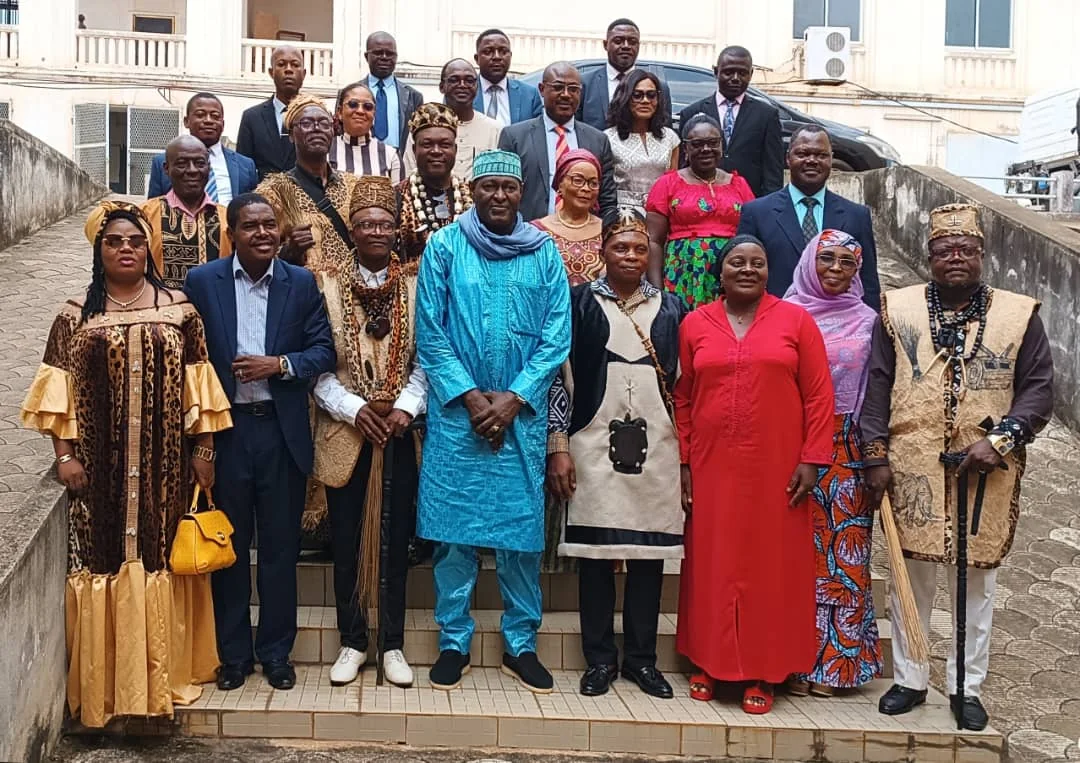
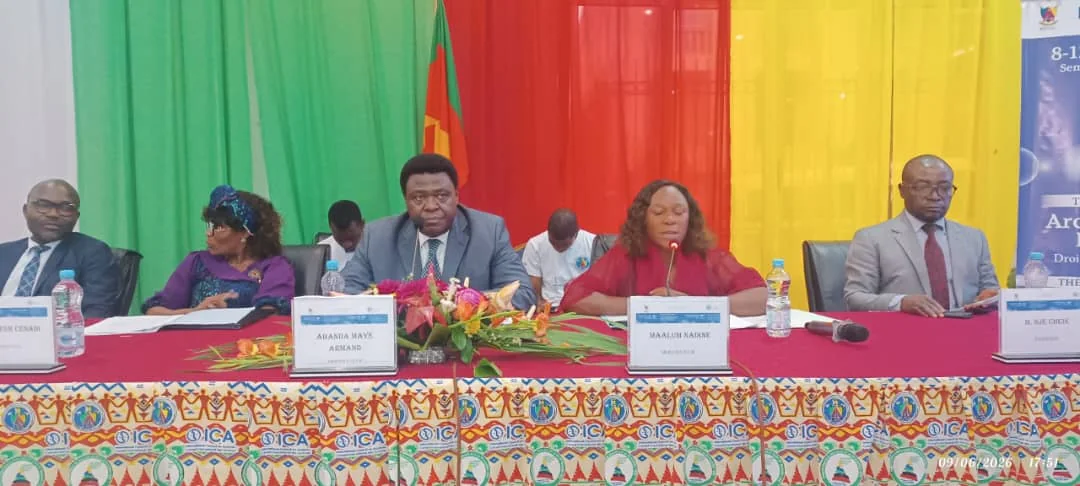
Panel table during an institutional meeting of the Ministry

CEMAC was created by the N’Djamena Treaty, signed in 1994 and entered into force in 1999. It succeeds the Customs and Economic Union of Central Africa and aims to deepen economic and monetary integration. Its institutions are spread across the capitals of the sub-region: the Commission is based in Bangui, the central bank in Yaoundé, the Community Parliament in Malabo and the Court of Justice in N’Djamena.

The place of culture

The cultural dimension is not the community’s primary purpose, but it appears in the policies on the free movement of persons, university cooperation, tourism and the promotion of creative industries. The states are working to harmonise certain frameworks: the status of the artist, the protection of works, the circulation of cultural property and the fight against illicit trafficking. The legal framework of copyright and the fight against illicit trafficking are, in this respect, natural areas of convergence.
The role of Cameroon

MINAC represents Cameroon at sectoral meetings, shares good practice and ensures that the commitments made are translated into regulatory texts. It links this work with the continental frameworks of the African Union and the global frameworks of UNESCO.

ℹ️
Key fact

The movement of artists, works and performance equipment is made easier when customs rules are harmonised. See also the export of works of art.

Projects

The joint projects between the six states

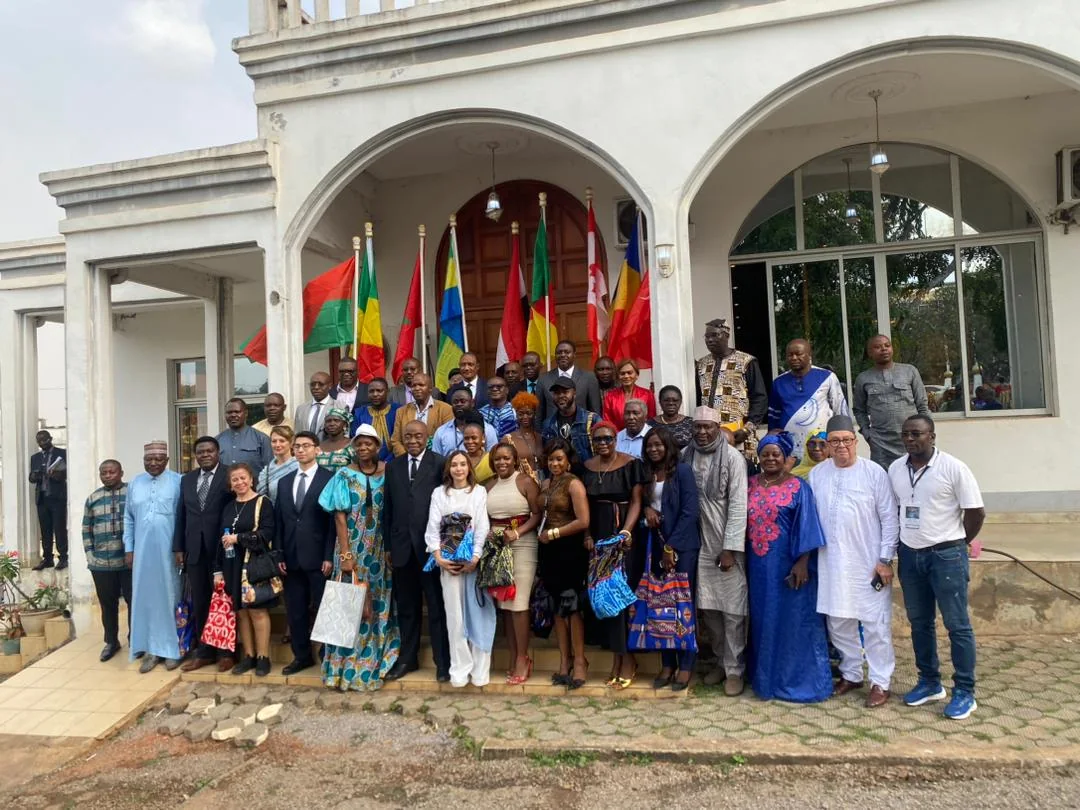
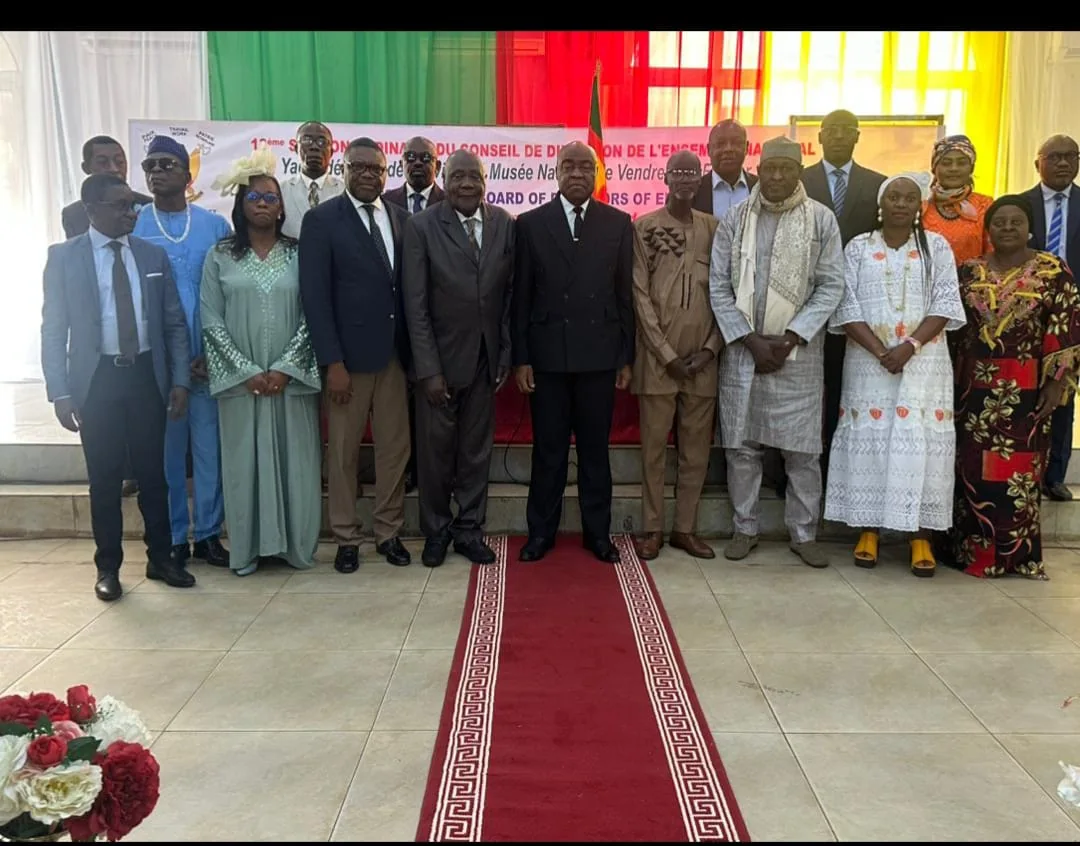
Board members posing on a red carpet at the National Museum

Sub-regional cultural projects arise from simple observations: peoples live astride borders, markets are narrow, talents circulate and resources are limited. Pooling resources makes it possible to produce more and to distribute better.

Shared peoples

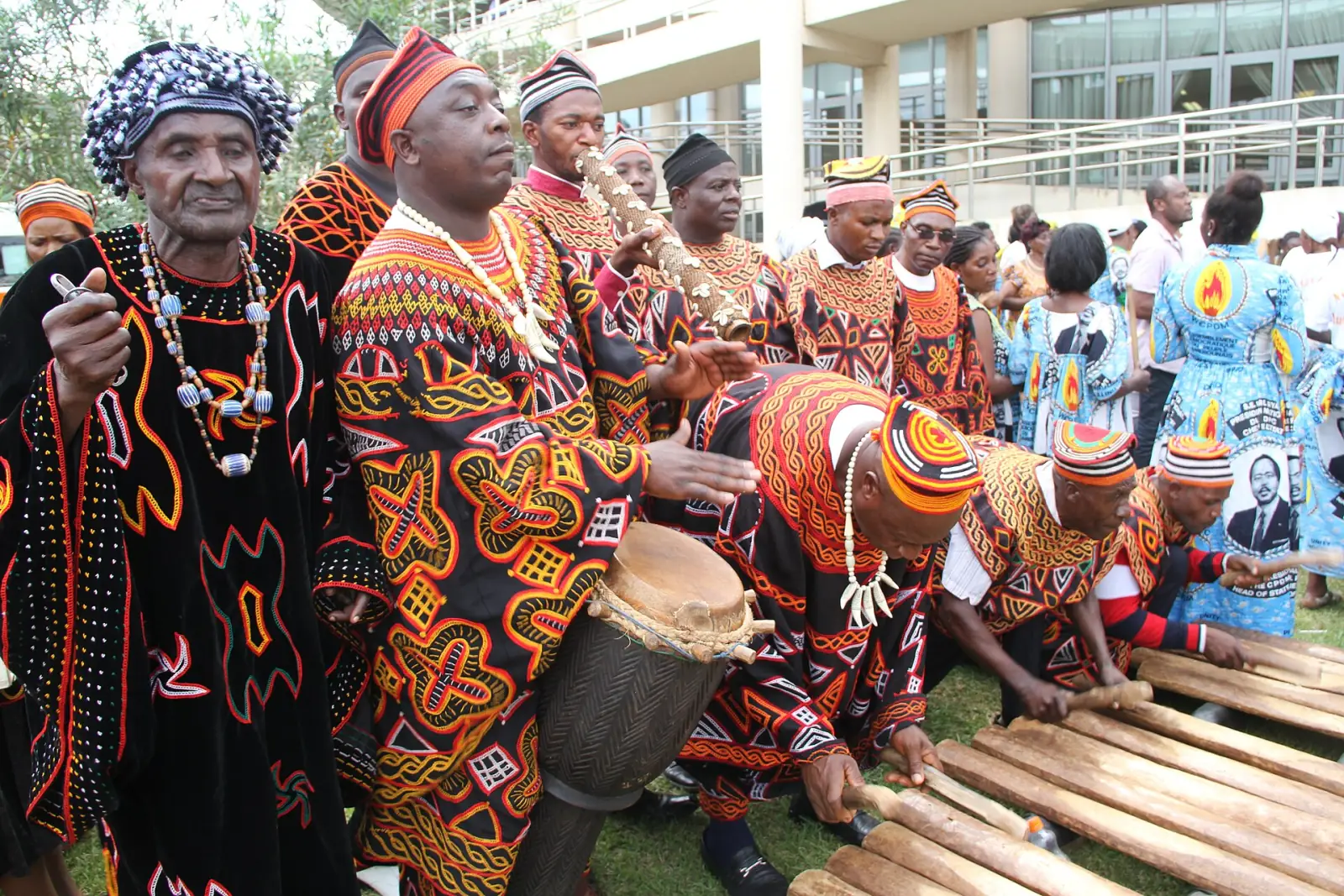
The Fang live in Cameroon, Gabon and Equatorial Guinea. The Kotoko and the Shuwa Arabs are found between Cameroon and Chad, the Baka between Cameroon, Gabon and Congo, and the Mbum and the Gbaya between Cameroon and the Central African Republic. Their oral traditions, instruments, know-how and dances form a common heritage that the states are working to promote together.

Envisaged families of projects

  • Cross inventories of intangible heritage, in connection with the national inventory;
  • Sub-regional tours of companies and orchestras, through artist exchanges;
  • Cultural routes crossing several countries, see the cultural routes;
  • Cross training for the performing arts, book and heritage professions;
  • Film and series co-productions bringing together several teams from the sub-region.

Each project is submitted to the Ministry, which examines it with the cooperation Unit and checks its funding and its relevance to the sector.

Appointments

The events of the sub-region: festivals, gatherings and fairs

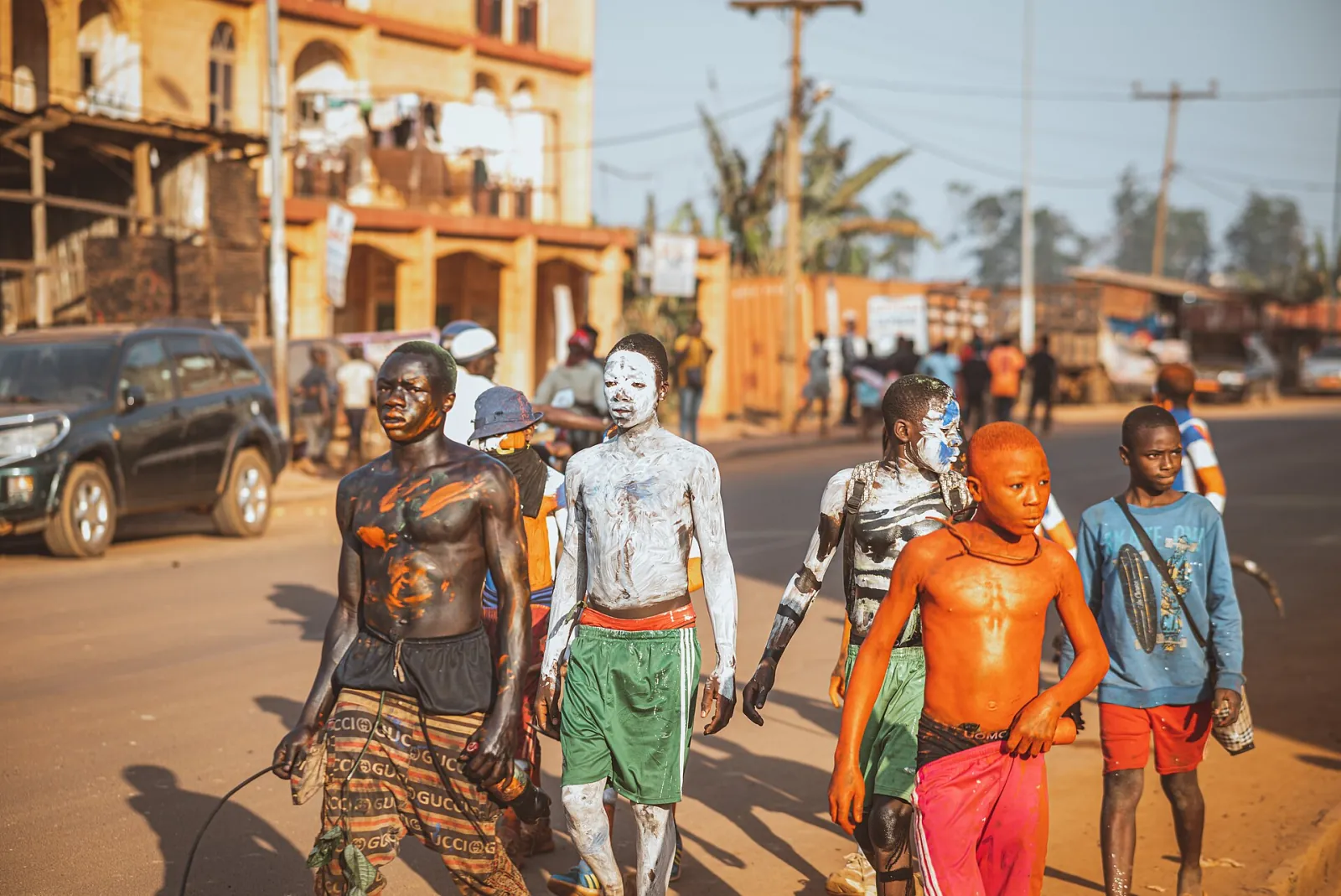
Initiates with painted bodies walking along a street during the Nyang Nyang festival in Bafoussam

Central Africa has a rich calendar of festivals, fairs and gatherings. MINAC relays the invitations received from the five neighbouring states and informs professionals of the conditions for participation.

A few types of event

Music festivals, such as the Pan-African Music Festival in Brazzaville, attract artists from across the sub-region. Trade and craft fairs circulate products. Film, book and visual arts gatherings network professionals. In Cameroon, the regional festivals, the fairs and trade shows and the national calendar echo this landscape.

Welcoming the neighbours

Major events gladly welcome delegations from neighbouring countries. The Ngondo of the Littoral, the Nguon of Foumban or the cultural days of the border regions are all opportunities for artists and audiences from several countries to meet.

Take part

  1. Consult the cultural agenda and the international monitoring;
  2. Submit an artistic file to the organiser;
  3. Where applicable, request mobility support;
  4. Have the export documents stamped for works or instruments that travel.
Contact

Propose a sub-regional action to the Ministry

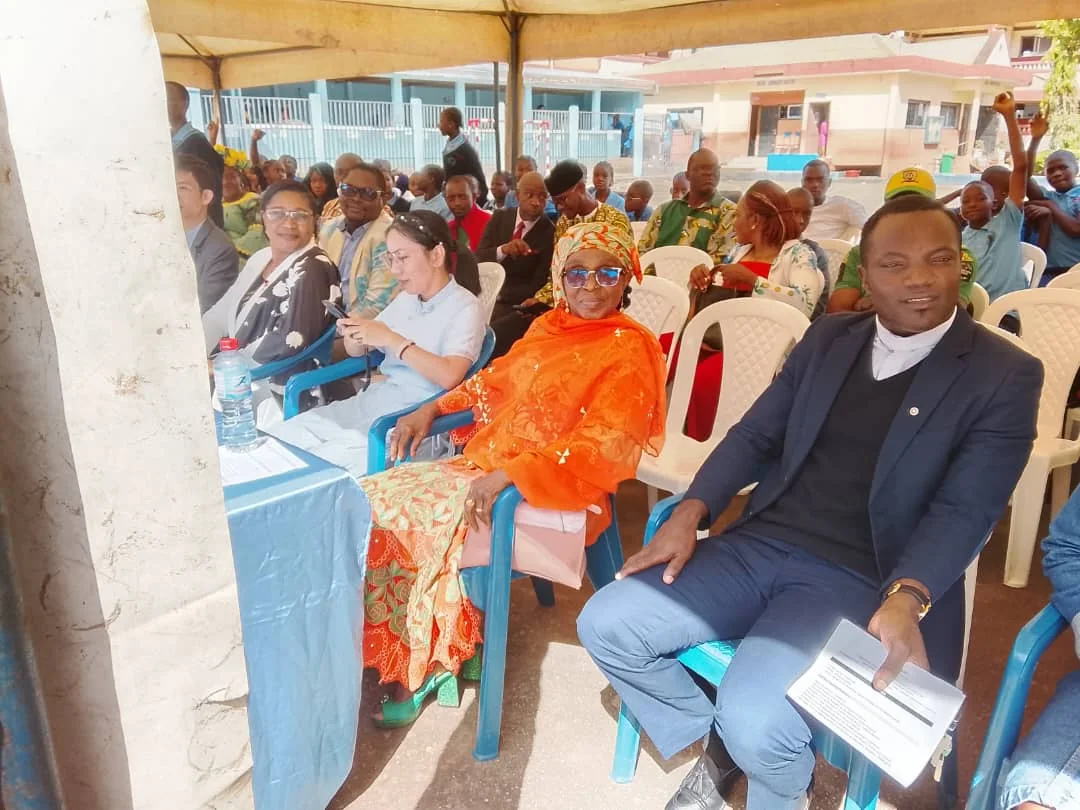
An audience seated under a tent, including a woman in orange in the foreground, attends a ceremony.

Any proposal for a project, event or partnership with a CEMAC country may be addressed to the Minister’s Office (Cabinet). The Office forwards it to the studies and cooperation Unit, which assesses it with the Directorates concerned before giving a written reply.

What to attach

  • A two-page presentation note: objective, partners, timetable;
  • A list of the countries involved and of the partner institutions;
  • An estimated budget and the funding sources envisaged;
  • The administrative documents of your organisation, notably the association approval for associations.

The channels

Use the form on this page, the e-mail contact@minac.gov.cm or the switchboard on +237 6 51 70 58 41. See the Contact page for other channels, the General Secretariat services for the internal organisation and the Embassies page to reach the missions of neighbouring countries. The Regional Delegations of the East, Adamawa, Far North and South, close to the borders, are valuable relays.

Deadlines and follow-up

The Minister’s Office acknowledges receipt of every proposal and names the service in charge of the file. Depending on the scale of the project, an interview with the promoters may be arranged, and the Ministry may suggest complementary partners or direct you to suitable funding.

Step by step

Launch a sub-regional cultural project

Identify a common issue

Choose a subject shared by two or three countries: a cross-border language, a heritage, a sector or a festival.

Find the partners

Contact the institutions of neighbouring countries, embassies and cultural attachés to form a small consortium.

Draft the framework note

Describe the objectives, activities, timetable, budget, the role of each party and the expected results.

Obtain the Ministry’s opinion

Submit the file to the Minister’s Office, which directs it to the competent Directorate and checks consistency with the strategy.

Finance and produce

Combine support funds, patronage and partner contributions, then implement with regular monitoring.

Building on the experience

Publish a review, share the tools created and propose a second phase if the results justify it.

Key facts

The six CEMAC states at a glance

StatusCapitalBorder with CameroonNotable cultural link
CameroonYaoundéHost country of the central bank headquartersMore than 200 national languages, 10 regions
Central African RepublicBanguiEast and AdamawaGbaya and Mbum peoples, seat of the Commission
CongoBrazzavilleSouth-EastForest peoples, major Pan-African music festival
GabonLibrevilleSouthFang and Baka peoples, traditions of the equatorial forest
Equatorial GuineaMalaboSouthFang people, seat of the Community Parliament
ChadN’DjamenaNorth-EastKotoko and Shuwa Arab peoples, Lake Chad, seat of the Court of Justice
TotalSix capitalsShared bordersA cultural basin shared between forest, savannah and lake
Timeline

CEMAC through the decades

1964The Customs Union

The countries of Central Africa create a first common framework to facilitate economic exchange.

1994The N’Djamena Treaty

The states sign the treaty creating the Economic and Monetary Community of Central Africa.

1999Entry into force

The community begins its work with institutions spread across several capitals.

2010sFree movement

The states adopt measures to facilitate the movement of people, including artists and professionals.

2026Today

MINAC relays the festivals, invitations and project proposals of the five neighbouring states.

2027A cycle of gatherings

The Ministry proposes a cycle of gatherings between performing arts professionals of the sub-region, spread across several towns.

To explore

CEMAC in other sections

“Integration also happens through culture: a song, a tale or a dance crosses a border faster than a lorry.”

A sub-regional cooperation officer, Yaoundé
Voices

Those who work across borders

“
Our orchestra played in three capitals of the sub-region in one year; each audience reacted to its own references, and everyone danced.
An orchestra conductor
Douala
“
The Baka live on both sides of the border and our songs answer one another: a joint recording project would make complete sense.
A researcher in ethnomusicology
Yokadouma
“
We sold our dyed fabrics at the Libreville fair; meeting Gabonese craftspeople gave us new ideas for patterns.
A craftswoman
Maroua
“
The sub-region’s book gatherings enabled us to sign distribution agreements with two neighbouring distributors.
A publisher
Yaoundé
To act

The Ministry’s schemes for the sub-region

Artist mobility

Support for the travel of artists invited by festivals in neighbouring countries.

See mobility

Event grant

Support for organisers who host delegations from the sub-region.

See the grants

Funded projects

The list of projects supported by donors, with results and evaluation.

View the projects

International monitoring

The calls, competitions and gatherings of the sub-region, with their deadlines.

See the watch
To download

The resources for sub-regional cooperation

Glossary

The words of cultural CEMAC

CEMAC

Economic and Monetary Community of Central Africa, which brings together six states.

Sub-region

A group of neighbouring states forming a coherent geographical and economic whole.

Integration

Progressive rapprochement of States through the economy, movement and culture.

Joint project

An action carried out by several states that share its resources and results.

Treaty

A written agreement between states that sets out their rights and obligations.

Free movement

The right of persons and goods to pass from one state to another without excessive obstacles.

Cross-border people

A community whose traditional territory extends across several states.

Consortium

A group of partners who join together to carry out a project.

Harmonisation

Bringing the rules of several countries into line to facilitate exchange.

CFA franc

The common currency of the CEMAC states, managed by the central bank.

Cultural route

A thematic itinerary linking heritage sites, sometimes in several countries.

On the site

Further reading on Central Africa

Resources

Useful links for CEMAC

Stakeholders

Who acts in the sub-region?

Questions

Your questions on CEMAC

Which countries belong to CEMAC?

CEMAC has six member states: Cameroon, the Central African Republic, Congo, Gabon, Equatorial Guinea and Chad. They share a currency, common institutions and many peoples living on either side of the borders.

Where can I see the cultural projects of the sub-region?

Funded projects and their results are presented on the Funded projects page, while the cultural agenda and the news announce current events. New projects are added as agreements are signed with partners.

Whom should I contact to propose a project?

The Minister’s Office (Cabinet) receives proposals and forwards them to the studies and cooperation Unit. Send a two-page note, an estimated budget and the list of partners. You will receive a written reply after review with the Directorates concerned.

Can a Cameroonian artist perform in a neighbouring country?

Yes. The artist needs an invitation from the organiser, a valid passport, a visa if necessary and, for equipment or works, export authorisations. The Ministry provides information on the procedures and can grant mobility support.

How can a Central African festival be hosted in Cameroon?

You must submit a festival authorisation application, plan for security, the reception of artists and ticketing, and declare the programme. The Organising a festival section describes each step, and event grants can help to finance the operation.

Do works of art circulate freely between the six states?

No. The circulation of cultural property remains regulated in order to prevent illicit trafficking. A work or heritage object may leave the country only with an export authorisation. Contemporary works follow a simpler procedure.

Are the border regions a priority?

Yes, because they experience exchanges with their neighbours every day. The Delegations of the East, Adamawa, Far North and South are the Ministry’s first relays for cross-border projects and receive local requests.

How can I contact the Ministry?

Through the form on the page, by e-mail at contact@minac.gov.cm or by telephone on +237 6 51 70 58 41, Monday to Friday. State the partner country, the subject of your request and your region to speed up processing.

Contact

Write to the Ministry: CEMAC

Specify the partner or programme concerned.

Minister’s Office and cooperation

Contact sub-regional cooperation

Address

Minister’s Office – Cooperation Unit
Ministry of Arts and Culture
Quartier du Lac – Ministerial Zone
P.O. Box 1053 Yaoundé, Centre Region, Cameroon

Reach us

+237 6 51 70 58 41

contact@minac.gov.cm

Opening hours

Monday to Friday, 8 am to 4 pm

See the African Union

From the sub-regional framework to the continental one: discover the Charter for African Cultural Renaissance.

African Union
WhatsApp