Coat of arms of CameroonMinistry of Arts
and Culture
Republic of Cameroon
My procedures
Home
Minister’s message
News
Press releases
Cultural calendar
Official speeches
Press review
Photo library
Video library
Calls for projects
Job vacancies
Public procurement
Newsletter
Frequently asked questions
Site map
Contact
Press area
Podcast “The Voice of Culture”
Legal notices
Privacy policy
Cookies and trackers
The Ministry
Missions and responsibilities
Organisation
Organisation chart
Minister’s Office (Cabinet)
Management team
General Secretariat
General Inspectorate
Central directorates
Regional Delegations
Institutions under supervision
Legislative texts
Regulatory texts
Sector strategy
Major projects
Budget and reports
Partners
Careers
Archives
Institutional communication
Quality and accessibility
Arts
Visual and plastic arts
Visual arts
Performing arts
Theatre
Dance
Music
Literature and books
Cinema and audiovisual
Photography
Fashion and design
Digital arts
Art crafts
Artists’ directory
Residencies
Prizes and awards
Arts education
Urban arts
Heritage
Tangible heritage
Intangible heritage
UNESCO sites
National museums
Listed monuments
National inventory
Palaces and chiefdoms
Archaeology
Linguistic heritage
Oral traditions
Traditional know-how
Restitution of cultural property
Fight against illicit trafficking
Listing and protection
Conservation and restoration
Heritage Days
Cultural landscapes
Industries
Music and recording
Cinema
Publishing and books
Digital arts
Fashion and creativity
Crafts
Cultural tourism
Funding for culture
Support funds
Incubators
Cultural entrepreneurship
Culture Observatory
Vocational training
Studies and reports
Sector statistics
Export and outreach
Intellectual property
Copyright
Legal framework
Copyright and neighbouring rights
Collective management societies
Register a work
Licences
Private copying
Fight against piracy
Model contracts
Social status of artists
Mediation
Disputes
Training
Fee scales
Register of works
Contact
Digital neighbouring rights
Public domain
Festivals
National calendar
Ngondo
Nguon
Écrans Noirs
Heritage Days
Music Day
Regional festivals
Fairs and exhibitions
Biennials
National competitions
Cultural days
Organise a festival
Event grants
Ticketing
Archives
Volunteering
Diaspora festivals
Regions
Adamawa
Centre
East
Far North
Littoral
North
North-West
West
South
South-West
Cultural map
Regional Delegations
Traditional chiefdoms
National languages
Cultural routes
Decentralised cooperation
Regional observatory
Cooperation
UNESCO
Francophonie (OIF)
African Union
Commonwealth
CEMAC
Bilateral cooperation
Cultural agreements
Professional organisations
Scholarships
Artist exchanges
Cultural years
Diaspora
Funded projects
Embassies
Technical partners
International restitution
International monitoring and calls
Services
Artist card
Show authorisation
Filming authorisation
Festival authorisation
Deposit of a work
Export of works of art
Listing of a property
Grant application
Association accreditation
File tracking
Forms
Fees
Opening hours and addresses
Reporting
Online help
My account
One-Stop Shop
The Ministry

Partners

UNESCO, OAPI, OMPI, friendly countries, donors and professional organisations: discover who the Ministry of Arts and Culture works with, how a partnership is built and how to propose one.

Updated on 6 November 20264 sub-pages
Partner international organisations3
Countries in exchanges in 20266
Benchmarking missionColombia
Framework for actionNDS30
Partners

Partners for culture

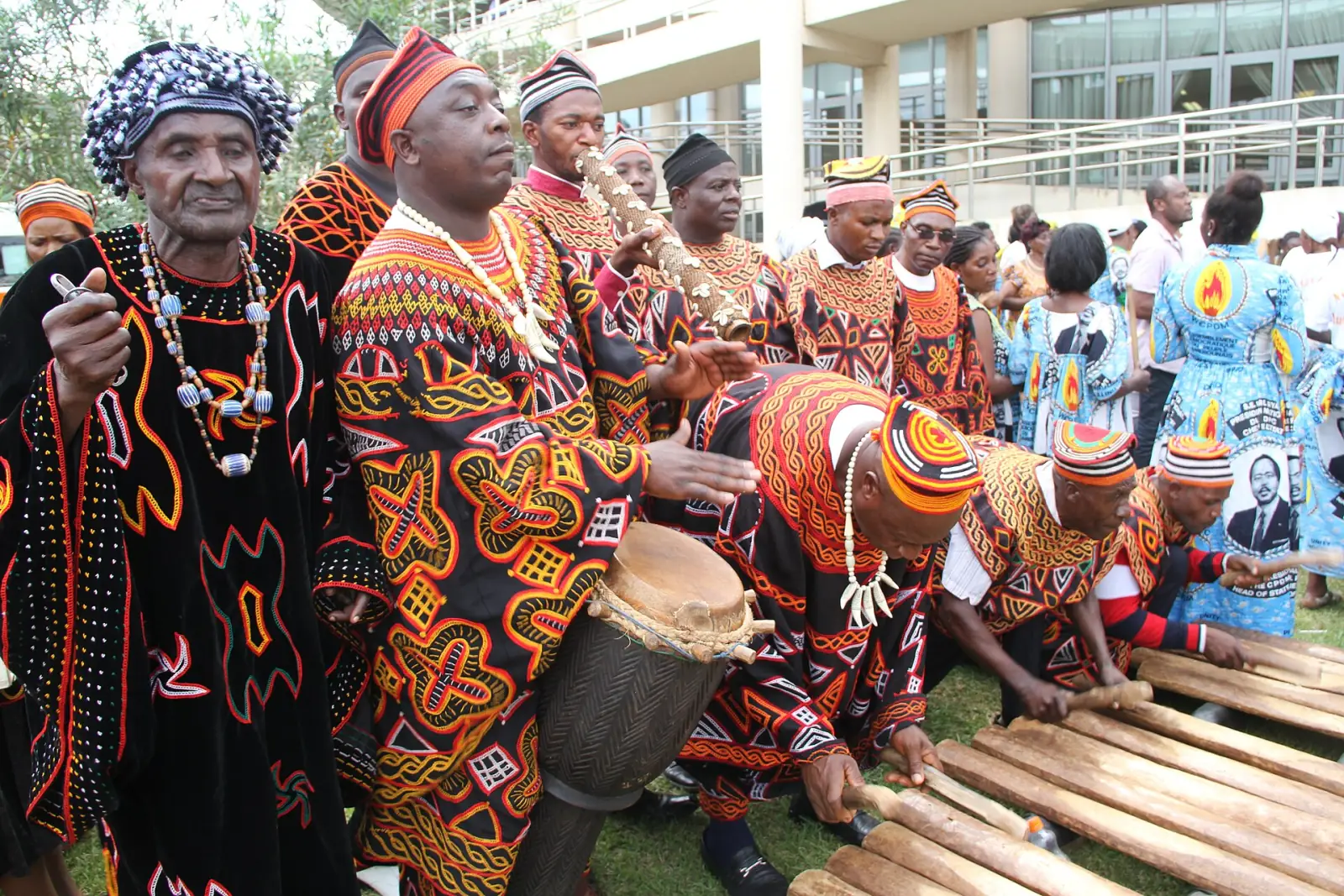
Traditional ensemble in colourful costumes around a xylophone and drums in front of an audience

The Minister acts as the link between the Government and the international organisations working in the fields of art and culture, notably UNESCO, OAPI and OMPI. Cultural cooperation exchanges have also taken place with several countries: in 2026, the Ministry notably held exchanges with Morocco, Japan, Equatorial Guinea, Colombia, India and China.

This page presents the institutions, donors, professional organisations and the way to become a partner. It complements the cooperation section of the site and forms part of the sector strategy.

  • Three leading international organisations
  • Exchanges with six countries in 2026
  • A single point of entry: the Minister’s Office
View the institutions
International organisations

The partner institutions

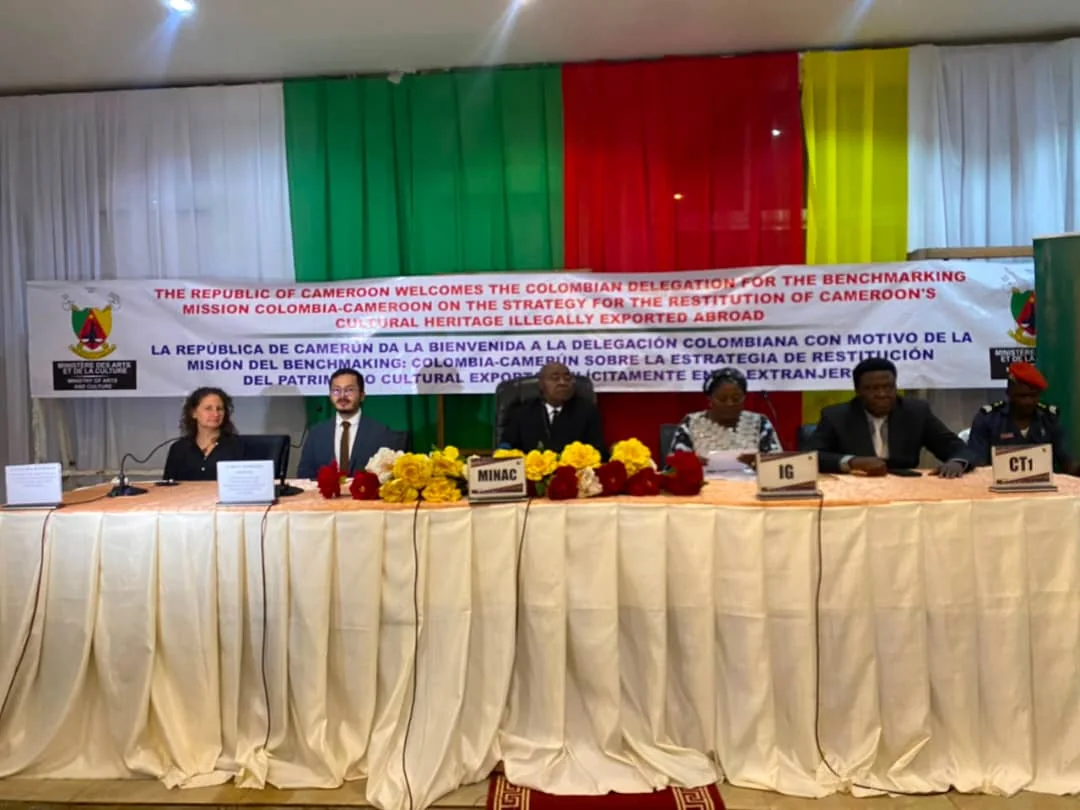
Colombian delegation welcomed by the Ministry on the restitution of cultural property

The Ministry works with UNESCO, the African Intellectual Property Organization (OAPI) and the World Intellectual Property Organization (OMPI), in liaison with the ministry in charge of external relations. These ties concern heritage, copyright and neighbouring rights.

UNESCO: heritage and diversity

The United Nations Educational, Scientific and Cultural Organization is the natural partner for the conventions on world heritage, intangible heritage and the diversity of cultural expressions. It supports the listing of properties, the training of curators and the fight against illicit trafficking in cultural property. See the UNESCO page and the page on listed sites.
OAPI and OMPI: intellectual property

OAPI, an African organisation common to its member States, manages the regional framework for intellectual property; OMPI, a United Nations institution, drafts the global treaties on copyright and neighbouring rights. Their support concerns legislation, the training of lawyers and raising awareness among creators: see legal framework and intellectual property.

ℹ️
Liaison

The Minister acts as the link between the Government and these organisations; requests go through the Minister’s Office.

Bilateral cooperation

Exchanges with friendly countries in 2026

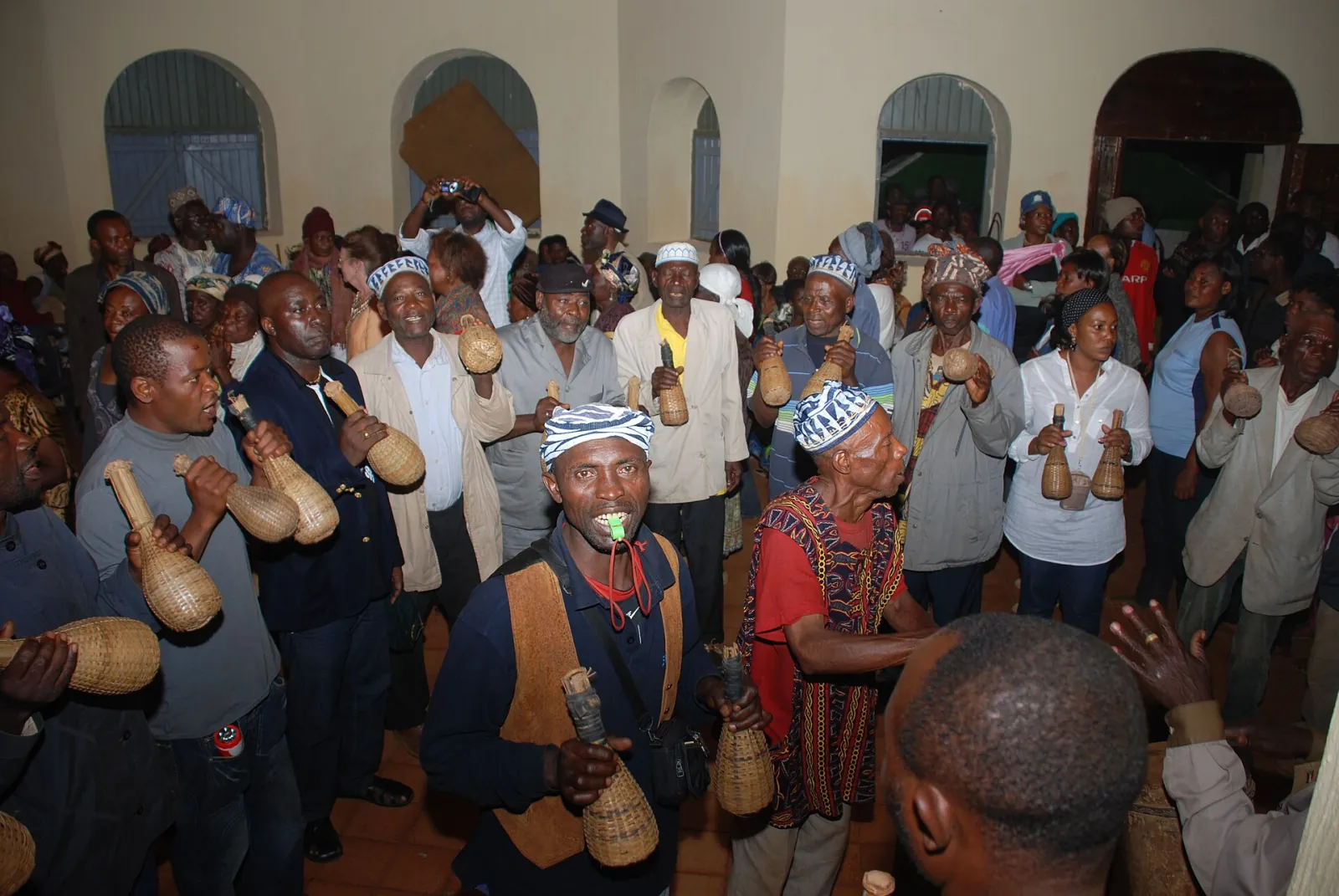
Crowd of musicians playing resonant gourds in a large hall

Bilateral cooperation takes the form of audiences, missions and technical exchanges. In 2026, the Ministry notably conducted: an audience on strengthening cultural cooperation with Equatorial Guinea; cultural cooperation exchanges with Japan; a study of cooperation opportunities with India; Cameroon–Morocco cultural cooperation; a Cameroon–Colombia benchmarking mission; and discussions with China. Cooperation was also discussed with the Embassy of France.

What these exchanges cover

They concern the training of staff, the organisation of the creative industries, the management of museums and archives, the circulation of artists and works, and cross-participation in festivals. They are governed by the cultural agreements and feed into the artist exchanges, the scholarships and the cultural years.

Funding

The donors and financial partners

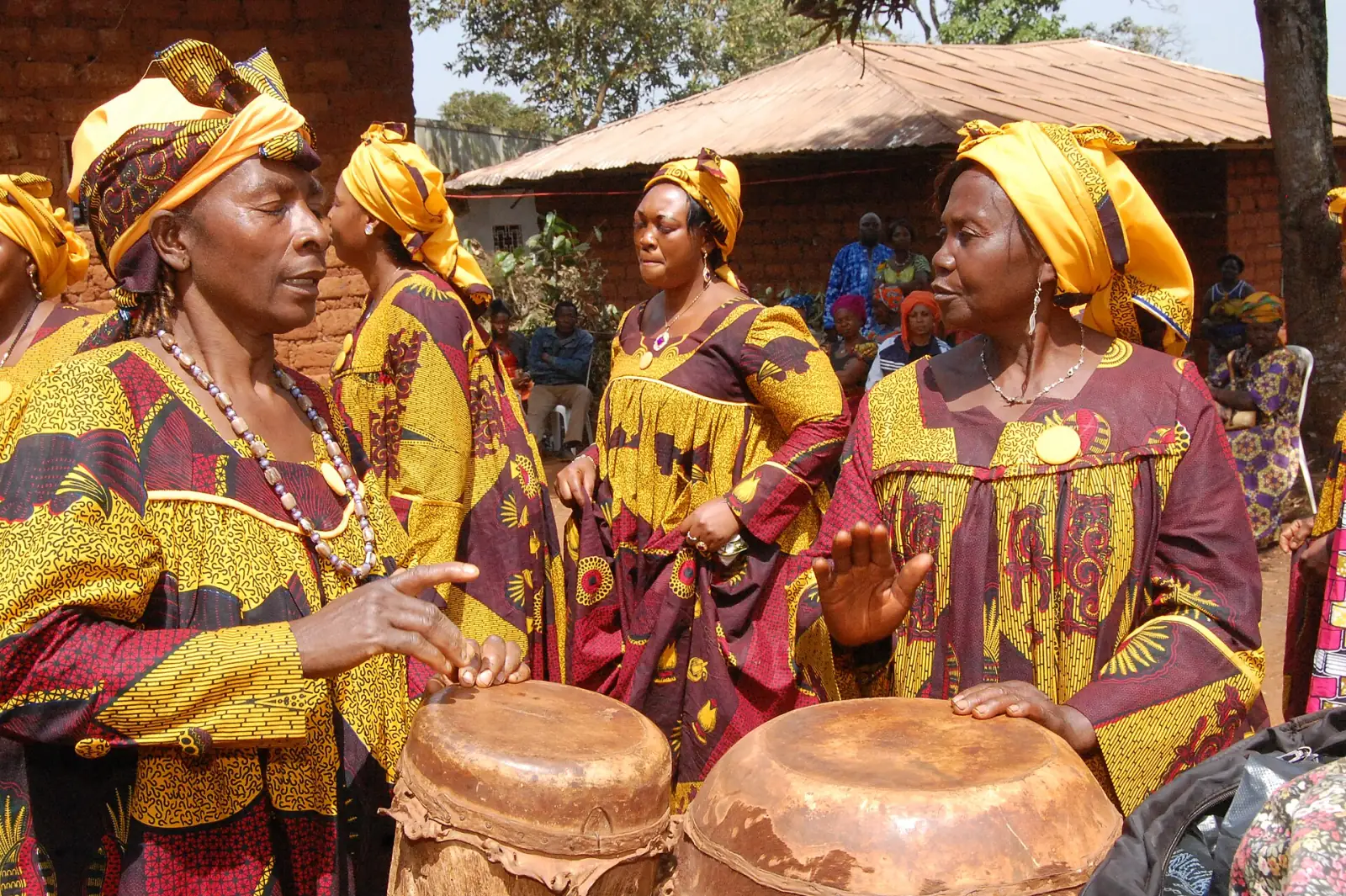
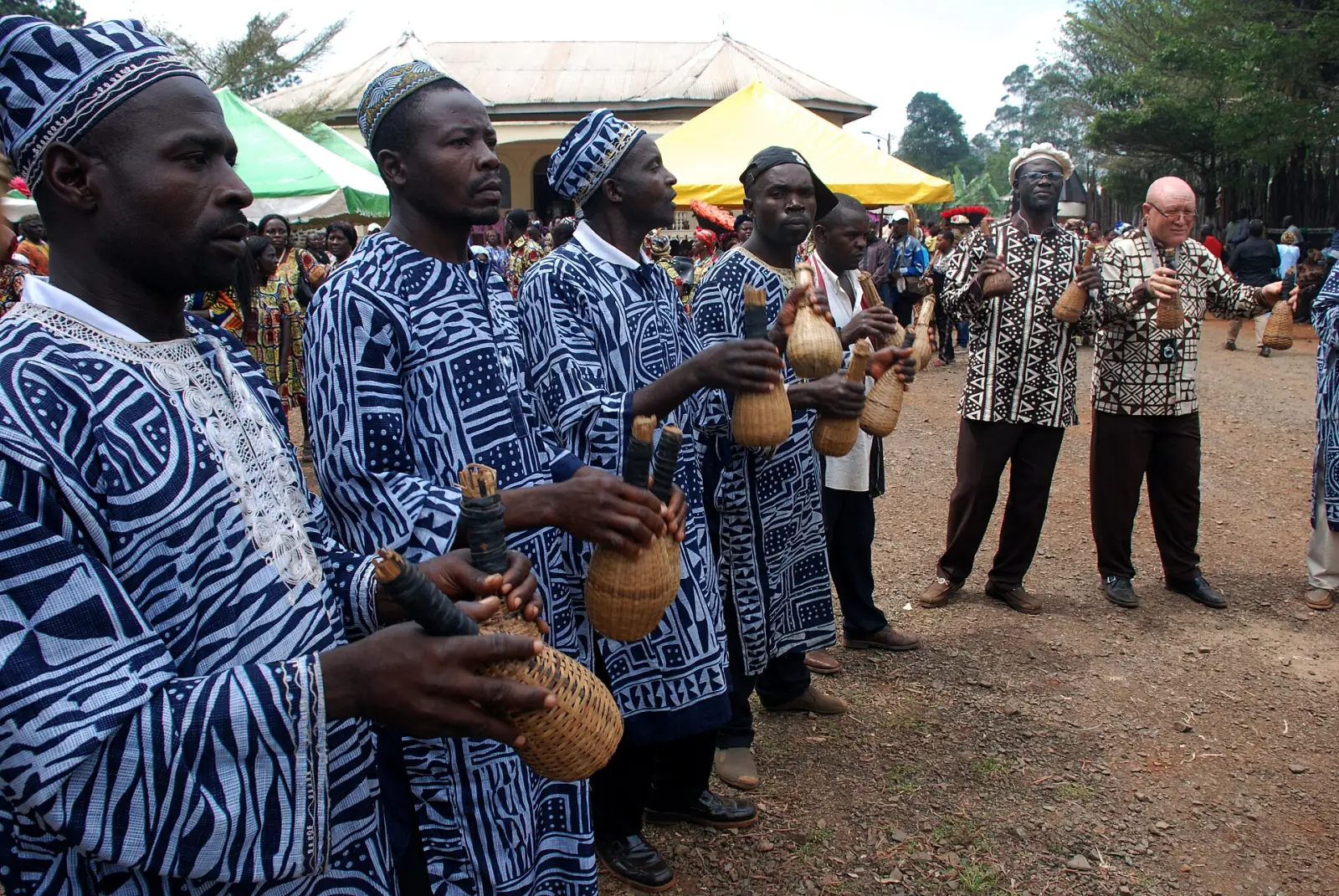
Musicians in blue and white patterned tunics lined up with resonant gourds

Cultural programmes are funded by the State budget, by the special allocation account for supporting cultural policy and, for certain projects, by technical and financial partners. The latter fall into three categories: bilateral cooperation between States, multilateral organisations, and private foundations or patrons.

Bilateral cooperation

Friendly States fund equipment, training or expert missions. They act through their embassies, presented on the embassies page, and their cooperation agencies. The programmes supported are listed under funded projects.

Multilateral organisations

International organisations support inventory, safeguarding and training projects, often through calls for proposals. The international monitoring and calls page tracks their publications.

Patronage and sponsorship

Companies and foundations may support a festival, a restoration or a residency, within the framework of the law on patronage. For the applicable rules, consult the legislative texts and the cultural funding page.

Accountability

Each external funding gives rise to an agreement, progress reports and a final report, presented on the Budget and reports page.

Sector

The professional organisations of the sector

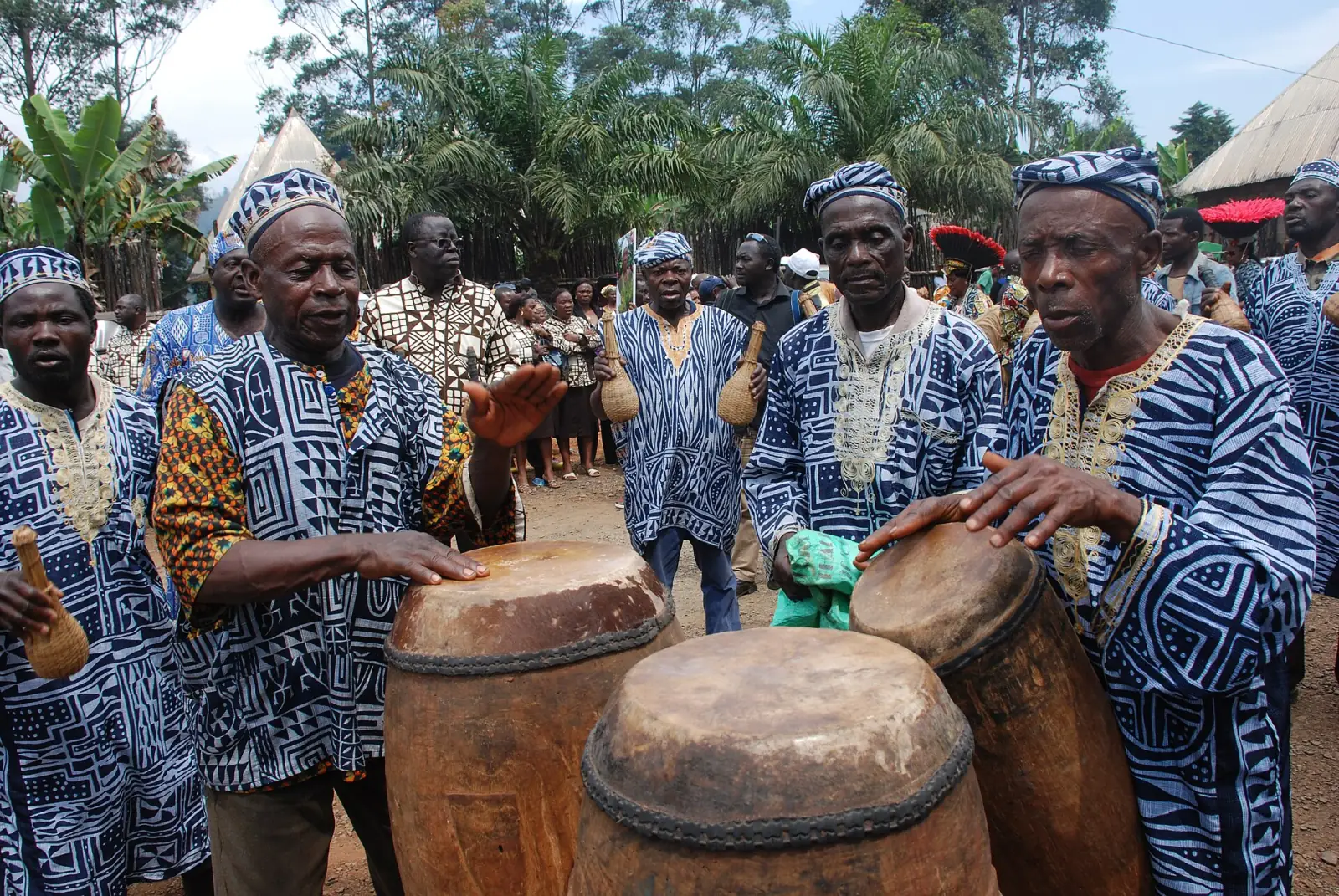
Drummers in embroidered indigo outfits beating large wooden drums

The Ministry supports the collective management bodies for copyright as well as the associations and professional groupings of the sector: artists’ federations, trade unions, trade associations, producers’ collectives, chambers of commerce for culture. They are the administration’s interlocutors for sector consultations and for defending the interests of their members.

Collective management

The collective management societies collect and distribute the rights of authors, composers, performers and producers. Their operation is governed by regulatory texts and monitored by the Ministry, which may also step in for mediation in the event of a dispute.

Associations and federations

Registered associations obtain their accreditation, gain access to support and take part in consultative commissions. They form part of professional organisation networks at African and international level.

Consultation and training

Regular meetings address social status, the fight against piracy and training needs. Artists may also register in the artists’ directory.

What the Ministry expects of its professional partners

Representative organisations with up-to-date statutes, transparent governance and regularly kept accounts. In return, the Ministry involves them in commissions, relays their calls and supports their training, advocacy and promotion of the cultural professions.

Submit

Become a partner of the Ministry

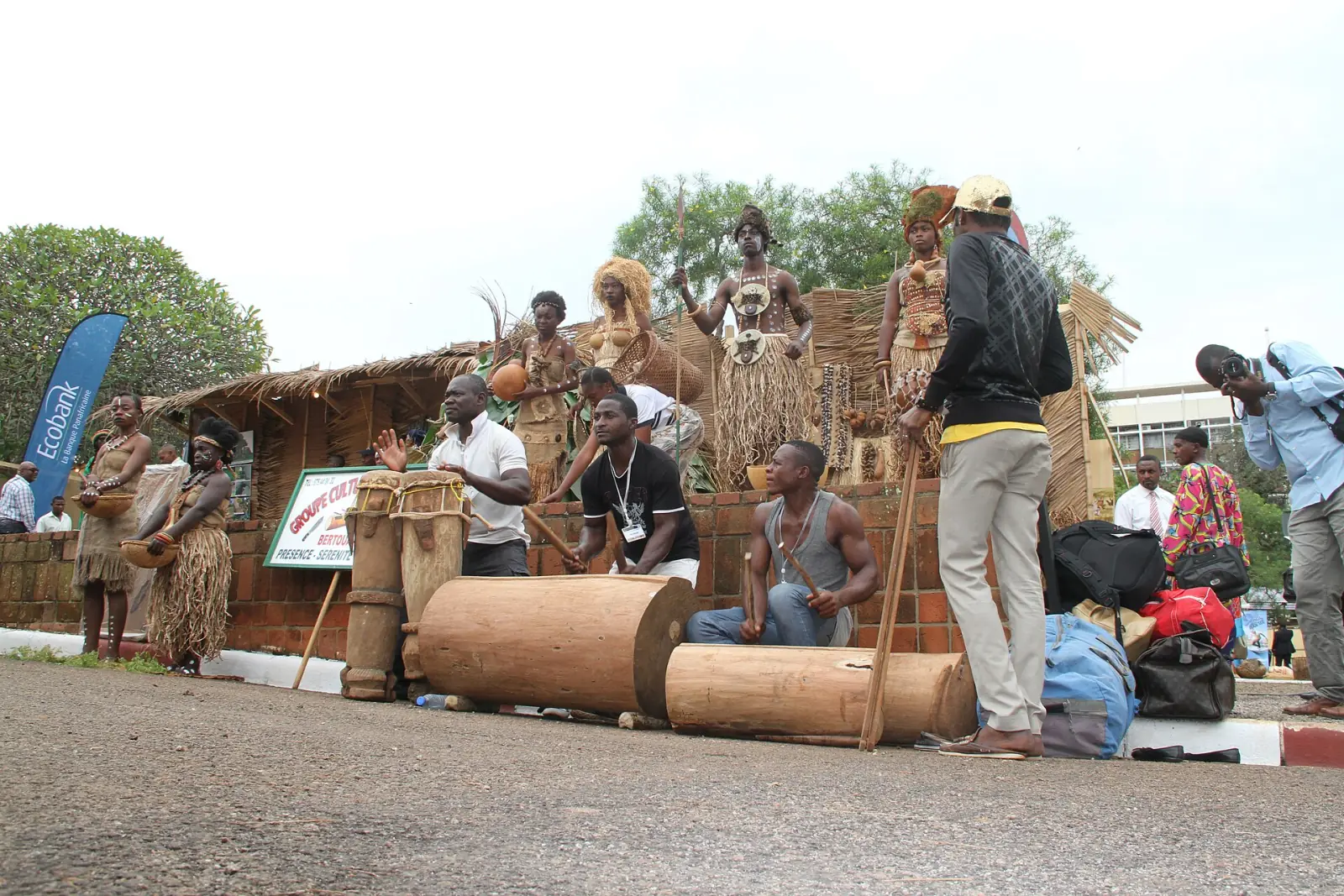
Reconstructed village scene with large drums and a balafon displayed in front of a thatched hut

An organisation wishing to join a cultural action — institution, company, foundation, embassy, university, association — may write to the Ministry stating its project. The Minister’s Office directs the request to the competent service, which examines it.

What to specify

  • The identity of the partner, its legal status and its references;
  • The purpose of the partnership, and the sector and region concerned;
  • The contribution of each party: funding, expertise, equipment, hosting;
  • The proposed timetable and the expected results;
  • The arrangements for follow-up and communication.

How the request is examined

After acknowledgement of receipt, the technical service checks the consistency of the project with the strategy and the texts, then consults the directorates and delegations concerned. An agreement then sets out the commitments of the parties; it is signed by the competent authorities and followed by a designated focal person.

ℹ️
Write

Use the form on this page or the Ministry’s official e-mail, entering “partnership” in the subject line.

Step by step

Building a partnership

First contact

The partner writes to the Minister’s Office or is received in audience, and presents its objectives and its field of action.

Referral

The Minister’s Office forwards the request to the competent directorate and appoints a focal point responsible for following it.

Technical exchanges

Visits, workshops and study missions make it possible to clarify needs, compare practices and build a programme.

Drafting the agreement

The commitments are recorded in an agreement or accord, after consultation with the legal services.

Implementation

The actions are carried out, with regular progress reviews between the Ministry’s focal person and the partner.

Review and next steps

A final report measures the results; it may lead to renewal, extension or closure.

Key facts

The 2026 exchanges in one table

PartnerNature of the exchangeAreas concernedSite page
Equatorial GuineaAudience on strengthening cultural cooperationArtist exchanges, festivals, heritageBilateral cooperation
JapanCultural cooperation exchangesHeritage, training, performing artsCultural agreements
IndiaCultural cooperation opportunitiesCinema, creative industries, craftsBilateral cooperation
MoroccoCameroon – Morocco cultural cooperationHeritage, training, artist exchangesCultural agreements
ColombiaCameroon – Colombia benchmarking missionCreative industries, houses of cultureSector strategy
ChinaCultural cooperation discussionsEquipment, training, exchangesBilateral cooperation
IIPOEnhancement of indigenous cultural heritageLanguages, know-how, oral traditionsIntangible heritage
UNESCO, OAPI, OMPIPermanent liaison with the MinisterHeritage, copyright, neighbouring rightsUNESCO
Journey

From audience to agreement

AudienceFirst contact

A delegation or an embassy is received at the Ministry to present its areas of cooperation.

AssignmentTechnical exchanges

Benchmarking, field visits and workshops make it possible to compare practices and identify needs.

ConventionFormal framework

The commitments are drafted and signed by the parties, with a timetable and identified persons responsible.

ImplementationJoint actions

Training, residencies, exhibitions, co-productions and expert missions are carried out with the directorates.

EvaluationReport and follow-up

A joint review measures the results and prepares the extensions of the partnership.

To explore

Cooperation in detail

“The Ministry paves the way for partnerships to promote cultural heritage.”

Ministry news
Voices of partners

They work with us

“
The benchmarking mission allowed us to compare two ways of organising houses of culture and to draw common lessons from them.
An official of a partner administration
2026 mission
“
A single point of contact in the Minister’s Office simplifies everything: each request is directed to the right directorate within a few days.
An embassy counsellor
Yaoundé
“
Support for collective management has strengthened authors’ confidence, as they see their rights collected and distributed more regularly.
A head of a professional body
Douala
“
Promoting indigenous heritage means working with the communities themselves; the Ministry understood this from our very first exchanges.
A representative of an indigenous peoples’ organisation
East Region
To act

Join cultural action

Propose a partnership

Describe your project, your contributions and the region concerned so that the Minister’s Office can direct it.

Write to the Minister’s Office

Support an event

Companies and foundations may sponsor a festival or a heritage restoration.

See the festivals

Follow international calls

Calls for proposals from international organisations are monitored and relayed.

International monitoring

Request support

Registered associations may apply for a grant for their cooperation projects.

Grant application
Glossary

The language of partnership

UNESCO

United Nations Educational, Scientific and Cultural Organization, partner for heritage and cultural diversity.

OAPI

African Intellectual Property Organization, which manages the regional framework for the protection of creations.

OMPI

World Intellectual Property Organization, which drafts the treaties on copyright and neighbouring rights.

IIPO

Organisation of indigenous peoples with which the Ministry holds exchanges on the promotion of indigenous cultural heritage.

Benchmarking

Methodical comparison of practices with those of another country or institution in order to draw inspiration from them.

Convention

Written agreement setting out the commitments, timetable and follow-up of a partnership.

Cultural agreement

Treaty or protocol between two States governing their exchanges in the arts and culture.

Technical and financial partner

External body that provides expertise or funding to a programme.

Patronage

Material or financial support given without direct return to an action in the public interest.

Collective management

Collection and distribution of copyright by a body representing creators.

Focal point

Officer designated to follow a partnership and act as the single point of contact.

On the site

Continue reading about partnerships

Resources

Useful links on partnerships

Stakeholders

The actors of cooperation

Questions

Your questions on partnerships

How can I propose a partnership to the Ministry?

Write to the Minister’s Office describing your organisation, your project, the sector and region targeted, and the contributions of each party. The Minister’s Office forwards the request to the competent directorate and appoints a focal person responsible for follow-up.

Which international organisations does the Ministry work with?

Mainly UNESCO for heritage and cultural diversity, OAPI for intellectual property in Africa and OMPI for the global treaties on copyright. The Minister acts as the link with these organisations.

Which countries held exchanges with the Ministry in 2026?

Morocco, Japan, Equatorial Guinea, Colombia, India and China held exchanges with the Ministry in 2026, in the form of audiences, missions or discussions. IIPO was also received on the promotion of indigenous heritage.

Where can I see the signed agreements?

The cultural agreements in force are presented in the Cooperation section, on the Cultural agreements page. Project agreements are monitored by the services concerned and summarised in the activity reports.

Can a company sponsor a cultural event?

Yes, within the framework of the legislation on patronage and sponsorship. Contact the event organiser or the Minister’s Office (Cabinet), specify the nature of your support and check the benefits provided for by the applicable texts.

Can Cameroonian artists benefit from scholarships or exchanges?

Yes, through the cooperation programmes. The Scholarships page and the Artist exchanges page describe the open offers, the selection criteria and the application calendars, which are regularly updated.

How is external funding monitored?

Each funding gives rise to an agreement, progress reports and a final report. Expenditure is subject to the same controls as the State budget, in addition to any audits requested by the partner.

Whom should I contact with a question about cooperation?

Write to the Minister’s Office using the form on the page or at contact@minac.gov.cm, entering “partnership” in the subject line. Your request will be forwarded to the competent service, which will come back to you directly.

Contact

Write to the Ministry: Partners

Submit your partnership proposal.

Minister’s Office (Cabinet)

Partnership contacts

Address

Minister’s Office
Ministry of Arts and Culture
Quartier du Lac – Zone ministérielle
P.O. Box 1053 Yaoundé, Centre Region, Cameroon

Reach us

+237 6 51 70 58 41

contact@minac.gov.cm

Opening hours

Monday to Friday, 8 am to 4 pm

Explore cooperation

Discover the agreements, scholarships and artist exchanges.

Cooperation
WhatsApp