Coat of arms of CameroonMinistry of Arts
and Culture
Republic of Cameroon
My procedures
Home
Minister’s message
News
Press releases
Cultural calendar
Official speeches
Press review
Photo library
Video library
Calls for projects
Job vacancies
Public procurement
Newsletter
Frequently asked questions
Site map
Contact
Press area
Podcast “The Voice of Culture”
Legal notices
Privacy policy
Cookies and trackers
The Ministry
Missions and responsibilities
Organisation
Organisation chart
Minister’s Office (Cabinet)
Management team
General Secretariat
General Inspectorate
Central directorates
Regional Delegations
Institutions under supervision
Legislative texts
Regulatory texts
Sector strategy
Major projects
Budget and reports
Partners
Careers
Archives
Institutional communication
Quality and accessibility
Arts
Visual and plastic arts
Visual arts
Performing arts
Theatre
Dance
Music
Literature and books
Cinema and audiovisual
Photography
Fashion and design
Digital arts
Art crafts
Artists’ directory
Residencies
Prizes and awards
Arts education
Urban arts
Heritage
Tangible heritage
Intangible heritage
UNESCO sites
National museums
Listed monuments
National inventory
Palaces and chiefdoms
Archaeology
Linguistic heritage
Oral traditions
Traditional know-how
Restitution of cultural property
Fight against illicit trafficking
Listing and protection
Conservation and restoration
Heritage Days
Cultural landscapes
Industries
Music and recording
Cinema
Publishing and books
Digital arts
Fashion and creativity
Crafts
Cultural tourism
Funding for culture
Support funds
Incubators
Cultural entrepreneurship
Culture Observatory
Vocational training
Studies and reports
Sector statistics
Export and outreach
Intellectual property
Copyright
Legal framework
Copyright and neighbouring rights
Collective management societies
Register a work
Licences
Private copying
Fight against piracy
Model contracts
Social status of artists
Mediation
Disputes
Training
Fee scales
Register of works
Contact
Digital neighbouring rights
Public domain
Festivals
National calendar
Ngondo
Nguon
Écrans Noirs
Heritage Days
Music Day
Regional festivals
Fairs and exhibitions
Biennials
National competitions
Cultural days
Organise a festival
Event grants
Ticketing
Archives
Volunteering
Diaspora festivals
Regions
Adamawa
Centre
East
Far North
Littoral
North
North-West
West
South
South-West
Cultural map
Regional Delegations
Traditional chiefdoms
National languages
Cultural routes
Decentralised cooperation
Regional observatory
Cooperation
UNESCO
Francophonie (OIF)
African Union
Commonwealth
CEMAC
Bilateral cooperation
Cultural agreements
Professional organisations
Scholarships
Artist exchanges
Cultural years
Diaspora
Funded projects
Embassies
Technical partners
International restitution
International monitoring and calls
Services
Artist card
Show authorisation
Filming authorisation
Festival authorisation
Deposit of a work
Export of works of art
Listing of a property
Grant application
Association accreditation
File tracking
Forms
Fees
Opening hours and addresses
Reporting
Online help
My account
One-Stop Shop
Arts

Residencies

Research, creation, community or mobility residencies: discover the host venues in Cameroon, stays abroad, how to apply and the follow-up of selected projects.

Updated on 6 November 20264 sub-pages
Host venues in Cameroon14
Length of a residency1 to 12 weeks
Disciplines open10
Application sessions per year2
Artist residencies

Time, a place, support

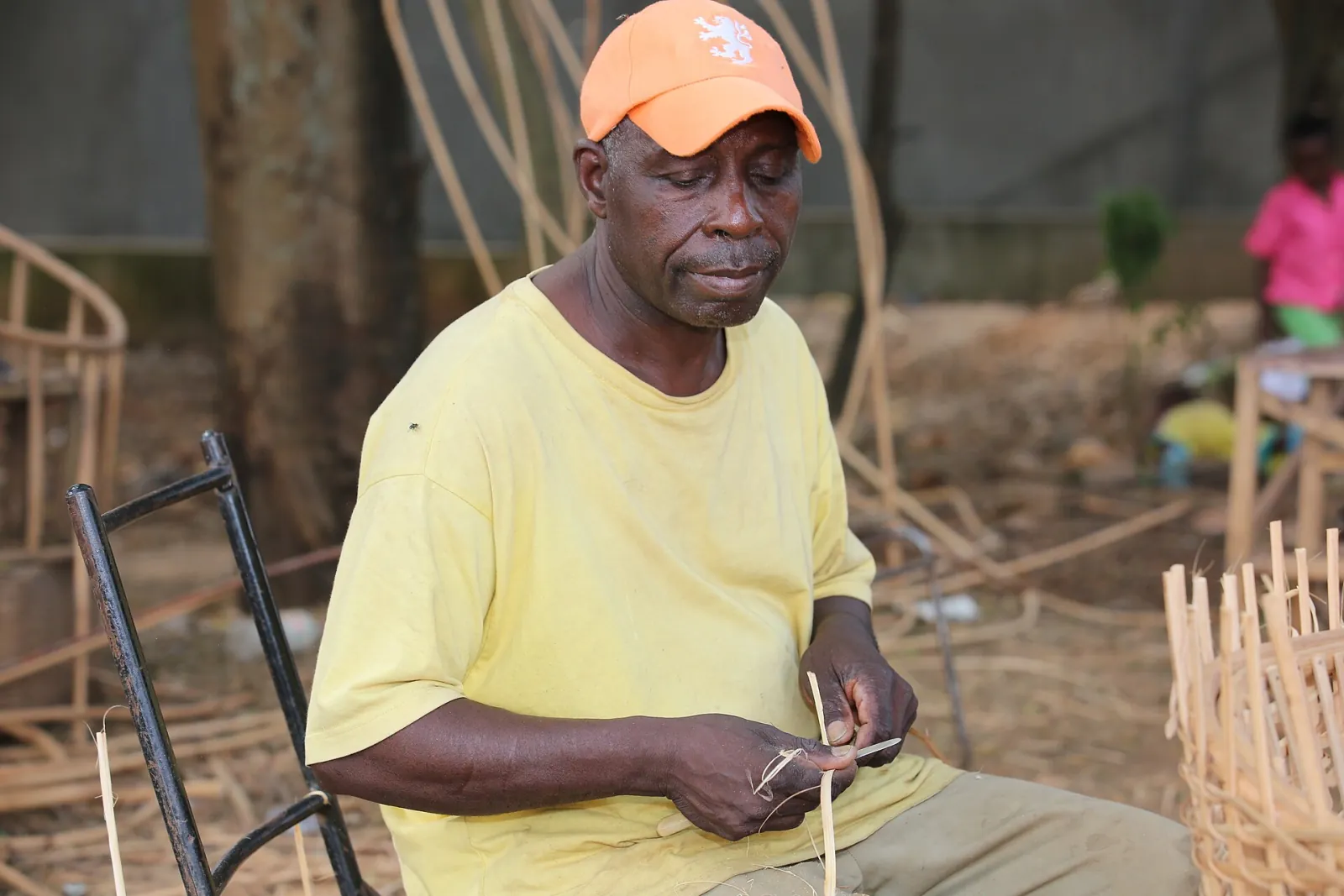
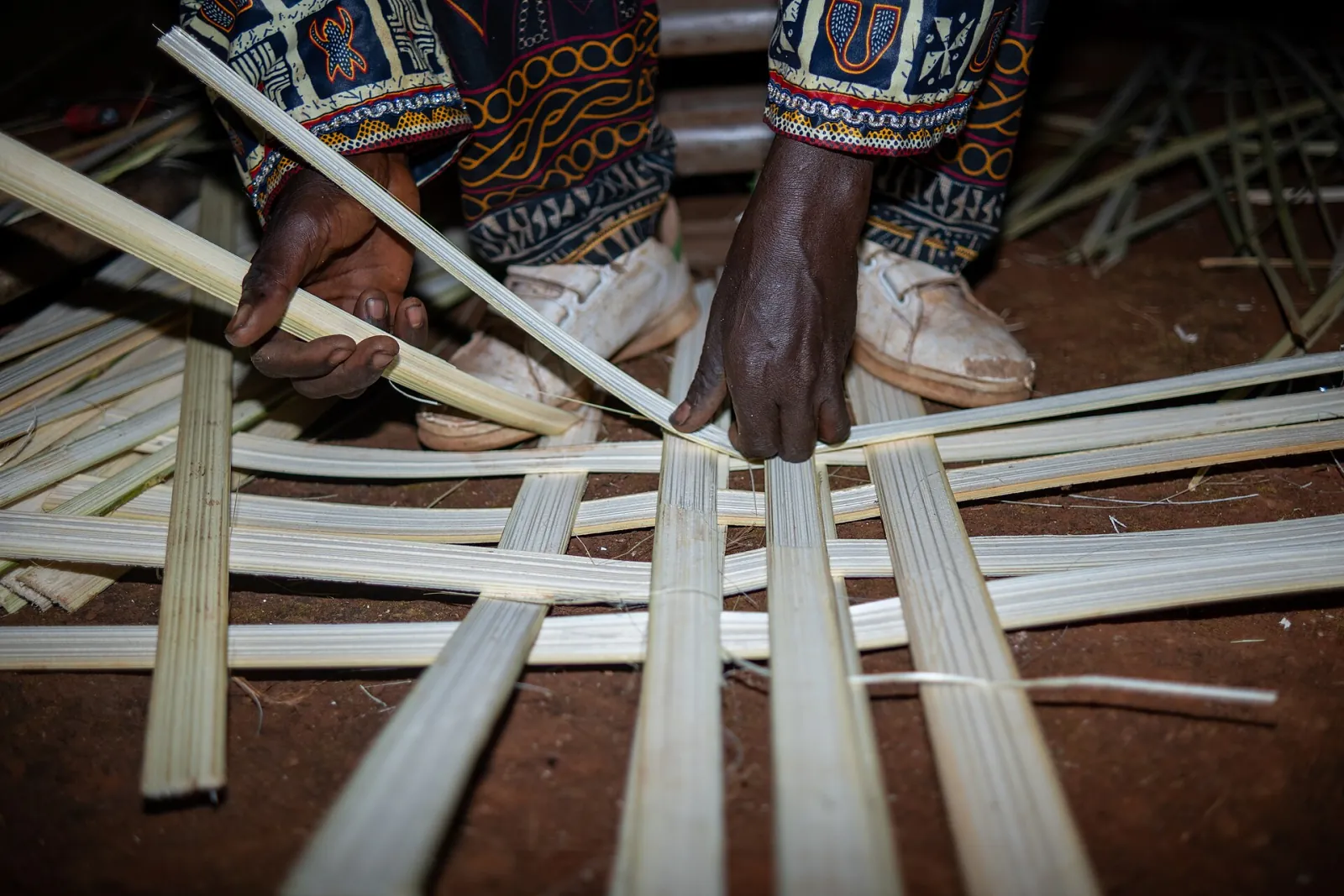
Craftsman in an orange cap weaving rattan strips in an open-air workshop

A residency offers an artist or a team a creative stay in an equipped venue, away from the constraints of everyday life: a painting studio on the banks of the Wouri river, a recording studio in Yaoundé, a rehearsal room in a chiefdom in the West, a digital lab in Buéa. The aim is simple: to make it possible to research, write, rehearse and make.

In Cameroon and abroad, residencies extend the policy of support for creation led by the Directorate for the Development and Promotion of the Arts and fall within the NDS30 objective of structuring the artistic professions.

  • Host venues in several regions of the country
  • Partnerships to go and create abroad
  • Artistic and administrative support
See residencies in Cameroon
In the territory

Residencies in Cameroon

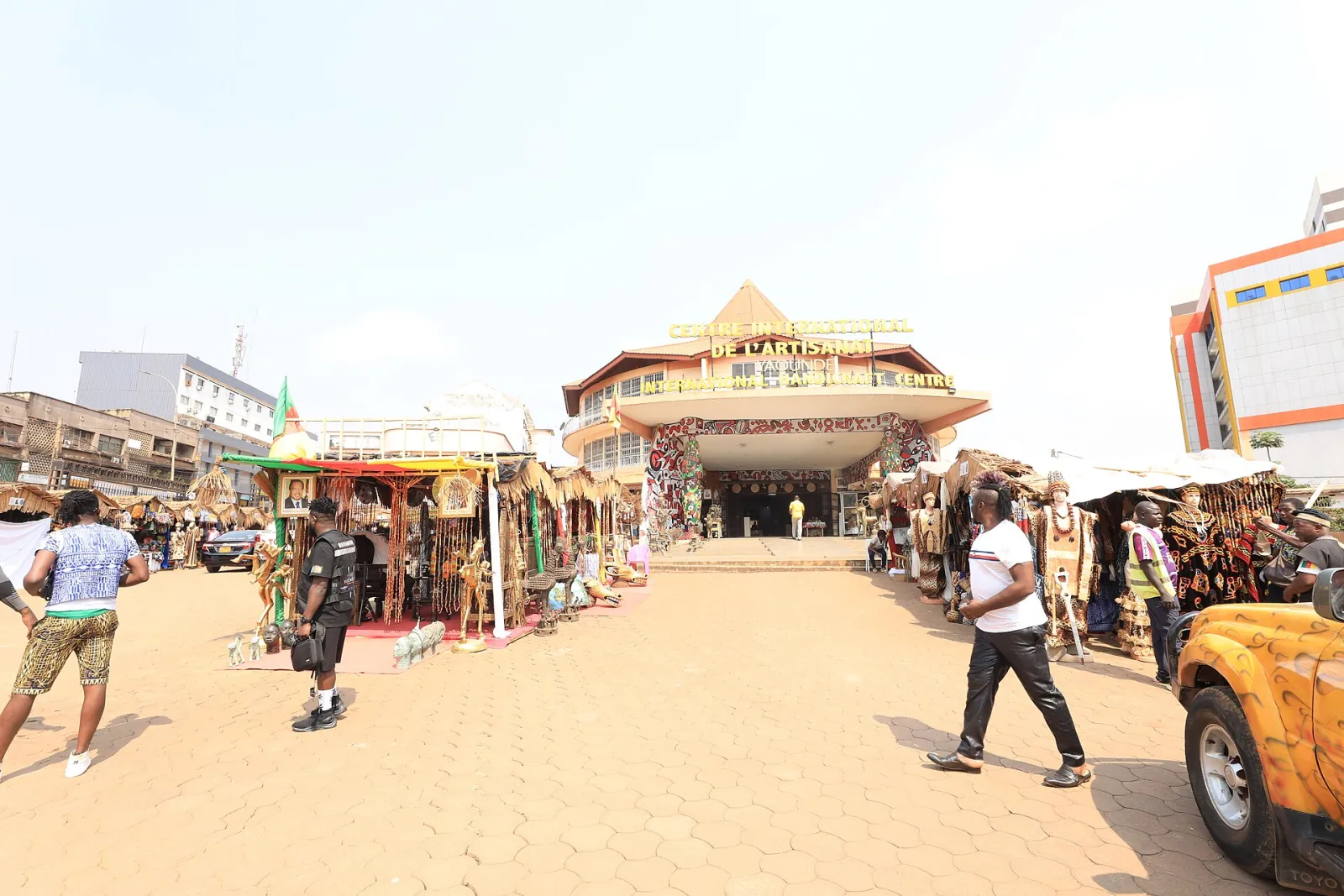
Esplanade of the International Craft Centre in Yaoundé lined with artisans' stalls

Residencies hosted within the national territory take place in very different venues: houses of culture, regional cultural centres, artists’ studios, museums, traditional chiefdoms, arts education institutions and digital third places. Each venue defines its specialism and number of places, which allows a project to find the most suitable setting.

The main types of residency

  • Research residency: one to four weeks, with no obligation to produce a result, to explore an idea or collect materials or testimonies;
  • Creation residency: four to twelve weeks, with the aim of producing a piece, an exhibition or a prototype presented at the end of the stay;
  • Community residency: the artist works with a community, a school or a neighbourhood and presents the work to residents;
  • Transmission residency: the artist leads workshops for young people, in connection with arts education.

What is provided

Depending on the venue: a workspace, accommodation or housing assistance, basic equipment, technical support and a residency scholarship. The Regional Delegations facilitate the hosting, and local authorities may join the project under decentralised cooperation.

ℹ️
Residencies and heritage

Some residencies draw on the national museums or on the palaces and chiefdoms to invite artists to engage with the collections and know-how.

Mobility

Going on a residency abroad

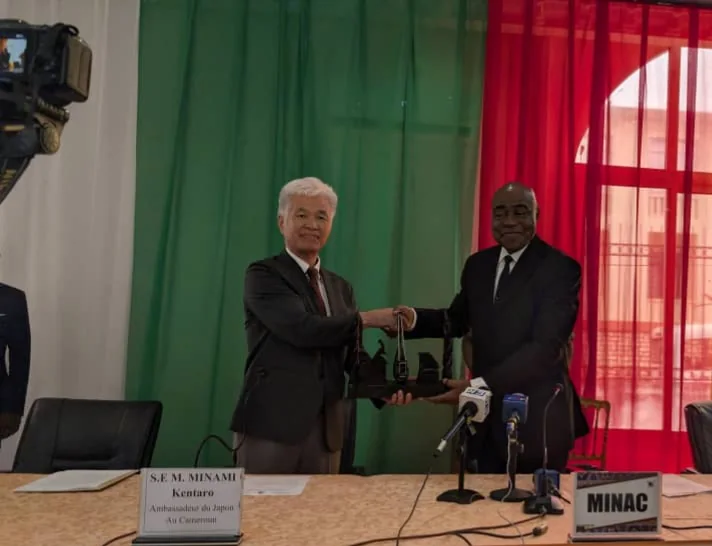
Handshake between the Minister and a partner during an official meeting

Residencies abroad allow Cameroonian artists to test their work against other scenes, gain access to rare facilities and meet programmers. They are made possible by cultural agreements, by partnerships with foreign cultural centres, festivals and institutions, and by the programmes of international organisations.

Preparing your departure

  • check the validity of your passport and the entry conditions of the host country;
  • if necessary, obtain an authorisation to take works out of the country in order to transport your equipment, from the art export service;
  • arrange insurance for equipment and works;
  • inform the embassy or consulate of your stay, with the support of the embassies.

On their return, the artist shares their experience with peers at a meeting organised at the Regional Delegation, so that mobility benefits the whole artistic community.

Application

Apply for a residency

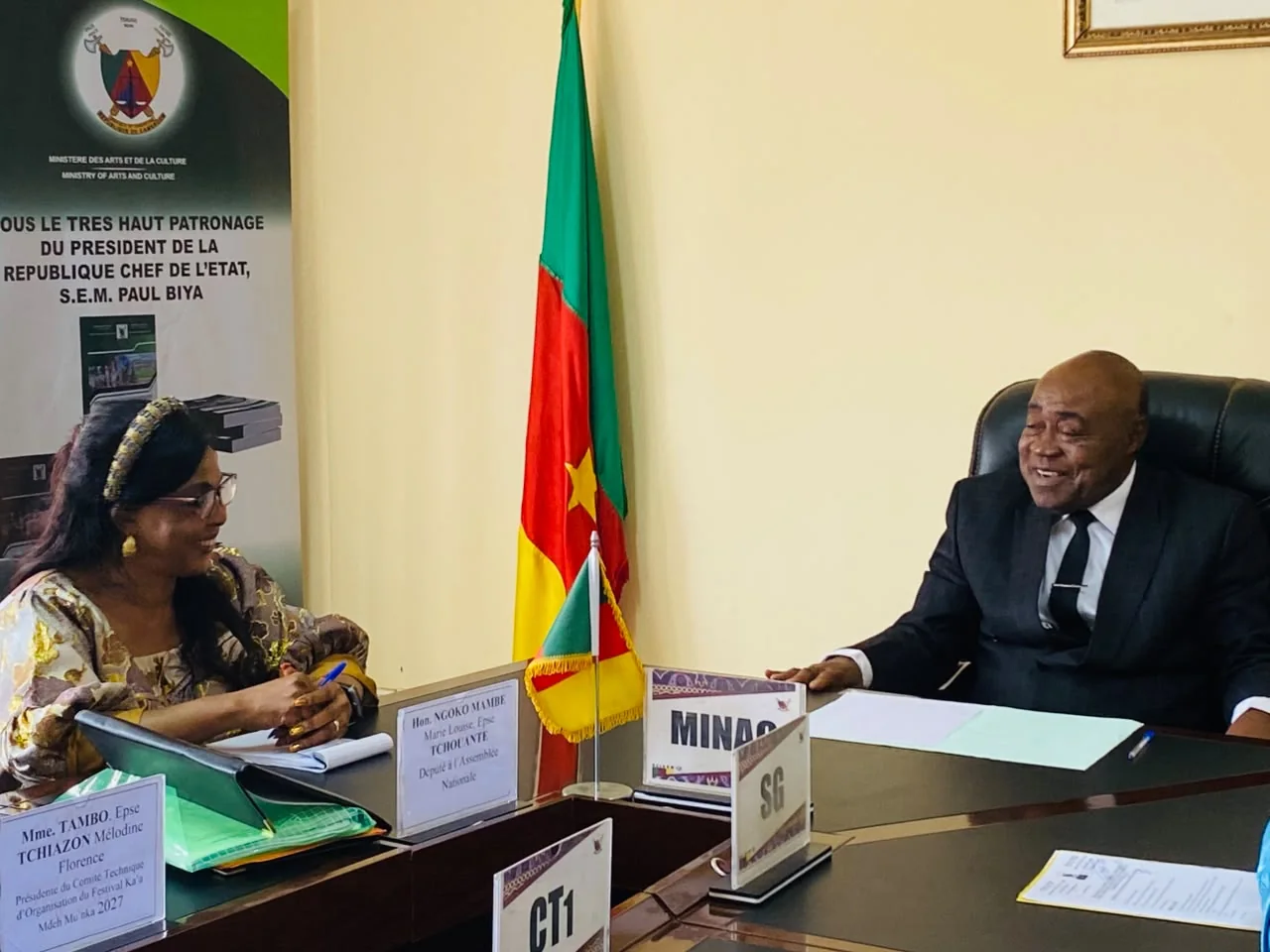
The Minister and the Secretary General meeting in an office of the Ministry

Applications are open twice a year, in spring and autumn, by public call relayed in the calls for projects and the cultural agenda. Each call specifies the disciplines concerned, the host venues, the dates of the stays and the submission deadline.

Who can apply?

Any artist, author, collective or company of Cameroonian nationality or resident in Cameroon may apply, whether a beginner or established, provided the discipline is open for the session. Holders of the artist card benefit from a simplified reading of their file, but are not given priority as a matter of principle.

The file

  • a statement of intent of one to two pages: why this project, why this venue;
  • a week-by-week work plan;
  • an artistic portfolio: visuals, excerpts, videos or texts;
  • an artistic curriculum vitae;
  • a letter of commitment to present the work to the public.

Submission is made online via the One-Stop Shop. An incomplete application is not examined: check the list of documents before sending. For a collective project, a single contact person submits the file on behalf of the team. Questions can be asked via the online help.

ℹ️
Writing tip

A good statement of intent is precise about what you will actually do in each week of the residency, rather than about general intentions.

Results

The laureates and residency follow-up

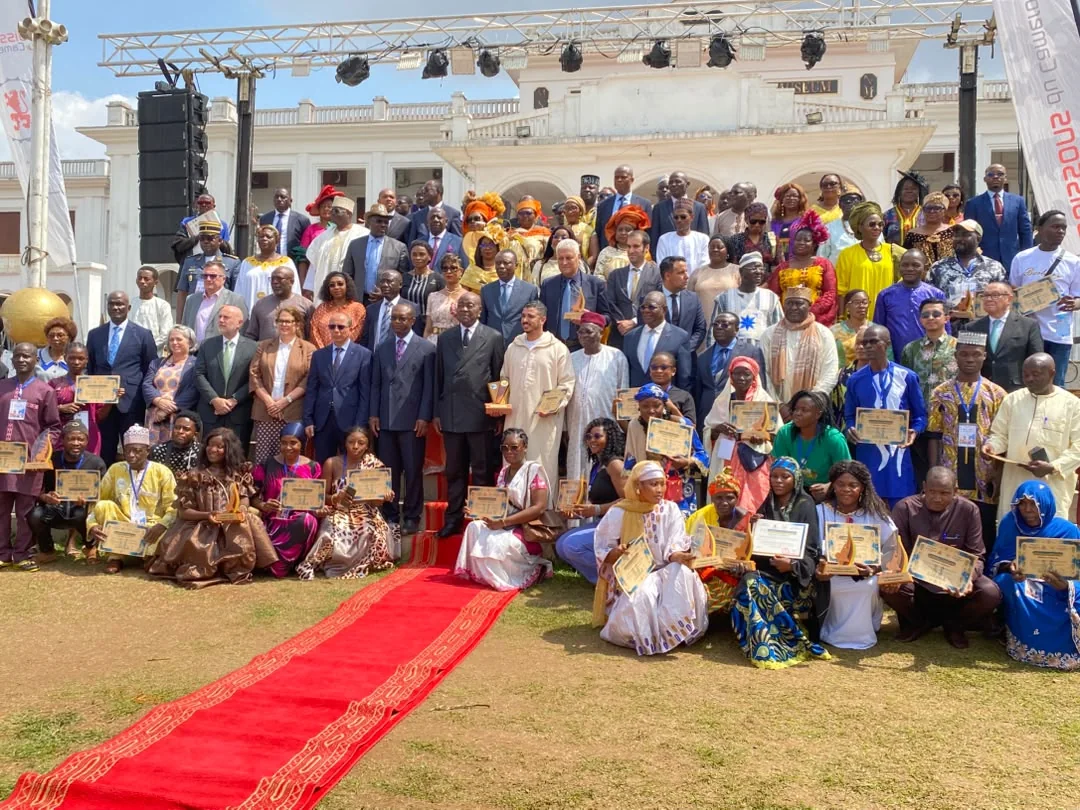
Award winners gathered on the lawn during a national ceremony

Once the selection committee has met, the results are communicated to applicants by e-mail and published in the calls for projects section, as a list of selected projects by discipline and host venue. Unsuccessful applicants receive a short reasoned opinion and may submit a new file at the next session.

What awaits the laureates

Each laureate signs a residency agreement with the host venue: schedule, resources provided, rights over the works produced (which remain the property of the artist, in accordance with the legal framework), partnership credits and arrangements for presenting the results. A contact person at the venue follows the stay and supports the laureate in their procedures.

Presenting and showcasing

The presentation may take the form of an exhibition, a reading, a public rehearsal or a workshop open to residents. It gives rise to a written report. The most advanced projects may then be supported by a grant or shown at a festival, and careers are showcased in the artists’ directory and through the honours described on the prizes and distinctions page.

Venues and disciplines

Which residency for which discipline?

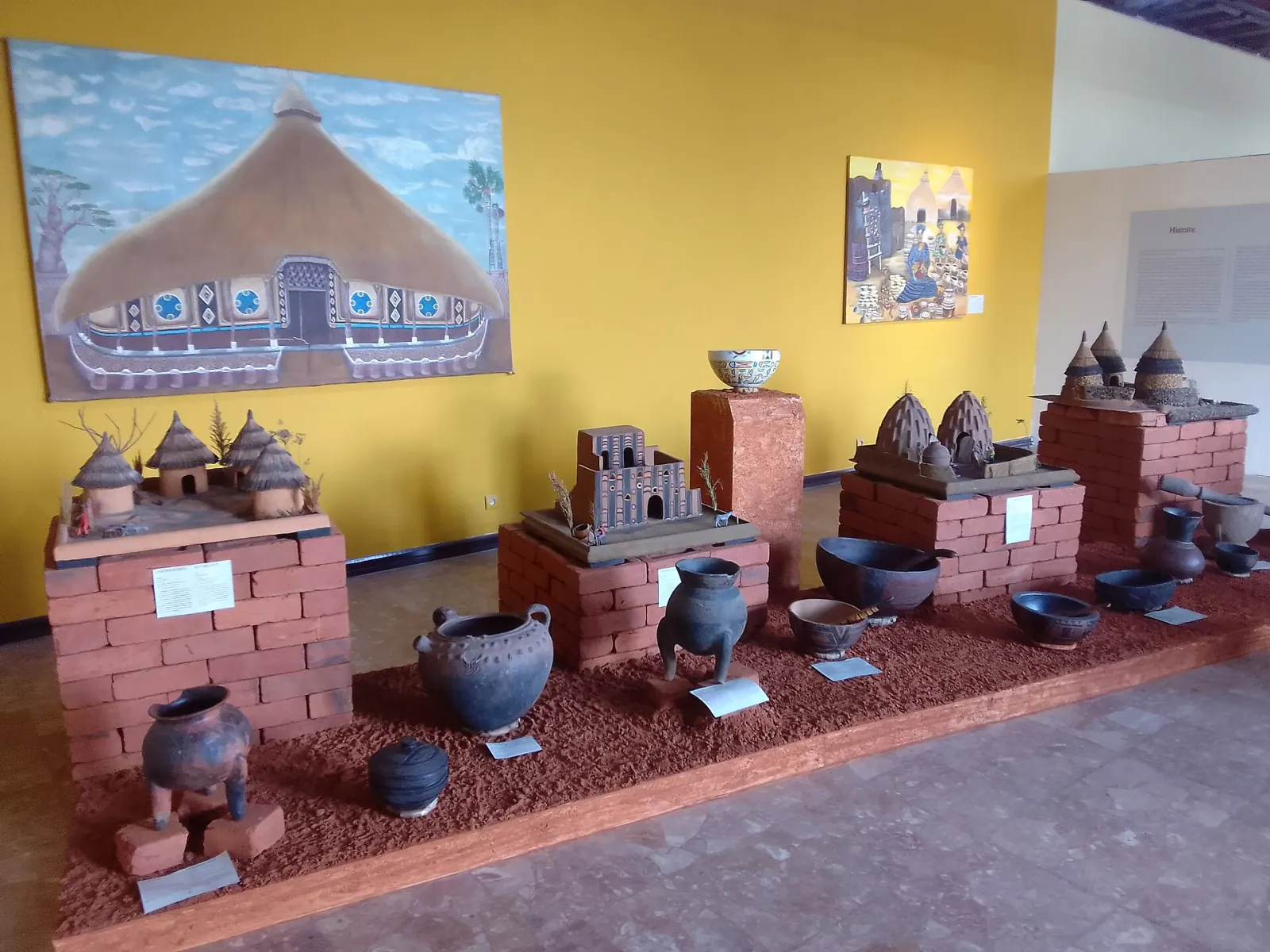
Exhibition of hut models and pottery beneath a painting of traditional dwellings

Not all disciplines require the same working conditions, and the choice of venue matters as much as the timing. A choreographer needs a suitable floor and a mirror; a visual artist, a ventilated studio and storage; a composer, a soundproofed studio; a photographer, a darkroom or a retouching station; an author, simply quiet and a library.

The visual arts, digital arts, literature and books and cinema and audiovisual pages describe the resources specific to each sector. For dance, the dance page notes that choreographic residencies most often last from one to six weeks, which suits the writing of a short piece.

Step by step

From application to return from residency

Spot the call

Consult the calls for projects and the agenda; note the discipline, venue, dates and submission deadline.

Prepare the file

Write the statement of intent and the work plan, and gather visuals or excerpts representative of your approach.

Submit online

Send the complete file through the One-Stop Shop before the closing date and keep your file number.

Go through the selection

The committee reads the files, may invite applicants to a short interview and draws up the list of selected projects.

Stay and create

Sign the agreement, settle into the venue and work with the host contact person according to the planned schedule.

Present and report

Present your work to the public, submit your report and share your experience with the artistic community.

Key facts

Residencies at a glance

Type of residencyUsual lengthHost venuesExpected outcome
SearchOne to four weeksHouses of culture, museums, studiosResearch notebook, first prototypes
CreationFour to twelve weeksRegional cultural centres, studios, workshopsPiece, exhibition or public rehearsal
TerritoryFour to eight weeksSchools, neighbourhoods, chiefdomsProject shared with residents
TransmissionTwo to six weeksArts education institutionsWorkshops and presentation by pupils
DigitalThree to eight weeksLabs and digital third placesPrototype, installation or application
International mobilityTwo to twelve weeksPartner centres abroadWork produced and professional network
WritingTwo to six weeksLibraries, writers’ housesManuscript or public reading
Journey

The rise of Cameroonian residencies

1990sThe first stays

A few artists go on residency thanks to foreign cultural centres based in Yaoundé and Douala.

The 2000sCollective studios

Collectives open shared studios and host visiting artists in the major cities.

2010sThe first national programmes

The Ministry supports creative stays in the houses of culture and in several regions.

NDS30A policy of structuring

The national strategy places the structuring of the artistic professions at the heart of public action.

TodayA network of venues

Venues in several regions and foreign partners make up a residency network open to all disciplines.

To explore

Residencies and what follows

“You cannot create against the clock: a residency is the time you give yourself to get it wrong, start again and finally find it.”

A visual artist, Douala
Words from residents

Stays experienced from the inside

“
For six weeks, I worked with the weavers of the neighbourhood. My series of paintings now carries the trace of their patterns.
A visual artist
Bafoussam
“
The most valuable thing was not the studio, but the encounters: a sound engineer, a storyteller, two young rappers who became collaborators.
A composer
Yaoundé
“
Abroad, I understood how to present my work to a programmer. On my return, I organised a meeting to share what I had learned.
A stage director
Buéa
“
The community residency transformed the project. The residents no longer watched the show, they made it with us.
A choreographer
Ngaoundéré
To act

Residency schemes

Apply

Submit your artistic file online to the One-Stop Shop for the next session, with a statement of intent and a work plan.

Submit my application

Fund the next stage

A project born in residency may apply for support for production, publishing or festival presentation.

Apply for a grant

Going abroad

Consult the international offers of scholarships, exchanges and creative stays relayed by the embassies.

See the opportunities
To download

Documents for residents

Glossary

Terms of the residency

Residency

A stay granted to an artist in an equipped venue to research, create or pass on knowledge.

Statement of intent

A text setting out the project, its motivations, its method and the choice of venue.

Work plan

Week-by-week schedule of the activities planned during the stay.

Convention

A contract setting out the commitments of the artist and the host venue.

Restitution

Public presentation of the work carried out at the end of the residency.

Contact person

A person at the host venue who supports the artist during their stay.

Selection committee

A group of professionals who read the files and propose the selected projects.

Third place

A hybrid space for work, meeting and creation open to several audiences.

Mobility

An artist’s travel to another country to create, train or perform.

Residency scholarship

Financial support that partly covers living costs during the residency.

Research-creation

An approach that combines theoretical exploration and artistic production.

On the site

Go further after the residency

Resources

Useful links for going on a residency

Stakeholders

Who hosts and supports residencies?

Questions

Your questions about residencies

Is a residency paid?

It generally includes a residency scholarship, accommodation or housing assistance, and a limited production budget. The exact conditions are specified in each call. A residency is not a job, but it can lead to later commissions and grants.

Who owns the works created during the residency?

The artist remains the holder of their copyright. The agreement may provide for authorisation of public presentation by the host venue and acknowledgement of the partnership, but it never transfers ownership of the work without written, paid consent.

Can several people go on a residency together?

Yes, collectives and companies are welcome, within the limits of the venue’s accommodation capacity. The file then specifies each person’s role, and a single contact person represents the team to the One-Stop Shop and the host venue.

Do I need to have already exhibited or published to apply?

No. Research residencies are open to emerging artists, provided the file shows a serious approach. Creation and international mobility residencies generally require some prior experience of public presentation.

What happens if I have to interrupt my stay?

Inform the venue’s contact person and the Directorate immediately. In cases of force majeure (health, family), the agreement may be suspended or postponed. The stay may be moved to the next session, depending on availability.

How are applications assessed?

A committee of professionals reads each file against four criteria: quality of the artistic approach, coherence of the work plan, suitability for the host venue and commitment to presenting the results. Opinions are recorded and communicated to applicants.

Can I resubmit a rejected project?

Yes. An unsuccessful file can be reworked and resubmitted at a later session, taking into account the opinion received. There is no limit on the number of applications, but each file is examined as a new project.

Where do I report a problem encountered during the residency?

Write to the Directorate using the contact form, stating the venue, the dates and the nature of the problem. A Ministry mediator may intervene if the disagreement concerns the application of the agreement.

Contact

Write to the Ministry: Residencies

Specify your question or your project.

Competent directorate

Write to the residencies team

Address

Directorate of the Development and Promotion of the Arts
Ministry of Arts and Culture
Quartier du Lac – Ministerial Zone
P.O. Box 1053 Yaoundé, Centre Region, Cameroon

Reach us

+237 6 51 70 58 41

contact@minac.gov.cm

Opening hours

Monday to Friday, 8 am to 4 pm

A project to nurture?

Spot the current call, prepare your file and submit it online before the closing date.

See the calls for projects
WhatsApp