Coat of arms of CameroonMinistry of Arts
and Culture
Republic of Cameroon
My procedures
Home
Minister’s message
News
Press releases
Cultural calendar
Official speeches
Press review
Photo library
Video library
Calls for projects
Job vacancies
Public procurement
Newsletter
Frequently asked questions
Site map
Contact
Press area
Podcast “The Voice of Culture”
Legal notices
Privacy policy
Cookies and trackers
The Ministry
Missions and responsibilities
Organisation
Organisation chart
Minister’s Office (Cabinet)
Management team
General Secretariat
General Inspectorate
Central directorates
Regional Delegations
Institutions under supervision
Legislative texts
Regulatory texts
Sector strategy
Major projects
Budget and reports
Partners
Careers
Archives
Institutional communication
Quality and accessibility
Arts
Visual and plastic arts
Visual arts
Performing arts
Theatre
Dance
Music
Literature and books
Cinema and audiovisual
Photography
Fashion and design
Digital arts
Art crafts
Artists’ directory
Residencies
Prizes and awards
Arts education
Urban arts
Heritage
Tangible heritage
Intangible heritage
UNESCO sites
National museums
Listed monuments
National inventory
Palaces and chiefdoms
Archaeology
Linguistic heritage
Oral traditions
Traditional know-how
Restitution of cultural property
Fight against illicit trafficking
Listing and protection
Conservation and restoration
Heritage Days
Cultural landscapes
Industries
Music and recording
Cinema
Publishing and books
Digital arts
Fashion and creativity
Crafts
Cultural tourism
Funding for culture
Support funds
Incubators
Cultural entrepreneurship
Culture Observatory
Vocational training
Studies and reports
Sector statistics
Export and outreach
Intellectual property
Copyright
Legal framework
Copyright and neighbouring rights
Collective management societies
Register a work
Licences
Private copying
Fight against piracy
Model contracts
Social status of artists
Mediation
Disputes
Training
Fee scales
Register of works
Contact
Digital neighbouring rights
Public domain
Festivals
National calendar
Ngondo
Nguon
Écrans Noirs
Heritage Days
Music Day
Regional festivals
Fairs and exhibitions
Biennials
National competitions
Cultural days
Organise a festival
Event grants
Ticketing
Archives
Volunteering
Diaspora festivals
Regions
Adamawa
Centre
East
Far North
Littoral
North
North-West
West
South
South-West
Cultural map
Regional Delegations
Traditional chiefdoms
National languages
Cultural routes
Decentralised cooperation
Regional observatory
Cooperation
UNESCO
Francophonie (OIF)
African Union
Commonwealth
CEMAC
Bilateral cooperation
Cultural agreements
Professional organisations
Scholarships
Artist exchanges
Cultural years
Diaspora
Funded projects
Embassies
Technical partners
International restitution
International monitoring and calls
Services
Artist card
Show authorisation
Filming authorisation
Festival authorisation
Deposit of a work
Export of works of art
Listing of a property
Grant application
Association accreditation
File tracking
Forms
Fees
Opening hours and addresses
Reporting
Online help
My account
One-Stop Shop
The Ministry

Organisation

The Ministry of Arts and Culture at a glance: Minister’s Office, inspectorate, central administration, decentralised services, attached services and bodies under supervision, with the official diagrams and a reading guide.

Updated on 6 November 20265 sub-pages
Directorates7
Sub-Directorates and Divisions16
Services, Bureaux and Units48
Attached services7
Understanding the Ministry

An organisation designed to serve culture

Ministry façade decorated with traditional patterns beneath red circles

Placed under the authority of the Minister, the Ministry relies on a private secretariat, technical advisers and a general inspectorate. The central administration comprises the General Secretariat and seven technical directorates. In the field, the regional and divisional delegations ensure proximity to users; attached services and bodies under supervision complete the system.

This page offers an educational reading of the whole: what each level is for, how the services communicate, the route a file takes and whom to turn to depending on the subject. The official diagrams are reproduced in full, in graphic form and then in text form.

  • A Minister’s Office (Cabinet) and an inspectorate attached to the Minister
  • A central administration of seven directorates
  • Regional and divisional delegations
See the organisation chart
Instructions

How to read the organisation chart of the Ministry of Arts and Culture

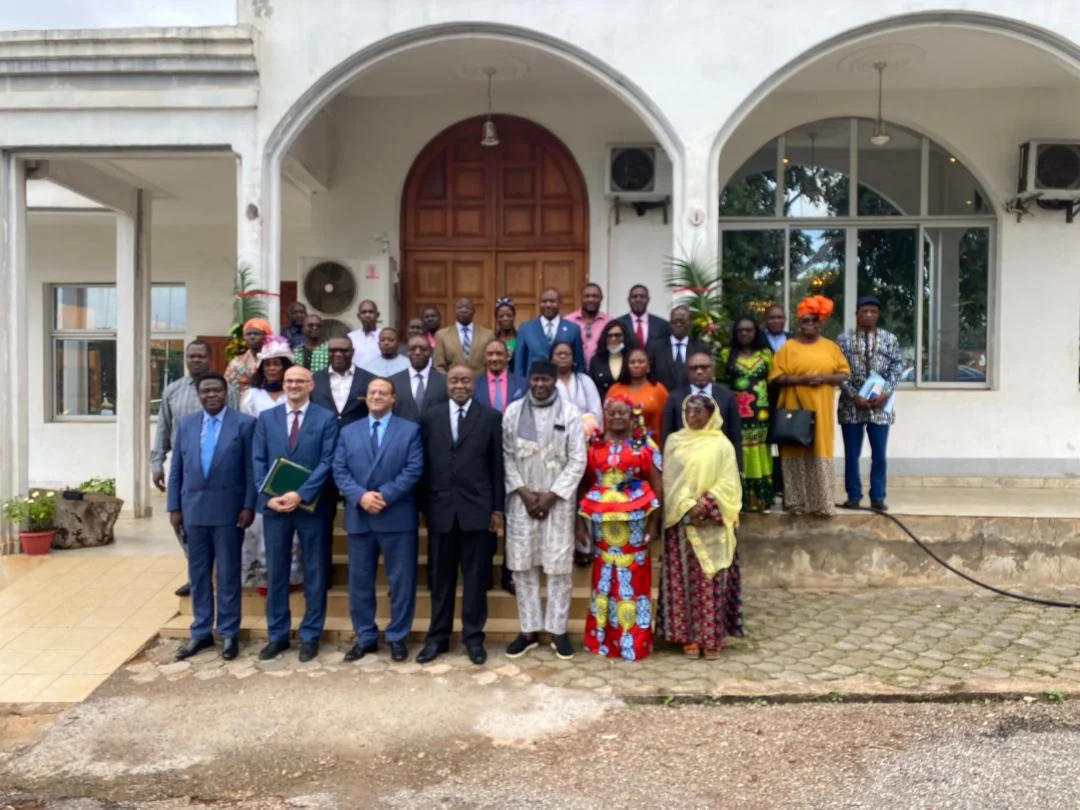
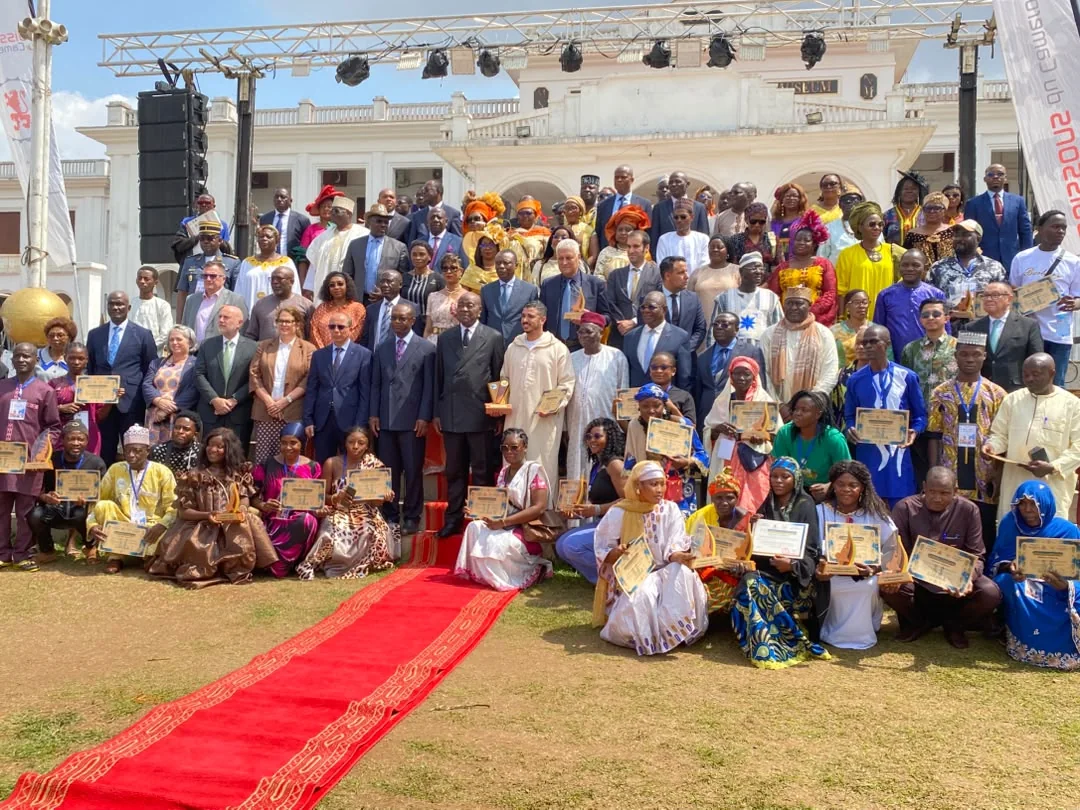
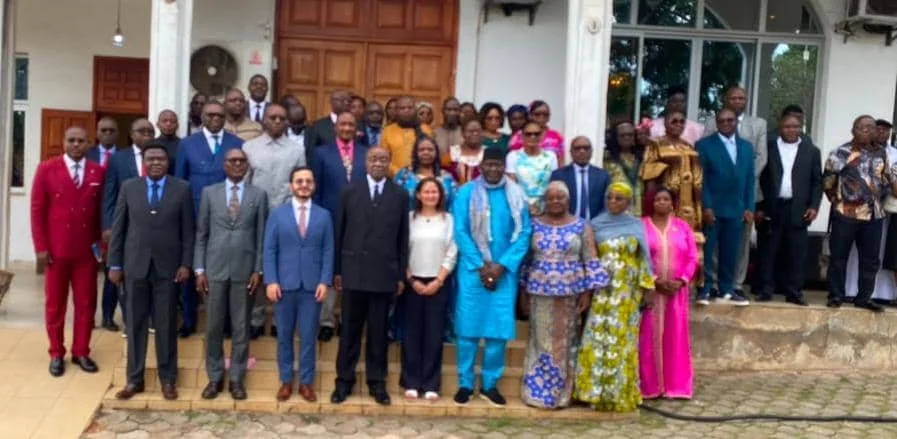
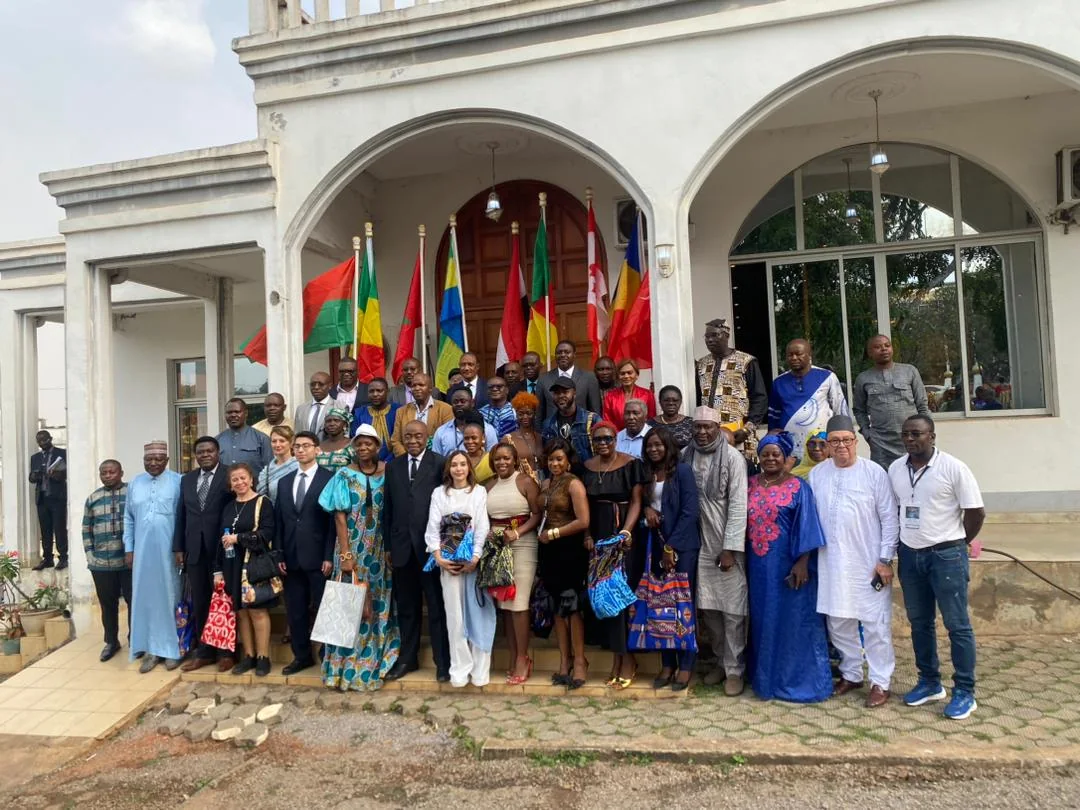
A group of men in suits and women in colourful outfits poses in front of the arched entrance of a building.

An organisation chart is read from top to bottom: the authority at the top, the services attached to it next, then the subdivisions of each service. The Ministry’s has four main levels, each answering a different question.

Around the Minister: advising and overseeing

The private secretariat, the technical advisers and the General Inspectorate directly assist the Minister. Their role is to inform the Minister’s decisions and verify their application. Details are given on the Minister’s Office (Cabinet) page.

At the centre: designing and coordinating

The central administration designs policies and coordinates their implementation. It brings together the General Secretariat, which steers the whole, and seven directorates specialised by field.

Across the territory: applying and supporting

The decentralised services receive users, process local files and relay national programmes.

Among the operators: preserving and disseminating

The attached services and bodies under supervision are the cultural institutions that welcome the public: museums, libraries, archives, artistic ensembles.

ℹ️
Reading tip

The acronyms in brackets (DPC, DDPA, DADA, DLL, DCPA, DSIC, DAG) are those you will find in all the Ministry’s correspondence.

Graphic organisation chart

The organisation in a diagram

Minister of Arts and Culture
Private Secretariat
Technical Advisers
General Inspectorate

Central administration

General Secretariat

  • Division of Legal Affairs2 services
  • Unit for Studies, Planning and Cooperation
  • Monitoring Unit
  • Communication Unit
  • IT and Statistics Unit
  • Translation Unit
  • Sub-Directorate of Reception, Mail and Liaison3 services
  • Service of Documentation and Archives2 services

Directorate of Cultural Heritage (DPC)

  • Sub-Directorate of Tangible Cultural Heritage3 services
  • Sub-Directorate of Intangible Cultural Heritage2 services
  • Sub-Directorate of Cultural Diversity2 services

Directorate of Arts Development and Promotion (DDPA)

  • Sub-Directorate of Performing Arts2 services
  • Sub-Directorate of Visual and Applied Arts3 services

Directorate of Archives and Administrative Documents (DADA)

  • Sub-Directorate of Archival Standards, Regulation and Control3 services
  • Professional Development Unit

Directorate of Books and Reading (DLL)

  • Sub-Directorate of the Book Economy2 services
  • Sub-Directorate of Reading Development and Libraries2 services

Directorate of Cinematography and Audiovisual Productions (DCPA)

  • Sub-Directorate of Cinematography, Standards and Controls2 services
  • Sub-Directorate of Audiovisual2 services

Directorate of Performances and Creative Industries (DSIC)

  • Sub-Directorate of Performances, Infrastructure Development and Technical Equipment2 services
  • Sub-Directorate of Creative Industries2 services

Directorate of General Affairs (DAG)

  • SIGIPES Project Management Unit
  • Sub-Directorate of Personnel, Payroll and Pensions3 services
  • Sub-Directorate of Budget, Equipment and Maintenance3 services

Decentralised services

Regional Delegations of Arts and Culture

  • Service of Cultural Heritage and Museums
  • Service of Archives, Books and Reading
  • Service of Cinema and Audiovisual
  • Service of Arts, Performances, Cultural Enterprises and Creative Industries
  • Service of General Affairs

Divisional Delegations of Arts and Culture

  • Bureau of Cultural Heritage, Archives and Museums
  • Bureau of Cinema and Audiovisual
  • Bureau of Cultural Action, Books and Reading
  • Bureau of General Affairs

Attached services

National EnsembleNational MuseumNational LibraryNational ArchivesNational Film ArchivePublic Reading CentreNational Institute of Arts and Culture

Institutions under supervision

Yaoundé Conference CentreRegional Centre for the Promotion of Books in Sub-Saharan Africa (CREPLA)

Source: organisation chart of the Ministry of Arts and Culture (text version published on the official website).

Central administration

The General Secretariat and the directorates: the central administration

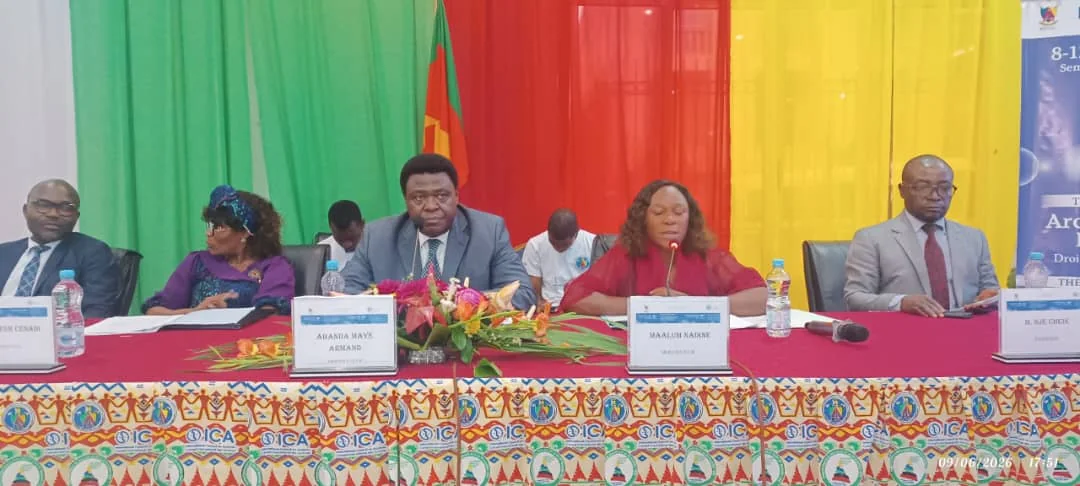
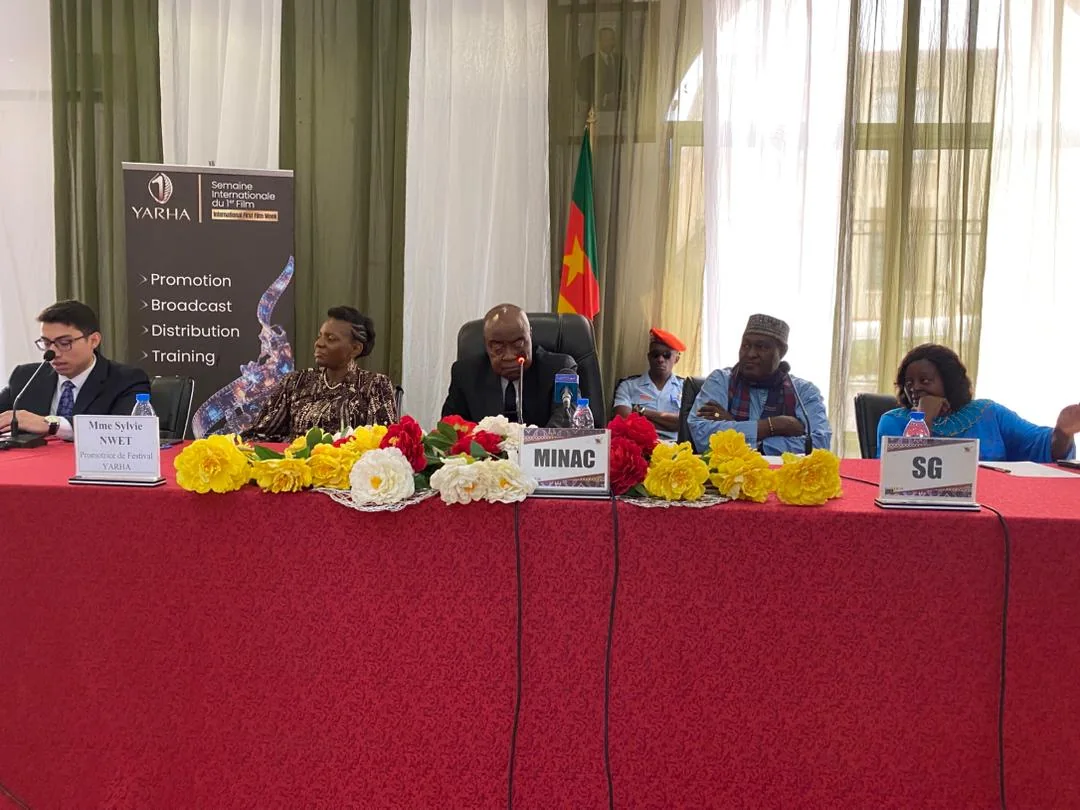
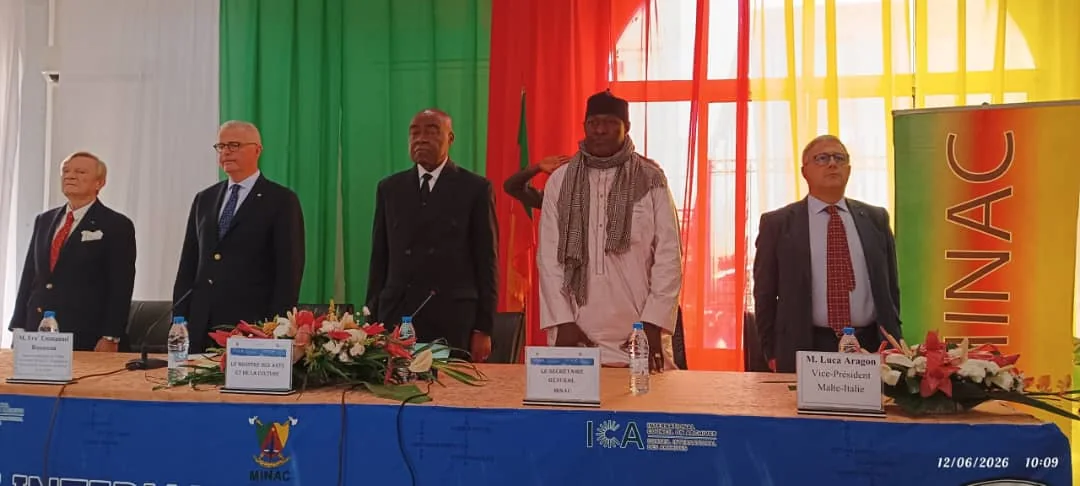
Panel table during an institutional meeting of the Ministry

The General Secretariat coordinates the action of the directorates and comprises the Division of Legal Affairs, several units (studies and planning, monitoring, communication, IT and statistics, translation), the Sub-Directorate of Reception, Mail and Liaison, and the Documentation and Archives Service. It is headed by the Secretary General, the Minister’s principal collaborator.

Seven directorates, seven fields

The directorates cover cultural heritage, the development and promotion of the arts, archives and administrative documents, books and reading, cinematography and audiovisual productions, performances and creative industries, and general affairs. Each is headed by a director, assisted by sub-directors.

From sub-directorates to services

Each directorate is divided into sub-directorates, then services. The Directorate of Cultural Heritage thus has three sub-directorates – tangible heritage, intangible heritage, cultural diversity – which share seven services: real estate, museums, archaeology, living heritage, historical figures and commemorative festivals, mother tongues and national languages, cultural expressions and values.

What the directorates have in common

All work according to procedures codified by the General Secretariat and report on their activity in activity reports. For details of the missions, consult the Central Directorates page.

ℹ️
Key points

The Directorate of General Affairs manages staff, payroll, pensions, the budget, equipment and public procurement: it is what allows the others to function.

The directorates

The seven directorates and their remit

Text organisation chart

The organisation in detail

  • Minister of Arts and Culture99
    • Private Secretariat
    • Technical Advisers
    • General Inspectorate
    • Central administration72
      • General Secretariat15
        • Division of Legal Affairs2
          • Unit for Studies and Regulation
          • Litigation Unit
        • Unit for Studies, Planning and Cooperation
        • Monitoring Unit
        • Communication Unit
        • IT and Statistics Unit
        • Translation Unit
        • Sub-Directorate of Reception, Mail and Liaison3
          • Service of Reception and Guidance
          • Service of Mail and Liaison
          • Follow-up Service
        • Service of Documentation and Archives2
          • Documentation Bureau
          • Archives Bureau
      • Directorate of Cultural Heritage (DPC)10
        • Sub-Directorate of Tangible Cultural Heritage3
          • Service of Immovable Cultural Heritage
          • Service of Museums
          • Service of Archaeology
        • Sub-Directorate of Intangible Cultural Heritage2
          • Service of Living and Anthropological Heritage
          • Service of Historical Figures and Commemorative Festivals
        • Sub-Directorate of Cultural Diversity2
          • Service of Mother Tongues and National Languages
          • Service of Cultural Expressions and Values
      • Directorate of Arts Development and Promotion (DDPA)7
        • Sub-Directorate of Performing Arts2
          • Service of Lyric and Choreographic Arts
          • Service of Dramatic and Literary Arts
        • Sub-Directorate of Visual and Applied Arts3
          • Service of Plastic Arts
          • Service of Applied Arts
          • Service of Multimedia Arts
      • Directorate of Archives and Administrative Documents (DADA)5
        • Sub-Directorate of Archival Standards, Regulation and Control3
          • Service of Archival Standardisation and Regulation
          • Service of Archival Technologies
          • Service of Archival Monitoring and Control
        • Professional Development Unit
      • Directorate of Books and Reading (DLL)6
        • Sub-Directorate of the Book Economy2
          • Service of Literary Creation
          • Service of Advice and Publishing
        • Sub-Directorate of Reading Development and Libraries2
          • Service of Public Reading Development
          • Service of Libraries
      • Directorate of Cinematography and Audiovisual Productions (DCPA)6
        • Sub-Directorate of Cinematography, Standards and Controls2
          • Service of Cinematography and Audiovisual
          • Service of Standards and Controls
        • Sub-Directorate of Audiovisual2
          • Service of Film Archive and Screenings
          • Service of Video and Audiovisual Records Statistics
      • Directorate of Performances and Creative Industries (DSIC)6
        • Sub-Directorate of Performances, Infrastructure Development and Technical Equipment2
          • Service of Performances
          • Service of Broadcasting Equipment
        • Sub-Directorate of Creative Industries2
          • Service of Musical, Dramatic and Choreographic Productions
          • Service of Marketing and Consumption
      • Directorate of General Affairs (DAG)9
        • SIGIPES Project Management Unit
        • Sub-Directorate of Personnel, Payroll and Pensions3
          • Service of Personnel, Training and Internships
          • Service of Payroll and Pensions
          • Service of Social Action
        • Sub-Directorate of Budget, Equipment and Maintenance3
          • Service of Budget and Equipment
          • Service of Equipment and Maintenance
          • Service of Public Procurement
    • Decentralised services11
      • Regional Delegations of Arts and Culture5
        • Service of Cultural Heritage and Museums
        • Service of Archives, Books and Reading
        • Service of Cinema and Audiovisual
        • Service of Arts, Performances, Cultural Enterprises and Creative Industries
        • Service of General Affairs
      • Divisional Delegations of Arts and Culture4
        • Bureau of Cultural Heritage, Archives and Museums
        • Bureau of Cinema and Audiovisual
        • Bureau of Cultural Action, Books and Reading
        • Bureau of General Affairs
    • Attached services7
      • National Ensemble
      • National Museum
      • National Library
      • National Archives
      • National Film Archive
      • Public Reading Centre
      • National Institute of Arts and Culture
    • Institutions under supervision2
      • Yaoundé Conference Centre
      • Regional Centre for the Promotion of Books in Sub-Saharan Africa (CREPLA)

Source: text-version organisation chart published on the official website of the Ministry of Arts and Culture (minac.gov.cm).

In the territory

The decentralised services: regional and divisional delegations

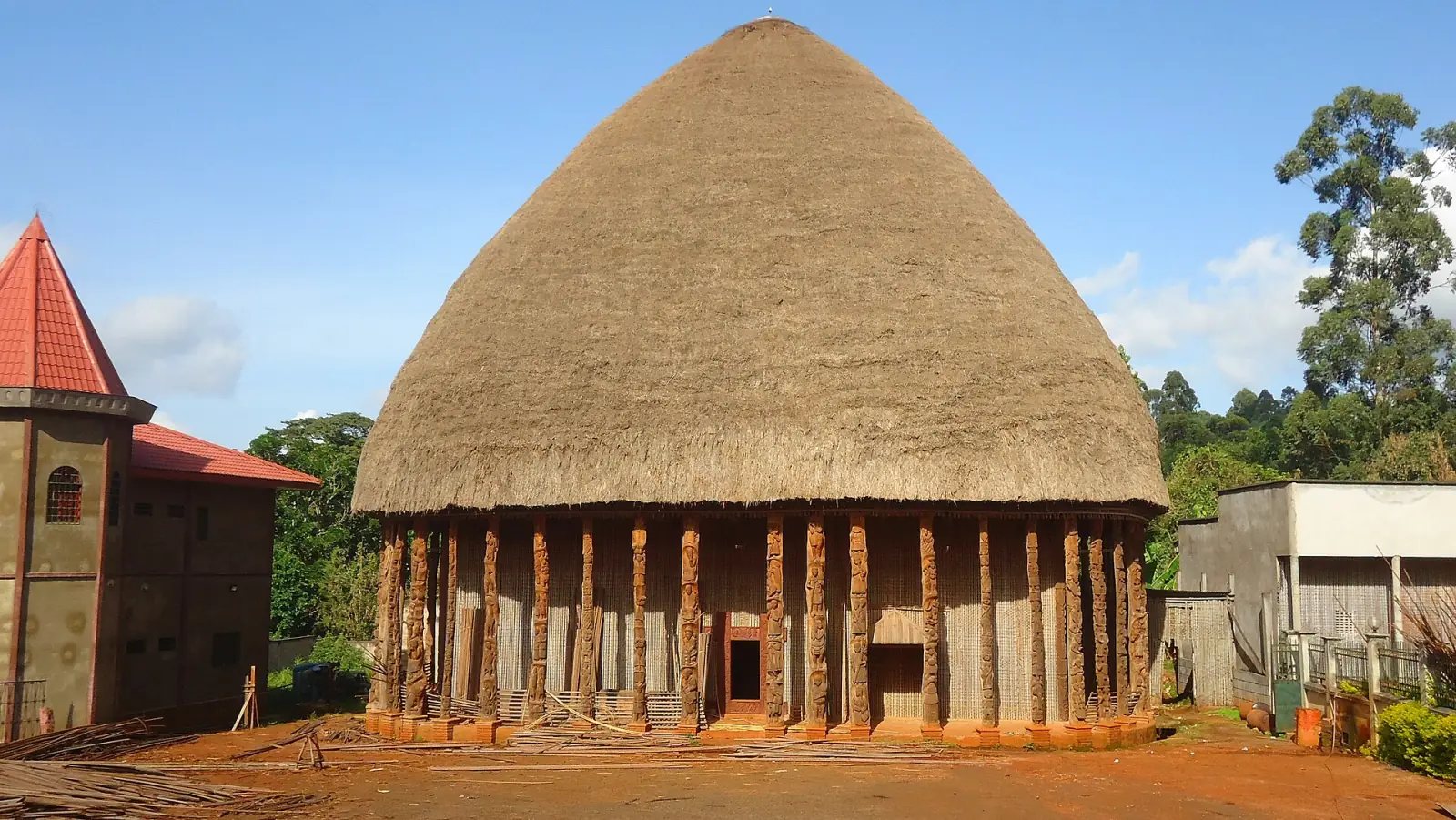
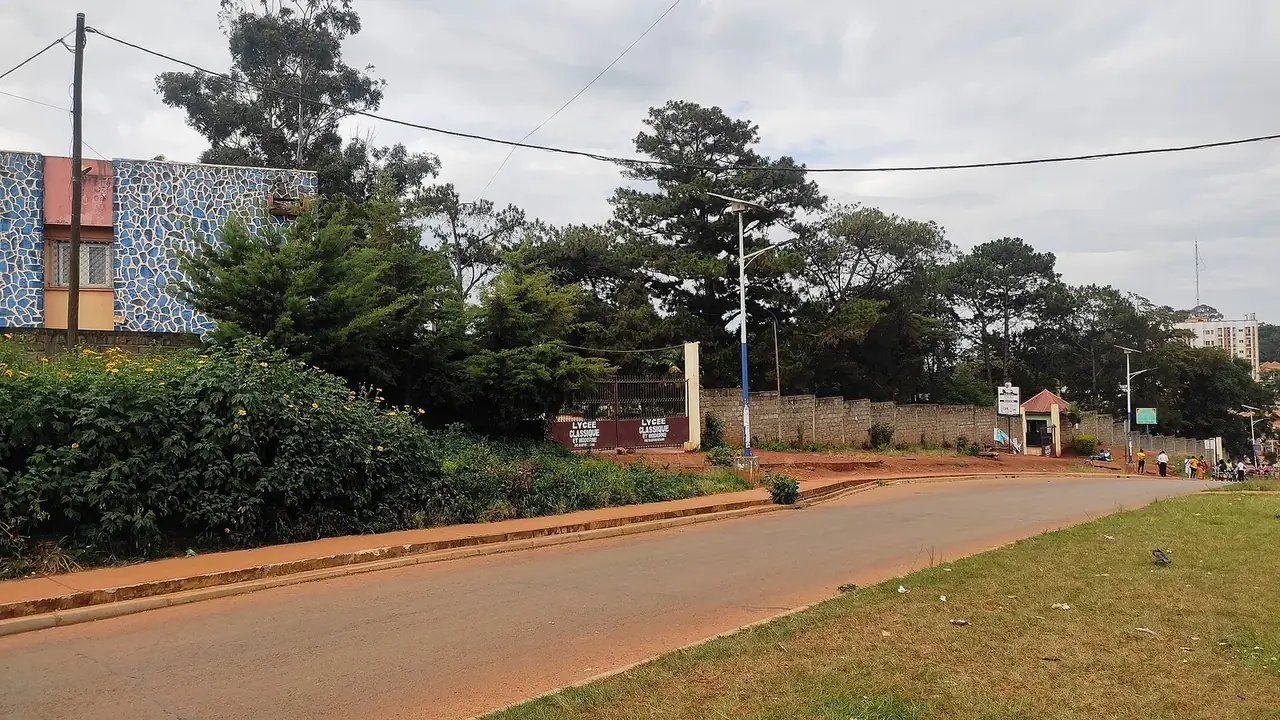
Avenue in Bafoussam

A ministry cannot do everything from Yaoundé. The decentralised services extend its action into the ten regions and the divisions. They represent the Minister in the field, receive users and pass local needs up to the central administration.

The regional delegations

Each regional delegation of arts and culture has five services: cultural heritage and museums; archives, books and reading; cinema and audiovisual; arts, performances, cultural enterprises and creative industries; general affairs. This structure mirrors that of the central directorates, which makes it easier to direct files. Contact details are on the Regional Delegations page.

Divisional delegations

Lighter in structure, the divisional delegations are organised into four bureaux: cultural heritage, archives and museums; cinema and audiovisual; cultural action, books and reading; general affairs. They are the first point of contact for associations, chiefdoms and organisers of local festivals.

ℹ️
For users

A file can be submitted at a delegation, with an officer who assists you, or online at the One-Stop Shop.

Operators

The attached services and bodies under supervision of the Ministry

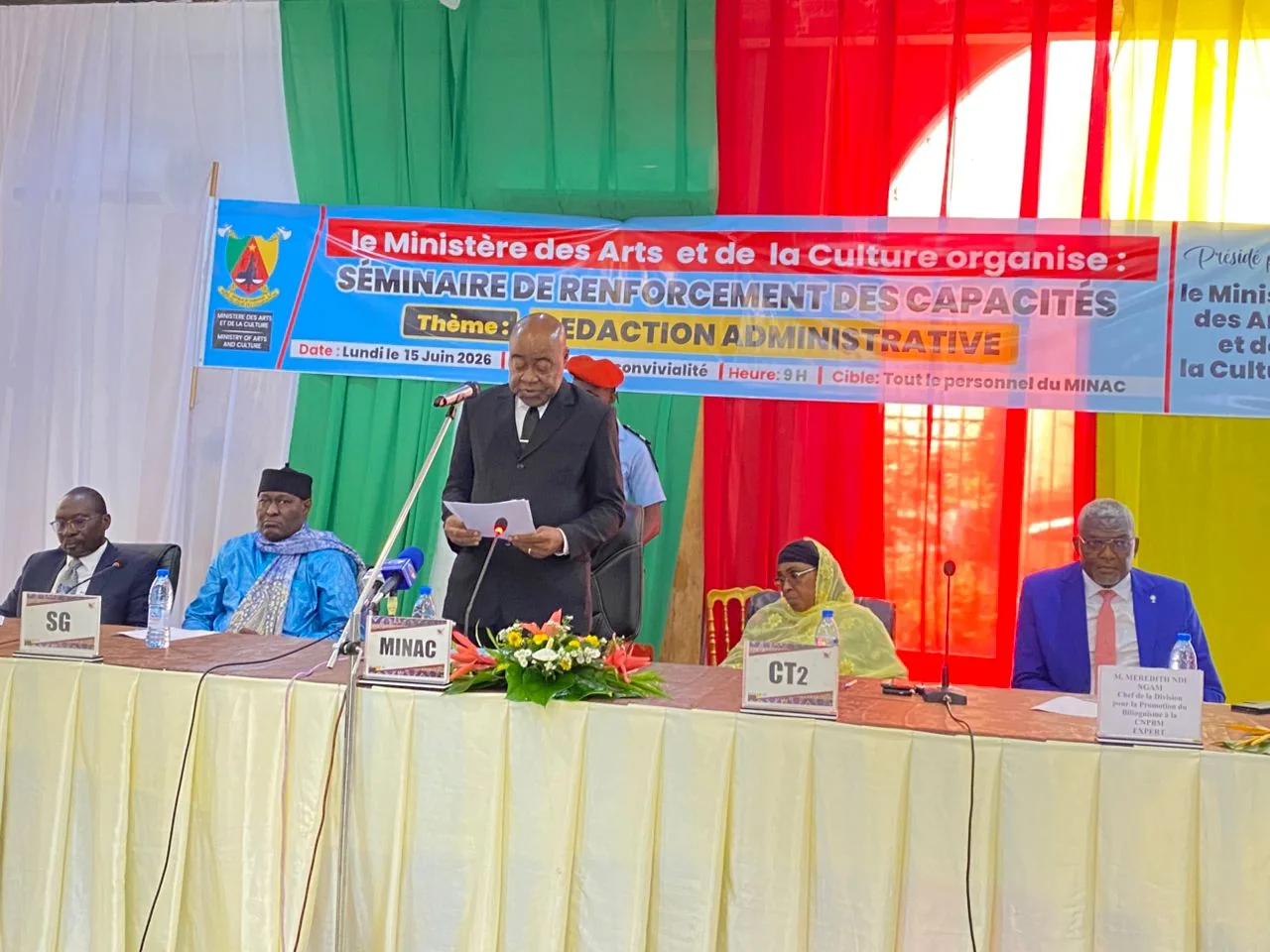
Ministry working meeting around a flower-decked table

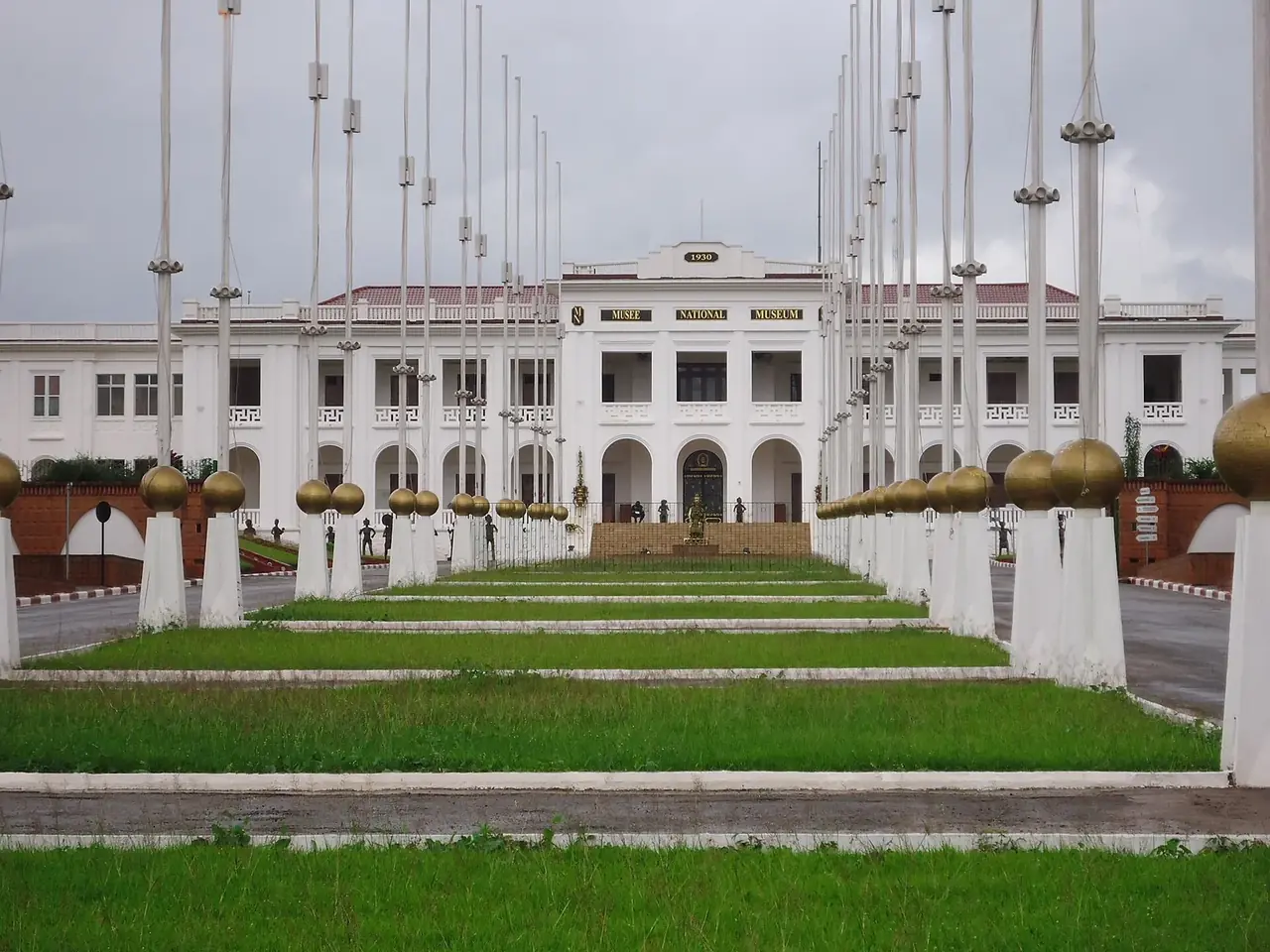
Seven institutions are attached to the Ministry: the National Ensemble, the National Museum, the National Library, the National Archives, the National Film Library, the Public Reading Centre and the National Institute of Arts and Culture. Two bodies are placed under its supervision: the Yaoundé Congress Centre and the Regional Centre for the Promotion of Books in Africa South of the Sahara (CREPLA).

Attachment and supervision: what is the difference?

An attached service is part of the Ministry’s own organisation: it follows its procedures, its action programme is approved by the Secretary General and it reports on its activities. A body under supervision has its own legal personality and a board of directors; the Ministry directs its action and oversees its management.

Institutions open to the public

These operators are the most visible faces of cultural policy: exhibitions at the National Museum, reading workshops, film screenings at the Film Library, performances by the National Ensemble, training at the National Institute of Arts and Culture. Their full presentation is on the Institutions under supervision page.

ℹ️
See also

The National Archives and the National Film Library each have a dedicated page.

User feedback

Finding your way around the Ministry’s organisation

“
By consulting the organisation chart, I learned that my library file came under the Directorate of Books and Reading, and not that of Heritage.
A municipal librarian
North-West Region
“
The divisional delegation was my first contact: it explained which bureau would handle the authorisation request for our village festival.
A village chief
West Region
“
Knowing that the documentation and archives service depends on the General Secretariat saved me many return trips to consult a collection.
A history researcher
University of Yaoundé
“
Organisation by field makes exchanges easier: a single contact per subject, and a relay in the region.
An audiovisual producer
Douala
Path of a file

The path of a file through the organisation

Submission

The file is submitted at the One-Stop Shop, at the head office reception or at a delegation, where it receives a tracking number.

Referral

The Mail and Liaison Service of the General Secretariat, or the delegation, sends it to the directorate responsible for the subject.

Processing

The service concerned examines the documents and, if necessary, consults the Division of Legal Affairs or a panel of experts.

Decision

The director makes a proposal, the Secretary General coordinates, and the Minister or the Minister’s delegate signs the decision.

Notification

The reply is sent to the applicant, who can track the status of the file online and turn to the delegation if needed.

Day to day

Keeping the organisation alive: meetings, procedures and delegations of signature

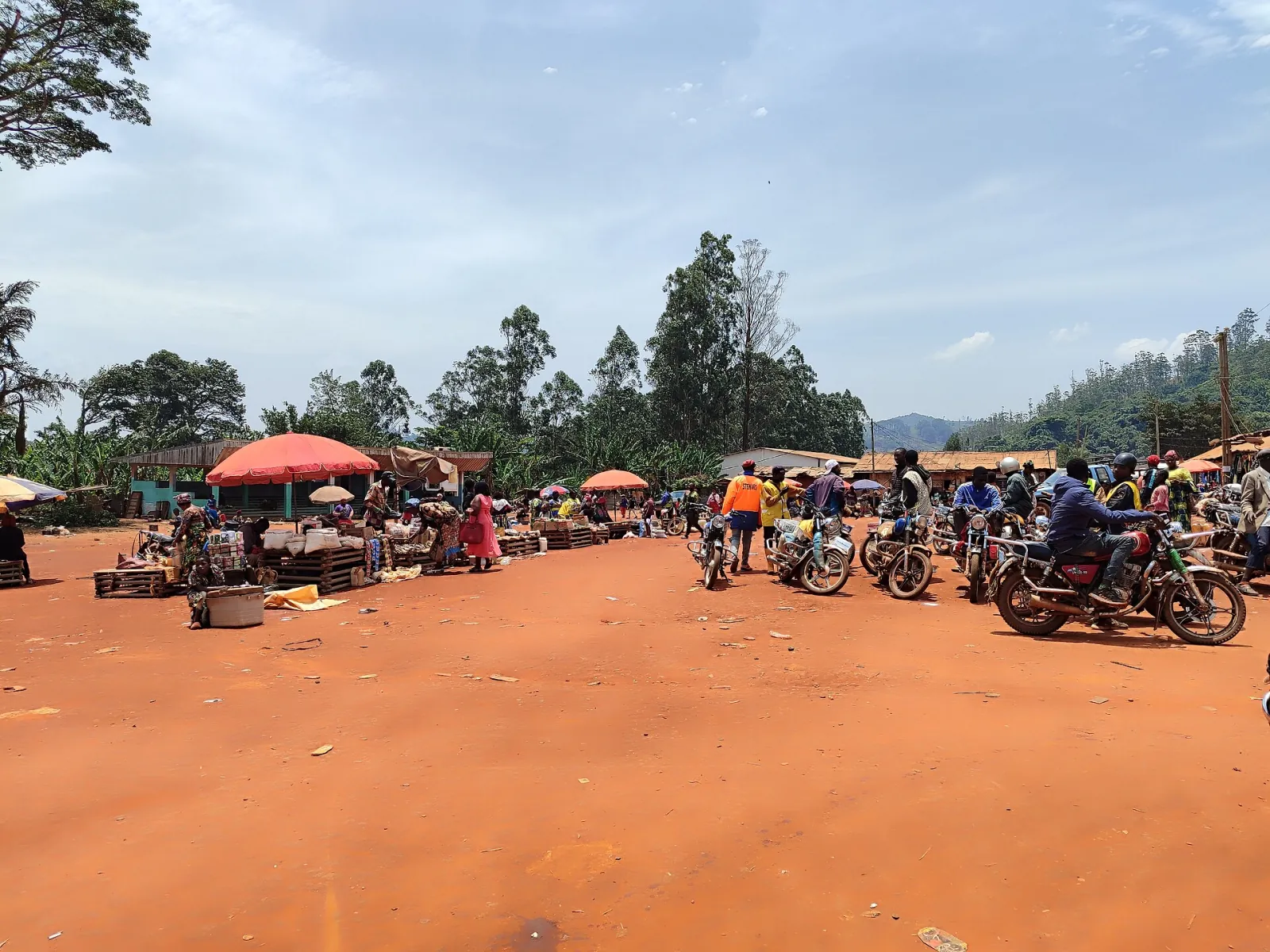
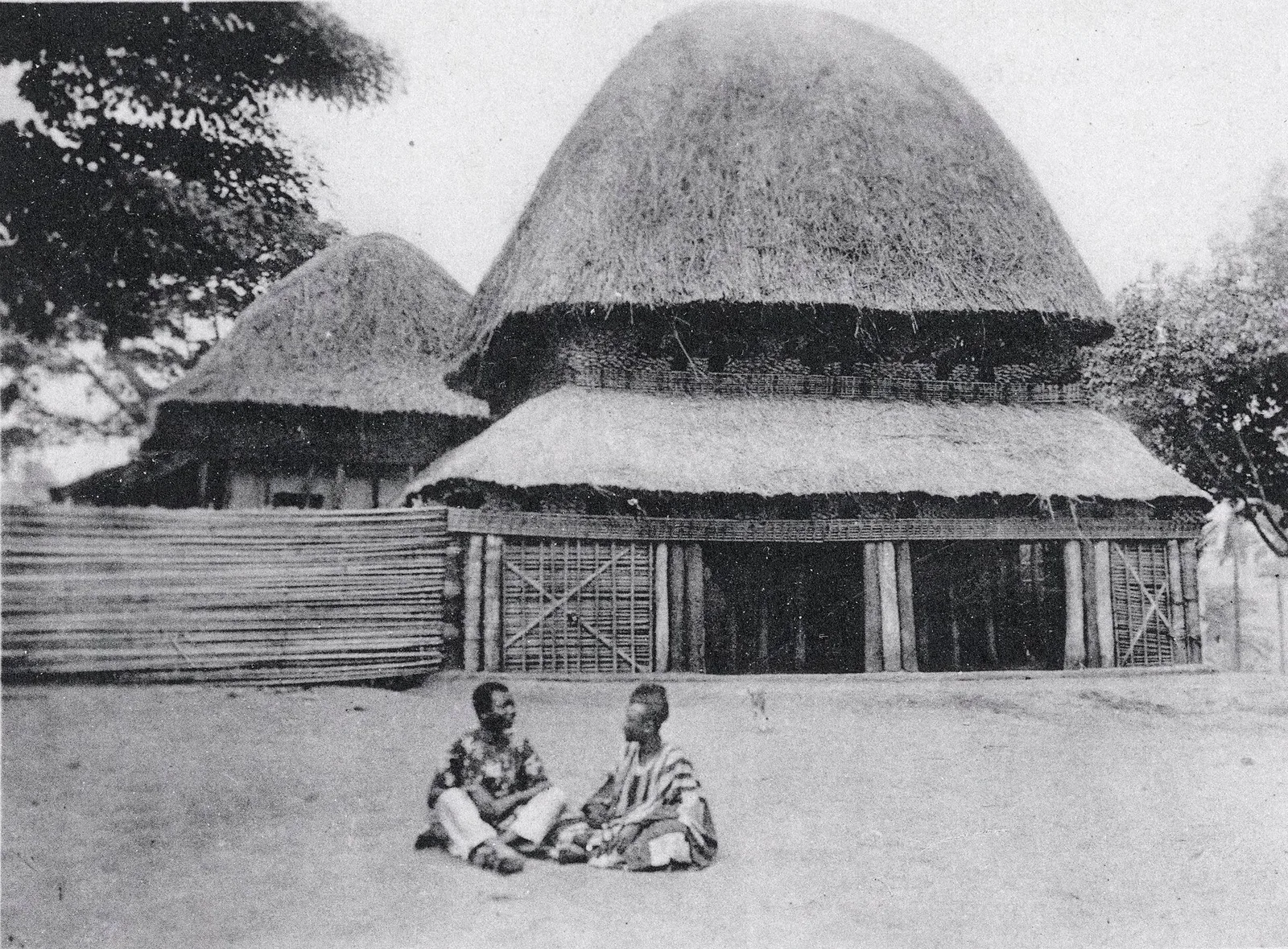
Open-air market on a red-earth square at Bamendou with motorbikes and parasols

An organisation chart does not tell the whole story: you also need to understand how the services work together. The Secretary General holds coordination meetings and sends the minutes to the Minister. The Secretary General defines and codifies internal procedures, ensures files are processed promptly, centralises the archives and manages documentation.

Continuing training

Staff benefit from seminars, refresher courses and further training organised under the authority of the Minister. The Sub-Directorate of Personnel, Training and Placements is responsible for organising them. Career prospects are presented on the Careers page.

Oversight and transparency

The General Inspectorate checks the functioning of the services and the structures under supervision, while the publication of the budget and reports informs the public. In the absence of the Secretary General, the Minister appoints a director to act as interim, which guarantees continuity of service.

Organisational texts

The Ministry’s organisation documents

“The Ministry’s organisation puts the administration at the service of artists and users.”

Organising principle of the Ministry
Acronyms

The acronyms of the organisation

DPC

Directorate of Cultural Heritage, responsible for tangible and intangible heritage and cultural diversity.

DDPA

Directorate of the Development and Promotion of the performing, visual and applied arts.

DADA

Directorate of Archives and Administrative Documents, which sets archival standards.

DLL

Directorate of Books and Reading, responsible for publishing and libraries.

DCPA

Directorate of Cinematography and Audiovisual Productions.

DSIC

Directorate of Performances and Creative Industries.

DAG

Directorate of General Affairs: staff, payroll, pensions, budget, equipment and procurement.

SIGIPES

Integrated computerised management system for State personnel and payroll, monitored by a DAG unit.

CREPLA

Regional Centre for the Promotion of Books in Africa South of the Sahara, a body under supervision.

Decentralised

Describes a service established outside the central administration, in a region or a division.

We guide you

Where to go depending on your need

Online help

Guides and answers for your procedures, from submission to notification of the decision.

Online help

Regional Delegation

An officer near you to help you put your file together.

Find my delegation

One-Stop Shop

A single entry point to submit your applications and follow their progress.

One-Stop Shop

Write to the Ministry

Ask your question in writing: it will be directed to the right service.

Contact
Journey

Explore each entity of the Ministry

To go further

Discover each entity of the organisation

Attached

The attached services and bodies

Overview

The directorates in figures

AcronymManagementSub-DirectoratesServices, Bureaux, Units
SGGeneral Secretariat213
DPCDirectorate of Cultural Heritage (DPC)37
DDPADirectorate of Arts Development and Promotion (DDPA)25
DADADirectorate of Archives and Administrative Documents (DADA)14
DLLDirectorate of Books and Reading (DLL)24
DCPADirectorate of Cinematography and Audiovisual Productions (DCPA)24
DSICDirectorate of Performances and Creative Industries (DSIC)24
DAGDirectorate of General Affairs (DAG)27
Levels

Four complementary levels

Around the MinisterPrivate secretariat, advisers, inspectorate

Direct support, advice, reserved matters, internal control and evaluation of the performance of the services.

Central administrationGeneral Secretariat and directorates

Design, coordination and steering of sector policies, regulation and the budget.

FieldRegional and divisional delegations

Local implementation, reception of users, local processing of files and passing up the needs of the territories.

OperatorsAttached services and bodies under supervision

National cultural institutions that preserve, produce and disseminate to the public.

Questions

Finding your way around the Ministry: your questions

Whom should I contact about a heritage file?

At the Directorate of Cultural Heritage, or at the regional delegation of your region, which has a cultural heritage and museums service. For a listing, an inventory or an archaeological discovery, the delegation officer helps you put the file together.

Where do I submit an application for a performance permit?

At the regional delegation, or directly at the online One-Stop Shop. The file is then processed by the performances service of the Directorate of Performances and Creative Industries, with the delegation’s support for local checks.

How do I contact a particular directorate?

Use the contact form stating the directorate concerned, or write to the head office address. Your message is directed to the competent directorate, which replies to you directly or tells you which delegation to approach.

What is the difference between an attached service and a body under supervision?

An attached service is part of the Ministry’s organisation and submits its action programme to the Secretary General. A body under supervision has its own legal personality and its own management bodies, under the Minister’s control.

Where can I find the contact details of a regional delegation?

On the Regional Delegations page, which presents the ten delegations and their activities, as well as on the Opening hours and addresses page. Each delegation can also direct you to the nearest divisional delegation.

Does the Ministry have services in charge of archives?

Yes. The Directorate of Archives and Administrative Documents sets the standards, while the National Archives hold the collections. In the General Secretariat, a documentation and archives service manages the Ministry’s own documents.

Who manages the Ministry’s staff and budget?

The Directorate of General Affairs. It comprises a Sub-Directorate of Personnel, Payroll and Pensions and a Sub-Directorate of Budget, Equipment and Maintenance, as well as a unit in charge of the SIGIPES project.

Can the organisation change?

The organisation is laid down by decree; any change therefore requires a regulatory text. The Organisation and Organisation Chart pages reflect the structure currently in force and are updated when the organisation changes.

Write

A question about the Ministry’s organisation?

Specify the directorate or service you are trying to reach: your message will be passed to the right contact.

General Secretariat

Contact the General Secretariat

Address

General Secretariat
Ministry of Arts and Culture
Quartier du Lac – Ministerial Zone
P.O. Box 1053 Yaoundé, Centre Region, Cameroon

Reach us

+237 6 51 70 58 41

contact@minac.gov.cm

Opening hours

Monday to Friday, 8 am to 4 pm

An entity to contact?

Write to us: your message will be directed to the right service.

Write to us
WhatsApp