Coat of arms of CameroonMinistry of Arts
and Culture
Republic of Cameroon
My procedures
Home
Minister’s message
News
Press releases
Cultural calendar
Official speeches
Press review
Photo library
Video library
Calls for projects
Job vacancies
Public procurement
Newsletter
Frequently asked questions
Site map
Contact
Press area
Podcast “The Voice of Culture”
Legal notices
Privacy policy
Cookies and trackers
The Ministry
Missions and responsibilities
Organisation
Organisation chart
Minister’s Office (Cabinet)
Management team
General Secretariat
General Inspectorate
Central directorates
Regional Delegations
Institutions under supervision
Legislative texts
Regulatory texts
Sector strategy
Major projects
Budget and reports
Partners
Careers
Archives
Institutional communication
Quality and accessibility
Arts
Visual and plastic arts
Visual arts
Performing arts
Theatre
Dance
Music
Literature and books
Cinema and audiovisual
Photography
Fashion and design
Digital arts
Art crafts
Artists’ directory
Residencies
Prizes and awards
Arts education
Urban arts
Heritage
Tangible heritage
Intangible heritage
UNESCO sites
National museums
Listed monuments
National inventory
Palaces and chiefdoms
Archaeology
Linguistic heritage
Oral traditions
Traditional know-how
Restitution of cultural property
Fight against illicit trafficking
Listing and protection
Conservation and restoration
Heritage Days
Cultural landscapes
Industries
Music and recording
Cinema
Publishing and books
Digital arts
Fashion and creativity
Crafts
Cultural tourism
Funding for culture
Support funds
Incubators
Cultural entrepreneurship
Culture Observatory
Vocational training
Studies and reports
Sector statistics
Export and outreach
Intellectual property
Copyright
Legal framework
Copyright and neighbouring rights
Collective management societies
Register a work
Licences
Private copying
Fight against piracy
Model contracts
Social status of artists
Mediation
Disputes
Training
Fee scales
Register of works
Contact
Digital neighbouring rights
Public domain
Festivals
National calendar
Ngondo
Nguon
Écrans Noirs
Heritage Days
Music Day
Regional festivals
Fairs and exhibitions
Biennials
National competitions
Cultural days
Organise a festival
Event grants
Ticketing
Archives
Volunteering
Diaspora festivals
Regions
Adamawa
Centre
East
Far North
Littoral
North
North-West
West
South
South-West
Cultural map
Regional Delegations
Traditional chiefdoms
National languages
Cultural routes
Decentralised cooperation
Regional observatory
Cooperation
UNESCO
Francophonie (OIF)
African Union
Commonwealth
CEMAC
Bilateral cooperation
Cultural agreements
Professional organisations
Scholarships
Artist exchanges
Cultural years
Diaspora
Funded projects
Embassies
Technical partners
International restitution
International monitoring and calls
Services
Artist card
Show authorisation
Filming authorisation
Festival authorisation
Deposit of a work
Export of works of art
Listing of a property
Grant application
Association accreditation
File tracking
Forms
Fees
Opening hours and addresses
Reporting
Online help
My account
One-Stop Shop
Heritage

Intangible heritage

Rites, tales, dances, festivals and know-how: how Cameroon’s living heritage is inventoried, recognised, presented internationally and passed on by its practitioners.

Updated on 6 November 20264 sub-pages
Domains of living heritage7
Bearer communities250+
Regions inventoried10
National languages concerned270+
Living heritage

A heritage that is lived and passed on

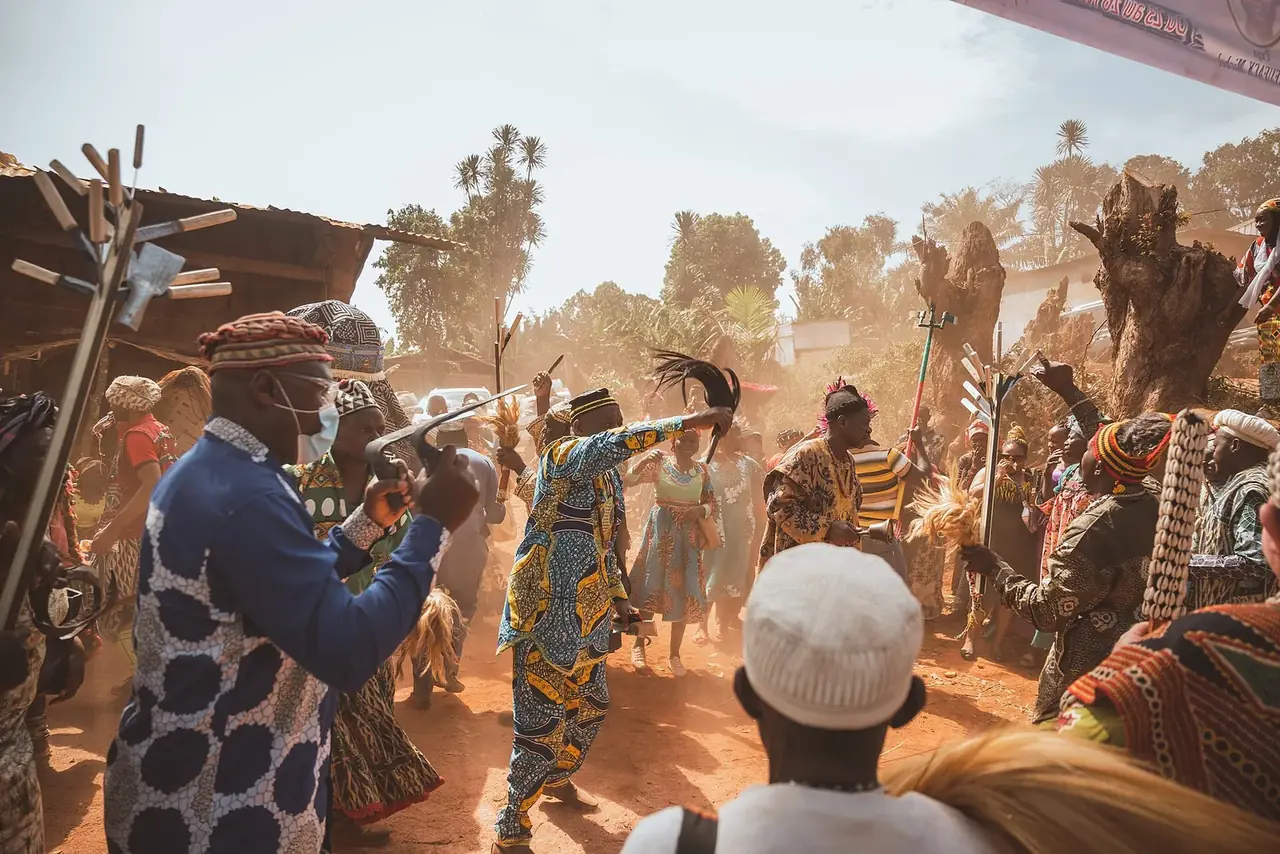
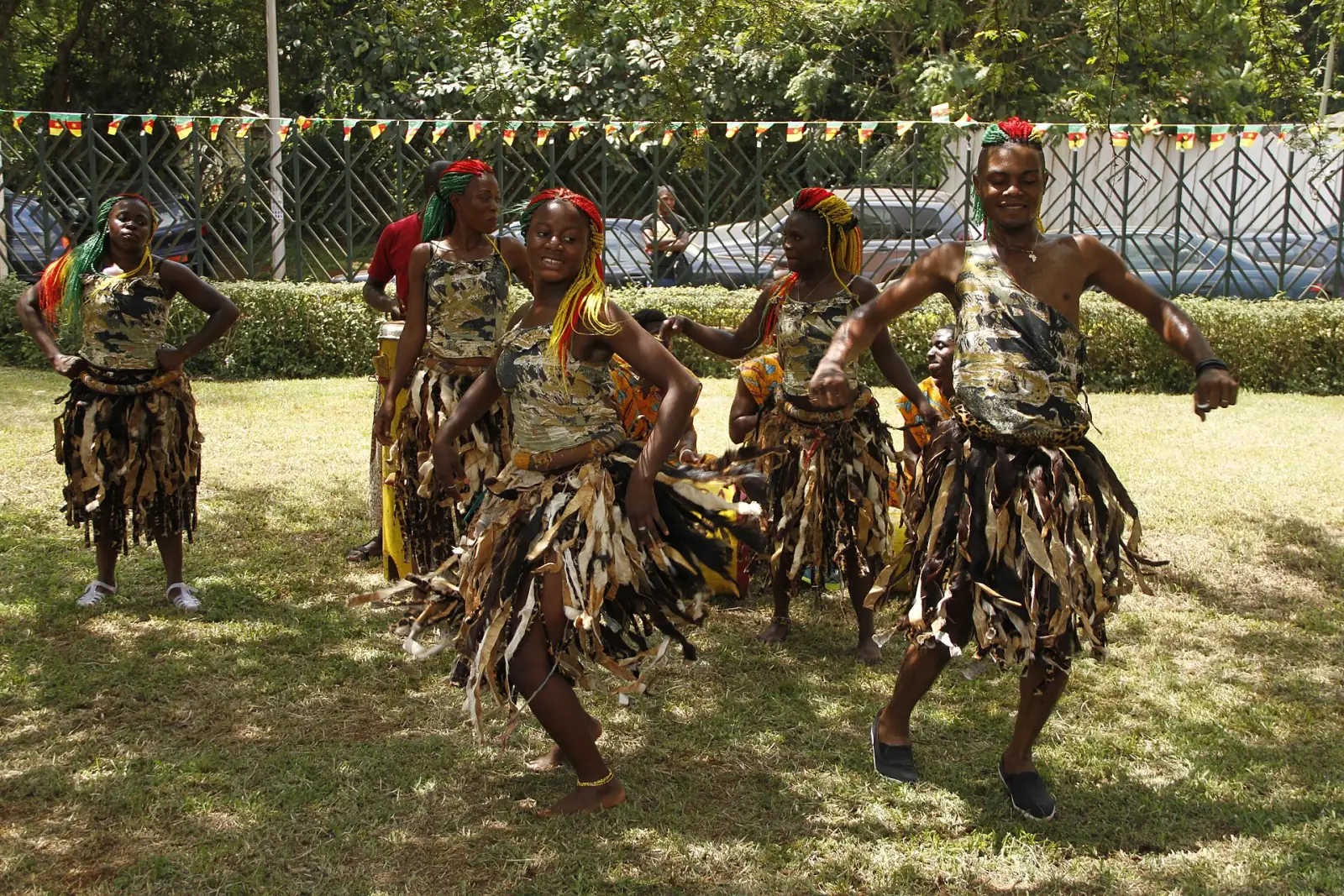
Dancers in raffia and leaf costumes performing on a lawn

The Law of 18 April 2013 defines intangible cultural property as any event, performance, style, expression or practice, together with the instruments, objects, artefacts, figures and spaces associated with it, based on the beliefs, knowledge and know-how of communities, groups or individuals. It is recognised by the fact that it is not displayed: it is practised.

Evening tales, initiation rites, chiefdom festivals, music, dance, games, cooking, herbal medicine, fishing or weaving techniques: all of this forms a living heritage that communities constantly recreate. This page explains how to record it, have it recognised, present it internationally and support those who carry it.

  • Practices and knowledge recorded with the communities
  • Permanent inventory and public records
  • National and international nominations
  • Support for practitioners and transmission masters
See the practices and knowledge
Practices and knowledge

Practices and knowledge: the forms of living heritage

Horn player during a Bamileke folk dance

Intangible heritage is not limited to spectacular festivals. The law sets out a broad panorama: oral or written literary expressions (tales, legends, proverbs, epics, myths, riddles), artistic styles and expressions (dance, music, theatre, visual and decorative arts, architectural styles), commemorative historical events, rites and initiations, heritage games and codes of etiquette, traditional pharmacopoeia and medicine, local culinary practices, scientific knowledge and agricultural, hunting and fishing techniques.

Practices by broad area

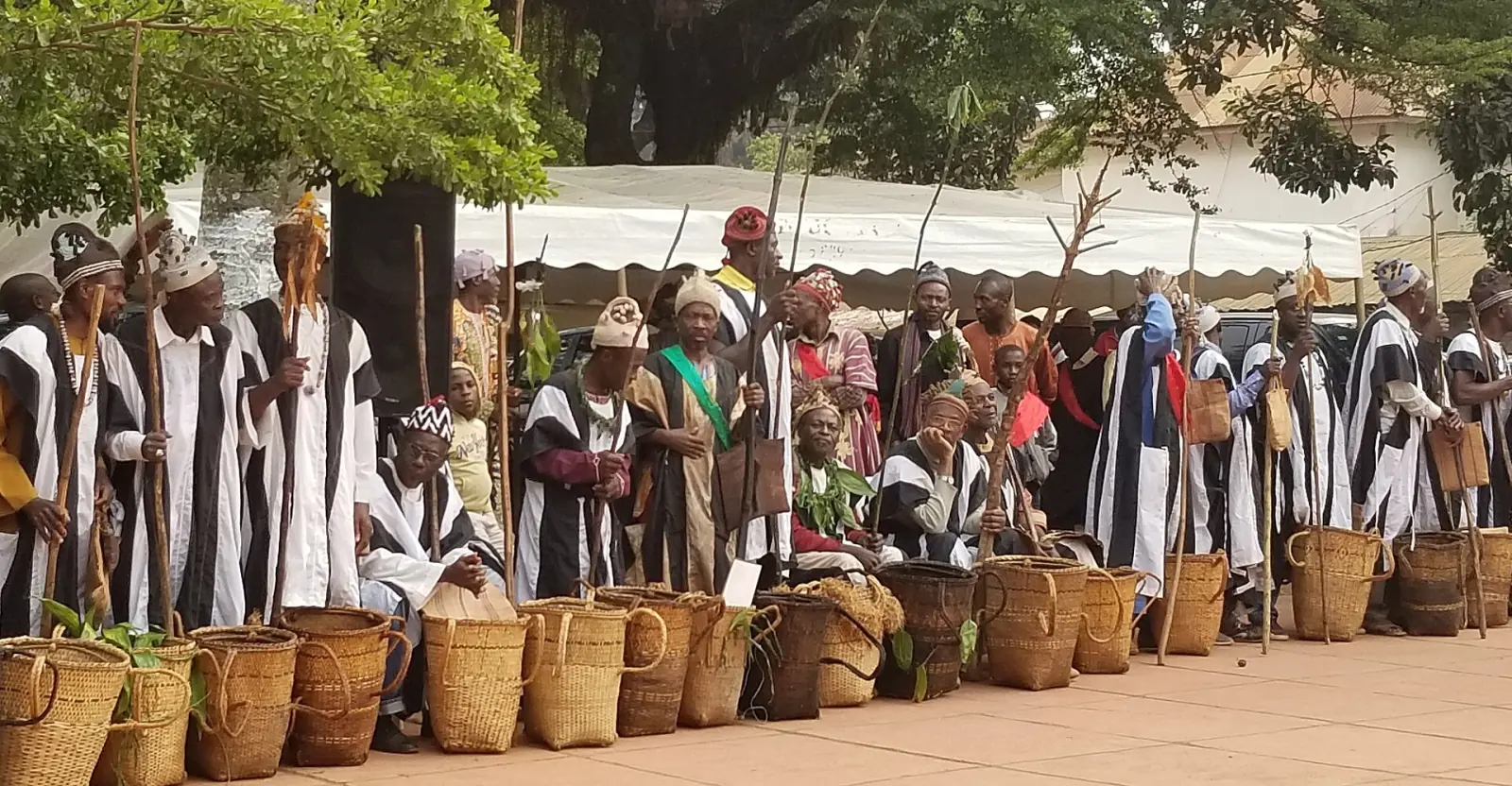
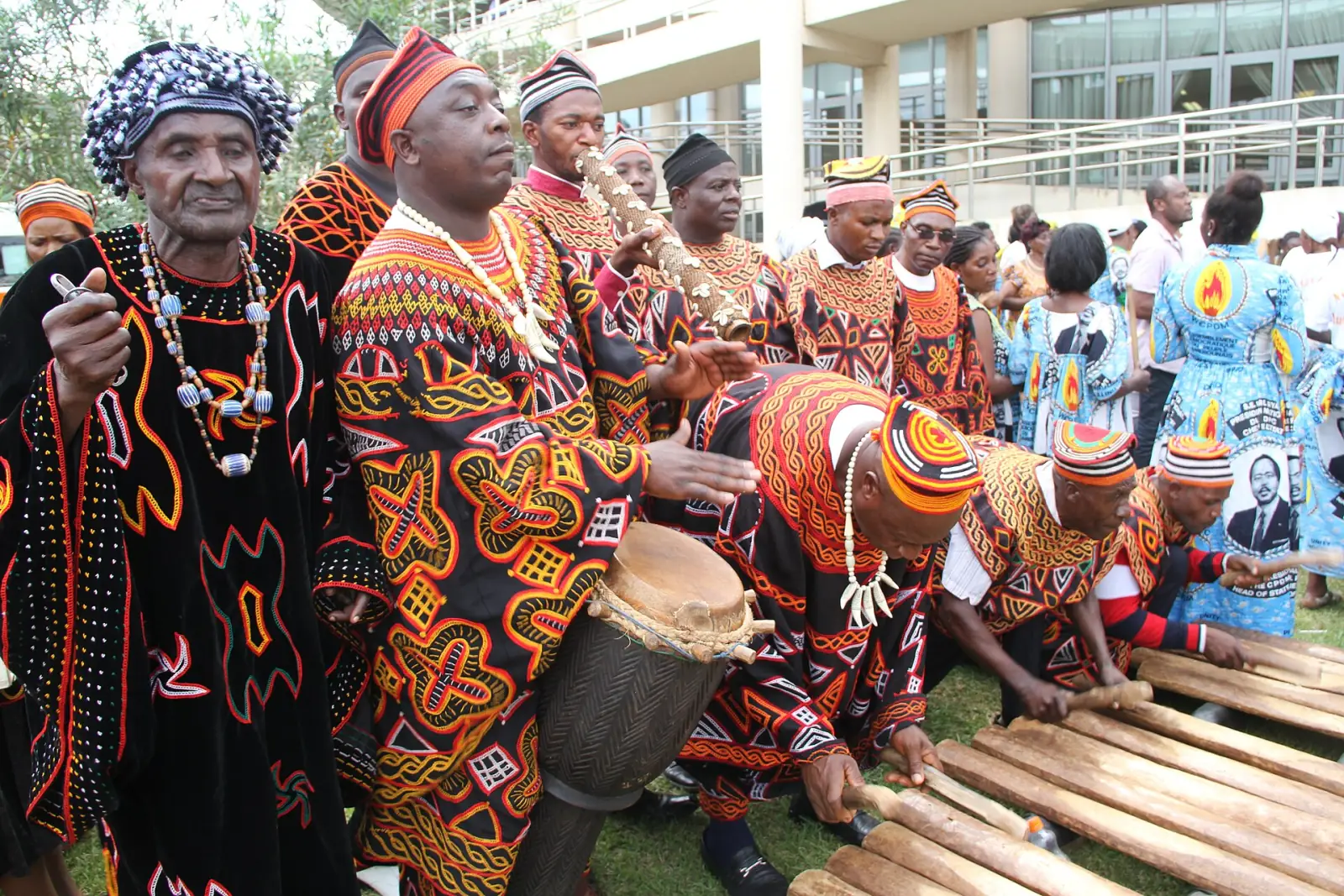
  • Grassfields and West: chiefdom festivals, societies of notables, court dances, the art of ndop cloth;
  • Forest of the Centre, South and East: epics sung to the mvet, rhythmic dances, tales, forest and foraging knowledge;
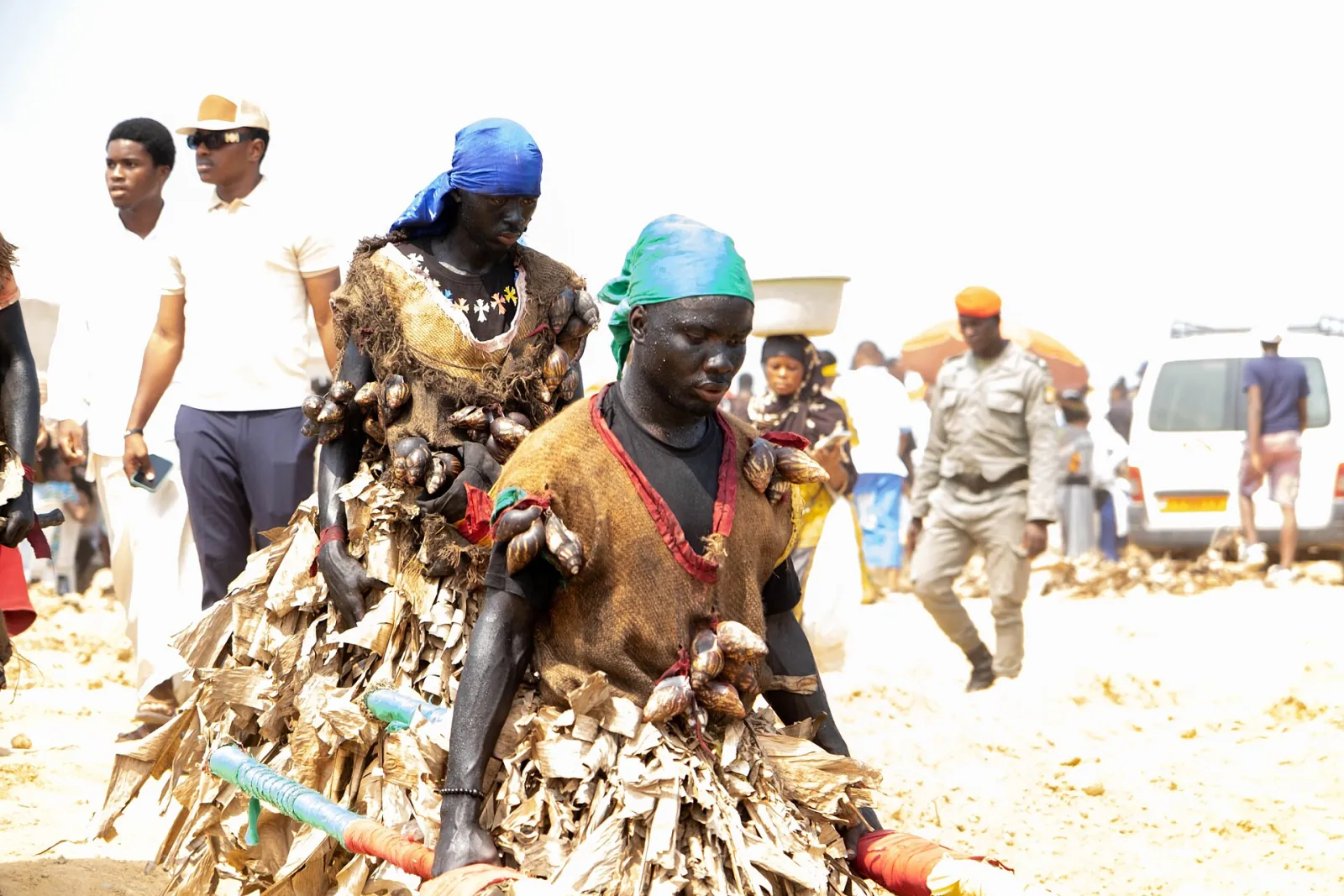
  • Littoral and South-West: water rites, regattas and fishing festivals, coastal cuisines;
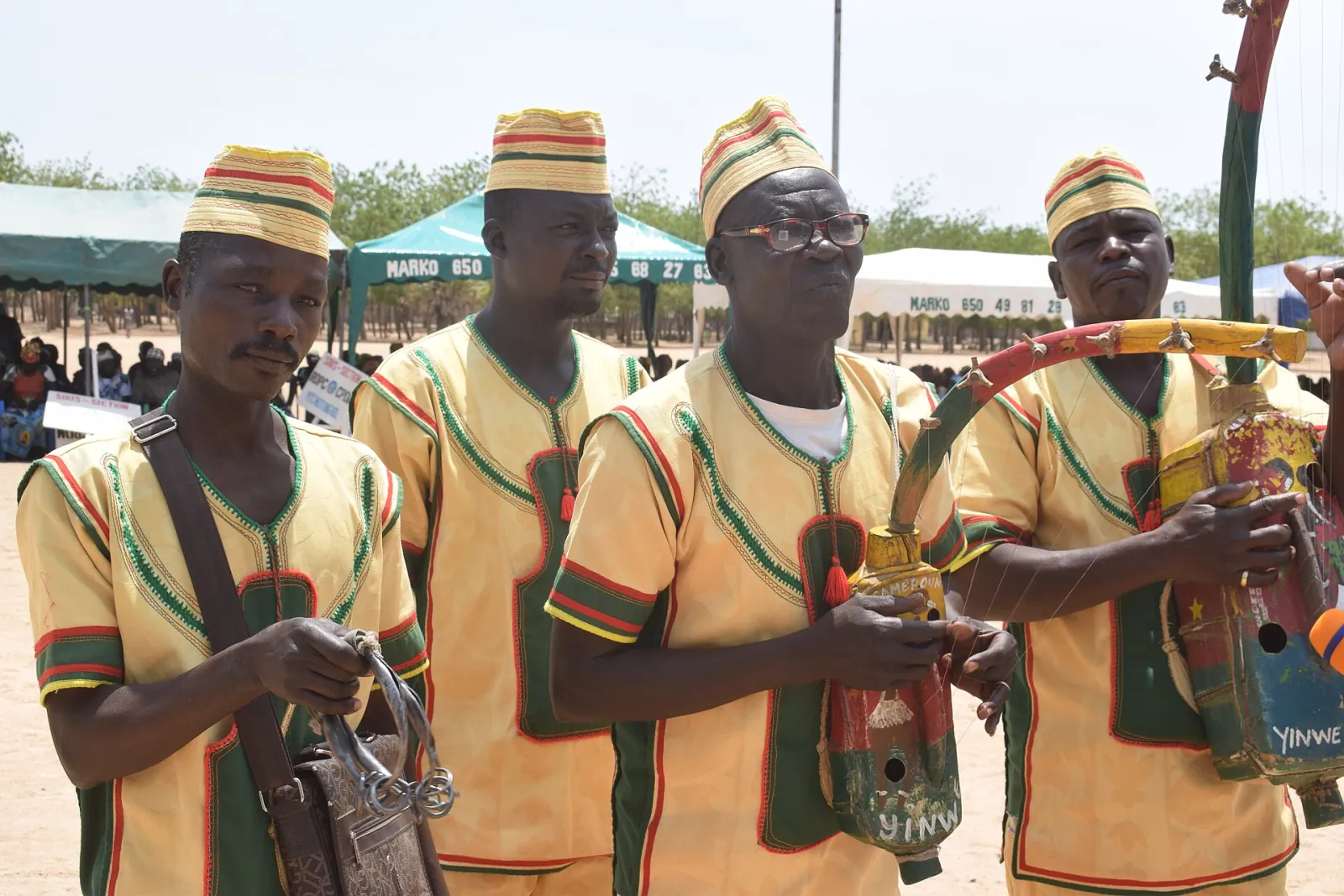
  • Adamawa and North: Fulani poetry, cavalcades, lamidate court music;
  • Mandara Mountains: harvest festivals, forges, stone construction techniques.
ℹ️
For communities

Each practice is described with its holders, its places, its seasons and its prohibitions. No recording or publication is made without the community’s agreement.

Inventory

The inventory of intangible heritage

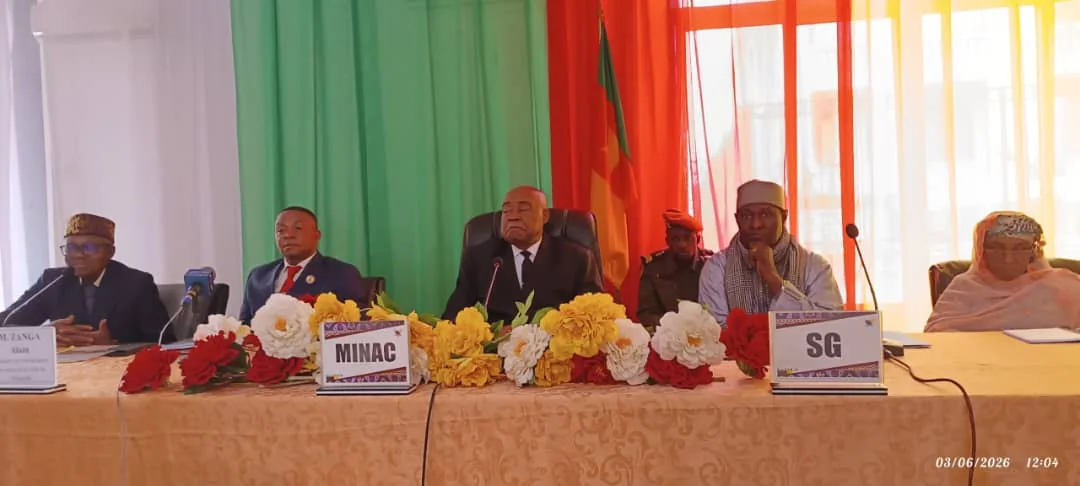
Ministry panel table during a working meeting

The law describes the inventory as a permanent sovereign operation: it records, studies and publicises the elements of cultural heritage. For intangible heritage, it consists in describing each practice precisely, recording it and entering it in the register kept at the Ministry. The inventory fixes nothing: a record can be supplemented whenever a community modifies or clarifies it.

What does an inventory record contain?

  • The name of the practice and its variants in the local language;
  • The bearer community, the places and the periods of practice;
  • The description of the gestures, songs, costumes and instruments;
  • The rules of transmission, access and confidentiality;
  • The state of vitality and any threats;
  • The associated audiovisual recordings and photographs.

How is a survey carried out?

Teams from the regional delegations, researchers and community liaisons work together. Interviews are conducted in the local language, recordings are returned to the communities, and the records are validated by the holders before being added to the national inventory. Registered properties can then be recognised or listed, as explained on the listing and protection page.

ℹ️
Contribute to the inventory

An association or a village can propose the inclusion of a practice by contacting its regional delegation.

Applications

Nominations: national recognition and international inscriptions

Award winners pose with their trophies and certificates on a red-carpeted stage, alongside two dignitaries.

A community proud of a practice may wish to have it officially recognised. A national nomination consists in compiling a file demonstrating that the practice is living, passed down from generation to generation and carried by a community that consents to it. If the file is accepted, the practice is recognised, or even listed, and may benefit from a safeguarding plan.

The nomination file

  • A detailed description of the practice and its social context;
  • The free and informed consent of the community, recorded in writing or by recording;
  • A safeguarding plan with transmission and documentation measures;
  • Visual and audio materials showing the practice in its usual setting.

From national to international

The Minister acts as the link between the Government and UNESCO. An intangible element may be proposed for inscription on the international lists after initial national recognition and preparation with the communities. The cooperation with UNESCO page presents the mechanisms, and the UNESCO sites page recalls Cameroon’s inscriptions for sites.

Calls for nominations are published in the calls for projects and supported by drafting workshops in the regions.

ℹ️
Indicative timescales

Allow several months between the submission of a national nomination and the decision: time to verify the community’s consent and gather evidence of vitality.

Practitioners

The practitioners of living heritage

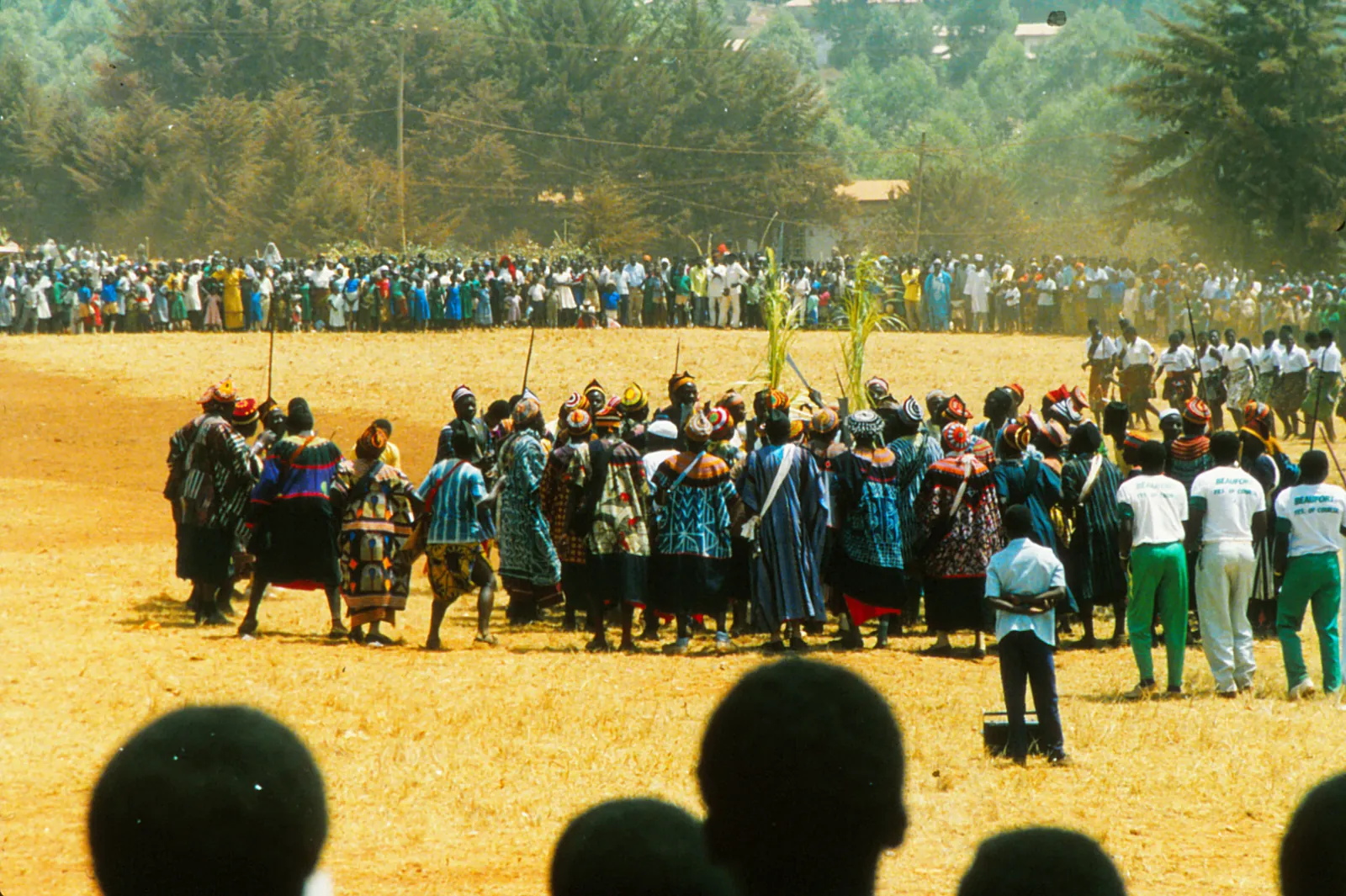
Traditional dance before a large crowd at a national celebration in Nkambe around 1990

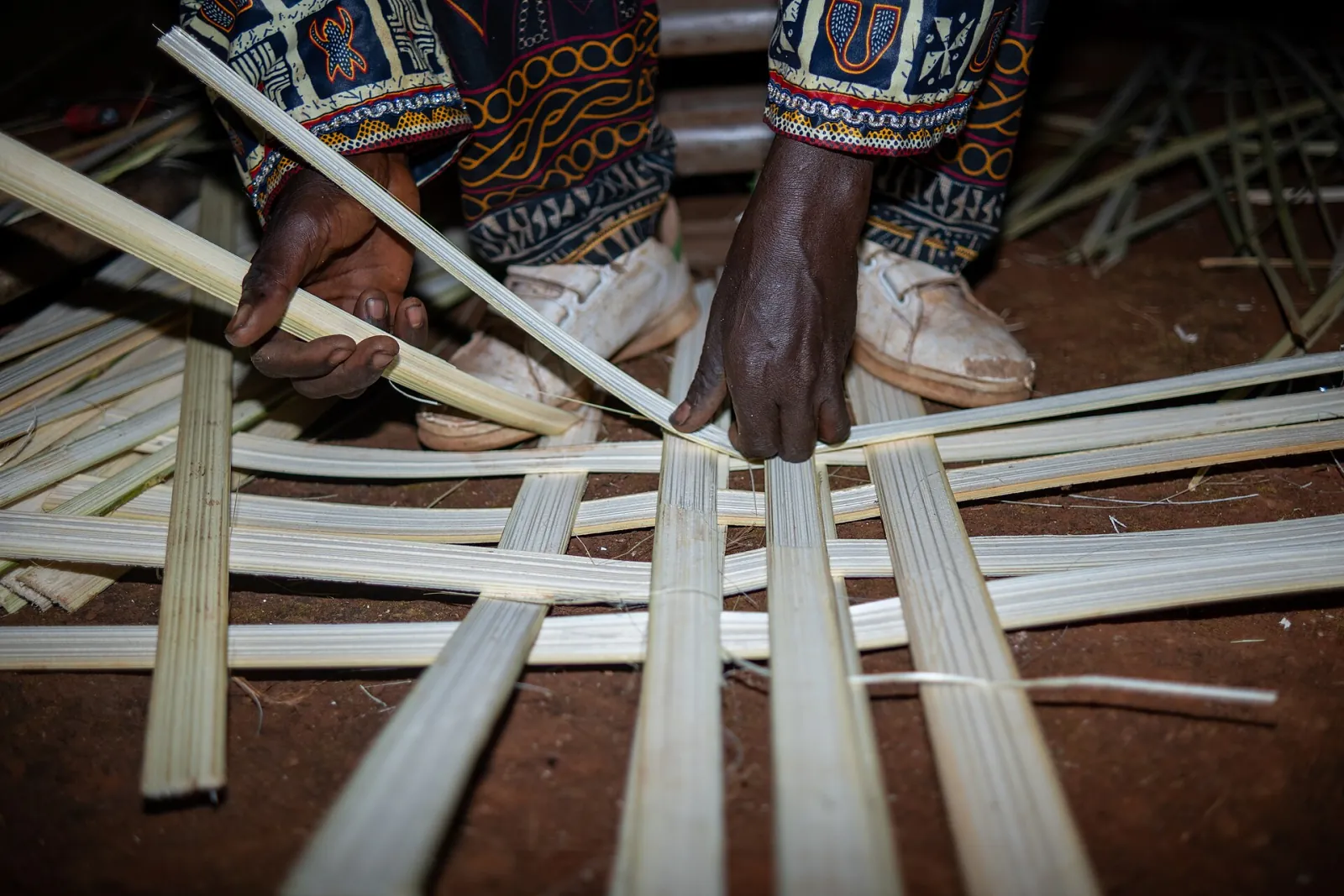
Intangible heritage exists only through those who practise it: dance masters, storytellers, griots, sculptors, weavers, blacksmiths, healers, cooks, heads of initiation societies, drum or balafon players, instrument makers. They are also called tradition bearers or holders.

Recognise and support

The Ministry wishes to recognise the value of these practitioners through certificates, invitations to festivals, transmission grants and training contracts in schools and cultural centres. Artists may also apply for the artist card and benefit from the social status of the artist.

A chain of transmission

  • Family apprenticeship: knowledge passes from parent to child;
  • Apprenticeship within society: initiations, brotherhoods and age groups;
  • Workshop-school: a master welcomes pupils of all ages;
  • School mediation: practitioners visiting schools, see arts education.

Protecting the rights of practitioners

When a practice is recorded, published or exploited, the rights of the holders must be respected. The rules are set out in the legal framework of copyright; traditional expressions fall under specific protection and the area of the public domain.

Safeguarding

Threats to living heritage and safeguarding measures

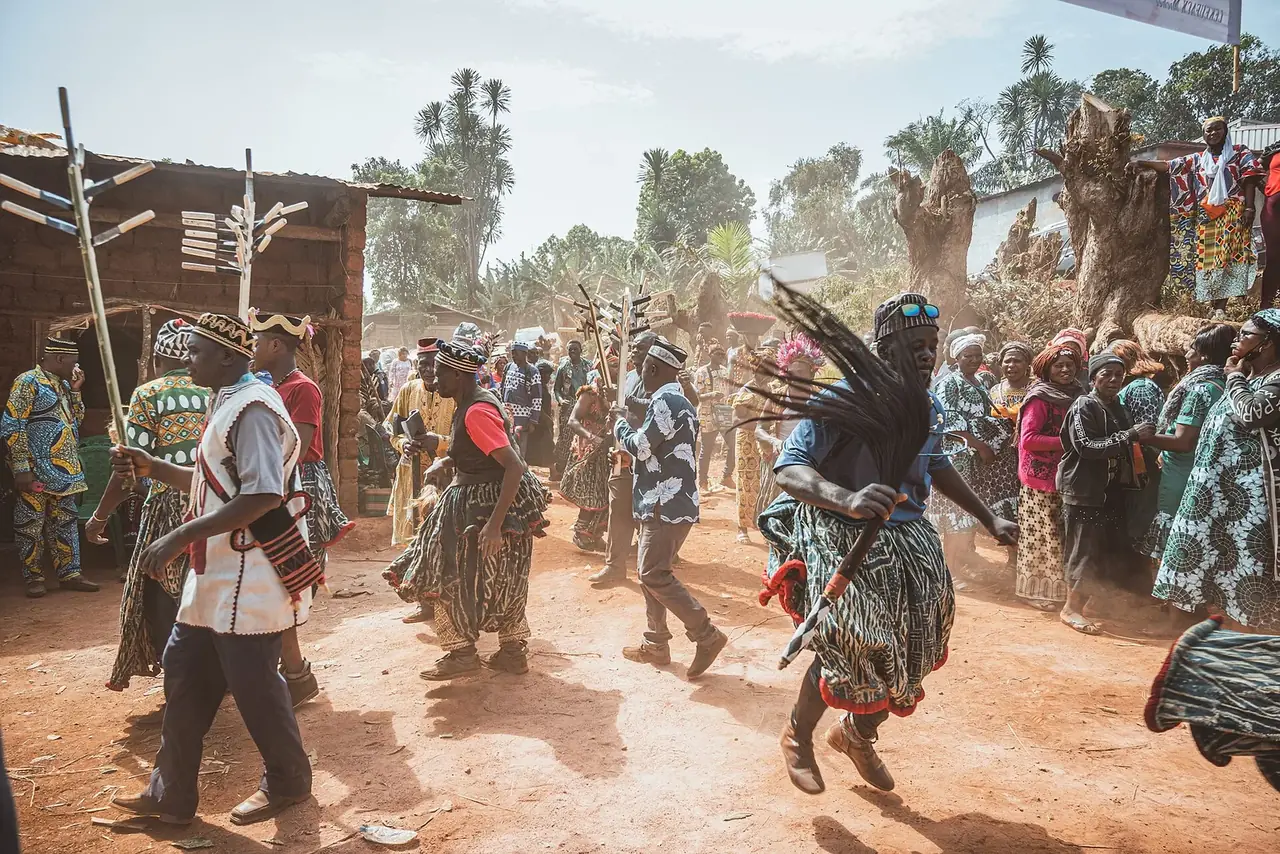
Masked dancers in Bamileke country

Many practices are weakened by rural exodus, the passing of elders, religious conversions, changing lifestyles or competition from industrial products. Safeguarding does not seek to freeze these practices, but to ensure that they continue to be practised, understood and passed on.

Common measures

  • Audiovisual and sound documentation, deposited in local archives;
  • Transmission workshops in villages, schools and cultural centres;
  • Support for the making of instruments, costumes and ritual objects;
  • Organisation of festivals, gatherings and public presentation days;
  • Protection of associated places, such as sacred groves and dance grounds.

A few warning signs

A practice is in danger when it is no longer passed on to young people, when its instruments are no longer made, when its language disappears or when the places where it takes place are destroyed. The regional delegations regularly assess the vitality of practices. Heritage days and national languages are valuable levers for restoring visibility to this knowledge.

Economy

Living heritage, tourism and the cultural economy

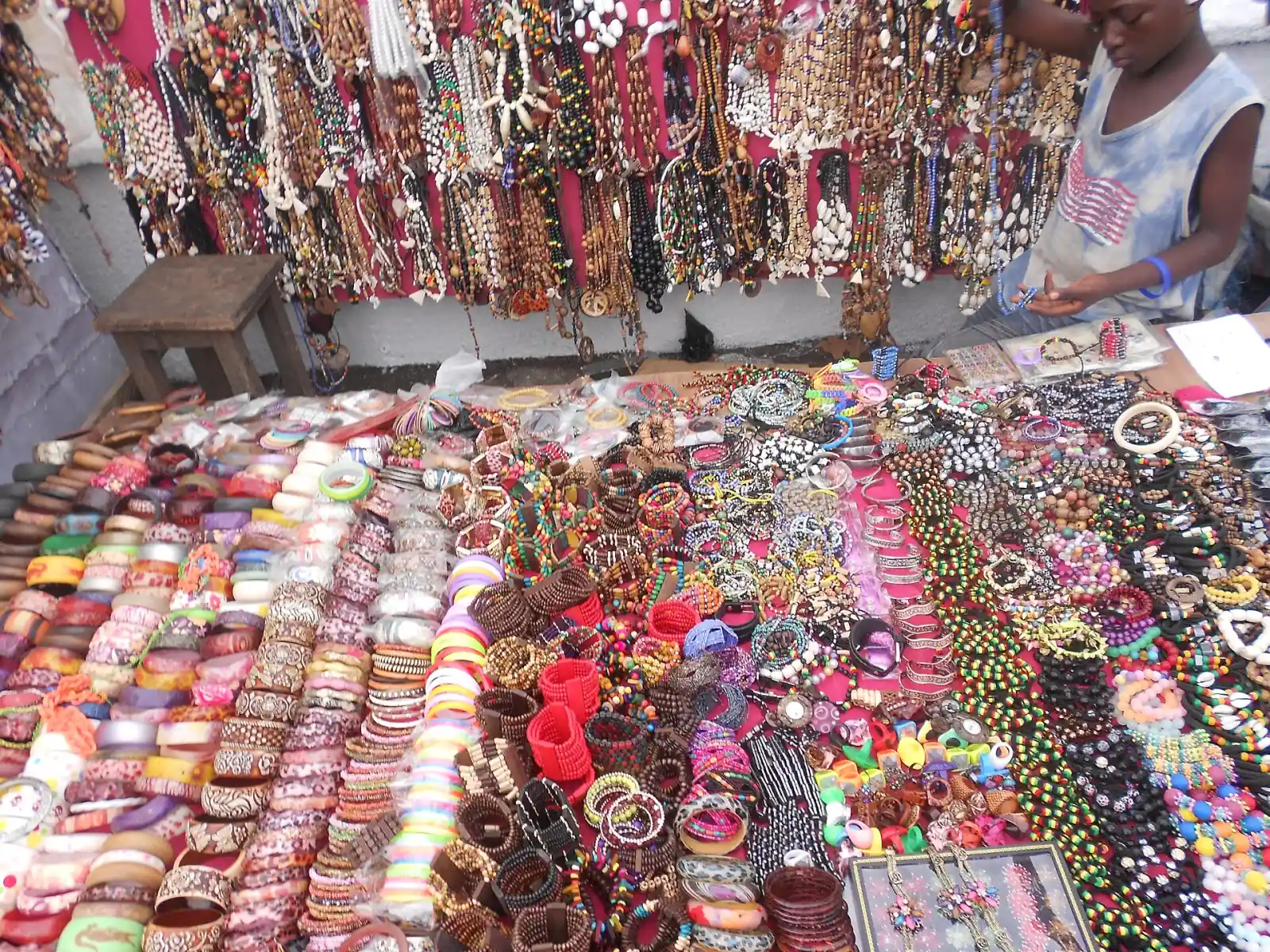
Stall of multicoloured bracelets and bead necklaces at a craft market

Well prepared, intangible heritage is a resource for communities. It nourishes respectful tourism, stimulates the art trades and opens markets for derived products made using local know-how. The law defines a derived product as an object inspired by an element of heritage, made with craft know-how or new technologies.

Step by step

Having a living practice registered

Identify the practice

Bring the bearers together, name the practice in the local language and determine who transmits it, where and in which season.

Obtain consent

The community decides collectively on the procedure; minutes or a recording attest to its free and informed agreement.

Compile the record

With an official of the regional delegation, describe the gestures, objects, places and rules of transmission, then add photographs and recordings.

Validate with the holders

The record is read back in the local language by the holders, who specify what may be made public and what must remain confidential.

Register in the inventory

The record is sent to the heritage service, added to the register and, if the community so wishes, submitted for recognition.

Plan the safeguarding

A three-year plan is drawn up with workshops, festivals and annual monitoring of vitality.

Key facts

The domains of living heritage and their bearers

FieldTypical practicesBearersPlaces of transmission
Oral traditionsTales, epics, proverbs, riddlesStorytellers, griots, eldersEvening gatherings, chiefdom courts, schools
Performing artsDances, music, traditional theatreDance masters, musiciansVillage squares, cultural centres
Rites and beliefsInitiations, ceremonies, cultsSociety heads, notablesSacred groves, meeting huts
Festivals and eventsHarvest, fishing and chiefdom festivalsCommunities, festival committeesChiefdoms, beaches, public squares
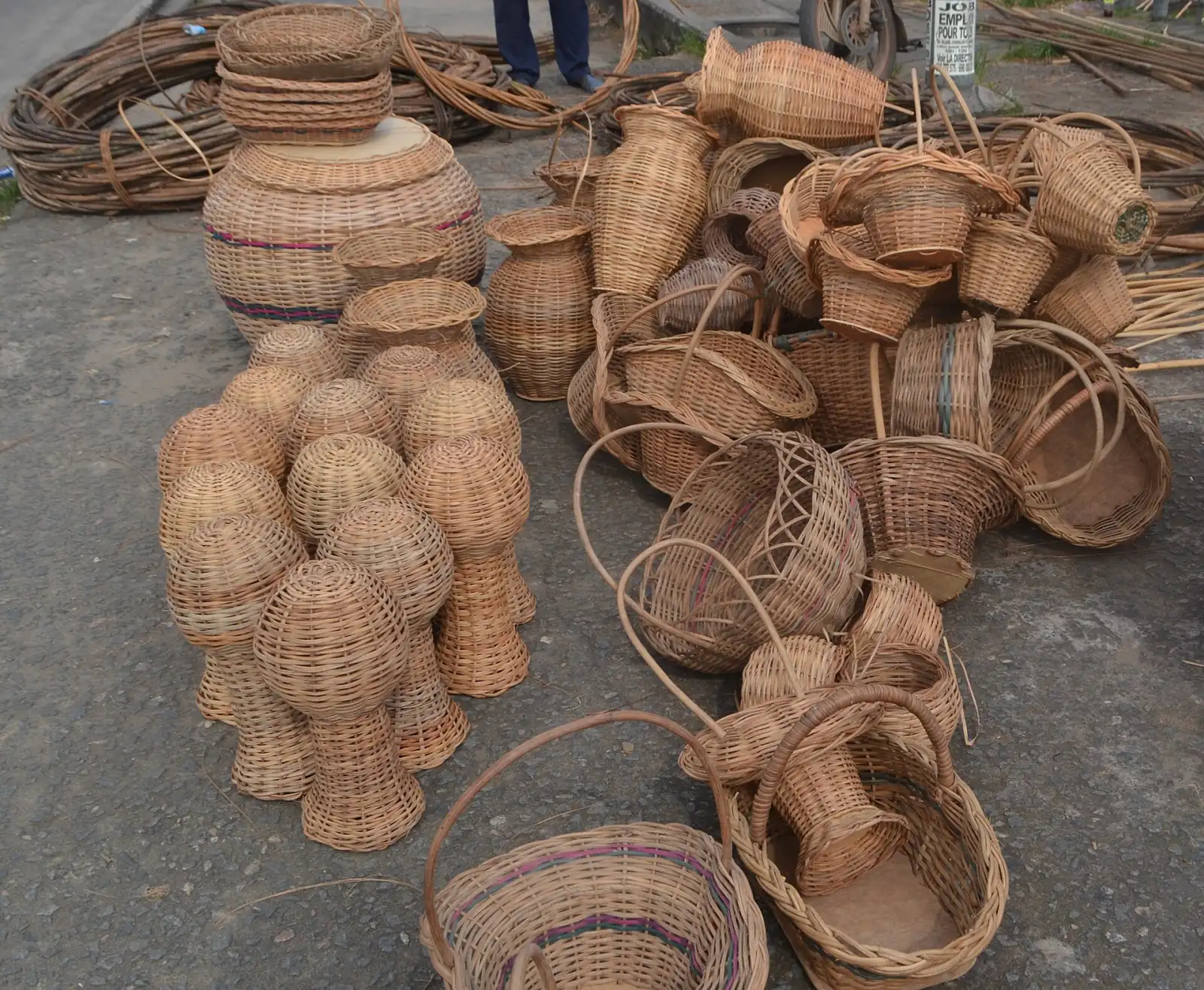
Craft know-howPottery, weaving, forging, sculptureCraftspeople, apprenticesWorkshops, craft markets
Natural knowledgePharmacopoeia, farming, fishingHealers, farmers, fishersFamilies, villages, forests
GastronomyLocal dishes, preparations, preservationCooksHearths, markets, festivals
Journey

The recognition of living heritage

1970sFirst surveys

Researchers and missions collect tales, songs and rites in several regions, often without lasting archiving or return to the communities.

1990sGrowing awareness

Festivals, associations and universities restore local languages and traditional festivals to public life.

2013The legal framework

The Law of 18 April 2013 defines intangible heritage, the inventory, and the recognition and listing of practices.

2020sParticipatory inventories

The regional delegations extend the use of records co-created with the holders and of recordings returned to the villages.

TodayTowards nominations

Files are being prepared to have emblematic practices recognised and to share the communities’ know-how.

To explore

Living heritage in this section

“When an elder dies, a library burns: to pass on is to shelter the books in the memory of children.”

A storyteller, Adamawa
They pass it on

Bearers of tradition

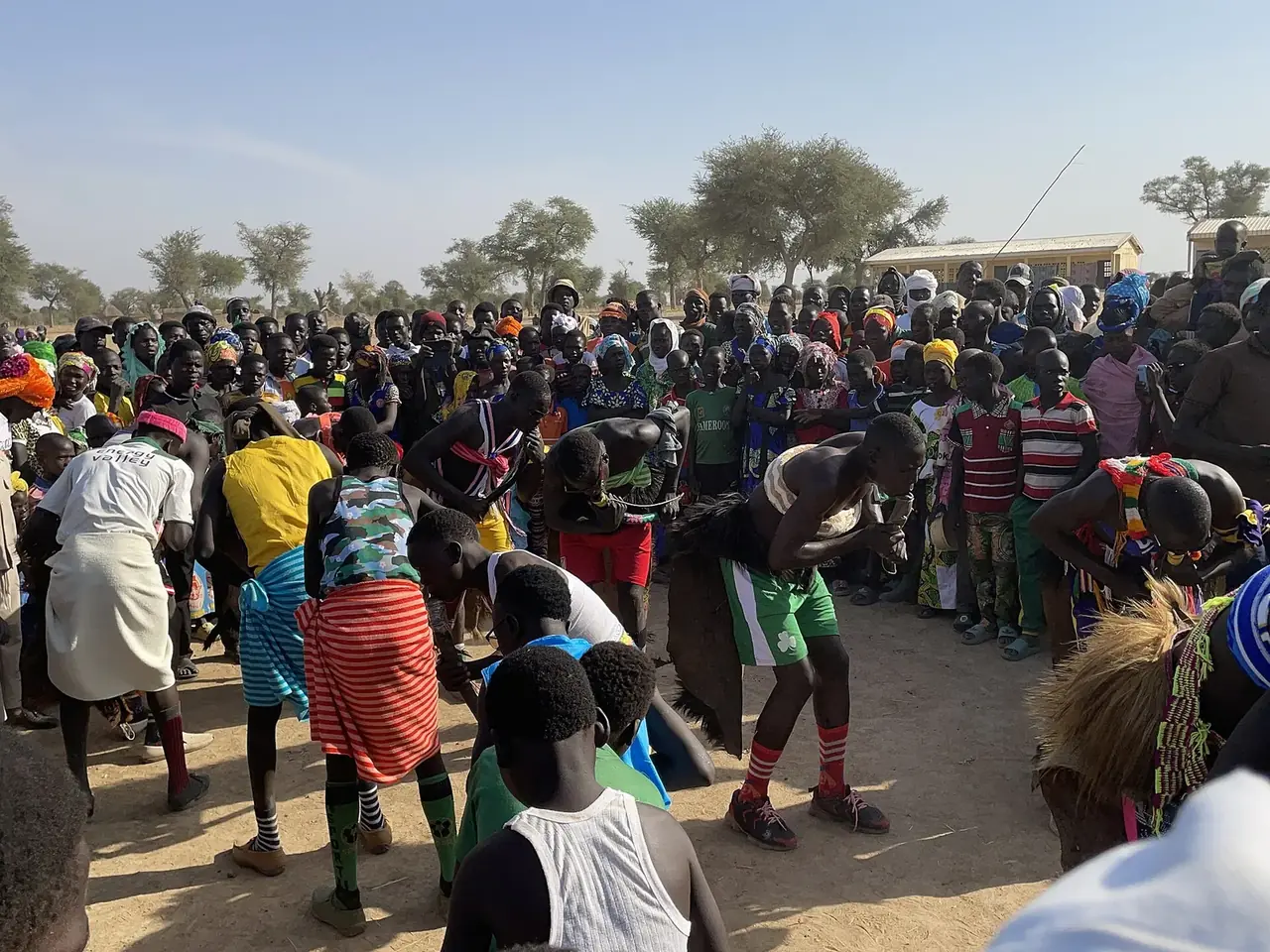
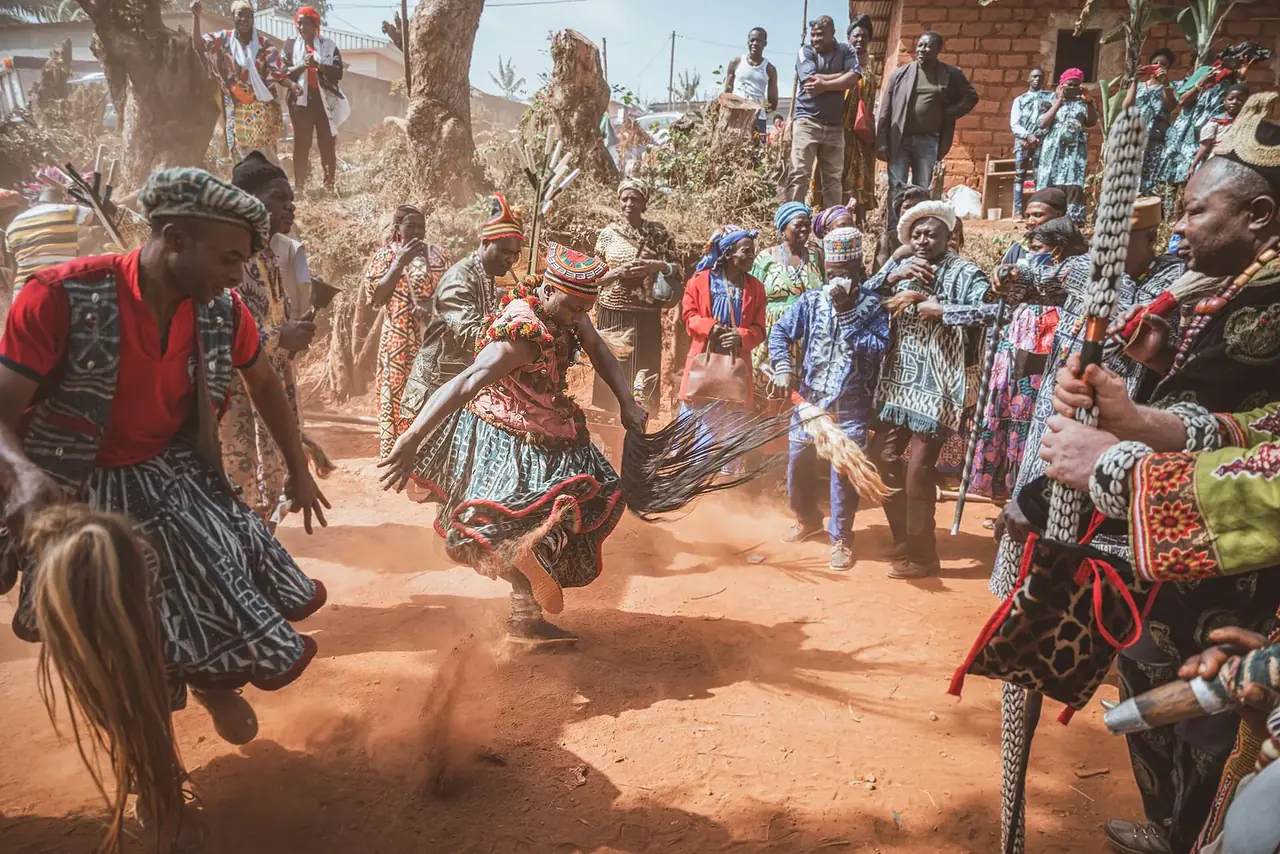
Crowd gathered around a traditional dance in Nouldayna/ Bertoua
A storyteller

“I tell stories in three languages in the evening, and the children of the whole neighbourhood come to sit around the fire.”

Folk dance of the blacksmiths in Bamileke country/ Mandara Mountains
A blacksmith

“My son helps me at the bellows; in two years he will cast his first hoes on his own.”

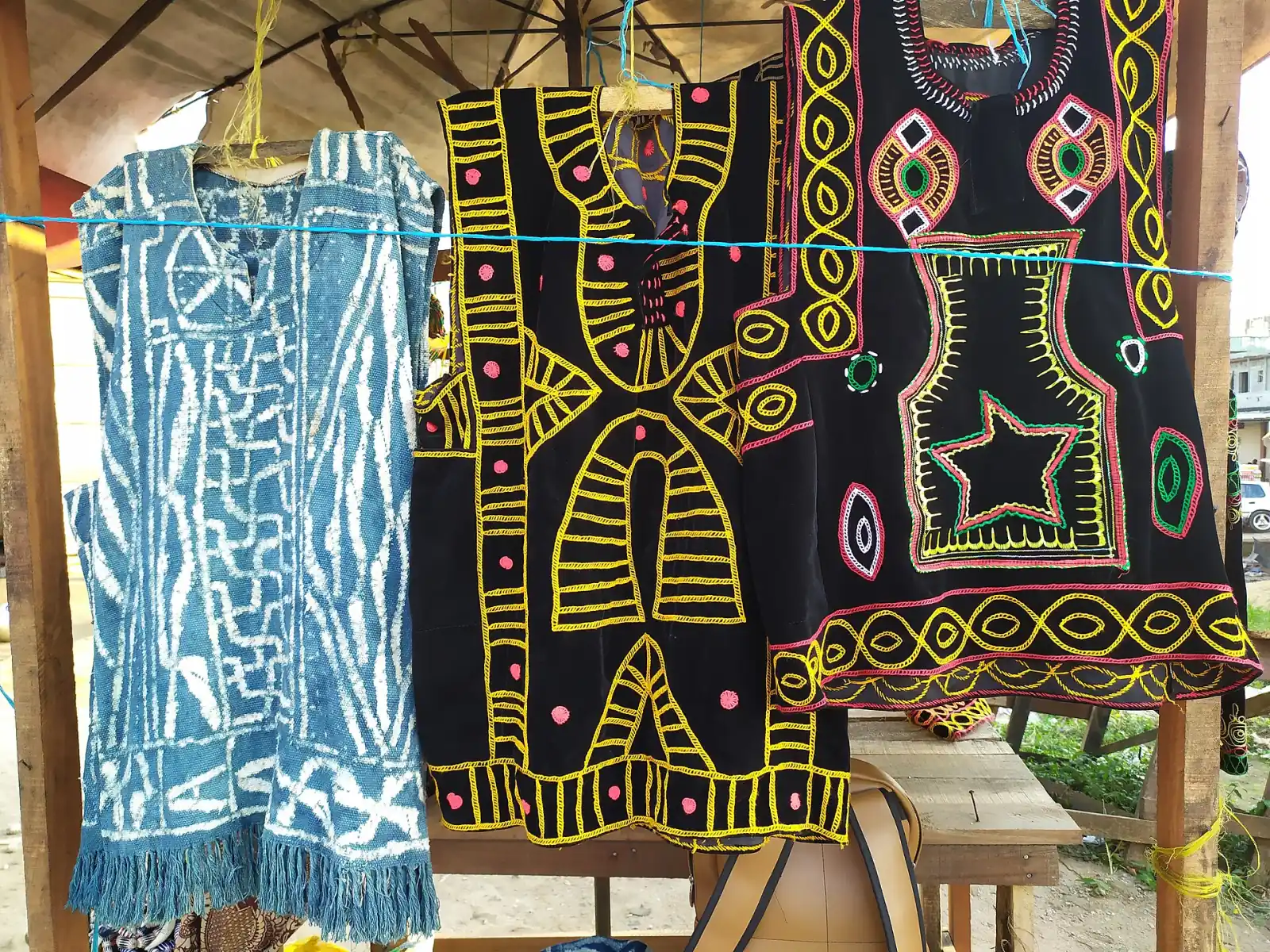
Black embroidered toghu garments and a blue and white ndop outfit hanging on a stall/ Bamenda
A ndop weaver

“Each motif is a sentence. I teach it to young girls in the chiefdom workshop.”

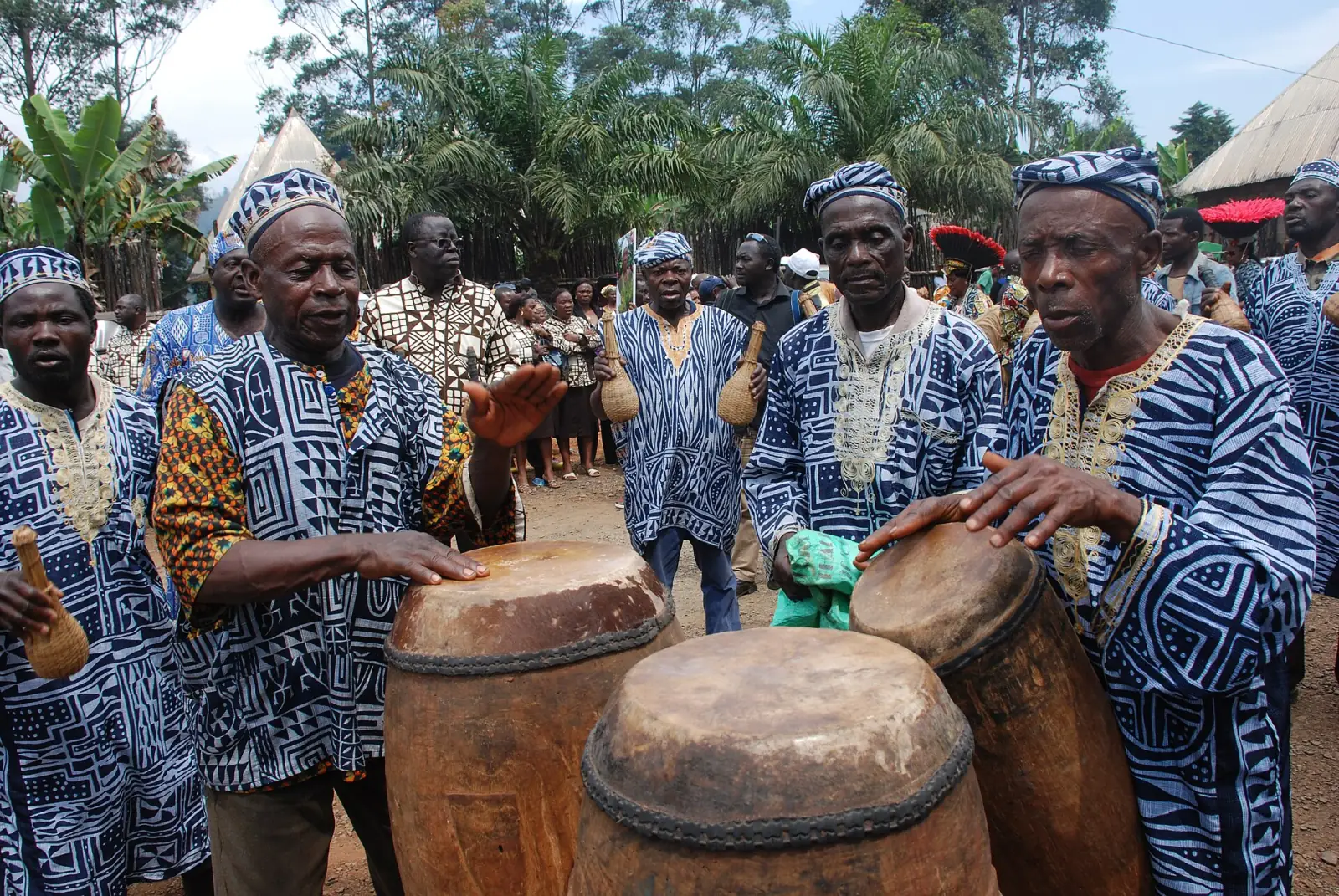
Drummers in embroidered indigo outfits beating large wooden drums/ Foumban
A master drummer

“The court rhythms have their rules; we learn them by heart before playing them in public.”

To act

Schemes for living heritage

Propose a practice

Write to the regional delegation to start the inventory record for a dance, a body of knowledge or a festival of your community.

Write to the Ministry

Support a workshop

Associations and transmission masters can apply for assistance to organise workshops in villages and schools.

Apply for a grant

Obtain the artist card

Have your status as a musician, dancer, storyteller or art craftsperson recognised by the Ministry.

Apply
To download

The tools of the intangible inventory

Glossary

The key terms of living heritage

Intangible cultural property

Event, performance, style, expression or practice, with associated instruments and spaces, based on the knowledge of a community.

Tradition bearer

Person or group that practises, holds and transmits an expression of living heritage.

Safeguarding

Set of measures that ensure the viability of a practice: documentation, transmission, revitalisation.

Inventory

Permanent operation that records, studies and publicises the elements of cultural heritage.

Recognition

Legal acceptance of the existence of a cultural property and of its value for a community.

Consent

Free, prior and informed agreement of a community before any documentation or dissemination of its practice.

Vitality

Degree to which a practice is still carried out and passed on to new generations.

Introduction

Ceremony by which an individual enters a group, a body of knowledge or a status.

Pharmacopoeia

All the medicinal plants and preparations used in traditional medicine.

Derived product

Object inspired by an element of heritage, made with craft know-how or new technologies.

Oral tradition

Knowledge passed on by word of mouth: tales, epics, genealogies, proverbs, songs.

On the site

Go further into living heritage

Resources

Useful links for intangible heritage

Stakeholders

Who supports living heritage?

Questions

Your questions about intangible heritage

What is intangible cultural property?

It is any event, performance, style, expression or practice, together with the instruments, objects, artefacts and spaces associated with it, based on the beliefs, knowledge and know-how of a community. Tales, dances, rites, festivals, traditional medicine and gastronomy are part of it.

Who decides that a practice enters the inventory?

The proposal comes from the community or from the Ministry’s services, then the record is validated with the holders. No practice is registered without the agreement of those who carry it, and information considered confidential remains protected.

Is there a fee to register a practice?

No. The procedure is free of charge for communities. Any travel or recording costs are covered by the inventory projects run with the regional delegations. For any question about fees for other procedures, consult the fees page.

Can a registered practice be modified?

Yes. Living heritage evolves, and the record can be updated at the request of the holders. The purpose of registration is not to impose a single form, but to document the practice and support its transmission.

How can I obtain help to pass on knowledge?

An association or a master can submit a grant application for transmission workshops, the making of instruments or the organisation of gatherings. A file of one to two pages, describing the audience and the timetable, is enough to begin with.

Can a rite be filmed without authorisation?

No. Rites, particularly initiation rites, are subject to access rules. Any recording requires the agreement of the holders and, in some cases, of the customary authorities. The images and sounds are then returned to the community and are published only with its consent.

Are my recipes or my traditional medical knowledge protected?

Pharmacopoeia and cooking practices are part of intangible cultural property. Registration documents them and recognises their holders; the legal protection of commercial exploitation falls under copyright, traditional knowledge and intellectual property.

How can a practice be submitted to UNESCO?

An international nomination is put forward by the State after national recognition, a safeguarding plan and the consent of the communities. The Ministry supports the preparation of the file, films and consultations; initial contacts are made through the regional delegation.

Contact

Write to the Ministry: Intangible heritage

Specify the property or site concerned.

Competent directorate

Contact living heritage

Address

Directorate of Cultural Heritage
Ministry of Arts and Culture
Quartier du Lac – Ministerial Zone
P.O. Box 1053 Yaoundé, Centre Region, Cameroon

Reach us

+237 6 51 70 58 41

contact@minac.gov.cm

Opening hours

Monday to Friday, 8 am to 4 pm

A practice to publicise?

Contact the delegation of your region to open the inventory record for your practice.

Find my delegation
WhatsApp