Coat of arms of CameroonMinistry of Arts
and Culture
Republic of Cameroon
My procedures
Home
Minister’s message
News
Press releases
Cultural calendar
Official speeches
Press review
Photo library
Video library
Calls for projects
Job vacancies
Public procurement
Newsletter
Frequently asked questions
Site map
Contact
Press area
Podcast “The Voice of Culture”
Legal notices
Privacy policy
Cookies and trackers
The Ministry
Missions and responsibilities
Organisation
Organisation chart
Minister’s Office (Cabinet)
Management team
General Secretariat
General Inspectorate
Central directorates
Regional Delegations
Institutions under supervision
Legislative texts
Regulatory texts
Sector strategy
Major projects
Budget and reports
Partners
Careers
Archives
Institutional communication
Quality and accessibility
Arts
Visual and plastic arts
Visual arts
Performing arts
Theatre
Dance
Music
Literature and books
Cinema and audiovisual
Photography
Fashion and design
Digital arts
Art crafts
Artists’ directory
Residencies
Prizes and awards
Arts education
Urban arts
Heritage
Tangible heritage
Intangible heritage
UNESCO sites
National museums
Listed monuments
National inventory
Palaces and chiefdoms
Archaeology
Linguistic heritage
Oral traditions
Traditional know-how
Restitution of cultural property
Fight against illicit trafficking
Listing and protection
Conservation and restoration
Heritage Days
Cultural landscapes
Industries
Music and recording
Cinema
Publishing and books
Digital arts
Fashion and creativity
Crafts
Cultural tourism
Funding for culture
Support funds
Incubators
Cultural entrepreneurship
Culture Observatory
Vocational training
Studies and reports
Sector statistics
Export and outreach
Intellectual property
Copyright
Legal framework
Copyright and neighbouring rights
Collective management societies
Register a work
Licences
Private copying
Fight against piracy
Model contracts
Social status of artists
Mediation
Disputes
Training
Fee scales
Register of works
Contact
Digital neighbouring rights
Public domain
Festivals
National calendar
Ngondo
Nguon
Écrans Noirs
Heritage Days
Music Day
Regional festivals
Fairs and exhibitions
Biennials
National competitions
Cultural days
Organise a festival
Event grants
Ticketing
Archives
Volunteering
Diaspora festivals
Regions
Adamawa
Centre
East
Far North
Littoral
North
North-West
West
South
South-West
Cultural map
Regional Delegations
Traditional chiefdoms
National languages
Cultural routes
Decentralised cooperation
Regional observatory
Cooperation
UNESCO
Francophonie (OIF)
African Union
Commonwealth
CEMAC
Bilateral cooperation
Cultural agreements
Professional organisations
Scholarships
Artist exchanges
Cultural years
Diaspora
Funded projects
Embassies
Technical partners
International restitution
International monitoring and calls
Services
Artist card
Show authorisation
Filming authorisation
Festival authorisation
Deposit of a work
Export of works of art
Listing of a property
Grant application
Association accreditation
File tracking
Forms
Fees
Opening hours and addresses
Reporting
Online help
My account
One-Stop Shop
Copyright

Register of works

Search for a declared work, deposit your own, obtain a dated certificate and consult the statistics: the register of works in the service of proof and of identifying rights holders.

Updated on 6 November 20264 sub-pages
Works entered in the register9 400
SubmissionOnline
Public searchBy title, author, category
Proof issuedDated certificate
Register

Finding declared works and proving one’s creation

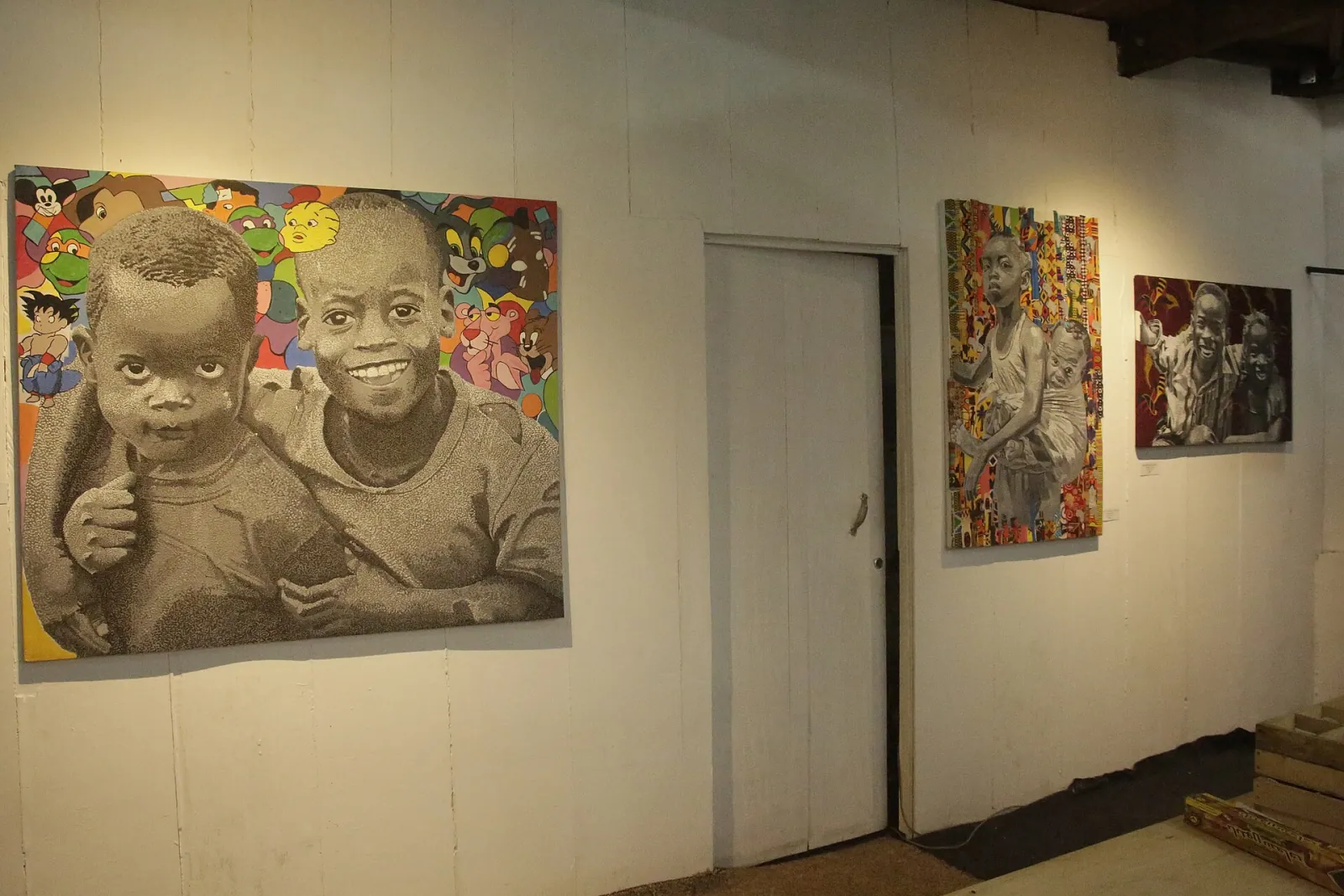
Portrait paintings of children hung in an exhibition room

The register of works lists the creations declared with the Ministry of Arts and Culture: songs, novels, plays, paintings, films, photographs, software, choreographies. Each entry carries a number, a deposit date and the identity of the declarant; it serves as a reference for identifying rights holders and for dating the creation in the event of a challenge.

Copyright arises from the creation itself, under Law No. 2000/011 of 19 December 2000: the register does not confer the right, it makes it easier to prove. This page explains how to search for a work, how to deposit it, what the certificate contains and how to read the published statistics.
  • Public search by title, author or category
  • Online deposit from the One-Stop Shop
  • Dated and numbered certificate, usable as proof
Search for a work
Consult

Searching for a work in the register

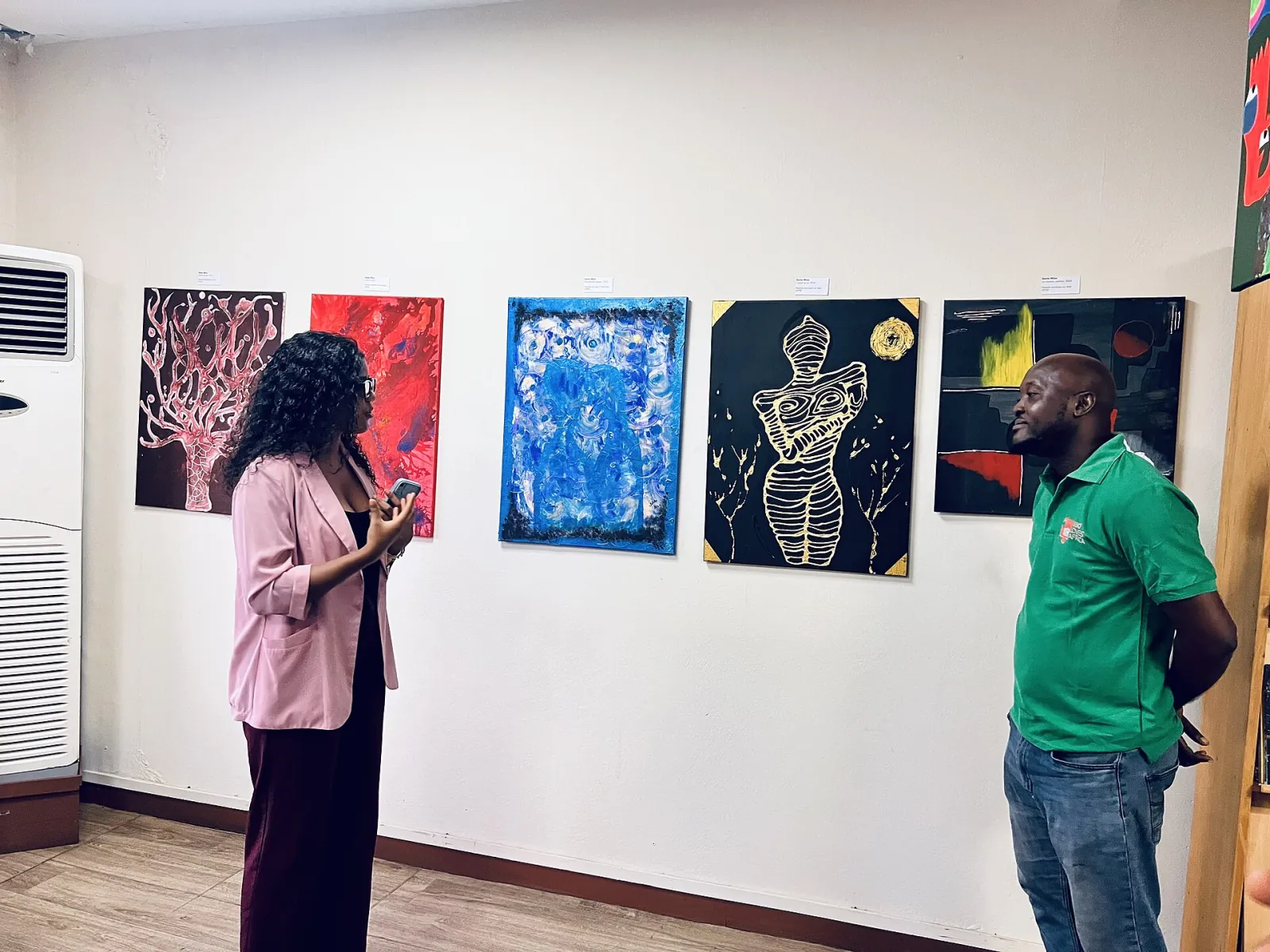
Visitors in front of abstract paintings hung on the walls of an art gallery

The search makes it possible to find out whether a work has been declared, by whom and on what date. It meets varied needs: a producer wants to identify the author of a title before contacting them, an organiser is looking for the holder from whom to request a licence, a researcher traces the history of a creation, an author checks that a project does not already exist under a similar title.

Search criteria

  • The title of the work, with its variants and translations;
  • The author’s name or declared pseudonym;
  • The category: music, literature, visual arts, audiovisual, live performance, photography, software;
  • The year of deposit and the declarant’s region;
  • The registration number, to find a specific file.

What can be seen

The public record shows the title, the category, the name of the author or authors, the registration date and the number. Personal contact details and attachments are not displayed: they remain protected, and their disclosure requires the declarant’s agreement or a decision of a competent authority. To reach a rights holder, go through the collective management society for their category or through the One-Stop Shop.

The limits of the search

A work that is absent from the register is not necessarily free of rights: copyright exists without registration. Likewise, a registered work is not automatically the property of the declarant, who may be only a publisher or a producer. The register is an identification tool, not a judgement on ownership. If you believe a work has been declared in error, write to the Ministry enclosing your supporting documents. In the event of a lasting disagreement, see the litigation page.

ℹ️
Orphan works

Are you looking for the rights holder of an old work without success? Consult the public domain page to find out what to do.

Procedure

Registering a work in the register

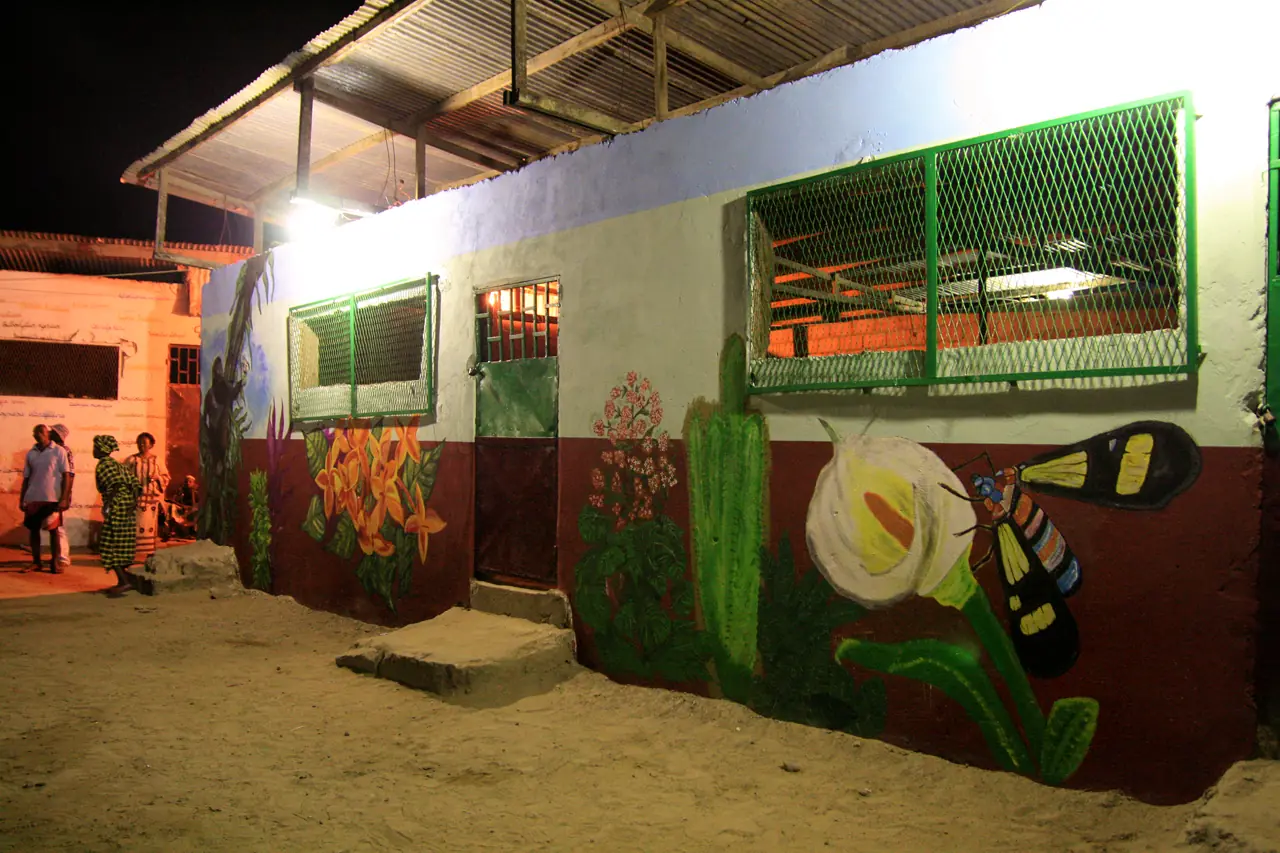
Mural painted on the wall of a house, urban art

Registration is a simple procedure, carried out online through the One-Stop Shop. It is open to the author, their heirs, or the publisher or producer who holds the rights. It may concern a finished work, a manuscript, a recording, a design project, a filmed choreography or a computer program.

Documents to gather

  • An identity document of the declarant and, where applicable, proof of their capacity (contract, power of attorney, certificate of inheritance);
  • A copy of the work or a representative extract: text, score, recording, image, video, design file;
  • A descriptive form: title, category, date of creation, language, names of co-authors;
  • Assignment or co-publishing contracts, where the work is being exploited.

The online steps

Log in to your account, choose “registration of a work”, fill in the form, attach the files and confirm. An acknowledgement of receipt records the date and time of registration. The service examines the application, checks that the file is complete and enters the work in the register. Details are given on the registering a work and declaring a work pages. Any fees are published in the tariffs.

Collaborative works and co-authors

For a work created by several people, the declaration names all the co-authors and their respective shares; registration may be made by one of them with the agreement of the others. For a collective work, the declarant is the person who took the initiative and responsibility for it.

After submission

File tracking lets you follow the progress of the entry. A change (change of title, addition of a co-author, assignment) is declared by means of an update request.

ℹ️
Before submitting

Keep the original of your work on several media: registration dates the creation, it does not replace a back-up.

Proof

The registration certificate: content and uses

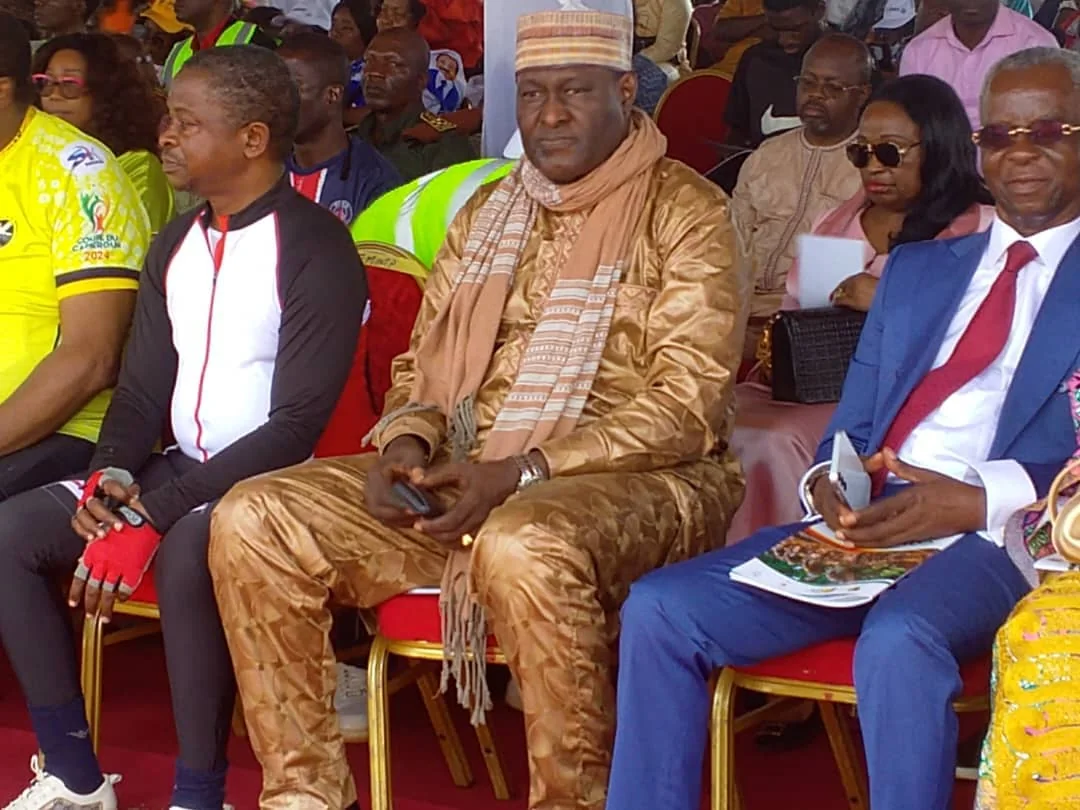
Guests and officials seated during an official ceremony

At the end of the examination, a certificate is issued. It certifies that a work bearing a given title was registered on a given date by a given person and assigns it an entry number. This document can be downloaded from your account and collected in paper form from the service or a regional delegation.

What the certificate contains

  • The register entry number and the date of registration;
  • The title of the work, its category and the name of the declarant(s);
  • A digital fingerprint or a description of the file submitted, to identify the exact version;
  • A verification code allowing a third party to check authenticity online.

What it is used for

The certificate is evidence that the creation pre-dates other claims. It supports a mediation or legal action, facilitates membership of a management society, reassures a publisher or producer and accompanies a grant application. It does not remove the need to prove one’s rights by other means, but it fixes the date from which the work existed.

Validity and updates

The certificate does not need to be renewed: the registration date remains valid. If the information changes (assignment, death, change of title), a new entry is made in the register and an updated certificate may be requested.

Loss or duplicate

If it is lost, request a duplicate from your account, stating the entry number; if you do not have it, use the search to find it.

Figures

Register statistics: reading the data

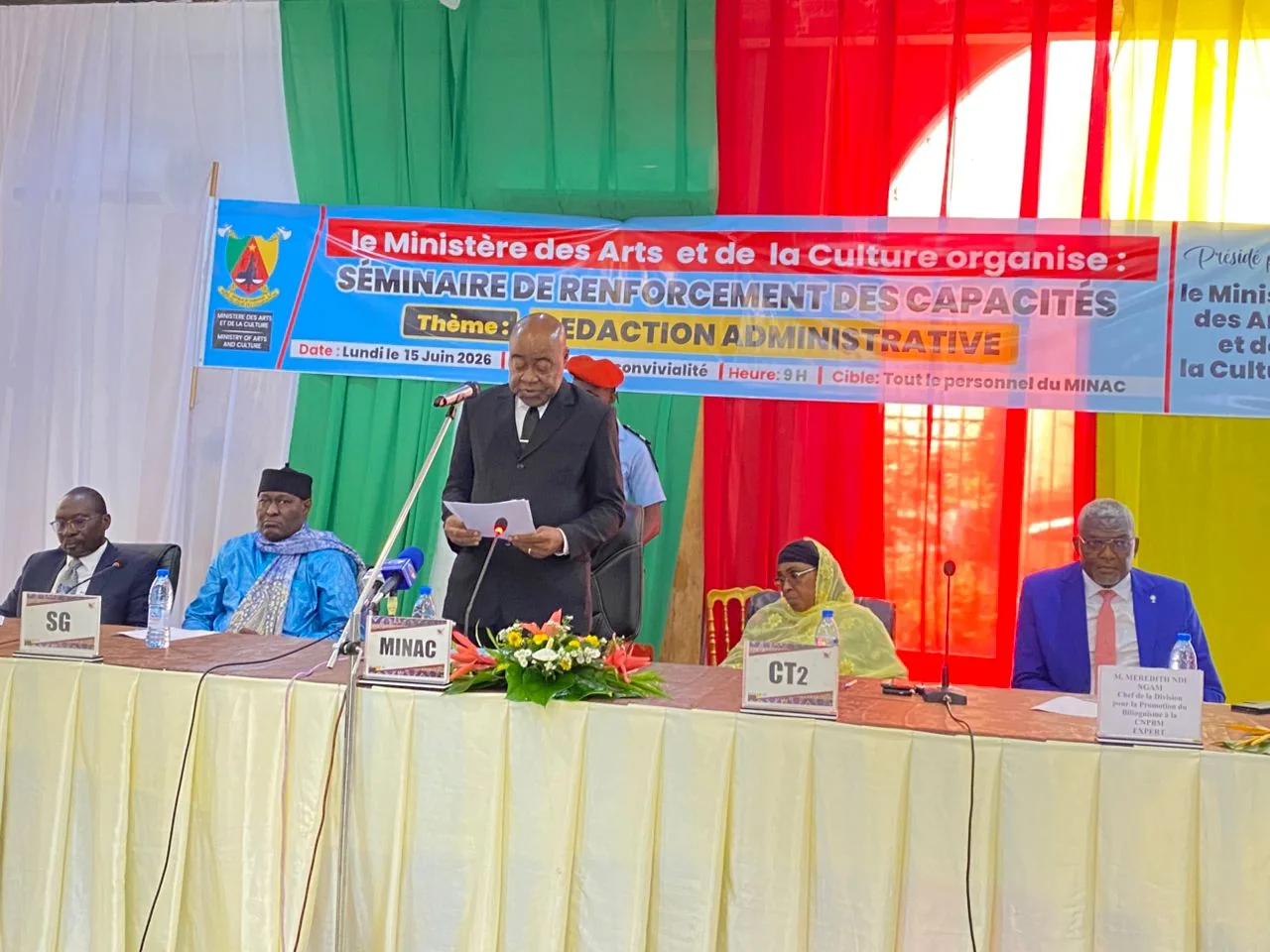
Ministry capacity-building seminar, panel table and speaker

The Ministry regularly publishes statistics on registered works: number of entries by category, annual trends, breakdown by region and share of co-authors. This data feeds the culture observatory and the sector statistics.

How to read the figures

An entry corresponds to one registered work, not to one author: the same artist may have several entries. Categories group related genres (music includes songs, instrumentals and arrangements). The statistics do not measure total cultural output, but the share of works declared, which rises with awareness-raising.

What this data is used for

  • Directing support funds and training activities towards the sectors with the fewest declarations;
  • Identifying the regions where information and delegations need to be strengthened;
  • Measuring the effect of awareness campaigns on registrations.

A reading example

With 9,400 works registered as at 30 September 2026, music alone accounts for 4,120 entries, ahead of literature and books (1,860). This gap reflects the dynamism of songwriters, but also less advanced awareness-raising among visual artists and filmmakers, who still register few works. Workshops and guides target these sectors as a priority.

In figures

Registered works by category

CategoryRegistered worksGenres coveredPlay
Music4 120Songs, instrumentals, arrangements, incidental musicThe most frequently declared category, driven by songwriters
Literature and books1 860Novels, poetry, essays, tales, textbooksRegistrations often made before submission to a publisher
Live performance1 310Plays, choreographies, street performancesDeclarations by company, with several co-authors
Visual and plastic arts960Painting, sculpture, drawing, installationRegistrations linked to sales and exhibitions
Audiovisual and cinema740Films, series, documentaries, screenplaysCollaborative works, many co-authors
Photography and other410Photographs, software, databasesA category growing with digital technology
Total as at 30 September 20269 400All categories combinedAn entry corresponds to one work, not to one author
Step by step

From registration to certificate, in five steps

Create your account

Sign up on the One-Stop Shop with a valid e-mail address and enter your identity as declarant.

Fill in the registration form

Enter the title, category, date of creation and co-authors, and attach the work or a representative extract.

Confirm and receive the acknowledgement

An acknowledgement of receipt records the date and time of registration and gives you a file number for tracking.

Wait for the examination

The service checks that the file is complete, requests supporting documents if needed and makes the entry.

Download the certificate

The numbered and dated certificate is made available in your account and can be verified online.

Key facts

The register at a glance

FunctionWhat it is used forWho uses itWhere to find it
SubmissionHaving a work registered and dating its creationAuthors, heirs, publishers, producersDeposit of a work
Public searchIdentifying declared works and their authorsProducers, organisers, researchersRegister of works
CertificateProving that a creation pre-dates othersAuthors, lawyers, mediatorsOne-Stop Shop account
DuplicateObtaining a lost certificate againDeclarantsOne-Stop Shop account
UpdateDeclaring an assignment, a death or a change of titleDeclarants and successors in titleFile tracking
StatisticsFinding out the number of works by category and by regionDecision-makers, observatories, researchersSector statistics
Online verificationChecking the authenticity of a certificatePublishers, banks, administrationsCertificate verification code
Journey

The register step by step

2000Codified copyright

The law of 19 December 2000 recognises authors’ rights and organises their management, which makes a tool for identifying works useful.

2010sPaper registrations

Declarations are made at the counter, with files kept in the Ministry’s services and in the delegations.

2020Dematerialisation

The One-Stop Shop opens up online registration and the dated acknowledgement of receipt, which simplifies procedures for artists living far away.

2025Public search

The register can be consulted by title, author and category, with simplified public records.

TodayOpen statistics

Figures by category and by region are published to guide support and training policies.

To explore

The register in other pages

“A reliable register means rights that are easier to assert and creators who are easier to find.”

A head of the works service
Feedback

They have registered their works

“
I registered my manuscript before sending it to a publisher. The certificate gave me the peace of mind of knowing that my creation date was established.
A novelist
Yaoundé
“
Thanks to the public search, a producer found the author of my song and we signed a licence within two weeks.
A singer
Douala
“
For our group play, all the co-authors appear in the registration with their share. Questions of distribution are settled in advance.
A stage director
Bafoussam
“
Our studio registers every mock-up. The certificate reassures our clients and helps us prevent copying.
A graphic designer
Garoua
To act

Register services

Deposit a work

Declare your creation online through the One-Stop Shop, attach the work or an extract and immediately receive a dated acknowledgement of receipt.

Deposit

Track my file

Enter your file number to find out the stage of the examination, any documents requested and the expected date of the certificate.

Follow

Search for an author

Consult the works declared by title, author or category, and find the rights holder before requesting a licence.

Consult

Understanding the tariffs

Any procedure fees are published transparently.

View the fees
To download

Applicant’s documents

Glossary

Register vocabulary

Register

Official list of declared works, kept by the Ministry.

Submission

Submission of a work or a declaration with a view to its entry.

Certificate

Document certifying the registration of a work and its date.

Holder

Person who holds the rights in a work: author, heir or assignee.

Declarant

Person who registers the work in the register, whether or not they are the author.

Prior creation

The fact that a creation existed at a date earlier than that of another.

Co-author

Author who takes part with others in the creation of the same work.

Collective work

A work created on the initiative of a person who publishes it under their own name.

Rights holders

Persons who benefit from an author’s rights, notably after their death.

Duplicate

Certified copy of an official document issued in case of loss.

Digital fingerprint

Unique code calculated from a file to guarantee its identity.

Registration

Entry of a work in the register with its number and date.

On the site

Extending your use of the register

Resources

Useful links for the register

Stakeholders

Who keeps and uses the register?

Questions

Your questions about the register

Is the register public?

Yes, for the essential information: title, category, author, date and entry number. Personal contact details and attachments are not displayed. They can be disclosed only with the declarant’s consent or by decision of a competent authority.

How much does a certificate cost?

Any procedure fees are published on the page of One-Stop Shop service tariffs. Consult it before registering to find out the amount applicable to your type of registration, and keep the proof of payment with your file.

Do I have to renew the registration?

No. The registration date remains valid and the certificate does not need to be renewed. Only changes of circumstances, such as an assignment, a death or a change of title, must be declared so that the register remains up to date.

Is my work protected if I do not deposit it?

Yes. Copyright arises from the creation itself. Deposit is not compulsory, but it provides dated proof of creation, very useful in the event of a challenge, a negotiation with a publisher or a grant application.

What should I deposit for a work in progress?

You can deposit a representative extract, a mock-up or a synopsis. The deposit then dates the state of the work at the time of the declaration. A complete version can be deposited later, with a note linking the two entries.

How do I deposit a work with several authors?

List all the co-authors and their share on the form. One of them may make the deposit with the agreement of the others. For a collective work, the declarant is the person who took the initiative and responsibility for it.

Can I have a registration error corrected?

Yes, through an update request from your account, accompanied by supporting documents. The history of changes is kept to guarantee the reliability of the register and to avoid altering the original registration date.

What is the difference from declaring with a management society?

The register dates the creation and identifies it with the administration. Declaration with a management society serves to collect and distribute exploitation rights. The two procedures complement each other and are often carried out one after the other.

Contact

Write to the Ministry: Register of works

State the work concerned.

Competent directorate

Contacting the register service

Address

Directorate of Legal Affairs
Ministry of Arts and Culture
Quartier du Lac – Ministerial Zone
P.O. Box 1053 Yaoundé, Centre Region, Cameroon

Reach us

+237 6 51 70 58 41

contact@minac.gov.cm

Opening hours

Monday to Friday, 8 am to 4 pm

A work to declare?

Register it online, receive your dated acknowledgement of receipt and then your numbered certificate.

Deposit a work
WhatsApp