Coat of arms of CameroonMinistry of Arts
and Culture
Republic of Cameroon
My procedures
Home
Minister’s message
News
Press releases
Cultural calendar
Official speeches
Press review
Photo library
Video library
Calls for projects
Job vacancies
Public procurement
Newsletter
Frequently asked questions
Site map
Contact
Press area
Podcast “The Voice of Culture”
Legal notices
Privacy policy
Cookies and trackers
The Ministry
Missions and responsibilities
Organisation
Organisation chart
Minister’s Office (Cabinet)
Management team
General Secretariat
General Inspectorate
Central directorates
Regional Delegations
Institutions under supervision
Legislative texts
Regulatory texts
Sector strategy
Major projects
Budget and reports
Partners
Careers
Archives
Institutional communication
Quality and accessibility
Arts
Visual and plastic arts
Visual arts
Performing arts
Theatre
Dance
Music
Literature and books
Cinema and audiovisual
Photography
Fashion and design
Digital arts
Art crafts
Artists’ directory
Residencies
Prizes and awards
Arts education
Urban arts
Heritage
Tangible heritage
Intangible heritage
UNESCO sites
National museums
Listed monuments
National inventory
Palaces and chiefdoms
Archaeology
Linguistic heritage
Oral traditions
Traditional know-how
Restitution of cultural property
Fight against illicit trafficking
Listing and protection
Conservation and restoration
Heritage Days
Cultural landscapes
Industries
Music and recording
Cinema
Publishing and books
Digital arts
Fashion and creativity
Crafts
Cultural tourism
Funding for culture
Support funds
Incubators
Cultural entrepreneurship
Culture Observatory
Vocational training
Studies and reports
Sector statistics
Export and outreach
Intellectual property
Copyright
Legal framework
Copyright and neighbouring rights
Collective management societies
Register a work
Licences
Private copying
Fight against piracy
Model contracts
Social status of artists
Mediation
Disputes
Training
Fee scales
Register of works
Contact
Digital neighbouring rights
Public domain
Festivals
National calendar
Ngondo
Nguon
Écrans Noirs
Heritage Days
Music Day
Regional festivals
Fairs and exhibitions
Biennials
National competitions
Cultural days
Organise a festival
Event grants
Ticketing
Archives
Volunteering
Diaspora festivals
Regions
Adamawa
Centre
East
Far North
Littoral
North
North-West
West
South
South-West
Cultural map
Regional Delegations
Traditional chiefdoms
National languages
Cultural routes
Decentralised cooperation
Regional observatory
Cooperation
UNESCO
Francophonie (OIF)
African Union
Commonwealth
CEMAC
Bilateral cooperation
Cultural agreements
Professional organisations
Scholarships
Artist exchanges
Cultural years
Diaspora
Funded projects
Embassies
Technical partners
International restitution
International monitoring and calls
Services
Artist card
Show authorisation
Filming authorisation
Festival authorisation
Deposit of a work
Export of works of art
Listing of a property
Grant application
Association accreditation
File tracking
Forms
Fees
Opening hours and addresses
Reporting
Online help
My account
One-Stop Shop
Industries

Cultural entrepreneurship

Licences for show promoters and artistic agents, choice of status, taxation of patronage and sponsorship, professional networks: everything needed to create and develop a cultural enterprise in Cameroon.

Updated on 6 November 20264 sub-pages
Imprisonment for operating without a licence6 months to 2 years
FineFCFA 200,000 to 5 M
Artistic agent licence1 year, renewable
Amateur showsFree activity
Entrepreneurship

Starting a business in culture

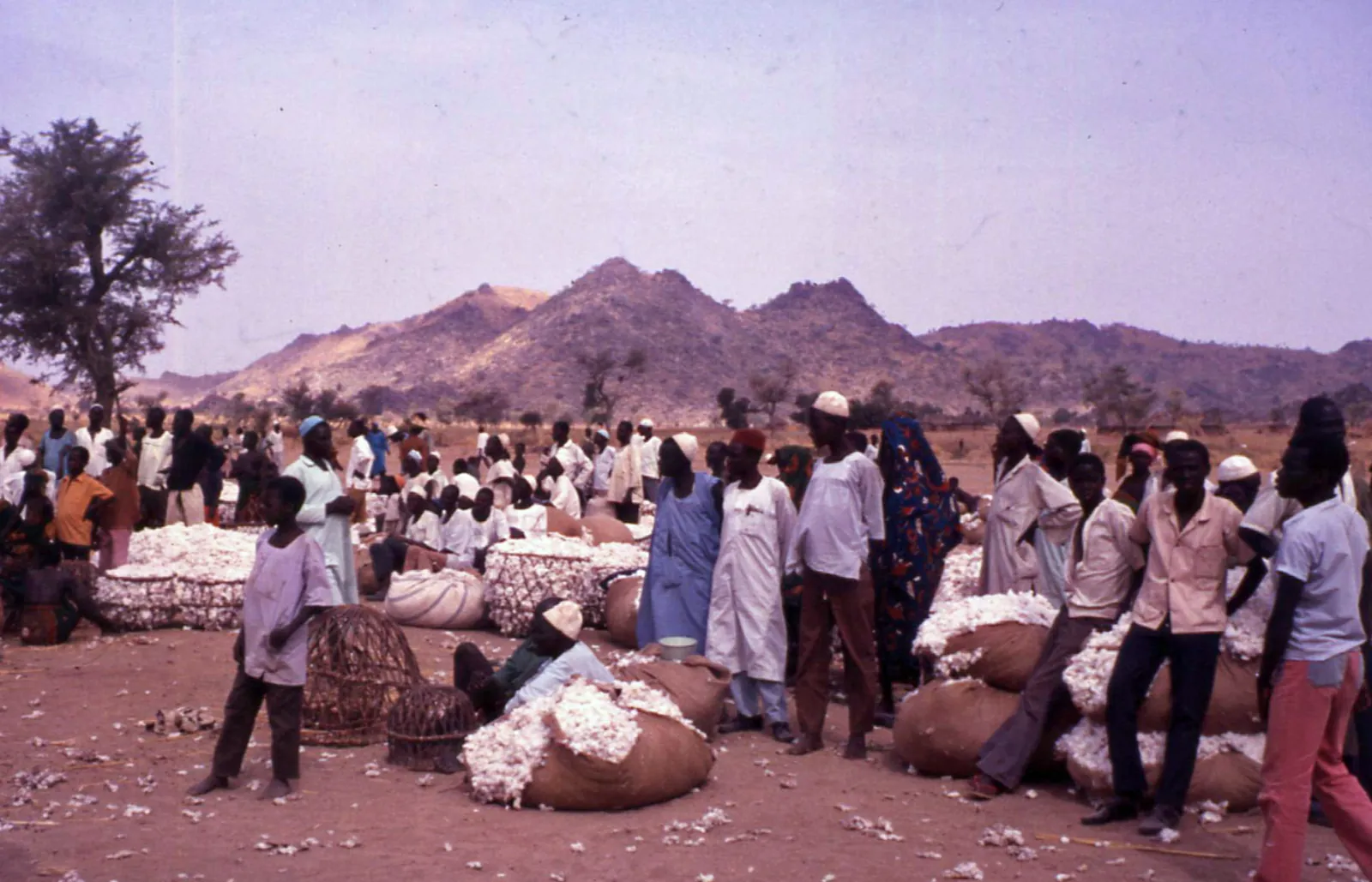
Cotton bales displayed at a market near Maroua beneath the hills

Producing concerts, representing artists, opening a gallery, launching a label or a publishing house: cultural entrepreneurship combines passion and management rigour. It requires choosing the right legal form, complying with the rules specific to live performance and understanding the taxation that applies to revenue, donations and sponsorship.

Law 2004/001 sets the regime for shows: professional live performance promoters and artistic agents must hold a licence, while the activity of amateur show promoters is free. The Directorate of Performing Arts and Creative Industries monitors the application of these rules and assists cultural enterprises in their search for funding.

  • Show promoter and artistic agent licences
  • Association, company or foundation: choosing your status well
  • Taxation of patronage and sponsorship, professional networks
Set up your organisation

Setting up your cultural structure step by step

Entrance to Bafoussam main market with pointed roofs and a yellow taxi

A cultural structure is rarely born of a perfect business plan; it is born of a project that grows: a troupe that performs more and more often, a photographer who receives commissions, a producer who organises a first tour. When the time comes, the activity must be formalised in order to contract, be paid and recruit.

Clarify the activity

Begin by describing what you sell and to whom: show tickets, artistic services, publications, works, training, representation of artists. This description determines the licence, if any, and the most suitable status. A show production activity falls under the show authorisation procedure for each public performance.

Basic formalities

  • Choose the legal form and draft the statutes;
  • Register and declare the activity with the competent administrations;
  • Apply for the licence if the activity requires it;
  • Open a bank account in the name of the structure;
  • Take out useful insurance for venues, equipment and persons.

Surround yourself with support

An accountant, a lawyer or an adviser from an incubation programme can avoid many mistakes. The regional delegations provide information on local procedures, and the One-Stop Shop centralises applications addressed to the Ministry.

Plan a realistic launch budget

Count rent, equipment, communication and at least three months of cash before the first revenue.

ℹ️
First reflex

Before spending, check whether your activity requires a licence. Operating without one exposes you to prosecution; the next section details the regime of statuses and licences.

Legal status

Statutes: association, company or foundation

Paved street in Bamenda with market stalls, a taxi and apartment blocks

The choice of status determines governance, taxation and access to funding. There is no ideal status, but a status suited to each project.

The association

The most widespread form in the cultural world: companies, collectives, festivals, choirs. It suits non-profit activities or those with a mainly cultural purpose. To receive public support, it applies for its approval. It may employ staff, but its members do not share the profits.

The company

A limited liability company or a public limited company, it suits commercial activities: label, studio, production house, gallery, bookshop, craft shop. It allows investors to be brought in, capital to be remunerated and the business to be sold. The formalities are heavier, but credibility with banks is better.

The foundation

It serves to dedicate assets permanently to a cultural cause: conservation of a collection, support for young talent, management of a memorial site. It appeals to patrons and artists’ families who wish to preserve a collection.

Licences, a title specific to live performance

Whatever the status, Law 2004/001 requires a licence for professional live performance promoters and artistic agents. The licence is personal, non-transferable and granted for a single enterprise. The artistic agent licence is valid for one year and renewable; the functions of agent and show promoter are incompatible. Foreigners perform with a licence or a declaration filed one month in advance. See the legislative texts.

ℹ️
Penalty

Operating without a licence is punishable by imprisonment of six months to two years and a fine of 200,000 to 5,000,000 FCFA.

Taxation

Taxation of the cultural enterprise

Spices, seeds and traditional remedies displayed in sacks at a market

Cultural taxation rests on two pillars: the ordinary tax borne by every business, and the special provisions that encourage private funding of culture. Rates and scales fall under the tax legislation in force; this page presents the mechanisms and refers to the competent administrations for amounts.

Sponsorship

When a company supports an event or a structure in exchange for visibility, this is called sponsorship. Sponsorship expenditure is deductible under the conditions of the law on patronage and sponsorship, the application of which is monitored by the Directorate of Performing Arts and Creative Industries.

Patronage

Patronage is a donation with no direct consideration. It is exempt from VAT, which eases administration for the beneficiary. A receipt must be given to the donor; associations keep a register of donations and report on their use. The overview of cultural funding details the standard agreements.

Artists and entrepreneurs

  • Keep accounts, even simple ones, with invoices, receipts and supporting documents;
  • Distinguish artist income, copyright income and commercial income;
  • Find out about the regime of social protection and taxation of artists;
  • Keep contracts and agreements for the legal period.

Where to find information

Tax offices and approved management centres provide information on the applicable regimes; the training workshops in the Training for the trades section cover financial management.

ℹ️
Reminder

No rate is set by this page: refer to the tax legislation and the competent administration before any decision.

Networks

Professional networks in culture

Women selling plantains and vegetables at the market in Bafia

The cultural entrepreneur who works alone advances more slowly than one who joins a network. Federations, unions, professional associations and sector collectives offer information, negotiated rates, collective representation and a voice with the public authorities.

The professional organisations

Each sector has its groupings: film producers, publishers, booksellers, musicians, actors, visual artists, art craftspeople, festival organisers. The Professional organisations page lists them and presents their services. Joining makes it possible to take part in the preparatory consultations on cultural policy.

Collective management societies

To collect and distribute rights, creators turn to the collective management societies. A business that exploits works must meet its obligations towards them.

Business meetings

Online networks

Directories, discussion groups and matchmaking platforms make it easier to find partners. The artists’ directory helps to spot talent and service providers.

Artistic agent

Becoming an artistic agent and complying with the law

Small band of musicians and singers in matching outfits on a cabaret stage

The artistic agent is the intermediary who represents artists, negotiates their engagements and manages their schedule. Law 2004/001 subjects the agent to an individual licence, valid for one year and renewable. This rule protects artists against undeclared intermediaries and abusive contracts.

A regulated activity

  • The licence is personal: it cannot be lent, sold or transferred;
  • It is granted for a single enterprise;
  • The agent cannot, at the same time, work as a show promoter;
  • Contracts with artists are in writing; see the standard contracts.

Good practice

A serious agent states their remuneration clearly, informs the artist of each engagement, keeps transparent accounts and pays fees on time. They know the rules of literary and artistic property and advise the artist on assignments of rights.

Show promoter: the distinction

The show promoter organises and finances performances; the agent represents people. The two trades are complementary but incompatible in the same person, in order to avoid conflicts of interest. For amateur shows, no licence is required: they remain free.

ℹ️
Key points

In doubt about your situation? Write to the directorate through the contact form before signing contracts.

Practical case

A music label from creation to licence

Singer on stage during a concert

A young producer from Douala wants to launch a label that publishes makossa and urban music artists and organises their concerts. Here is how he can proceed.

First stage: structuring

He writes a simple plan, estimates his studio, promotion and touring costs, then chooses a limited liability company so as to be able to bring in an investor. He registers and opens a business account.

Second stage: complying with the rules

Because the label also organises concerts, he applies for the show promoter licence. He therefore gives up the function of artistic agent: the two are incompatible. For each concert, he files a show authorisation and, for music rights, he contacts a collective management society, after reading the Music and records page.

Third stage: funding

He puts together a grant application, looks for a sponsor for his first series of concerts and applies to an incubation programme.

Outcome

In one season, the label has three artists under contract, two concerts in the regions and a partner. His main lesson: complying from the start costs less than regularising under constraint.

Step by step

From idea to licence

Write the project

Describe the activity, the target audience, the products, the costs and the expected revenue; a twelve-month budget is enough to start.

Choose the status

Association, company or foundation: compare governance, taxation and access to funding, then draft clear statutes and sign them as a team.

Register the structure

Declare the activity to the competent administrations, obtain your identification numbers and open a bank account in the name of the structure.

Apply for the licence

If you produce professional shows or represent artists, submit your licence application, which is strictly personal and specific to a single enterprise.

Obtain the authorisations

For each show or festival, submit the corresponding authorisation request to the One-Stop Shop, several weeks before the date.

Fund and grow

Put together your grant applications, approach sponsors, join a professional network and measure your results every quarter.

Journey

The first months of a cultural enterprise

Month 1Framing

The project leader writes the project, consults the audience and works out the costs. They identify the licences and authorisations needed.

Month 2Statutes and registration

Drafting the statutes, forming the management team, declaring the activity and opening the bank account.

Month 3Licence

Submission of the licence application where the activity requires it and preparation of standard contracts with artists.

Months 4 to 6First contracts

Signing of the first engagements, submission of show authorisation requests, first invoicing.

Months 7 to 9Funding

Submission of grant applications, search for sponsors and application to an incubation programme.

Month 12First review

Preparation of the annual accounts, activity report, renewal of licences falling due and plan for the following year.

To explore

The cultural enterprise in the other sections

Entrepreneurs

Journeys of cultural entrepreneurs

“
I waited too long to apply for my licence. Since my papers have been in order, banks and town halls receive me differently.
Show producer
Douala
“
Our association became a company when we wanted to sell tickets and recruit. The advice of an incubator was decisive.
Director of a festival
Bafoussam
“
As an agent, I understood that the written contract protected the artist as much as me. No fee is negotiated verbally any more.
Artistic agent
Yaoundé
“
The booksellers’ network helped us negotiate with publishers and organise a book fair in our town.
Independent bookseller
Garoua

“The licence is strictly personal and non-transferable.”

Law No. 2004/001, article 7
To download

Tools for the cultural entrepreneur

To act

Procedures for the cultural entrepreneur

Legislative texts

Find the law on the regime for shows and the one on patronage and sponsorship.

Read the texts

Show authorisation

One request per public performance, to be submitted several weeks before the date.

Submit the application

Artist card

Have your professional status recognised to access certain rights.

Apply

Incubators

Several months of support to turn an activity into an enterprise.

Discover the programmes
Glossary

The vocabulary of the cultural entrepreneur

Licence

Title required of professional live performance promoters and artistic agents; it is personal and non-transferable.

Artistic agent

Intermediary who represents artists, negotiates their engagements and manages their schedule.

Show promoter

Person who organises and finances public performances.

Amateur show

Non-professional performance whose organisation is free of licence.

Registration

Entry of an enterprise in the official registers in order to operate legally.

Legal status

Founding document that sets the purpose, bodies and operating rules of a structure.

Foundation

Structure that permanently dedicates assets to a cause of cultural interest.

Sponsorship

Material or financial support given to an activity in exchange for visibility.

Patronage

Donation granted with no direct consideration to a work or body of cultural interest.

Fee

Remuneration paid to an artist for a given performance.

Incompatibility

Impossibility of holding two functions at once, here artistic agent and show promoter.

On the site

Extend your entrepreneurial reading

Resources

Useful links for entrepreneurship in culture

Stakeholders

Who supports entrepreneurs?

Key facts

Licences and activities in a table

ActivityApplicable ruleDuration or conditionPoint of attention
Professional live performance promoterLicence requiredPersonal, non-transferable, for a single enterpriseIncompatible with artistic agent
Artistic agentLicence requiredOne year, renewableWritten contract with each artist
Amateur live performance promoterFree activityNo licence requiredAuthorisation for each public show
Foreign artist or producerLicence or declarationDeclaration one month before the performanceAnticipate the deadlines
Operating without a licenceOffence6 months to 2 years and 200,000 to 5,000,000 FCFAImmediate regularisation advised
Cultural associationApproval for public supportStatutes and established executive boardAnnual activity reports
Cultural commercial companyRegistrationCapital and management definedFull accounting
Questions

Your questions on cultural entrepreneurship

Is a licence needed to organise a show?

Yes, for professional live performances: the promoter must hold a licence, personal and non-transferable, granted for a single enterprise. Amateur shows remain free of licence, but each public performance must be the subject of the authorisation provided by the One-Stop Shop.

Can I combine artistic agent and show promoter?

No. The two functions are incompatible: the agent represents artists, the promoter organises and finances shows. Combining them would create conflicts of interest. One must choose a main activity, or set up two separate structures run by different people.

How long does the artistic agent licence last?

The artistic agent licence is valid for one year and renewable. The renewal request should be submitted before expiry so as not to operate without a licence, on pain of prosecution. A calendar of deadlines in the enterprise’s files avoids oversights.

Can a foreign artist perform in Cameroon?

Yes, with a licence or a declaration filed one month before the performance. The Cameroonian organiser prepares the file, checks the entry formalities for the territory and submits the show authorisation request to the Ministry within the deadlines.

What is the penalty for operating without a licence?

The law punishes operating without a licence with imprisonment of six months to two years and a fine of 200,000 to 5,000,000 FCFA. Regularising one’s situation before any prosecution remains the best option; the competent directorate can guide the procedure.

Which status should I choose for my company?

An association suits a company that lives on grants, donations and occasional services. A company is preferable if you regularly sell tickets and services, recruit staff or seek investors. An incubator adviser or a lawyer can help you decide.

Are patronage and sponsorship tax-advantageous?

Sponsorship expenditure is deductible under the conditions set by law, and patronage is exempt from VAT. Rates and ceilings fall under the tax legislation; seek information from the tax administration before signing an agreement with a partner.

Where can I find help to put together my funding application?

The Directorate of Performing Arts and Creative Industries assists cultural enterprises and industries in their search for funding. You can also follow an incubation programme, attend the regional delegations’ workshops or consult the page on support funds.

Contact

Write to the Ministry: Cultural entrepreneurship

Describe your activity or your project.

Competent directorate

Contact the licences and enterprises service

Address

Directorate of Shows and Creative Industries
Ministry of Arts and Culture
Quartier du Lac – Ministerial Zone
P.O. Box 1053 Yaoundé, Centre Region, Cameroon

Reach us

+237 6 51 70 58 41

contact@minac.gov.cm

Opening hours

Monday to Friday, 8 am to 4 pm

An activity to structure?

Consult the law on the regime for shows, choose your status and start your procedures with the One-Stop Shop.

Read the legislative texts
WhatsApp