Coat of arms of CameroonMinistry of Arts
and Culture
Republic of Cameroon
My procedures
Home
Minister’s message
News
Press releases
Cultural calendar
Official speeches
Press review
Photo library
Video library
Calls for projects
Job vacancies
Public procurement
Newsletter
Frequently asked questions
Site map
Contact
Press area
Podcast “The Voice of Culture”
Legal notices
Privacy policy
Cookies and trackers
The Ministry
Missions and responsibilities
Organisation
Organisation chart
Minister’s Office (Cabinet)
Management team
General Secretariat
General Inspectorate
Central directorates
Regional Delegations
Institutions under supervision
Legislative texts
Regulatory texts
Sector strategy
Major projects
Budget and reports
Partners
Careers
Archives
Institutional communication
Quality and accessibility
Arts
Visual and plastic arts
Visual arts
Performing arts
Theatre
Dance
Music
Literature and books
Cinema and audiovisual
Photography
Fashion and design
Digital arts
Art crafts
Artists’ directory
Residencies
Prizes and awards
Arts education
Urban arts
Heritage
Tangible heritage
Intangible heritage
UNESCO sites
National museums
Listed monuments
National inventory
Palaces and chiefdoms
Archaeology
Linguistic heritage
Oral traditions
Traditional know-how
Restitution of cultural property
Fight against illicit trafficking
Listing and protection
Conservation and restoration
Heritage Days
Cultural landscapes
Industries
Music and recording
Cinema
Publishing and books
Digital arts
Fashion and creativity
Crafts
Cultural tourism
Funding for culture
Support funds
Incubators
Cultural entrepreneurship
Culture Observatory
Vocational training
Studies and reports
Sector statistics
Export and outreach
Intellectual property
Copyright
Legal framework
Copyright and neighbouring rights
Collective management societies
Register a work
Licences
Private copying
Fight against piracy
Model contracts
Social status of artists
Mediation
Disputes
Training
Fee scales
Register of works
Contact
Digital neighbouring rights
Public domain
Festivals
National calendar
Ngondo
Nguon
Écrans Noirs
Heritage Days
Music Day
Regional festivals
Fairs and exhibitions
Biennials
National competitions
Cultural days
Organise a festival
Event grants
Ticketing
Archives
Volunteering
Diaspora festivals
Regions
Adamawa
Centre
East
Far North
Littoral
North
North-West
West
South
South-West
Cultural map
Regional Delegations
Traditional chiefdoms
National languages
Cultural routes
Decentralised cooperation
Regional observatory
Cooperation
UNESCO
Francophonie (OIF)
African Union
Commonwealth
CEMAC
Bilateral cooperation
Cultural agreements
Professional organisations
Scholarships
Artist exchanges
Cultural years
Diaspora
Funded projects
Embassies
Technical partners
International restitution
International monitoring and calls
Services
Artist card
Show authorisation
Filming authorisation
Festival authorisation
Deposit of a work
Export of works of art
Listing of a property
Grant application
Association accreditation
File tracking
Forms
Fees
Opening hours and addresses
Reporting
Online help
My account
One-Stop Shop
Cooperation

Cultural years

Programme, guest countries, review and archives: everything about how Cameroon designs, organises and evaluates its cultural years with partner countries, from the first diplomatic contact to the lasting preservation of the records left behind.

Updated on 6 November 20264 sub-pages
Length of a cultural year12 months
Programme strands5
Follow-up meetings per year4
Public reviewAfter each year
Cultural years

A country in the spotlight for twelve months

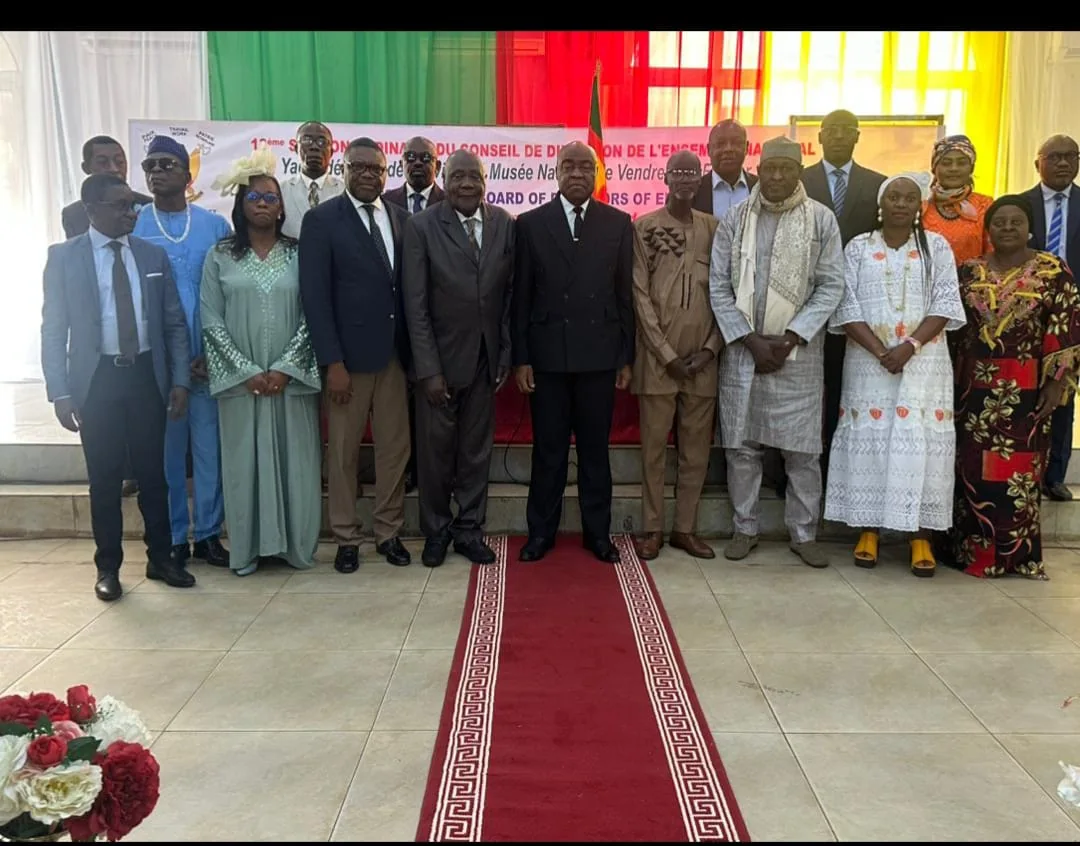
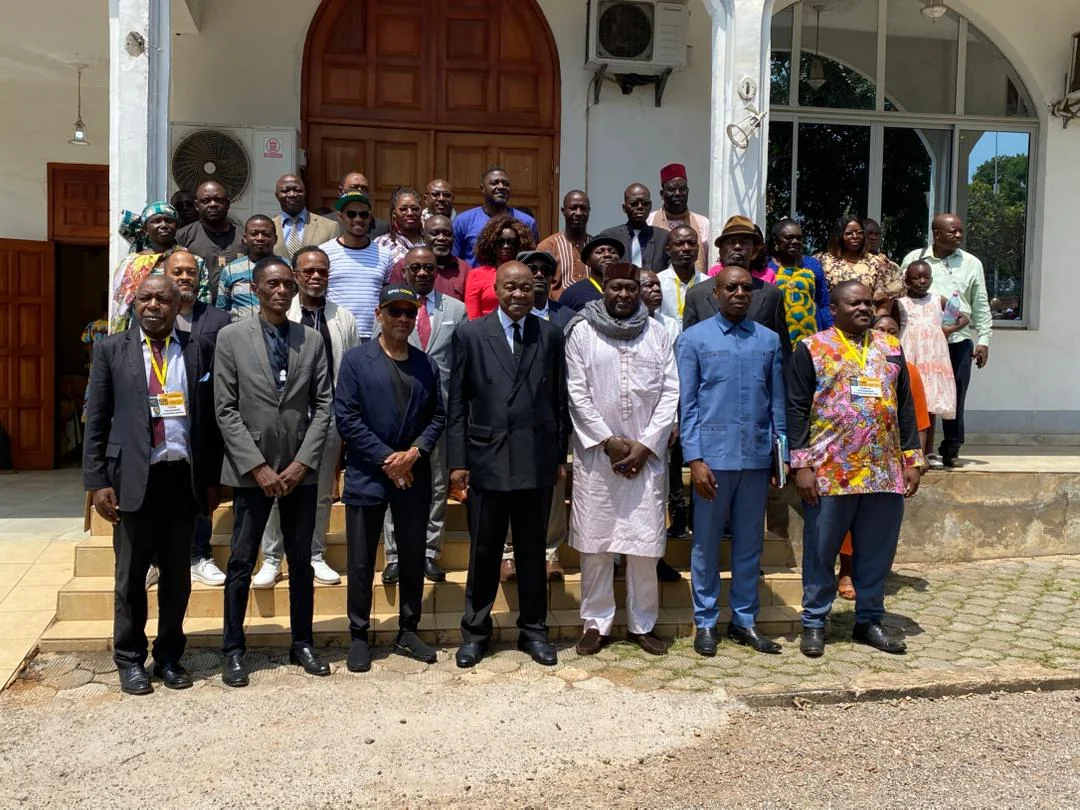
A group of men and women in varied outfits poses on the steps in front of a building entrance.

A cultural year puts a partner country in the spotlight for a set period: exhibitions, concerts, artist residencies, symposia, screenings and professional meetings follow one another in several regions of Cameroon and, in mirror fashion, Cameroonian artists are presented in the partner country. The idea is simple: to bring two cultural scenes together over time rather than for a single event.

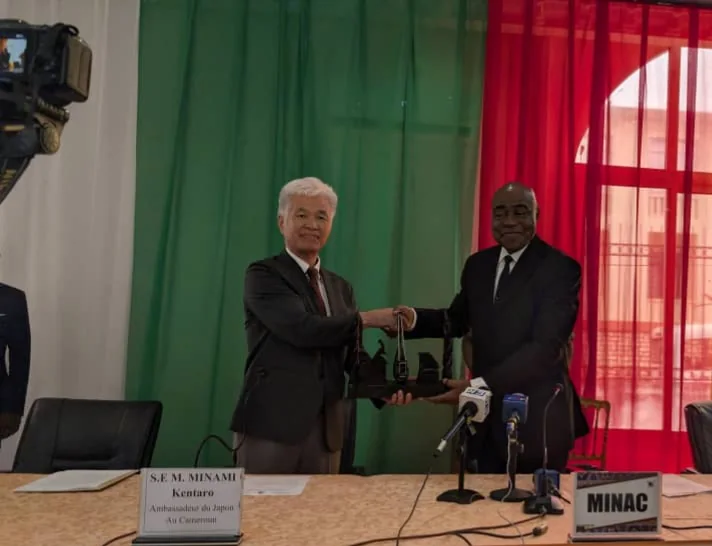
The Ministry of Arts and Culture sees these years as an extension of its bilateral cooperation and its cultural agreements. The audiences granted in 2026 to the ambassadors of Morocco, Japan and Equatorial Guinea underlined the value of such closer ties, which the Minister pledged to support by making his services available.

  • A programme spread over twelve months and across several regions
  • A guest country chosen by cooperation agreement
  • A public review and open archives
View the programme
Programme

The programme of a cultural year

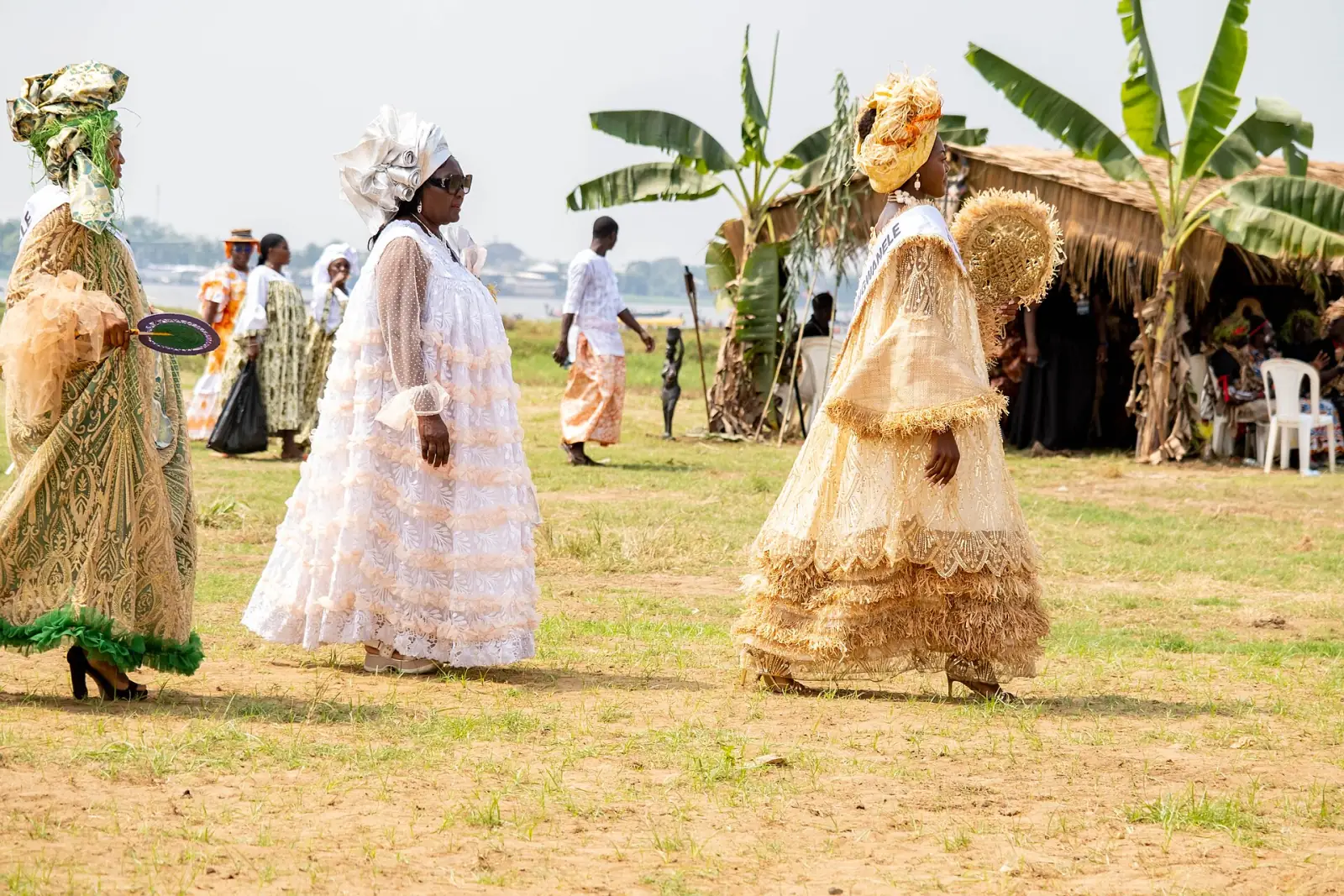
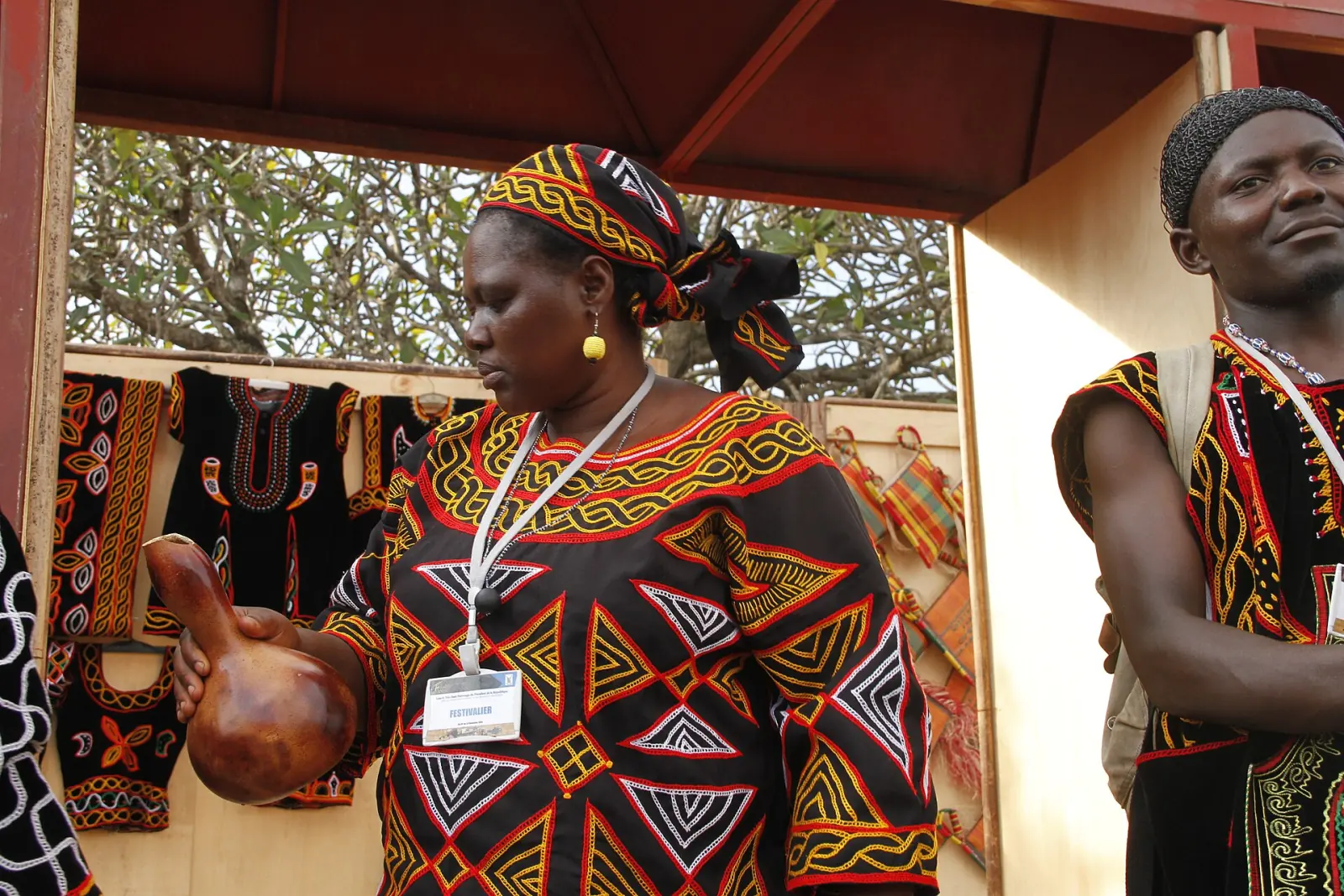
Women in raffia and white fabric dresses near thatched shelters at the Ngondo festival

The programme of a cultural year is never a mere list of shows. It is built with the partner country, the Ministry’s central directorates and the regional delegations, around a common thread that gives the whole its coherence: the river, music, the memory of trade routes, architecture or languages.

Five complementary strands

  • Stage and music: cross concerts, joint creations, tours of chiefdoms and cultural centres;
  • Visual arts and crafts: exhibitions at the National Museum and in galleries, workshops by guest craftspeople;
  • Books and cinema: screening cycles, book fairs, translations of authors;
  • Heritage: symposia, exchanges of restorers, visits to sites and archives;
  • Youth and training: residencies, internships, scholarships and workshops in art schools.

A clear calendar

The calendar is spread across the year so as not to concentrate highlights in a single city. It builds on existing events — the national festivals calendar, heritage days, Music Day — so that the cultural year becomes part of the country’s cultural life rather than being superimposed on it. Each event is announced in the cultural calendar.

ℹ️
For operators

A company, museum or festival wishing to join the programme of a cultural year may make itself known to the Minister’s Office; proposals are examined on the basis of their artistic quality and regional balance.

Guest countries

How a guest country is chosen

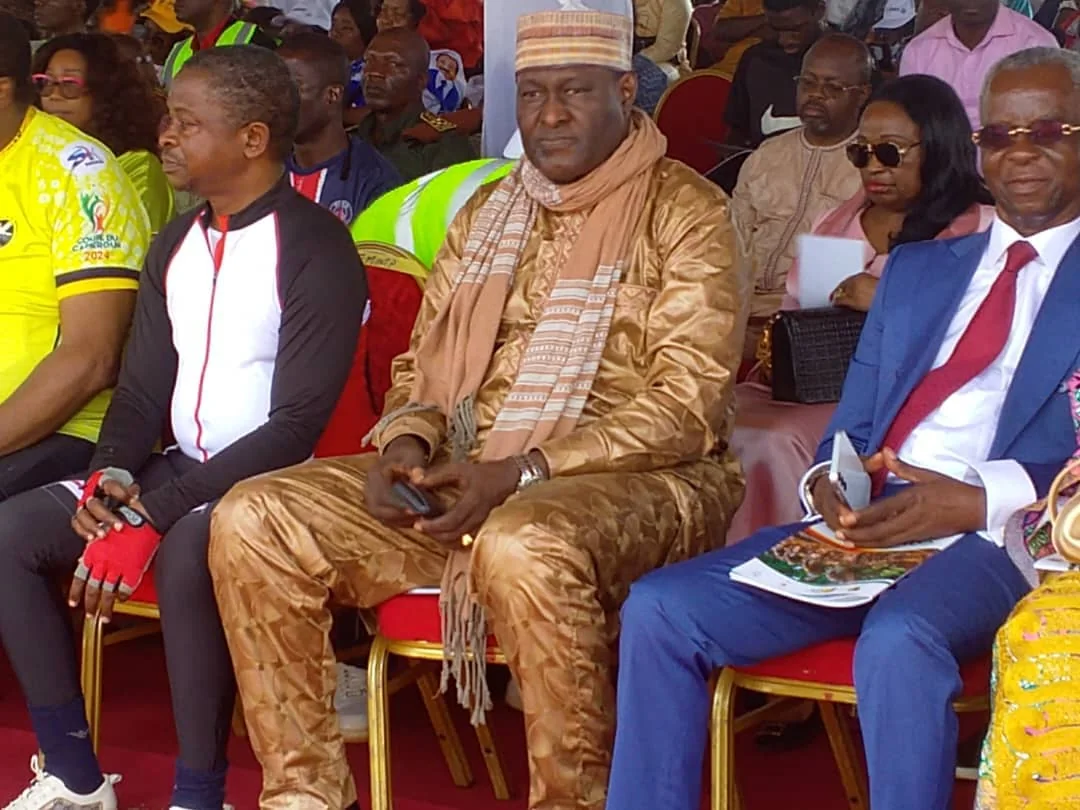
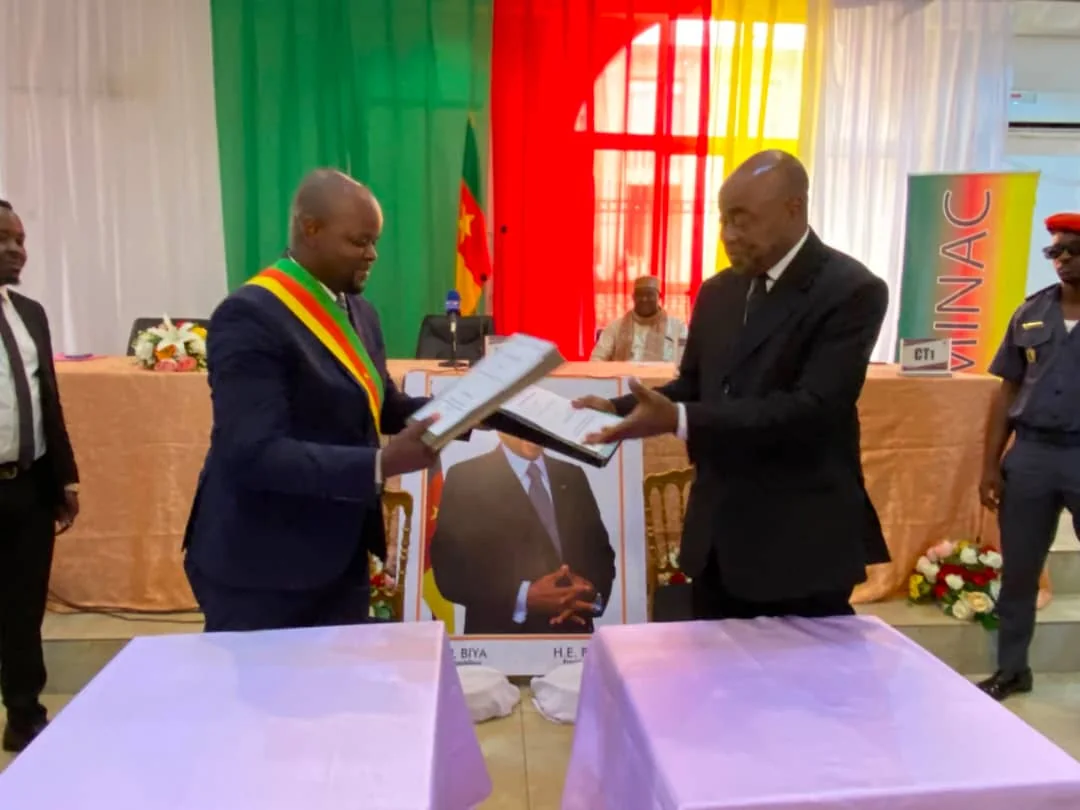
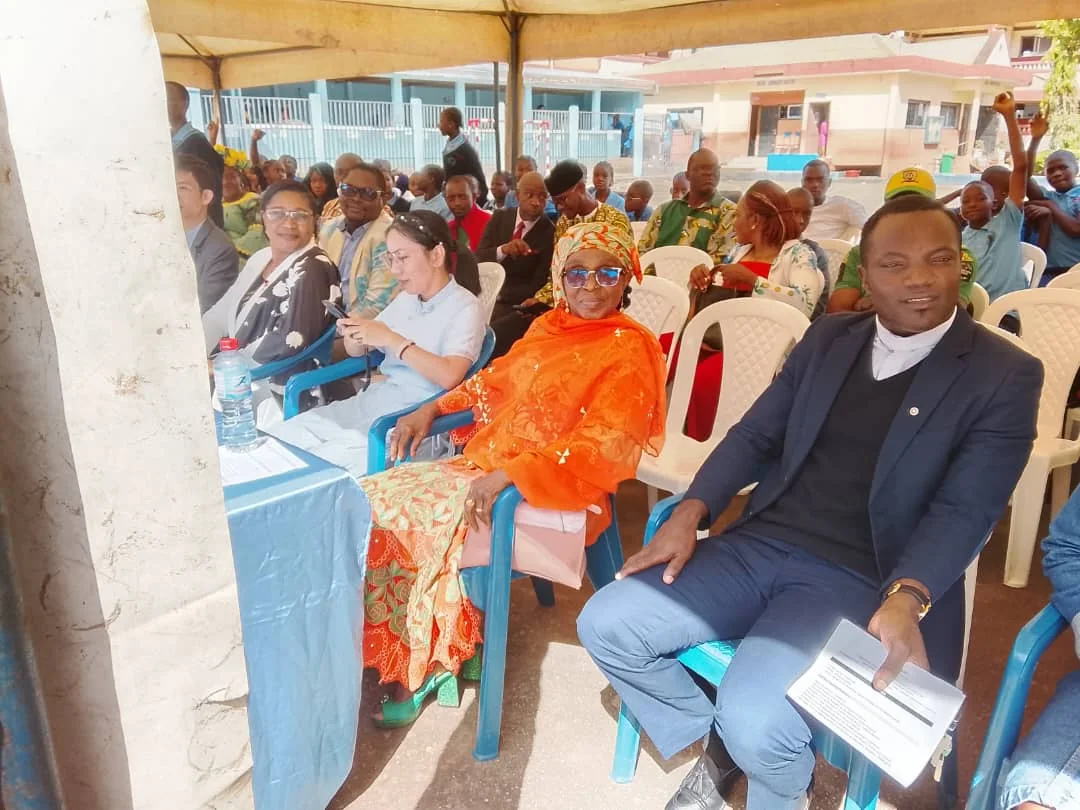
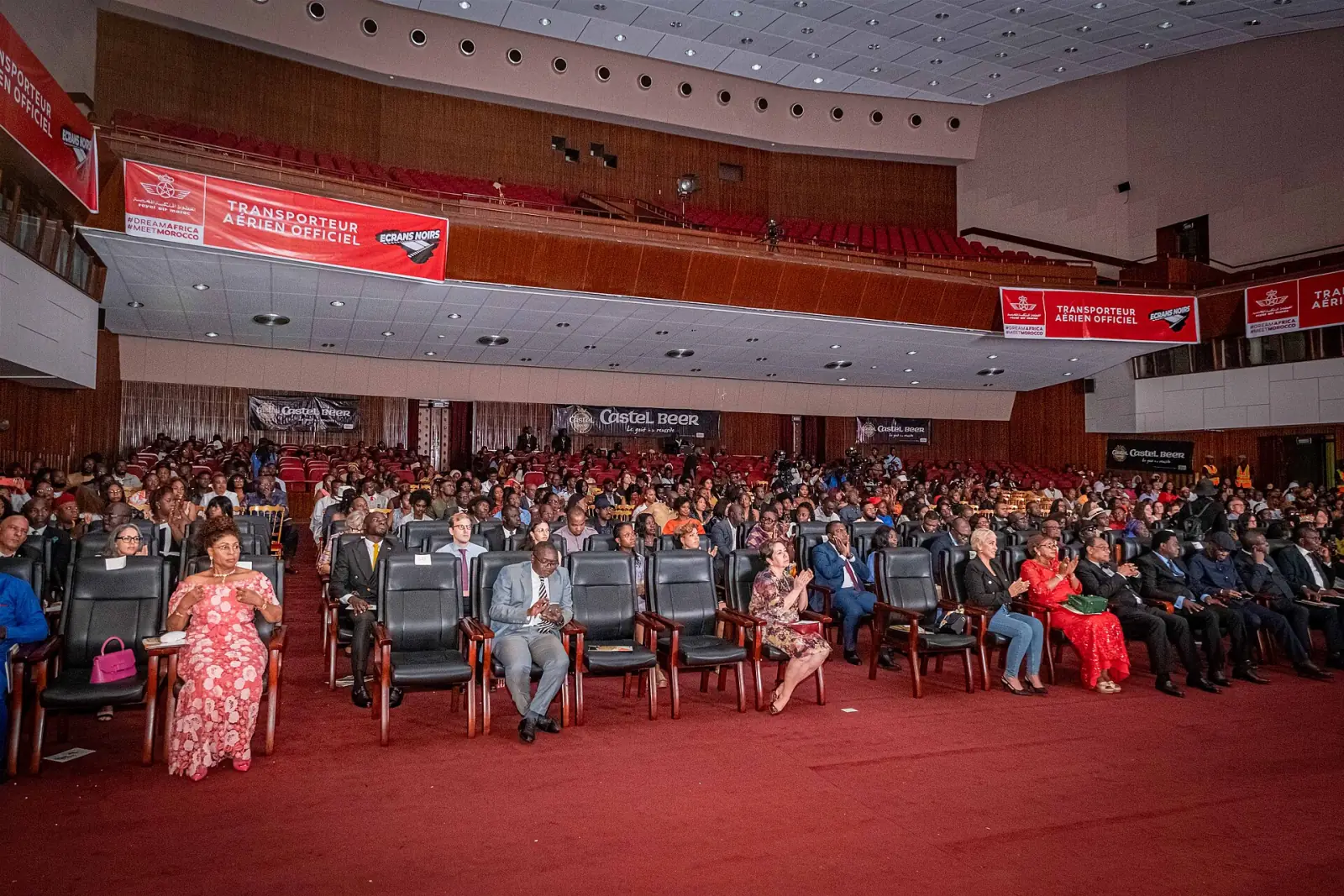
Guests and officials seated during an official ceremony

The choice of guest country is neither a draw nor a mere diplomatic opportunity. It results from a dialogue between the Ministry of Arts and Culture, the Ministry of External Relations and the diplomatic missions concerned. The audiences granted in 2026 to the ambassadors of Morocco, Japan and Equatorial Guinea were part of this ongoing dialogue: each helped identify areas of cultural cooperation and reaffirm the commitment to support projects bringing peoples closer together.

The criteria applied

  • the existence of an already established cooperation framework, notably through a cultural agreement;
  • reciprocity: Cameroon must be able to present its artists in the partner country;
  • complementarity of expertise, in intangible heritage, performing arts, digital technology or archives;
  • the capacity of each party to fund its share and mobilise its operators.

The role of embassies

Embassies and their cultural attachés are the first relays: they present the institutions, guide artists and facilitate visas and the transport of works. Regional organisations — the Francophonie, the African Union, the Commonwealth — can also support collective formats. No cultural year is announced until it has been the subject of an official decision.

ℹ️
A rule of transparency

The name of the guest country, the dates and the general content of the year are published together, in the Ministry’s press releases, once the decision has been taken.

Review

The review of a cultural year

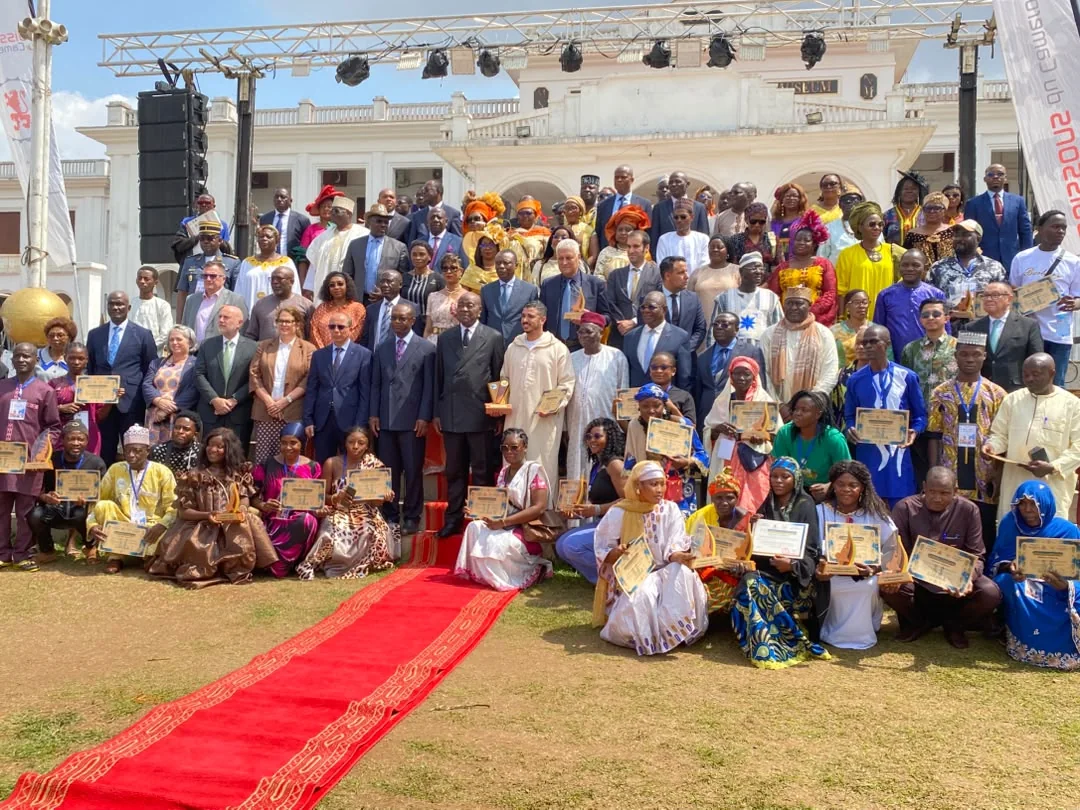
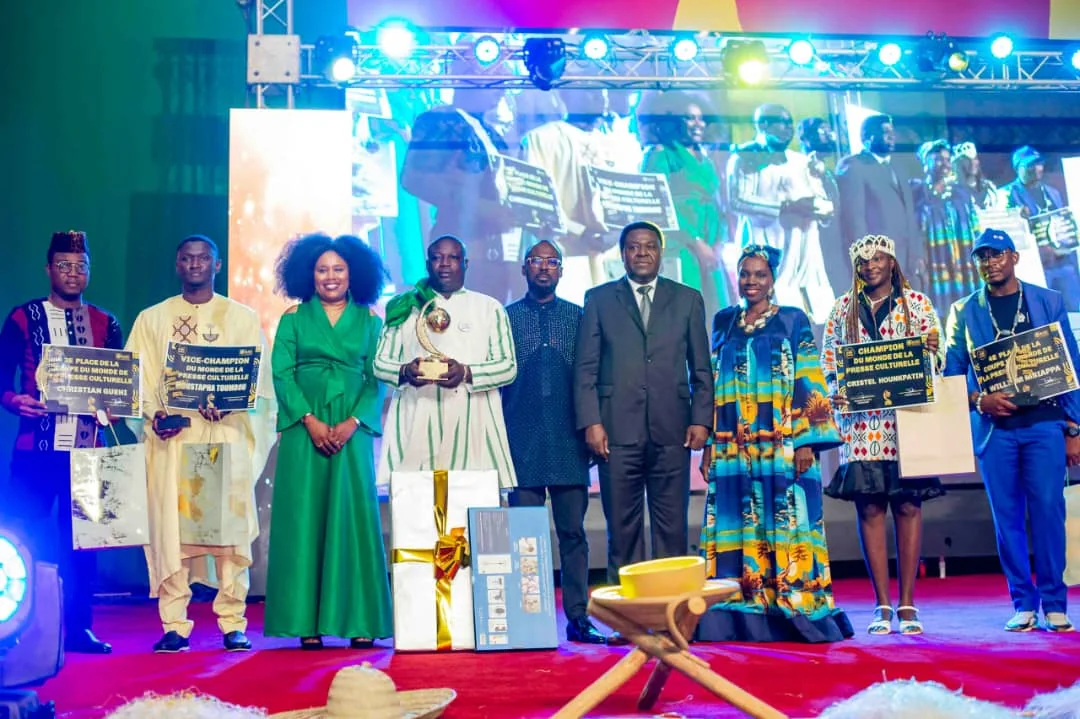
Award winners gathered on the lawn during a national ceremony

A review is drawn up at the end of each cultural year. It is not limited to counting spectators: it aims to measure what the year has left lastingly for the Cameroonian cultural sector — professional networks, works, skills and working habits with the partner.

What the review measures

  • attendance and the geographical distribution of events;
  • the number of artists, technicians and young professionals involved;
  • the creations, co-productions and publications born of the year;
  • the partnerships extended beyond the official period;
  • the use of funding, reported in the Ministry’s budget reports.

An evaluation in three stages

The evaluation takes place in three stages: a mid-term progress review with the partner country, a final report drawn up by the steering committee and, one year later, a follow-up survey of operators. The lessons feed into the sector strategy and the work of the culture observatory, as well as the sector statistics.

The summary of the review is made public, with the key figures, successes and difficulties encountered, so that the next edition benefits from the experience of the previous one.

Archives

The archives of cultural years

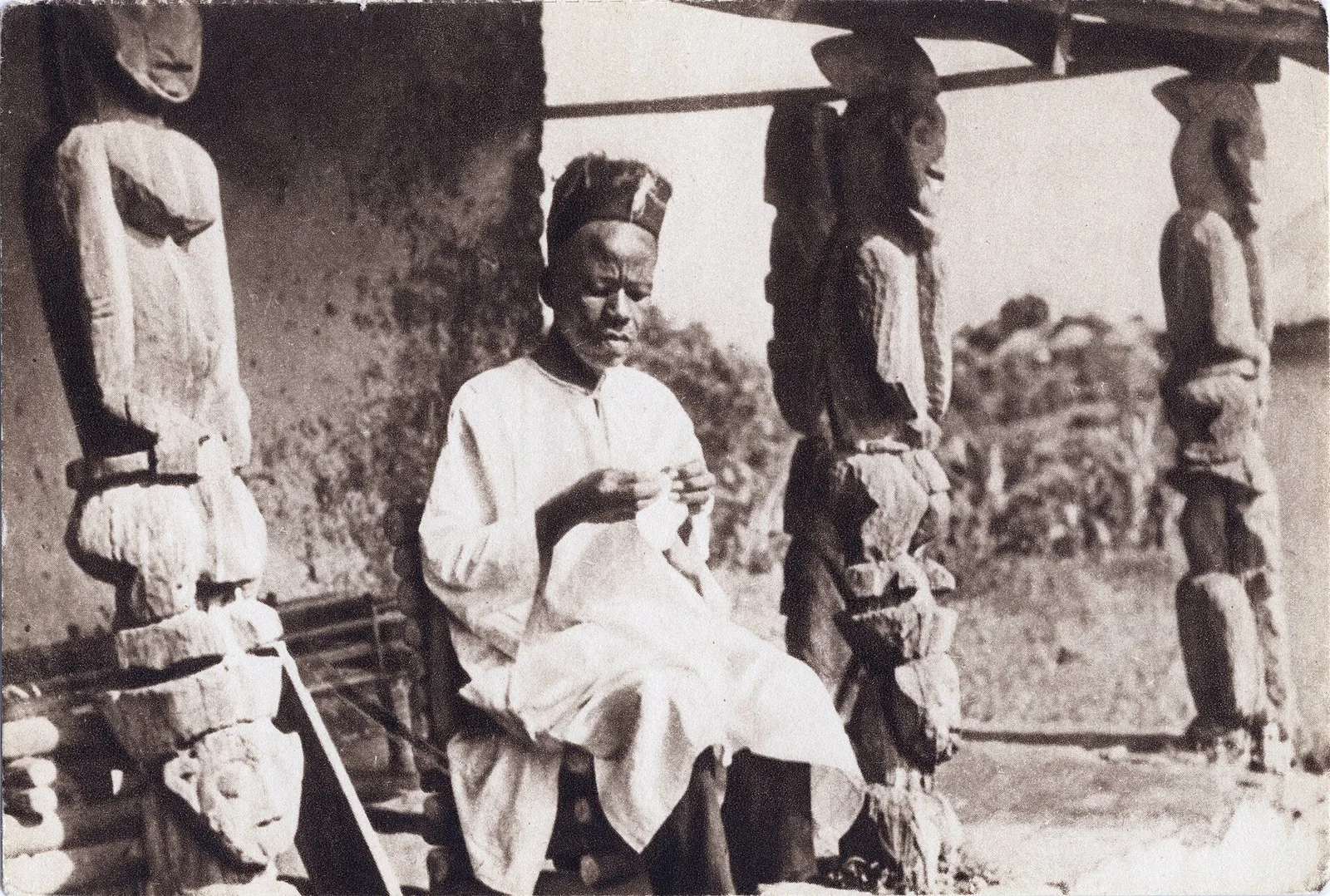
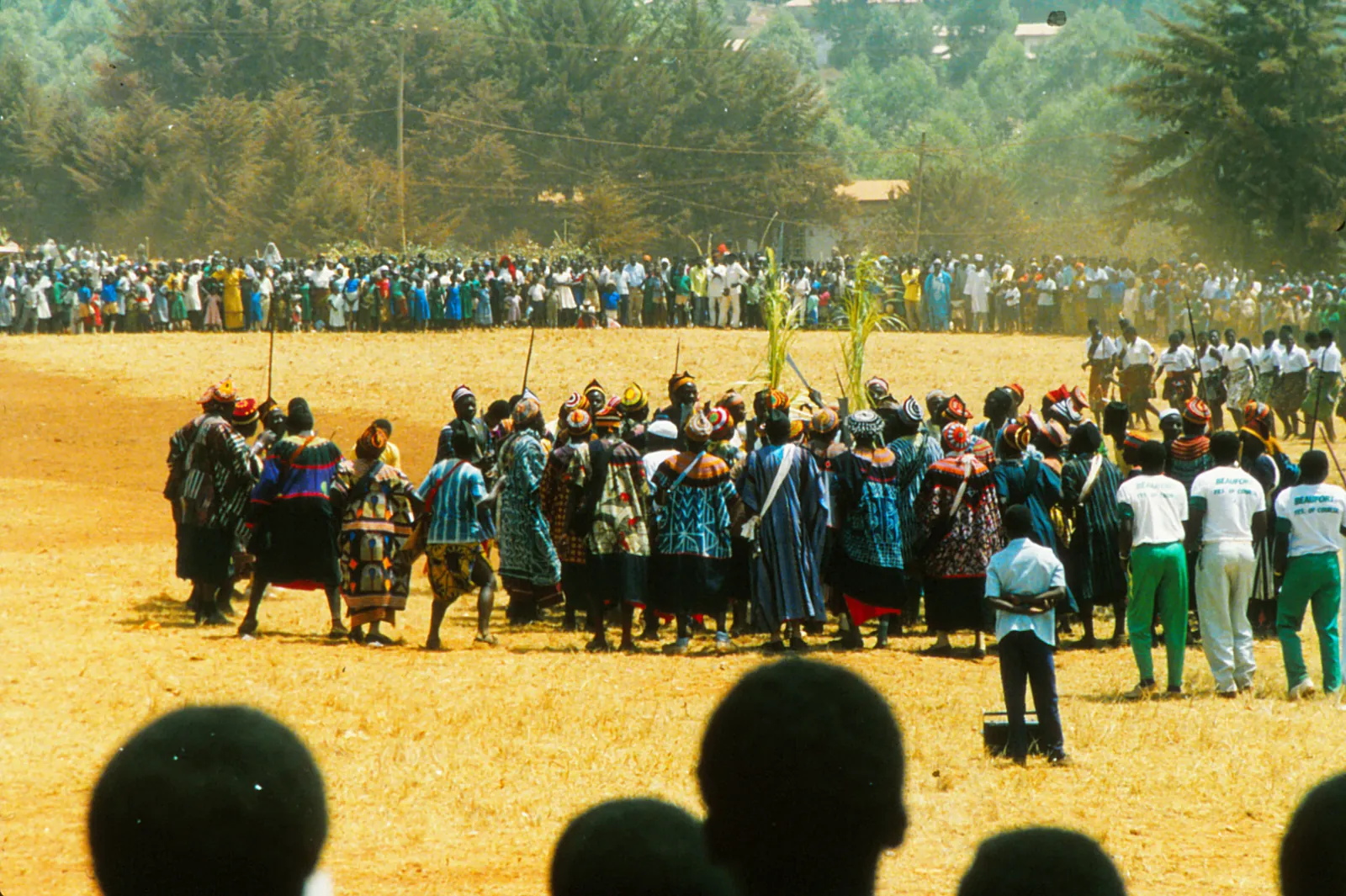
Bamoun craftsman carving in front of his works, old photograph

A cultural year produces a mass of documents: programmes, posters, catalogues, recordings of performances, interview recordings, photographs, correspondence and agreements. Preserving them is a duty of memory as much as a working tool for future cooperation.

What is preserved

  • publications and catalogues, deposited with the Ministry’s archives;
  • photographs in the photo library and films in the video library;
  • symposium proceedings and interviews with artists;
  • agreement and follow-up files, in compliance with administrative confidentiality.

Supervised consultation

Researchers, journalists and students may consult public documents on request. Protected works and images remain subject to the legal framework of copyright: any reproduction requires the consent of the rights holders, and the applicable licences are described in the licences section.

The archive digitisation project undertaken by the Ministry will eventually make it possible to consult part of this collection remotely, and the future construction of the National Archives will provide conservation conditions suited to the longevity and security of the holdings.

Governance

Who steers a cultural year

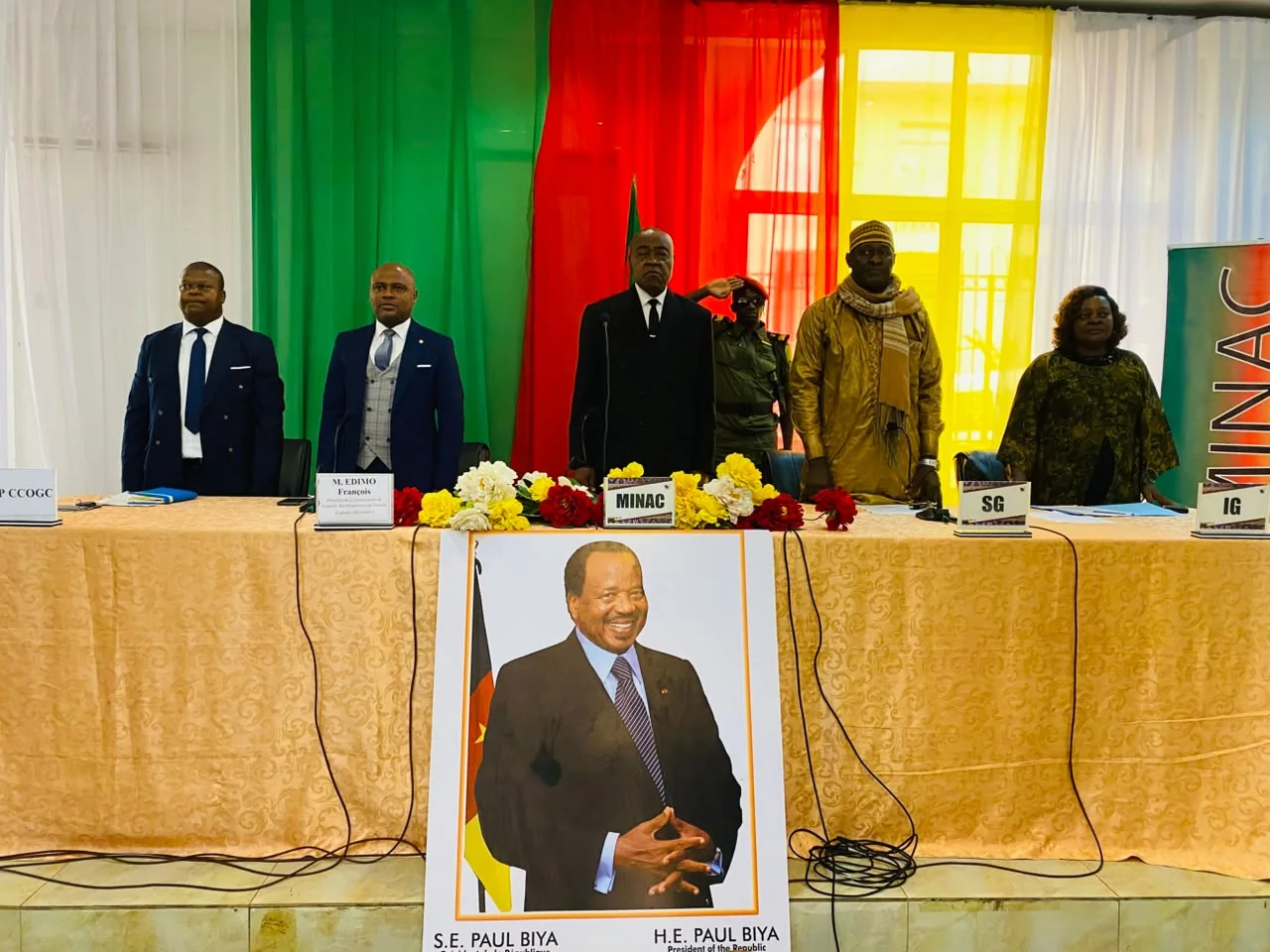
Opening session with the portrait of the Head of State in front of the panel table

A cultural year rests on lean governance. A steering committee brings together representatives of the Minister’s Office, the General Secretariat, the directorates concerned and, on the partner side, the embassy and its cultural services. It validates the common thread, the calendar and the budget, and meets four times a year. A technical secretariat, housed in the Minister’s Office (Cabinet) and the General Secretariat, handles day-to-day coordination, liaison with institutions under supervision and communication with the press via the press area.

Step by step

From idea to opening of the year

Diplomatic exchange

An audience or meeting with the embassy expresses the shared interest in cultural rapprochement and sets the main areas to be explored.

Official framing

The Ministry consults External Relations, checks the existing legal framework and proposes the decision to organise the year.

Setting up the committee

Representatives of both parties are appointed, the common thread selected and the general calendar fixed.

Call to operators

Companies, museums, publishers and festivals are invited to propose projects; a commission selects them and distributes them among the regions.

Implementation

Events take place, with quarterly monitoring, regular communication and progress reviews with the partner.

Closing and review

A public closing event is organised, the final report drawn up and the archives deposited.

Key facts

A cultural year at a glance

ComponentExamples of actionsPreferred venuesExpected outcome
StageCross concerts, joint creations, toursCultural centres, halls, chiefdomsCo-productions and new tours
Visual artsExhibitions, workshops by guest craftspeopleNational Museum, galleries, art schoolsArtist networks and sales of works
Books and cinemaFairs, translations, screening cyclesLibraries, cinemas, universitiesTranslations and distribution agreements
HeritageSymposia, exchanges of restorers, site visitsListed sites, museums, archivesShared expertise and inventories
YouthResidencies, internships, scholarshipsTraining institutions, delegationsYoung professionals trained
Exchange of ideasProfessional meetings, round tablesUniversities, cultural centresCultural policy recommendations
Journey

From first contact to the memory of the year

AudienceMeeting at the Minister’s Office

The Minister receives the ambassador and assures him that the services are available to support cultural rapprochement projects.

FramingCooperation framework

The Ministry checks the existing cultural agreement and, where necessary, proposes its updating with External Relations.

DesignCommon thread and budget

The steering committee sets the theme, the calendar and the sharing of costs between the two countries.

ProductionTwelve months of events

The selected operators present their projects in the regions, with quarterly monitoring.

ReviewEvaluation and archiving

The final report is made public and the documents are deposited in the archives and the photo library.

To explore

Cultural years and their relays

“A cultural year is one country inviting itself into another’s home, sharing its table and leaving, on departing, joint projects.”

The Minister’s Office (Cabinet)
They took part

Perspectives on cross exchanges

“
Welcoming foreign artists into our hall has changed the way we programme: we now work with three partner companies all year round.
A hall director
Douala
“
The cross residency allowed us to compare our dyeing techniques with those of a guest workshop, and to adopt two of them for our collections.
A dyer-craftsman
Bamenda
“
The symposium on archives put us in touch with restorers who trained our team in paper conservation.
An archivist
Yaoundé
“
Seeing our pupils play with musicians from abroad made the whole class want to carry on with music.
An arts education teacher
Garoua
To act

Get involved in a cultural year

Propose a project

Companies, museums and festivals may submit an action for the year’s programme.

See the calls for projects

Apply for a grant

A grant file can support the Cameroonian share of a project.

Submit a file

Obtain an authorisation

Any public event requires a show or festival authorisation.

Show authorisation

Get noticed

Register in the directory so that foreign partners find your work.

Artists’ directory
To download

The cultural year tools

Glossary

The vocabulary of cultural years

Cross year

A format in which two countries present their cultures to each other during the same period.

Guest country

A partner State honoured by the year’s programme.

Steering committee

The body that validates the theme, calendar and budget of the year.

Common thread

The theme that links all the events of a year.

Reciprocity

The principle whereby each country presents its artists in the other.

Co-production

A creation jointly financed and carried out by operators from two countries.

Cultural attaché

A diplomat in charge of his or her country’s cultural relations with the host country.

Cross residency

A stay by artists in the partner country to create or train there.

Review

A document made public at the close, which measures the year’s results.

Convention

A text setting out the commitments, calendar and funding of a joint action.

On the site

Continue reading

Resources

Useful links for a cultural year

Stakeholders

Who carries cultural years?

Questions

Your questions about cultural years

Is a cultural year planned soon?

No cultural year is announced without an official decision. The 2026 audiences with several ambassadors opened up possibilities; if a year is decided, the country, dates and programme are published together in press releases and the cultural calendar.

How can an artist take part?

Watch for calls for projects and register in the artists’ directory. A commission selects proposals on the basis of their quality, feasibility and balance between regions. Each selected artist signs an agreement specifying their commitments and remuneration.

Who funds a cultural year?

Funding is shared between Cameroon and the partner country, supplemented by patrons and international organisations. The budget is validated by the steering committee and its execution appears in the Ministry’s reports, with no amount published on this page.

Are the events free?

Most public events are free to attend or moderately priced, depending on the venue. Ticketing conditions are shown for each event in the calendar; schools and associations may request group tickets.

Can a regional company be chosen?

Yes. Regional balance is a selection criterion: the year must take place in several regions, not only in the capitals. Contact your regional delegation to submit your project and obtain help with the file.

How can I consult the archives of a past year?

Send a written request to the Ministry specifying your research. Public documents are provided on site or by copy; protected images and works require the consent of the rights holders.

Do cultural years involve heritage?

Yes, a strand is devoted to it: symposia, exchanges of restorers, promotion of sites and archives. It draws on the national inventory and the programmes for safeguarding tangible and intangible heritage.

Whom should I write to in order to propose a cultural partnership?

Write to the Minister’s Office, copying the directorate concerned, presenting the country or organisation, the areas targeted and the desired schedule. A reply indicates the contact person and the action taken.

Contact

Write about a cultural year

State the country or body concerned, the nature of your project and the region: your message is forwarded to the competent service.

Minister’s Office

Contact cultural years follow-up

Address

Minister’s Office (Cabinet) – Cooperation
Ministry of Arts and Culture
Quartier du Lac – Ministerial Zone
P.O. Box 1053 Yaoundé, Centre Region, Cameroon

Reach us

+237 6 51 70 58 41

contact@minac.gov.cm

Opening hours

Monday to Friday, 8 am to 4 pm

Discover the cultural agreements

Agreements signed with partner countries set the framework for every cultural year.

Cultural agreements
WhatsApp