Coat of arms of CameroonMinistry of Arts
and Culture
Republic of Cameroon
My procedures
Home
Minister’s message
News
Press releases
Cultural calendar
Official speeches
Press review
Photo library
Video library
Calls for projects
Job vacancies
Public procurement
Newsletter
Frequently asked questions
Site map
Contact
Press area
Podcast “The Voice of Culture”
Legal notices
Privacy policy
Cookies and trackers
The Ministry
Missions and responsibilities
Organisation
Organisation chart
Minister’s Office (Cabinet)
Management team
General Secretariat
General Inspectorate
Central directorates
Regional Delegations
Institutions under supervision
Legislative texts
Regulatory texts
Sector strategy
Major projects
Budget and reports
Partners
Careers
Archives
Institutional communication
Quality and accessibility
Arts
Visual and plastic arts
Visual arts
Performing arts
Theatre
Dance
Music
Literature and books
Cinema and audiovisual
Photography
Fashion and design
Digital arts
Art crafts
Artists’ directory
Residencies
Prizes and awards
Arts education
Urban arts
Heritage
Tangible heritage
Intangible heritage
UNESCO sites
National museums
Listed monuments
National inventory
Palaces and chiefdoms
Archaeology
Linguistic heritage
Oral traditions
Traditional know-how
Restitution of cultural property
Fight against illicit trafficking
Listing and protection
Conservation and restoration
Heritage Days
Cultural landscapes
Industries
Music and recording
Cinema
Publishing and books
Digital arts
Fashion and creativity
Crafts
Cultural tourism
Funding for culture
Support funds
Incubators
Cultural entrepreneurship
Culture Observatory
Vocational training
Studies and reports
Sector statistics
Export and outreach
Intellectual property
Copyright
Legal framework
Copyright and neighbouring rights
Collective management societies
Register a work
Licences
Private copying
Fight against piracy
Model contracts
Social status of artists
Mediation
Disputes
Training
Fee scales
Register of works
Contact
Digital neighbouring rights
Public domain
Festivals
National calendar
Ngondo
Nguon
Écrans Noirs
Heritage Days
Music Day
Regional festivals
Fairs and exhibitions
Biennials
National competitions
Cultural days
Organise a festival
Event grants
Ticketing
Archives
Volunteering
Diaspora festivals
Regions
Adamawa
Centre
East
Far North
Littoral
North
North-West
West
South
South-West
Cultural map
Regional Delegations
Traditional chiefdoms
National languages
Cultural routes
Decentralised cooperation
Regional observatory
Cooperation
UNESCO
Francophonie (OIF)
African Union
Commonwealth
CEMAC
Bilateral cooperation
Cultural agreements
Professional organisations
Scholarships
Artist exchanges
Cultural years
Diaspora
Funded projects
Embassies
Technical partners
International restitution
International monitoring and calls
Services
Artist card
Show authorisation
Filming authorisation
Festival authorisation
Deposit of a work
Export of works of art
Listing of a property
Grant application
Association accreditation
File tracking
Forms
Fees
Opening hours and addresses
Reporting
Online help
My account
One-Stop Shop
Copyright

Fee scales

Resale right, public domain fee, private copying: the public rates, the calculation method with worked examples and the fees by field of creation.

Updated on 6 November 20264 sub-pages
Resale right5% of the resale price
Public domain50% of the amount due
Private copying of printed works5% of the price of the devices
Claim after a sale30 days
Fees

Known and public rates for creators and users

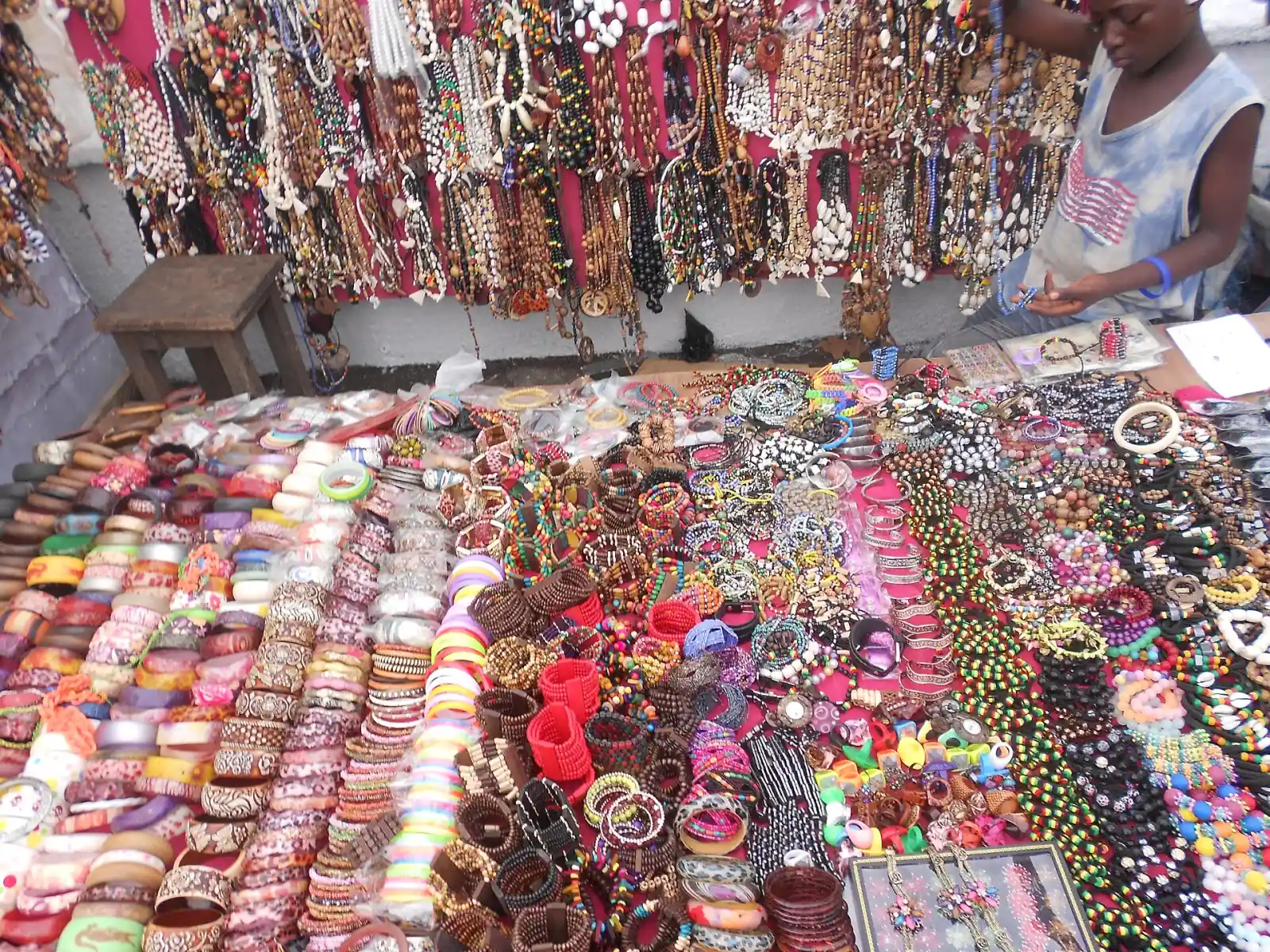
Stall of multicoloured bracelets and bead necklaces at a craft market

How much does it cost to exploit a work? How much does a visual artist receive when their painting is resold? What must someone pay who reuses a work that has fallen into the public domain? Three rates are set by the implementing texts of Law No. 2000/011 of 19 December 2000: the resale right at 5% of the resale price, the public domain fee at 50% of the amount that was due when the work was protected, and the remuneration for private copying of printed works at 5% of the sale price of reproduction devices.

This page explains these rates, shows how to read a scale, details the calculation using worked examples and presents the fees by field of creation. Other tariffs are governed by orders, contracts or the scales specific to the collective management societies.

  • Resale right, public domain, private copying
  • Step-by-step calculation cases, with no complicated formula
  • Fees by field of creation
Consult the rates
Rate

Public rates: resale right, public domain, private copying

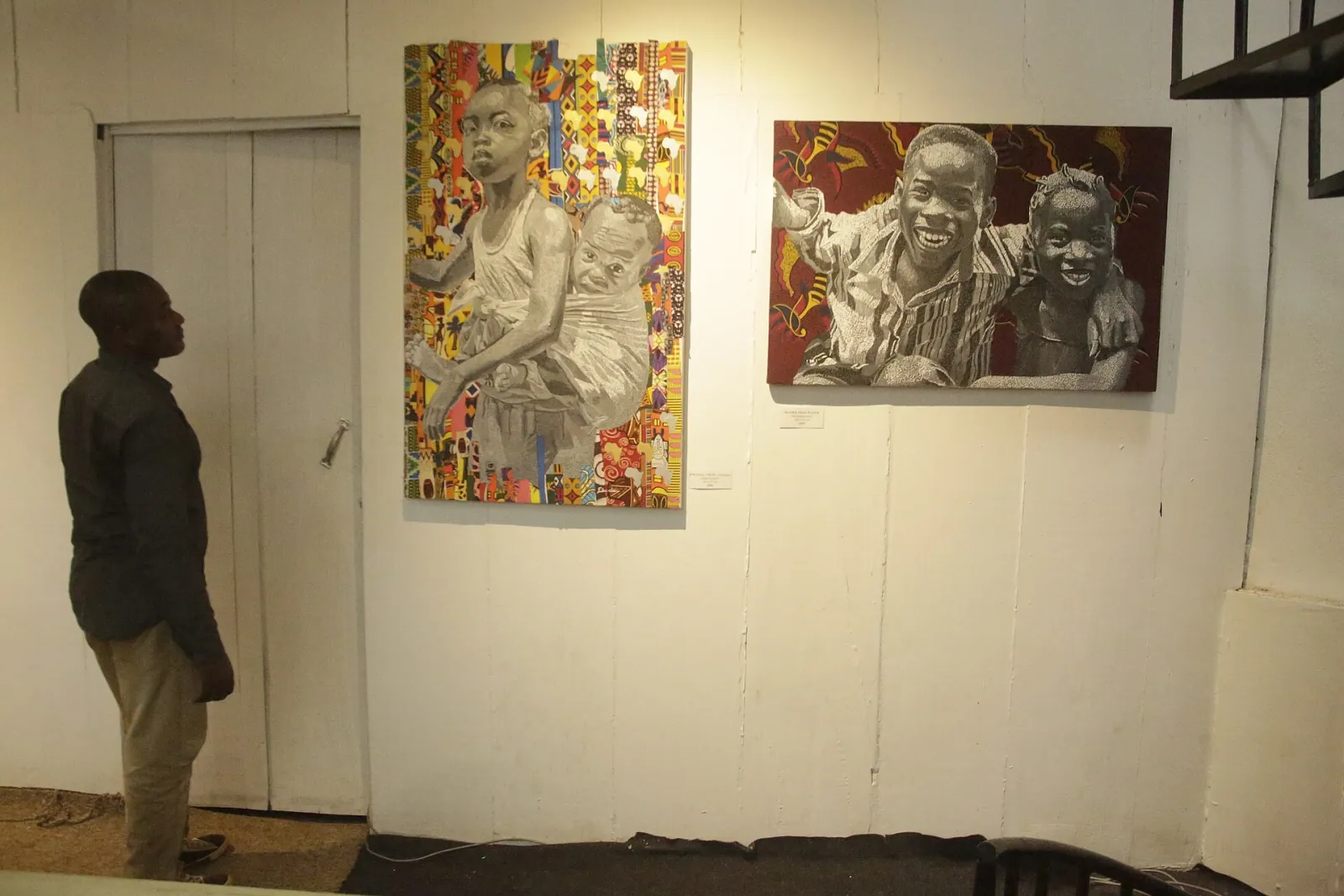
Visitor looking at colourful paintings hung in an exhibition room

The three figures set by decree correspond to different situations. Confusing them is the most common mistake; each has its own beneficiary, its own debtor and its own payment circuit.

Resale right: 5% of the resale price

The resale right allows the author of a graphic or plastic work, or of a manuscript, to share in the proceeds of each sale of the original made at public auction or through a dealer, even if they assigned the work long ago. It is an inalienable right: it cannot be waived by contract. The rate is set at 5% of the resale price, without any basic deduction. The sum is deducted and paid to the author or their successors in title by the dealer or the public or ministerial officer who took part in the sale.
Public domain: 50% of the amount due

When the protection of a work has expired, it may be freely exploited under three conditions: respecting moral rights, sending a prior declaration to the Minister in charge of culture and paying a fee. The fee is 50% of the amount that was due when the work was protected. The proceeds are paid in full into the account supporting cultural policy; for practical conditions, see the public domain page.

Private copying of printed works: 5% of the sale price of devices

The remuneration for private copying of printed works is 5% of the sale price of reproduction devices. It is collected on behalf of authors and publishers by the competent collective management organisation. The mechanism is detailed on the private copying page.

For other tariffs

Licence tariffs, performance or reproduction rights and broadcasting fees do not appear in this list: they are negotiated by contract or fall under the scales of the collective management societies. The One-Stop Shop procedure fees are published on the service tariffs page.

ℹ️
Key points

A rate is always read together with its base: 5% of the resale price, 50% of the amount due, 5% of the sale price of devices. Check what it applies to before calculating.

By area

Fees by field of creation

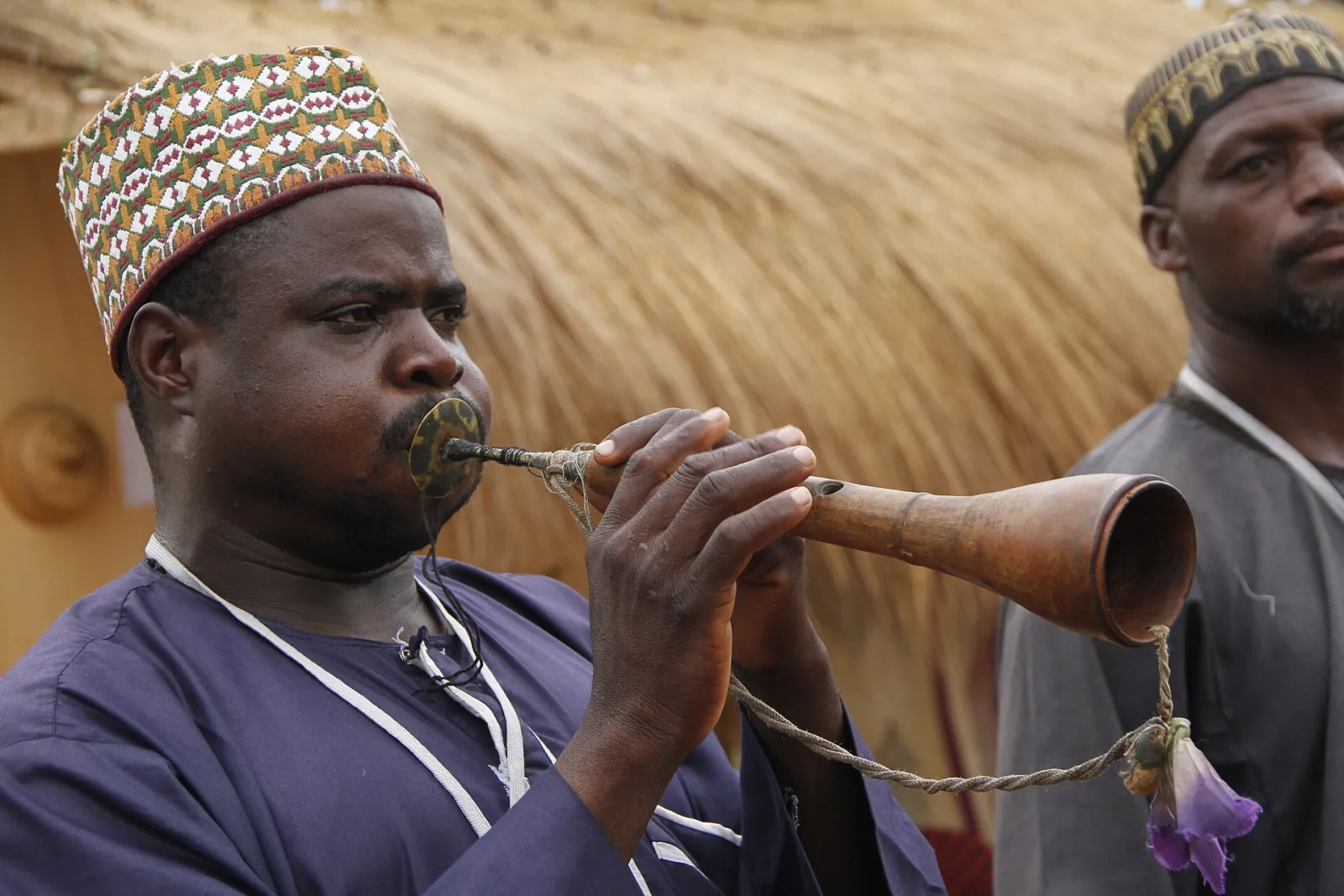
Musician in an embroidered cap playing a long traditional horn

Depending on whether you write, compose, paint, film or organise a show, the fees involved are not the same. Here is an overview, without amounts, of the remuneration mechanisms to know in each field.

Music and live performance

Authors, composers and music publishers are remunerated for the performance and reproduction of their works: concerts, radio, television, venues playing music, blank media. Performers and phonogram producers receive neighbouring rights. These remunerations are collected and distributed by the collective management societies, according to scales they draw up. For private copying of phonograms and videograms, the remuneration is shared equally between authors, performing artists, producers and the fund supporting cultural policy.

Books and press

Authors and publishers of printed works benefit from the rate of 5% of the sale price of reproduction devices. Publishing contracts also set the author’s share on each sale; the model contracts propose remuneration structures.

Visual arts and photography

The 5% resale right applies to the resale of originals of graphic or plastic works and manuscripts. Reproduction licences for works (catalogues, posters, derivative products) are negotiated case by case.

Audiovisual and cinema

Authors of audiovisual works, directors and producers receive remuneration when works are exploited in cinemas, on television and on media. The cinema section presents the framework for this sector.

Digital and public domain

Online distribution is governed by licences; see the digital neighbouring rights. Works in the public domain are subject to the 50% fee.

Method

Calculating a scale: worked examples

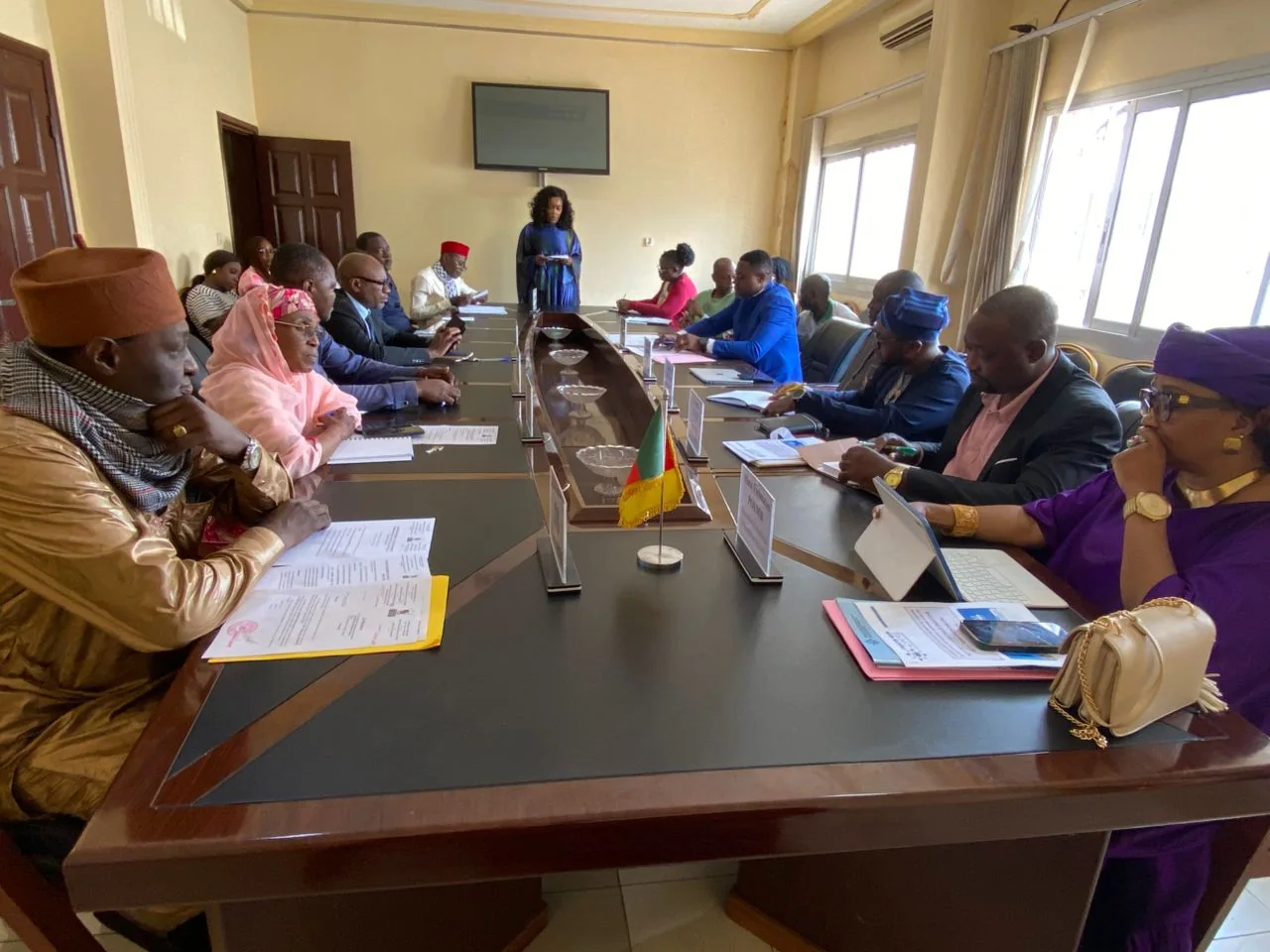
Working meeting around a large table in a Ministry room

Calculating a fee always means answering three questions: what is the base (the sum to which the rate applies)? what is the rate? who deducts and to whom is it paid? Here are four practical cases, whose amounts are given to illustrate the method.

Case 1: the resale of a painting

A painting is resold for 1,000,000 FCFA through a gallery. The resale right is 5% of the resale price, without any deduction: 1,000,000 × 5 / 100 = 50,000 FCFA. This sum is deducted by the gallery and paid to the artist or their successors in title.

Case 2: an auction sale

A sculpture is knocked down for 2,400,000 FCFA. The resale right is 2,400,000 × 5 / 100 = 120,000 FCFA. The public officer conducting the sale must give the artist the name and address of the seller and the amount of the sale price. If, thirty days after the sale, the sum has not been claimed, the dealer is released from all liability towards the beneficiaries of the resale right and pays the seller the sum deducted: the artist therefore has an interest in coming forward quickly.

Case 3: a work in the public domain

A troupe wishes to stage a play whose author died more than half a century ago. If exploitation of this work would have given rise to an amount of 300,000 FCFA when it was protected, the public domain fee is 300,000 × 50 / 100 = 150,000 FCFA, paid into the account supporting cultural policy.

Case 4: a photocopier

A reproduction device is sold for 200,000 FCFA. The remuneration for private copying of printed works is 200,000 × 5 / 100 = 10,000 FCFA.

Checking your calculation

Always set out the operation on three lines: base, rate, result. Keep invoices, slips or sale records: they serve as proof in the event of disagreement and as a basis for mediation.

ℹ️
In doubt about a calculation?

Write to us stating the nature of the work, the base and the rate you think applies: an officer will check it with you.

Texts

The orders that supplement the decrees

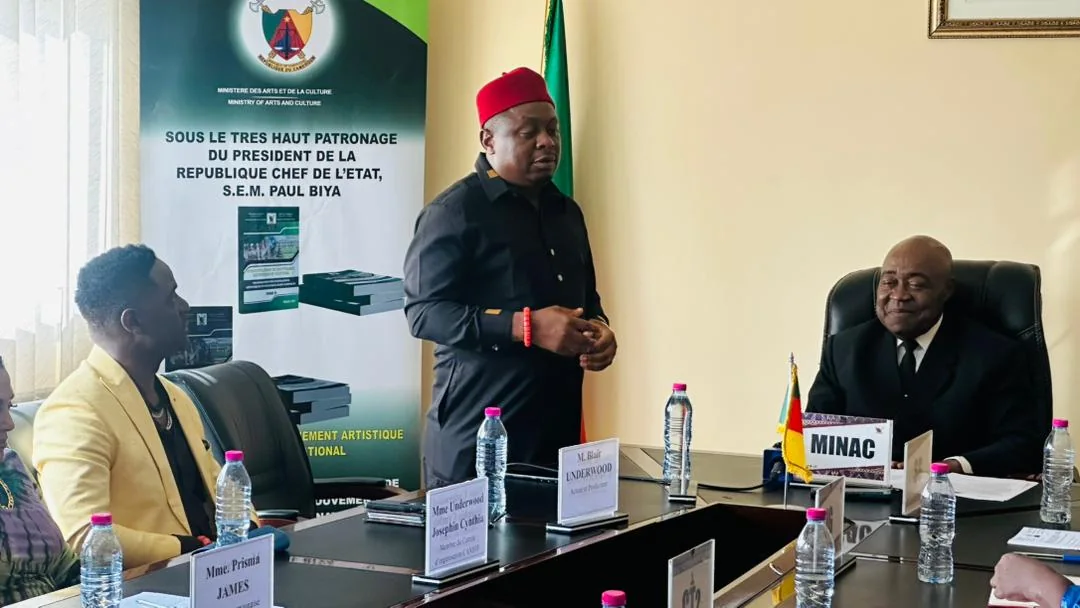
Working meeting in a Ministry office under the high patronage of the Head of State

The implementing decrees set the main rates; orders of the Minister in charge of culture specify certain arrangements and certain amounts. Thus, the remuneration rate applicable to the consumables that enable the reproduction of printed works is set by a specific text of the Minister. The fee scales specific to each category of works may also be specified by order.

How to follow a change

When a text changes a rate or an arrangement, the Ministry informs the collective management societies, professional organisations and the public by a press release. Subscribe to the newsletter to be notified.

The hierarchy of texts

The law lays down the principles, the decree sets the rates and general arrangements, and the order specifies their practical application: forms, frequencies, lists of products concerned. In case of doubt, the higher-ranking text prevails. Professionals who wish to propose an adaptation of a scale may do so through their professional organisation, which forwards the request to the competent directorate.

Play

Knowing how to read a scale without error

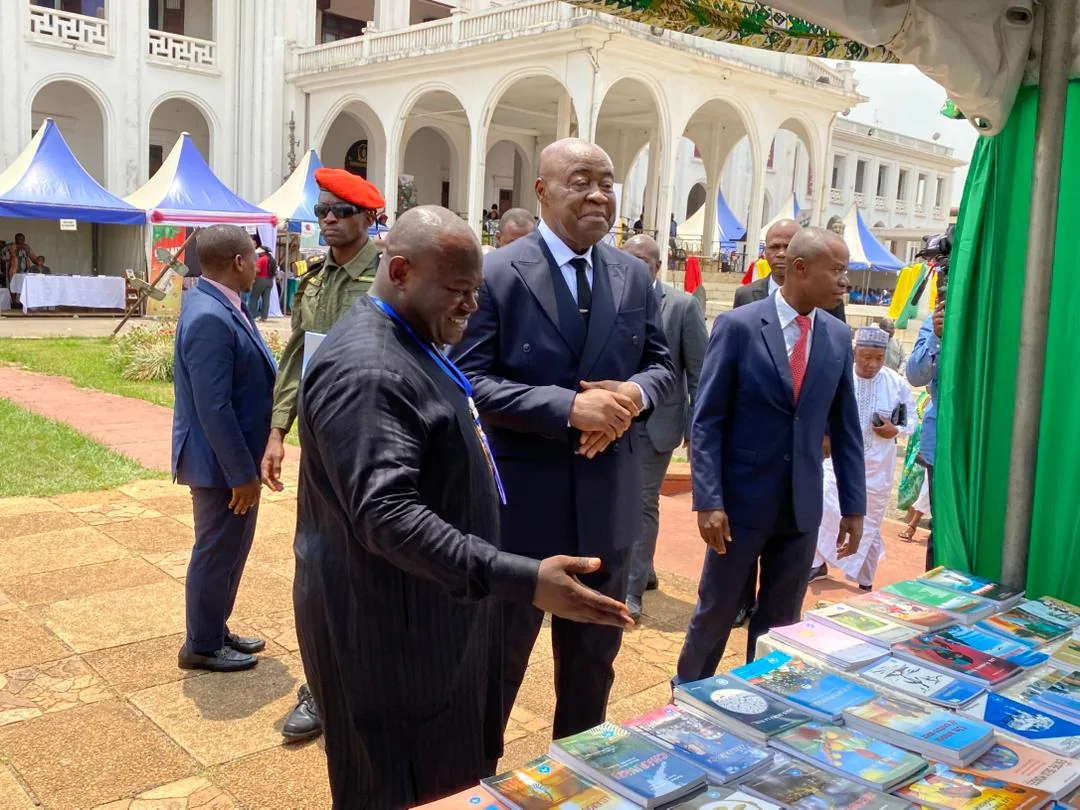
The Minister presenting books displayed on a stand, alongside officials

A scale is a grid that associates a rate or an amount with a situation. To read it correctly, start by identifying the column heading (rate, base, frequency), then the conditions of application (who pays, when), and finally any exceptions. The scales of collective management societies often distinguish the type of user, the size of the venue or the duration of exploitation; contact the society concerned to obtain the up-to-date scale. For art sales, check whether the price is exclusive or inclusive of tax and ask for the detailed sale slip.

Step by step

Calculating a fee in five steps

Identify the work and the use

Specify the nature of the work (painting, book, song, play) and the operation concerned: resale, reproduction, performance, reuse.

Find the applicable text

Link the operation to a decree or an order: resale right, public domain, private copying or a management society’s scale.

Determine the base

Note the resale price, the amount that was due or the sale price of the device, as the case may be, relying on supporting documents.

Apply the rate

Multiply the base by the rate, then divide by one hundred; round in accordance with accounting practice.

Pay and keep proof

Send the sum to the beneficiary or the competent body and keep the proof of payment.

To act

Procedures linked to fees

Declare an exploitation of the public domain

Send the prior declaration to the Ministry before any reuse of a work free of rights.

See the public domain

Join a society

To collect fees for your works, join the body for your category.

Choose a society

Check the service tariffs

The One-Stop Shop procedure fees are published transparently.

View the fees

Ask a question

In doubt about a base or a rate? The message is forwarded to the competent directorate.

Write to us
To explore

Scales on other pages

Feedback

From users of the scales

“
I finally understood how to calculate the resale right: base, rate, result. My gallery now pays me the sum with the sale slip.
A visual artist
Douala
“
Before staging this public domain play, we declared the project and calculated the fee. No unpleasant surprises afterwards.
A troupe director
Yaoundé
“
The table of rates displayed in our bookshop helps us explain private copying to customers who buy a device.
A bookseller
Bafoussam
“
The management society gave me its scale and explained the distribution. I now know what I receive and when.
A composer
Garoua

“The rate of the resale right is set at five per cent of the resale price of the original, without any basic deduction.”

Implementing decree of the copyright law
To download

Fee reference sheets

Key facts

The rates and their rules in a table

LevyRateBaseWho deducts or collects
Resale right5 %Resale price of the original of a graphic or plastic work or a manuscript, without deductionDealer or public officer, for the benefit of the author or their successors in title
Public domain50 %Amount that was due when the work was protectedMinistry, proceeds paid into the account supporting cultural policy
Private copying of printed works5 %Sale price of reproduction devicesCollective management organisation, for authors and publishers
Private copying of phonograms and videogramsSet by regulationBlank mediaCollective management organisation, shared equally between authors, performers, producers and the support fund
Printed reproduction consumablesSet by a specific text of the MinisterConsumables concernedCollective management body
Performance and reproduction rightsSet by contract or by a society’s scaleReceipts or nature of exploitationCollective management society or rights holder
Glossary

The vocabulary of scales

Fee scale

Grid of rates or amounts applicable to specific situations.

Base

Reference sum to which a rate is applied to obtain a fee.

Levy

Sum due in return for an authorised exploitation of a work.

Resale right

Share of the resale price of an original due to the author, whatever the successive assignments.

Public domain

State of a work whose period of protection has expired and which may be reused under conditions.

Private copying

Reproduction for the copier’s personal use, offset by remuneration.

Successors in title

Persons who receive the rights of an author, notably by inheritance or assignment.

Public or ministerial officer

Professional authorised to conduct a public sale or to draw up official instruments.

Order

Act of the Minister that specifies an arrangement for applying a higher-ranking text.

Support account

Special appropriation account that finances cultural policy.

Deduction

Sum withheld from an amount in order to pay it over to a beneficiary.

Sale slip

Document detailing the item sold, the price and the parties to the transaction.

On the site

Continue reading the scales

Resources

Useful links on fees

Stakeholders

Who collects and distributes fees?

Journey

From a sale to the fee: the resale right circuit

SaleResale of the original

A graphic or plastic work is resold at auction or through a dealer; the resale price serves as the base.

CalculationThe 5% rate

The dealer or public officer applies the 5% rate to the resale price, without any basic deduction.

InformationNotification to the beneficiary

The dealer gives the author or their successors in title the name and address of the seller and the sale price.

PaymentPayment to the author

The sum deducted is paid to the author or their successors in title, who may claim it for thirty days after the sale.

ClosingRelease of the dealer

After thirty days without a claim, the dealer is released and pays the seller the sum deducted.

Questions

Your questions on scales

Who pays the resale right?

The resale right is deducted from the sale by the dealer or public officer who took part in the transaction, then paid to the author or their successors in title. The rate is 5% of the resale price of the original, without any basic deduction.

Is the public domain free of charge?

No. Exploiting a work in the public domain requires respecting moral rights, sending a prior declaration to the Minister in charge of culture and paying a fee equal to 50% of the amount that was due when the work was protected.

To whom is the public domain fee paid?

It is paid in full into the special appropriation account supporting cultural policy. This account finances actions in favour of creation, training and dissemination, for the benefit of all artists.

Does the resale right apply to all art objects?

It covers original graphic or plastic works and manuscripts, sold at public auction or through a dealer. It does not cover reproductions or copies of books or albums sold at retail.

What happens if the author does not claim the sum?

If, thirty days after the sale, the sum has not been claimed, the dealer or public officer is released from all liability towards the beneficiaries and pays the seller the sum deducted. It is therefore important to come forward quickly.

Where can I see the orders that set the other amounts?

On the regulatory texts and legislative texts pages of the site. Some rates, such as that for printed reproduction consumables, are set by a specific text of the Minister, published with the other acts in the section.

How do I find out a management society’s scale?

Contact the society for your category of works: it will give you its current scale and explain the base used and the payment frequencies. The Ministry can tell you which society is competent for your activity.

What should I do in the event of a disagreement over an amount?

Gather the documents (slip, contract, invoice), ask for written explanations, then try mediation. For a disagreement between a management organisation and a user of phonograms, the Arbitration Commission may rule definitively.

Contact

Write to the Ministry: Rate schedules

Ask your question about a tariff.

Competent directorate

Contact the fees service

Address

Directorate of Legal Affairs
Ministry of Arts and Culture
Quartier du Lac – Ministerial Zone
P.O. Box 1053 Yaoundé, Centre Region, Cameroon

Reach us

+237 6 51 70 58 41

contact@minac.gov.cm

Opening hours

Monday to Friday, 8 am to 4 pm

A fee to calculate?

Consult the licences or write to the Ministry to check the base and rate applicable to your situation.

See the licences
WhatsApp