Coat of arms of CameroonMinistry of Arts
and Culture
Republic of Cameroon
My procedures
Home
Minister’s message
News
Press releases
Cultural calendar
Official speeches
Press review
Photo library
Video library
Calls for projects
Job vacancies
Public procurement
Newsletter
Frequently asked questions
Site map
Contact
Press area
Podcast “The Voice of Culture”
Legal notices
Privacy policy
Cookies and trackers
The Ministry
Missions and responsibilities
Organisation
Organisation chart
Minister’s Office (Cabinet)
Management team
General Secretariat
General Inspectorate
Central directorates
Regional Delegations
Institutions under supervision
Legislative texts
Regulatory texts
Sector strategy
Major projects
Budget and reports
Partners
Careers
Archives
Institutional communication
Quality and accessibility
Arts
Visual and plastic arts
Visual arts
Performing arts
Theatre
Dance
Music
Literature and books
Cinema and audiovisual
Photography
Fashion and design
Digital arts
Art crafts
Artists’ directory
Residencies
Prizes and awards
Arts education
Urban arts
Heritage
Tangible heritage
Intangible heritage
UNESCO sites
National museums
Listed monuments
National inventory
Palaces and chiefdoms
Archaeology
Linguistic heritage
Oral traditions
Traditional know-how
Restitution of cultural property
Fight against illicit trafficking
Listing and protection
Conservation and restoration
Heritage Days
Cultural landscapes
Industries
Music and recording
Cinema
Publishing and books
Digital arts
Fashion and creativity
Crafts
Cultural tourism
Funding for culture
Support funds
Incubators
Cultural entrepreneurship
Culture Observatory
Vocational training
Studies and reports
Sector statistics
Export and outreach
Intellectual property
Copyright
Legal framework
Copyright and neighbouring rights
Collective management societies
Register a work
Licences
Private copying
Fight against piracy
Model contracts
Social status of artists
Mediation
Disputes
Training
Fee scales
Register of works
Contact
Digital neighbouring rights
Public domain
Festivals
National calendar
Ngondo
Nguon
Écrans Noirs
Heritage Days
Music Day
Regional festivals
Fairs and exhibitions
Biennials
National competitions
Cultural days
Organise a festival
Event grants
Ticketing
Archives
Volunteering
Diaspora festivals
Regions
Adamawa
Centre
East
Far North
Littoral
North
North-West
West
South
South-West
Cultural map
Regional Delegations
Traditional chiefdoms
National languages
Cultural routes
Decentralised cooperation
Regional observatory
Cooperation
UNESCO
Francophonie (OIF)
African Union
Commonwealth
CEMAC
Bilateral cooperation
Cultural agreements
Professional organisations
Scholarships
Artist exchanges
Cultural years
Diaspora
Funded projects
Embassies
Technical partners
International restitution
International monitoring and calls
Services
Artist card
Show authorisation
Filming authorisation
Festival authorisation
Deposit of a work
Export of works of art
Listing of a property
Grant application
Association accreditation
File tracking
Forms
Fees
Opening hours and addresses
Reporting
Online help
My account
One-Stop Shop
Copyright

Private copying

Principle, levy, tariff schedule and distribution: everything about private copying remuneration, collected on blank media and devices, then paid out in equal shares to authors, performers, producers and the support fund.

Updated on 6 November 20264 sub-pages
Rate on devices (printed works)5 %
Categories of beneficiaries (phonograms, videograms)4
Shares between beneficiariesEqual
Management methodCollective
Private copying

Compensating private copying

Singer on stage during a concert

Copying a piece of music onto a phone, recording a programme to watch it again in the evening, duplicating a film onto a disc for a relative: these everyday actions are so widespread that no author could control them one by one. Law No. 2000/011 of 19 December 2000 on copyright and neighbouring rights therefore adopted a balanced solution: copying strictly for personal use is not prohibited, but it is compensated by remuneration.

This remuneration is collected upstream, on blank media and reproduction devices, and then distributed among those who create, perform and produce. This page explains the principle, the levy, the tariff schedule and the distribution, and indicates how creators, importers and consumers are affected.


  • A personal copy that is compensated, never prohibited
  • A levy collected on blank media and devices
  • Distribution in equal shares between rights holders and the support fund
Understanding the principle
Principle

The principle of private copying: a freedom with compensation

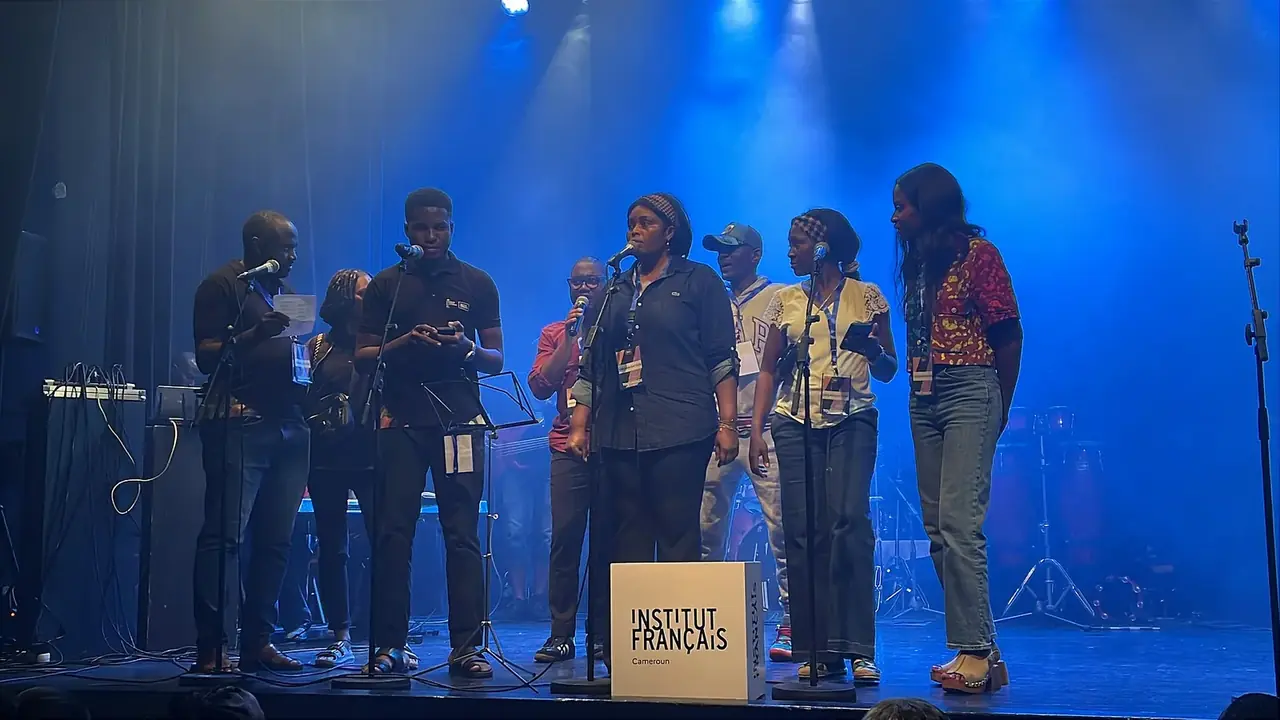
Choir on stage at a music festival in Douala

Private copying means the reproduction of a work from a lawfully acquired copy, made by a person for their own use and not to make it available to third parties. Authors, performing artists and producers are entitled to remuneration for the reproduction for private use of their works fixed on phonograms or videograms. The legislator did not want to turn every listener into an offender; it chose to make the community of media users pay, through a discreet, flat-rate mechanism.

What counts as private copying

  • Transferring purchased tracks to one’s phone or computer;
  • Recording a radio or television programme to listen to or watch later;
  • Making a personal back-up of a lawfully acquired disc or film;
  • Copying an extract from a printed work for one’s own studies.

What does not

Distributing copies to strangers, reselling burned discs, putting a film up for download on a website, providing background sound in a business with a personal copy: all these situations fall outside the private sphere and constitute infringement, dealt with on the Fight against piracy page. The boundary comes down to one simple question: does the copy stay within the family and personal circle?

A principle that is clear for the consumer

The consumer signs no contract and fills in no form: the compensation is already included in the price of the media. For the general basis of the right, see the legal framework and the Copyright and neighbouring rights page.

ℹ️
Key points to remember

Copying for oneself is permitted; copying for others or for sale is not. Private copying remuneration never authorises the distribution of a copy to third parties.

Levy

The private copying levy: who pays it, and on what

Panel table during an institutional meeting of the Ministry

The remuneration is paid by the manufacturer or importer of blank media at the time they are put into circulation on the Cameroonian market. It does not appear as a line on an invoice addressed to the individual: it is built into the sale price, in the same way as other charges in a commercial chain. The retailer and the customer therefore have no procedure to complete.

The media and devices concerned

The media concerned are those used to record sounds or images: blank discs and cassettes, memory cards, storage keys, external hard drives, as well as the devices that allow reproduction. The precise list is set by the authority responsible for culture; it changes with technology (see the tariff schedule).

The case of printed works

For printed works, the law sets a rate of 5% of the sale price of reproduction devices, that is, photocopiers and similar machines. This rate is the only figure set directly by the law; it compensates for the reproduction of books, textbooks and scores in schools, offices and copy shops.

Importers and customs

A large share of the media and devices sold in Cameroon is imported. Payment is therefore frequently made at import, with the assistance of the customs services, on behalf of the approved collective management organisations. Manufacturers and importers must declare the quantities put into circulation; any failure to declare is reported to the competent services. The collective management societies then receive the sums collected and distribute them.

ℹ️
For importers

An importer of blank media or photocopiers can ask the Ministry about its reporting obligations before the first order: write via the Copyright contact page.

Fee scale

The tariff schedule for reproduction media and devices

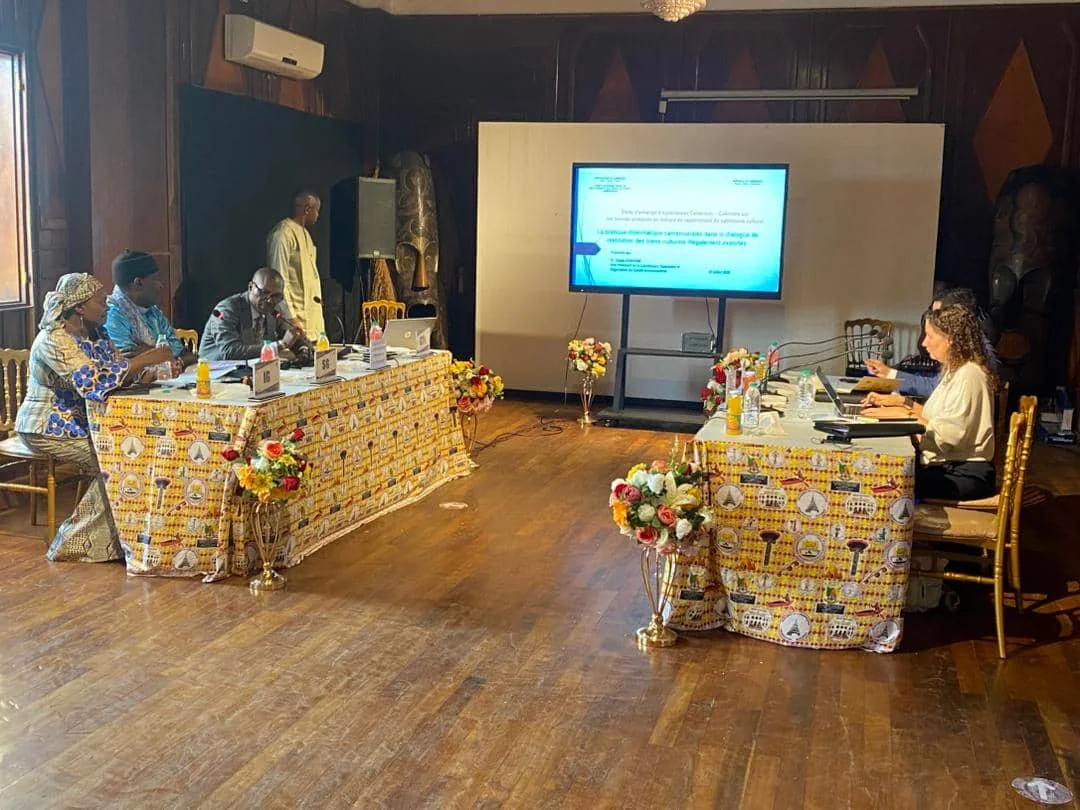
Meeting room with a projection screen during a Ministry workshop

The types of media subject to the levy and the applicable rates are set by order of the Minister responsible for culture. This rule provides flexibility: when a technology appears or disappears, the text can be adapted without calling the law into question. The tariff schedules can be consulted, along with the other tariffs of the sector, in the Tariff schedules section.

How a tariff schedule is constructed

A private copying tariff schedule generally combines three elements: the category of medium (audio, video, mixed, digital memory), a unit of calculation (per item or according to storage capacity) and a rate or flat amount. The authority consults the collective management organisations, the representatives of manufacturers and importers and consumer associations before deciding, so that the rate remains bearable for the market.

Periodic review

Copying habits change quickly: the cassette gave way to the disc, then to the memory card and online storage. A tariff schedule is therefore reviewed regularly on the basis of sales statements, usage surveys and the observations of the Supervisory Commission for collective management organisations.

Where to find the text in force

The orders are published with the regulatory texts. If in doubt about the category of a product, a manufacturer or reseller may request a written reply from the Ministry before marketing a new model. For the amounts payable in administrative procedures, consult the fees.

Distribution of royalties

The distribution of private copying remuneration

Guitarist and singer in concert

For phonograms and videograms, the remuneration is shared in equal parts between authors, performing artists, producers and the fund supporting cultural policy. For printed works, it is shared, also in equal parts, between authors, publishers and the support fund. This equal-share rule has the merit of clarity: each category knows what it will receive even before the collection.

The support fund’s share

The support fund’s share feeds the special appropriation account dedicated to cultural policy. It finances collective actions: support for creation, support for festivals, vocational training, equipment. It is a way of also benefiting creators whose works are rarely copied but who need support in order to work. See also the support funds.

Within each category

Each share is then divided among the members of the category according to the rules of their collective management organisation: works broadcast, programme statements, repertoire declarations. A composer, lyricist, session musician or publisher therefore receives their share according to the actual use of their works. To be paid, you must be a member and have declared your works.

Transparency

Each organisation must account for its collections and distributions to its members, and keep its accounts available to the supervisory commission. A member who disputes a statement may refer the matter to the mediation service before, if necessary, taking the case to court (litigation).

Practical points of reference

Private copying, piracy, licence: where is the line?

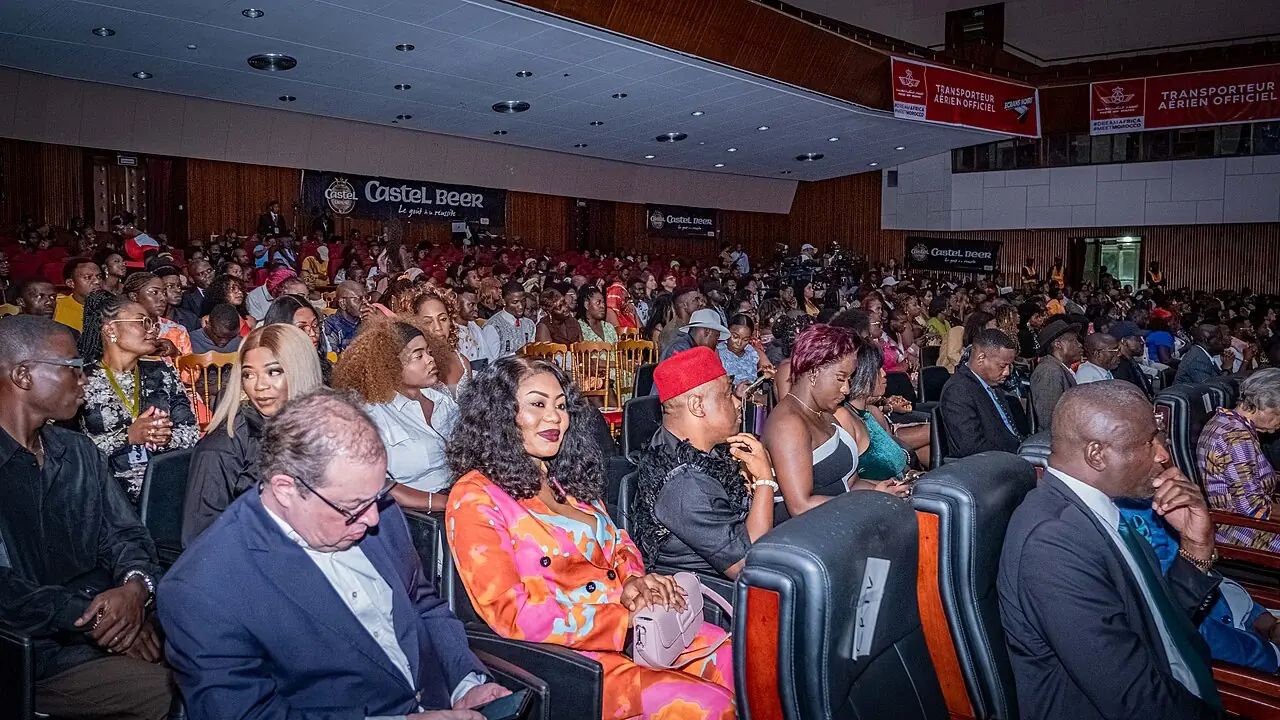
Packed hall at the opening ceremony of the Écrans Noirs festival

Three neighbouring notions are often confused. Private copying is an exception: it concerns personal use and gives rise to automatic compensation. Piracy is an offence: it involves unauthorised copying or distribution, often on a large scale or for commercial purposes. A licence is an authorisation granted by the rights holder for a specific use, such as playing a track in a bar or on a radio station.

A bar manager who plays music stored on their phone is therefore not within private copying: they are exploiting works in public and must obtain authorisation. Conversely, a student who copies a chapter to revise remains within the legal framework.

Step by step

The path of the private copying levy

Put into circulation

A manufacturer or importer places blank media or reproduction devices on the market; the levy becomes payable at that precise moment.

Declaration of quantities

The operator declares the volumes and types of products, at import with the support of the customs services, so that the collection is calculated on verifiable data.

Collection by the approved organisation

The sums are paid to the authorised collective management organisation, which records them in separate accounts, distinct from its other revenue.

Setting aside the fund’s share

The quarter intended for the support fund is paid into the special appropriation account, while the other three shares are allocated to the categories of rights holders.

Distribution to members

Each organisation distributes its share among its members according to the works declared and exploited, then publishes a statement of its distributions.

Oversight and appeals

The supervisory commission examines the accounts; a dissatisfied member may request mediation or go to court.

Key facts

Who pays, who collects, who receives?

StakeholderRoleWhat they must doWhere to find information
ConsumerBuyer of the medium or deviceNothing: the compensation is included in the priceThis page and the Copyright section
Manufacturer or importerLiable for the remunerationDeclare the quantities and pay the sum dueCopyright and customs contact
RetailerRetail resellerSell products on which the levy has already been paidTariff schedules and orders in force
Collective management bodyCollector and distributorCollect, account for, distribute and reportCollective management societies
Review boardSupervisory authorityCheck the accounts and the distribution rulesRegulatory texts
Rights holderAuthor, performer, producer, publisherJoin, declare one’s works and follow one’s statementsRegister a work
Support fundsSpecial appropriation accountFund collective cultural actionsSupport funds
Voices from the field

They talk about private copying

“
I did not know that my share of the support fund financed residencies. Since then, I explain to my pupils why every medium sold matters to creators.
A music education teacher
Douala
“
Our import declarations are now clear: we know what sum goes to each category, and we include it from the moment we calculate the cost price.
An importer of digital media
Douala
“
As an author, I receive a statement every year detailing the private copying share. It is modest, but it is proof that my work circulates.
A children’s novelist
Yaoundé
“
A neighbourhood copy shop must understand that photocopying an entire textbook is not private copying. We organised an information session with the booksellers.
A publishers’ representative
Bafoussam
To download

Private copying documents

“Private copying is compensated, never prohibited: it is the tacit contract between those who listen and those who create.”

An intellectual property lawyer, Yaoundé
Glossary

Private copying terms

Private copying

Reproduction of a work made for the strictly personal use of the person making it.

Blank medium

Disc, memory card, key or cassette intended to receive a recording of sounds or images.

Phonogram

Any fixation of sounds from a performance or of other sounds, other than an audiovisual work.

Videogram

Any fixation of images, with or without sounds, such as a film burned onto a disc.

Support funds

Special appropriation account that funds cultural policy and collective actions.

Importer

Company that brings products into Cameroon and becomes liable for the levy when they are put into circulation.

Rights holder

Person who holds rights in a work: author, performer, producer or heir.

Performer

Actor, singer, musician or dancer who performs a work, including folklore.

Equal shares

Distribution rule that allocates the same fraction to each category of beneficiary.

Collective management

Method of collecting and distributing rights entrusted to an approved organisation.

Tariff order

Decision of the Minister responsible for culture setting the categories of media and the rates.

Private use

Use limited to the family or personal circle, with no communication to the public.

To act

Procedures related to private copying

Join an organisation

Authors, performers, producers and publishers must be members of an approved organisation to receive their share.

See the societies

Declare your works

A declared work is an identifiable work: this is the condition for appearing in the statements.

Register a work

Consult the rate schedules

Manufacturers and importers check the categories of media and the applicable rates.

See the rate schedules

Report an abuse

Commercial copies of discs or books, sale of burned media: report the facts.

Report
On the site

Continue reading about private copying

Resources

Useful links for private copying

Stakeholders

Who is involved in private copying?

Journey

Private copying over time

19 December 2000The copyright law

Law No. 2000/011 establishes the principle of remuneration for reproduction for private use and sets the rate at 5% for printed works.

After the lawSetting up collective management

Approved organisations are tasked with collecting and distributing rights; private copying remuneration falls within their missions.

Following yearsTariff orders

Orders specify the categories of media and the rates, with the input of the organisations concerned and economic operators.

Growth of digital technologyNew media

Memory cards, keys and external drives become widespread; the question of taking them into account is added to that of cassettes and discs.

TodayModernisation of collection

Online declaration of quantities and monitoring of distributions by members become the norm in the approved organisations.

To explore

Private copying in other pages

Questions

Your questions about private copying

Do I have to pay anything when I copy a track for myself?

No. You owe no payment at the time of copying. The compensation is collected upstream, on blank media and reproduction devices, by the manufacturer or importer. It is included in the price you pay at purchase. You have no declaration or procedure to complete for a strictly personal copy.

Who collects private copying remuneration?

A collective management organisation approved by the Ministry responsible for culture. It receives the sums paid by manufacturers and importers, keeps separate accounts, then distributes the shares between the categories of rights holders and the support fund. Its accounts are monitored by the competent commission.

What is the rate for printed works?

For printed works, the rate is 5% of the sale price of reproduction devices. For media intended to record sounds or images, the categories and rates are set by order of the Minister responsible for culture and can be consulted in the Tariff schedules section.

How are the sums collected distributed?

For phonograms and videograms, in equal shares between authors, performing artists, producers and the fund supporting cultural policy. For printed works, in equal shares between authors, publishers and the support fund. Each share is then distributed among the members of the category, according to the works declared and exploited.

Does customs take part in the collection?

Yes, in the case of imported products. Payment is often made at import, on behalf of the approved organisations, with the assistance of the customs services. Importers declare the quantities put into circulation and pay the sum due before the products are marketed. Customs officers forward the statements to the organisations concerned.

Am I entitled to copy a film to screen it in my neighbourhood?

No. Private copying is limited to personal or family use. A public screening, even a free one, requires the authorisation of the rights holders and, depending on the case, a show authorisation. Contact the Ministry before the event to find out which procedures to follow; the organiser remains responsible for respecting the rights of artists and authors.

How do I receive my share as an artist?

Join the collective management organisation for your category, declare your works and check that your contact details and bank details are up to date. Your statements then show the sums received, by category of rights. In the event of a disagreement over a statement, you may request mediation and, if necessary, go to court.

Is a neighbourhood copy shop selling burned discs acting lawfully?

No. Burning and selling discs falls outside the scope of private copying and constitutes infringement, punishable by five to ten years’ imprisonment and a fine of 500,000 to 10,000,000 FCFA, or by either of these penalties. You can report such practices via the Ministry’s reporting form.

Contact

Write to the Ministry: Private copying

A question about private copying?

Reach us

Contact Copyright

Address

Ministry of Arts and Culture – Copyright
Quartier du Lac – Ministerial Zone
P.O. Box 1053 Yaoundé, Centre Region, Cameroon

Reach us

+237 6 51 70 58 41

contact@minac.gov.cm

Opening hours

Monday to Friday, 8 am to 4 pm

See collective management

Discover the approved societies that collect and distribute private copying remuneration.

See the societies
WhatsApp