Coat of arms of CameroonMinistry of Arts
and Culture
Republic of Cameroon
My procedures
Home
Minister’s message
News
Press releases
Cultural calendar
Official speeches
Press review
Photo library
Video library
Calls for projects
Job vacancies
Public procurement
Newsletter
Frequently asked questions
Site map
Contact
Press area
Podcast “The Voice of Culture”
Legal notices
Privacy policy
Cookies and trackers
The Ministry
Missions and responsibilities
Organisation
Organisation chart
Minister’s Office (Cabinet)
Management team
General Secretariat
General Inspectorate
Central directorates
Regional Delegations
Institutions under supervision
Legislative texts
Regulatory texts
Sector strategy
Major projects
Budget and reports
Partners
Careers
Archives
Institutional communication
Quality and accessibility
Arts
Visual and plastic arts
Visual arts
Performing arts
Theatre
Dance
Music
Literature and books
Cinema and audiovisual
Photography
Fashion and design
Digital arts
Art crafts
Artists’ directory
Residencies
Prizes and awards
Arts education
Urban arts
Heritage
Tangible heritage
Intangible heritage
UNESCO sites
National museums
Listed monuments
National inventory
Palaces and chiefdoms
Archaeology
Linguistic heritage
Oral traditions
Traditional know-how
Restitution of cultural property
Fight against illicit trafficking
Listing and protection
Conservation and restoration
Heritage Days
Cultural landscapes
Industries
Music and recording
Cinema
Publishing and books
Digital arts
Fashion and creativity
Crafts
Cultural tourism
Funding for culture
Support funds
Incubators
Cultural entrepreneurship
Culture Observatory
Vocational training
Studies and reports
Sector statistics
Export and outreach
Intellectual property
Copyright
Legal framework
Copyright and neighbouring rights
Collective management societies
Register a work
Licences
Private copying
Fight against piracy
Model contracts
Social status of artists
Mediation
Disputes
Training
Fee scales
Register of works
Contact
Digital neighbouring rights
Public domain
Festivals
National calendar
Ngondo
Nguon
Écrans Noirs
Heritage Days
Music Day
Regional festivals
Fairs and exhibitions
Biennials
National competitions
Cultural days
Organise a festival
Event grants
Ticketing
Archives
Volunteering
Diaspora festivals
Regions
Adamawa
Centre
East
Far North
Littoral
North
North-West
West
South
South-West
Cultural map
Regional Delegations
Traditional chiefdoms
National languages
Cultural routes
Decentralised cooperation
Regional observatory
Cooperation
UNESCO
Francophonie (OIF)
African Union
Commonwealth
CEMAC
Bilateral cooperation
Cultural agreements
Professional organisations
Scholarships
Artist exchanges
Cultural years
Diaspora
Funded projects
Embassies
Technical partners
International restitution
International monitoring and calls
Services
Artist card
Show authorisation
Filming authorisation
Festival authorisation
Deposit of a work
Export of works of art
Listing of a property
Grant application
Association accreditation
File tracking
Forms
Fees
Opening hours and addresses
Reporting
Online help
My account
One-Stop Shop
Regions

Regional observatory

Facilities, events, jobs, studies and indicators: the regional observatory brings together the cultural data of each of Cameroon’s ten regions.

Updated on 6 November 20264 sub-pages
Regions observed10
Indicator families6
Contributing delegations10
Data formatOpen
Regional observatory

Measuring culture region by region

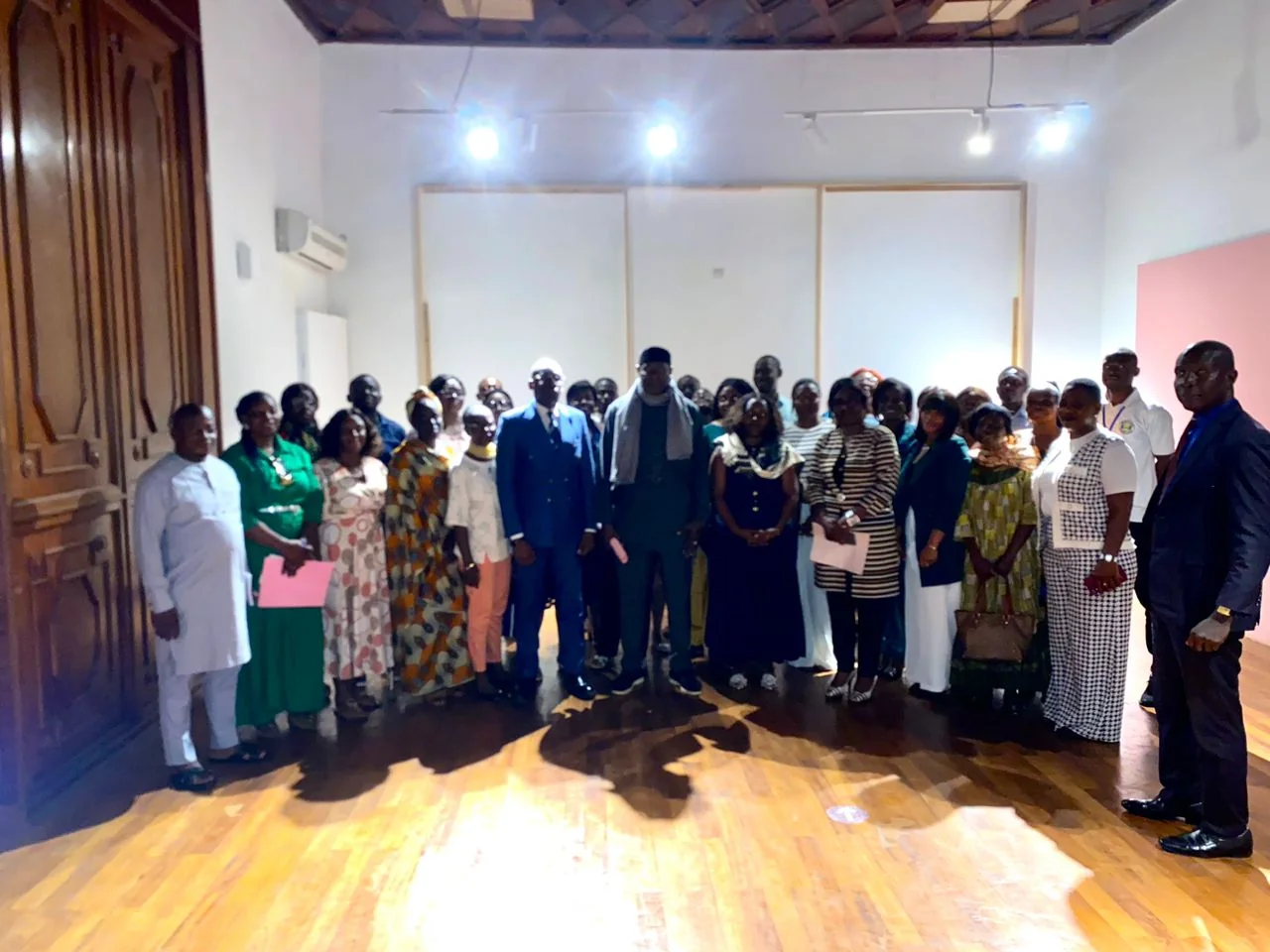
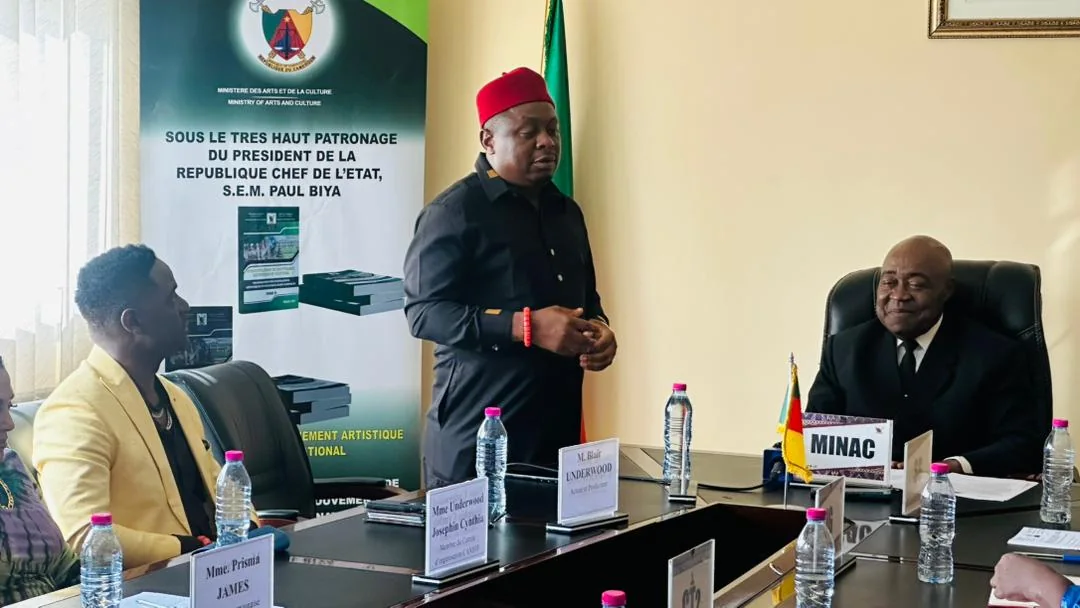
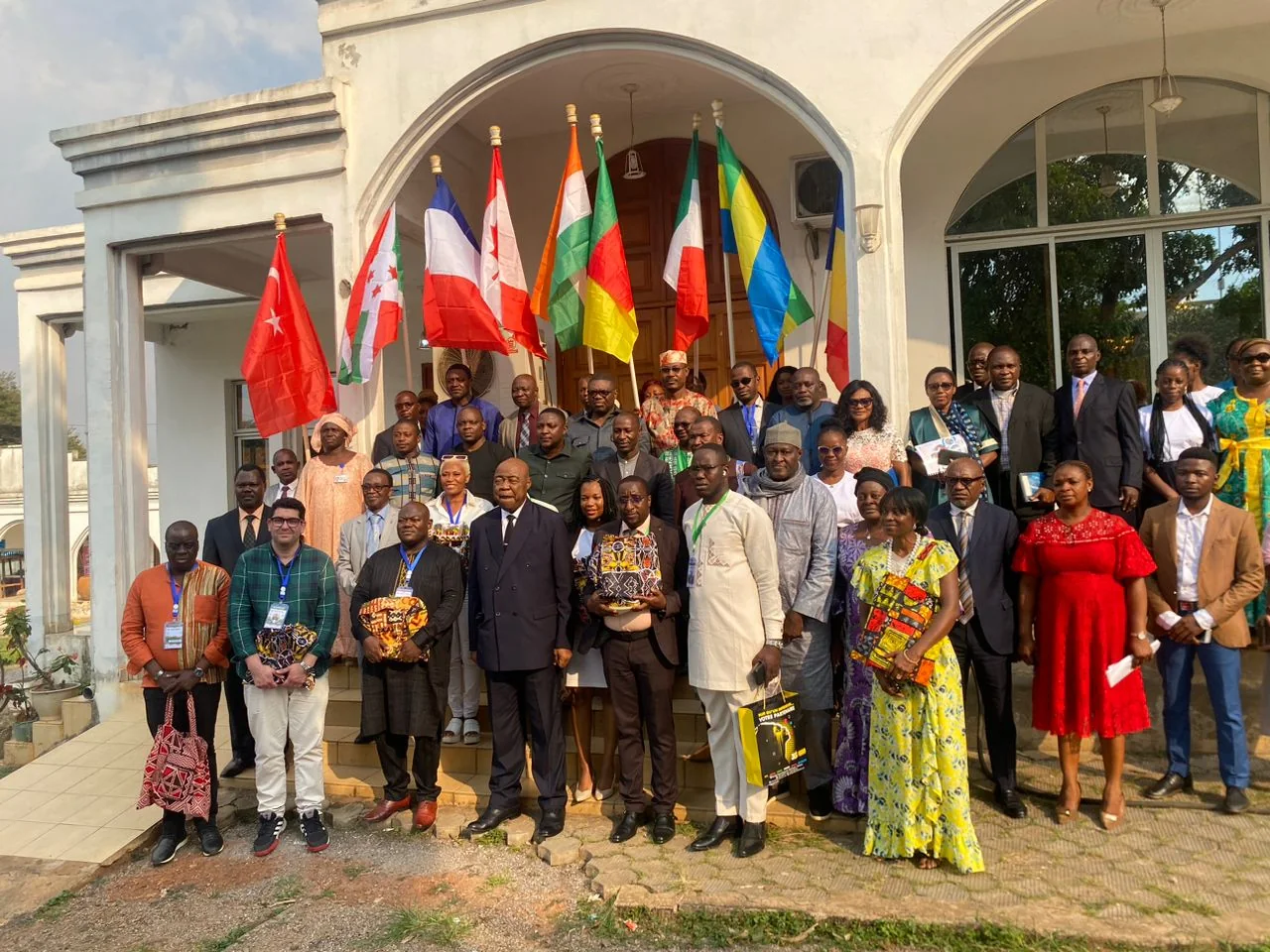
Group of participants posing in front of the flags of several countries during a meeting at the Ministry

Knowing how many performance halls, libraries, festivals, community museums and cultural jobs each region has: that is the role of the regional observatory. It gathers the data reported by the ten delegations, local authorities and operators, harmonises it and makes it available to everyone.

It complements the national observatory of culture by going down to the level of the territory, where facilities are decided on and where practices are lived. This page presents the data by region, the studies, the indicators and how to contribute.

  • Data sheets for each of the ten regions
  • Regional studies, listed and available for download
  • A set of indicators shared with the delegations
See the data by region
Regions

The data for each of the ten regions

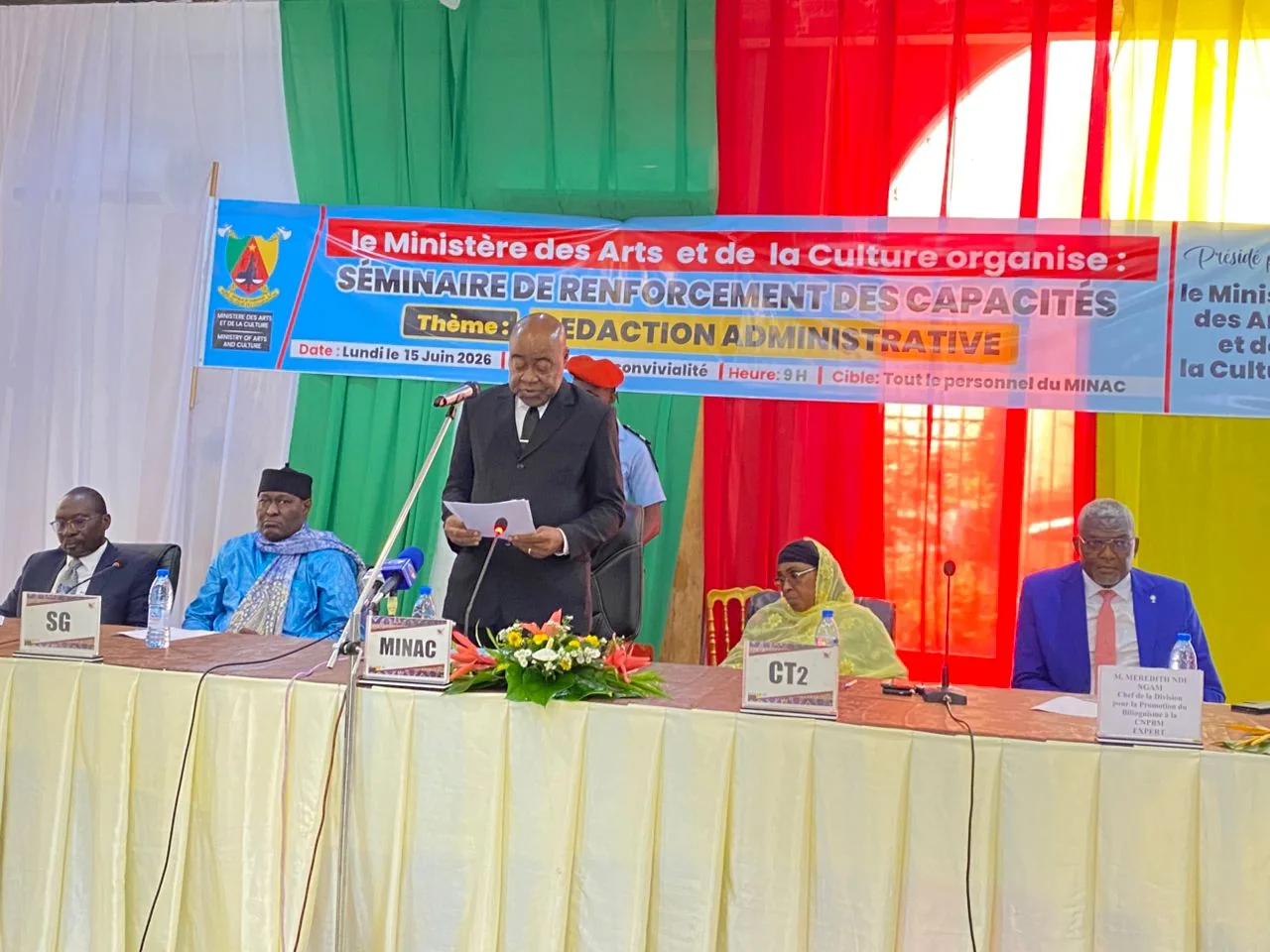
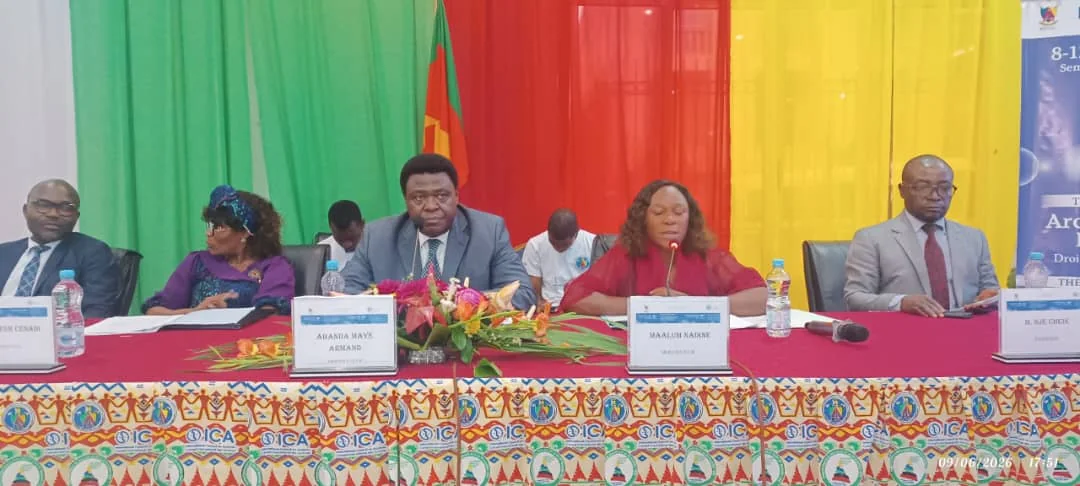
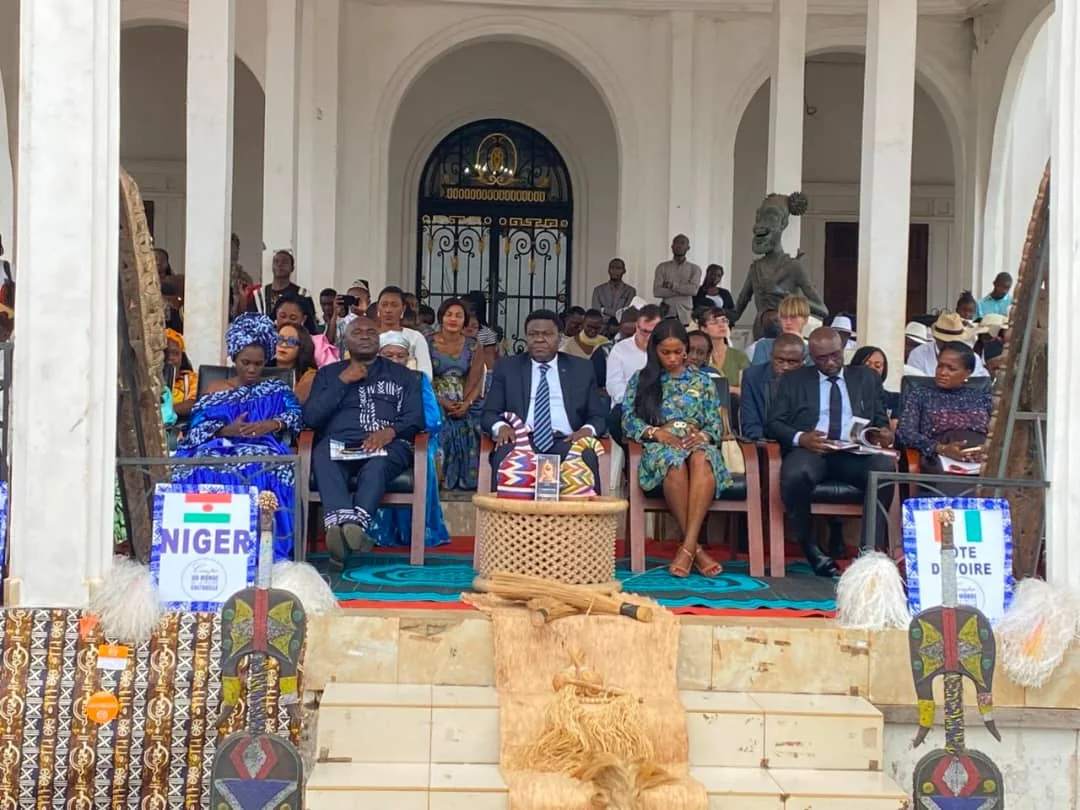
Ministry panel table during a working meeting

Each region has a summary sheet describing its cultural landscape: facilities, events, associations, emblematic practices, training institutions and economic activity. The data is updated once a year from the declarations of the delegations and local authorities.

What a regional sheet contains

  • Facilities: museums, libraries, houses of culture, halls and studios;
  • Events: festivals, chiefdom celebrations, performance seasons;
  • Stakeholders: registered companies, associations, craftspeople and creators;
  • Heritage: listed monuments, sites, collections and inventoried practices;
  • Training: schools, conservatoires, workshops.

Reading the differences between regions

Urban regions such as the Centre and the Littoral concentrate halls and creative industries; the West and the North-West stand out for the density of their chiefdoms; the Far North and the North for their dry-season festivals and their know-how; the South, the East and Adamawa for their forest and savannah traditions. Relating these findings to the population makes it possible to identify less well-equipped territories.

ℹ️
Compare

The data can be compared from one region to another per inhabitant or per division, in order to guide the siting of future facilities.

Knowledge

Regional studies

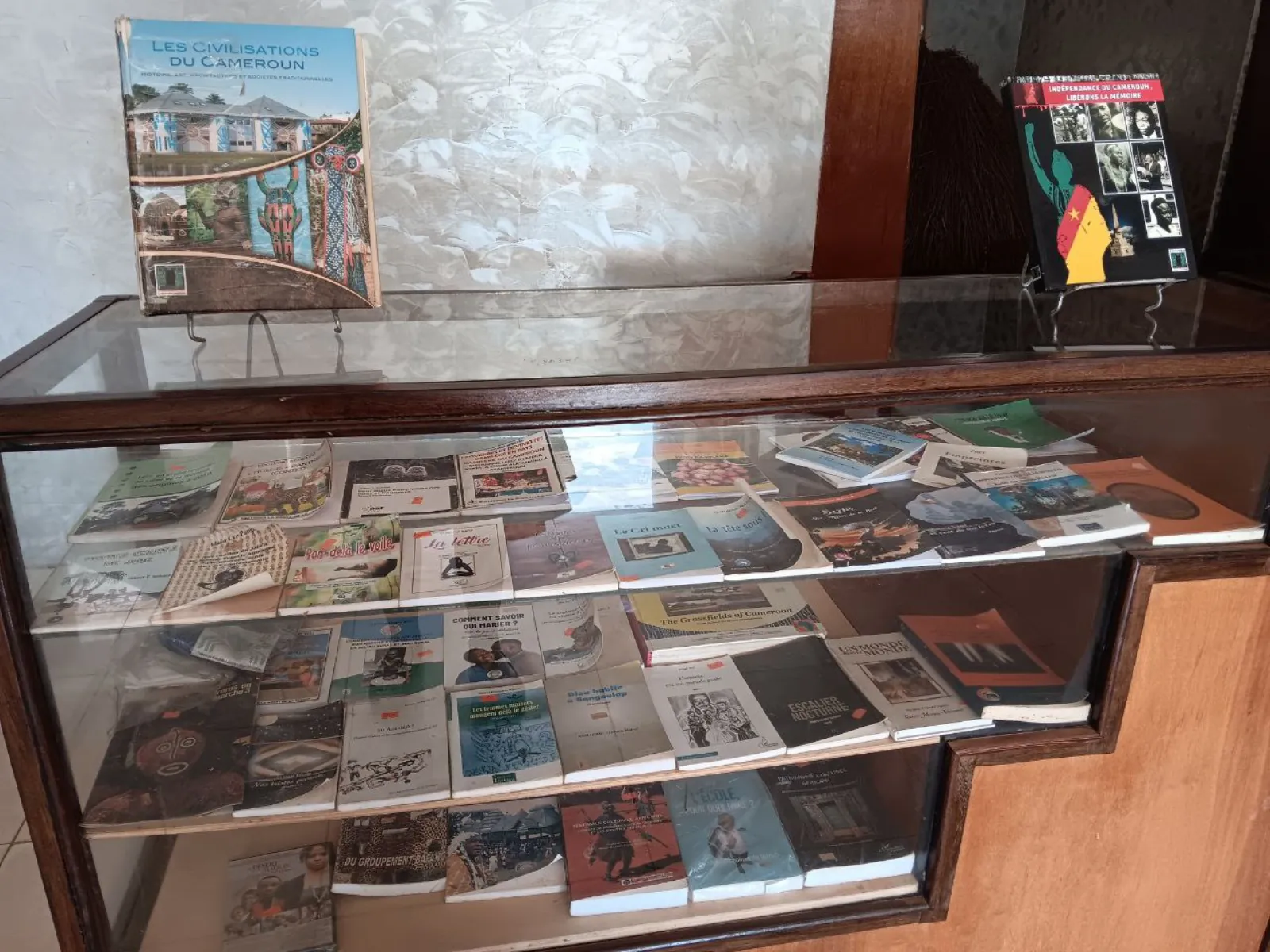
Display case of books and booklets in the library area of the Dschang civilisations museum

Figures are not enough: to understand a practice or a sector, studies that explain are needed. The observatory lists the work carried out by the delegations, universities, local authorities and professional organisations.

Types of studies

These include territorial diagnoses (the state of the cultural offer in a region), audience surveys (who visits which venues), sector studies (crafts, music, fashion) and festival evaluations. Each study is described by a sheet: author, year, method, main findings, conditions of reuse.

Where to find them

The studies are gathered in the studies and reports section and linked to the page of the region concerned. Summaries of a few pages make for easier reading; the full reports can be consulted at the Ministry or downloaded where the author consents.

Commissioning or proposing a study

A local authority can request a study of its territory by setting out its starting question, its means and its timetable. Students and researchers can propose a dissertation or thesis on a local cultural subject and request access to the archives of the Ministry. The results are then deposited with the observatory with the authors’ agreement.

ℹ️
Reuse rights

The studies remain the property of their authors: any quotation must mention the source and respect copyright.

Measure

The observatory’s indicators

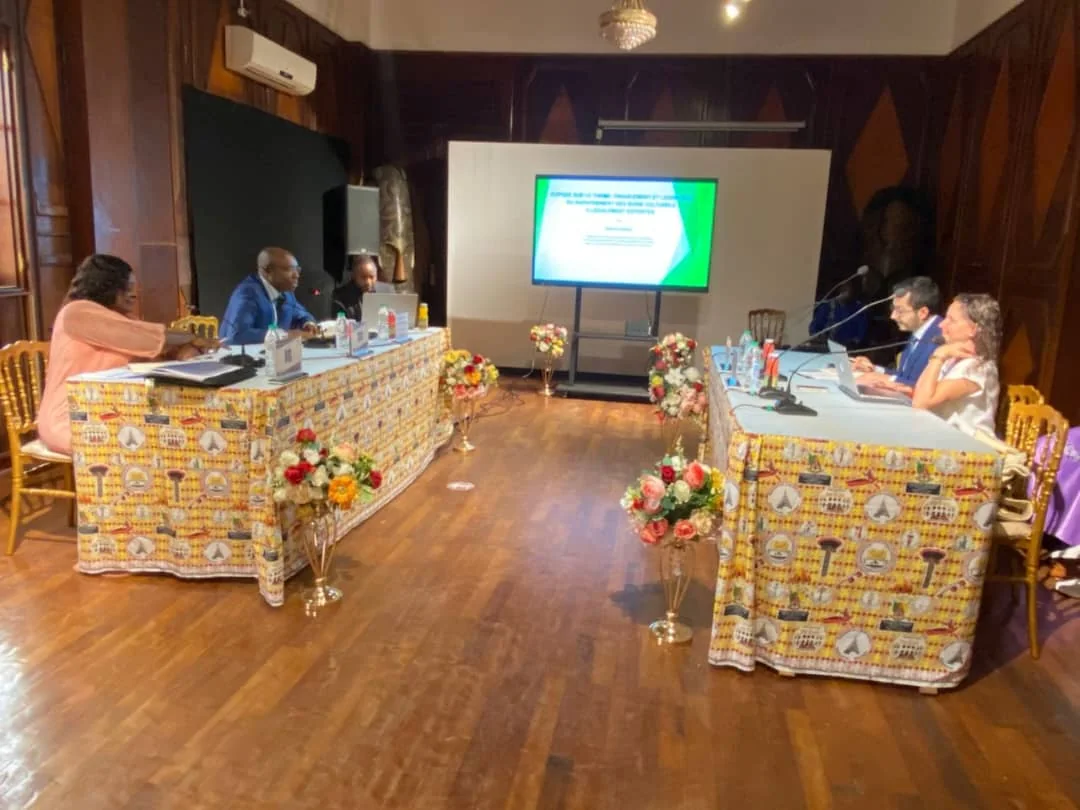
Meeting room with a projection screen and participants around the tables

An indicator is a simple, repeatable measure of a cultural phenomenon. So that regions can be compared, the indicators are defined with the delegations and use the same methods everywhere.

Six families of indicators

  1. Facilities: number of halls, libraries, museums and studios in operation;
  2. Events: registered festivals and performances, duration, attendance;
  3. Employment: registered artists, technicians and craftspeople, with an artist card;
  4. Heritage: listed properties, inventoried elements, site visits;
  5. Training: conservatoire students, workshops, scholarships;
  6. Economy: grants, sector turnover, exports.

Data quality

Each indicator has a sheet: definition, source, frequency, calculation method, limitations. Values are validated by the delegation and then by the observatory. The data is published with its collection date to avoid confusion.

These indicators feed the monitoring of the sector strategy and the sector statistics. They also help to assess the effects of decentralisation: see the decentralised cooperation page.

ℹ️
Shared definition

A “festival” counts in the observatory if it is registered, has a public programme and lasts at least one day.

Take part

Contribute to the observatory

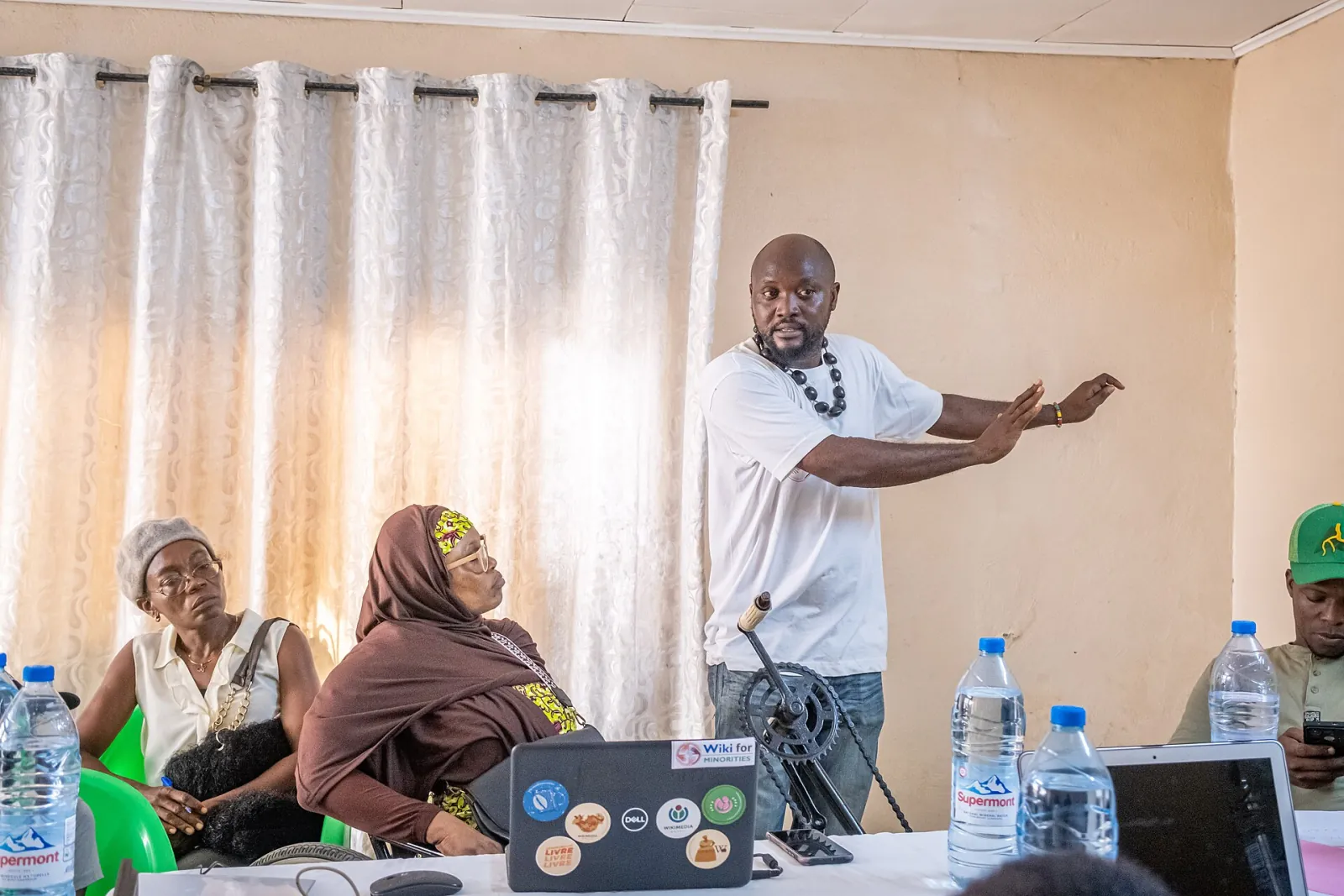
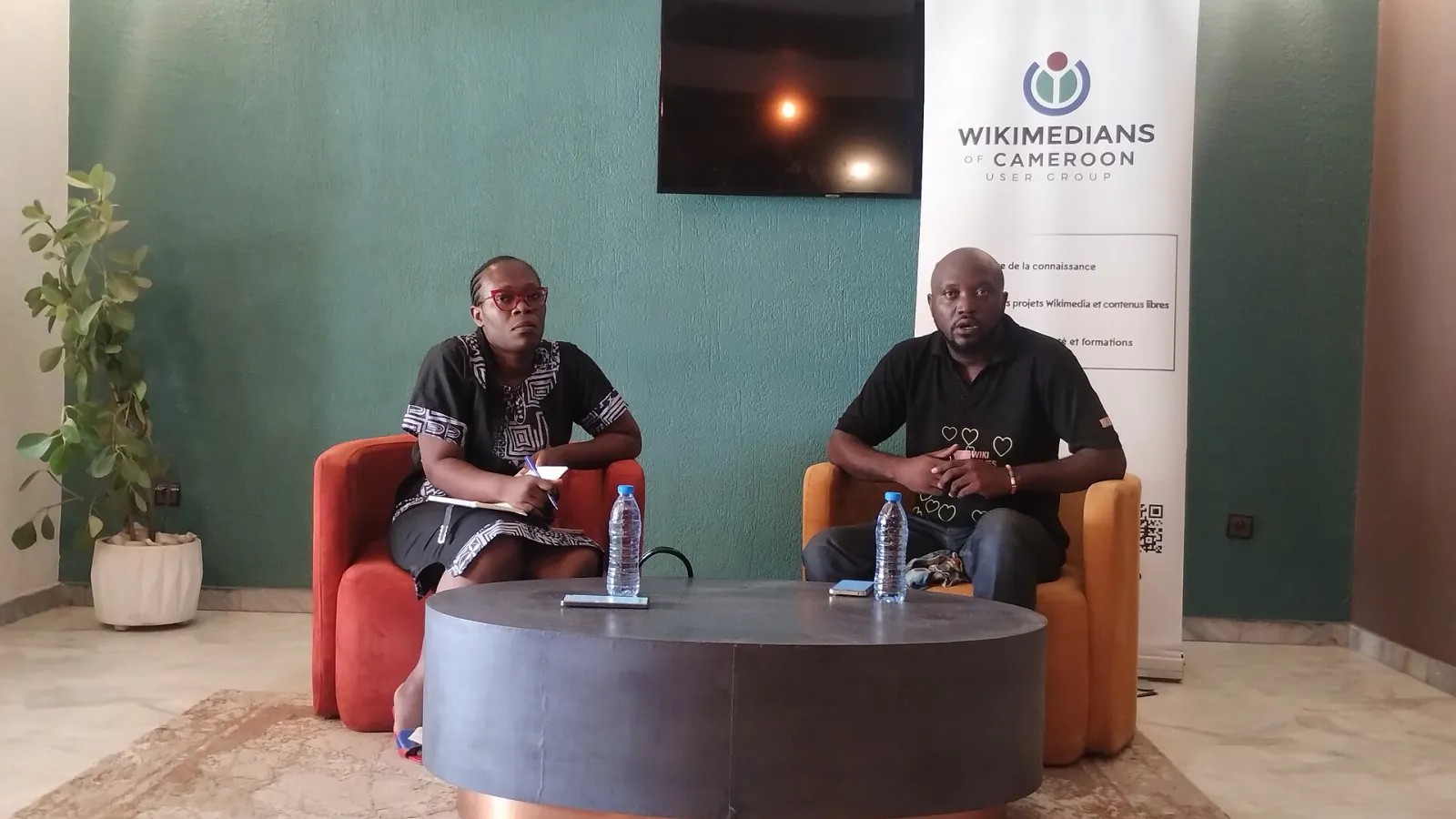
Trainer addressing participants seated around a table during a workshop

The observatory draws on information from those who keep culture alive: a missing data point is an invisible facility, a celebration that nobody knows about, a craftsperson who has not been identified. Anyone can contribute.

Who can contribute

  • Regional delegations, which consolidate the data for their territory;
  • Local authorities, for their facilities and programming;
  • Associations, companies, festivals and cultural operators;
  • Researchers, students and volunteers;
  • Residents, to report a place or a practice.

How to proceed

An organisation fills in the registration form (identity, location, activity, contact details, dates), attaches a supporting document and sends it to the delegation of its region. The delegation checks the information and then forwards it to the observatory. For festivals, the authorisation application automatically contributes to the census.

The observatory’s commitments

Personal data is never published without consent; sensitive information (sacred places, location of fragile objects) is protected in accordance with the rules on the fight against illicit trafficking. Each contributor can correct their sheet at any time by writing to the delegation.

ℹ️
Cultural map

Each new declaration enriches the cultural map, which increases the visibility of the organisation.

Uses

What regional data is used for

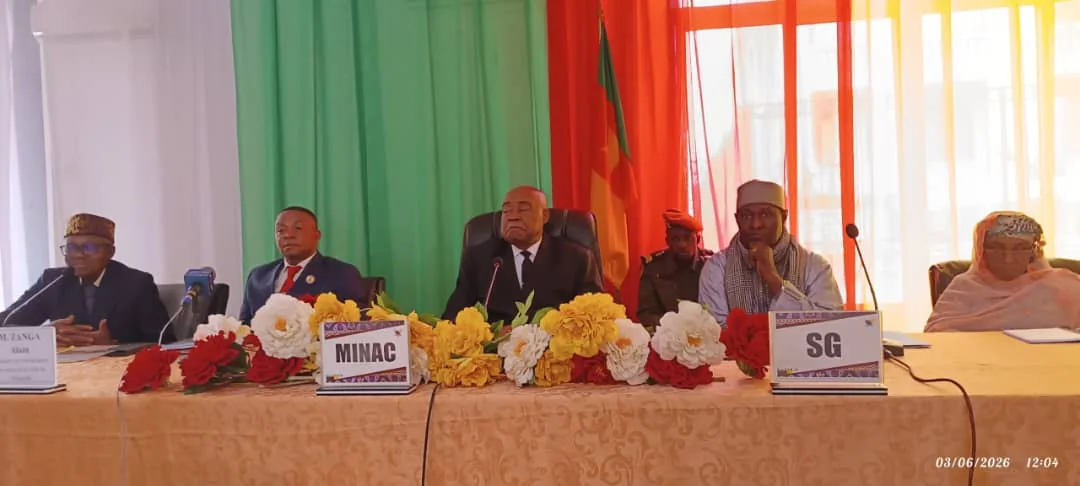
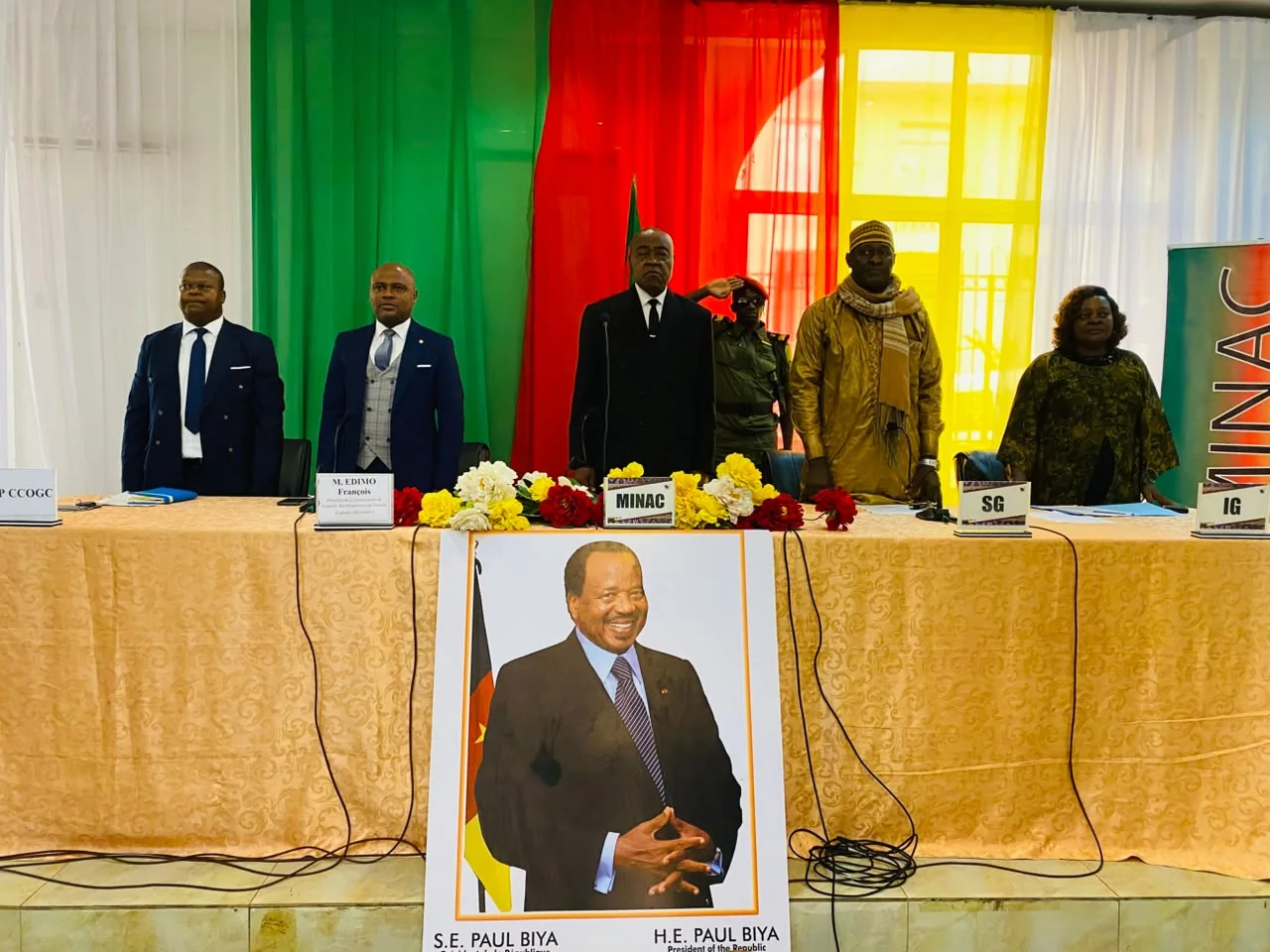
Opening session with the portrait of the Head of State in front of the panel table

Data is only worth its use. Elected officials rely on the observatory to decide where to build a media library or a conservatoire; delegations to allocate their interventions; festival organisers to measure their audience; cultural enterprises to identify markets; researchers to support their work.

Journalists find reliable figures there to illustrate an investigation, and schools find maps for educational projects. Young entrepreneurs consult the data for their region before launching a venue, a label or a shop, in conjunction with the incubators.

Finally, technical and financial partners require indicators before supporting a programme: the observatory provides a common foundation, presented in the funded projects.

Step by step

From the field to the regional data sheet

Collect

Delegation officials collect the declarations of organisations, local authorities and organisers.

Check

The information is verified by cross-checking: a visit, a supporting document or confirmation from the municipality.

Harmonise

Names, categories and dates are standardised according to the nomenclature common to all regions.

Calculate

The indicators are established and compared with those of the previous year.

Confirm

The delegation validates the sheet, then the observatory proofreads and publishes it with its update date.

Broadcast

The data is published in an open format and accompanied by a short reading note.

To act

Contribution procedures

Register an organisation

Register your company, festival or venue to appear in the region’s data.

Contact the delegation

Register an artist

List an artist in the directory so that their activity is taken into account.

See the directory

Propose a study

Submit a survey or dissertation project on the culture of a region.

Write to the Ministry

Register an event

Submit the authorisation application for a festival so that it is recorded.

Apply
To explore

The observatory in the other sections

They use the data

Users of the observatory

“
Thanks to the regional sheet, we were able to show the town hall the lack of rehearsal rooms and obtain premises.
A company director
Douala
“
The attendance figures enabled me to persuade a partner to support our festival for three years.
A festival organiser
Bafoussam
“
My dissertation draws on the observatory’s series; it was the first time I had found comparable data between regions.
A sociology student
Yaoundé
“
The delegation helped us to register our workshops, and our village now appears on the cultural map.
An association president
Garoua

“A cultural policy without data is like a journey without a map: you move forward, but you never know where you are.”

A regional delegate
To download

The observatory’s resources

Key facts

The observatory at a glance

ComponentContentProducerUpdate frequency
FacilitiesHalls, museums, libraries, studiosDelegations and local authoritiesAnnual
EventsFestivals, chiefdom celebrations, seasonsOrganisers and delegationsHalf-yearly
StakeholdersRegistered companies, craftspeople, creatorsAssociations and artists’ directoryAnnual
HeritageListed properties, inventory, visitsDirectorate of Cultural HeritageAnnual
TrainingConservatoires, workshops, scholarshipsInstitutions and local authoritiesAnnual
EconomyGrants, sectors, exportsDirectorate of Creative IndustriesAnnual
StudiesDiagnoses, surveys, evaluationsUniversities and delegationsAs publications appear
Glossary

The observatory’s vocabulary

Observatory

Body that collects, analyses and publishes data on a field.

Indicator

Simple quantified measure used to track a phenomenon over time.

Nomenclature

List of common categories used to classify and compare data.

Territorial diagnosis

Study of the cultural situation of a territory.

Audience survey

Questionnaire that measures who visits a venue or an event.

Open data

Information published in a format that anyone can reuse.

Statement

Procedure by which an organisation makes itself known to the administration.

Attendance

Number of visitors or spectators over a period.

Sector

All the occupations involved in the creation and distribution of a cultural product.

Statistical series

Sequence of comparable measures over several years.

Sample

Part of a population surveyed to represent the whole.

Evaluation

Analysis that measures the results of an action against its objectives.

On the site

Continue reading around regional data

Resources

Useful links for data

Stakeholders

Who feeds the observatory?

Journey

From data to decision

CollectionThe delegations gather the data

Each delegation records the facilities, events and stakeholders of its region.

AnalysisThe indicators are calculated

The observatory team compares the regions and detects gaps.

StudyExplore a subject in depth

A study explains a finding: lack of halls, fragility of a sector, need for training.

ConsultationShare with stakeholders

Delegations, elected officials, artists and operators discuss the results at regional meetings.

DecisionGuide action

The data guides the siting of a facility or the allocation of aid.

EvaluationMeasure the effect

The following year, the indicators show whether the situation is changing.

Questions

Your questions on the regional observatory

Where can I find the figures for my region?

Each region has a data sheet accessible from this page and from the region’s page. It brings together facilities, events, stakeholders, heritage and training. You can also request the detailed series from the regional delegation.

Who provides the data?

The regional delegations coordinate the collection from the declarations of local authorities, associations, festival organisers and training institutions. Researchers and residents can also report places or practices.

Is the data open?

Yes, aggregated data is published in an open format, with its collection date and the method used. Personal or sensitive information, such as the location of fragile objects, is not disseminated.

How do I register my company or festival?

Fill in the registration form with the organisation’s identity, location, activity and contact details, then send it to the delegation of your region. For a festival, the authorisation application counts as registration.

How often is the data updated?

Most series are updated once a year and events twice a year. Each table states its update date, and you can request a correction at any time from the delegation.

May I use this data in a publication?

Yes, provided you cite the observatory and the update date. For studies, respect the authors’ rights and their conditions of reuse. Never present the data as exhaustive.

How do I propose a new indicator?

Write to the observatory describing the phenomenon to be measured, the possible source and the desired frequency. Proposals are examined with the delegations during the annual review of the list of indicators.

Does the regional observatory replace the national observatory?

No, it complements it. The national scheme produces series at country level; the regional observatory goes down to the level of the territory to help local authorities and delegations in their local decisions.

Contact

Contact the observatory

Address

Observatory of Culture
Ministry of Arts and Culture
Quartier du Lac – Ministerial Zone
P.O. Box 1053 Yaoundé, Centre Region, Cameroon

Reach us

+237 6 51 70 58 41

contact@minac.gov.cm

Opening hours

Monday to Friday, 8 am to 4 pm

Data to pass on?

Contact your delegation to register an organisation, an event or a study.

See the national observatory
WhatsApp