Coat of arms of CameroonMinistry of Arts
and Culture
Republic of Cameroon
My procedures
Home
Minister’s message
News
Press releases
Cultural calendar
Official speeches
Press review
Photo library
Video library
Calls for projects
Job vacancies
Public procurement
Newsletter
Frequently asked questions
Site map
Contact
Press area
Podcast “The Voice of Culture”
Legal notices
Privacy policy
Cookies and trackers
The Ministry
Missions and responsibilities
Organisation
Organisation chart
Minister’s Office (Cabinet)
Management team
General Secretariat
General Inspectorate
Central directorates
Regional Delegations
Institutions under supervision
Legislative texts
Regulatory texts
Sector strategy
Major projects
Budget and reports
Partners
Careers
Archives
Institutional communication
Quality and accessibility
Arts
Visual and plastic arts
Visual arts
Performing arts
Theatre
Dance
Music
Literature and books
Cinema and audiovisual
Photography
Fashion and design
Digital arts
Art crafts
Artists’ directory
Residencies
Prizes and awards
Arts education
Urban arts
Heritage
Tangible heritage
Intangible heritage
UNESCO sites
National museums
Listed monuments
National inventory
Palaces and chiefdoms
Archaeology
Linguistic heritage
Oral traditions
Traditional know-how
Restitution of cultural property
Fight against illicit trafficking
Listing and protection
Conservation and restoration
Heritage Days
Cultural landscapes
Industries
Music and recording
Cinema
Publishing and books
Digital arts
Fashion and creativity
Crafts
Cultural tourism
Funding for culture
Support funds
Incubators
Cultural entrepreneurship
Culture Observatory
Vocational training
Studies and reports
Sector statistics
Export and outreach
Intellectual property
Copyright
Legal framework
Copyright and neighbouring rights
Collective management societies
Register a work
Licences
Private copying
Fight against piracy
Model contracts
Social status of artists
Mediation
Disputes
Training
Fee scales
Register of works
Contact
Digital neighbouring rights
Public domain
Festivals
National calendar
Ngondo
Nguon
Écrans Noirs
Heritage Days
Music Day
Regional festivals
Fairs and exhibitions
Biennials
National competitions
Cultural days
Organise a festival
Event grants
Ticketing
Archives
Volunteering
Diaspora festivals
Regions
Adamawa
Centre
East
Far North
Littoral
North
North-West
West
South
South-West
Cultural map
Regional Delegations
Traditional chiefdoms
National languages
Cultural routes
Decentralised cooperation
Regional observatory
Cooperation
UNESCO
Francophonie (OIF)
African Union
Commonwealth
CEMAC
Bilateral cooperation
Cultural agreements
Professional organisations
Scholarships
Artist exchanges
Cultural years
Diaspora
Funded projects
Embassies
Technical partners
International restitution
International monitoring and calls
Services
Artist card
Show authorisation
Filming authorisation
Festival authorisation
Deposit of a work
Export of works of art
Listing of a property
Grant application
Association accreditation
File tracking
Forms
Fees
Opening hours and addresses
Reporting
Online help
My account
One-Stop Shop
Festivals

Event grants

Eligibility criteria, composition of the file, annual calendar and final report: everything an organiser needs to know to obtain a grant from the Ministry of Arts and Culture for a festival or an event.

Updated on 6 November 20264 sub-pages
File submissionOnline
Key documentsBudget and report
Decision cycleAnnual
AnswerNotified to the organiser
Funding an event

Public support to keep your festival alive

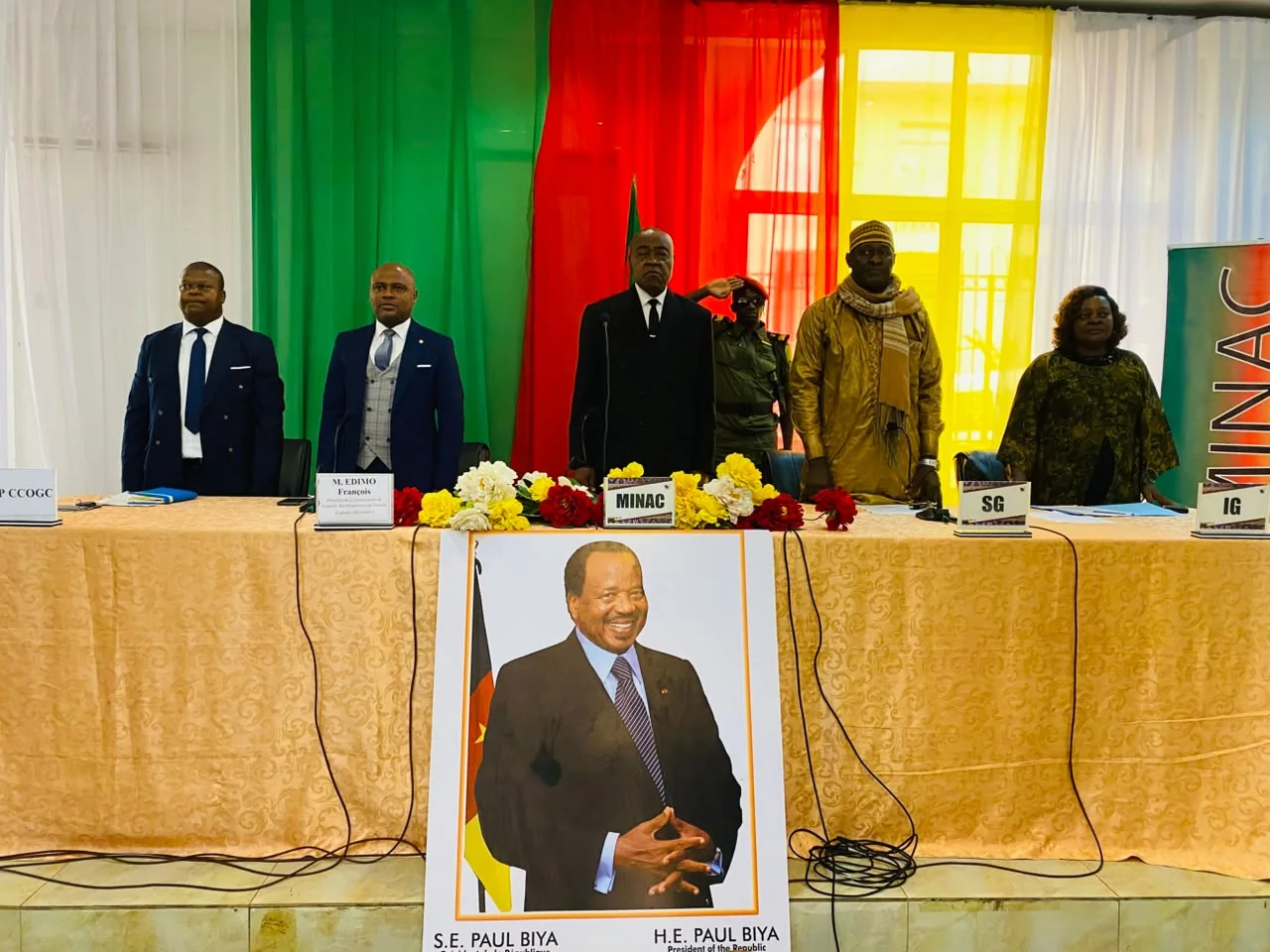
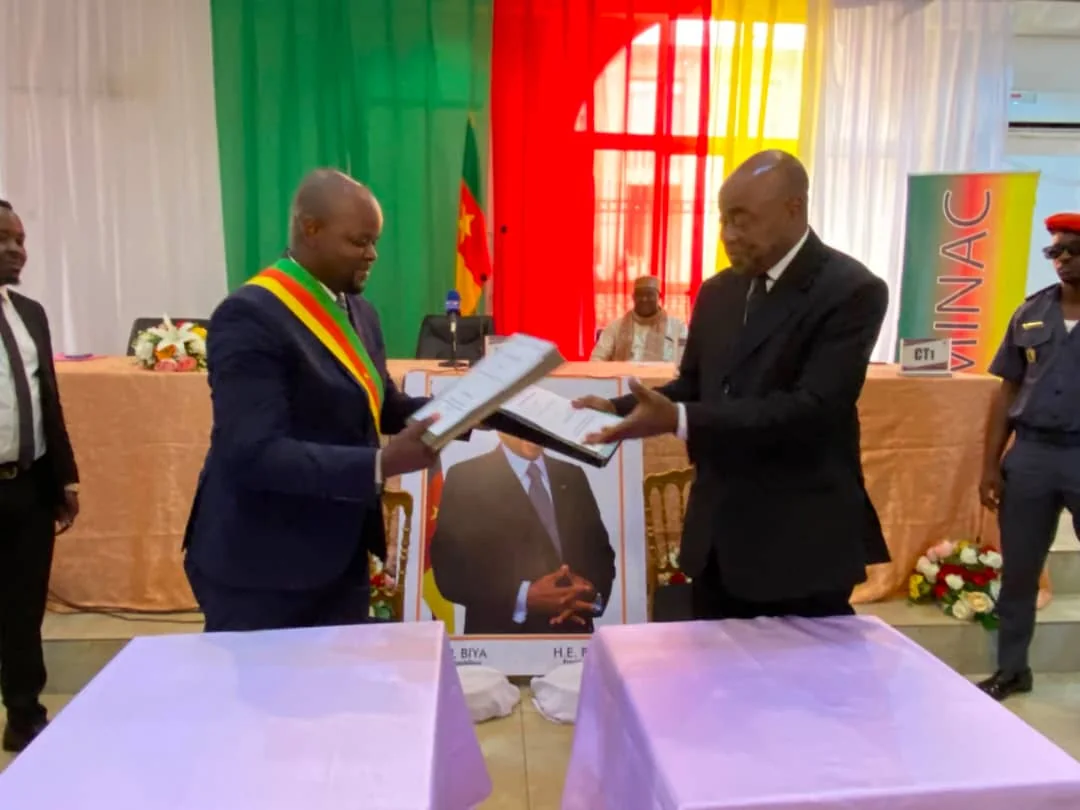
Signing of an agreement in front of the portrait of the Head of State

A festival, a biennial, a trade fair or a cultural day is costly before it brings in anything: stage, sound system, fees, transport of troupes, security, communication. The Ministry of Arts and Culture may contribute to these expenses in support of cultural policy, through a grant awarded to the organiser of an event of cultural interest.

The application is submitted online, together with a budget and the report of the previous edition. It is examined by a committee, then the decision is notified in writing. This page details the criteria, the composition of the file, the annual rhythm of submissions and the report to be submitted after the event.

  • Public criteria, identical for all organisers
  • A digital file, a tracking number, a written decision
  • A narrative and financial report that prepares the next edition
See the criteria
Criteria

The eligibility criteria for an event

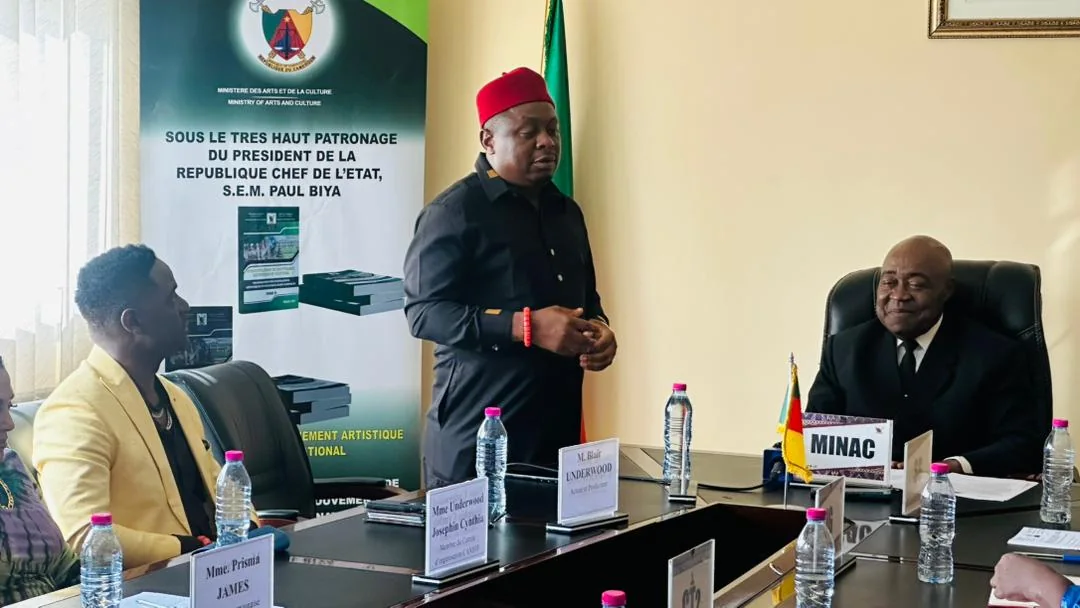
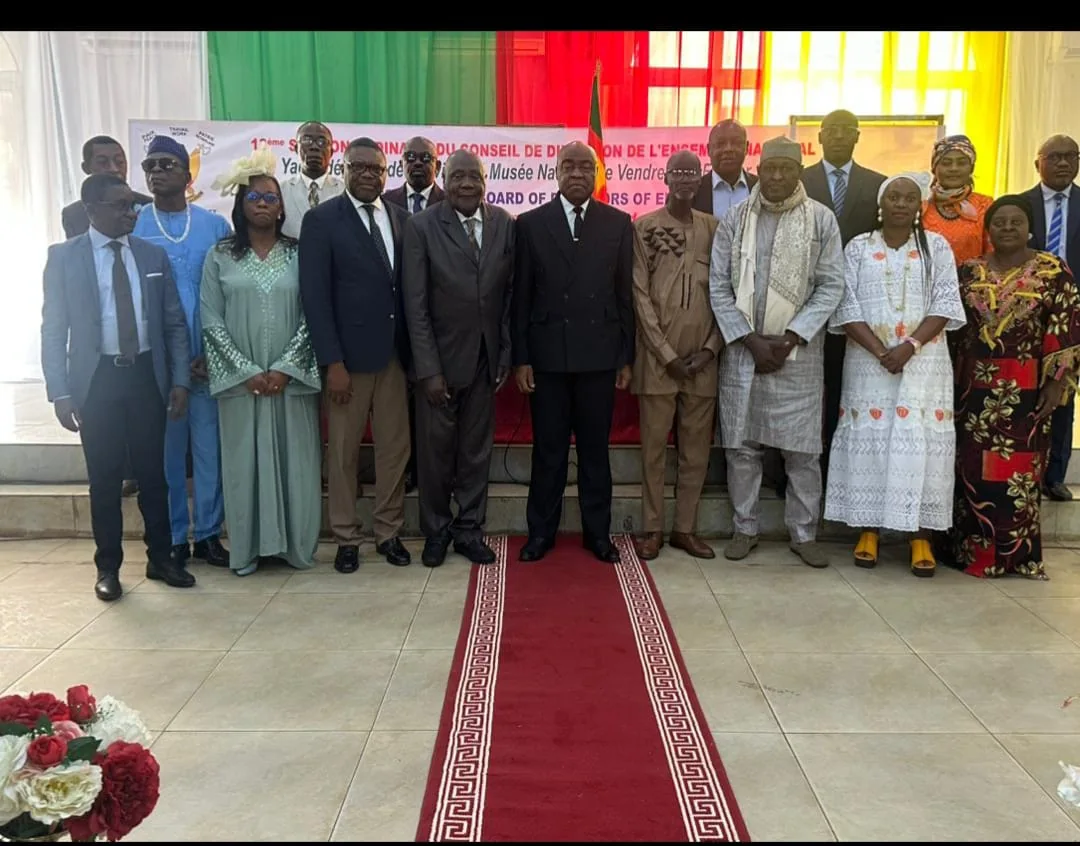
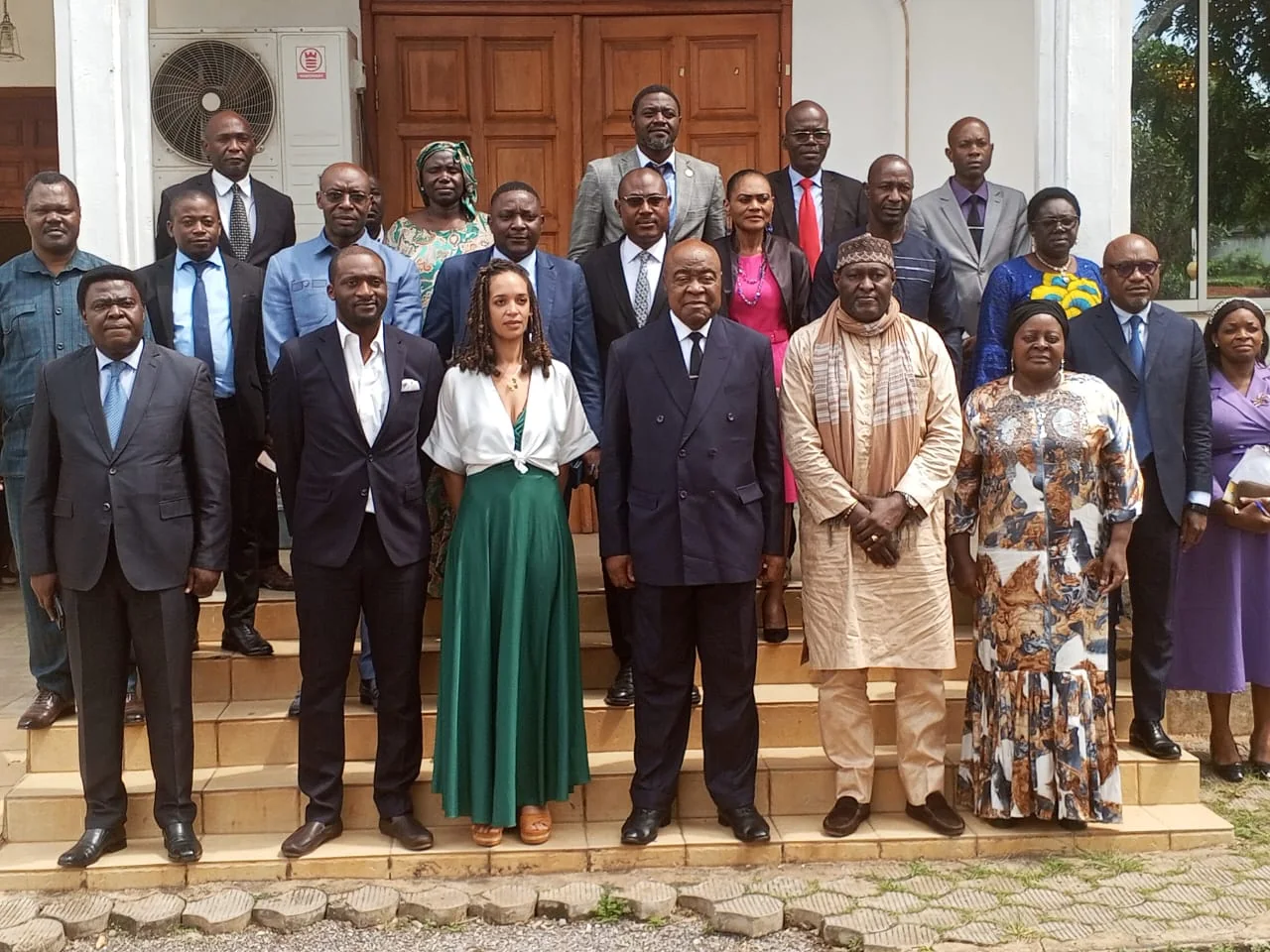
Ministry working meeting around a flower-decked table

Not every event is funded, and the Ministry never funds an entire budget. The aid supplements the organiser’s own revenue, contributions from local authorities and the patronage and sponsorship governed by Law No. 2003/013. Four criteria guide the examination of each file.

Cultural interest

The event must serve a discipline, a tradition or a creation of the country: promotion of a chiefdom festival, a dance gathering, a film screening, a book fair. Programmes that make room for Cameroonian artists, national languages and the transmission of heritage to young people are looked at particularly closely.
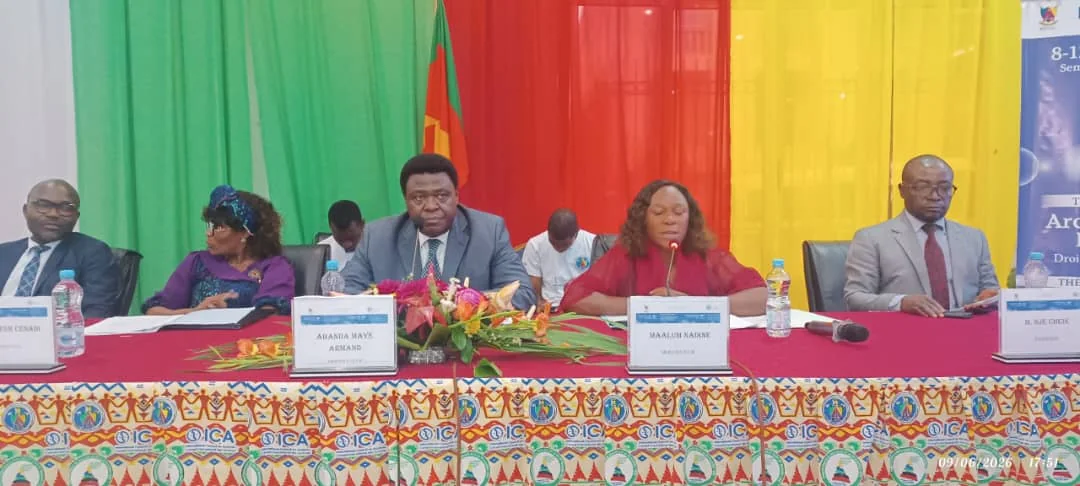
Reach

The committee measures the real catchment area: local, regional, national or international audience, press presence, benefits for the local economy. An event that enlivens a district throughout the year counts as much as a major urban gathering.

Balanced budget and the organiser’s capacity

A sincere budget, with identified revenue, is more reassuring than an inflated one. The organiser must be a registered body (see association approval), have a team and have obtained or applied for the festival authorisation. Previous editions weigh in the assessment.

ℹ️
Regulatory basis

Grants are charged to the special allocation account for the support of cultural policy, created by Decree No. 2001/389. The regulatory texts can be consulted online.

File

Putting together the file for the grant application

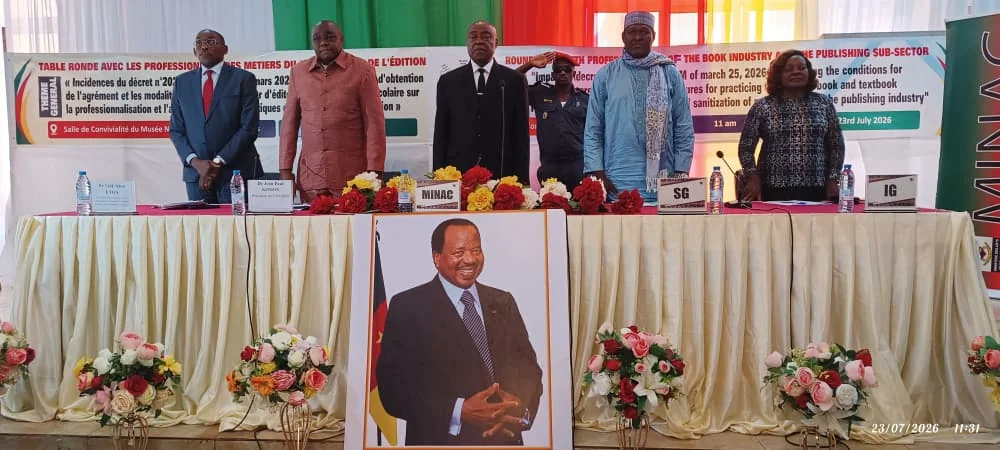
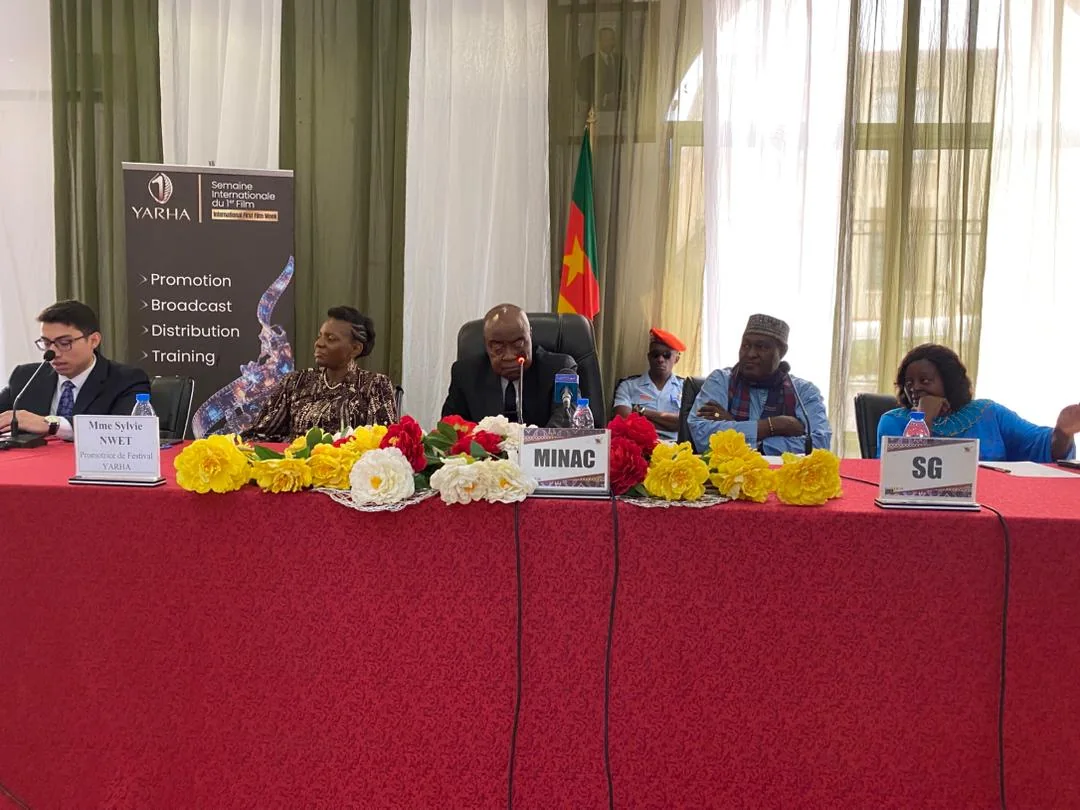
Panel table during an institutional meeting of the Ministry

The file is submitted on the One-Stop Shop, from the organiser’s account. A complete file is processed faster: better eight clear documents than twenty mixed ones.

The project

A presentation note of two to four pages sets out the history of the event, its objectives, its day-by-day programme, the disciplines and regions represented, the expected audience and the arrangements for welcoming people with disabilities. Guest artists are identified by discipline and origin.

The budget and financing plan

The budget details expenditure (artistic, technical, security, communication, accommodation, insurance) and revenue (ticketing, partners, local authorities, aid requested). The financing plan shows what is secured and what is still hoped for. No standard amount is imposed: the eligible expenditure headings are set out in the grant application.

The previous edition’s report

The file for a renewed edition draws on the report of the previous one: attendance, accounts, impact, difficulties encountered. For a first edition, the organiser presents instead the experience of its team. Useful forms can be found in the Forms section.

ℹ️
Before submitting

Check that the association’s approval, the online account and the authorisation request are in order: an incomplete file is returned and loses its place in the examination order.

Calendar

The annual calendar of submissions and decisions

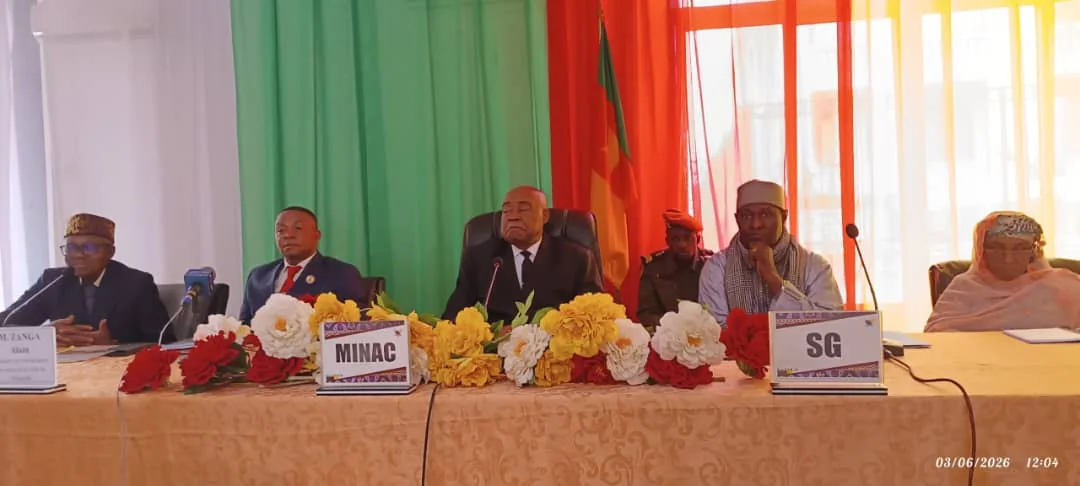
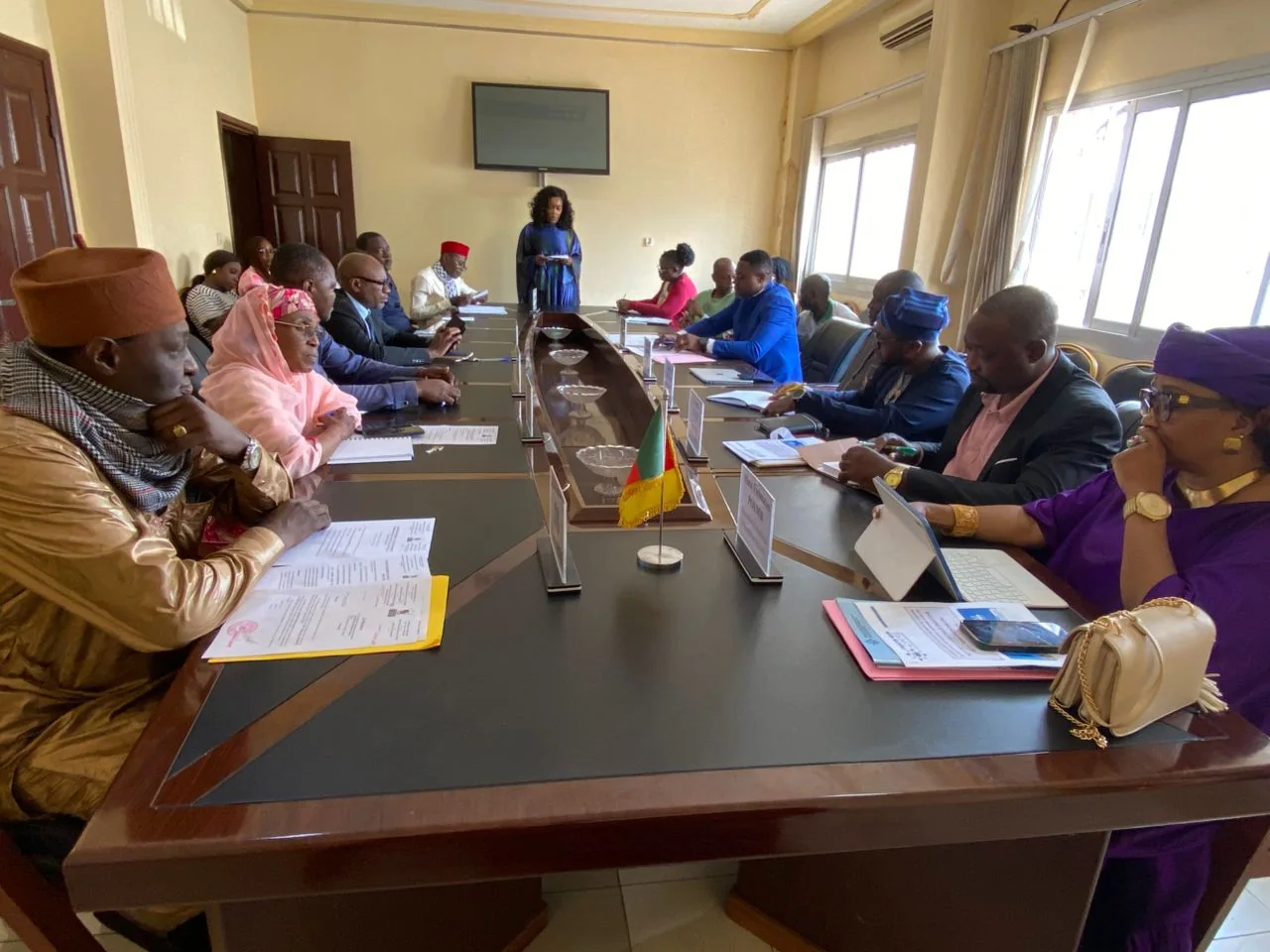
Working meeting around a large table in a Ministry room

Grants follow an annual cycle, aligned with the budget year. The precise dates of each round are announced on the Ministry’s website, in the call for projects area and in the cultural agenda. Here is the general logic of the year.

In the first half of the year: submission

The round opens at the beginning of the year for events in the following months. Organisers of festivals planned for the end of the year can submit early: processing takes several weeks, and an event that has already taken place can no longer be funded.

Notification and payment

Each organiser receives a written decision, with reasons in the event of refusal. Payment is made in accordance with public accounting rules and tracking is done with the file number. A refusal does not prevent resubmission the following year with an improved project.

Review

Submitting the narrative and financial report

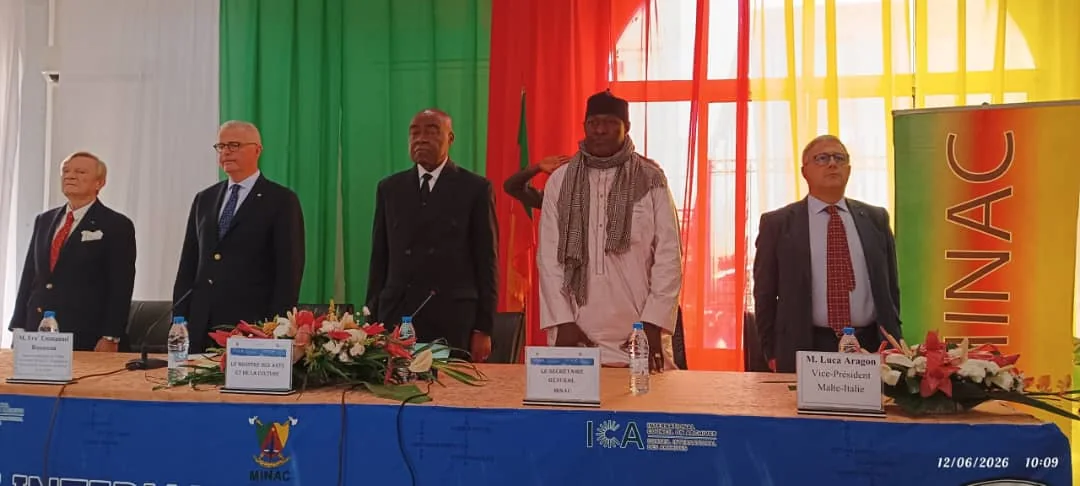
Ministry panel table during a working meeting

A grant is a reciprocal commitment: the Ministry supports, the organiser accounts for its use. The report is required after each funded event and conditions the examination of any later application.

The narrative report

It tells the story of the edition: programme delivered, number of artists and troupes, estimated attendance, activities for schools, press coverage, photographs and recordings. It also flags what did not work. Links to images and videos are added to the festival archives.

The financial report

It compares the planned budget with actual expenditure, with supporting documents: invoices, artist contracts, payment statements. Significant differences are explained. The same document accounts for the use of public aid, ticketing revenue and patrons’ contributions.

Deadline and follow-up

The report is submitted within a deadline set by the award decision. An organiser who does not render accounts cannot resubmit. In case of difficulty, it is better to write to the service early than to let the deadline run: a justified extension is possible.

ℹ️
Good practice

Keep an expense log from the first invoice. The report can be written in a few days when supporting documents have been filed as you go along.

Other funding

Supplement the Ministry’s aid with other resources

Officials standing before the panel table of a Ministry conference

No serious festival relies on a single source. The Ministry’s grant often acts as leverage: it reassures other partners, who see it as recognition of the project’s quality.

  • Local authorities: municipalities and regions support the festivals that enliven their territory, notably through decentralised cooperation;
  • Patronage and sponsorship: Law No. 2003/013 sets out the benefits granted to companies that support culture;
  • Specialised funds: creation, cinema, publishing, mobility, presented in the support funds;
  • Ticketing and on-site sales: catering, crafts, stalls;
  • International cooperation: embassies and projects funded by foreign partners.

The Ministry invites every organiser to present a multi-source financing plan, with the role of each source.

Step by step

Obtaining a grant in six stages

Check eligibility

Re-read the criteria, check that your organisation is registered and that the event has a clear cultural interest and an identified audience.

Create your account

Open an account on the One-Stop Shop, enter the organisation’s details and designate the person responsible for following the file.

Build the budget

List expenditure and revenue, indicate the co-financing already secured, and approach your local partners before submitting the application.

Submit online

Attach the project note, the budget, the financing plan and the previous report; keep the acknowledgement of receipt and the file number.

Track the decision

Track progress from your account, respond to requests for further information and wait for the written notification before committing expenditure.

Reporting

After the event, submit the narrative and financial report with supporting documents, photographs and recording links.

To act

Procedures to start now

Submit the application

Go to the grant application page to view open calls and submit your file.

Request support

Obtain authorisation

Without a festival authorisation, no public event can be held, even if funded.

Festival authorisation

Track a file

Enter your number to see the processing stage and the documents requested.

Track my file

Look for other funds

Browse the sector funds to complete your financing plan.

See the support funds
To explore

Schemes related to the event grant

Feedback from organisers

They submitted a file

“
Our file was refused in the first year; the written reasons allowed us to revise the budget, and the following application was accepted.
A festival organiser
West Region
“
The grant covered only part of the costs, but it convinced two companies to sponsor us from the following season.
A president of a cultural association
Littoral Region
“
Writing the report took us three days because we had filed our invoices; it spared us any delay for the next edition.
A treasurer of an organising committee
Centre Region
“
The regional delegation’s opinion counted: it had known our festival for years and said so to the committee.
A traditional festival leader
South Region

“A well-prepared event is a better-funded event: the file is the first show presented to the jury.”

A member of the examination committee
To download

Grant file templates

Key facts

The grant application step by step

StageWho actsWhat is examinedOutcome
SubmissionOrganiserProject, budget, financing plan, previous reportAcknowledgement of receipt and file number
AdmissibilityMinistry servicesCompleteness of documents, legal existence of the organisationAdmissible file or request for further information
Regional opinionRegional DelegationLocal roots, capacity of the venueOpinion forwarded to the committee
ProcessingReview committeeCultural interest, reach, budget, teamProposal for aid or reasoned rejection
DecisionCompetent authorityCompliance with the rules of the special appropriation accountWritten notification to the organiser
PaymentFinancial servicesConformity of the decision and bank documentsAid made available
ReviewOrganiserDelivery of the programme, use of fundsDischarge or request for clarification
Glossary

The vocabulary of the event grant

Subsidy

Public financial aid granted to an organiser to carry out a project of cultural interest, without commercial return.

Special appropriation account

A State budget account whose revenue is earmarked for a specific use, here the support of cultural policy.

Financing plan

Table that distributes a project’s resources between public aid, partners, own revenue and the organiser’s contribution.

Co-funding

Contribution by another funder to the same project, often required in addition to a public grant.

Patronage

Support granted without direct return to a work or a body of general interest, governed by the 2003 law.

Sponsorship

Support provided to an event in exchange for brand visibility, subject to the same legal framework as patronage.

Review committee

Meeting of professionals and officials who read the files and propose aid or rejection.

Supporting document

Invoice, contract or statement proving that an expense was actually incurred.

Narrative report

Account of the event: programme, audience, results, difficulties.

Financial report

Comparison of the planned budget with actual expenditure, with supporting documents.

Discharge

Written acknowledgement that the reports comply with the commitment.

Budget year

Annual period over which appropriations are voted and spent.

On the site

Go further with grants

Resources

Useful links for financing an event

Stakeholders

Who processes and funds events?

Journey

From submission to the next edition

Month 1Putting the file together

The team sets the dates, costs the budget, collects partners’ letters of support and obtains the first administrative documents.

Month 2Submission and admissibility

The file is submitted online; the services check the documents and, if necessary, request further information within a short deadline.

Month 3Review committee

The members read the files, compare the projects with the public criteria and propose aid or a reasoned rejection.

Month 4Notification

The organiser receives the written decision, signs the commitments and can start contracts with artists and service providers.

After the eventReport submitted

The narrative and financial report is submitted with supporting documents, then feeds into the application for the following edition.

Questions

Your questions on event grants

Who can apply for a grant for an event?

Any registered organisation, association, organising committee or cultural enterprise that carries an event of cultural interest. Individuals without an organisation must first form an association and obtain its approval, a procedure described in the Services section of the site.

Does the Ministry fund the entire budget?

No. The aid supplements the organiser’s other resources: ticket revenue, local authorities, patrons and sponsors. A multi-source financing plan is required, and the committee looks at the organisation’s own share of effort before proposing aid.

Can aid be requested for an event that has already taken place?

No. The application must be submitted before the event, because the aid finances its delivery. However, the report on the past event is essential for submitting an application the following year, and it is examined carefully.

How does this relate to the festival authorisation?

These are two separate procedures. The authorisation allows the event to be held in public and ensures compliance with the law on the regime for shows; the grant finances part of it. A grant file without an authorisation request is considered weak.

What happens in case of refusal?

The refusal is notified in writing with its reasons. You may request a discussion with the processing service, correct the project or the budget and resubmit in the next round. A refusal is not a sanction and is not recorded against the organiser.

What supporting documents should be kept for the report?

Keep all invoices made out in your name, contracts with artists and service providers, fee payment statements, the project’s bank statements, dated photographs and the guest list. File them by expenditure item from the very start of the organisation.

Can a festival in the regions be supported?

Yes, and this is even an objective: the regional delegation advises organisers, gives an opinion on local roots and can help put the file together. The 2026 festivals relayed by the Ministry, such as Mbam’Art or the Patriarchs’ Days, are examples.

Where can I track the progress of a submitted file?

From your account on the One-Stop Shop, with the file number received at submission. The tracking page shows the current stage, any additional information requested and the decision. For a specific question, write to the Ministry quoting this number.

Contact

Write to the event grants service

State the name of your event, its region, its date and your file number if you have one: your message is forwarded to the service that processes aid.

Competent service

Contact event grants

Address

Directorate of Shows and Creative Industries
Ministry of Arts and Culture
Quartier du Lac – Ministerial Zone
P.O. Box 1053 Yaoundé, Centre Region, Cameroon

Reach us

+237 6 51 70 58 41

contact@minac.gov.cm

Opening hours

Monday to Friday, 8 am to 4 pm

Submit your aid application

Prepare the budget, gather the documents and submit the file online for your next event.

Apply for a grant
WhatsApp