
Arts
Performing arts, visual arts, books, cinema, digital and art crafts: an overview of the seventeen disciplines and schemes that support Cameroonian creation, with the procedures useful to each artist.
A country that creates tirelessly
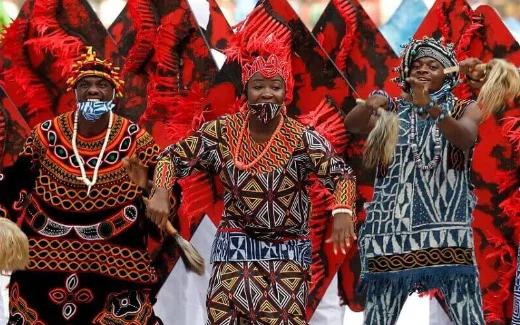
From the brushes of Douala’s painters to the theatre stages of Yaoundé, from the sculptors’ workshops of the West to the music studios of Bafoussam, from bookshops to cinemas: Cameroonian creation is multiple, young and demanding. It draws on living traditions, numerous languages and an urban scene that invents new forms every day.
This section is the gateway to all the disciplines followed by the Ministry: seventeen pages to understand an art, find the right contacts, know your rights, apply to a scheme and go further. It is aimed as much at the established artist as at the curious secondary-school pupil, at the local elected official as at the foreign programmer.
- Seventeen disciplines and schemes presented page by page
- Procedures explained step by step, from authorisation to the artist card
- A directory, residencies and prizes to make your work known
The arts in the Ministry’s work

The Ministry of Arts and Culture designs and implements the Government’s policy on the promotion of the arts. In practice, several directorates share the field: the directorate responsible for the development and promotion of the arts for the creative disciplines, the directorate of shows and creative industries for the show regime, the directorate of books and reading for the book chain, and the directorate of cinematography for the moving image. Their missions are detailed on the central directorates page.
This organisation responds to the national strategy NDS30, which places the structuring of artistic professions, arts education and the development of creative industries among its priorities. The details appear in the sectoral strategy and in the Ministry’s major projects, including the construction of the National Institute of Arts and Culture.
Any public performance requires prior authorisation, submitted online through the One-Stop Shop.
Stage, theatre, dance, music: the performing arts
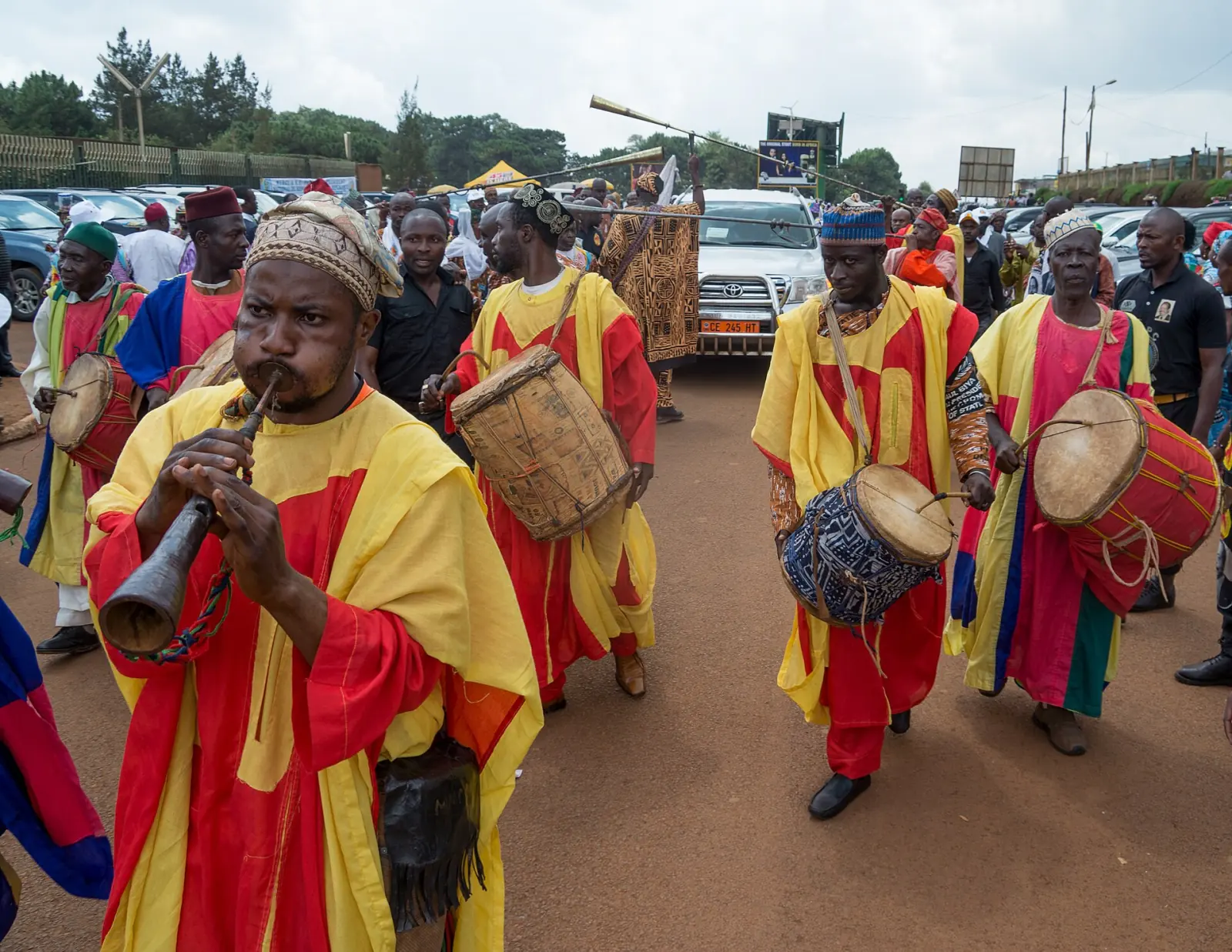
The performing arts form the most visible family of Cameroonian creation, because they are shared in public. The general framework is presented on the Performing arts page: programming, venues, companies and authorisations, under the regime of Law No. 2004/001 of 21 April 2004. It is the page to read before organising any show.
Theatre is expressed in several languages, from neighbourhood stages to national stages, with around a hundred companies identified. Dance links the court, forest, coastal and savannah repertoires to contemporary writing. Music covers about a dozen major genres, from traditional music to bikutsi, makossa, assiko or hip-hop, and relies on studios, orchestras and collective management societies.
Urban arts extend this movement into the street: graffiti, battles, open-air concerts, practice spaces negotiated with local authorities.
Painting, sculpting, photographing, designing: the visual arts
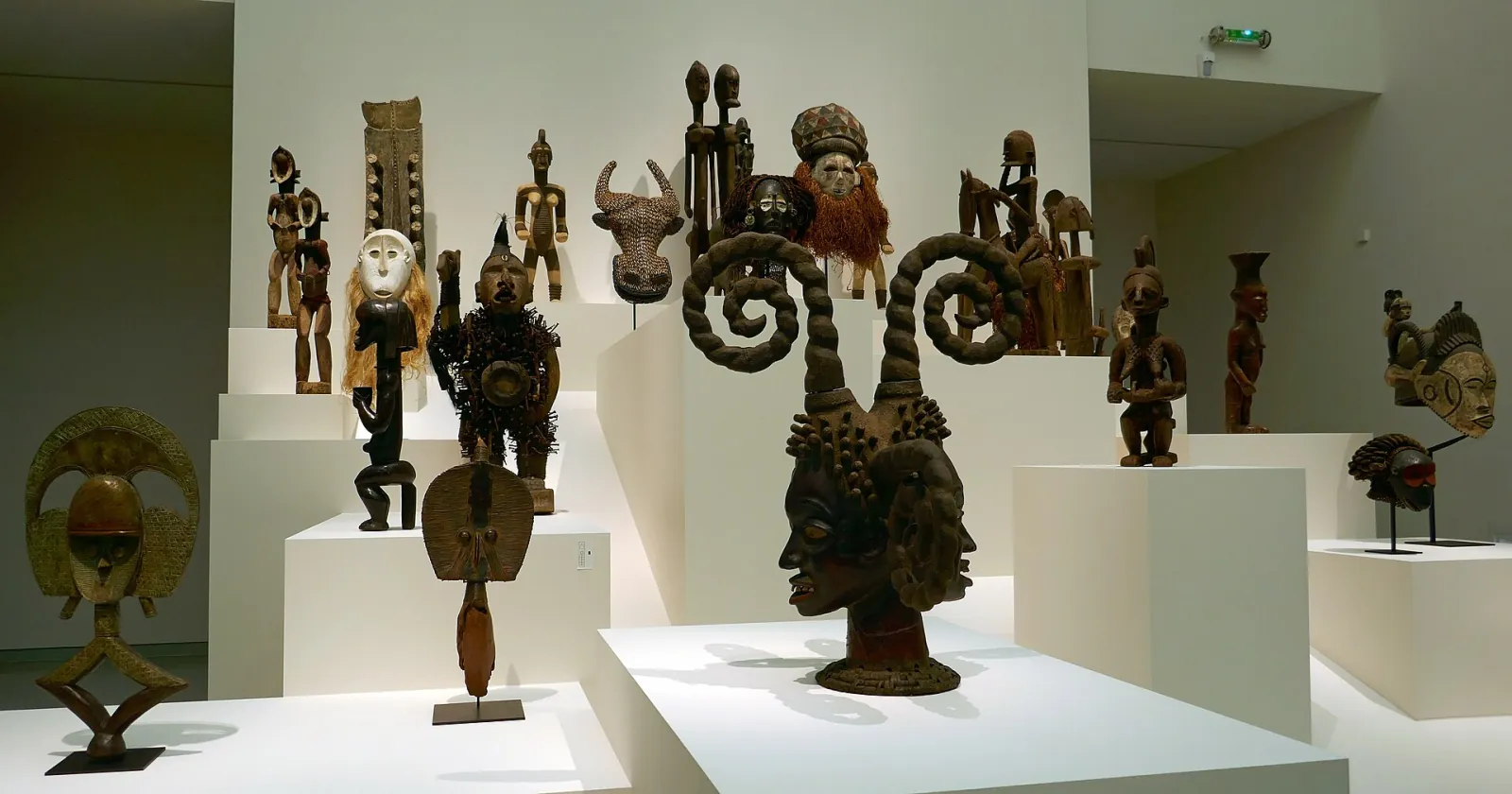
The visual arts bring together practices in which the work is looked at and conserved. The fine arts cover painting, sculpture, galleries and exhibitions, with the 5% resale right on resales. The contemporary visual arts include installation, video art, performance and biennials, often linked to residencies.
Photography has its press, art and studio photographers, its archive collections and its competitions. Fashion and design bring five major families of traditional dress into dialogue with the work of designers who export their collections. Art crafts perpetuate work in wood, bronze, fibre, leather and fabric, while the digital arts open up the fields of video games, animation and interactive creation.
From manuscript to screen: books and the image
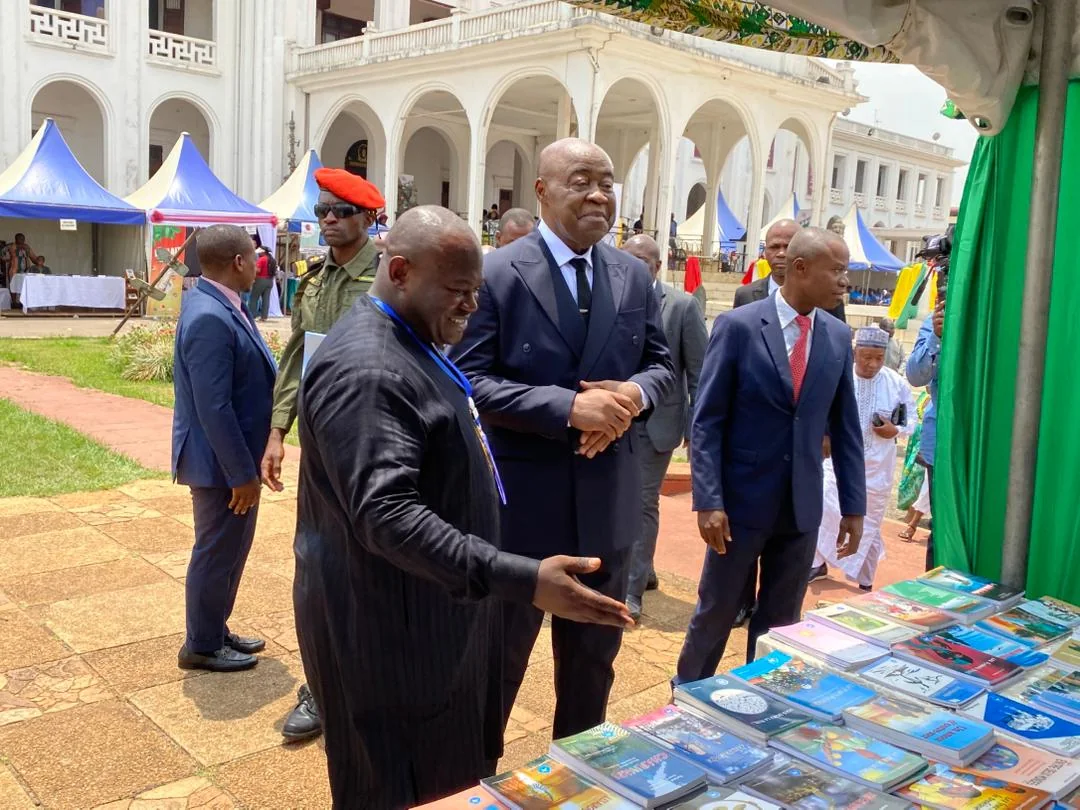
The book chain starts with the author and passes through the publisher, the printer, the bookseller and the library. The Literature and books page explains legal deposit (Law No. 2000/05), the ISBN, literary prizes and the International Book and Reading Fair, whose fourth edition was held in Yaoundé in 2026. CREPLA, under the Ministry’s supervision, supports creation and publishing.
The moving image has its own page, Cinema and audiovisual: production, festivals, cinemas and grants. The legal framework for cinema has been under review since 2026, which makes regular consultation of this page essential for producers. Filming a film or series requires a filming authorisation.
Professionals will also find links to the economy: the Publishing and books and Cinema sheets in the Industries section describe funding and distribution channels.
- Legal deposit of printed matter before any distribution;
- Filming authorisation before the first day of shooting;
- Declaration of works with collective management societies in order to receive one’s rights.
Directory, residencies, prizes, training: shared schemes
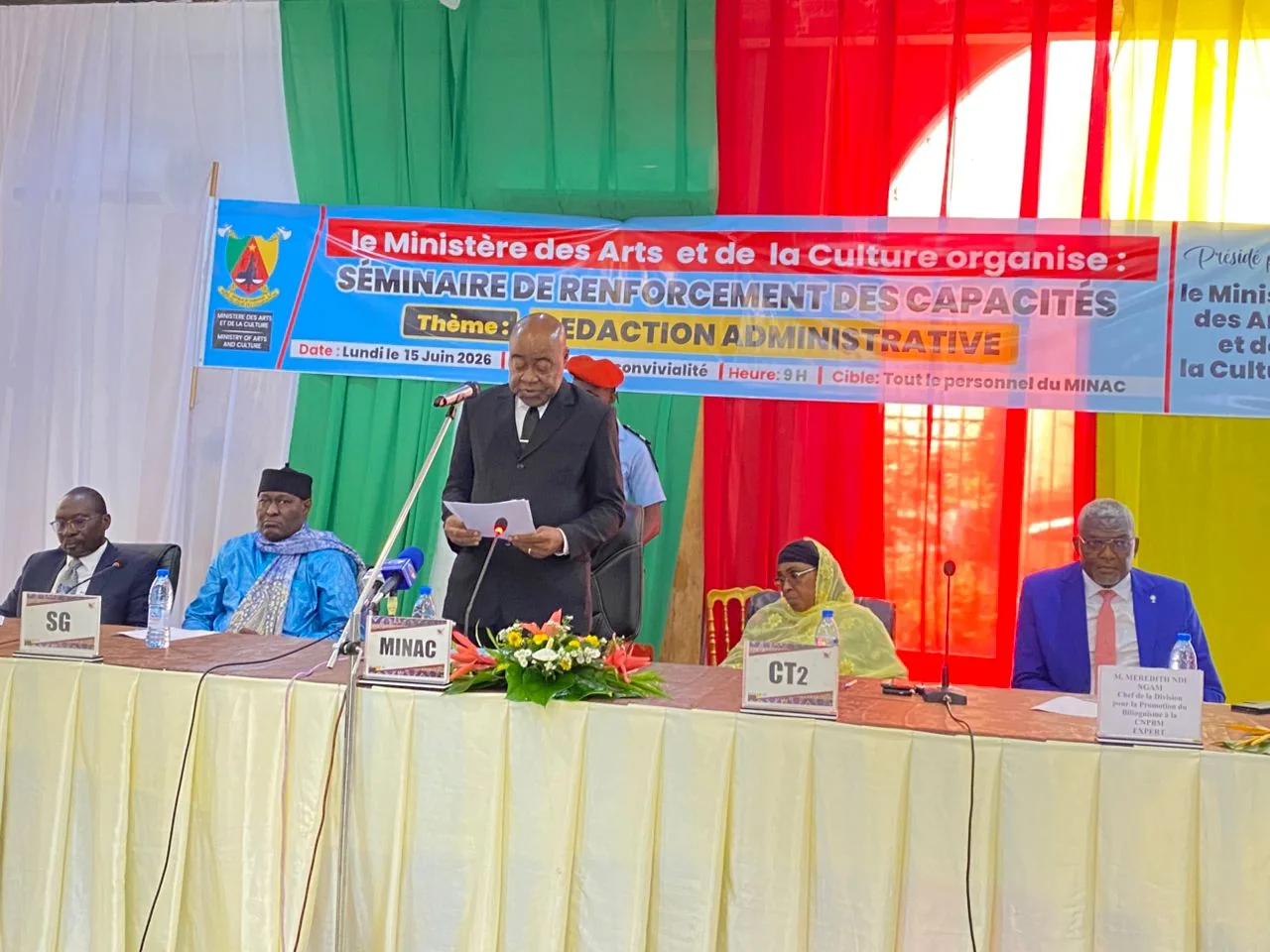
Four cross-cutting pages serve all disciplines. The artists’ directory brings together about 2,400 entries for artists and organisations, free of charge and editable at any time: it is the showcase consulted by programmers, journalists and partners. The residencies offer, in fourteen host venues, a creation period of one to twelve weeks, in Cameroon as well as abroad.
The prizes and awards reward nine categories each year, with juries of seven to eleven members and an online application. Finally, arts education covers the arts at school, conservatoires, workshops and scholarships, and prepares for the opening of the National Institute of Arts and Culture.
These schemes complement one another: you register in the directory, apply for a residency, compete for a prize, train, then disseminate your work. The calendar of calls for projects gives the up-to-date deadlines.
Which path for which artist?
Beginner artist
Make yourself known, train and find a first audience.
Artists’ directoryArts educationOrganiser or programmer
Authorisation, venues, ticketing and public safety.
Performing artsOrganise a festivalTeacher, elected official or parent
Bring the arts into schools and neighbourhoods.
Urban artsRegional DelegationsThe most visited pages
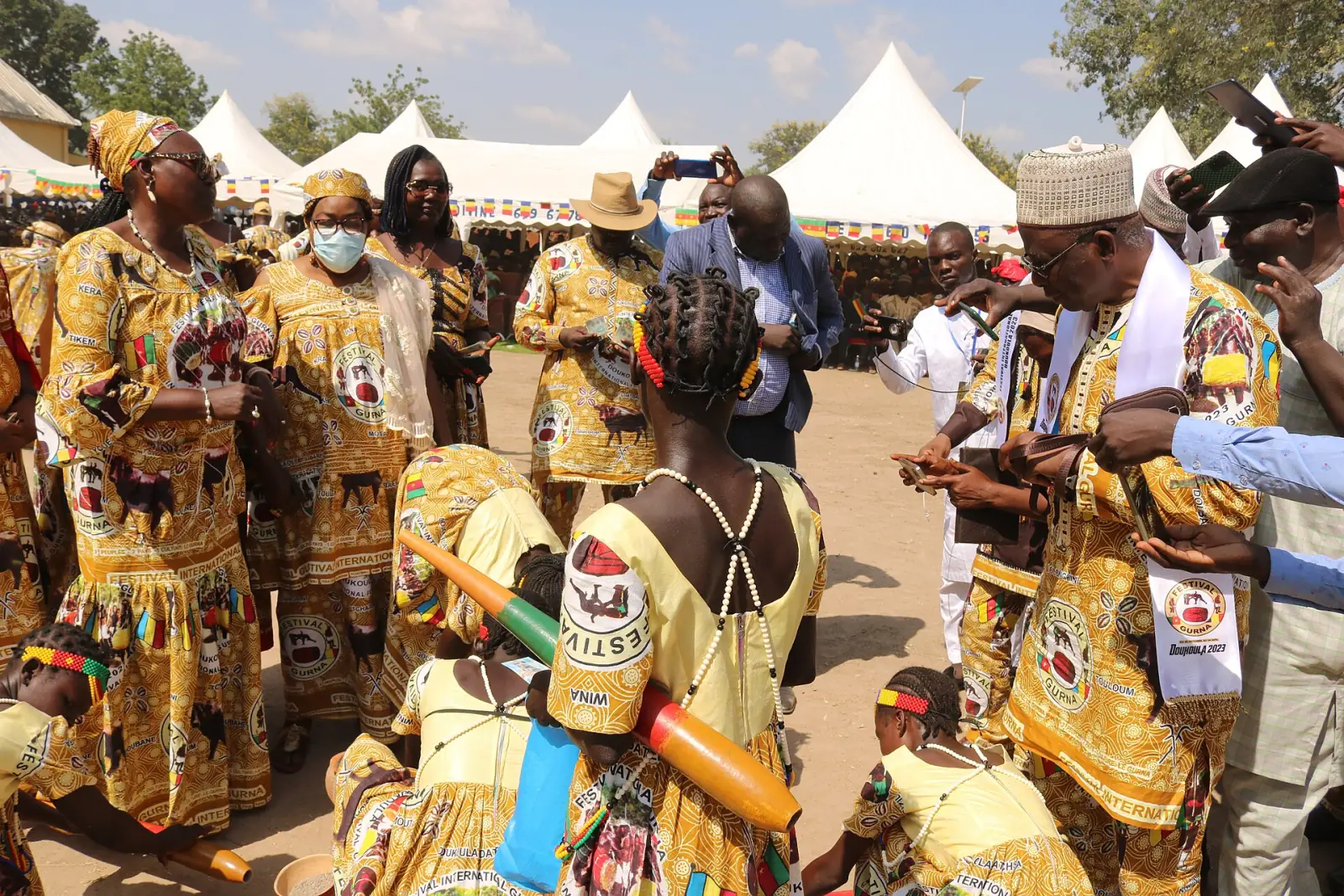
Performing arts
Show regime, venues, authorisations and programming.
Discover →
Cinema and audiovisual
Produce, shoot and screen, with the missions of the directorate of cinematography.
Discover →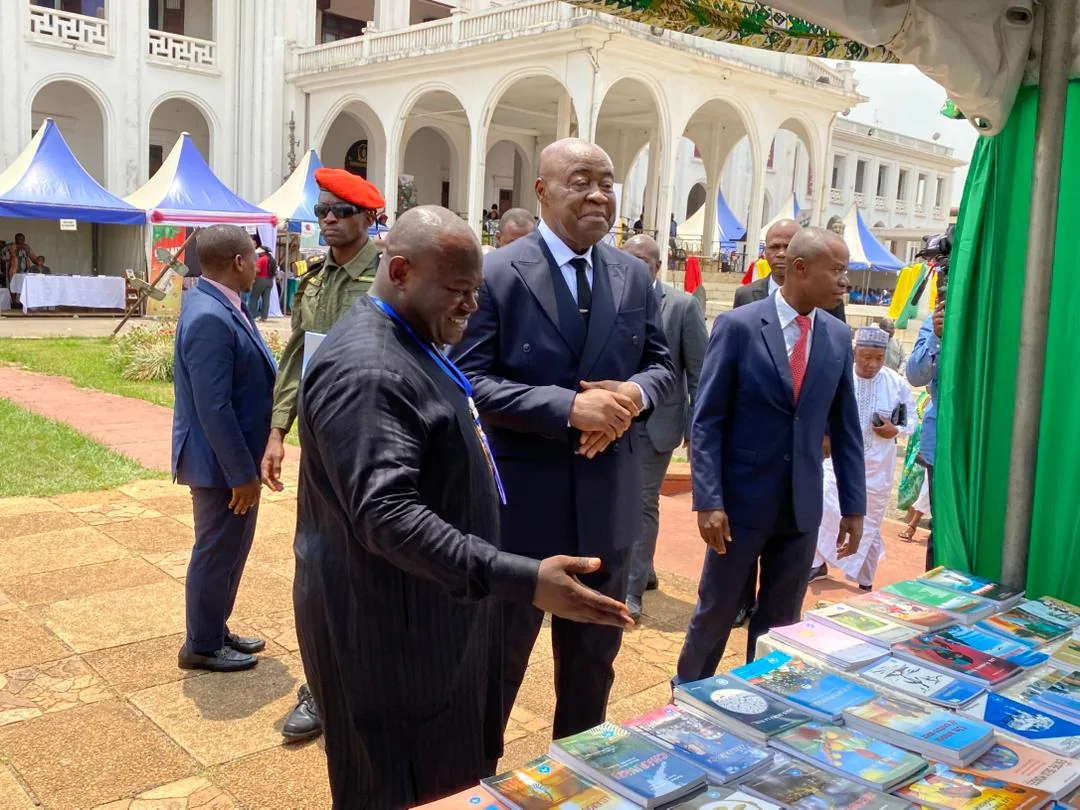
Literature and books
Publishers, libraries, legal deposit and book fair.
Discover →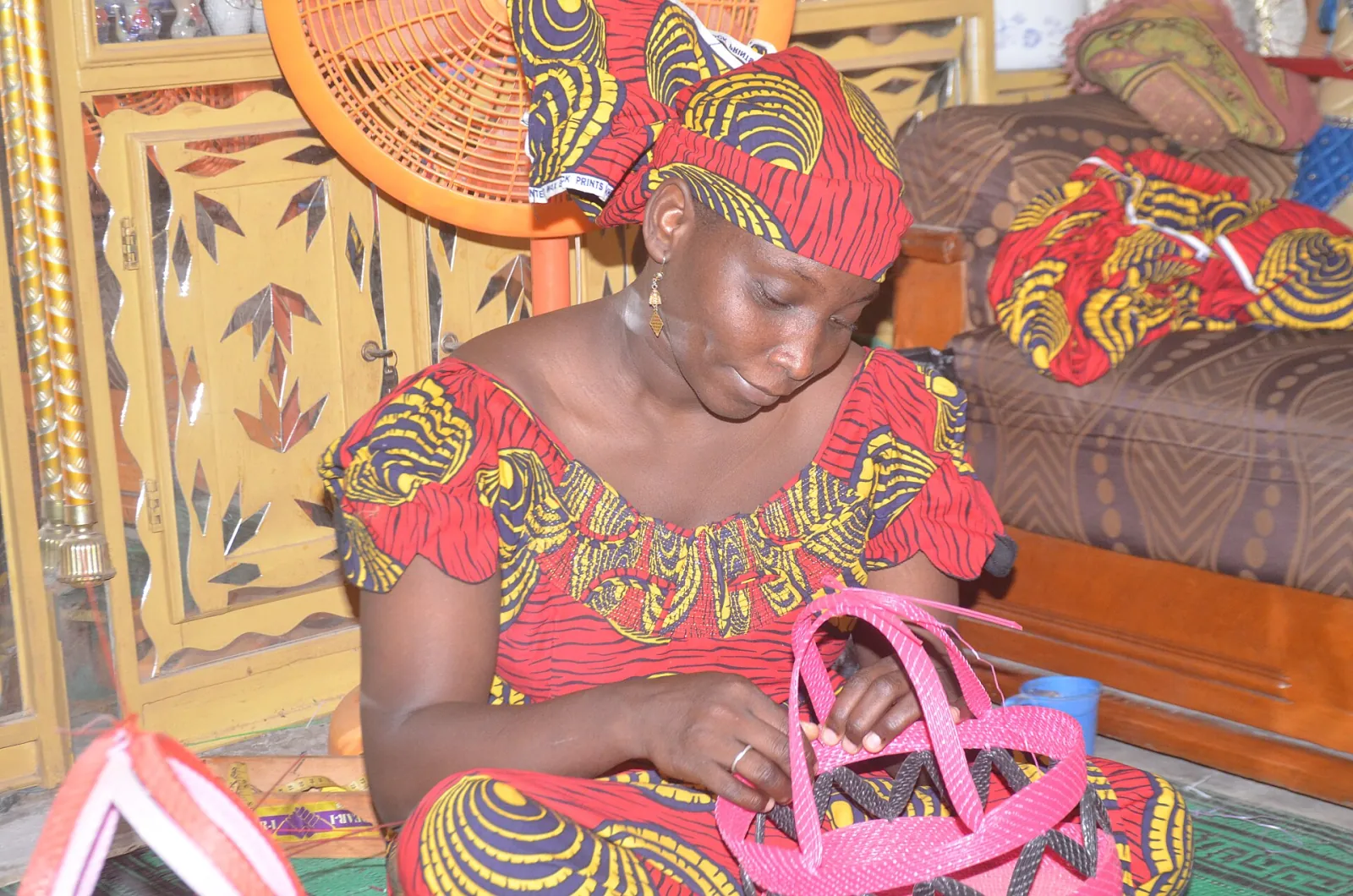
Art crafts
Trades, workshops, markets and quality label.
Discover →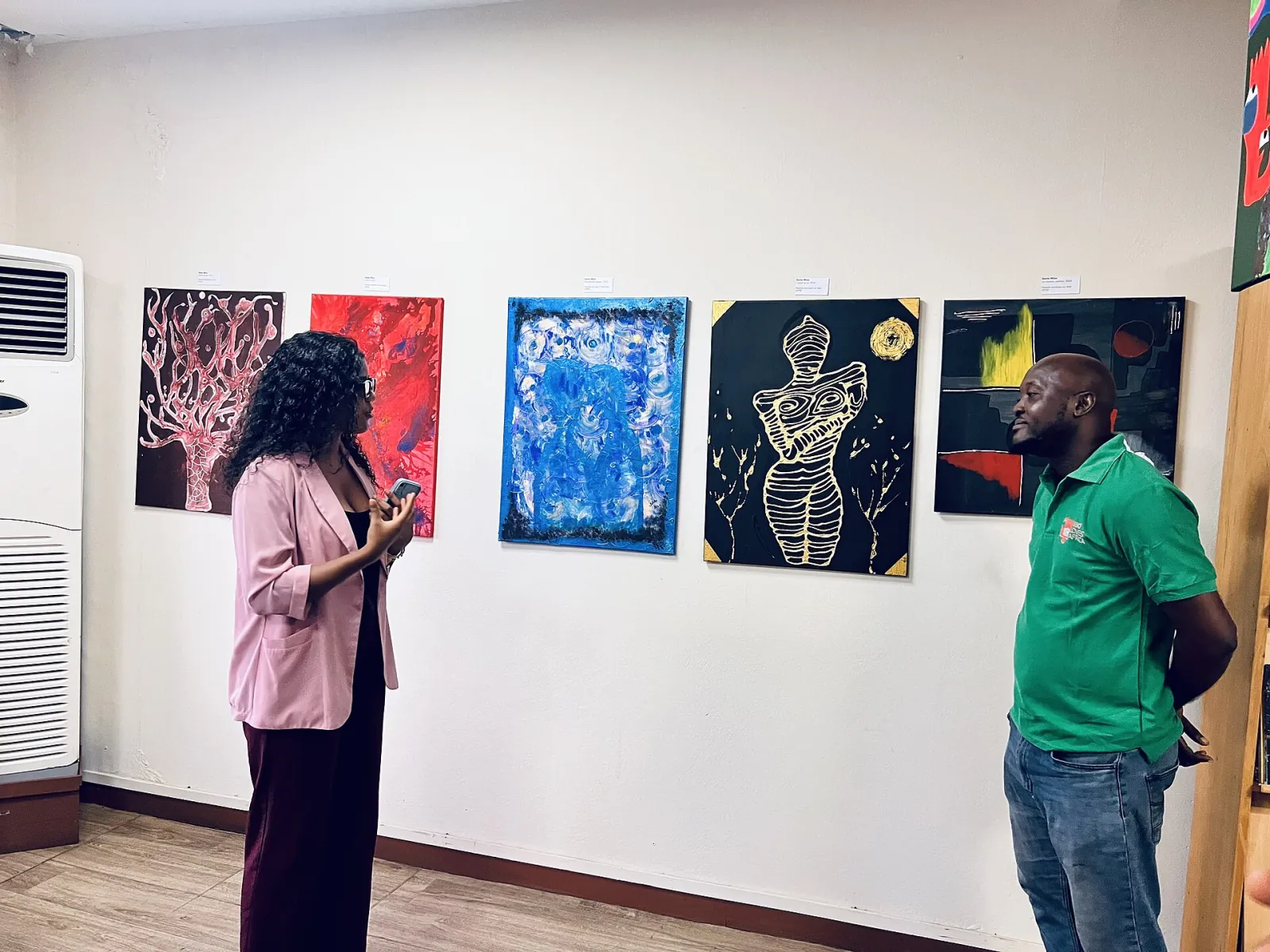
Residencies
A place and time to research, in Cameroon or abroad.
Discover →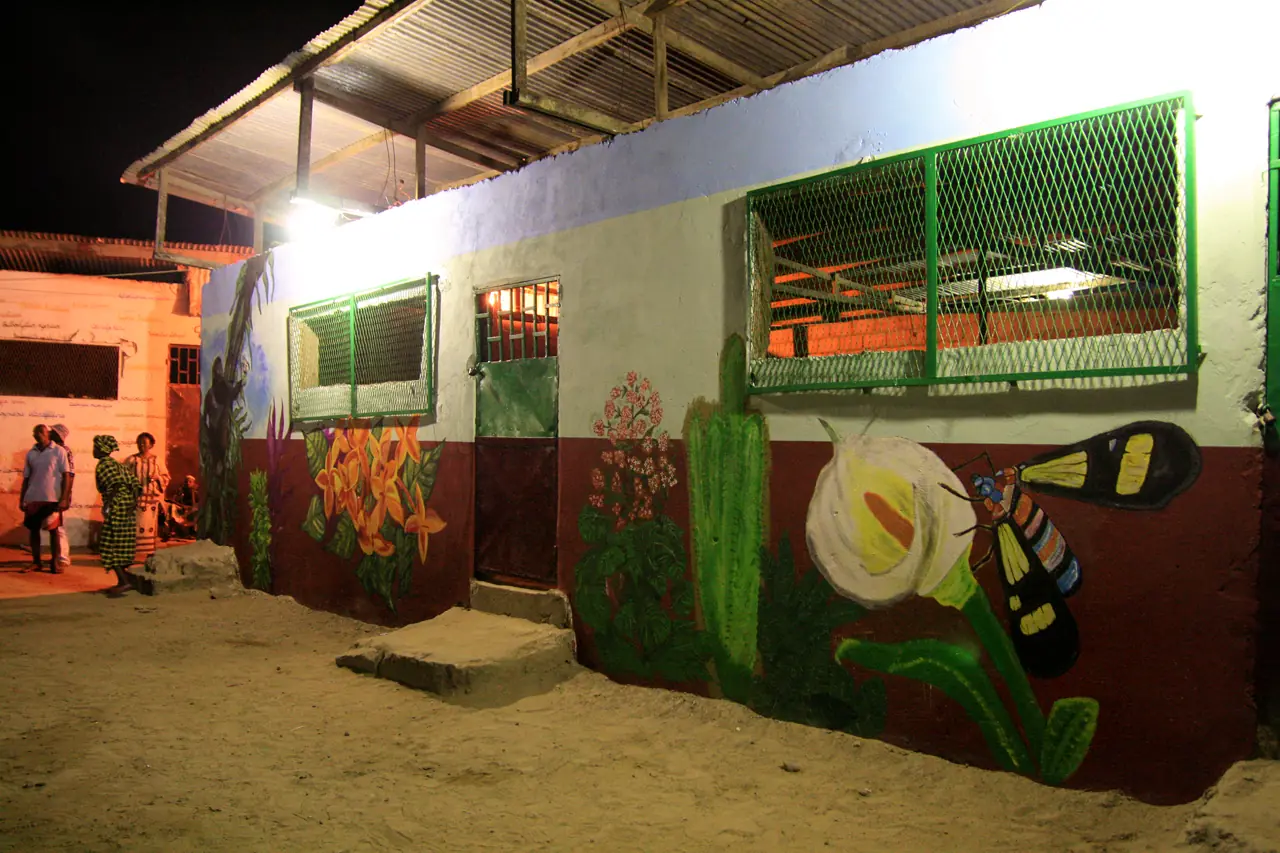
Artists’ directory
A free entry to be found by programmers.
Discover →The section’s texts and guides
Law No. 2004/001 on the show regime
Full textLaw No. 2000/05 on legal deposit
Full textNational strategy NDS30 and cultural priorities
Reference frameworkModel contracts for artists and producers
Templates to adaptForms and notices for online procedures
One-Stop ShopScales of copyright and neighbouring rights
Collective tariffsThe words of the arts
Live arts
Disciplines performed before an audience: theatre, dance, music, circus, street performance.
Applied arts
Arts that give a beautiful form to useful objects: fashion, design, ceramics, furnishing.
Company
A structure, often an association, that carries the artistic project of a team of artists.
Residency
A research and creation stay granted to an artist in an equipped venue.
Resale right
The percentage paid to the visual artist on the resale of their work.
Legal deposit
The obligation to supply copies of a publication to the designated institution.
Artist card
A document certifying the professional status of a creator.
Biennial
An artistic event held every two years.
Programmer
A professional who chooses the shows or exhibitions of a venue or festival.
Collective management
Collection and distribution of rights by a society on behalf of its members.
“An artist does not only lack equipment: they often lack someone to turn to. Knowing which door to knock on changes everything.”
Schemes within reach
Artist card
Have your professional status recognised, online, supported by your contracts and programmes.
Apply for the cardShow authorisation
Mandatory for any public performance; the file is tracked with a unique number.
Submit the fileGrant application
Support for creation, production and dissemination, examined by a commission of professionals.
See the procedureThey create in Cameroon
Thanks to my directory entry, a festival programmer contacted me without my having approached anyone; my tour was built from that call.
Yaoundé
The residency gave me what is most lacking: six weeks with no concern other than the work of the studio and an outside critical eye.
Douala
My collection obtained its ISBN within a few days; I was finally able to present it in bookshops and libraries.
Bamenda
The House of Culture workshop allowed our young people to rehearse in good conditions and stage their first show.
Garoua
Go further from the arts
Who supports the arts?
Cameroonian arts through time
Sculpture, masks, dances and music accompany chiefdoms, initiations and harvests; master craftsmen pass on their skills from father to son.
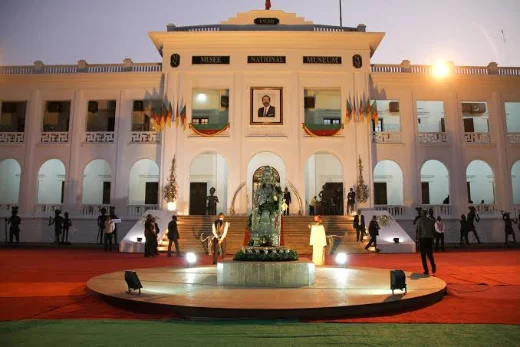
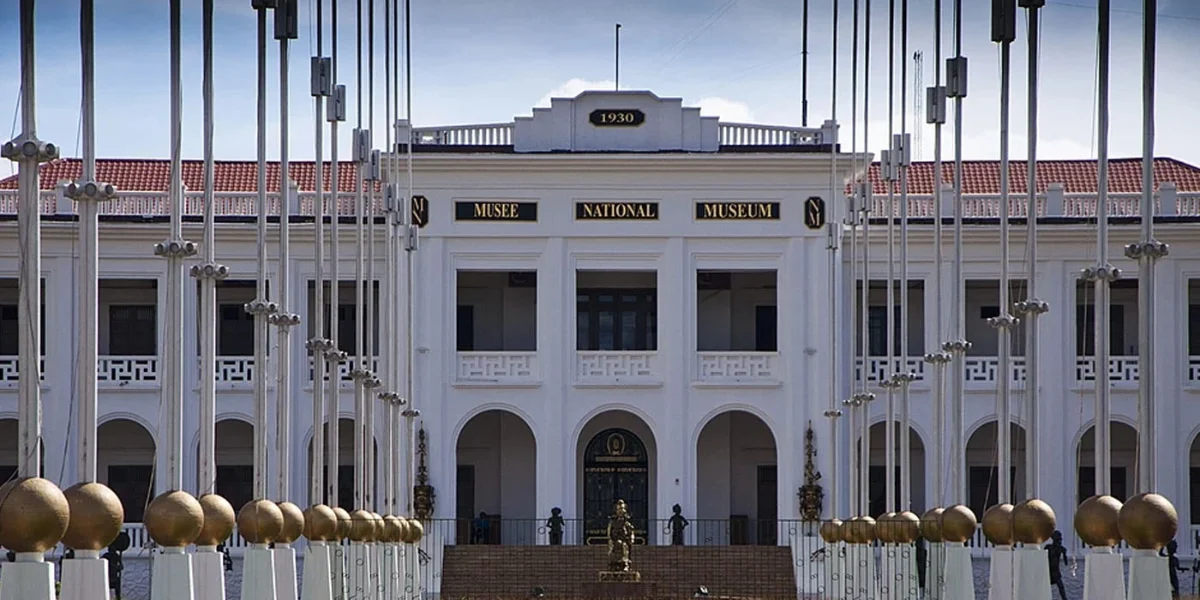
The national ensembles, the first art schools and the National Museum lay the foundations of a State cultural policy.
The legal framework is built, with copyright, then the 2004 show regime and the 2000 legal deposit.
Artists’ associations are declared, the National Ensemble is reorganised by decree and residencies multiply.
The Ministry continues the construction of the National Institute of Arts and Culture, relays book fairs and supports dance gatherings.
The disciplines at a glance
| Family | Pages to consult | Reference directorate | Common procedure |
|---|---|---|---|
| Live arts | Stage, theatre, dance, music | Performances and creative industries | Show authorisation |
| Visual arts | Fine arts, visual arts, photography | Arts development and promotion | Registration in the directory |
| Applied arts | Fashion and design, art crafts | Arts development and promotion | Application for a label or grant |
| Books | Literature and books | Books and reading | Legal deposit and ISBN |
| Moving image | Cinema and audiovisual | Cinematography | Filming authorisation |
| Digital and urban | Digital arts, urban arts | Performances and creative industries | Owner’s consent for a mural |
| Support | Directory, residencies, prizes, education | Arts development and promotion | Online application |
Your questions about the arts
Which page should I start with if I do not know the section?
Start with the page for your discipline in the list of seventeen pages: it describes the stakeholders, rules and procedures. If your practice straddles several arts, complete it with the artists’ directory, which lets you be found in several disciplines at once.
How do I obtain the artist card?
The application is made online on the site, with documents proving your practice: contracts, show programmes, catalogues, certificates. The file is examined by the competent directorate and tracked using a file number. No visit to an office is necessary.
Is authorisation required for a concert or an exhibition?
Every public show is subject to authorisation, whether a concert, a play or a fashion show. An exhibition in a gallery mainly falls under the venue’s rules, but a work exhibited in public space requires the consent of the owner and the local authorities.
Where can I train for artistic professions?
In company workshops, Houses of Culture, conservatoires and specialised institutions. The National Institute of Arts and Culture, whose construction is continuing, is to bring together higher education in the arts. The arts education page details the courses and scholarships.
How can I finance an artistic project?
Several routes exist: a Ministry grant, support from the special allocation account, a residency, patronage, sponsorship or crowdfunding. The Industries section compares these sources, their conditions and their timescales, and open calls are listed on the calls for projects page.
Is my work protected automatically?
Yes, protection arises from creation, without formalities. However, it is useful to deposit the work to date its existence and to join a collective management society in order to receive the rights linked to exploitation, in particular on radio, in concert or online.
How do I present my company to a festival?
Prepare an artistic file: statement of intent, duration, technical requirements, video excerpt and references. Respond to the calls published by organisers and keep your directory entry up to date. Festivals often consult the directory before contacting a company.
Whom should I contact for general information?
Write to the directorate concerned at the Ministry’s official e-mail address or call the switchboard on +237 6 51 70 58 41, Monday to Friday. You can also contact the regional delegation for your region, which will direct you to the right directorate.
Contact arts promotion
Address
Directorate of the Development and Promotion of the Arts
Ministry of Arts and Culture
Quartier du Lac – Ministerial Zone
P.O. Box 1053 Yaoundé, Centre Region, Cameroon
Opening hours
Monday to Friday, 8 am to 4 pm
The site’s other sections

A project to present?
Consult the open calls, submit your application online and track your file from start to finish.