Coat of arms of CameroonMinistry of Arts
and Culture
Republic of Cameroon
My procedures
Home
Minister’s message
News
Press releases
Cultural calendar
Official speeches
Press review
Photo library
Video library
Calls for projects
Job vacancies
Public procurement
Newsletter
Frequently asked questions
Site map
Contact
Press area
Podcast “The Voice of Culture”
Legal notices
Privacy policy
Cookies and trackers
The Ministry
Missions and responsibilities
Organisation
Organisation chart
Minister’s Office (Cabinet)
Management team
General Secretariat
General Inspectorate
Central directorates
Regional Delegations
Institutions under supervision
Legislative texts
Regulatory texts
Sector strategy
Major projects
Budget and reports
Partners
Careers
Archives
Institutional communication
Quality and accessibility
Arts
Visual and plastic arts
Visual arts
Performing arts
Theatre
Dance
Music
Literature and books
Cinema and audiovisual
Photography
Fashion and design
Digital arts
Art crafts
Artists’ directory
Residencies
Prizes and awards
Arts education
Urban arts
Heritage
Tangible heritage
Intangible heritage
UNESCO sites
National museums
Listed monuments
National inventory
Palaces and chiefdoms
Archaeology
Linguistic heritage
Oral traditions
Traditional know-how
Restitution of cultural property
Fight against illicit trafficking
Listing and protection
Conservation and restoration
Heritage Days
Cultural landscapes
Industries
Music and recording
Cinema
Publishing and books
Digital arts
Fashion and creativity
Crafts
Cultural tourism
Funding for culture
Support funds
Incubators
Cultural entrepreneurship
Culture Observatory
Vocational training
Studies and reports
Sector statistics
Export and outreach
Intellectual property
Copyright
Legal framework
Copyright and neighbouring rights
Collective management societies
Register a work
Licences
Private copying
Fight against piracy
Model contracts
Social status of artists
Mediation
Disputes
Training
Fee scales
Register of works
Contact
Digital neighbouring rights
Public domain
Festivals
National calendar
Ngondo
Nguon
Écrans Noirs
Heritage Days
Music Day
Regional festivals
Fairs and exhibitions
Biennials
National competitions
Cultural days
Organise a festival
Event grants
Ticketing
Archives
Volunteering
Diaspora festivals
Regions
Adamawa
Centre
East
Far North
Littoral
North
North-West
West
South
South-West
Cultural map
Regional Delegations
Traditional chiefdoms
National languages
Cultural routes
Decentralised cooperation
Regional observatory
Cooperation
UNESCO
Francophonie (OIF)
African Union
Commonwealth
CEMAC
Bilateral cooperation
Cultural agreements
Professional organisations
Scholarships
Artist exchanges
Cultural years
Diaspora
Funded projects
Embassies
Technical partners
International restitution
International monitoring and calls
Services
Artist card
Show authorisation
Filming authorisation
Festival authorisation
Deposit of a work
Export of works of art
Listing of a property
Grant application
Association accreditation
File tracking
Forms
Fees
Opening hours and addresses
Reporting
Online help
My account
One-Stop Shop
Cooperation

International monitoring and calls

Relayed calls, international competitions, professional networks and a monthly newsletter: how the Ministry identifies opportunities abroad and helps Cameroonian artists apply on time.

Updated on 6 November 20264 sub-pages
Sources monitored5
Frequency of the monitoring newsletterMonthly
Opportunity sections4
Average relay time48 h
International monitoring

Never miss an opportunity again

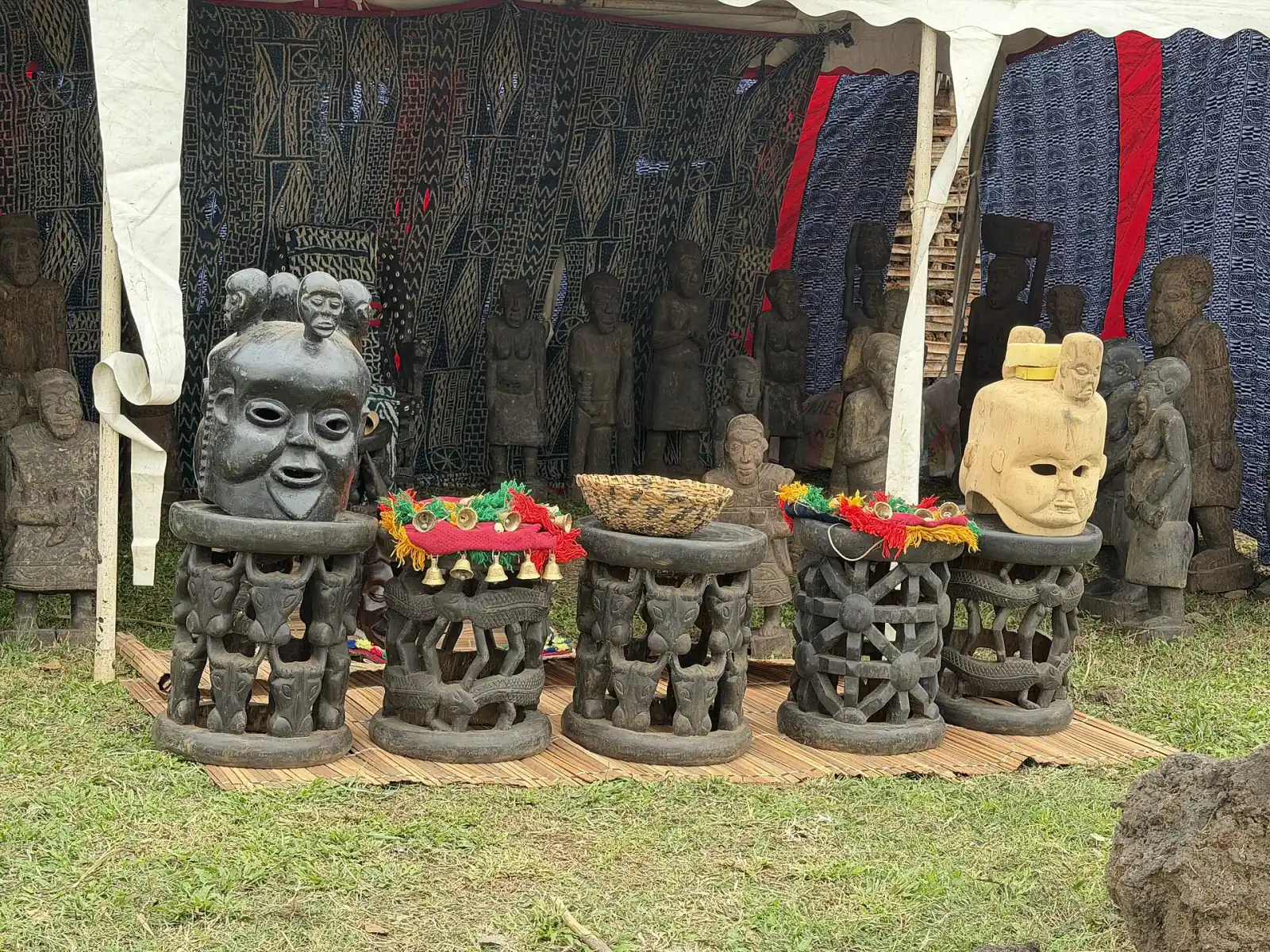
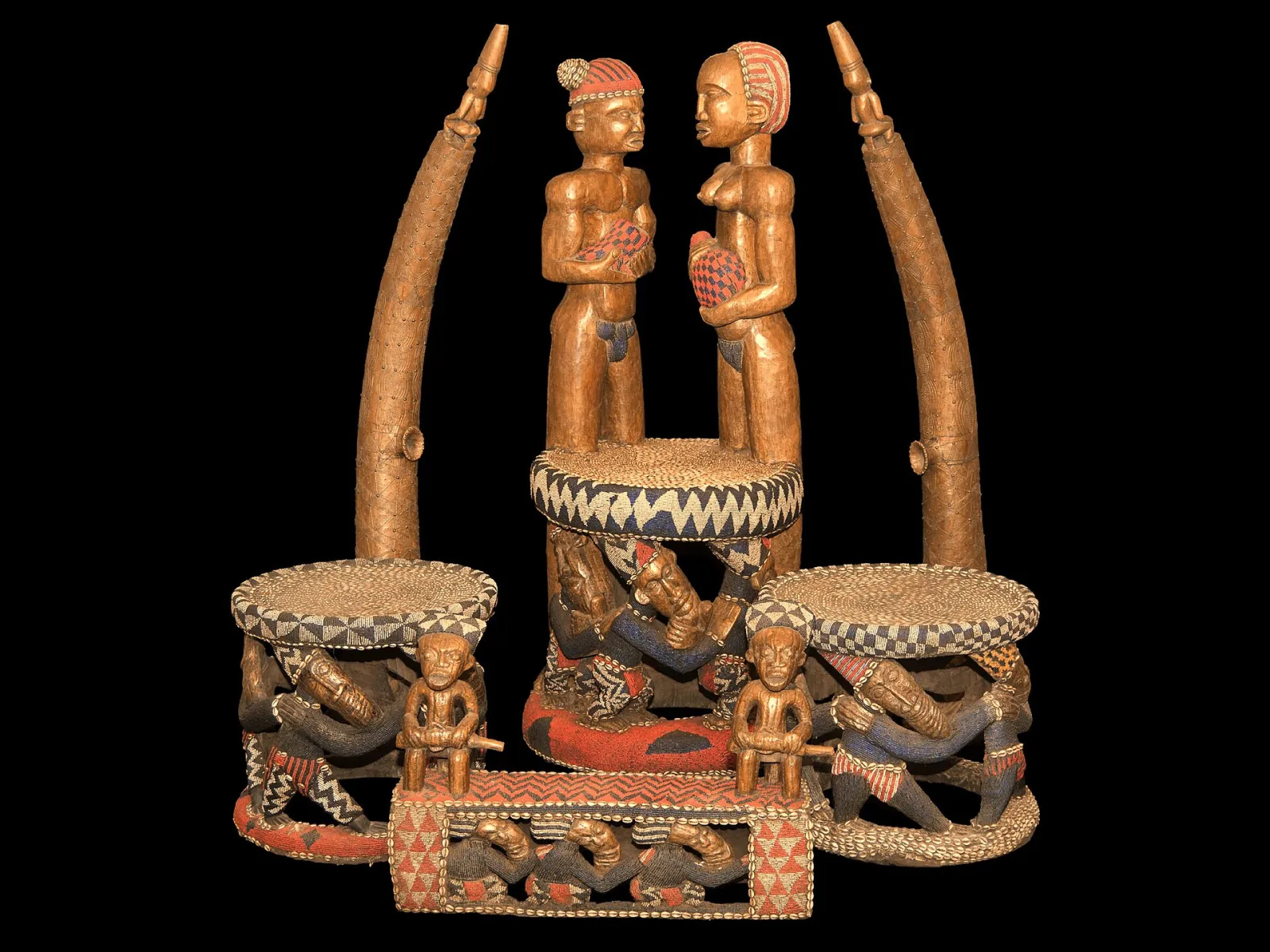
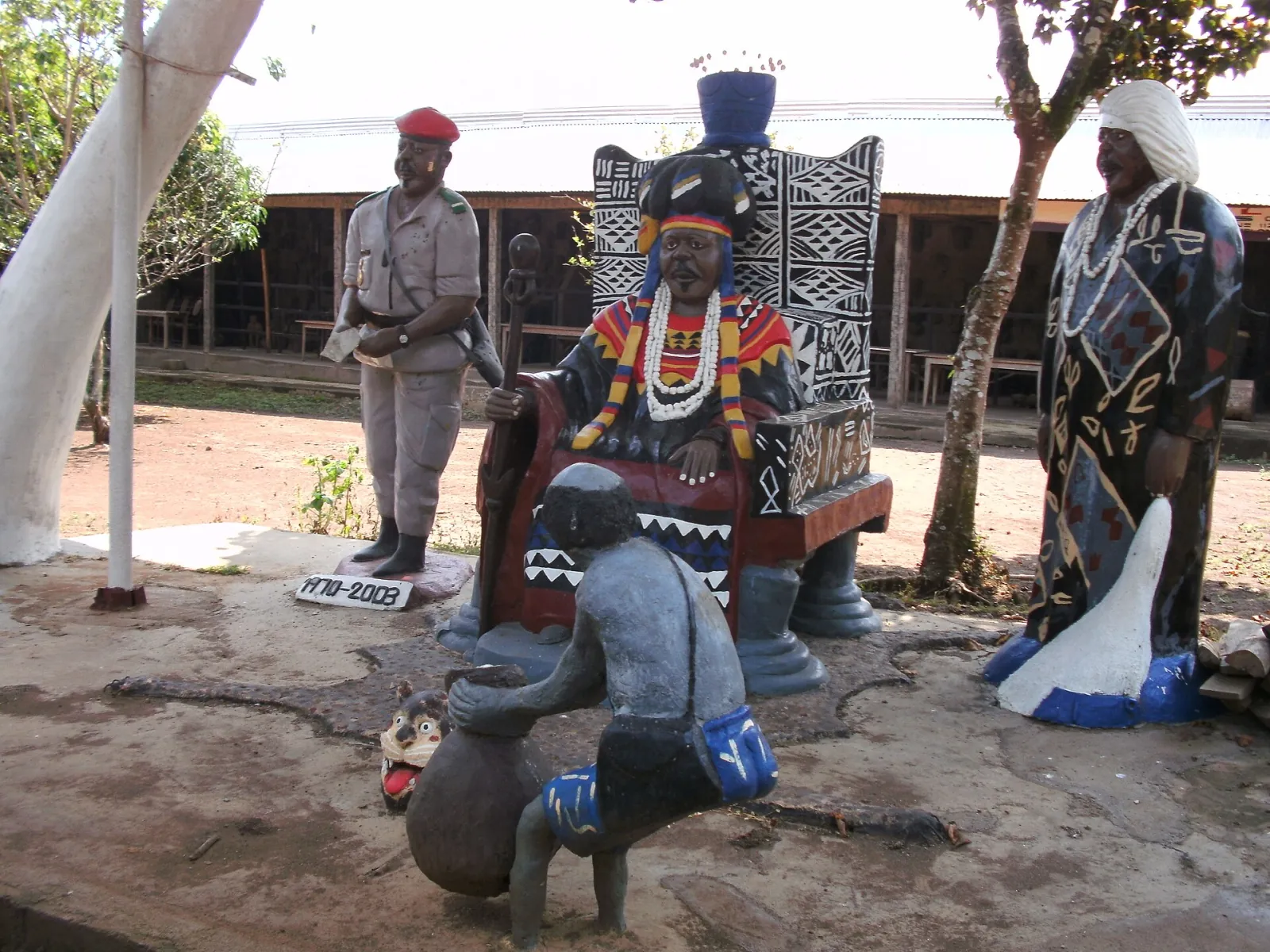
Colourful statues of a chief on his throne in the royal courtyard of the Banka chiefdom, Bafang

Residencies abroad, international prizes, foundation calls for projects, professional networks, programmes of regional organisations: opportunities to shine exist, but they pass quickly and are lost among dozens of websites. The Ministry’s cooperation unit identifies them, verifies them and relays them in French, with the deadline up front.

This page explains how the monitoring works, where to read the calls, how to apply, which networks to join and how to subscribe to the monthly newsletter. It complements the calls for projects page and the site’s newsletter.

  • Calls verified before being relayed
  • International competitions and prizes identified
  • A monthly newsletter to keep up with everything
See the relayed calls
Calls

The international calls relayed by the Ministry

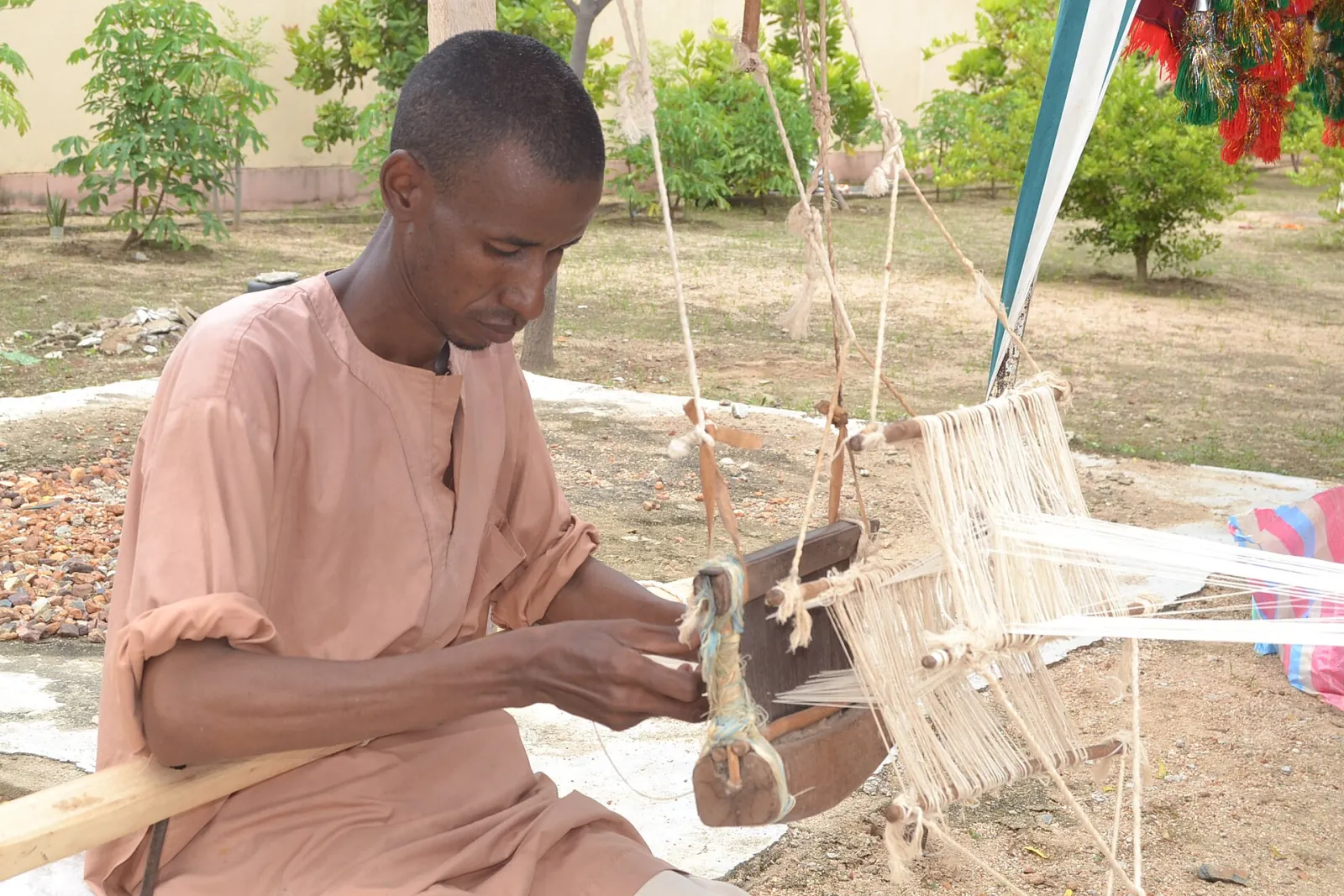
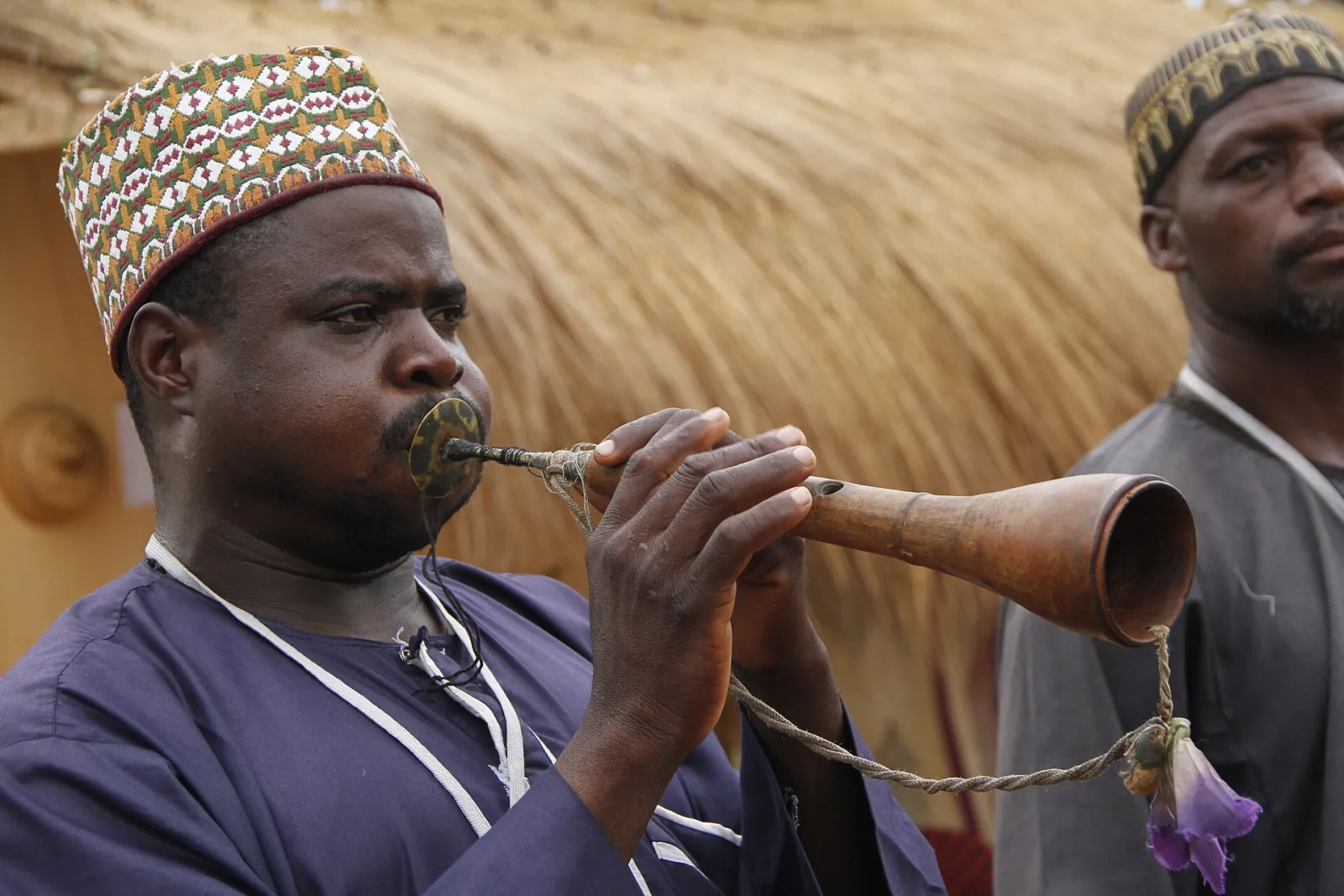
Weaver at an open-air loom with threads stretched on a wooden frame

An international call is an invitation, issued by a foreign or international institution, to submit a project: creation funding, residency, research scholarship, training programme, publication of a catalogue. The Ministry gathers them on the calls for projects page of the site, classified by discipline, deadline and host country.

What the monitoring checks before relaying

  • The identity of the organiser and the reality of the institution;
  • That submission is free of charge, any call requiring payment being discarded;
  • The eligibility criteria: nationality, age, discipline, language of application;
  • The deadline, given in Yaoundé time where possible.

The main families of calls

Multilateral programmes come from UNESCO, the Francophonie, the African Union or the Commonwealth. Bilateral programmes are run by embassies and cultural institutes. Private foundations offer support targeted at the visual arts, cinema or books.

Applying without mistakes

Read the rules to the end, prepare the documents in advance (portfolio, curriculum vitae, letter of intent, letters of support) and keep a copy of the acknowledgement of submission. The online help centre answers questions on the documents to be supplied.

ℹ️
Free of charge

No call relayed by the Ministry requires a registration fee. If in doubt, report it.

Competitive examinations

The international competitions and prizes open to Cameroonians

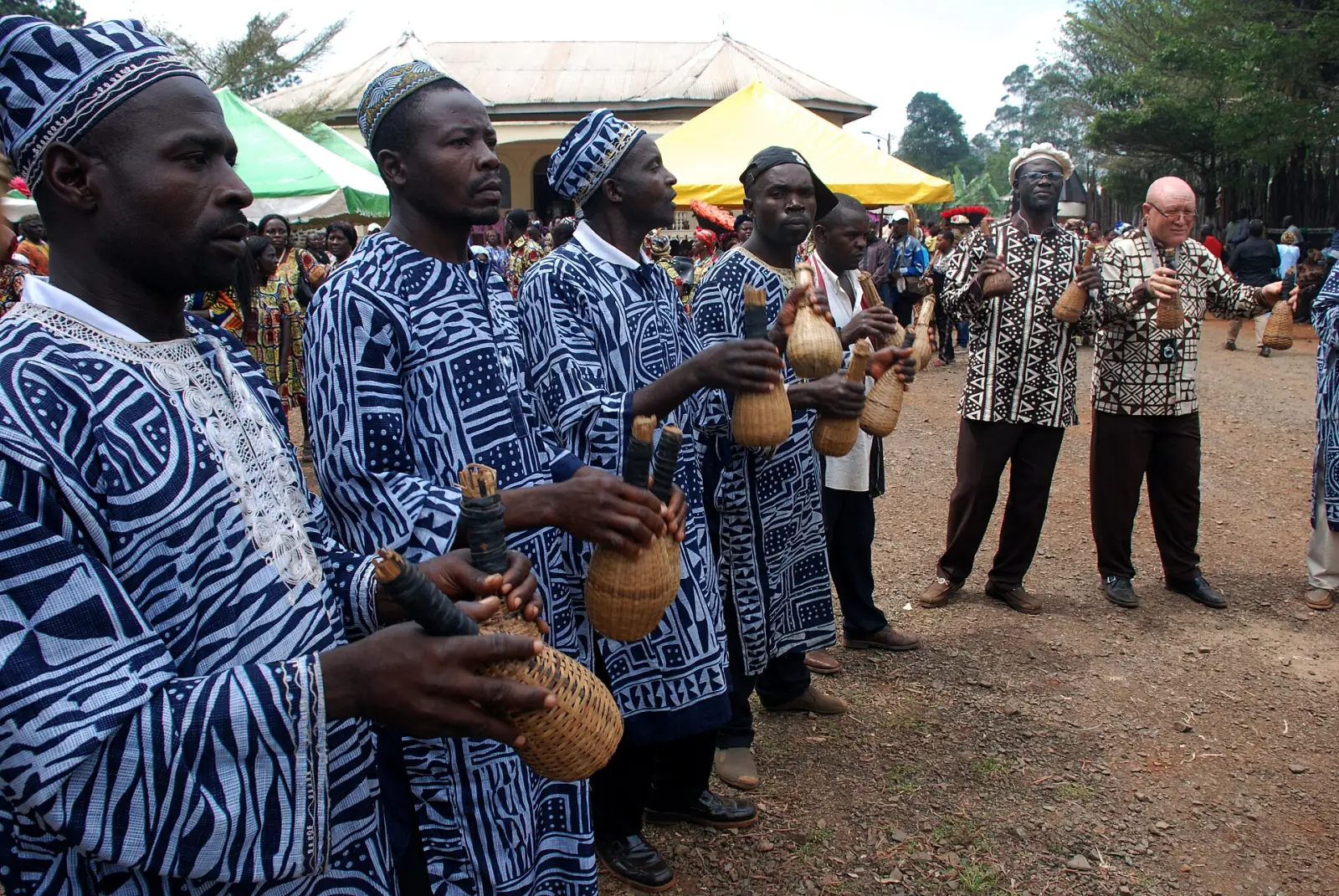
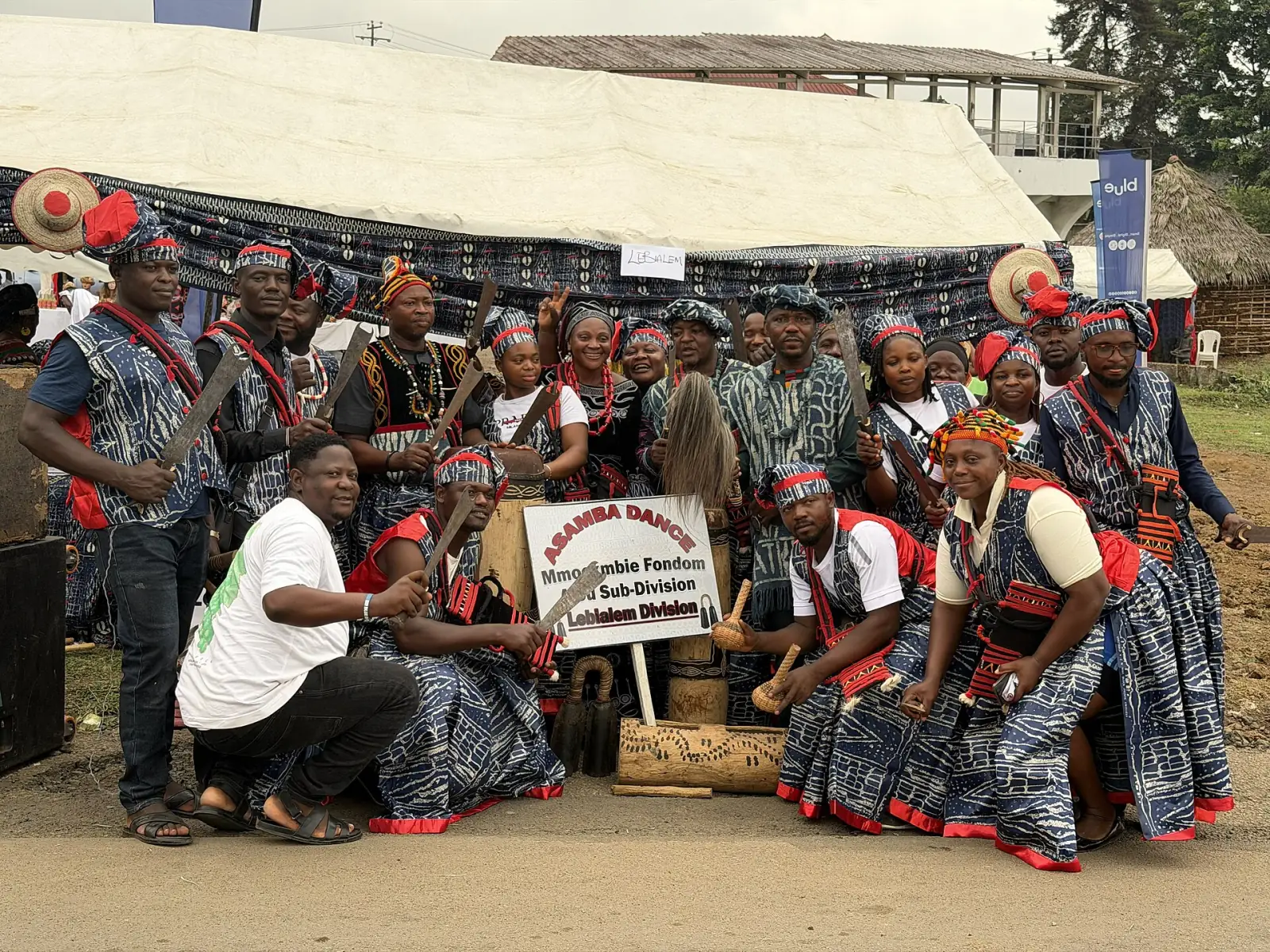
Musicians in blue and white patterned tunics lined up with resonant gourds

International competitions reward works, careers or projects: literary prizes, film festivals, contemporary art biennials, photography meetings, design and fashion competitions, artistic competitions of the Jeux de la Francophonie. For a Cameroonian artist, taking part opens doors: visibility, distribution, contracts, residencies.

How the Ministry provides support

The cooperation unit flags each relevant competition and directs applicants to the appropriate services. Winners of national prizes and distinctions are encouraged to apply for regional or international competitions, and national competitions often serve as a preselection.

The Francophonie Games

The cultural competitions of the Jeux de la Francophonie bring together, at each edition, artists from many countries in disciplines such as storytelling, song, dance, sculpture or photography. On 28 October 2026, the Minister’s agenda took him to Yerevan, Armenia, for this event; the Francophonie (OIF) page gives the details.

Preparing a competition entry

  • Put together a high-quality visual or audio file, accompanied by a short text;
  • Check the rights in the work: see the page declaring a work;
  • Plan for the possible transport of works and the export authorisation.
Networks

African and international cultural networks

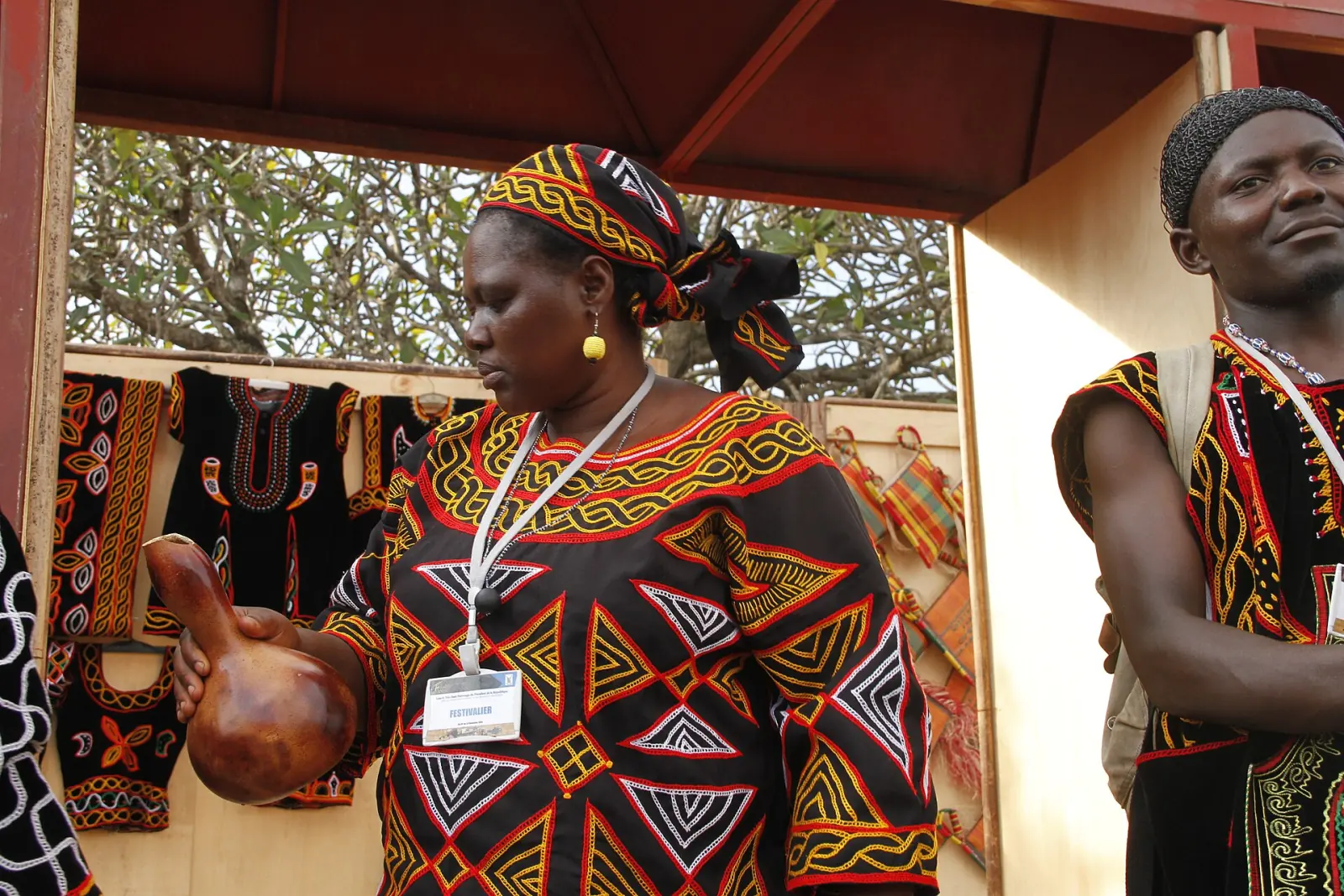
Instrumentalists in embroidered traditional costumes around a stand at a cultural event

A cultural network connects artists, managers, programmers, museums or festivals around a discipline or a region. Joining one allows you to receive calls first, share costs, set up co-productions and be invited to professional meetings.

Which networks?

  • Networks of museums and curators, with the support of professional organisations such as ICOM;
  • Networks of festivals and biennials in Central and West Africa;
  • Networks of French-speaking publishers, booksellers and authors;
  • Networks of digital creators and animation studios;
  • Associations of the Cameroonian diaspora, valuable relays abroad.

The role of the sub-regional level

Within the CEMAC area, networks facilitate the movement of artists and cultural property. The Ministry takes part in the meetings where common agendas are decided, and relays their conclusions.

Choosing the right network

Check the governance, membership fees, services provided and the regularity of activities. A useful membership is measured in contacts and projects, not in logos on a website. Artist exchanges and residencies are often the result.

Monitoring bulletin

The Ministry’s international monitoring newsletter

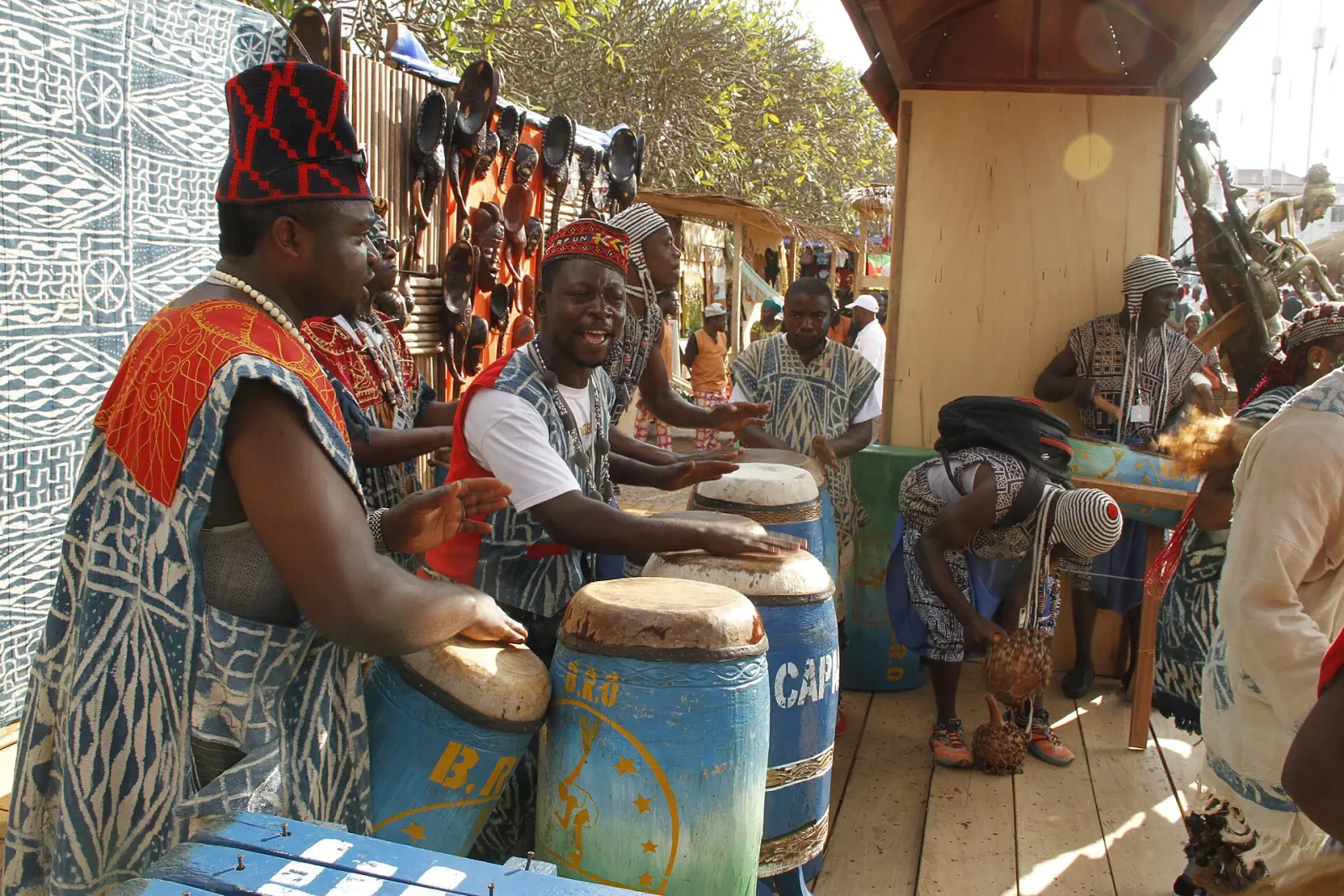
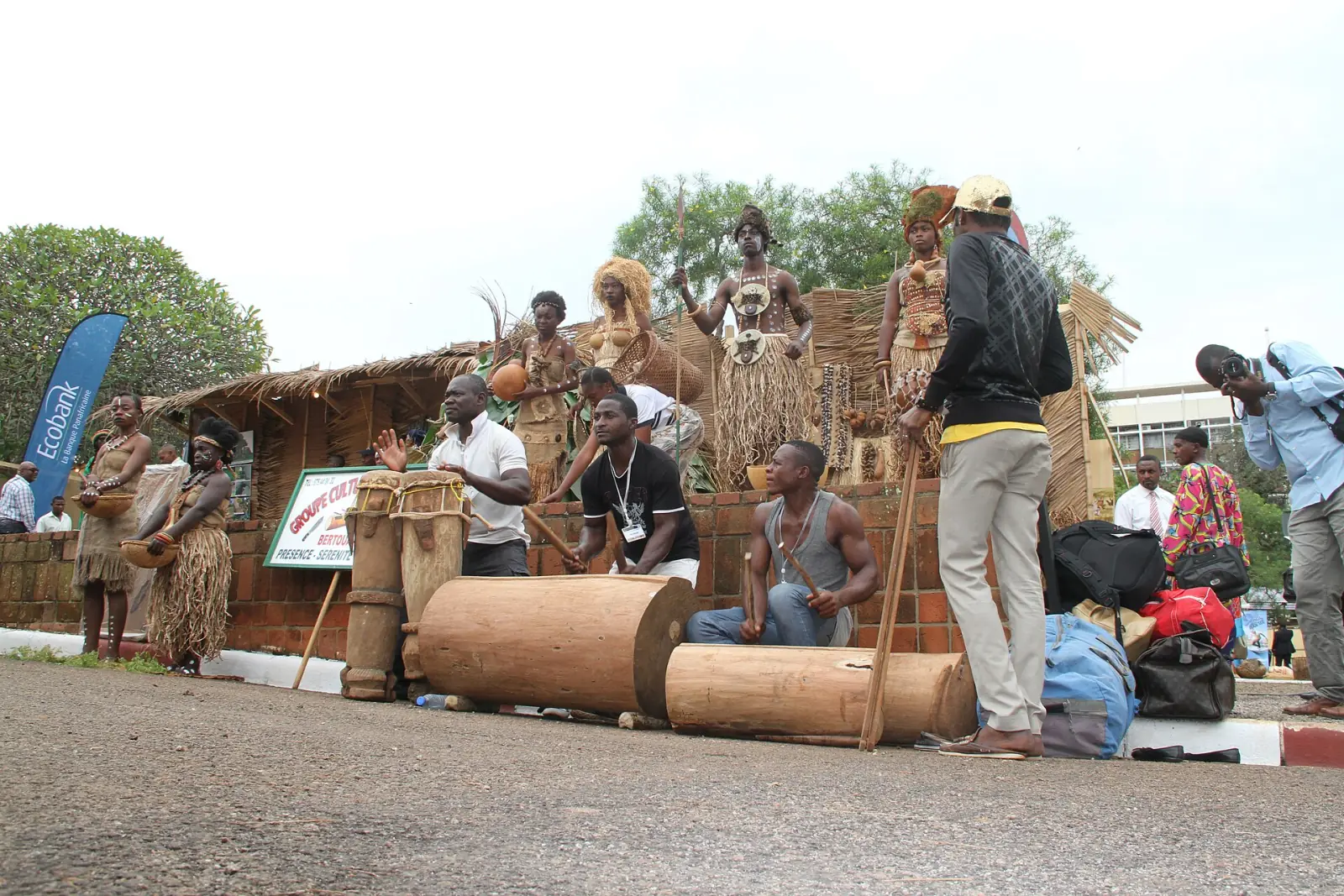
Drummers in embroidered dress in front of a craft stand at a fair

The monitoring newsletter is a monthly e-mail that brings together, in a five-minute read, the calls closing during the month, the competitions not to be missed, news from the networks and cooperation news. It forms part of the site’s general newsletter, with a section dedicated to the international sphere.

What you will find in it

  • A calendar of deadlines, ordered from the nearest to the furthest;
  • A selection of three to five annotated opportunities;
  • Scholarship offers relayed by the scholarships page;
  • Events from the cultural agenda with an international reach;
  • A practical tip for putting together a successful application.

Subscribing and unsubscribing

Subscription is free and is done from the site with an e-mail address. Each issue includes an immediate unsubscribe link. Your data is used only to send the newsletter and is never passed on to third parties.

Taking part in the monitoring

Have you spotted a genuine opportunity? Write to us through the contact page, giving the official link: the unit will verify it and, if it is relevant, publish it in the next issue and on the calls page.

ℹ️
Sending schedule

The newsletter is sent in the first week of each month. Previous issues are kept in the Ministry’s archives.

Step by step

Applying to an international call

Spot the call

Consult the calls page, the monthly newsletter or the networks you belong to, then note the deadline in your diary.

Check eligibility

Check the nationality, discipline, age bracket, language of application and documents required before you begin.

Gather the documents

Portfolio, curriculum vitae, statement of intent, letters of support, budget: allow at least three weeks to gather everything.

Have the file reviewed

Ask a colleague or the cooperation unit to proofread the text, check the budget and correct the presentation.

Submit on time

Send the file several days before the closing date, keep the acknowledgement of receipt and check that the files are legible.

Follow up and report back

Reply to requests for clarification, inform the Ministry of the outcome and share your experience with other artists.

Key facts

The monitoring sources in a table

SourceDistribution formatFrequencyFor whom
Calls for projects pageRecords classified by discipline and deadlineContinuously updatedAll artists and operators
Monitoring bulletinMonthly e-mailStart of each monthSite subscribers
Cultural calendarCalendar with remindersContinuously updatedOrganisers and the public
Professional networksAlerts and meetingsDepending on the networkMembers
Regional organisationsProgrammes of the AU, CEMAC and the CommonwealthAccording to cyclesInstitutions and artists
Partner embassiesRelay of bilateral callsAccording to the programmesArtists, students, researchers
Circuit

From opportunity to application

Day 0Identification

The cooperation unit identifies a call or competition in the bulletins of international organisations, embassies and networks.

Day 1Verification

It checks the organiser, that it is free of charge, the criteria and the dates, then drafts a record in French.

Day 2Publication

The record is put online on the calls page and classified by discipline, with a link to the official rules.

End of the monthMonitoring bulletin

Calls still open are included in the monthly newsletter, with reminders of the deadlines.

Before the closing dateFile submission

The artist applies, with the possible help of the Ministry’s services, and then shares their experience.

To follow

A few opportunities currently being relayed

To explore

Monitoring in the other sections

“Good information always arrives too late for the person searching alone; relayed in time, it becomes a project.”

A monitoring officer, cooperation unit
Feedback

They applied thanks to the monitoring

“
I discovered the call for residencies in the monthly newsletter, three weeks before the closing date. That left me time to put together a complete file.
A photographer, Douala
Residency applicant
“
The festival network enabled me to present my show in two neighbouring countries, with costs shared between the organisers.
A company director, Yaoundé
Live performance
“
The unit reviewed my statement of intent and corrected my budget. Without this support, my file would have been declared ineligible.
A young author, Bafoussam
Literary prize
“
We reported a fake call that asked for fees. It was withdrawn from the relays the same day.
A filmmaker, Buéa
Network watcher
To act

Three steps for effective monitoring

Subscribe to the newsletter

Receive the calls, competitions and network news every month, straight to your inbox.

Subscribe

View the calls

Browse the up-to-date list, filter by discipline and note the deadlines.

See the calls

Report an opportunity

Send the official link of a genuine call so that it benefits everyone.

Report

Getting help

Ask your questions about the documents to be supplied and the submission of files.

Online help
To download

The tools for international applications

Glossary

The vocabulary of cultural monitoring

Monitoring

Organised surveillance of useful information: calls, competitions, texts, programmes, news from the networks.

Call for projects

Public invitation to submit a project meeting certain criteria, with a view to funding or hosting.

Deadline

The last day and hour for submitting a file, after which it is refused.

Eligibility

The set of conditions to be met in order to apply: nationality, age, discipline, status.

Statement of intent

Short text presenting the project, its motivations and its audience.

Portfolio

File bringing together an artist’s notable achievements.

Residency

Creative stay granted to an artist in an equipped place.

Network

Group of cultural stakeholders who share information, projects and resources.

Jury

Group of professionals who examine the files and select the winners.

Letter of support

Letter from an institution recommending an applicant or a project.

On the site

Continue your monitoring

Resources

Useful links for international monitoring

Stakeholders

Who feeds the international monitoring?

Questions

Your questions about monitoring and international calls

Where can I see the international calls?

On the calls for projects page of the site, which brings together national and international opportunities, classified by discipline and deadline. The nearest ones are also included in the monthly newsletter and flagged in the cultural agenda, with the link to the organiser’s official rules.

How do I subscribe to the monitoring newsletter?

Enter your e-mail address in the newsletter form, accessible from the footer of the site. Subscription is free. Each issue contains an unsubscribe link, and your address is used only to send the newsletter, without being passed on to third parties.

Are the relayed calls guaranteed?

No. The Ministry verifies the organiser, that it is free of charge and the dates, but selection always rests with the organiser. Check the rules at the source before applying. If a call seems doubtful to you, report it: it will be examined and withdrawn from the relays if necessary.

Do I have to pay to apply to a relayed call?

No, the Ministry does not relay any call that requires registration fees. If an organiser asks you to pay to submit a file, be wary and forward the message to the Ministry through the reporting form, with the link to the announcement, in order to protect other applicants.

Can the Ministry help me write my application?

The cooperation unit can review a statement of intent, check the consistency of a budget and direct you to the right contacts. It does not write the application on your behalf. Write to it before the deadline, specifying the call concerned, your discipline and the time you have left.

How can I propose a call or competition to be relayed?

Write through the contact form or by e-mail at contact@minac.gov.cm, giving the official link, the organiser, the discipline, the criteria and the deadline. The unit checks the information and, if the opportunity is genuine, adds it to the calls page and then to the next newsletter.

Which networks can I join?

It depends on your discipline: museums, festivals, publishing, cinema, digital arts, crafts. The professional organisations page presents the main networks and their membership conditions. Compare the governance, membership fees and services before committing.

Whom should I contact for a broader cooperation project?

The Unit for Studies, Planning and Cooperation receives partnership proposals. Write to the Ministry presenting your institution, your project and what you expect from the cooperation. Your message will be forwarded to the Minister’s Office or to the relevant directorate depending on the subject.

Contact

Write to the monitoring unit

State the call, competition or network concerned and your discipline: your message will be forwarded to the cooperation unit.

Cooperation

Contact the Ministry’s international monitoring

Address

Unit for Studies, Planning and Cooperation
Ministry of Arts and Culture
Quartier du Lac – Ministerial Zone
P.O. Box 1053 Yaoundé, Centre Region, Cameroon

Reach us

+237 6 51 70 58 41

contact@minac.gov.cm

Opening hours

Monday to Friday, 8 am to 4 pm

Never miss anything again

Subscribe to the newsletter to receive international calls and competitions every month.

I subscribe
WhatsApp