Coat of arms of CameroonMinistry of Arts
and Culture
Republic of Cameroon
My procedures
Home
Minister’s message
News
Press releases
Cultural calendar
Official speeches
Press review
Photo library
Video library
Calls for projects
Job vacancies
Public procurement
Newsletter
Frequently asked questions
Site map
Contact
Press area
Podcast “The Voice of Culture”
Legal notices
Privacy policy
Cookies and trackers
The Ministry
Missions and responsibilities
Organisation
Organisation chart
Minister’s Office (Cabinet)
Management team
General Secretariat
General Inspectorate
Central directorates
Regional Delegations
Institutions under supervision
Legislative texts
Regulatory texts
Sector strategy
Major projects
Budget and reports
Partners
Careers
Archives
Institutional communication
Quality and accessibility
Arts
Visual and plastic arts
Visual arts
Performing arts
Theatre
Dance
Music
Literature and books
Cinema and audiovisual
Photography
Fashion and design
Digital arts
Art crafts
Artists’ directory
Residencies
Prizes and awards
Arts education
Urban arts
Heritage
Tangible heritage
Intangible heritage
UNESCO sites
National museums
Listed monuments
National inventory
Palaces and chiefdoms
Archaeology
Linguistic heritage
Oral traditions
Traditional know-how
Restitution of cultural property
Fight against illicit trafficking
Listing and protection
Conservation and restoration
Heritage Days
Cultural landscapes
Industries
Music and recording
Cinema
Publishing and books
Digital arts
Fashion and creativity
Crafts
Cultural tourism
Funding for culture
Support funds
Incubators
Cultural entrepreneurship
Culture Observatory
Vocational training
Studies and reports
Sector statistics
Export and outreach
Intellectual property
Copyright
Legal framework
Copyright and neighbouring rights
Collective management societies
Register a work
Licences
Private copying
Fight against piracy
Model contracts
Social status of artists
Mediation
Disputes
Training
Fee scales
Register of works
Contact
Digital neighbouring rights
Public domain
Festivals
National calendar
Ngondo
Nguon
Écrans Noirs
Heritage Days
Music Day
Regional festivals
Fairs and exhibitions
Biennials
National competitions
Cultural days
Organise a festival
Event grants
Ticketing
Archives
Volunteering
Diaspora festivals
Regions
Adamawa
Centre
East
Far North
Littoral
North
North-West
West
South
South-West
Cultural map
Regional Delegations
Traditional chiefdoms
National languages
Cultural routes
Decentralised cooperation
Regional observatory
Cooperation
UNESCO
Francophonie (OIF)
African Union
Commonwealth
CEMAC
Bilateral cooperation
Cultural agreements
Professional organisations
Scholarships
Artist exchanges
Cultural years
Diaspora
Funded projects
Embassies
Technical partners
International restitution
International monitoring and calls
Services
Artist card
Show authorisation
Filming authorisation
Festival authorisation
Deposit of a work
Export of works of art
Listing of a property
Grant application
Association accreditation
File tracking
Forms
Fees
Opening hours and addresses
Reporting
Online help
My account
One-Stop Shop
Arts

Visual arts

Installation, video art, performance, biennales and residencies: the contemporary forms of visual creation in Cameroon, their venues, their rules and their support.

Updated on 6 November 20264 sub-pages
Contemporary forms4
TrainingINAC
ManagementDDPA
ResidenciesIn Cameroon and abroad
Contemporary

Seeing differently

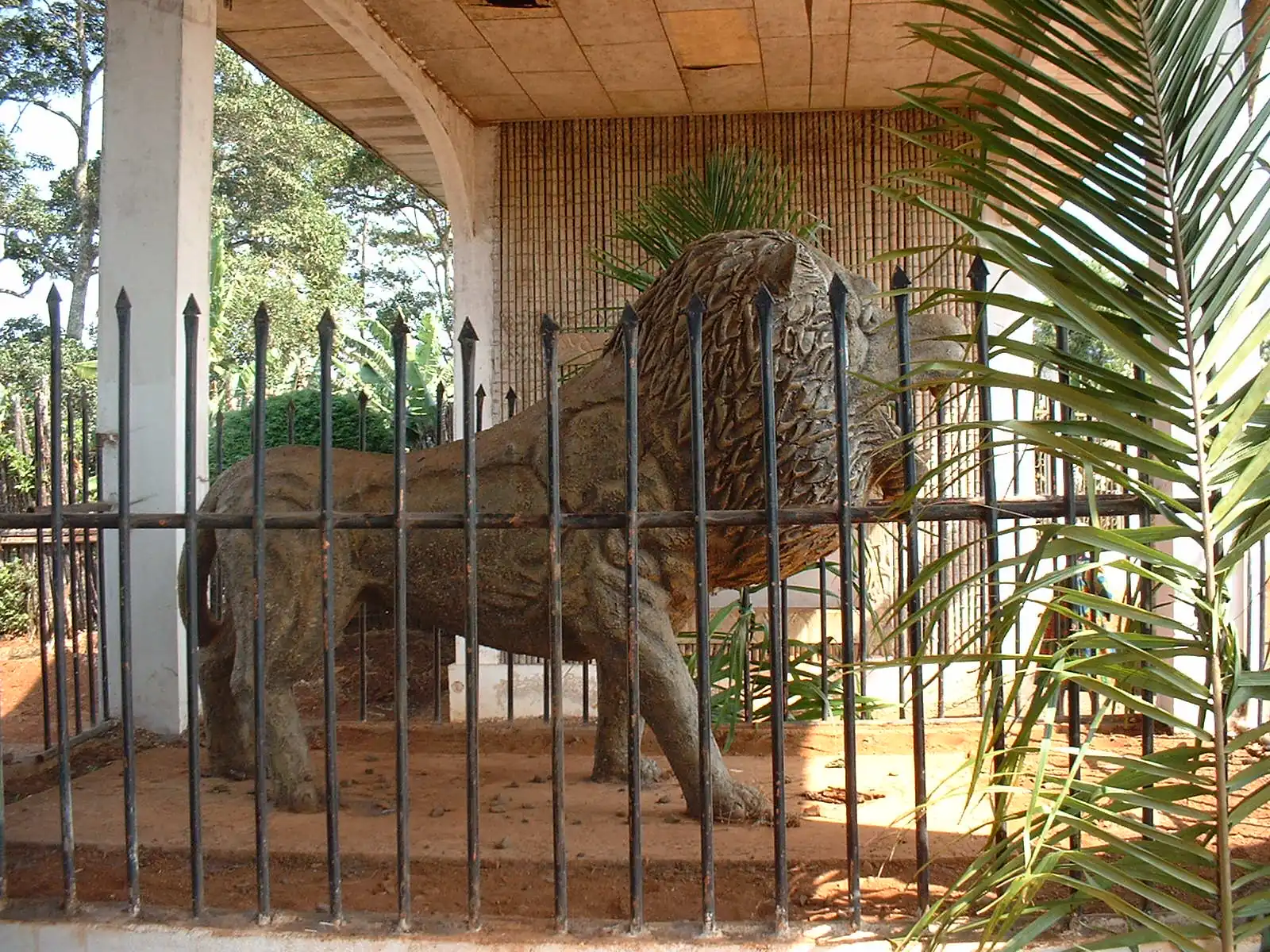
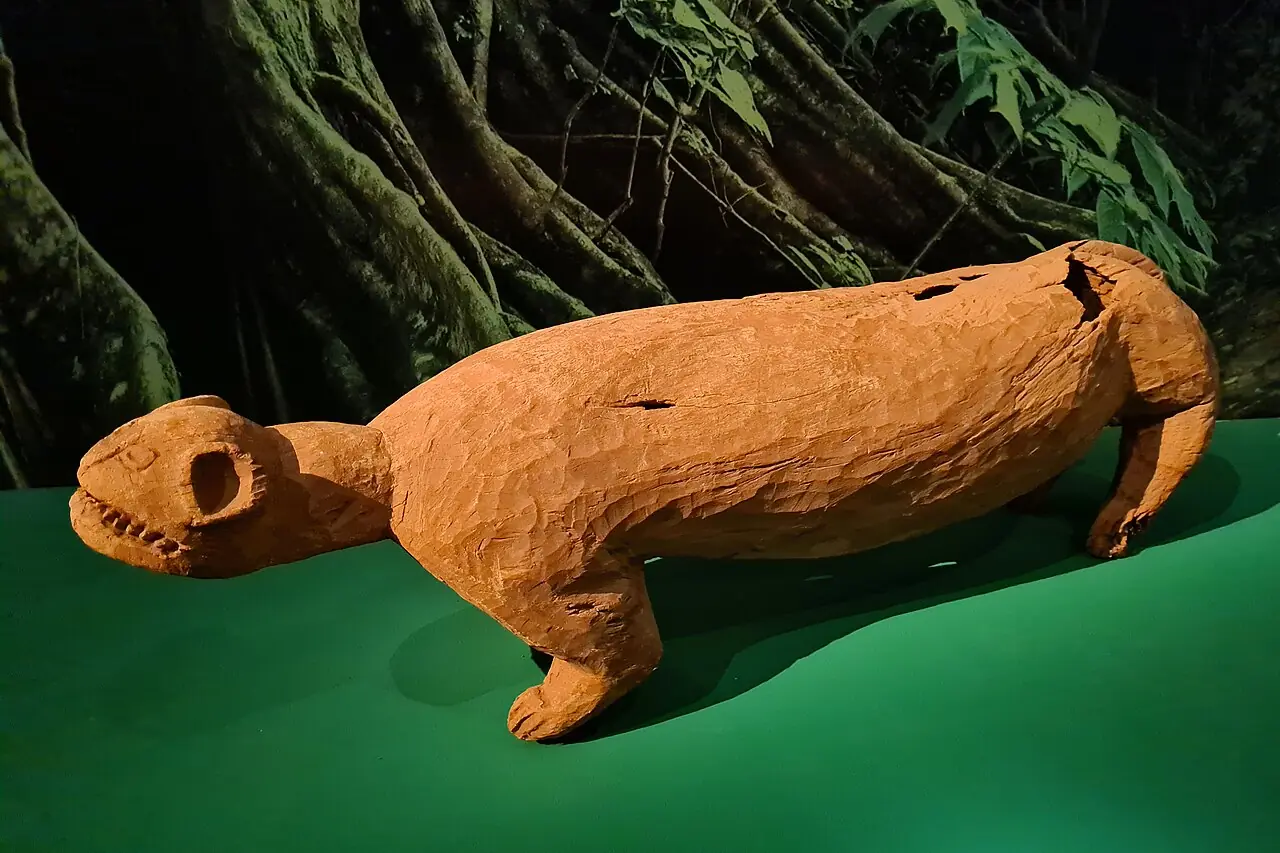
Totemic panther statue from Baha country, terracotta sculpture

The visual arts bring together contemporary practices that go beyond the painting and the statue: installation, video, photography, performance, sound or digital works. In Cameroon, these forms draw on a double memory: that of rites and traditional objects, and that of cities, their streets, their screens and their migration stories.

Together with the National Institute of Arts and Culture (INAC), the Ministry defines the training programmes in the visual and applied arts; the Directorate for the Development and Promotion of the Arts organises their dissemination through its Sub-Directorate of Visual and Applied Arts. This page presents the forms, venues, international events and procedures useful to artists.

  • Installation, video art and performance
  • Biennales and international events
  • Residencies in Cameroon and abroad
Discover installation
Installation

Installation, the work that inhabits space

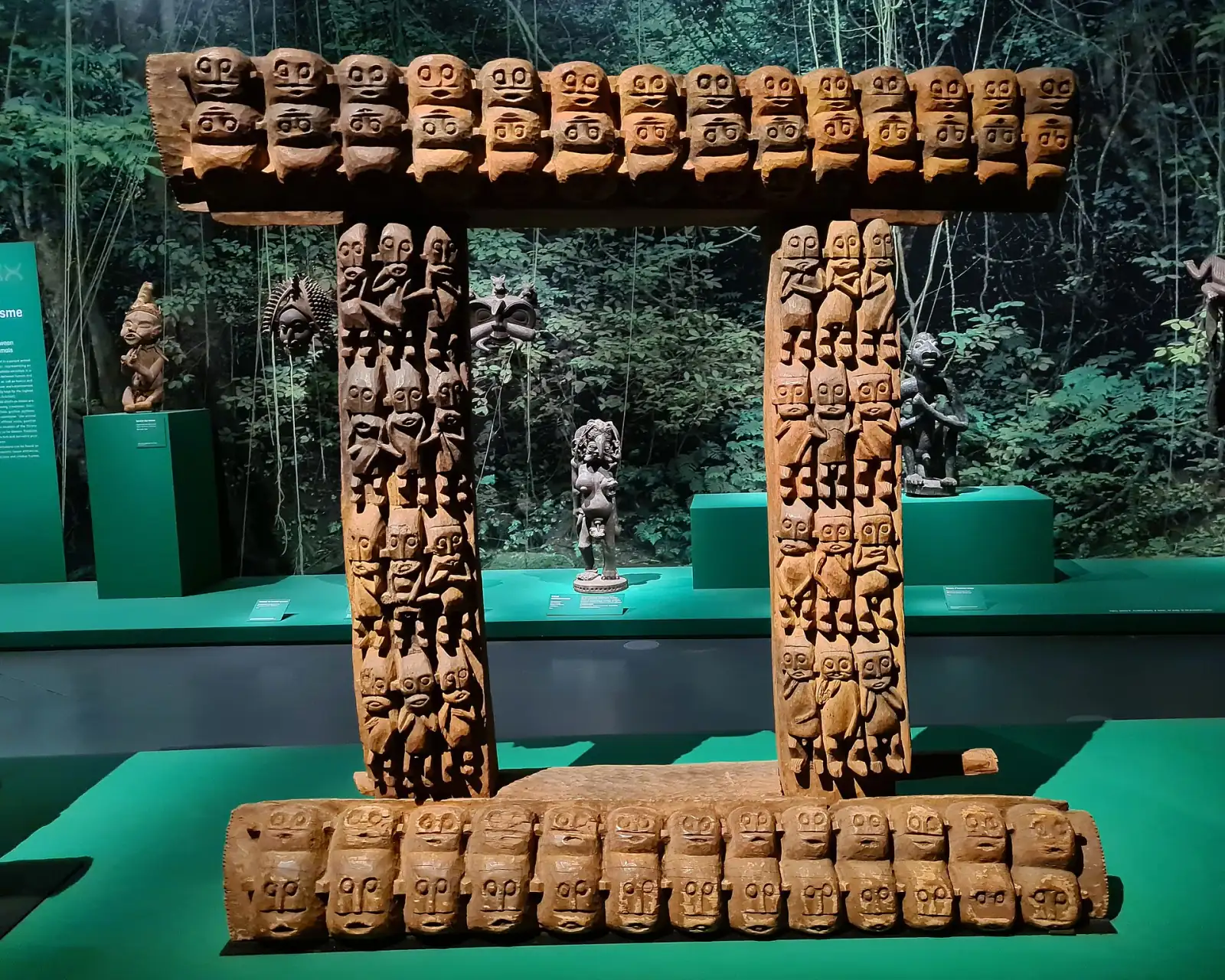
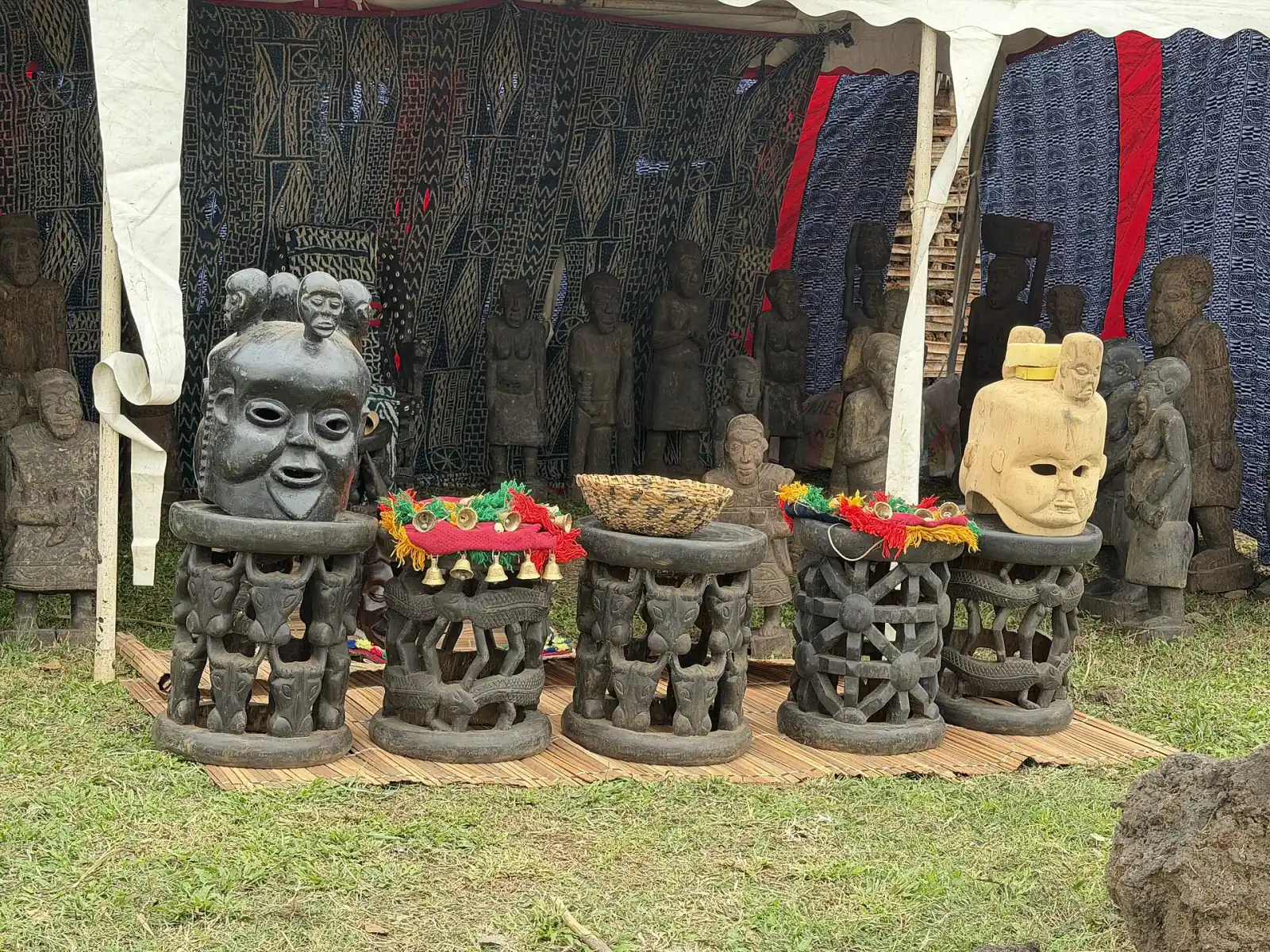
Carved totems and stools under an exhibition tent in front of the Lebialem palace

An installation is a work that takes over a place: a museum room, a courtyard, a wasteland, a market, a riverbank. The viewer does not walk around it, they enter it. Cameroonian visual artists combine everyday objects, fabrics, wood, metal, recycled plastics, light, sound and sometimes living plants to tell of the city, water, family memory or the informal economy.

Working in a place

Each installation depends on its site. It often requires permission to use the venue, a technical survey, a layout plan and safety instructions: floor load, electricity, public circulation, protection against rain and vandalism. In public space, the procedure goes through the town hall and, depending on the case, through the Ministry’s regional delegation.
Preserving an ephemeral work

Since an installation is often dismantled, the artist must document the work: plan, list of elements, photographs, video tour, reassembly protocol. This file makes it possible to present it again or to sell it in the form of a certificate. Museum institutions ask for this protocol before any acquisition.

  • Include a budget for materials and transport from the application stage;
  • Involve a stage manager or technician in the installation;
  • Have a deposit agreement signed if borrowed objects are incorporated;
  • Return the venue in good condition after dismantling.
ℹ️
For the public

The mediation offered by museums and the arts education workshops help in reading these works, particularly with schoolchildren.

Video art

Video art, between cinema and visual arts

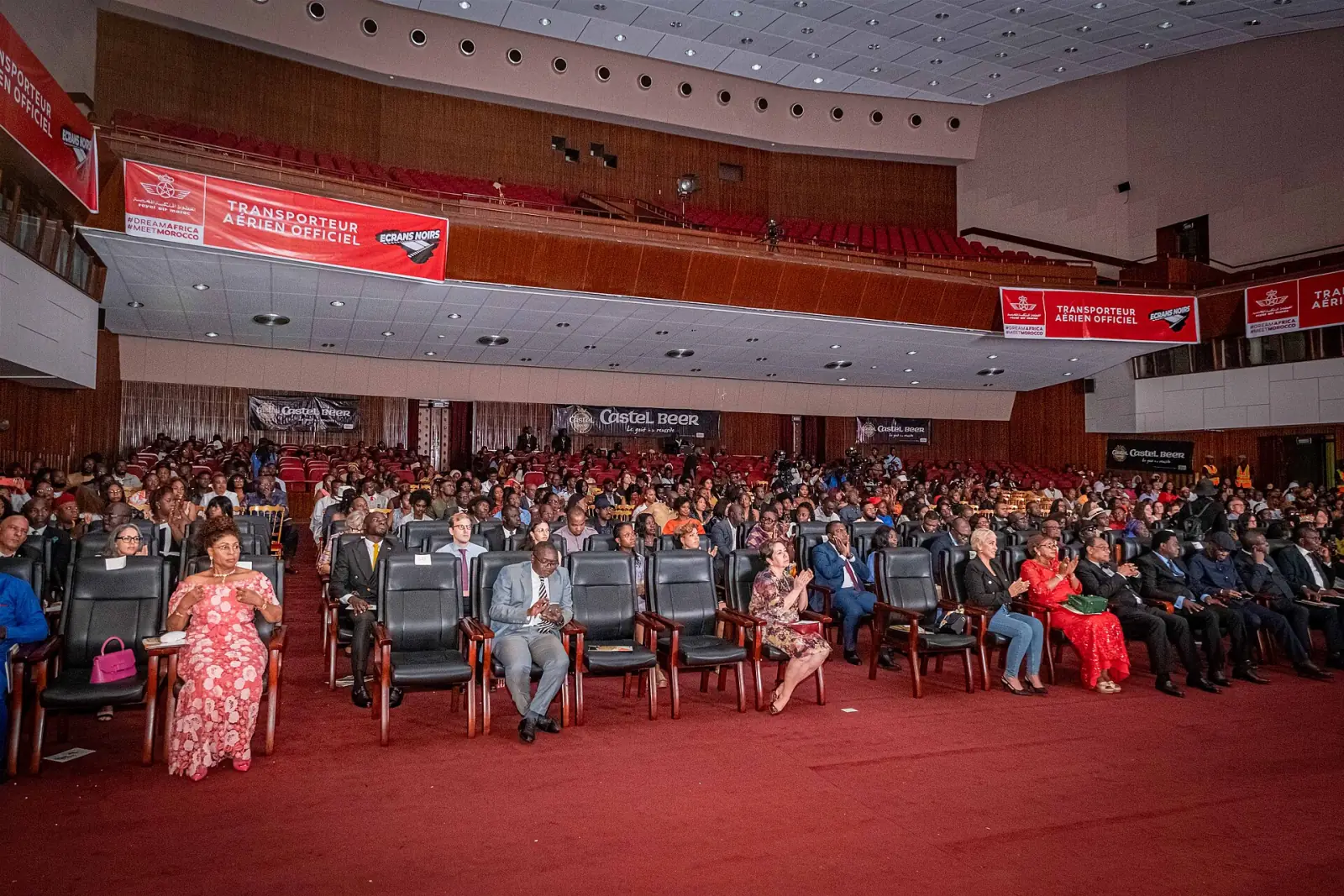
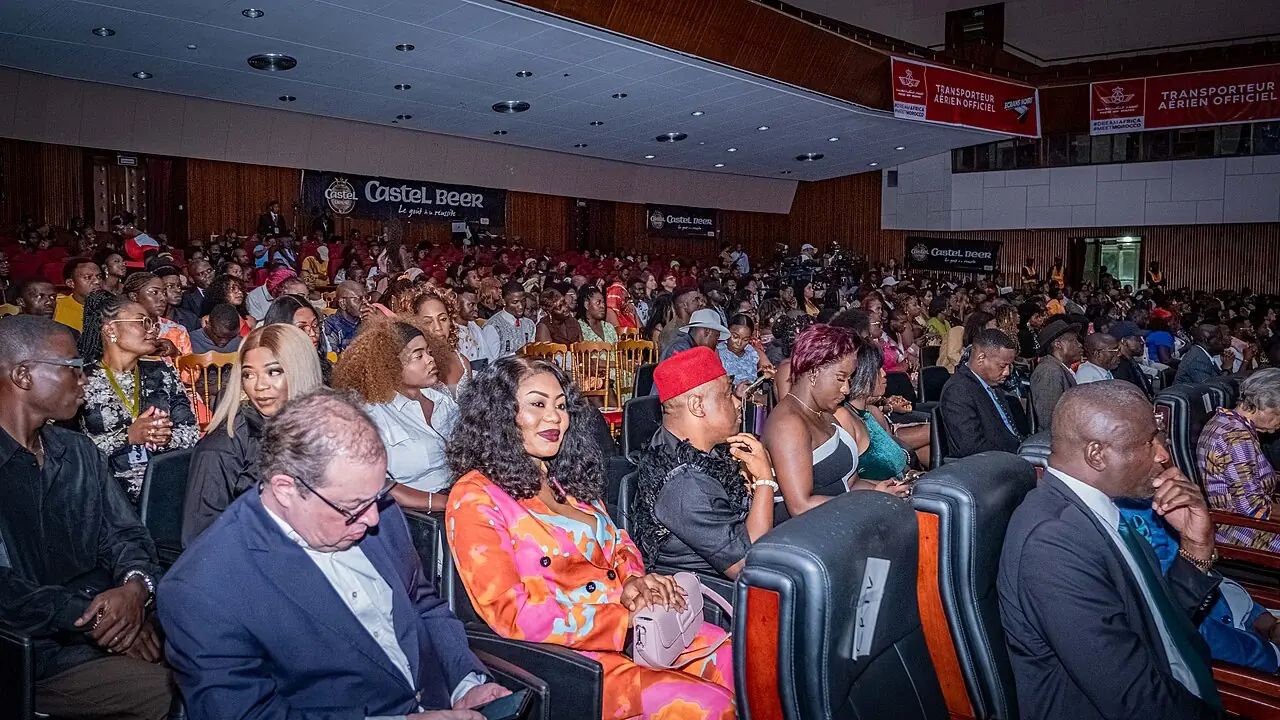
Packed hall at the opening ceremony of the Écrans Noirs festival

Video art crosses cinema and the visual arts. It is shown in galleries, in night-time projections, on multiple screens, sometimes in a loop, and does not always seek to tell a story: it explores a gesture, a place, a duration. Cameroonian artists use it to document performances, film urban rites, revisit archives or compose neighbourhood portraits.

Equipment and dissemination

A light camera, a recent smartphone, editing software and a good sound recorder are enough to get started. Dissemination, however, requires a suitable projector, a dark space and a reliable player. Works are presented at festivals, in cultural centres and on specialised platforms; they can be presented online with clear rights.

Filming permits

Filming is subject to authorisation, in particular in public space and in protected places. See the page on the filming permit for the documents required, and the page on cinema and audiovisual for production channels. Also consider the rights of the people filmed and music rights: a licence is required for any protected music.

Artists who work with digital tools may also turn to digital arts.

Biennials

The biennales, international showcases

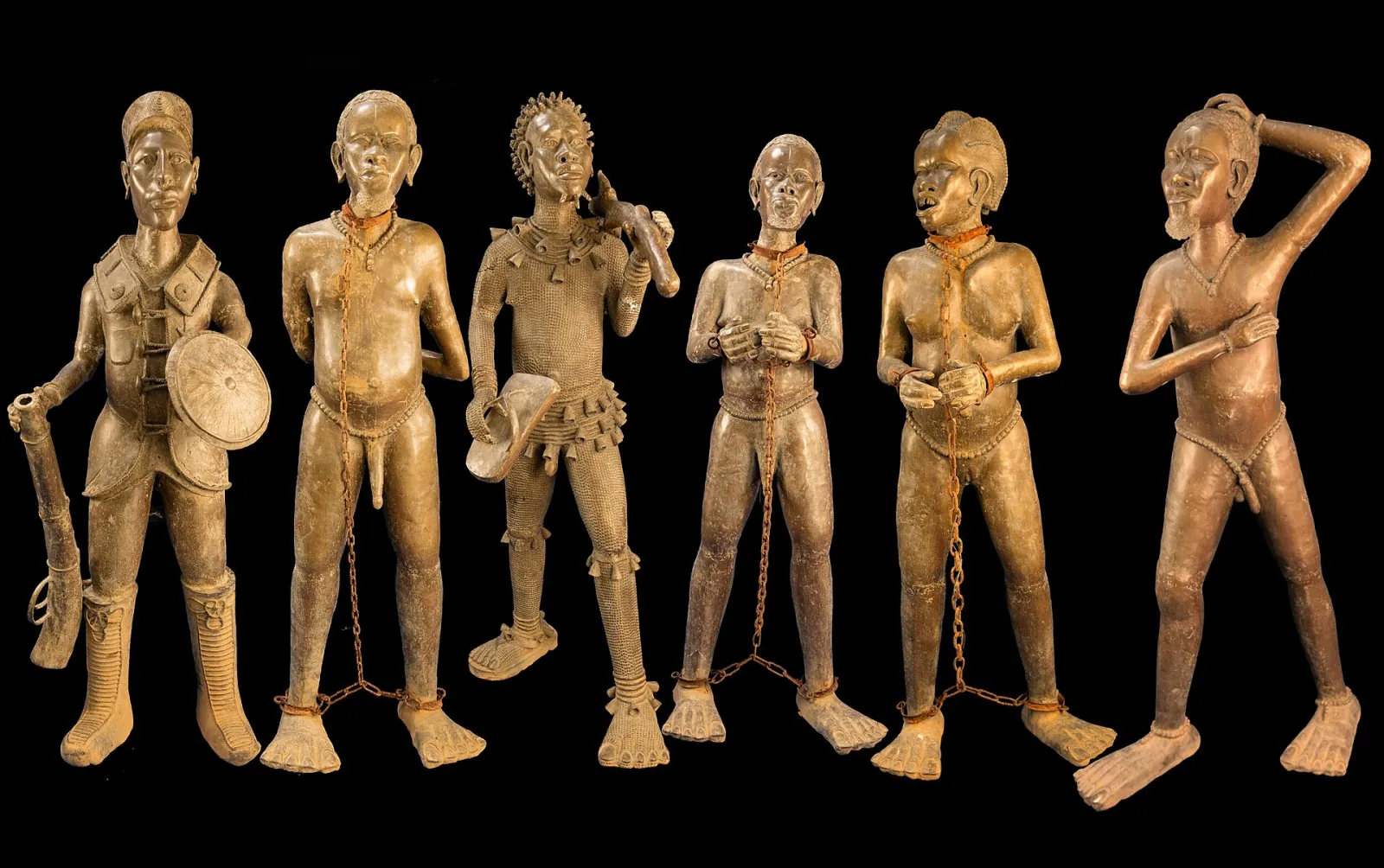
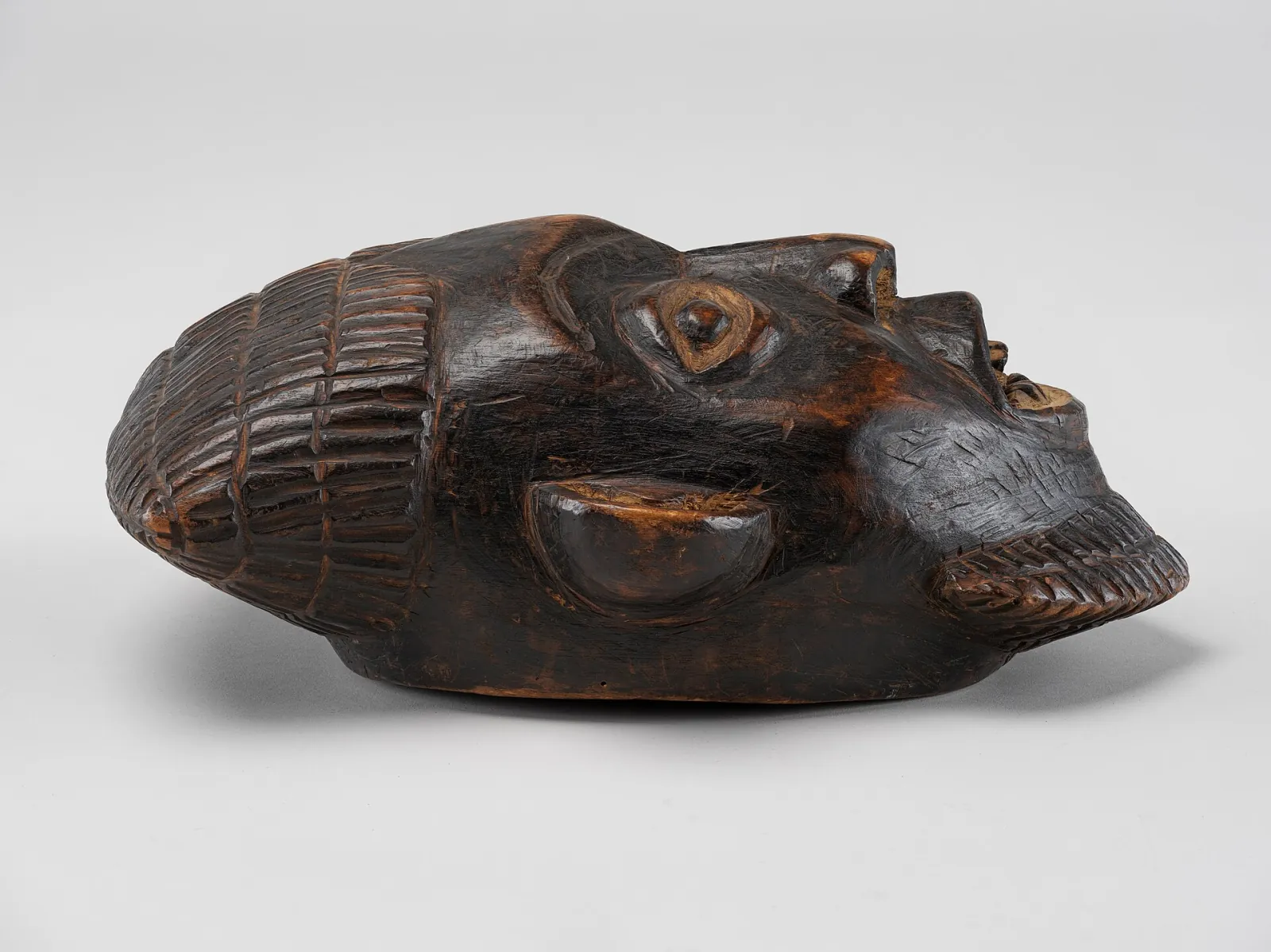
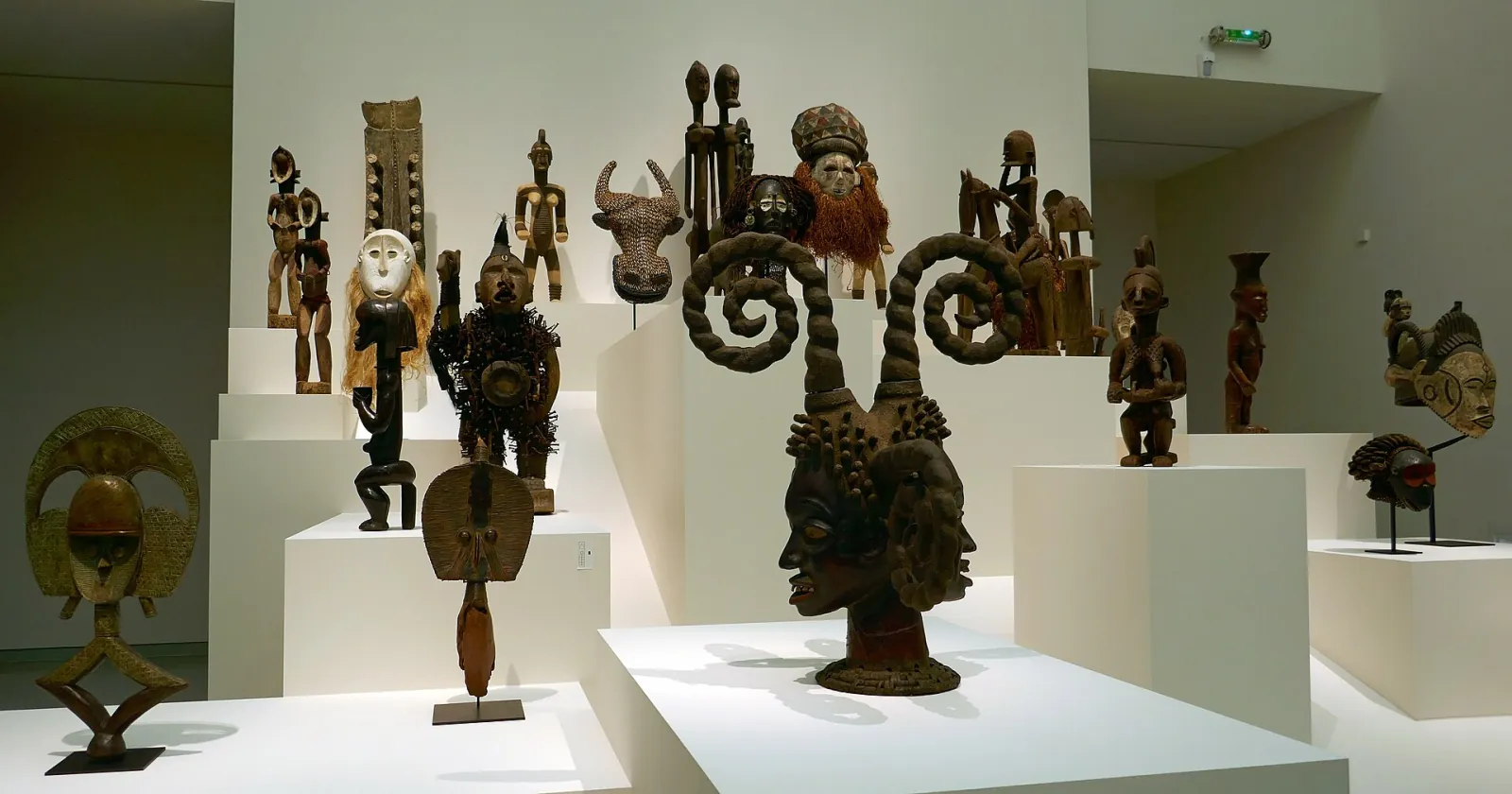
Museum gallery showing statues, masks and headdresses from Central Africa on white plinths

Biennales are international exhibitions held every two years, presenting a survey of contemporary creation around a theme. They offer artists a rare showcase: visibility with curators, collectors and institutions, circulation of ideas, production contracts. Several biennales in Africa, Europe and other continents regularly host Cameroonian artists.

How to apply

Each biennale issues a call for applications or proceeds by invitation from a curator. The file includes a statement of intent, a portfolio, a curriculum vitae, a list of proposed works with their technical requirements and a production budget. The calendar of calls can be consulted on the biennales page and in the international watch.

Preparing the works’ journey

A work that travels must be packed, insured, accompanied by an inventory and, for certain pieces, an export authorisation. Artists who travel need visas: the export and outreach page describes travel support and useful contacts.

Artist exchanges and scholarships complement these schemes by funding travel.

ℹ️
Open call

Artists invited to a biennial may request mobility assistance via the grant application.

Residencies

The residencies, time to create

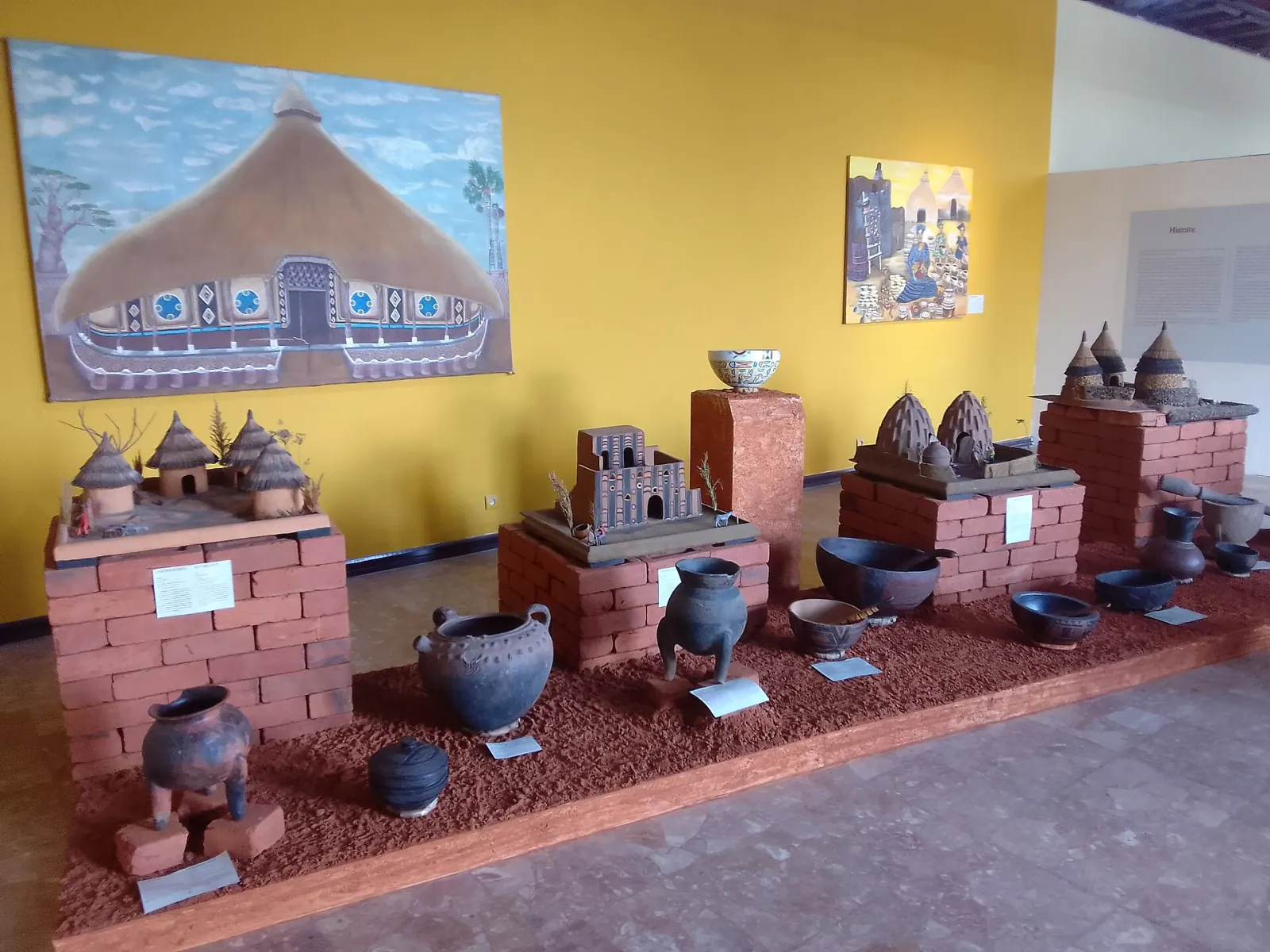
Exhibition of hut models and pottery beneath a painting of traditional dwellings

A residency is a creative stay granted to an artist in an equipped place: studio, accommodation, access to technicians. It may take place in Cameroon, in a city, a chiefdom or an institution, or abroad in a partner art centre. Its duration varies from two weeks to six months; it most often ends with an exhibition, a screening or a presentation of work.

In Cameroon and abroad

National residencies encourage encounters between artists from different regions and work with communities. Residencies abroad give access to other techniques, other networks and other audiences. The Ministry relays them through calls for projects and through its cultural cooperation agreements.

Apply

The standard file includes the statement of intent, the portfolio, a work schedule, the technical needs and a covering letter. Applications are examined by a jury of professionals. Find all the information on the page dedicated to residencies.

  • Define a project that can be completed within the duration of the residency;
  • Plan the presentation to the public;
  • Acknowledge the source of funding on all materials;
  • Submit a report at the end of the stay.
ℹ️
Mobility

An artist on residency abroad may request travel support; see the scholarships.

Performance

Performance, the art of the present moment

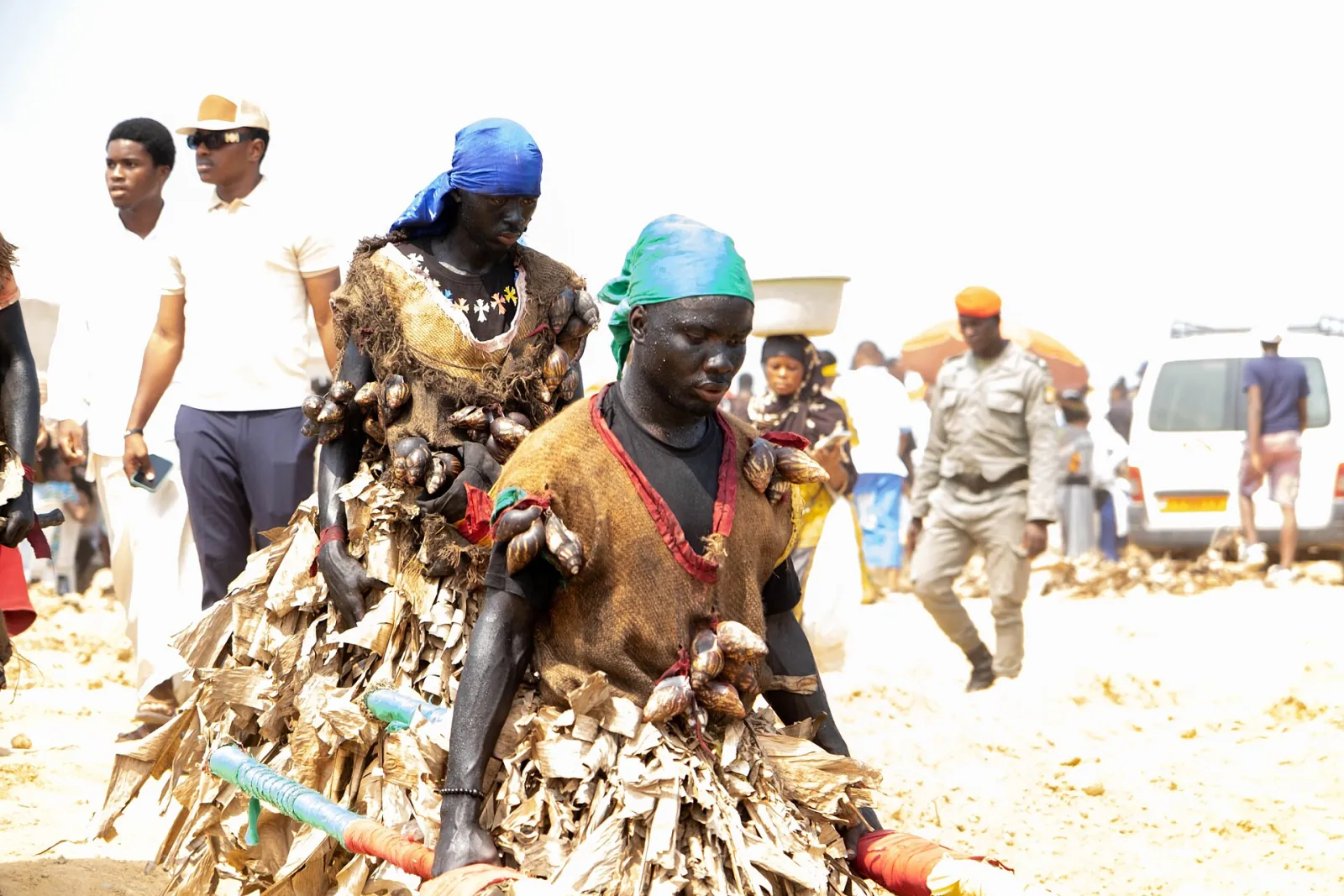
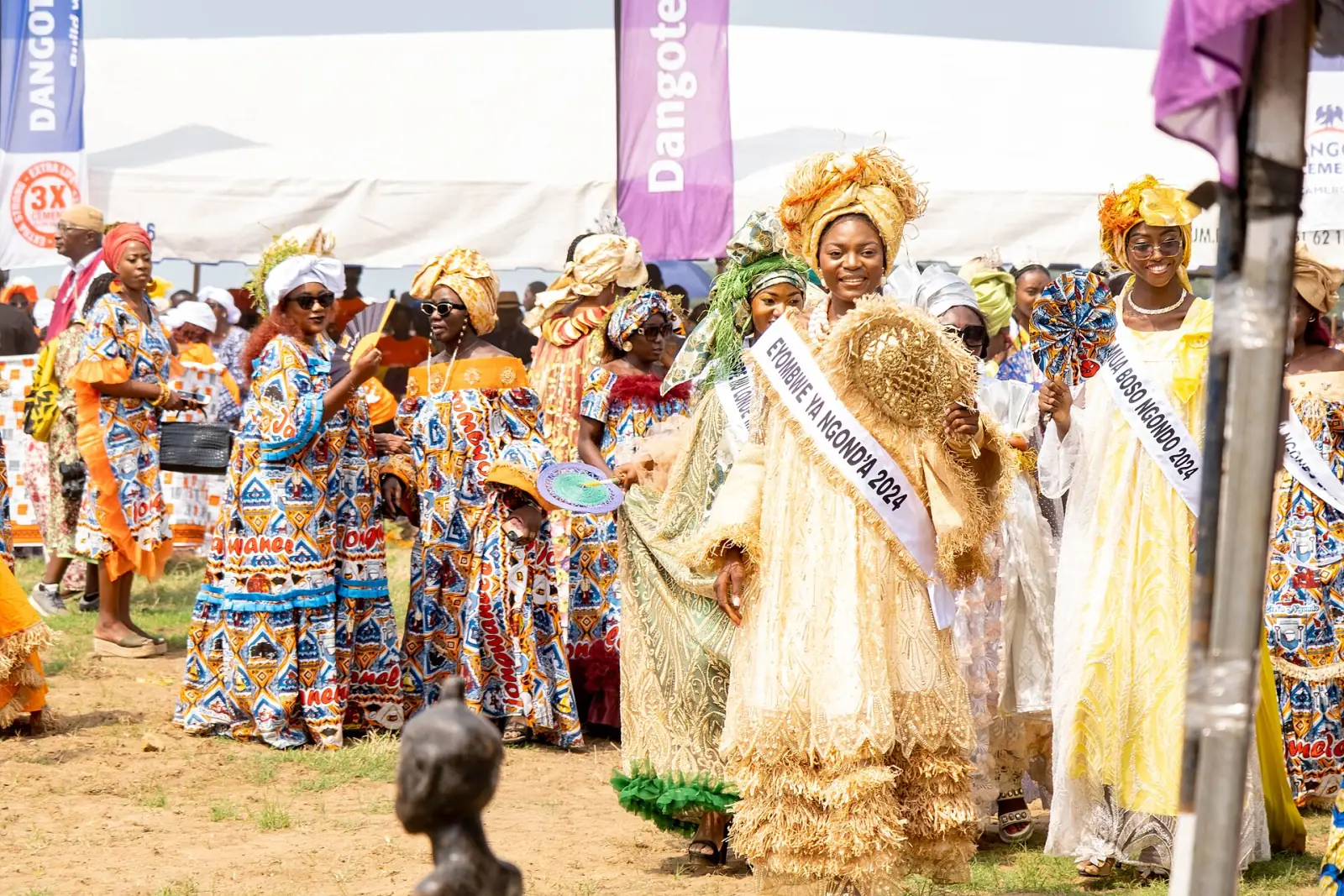
Two participants in plant-fibre costumes on the riverbank at the Ngondo festival

Performance is an action carried out in front of an audience, often in an unexpected place. The artist’s body is its material: walking, stillness, speech, repeated gesture. It enters into dialogue with dance, street theatre and traditional rites. In Cameroon, artists make it a tool for social discussion on water, the city, memory or the place of women.

Because it leaves few objects, performance is documented through photography, video and narrative; these traces are sometimes shown in galleries. A public performance falls under the regime governing shows and, depending on its scale, must be the subject of a show authorisation.

Training

Training in the visual and applied arts

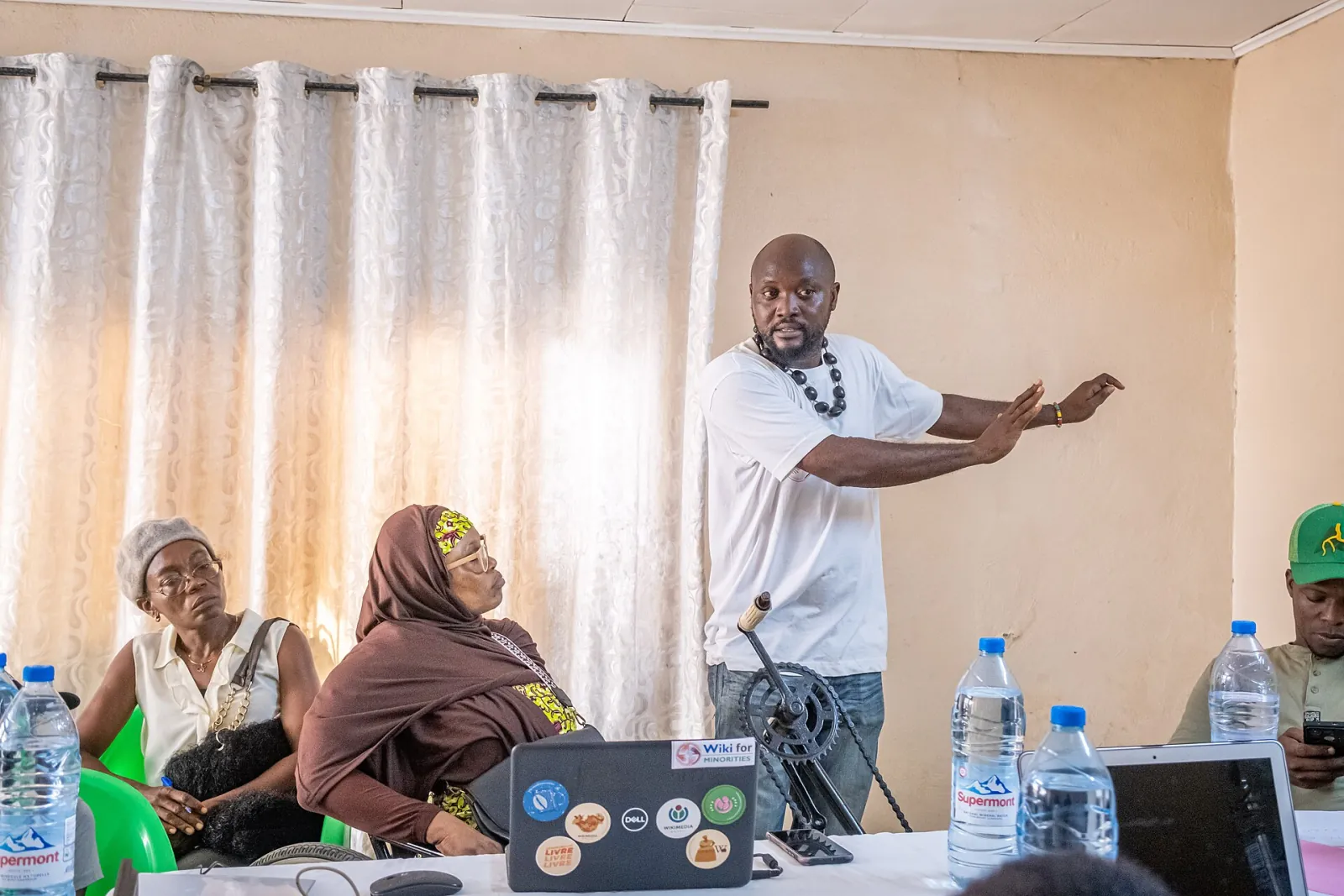
Trainer addressing participants seated around a table during a workshop

The Directorate for the Development and Promotion of the Arts defines, together with INAC, the training programmes in the performing, visual and applied arts. Artists also train in master artists’ studios, collectives, private schools and foreign cultural centres. The courses cover drawing, composition, photography, video editing, scenography and art history.

To become professional, practice must be complemented by a project culture: writing a file, drawing up a budget, negotiating a contract, protecting one’s rights. The vocational training page and the copyright workshops contribute to this.

Step by step

From idea to international exhibition

Formulate the intention

Write a short note explaining the subject, the chosen form, the materials and the expected audience.

Document the practice

Gather a portfolio, videos, installation plans and a biography; they will be used for every application.

Apply for a residency

Respond to calls, adapt the statement of intent to the place and the schedule, and ask for letters of support.

Produce on site

Work with the technicians, test the set-ups, and plan moments of exchange with the local public.

Exhibit and disseminate

Present in a gallery, an art centre or a biennale, preparing transport, insurance and authorisations.

Archive and promote

Photograph, film, file; register your work and update your directory entry.

Key facts

The forms of the visual arts at a glance

FormDistinctive featureMain constraintWhere to see it
InstallationWork designed for a place, with objects, light and soundPermission to occupy, public safetyMuseums, wastelands, art centres, public spaces
Video artMoving image, often in a loopFilming permit, music and image rightsGalleries, festivals, night-time screenings
PerformanceAction in front of an audience, centred on the bodyShow authorisation depending on scaleSquares, streets, open stages, biennales
Photography as artStill image conceived as an exhibition workPrints, framing, numbered editionsGalleries, festivals, catalogues
Sound workCreation of sounds and spatialised atmospheresPlayback equipment, music rightsArt centres, installations, radio
Digital artCreation with computer tools and interfacesEquipment, maintenance, software rightsLabs, digital festivals, online exhibitions
Journey

The visual arts through the stages

1990sThe first collectives

Visual artists in Douala and Yaoundé leave the studio for street actions, light installations and self-managed exhibitions.

The 2000sOpening to biennales

Cameroonian artists take part in major international exhibitions and make the country’s scene known.

2010sVideo and digital

The light camera and the computer broaden the palette; image festivals and creative laboratories appear.

2020sResidencies and networks

National residencies and artist exchanges are growing, supported by cooperation agreements.

TodayA structured scene

Training, directory, artist card and calls for projects form an increasingly clear framework for visual artists.

To explore

The visual arts in the other sections

“Defining training programmes in the live, visual and applied arts.”

Missions of the Directorate for the Development and Promotion of the Arts
Testimonials

Voices from the visual arts

“
My first installation fitted in a house courtyard; the residency gave me the space, the technicians and two months to dare to go bigger.
A visual artist, Douala
Installation
“
I film the markets at daybreak; the filming permit arrived online, with clear tracking of the file.
A video maker, Yaoundé
Video art
“
At a biennale, you do not always sell, but you meet those who will circulate your work for ten years.
A visual artist, Bafoussam
Biennales
“
Our collective hosts four residents from other regions every year; the neighbourhood public takes part in the final presentation.
An art centre director, Buéa
Residencies
To act

Schemes for visual artists

Residencies

A creative stay with a studio, support and public presentation, in Cameroon or abroad.

Apply

Filming authorisation

An essential procedure before filming in public space or in a protected place.

Submit the application

Mobility support

Support for an artist’s travel or the transport of works to a biennale.

Request support

Artist card

Recognition of visual artist status facilitates contracts and social protection.

Apply
To download

The resources for visual artists

Glossary

The words of the visual arts

Installation

Work designed for a specific place, through which the viewer walks.

Performance

Artistic action carried out live in front of an audience.

Biennial

International exhibition held every two years.

Curator

Person responsible for the content and layout of an exhibition.

Residency

Creative stay granted to an artist in an equipped place.

Portfolio

File bringing together an artist’s recent works.

Statement of intent

Text presenting the project, its motivations and its approach.

Installation protocol

Document describing how to reassemble an ephemeral work.

Loop

Continuous playback of a video, with no marked beginning or end.

Scenography

Organisation of the exhibition space and the public’s route.

On the site

Going further: discovering the visual arts

Resources

Useful links for the visual arts

Stakeholders

Who supports the visual arts?

Questions

Your questions about the visual arts

How can I train in the visual arts?

At the National Institute of Arts and Culture, whose programmes are defined with the arts directorate, but also in master artists’ studios, collectives and cultural centres. A strong portfolio counts as much as the diploma.

Are there residencies?

Yes. Residencies take place in Cameroon and abroad. Calls are published on the residencies page and in the calls for projects; the file includes a statement of intent, a portfolio and a work schedule.

Is authorisation needed for a video art piece?

For filming in public space or in a protected place, yes: the filming permit application is submitted online. For a public screening or a performance, a show authorisation may also be required.

How do I apply to a biennale?

Follow the calls published by each biennale and the Ministry’s international watch. Prepare a statement of intent, a portfolio, a technical sheet and a budget; a letter of support from an institution is an asset.

How do I present an installation in a public place?

Obtain the agreement of the owner or the town hall, draw up a safety plan, inform the regional delegation and, where necessary, submit an application for authorisation. Also provide for a dismantling protocol.

Can I sell a video work or an installation?

Yes, in the form of a certificate accompanied by an installation protocol, numbered editions and a master file. The contract specifies the broadcasting rights, the duration and the loan conditions.

Are my visual works protected?

Yes, from the moment they are created, like any original work. You can also register them in the register of works to date their existence and to approach a collective management society.

How do I have my collective listed in the directory?

Fill in the registration form, add a presentation, a few images and a video link. Registration is free and the entry can be updated at any time.

Contact

Write to the Ministry: Contemporary visual arts

Specify your question or your project.

Competent directorate

Write to the visual arts

Address

Directorate of the Development and Promotion of the Arts
Ministry of Arts and Culture
Quartier du Lac – Ministerial Zone
P.O. Box 1053 Yaoundé, Centre Region, Cameroon

Reach us

+237 6 51 70 58 41

contact@minac.gov.cm

Opening hours

Monday to Friday, 8 am to 4 pm

A project for a residency?

Discover the creative stays, in Cameroon and abroad, and submit your application.

See the residencies
WhatsApp