Coat of arms of CameroonMinistry of Arts
and Culture
Republic of Cameroon
My procedures
Home
Minister’s message
News
Press releases
Cultural calendar
Official speeches
Press review
Photo library
Video library
Calls for projects
Job vacancies
Public procurement
Newsletter
Frequently asked questions
Site map
Contact
Press area
Podcast “The Voice of Culture”
Legal notices
Privacy policy
Cookies and trackers
The Ministry
Missions and responsibilities
Organisation
Organisation chart
Minister’s Office (Cabinet)
Management team
General Secretariat
General Inspectorate
Central directorates
Regional Delegations
Institutions under supervision
Legislative texts
Regulatory texts
Sector strategy
Major projects
Budget and reports
Partners
Careers
Archives
Institutional communication
Quality and accessibility
Arts
Visual and plastic arts
Visual arts
Performing arts
Theatre
Dance
Music
Literature and books
Cinema and audiovisual
Photography
Fashion and design
Digital arts
Art crafts
Artists’ directory
Residencies
Prizes and awards
Arts education
Urban arts
Heritage
Tangible heritage
Intangible heritage
UNESCO sites
National museums
Listed monuments
National inventory
Palaces and chiefdoms
Archaeology
Linguistic heritage
Oral traditions
Traditional know-how
Restitution of cultural property
Fight against illicit trafficking
Listing and protection
Conservation and restoration
Heritage Days
Cultural landscapes
Industries
Music and recording
Cinema
Publishing and books
Digital arts
Fashion and creativity
Crafts
Cultural tourism
Funding for culture
Support funds
Incubators
Cultural entrepreneurship
Culture Observatory
Vocational training
Studies and reports
Sector statistics
Export and outreach
Intellectual property
Copyright
Legal framework
Copyright and neighbouring rights
Collective management societies
Register a work
Licences
Private copying
Fight against piracy
Model contracts
Social status of artists
Mediation
Disputes
Training
Fee scales
Register of works
Contact
Digital neighbouring rights
Public domain
Festivals
National calendar
Ngondo
Nguon
Écrans Noirs
Heritage Days
Music Day
Regional festivals
Fairs and exhibitions
Biennials
National competitions
Cultural days
Organise a festival
Event grants
Ticketing
Archives
Volunteering
Diaspora festivals
Regions
Adamawa
Centre
East
Far North
Littoral
North
North-West
West
South
South-West
Cultural map
Regional Delegations
Traditional chiefdoms
National languages
Cultural routes
Decentralised cooperation
Regional observatory
Cooperation
UNESCO
Francophonie (OIF)
African Union
Commonwealth
CEMAC
Bilateral cooperation
Cultural agreements
Professional organisations
Scholarships
Artist exchanges
Cultural years
Diaspora
Funded projects
Embassies
Technical partners
International restitution
International monitoring and calls
Services
Artist card
Show authorisation
Filming authorisation
Festival authorisation
Deposit of a work
Export of works of art
Listing of a property
Grant application
Association accreditation
File tracking
Forms
Fees
Opening hours and addresses
Reporting
Online help
My account
One-Stop Shop
Heritage

Palaces and chiefdoms

The Foumban palace, the Lamidate of Rey-Bouba, the chiefdoms of the West: architecture, symbols, traditional governance and visiting advice for understanding these places of power and memory that keep Cameroon’s heritage alive.

Updated on 6 November 20264 sub-pages
Flagship sites3
Traditional authorities received in 2026Several
Regions mainly concernedWest, North
VisitSupervised
Traditional powers

Living places of memory

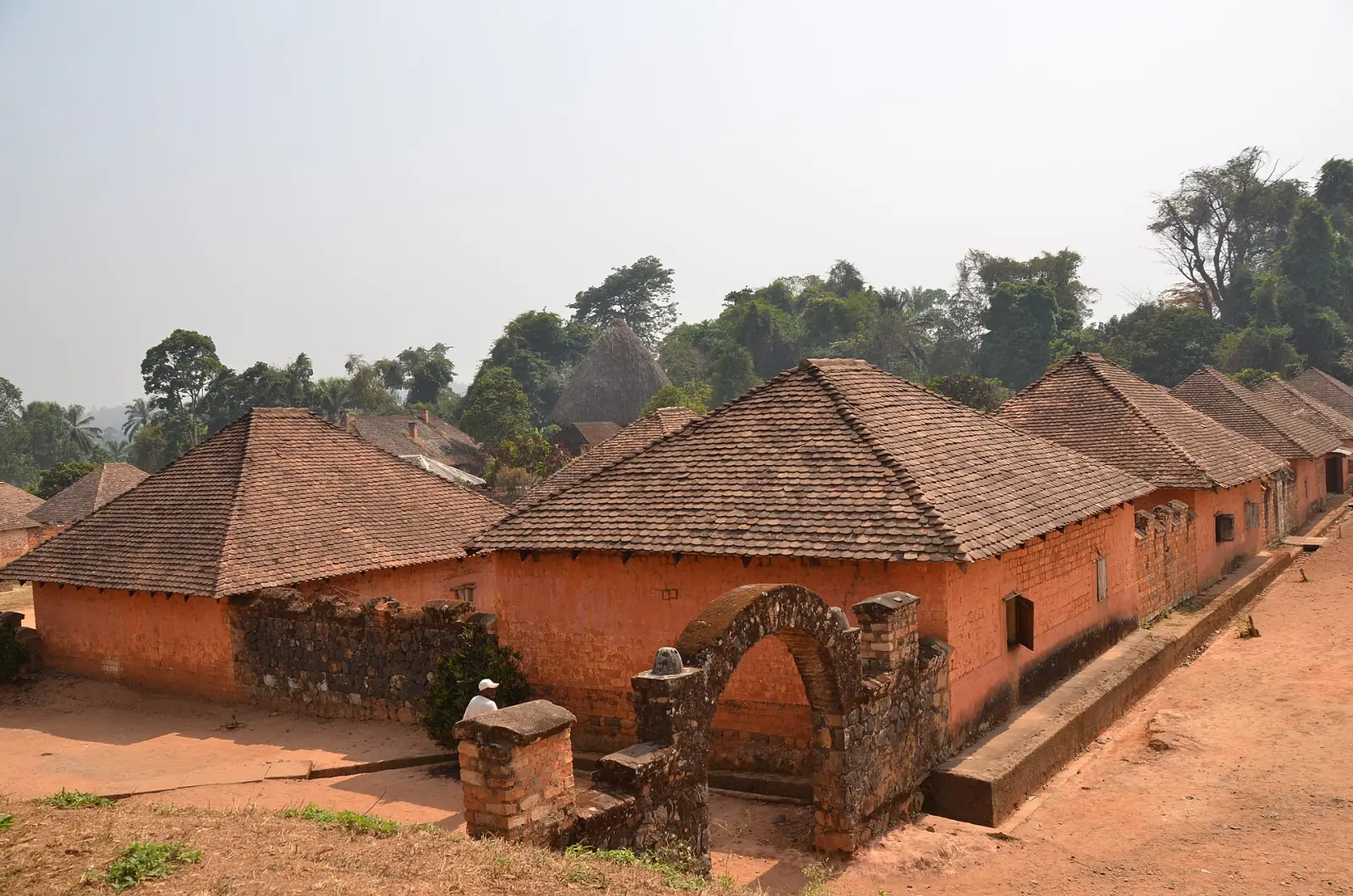
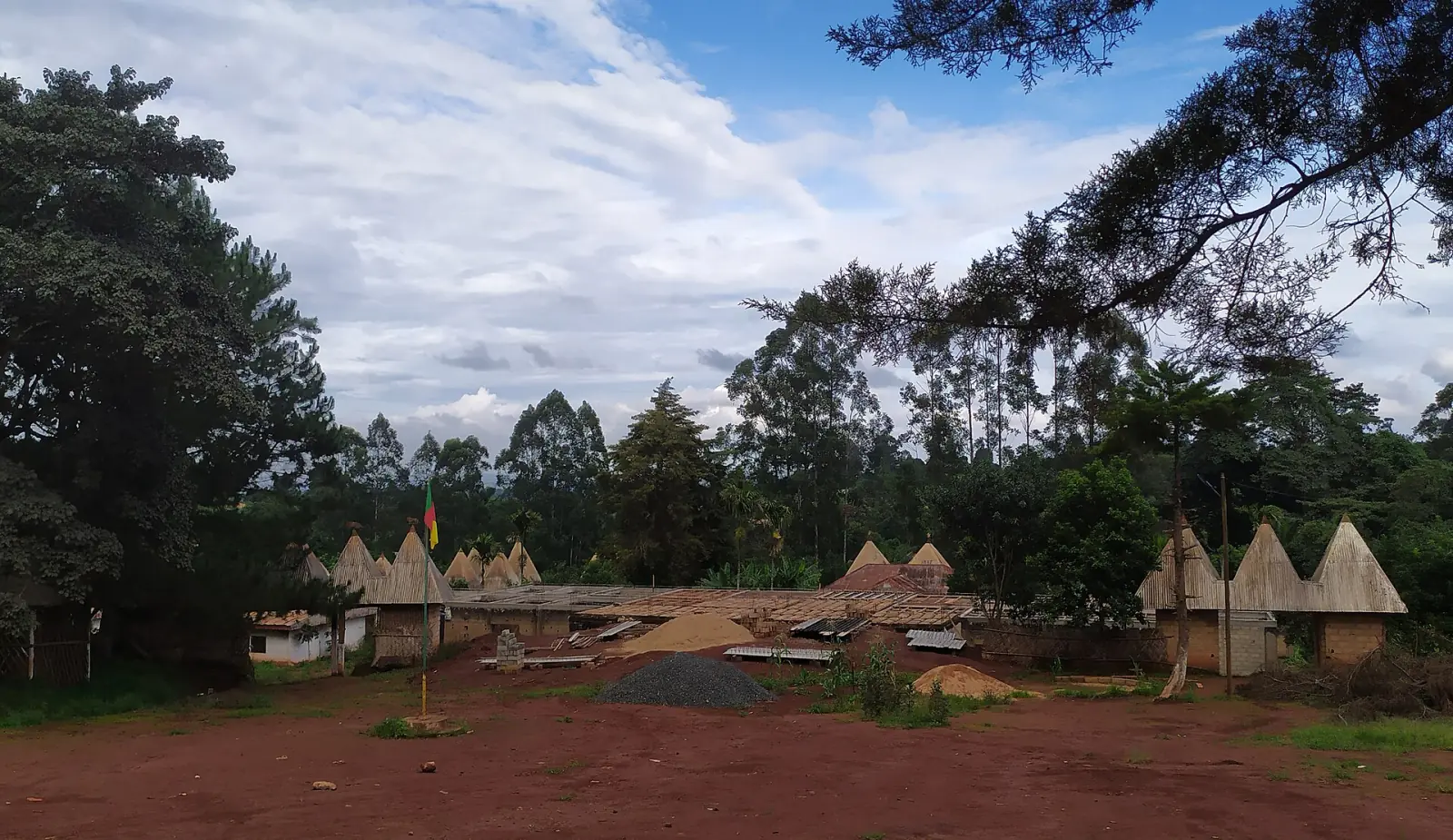
Red earth courtyard of the Batcham chiefdom with its conical-roofed huts

Palaces and chiefdoms are both heritage buildings and seats of traditional authority: people are judged, crowned, buried and dance there. Their roofs, carved posts, courtyards and throne rooms tell the history of a people and the art of its craftspeople.

The Ministry of Arts and Culture works with traditional authorities, several of whom were received at the Ministry in 2026. This page tours the Foumban palace, the Lamidate of Rey-Bouba and the chiefdoms of the West, then gives the keys to visiting them with respect for the places. It complements the section on traditional chiefdoms.

  • Heritage buildings and places of power
  • Traditional authorities in partnership with the Ministry
  • Visits organised with the keepers of the places
Discover the Foumban palace
Foumban Palace

The Foumban palace, home of the Bamoun kings

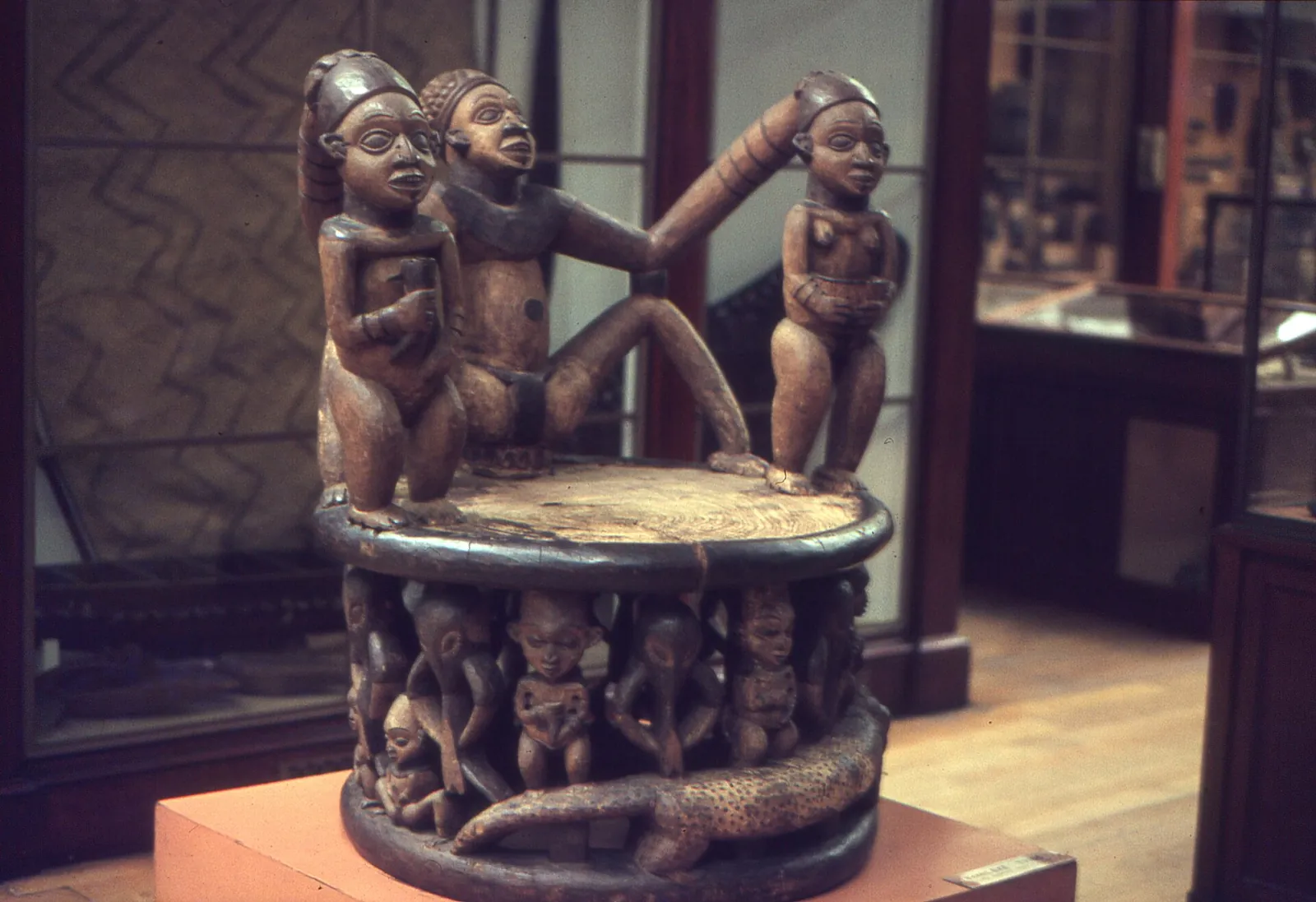
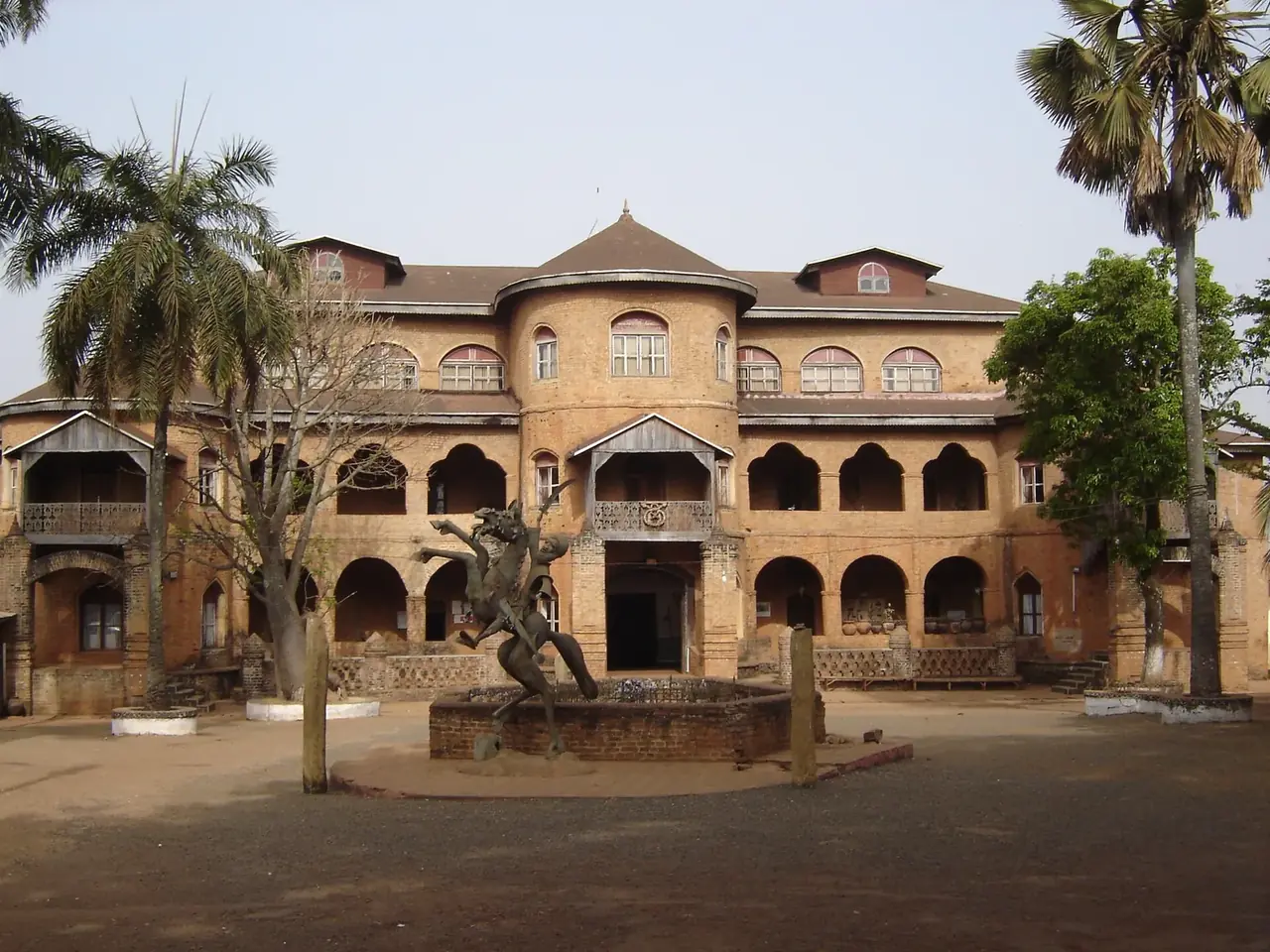
Foumban sultans’ palace and its central sculpture

In the heart of the town of Foumban, in the West Region, the palace of the Bamoun kings overlooks the main square. Built in the early 20th century, it combines regional construction techniques with influences from the coast and elsewhere. Its imposing façade, its upper floors and its great halls make it one of the best-known buildings in the country. It also houses a museum that preserves thrones, costumes, instruments, beads and court objects.

A kingdom, a script, arts

The Bamoun kingdom is famous for its own writing system, its royal archives, its cartography, its tradition of lost-wax bronze casting and its weaving. The court has always protected craftspeople: woodcarvers, founders, embroiderers, potters. They can still be met today in the craftspeople’s quarter near the palace, where traditional know-how is passed on.
The palace, stage of the festival

Each year, the palace becomes the centre of the Nguon, the kingdom’s great festival: processions, court dances, presentation of the notables and blessing of the people. Dance and music there follow a precise protocol inherited from the elders.

  • Throne room and courtyard of honour;
  • Palace museum and collection rooms;
  • Art workshops around the square;
  • Royal archives and historical pieces of the dynasty.
ℹ️
Protection under way

The heritage services monitor the condition of the building and the collections, and study with the court the appropriate protection measures. See the {A('/patrimoine/classement-et-protection','listing and protection')} page.

Rey-Bouba

The Lamidate of Rey-Bouba, a Fulani power of the North

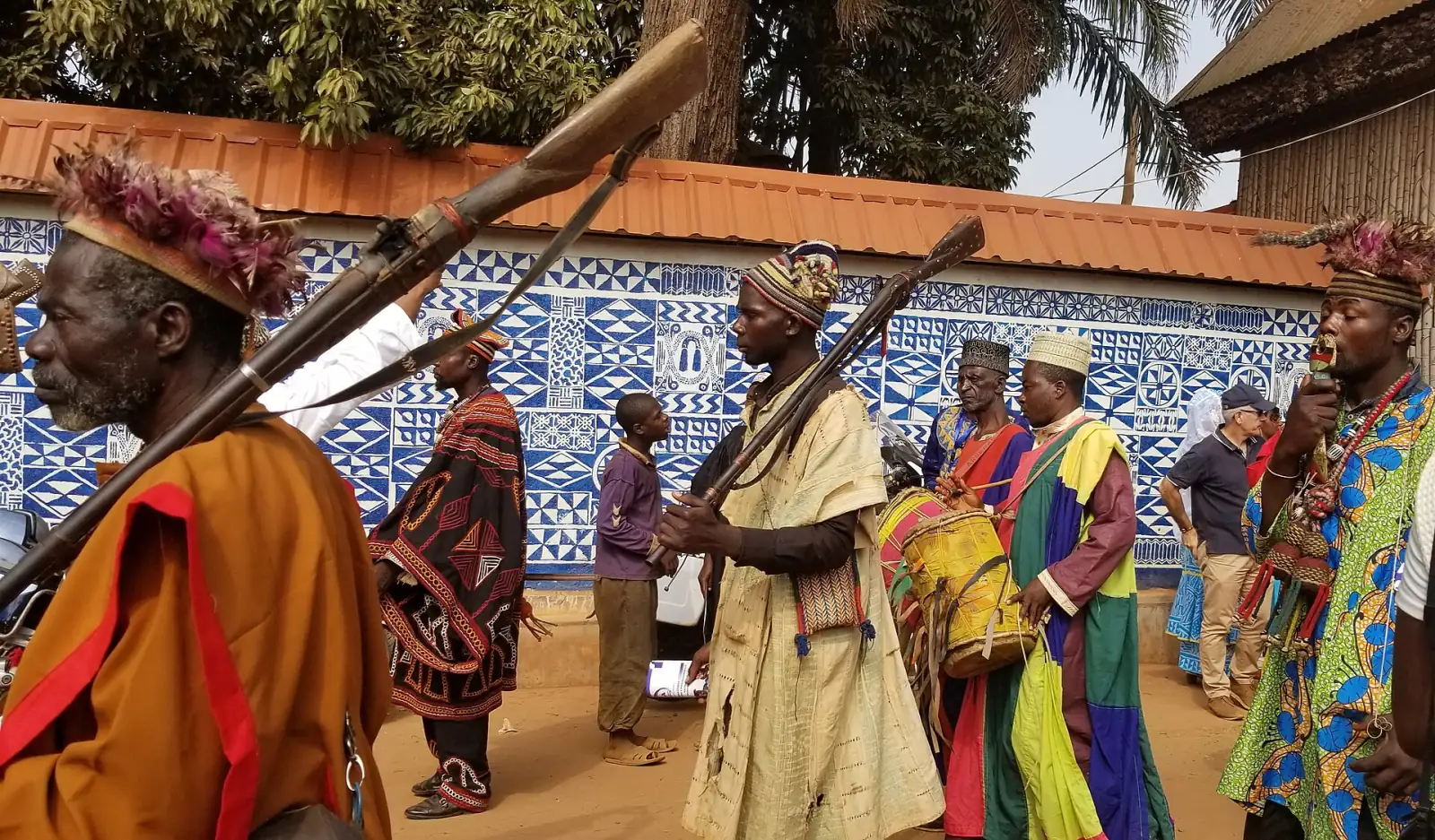
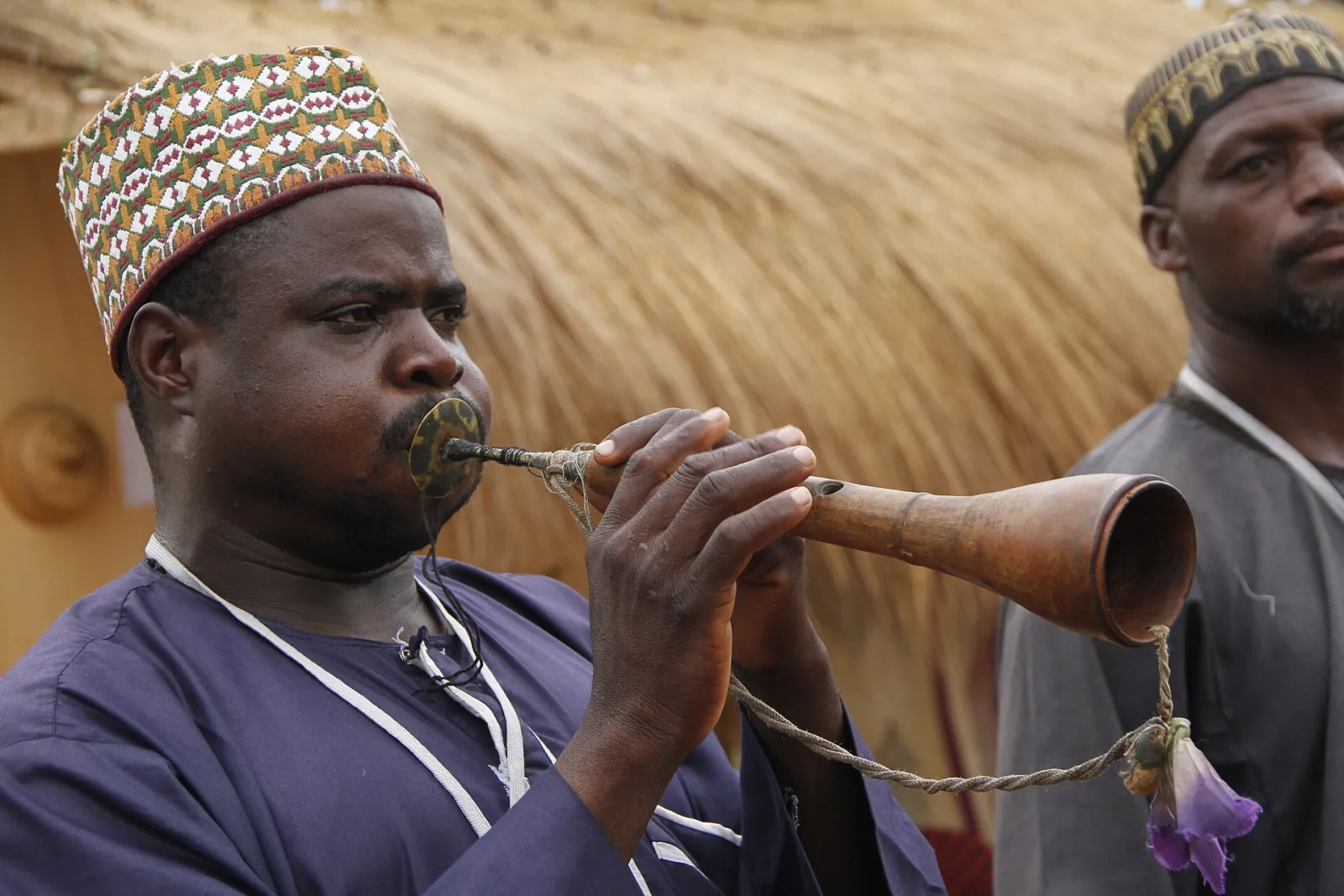
Musician in an embroidered cap playing a long traditional horn

In the North Region, the Lamidate of Rey-Bouba is one of the great traditional powers of the savannah. A lamidate is a Fulani chiefdom headed by a lamido, surrounded by a council of notables, dignitaries and servants with specific duties. The lamido’s residence, with its successive courtyards and earthen enclosure walls, forms an exceptional architectural ensemble.

An architecture of earth and straw

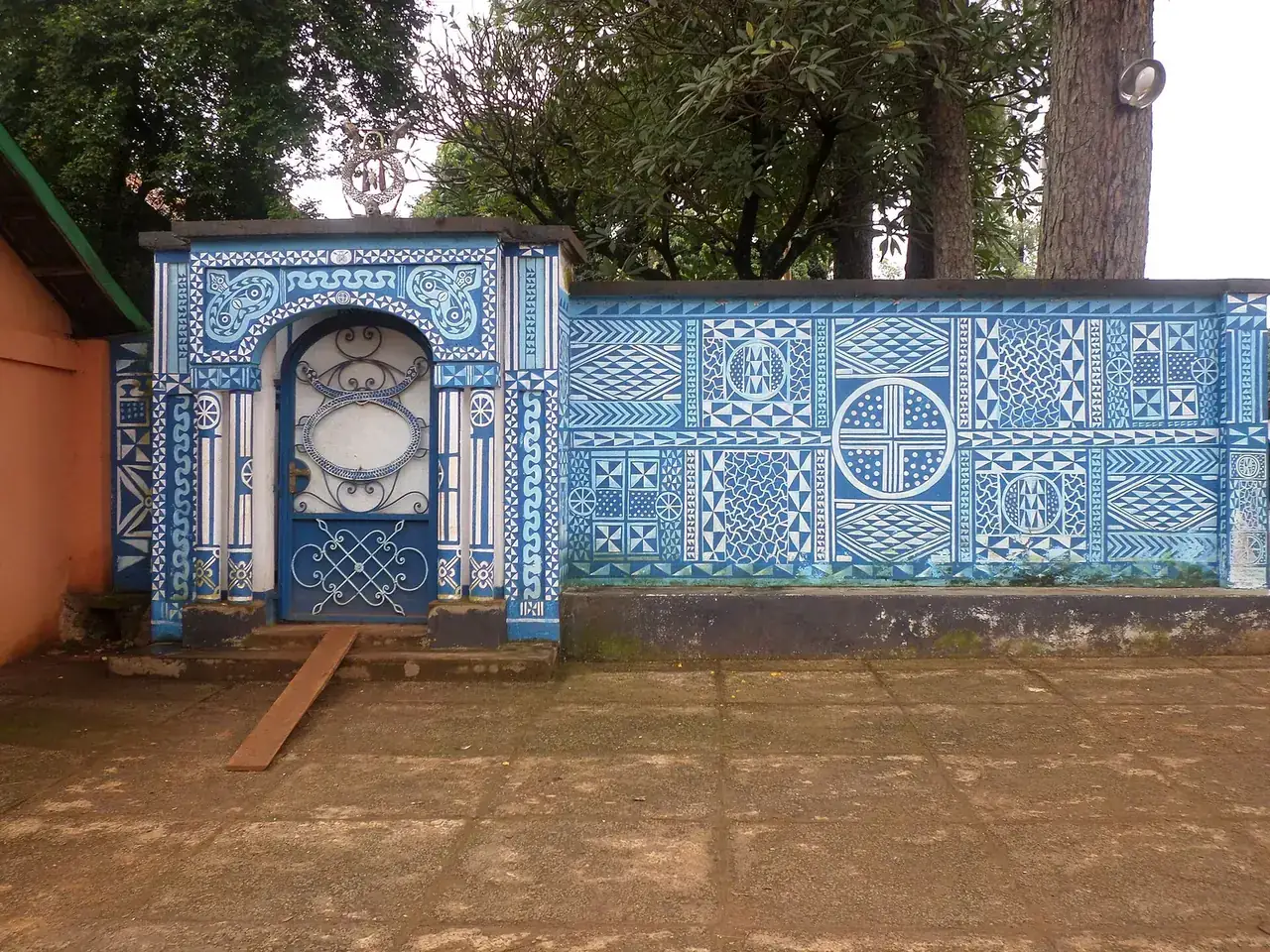
The buildings are made of raw earth bricks (banco), plastered and covered with thatched roofs or terraces. The thick walls keep the interior cool, the linked courtyards filter access to the private apartments, and the entrances are decorated with geometric motifs. Each rainy season requires careful maintenance of the plasterwork, carried out by teams of masons trained on site: an art that is perpetuated from generation to generation.

A court life that remains active

The lamidate remains a place of customary justice, mediation and ceremonies. The festivals of the year, audiences and processions of horsemen set the rhythm of palace life. Herders, farmers and leather and iron craftspeople maintain centuries-old ties with the court. The site is part of the North Region and of circuits linking several lamidates and natural sites.

  • Audience courtyard and court mosque;
  • Enclosure walls and monumental gates;
  • Granaries, stables and workshops;
  • Route of the horsemen during the great festivals.
Chiefdoms of the West

The chiefdoms of the West and the Grassfields

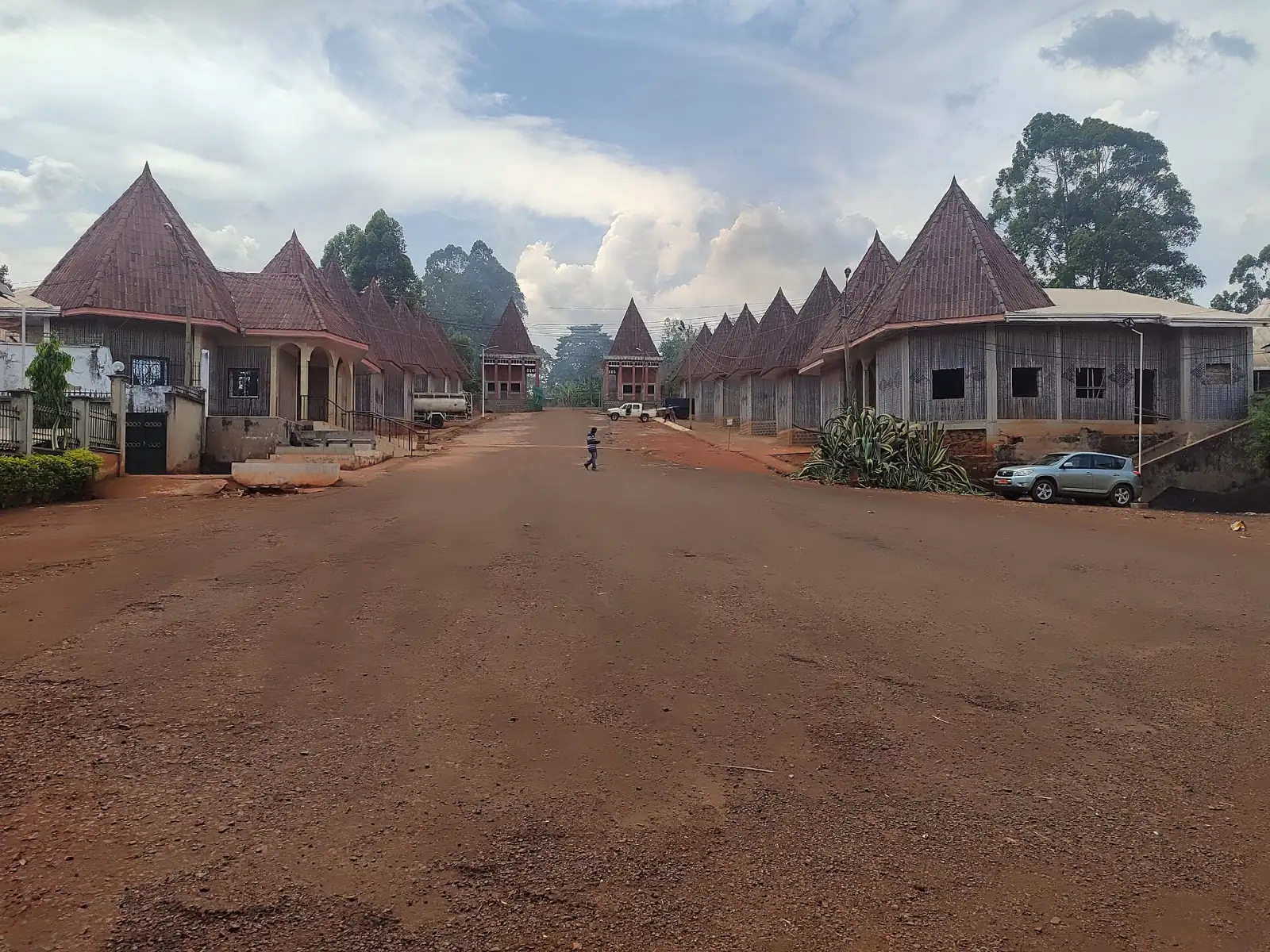
Avenue of traditional pointed-roof huts in the Bandjoun chiefdom

In the highlands of the West and North-West, dozens of chiefdoms preserve remarkable architecture, sculpture and traditions. Each chiefdom is a small city: it comprises the chief’s hut, the wives’ residences, the secret societies’ hut, the festival square, shrines and burial places. Chiefdoms such as Bandjoun or Bafut are known well beyond the region.

Materials and forms

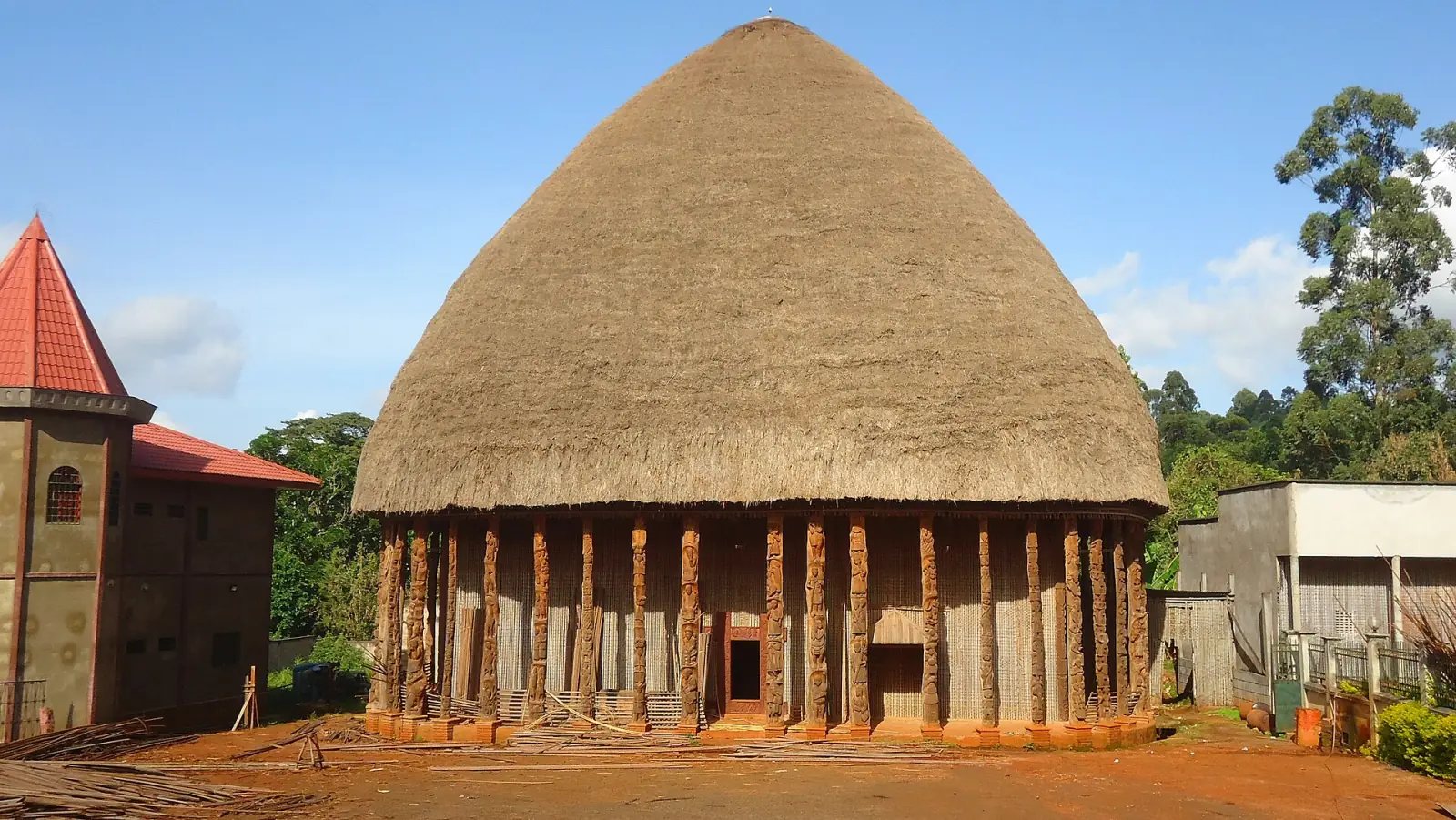
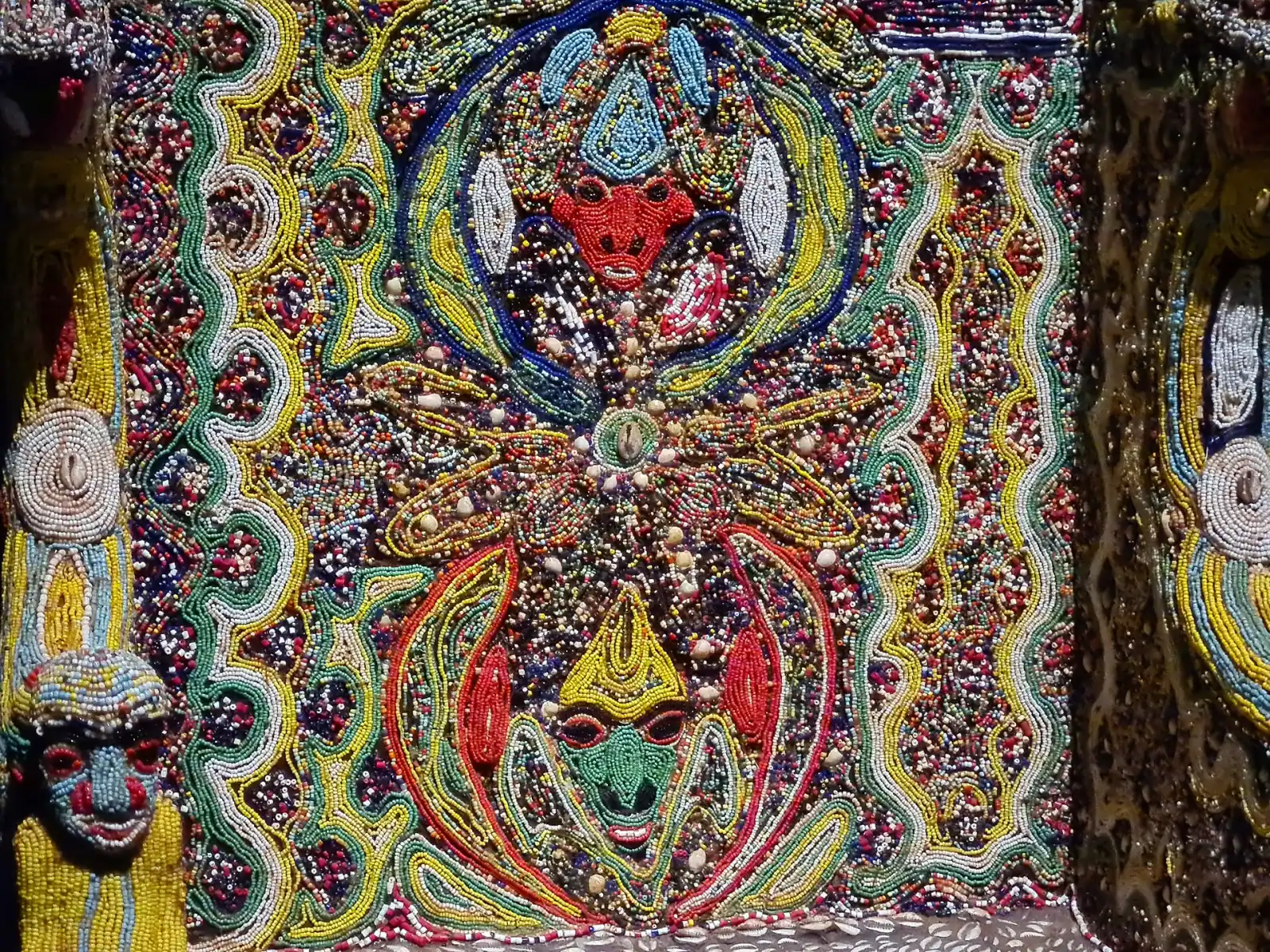
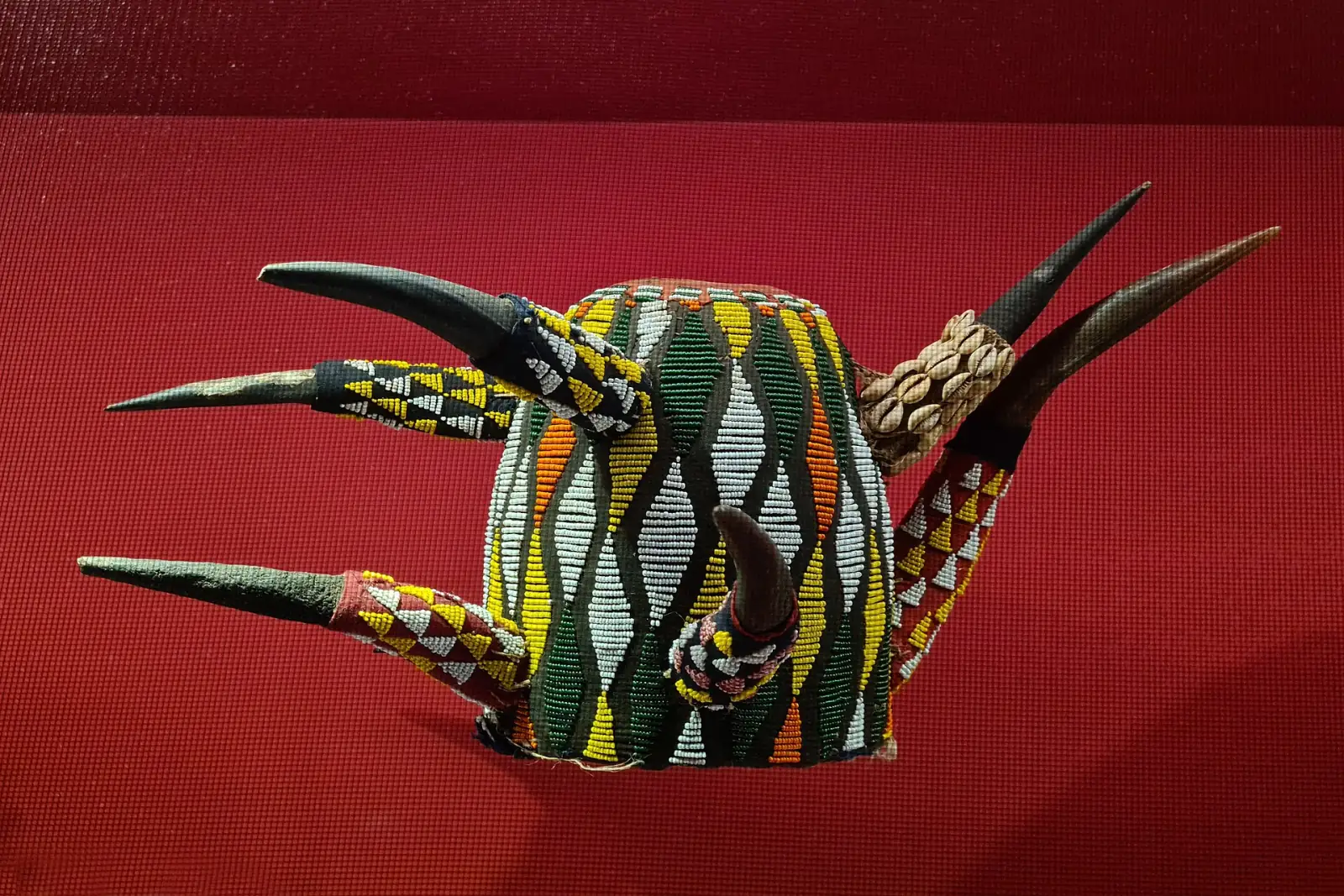
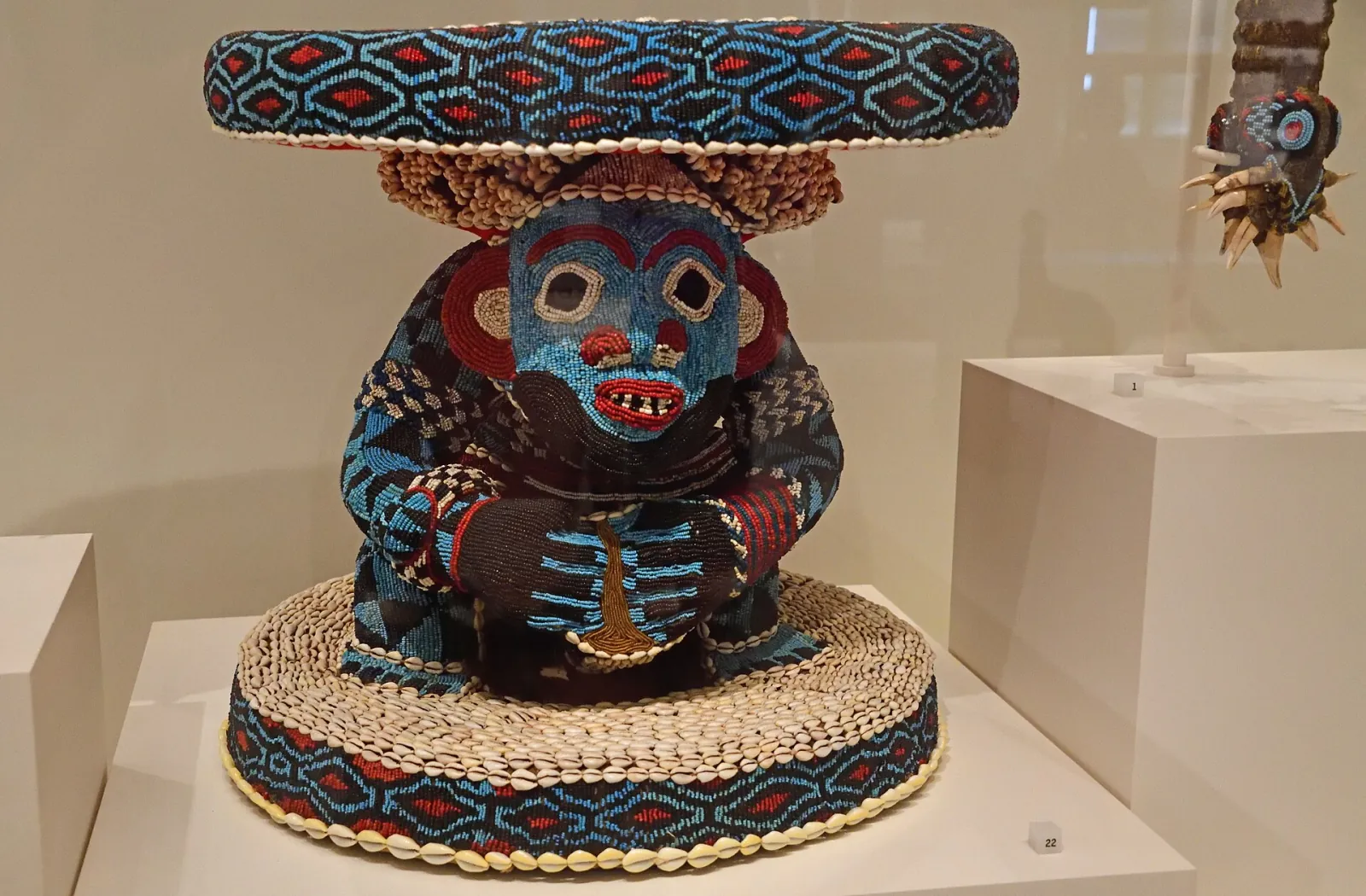
The huts rise on stone or earth bases, with walls of brick or bamboo and large conical grass roofs. The façade posts, lintels and doors are carved with human figures, animals and symbolic motifs: snake, spider, buffalo, panther, elephant. Beads, bronzes and royal stools complete the decoration.

The meaning of symbols

The spider evokes wisdom and divination, the panther royal power, the elephant wealth and collective strength, the toad fertility. These symbols can be read like a book: they tell of alliances, migrations and the rules of power. Societies of notables and mask brotherhoods ensure their transmission.

These ensembles are part of the cultural landscapes of the West and North-West, where dance festivals and funerals of notables are celebrated.

ℹ️
A living craft tradition

Sculptors, bead-makers and weavers still work for the chiefdoms: discover their trades in {A('/arts/artisanat-dart','art crafts')}.

Visit

Visiting a palace or a chiefdom

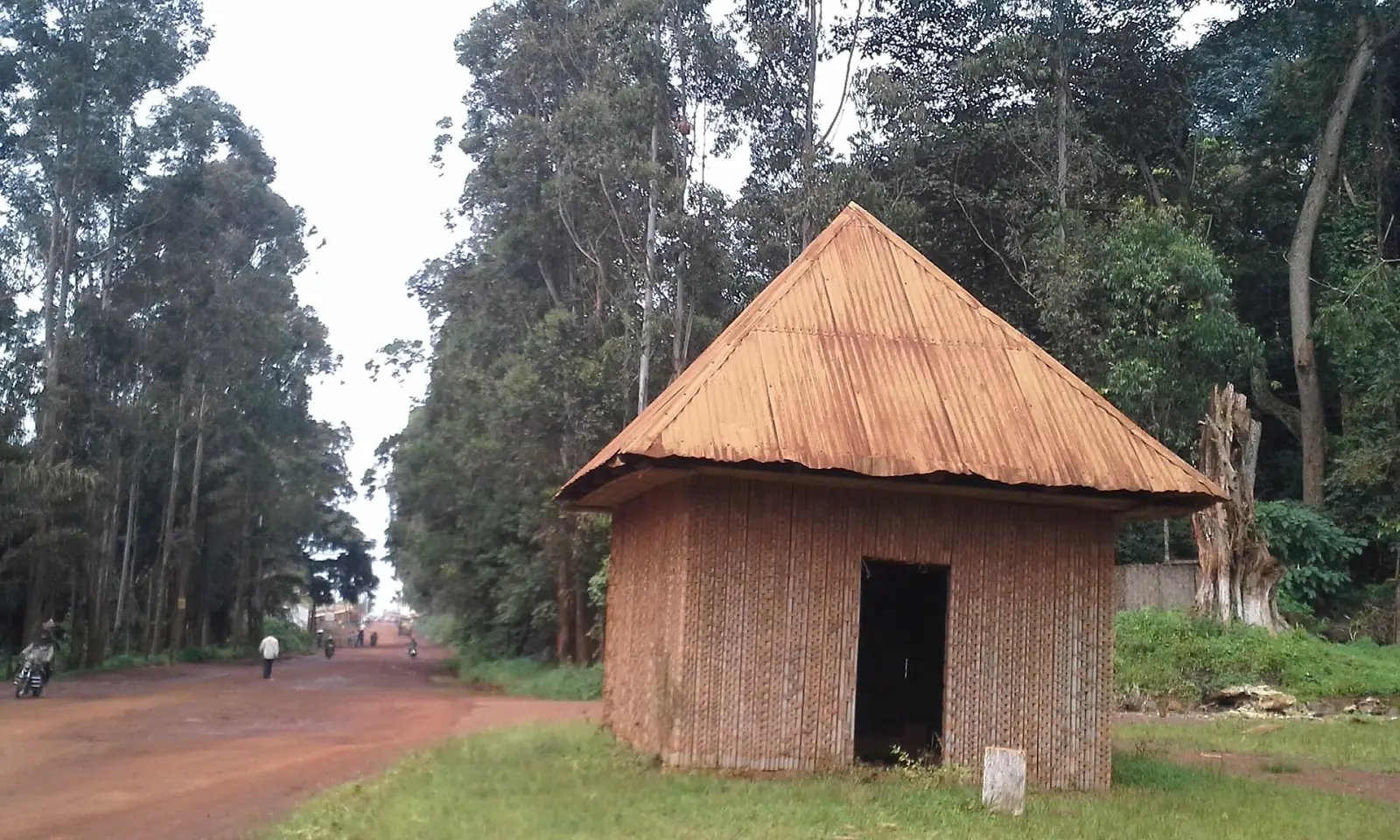
Sacred bamboo and sheet-roofed hut of the Bafoussam chiefdom among trees

Visiting conditions are defined with the local authorities: each palace or chiefdom is an inhabited place and not simply a museum. It is therefore essential to give advance notice, to report to the keeper or the palace secretariat and to follow the instructions. Certain parts remain closed to the public, notably the shrines and private apartments.

Before the visit

  • Contact the palace or the regional delegation to set a day;
  • Plan modest clothing, shoes that are easy to remove, and a small customary gift if custom requires;
  • Ask permission before photographing or filming;
  • Be accompanied by a trained local guide.

During the visit

Greet the notables with the customary formulas, do not offer your hand to the chief unless invited, and do not sit on reserved seats. Visitors are encouraged to ask questions, to buy objects directly from the craftspeople and to contribute to the upkeep of the site.

Organising a circuit

Agencies may offer multi-day circuits between Foumban, the Grassfields chiefdoms and the lamidates of the North. Cultural tourism and cultural itineraries detail the stages. School groups may apply to take part in the heritage days.

Architecture

Materials, techniques and symbols of chiefdom architecture

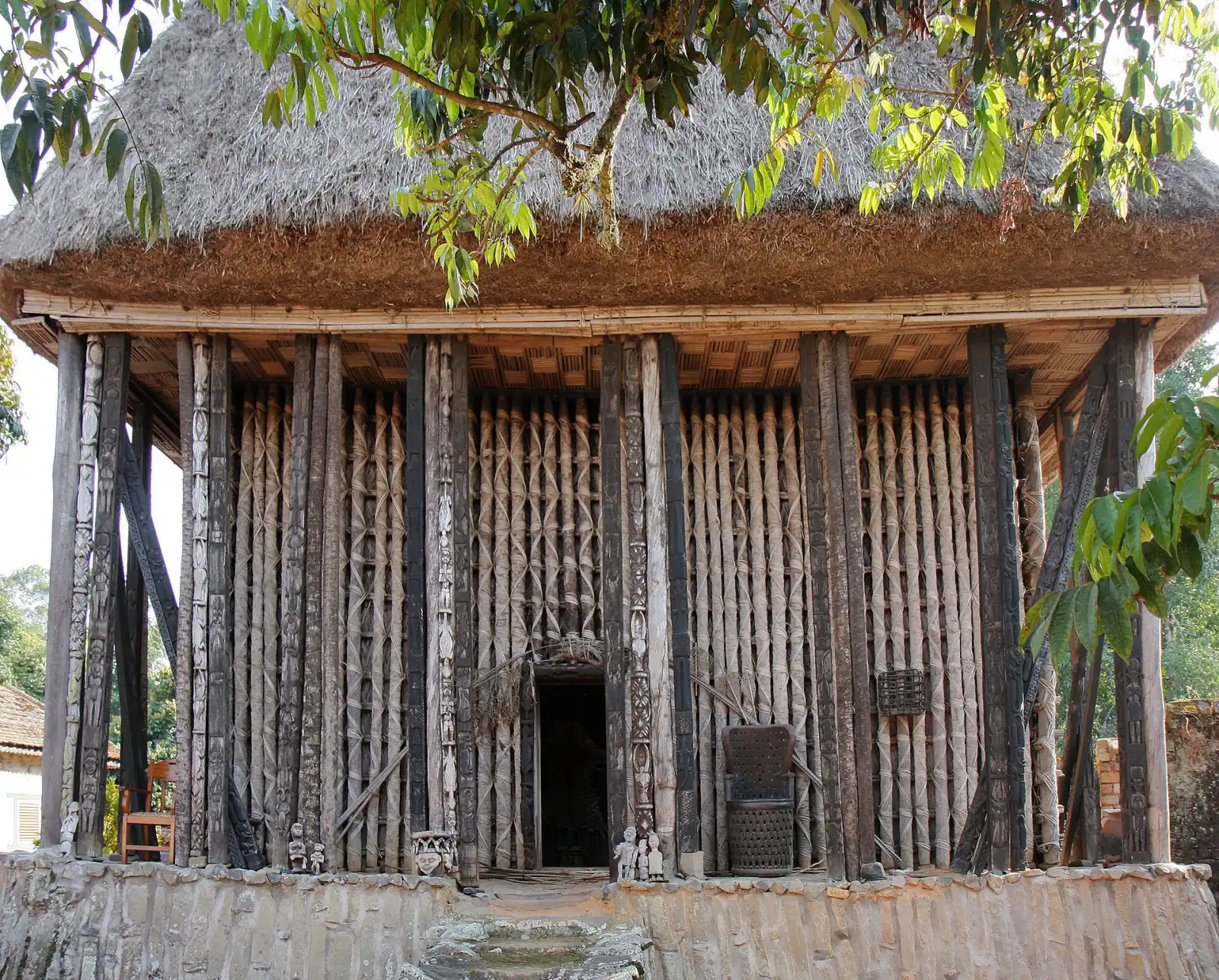
Great thatched-roof hut of the Bandjoun chiefdom under a blue sky

Building a chiefdom hut mobilises the whole village. The posts are cut from hardwoods, the walls built of sun-dried earth bricks or bamboo panels, and the roof made of savannah grass woven over a conical frame. The builder follows a plan passed down orally and chooses auspicious days. The work is punctuated by rites and shared meals.

These techniques are both fragile and robust: a thatched roof must be renewed every seven to ten years, which keeps the roofer’s craft alive through transmission. The restoration work, presented in conservation and restoration, draws on these methods rather than replacing them with industrial materials. The local authorities choose, together with the heritage architect, which motifs are to be reproduced.

Step by step

Preparing your visit to a palace

Choose the venue

Identify the palace or chiefdom you wish to visit using the cultural map, and check the festival periods, during which visitor arrangements change.

Make contact

Call the regional delegation or write to the Ministry to obtain the contact details of the palace secretariat and agree on a date.

Announce your visit

Tell the custodian the number of visitors, the purpose of the visit and any special requests, such as photography or an interview.

Observe protocol

On arrival, introduce yourself to the notables, present your customary gift if custom requires it and follow the instructions on where to go.

Explore with a guide

A trained guide comments on the site, answers questions and explains the meaning of the motifs, objects and ceremonies.

Support the site

Buy from the craftspeople, leave a contribution towards upkeep and share your impressions with the Ministry’s services.

Key facts

Palaces and chiefdoms at a glance

VenueRegionDistinctive featureTo go further
Foumban PalaceWestResidence of the Bamoun kings, museum and art workshopsNguon festival
Lamidate of Rey-BoubaNorthFulani power, earthen courtyards, enclosure wallNorth Region
Bandjoun ChiefdomWestLarge carved hut with a conical roofChiefdoms of the West
Bafut ChiefdomNorth-WestComplex of royal huts and society of notablesNorth-West Region
Other lamidatesNorth, AdamawaFulani powers of the savannahNorth and Adamawa Regions
Chiefdoms of the LittoralLittoralAuthorities of the coastal peoples and the Ngondo festivalNgondo festival
Chiefdoms of the EastEastResidences of forest chiefsEast Region
Compounds of the Mandara MountainsFar NorthDry-stone mountain chiefdomsFar North Region
Voices of the court

Those who guard the sites

“
Every week we receive school groups: the children leave knowing why each motif is placed on the door.
A palace custodian
Foumban
“
Replacing the roof of the great hut takes several months, but the whole village takes part and everyone learns their trade there.
A roofing site foreman
West Region
“
The lamidate welcomes researchers and visitors, provided that they respect the order of the courts and the ceremonial calendar.
A court dignitary
North Region
“
Our sculpture work for the chiefdom gave us a livelihood and a clientele well beyond the region.
A wood sculptor
Grassfields
To download

Resources for visitors and managers

“The palace is not a museum in which we look at the past; it is a house where the past continues to govern the present.”

A court notable, West
Glossary

The words of traditional power

Chiefdom

A traditional power entity led by a chief, with its territory, its notables and its customs.

Lamidate

A Fulani chiefdom of the North, led by a lamido and organised around a council.

Lamido

Head of a lamidate, the political, judicial and religious authority of the community.

Palaces

The residence of a sovereign, comprising living quarters, audience halls and ceremonial spaces.

Traditional authority

A chief recognised by his community and by the administration.

Notable

A dignitary who sits on the chief’s council or in a society of initiates.

Hut

A traditional building whose form and size vary according to region and function.

Banco

Sun-dried earth brick used in the North and for plasterwork.

Grassfields

The western and north-western highlands, a land of kingdoms and chiefdoms.

Secret society

A brotherhood of initiates that holds knowledge, masks and ritual functions.

Festival square

An esplanade where dances, funerals and public ceremonies take place.

To act

Supporting palaces and chiefdoms

Request a listing

A traditional authority, an owner or a local authority may propose the listing of a palace or a hut, with a file and written consent.

Apply

Organise a festival

Are you preparing a chiefdom festival open to the public? Submit the festival authorisation application online.

See the procedure

Write to the Ministry

Traditional authorities, associations and researchers may submit a project for safeguarding or promotion.

Contact us
On the site

Continue reading about palaces

Resources

Useful links for palaces and chiefdoms

Stakeholders

Who supports the chiefdoms?

Journey

Powers that span the centuries

FoundationBirth of the kingdoms

The great kingdoms and lamidates took shape around lineages of chiefs, migrations and alliances between clans.

Golden ageCourts and art workshops

The courts attracted sculptors, founders, weavers and musicians, who forged recognisable styles.

ColonisationBuildings and encounters

The palaces incorporated new techniques while retaining their functions of justice and ceremony.

IndependencePlace in the nation

Traditional authorities became recognised partners in local development and culture.

InventoryHeritage recognition

The buildings and collections are described and added to the national heritage register.

TodayPartnership with the Ministry

In 2026, traditional authorities are received to discuss the protection and promotion of their sites.

To explore

Chiefdoms in other sections

Questions

Your questions about palaces and chiefdoms

Can the Foumban palace be visited?

Yes, with the agreement of the palace officials and in compliance with their instructions. It is advisable to give advance notice, to be accompanied by a guide and to check the festival periods, particularly around the Nguon, during which access and opening hours may change.

Are palaces and chiefdoms listed?

It depends on the case. Listing is a specific procedure: it may be requested by the Minister, by a local authority or by the owner. Many palaces are inventoried or recognised without being listed. The heritage services support the authorities wishing to submit an application.

Who manages a palace or chiefdom?

Management rests primarily with the traditional authority and its council, who handle day-to-day upkeep and visitor reception. The State provides support: inventory, technical advice, restoration projects and guide training. Where a site is listed, the works are overseen by the Ministry.

Do I have to pay to enter a chiefdom?

Practices vary. Some palaces ask for a contribution towards upkeep, while others receive visitors freely and accept donations. Enquire at the palace secretariat or the regional delegation, and bear in mind that your contribution pays for the roof, the workshops and the reception of visitors.

May ceremonies be photographed?

Only with the permission of the authority of the place. Certain ceremonies, objects and spaces may not be photographed. Always ask for permission before photographing or filming, and respect the gestures of greeting, which are part of the ceremony.

How can a palace receive assistance for its restoration?

The authority of the place submits a request to the Ministry, describing the damage, the planned works and the timetable. The services assess the condition of the building, advise on techniques and may involve craftspeople, architects and financial partners.

Can chiefdom objects be sold abroad?

Not freely. A listed movable property is inalienable and may not be exported. For other objects, prior authorisation is required. Illicit trafficking is combated together with the traditional authorities and customs, who are valuable allies of heritage.

How do I organise a chiefdom festival open to the public?

Approach the local authority to set the programme, then submit the authorisation application online. Plan for reception, security, accommodation, catering for guests and, if possible, a period explaining the ceremonies to visitors.

Contact

Write to the Ministry: Palaces and Chiefdoms

Specify the property or site concerned.

Competent directorate

Contact the palaces and chiefdoms service

Address

Directorate of Cultural Heritage
Ministry of Arts and Culture
Quartier du Lac – Ministerial Zone
P.O. Box 1053 Yaoundé, Centre Region, Cameroon

Reach us

+237 6 51 70 58 41

contact@minac.gov.cm

Opening hours

Monday to Friday, 8 am to 4 pm

A palace to visit or to protect?

Contact the Ministry to organise a visit, report a need or submit a listing application.

Request a listing
WhatsApp