Coat of arms of CameroonMinistry of Arts
and Culture
Republic of Cameroon
My procedures
Home
Minister’s message
News
Press releases
Cultural calendar
Official speeches
Press review
Photo library
Video library
Calls for projects
Job vacancies
Public procurement
Newsletter
Frequently asked questions
Site map
Contact
Press area
Podcast “The Voice of Culture”
Legal notices
Privacy policy
Cookies and trackers
The Ministry
Missions and responsibilities
Organisation
Organisation chart
Minister’s Office (Cabinet)
Management team
General Secretariat
General Inspectorate
Central directorates
Regional Delegations
Institutions under supervision
Legislative texts
Regulatory texts
Sector strategy
Major projects
Budget and reports
Partners
Careers
Archives
Institutional communication
Quality and accessibility
Arts
Visual and plastic arts
Visual arts
Performing arts
Theatre
Dance
Music
Literature and books
Cinema and audiovisual
Photography
Fashion and design
Digital arts
Art crafts
Artists’ directory
Residencies
Prizes and awards
Arts education
Urban arts
Heritage
Tangible heritage
Intangible heritage
UNESCO sites
National museums
Listed monuments
National inventory
Palaces and chiefdoms
Archaeology
Linguistic heritage
Oral traditions
Traditional know-how
Restitution of cultural property
Fight against illicit trafficking
Listing and protection
Conservation and restoration
Heritage Days
Cultural landscapes
Industries
Music and recording
Cinema
Publishing and books
Digital arts
Fashion and creativity
Crafts
Cultural tourism
Funding for culture
Support funds
Incubators
Cultural entrepreneurship
Culture Observatory
Vocational training
Studies and reports
Sector statistics
Export and outreach
Intellectual property
Copyright
Legal framework
Copyright and neighbouring rights
Collective management societies
Register a work
Licences
Private copying
Fight against piracy
Model contracts
Social status of artists
Mediation
Disputes
Training
Fee scales
Register of works
Contact
Digital neighbouring rights
Public domain
Festivals
National calendar
Ngondo
Nguon
Écrans Noirs
Heritage Days
Music Day
Regional festivals
Fairs and exhibitions
Biennials
National competitions
Cultural days
Organise a festival
Event grants
Ticketing
Archives
Volunteering
Diaspora festivals
Regions
Adamawa
Centre
East
Far North
Littoral
North
North-West
West
South
South-West
Cultural map
Regional Delegations
Traditional chiefdoms
National languages
Cultural routes
Decentralised cooperation
Regional observatory
Cooperation
UNESCO
Francophonie (OIF)
African Union
Commonwealth
CEMAC
Bilateral cooperation
Cultural agreements
Professional organisations
Scholarships
Artist exchanges
Cultural years
Diaspora
Funded projects
Embassies
Technical partners
International restitution
International monitoring and calls
Services
Artist card
Show authorisation
Filming authorisation
Festival authorisation
Deposit of a work
Export of works of art
Listing of a property
Grant application
Association accreditation
File tracking
Forms
Fees
Opening hours and addresses
Reporting
Online help
My account
One-Stop Shop
Services

Association accreditation

Approval recognises a cultural association and opens access to certain forms of support and partnerships. Conditions, file documents, form, tracking, practical cases, common mistakes and remedies: everything you need to submit a complete application first time.

Updated on 6 November 20264 sub-pages
SubmissionOnline
File documents5
Conditions3
TrackingBy number
Cultural associations

Everything about association accreditation

International Dance Day participants in front of the house of culture

A neighbourhood theatre troupe, a federation of weavers, a society for safeguarding initiation songs, a photographers’ collective: the association network is one of the strengths of Cameroonian cultural life. The Ministry’s approval officially recognises these associations as partners of the cultural sector and opens access to certain forms of support, calls for projects and partnerships.

This page explains who approval is for, the three conditions to be met, the five documents in the file, how to complete the form and how to track your application. It also gives practical cases, the most common mistakes and the remedies available if your file is not progressing.

  • Online submission or at a regional delegation
  • Tracking at every step with your file number
  • An officer helps you if you encounter difficulties
Submit online
One-Stop Shop

Apply online: Association accreditation

The One-Stop Shop lets you submit your approval application at any hour, from a computer or a phone. Any fee is shown before payment, the file immediately receives a tracking number, and each stage of the examination is notified to the e-mail address given at submission. If you prefer paper, the regional delegation in your region receives the same application.

Fee payable 25,000 FCFA Online payment: Orange Money, MTN Mobile Money or bank card.
Submission Online, 24 hours a day You receive a file number to keep for tracking.
Who it is for

Who the cultural association approval is for

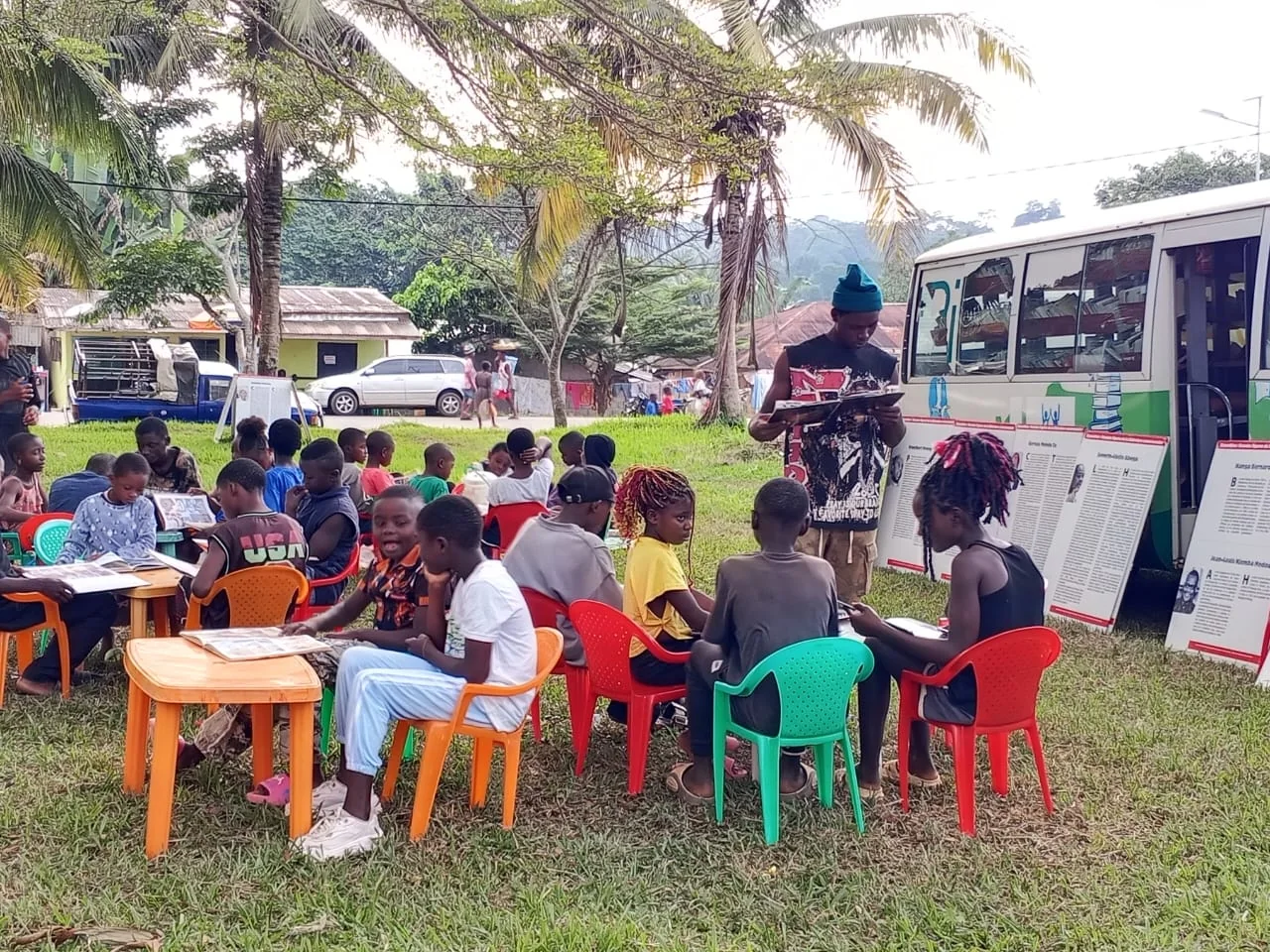
Children reading and writing at colourful tables on a lawn, next to a library bus

Approval is aimed at legally declared cultural, artistic and heritage associations wishing to be recognised by the Ministry of Arts and Culture. It covers dance and theatre troupes, orchestras and choirs, craft associations, research groups on national languages and on the knowledge in the national inventory, festival committees, and associations managing a community museum or a chiefdom open to the public.

What approval changes

An unapproved association can perfectly well exist and work. Approval gives it recognition: its name appears in the Ministry’s registers, it is invited to sector consultations and it can submit a grant application on better terms. It also facilitates partnerships with local authorities and professional organisations.

What it does not change

Approval is neither funding nor authorisation to hold an event. A concert, a fashion show or a festival remain subject to their own procedure, such as the show authorisation or the festival authorisation.

Before you begin

The three conditions for approval

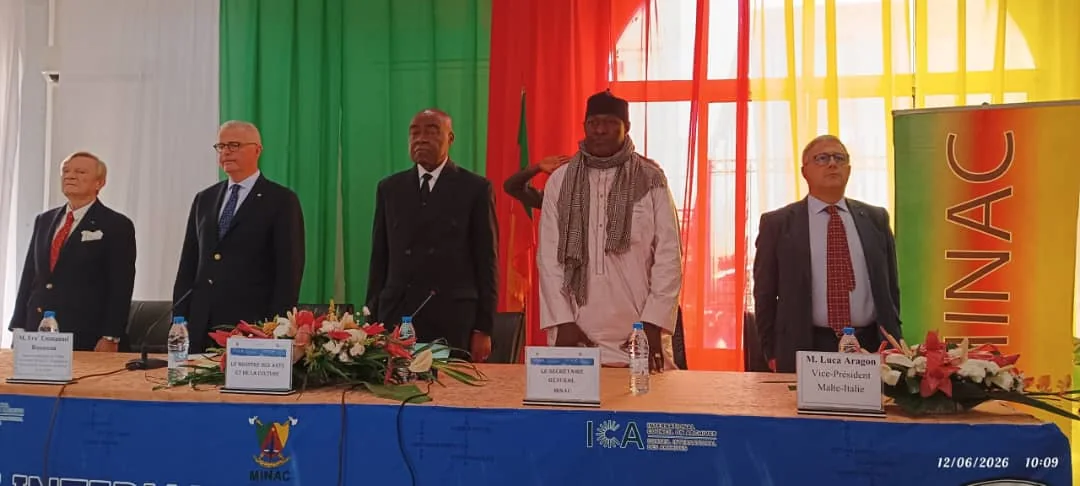
Board session of a Ministry institution, participants posing in the room

To be approved, an association must meet three simple conditions, checked against documents by the cultural associations service.

1. Be legally declared

The association must have completed its declaration with the territorial administrative authority in accordance with the legislation on freedom of association, and hold its declaration receipt. Without this document, no file can be examined: it is proof of the organisation’s legal existence.

2. Carry out regular, documented cultural activities

The Ministry does not judge artistic quality, but the reality of the activity. Rehearsals, workshops, story collection, exhibitions, school tours: what matters is that these activities are regular and that the association can prove them with posters, programmes, photographs or press articles.

3. Have an identified executive board and governance

The president, secretary general, treasurer and other board members must be appointed in accordance with the articles of association, with a clear term of office. An association whose board is contested or has expired will first have to regularise its situation.

  • Declaration receipt currently valid;
  • Cultural activities evidenced over the recent period;
  • Board and articles of association up to date.
ℹ️
Our advice

An activity report illustrated with posters, photos and programmes helps the decision. If you are missing a condition, the online help tells you how to put it right.

Prepare the file

The five documents in the approval file

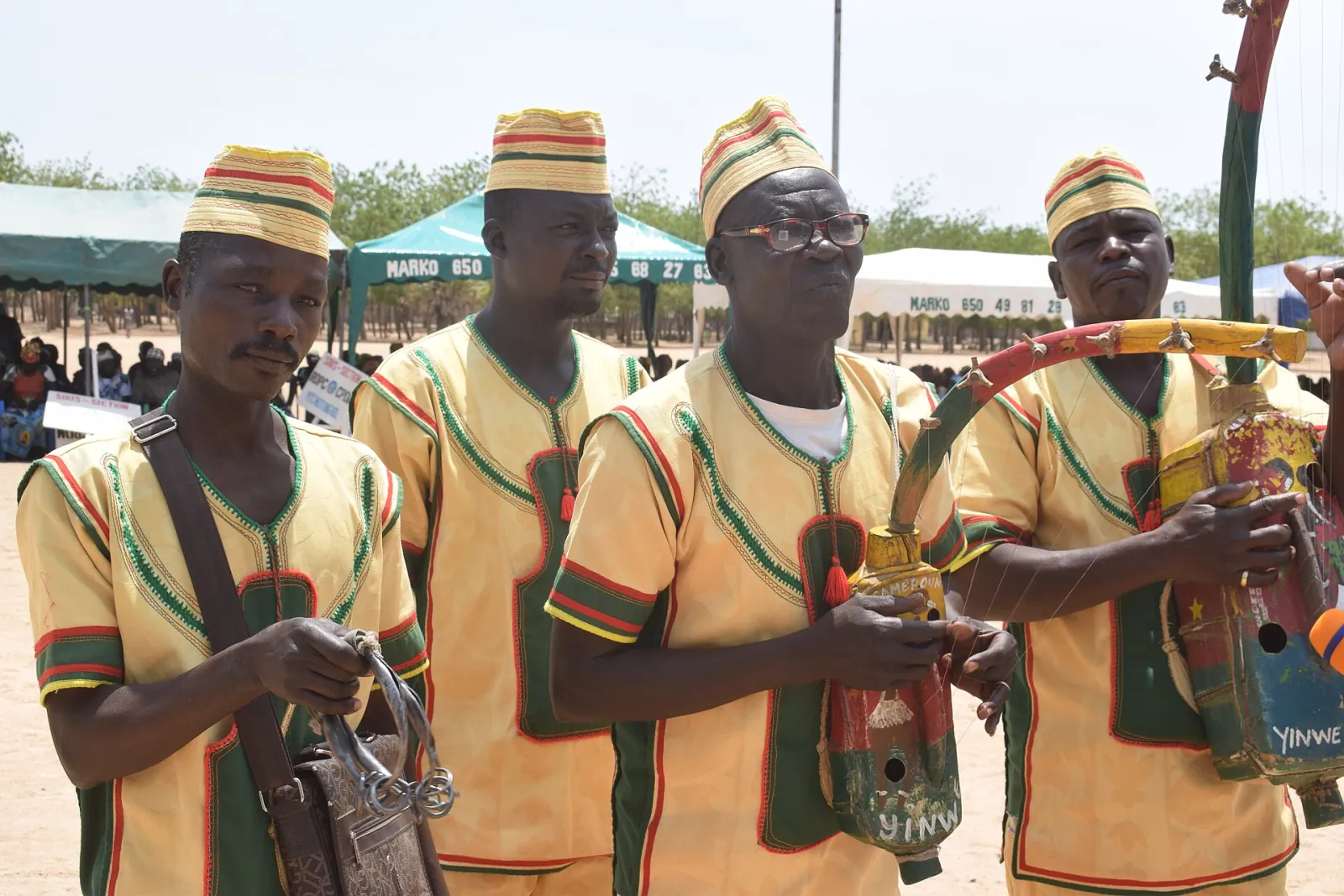
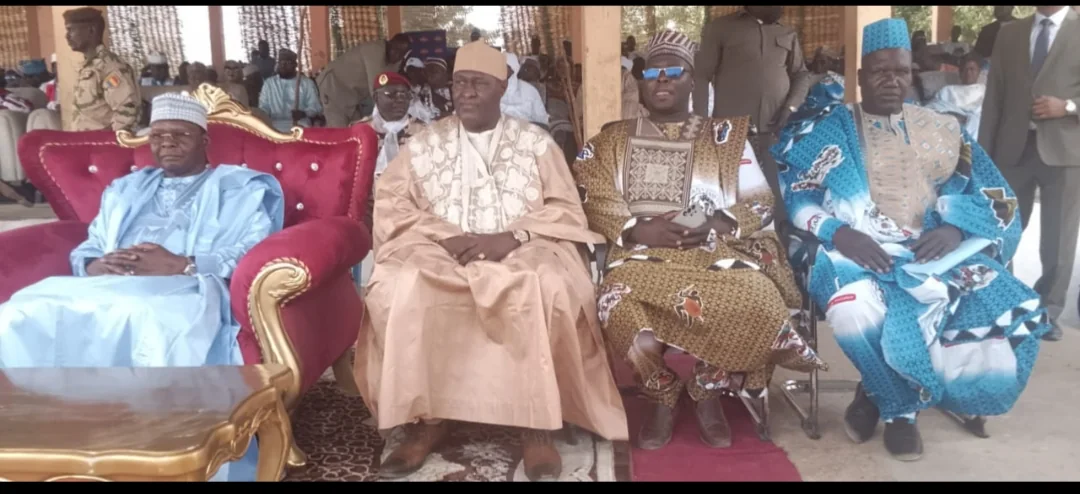
Four notables in traditional dress seated side by side during a ceremony, in front of an audience

The file consists of five items. Gathering them before opening the online form avoids any interruption, since submission is done in a single session.

  1. The approval application form, completed online or as a PDF;
  2. The articles of association and the declaration receipt, in legible copies;
  3. The list of board members, with their roles and contact details;
  4. The activity report and programme for the current year;
  5. The address and contact details of the association, including an e-mail address checked regularly.

Preparing the activity report with care

This is the document the examiners read first. Three pages are enough: presentation of the association, activities of the year by month, audiences reached, partners, outlook. Add two or three visuals. Member artists may also refer there to their social status. The activity report template provides the outline.

Scanning properly

Scan flat, in colour or greyscale, one document per file, and name it clearly (“statutes”, “receipt”, “board”). A blurred or cropped scan almost always leads to a request for further information. The scanning guide in the online help details the settings.

Complete the application

Completing the form for the approval application

A group of notables in traditional attire poses together.

The form exists in two versions: online, from the One-Stop Shop, and as a PDF for submission at the regional delegation. Both contain the same sections, grouped into four blocks.

Identity of the association

Exact name (as it appears in the articles of association), acronym if any, date and place of declaration, receipt number, head office, region of activity. A copying error in the receipt number is the most frequent cause of delay.

Governance

Board composition, date of the last general assembly, number of members. Indicate the person who will be the Ministry’s contact for this file.

Activities

Main cultural field (dance, music, crafts, heritage, literature, audiovisual…), activities over the last twelve months, rehearsal or performance venues, target audiences.

Commitment

The legal representative certifies the accuracy of the information. Online, validating the submission constitutes a commitment; at a delegation, a handwritten signature is required. Find all versions on the Forms page.

ℹ️
Up-to-date version

Each form carries a version date: always use the one on the Forms page.

After submission

Tracking the application for association approval

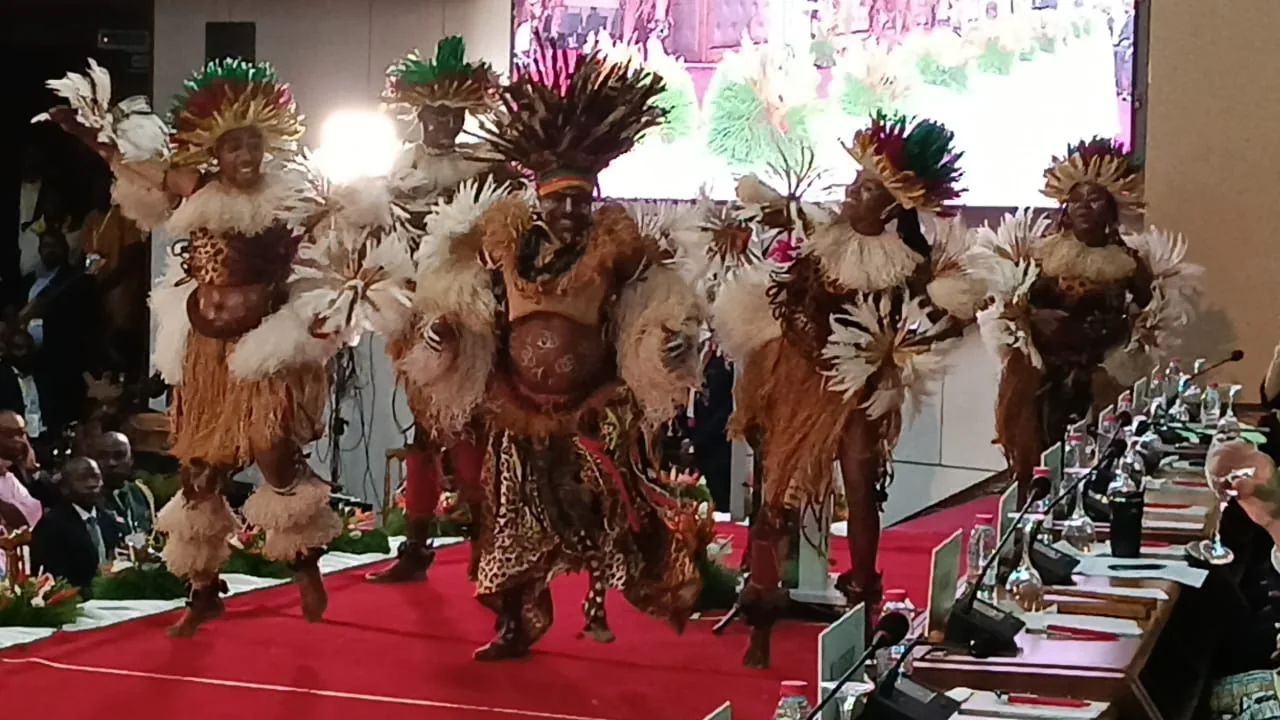
Dancers in raffia and feather costumes perform on a red carpet in front of a conference table.

On submission, you receive an acknowledgement of receipt and a file number of the type MINAC-2026-XXXXXX. Each processing stage is then notified: acknowledgement of receipt, request for further information if any, then decision. Keep this number for all your communications.

Checking progress

Tracking can be consulted at any time, day or night, with your number and the e-mail address used at submission, on the File tracking page or directly on the One-Stop Shop tracking. No account is needed, although a personal account brings all your files together in one place.

Responding to a request for further information

If a document is missing, the list is shown to you with a time limit. Respond from the file page, adding only the documents requested: the file then resumes its course without starting again from zero.

Receive the decision

Approval is notified by electronic message and remains available in your file. It may be time-limited and subject to renewal: the notification states the duration. A periodic check may be carried out by the General Inspectorate.

ℹ️
Online tracking

Go to the One-Stop Shop tracking page with your file number.

Step by step

From receipt to approval decision

Gather the documents

Articles of association, receipt, board composition, activity report and contact details: check each document and scan it legibly before you begin.

Submit the application

With the regional delegation or online at the One-Stop Shop, giving the e-mail address that will receive all notifications.

Examination by the service

Officers check the association’s regularity and the reality of its activities, then request further information if a document is missing.

Respond to requests

Add the documents requested within the time limit given; without a reply, the file is closed and a new one must be submitted.

Decision and notification

Approval is notified and may be subject to renewal; in the event of refusal, the reason and the means of appeal are stated.

Practical cases

Three association situations and how to proceed

Guests and officials seated during an official ceremony

Files rarely resemble one another; here are three common situations and the appropriate response.

The newly formed association

A theatre troupe created eight months ago in Bafoussam has its receipt but only one programme of performances. It attaches the articles of association, the receipt, the posters for its performances and a certificate from a school where it runs a workshop. Seniority is not always required: the regularity of documented activities prevails.

Change of board or articles of association

An association in Garoua renewed its board at a general assembly. Before any further step, it reports the change to the regional delegation, attaching the minutes: approval must reflect the current situation, failing which it may be suspended during a check.

The federation or network

A network of ten craft associations from the Littoral submits a joint application. It specifies the member organisations, the network’s governance and the role of each. Professional organisations can serve as a reference for presenting this structure.

ℹ️
Need advice?

Write to the online help describing your situation; an officer will direct your file.

At a glance

Submission, cost and time limits for approval

QuestionAnswerWhere to learn more
Where do I apply?Through the online One-Stop Shop or at the regional delegationOne-Stop Shop and regional delegations
How much does it cost?Any applicable fee is indicated before paymentFees page, Scale section
How long does it take?The examination time is stated when a complete file is submittedFile tracking page
How do I track it?With your file number and your e-mail addressFile tracking page
Which documents?Five documents, including the articles of association and the activity reportSection on the five documents, above
Who decides?The cultural associations service, with the support of legal affairsCentral Directorates page
Close to you

Submit your accreditation application in your region

Each region has a Ministry delegation that welcomes you and receives your file.

In case of difficulty

Common mistakes and remedies for approval

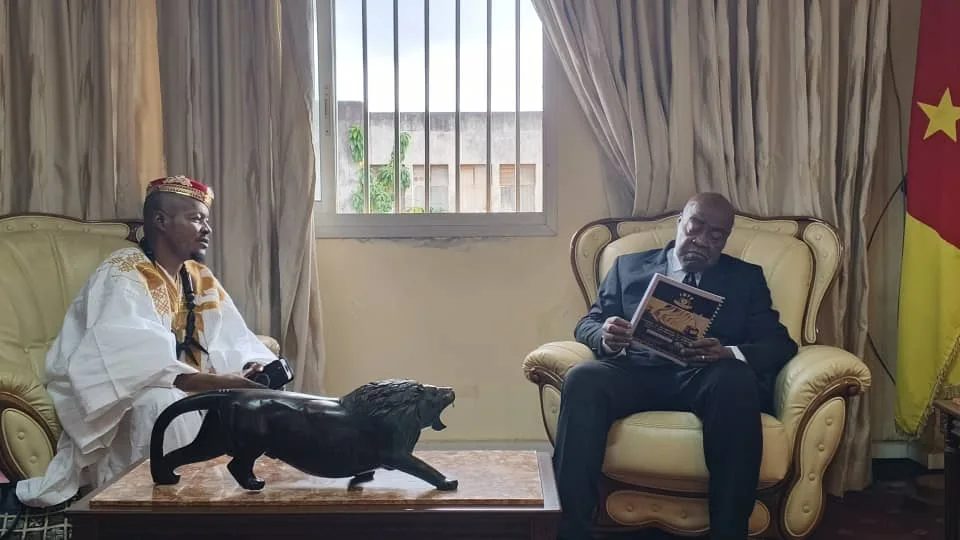
A traditional chief in white robes and a man in a suit sit in armchairs on either side of a sculpted big cat on a low table.

An approval application is most often delayed by one of the same few mistakes. Knowing them helps you avoid them.

  • Expired articles of association: the association has changed its rules but attaches the old version;
  • Illegible receipt: photograph taken at an angle, text cut off;
  • Activity report too general, with no dates or evidence;
  • Wrong or never-checked e-mail address, so that the request for further information goes unnoticed;
  • Different name between the form and the articles of association.
For everyone

An accessible approval for all associations

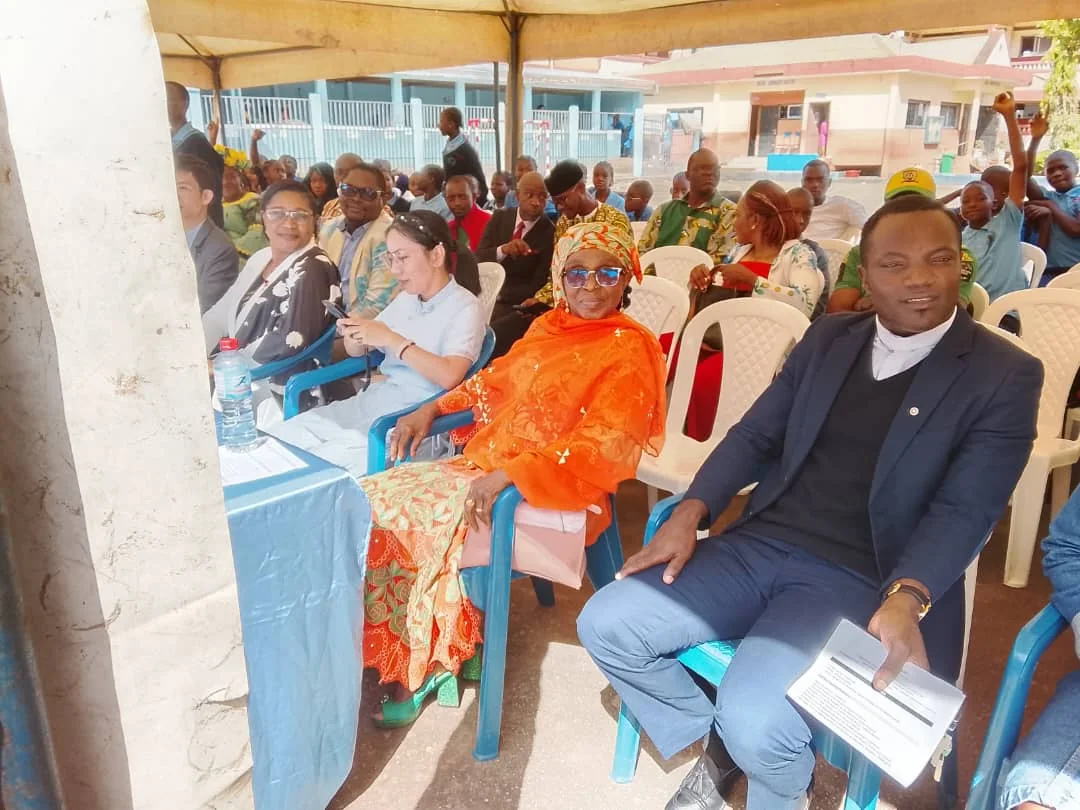
An audience seated under a tent, including a woman in orange in the foreground, attends a ceremony.

The Ministry ensures that the procedure remains open to all associations, whatever their region or equipment. A rural association without a regular connection submits its file on paper at the regional delegation, where an officer enters the information into the system and hands over the tracking number.

Persons with disabilities, and presidents less comfortable with writing or computers, can be assisted at the counter; national languages are used orally to explain the procedure. Delegation premises are being gradually adapted, as recalled on the Quality and accessibility page, and opening hours and addresses give details of access.

Finally, approval is public: you can check that an association is approved by contacting the Ministry or by consulting the directory of artists where the association is listed.

Users

They obtained approval

“
Approval opened the door to calls for projects for our association, and our local partners now take us more seriously.
An association president
West
“
The list of documents was precise: we submitted only once, with no back-and-forth with the delegation.
A secretary general
Centre
“
The illustrated activity report convinced the service; we received the notification shortly after sending the additional information.
An association treasurer
Littoral
“
My storytellers’ association is in a rural area: the delegation officer entered the file with me, and everything was done on the spot.
An association president
Adamaoua
To download

The documents for the approval application

Glossary

The words of approval

Approval

Official recognition of a cultural-sector association by the Ministry.

Legal status

Rules of operation of the association: purpose, bodies, terms of office, resources.

Board

Elected leaders of the association: president, secretary general, treasurer.

Registration receipt

Proof of the association’s legal existence, issued after its declaration.

General assembly

Meeting of members that elects the board and approves the accounts.

Minutes

Signed record of a meeting, proving the decisions taken.

Activity report

Written account of the actions carried out by the association over a given period.

Processing

Examination of a file by officers before the decision.

Additional documents

Additional document or information requested from the user.

Renewal

A further check that extends the period of validity of the approval.

Regional Delegation

The Ministry’s representation that receives files in each region.

Related services

After approval, the procedures that follow

References

Texts and resources on associations

Processing

The services that process approval

Questions

Your questions about association approval

Does accreditation entitle the association to a grant?

No, not automatically. It makes it easier to access support and calls for projects, but does not guarantee it: each form of assistance has its own criteria and its own file. An approved association must therefore submit a separate grant application, with a specific project and budget, which will be examined by the competent commission.

Is approval permanent?

It may be limited in time and checked periodically. The notification received when the decision is made states its duration and the renewal conditions. Remember to submit the renewal application before the expiry date, with the activity report for the past year and any changes to the executive board.

What should I do if my board changes?

Inform the regional delegation so that the file can be updated, enclosing the minutes of the general assembly that elected the new board and the updated list of its members. Until this update is made, the approval continues to name the former team, which may block a grant.

Can an undeclared association apply for approval?

No. Legal declaration is the first condition: without a receipt, no file can be examined. Approach the administrative authority in your locality to declare the association, then return to the Ministry. The regional delegation can tell you the steps to follow.

Can I submit my file without an internet connection?

Yes. The PDF form can be completed offline and submitted to the regional delegation. An officer then enters your application, gives you an acknowledgement and your file number, which you can track later from any connected phone.

How much does the procedure cost?

Any fee is shown before payment and appears in the scale on the Fees page, read live from the One-Stop Shop. Payment is made by Orange Money, MTN Mobile Money or bank card, or at a delegation counter, and a receipt is given to you immediately.

My file has been awaiting additional documents for a long time. What should I do?

Check the list of requested documents in the tracking page, add them, then follow up with the service, quoting your file number. If the stated deadline passes without a reply from you, the file may be closed: you will then have to submit it again.

Who can submit the file on behalf of the association?

The legal representative provided for in the articles of association, generally the president, or a person authorised by them in writing. The mandate is attached to the file and the name of the authorised person appears on the acknowledgement of receipt, which avoids any later dispute.

Write

Ask a question about your approval

State the name of your association, its region and your file number if you have one: your message will be forwarded to the service concerned.

Contacts

Contact the cultural associations service

Address

Cultural Associations Service
Quartier du Lac – Ministerial Zone
P.O. Box 1053 Yaoundé, Centre Region, Cameroon

Reach us

+237 6 51 70 58 41

contact@minac.gov.cm

Opening hours

Monday to Friday, 8 am to 4 pm

Ready to submit your application for approval?

Online submission takes a few minutes; you receive a tracking number.

Submit online
WhatsApp