Coat of arms of CameroonMinistry of Arts
and Culture
Republic of Cameroon
My procedures
Home
Minister’s message
News
Press releases
Cultural calendar
Official speeches
Press review
Photo library
Video library
Calls for projects
Job vacancies
Public procurement
Newsletter
Frequently asked questions
Site map
Contact
Press area
Podcast “The Voice of Culture”
Legal notices
Privacy policy
Cookies and trackers
The Ministry
Missions and responsibilities
Organisation
Organisation chart
Minister’s Office (Cabinet)
Management team
General Secretariat
General Inspectorate
Central directorates
Regional Delegations
Institutions under supervision
Legislative texts
Regulatory texts
Sector strategy
Major projects
Budget and reports
Partners
Careers
Archives
Institutional communication
Quality and accessibility
Arts
Visual and plastic arts
Visual arts
Performing arts
Theatre
Dance
Music
Literature and books
Cinema and audiovisual
Photography
Fashion and design
Digital arts
Art crafts
Artists’ directory
Residencies
Prizes and awards
Arts education
Urban arts
Heritage
Tangible heritage
Intangible heritage
UNESCO sites
National museums
Listed monuments
National inventory
Palaces and chiefdoms
Archaeology
Linguistic heritage
Oral traditions
Traditional know-how
Restitution of cultural property
Fight against illicit trafficking
Listing and protection
Conservation and restoration
Heritage Days
Cultural landscapes
Industries
Music and recording
Cinema
Publishing and books
Digital arts
Fashion and creativity
Crafts
Cultural tourism
Funding for culture
Support funds
Incubators
Cultural entrepreneurship
Culture Observatory
Vocational training
Studies and reports
Sector statistics
Export and outreach
Intellectual property
Copyright
Legal framework
Copyright and neighbouring rights
Collective management societies
Register a work
Licences
Private copying
Fight against piracy
Model contracts
Social status of artists
Mediation
Disputes
Training
Fee scales
Register of works
Contact
Digital neighbouring rights
Public domain
Festivals
National calendar
Ngondo
Nguon
Écrans Noirs
Heritage Days
Music Day
Regional festivals
Fairs and exhibitions
Biennials
National competitions
Cultural days
Organise a festival
Event grants
Ticketing
Archives
Volunteering
Diaspora festivals
Regions
Adamawa
Centre
East
Far North
Littoral
North
North-West
West
South
South-West
Cultural map
Regional Delegations
Traditional chiefdoms
National languages
Cultural routes
Decentralised cooperation
Regional observatory
Cooperation
UNESCO
Francophonie (OIF)
African Union
Commonwealth
CEMAC
Bilateral cooperation
Cultural agreements
Professional organisations
Scholarships
Artist exchanges
Cultural years
Diaspora
Funded projects
Embassies
Technical partners
International restitution
International monitoring and calls
Services
Artist card
Show authorisation
Filming authorisation
Festival authorisation
Deposit of a work
Export of works of art
Listing of a property
Grant application
Association accreditation
File tracking
Forms
Fees
Opening hours and addresses
Reporting
Online help
My account
One-Stop Shop
The Ministry

Minister’s Office (Cabinet)

The Minister of Arts and Culture, his responsibilities, his private secretariat, his technical advisers and the General Inspectorate: the Minister’s Office explained, with ways to write to him.

Updated on 5 November 20264 sub-pages
Technical Advisers2
Inspectors, including the Inspector General3
Components at the Minister’s disposal6
Minister of Arts and Culture since2019
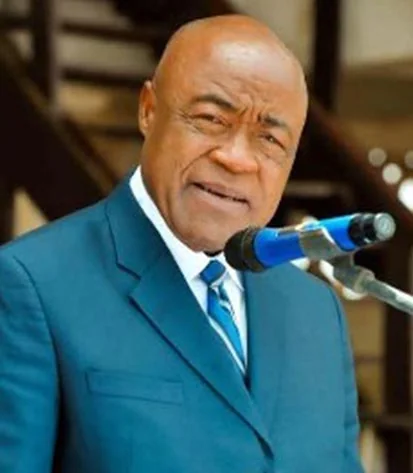
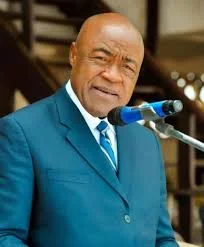
/ Minister’s Office Portrait of the Minister in a blue suit, speaking at a microphone.
Minister’s Office (Cabinet)

The Minister and his direct collaborators

The Ministry of Arts and Culture is placed under the authority of a Minister, who is responsible for drawing up and implementing the Government’s policy on the promotion and development of the arts and culture. Around him, a private secretariat, two technical advisers and a General Inspectorate form the core of his office.

This page presents the Minister, his responsibilities, the team around him, the internal control exercised by the General Inspectorate, and how citizens, artists and institutions can send him a request.

  • Minister of Arts and Culture since 4 January 2019
  • A private secretariat and two technical advisers
  • A General Inspectorate responsible for internal control
Meet the Minister
The Minister

The Minister: Dr Pierre Ismaël Bidoung Mkpatt

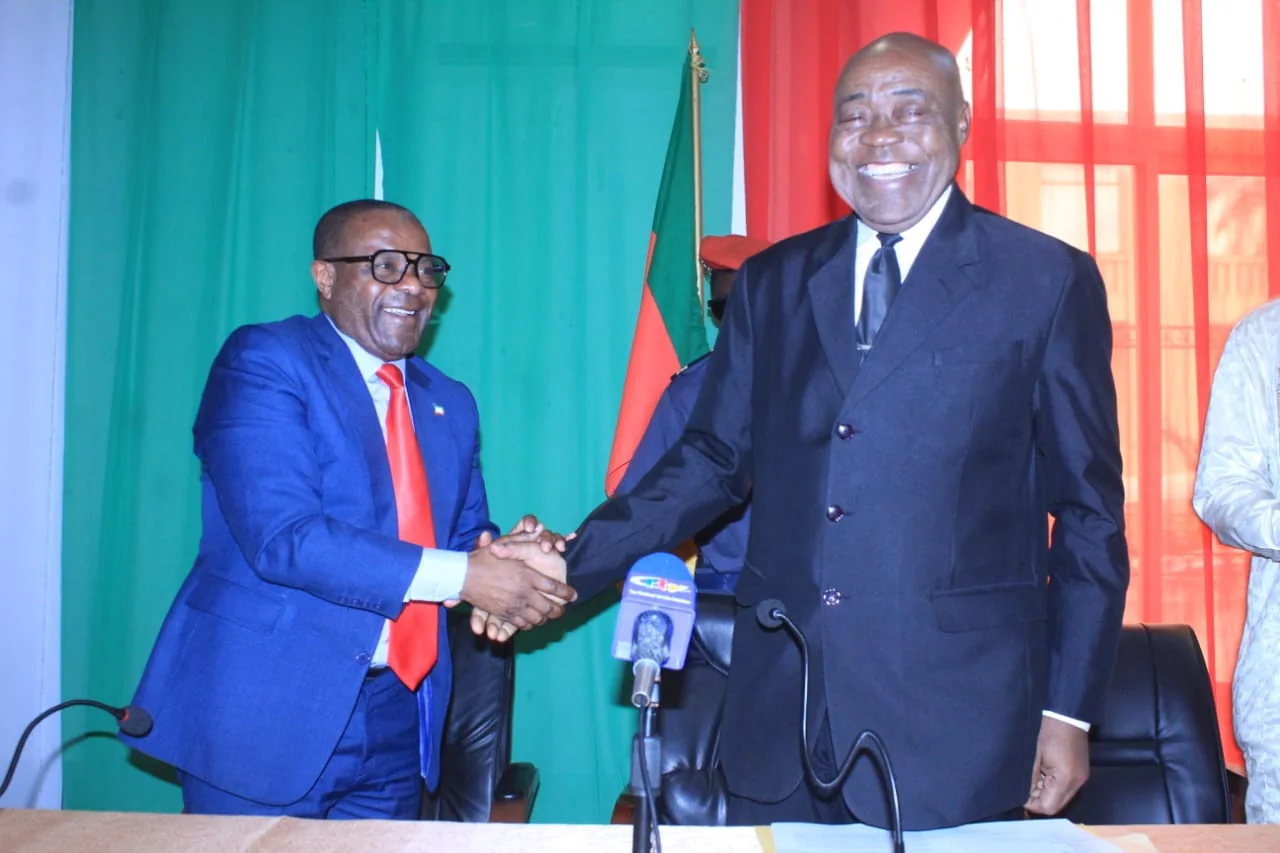
Handshake between the Minister and a partner during an official meeting

Pierre Ismaël Bidoung Mkpatt was born on 16 November 1953 in Nanga Eboko, in the Centre Region. A playwright, academic, educator and social worker, he headed the National Institute of Youth and Sports (INJS) before joining the Government. His career thus combines the stage, teaching and youth work, three worlds that now inform his action at the head of the arts and culture department.

A government career

Minister of Youth and Sports, then Minister of Youth and Civic Education from 2011 to 2015, he was appointed Minister of Sports and Physical Education on 2 October 2015. On 4 January 2019, in the new Government, he was appointed Minister of Arts and Culture, a position he holds to this day.

A public voice

The Minister speaks regularly through official speeches, greetings and addresses at major cultural events. His welcome “Message” and his full biography appear on the Minister’s message page, and several interviews are available in the video library.

A typical day

Between interministerial councils, audiences, inaugurations, award ceremonies and trips to the regions, the Minister’s agenda combines representation, decision-making and file follow-up.

ℹ️
Biography

The Minister’s full biography can be found on the Minister’s message page.

Journey

The positions held by the Minister

1953Born in Nanga Eboko

On 16 November, in the Centre Region, Cameroon.

Before 2011Directorship of the INJS

A playwright and academic, he headed the National Institute of Youth and Sports before joining the Government.

2011 – 2015Minister of Youth and Civic Education

He first served as Minister of Youth and Sports, then of Youth and Civic Education.

2 October 2015Minister of Sports and Physical Education

He was appointed to head the department of sports and physical education in the October 2015 reshuffle.

4 January 2019Minister of Arts and Culture

Appointed in the new Government, he has held this position to this day.

Responsibilities

The Minister’s responsibilities: what he is tasked with

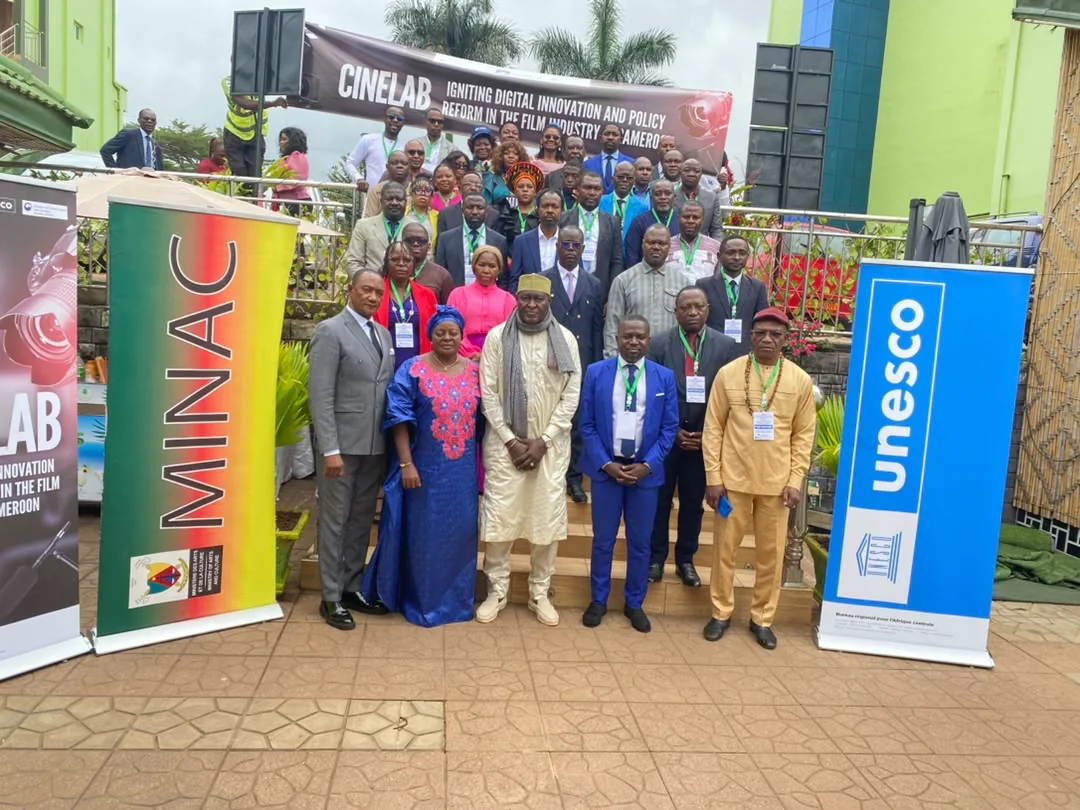
CINELAB workshop participants in front of the Ministry and UNESCO banners

The Minister of Arts and Culture is responsible for developing and implementing the Government’s policy on the promotion and development of the arts and culture. In this capacity, the Minister is responsible for:

  • the development and dissemination of the national arts and culture;
  • the preservation of historic sites and monuments;
  • the protection, conservation, enrichment and promotion of cultural, artistic and cinematographic heritage;
  • the promotion of artistic and cultural creation;
  • the promotion and monitoring of the dissemination of works of art and films, in liaison with the administrations concerned;
  • museums, libraries, film archives, media libraries and the national archives;
  • conservatories and other professional training centres in the trades concerned;
  • monitoring the activities of the national ballet, the national orchestra and the national theatre;
  • the promotion of cinematography and dramatic arts;
  • the promotion and professional supervision of artists;
  • the promotion and supervision of major cultural events;
  • monitoring the activities of the national structures for the collective management of copyright and neighbouring rights.

He acts as liaison between the Government and international organisations working in the fields of art and culture, notably UNESCO, OAPI and OMPI, in conjunction with the Ministry of External Relations and the other administrations concerned. He also acts as liaison between the public authorities and the collective management bodies for copyright and neighbouring rights. He exercises supervision over the Palais des Congrès.

A commentary on these responsibilities can be found on the Missions and responsibilities page.

Resources

The resources available to the Minister

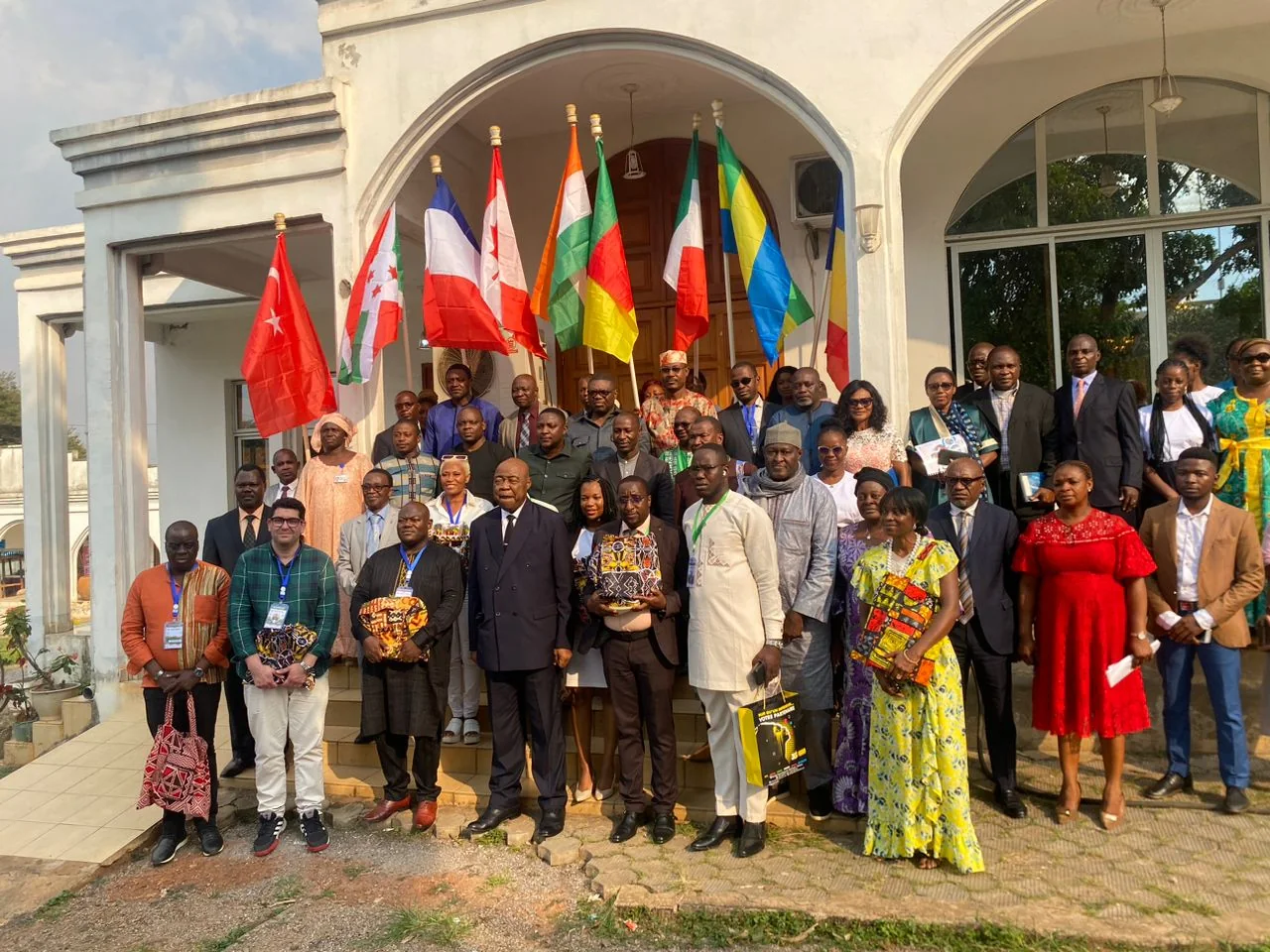
Group of participants posing in front of the flags of several countries during a meeting at the Ministry

To carry out his missions, the Minister of Arts and Culture has a private secretariat, two technical advisers, a General Inspectorate, a central administration, decentralised services and attached services. These six components make up the whole apparatus that he directs.

A compact Minister’s Office

The private secretariat, the technical advisers and the General Inspectorate make up the Minister’s Office in the strict sense: a small group of collaborators who work closest to the Minister, without standing between him and the directorates.

An extensive administrative apparatus

The central administration, under the coordination of the General Secretariat, prepares and implements decisions. The decentralised services relay them in the regions, while the attached services – museum, library, archives, film archive, national ensemble, institute – offer the public tangible institutions. The Organisation page describes these levels and the organisation chart sets them out in diagram form.

A balance to preserve

The Minister’s Office advises and monitors; the administration implements. This division of roles prevents decisions from being taken outside the normal channels and ensures that files can be traced.

Around the Minister

The private secretariat and the technical advisers

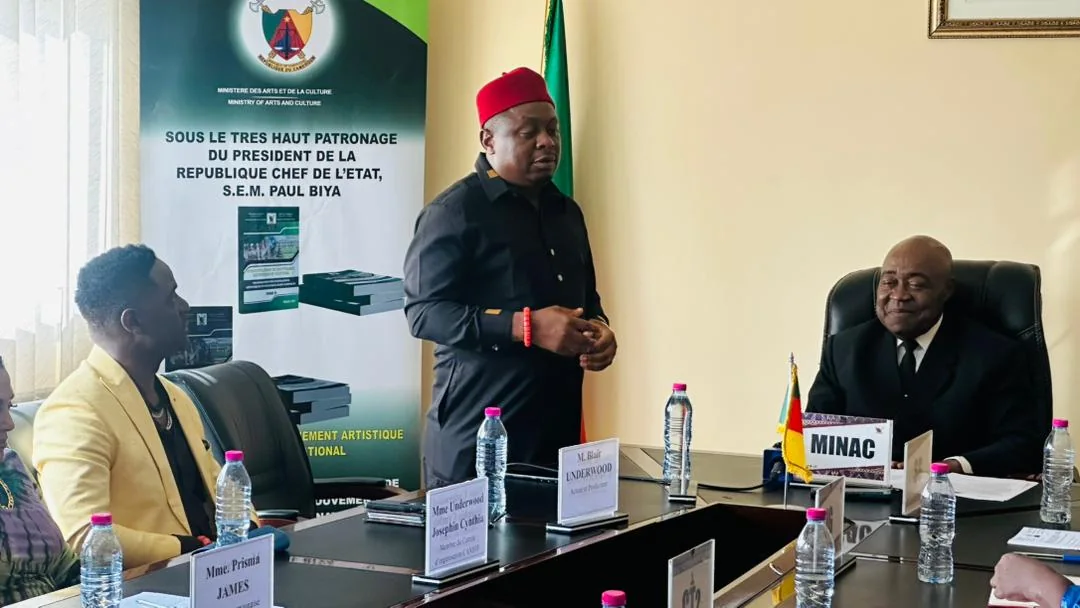
Working meeting in a Ministry office under the high patronage of the Head of State

Placed under the authority of a Head of the Private Secretariat, the Private Secretariat is responsible for the Minister’s reserved affairs. The Technical Advisers carry out all missions entrusted to them by the Minister. The Minister’s Office has two technical advisers, whose names appear on the Management Team page.

Reserved affairs

Reserved affairs are those that the Minister handles himself, outside the usual channels: personal mail, confidential correspondence, relations with senior authorities, audiences and agenda. The private secretariat handles their preparation, confidentiality and follow-up.

Advisers with open-ended missions

The technical advisers do not have a permanent mission defined once and for all: they receive specific missions from the Minister – a study, a negotiation, the preparation of a speech, representation at a meeting, the follow-up of a major project. Technical Adviser No. 1 is Mr Abanda Maye Armand. They work closely with the Secretary General and the directors concerned.

How they assist users

The advisers do not receive routine files, which follow the normal One-Stop Shop route, but they may be consulted on matters of principle, projects of national scale or institutional partnerships. For any audience request, see the Contact section.

Team

Around the Minister: the collaborators

/ Dr Bidoung Mkpatt
The Minister

“Responsible for drawing up and implementing the Government’s cultural policy.”

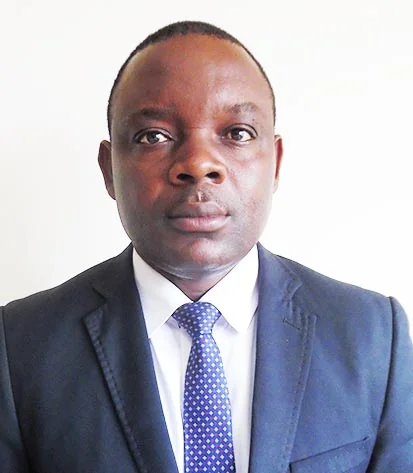
/ Mr Abanda Maye Armand
Technical Adviser No. 1

“Missions entrusted by the Minister, in liaison with the Secretary General and the directorates.”

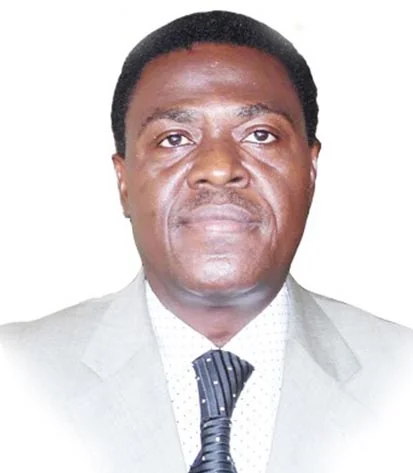
/ Prof. Sietchoua Célestin
Head of the Division of Legal Affairs

“Legal support for the Ministry: regulations, litigation and opinions on texts.”

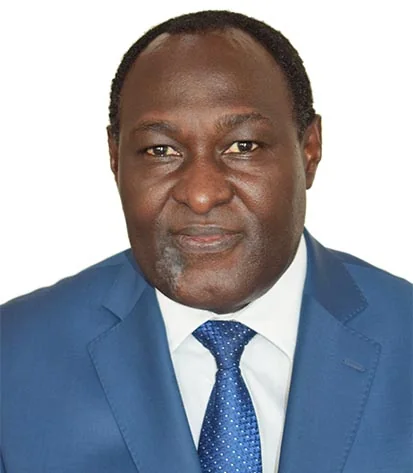
/ Prof. Nkene Blaise Jacques
The Secretary General

“The Minister’s principal collaborator, who coordinates the action of the central administration.”

Internal control

The General Inspectorate: monitoring, evaluating, informing

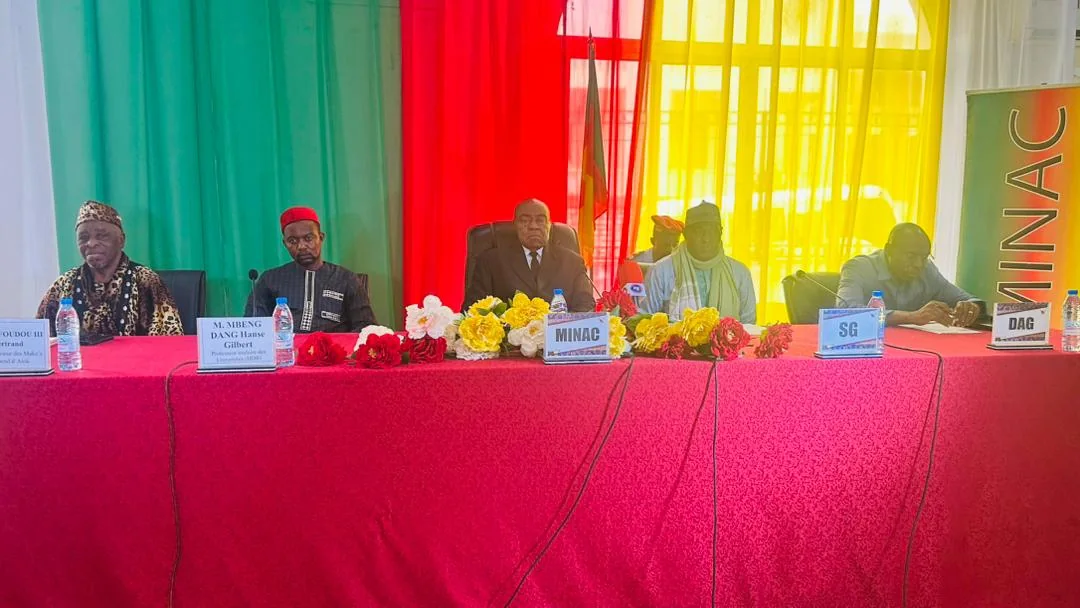
Officials sit behind a long meeting table covered with a red cloth and flowers, in front of curtains in the national colours.

Placed under the authority of an Inspector General, the General Inspectorate is responsible for evaluating the performance of the services against the objectives set, in liaison with the General Secretariat; for internal control and evaluation of the functioning of the services of the Ministry, the institutions under supervision and the attached bodies; for informing the Minister of the quality of the functioning and output of the services; for evaluating the application of organisational techniques and methods and the simplification of administrative work, in liaison with the services responsible for administrative reform; and for implementing the anti-corruption strategy, in liaison with the ministerial anti-corruption unit.

A team and specific powers

It comprises, in addition to the Inspector General, two Inspectors. To carry out their missions, they have access to all documents of the services inspected. They may request information, explanations or documents from officials, who are required to respond within the time limits set; they may temporarily draw on staff from other services; and, with the Minister’s binding opinion and in accordance with the law, they may call on the public force to record offences against public property.

Reports and a chain of transmission

Each mission gives rise to a report addressed to the Minister, with a copy to the Secretary General. The Minister sends a copy to the ministers responsible for administrative reform and for higher State control, and forwards an inspection report each quarter, together with the annual activity report, to the Prime Minister, Head of Government. See the General Inspectorate page for reporting irregularities.

Day to day

The Minister’s Office day to day: mail, audiences and file follow-up

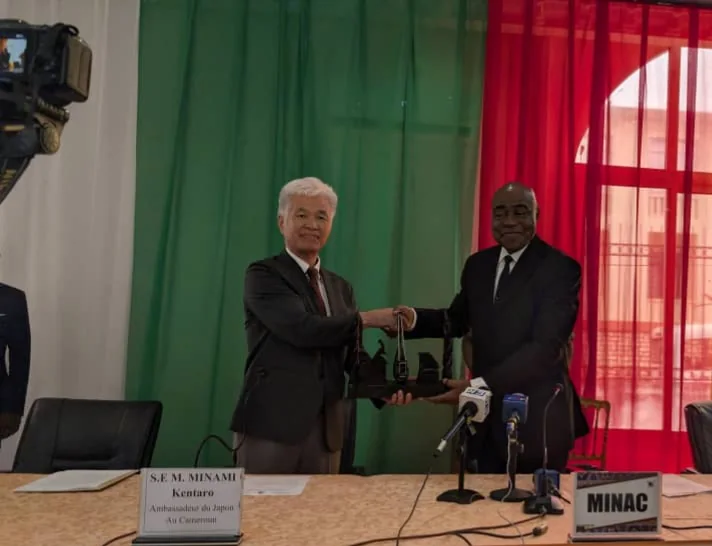
Exchange of gifts with the Ambassador of Japan during a meeting at the Ministry

How does the Minister’s Office work in practice? Three flows structure its activity: mail, audiences and the follow-up of sensitive files.

Mail

Mail addressed to the Minister is registered, reviewed by the private secretariat and sorted: routine requests are sent to the competent directorates, general policy matters are handled by the Minister’s Office, and referrals from senior authorities are followed up specifically. The mail and liaison service of the General Secretariat handles the circulation of envelopes between the Minister’s Office and the directorates.

Audiences

Audiences are granted according to the importance of the subject and the agenda. Requests must state the purpose, the participants and the desired date. Delegations of artists, associations, international partners or local authorities are received either by the Minister or by a technical adviser.

File follow-up

The Minister’s Office follows the Ministry’s priority files, notably those included in the sectoral strategy and in the major projects, and reports regularly to the Government.

Step by step

Write to the Minister or request an audience

Choosing the right channel

For a general question, use the form; for an administrative procedure, go through the One-Stop Shop; to report an irregularity, contact the General Inspectorate.

Draft the subject

State in one sentence the subject, the institution or association writing, and the decision expected of the Minister.

Attaching the documents

Add any useful documents: statutes, project, press kit, invitation letter or activity report.

Send and keep a copy

Submit the request via the form or by post to the head office, and keep the acknowledgement of receipt.

Awaiting direction

The request is passed to the Minister’s Office, which deals with it or refers it to the competent directorate and informs the applicant.

Overview

The components of the Ministry at a glance

ComponentRoleLearn more
Private SecretariatThe Minister’s reserved affairs, mail and agendaThis page
Technical AdvisersMissions entrusted by the Minister: studies, representation, project follow-upThis page
General InspectorateInternal control, evaluation of services, fight against corruptionGeneral Inspectorate page
Central administrationGeneral Secretariat and seven directoratesOrganisation page
Decentralised servicesRegional and divisional delegationsRegional Delegations page
Attached servicesNational cultural institutionsInstitutions under supervision page

“A courageous and consistent cultural policy is the lever of the fruitful political culture that I intend to promote in order to consolidate Cameroonian democracy.”

H.E. Paul BIYA, Pour le libéralisme communautaire, 1987
External relations

The Minister, UNESCO, OAPI, OMPI and authors’ societies

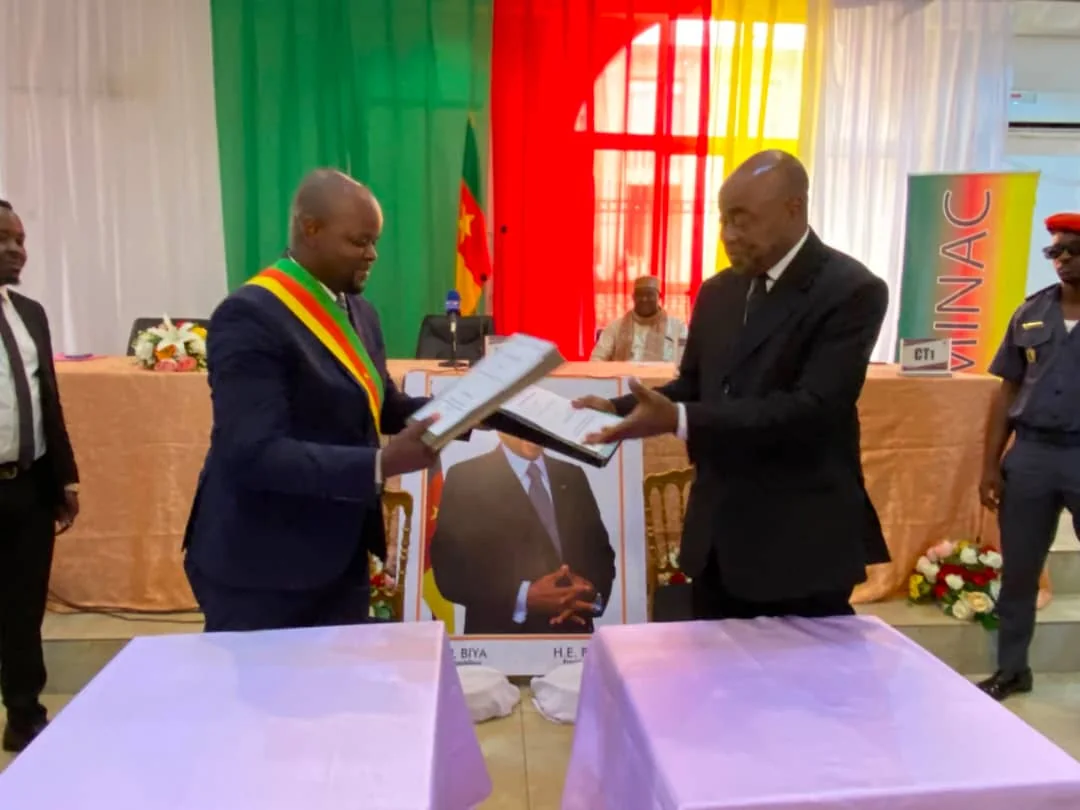
Signing of an agreement in front of the portrait of the Head of State

The Minister is the Government’s point of contact with the international organisations working in art and culture. UNESCO deals with heritage, the diversity of cultural expressions and the protection of cultural property; OAPI and OMPI deal with intellectual property. This liaison is carried out in conjunction with the Ministry of External Relations.

Files followed by the Minister’s Office

The technical advisers and the General Secretariat prepare meetings, cooperation agreements and nominations to international lists. Cooperation projects are presented in the UNESCO section and in the section on cultural agreements.

The link with collective management

The Minister also acts as liaison between the public authorities and the collective management bodies for copyright and neighbouring rights. He monitors their activities without replacing their governing bodies. The section on collective management societies explains how they work.

User feedback

They wrote to the Minister’s Office

“
Our partnership request was received by the Minister’s Office, then within a few days directed to the competent directorate, which contacted us.
A president of a theatre association
Littoral Region
“
The audience allowed us to explain our festival project and to know precisely which authorisations to prepare.
A festival organiser
West Region
“
The report sent to the General Inspectorate led to an inspection mission, with written feedback on the action taken.
A cultural institution manager
Centre Region
“
The Minister’s Office acted as a facilitator in preparing our application for an international listing.
A representative of a heritage community
Adamawa Region
To act

Contacting the Minister’s Office: the options

Write to the Minister

Send your message via the form, stating the subject and the directorate concerned.

Contact us

Submit a procedure

Authorisations, grants, cards: the One-Stop Shop handles routine requests.

One-Stop Shop

Report a problem

A malfunction or a doubt about a service? The General Inspectorate can be notified.

Make a report

Follow the Minister’s news

Speeches, press releases and the cultural agenda to follow the Minister’s action.

Official speeches
Worth reading

The Minister’s Office documents

Glossary

The Minister’s Office vocabulary

Minister’s Office

The team that directly assists the Minister in the exercise of his duties.

Private Secretariat

Service in charge of the Minister’s reserved affairs, under the authority of a head of secretariat.

Technical adviser

Collaborator who carries out the assignments entrusted by the Minister.

General Inspectorate

Internal control and evaluation body for the Ministry’s services.

Reserved affairs

Files that the Minister handles himself, outside the usual administrative channels.

Higher State Control

Institution responsible for the control of public finances, recipient of inspection reports.

Administrative reform

All measures to modernise and simplify administrative work.

Ministerial Anti-Corruption Unit

Structure that coordinates the prevention of corruption within the Ministry.

Supervision

The Minister’s control over a body, notably the Palais des Congrès.

Delegation of signature

Authorisation given by the Minister to an official to sign certain acts on the Minister’s behalf.

To go further

Go further with the Minister’s Office

Texts

The Ministry’s texts and references

International relations

The organisations with which the Minister liaises

Questions

Writing to the Minister: your questions

How do I write to the Minister?

Use the contact form, choosing the appropriate subject, or send a letter to the Ministry’s head office in Yaoundé, Quartier du Lac. State the subject, your contact details and, if possible, the directorate concerned in order to speed up referral.

How do I request an appointment?

State the purpose, the participants and the desired period in your request: it is passed to the Minister’s Office, which decides on the action to take. Audiences may be granted by the Minister or by a technical adviser.

Whom should I contact to report a problem?

The General Inspectorate, via the reporting form. It is responsible for internal control and for implementing the anti-corruption strategy, in liaison with the competent ministerial unit.

How many technical advisers does the Minister’s Office have?

Two technical advisers, who carry out all missions entrusted to them by the Minister. Their names are given on the Management Team page, along with those of the other officials of the central administration.

Does the Minister receive routine application files?

No. Authorisations, grants and cards follow the One-Stop Shop route and are processed by the directorates. The Minister’s Office deals with matters of principle and projects of national scale.

Since when has Dr Bidoung Mkpatt been Minister of Arts and Culture?

Since 4 January 2019. He had previously held ministerial office in the fields of youth, civic education, sports and physical education, after heading the INJS.

To whom does the General Inspectorate report?

Each mission gives rise to a report to the Minister, with a copy to the Secretary General. The Minister sends a copy to the ministers responsible for administrative reform and higher State control, and submits reports to the Prime Minister.

Does the Minister supervise institutions?

Yes. He exercises supervision over the Palais des Congrès and oversees the attached services as well as CREPLA, in accordance with the texts governing them. Their missions are presented on the Institutions under supervision page.
Write to the Minister

Send a message to the Minister’s Office

“Book an appointment” or “Contact us for more information”.

Minister’s Office

Contact the Minister’s Office

Address

Minister’s Office
Ministry of Arts and Culture
Quartier du Lac – Zone ministérielle
P.O. Box 1053 Yaoundé, Centre Region, Cameroon

Reach us

+237 6 51 70 58 41

contact@minac.gov.cm

Opening hours

Monday to Friday, 8 am to 4 pm

A request to the Ministry?

The One-Stop Shop centralises your procedures.

Go to the One-Stop Shop
WhatsApp