Coat of arms of CameroonMinistry of Arts
and Culture
Republic of Cameroon
My procedures
Home
Minister’s message
News
Press releases
Cultural calendar
Official speeches
Press review
Photo library
Video library
Calls for projects
Job vacancies
Public procurement
Newsletter
Frequently asked questions
Site map
Contact
Press area
Podcast “The Voice of Culture”
Legal notices
Privacy policy
Cookies and trackers
The Ministry
Missions and responsibilities
Organisation
Organisation chart
Minister’s Office (Cabinet)
Management team
General Secretariat
General Inspectorate
Central directorates
Regional Delegations
Institutions under supervision
Legislative texts
Regulatory texts
Sector strategy
Major projects
Budget and reports
Partners
Careers
Archives
Institutional communication
Quality and accessibility
Arts
Visual and plastic arts
Visual arts
Performing arts
Theatre
Dance
Music
Literature and books
Cinema and audiovisual
Photography
Fashion and design
Digital arts
Art crafts
Artists’ directory
Residencies
Prizes and awards
Arts education
Urban arts
Heritage
Tangible heritage
Intangible heritage
UNESCO sites
National museums
Listed monuments
National inventory
Palaces and chiefdoms
Archaeology
Linguistic heritage
Oral traditions
Traditional know-how
Restitution of cultural property
Fight against illicit trafficking
Listing and protection
Conservation and restoration
Heritage Days
Cultural landscapes
Industries
Music and recording
Cinema
Publishing and books
Digital arts
Fashion and creativity
Crafts
Cultural tourism
Funding for culture
Support funds
Incubators
Cultural entrepreneurship
Culture Observatory
Vocational training
Studies and reports
Sector statistics
Export and outreach
Intellectual property
Copyright
Legal framework
Copyright and neighbouring rights
Collective management societies
Register a work
Licences
Private copying
Fight against piracy
Model contracts
Social status of artists
Mediation
Disputes
Training
Fee scales
Register of works
Contact
Digital neighbouring rights
Public domain
Festivals
National calendar
Ngondo
Nguon
Écrans Noirs
Heritage Days
Music Day
Regional festivals
Fairs and exhibitions
Biennials
National competitions
Cultural days
Organise a festival
Event grants
Ticketing
Archives
Volunteering
Diaspora festivals
Regions
Adamawa
Centre
East
Far North
Littoral
North
North-West
West
South
South-West
Cultural map
Regional Delegations
Traditional chiefdoms
National languages
Cultural routes
Decentralised cooperation
Regional observatory
Cooperation
UNESCO
Francophonie (OIF)
African Union
Commonwealth
CEMAC
Bilateral cooperation
Cultural agreements
Professional organisations
Scholarships
Artist exchanges
Cultural years
Diaspora
Funded projects
Embassies
Technical partners
International restitution
International monitoring and calls
Services
Artist card
Show authorisation
Filming authorisation
Festival authorisation
Deposit of a work
Export of works of art
Listing of a property
Grant application
Association accreditation
File tracking
Forms
Fees
Opening hours and addresses
Reporting
Online help
My account
One-Stop Shop
Festivals

Archives

Past editions, photographs, WebTV videos and award lists: where to find, cite and enrich the memory of Cameroonian festivals, with 14 videos and 71 articles available online.

Updated on 6 November 20264 sub-pages
WebTV videos14
Articles on the site71
Documented festivals17 sections
ConsultationFree and open
The memory of festivals

Keeping a record of every edition

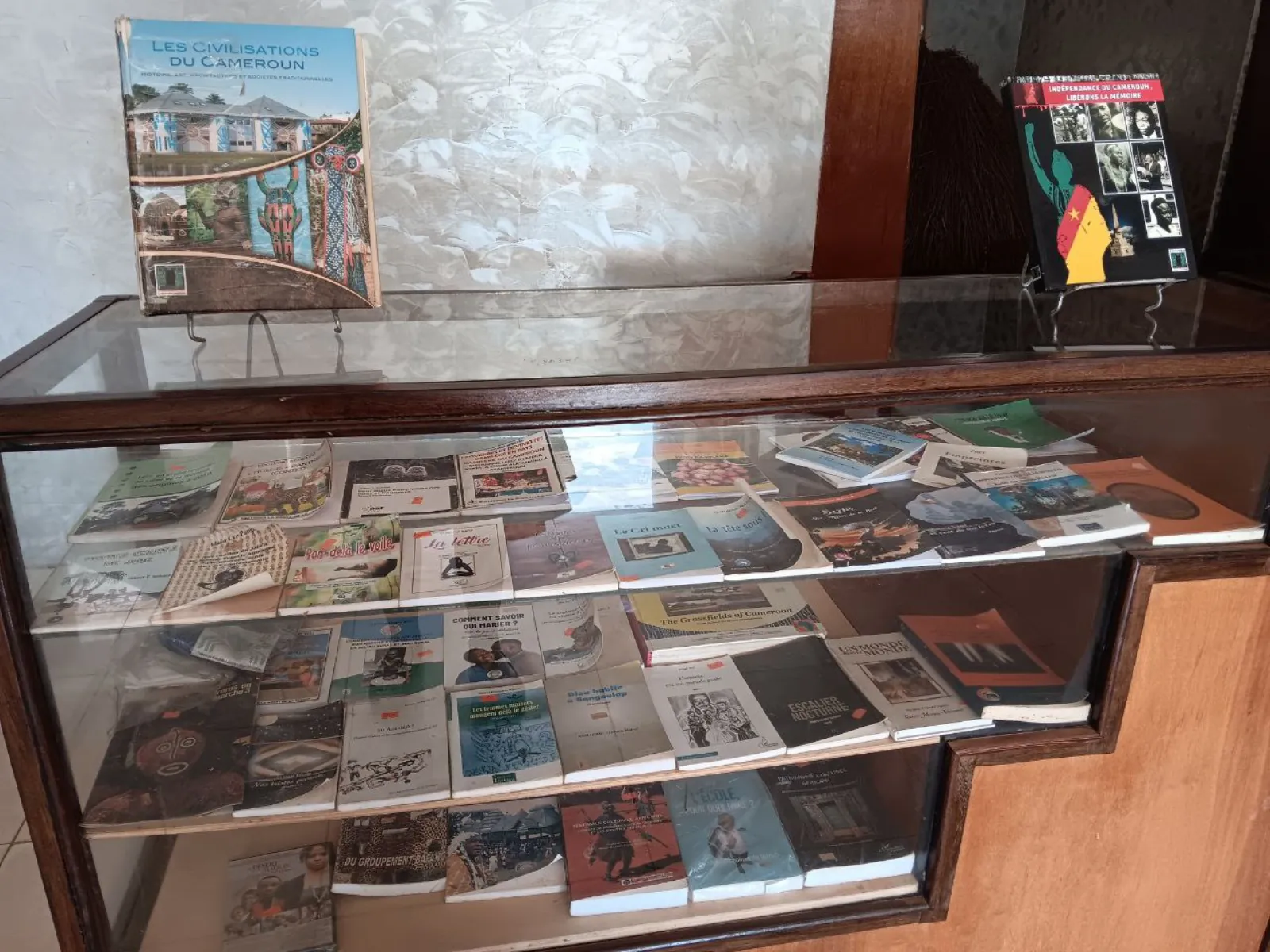
Display case of books and booklets in the library area of the Dschang civilisations museum

A festival lasts a few days, but what it produces endures: programmes, posters, photographs, recordings, award lists, speeches, press reviews. Gathering these traces allows researchers, journalists, artists and the simply curious to find out what happened, to compare editions and to understand how a festival evolves.

The Ministry’s festival archives rely on two online collections: the WebTV, which has 14 videos in the video library, and the 71 articles published in the site’s news. This page explains how to consult them, cite them and add to them.

  • 14 WebTV videos in the site’s video library
  • 71 articles that tell the life of the festivals
  • Credited photographs and award lists published after proclamation
Browsing past editions
Past editions

Finding the past editions of a festival

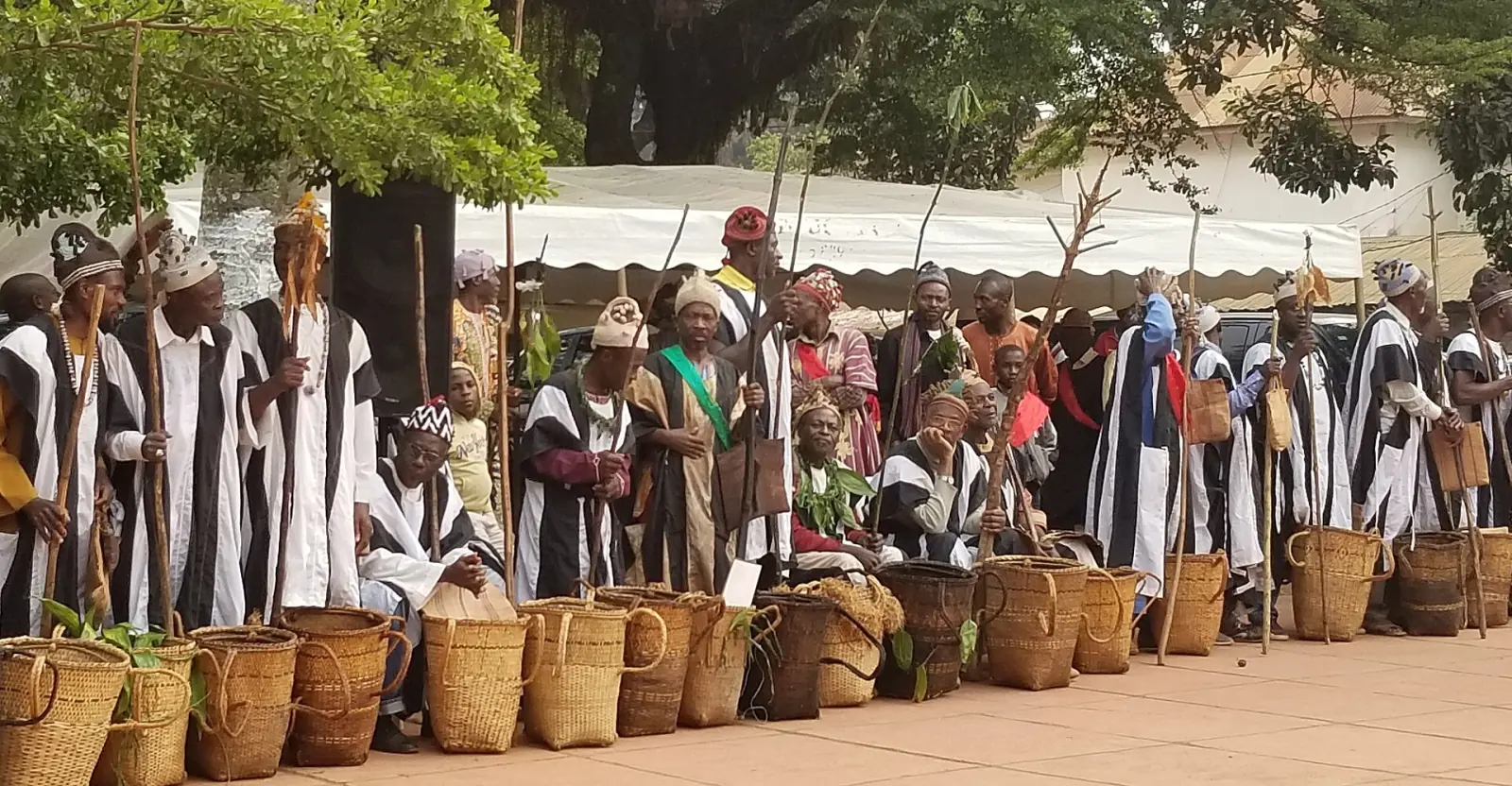
Assembly of notables in white and blue robes before baskets at a festival in Foumban

Each festival followed by the Ministry has a page on which its successive editions are traced. It gives the year, the place, the dates, the theme, the main events and links to the corresponding articles. The pages of the Ngondo, the Nguon or Écrans Noirs work this way.

The 2026 editions

The year 2026 brought together events relayed by the Ministry: the arts and culture festival of Grand Mbam, Mbam’Art, in its 12th edition; Ka’a Ndeh Mu’nka, in its 6th edition; Bia So Mengong; the Patriarchs’ Days Ngul Be Mvamba, in the South, which closed on 8 August; Tokna Massana; and the South West Cultural Festival. They are presented on the regional festivals page.
Comparing from one year to the next

Comparing editions makes it possible to measure attendance, follow the evolution of programmes, spot returning artists and see how a festival widens its audience. Researchers will also find reference points in the culture observatory.

ℹ️
Searching for an edition

Use the site search with the name of the festival and the year, or browse the national calendar.

Photos

Festival photographs

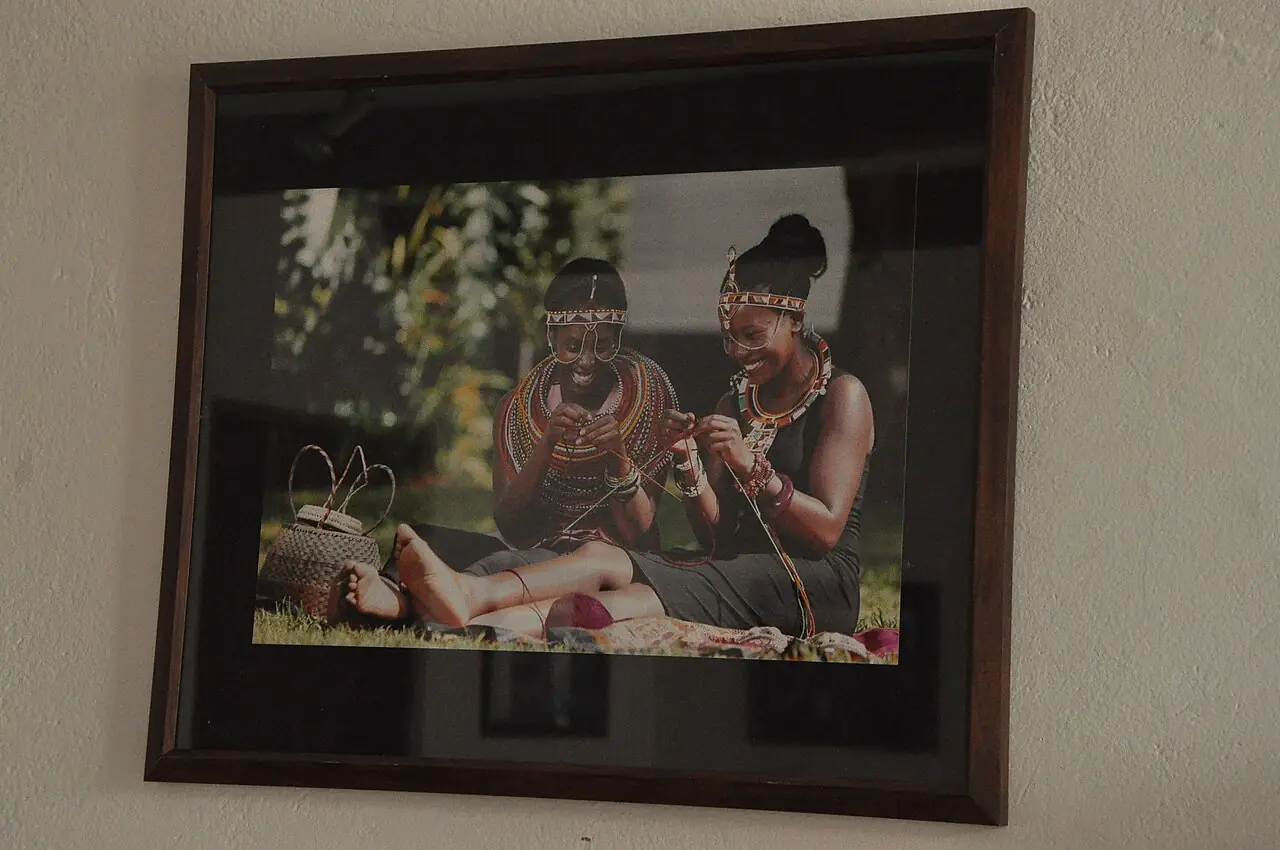
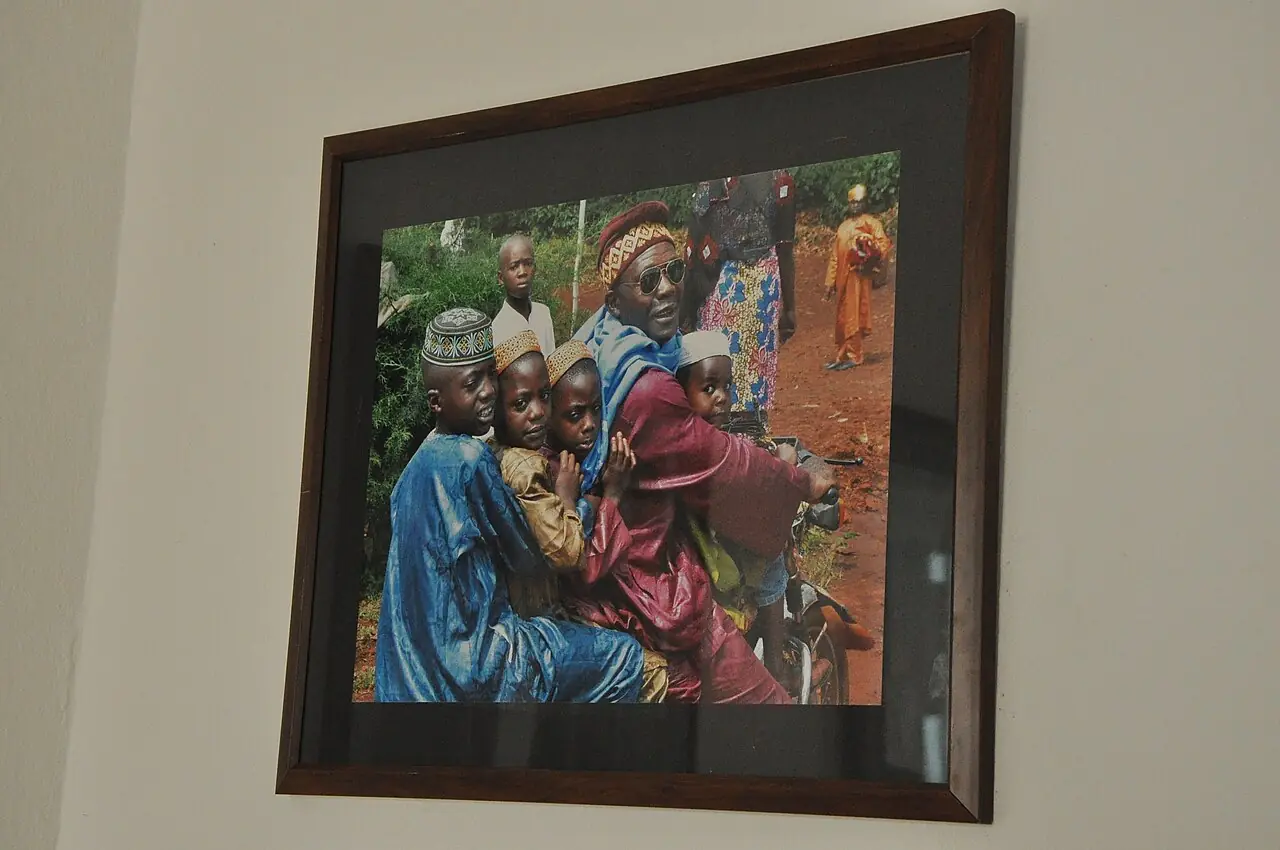
Framed photograph of a family in colourful dress at an exhibition

Photography is the visual memory of festivals: costumes, masks, dances, crowds, chiefdom ceremonies, backstage. The official photographs in the Ministry’s photo library are published with the photographer’s name and the date taken; an image without a credit is not distributed.

Browsing the albums

Albums are sorted by event and by year. Each image carries a caption indicating the place, the dance or ceremony shown and, when known, the community that carries it. This documentary precision is valuable for the national inventory.

Using a photograph

Photographs remain subject to copyright: the photographer is the author of the image, and the people photographed retain a right to their image. The photo library page details the request for use, which specifies the use, the duration and the credit to be mentioned. For press use, see the press area.

Contributing your own images

Organisers and photographers may offer their images to the Ministry, with written authorisation and a full caption, in order to enrich the collections available for consultation.

Videos

Videos from the WebTV and the video library

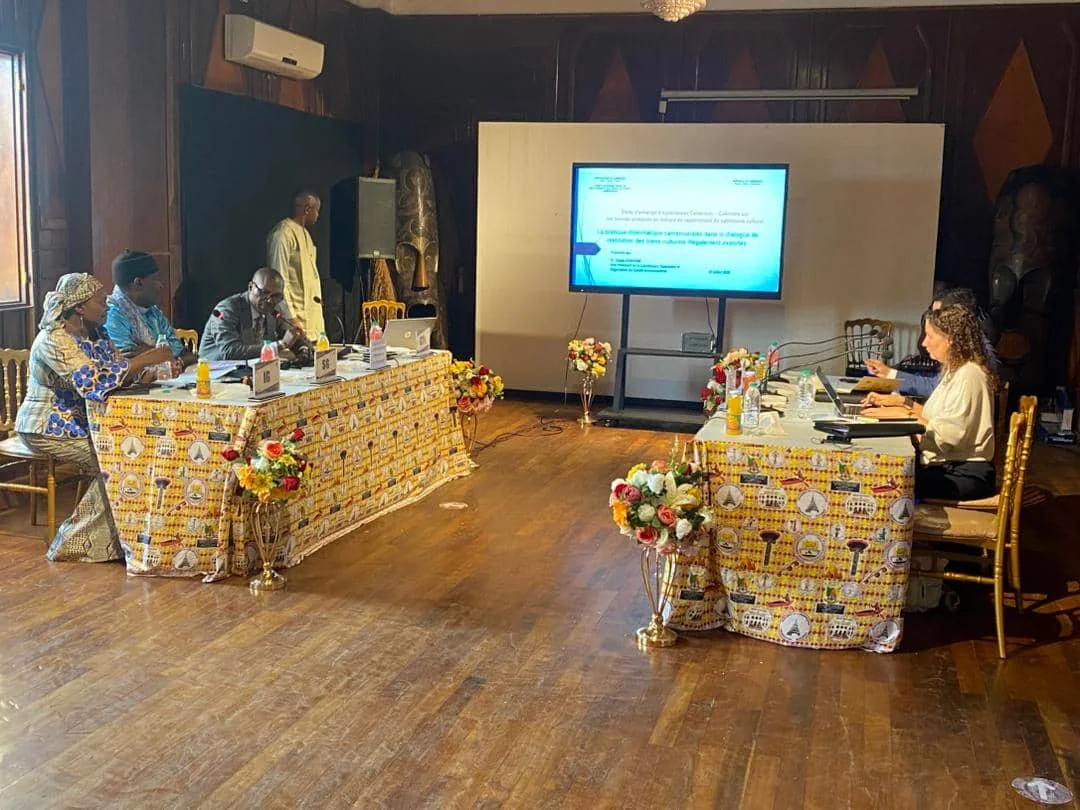
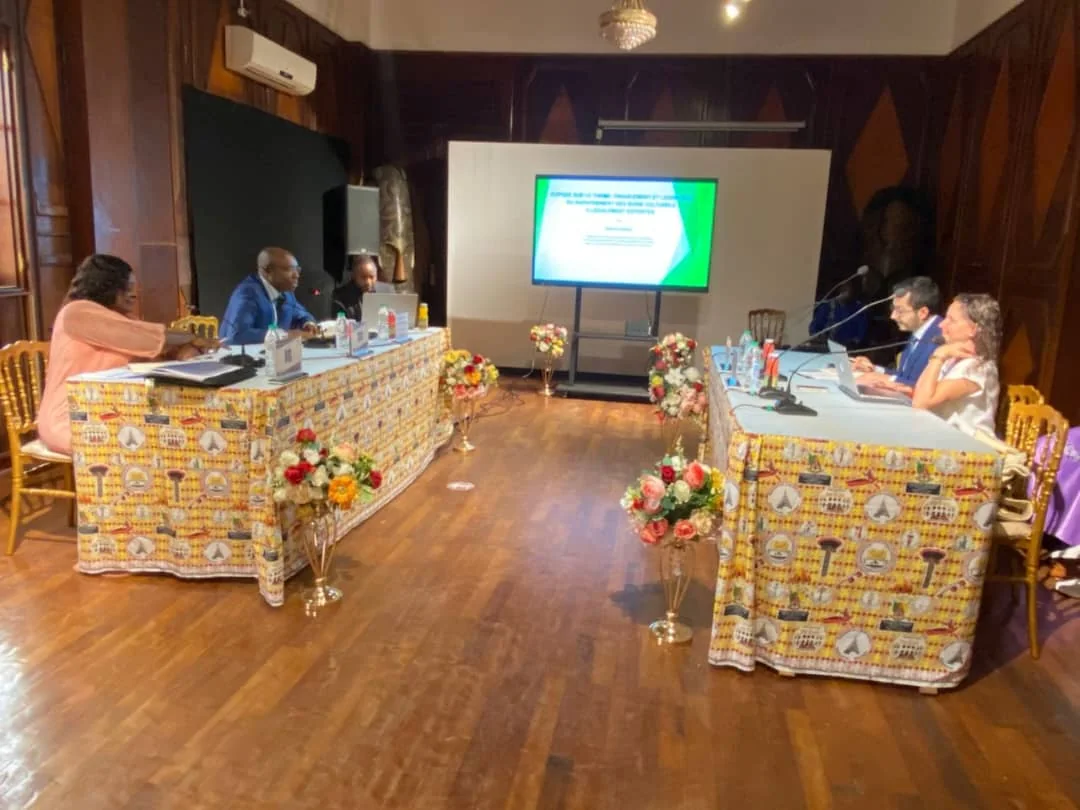
Meeting room with a projection screen and participants around the tables

The Ministry’s WebTV brings together 14 official videos available in the video library: reports on festivals, interviews with artists and organisers, opening and closing ceremonies, presentations of heritage. It forms the audiovisual memory of the events covered by the Ministry.

What you will find there

  • Reports on regional and national festivals;
  • Interviews with artists, dance masters and organisers;
  • Recordings of ceremonies, parades and concerts;
  • Webinars and presentations of schemes;
  • Episodes linked to the podcast “The Voice of Culture”.

Watching and citing

Each video shows its date, location, duration and credits. To cite a video, state the title, the date it was put online and the address of the page. Full reuse in another medium requires the Ministry’s agreement, requested through the press area.

Submitting a recording

An organiser who has filmed their festival may submit the recording, together with the permissions of the artists filmed, so that it can join the video library. The recommended formats are MP4, a length of three to twelve minutes for a report, and subtitles in French or English when the speech is in a national language. Longer recordings are kept in the Ministry’s collections for research.

Winners

Winners’ lists and awards

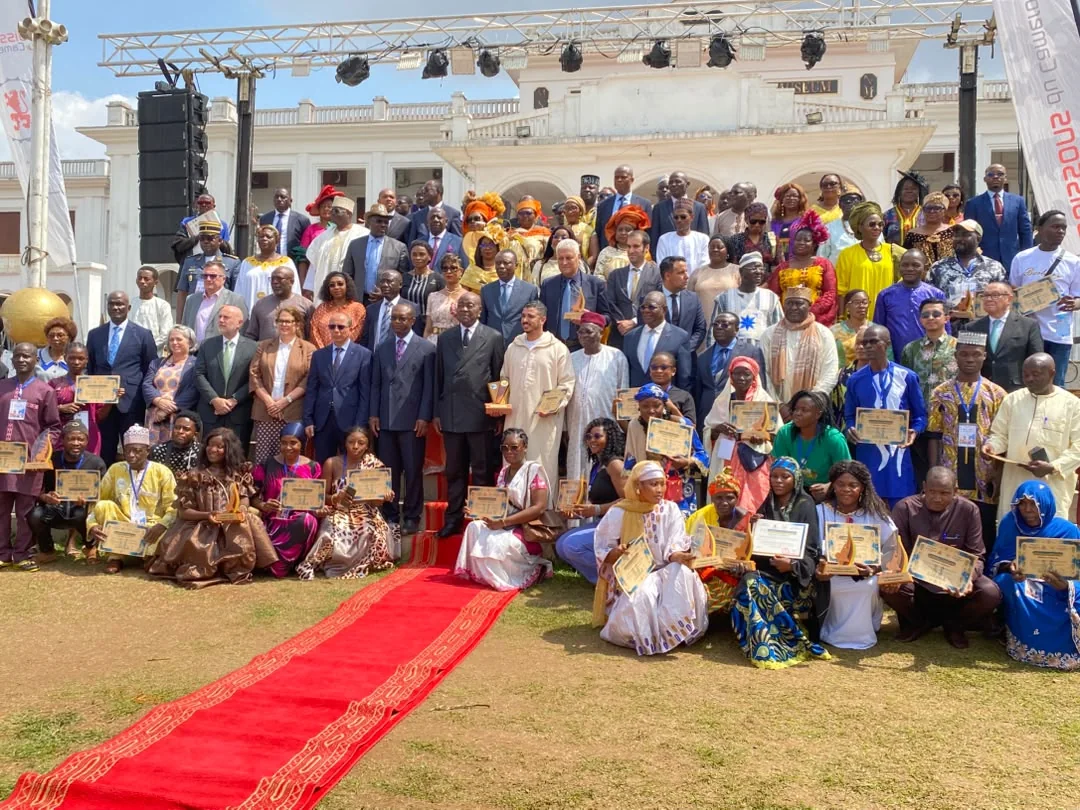
Award winners pose with their trophies and certificates on a red-carpeted stage, alongside two dignitaries.

Some festivals, competitions and biennials award prizes: best film, best show, audience award, jury prize, special mention. The list of winners is published after the official announcement, never before, to avoid any erroneous announcement.

Where to find the results

The results of the national competitions and awards are published in the Prizes and awards section, with the list of winners by edition, the discipline and, when it is public, the make-up of the jury by role. The winners of film, dance, music and literature festivals appear there alongside the national prizes.

A record for careers

A list of winners is a reference for an artist: they state it in their artist card file and in their applications for a residency or scholarship. Organisers must therefore send the Ministry an accurate list signed by the jury, with the correct spelling of the names of troupes and titles of works.

Correcting an error

An error in a name or title may be reported in writing; the correction is then published with the date indicated.

Conservation

Keeping the archives of a festival you have organised

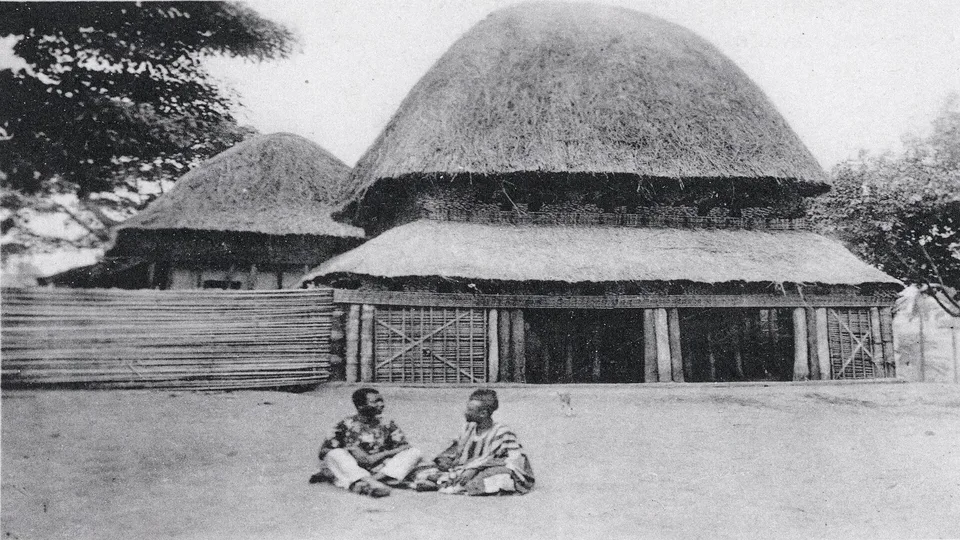
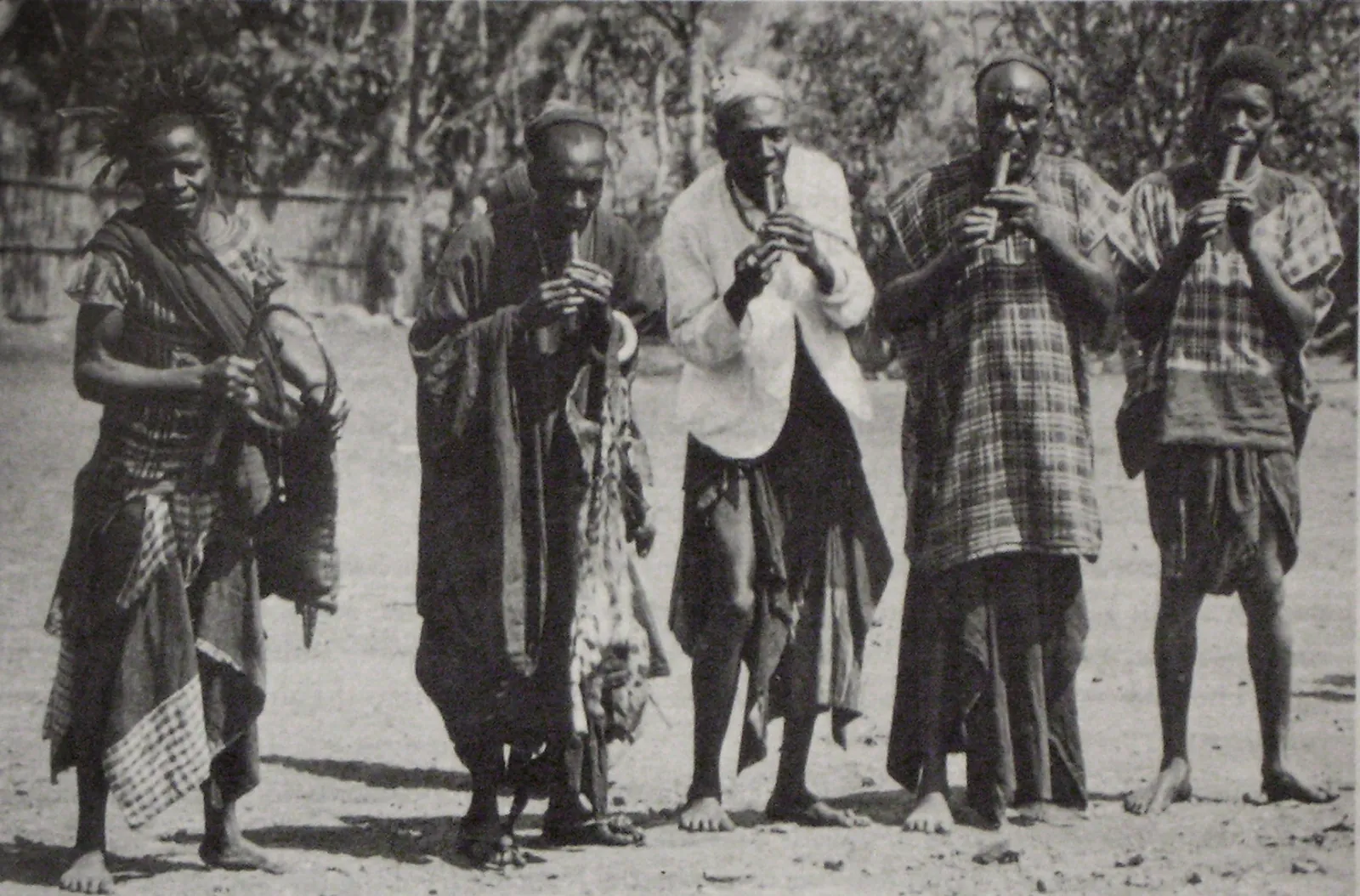
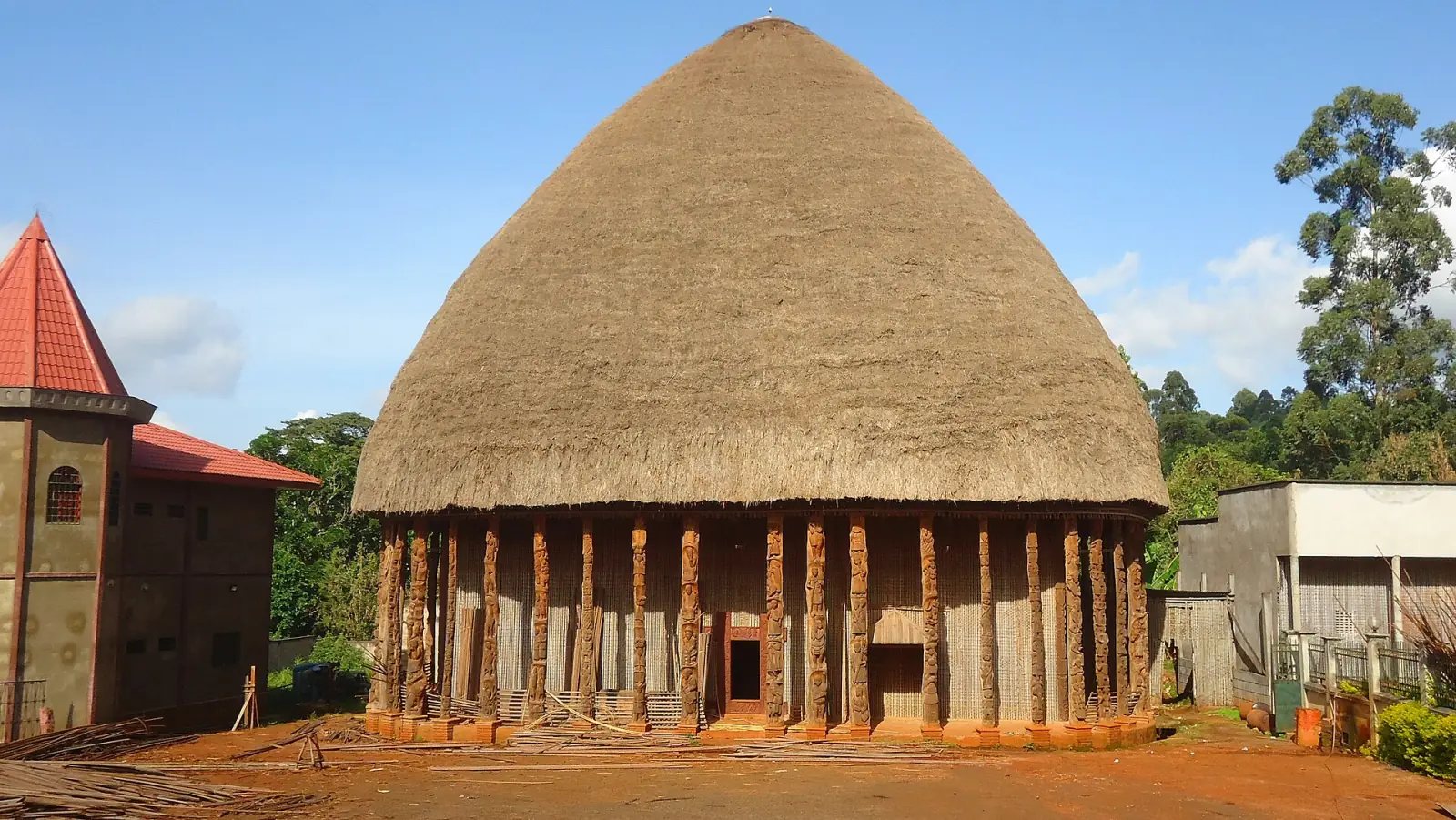
Traditional buildings in Bamoun country, old photograph kept in the archives

Every organiser produces documents that will become archives: contracts, programmes, posters, lists of artists, photographs and reports. Filing them from the preparation of the edition onwards prevents them from being lost and makes the next grant application easier.

Public administrative archives are managed by the Ministry’s Archives section, which describes the historical collections and the request for access. Works, recordings and publications may also fall under legal deposit. Keep at least one digital copy of each important document, on two separate media.

Step by step

Building the archives of an edition

Planning the collection

Before the opening, appoint an archives officer, a photographer and a person in charge of video recording.

Filing as you go

Store programmes, contracts, lists of artists and invoices in folders by section, with clear file names.

Captioning images

For each photograph, state the date, the location, the dance or ceremony, the photographer’s credit and the permission to publish.

Obtain the authorisations

Obtain the written consent of the artists filmed, the holders of traditions and the photographers for online publication.

Sending to the Ministry

Send the report, the list of winners, a selection of images and the links to recordings so that they can join the site’s collections.

Safeguarding

Keep a copy on two different media and note where the originals are stored.

Key facts

Archives at a glance

FundsContentWhere to consult itWho can contribute
News71 articles on festivals and cultural lifeNews section of the siteMinistry’s communication service
Video library14 WebTV videos: reports, interviews, ceremoniesVideo libraryMinistry and partner organisers
Photo libraryAlbums sorted by event and by yearPhoto libraryPhotographers and organisers
WinnersResults of competitions, prizes and awardsPrizes and awardsJuries and organisers
Press reviewPress articles on festivalsPress reviewCommunication service
Administrative archivesFiles, decisions and reports of the administrationMinistry’s Archives sectionMinistry services
National inventoryRecords on dances, rites and practicesNational inventoryCommunities and researchers
Journey

From a festival to its archives

BeforePreparing the record

The committee appoints an archives officer, arranges for a photographer and a cameraman, and informs the artists of the planned recordings.

DuringCapturing the event

Photographs, videos and field notes are made during ceremonies, performances and meetings with the public.

AfterSorting and captioning

The teams select the best images, caption each document and check the permissions of the people concerned.

PublicationPut online

Articles, albums and videos join the site; the list of winners is published after the official announcement.

In the long termPassing on

The collections are used for studies, teaching, heritage files and the preparation of future editions.

To explore

The Ministry’s collections to explore

“Preserving the memory of festivals means preparing tomorrow’s: a captioned photograph is worth more than a thousand vague memories.”

An archivist of the Ministry
Uses of the archives

Who consults the festival archives?

“
I found the procession of an earlier edition in the albums; without that captioned image, my dissertation on ceremonies would have had no evidence.
An anthropology student
University of Yaoundé
“
Every year we use the WebTV videos to present the festival to new partners, without having to start from scratch.
A communication officer of an organising committee
Centre Region
“
The online list of winners allowed our troupe to support its residency application with a verifiable reference.
A company director
West Region
“
Our pupils worked on the articles from several editions to understand how a festival evolves over ten years.
A history teacher
Littoral Region
To act

Consulting or depositing archives

Using an image

Request permission to use a photograph or video, stating the intended use.

Press area

Submitting a recording

Organisers may send their videos and photographs to enrich the collections.

Write to us

Register a work

Protect a filmed or recorded creation before it is widely distributed.

Register a work

Request access

For administrative archives, submit a reasoned request for access.

Ministry archives
To download

The festival archivist’s tools

Glossary

The vocabulary of festival archives

Archives

A set of documents kept for their value as evidence, memory or study, whatever their form.

Funds

A coherent set of documents produced by the same institution or the same event.

Winners

List of the winners of a competition or festival, with the prize received and the edition concerned.

Recording

Audiovisual recording of a performance or ceremony.

Caption

Text accompanying an image and stating the place, date, subject and credit.

Photo credit

Compulsory mention of the name of the author of a photograph.

Image rights

A person’s right to control the use of their image.

Legal deposit

Obligation to hand over copies of certain productions to a preservation institution.

Video library

Collection of videos organised for consultation by the public.

WebTV

Television channel broadcast over the internet, here the Ministry’s.

Press review

Selection of press articles on a subject or event.

Access to archives

Procedure by which one obtains permission to consult a document held by an administration.

On the site

Continue in the site’s collections

Resources

Useful links for finding an edition

Stakeholders

Who preserves and disseminates the memory of festivals?

Questions

Your questions on festival archives

Where can I watch festival videos?

In the site’s video library, which brings together the Ministry’s 14 WebTV videos: reports, interviews, ceremonies and webinars. Each video shows its date and credits; viewing is free and open, with no account to create.

How many articles cover the festivals?

The site has 71 articles in its News section, a large share of which report on festivals, ceremonies and cultural gatherings. You can browse them by date or find them using the site search by typing the name of the festival.

May I use a photograph from the site?

It depends on the purpose. For the press, contact the press area; for any other use, use the photo library’s request for use. The photographer’s credit must always appear, and some images require the consent of the people depicted.

When is the award list published?

After the official proclamation of the results, once the list has been signed by the jury. The Ministry publishes no result before this stage in order to avoid errors. The award list is then included in the Prizes and distinctions section.

How do I deposit my festival’s archives?

Write to the Ministry enclosing a report, a few captioned photographs, a recording link and the artists’ authorisations. An officer checks the documents and indicates how the images and videos can be added to the collections available for consultation.

How do I find an old edition?

Open the page of the festival concerned, then use the site search with the year. For older editions, the Ministry’s Archives section allows you to submit a request for access, stating the period, the place and the type of document sought.

Are the archives protected by copyright?

Yes. Photographs, videos, texts and recordings have authors whose rights are protected. Viewing them online is free, but reproduction or commercial distribution requires written permission, in accordance with copyright and neighbouring rights.

Can a researcher obtain unpublished documents?

Yes, through a reasoned request for access addressed to the Archives section. It states the research subject, the affiliated institution and the documents requested. The response takes into account the nature of the documents and the applicable confidentiality rules.

Contact

Write to the festival archives service

State the festival, the year and the type of document sought or offered (photograph, video, list of winners, programme): your message will be forwarded to the service concerned.

Competent service

Contact archives and communication

Address

Directorate of Archives and Administrative Documents
Ministry of Arts and Culture
Quartier du Lac – Ministerial Zone
P.O. Box 1053 Yaoundé, Centre Region, Cameroon

Reach us

+237 6 51 70 58 41

contact@minac.gov.cm

Opening hours

Monday to Friday, 8 am to 4 pm

Open the Ministry’s video library

Watch the 14 WebTV videos and relive the ceremonies, reports and interviews from the festivals.

See the video library
WhatsApp