Coat of arms of CameroonMinistry of Arts
and Culture
Republic of Cameroon
My procedures
Home
Minister’s message
News
Press releases
Cultural calendar
Official speeches
Press review
Photo library
Video library
Calls for projects
Job vacancies
Public procurement
Newsletter
Frequently asked questions
Site map
Contact
Press area
Podcast “The Voice of Culture”
Legal notices
Privacy policy
Cookies and trackers
The Ministry
Missions and responsibilities
Organisation
Organisation chart
Minister’s Office (Cabinet)
Management team
General Secretariat
General Inspectorate
Central directorates
Regional Delegations
Institutions under supervision
Legislative texts
Regulatory texts
Sector strategy
Major projects
Budget and reports
Partners
Careers
Archives
Institutional communication
Quality and accessibility
Arts
Visual and plastic arts
Visual arts
Performing arts
Theatre
Dance
Music
Literature and books
Cinema and audiovisual
Photography
Fashion and design
Digital arts
Art crafts
Artists’ directory
Residencies
Prizes and awards
Arts education
Urban arts
Heritage
Tangible heritage
Intangible heritage
UNESCO sites
National museums
Listed monuments
National inventory
Palaces and chiefdoms
Archaeology
Linguistic heritage
Oral traditions
Traditional know-how
Restitution of cultural property
Fight against illicit trafficking
Listing and protection
Conservation and restoration
Heritage Days
Cultural landscapes
Industries
Music and recording
Cinema
Publishing and books
Digital arts
Fashion and creativity
Crafts
Cultural tourism
Funding for culture
Support funds
Incubators
Cultural entrepreneurship
Culture Observatory
Vocational training
Studies and reports
Sector statistics
Export and outreach
Intellectual property
Copyright
Legal framework
Copyright and neighbouring rights
Collective management societies
Register a work
Licences
Private copying
Fight against piracy
Model contracts
Social status of artists
Mediation
Disputes
Training
Fee scales
Register of works
Contact
Digital neighbouring rights
Public domain
Festivals
National calendar
Ngondo
Nguon
Écrans Noirs
Heritage Days
Music Day
Regional festivals
Fairs and exhibitions
Biennials
National competitions
Cultural days
Organise a festival
Event grants
Ticketing
Archives
Volunteering
Diaspora festivals
Regions
Adamawa
Centre
East
Far North
Littoral
North
North-West
West
South
South-West
Cultural map
Regional Delegations
Traditional chiefdoms
National languages
Cultural routes
Decentralised cooperation
Regional observatory
Cooperation
UNESCO
Francophonie (OIF)
African Union
Commonwealth
CEMAC
Bilateral cooperation
Cultural agreements
Professional organisations
Scholarships
Artist exchanges
Cultural years
Diaspora
Funded projects
Embassies
Technical partners
International restitution
International monitoring and calls
Services
Artist card
Show authorisation
Filming authorisation
Festival authorisation
Deposit of a work
Export of works of art
Listing of a property
Grant application
Association accreditation
File tracking
Forms
Fees
Opening hours and addresses
Reporting
Online help
My account
One-Stop Shop
Regions

West

The West Region, with Bafoussam as its regional capital, brings together the Bamoun kingdom of Foumban and the Bamileke chiefdoms. Discover its Regional Delegation, museums, the Nguon, Ka’a Ndeh Mu’nka and its languages.

Updated on 6 November 20264 sub-pages
Regional capitalBafoussam
Divisions8
Nguon, 2026 edition549e
Ka’a Ndeh Mu’nka, 2026 edition6e
West Region

Bafoussam, Bamoun kingdoms and Bamileke chiefdoms

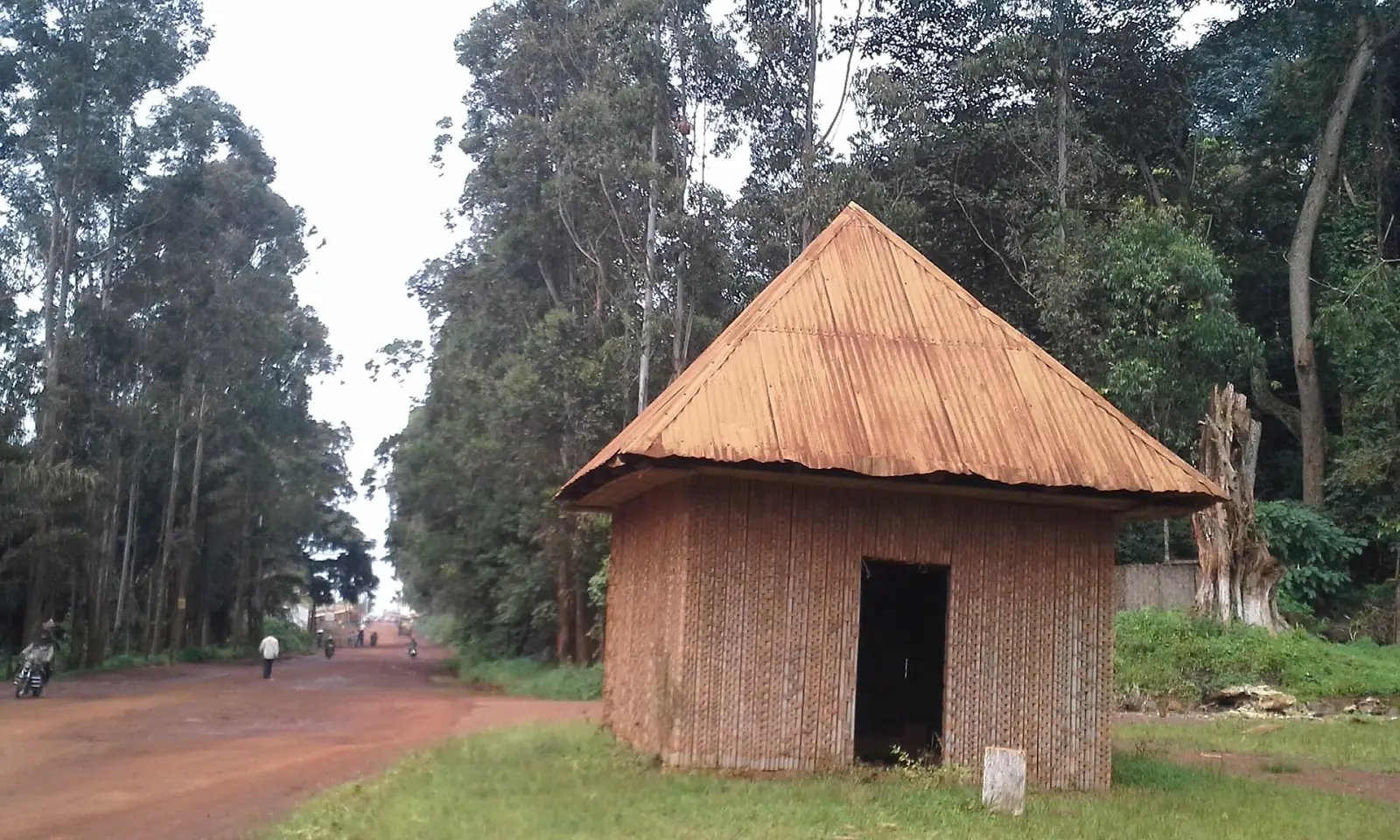
Avenue in Bafoussam

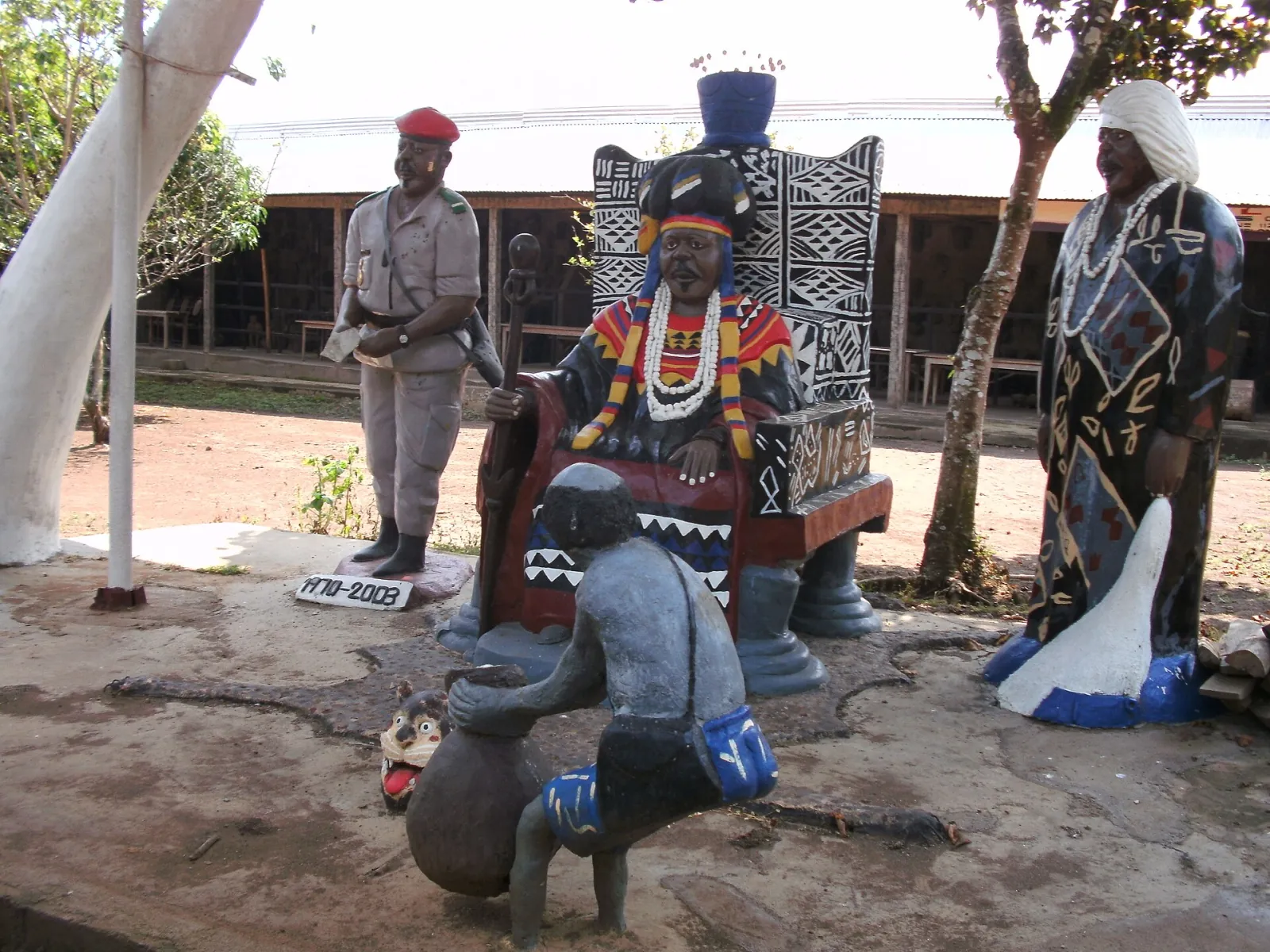
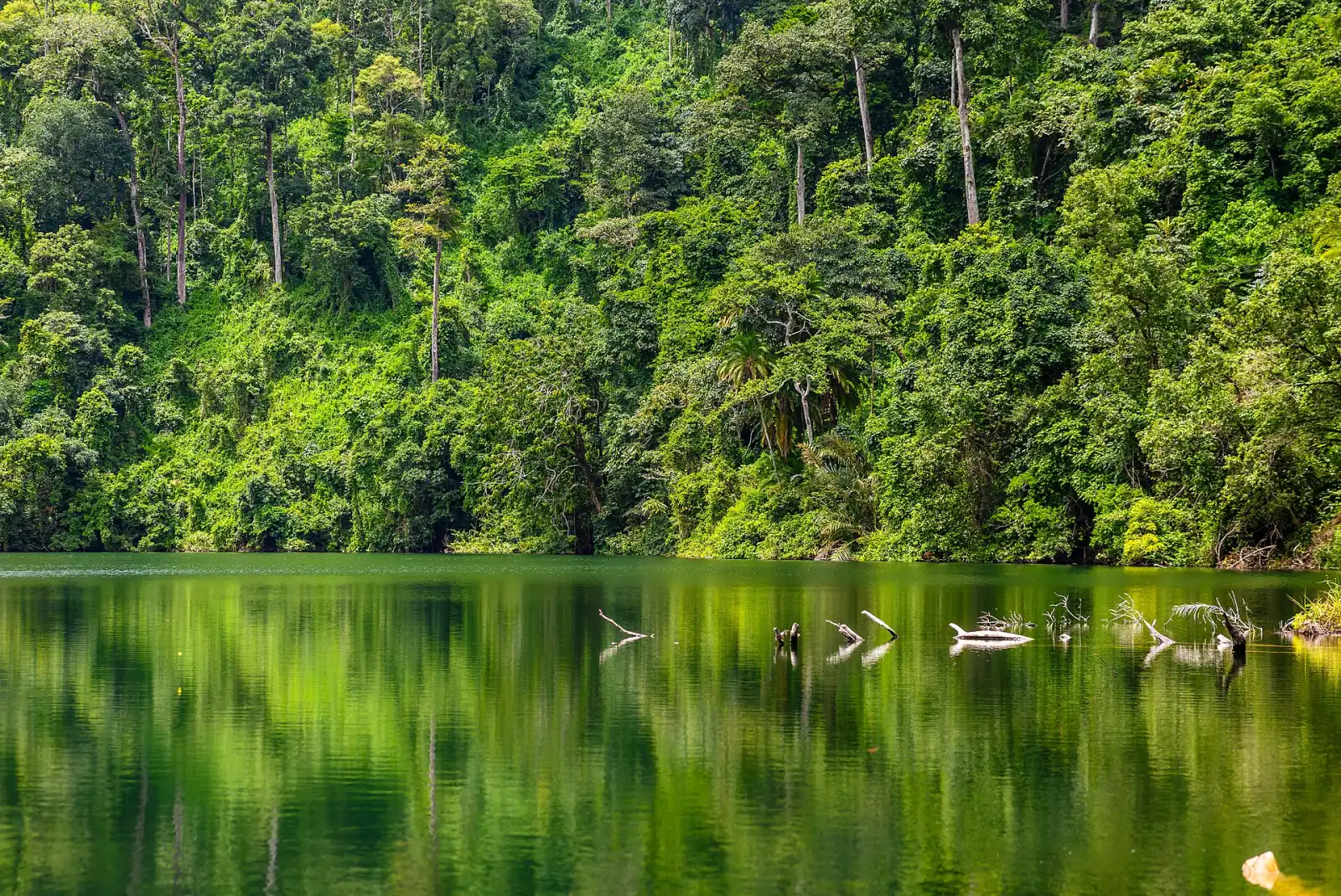
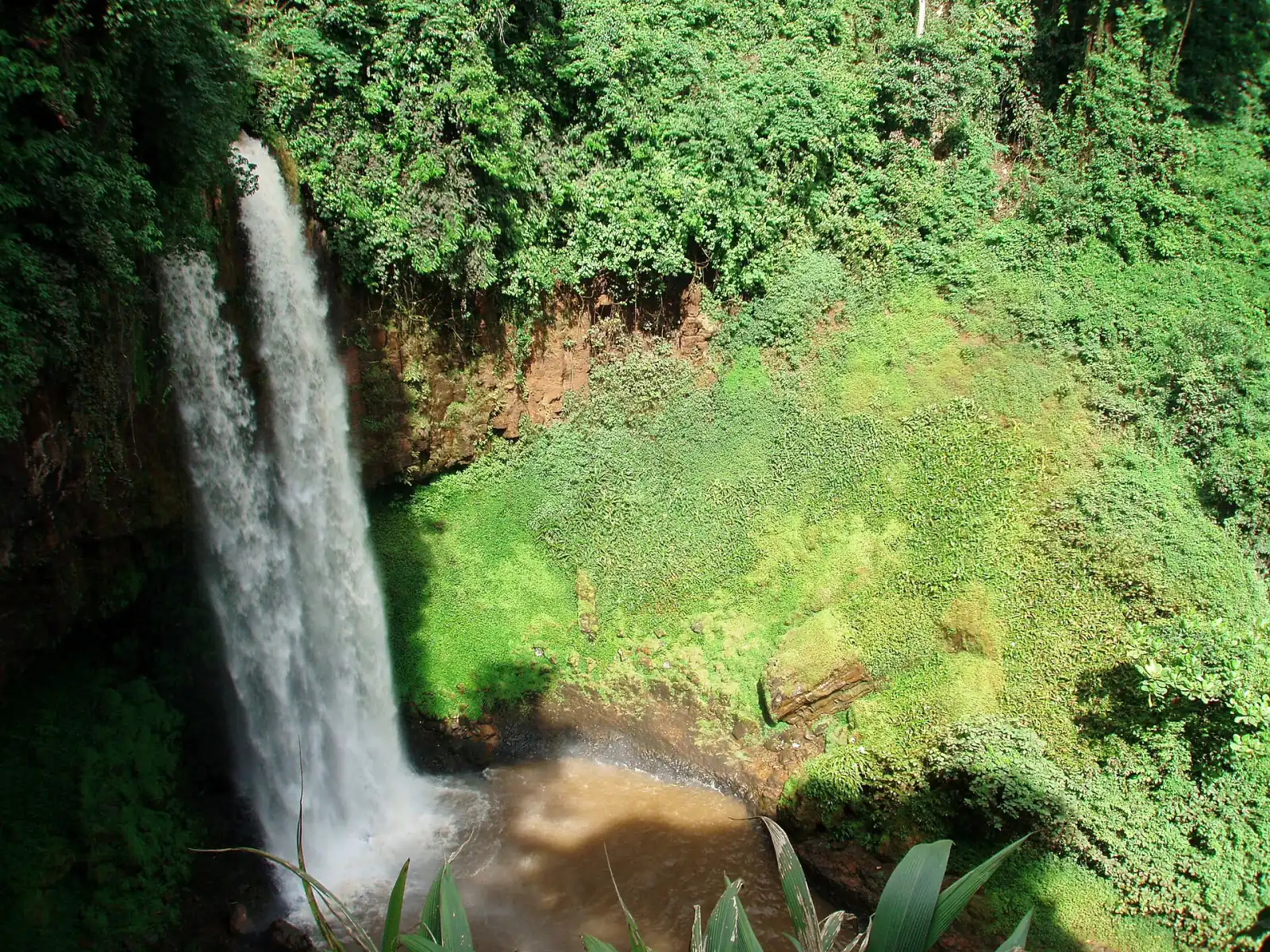
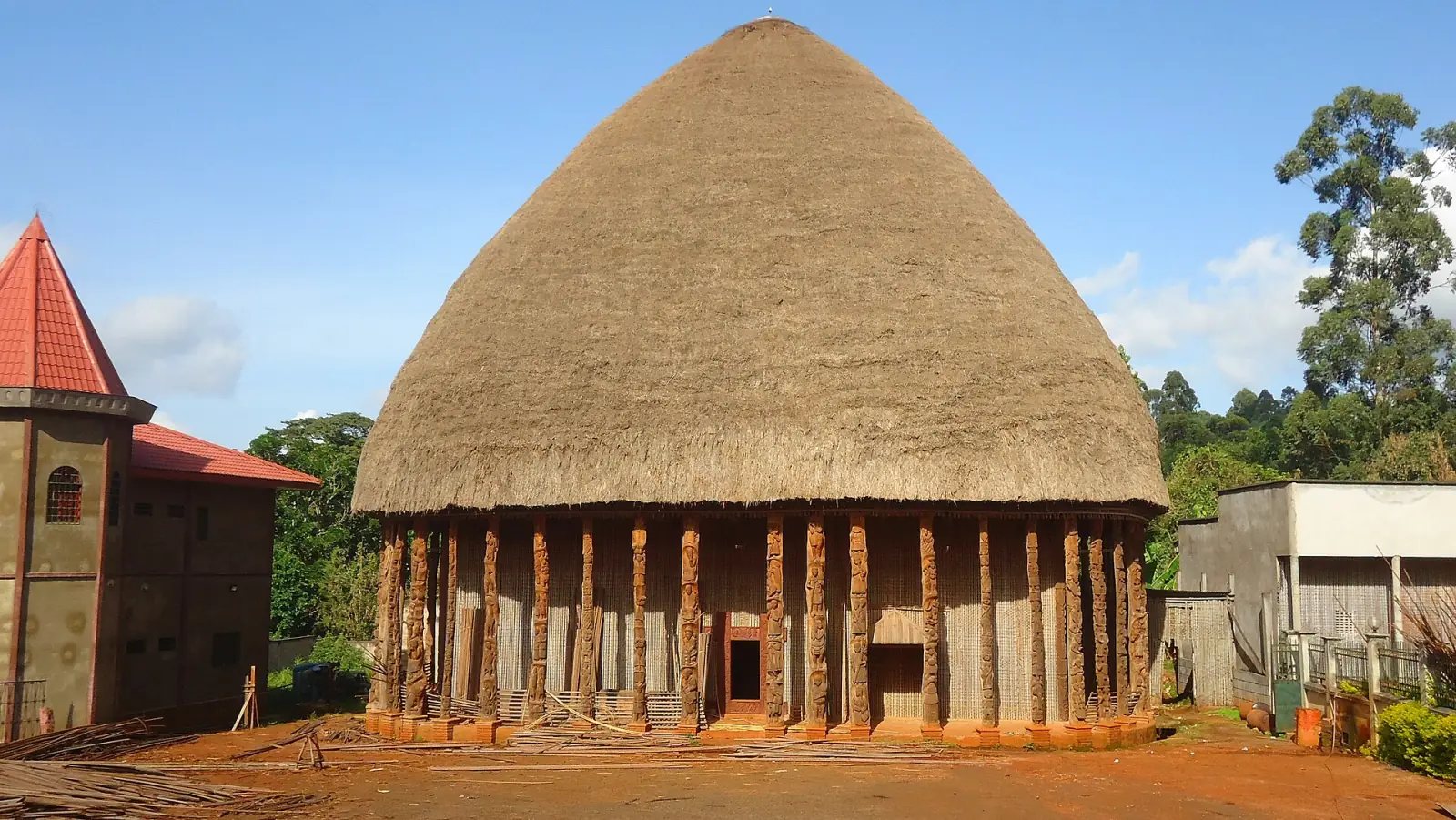
A region of mountains, plateaus and extinct volcanoes, the West has Bafoussam as its regional capital. It is the land of the Bamileke chiefdoms, with their wooden and raffia palaces adorned with sculptures, and of the Bamoun kingdom, whose capital, Foumban, is famous for its palace, museums and craft workshops. Its markets, music, cuisine and festive fervour are renowned throughout the country.

Placed under the responsibility of a Regional Delegation of Arts and Culture, the region also hosts major events: the Nguon, whose 549th edition takes place in 2026, and the Ka’a Ndeh Mu’nka festival, whose 6th edition takes place the same year. This page details the delegation, the sites and museums, the festivals and the languages.

  • A Regional Delegation in Bafoussam to support projects
  • Foumban, its palaces, its museums and its Nguon Foundation
  • Bamileke chiefdoms, festivals and recognised know-how
Discover the delegation
Delegation

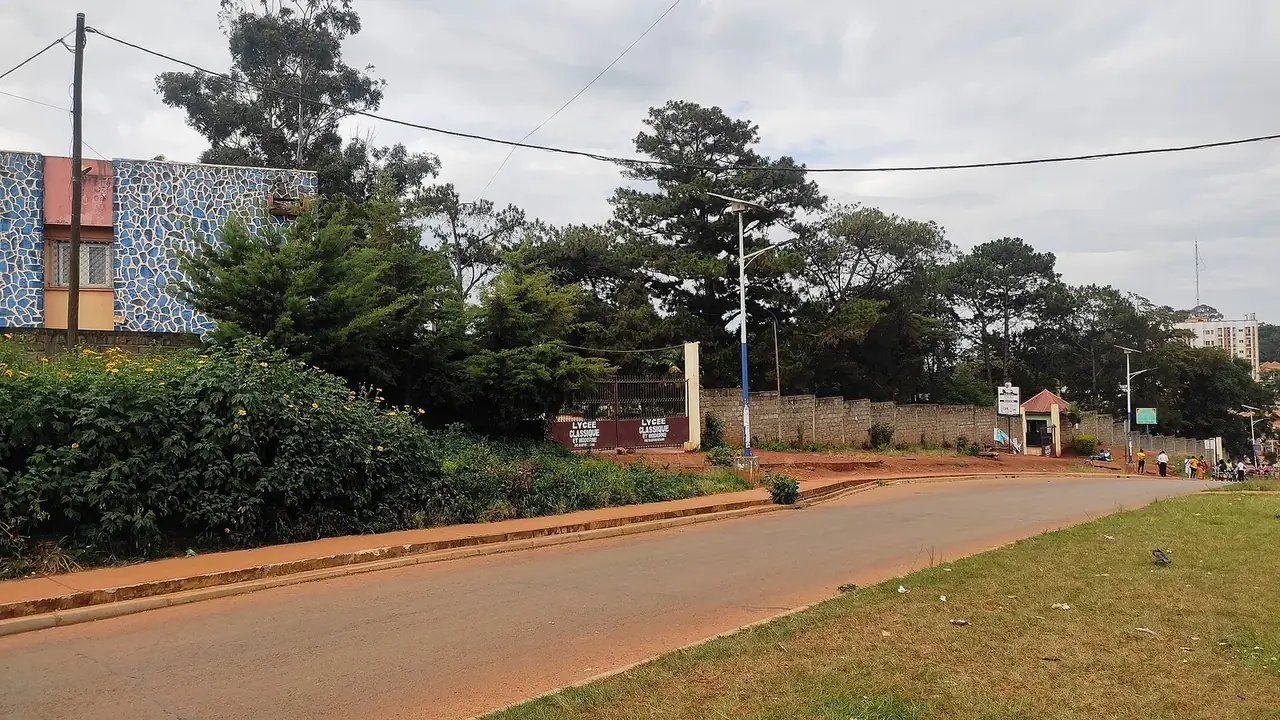
The West Regional Delegation, in Bafoussam

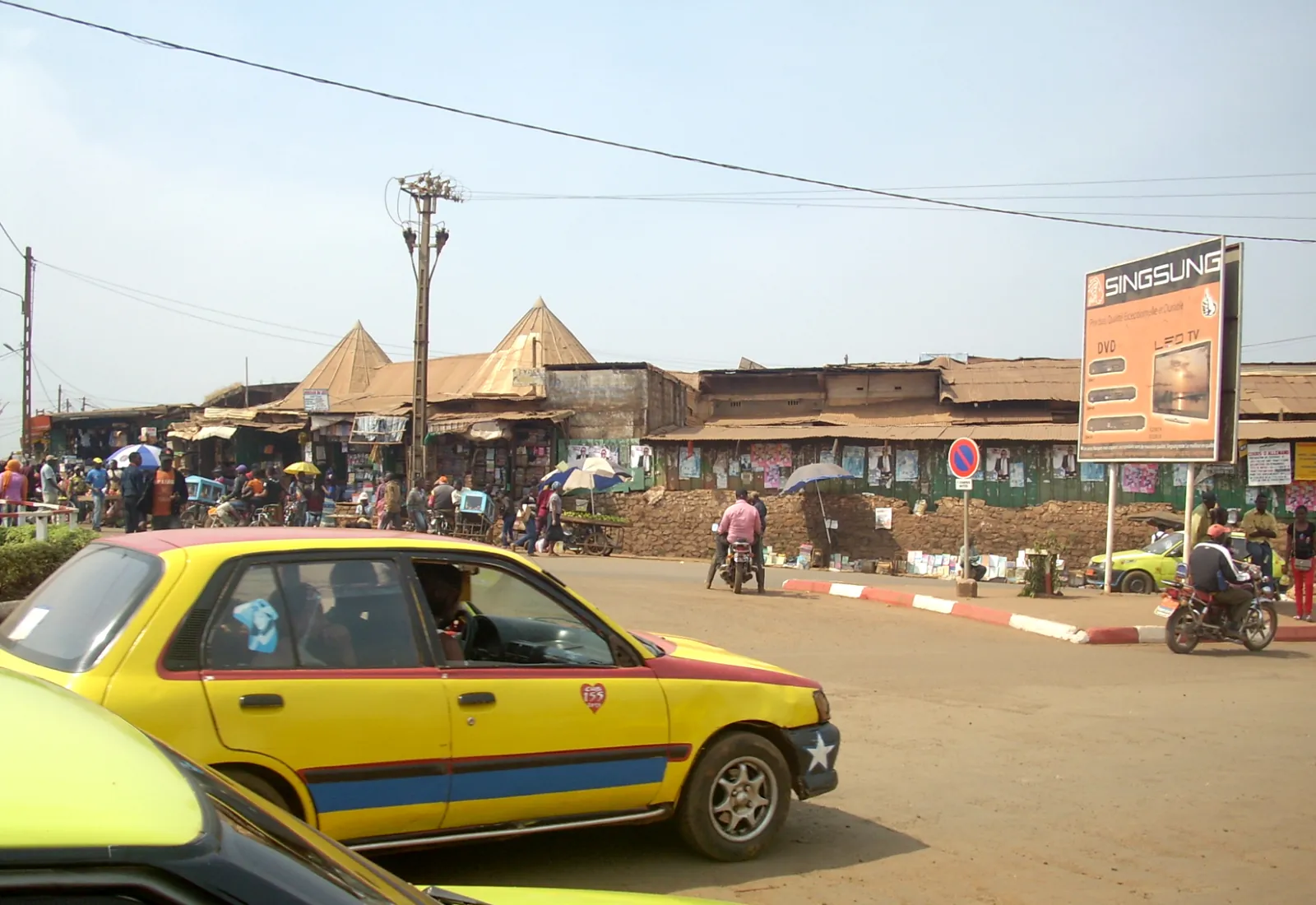
Entrance to Bafoussam main market with pointed roofs and a yellow taxi

The Regional Delegation of Arts and Culture for the West is the Ministry’s decentralised service in the region. Based in Bafoussam, it represents the Ministry before the governor, the prefects, the mayors, the sultan-king of Foumban and the Bamileke chiefs, and covers the eight divisions: Mifi, Haut-Nkam, Hauts-Plateaux, Koung-Khi, Menoua, Ndé, Noun and Bamboutos.

Working as a network

The West is one of the regions where the associative fabric is densest: associations of natives, chiefdom dance groups, craftspeople’s cooperatives, festival committees. The delegation brings them together at annual meetings to harmonise calendars, pool resources and prepare major events. It works closely with the authorities of the Bamoun kingdom and with the Bamileke chiefs, without whom no fieldwork project is possible.

The official contact details are gathered in Regional Delegations; the Ministry switchboard (+237 6 51 70 58 41) will also direct you to the relevant service.

ℹ️
Online deposit

The One-Stop Shop receives files at any hour; file tracking lets you see their progress.

Sites and museums

Sites and museums of the West: Foumban, Dschang and the chiefdoms

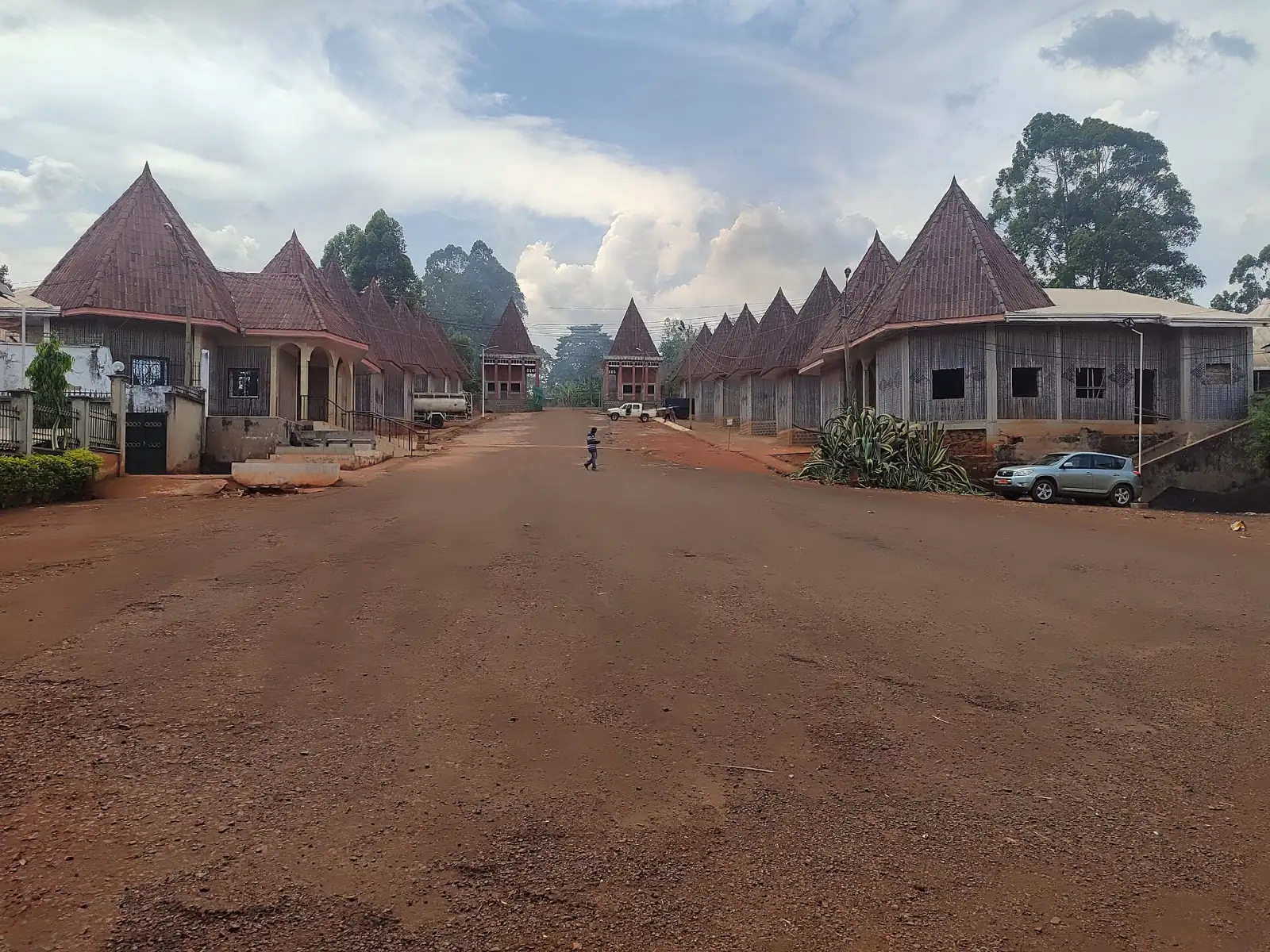
Avenue of traditional pointed-roof huts in the Bandjoun chiefdom

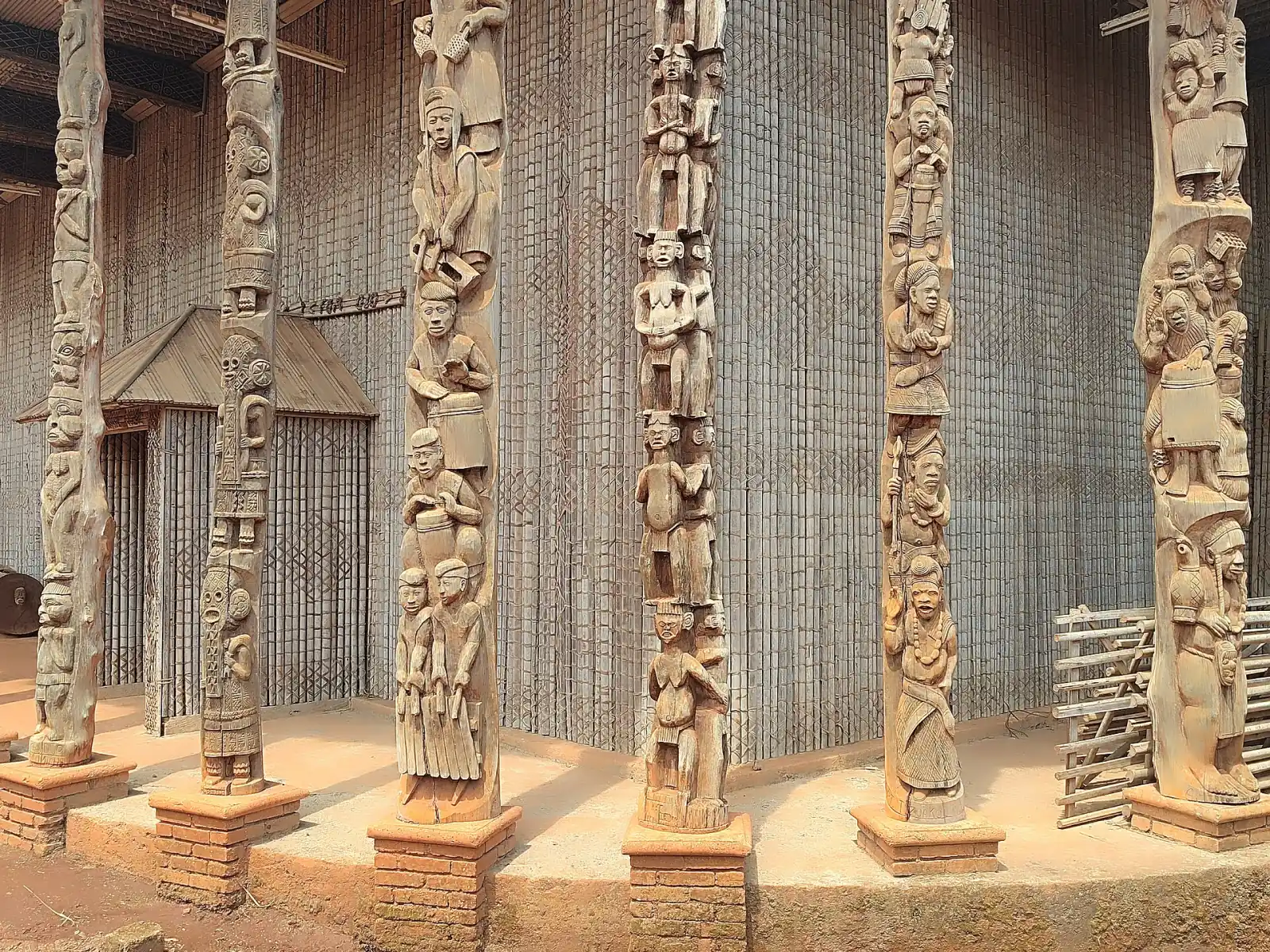
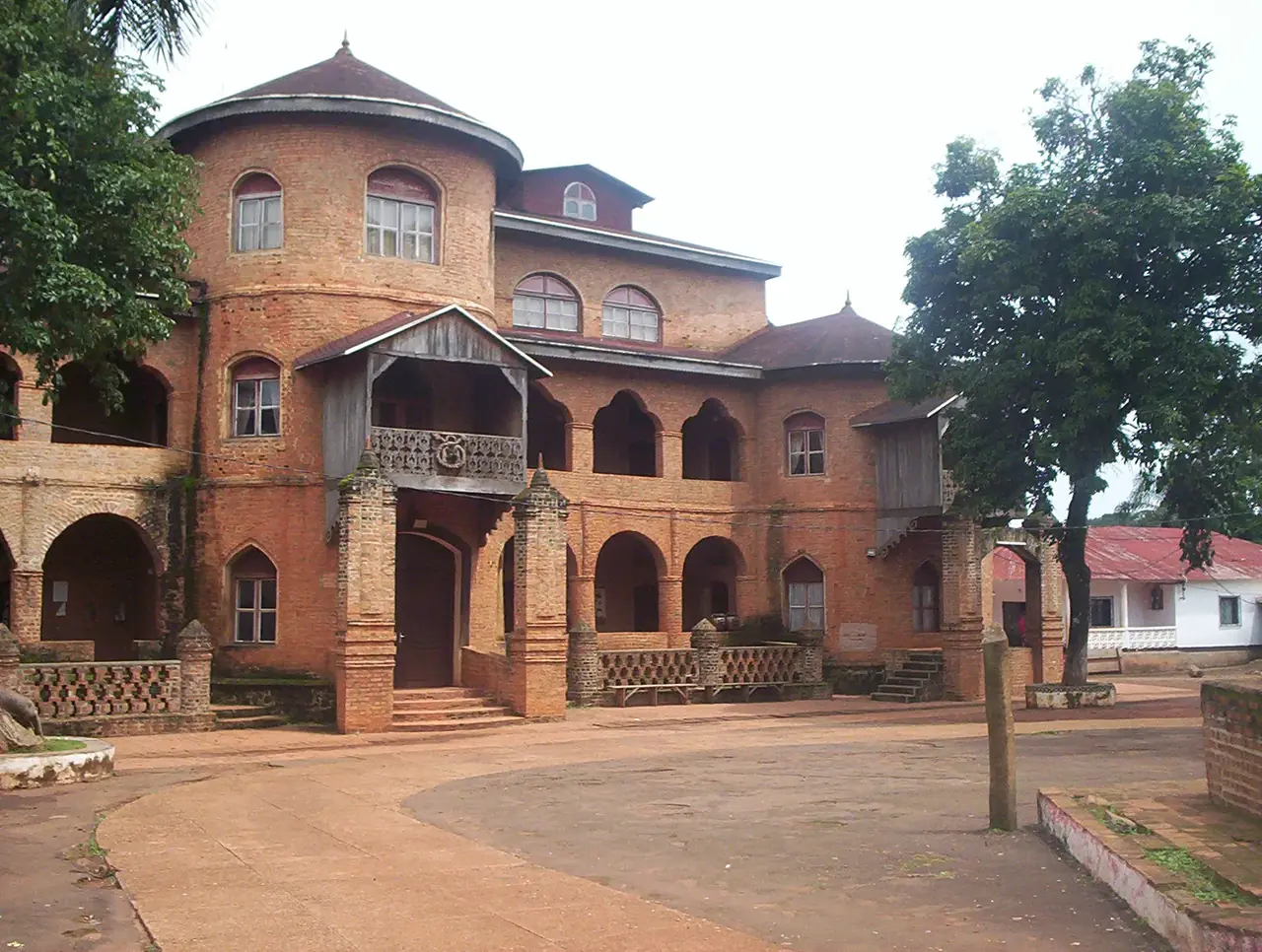
Foumban, capital of the Bamoun kingdom, is the region’s leading site. Its palace, built in the early 20th century in a style combining local tradition and outside influences, houses the palace museum, rich in thrones, beads, court dress, instruments and objects of royal life. The Foumban Museum of Arts and Traditions and the workshops of the craft village, where sculptors, bronze casters and weavers work, complete the visit. Visitors can also discover the Bamoun script, invented by a king at the turn of the 20th century.

ℹ️
Visit

Palaces are visited with an authorised guide and in compliance with protocol: suitable clothing, greetings, photographs with permission.

Festivals

Festivals of the West: Nguon, Ka’a Ndeh Mu’nka and chiefdom celebrations

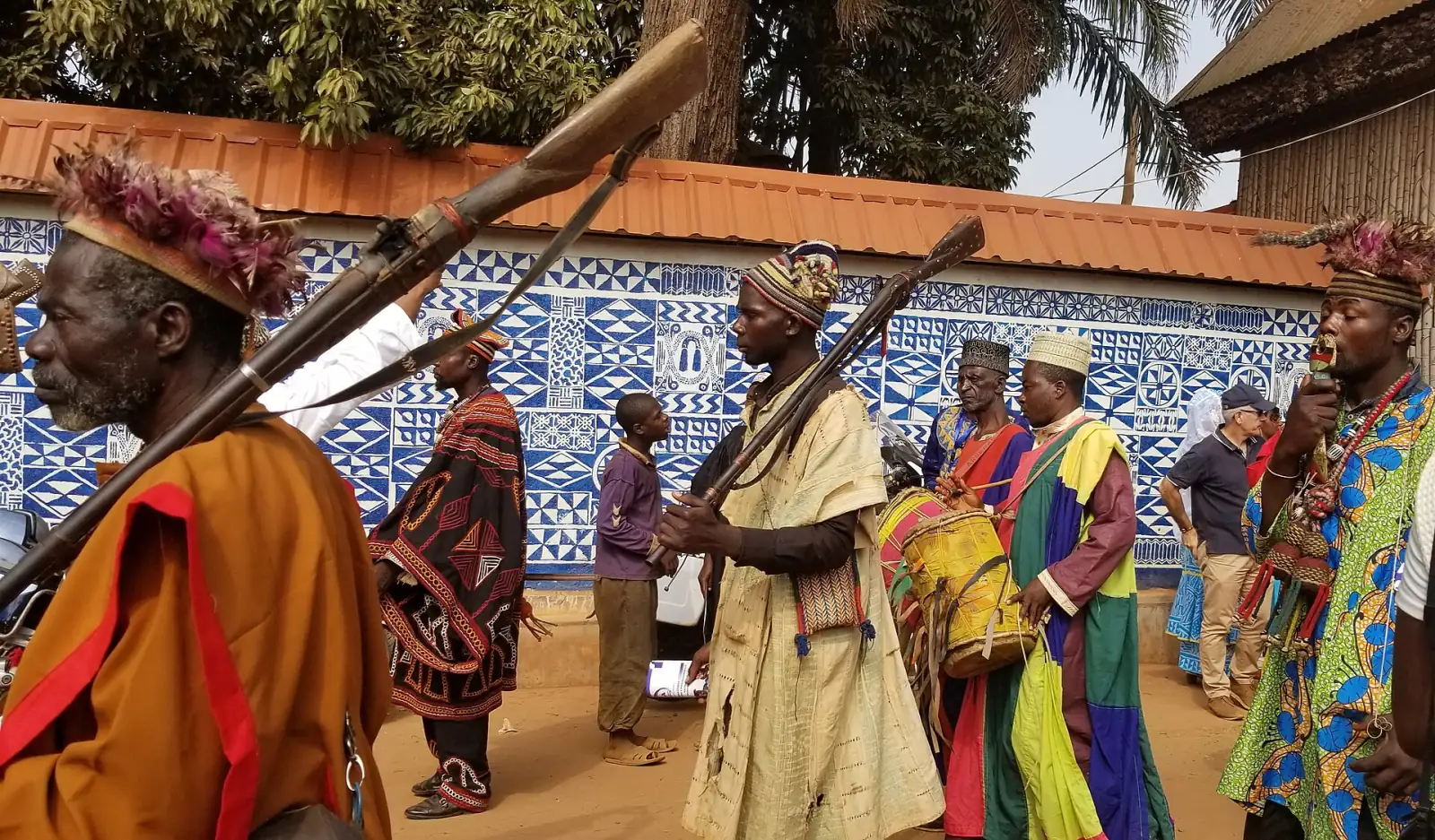
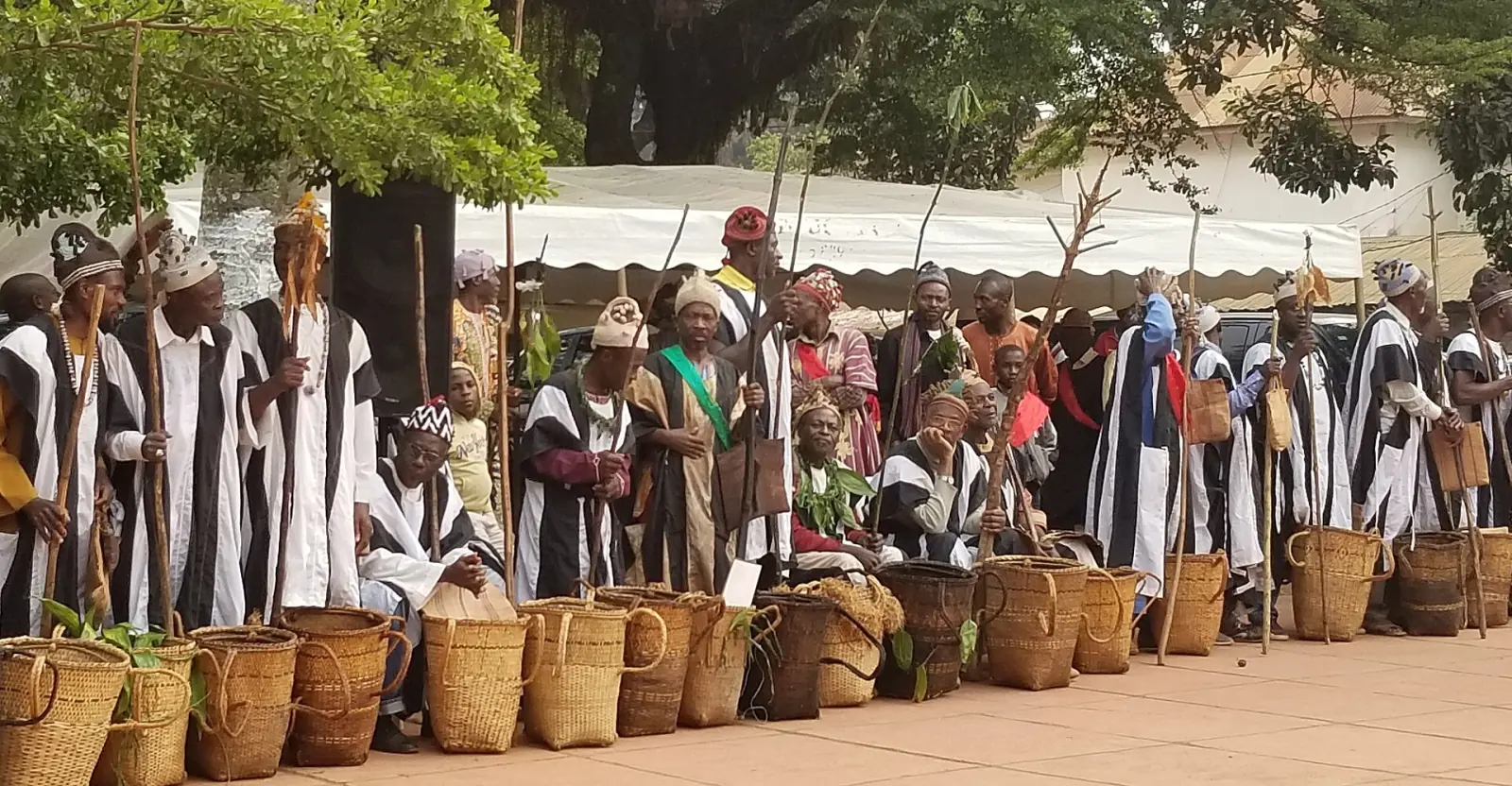
Procession of notables and musicians in front of a painted wall in Foumban

The Nguon is the great festival of the Bamoun kingdom, celebrated in Foumban. Its 549th edition, in 2026, shows the antiquity of the tradition: court ceremonies, renewal rites, parades of notables in full dress, dances, palace music and exhibitions fill several days of celebration. The Nguon Foundation supports the organisation, documentation and transmission of this tradition to younger generations. The details are presented on the Nguon page.

Ka’a Ndeh Mu’nka

The Ka’a Ndeh Mu’nka festival, whose sixth edition takes place in 2026, is another major event in the region. It brings together dancers, musicians, craftspeople and traditional chiefs and showcases Bamileke culture, gastronomy and contemporary creation. It is part of the national calendar.

Chiefdom celebrations

  • The annual ceremonies of the Bamileke chiefdoms, with society dances and masquerades;
  • The funerals of notables, great celebrations of remembrance;
  • The craft fairs and markets of Foumban, Bafoussam and Dschang;
  • School and university events in Dschang.

Organisers consult the regional festivals, fairs and shows and the Organising a festival guide, then submit a festival permit application.

ℹ️
Advice

Major festivals attract thousands of visitors: plan accommodation, traffic, water, emergency services and public information with the delegation.

Languages

Languages of the West: Ghomala’, Medumba, Yemba, Bamoun and neighbouring languages

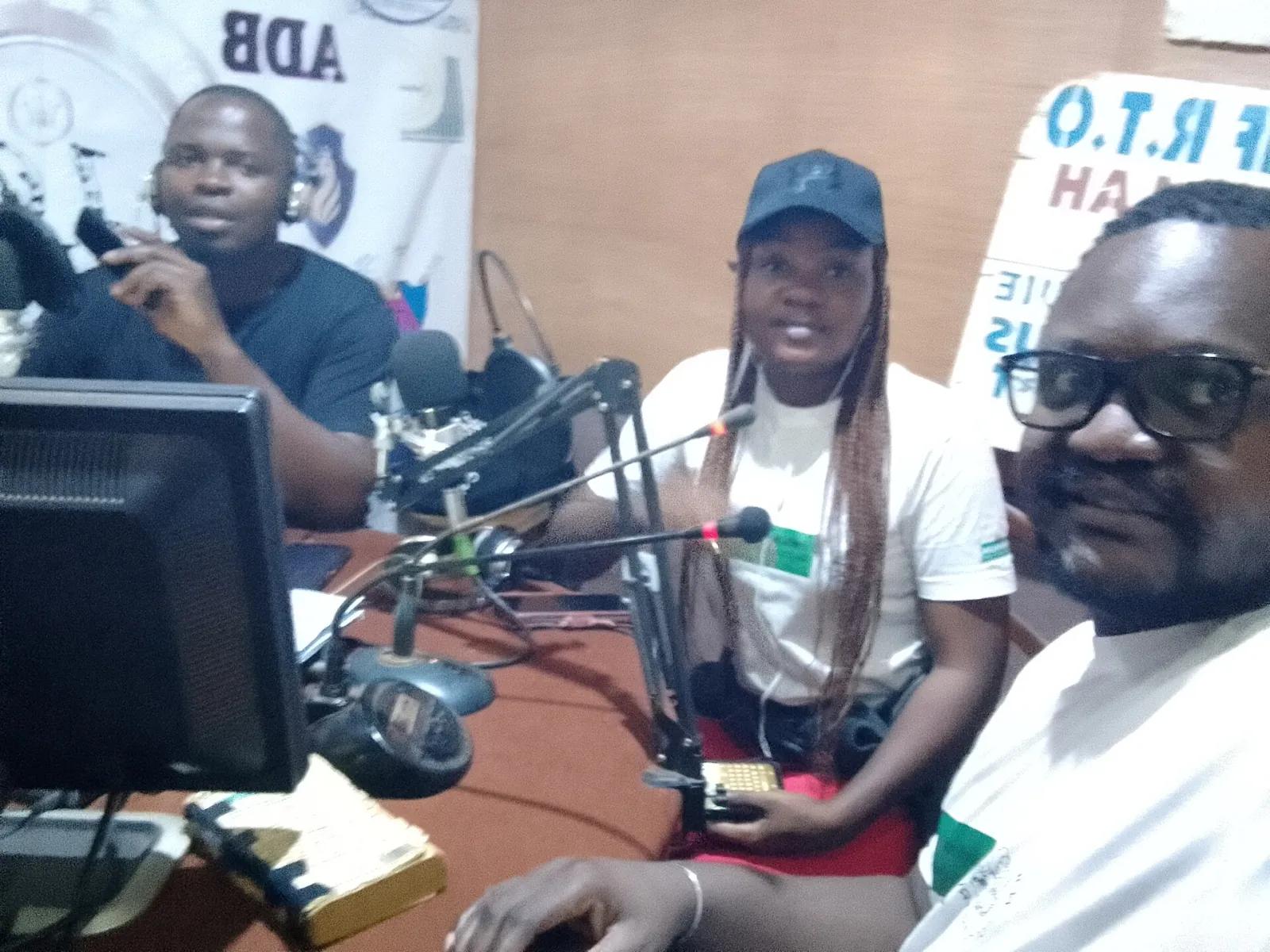
Presenters and guests around the microphones of a radio studio in Dschang

The West is a true hotbed of languages. Bamoun, with its own script invented in Foumban, is one of the rare examples of an African script created on the initiative of a kingdom. Alongside it, the so-called Bamileke languages come in many varieties: Ghomala’ (Bafoussam, Bandjoun, Baham), Medumba (Bangangté), Fe’efe’e (Bafang), Yemba (Dschang), Nda’nda’ and others, which are among the most widely spoken languages in the region.

Living languages

These languages, often tonal, are used in family life, at the market, in music, tales, chiefdom names and mottos. French is the language of school and administration, but radio stations and churches broadcast widely in local languages. Pidgin and Camfranglais are widespread among young people.

Passing on writing and speech

  • Promotion of the Bamoun script (palace manuscripts, teaching, signage);
  • Reading and writing programmes in Ghomala’, Medumba, Yemba and Fe’efe’e;
  • Collections of proverbs, chiefdom mottos, genealogies and songs;
  • Programmes in local languages on community radio stations.

These actions draw on National languages, linguistic heritage and oral traditions.

ℹ️
Take part

A teacher, an association or a radio station can propose a language workshop to the delegation, which includes it in its annual programme.

Know-how

Bronze, beads, sculpture and fabrics of the West

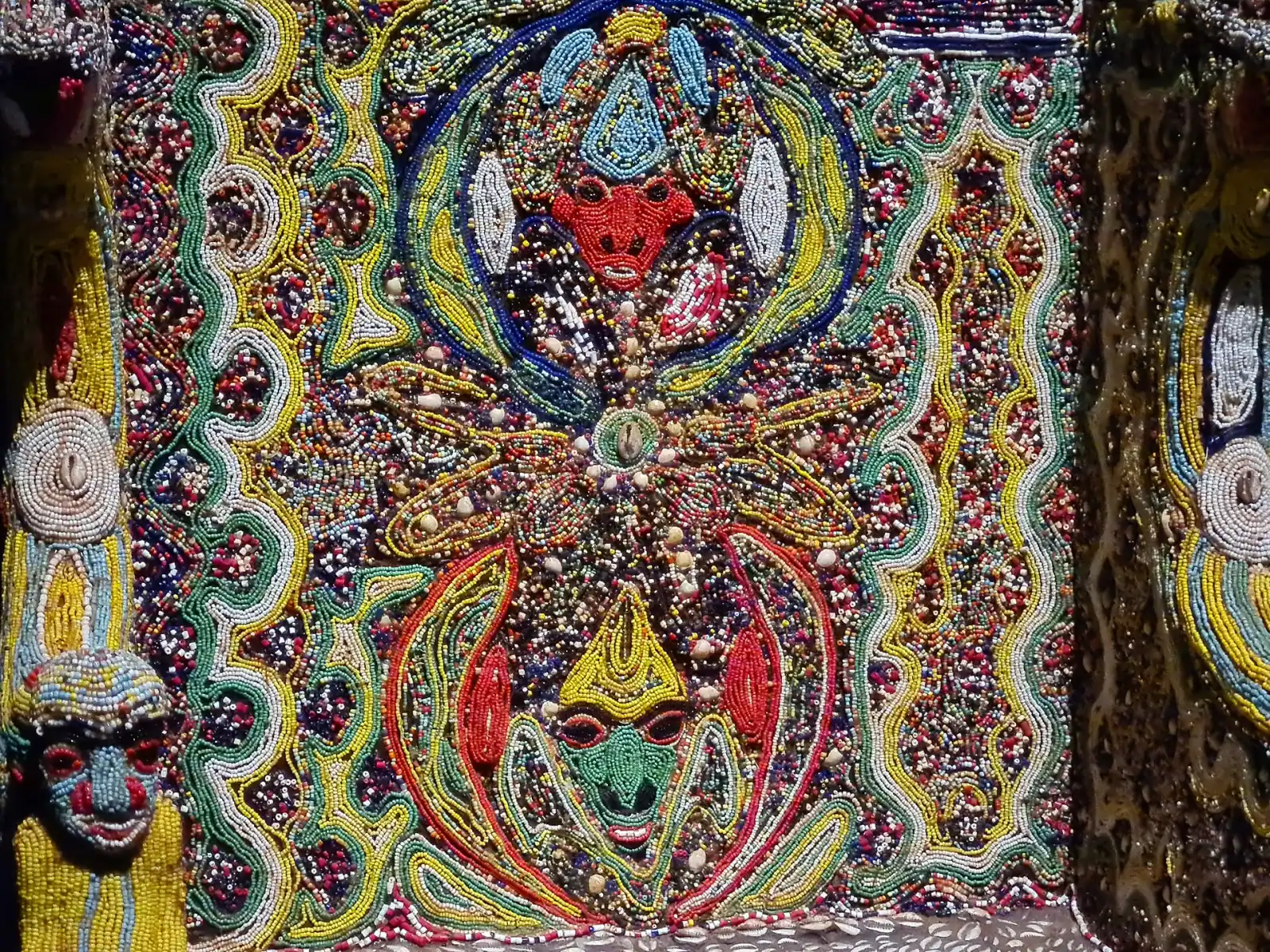
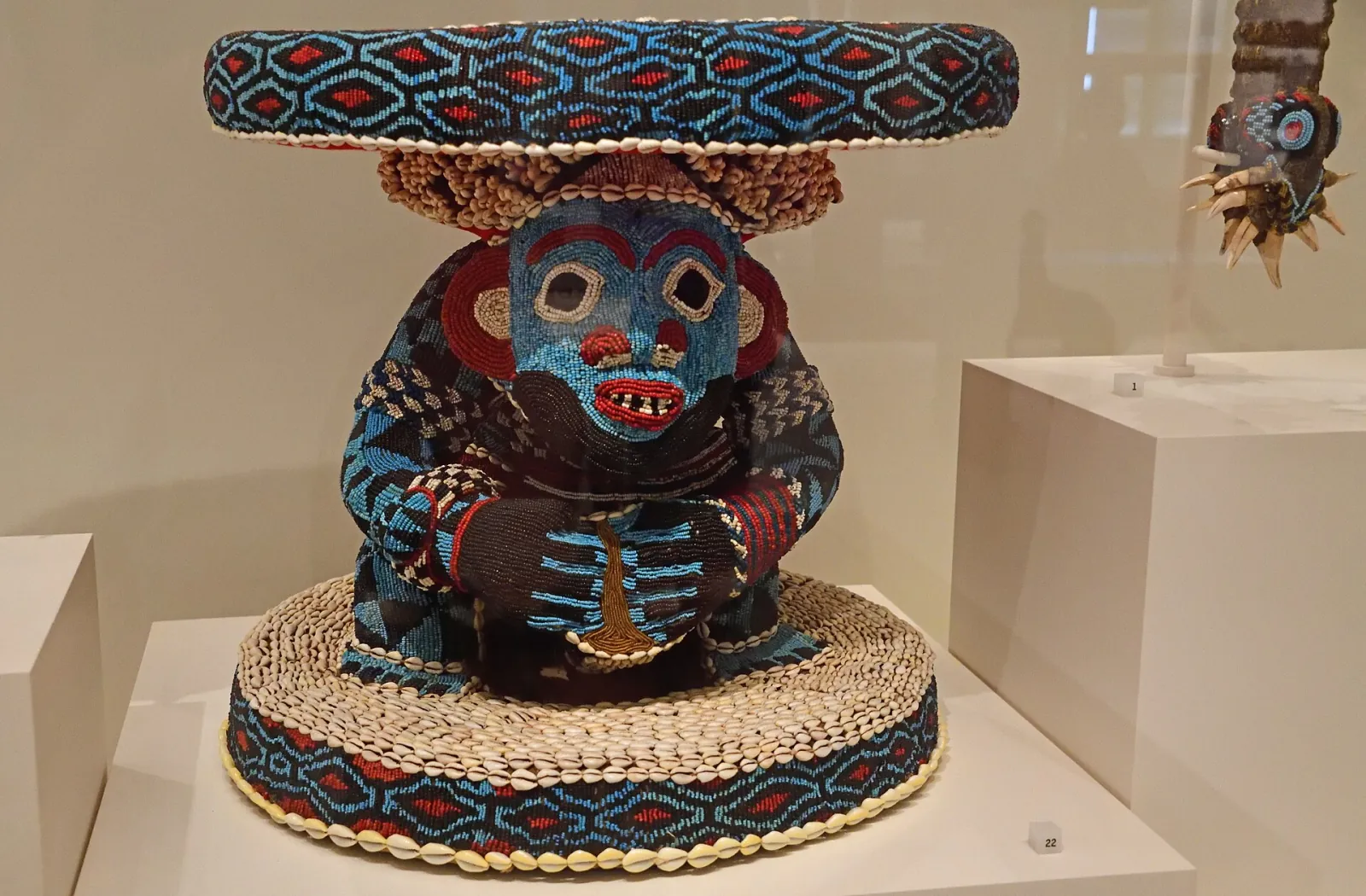
Detail of a Bansoa royal throne entirely covered in beads with figurative motifs

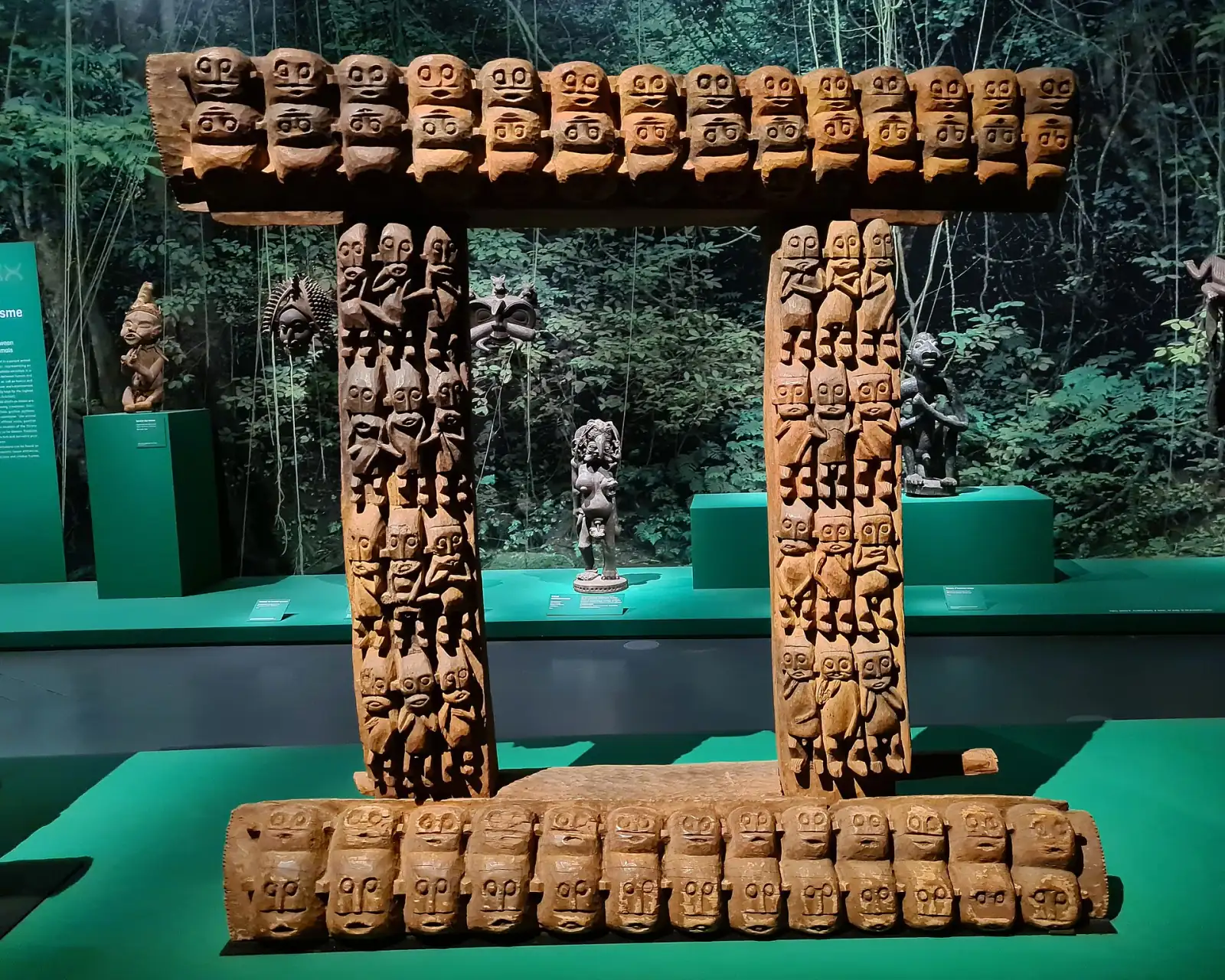
The region is renowned for its palace arts: wooden thrones carved with animal and human motifs, lost-wax bronzes, calabashes and statues covered with glass beads, embroidered and dyed fabrics, society masks worn during ceremonies. In Foumban, the craft village brings together workshops where visitors can watch craftspeople working bronze, wood and wax.

Among the Bamileke, the masks and costumes of the secret court societies, such as the elephant societies, are precious possessions, worn during major ceremonies. This know-how is described in traditional know-how and in art crafts. Craftspeople can draw on the crafts sector and the artists’ directory.

Table and stage

Food, music and dances of the West

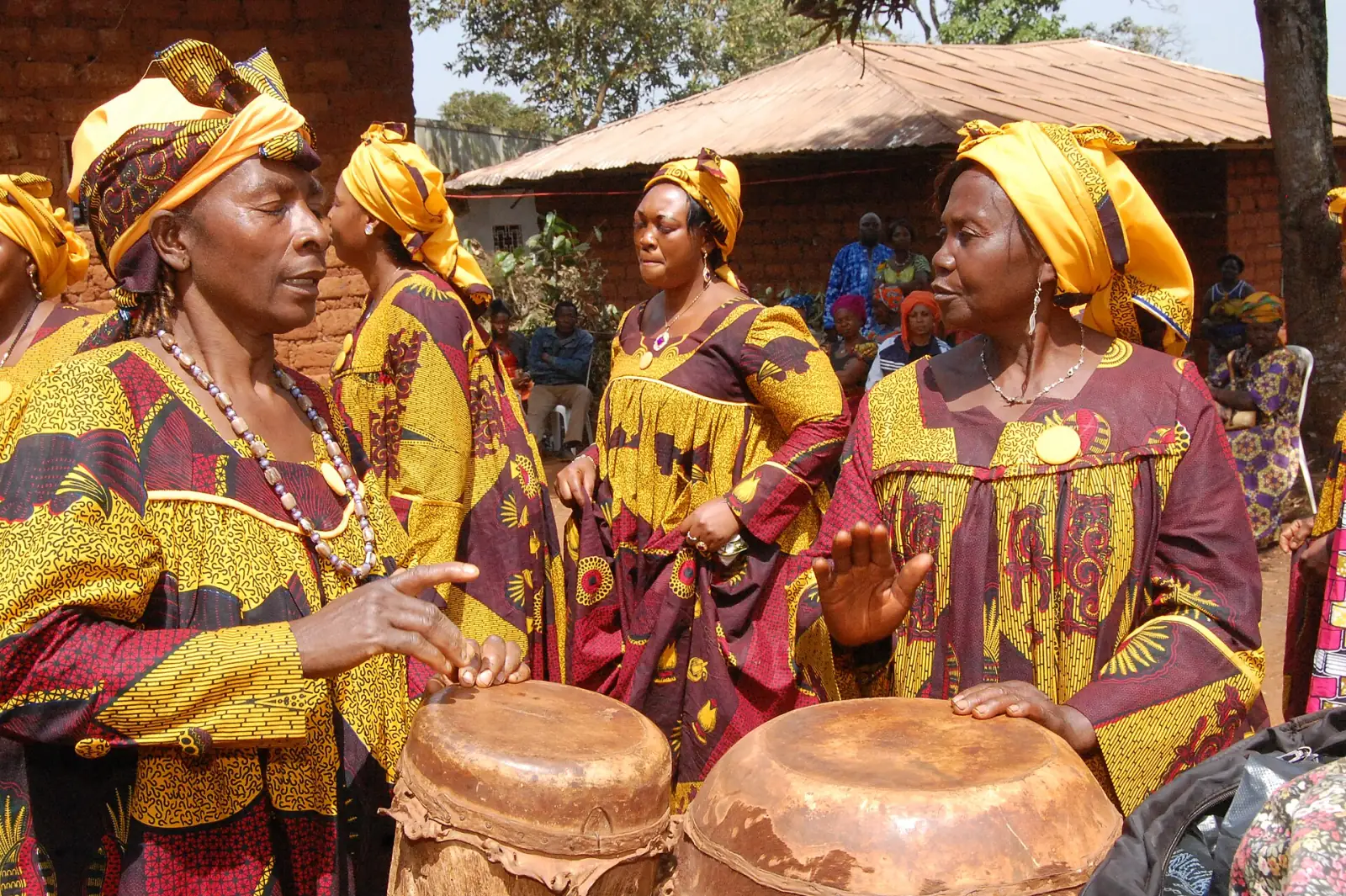
Women in yellow and brown dress seated behind large drums, Bamileke dance

West cuisine is recognisable by its taro prepared in yellow sauce, its thick okra and seed sauces, nkui, bean or maize koki, porridges and grilled meats served at festivals. The markets of Bafoussam, Mbouda and Foumban are veritable places of culture.

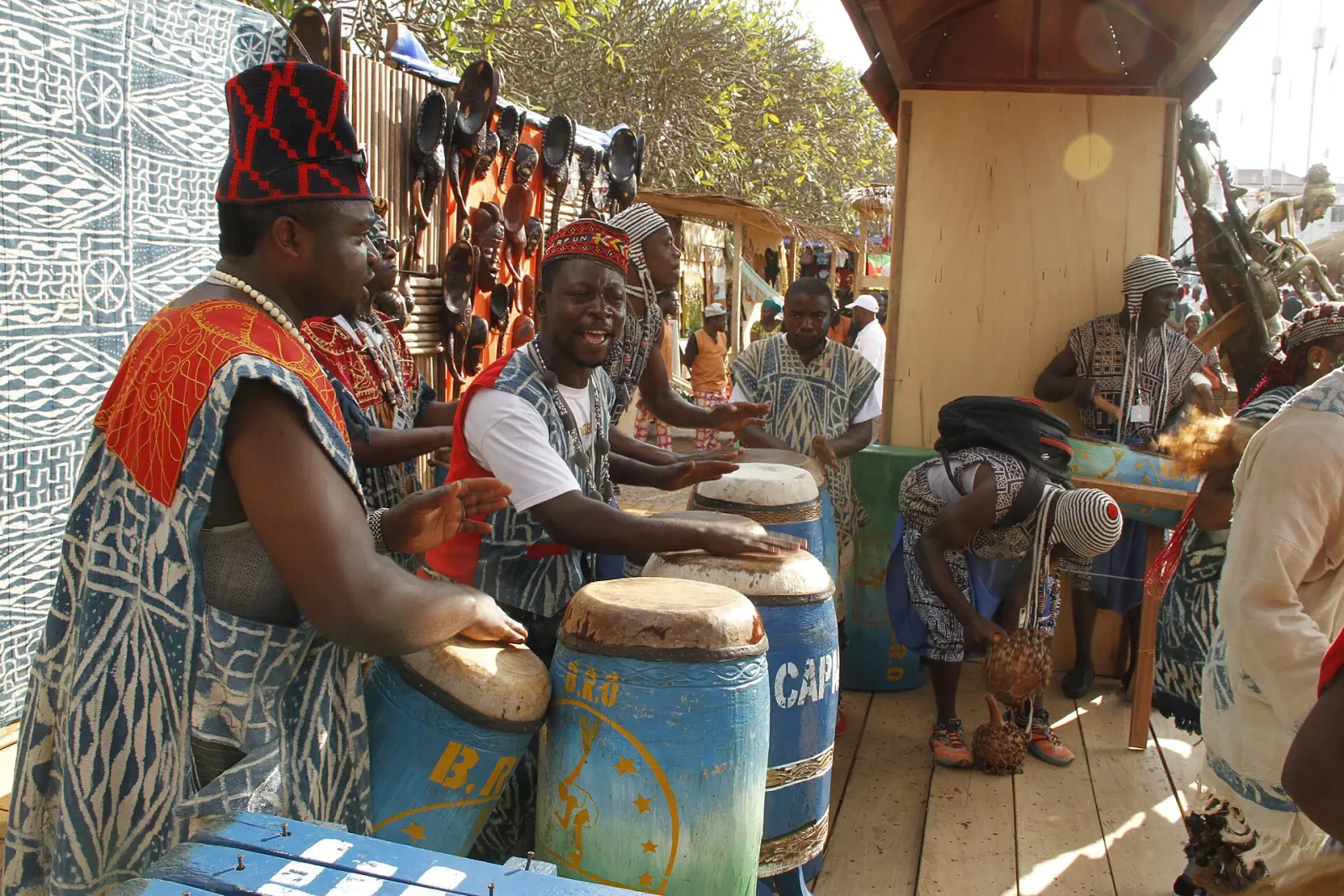
The music blends court drums, horns, flutes, xylophones and society songs with the sounds of the guitar, makossa and gospel. Chiefdom dances, often performed by groups of notables, alternate collective figures and solos by the dance master; the Dance page presents their families. Musicians will find guidance in Music and from the collective management societies.

Step by step

Organising a festival or an exhibition in the West

Involve the chiefdom

Present the project to the chief or the palace concerned and obtain agreement on the venue, the timetable and the rites to be observed.

Seek advice in Bafoussam

Meet the delegation to check dates, avoid clashes between festivals and find out the procedures to follow.

Prepare the file

Gather the programme, the budget, the security plan, the association’s statutes and proof of identity of the person in charge.

Submit the application

Use the online One-Stop Shop or hand the file to the delegation, several weeks before the date of the event.

Prepare the welcome

Arrange accommodation, signage, emergency services, water and visitor traffic, particularly for Foumban and Bafoussam.

Document and report

Record the ceremonies with the agreement of the custodians, then send a report to the delegation for the regional archives.

To explore

The West in other sections

Voices of the West

They keep the Bamoun and Bamileke country alive

“
During the Nguon festivities, the Foumban workshops are never empty; we present our bronzes to visitors from all over the country.
A bronze caster
Foumban
“
We organised an exhibition in our chiefdom with the help of the delegation, which advised us on security and the reception of school groups.
A chiefdom chief
Bamileke
“
I teach the Bamoun script to children on Saturdays: they discover their history by learning to write their name.
A language teacher
Foumban
“
Our dance group performed in Dschang after submitting a performance file; we now want to tour the whole region.
A dance group leader
Dschang
Glossary

The words of the West

Nguon

Great annual festival of the Bamoun kingdom, celebrated in Foumban around the palace and the court.

Nguon Foundation

Body that supports the organisation, documentation and transmission of the Nguon festival.

Foumban

Capital of the Bamoun kingdom, a city of palaces, museums and craft markets.

Chiefdom

Traditional entity headed by a chief, with his palace, his societies and his notables.

Bamileke

Group of peoples of the western highlands, organised in chiefdoms of modest size.

Bamoun script

Writing system created in Foumban at the turn of the 20th century on the initiative of the king.

Ghomala’

Language of the western highlands, spoken in Bafoussam, Bandjoun and Baham.

Medumba

Language of the Bangangté area, in the Ndé division.

Taro in yellow sauce

Festive taro dish served with a sauce made with palm oil, spices and meat.

Regional Delegation

Decentralised service of the Ministry that represents and relays its action in a region.

“Every hut, every throne, every dance of the chiefdom is an open book: all it takes is one elder to teach us how to read it.”

A chiefdom notable, West
On the site

Continue exploring the West

To act

The most useful procedures in the West

Festival authorisation

For chiefdom festival committees, fairs and cultural events: programme, security and agreement of the chiefdom.

See the procedure

Show authorisation

To be submitted before a concert, a chiefdom ballet or a theatre performance.

Submit the application

Listing of a property

A chiefdom or a museum may request the protection of a palace, a court hut or a collection.

Apply

Cultural grant

Support to restore a building, equip a workshop or fund an exhibition or a tour.

Request support
Agenda

Cultural events in the West in 2026-2027

Resources

Useful links for the West

Stakeholders

Who supports culture in the West?

Key facts

The West at a glance

Key factDetailCultural interestWhere to learn more
Regional capitalBafoussam, a city of markets and crossroadsMarkets, music, art centres/regions/delegations-regionales
DivisionsMifi, Haut-Nkam, Hauts-Plateaux, Koung-Khi, Menoua, Ndé, Noun, BamboutosChiefdoms and the Bamoun kingdom/regions/carte-culturelle
FoumbanPalace, palace museum, craft village, NguonBamoun kingdom, bronze, Bamoun script/festivals/nguon
Bamileke chiefdomsBandjoun, Baham, Bangangté, BatoufamMonumental huts, societies, masks/regions/chefferies-traditionnelles
MuseumsFoumban, Dschang and chiefdom museumsCourt collections, exhibitions, workshops/patrimoine/musees-nationaux
FestivalsNguon (549th in 2026), Ka’a Ndeh Mu’nka (6th in 2026)Court ceremonies, dances, arts/festivals/calendrier-national
LanguagesBamoun, Ghomala’, Medumba, Yemba, Fe’efe’eBamoun script, tales, proverbs/regions/langues-nationales
ProceduresSubmission at the delegation or onlineAuthorisations, approval, grant/services/guichet-unique
Journey

The West through history

Ancient timesThe chiefdoms of the highlands

Chiefdoms settle on the plateaus and hills of the West, develop agriculture, trade and structured societies of notables.

Ancient timesThe Bamoun kingdom

The Bamoun kingdom takes shape around Foumban, whose dynasty, court and annual festivals have shaped the identity of the Noun to this day.

Early twentieth centuryScript and palace

The Foumban palace is built and a Bamoun script is developed, with a school, manuscripts and a printing press.

Mid-20th centuryMarkets and towns

Bafoussam, Dschang and Bangangté develop around the coffee trade, markets and exchanges with the Littoral.

1990s-2010sMuseums and festivals

Chiefdom museums open, the Nguon Foundation takes shape and festivals bring together the diaspora, craftspeople and artists.

TodayA networked region

Palaces, art centres, universities and associations cooperate to pass on traditions and support contemporary creation.

Questions

Your questions about culture in the West

Where do I submit my cultural file in the West?

You can submit it online through the One-Stop Shop or hand it to the Regional Delegation in Bafoussam, which forwards it to Yaoundé. The file number provided allows you to track progress without travelling, from Foumban, Dschang or any other division.

How can I contact the regional delegation?

The official contact details are gathered in the page on Regional Delegations. You can also call the Ministry switchboard on +237 6 51 70 58 41, Monday to Friday, or write to contact@minac.gov.cm, stating your commune and the purpose of your request.

Can the Foumban palace and its museums be visited?

Yes. The palace and the museum are open to visitors, with an authorised guide and in compliance with protocol. Enquire with the delegation or the Nguon Foundation about opening hours, the reception of groups and the rules on photography.

How can I take part in the Nguon or Ka’a Ndeh Mu’nka?

Dance groups, craftspeople and associations contact the organising committees, the Nguon Foundation for the Nguon, and the delegation for permits, public reception and listing in the regional calendar.

Can a chiefdom have its property listed?

Yes. The chiefdom submits a listing application describing the property, its history, its condition and the agreement of the notables. The delegation helps to put the file together, which is then examined by the Ministry’s heritage services.

Can a Foumban craftsperson be supported?

Yes. Bronze casters, sculptors and weavers can apply for a grant, take part in the fairs listed in the calendar and appear in the artists’ directory. The delegation directs applications and helps present the file.

Where can I learn Bamoun, Ghomala’ or Yemba?

Writing and reading workshops are run by associations, schools and radio stations. Enquire with the delegation, which knows the sessions under way in the divisions of the region.

How do I report a threatened property?

Use the reporting form on the site or inform the delegation, describing the place, its condition and the threat observed. The heritage services examine the situation and propose protection, restoration or listing measures.

Contact

Writing to the Ministry from the West

State your commune, your procedure and, where applicable, the organisation you represent: your message is directed to the relevant service.

Contact the Ministry

Contacting the Ministry for the West

Address

Ministry of Arts and Culture
Quartier du Lac – Ministerial Zone
P.O. Box 1053 Yaoundé, Centre Region, Cameroon

Reach us

+237 6 51 70 58 41

contact@minac.gov.cm

Opening hours

Monday to Friday, 8 am to 4 pm

A cultural project in Bafoussam or Foumban?

Submit your file online and track it with your number, or approach the regional delegation.

Open the One-Stop Shop
WhatsApp