Coat of arms of CameroonMinistry of Arts
and Culture
Republic of Cameroon
My procedures
Home
Minister’s message
News
Press releases
Cultural calendar
Official speeches
Press review
Photo library
Video library
Calls for projects
Job vacancies
Public procurement
Newsletter
Frequently asked questions
Site map
Contact
Press area
Podcast “The Voice of Culture”
Legal notices
Privacy policy
Cookies and trackers
The Ministry
Missions and responsibilities
Organisation
Organisation chart
Minister’s Office (Cabinet)
Management team
General Secretariat
General Inspectorate
Central directorates
Regional Delegations
Institutions under supervision
Legislative texts
Regulatory texts
Sector strategy
Major projects
Budget and reports
Partners
Careers
Archives
Institutional communication
Quality and accessibility
Arts
Visual and plastic arts
Visual arts
Performing arts
Theatre
Dance
Music
Literature and books
Cinema and audiovisual
Photography
Fashion and design
Digital arts
Art crafts
Artists’ directory
Residencies
Prizes and awards
Arts education
Urban arts
Heritage
Tangible heritage
Intangible heritage
UNESCO sites
National museums
Listed monuments
National inventory
Palaces and chiefdoms
Archaeology
Linguistic heritage
Oral traditions
Traditional know-how
Restitution of cultural property
Fight against illicit trafficking
Listing and protection
Conservation and restoration
Heritage Days
Cultural landscapes
Industries
Music and recording
Cinema
Publishing and books
Digital arts
Fashion and creativity
Crafts
Cultural tourism
Funding for culture
Support funds
Incubators
Cultural entrepreneurship
Culture Observatory
Vocational training
Studies and reports
Sector statistics
Export and outreach
Intellectual property
Copyright
Legal framework
Copyright and neighbouring rights
Collective management societies
Register a work
Licences
Private copying
Fight against piracy
Model contracts
Social status of artists
Mediation
Disputes
Training
Fee scales
Register of works
Contact
Digital neighbouring rights
Public domain
Festivals
National calendar
Ngondo
Nguon
Écrans Noirs
Heritage Days
Music Day
Regional festivals
Fairs and exhibitions
Biennials
National competitions
Cultural days
Organise a festival
Event grants
Ticketing
Archives
Volunteering
Diaspora festivals
Regions
Adamawa
Centre
East
Far North
Littoral
North
North-West
West
South
South-West
Cultural map
Regional Delegations
Traditional chiefdoms
National languages
Cultural routes
Decentralised cooperation
Regional observatory
Cooperation
UNESCO
Francophonie (OIF)
African Union
Commonwealth
CEMAC
Bilateral cooperation
Cultural agreements
Professional organisations
Scholarships
Artist exchanges
Cultural years
Diaspora
Funded projects
Embassies
Technical partners
International restitution
International monitoring and calls
Services
Artist card
Show authorisation
Filming authorisation
Festival authorisation
Deposit of a work
Export of works of art
Listing of a property
Grant application
Association accreditation
File tracking
Forms
Fees
Opening hours and addresses
Reporting
Online help
My account
One-Stop Shop
Arts

Urban arts

Graffiti and street art, hip-hop, urban festivals and practice spaces: rules, procedures and resources for the artists, collectives and local authorities who keep street culture alive in Cameroon.

Updated on 6 November 20264 sub-pages
Urban disciplines8
Regions where they are practised10
Authorisation for a concert or festivalMandatory
MuralOwner’s consent
Urban arts

Bringing the city to life through creation

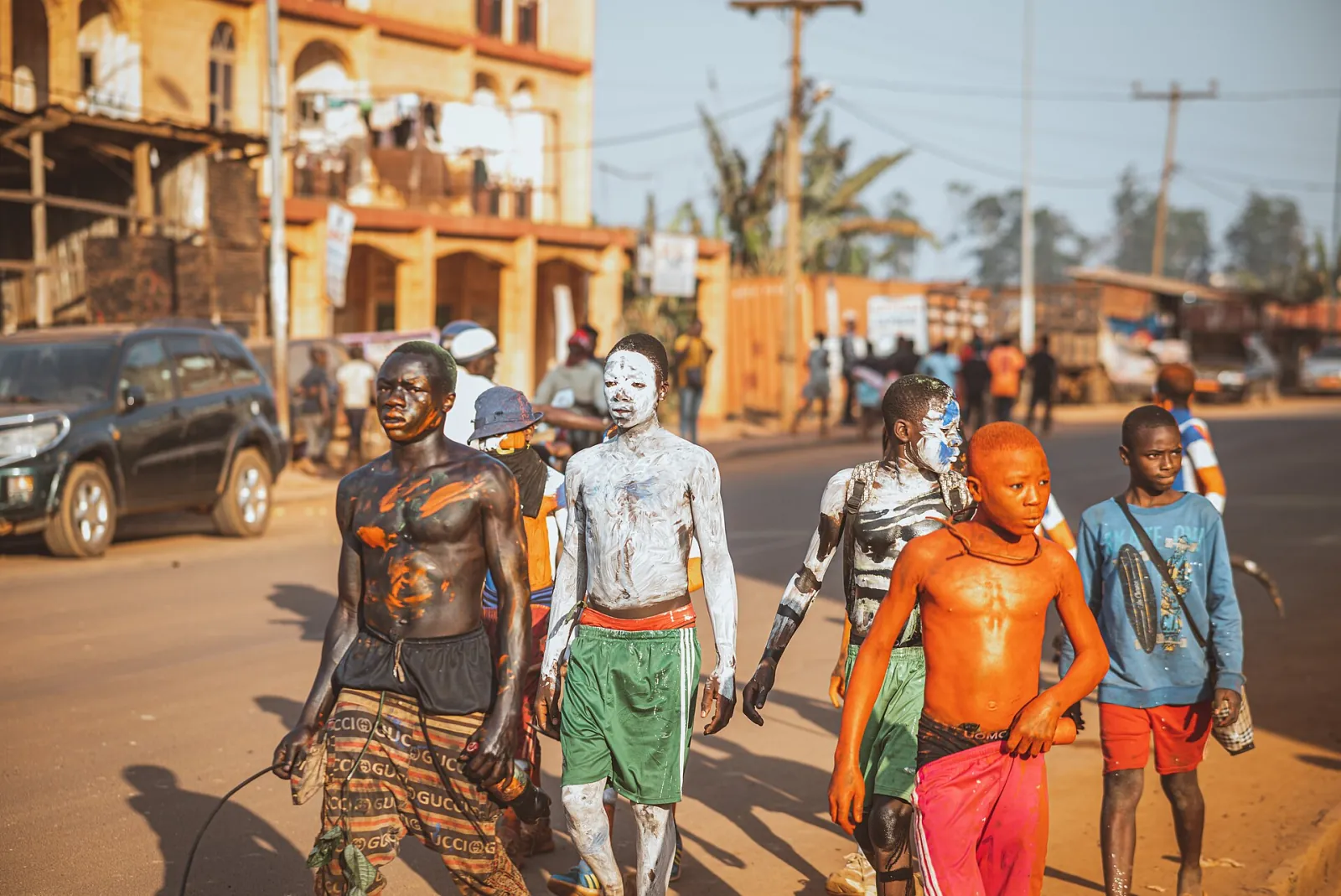
Three young urban artists posing in black outfits

Graffiti, street art, rap, slam, hip-hop dance, DJing, beatbox, skateboarding, parkour: urban cultures occupy a growing place in contemporary Cameroonian creation. They emerged in the working-class neighbourhoods of Douala, Yaoundé, Bafoussam or Garoua, driven by a youth that invents its own languages (Camfranglais, rhymes in Ewondo or Duala), visual codes and meeting places.

The Ministry recognises these practices as an integral part of cultural life. It reminds practitioners of the rules (agreements, authorisations), helps to structure them and seeks to increase the spaces where they can be expressed in full legality. This page is intended for artists, organisers, local authorities and residents.

  • Graffiti, murals and street art in public space
  • Rap, dance, DJing and hip-hop culture
  • Urban festivals and practice spaces for young people
Discover graffiti
Visual arts of the street

Graffiti and street art

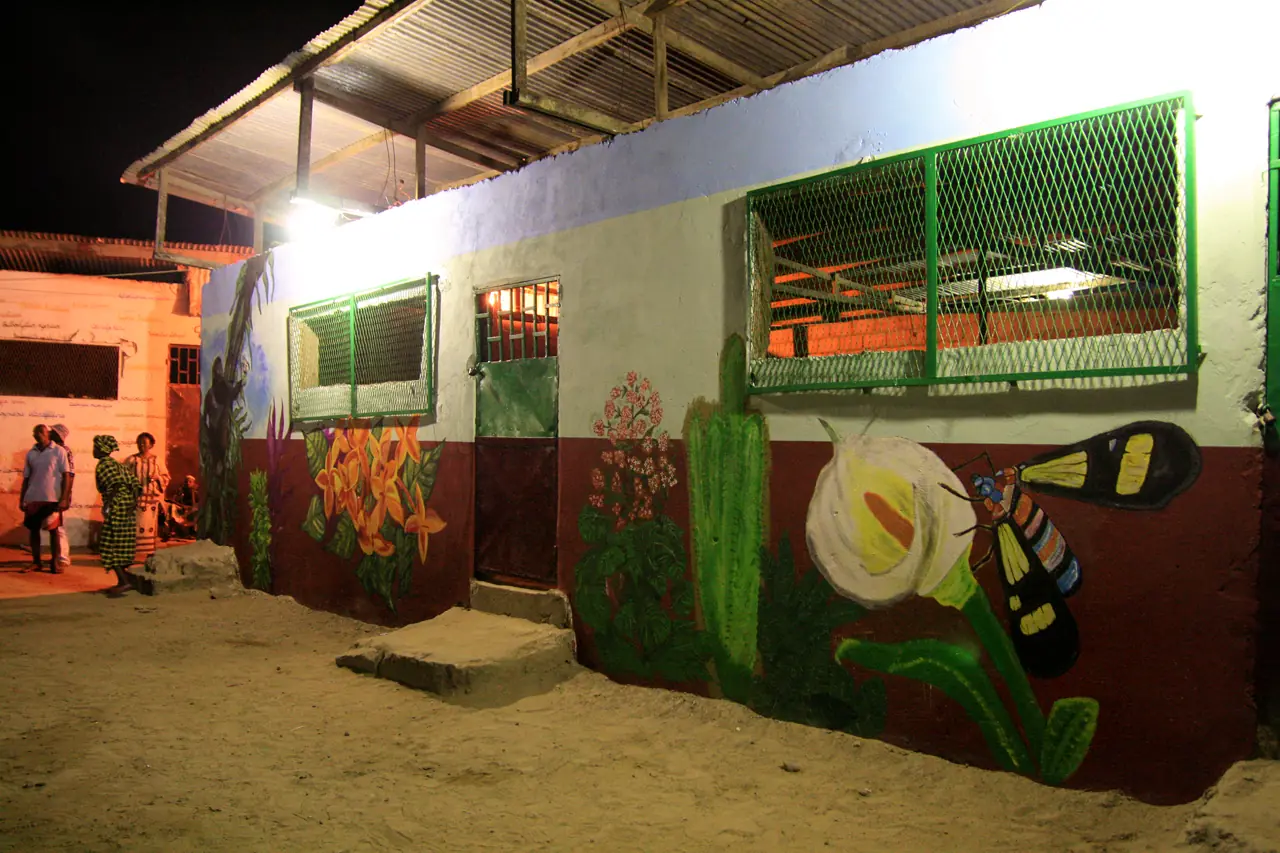
Mural painted on the wall of a house, urban art

Graffiti arose from the act of signing a wall; street art, which is broader, covers monumental murals, stencils, collages, mosaics, installations and ephemeral interventions in public space. In Cameroon, these practices extend other mural traditions: painted decorations on huts, façade motifs of chiefdoms, and hand-painted signs in markets.

The golden rule: prior agreement

A mural requires the agreement of the owner of the wall or of the authority that manages it. Without this agreement, painting on a building is vandalism. For a mural on a public facility (a school, market or bus station wall), the artist applies to the commune, which may issue an occupancy permit and set the conditions for cleaning and duration.
From project to mural

  • choosing the wall and obtaining written agreement from the owner or the town hall;
  • sketch and presentation to the authority and to local residents;
  • equipment: paint, scaffolding, protective gear;
  • safety: cordoning off, working at height, protection of the public;
  • inauguration with the residents, often linked to a local event.

Murals can also illustrate themes of public interest: health, the environment, living heritage, citizenship. Artists can submit their project to the regional delegations, and the place of graffiti within the plastic arts and visual arts is increasingly recognised. Creations are protected under copyright as soon as they are original.

ℹ️
A useful reminder

Every wall belongs to someone. Ask for permission before painting: it is the condition for a mural to last, to be recognised and to be showcased.

Music and dance

Cameroonian hip-hop

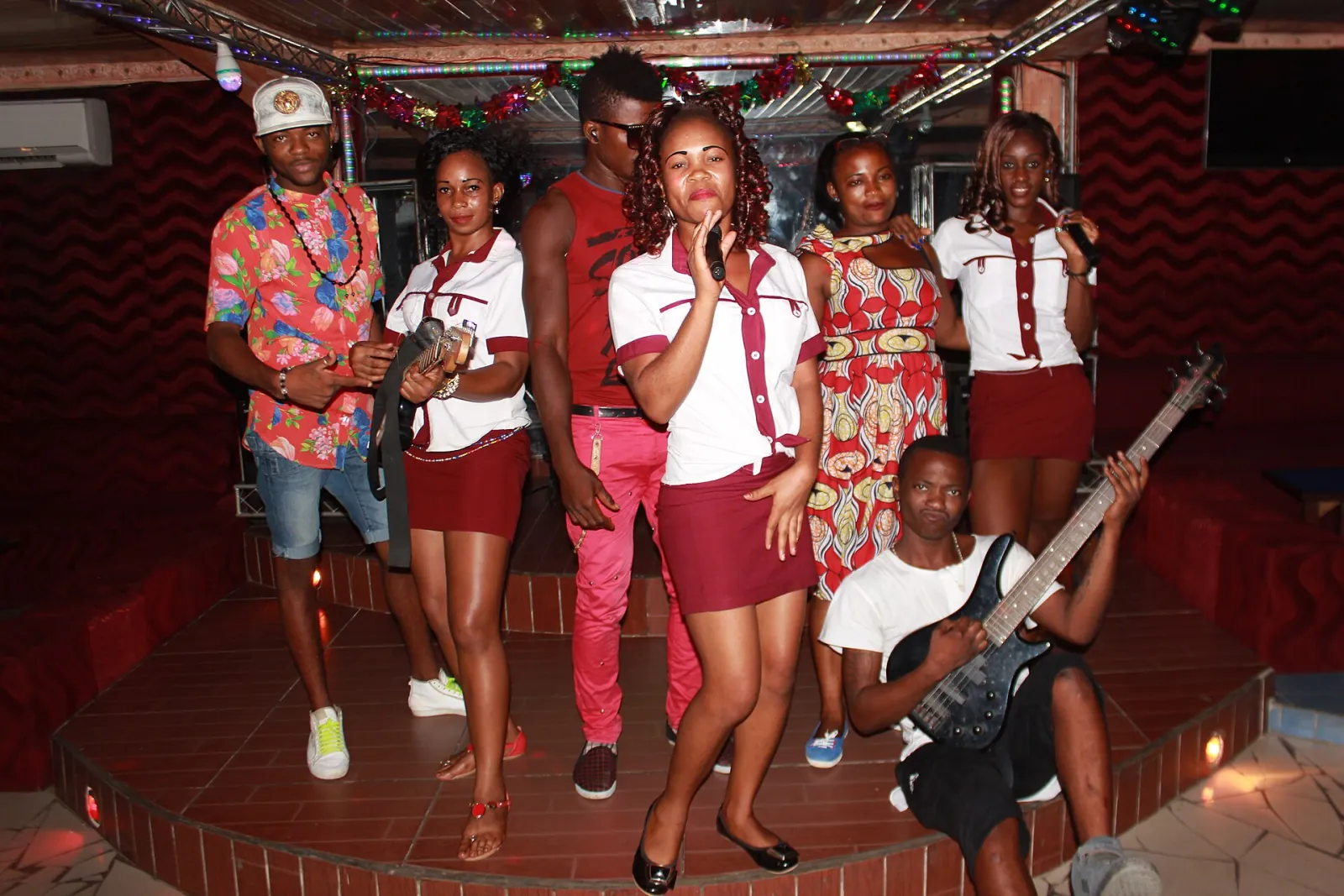
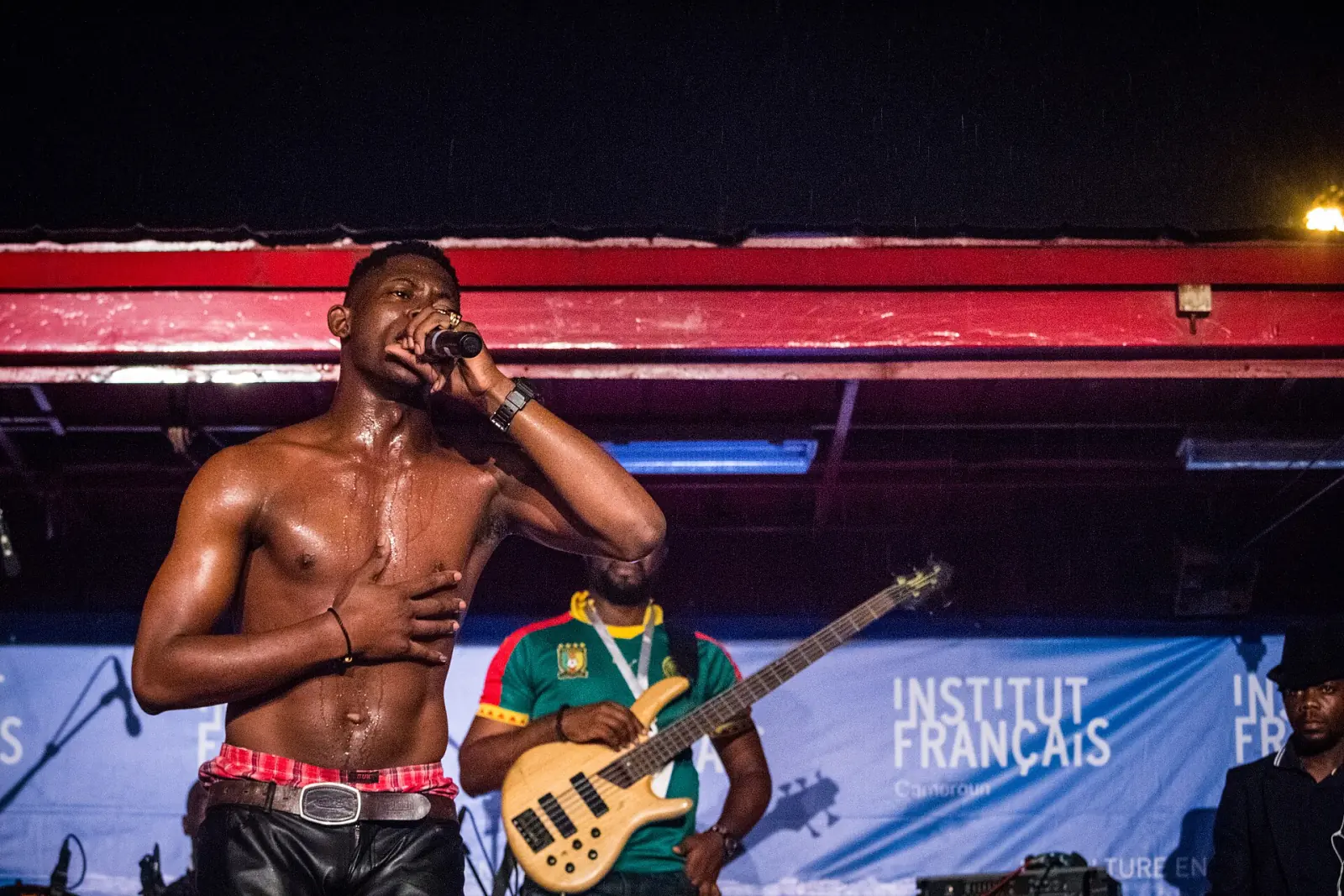
Rapper on stage with a bass guitarist during a concert at the Institut Français

Hip-hop is a culture with several entry points: rap (or MCing), DJing, dance (breakdance, krump, standing dances), graffiti and, increasingly, beatbox and slam. In Cameroon, it developed from the 1990s and blends the rhythms of makossa, bikutsi and assiko, national languages, French, English and Camfranglais.

Very active scenes

Neighbourhood cyphers, dance battles, open stages in culture centres and independent studios sustain a thriving scene. Artists perform in bars, halls, schools and at open-air events. Hip-hop’s contribution to contemporary music and to dance is considerable, notably for urban dance.

Legal framework for concerts

Rap, dance and DJing are live performances: every concert or public party is subject to the performance authorisation, submitted online several weeks before the date. The organiser specifies the venue, capacity, sound system and security arrangements. Artists protect their lyrics and instrumentals through the declaration of works, and rely on collective management societies to collect their rights, including for digital uses.

ℹ️
Lyrics and rights

Rap lyrics are literary and musical works: borrowing from other tracks (samples) requires the agreement of the rights holders.

Events

Urban festivals

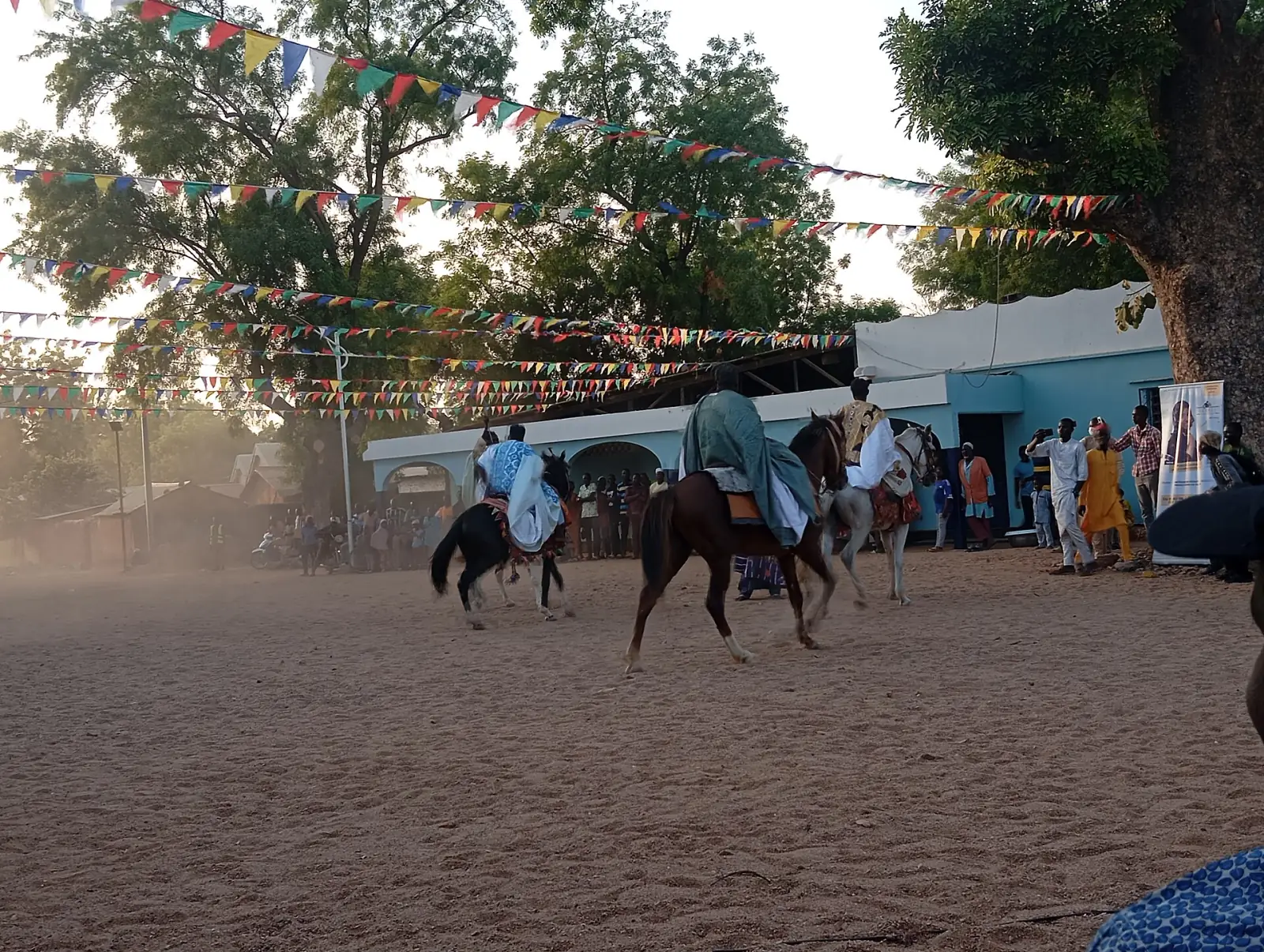
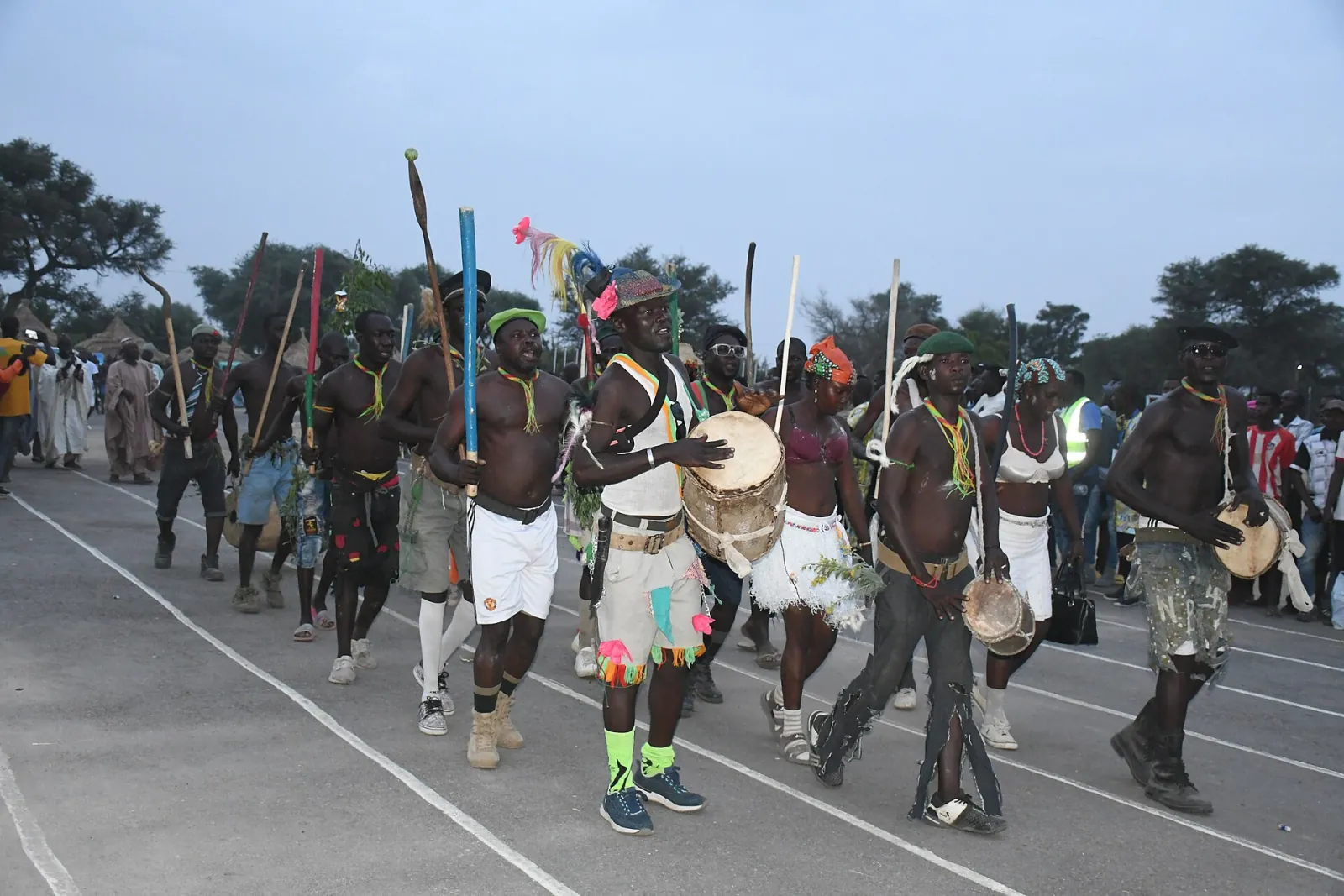
Parade of Massa dancers with spears on a track at a university arts festival

Urban festivals bring together, over a weekend or a week, concerts, dance battles, live murals, skateboarding tournaments, workshops and makers’ markets. They make visible practices that are often confined to neighbourhoods and give them a wider audience.

A festival requires authorisation

Every festival is subject to the festival authorisation. The file includes the programme, budget, security plan, insurance, list of venues and, for public space, the agreement of the local authority. The section on organising a festival details each step, from ticketing to volunteering.

The most common formats

  • multidisciplinary festival combining rap, dance, graffiti and urban fashion;
  • dance battle championship with regional qualifying rounds;
  • mural festival: several walls painted in a few days by invited teams;
  • skateboarding and action sports tournament with evening concerts;
  • open stages during the Fête de la musique.
ℹ️
Organisers

Submit your authorisation application at least six weeks before the event; it will be easier to process if the security plan is detailed.

Venues

Urban arts practice spaces

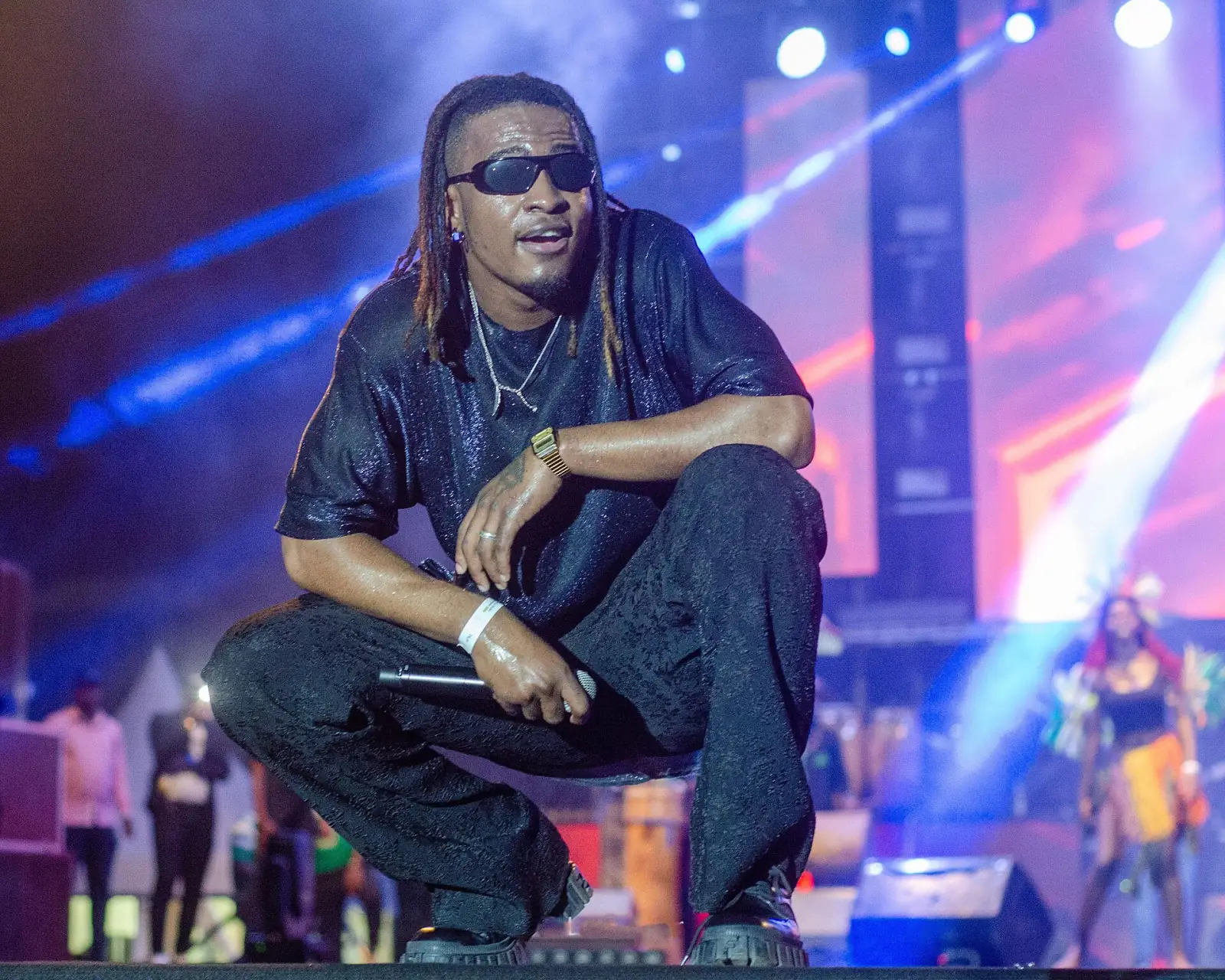
Singer crouching on stage in the lights of a large open-air concert

To practise, urban artists need places: free walls to paint, dance floors, recording studios, skateparks, lively public squares. Local authorities and culture centres are expected to provide these spaces, consistent with their supervision of neighbourhood facilities under decentralisation.

Types of spaces

  • Free expression walls: surfaces reserved for graffiti, decided with the commune and renewed regularly;
  • Dance and rehearsal rooms in culture centres, open to collectives by reservation;
  • Community studios for recording, mixing and training in sound trades;
  • Skateparks and action sports areas, often run by associations;
  • Third places that combine workshop, stage and digital space.

Creating or obtaining a space

A collective sets up an association, has its statutes approved (association approval), prepares a venue project and submits it to the commune or the regional delegation. Support is available from incubators to build a business model. The safety, accessibility and neighbourhood rules are set out on the quality and accessibility page.

Practice spaces also host workshops for young people, linked with arts education, which offers a constructive alternative to idleness and strengthens neighbourhood cohesion.

Street culture

From urban cultures to public policy

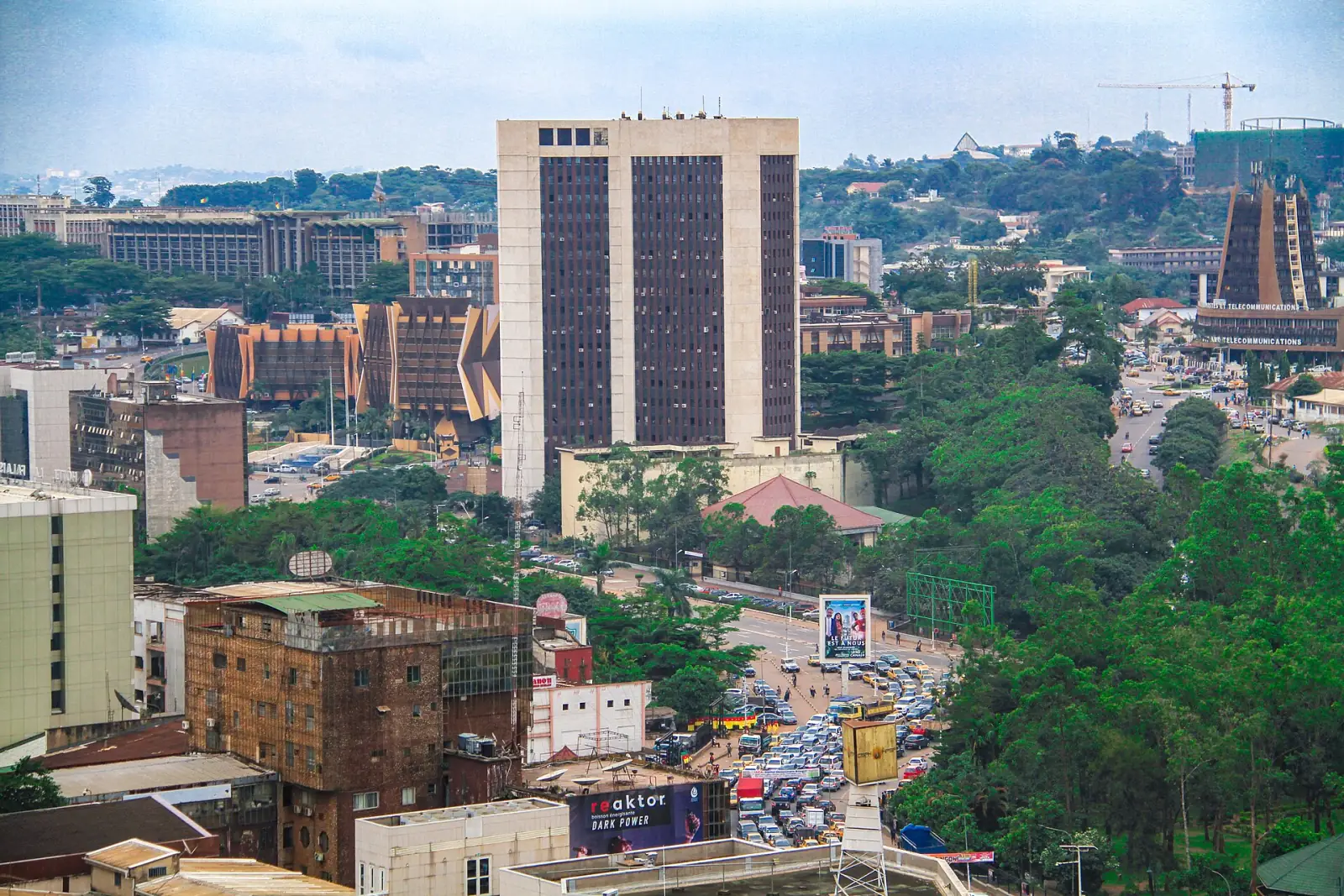
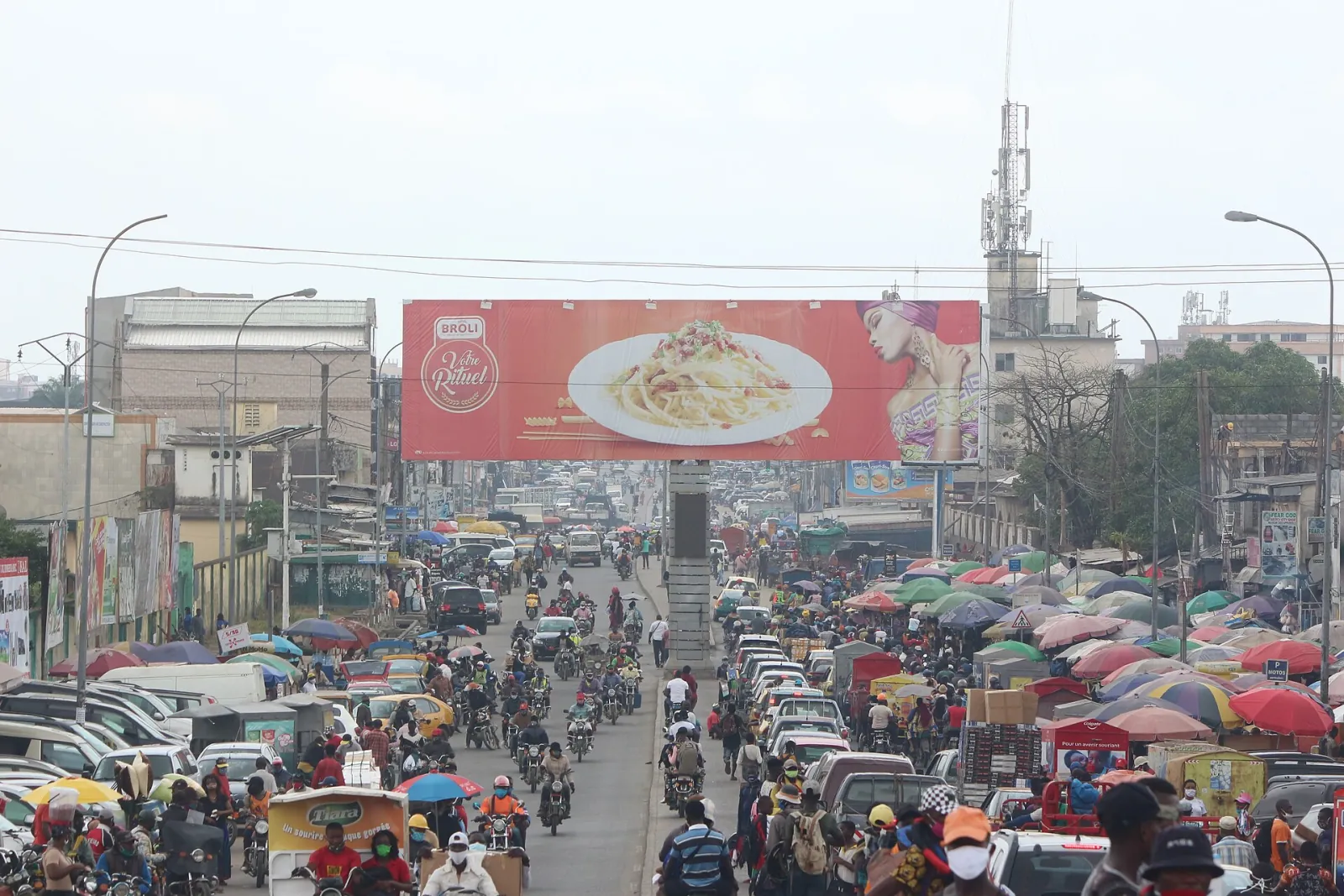
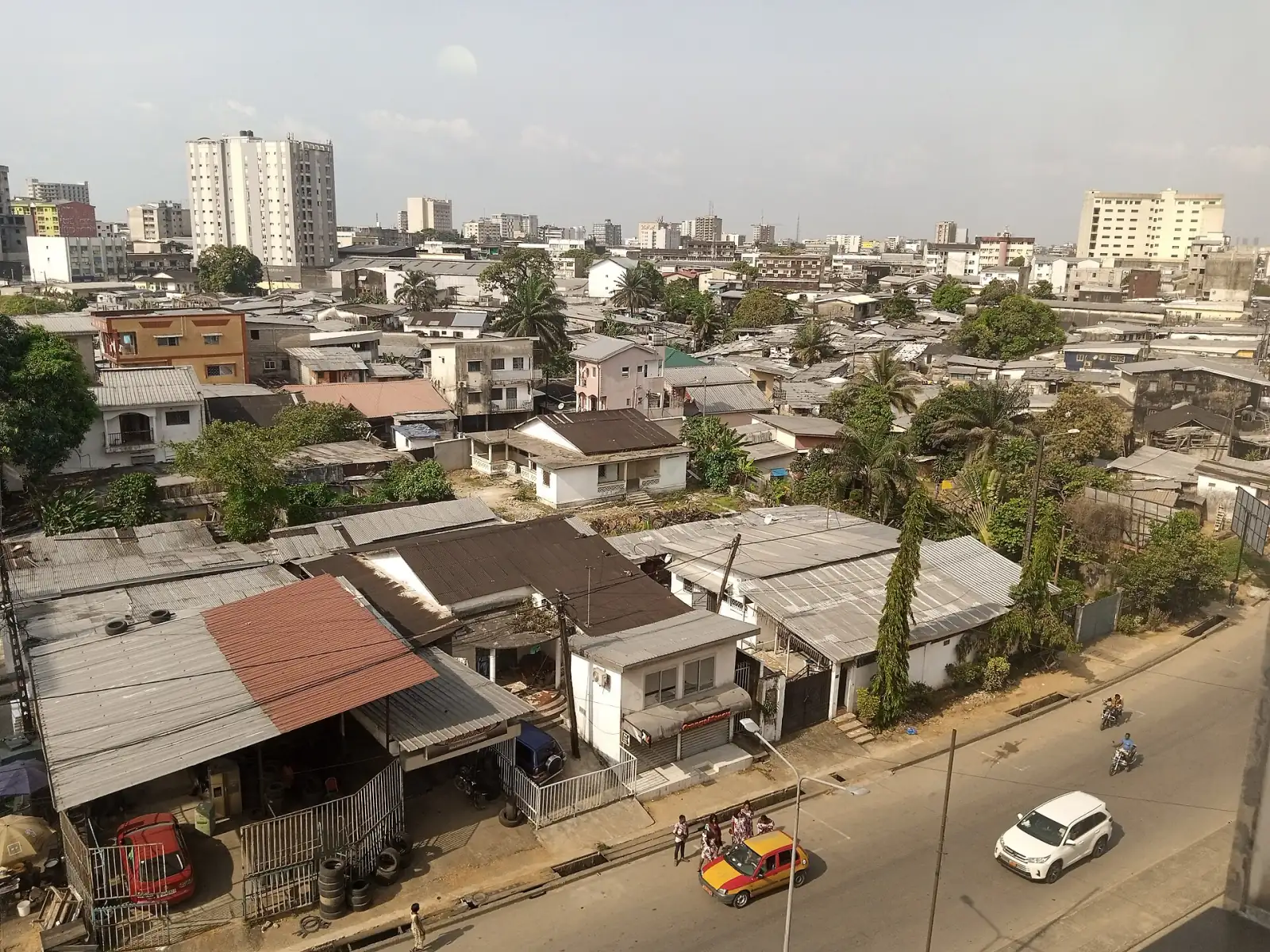
Towers and administrative buildings in Yaoundé overlooking central traffic

The national strategy NDS30 attaches importance to structuring artistic professional bodies, including those of the urban arts. In practical terms, this means helping collectives to register, gain recognition and access venues, training and funding. This ambition is in line with the guidelines of the sector strategy and the work of the culture observatory.

Urban arts also cut across other fields: fashion and design (streetwear, customisation), street photography, digital arts. It is one of the sectors where youth entrepreneurship is most dynamic.

Step by step

From the street to the stage: setting up your urban project

Come together

Form a collective and decide on its name, disciplines, operating rules and meeting place.

Register

Submit the statutes of an association and apply for approval so that you can receive aid and sign contracts.

Obtain the agreements

For a mural, the agreement of the owner or the commune; for a concert, the performance authorisation; for a festival, the festival authorisation.

Fund

Draw up a budget, apply for a grant, a patron or local partners, and organise a collection among the public.

Present

Show your work at an open stage, a battle, a street exhibition or a festival, and document it.

Become professional

Register your creations, declare your works, apply for the artist card and sign up to the directory.

Key facts

Practices at a glance

PracticalMain ruleProcedureWhere to find information
MuralAgreement of the owner or the local authorityWritten request to the commune or the ownerTown hall, regional delegation
Rap concert or DJ nightShow authorisationOnline submission several weeks in advanceOne-Stop Shop
Indoor dance battleShow authorisationOnline submission with security planOne-Stop Shop
Urban festivalFestival authorisationComplete file with budget and insuranceOne-Stop Shop
Recording of a trackCopyright and neighbouring rightsDeclaration of the workCollective management society
Collective or associationAssociation accreditationSubmission of statutesMinistry services
Professional artist statusArtist cardOnline applicationOnline account
Journey

The history of urban cultures

1980sThe first influences

The first cassettes and the first video clips reach the neighbourhoods, and young people imitate dance steps from elsewhere.

1990sThe first groups

Rap groups form, sing in French and in national languages, and perform at neighbourhood parties.

The 2000sBattles and murals

Dance competitions and the first collective murals give structure to the scene in the large cities.

2010sThe festivals

Urban festivals bring together graffiti artists, dancers and rappers, and open the artists up to African and European scenes.

TodayRecognition

Urban cultures enter cultural policy, are present in schools and rely on structured collectives.

To explore

Urban arts and their neighbours

“The street is our first venue: there we learn rhythm, the gaze of others and the desire to do well.”

A street dancer, Yaoundé
Voices from the street

What urban artists say

“
Our mural on the market wall has become a landmark of the neighbourhood. We had obtained the commune’s agreement, and the residents brought us food.
A graffiti artist
Douala
“
Thanks to the culture centre’s hall, we rehearse in good conditions. The floor is suitable and the mirror is finally there.
A breakdancer
Yaoundé
“
We organised a mural and rap festival by following the procedure. The authorisation reassured the sponsors and the neighbourhood.
A festival organiser
Bafoussam
“
Rap gave me a voice. The writing workshop at the cultural centre taught me how to structure a text and declare my works.
A rapper
Garoua
To act

Procedures for urban artists

Show authorisation

Compulsory before any public concert, party or battle, to be submitted online several weeks in advance with the venue, capacity and security plan.

Submit the application

Festival authorisation

Necessary for an urban festival: the programme, budget, security, insurance, agreement of the venues and traffic plan must be specified in the file.

See the procedure

Association accreditation

Register your collective to receive aid, open a bank account, sign agreements and hire a rehearsal room.

Obtain approval
To download

Urban arts documents

Glossary

The words of urban cultures

Street art

All the forms of visual art produced in public space: murals, stencils, collages.

Graffiti

Writing or drawing painted on a wall, often an artist’s stylised signature.

Mural

Large wall painting produced with the agreement of the owner or the authority.

Hip-hop

A culture born in working-class neighbourhoods, which brings together rap, DJing, dance and graffiti.

Battle

A dance or rap contest in which two competitors face each other before a jury or an audience.

Cypher

An improvised circle of rappers or dancers who take turns to express themselves.

Beatbox

The art of producing rhythms and sounds with the mouth.

Slam

Poetry spoken in public, often in friendly competition.

Camfranglais

Urban speech mixing French, English and national languages of Cameroon.

Skatepark

An area laid out for skateboarding and action sports.

Open stage

Show where anyone can present a short performance.

On the site

Continue in the street and beyond

Resources

Useful links for urban arts

Stakeholders

Who supports urban arts?

Questions

Your questions about urban arts

Am I allowed to paint a wall in my neighbourhood?

Only with the agreement of the owner of the wall or of the authority that manages it. Request this agreement in writing, present your sketch and state the intended duration. Without agreement, the painting is vandalism liable to penalties.

Do I need authorisation for a rap concert?

Yes. Every concert or public party is a live performance subject to the Ministry’s authorisation, to be requested online several weeks in advance. The file specifies the venue, capacity, programme and security plan.

And for an urban festival?

A festival is subject to the festival authorisation, whose file is more extensive: budget, insurance, agreement of the venues, security plan, detailed programme. The section on organising a festival describes all the steps to follow.

How do I protect my lyrics and my instrumentals?

Your creations are protected as soon as they are original. To date-stamp your rights, declare the work, then approach a collective management society to collect the rights linked to broadcasts and concerts.

Where can I find a space to rehearse?

In culture centres, cultural centres, community studios and some schools. Contact the commune or the regional delegation to find out about available rooms, opening hours and booking rules.

Can an informal collective receive aid?

In principle, no: it must set itself up as an approved association in order to open an account, sign agreements and account for the use of funds. Approval is requested online and the delegations help with drafting the statutes.

Can a minor take part in a battle or a workshop?

Yes, with the written authorisation of their parents or guardian. Organisers ensure supervision, appropriate hours and the protection of minors, in accordance with the charter for the reception of young people in workshops and events.

How do I have my collective listed in the directory?

Create an account, fill in the organisation sheet, attach three visuals or video links and accept the charter. The sheet is checked within a few working days. It can be updated or withdrawn at any time.

Contact

Write to the Ministry: Urban arts

Specify your question or your project.

Competent directorate

Write to the urban arts team

Address

Directorate of the Development and Promotion of the Arts
Ministry of Arts and Culture
Quartier du Lac – Ministerial Zone
P.O. Box 1053 Yaoundé, Centre Region, Cameroon

Reach us

+237 6 51 70 58 41

contact@minac.gov.cm

Opening hours

Monday to Friday, 8 am to 4 pm

An urban project to launch?

Form your collective, request your agreements and submit your file online.

Submit an application
WhatsApp