Coat of arms of CameroonMinistry of Arts
and Culture
Republic of Cameroon
My procedures
Home
Minister’s message
News
Press releases
Cultural calendar
Official speeches
Press review
Photo library
Video library
Calls for projects
Job vacancies
Public procurement
Newsletter
Frequently asked questions
Site map
Contact
Press area
Podcast “The Voice of Culture”
Legal notices
Privacy policy
Cookies and trackers
The Ministry
Missions and responsibilities
Organisation
Organisation chart
Minister’s Office (Cabinet)
Management team
General Secretariat
General Inspectorate
Central directorates
Regional Delegations
Institutions under supervision
Legislative texts
Regulatory texts
Sector strategy
Major projects
Budget and reports
Partners
Careers
Archives
Institutional communication
Quality and accessibility
Arts
Visual and plastic arts
Visual arts
Performing arts
Theatre
Dance
Music
Literature and books
Cinema and audiovisual
Photography
Fashion and design
Digital arts
Art crafts
Artists’ directory
Residencies
Prizes and awards
Arts education
Urban arts
Heritage
Tangible heritage
Intangible heritage
UNESCO sites
National museums
Listed monuments
National inventory
Palaces and chiefdoms
Archaeology
Linguistic heritage
Oral traditions
Traditional know-how
Restitution of cultural property
Fight against illicit trafficking
Listing and protection
Conservation and restoration
Heritage Days
Cultural landscapes
Industries
Music and recording
Cinema
Publishing and books
Digital arts
Fashion and creativity
Crafts
Cultural tourism
Funding for culture
Support funds
Incubators
Cultural entrepreneurship
Culture Observatory
Vocational training
Studies and reports
Sector statistics
Export and outreach
Intellectual property
Copyright
Legal framework
Copyright and neighbouring rights
Collective management societies
Register a work
Licences
Private copying
Fight against piracy
Model contracts
Social status of artists
Mediation
Disputes
Training
Fee scales
Register of works
Contact
Digital neighbouring rights
Public domain
Festivals
National calendar
Ngondo
Nguon
Écrans Noirs
Heritage Days
Music Day
Regional festivals
Fairs and exhibitions
Biennials
National competitions
Cultural days
Organise a festival
Event grants
Ticketing
Archives
Volunteering
Diaspora festivals
Regions
Adamawa
Centre
East
Far North
Littoral
North
North-West
West
South
South-West
Cultural map
Regional Delegations
Traditional chiefdoms
National languages
Cultural routes
Decentralised cooperation
Regional observatory
Cooperation
UNESCO
Francophonie (OIF)
African Union
Commonwealth
CEMAC
Bilateral cooperation
Cultural agreements
Professional organisations
Scholarships
Artist exchanges
Cultural years
Diaspora
Funded projects
Embassies
Technical partners
International restitution
International monitoring and calls
Services
Artist card
Show authorisation
Filming authorisation
Festival authorisation
Deposit of a work
Export of works of art
Listing of a property
Grant application
Association accreditation
File tracking
Forms
Fees
Opening hours and addresses
Reporting
Online help
My account
One-Stop Shop
Copyright

Social status of artists

Social protection, retirement, health and taxation: the essential points of reference, the procedures to follow and the contacts to approach so that professional Cameroonian artists can live decently and sustainably from their art, at every stage of a career.

Updated on 6 November 20264 sub-pages
Artist cardOnline
Who it is forProfessional artists
Priority projectStructuring of professions
Strategic frameworkNDS30
Protect

A status for artists

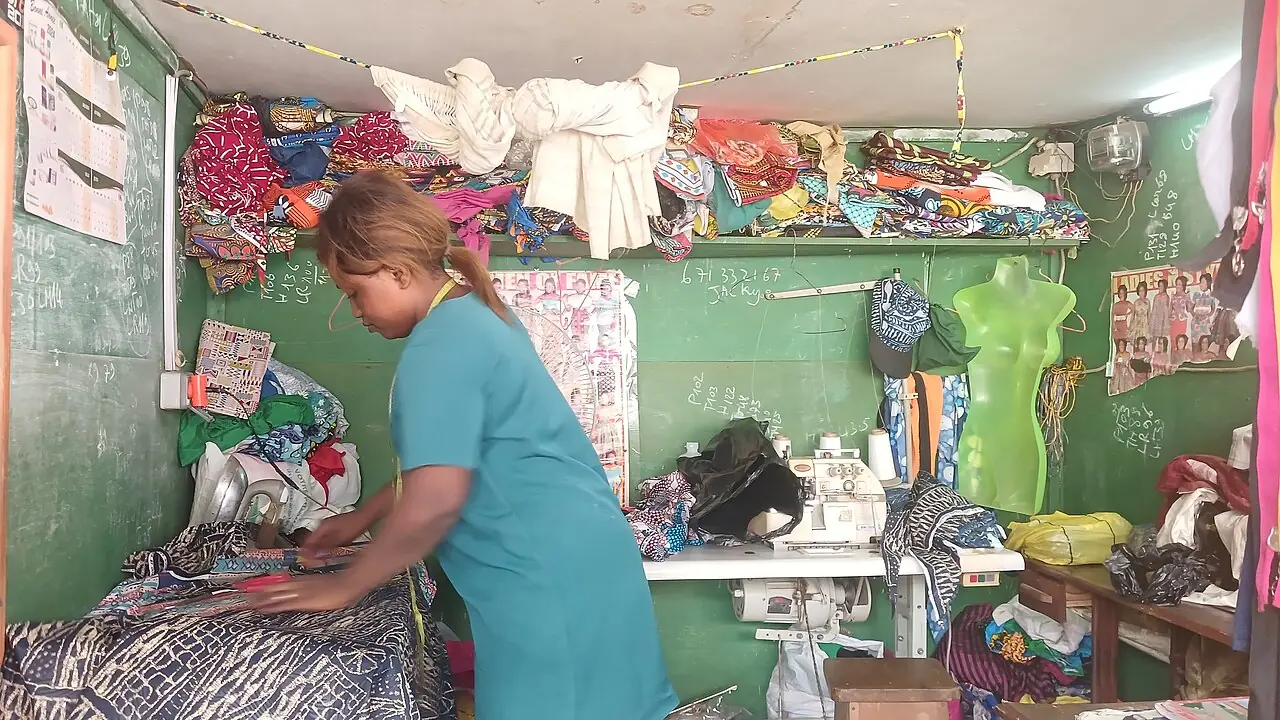
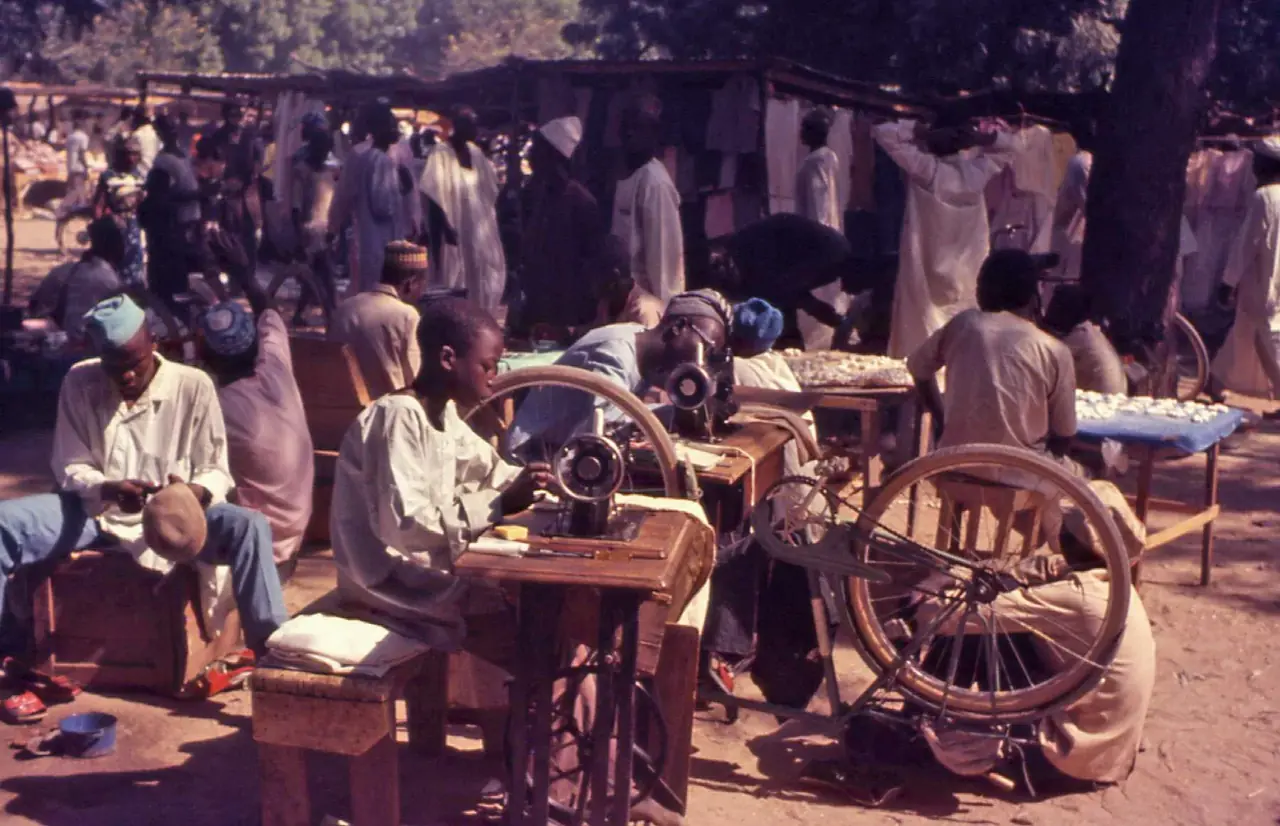
Seamstress in her fashion workshop with colourful fabrics

Singing, playing, dancing, painting, writing or directing are professions, with their busy periods, their quiet spells, their irregular income and their risks. The artist’s social status means all the rights and obligations that enable these professionals to live from their art over the long term: social protection, retirement, health and taxation.

Structuring artistic guilds and professions is a priority of the national development strategy (NDS30) and a major project of the Ministry. This page brings together useful points of reference: what already exists, what everyone can do today, the contacts to approach and the procedures to follow, starting with the artist card.

  • The artist card to have your profession recognised
  • Points of reference on social protection, retirement, health and taxation
  • Practical advice according to your situation: employee, self-employed, intermittent
Social protection
Social protection

The social protection of artists: employees, self-employed and intermittent workers

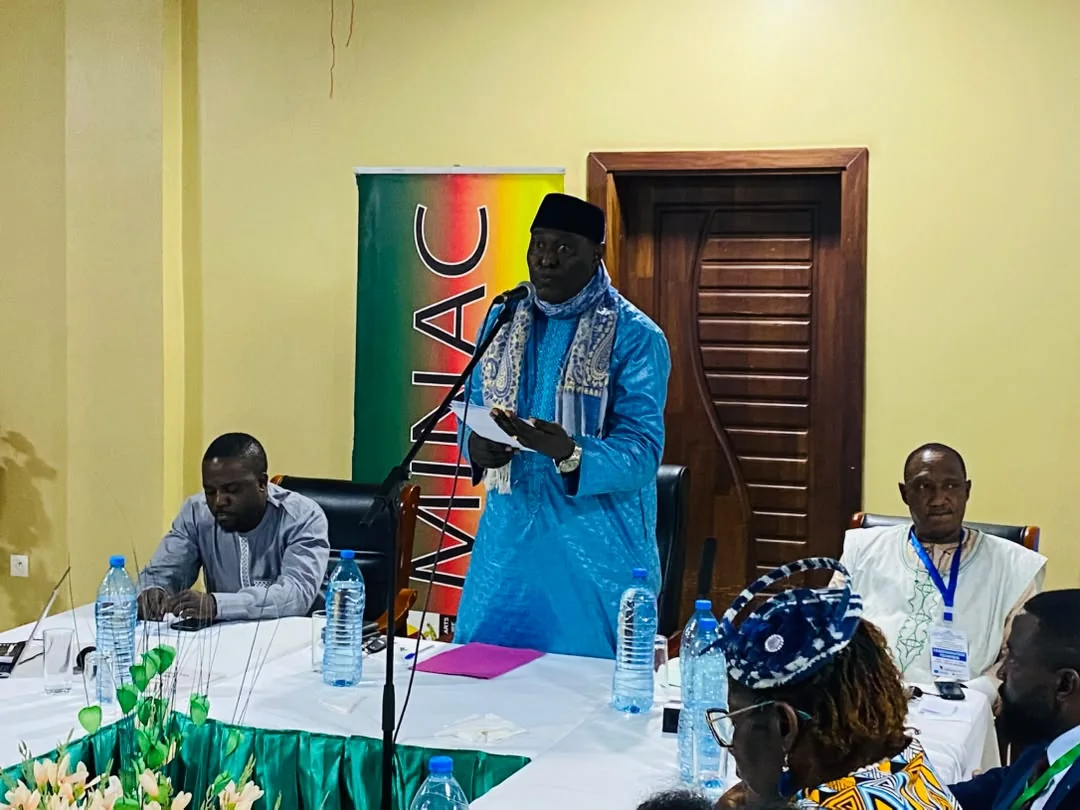
A speaker in a blue outfit addresses the room in front of a MINAC banner, at a meeting table set with water bottles and flowers.

Structuring artistic guilds and professions is a priority of the national development strategy (NDS30). In practice, an artist’s social protection depends on their situation. Performing arts professionals rarely work full time for a single employer: they alternate between short contracts, one-night engagements, teaching, copyright income and side activities. This diversity makes careers difficult to cover, but it does not prevent action.

Three typical situations

  • The artist employed by a company, an orchestra, a theatre or a show business enterprise: their employer declares their employment and pays contributions to the National Social Insurance Fund (CNPS);
  • The self-employed artist, who invoices for their services: it is up to them to find out about voluntary affiliation options and personal savings;
  • The artist engaged for a one-off concert or shoot: they must insist on a written contract stating their remuneration and the contributions due (see standard contracts).

What the law says on shows

Law No. 2004/001 of 21 April 2004 establishing the regime governing shows provides that the licence of an artistic agent or show promoter may be withdrawn in the event of a breach of the laws on the employer’s social-law obligations. An organiser who neglects the protection of their artists therefore risks losing the right to operate. The law also allows, to guarantee payment of fees, the takings of a show to be seized while it is being performed, on a court order.

Ongoing projects

The Ministry is working with professional organisations on the recognition of professions, the definition of reference contracts and agreements with social protection bodies. The priority actions are set out in the sectoral strategy and in the major project on the structuring of the artistic and cultural movement.

ℹ️
First reflex

Apply for the artist card: it certifies your professional status and eases your dealings with social bodies and administrations.

Retirement

The retirement of artists: preparing for old age despite irregular income

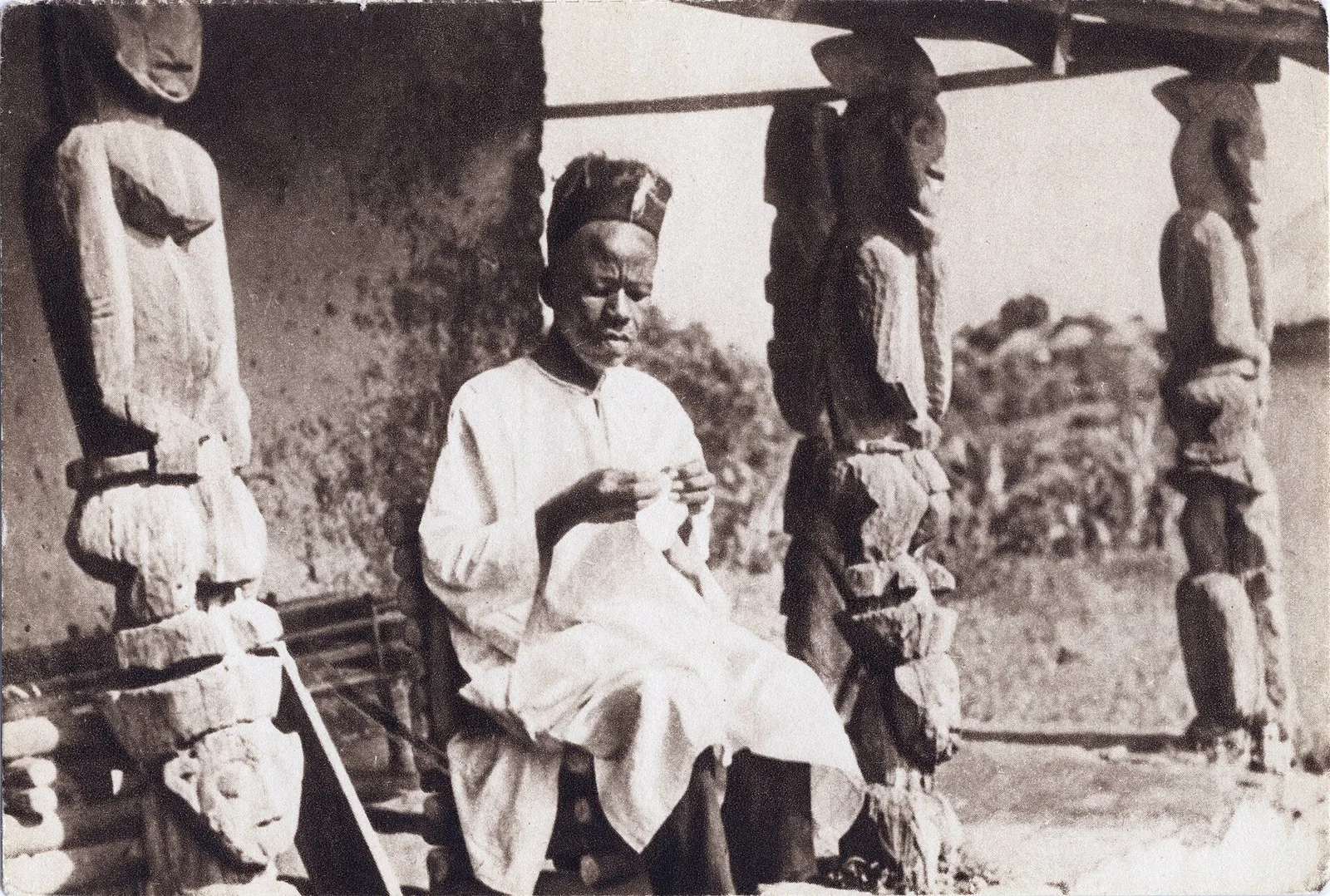
Bamoun craftsman carving in front of his works, old photograph

An artist has no scheduled end of career: an actor performs until an advanced age, a musician teaches, a sculptor works as long as health permits. Yet the question of income at the end of working life arises for everyone. It should be prepared from the first years, by combining several sources.

The pension of the social insurance scheme

For employed artists, the periods of employment declared by the employer to the CNPS count towards the calculation of the old-age pension, subject to the age and contribution-period conditions set by that body’s regulations. It is therefore essential to keep your contracts, payslips and employment certificates, even for short assignments, and to check regularly that the periods appear on your account.

Copyright, a lasting resource

Copyright and neighbouring rights continue to be collected throughout the artist’s life, and then for the benefit of their heirs for the duration of protection. A composer whose works are regularly broadcast receives a useful supplementary income. Joining a collective management society and declaring your works are the two basic steps.

Savings, mutual societies and professional solidarity

Artists’ guilds, cooperatives and certain professional associations set up solidarity funds, tontines and mutual societies. Joining a professional organisation also allows you to take part in collective bargaining and to receive reliable information about your rights.

Tradition bearers

Holders of traditional knowledge, master dancers, sculptors, weavers and elderly storytellers receive special recognition: the Ministry supports them through safeguarding actions for intangible heritage.

Health

The health of the artist: health cover, accidents and prevention

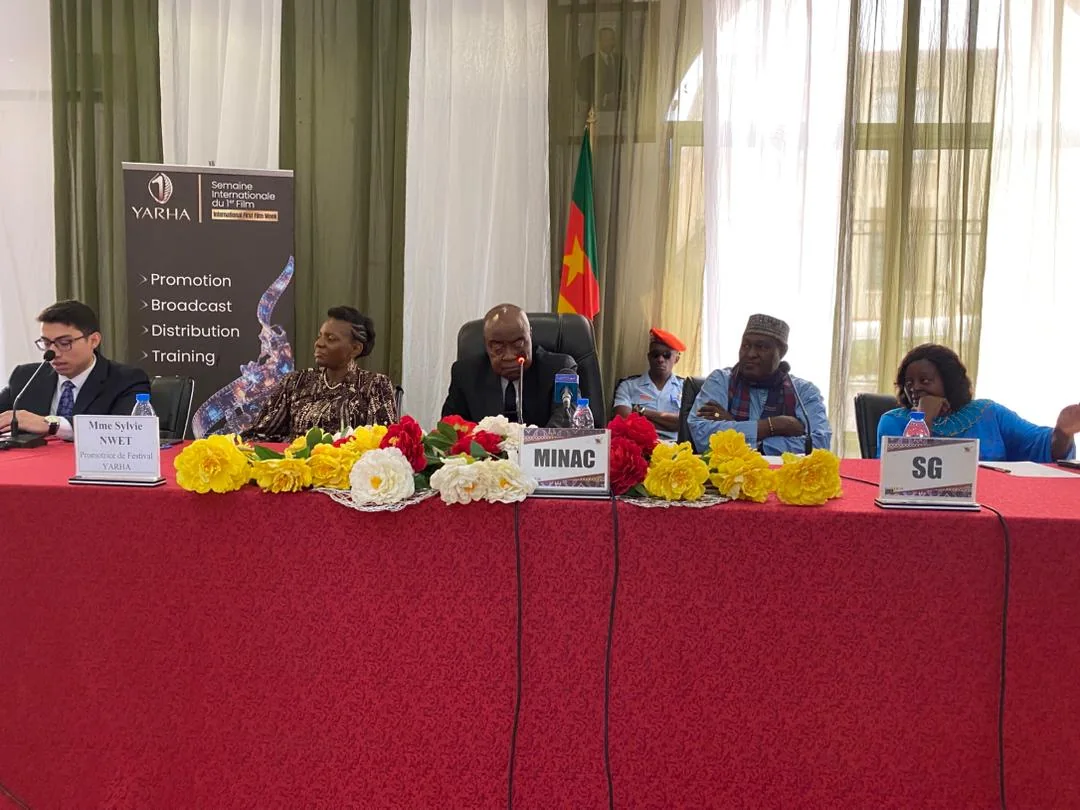
Ministry working meeting around a flower-decked table

The body is the working tool of many artists: the dancer, the singer, the percussionist, the sculptor and the actor expose their muscles, voice, back or hands every day. Injuries and practice-related disorders are frequent, while periods off work are unpaid when one works per performance. Health cover is therefore a central issue of the status.

Available schemes

  • Benefits of the social insurance scheme for employed artists, notably in the event of an industrial accident or occupational disease;
  • National health cover schemes, open to self-employed workers under the conditions set by the competent authorities;
  • Private insurance and mutual societies, which can be taken out individually or through an artists’ association;
  • Solidarity funds of professional organisations for urgent cases.

Insuring the show and the venue

The licence of a show promoter or artistic agent is granted subject to professional competence and insurance covering the risks associated with shows. An artist engaged for a performance can therefore ask to know what insurance the organiser has taken out. For outdoor events, safety is examined during the show authorisation and recalled in the guide to organising a festival.

Preventing rather than curing

Warm-ups, studio ergonomics, voice protection, regular medical monitoring, hydration and rest: prevention reduces time off work. Serious companies provide a first-aid kit, a health officer and a partnership with a sports doctor or physiotherapist. Arts education schools make their students aware of these habits.

ℹ️
Good to know

Keep proof of any accident or illness connected with a performance: it determines entitlement to cover and recourse against the organiser.

Taxation

The taxation of artists: declaring your income with peace of mind

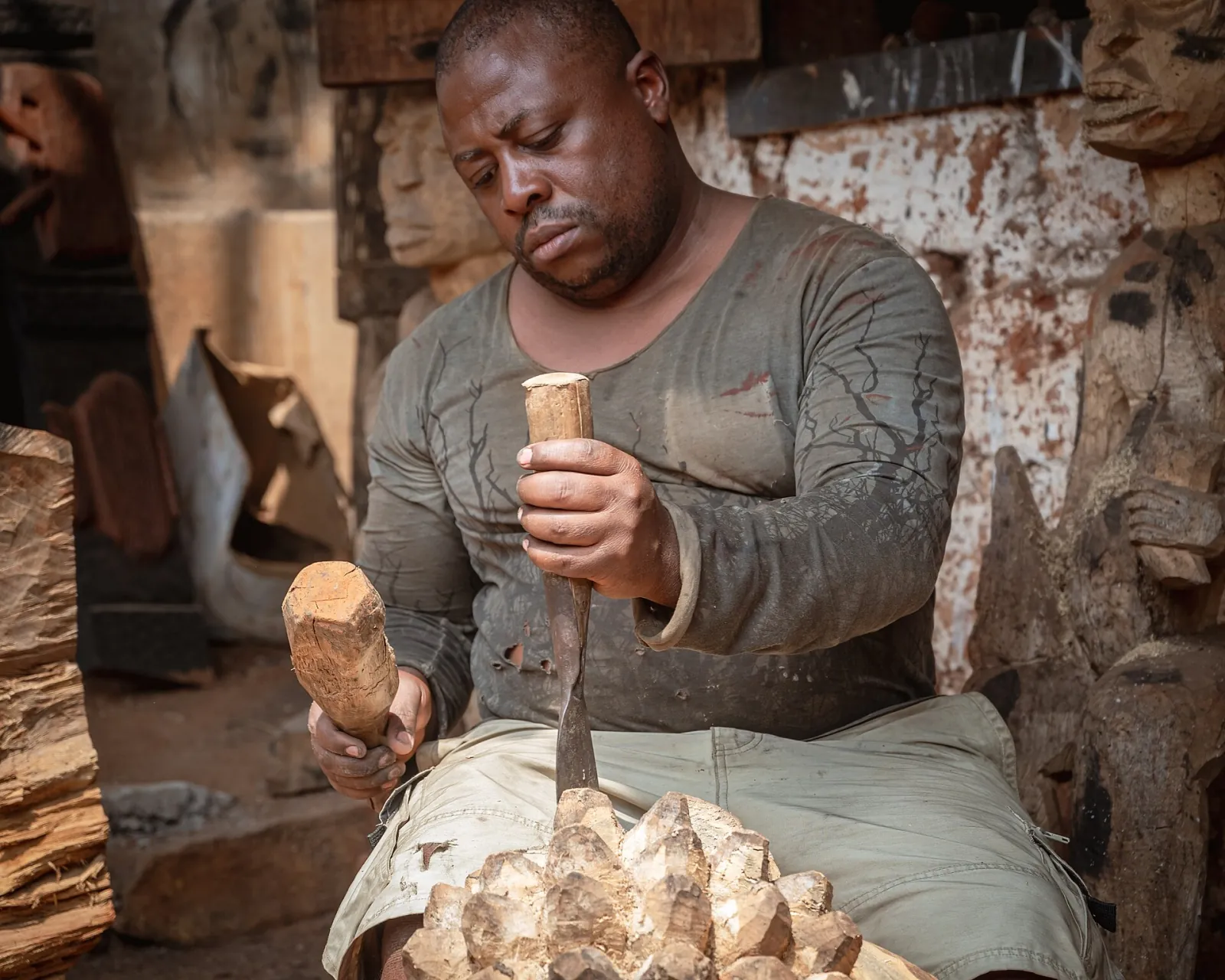
Sculptor carving a block of wood with chisel and mallet in his workshop

Artists are, like all taxpayers, subject to the ordinary tax rules, with specific features linked to the nature of their income: fees, copyright, sales of works, teaching, prizes and scholarships. An artist’s tax obligations vary depending on whether they operate individually, in an association or in a company. Knowing your way around avoids costly reassessments.

An artist’s income

  • Fees and salaries, declared by the employer;
  • Copyright and neighbouring rights, paid by the collective management society, which sends an annual statement;
  • Direct sales of works: paintings, sculptures, records, books;
  • Prizes, scholarships and grants received personally;
  • Income from teaching, workshops and commissions.

Basic procedures

Obtain a tax identifier, keep a record of income and expenses, retain invoices and supporting documents, and file your returns on time with the tax office responsible for you. An artist working in a structured way can form an association or set up a small business; the Cultural entrepreneurship section presents the statuses, taxation and networks.

Professional expenses

Equipment, instruments, travel for a tour, studio rental, training costs and professional organisation membership fees: these expenses related to the activity are, under the conditions set by the applicable regime, taken into account in determining the result. The amounts to be paid for administrative procedures are set out on the Fees page.

Patronage and funding

Businesses that support culture may benefit from advantages provided for by the regulations on patronage and sponsorship; see the legislative texts and cultural funding. The tax administration remains the contact for any clarification on the applicable regime.

ℹ️
Advice

A chartered accountant or a management centre can help you choose the most suitable regime. Artists’ associations sometimes hold tax advice sessions.

Step by step

Building your social protection as an artist

Have your status recognised

Apply online for the artist card, attaching contracts, show programmes or certificates that prove your professional practice.

Insist on written contracts

Every engagement gives rise to a written document specifying the fee, the contributions due and the working conditions; this is the basis of all social entitlement.

Check your affiliation

Ask your employer about the declaration to the CNPS; if you are self-employed, find out about voluntary affiliation and health insurance.

Join collective management

Register with the society for your discipline and declare your works to receive your copyright and neighbouring rights.

Organise your taxation

Obtain a tax identifier, keep simple accounts and file your returns on time, with the help of an adviser if necessary.

Save and get organised

Join a professional organisation, a mutual society or a tontine and build up regular savings for quiet periods.

To act

The procedures for artist status

Apply for the artist card

A title that recognises your status as a professional with administrations and partners.

Apply

Join a society

To receive your copyright and neighbouring rights, join the body for your discipline.

See the societies

Structure your activity

Association, sole proprietorship or company: choose the framework suited to your project.

Cultural entrepreneurship

Ask a question

In doubt about your protection or your contributions? Write to the Copyright Service.

Contact the service
Key facts

The components of the status in one table

ComponentWhat existsWho is concernedWhere to apply
Artist cardOnline procedure recognising professional statusAll artists who can show evidence of practiceOnline services, artist card
Social protectionAffiliation to the CNPS by the employer, structuring of professionsEmployed artists and artists engaged under contractEmployer, CNPS, Ministry
RetirementOld-age pension, copyright, personal savingsArtists at the end of their careers and heirsCNPS, collective management societies
HealthSocial benefits, mutual societies, insurance, preventionArtists, technicians, companiesSocial bodies, insurers, associations
TaxationIncome declaration, tax identifier, taxation regimesSelf-employed artists and structuresTax office, chartered accountant
CopyrightRemuneration of authors and performersAuthors, composers, performersCollective management societies
Promoter’s licenceLicence requirement, insurance and compliance with social lawShow organisersMinistry, One-Stop Shop
To download

The resources on artist status

“Structuring artistic guilds and professions means giving artists the security that makes creation possible.”

A head of a professional organisation, Yaoundé
Glossary

The words of the artist’s social status

Status

Set of rights and obligations attached to the practice of a profession.

CNPS

National Social Insurance Fund, which manages, among other things, the pensions and benefits of employees.

Artist card

Title recognising the status of cultural professional, issued by the Ministry.

Contribution

Sum paid regularly to a social scheme to establish entitlement to benefits.

Affiliation

Registration of a worker with a social protection body.

Old-age pension

Income paid to a worker who has met the required age and contribution conditions.

Intermittent work

Alternation of periods of employment and periods without activity, common among artists.

Fee

Payment to an artist for a specific performance, set per performance or per service.

Mutual society

Group of people who pool contributions to cover health costs.

Tax identifier

Number assigned to a taxpayer for their returns and dealings with the administration.

Neighbouring rights

Rights of performers, producers and broadcasting organisations in their performances.

Industrial accident

Accident occurring through or in the course of work, giving entitlement to cover.

Journey

Towards a more complete status for artists

19 December 2000Recognition of rights

Law No. 2000/011 recognises the economic and moral rights of authors and performing artists and organises their collective management.

21 April 2004The regime governing performances

Law No. 2004/001 regulates artistic agents and promoters, protects the payment of fees and requires employers to comply with social law.

2010sThe artist card

Recognition of the professional is materialised by a title issued by the Ministry, now available through an online procedure.

NDS30A national priority

The national development strategy makes the structuring of artistic guilds and professions a focus of public action.

ObjectiveA stable framework

Consultation with social bodies and artists’ organisations on protection agreements suited to discontinuous careers.

On the site

Extend your reading on the artist’s condition

Resources

Useful links for professional artists

Stakeholders

Who supports the artist’s status?

To explore

The artist’s status in other sections

Voices from the field

They talk about their status

“
Since my company has been declaring its artists, my dancers have had cover in case of accident. It changes the way they commit to tours.
A director of a dance company
Bafoussam
“
I applied for the artist card to prove my practice to a bank. The file was complete within a few days thanks to the certificates from my shows.
An accompanying musician
Douala
“
I did not know that my copyright income would continue to be paid to me during my retirement. Joining the collective management society was a turning point.
A composer
Yaoundé
“
Our association offers its members a solidarity fund. When a sculptor was injured in the workshop, it covered the initial treatment.
A president of an association of art craftspeople
Foumban
Questions

Your questions about the artist’s social status

How do I obtain the artist card?

Through the online procedure in the Services section. You create an account, fill in the form and attach documents that prove your practice: contracts, show programmes, certificates from cultural structures. You then follow progress with your file number and are informed of the decision by e-mail.

Do artists contribute to the CNPS?

Employed artists are declared by their employer, who pays the contributions to the National Social Insurance Fund. Self-employed artists must find out about voluntary affiliation arrangements from the body. The Ministry is working on agreements suited to the discontinuous careers of cultural professionals, whether at the start or the end of their careers.

Must my employer insure me for a concert?

Professional show promoters must provide proof of insurance covering the risks associated with shows in order to obtain their licence, and comply with the employer’s social-law obligations, on pain of withdrawal of the licence. Ask in writing for the cover taken out before you perform, and keep this document with your contract.

Is my copyright income taxable?

Copyright income is income that must be declared in accordance with the tax rules in force. The collective management society provides you with an annual statement that makes your declaration easier. To find out how it is taxed in your situation, contact the tax office or a chartered accountant, who will also tell you which documents to keep.

How do I prepare for my retirement as an artist?

By combining several resources: the periods contributed to the CNPS when you are an employee, the copyright income you receive through a collective management society, regular savings and the solidarity of your professional organisation. Keep your contracts and employment certificates to justify every period of work, however short, and check them every year.

Where can I find health cover as a self-employed person?

You can take out a mutual insurance policy or private insurance, join a solidarity fund of your professional association, or find out about the national cover schemes open to self-employed workers. The Copyright Service can direct you to the contacts suited to your situation, your age and your means.

An organiser refuses to pay me: what should I do?

Gather your contract, your exchanges and the evidence of the performance. The law allows the seizure of the show’s takings to be requested during the performance, by order of the urgent applications judge. You can also request mediation or report the organiser’s lack of a licence to the Ministry, which may draw consequences from it.

Where can I ask a question about my status?

Write to the Ministry using the contact form on this page or by e-mail at contact@minac.gov.cm, stating your discipline, your situation (employee, self-employed, intermittent) and your region. Your message is forwarded to the competent service, which replies to you or directs you to the body concerned, within a reasonable time, depending on the nature of your request.

Contact

Write to the Ministry: Artist’s social status

Ask your question.

Reach us

Contact the artist status service

Address

Ministry of Arts and Culture – Copyright
Quartier du Lac – Ministerial Zone
P.O. Box 1053 Yaoundé, Centre Region, Cameroon

Reach us

+237 6 51 70 58 41

contact@minac.gov.cm

Opening hours

Monday to Friday, 8 am to 4 pm

Apply for the artist card

Have your status as a cultural professional recognised through an online procedure, tracked with your file number.

Apply for the card
WhatsApp