Coat of arms of CameroonMinistry of Arts
and Culture
Republic of Cameroon
My procedures
Home
Minister’s message
News
Press releases
Cultural calendar
Official speeches
Press review
Photo library
Video library
Calls for projects
Job vacancies
Public procurement
Newsletter
Frequently asked questions
Site map
Contact
Press area
Podcast “The Voice of Culture”
Legal notices
Privacy policy
Cookies and trackers
The Ministry
Missions and responsibilities
Organisation
Organisation chart
Minister’s Office (Cabinet)
Management team
General Secretariat
General Inspectorate
Central directorates
Regional Delegations
Institutions under supervision
Legislative texts
Regulatory texts
Sector strategy
Major projects
Budget and reports
Partners
Careers
Archives
Institutional communication
Quality and accessibility
Arts
Visual and plastic arts
Visual arts
Performing arts
Theatre
Dance
Music
Literature and books
Cinema and audiovisual
Photography
Fashion and design
Digital arts
Art crafts
Artists’ directory
Residencies
Prizes and awards
Arts education
Urban arts
Heritage
Tangible heritage
Intangible heritage
UNESCO sites
National museums
Listed monuments
National inventory
Palaces and chiefdoms
Archaeology
Linguistic heritage
Oral traditions
Traditional know-how
Restitution of cultural property
Fight against illicit trafficking
Listing and protection
Conservation and restoration
Heritage Days
Cultural landscapes
Industries
Music and recording
Cinema
Publishing and books
Digital arts
Fashion and creativity
Crafts
Cultural tourism
Funding for culture
Support funds
Incubators
Cultural entrepreneurship
Culture Observatory
Vocational training
Studies and reports
Sector statistics
Export and outreach
Intellectual property
Copyright
Legal framework
Copyright and neighbouring rights
Collective management societies
Register a work
Licences
Private copying
Fight against piracy
Model contracts
Social status of artists
Mediation
Disputes
Training
Fee scales
Register of works
Contact
Digital neighbouring rights
Public domain
Festivals
National calendar
Ngondo
Nguon
Écrans Noirs
Heritage Days
Music Day
Regional festivals
Fairs and exhibitions
Biennials
National competitions
Cultural days
Organise a festival
Event grants
Ticketing
Archives
Volunteering
Diaspora festivals
Regions
Adamawa
Centre
East
Far North
Littoral
North
North-West
West
South
South-West
Cultural map
Regional Delegations
Traditional chiefdoms
National languages
Cultural routes
Decentralised cooperation
Regional observatory
Cooperation
UNESCO
Francophonie (OIF)
African Union
Commonwealth
CEMAC
Bilateral cooperation
Cultural agreements
Professional organisations
Scholarships
Artist exchanges
Cultural years
Diaspora
Funded projects
Embassies
Technical partners
International restitution
International monitoring and calls
Services
Artist card
Show authorisation
Filming authorisation
Festival authorisation
Deposit of a work
Export of works of art
Listing of a property
Grant application
Association accreditation
File tracking
Forms
Fees
Opening hours and addresses
Reporting
Online help
My account
One-Stop Shop
Arts

Prizes and awards

National prizes, categories, standard rules, the course of an edition, honours lists and the functions of the jury: everything you need to know to compete for the arts and culture distinctions in Cameroon.

Updated on 6 November 20264 sub-pages
Categories of distinctions9
Annual edition1
Jury members7 à 11
ApplicationOnline
Prizes and awards

Recognising talent and merit

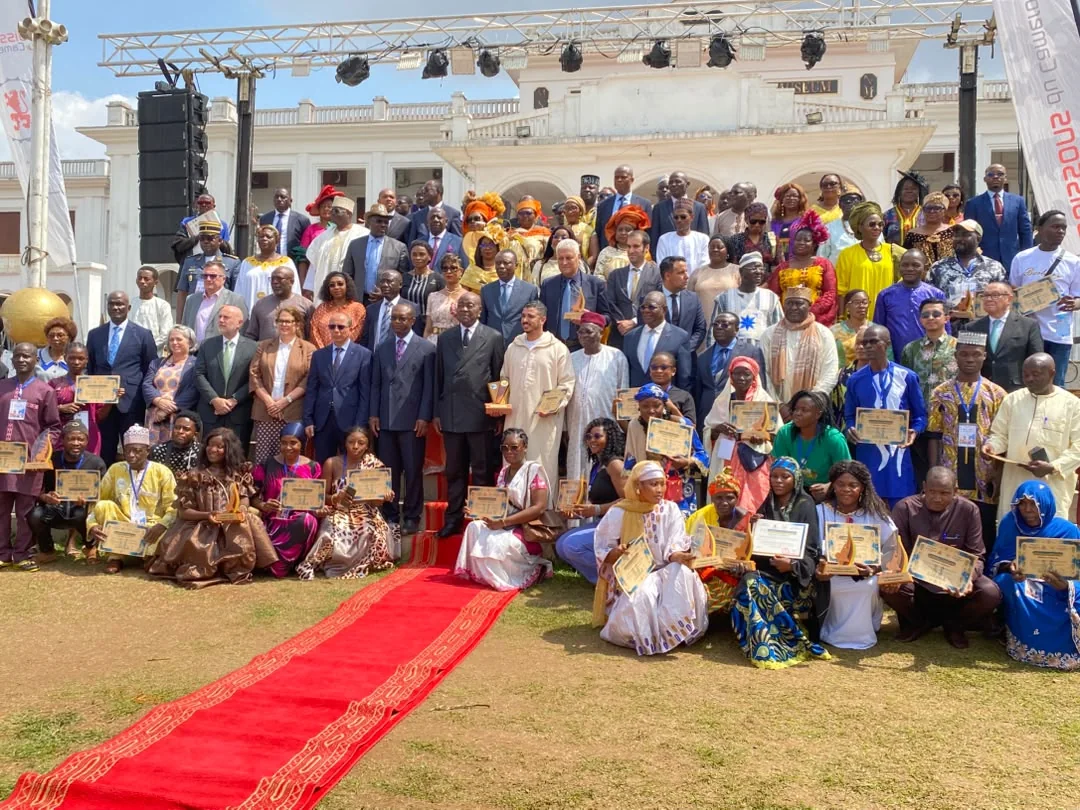
Award winners pose with their trophies and certificates on a red-carpeted stage, alongside two dignitaries.

Cultural prizes and distinctions honour the quality of a work, the consistency of a career or a person’s commitment to the service of creation. They encourage artists, show the public the best of what is being done and give young talents a first springboard towards national recognition.

This page presents the national schemes, the categories, the standard rules, the course of an edition and the role of the jury. It names no laureate and no individual: it explains how a prize works, so that every artist can apply with full knowledge. It draws on the NDS30 objective of promoting the artistic professions.


  • National prizes by discipline and honorary distinctions
  • Standard rules common to all categories
  • A jury of professionals with clearly defined functions
Discover the national prizes
Schemes

The national prizes for arts and culture

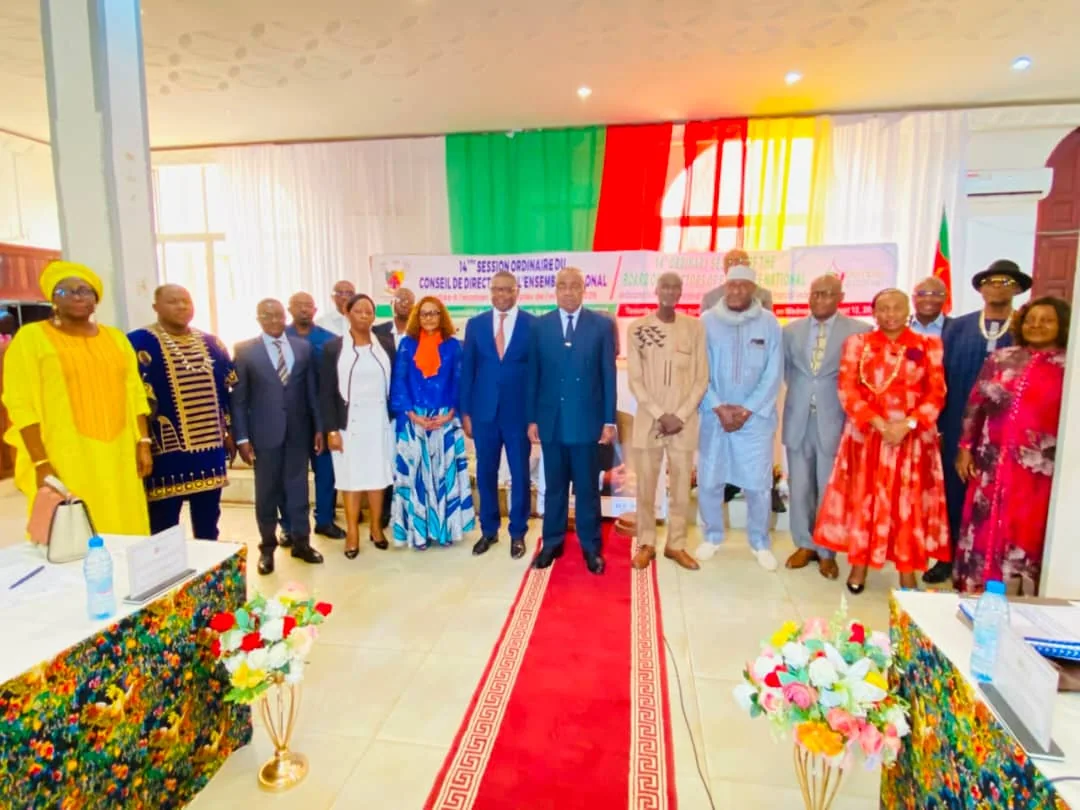
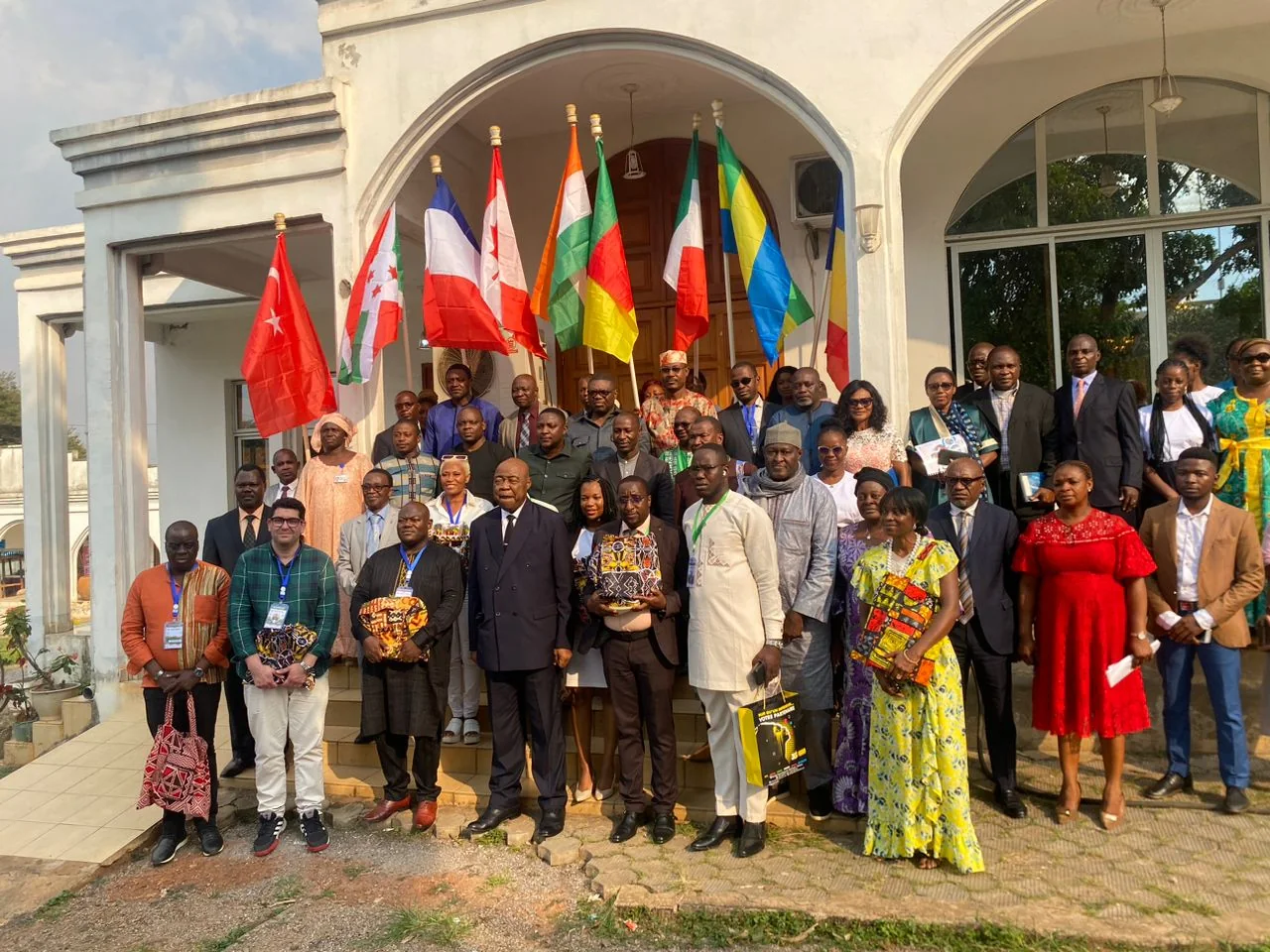
Award winners gathered on the lawn during a national ceremony

The national prizes form a family of distinctions awarded under the aegis of the Ministry, in partnership with professional organisations, collective management societies and festivals. They do not replace the competitions organised by festivals or private institutions, but complement them.

The main categories

  • Creation Prize: rewards a finished work in a discipline (visual arts, music, dance, theatre, literature, cinema, photography, fashion, digital arts);
  • Emerging Talent Prize: reserved for artists under thirty-five, at the start of their career;
  • Career Prize: honours an entire career in the service of culture;
  • Transmission Prize: recognises a master, teacher or organisation that trains the new generations;
  • Living Heritage Prize: honours a holder of traditional know-how;
  • Cultural Entrepreneurship Prize: supports a lasting creative enterprise.

Distinctions and decorations

Alongside the prizes, honorary distinctions recognise services rendered to culture; they are linked to the texts on the national orders and to the Ministry’s regulatory texts. Specialised competitions are presented in the national competitions section, and literary prizes on the literature and books page. The cinema honours list has its own rules.

ℹ️
A prize is not only a reward

It is often accompanied by distribution, a residency or production support: see the residencies and the support fund.

Results

The honours list: drawing up and publication

Golden Screen trophy awarded at the Écrans Noirs festival

The honours list is the official list of distinctions awarded in an edition. It is not fixed: each year, the categories, rewards and mentions may change in line with the jury’s recommendations and the realities of the sector. This page reproduces no names; it describes how the honours list is drawn up and made public.

How the honours list is finalised

After deliberation, the jury submits its minutes to the competent Directorate, which checks compliance with the rules. The results are then validated at the level of the Minister’s Office (Cabinet), then announced at a public ceremony and relayed through press releases, the site news and the press review.

What an honours list entry contains

  • the category, discipline and edition concerned;
  • the title of the work or the name of the approach rewarded;
  • any mention by the jury (special mention, favourite);
  • the nature of the reward: diploma, endowment, residency, support.
Participation

Applying for a prize

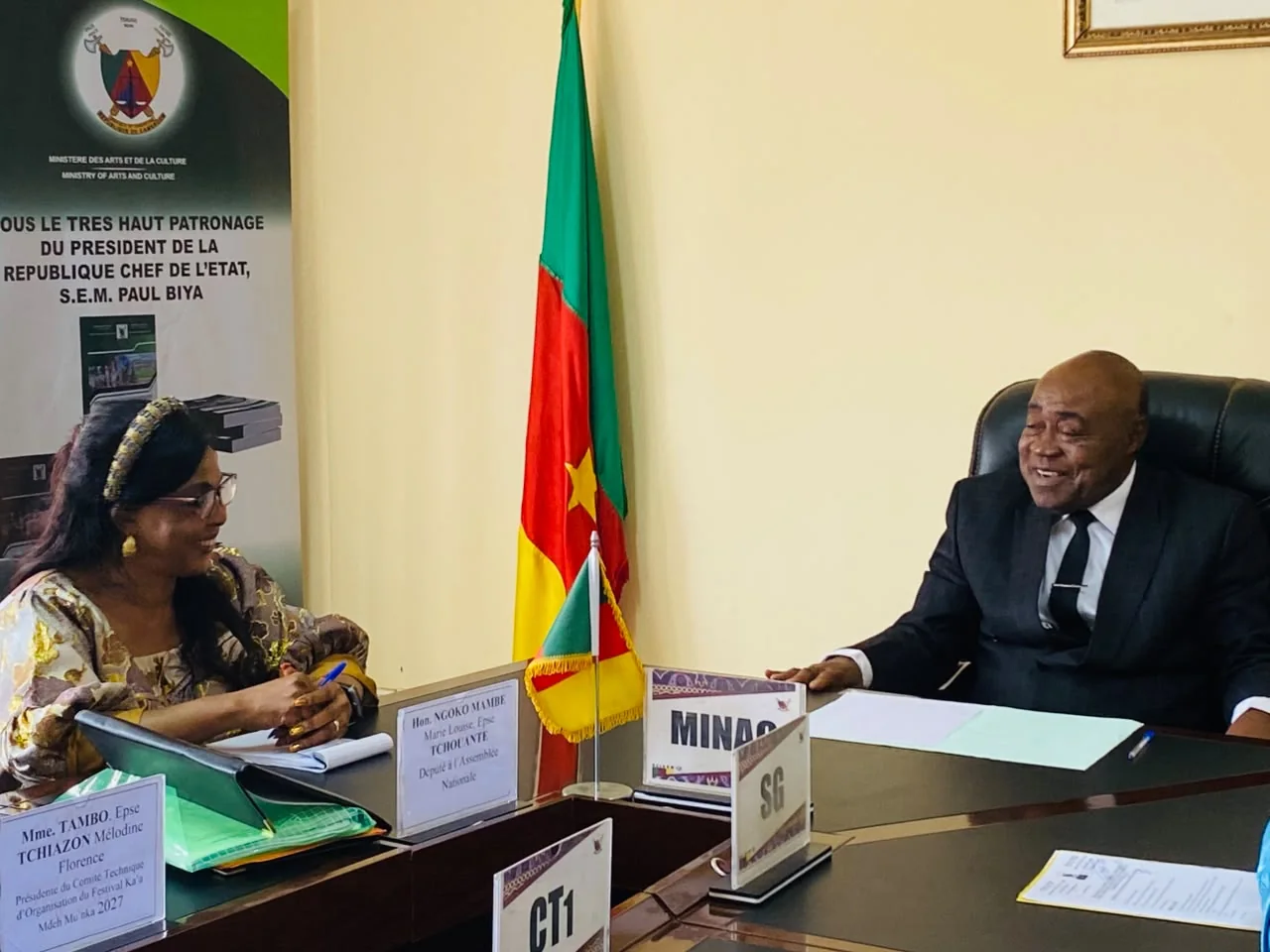
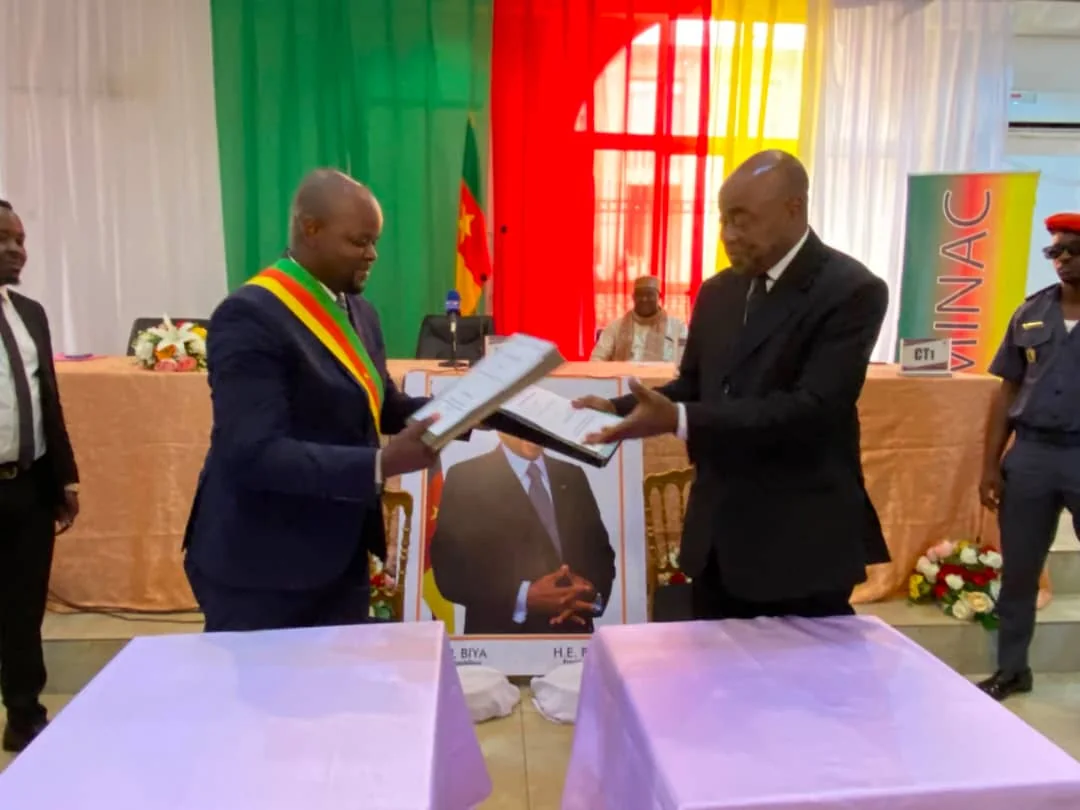
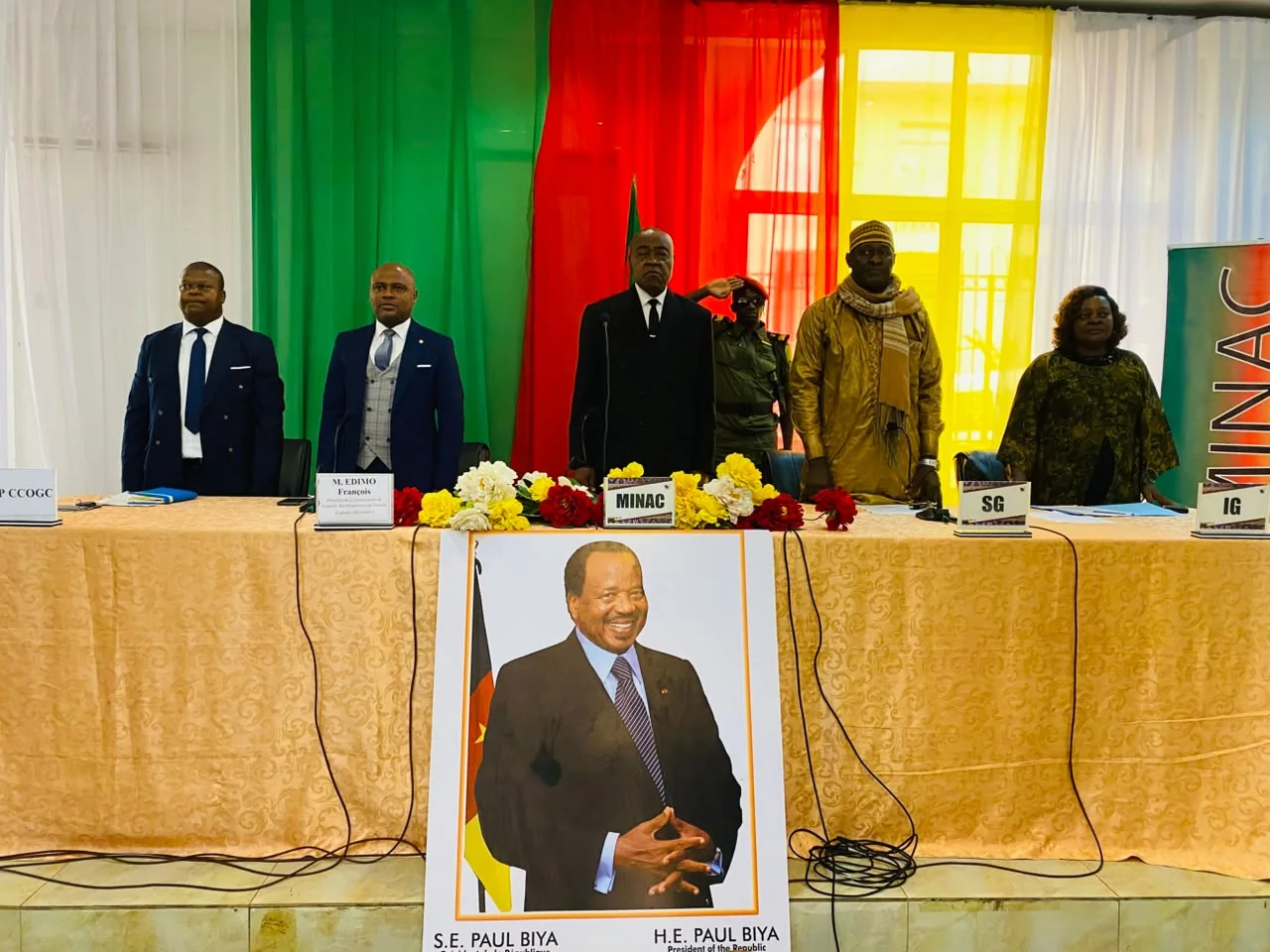
The Minister and the Secretary General meeting in an office of the Ministry

Prizes are open to any artist, author or organisation of Cameroonian nationality or resident in Cameroon, with no diploma requirement. Each category does, however, specify its scope: a work produced during a given period, a maximum age, a format or a language of creation.

The standard rules

The rules common to all categories set out the following principles.

  • a person may submit only one application per category and per edition;
  • the work submitted must be original and free of third-party rights;
  • jury members, their relatives and the officers responsible for the organisation may not compete;
  • applicants accept the rules and the publication of their name if distinguished;
  • any fraud or plagiarism leads to exclusion and, where applicable, withdrawal of the distinction.

The file

It comprises a form, a note presenting the work or career, supporting materials (images, audio or video excerpts, text), an artistic curriculum vitae and, for organisations, the receipt or association approval. Submission is made online through the One-Stop Shop before the closing date announced in the calls for projects. Progress is tracked with the file tracking.

The artist card is not required, but it makes it easier to establish proof of practice.

ℹ️
Before sending

Check that you hold the rights to all the attached materials. For musical or audiovisual works, contact your collective management society.

Deliberation

The jury: composition and functions

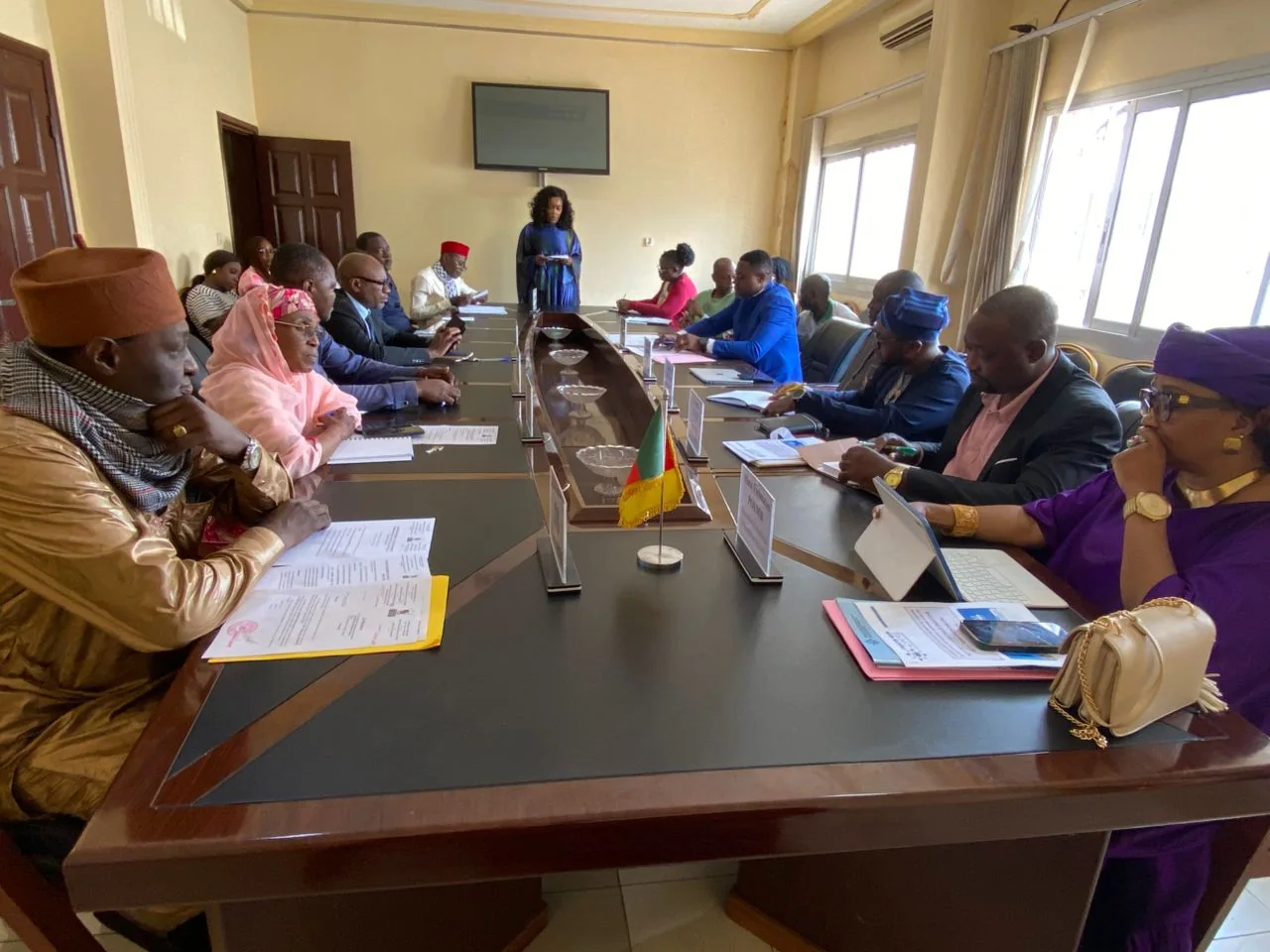
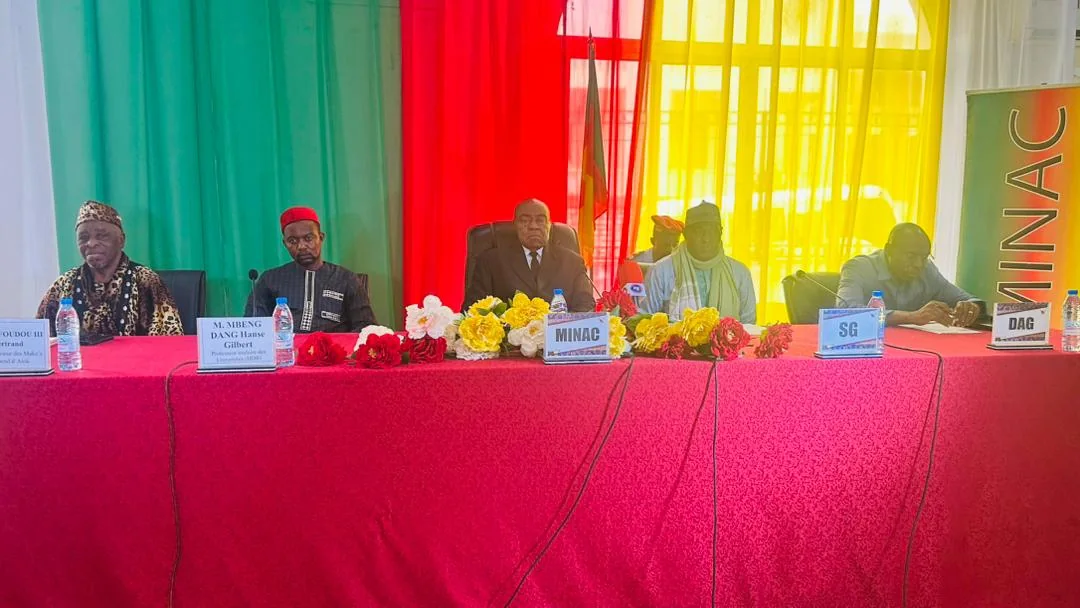
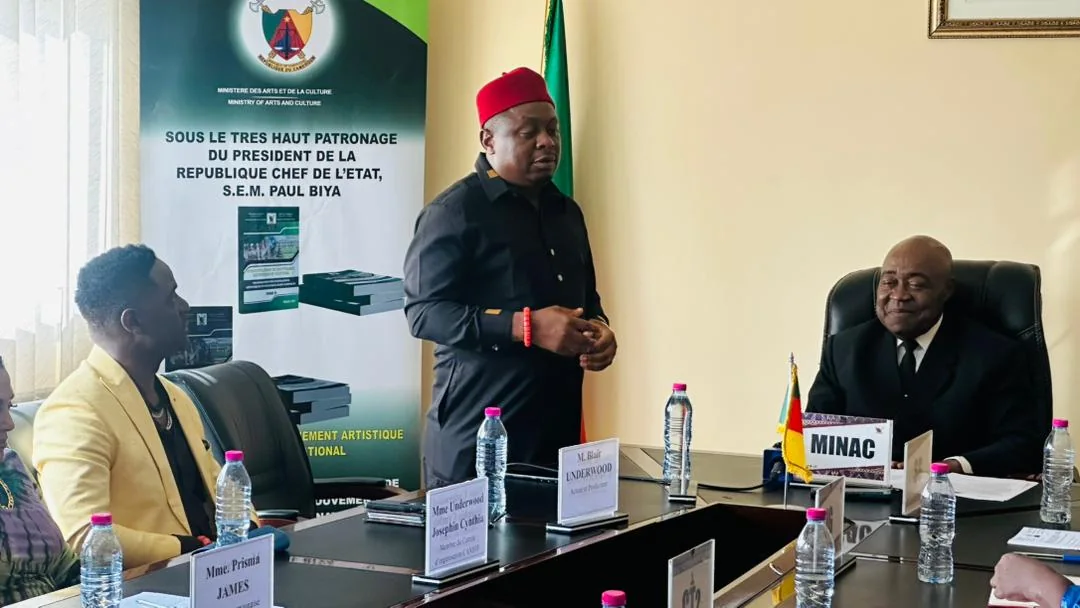
Ministry working meeting around a flower-decked table

The jury is the body that guarantees the impartiality and quality of the selection. Its independence rests on clear rules of composition, recusal and confidentiality. This page describes functions, not individuals.

Who sits on it?

A jury has between seven and eleven members: professionals of the discipline concerned (creators, critics, programmers, teachers), representatives of professional organisations and qualified figures from academia or the voluntary sector. Gender parity and regional diversity are sought.

Roles within the jury

  • Chair: leads the debates, ensures compliance with the rules and has the casting vote in the event of a tie;
  • Rapporteur: presents each file and drafts the minutes;
  • Expert members: assess applications against the published criteria;
  • Administrative secretary: drawn from the Directorate, ensures logistics without voting.

Principles of professional ethics

Every member declares their links with applicants and withdraws where a conflict of interest exists. Deliberations are confidential. The jury is appointed by decision of the Minister for the duration of one edition, and may be renewed only by one third each year. It may call on the General Inspectorate in the event of a challenge, and mediation remains available for disputes relating to works.

Evaluation criteria

How a file is judged

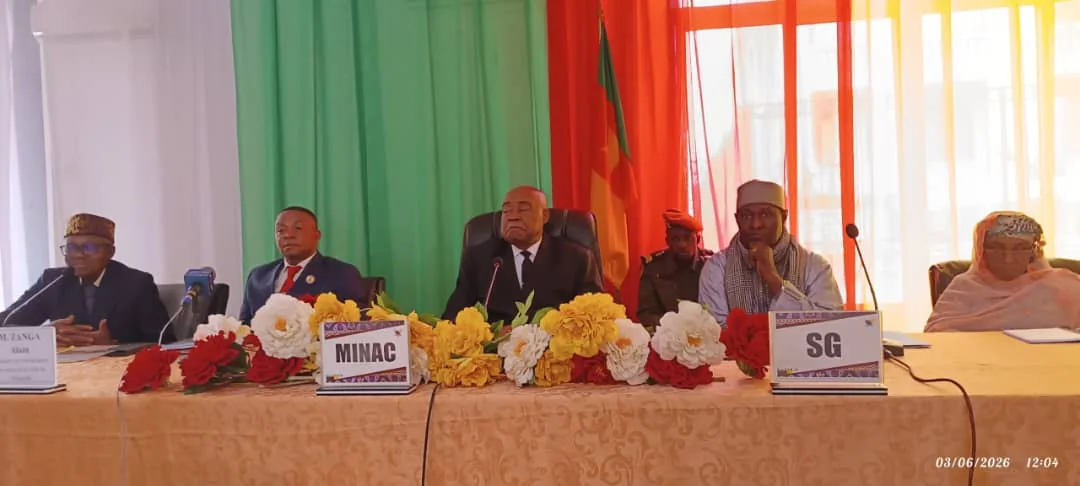
Working meeting around a large table in a Ministry room

The criteria are published with the call, so that everyone knows on what basis their application will be assessed. Four main axes recur from one category to another: artistic quality and originality of the work, technical mastery, coherence of the approach and its roots in Cameroonian cultural reality, and finally the potential impact on the public or the profession.

For intangible heritage, the jury also takes into account the effective transmission of the knowledge and the consent of the community concerned. For entrepreneurship prizes, it examines the viability of the business model, discussed in the cultural entrepreneurship section.

Step by step

The course of a prize edition

Announcement

The Ministry publishes the call, the categories, the rules, the criteria and the key dates in the calls for projects and in the press.

Submission

Applicants submit their file online until the closing date; an acknowledgement of receipt is sent with the file number.

Admissibility

The Directorate checks the completeness and conformity of each file, then forwards the list of admissible files to the jury.

Deliberation

The jury reads, listens to or views the files, and draws up a shortlist and then a ranking during working sessions.

Validation and announcement

The minutes are validated, laureates are informed before the public announcement, and then the honours list is made public.

Ceremony and follow-up

A ceremony presents the distinctions; a report on the edition is published and feeds into the follow-up: residencies, exposure, support.

Key facts

Distinctions at a glance

AwardTarget audienceMain criterionTypical reward
Creation PrizeEstablished artists, all disciplinesQuality of a recent workDiploma, endowment, exposure
Emerging Talent PrizeUnder thirty-fivePotential and originalityResidency, support
Career PrizeArtists at the end of their careerLong-term contributionHonorary distinction, public tribute
Transmission PrizeMasters, teachers, organisationsImpact on trainingEquipment, support for the teaching project
Living Heritage PrizeHolders of know-howMastery and transmissionOfficial recognition, workshop
Cultural Entrepreneurship PrizeCreative enterprisesViability and cultural usefulnessSupport and networking
Special mentionAny applicantQuality noted by the juryMention in the honours list
Words from jurors and applicants

What participants say

“
Sitting on the jury means reading thirty files with the same rigour and agreeing to defend a choice before one’s peers. The grid of criteria helped us a great deal.
A jury rapporteur
Douala
“
I submitted my file without believing in it. The acknowledgement of receipt and the online tracking reassured me at every step, even as an isolated artist.
A photographer
Maroua
“
The special mention changed how programmers perceive my work. I received two invitations in the month that followed.
A composer
Yaoundé
“
For a neighbourhood troupe, being distinguished means being recognised by its own community. The children of the neighbourhood still talk about it.
A troupe director
Bamenda
To download

Documents for the prizes

“A prize honours a piece of work, but it also carries obligations: whoever receives it becomes a point of reference for those who are starting out.”

A jury chair, visual arts discipline
Glossary

Terms of the prizes

Winners

Official list of the distinctions awarded in an edition.

Jury

A group of professionals responsible for assessing applications and selecting the distinctions.

Rules

A document setting out the conditions of participation, the criteria and the course of a prize.

Rapporteur

A jury member who presents the files and drafts the minutes.

Minutes

The official record of the jury’s deliberations and decisions.

Recusal

Voluntary withdrawal of a jury member who has a link with an applicant.

Special mention

A complementary distinction awarded to a work that stands out without being awarded a prize.

Admissibility

A check that a file is complete and complies with the rules.

Endowment

A sum or material benefit attached to a prize.

Shortlisting

A stage where the jury retains a limited number of files for the final examination.

Conflict of interest

A situation where a personal or professional link may distort a judgement.

To act

Procedures for competing

Apply

Spot the current call, prepare your file and submit it online before the announced closing date.

See the calls

Assert your status

The artist card makes it easier to provide the proof of practice required in application files.

Apply for the card

Protect your work

Register your creation to date your rights before presenting it to a jury or a competition.

Register a work
On the site

Extend around the prizes

Resources

Useful links for competing

Stakeholders

Who organises and supports the prizes?

Calendar

An edition through the year

JanuaryPreparation

The Directorate brings together the professional organisations to review the previous edition and adjust the rules.

MarchCall for applications

The call is published in the site sections and in the press, with the list of documents and the closing date.

JuneClosing and admissibility

Files are registered, checked and sorted by category before being forwarded to the jury members.

SeptemberDeliberations

The jury sits in successive sessions and decides, by majority, the list of distinctions and mentions.

NovemberCeremony

The distinctions are presented at a public evening, followed by a report and the opening of the follow-up opportunities offered to laureates.

To explore

Prizes and other schemes

Questions

Your questions about prizes and distinctions

Who can submit an application?

Any artist, author or cultural organisation of Cameroonian nationality or resident in Cameroon, within the conditions specific to the category: age, discipline, period of creation. No diploma is required, and collectives may compete through a contact person.

Do I have to pay to apply?

No. Applying is free of charge. No intermediary is authorised to ask for money to submit or support a file. In case of a suspicious request, report it using the site’s reporting form.

Can I apply in several categories?

Yes, if the conditions of each category are met, but the same work may be submitted in only one category per edition. An artist may also submit a work in one category and a career in another.

How are jury members chosen?

They are appointed by decision of the Minister on the proposal of the Directorate, after consultation with the professional organisations. They must demonstrate recognised experience in the discipline and sign a declaration of no conflict of interest before any deliberation.

Are the jury’s deliberations public?

No. Deliberations are confidential in order to guarantee freedom of judgement. However, the criteria, the composition by function and the general minutes are communicated, and unsuccessful applicants may request a reasoned opinion.

Can a decision be challenged?

A request for review may be addressed to the Directorate within fifteen days of the announcement, stating precisely which point of the rules was wrongly applied. The jury does not reopen the artistic judgement, but the procedure can be checked.

What is the difference between a prize and an honorary distinction?

A prize is awarded at the end of a competition and rewards a specific work or project. An honorary distinction recognises a career or services rendered, without prior application. Both are published in the press releases.

Where can I see the results of an edition?

Results are announced at the ceremony, then relayed in the press releases, the site news and the press review. Honours lists of past editions are kept in the festival archives and in the Ministry’s photo library.

Contact

Write to the Ministry: Prizes and awards

Specify your question or your project.

Competent directorate

Write to the prizes secretariat

Address

Directorate of the Development and Promotion of the Arts
Ministry of Arts and Culture
Quartier du Lac – Ministerial Zone
P.O. Box 1053 Yaoundé, Centre Region, Cameroon

Reach us

+237 6 51 70 58 41

contact@minac.gov.cm

Opening hours

Monday to Friday, 8 am to 4 pm

A piece of work to be recognised?

Consult the current call, gather your documents and submit your application online.

Apply
WhatsApp