Coat of arms of CameroonMinistry of Arts
and Culture
Republic of Cameroon
My procedures
Home
Minister’s message
News
Press releases
Cultural calendar
Official speeches
Press review
Photo library
Video library
Calls for projects
Job vacancies
Public procurement
Newsletter
Frequently asked questions
Site map
Contact
Press area
Podcast “The Voice of Culture”
Legal notices
Privacy policy
Cookies and trackers
The Ministry
Missions and responsibilities
Organisation
Organisation chart
Minister’s Office (Cabinet)
Management team
General Secretariat
General Inspectorate
Central directorates
Regional Delegations
Institutions under supervision
Legislative texts
Regulatory texts
Sector strategy
Major projects
Budget and reports
Partners
Careers
Archives
Institutional communication
Quality and accessibility
Arts
Visual and plastic arts
Visual arts
Performing arts
Theatre
Dance
Music
Literature and books
Cinema and audiovisual
Photography
Fashion and design
Digital arts
Art crafts
Artists’ directory
Residencies
Prizes and awards
Arts education
Urban arts
Heritage
Tangible heritage
Intangible heritage
UNESCO sites
National museums
Listed monuments
National inventory
Palaces and chiefdoms
Archaeology
Linguistic heritage
Oral traditions
Traditional know-how
Restitution of cultural property
Fight against illicit trafficking
Listing and protection
Conservation and restoration
Heritage Days
Cultural landscapes
Industries
Music and recording
Cinema
Publishing and books
Digital arts
Fashion and creativity
Crafts
Cultural tourism
Funding for culture
Support funds
Incubators
Cultural entrepreneurship
Culture Observatory
Vocational training
Studies and reports
Sector statistics
Export and outreach
Intellectual property
Copyright
Legal framework
Copyright and neighbouring rights
Collective management societies
Register a work
Licences
Private copying
Fight against piracy
Model contracts
Social status of artists
Mediation
Disputes
Training
Fee scales
Register of works
Contact
Digital neighbouring rights
Public domain
Festivals
National calendar
Ngondo
Nguon
Écrans Noirs
Heritage Days
Music Day
Regional festivals
Fairs and exhibitions
Biennials
National competitions
Cultural days
Organise a festival
Event grants
Ticketing
Archives
Volunteering
Diaspora festivals
Regions
Adamawa
Centre
East
Far North
Littoral
North
North-West
West
South
South-West
Cultural map
Regional Delegations
Traditional chiefdoms
National languages
Cultural routes
Decentralised cooperation
Regional observatory
Cooperation
UNESCO
Francophonie (OIF)
African Union
Commonwealth
CEMAC
Bilateral cooperation
Cultural agreements
Professional organisations
Scholarships
Artist exchanges
Cultural years
Diaspora
Funded projects
Embassies
Technical partners
International restitution
International monitoring and calls
Services
Artist card
Show authorisation
Filming authorisation
Festival authorisation
Deposit of a work
Export of works of art
Listing of a property
Grant application
Association accreditation
File tracking
Forms
Fees
Opening hours and addresses
Reporting
Online help
My account
One-Stop Shop
Heritage

Fight against illicit trafficking

Report, understand the law, declare at customs and raise awareness: everything you need to know to fight the illicit trafficking of Cameroon’s cultural property and to protect objects, sites and collections.

Updated on 6 November 20264 sub-pages
Permanent export of recognised or listed propertyProhibited
Temporary exportWith the Minister’s authorisation
Illicit importProhibited
Return costsBorne by the offender
Prevent and punish

Against trafficking in cultural property

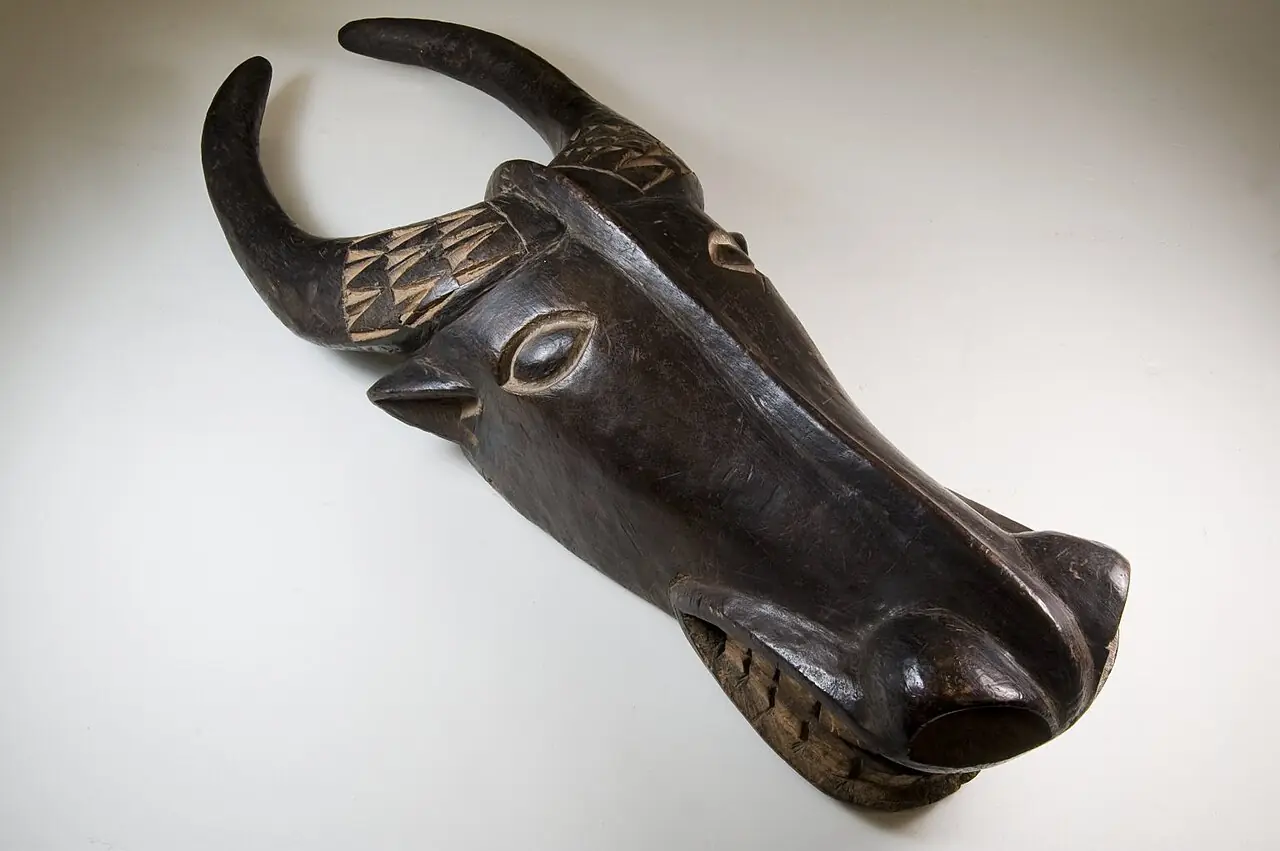
Carved wooden buffalo-head mask with horns

The illicit trafficking of cultural property affects chiefdom statues and masks, archaeological pieces, ritual objects, archives and manuscripts. It impoverishes communities, erases evidence of history and feeds criminal networks. Fighting it is a mission of the Ministry, in liaison with customs, the justice system and the security forces.

Law No. 2013/003 of 18 April 2013 lays down the rules: recognised or listed cultural property may not be permanently exported; its temporary export is subject to the prior authorisation of the Minister; the import of cultural property in breach of the legislation of its country of origin is prohibited. This page explains how to report, what the law says, what happens at the border and how to raise awareness.

  • Knowing how to recognise and report suspected trafficking
  • Understanding the rules on export, import and declaration
  • Protecting sites, museums, chiefdoms and collections
Learning to report
Alert

Report a trafficking or a suspicious removal

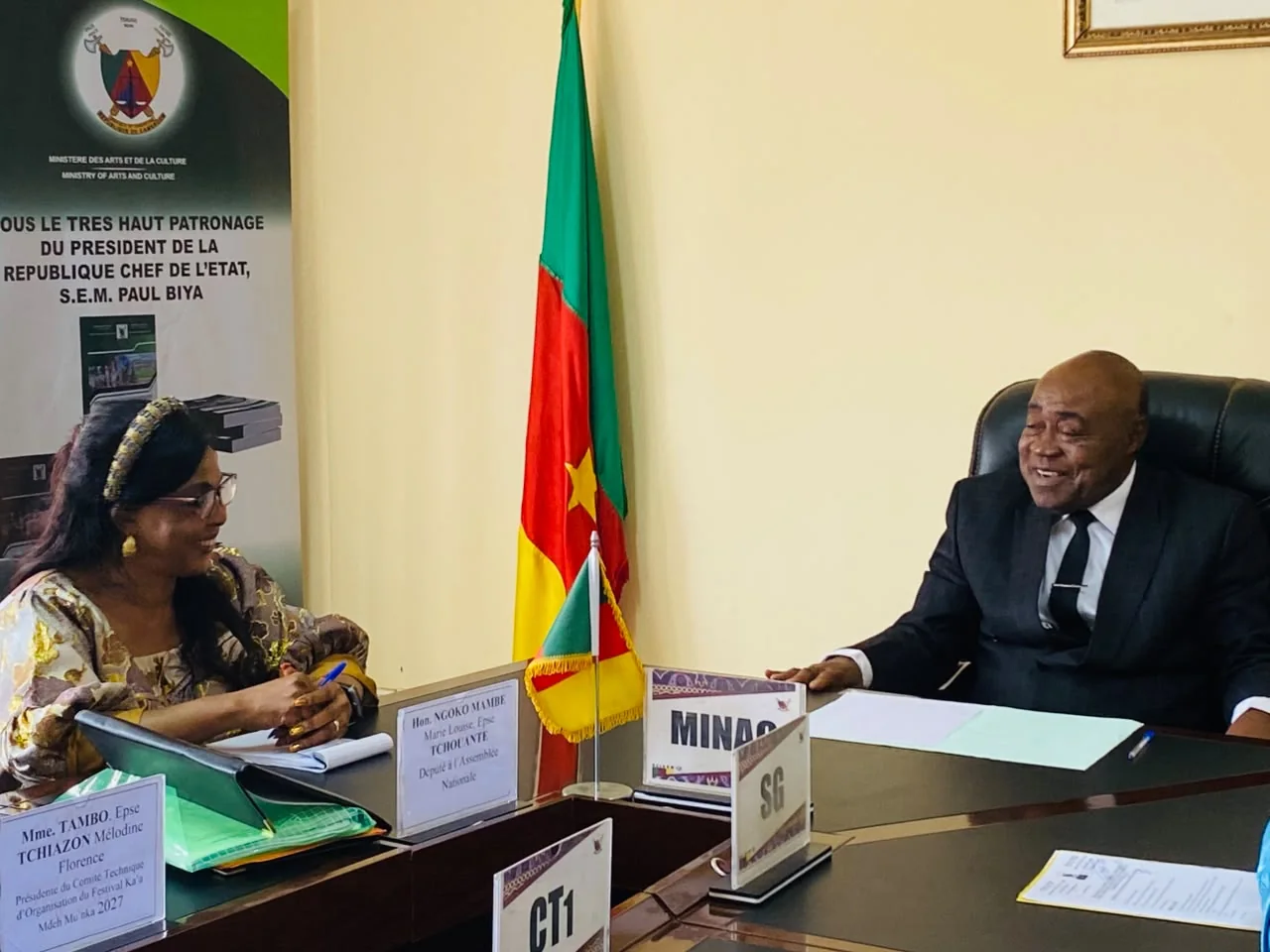
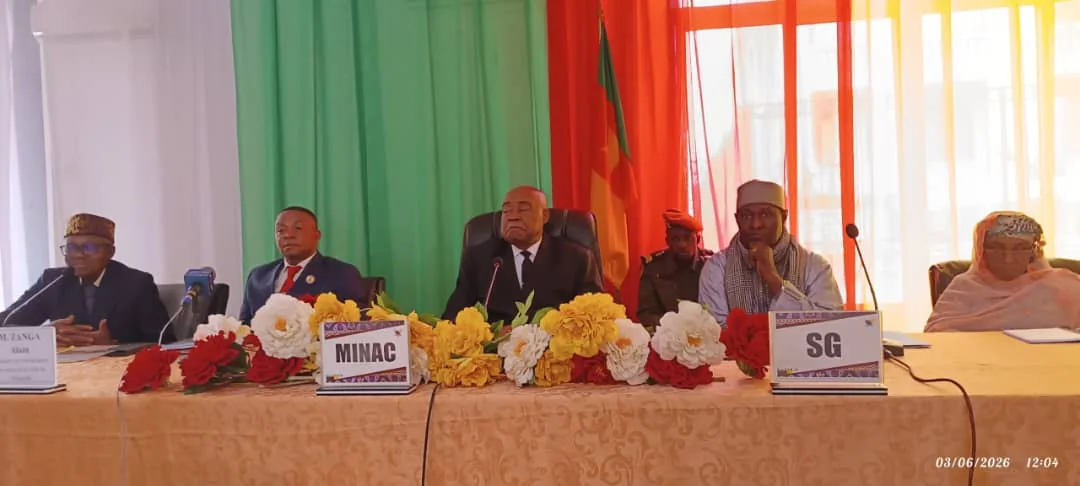
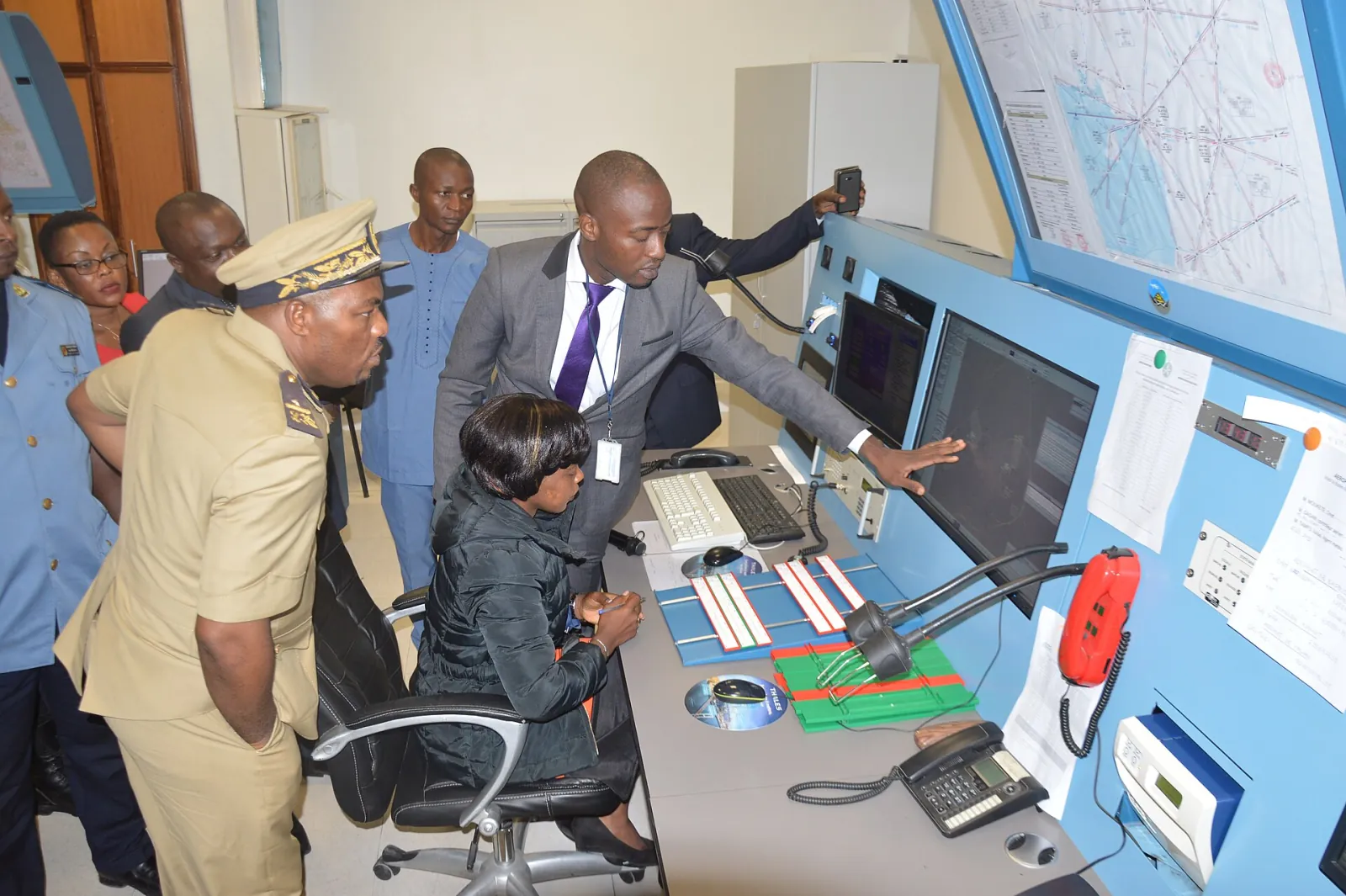
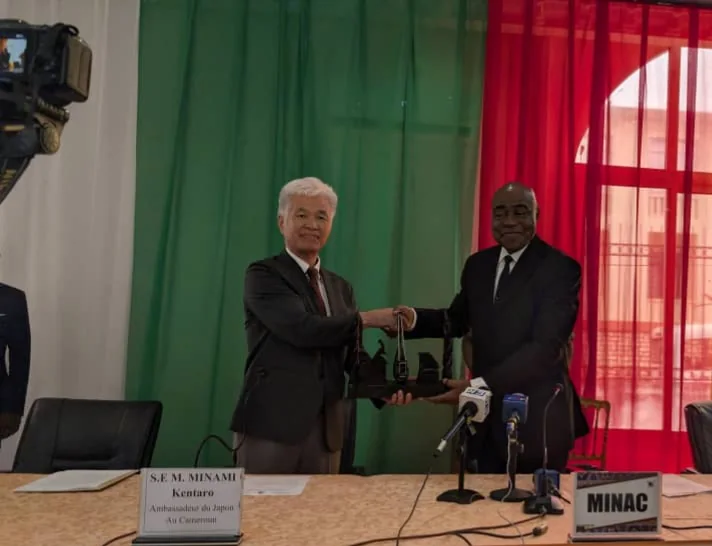
The Minister and the Secretary General meeting in an office of the Ministry

Every citizen can help protect heritage. An old object offered for sale in a market or online without papers, a night-time dig at a site, a suspicious parcel at the airport or port, a theft from a chiefdom, a museum or a place of worship: all of these deserve to be reported.

Warning signs

  • a seller unable to justify the origin of an ancient or sacred object;
  • a price far below the apparent value;
  • objects still covered in soil or coming from an archaeological site;
  • an online advertisement with no location or complete photographs;
  • a foreign buyer who offers to take the object away without formalities.

How to report

Reports are made online through the reporting form, by post or to the regional delegation. State the place, the date, the description of the object, any available photographs and the identity of the persons concerned if you know it. The report is handled with discretion.

What to avoid

Do not buy the object to “save” it: you would be feeding the market. Do not confront the traffickers. Keep the evidence (screenshots, photographs, addresses), then let the competent services act. Thefts must also be reported to law enforcement, which can enter the objects in international databases of stolen property.

ℹ️
A theft in your chiefdom?

Report it to the gendarmerie or the police and inform the regional delegation with photographs of the object: an inventoried property is easier to recover.

Law

Legislation on export and import

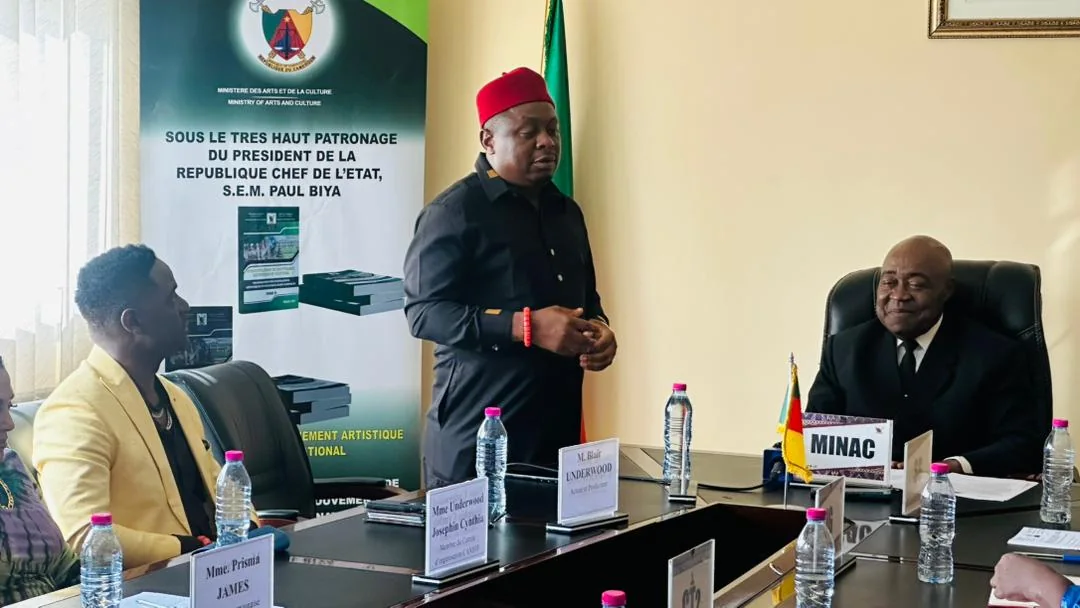
Working meeting in a Ministry office under the high patronage of the Head of State

Cameroonian heritage law, set out in Law No. 2013/003 of 18 April 2013, regulates the movement of cultural property. Its principles are simple and cumulative.

Export

  • Permanent export of recognised or listed cultural property is prohibited;
  • Temporary export, for an exhibition, restoration or study, requires the prior authorisation of the Minister;
  • contemporary works of art follow the export of works of art procedure.

Importing

The import of cultural property in breach of the legislation of the country of origin is prohibited. Cultural property that is legally imported must be declared at customs.

Penalties and restitution

Offenders bear the costs of recovering and returning the property. The possessor of stolen property must return it; a good-faith possessor may claim fair compensation. The State reserves the right to undertake all repatriation actions, detailed on the page on the restitution of cultural property.

Why recognise and list

Listing and protection give a property its legal status. The more complete the inventory, the greater the protection under the law: a recognised object cannot permanently leave the country. Owners may apply for the listing of a property. The implementing regulations can be consulted in the regulatory texts section.

ℹ️
Please note

No amount is stated here: consult the fees for procedure costs.

Borders

Customs and border control

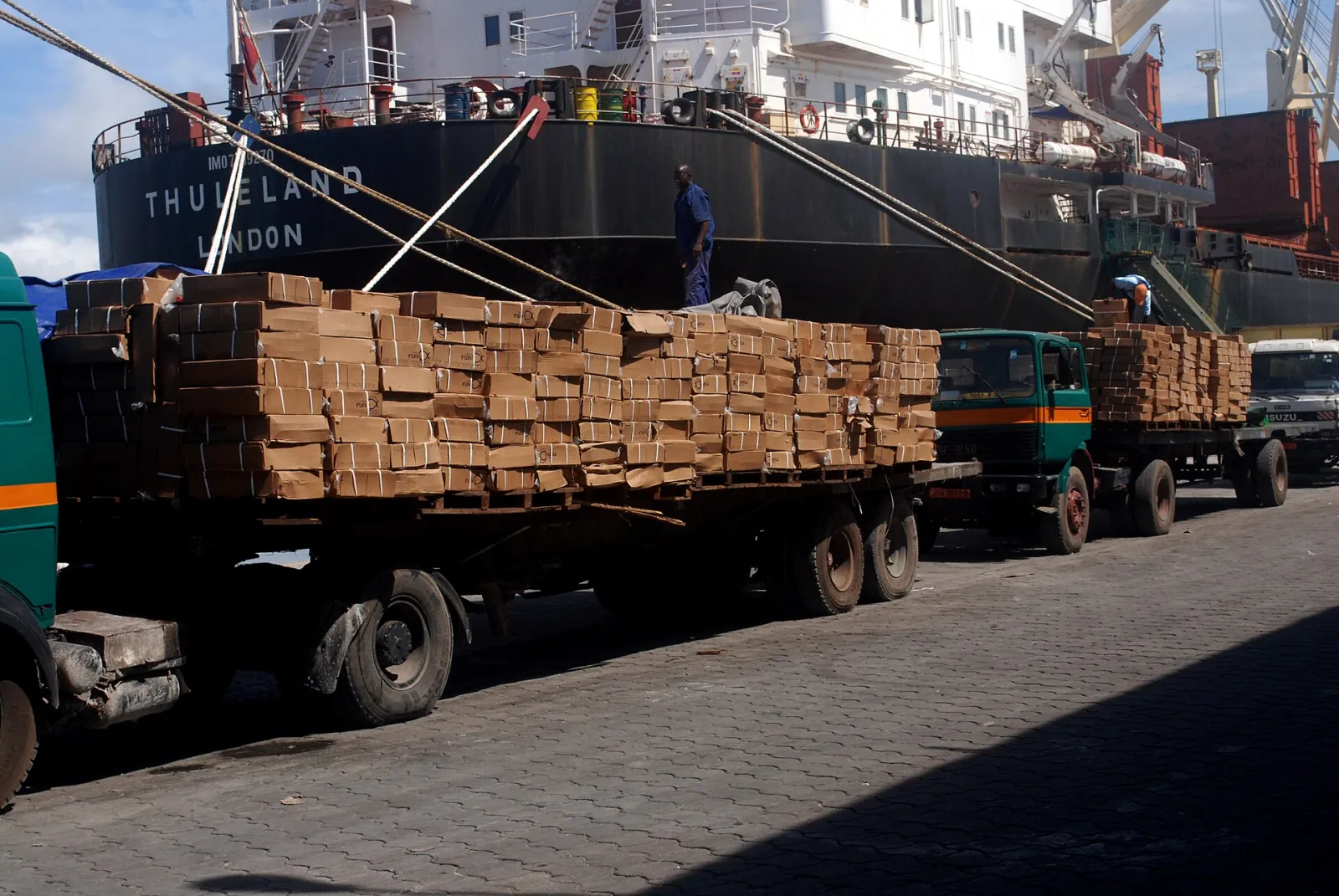
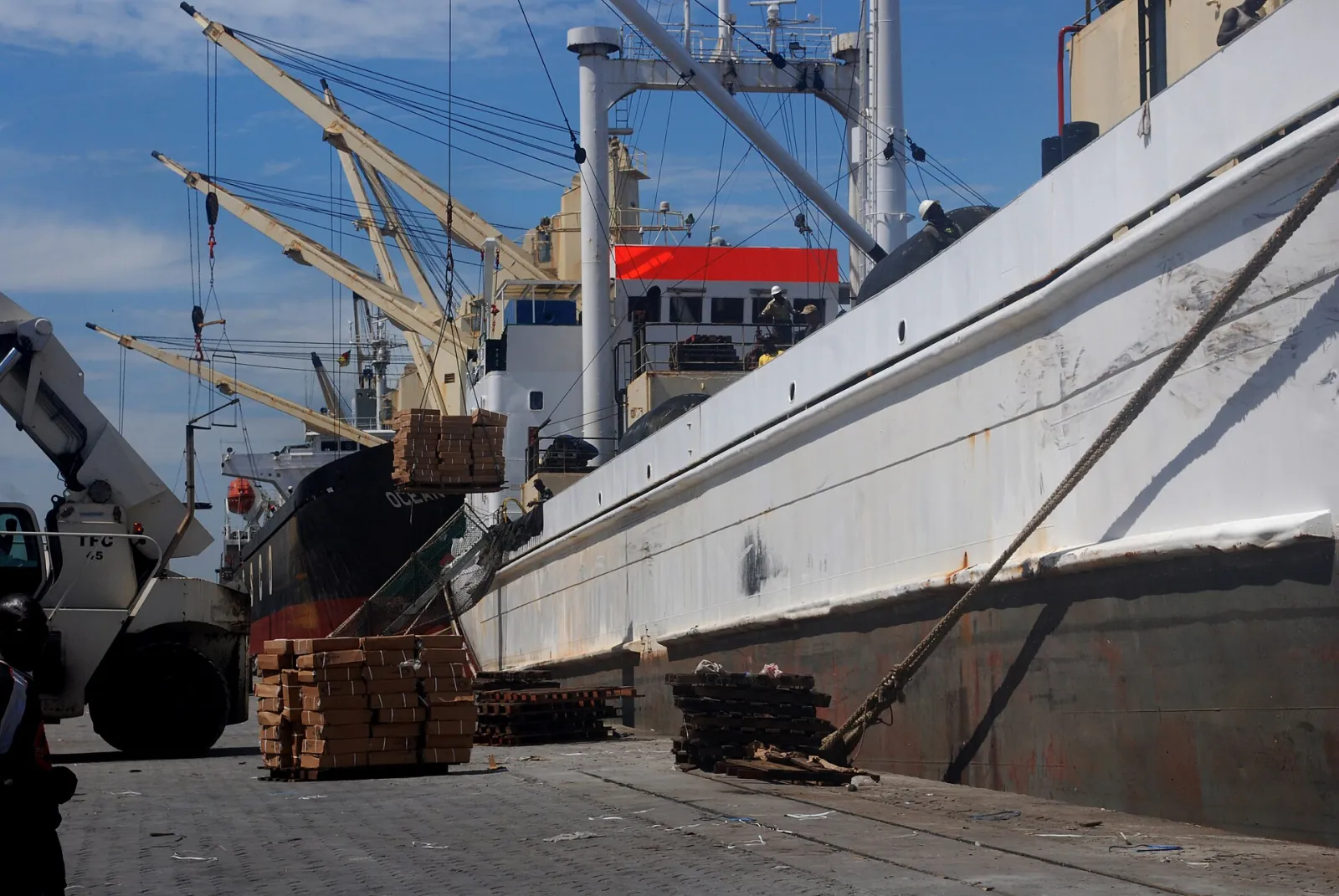
Lorries loaded with sawn timber beside a cargo ship at the port of Douala

Customs is the first line of defence against the illegal export of cultural property. Officers at the airports of Douala and Yaoundé, at ports, at land border posts and at post offices inspect luggage, parcels and goods.

Declaring an imported property

Any cultural property lawfully imported must be declared to customs. The declaration receipt is proof: it shows that the property entered the country lawfully and later makes it possible to justify its possession or export. Collectors, gallery owners and institutions must keep it together with invoices and certificates.

Leaving the territory with an object

  • a recognised or listed property cannot be permanently exported;
  • a temporary export requires the Minister’s authorisation, presented at departure;
  • a contemporary work of art follows the export procedure;
  • copies, tourist items and recent craft products circulate more freely, subject to verification.

Joint training

The Ministry organises training sessions with the customs services on recognising objects, identifying archaeological items and drawing up seizure reports. Seized property is entrusted to experts, then kept under the conditions set out in conservation and restoration.

Cooperation with neighbouring countries, within CEMAC and the African Union, completes this arrangement.

ℹ️
Travellers and exhibitors

A loan for an exhibition abroad is prepared several months in advance: request authorisation before packing the object.

Prevention

Awareness-raising and local protection

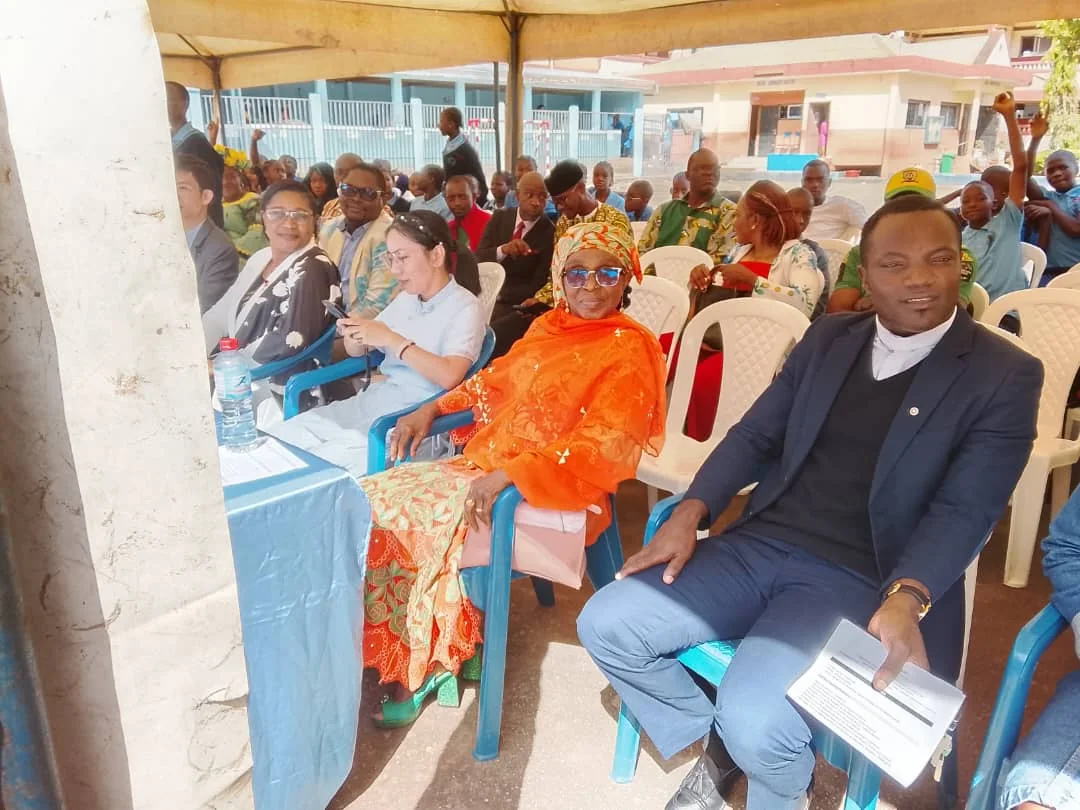
An audience seated under a tent, including a woman in orange in the foreground, attends a ceremony.

The best remedy against trafficking remains prevention. A community that knows the value of its property, a teacher who explains the history of an object, a village chief who keeps a register of the chiefdom’s objects: these are the true guardians of heritage.

Target audiences

  • Communities and chiefdoms, holders of objects of great symbolic value;
  • Schools, through teaching materials and arts education;
  • Professionals: antique dealers, gallery owners, carriers, travel agencies, sales platforms;
  • Tourists and travellers, informed before their stay of the rules on purchasing and export.

Actions

Radio and social media campaigns, posters in airports, workshops in chiefdoms, awareness days during the heritage days, security plans for museums and sites. The Ministry’s podcast and the photo library relay these messages.

Protecting on site

Photographic inventory of objects, discreet marking, secure storerooms, trained guards and alerts to neighbours form a practical arrangement. Chiefdoms can consult the national inventory and the palaces and chiefdoms pages to prepare.

Typologies

The property most exposed to trafficking

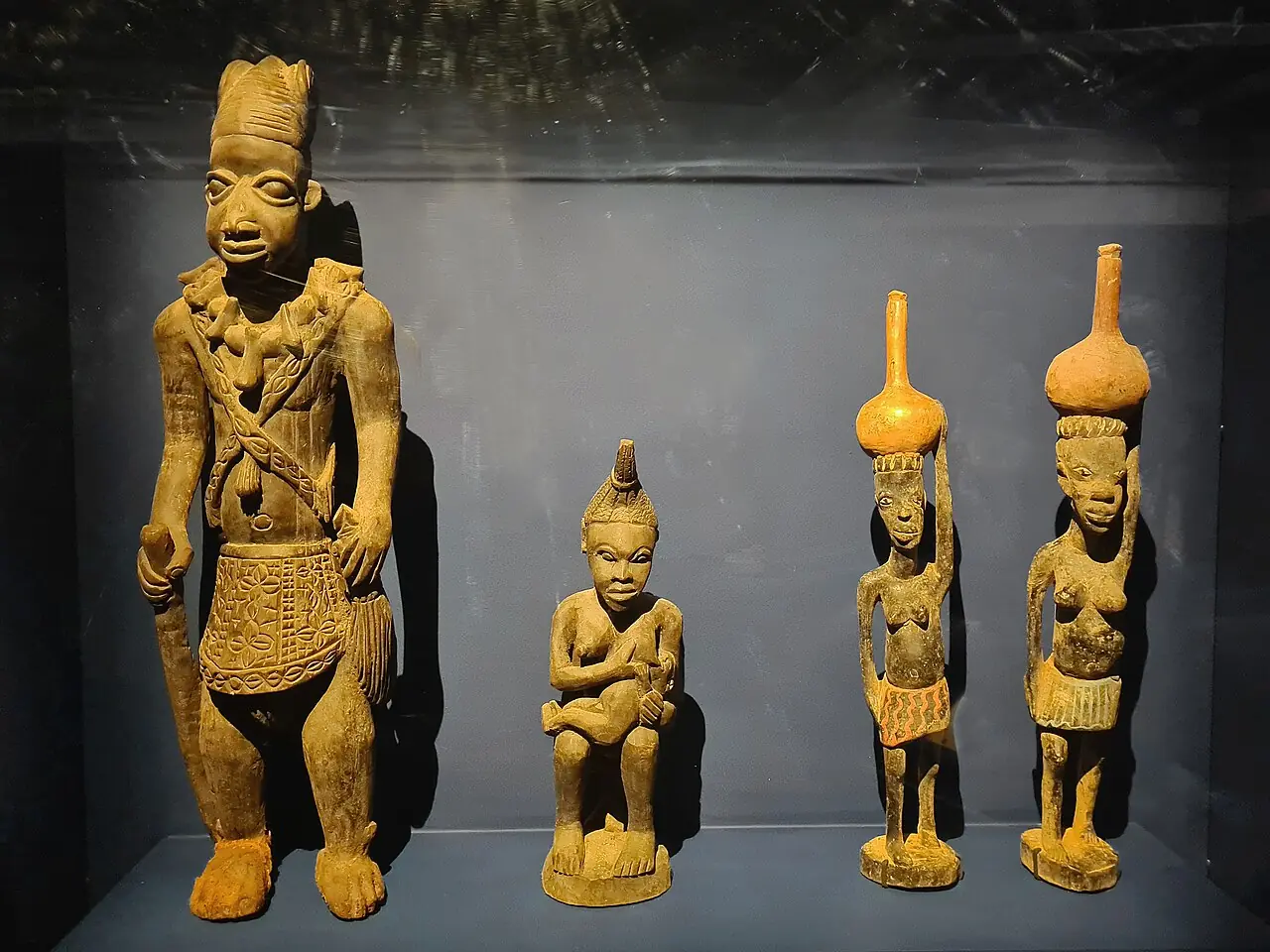
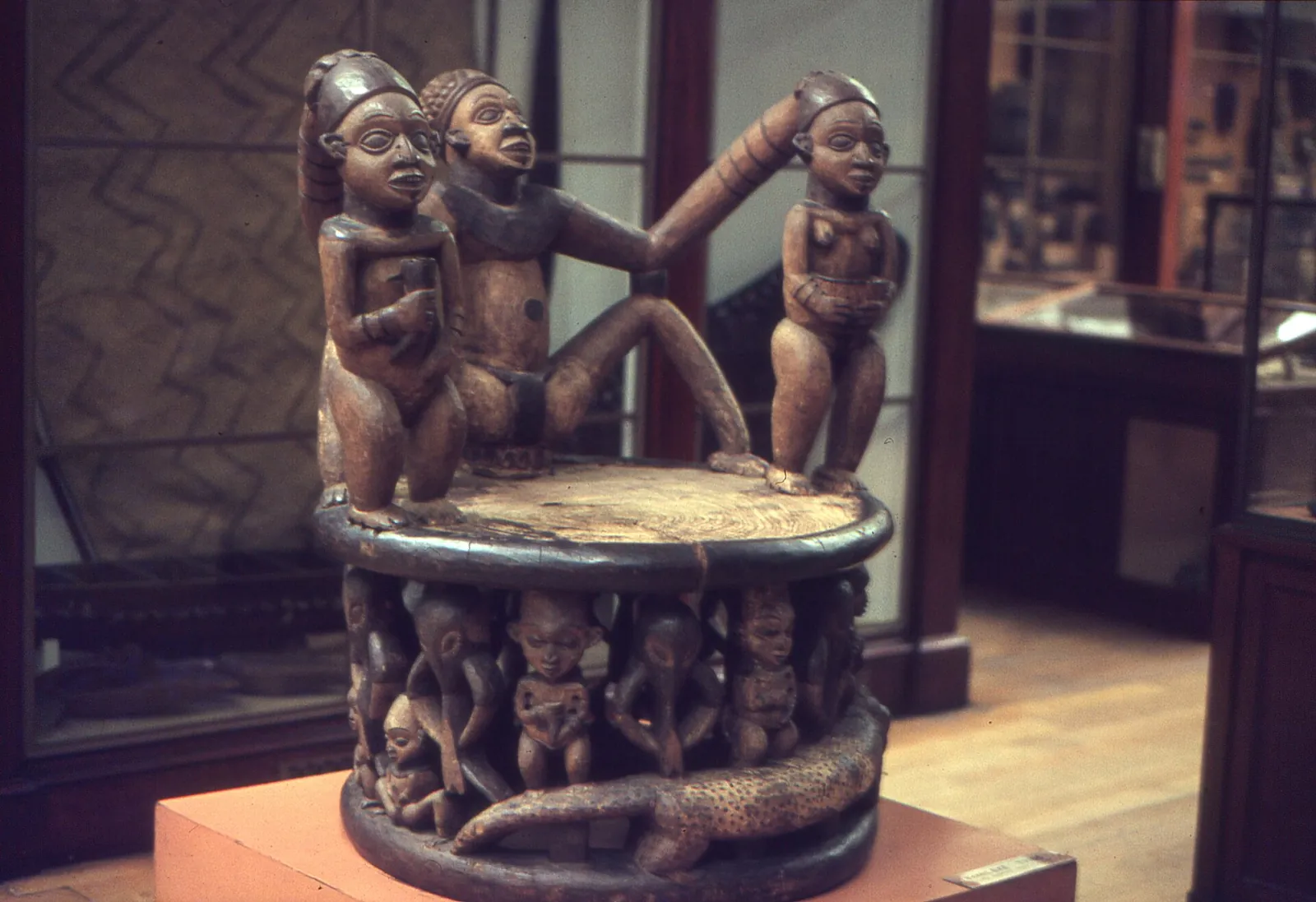
Carved wooden Bati-style statuettes displayed in a showcase

Not all cultural property is equally at risk. Certain categories particularly attract traffickers because they are sought by collectors, easy to transport or poorly monitored.

The main categories

  • Chiefdom and court objects: thrones, statues, beads, masks, drums, insignia;
  • Ritual objects: society masks, statuettes, objects of worship, sometimes sacred and not to be shown;
  • Archaeological items: pottery, tools, jewellery, from clandestine excavations (see archaeology);
  • Manuscripts and archives: old documents, photographs, sound recordings;
  • Everyday ethnographic items, increasingly sought after;
  • Architectural elements: carved doors, posts, panels.

Circuits

Stolen or unearthed property passes through local intermediaries, resellers, carriers and online platforms, then on to foreign markets. Traceability is quickly lost there, hence the importance of documenting at the source. Listed monuments and national museums have specific protection plans.

Step by step

Responding to suspected trafficking

Observe

Note what you see: the object, the place, the date, the people, the vehicle, the online advertisement; do not touch anything.

Photographing

Take photographs from the front, in profile and of details, as well as screenshots of advertisements or conversations.

Report

Fill in the reporting form or contact the regional delegation; in the case of theft, also inform the gendarmerie.

Let the authorities act

Do not try to buy the object or confront the sellers; the competent services verify and intervene.

Follow

Your report is recorded; the Ministry may ask you for further details and alert customs and partners.

Protect

Inventory your community’s objects, secure them and raise awareness among those around you to prevent further thefts.

To act

Four reflexes to adopt

Report

Trafficking, theft, a suspicious sale: the form is open to everyone.

Make a report

Authorise an export

For a loan or an exhibition abroad, request authorisation before departure.

See the procedure

Protect a property

Have a property listed to give it protective status.

Request listing

Training

Culture and border professionals can attend awareness sessions.

See the training courses
To explore

The fight in other sections

Voices

Voices of vigilance

“
Since we photographed and inventoried the chiefdom’s objects, every visitor is welcomed with a register, and we sleep better.
A village chief
West Region
“
The training I received taught me to recognise an archaeological item in luggage; we have already stopped several suspicious exports.
A customs officer
Douala Airport
“
We now ask every seller for proof of origin; transparency has become our selling point.
A gallery owner
Yaoundé
“
The pupils in my class created a poster to report stolen objects; they understood that heritage belongs to them.
A teacher
South-West Region

“An object without a documented history is an object without defence: to inventory is already to protect.”

A curator at the National Museum
To download

The resources of vigilance

Key facts

What is permitted, prohibited or subject to authorisation

SituationRuleDocument requiredContact point
Permanent export of recognised or listed propertyProhibitedNo document can allow itMinistry of Arts and Culture
Temporary export of a recognised or listed propertyPrior authorisation of the MinisterReasoned application with dates and placeMinistry and One-Stop Shop
Export of a recent work of artProcedure for exporting works of artFile and certificateExports Service
Lawful import of a cultural propertyCustoms declarationRegistration receiptCustoms
Import in breach of the law of the country of originProhibitedNoneCustoms and the courts
Stolen property in possessionMandatory restitutionProof of ownership and of theftCourts and Ministry
Possessor in good faithFair compensation possibleProof of acquisitionCourts or negotiation
Glossary

The vocabulary of the fight against trafficking

Illicit trafficking

Circulation of cultural property in breach of the law: theft, clandestine excavation, export without authorisation.

Recognised property

Property whose existence as cultural property is legally accepted.

Listed property

Property subject to a regime of reinforced protection, whose permanent export is prohibited.

Temporary export

Export limited in time, subject to the prior authorisation of the Minister.

Customs declaration

Formality that records the entry of lawfully imported cultural property.

Receipt

Document issued by customs that serves as proof of the declaration.

Clandestine excavation

Illegal removal of objects from an archaeological site.

Provenance

History of the possession of an object, making it possible to prove its origin.

Seizure

Measure by which the authority removes a property from circulation.

Possessor in good faith

Holder who is unaware of the unlawful origin of the property.

Repatriation

Return of a property illicitly exported to its country of origin.

Inventory

Described and photographed list of the property of a place or community.

On the site

Extending online vigilance

Resources

Useful links against trafficking

Stakeholders

Who is acting against trafficking?

Journey

The fight against trafficking over time

1970sThe first conventions

The international framework for combating illicit trafficking is put in place, with the UNESCO conventions.

1990sThe globalised art market

Rising prices attract traffickers to archaeological sites and chiefdoms in Central Africa.

2013The cultural heritage law

Law No. 2013/003 prohibits the permanent export of recognised or listed property and regulates imports and exports.

2020sDigital technology

Online sales call for monitoring of networks, platforms and foreign auction houses.

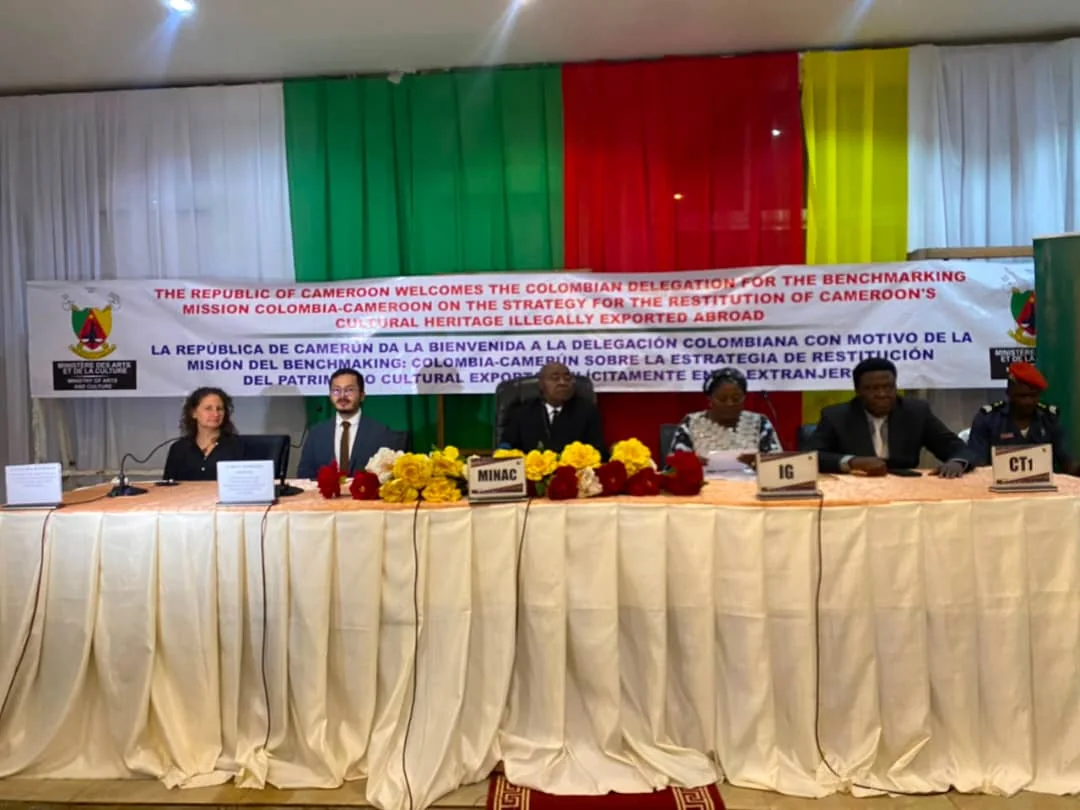
2026Cameroon–Colombia mission

Cameroon holds exchanges with Colombia on repatriation, financing and communication in the fight against trafficking.

Questions

Your questions on illicit trafficking

Can I take abroad an old object bought at a market?

It depends on its status. A recognised or listed property cannot permanently leave the country. For any old object, seek the Ministry’s opinion before travelling: a copy or recent object is not subject to the same rules.

How do I obtain temporary export authorisation?

The application is addressed to the Minister through the One-Stop Shop, with the description of the property, the reason for the export (exhibition, restoration, study), the destination and the duration. Authorisation must be obtained before departure.

What is a customs declaration for imported cultural property?

It is the formality that records the entry of the property into the territory. The receipt issued to you is proof and will help you demonstrate that the import was lawful on resale or export.

What does a person who illegally exports property risk?

They are liable to the penalties provided for by law and bear the costs of recovering and returning the property. The authorities may seize the object and initiate the repatriation procedure.

How do I report a suspicious online sale?

Use the reporting form, attaching the link to the advertisement, screenshots, the seller’s name and the date. Do not enter into any negotiation and do not pay anything: the Ministry passes the alert on to its partners.

Is my local museum protected?

Museums benefit from security and inventory rules. If you manage a museum or a storage facility, the regional delegation can help you draw up a security plan and a register of collections.

What should I do if an object from my chiefdom has been stolen?

File a complaint with the gendarmerie or the police, then inform the regional delegation, enclosing photographs. The better the object is described and inventoried, the easier it will be to find and reclaim.

Can an old object be lawfully purchased in Cameroon?

Only transactions involving property that is neither recognised nor listed and whose origin is substantiated can be considered. Always ask for an invoice and a certificate of origin, and check the status with the Ministry.

What is the role of customs?

Customs inspects luggage and goods, requires the declaration of imported cultural property, checks export authorisations and seizes objects leaving the territory without a permit. It works with the Ministry’s experts.

Contact

Write to the Ministry: Fight Against Illicit Trafficking

Specify the property or site concerned.

Competent directorate

Contacting the services fighting trafficking

Address

Directorate of Cultural Heritage
Ministry of Arts and Culture
Quartier du Lac – Ministerial Zone
P.O. Box 1053 Yaoundé, Centre Region, Cameroon

Reach us

+237 6 51 70 58 41

contact@minac.gov.cm

Opening hours

Monday to Friday, 8 am to 4 pm

A trafficking case to report?

Your report protects everyone’s heritage: describe the object, the place and the date.

Report now
WhatsApp