Coat of arms of CameroonMinistry of Arts
and Culture
Republic of Cameroon
My procedures
Home
Minister’s message
News
Press releases
Cultural calendar
Official speeches
Press review
Photo library
Video library
Calls for projects
Job vacancies
Public procurement
Newsletter
Frequently asked questions
Site map
Contact
Press area
Podcast “The Voice of Culture”
Legal notices
Privacy policy
Cookies and trackers
The Ministry
Missions and responsibilities
Organisation
Organisation chart
Minister’s Office (Cabinet)
Management team
General Secretariat
General Inspectorate
Central directorates
Regional Delegations
Institutions under supervision
Legislative texts
Regulatory texts
Sector strategy
Major projects
Budget and reports
Partners
Careers
Archives
Institutional communication
Quality and accessibility
Arts
Visual and plastic arts
Visual arts
Performing arts
Theatre
Dance
Music
Literature and books
Cinema and audiovisual
Photography
Fashion and design
Digital arts
Art crafts
Artists’ directory
Residencies
Prizes and awards
Arts education
Urban arts
Heritage
Tangible heritage
Intangible heritage
UNESCO sites
National museums
Listed monuments
National inventory
Palaces and chiefdoms
Archaeology
Linguistic heritage
Oral traditions
Traditional know-how
Restitution of cultural property
Fight against illicit trafficking
Listing and protection
Conservation and restoration
Heritage Days
Cultural landscapes
Industries
Music and recording
Cinema
Publishing and books
Digital arts
Fashion and creativity
Crafts
Cultural tourism
Funding for culture
Support funds
Incubators
Cultural entrepreneurship
Culture Observatory
Vocational training
Studies and reports
Sector statistics
Export and outreach
Intellectual property
Copyright
Legal framework
Copyright and neighbouring rights
Collective management societies
Register a work
Licences
Private copying
Fight against piracy
Model contracts
Social status of artists
Mediation
Disputes
Training
Fee scales
Register of works
Contact
Digital neighbouring rights
Public domain
Festivals
National calendar
Ngondo
Nguon
Écrans Noirs
Heritage Days
Music Day
Regional festivals
Fairs and exhibitions
Biennials
National competitions
Cultural days
Organise a festival
Event grants
Ticketing
Archives
Volunteering
Diaspora festivals
Regions
Adamawa
Centre
East
Far North
Littoral
North
North-West
West
South
South-West
Cultural map
Regional Delegations
Traditional chiefdoms
National languages
Cultural routes
Decentralised cooperation
Regional observatory
Cooperation
UNESCO
Francophonie (OIF)
African Union
Commonwealth
CEMAC
Bilateral cooperation
Cultural agreements
Professional organisations
Scholarships
Artist exchanges
Cultural years
Diaspora
Funded projects
Embassies
Technical partners
International restitution
International monitoring and calls
Services
Artist card
Show authorisation
Filming authorisation
Festival authorisation
Deposit of a work
Export of works of art
Listing of a property
Grant application
Association accreditation
File tracking
Forms
Fees
Opening hours and addresses
Reporting
Online help
My account
One-Stop Shop
Heritage

Heritage Days

Visits, workshops, lectures and performances: how the heritage days open up Cameroon’s sites, museums and know-how every year, and how to take part.

Updated on 6 November 20264 sub-pages
Event formats6
Participating regions10
Who it is forAll
Programme published inThe calendar
Celebrate

Heritage open to all

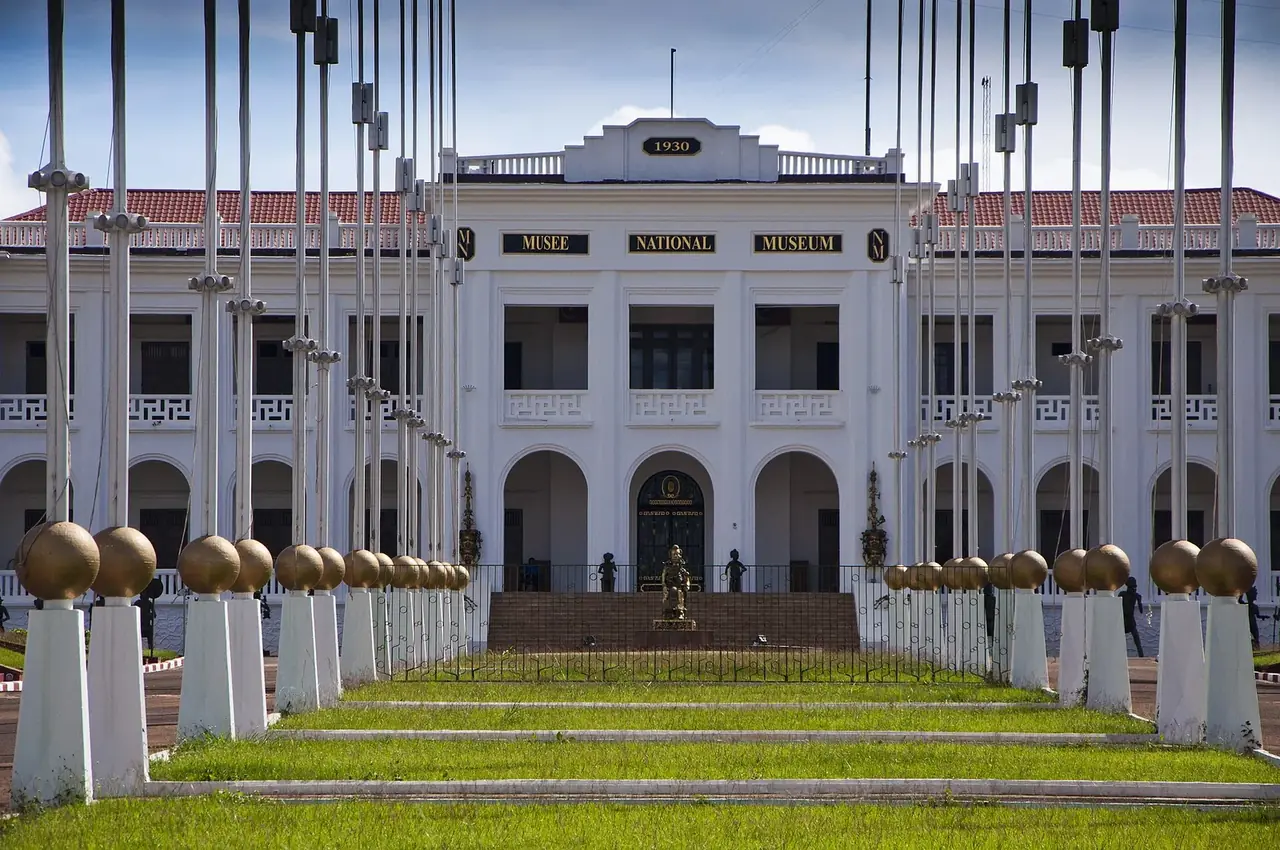
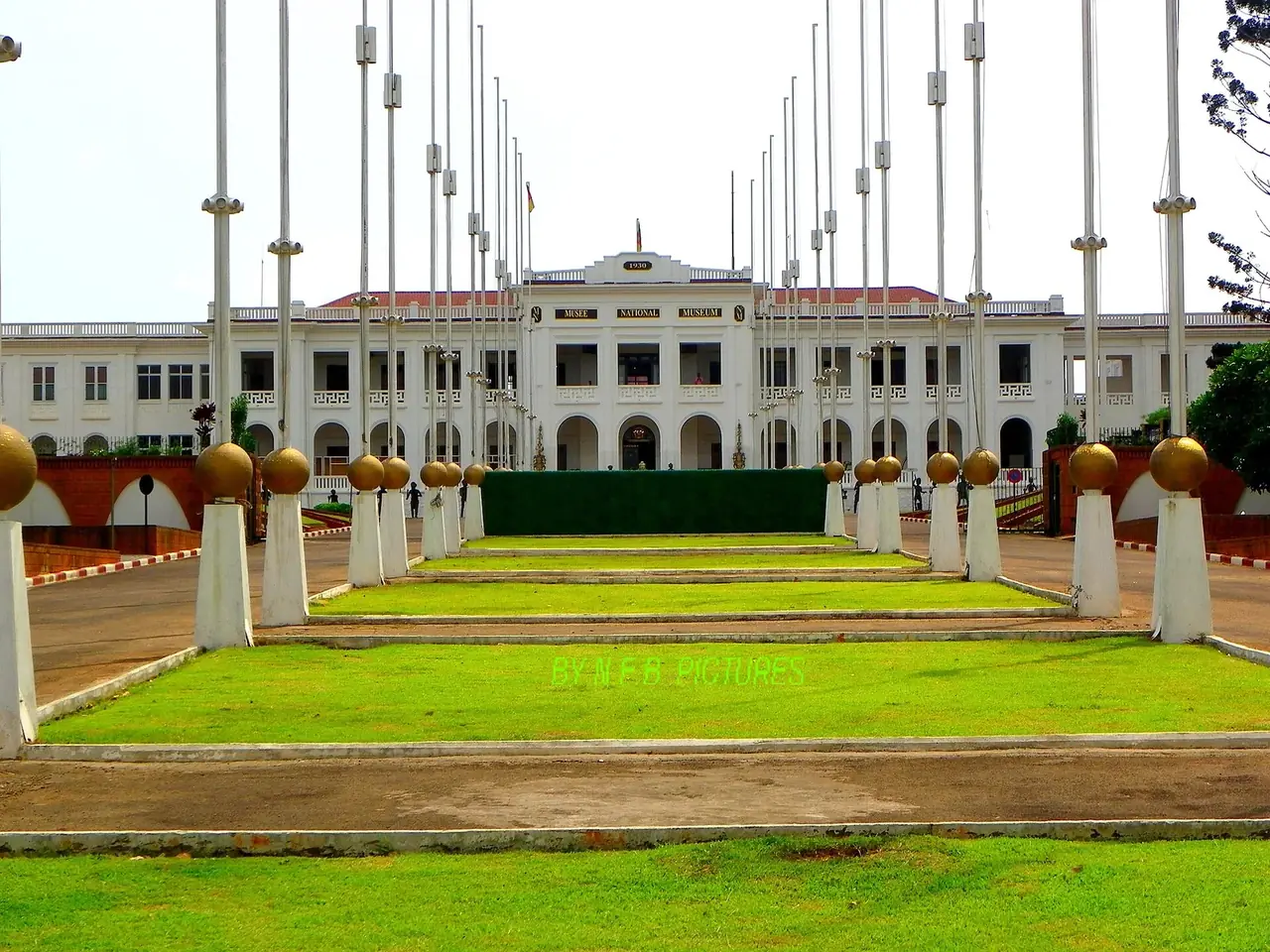
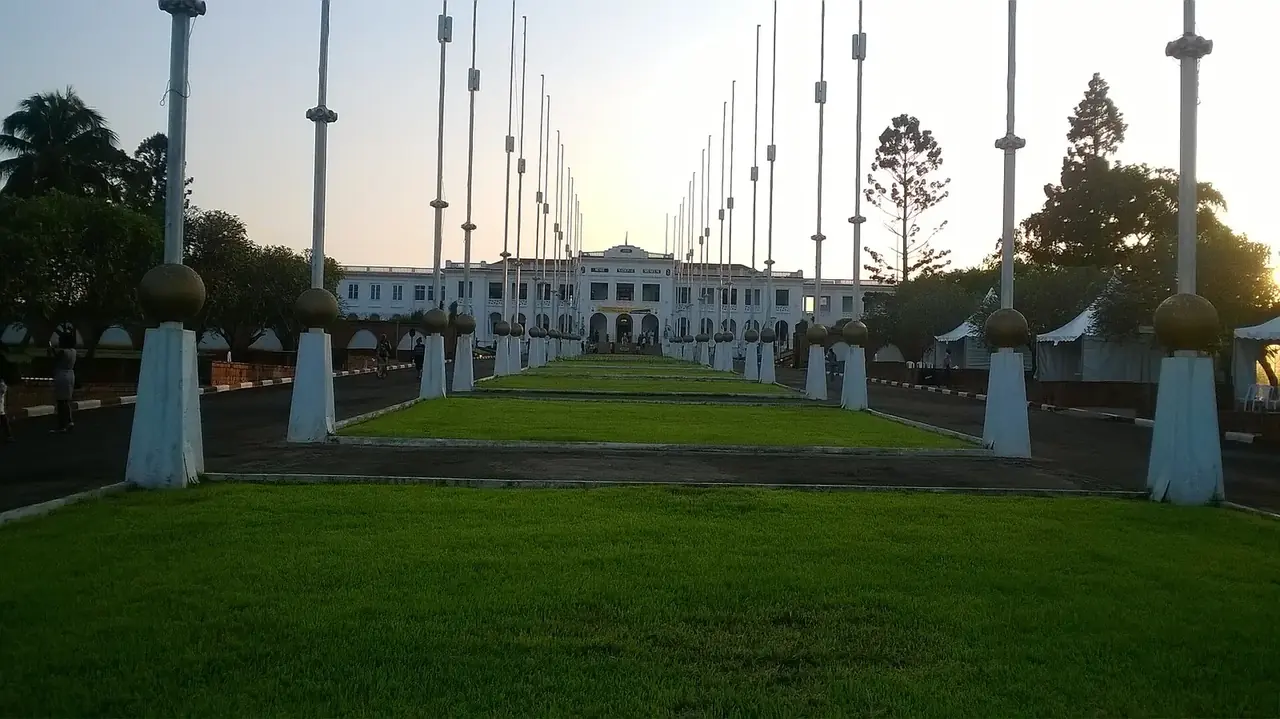
Avenue of flagpoles leading to the National Museum in Yaoundé at sunset

Heritage days are an opportunity, once a year, to open the doors of sites, museums, palaces and workshops and to show as many people as possible what makes up the nation’s memory. Law No. 2013/003 expressly provides for the celebration of national days dedicated to cultural heritage among the means of promoting heritage.

Guided tours, lectures, skills workshops, dance and storytelling performances, exhibitions: each region puts together a programme of its own. This page explains how the event is prepared, how to take part, what previous editions were like and what schools can do. It extends the event page in the festivals section.

  • Tours, lectures, workshops and performances
  • Activities for families and school groups
  • A programme announced in the cultural calendar
View the programme
Programme

The programme of the heritage days

Entrance of the National Museum of Cameroon in Yaoundé

Each edition runs over several days, with a national theme chosen by the Directorate of Cultural Heritage and adapted in each region by the delegations. The full programme is published in the cultural calendar; it can also be exported to a personal calendar. The press releases for the edition are circulated through the press releases section.

A sample week

  • Opening day: official ceremony at an emblematic site, reading of the theme, awards presented to heritage custodians;
  • Site days: free or reduced-price entry to museums, tours of palaces and chiefdoms, walks through old neighbourhoods;
  • Skills days: blacksmiths, weavers, potters and sculptors work in front of the public;
  • Stage evenings: tales, dances and concerts, with companies from the region;
  • Closing day: review, school competition prizes, announcement of the following year’s theme.

Thematic trails

Several themes are offered to the public: earth and wood heritage, languages and oral traditions, natural and sacred sites, archaeology and museums. Each trail comes with a map, timetables and useful numbers. People with reduced mobility will find access information on the quality and accessibility page.

ℹ️
Where to find the dates

Each edition is announced in the cultural calendar and in the Ministry’s newsletter. Subscribe to receive the programme by e-mail.

Take part

Taking part in the heritage days

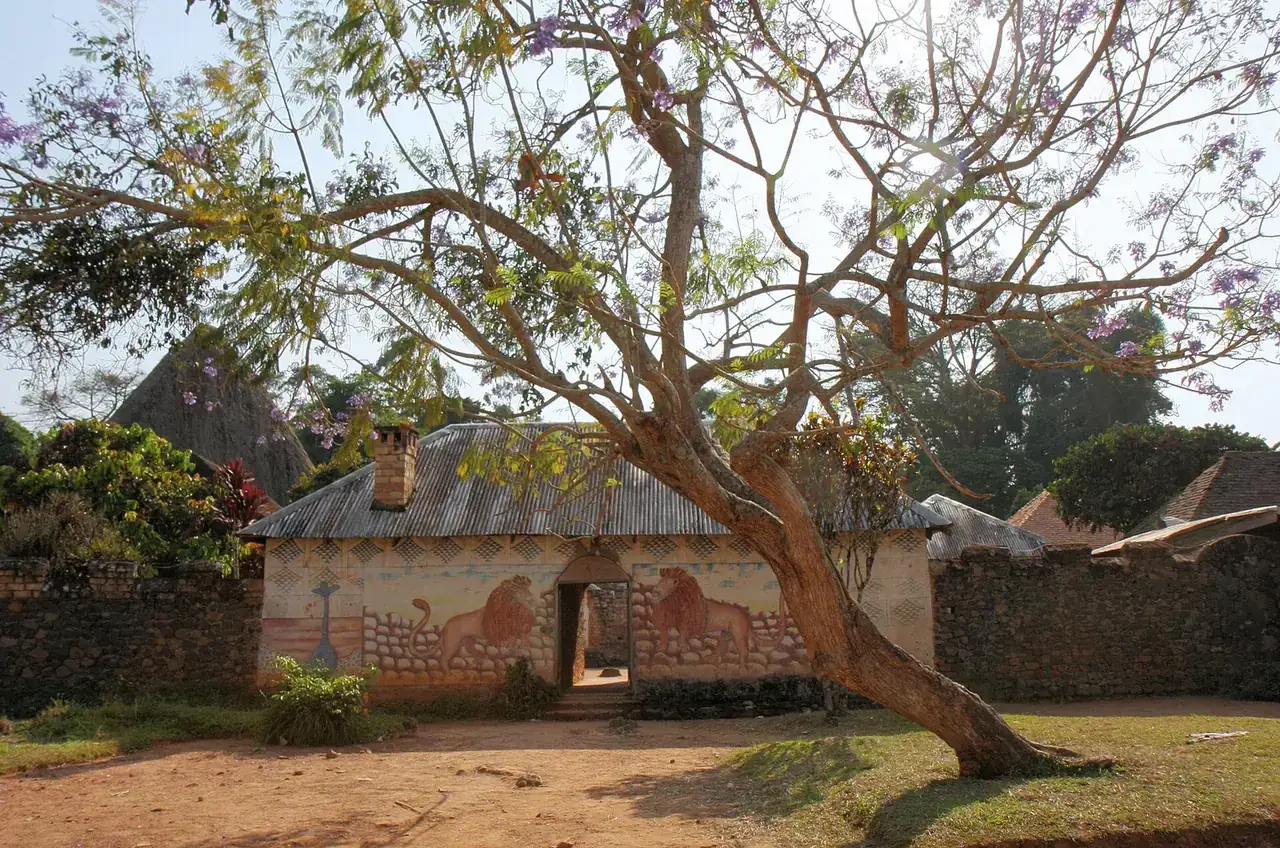
Traditional buildings of the Bafut chiefdom

The heritage days rely on the mobilisation of many players: institutions, associations, chiefdoms, schools, museums, businesses and craftspeople. Any organisation that holds or promotes a heritage asset may propose an activity, and members of the public can get involved as visitors or as volunteers.

Proposing an activity

Institutions and associations may propose an activity by responding to the call issued each year by the directorate. The file includes a description of the activity, the venue, the capacity, the target audience, the technical requirements and the security measures. Depending on the nature of the event, a festival authorisation or a show authorisation is required; the organising a festival page details the procedure.

As a visitor

  • Consult the calendar and choose sites by region;
  • Follow the visiting rules: do not touch objects, and ask for permission before photographing a ritual place;
  • Travel to the site on foot or by shared transport where possible;
  • Leave a review or a testimonial in the site’s guest book.

As a volunteer

Guides, public reception, help with setting up, translation into a national language: volunteering offers a few hours of training and a certificate. Sites opening to the public for the first time are supported by an officer from the regional delegation. Workshops may also benefit from event grants.

ℹ️
How to apply

Write to the directorate at contact@minac.gov.cm, stating the name of the site, the region and the type of activity you have in mind; an officer will reply within a few days.

Past editions

Past editions in pictures and figures

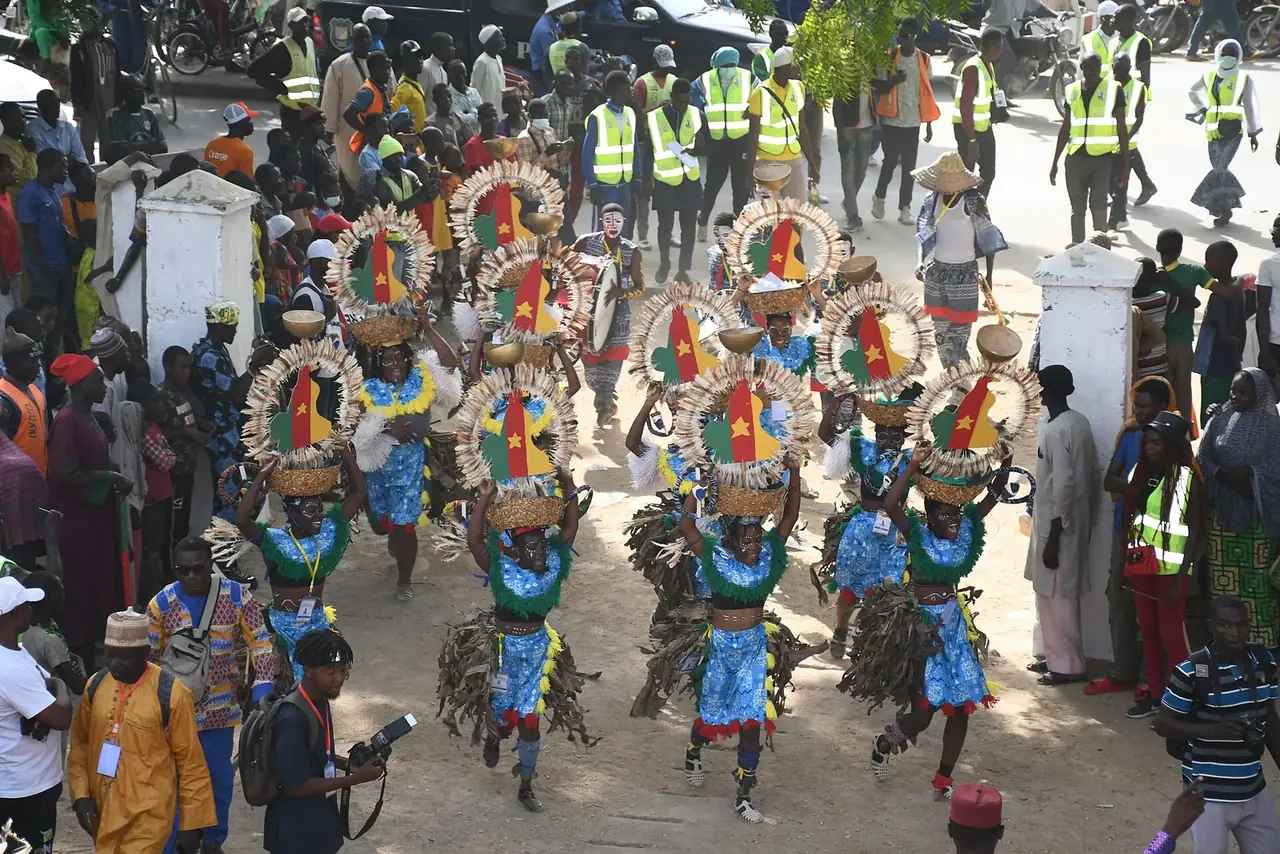
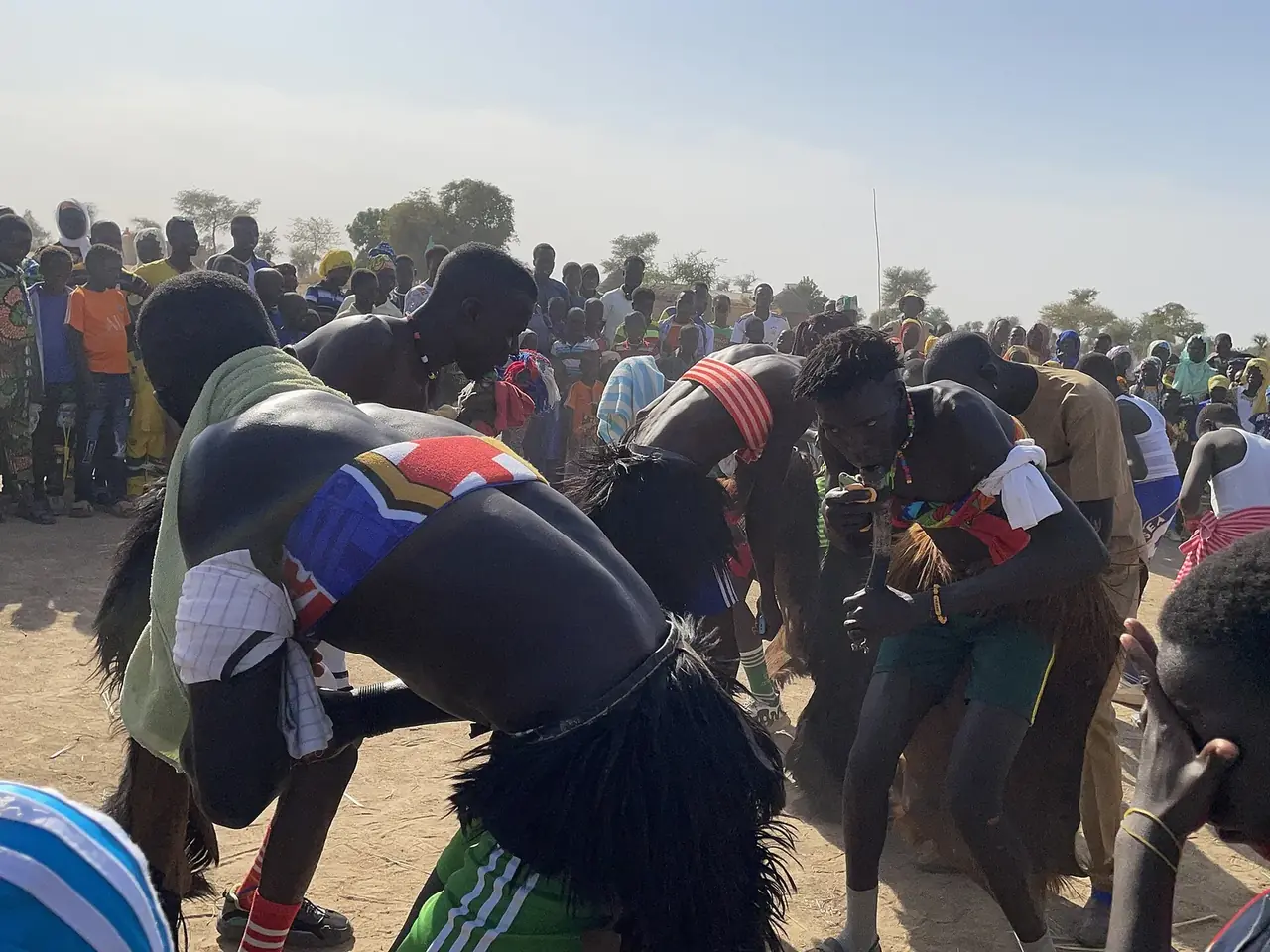
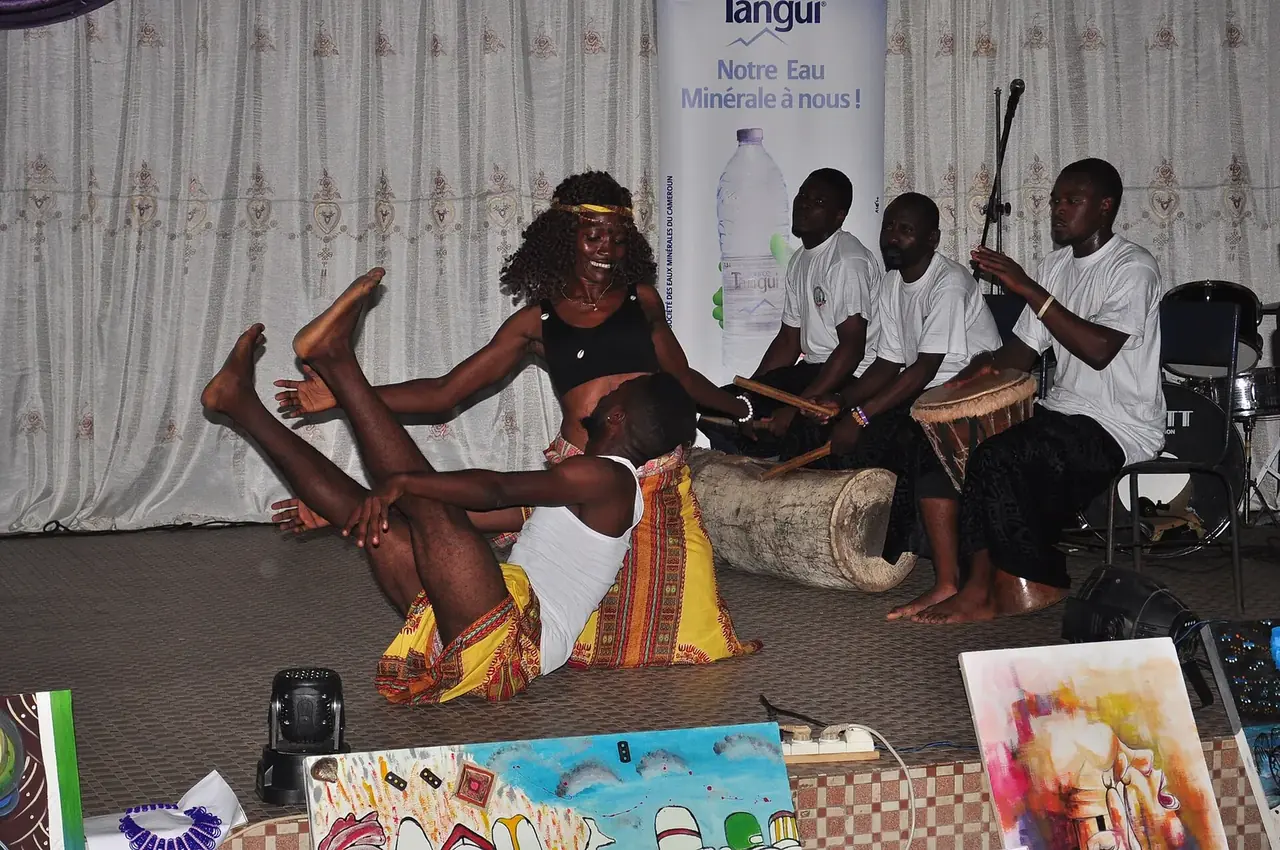
Dancers in raffia costumes at a cultural festival

Since they were created, the heritage days have grown in scale. Initially concentrated in a few large cities, they have spread to all ten regions and to many villages. The photographs, videos and reports of each edition are gathered in the photo library, the video library and the festival archives.

Key findings

The reports highlight three constants: a strong turnout of families and young people, marked interest in skills demonstrated live, and a need for mediators trained in the languages of the public. The most visited sites are the national museums, the palaces of the West and North-West, and the historic districts of the large port cities.

Successive themes

  • Languages and speech: oral traditions, tales and proverbs;
  • Gestures and hands: traditional skills and artistic crafts;
  • Stones and earth: architecture, archaeology, landscapes;
  • Voices and bodies: heritage music and dance;
  • Waters and forests: cultural landscapes and sacred natural sites.

Each report is sent to partners and to the culture observatory, which draws attendance and satisfaction indicators from it.

ℹ️
Finding an edition

Archives by year can be consulted in the festival archives section: photos, videos, programmes and results of the school competitions.

Schools

Schools and the heritage days

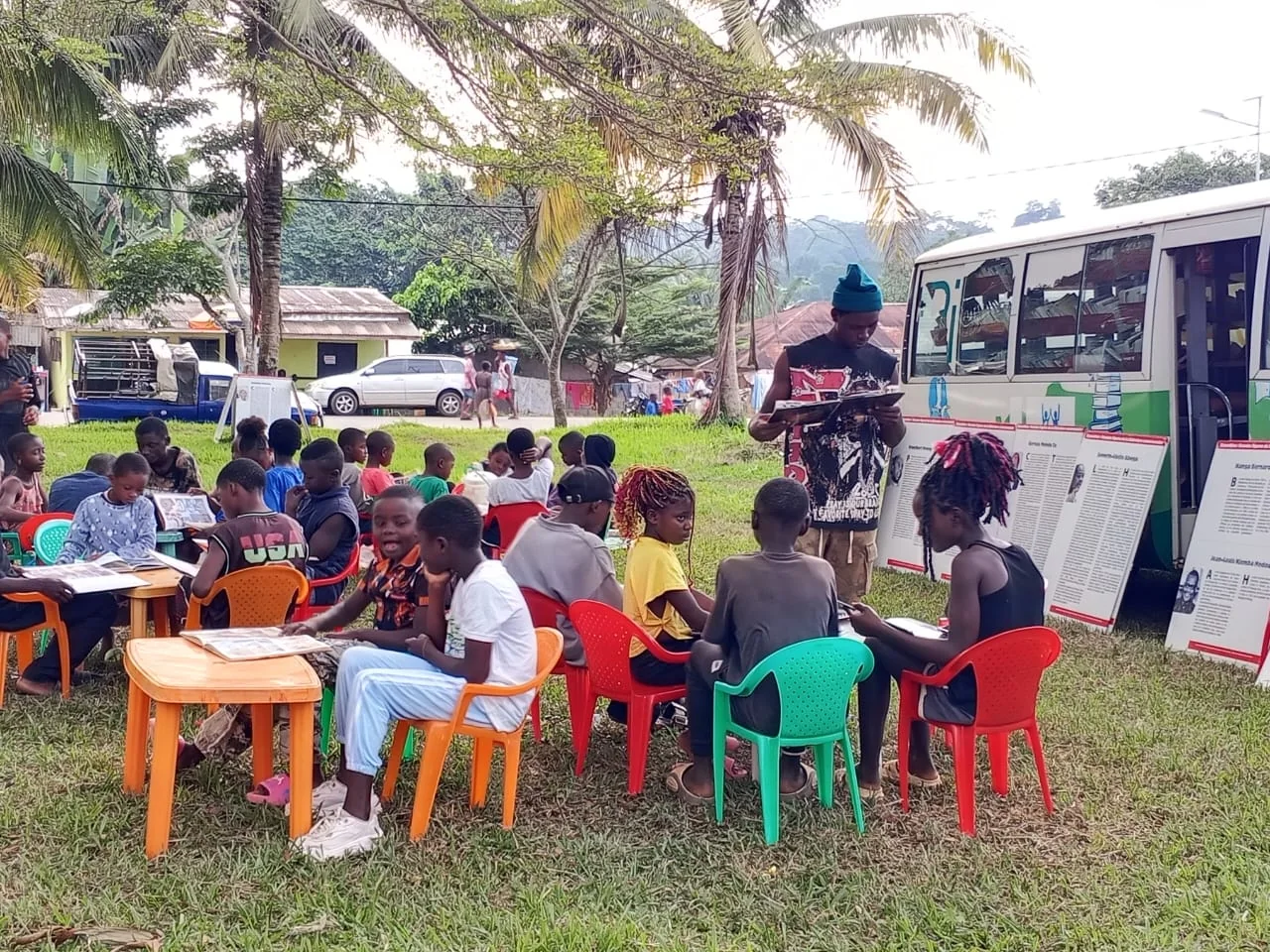
Children reading and writing at colourful tables on a lawn, next to a library bus

Pupils are a priority audience: they will be responsible for handing heritage on tomorrow. Visits are prepared with schools, in line with the history, geography, science and arts education curricula. The arts education page describes the general framework for these activities.

Before, during, after

An educational kit is given to teachers before the visit: activity sheets, questionnaires and an illustrated glossary. During the day, pupils take a tour suited to their age, join a workshop (modelling, weaving, recording a tale) and meet a heritage custodian. After the visit, the class produces a piece of work presented at the closing: an exhibition, a short sketch or a sketchbook.

Options by level

  • Nursery school: sensory trail, tales, shape games;
  • Primary school: heritage treasure hunt, writing workshop, discovery of a trade;
  • Lower secondary: interview with an elder, survey of a monument, neighbourhood map;
  • Upper secondary: documentary file, filmed interview, poster competition;
  • Higher education: technical visits and placements in museums.

Schools register with the regional delegation; transport is arranged with local authorities where possible. The tales and epics collected also feed into oral traditions, and the trade workshops join the traditional skills.

ℹ️
For teachers

Ask your regional delegation for the educational kit or write to the Ministry, stating the school, the level and the preferred date.

Open sites

The sites that open their doors

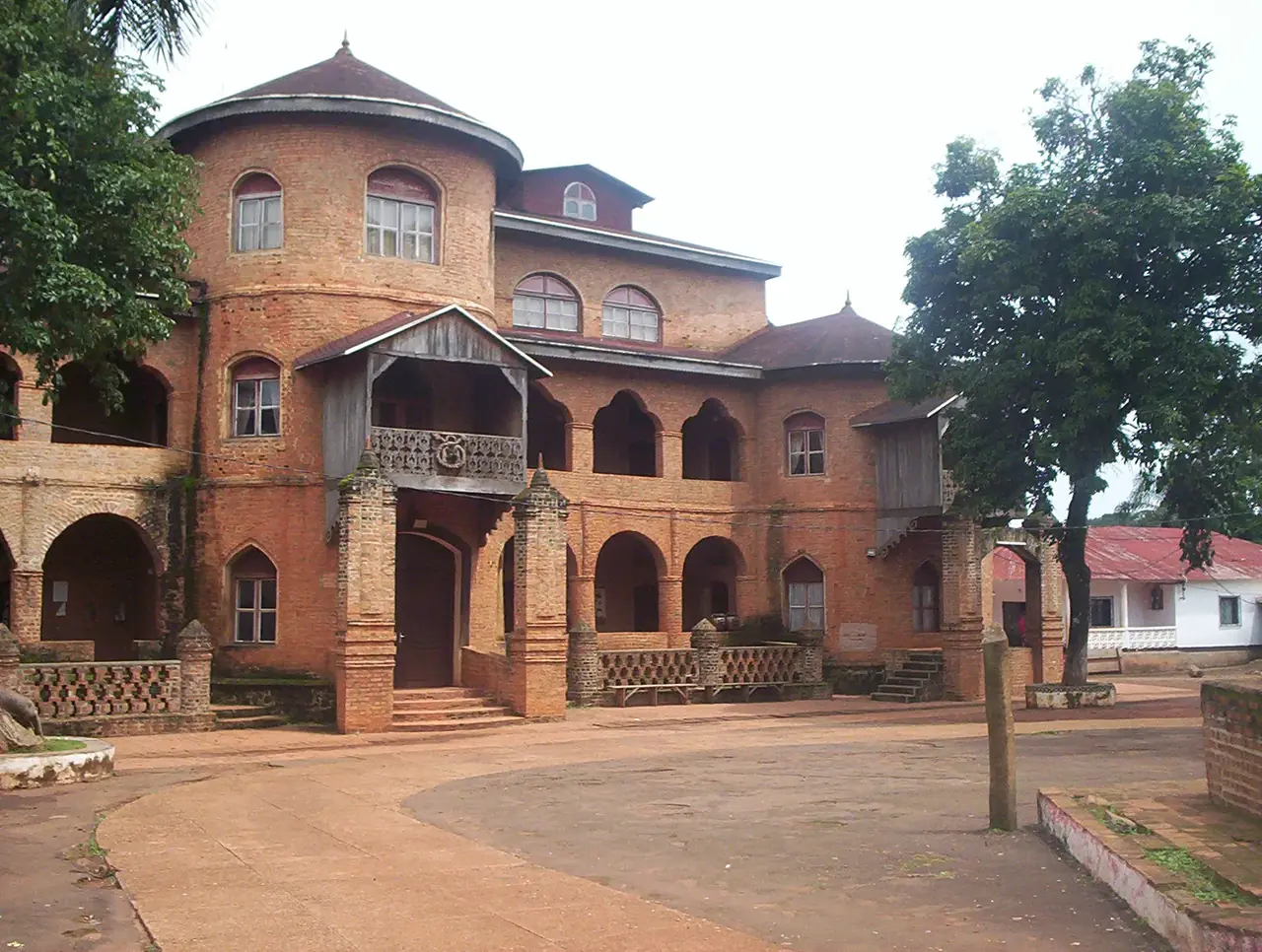
The Bamoun sultan’s palace in Foumban

For the duration of the days, places usually closed to the public welcome visitors: archive stores, restoration workshops, museum storerooms, palaces, archaeological sites and 20th-century buildings. This exceptional opening takes place with the owners’ consent and under the supervision of a guide.

Animations

The activities offered to the public

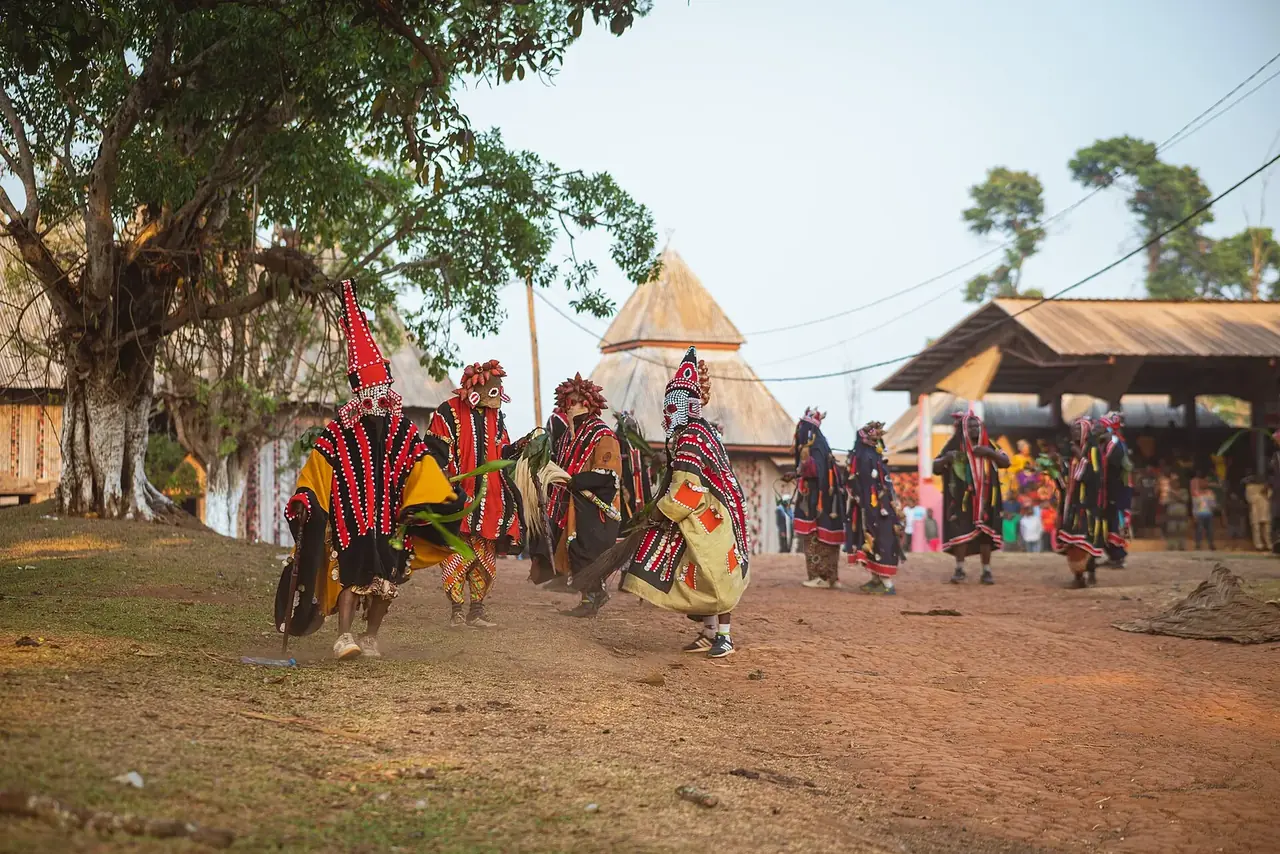
Masks and dancers of the Ngou-Ngoung festival in a village of the West

The strength of the days lies in the variety of activities. Each targets a specific audience and format, and organisers are encouraged to mix them so that every visitor finds a place.

The most common formats

The guided tour remains at the heart of the programme: thirty to forty-five minutes, with a trained guide and, where needed, translation into a national language. The lecture brings together researchers, curators and knowledge holders around a theme. The workshop gives a voice to the hands: visitors learn to plait a basket, beat a drum, tie a cloth. The stage offers storytelling, dance and music, with the participation of local companies. The temporary exhibition showcases a collection or a recent discovery. Lastly, the screening shows documentary films on heritage trades.

Activities for everyone

Sign-language tours, large-print or Braille materials and tactile tours are provided at the main sites. Families can make use of an activity booklet. Dance and music performances often bring together artists from dance and music. The programme links up with the Music Day and the cultural days.

Step by step

Propose an activity for the days

Read the call

Consult the annual call, the national theme and the calendar; check that your site or project meets the criteria.

Prepare the file

Describe the activity, the audience, the venue, the duration, the capacity, the team and the technical requirements.

Submit the application

Send the file to the regional delegation or through the online form before the deadline set by the call.

Obtain the authorisations

Depending on the nature of the activity, submit a festival or show authorisation request several weeks in advance.

Get ready to host

Train the guides, set up signage, arrange security and inform neighbours and local authorities.

Take stock

Count visitors, gather photographs and testimonials, and send the report to the directorate after the days.

To explore

The days and the other sections

They take part

The days seen from the inside

“
We received more than three hundred visitors in a single day. The elders told the history of the chiefdom and the young people ran the reception.
A traditional chief
North-West Region
“
My pupils drew the fort, interviewed an old guide and put together an exhibition. They now know the history of their town better than I do.
A lower secondary school teacher
Littoral Region
“
Weaving in front of the public allowed me to sell my first pieces to visitors from far away and to explain my trade.
A weaver
Adamawa Region
“
Volunteering made me want to study art history. The museum guides showed me that this profession existed.
A student volunteer
Yaoundé
To download

The tools for the heritage days

“On that day, the palace door is open to all the children of the neighbourhood: one day they will return as custodians.”

A notable from a chiefdom in the West
Glossary

The words of the heritage days

Heritage Days

Annual event that opens the country’s sites, museums and skills to the public for several days.

Guided visit

Commented tour of a site or collection by a trained guide.

Studio

Practical session in which the public learns a gesture or a skill from a craftsperson.

Mediation

Support for the public to help them understand and appropriate a cultural property.

National theme

Theme chosen each year by the directorate and adapted by the regions.

Journey

Route offered to visitors, linking several sites around a single subject.

Temporary exhibition

Temporary display of objects or documents, set up for the duration of the days.

Educational kit

File given to teachers with activity sheets and questionnaires.

Volunteer

Person who gives their time to welcome, guide or help with organisation, unpaid.

Closing

Final stage of the days, devoted to the review, school prizes and the announcement of the next theme.

Accessibility

All the arrangements that enable everyone to visit a site, whatever their disability.

To act

How to get involved in the days

Proposing an activity

Open your site, workshop or collection to the public by responding to the annual call.

See the calls

Become a volunteer

Guide, welcome, translate: join the teams mobilised in each region.

Become a volunteer

Event authorisation

A public activity requires an authorisation: submit your request online.

Festival authorisation

Receive the programme

Subscribe to the newsletter to learn the dates and sites as soon as they are announced.

Subscribe
On the site

Pages to read alongside the heritage days

Resources

Useful links for the days

Stakeholders

Who organises the days?

Key facts

The activities at a glance

AnimationTarget audienceTypical durationUsual organiser
Guided visitAll audiences30 to 45 minutesMuseum, delegation, association
LectureAdults, students1 hour to 1 hour 30 minutesUniversity, directorate, researchers
Skills workshopFamilies, school groups1 to 2 hoursCraftspeople, chiefdoms
Storytelling or dance showAll audiences45 minutesCompanies, cultural centres
Temporary exhibitionAll audiencesThroughout the daysMuseum, library, town hall
Film screeningAdults, secondary pupils1 to 2 hoursFilm club, schools
Walk through an old neighbourhoodFamilies, tourists2 hoursMunicipality, tourist office
School competitionPupilsOne school yearSchools, delegation
Calendar

From programme to celebration

Start of the yearChoosing the theme

The directorate sets the national theme with partners and prepares the call for proposals addressed to sites and organisations.

SpringCall for activities

Institutions, associations, chiefdoms and schools put forward their activities; the regional delegations review them.

SummerAuthorisations and preparation

Organisers obtain their authorisations, train guides and prepare the mediation materials.

Start of the school yearPublication of the programme

The programme appears in the cultural calendar, the newsletter and partner media.

The daysOpening to the public

Tours, workshops, lectures and performances take place in all ten regions, with teams of volunteers.

AfterReview and archives

Photographs, attendance figures and lessons learned are added to the archives and guide the next edition.

Questions

Your questions about the days

Are the heritage days free?

Many sites offer free or reduced-price entry during the days, but this depends on the managers. The programme published in the cultural calendar states the access conditions for each venue. The usual rates can be consulted on the Ministry’s fees page.

When do the heritage days take place?

Each edition is announced in the cultural calendar and in the newsletter, with the theme and the dates. The surest way is to subscribe to the newsletter or to consult the event page in the festivals section, which is updated for each season.

How can I propose an activity in my village or organisation?

Respond to the annual call by sending a file to the regional delegation: description, venue, audience, duration, technical requirements and security. Institutions and associations may propose an activity, and an officer will help you prepare it and obtain the required authorisations.

Is authorisation required to organise an activity?

Yes, as soon as the event is open to the public. Depending on its nature, you need either a festival authorisation or a show authorisation, to be requested online several weeks in advance with the programme, the venue and the security plan.

Can my school take part?

Yes. Schools register with the regional delegation, which prepares a visit suited to the pupils’ level and gives the teacher an educational kit. Classes may also present a piece of work at the closing: an exhibition, a short sketch, a sketchbook or a recording.

Can the sites be photographed during the days?

Generally yes, but each site sets its own rules. In ritual places, palaces and some museum rooms, the consent of the custodian or guide is essential. Images intended for commercial use require an application for use to the Ministry’s photo library.

How can I become a volunteer?

Register with the regional delegation or through the volunteering section. A few hours of training prepare you for reception, guiding and security, and a certificate is issued at the end of the days. Minors take part with their parents’ consent.

Whom should I write to for information?

Use the contact form on this page, write to contact@minac.gov.cm or call +237 6 51 70 58 41, Monday to Friday from 8 am to 4 pm. State the region, the site and the nature of your request.

Contact

Write to the Ministry: Heritage Days

Specify the property or site concerned.

Competent directorate

Contact the Directorate of Heritage

Address

Directorate of Cultural Heritage
Ministry of Arts and Culture
Quartier du Lac – Ministerial Zone
P.O. Box 1053 Yaoundé, Centre Region, Cameroon

Reach us

+237 6 51 70 58 41

contact@minac.gov.cm

Opening hours

Monday to Friday, 8 am to 4 pm

An activity to propose?

Consult the cultural calendar, note the dates of the days and tell us about your project.

See the calendar
WhatsApp