Coat of arms of CameroonMinistry of Arts
and Culture
Republic of Cameroon
My procedures
Home
Minister’s message
News
Press releases
Cultural calendar
Official speeches
Press review
Photo library
Video library
Calls for projects
Job vacancies
Public procurement
Newsletter
Frequently asked questions
Site map
Contact
Press area
Podcast “The Voice of Culture”
Legal notices
Privacy policy
Cookies and trackers
The Ministry
Missions and responsibilities
Organisation
Organisation chart
Minister’s Office (Cabinet)
Management team
General Secretariat
General Inspectorate
Central directorates
Regional Delegations
Institutions under supervision
Legislative texts
Regulatory texts
Sector strategy
Major projects
Budget and reports
Partners
Careers
Archives
Institutional communication
Quality and accessibility
Arts
Visual and plastic arts
Visual arts
Performing arts
Theatre
Dance
Music
Literature and books
Cinema and audiovisual
Photography
Fashion and design
Digital arts
Art crafts
Artists’ directory
Residencies
Prizes and awards
Arts education
Urban arts
Heritage
Tangible heritage
Intangible heritage
UNESCO sites
National museums
Listed monuments
National inventory
Palaces and chiefdoms
Archaeology
Linguistic heritage
Oral traditions
Traditional know-how
Restitution of cultural property
Fight against illicit trafficking
Listing and protection
Conservation and restoration
Heritage Days
Cultural landscapes
Industries
Music and recording
Cinema
Publishing and books
Digital arts
Fashion and creativity
Crafts
Cultural tourism
Funding for culture
Support funds
Incubators
Cultural entrepreneurship
Culture Observatory
Vocational training
Studies and reports
Sector statistics
Export and outreach
Intellectual property
Copyright
Legal framework
Copyright and neighbouring rights
Collective management societies
Register a work
Licences
Private copying
Fight against piracy
Model contracts
Social status of artists
Mediation
Disputes
Training
Fee scales
Register of works
Contact
Digital neighbouring rights
Public domain
Festivals
National calendar
Ngondo
Nguon
Écrans Noirs
Heritage Days
Music Day
Regional festivals
Fairs and exhibitions
Biennials
National competitions
Cultural days
Organise a festival
Event grants
Ticketing
Archives
Volunteering
Diaspora festivals
Regions
Adamawa
Centre
East
Far North
Littoral
North
North-West
West
South
South-West
Cultural map
Regional Delegations
Traditional chiefdoms
National languages
Cultural routes
Decentralised cooperation
Regional observatory
Cooperation
UNESCO
Francophonie (OIF)
African Union
Commonwealth
CEMAC
Bilateral cooperation
Cultural agreements
Professional organisations
Scholarships
Artist exchanges
Cultural years
Diaspora
Funded projects
Embassies
Technical partners
International restitution
International monitoring and calls
Services
Artist card
Show authorisation
Filming authorisation
Festival authorisation
Deposit of a work
Export of works of art
Listing of a property
Grant application
Association accreditation
File tracking
Forms
Fees
Opening hours and addresses
Reporting
Online help
My account
One-Stop Shop
Festivals

Volunteering

Become a volunteer, discover the roles, follow the training and learn about the charter: everything you need to get involved in organising a festival and build a reliable team of volunteers.

Updated on 6 November 20264 sub-pages
Volunteer roles4 main categories
TrainingShort, before the event
RegistrationWith the organiser
CommitmentFramed by a charter
Giving time to culture

Volunteers, the living heart of festivals

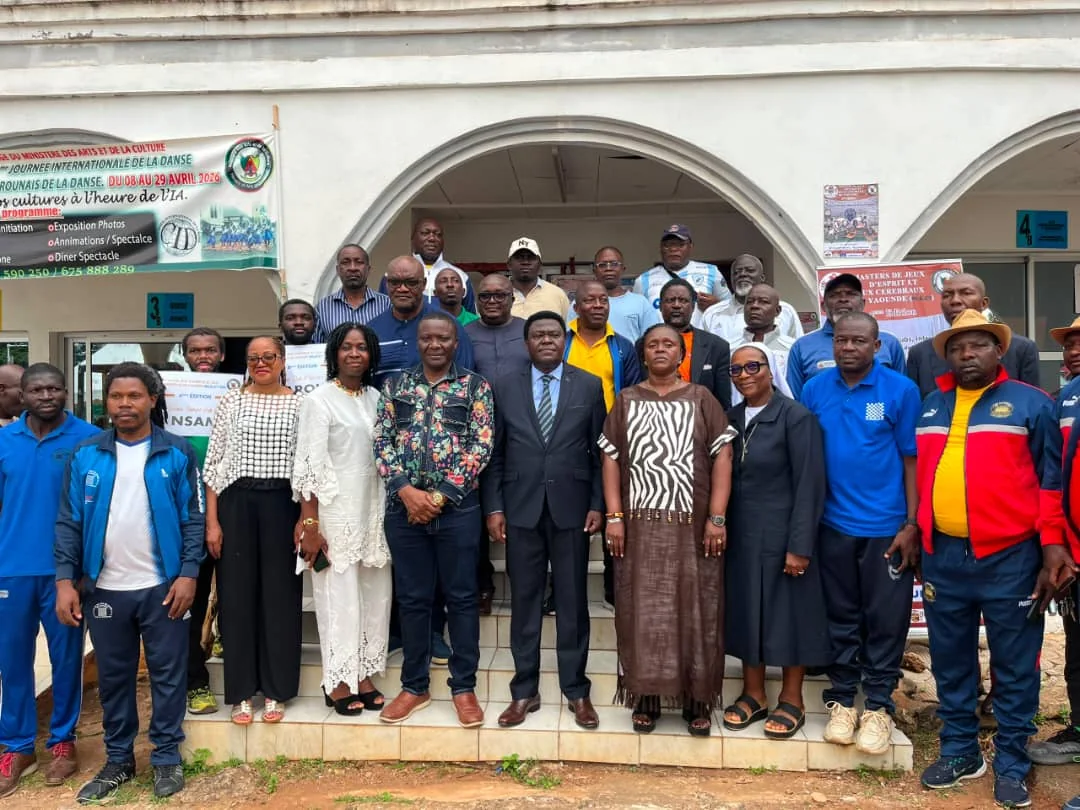
International Dance Day participants in front of the house of culture

At Cameroonian festivals, a considerable share of the work is done by volunteers: secondary school pupils, students, retired people, members of neighbourhood associations, and young people from the diaspora back for the holidays. They welcome the public, guide delegations, help artists settle in and make sure queues keep moving.

This page explains how to become a volunteer, which roles may be entrusted to you, what training is offered before the event and what reciprocal commitments the charter provides for. It is also intended for organisers who wish to build a reliable team.

  • Simple registration, directly with the organiser
  • A variety of roles, suited to every profile
  • Short training and a clear charter for everyone
Become a volunteer
Get involved

Becoming a volunteer at a festival

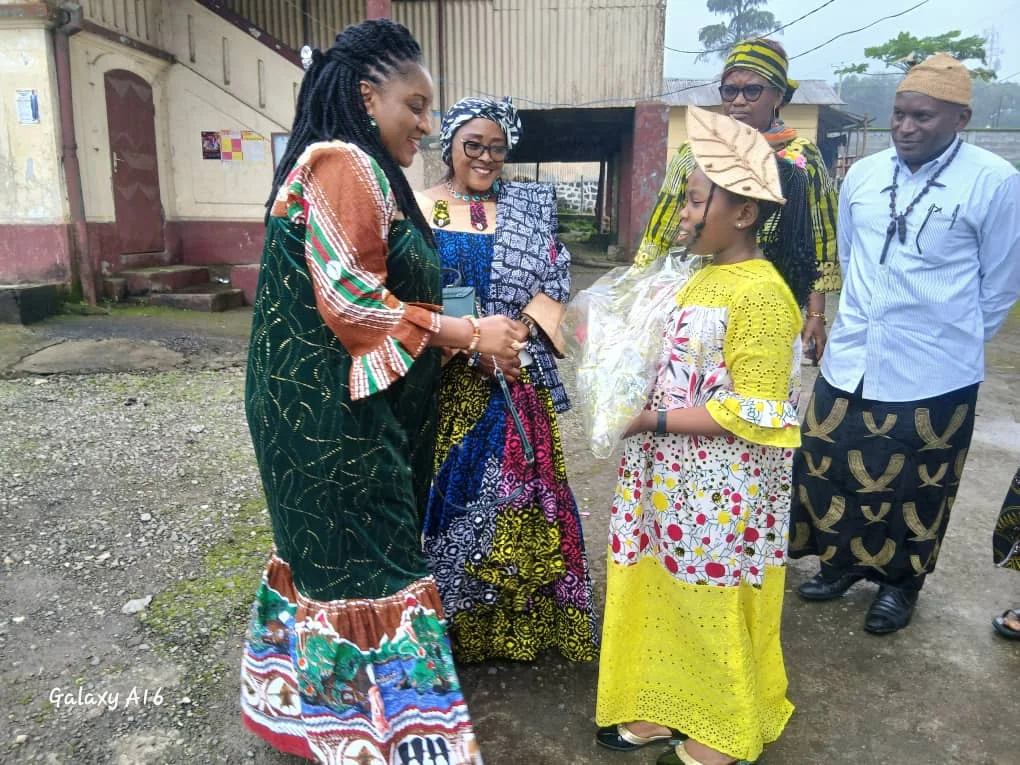
Two women in colourful outfits welcome a girl in a yellow dress who is handing them a bouquet in a courtyard.

Volunteering is open to any adult or, with parental consent, to young people aged sixteen and over for certain roles. No prior experience is required: what matters is availability, punctuality and the wish to serve a cultural event.

How to register

Registration is made with the event organiser. Each committee publishes a form, a telephone number or a reception desk, often announced in the cultural calendar or on festival pages such as those of the Ngondo or the regional festivals. The 2026 festivals, from Mbam’Art to the Journées des Patriarches, all called on teams of local volunteers.
Choosing according to your profile

Students of languages, communication or tourism, dance or music enthusiasts, former teachers, bilingual young people from the diaspora: every profile finds its place. Alumni associations and art schools are natural sources of volunteers.

What volunteering brings

It offers field experience, a network in the cultural world and a certificate of participation. For anyone wishing to train for careers in culture, it is an excellent way in.

ℹ️
Where to find information

Regional delegations know the festivals in their territory: consult their contact details to find the nearest organiser.

Missions

The roles entrusted to volunteers

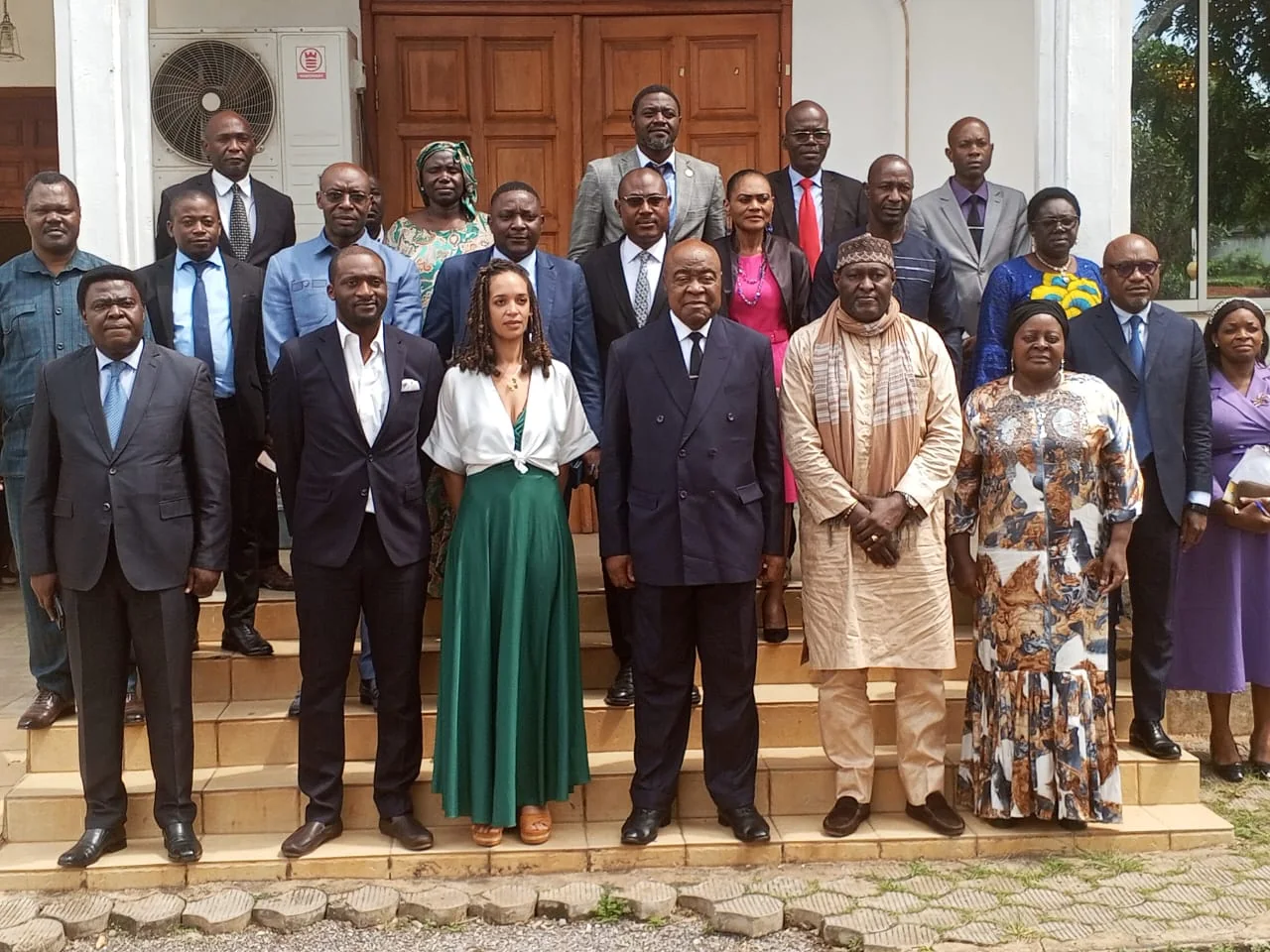
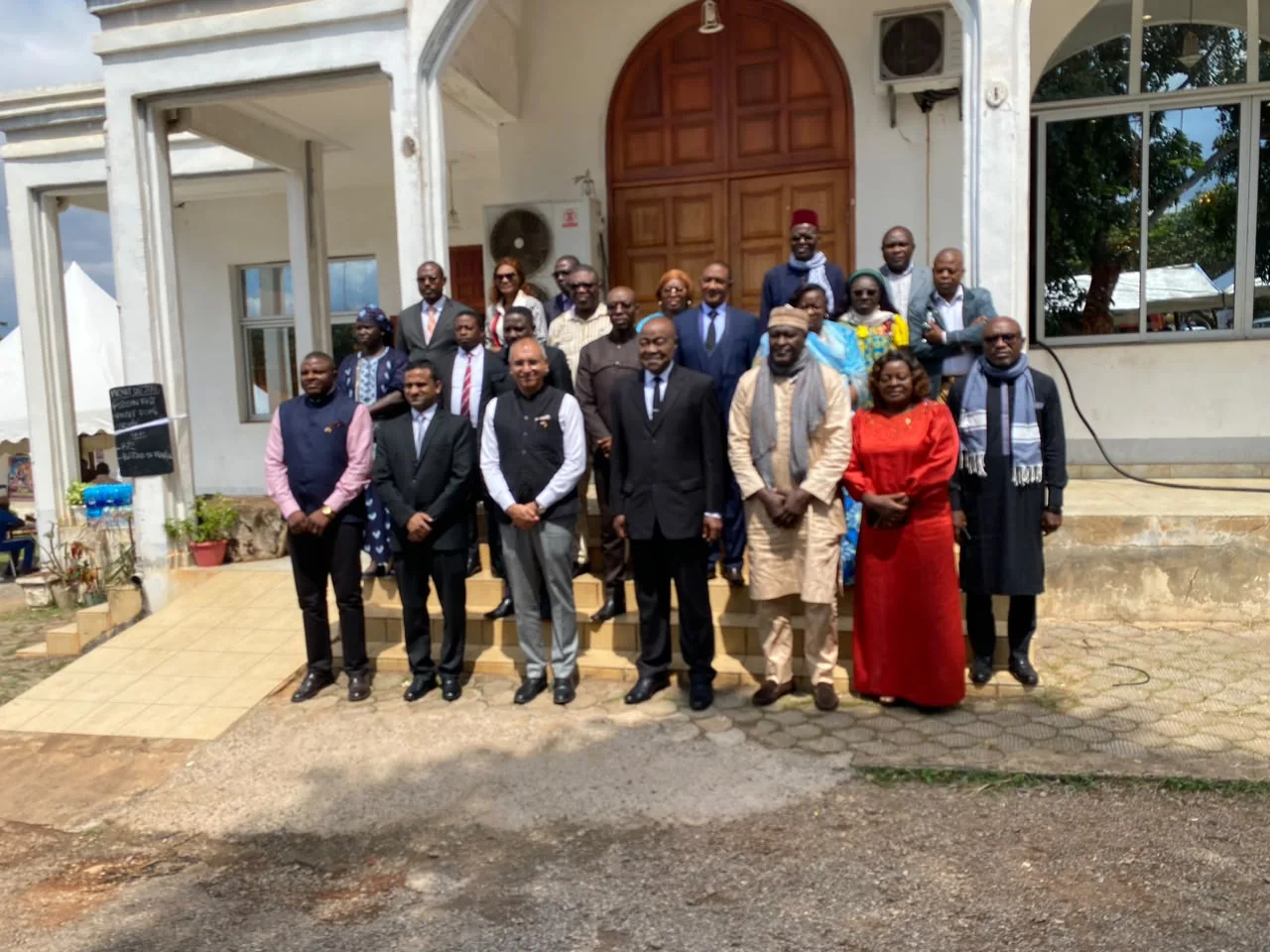
Group of guests in front of the Ministry steps

Roles fall into four main categories, which each organiser adapts to the size of the event. A volunteer may hold several roles during the same edition, but is always placed under the responsibility of an identified contact person.

Reception and guidance

Welcoming the public at the entrance, handing out programmes, directing people to the stages, and providing information on timetables and services. This is the most visible role and calls for courtesy and a good knowledge of the venue.

Logistics

Setting up chairs, carrying light equipment, supplying artists with water and meals, keeping dressing-room lists, and accompanying troupes from the station or airport to their accommodation.

Cultural mediation

Explaining the meaning of a dance to the public, presenting an instrument, and accompanying school groups. It draws on the work of the national inventory and on the records of intangible heritage.

Ticketing and security support

Helping with ticket checks and queue management, without ever replacing security officers. Ticketing and venue security fall under a strict legal framework, set out in the performance authorisation.

Training

Training volunteers before the event

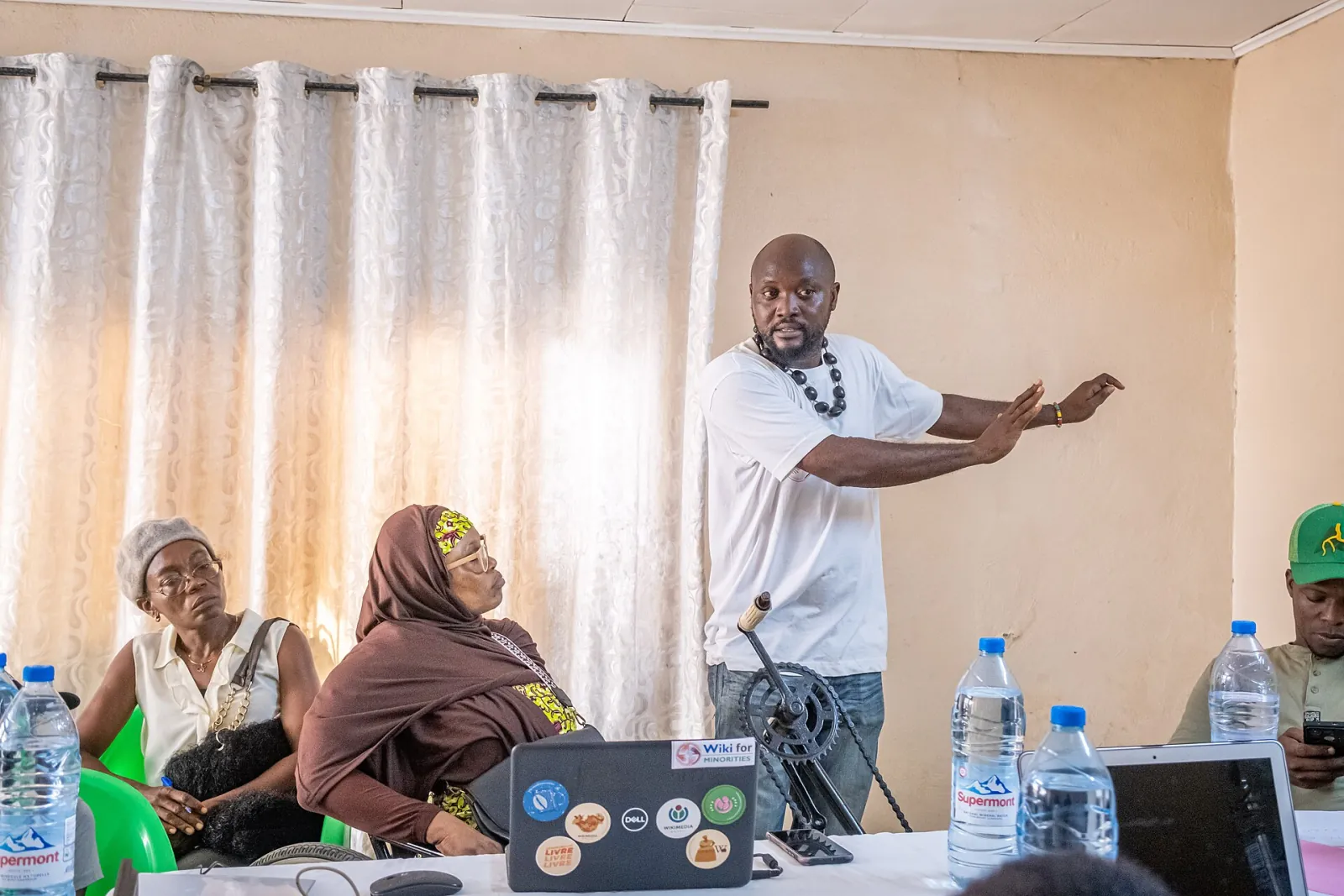
Trainer addressing participants seated around a table during a workshop

A short training session precedes each festival. It generally lasts from half a day to two days, depending on the scale of the event, and prepares volunteers for the reality of the field: long hours, crowds, the unexpected, heat, and relations with artists and authorities.

Typical content

  • Presentation of the festival, its history, its values and its programme;
  • Rules of reception and courtesy, handling complaints;
  • Basic first aid and locating emergency exits;
  • Respect for sacred places, dress codes and the protocols of chiefdom ceremonies;
  • Use of the organiser’s tools: badges, maps, radios, lists.

Training in culture

To explain a festival well, one must understand it. Trainers often invite dance masters, curators or heads of palaces and chiefdoms to present the meaning of the rites to volunteers.

Going further

The most committed volunteers, who return from one edition to the next and take on responsibilities, may go on to the internships and courses described in the Training for careers section, or move towards the scholarships intended for young professionals.

Charter

The volunteering charter

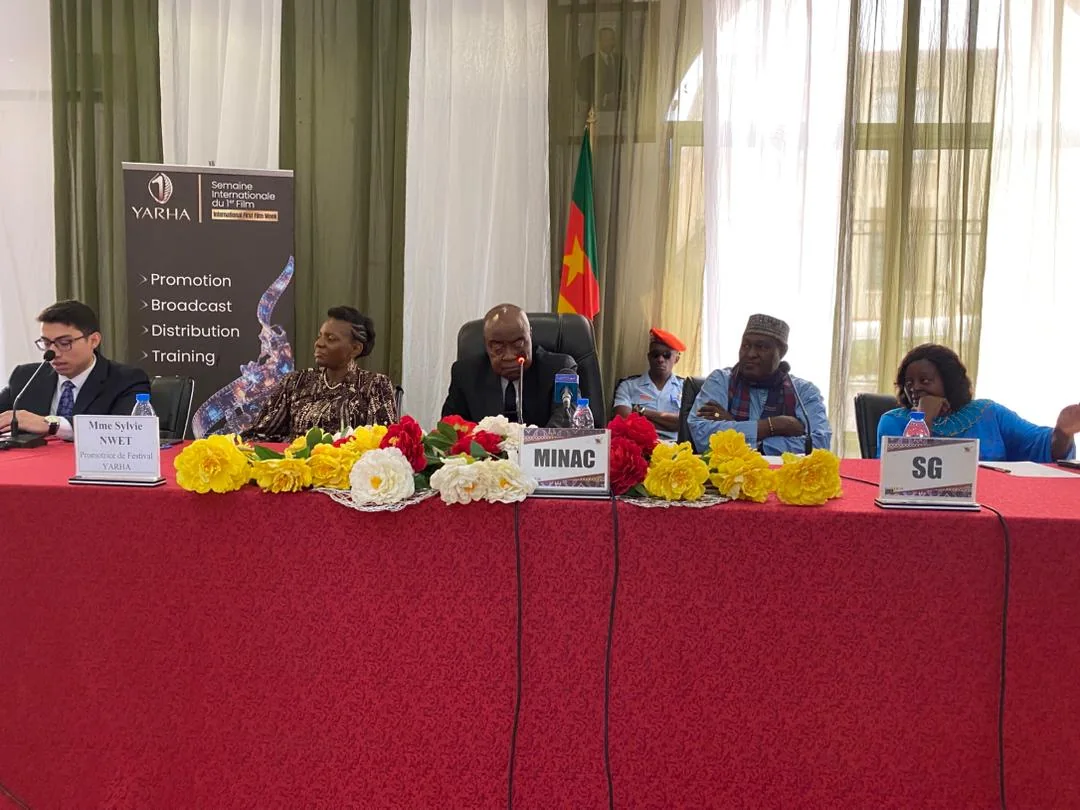
Ministry working meeting around a flower-decked table

The charter sets out the commitments of the volunteer, of the organiser and, more broadly, of the festival community. It is signed at registration or at training. Its purpose is not to make involvement rigid, but to protect everyone.

The volunteer’s commitments

Respect timetables, dress and safety instructions, represent the festival courteously, not accept payment or tips from the public, keep sensitive information confidential, and report any incident to their contact person.

The organiser’s commitments

Provide a clear schedule, break times, meals or refreshments, an identification badge, suitable cover, a certificate of participation, and a contact person who can be reached throughout the period of service. The organiser does not assign dangerous tasks or tasks that belong to a professional’s trade.

Shared values

Equal treatment, respect for traditions, rejection of all discrimination, protection of minors, and listening. The principles of quality and accessibility also apply to volunteer teams.

Follow-up

In case of difficulty, volunteers may write to the Ministry through the contact form or the online help.

ℹ️
Volunteer and employee

Volunteering does not replace a job: paid artists, technicians and staff fall under the model contracts and the social status of artists.

Organisers

Building a reliable team of volunteers

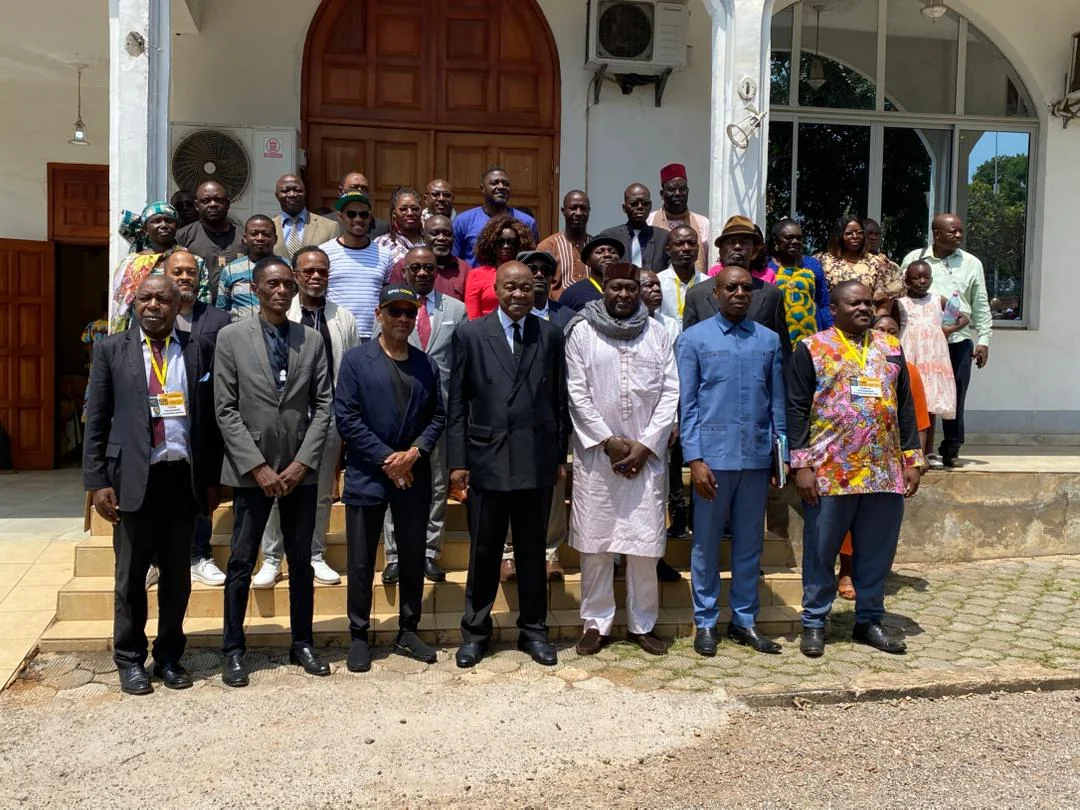
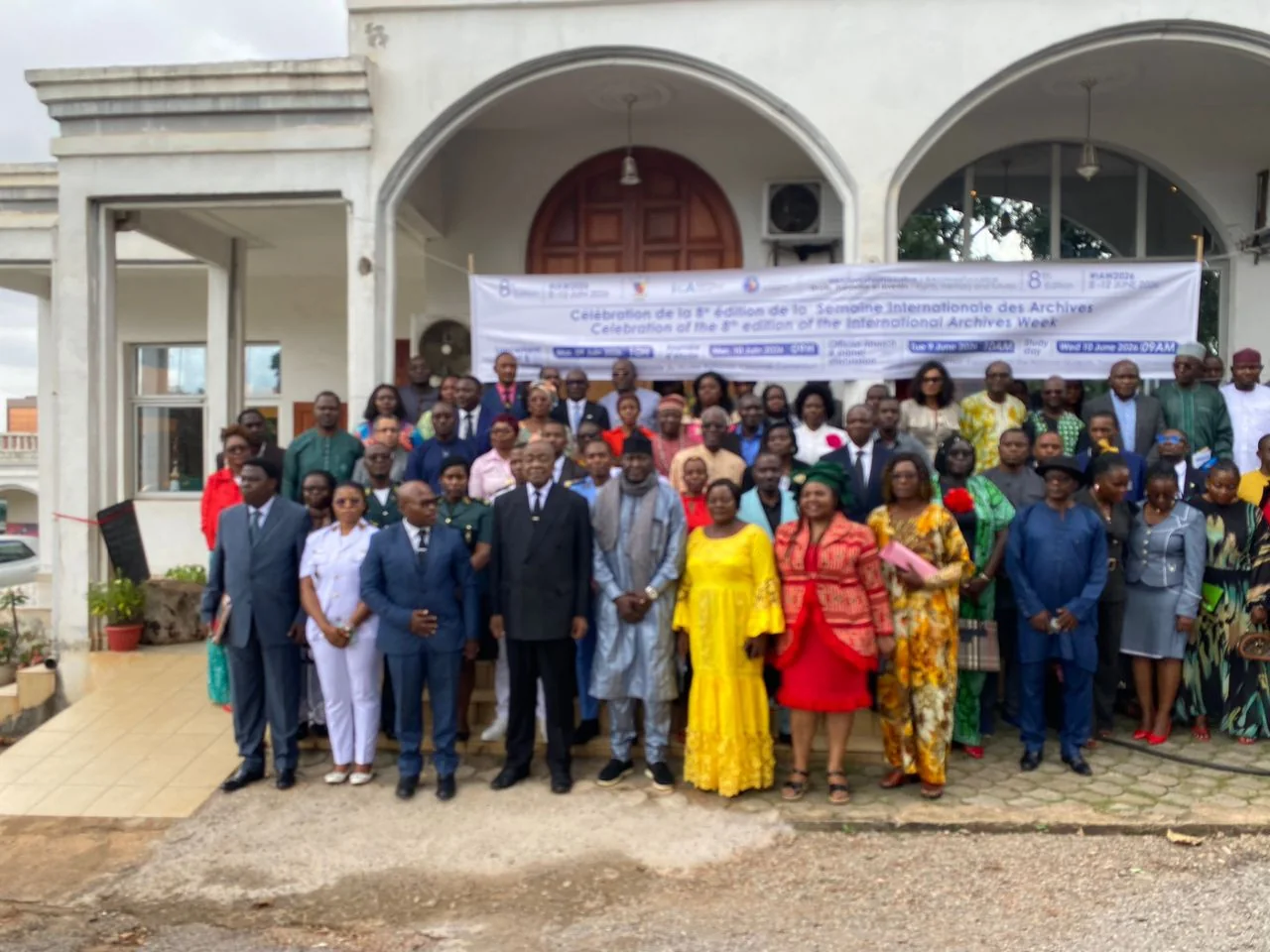
A group of men and women in varied outfits poses on the steps in front of a building entrance.

An organiser benefits from structuring recruitment: a job description for each role, a designated volunteer coordinator, a calendar of preparation meetings and a review meeting. They estimate the number of volunteers according to the authorised capacity and plan a reserve of replacements. They consult the advice in the Organising a festival guide, involve schools, chiefdoms and local associations, and thank the teams at the closing.

Step by step

Getting involved in five steps

Spot a festival

Consult the calendar and choose an event near you or in a discipline you are passionate about.

Contact the organiser

Write to or visit the organising committee with your availability, your profile and the languages you speak.

Choose a role

State your preferences among reception, logistics, mediation or ticketing support, and accept the adjustments proposed.

Follow the training

Take part in the preparation session, sign the charter and collect your badge, schedule and safety instructions.

Serve and review

Carry out your post conscientiously, take part in the review meeting and ask for your certificate of participation.

To act

Taking action

Find a festival

Browse the calendar to choose the event that needs you, according to your region, your free dates and your preferred discipline.

See the calendar

Organise a team

The organiser’s guide details the recruitment and supervision of teams.

Read the guide

Training

Discover the courses, schools and apprenticeships that extend the volunteer experience into a career in culture.

Training

Ask a question

The service provides information on procedures relating to events, authorisations and volunteer teams.

Online help
To explore

Volunteering and the other sections

Volunteers’ words

They gave their time

“
I started as a troupe escort during my holidays; two years later, I coordinate the reception of artists for the whole festival.
A literature student
Centre Region
“
The training on the meaning of ceremonies enabled me to explain to the public why people stand up and fall silent at certain moments.
A young cultural mediation volunteer
West Region
“
A retired teacher, I accompany school groups: seeing children discover their own dances is my greatest reward.
A retired volunteer
Littoral Region
“
Back from abroad for the festive season, I put my languages at the service of visitors and rediscovered the country in a new way.
A young person from the diaspora
South Region

“Without volunteers, there is no festival: they are the first voice the public hears and the last smile it takes away.”

A festival director
To download

The volunteer’s and committee’s documents

Key facts

The missions at a glance

AssignmentMain tasksUseful skillsRecommended training
HomeWelcoming, guiding, handing out programmesCourtesy, languages, punctualityBriefing on the venue and the programme
LogisticsSetting up, carrying, supplying the teamsStamina, organisation, practical senseSafety and handling instructions
MediationExplaining dances, accompanying school groupsGeneral knowledge, teaching skills, ease in speakingSession with heritage specialists
TicketingChecking tickets, managing queuesRigour, calm, discretionTraining on the ticket-checking tool
AccessibilityAssisting people with reduced mobilityListening, patience, tactAwareness of specific needs
Press and networksPhotographing, captioning, feeding the festival’s accountsDigital skills, writingImage charter and copyright
First aidDirecting to the first-aid post, raising the alarmComposure, basic first-aid actionsFirst-aid techniques
Glossary

The vocabulary of cultural volunteering

Volunteer

A person who commits freely and without pay to the service of an event or a cause.

Contact person

Designated person who supervises a team of volunteers, gives instructions and receives reports.

Charter

Signed document setting out the reciprocal commitments of the volunteer and the organiser.

Briefing

Short meeting before taking up a post to remind everyone of the day’s instructions.

Cultural mediation

Action that helps the public understand a work, a tradition or a place.

Schedule

Table setting out the hours and posts of each volunteer.

Badge

Identification document worn by volunteers, stating name, role and zone.

Certificate

Document acknowledging a volunteer’s participation in an edition.

First aid

Emergency techniques learned to provide assistance before help arrives.

Visitor capacity

Maximum number of people admitted to a site, which determines the size of the team.

Accreditation

Right of access granted to a person to restricted areas.

Availability

Time slots that a person offers the organiser in order to get involved.

On the site

Go further with the festivals

Resources

Useful links for volunteers

Stakeholders

Who supervises and supports volunteers?

Journey

From registration to certificate

Two months beforeCall for volunteers

The committee publishes its needs, opens registration and presents the roles by job description.

One month beforeSelection and assignment

Applicants are interviewed, their availability is collected and teams are formed with one contact person per zone.

Two weeks beforeTraining

A preparation session presents the festival, the charter, safety and first-aid techniques.

During the eventService

Volunteers carry out their posts, rotate according to a schedule and report incidents to their contact person.

After the editionReview and recognition

A meeting gathers feedback, certificates are handed out and volunteers are invited to return the following year.

Questions

Your questions on volunteering at festivals

Is experience needed to be a volunteer?

No. The organiser expects above all availability, punctuality and curiosity. A short training session precedes the event and presents the festival, the safety instructions and the techniques of reception. Bilingual profiles and those who know the region are particularly sought after.

From what age can one get involved?

Volunteering is open to adults. Young people aged sixteen and over may be accepted for certain roles with the written consent of their parents, under the responsibility of a contact person, and without dangerous tasks or night work.

Is a volunteer paid?

No. Volunteering is unpaid. The organiser may, however, provide meals, a snack, a badge and, depending on its means, cover travel costs. A volunteer must not receive money from the public. Paid jobs come under a different framework.

Where do I register?

Directly through the event’s organising committee, whose contact details are published in the calendar and on the festival pages. Regional delegations can also direct you to an organiser near you.

Is a volunteer insured?

Organisers are encouraged to cover their volunteers with liability insurance and to state the terms of cover in the charter. Ask about this at registration and keep the document you are given. In the event of an accident, inform your contact person immediately.

Can one volunteer in the regions?

Yes, and it is even recommended: every region hosts events that need volunteers. The 2026 festivals relayed by the Ministry, such as Mbam’Art or the South West Cultural Festival, mobilised local teams.

Does one receive a certificate?

The organiser may issue a certificate of participation at the end of the event, stating the dates and roles. It is useful in an application for studies, an internship or a job in the cultural sector. Ask your contact person for it during the review meeting.

Can an organiser replace employees with volunteers?

No. Volunteering must not replace a job. Professional artists, technicians and security staff are engaged by contract. Volunteers provide support, in compliance with their charter and the safety of the public.

Contact

Write about volunteering

State your region, the festival concerned or your availability: your message will be forwarded to the service that directs volunteers to organisers.

Competent service

Contact event support

Address

Directorate of Shows and Creative Industries
Ministry of Arts and Culture
Quartier du Lac – Ministerial Zone
P.O. Box 1053 Yaoundé, Centre Region, Cameroon

Reach us

+237 6 51 70 58 41

contact@minac.gov.cm

Opening hours

Monday to Friday, 8 am to 4 pm

Give your time to a festival

Choose an event in the calendar and offer your services to its organising committee.

View the calendar
WhatsApp