Coat of arms of CameroonMinistry of Arts
and Culture
Republic of Cameroon
My procedures
Home
Minister’s message
News
Press releases
Cultural calendar
Official speeches
Press review
Photo library
Video library
Calls for projects
Job vacancies
Public procurement
Newsletter
Frequently asked questions
Site map
Contact
Press area
Podcast “The Voice of Culture”
Legal notices
Privacy policy
Cookies and trackers
The Ministry
Missions and responsibilities
Organisation
Organisation chart
Minister’s Office (Cabinet)
Management team
General Secretariat
General Inspectorate
Central directorates
Regional Delegations
Institutions under supervision
Legislative texts
Regulatory texts
Sector strategy
Major projects
Budget and reports
Partners
Careers
Archives
Institutional communication
Quality and accessibility
Arts
Visual and plastic arts
Visual arts
Performing arts
Theatre
Dance
Music
Literature and books
Cinema and audiovisual
Photography
Fashion and design
Digital arts
Art crafts
Artists’ directory
Residencies
Prizes and awards
Arts education
Urban arts
Heritage
Tangible heritage
Intangible heritage
UNESCO sites
National museums
Listed monuments
National inventory
Palaces and chiefdoms
Archaeology
Linguistic heritage
Oral traditions
Traditional know-how
Restitution of cultural property
Fight against illicit trafficking
Listing and protection
Conservation and restoration
Heritage Days
Cultural landscapes
Industries
Music and recording
Cinema
Publishing and books
Digital arts
Fashion and creativity
Crafts
Cultural tourism
Funding for culture
Support funds
Incubators
Cultural entrepreneurship
Culture Observatory
Vocational training
Studies and reports
Sector statistics
Export and outreach
Intellectual property
Copyright
Legal framework
Copyright and neighbouring rights
Collective management societies
Register a work
Licences
Private copying
Fight against piracy
Model contracts
Social status of artists
Mediation
Disputes
Training
Fee scales
Register of works
Contact
Digital neighbouring rights
Public domain
Festivals
National calendar
Ngondo
Nguon
Écrans Noirs
Heritage Days
Music Day
Regional festivals
Fairs and exhibitions
Biennials
National competitions
Cultural days
Organise a festival
Event grants
Ticketing
Archives
Volunteering
Diaspora festivals
Regions
Adamawa
Centre
East
Far North
Littoral
North
North-West
West
South
South-West
Cultural map
Regional Delegations
Traditional chiefdoms
National languages
Cultural routes
Decentralised cooperation
Regional observatory
Cooperation
UNESCO
Francophonie (OIF)
African Union
Commonwealth
CEMAC
Bilateral cooperation
Cultural agreements
Professional organisations
Scholarships
Artist exchanges
Cultural years
Diaspora
Funded projects
Embassies
Technical partners
International restitution
International monitoring and calls
Services
Artist card
Show authorisation
Filming authorisation
Festival authorisation
Deposit of a work
Export of works of art
Listing of a property
Grant application
Association accreditation
File tracking
Forms
Fees
Opening hours and addresses
Reporting
Online help
My account
One-Stop Shop
Regions

Adamawa

Between high plateaux, Fulani lamidates and the Mbum, Gbaya and Mbororo lands, the Adamaoua region (regional capital Ngaoundéré) brings together palaces, livestock farming, court music, languages and festivals. Key facts, calendar and procedures with the regional delegation.

Updated on 6 November 20264 sub-pages
Regional capitalNgaoundéré
Divisions5
Languages spoken in the region10+
Historic lamidatesSeveral
Adamawa region

Culture in the Adamawa region

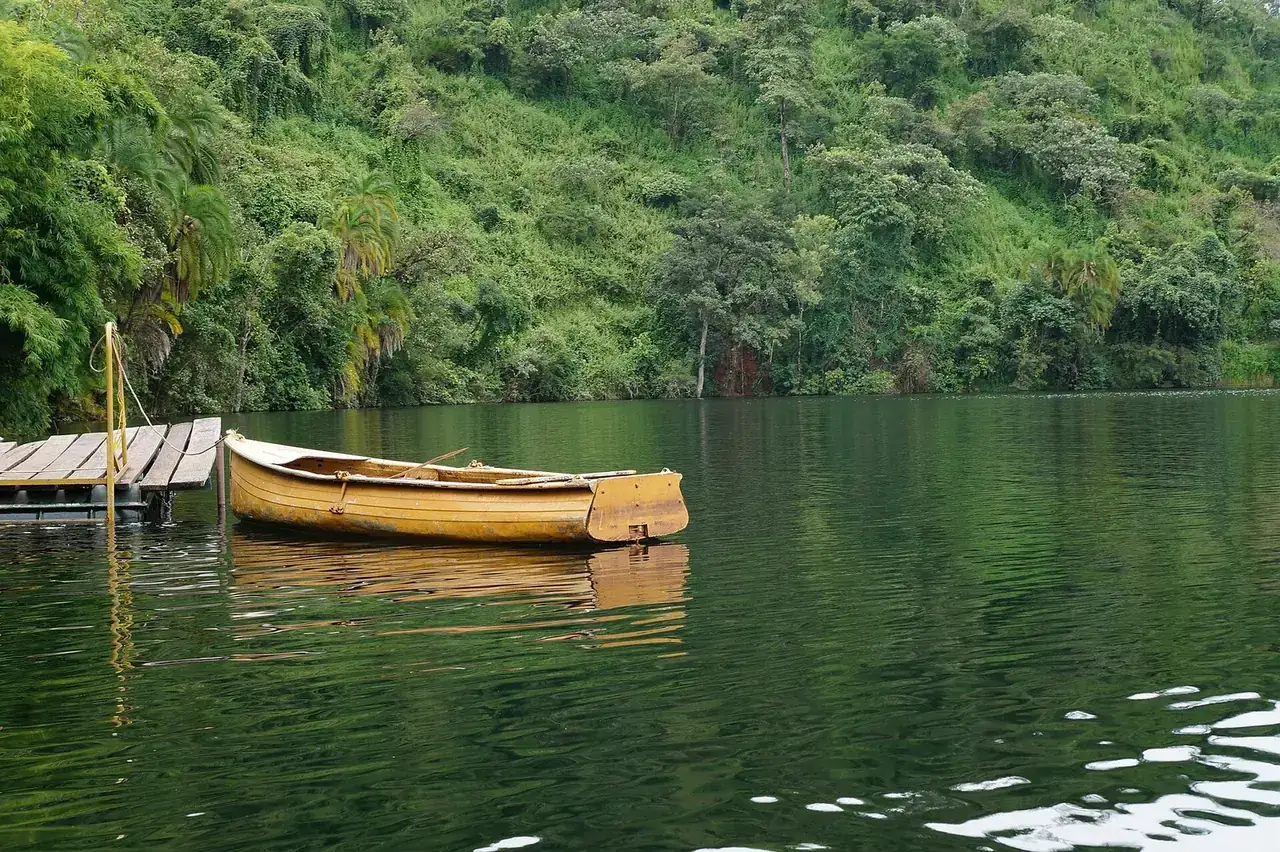
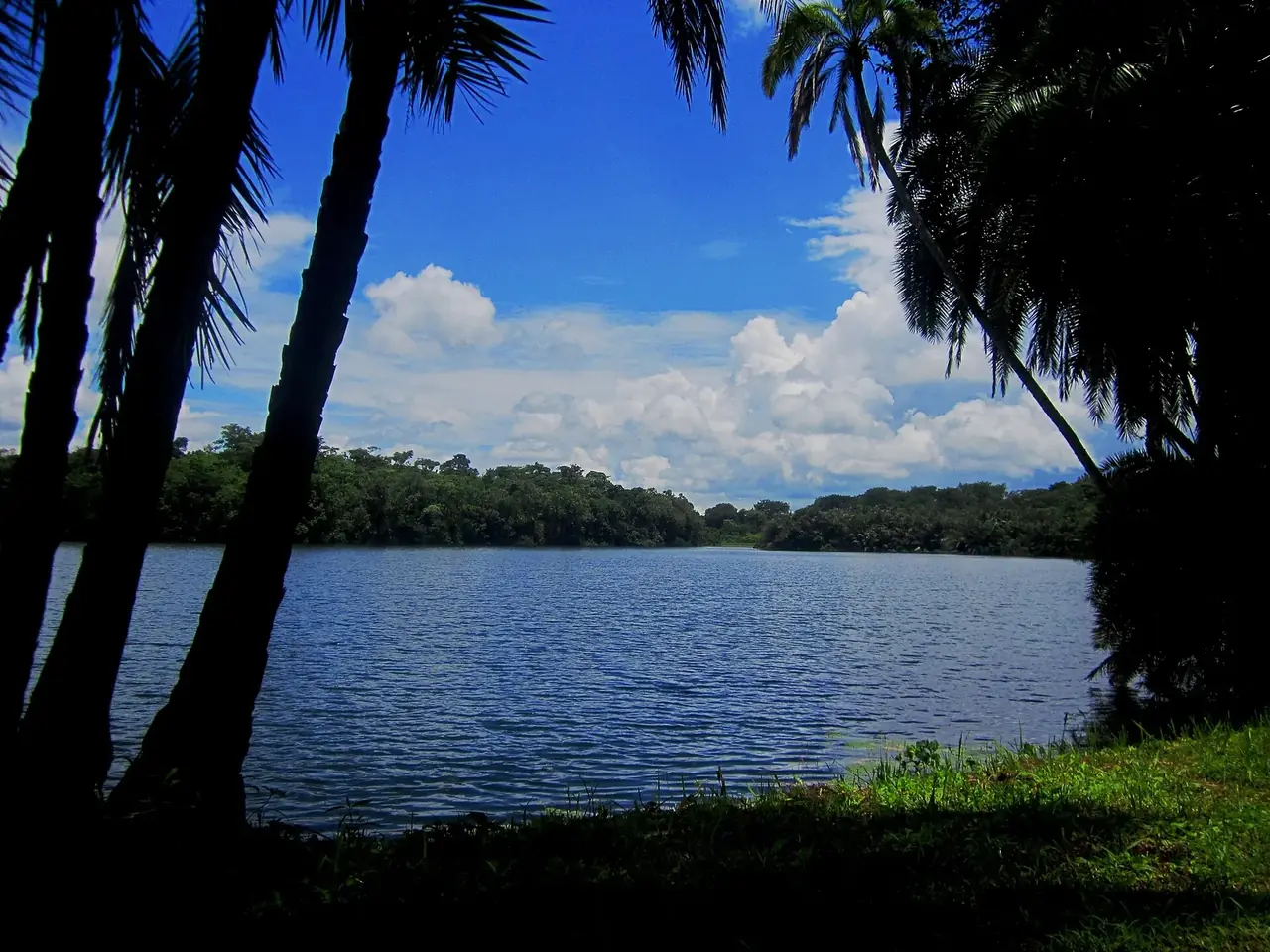
Lake Ngaoundaba near Ngaoundéré

Nicknamed the water tower of Cameroon, the Adamaoua region occupies a high plateau where the world of livestock farming meets the Fulani kingdoms founded in the 19th century and the older peoples of the savannah, the Gbaya, Mbum, Dii and Vute. Its regional capital, Ngaoundéré, is also the terminus of the railway linking the North to the rest of the country.

The regional delegation of arts and culture relays the work of the Ministry: it receives users, helps to assemble files, supports festivals and safeguards local practices. This page gathers the useful information for artists, traditional authorities, organisers and visitors.

  • A regional delegation in Ngaoundéré
  • Lamidates, lakes and herders’ markets to discover
  • Living languages and traditions to pass on
The delegation and the sites
Delegation

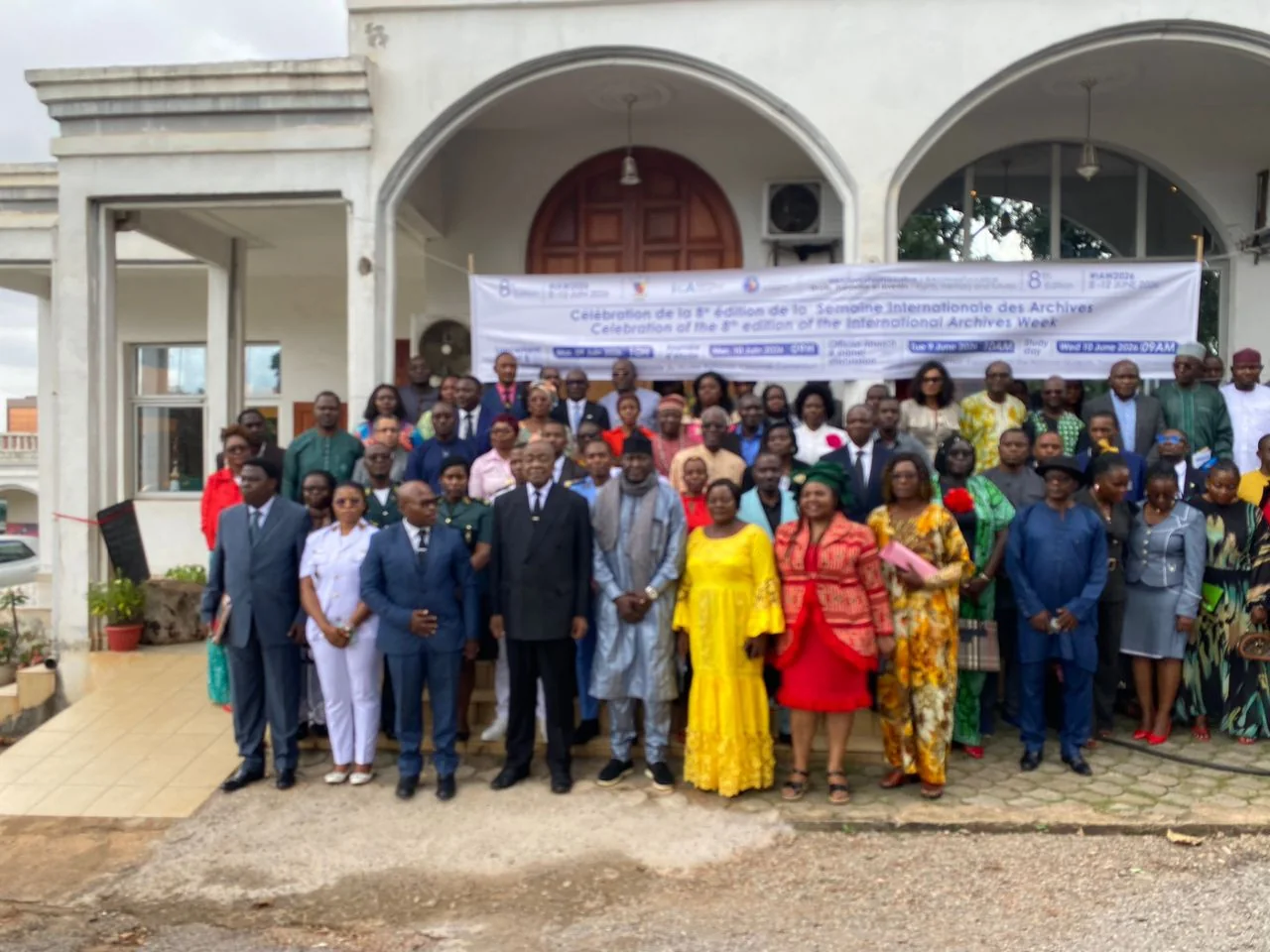
The regional delegation of Adamaoua in Ngaoundéré

Regional delegates and Ministry staff gathered in front of a building

The regional delegation of arts and culture of Adamaoua is the decentralised service of the Ministry based in Ngaoundéré. It is the first point of contact for artists, associations, chiefdoms and event organisers in the five divisions: Vina, Djérem, Faro-et-Déo, Mbéré and Mayo-Banyo. Its role is to bring the cultural administration closer to residents, so that no one has to travel to Yaoundé for a simple procedure.

What the delegation does

  • Reception, guidance and help in assembling files submitted to the One-Stop Shop;
  • Relaying calls for projects and information from the cultural agenda to local stakeholders;
  • Collecting inventory forms on practices and skills for the national inventory;
  • Support for festivals, lamidate ceremonies and herders’ gatherings open to the public;
  • Liaison with the town hall, the prefecture and the traditional authorities for show authorisations.

An action programme for 2026-2027

The delegation plans travelling help desks in Meiganga, Tibati, Banyo and Tignère, workshops on artist status and inventory days in the villages. Each quarter, an information session brings together the associations of Ngaoundéré around the support schemes. The staff also keep a register of the region’s master musicians, blacksmiths, tanners and storytellers, so as to invite them to events.

To reach the delegation, call the Ministry switchboard or use the regional delegations page: the call is directed to the relevant service.

ℹ️
Contacting the delegation

The Ministry’s switchboard, +237 6 51 70 58 41, or the e-mail contact@minac.gov.cm will direct you to the Adamawa delegation; see also the contact page.

Sites and museums

The sites and museums of Adamaoua

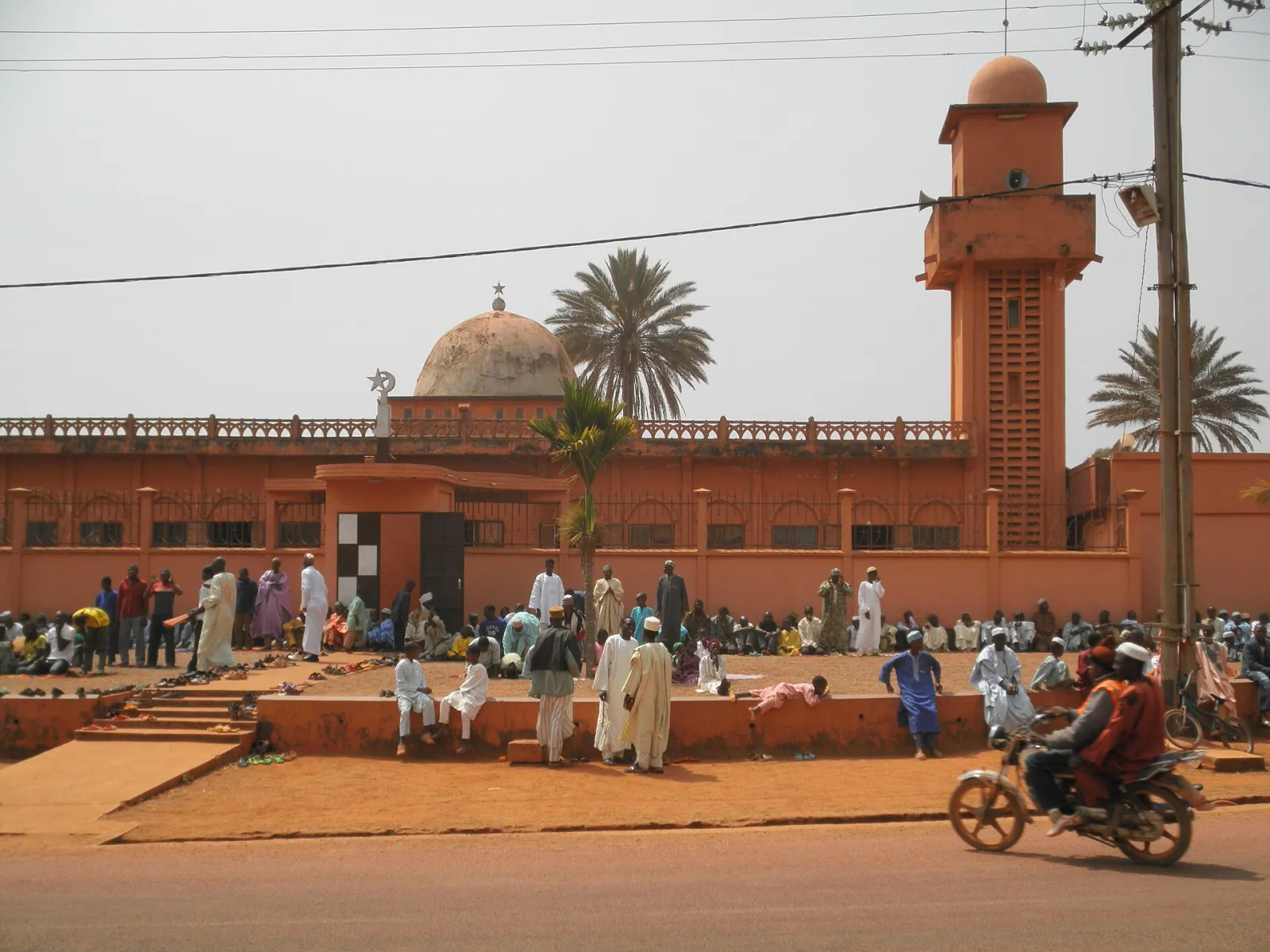
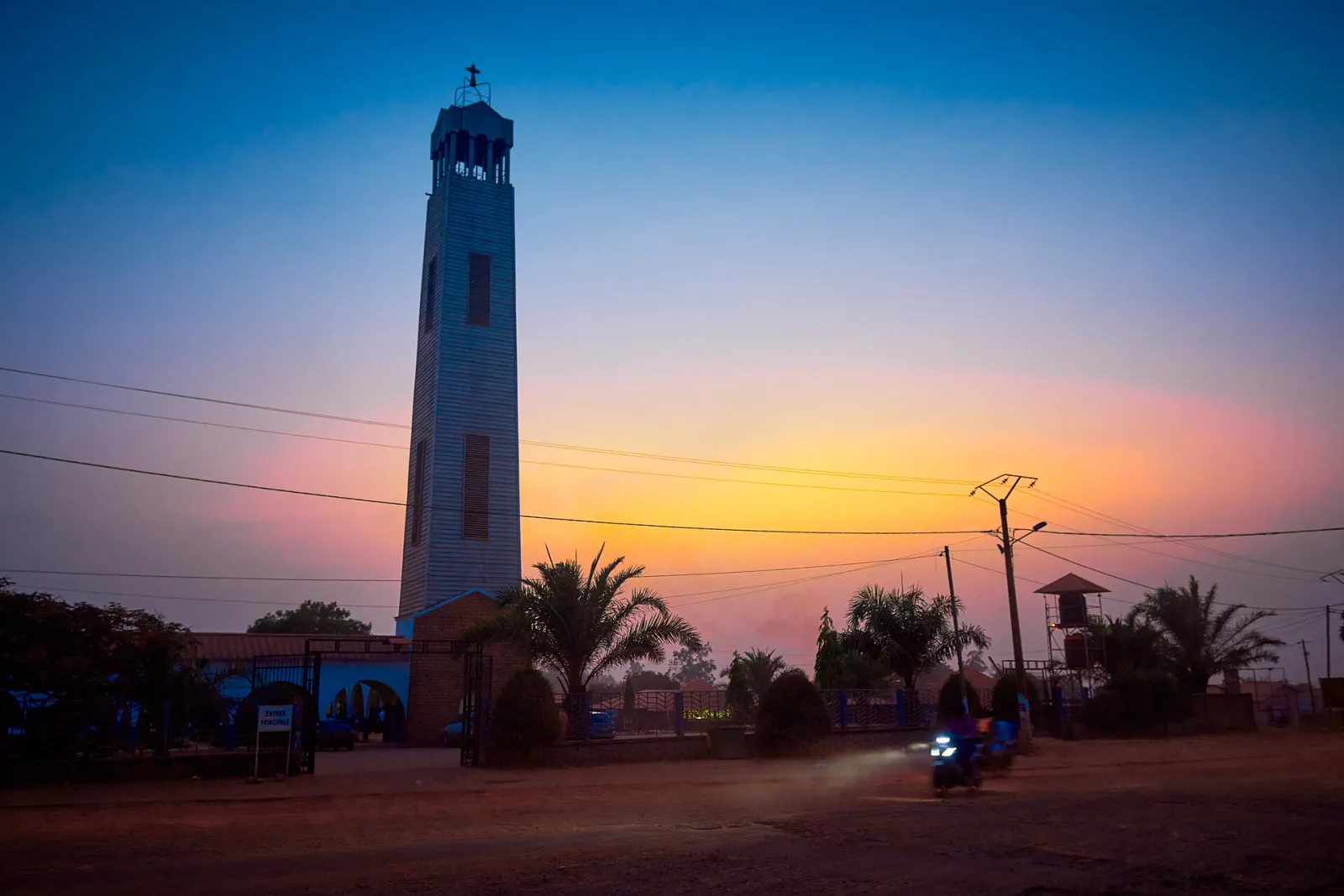
Banyo central mosque in ochre brick with its minaret

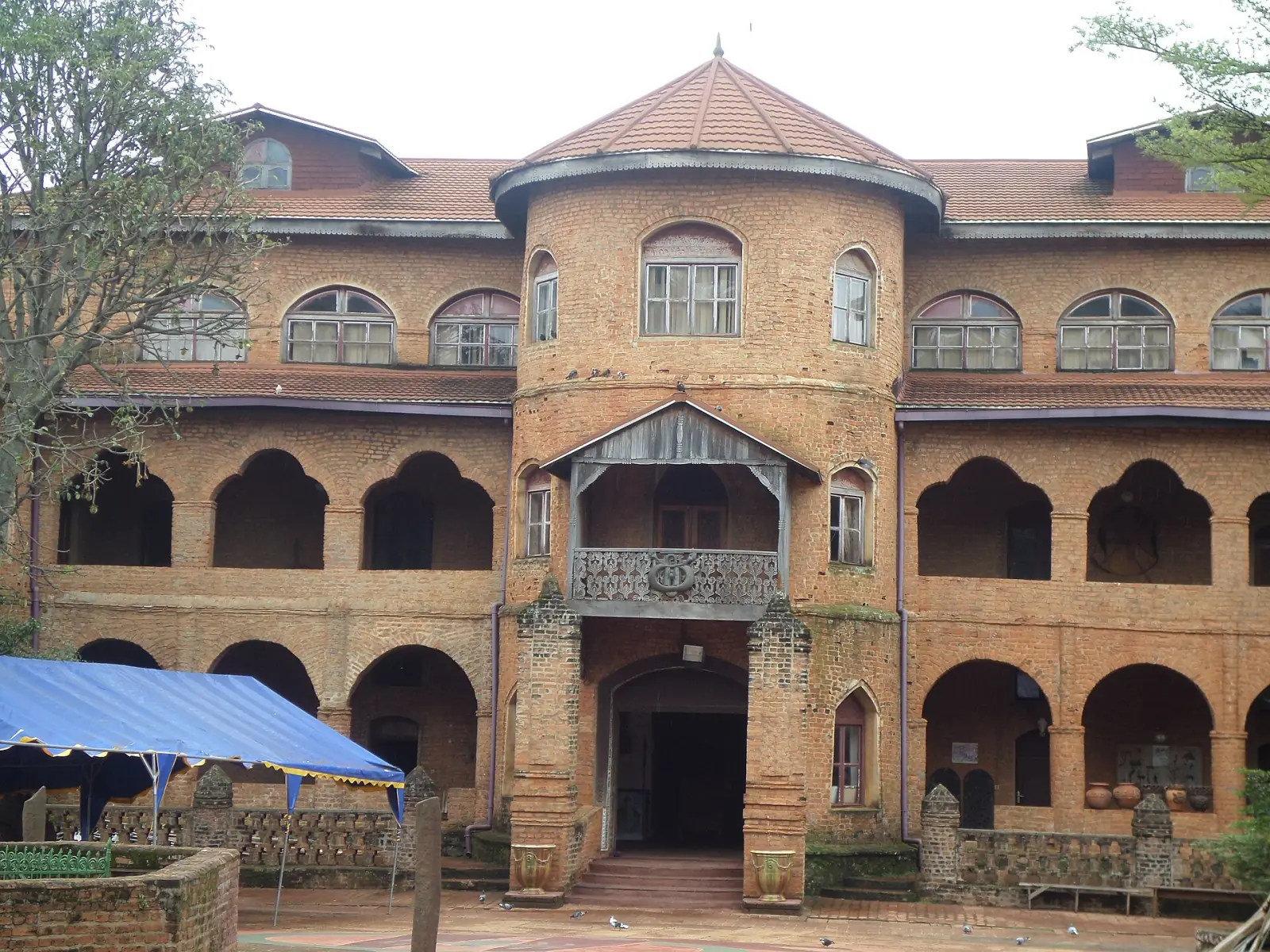
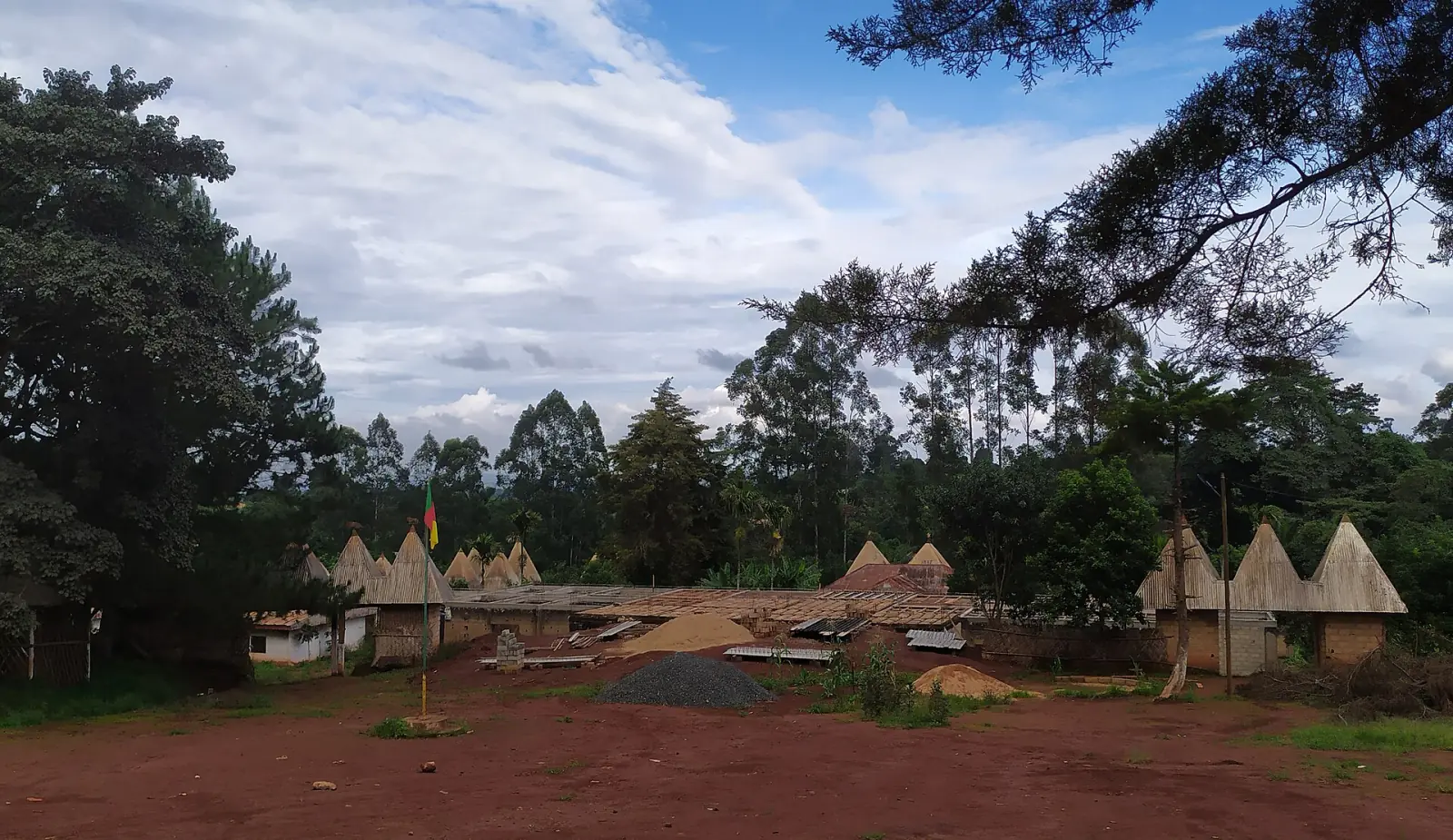
The heritage of Adamaoua is read in the landscape as much as in the buildings. The lamidate palaces, the cattle markets, the crater lakes and the waterfalls of the plateau form an ensemble that the region’s cultural routes are gradually linking together.

The lamidate palaces

The lamidates of Ngaoundéré, Tibati, Banyo and Tignère preserve palaces of earth or brick, with their successive courtyards, audience halls and stables. They house dynastic treasures: embroidered saddles, spears, fabrics and court instruments. Visits take place with the lamido’s consent and accompanied by a palace guide. To understand this architecture, see the palaces and chiefdoms page and the one on traditional chiefdoms.

Nature and landscapes

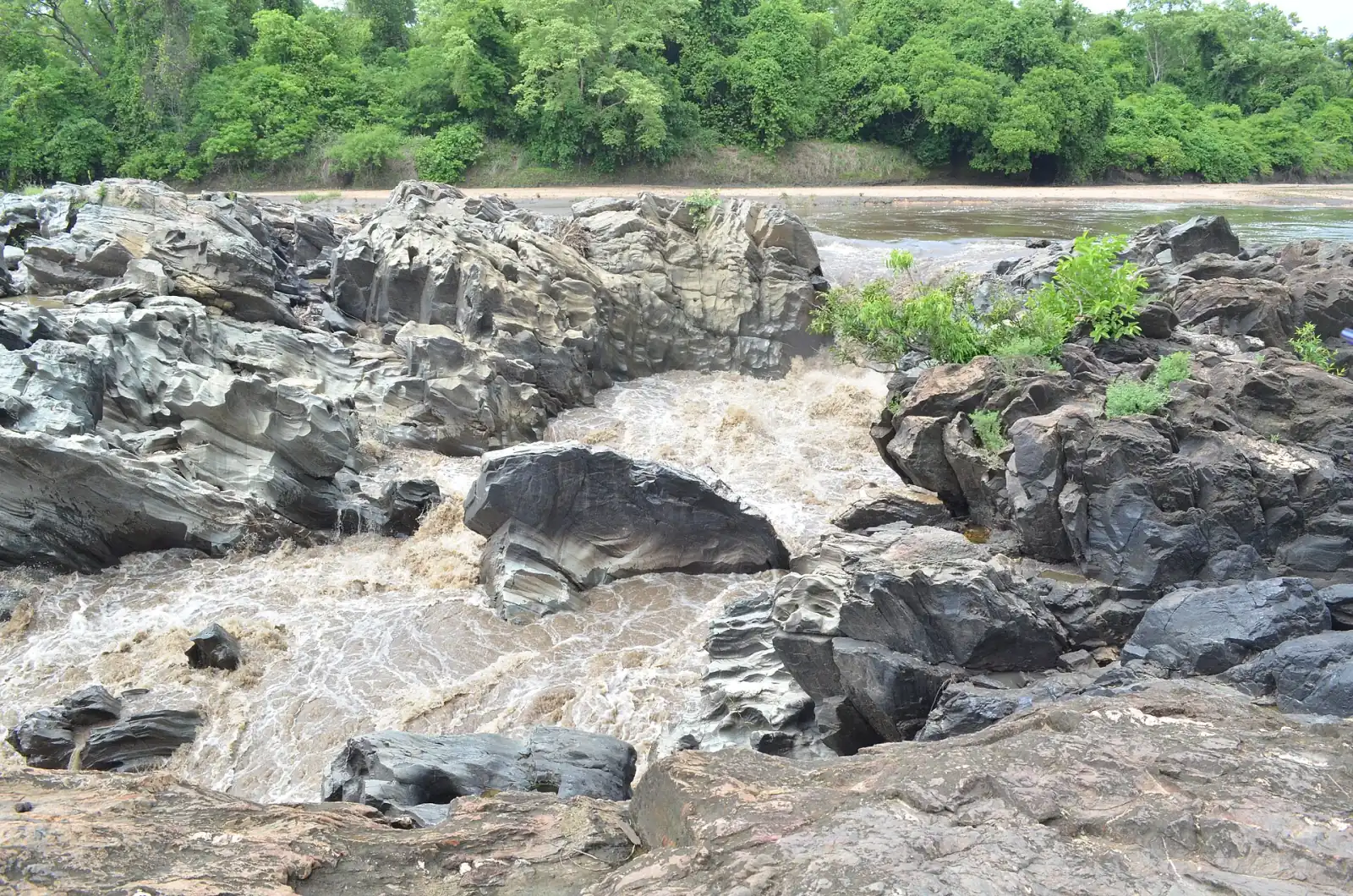
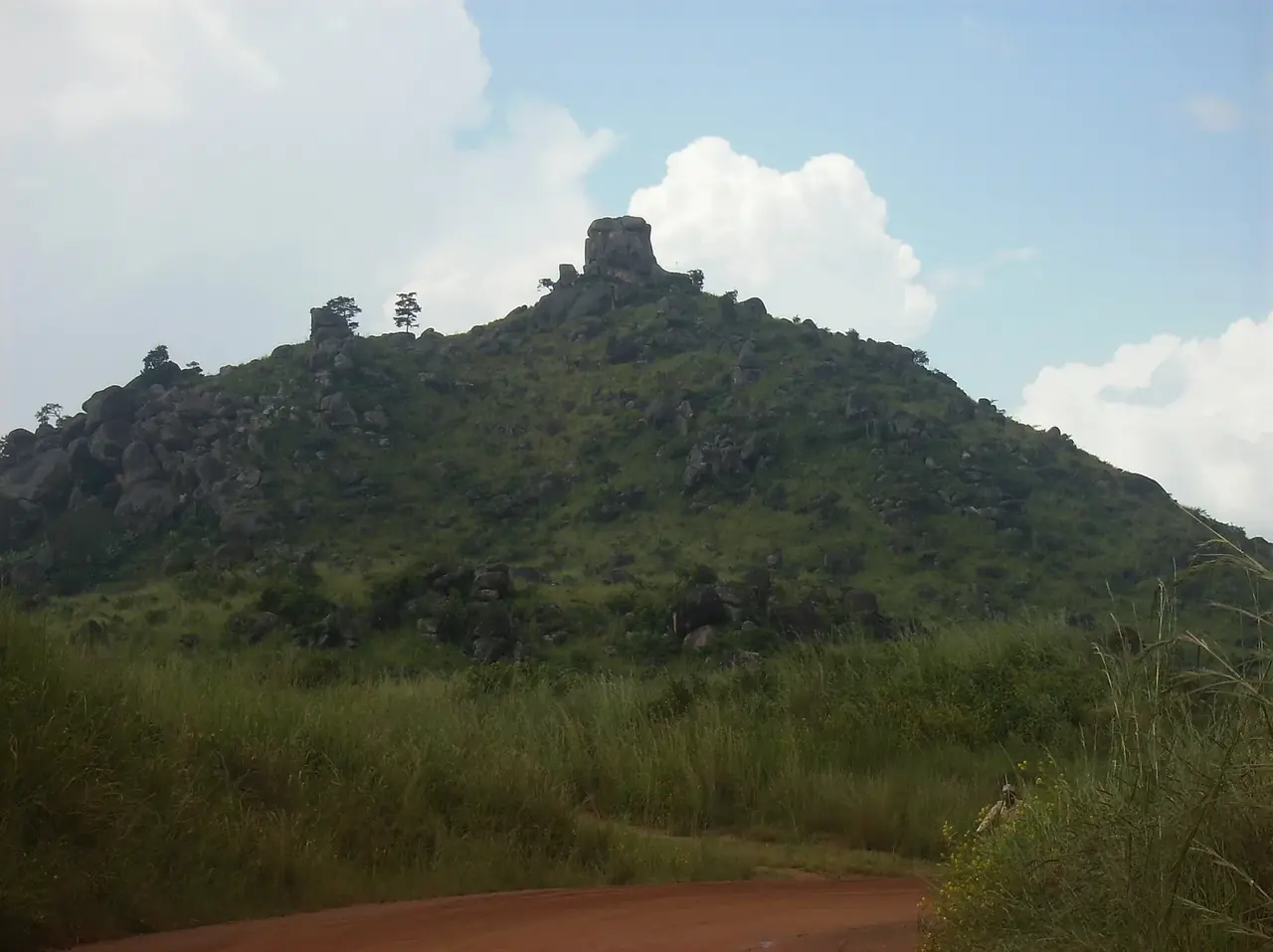
Around Ngaoundéré, Lake Tison, a former crater filled with water, and the Tello falls attract walkers and photographers. Further west, the Tchabal Mbabo massif overlooks the Banyo area, and the Mbakaou reservoir lake borders the Tibati area. These natural sites are also places of memory, surrounded by tales and taboos that the elders gladly recount.

Museums and collections

The region does not yet have a major national museum; the collections are spread between the palaces, cultural centres and educational institutions. The delegation is studying with the lamidates the creation of local exhibition rooms, in the spirit of the network of national museums. In the meantime, travelling exhibitions of leatherwork, calabashes and jewellery tour the schools and houses of culture.

ℹ️
Visiting with respect

Always ask the local authority for permission before photographing a palace or a ceremony, and follow the advice of local guides.

Festivals

The festivals and celebrations of Adamaoua

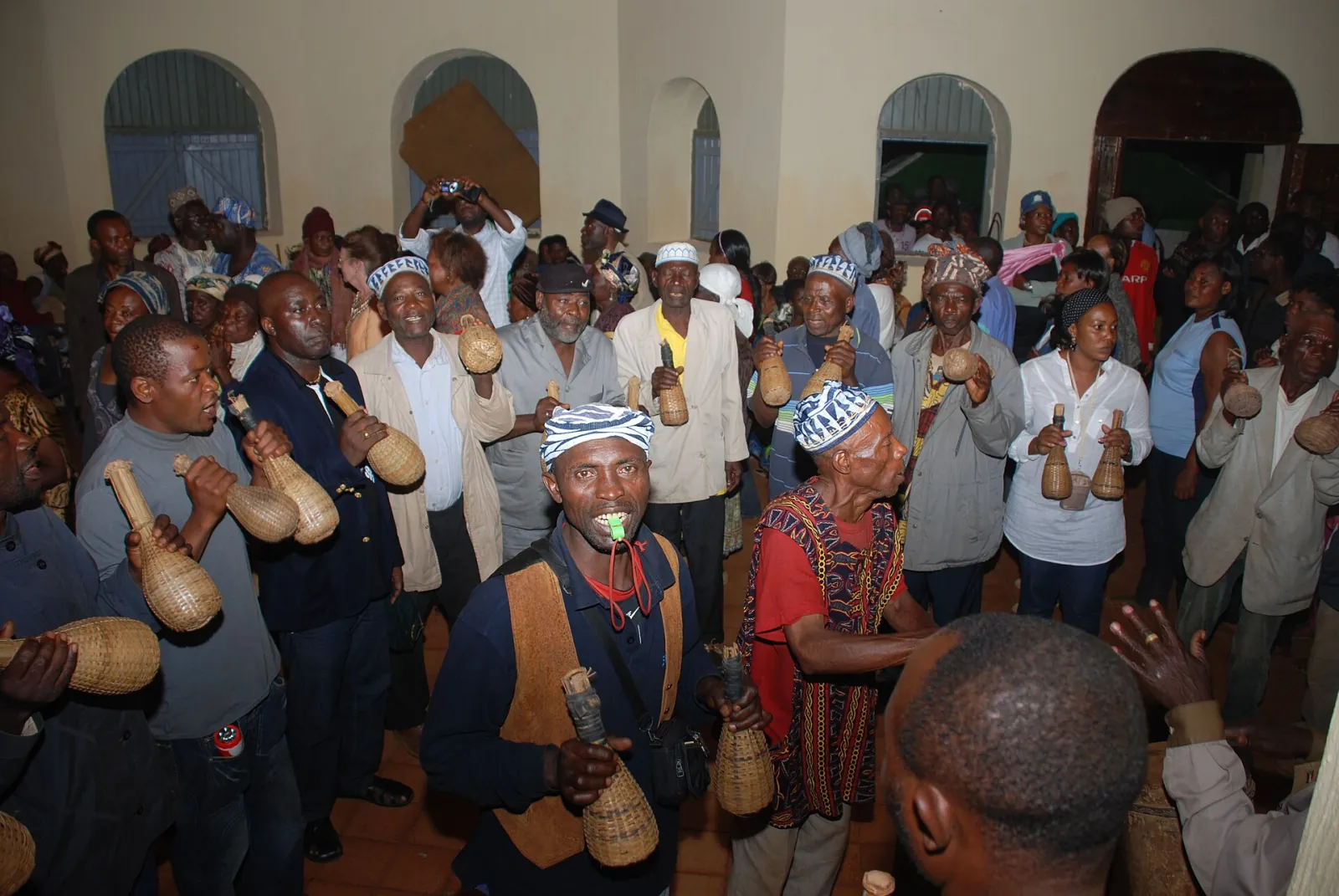
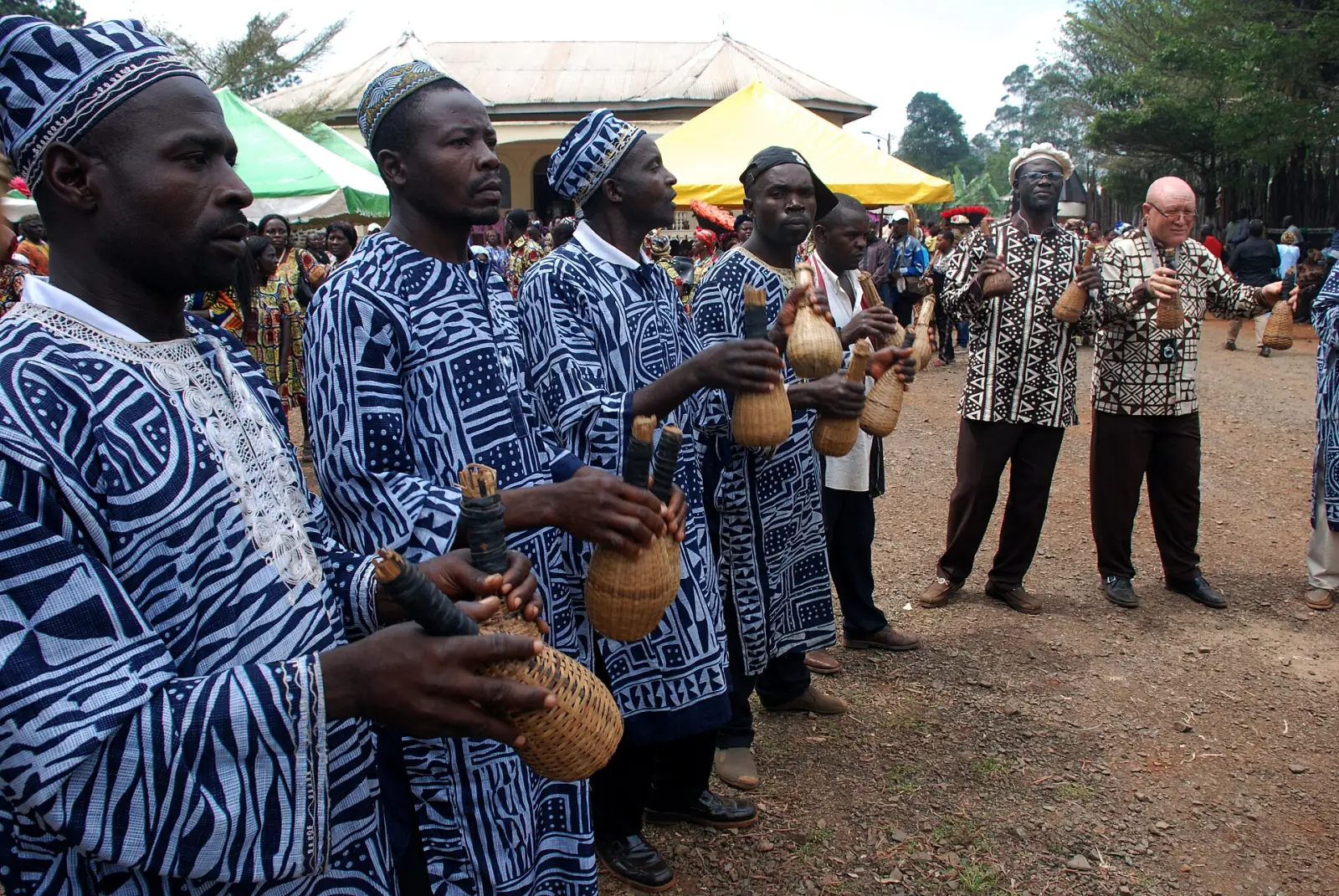
Crowd of musicians playing resonant gourds in a large hall

In Adamaoua, festive life follows the religious calendar, the herding seasons and court ceremonies. The great Muslim festivals, Ramadan and Tabaski, give rise to cavalcades in front of the lamido’s palace: riders in ceremonial dress, court musicians, griots’ songs and receptions of the notables.

Gatherings of herders

Mbororo communities celebrate the end of transhumance and weddings with songs, male beauty contests and spectacular finery. These gatherings remain community celebrations, open to visitors when the families agree. They are also an opportunity to recall knowledge about pastures, plants and livestock care.

A regional calendar in the making

With the delegation, regional cultural events are proposed in Ngaoundéré for the 2026-2027 season: a lamidates week, a languages day and a leather crafts fair. All are listed in the national calendar and in the cultural agenda. Organisers wishing to create an event will find the procedure on the organising a festival page and in the section on regional festivals.

Take part

Artists and troupes may propose an act: court music, Fulani songs, Gbaya dances, Mbum tales. A short artistic file with a recording is enough to be considered.

ℹ️
Organisers

A public festival requires a festival authorisation submitted several weeks before opening.

Languages

The languages of Adamaoua

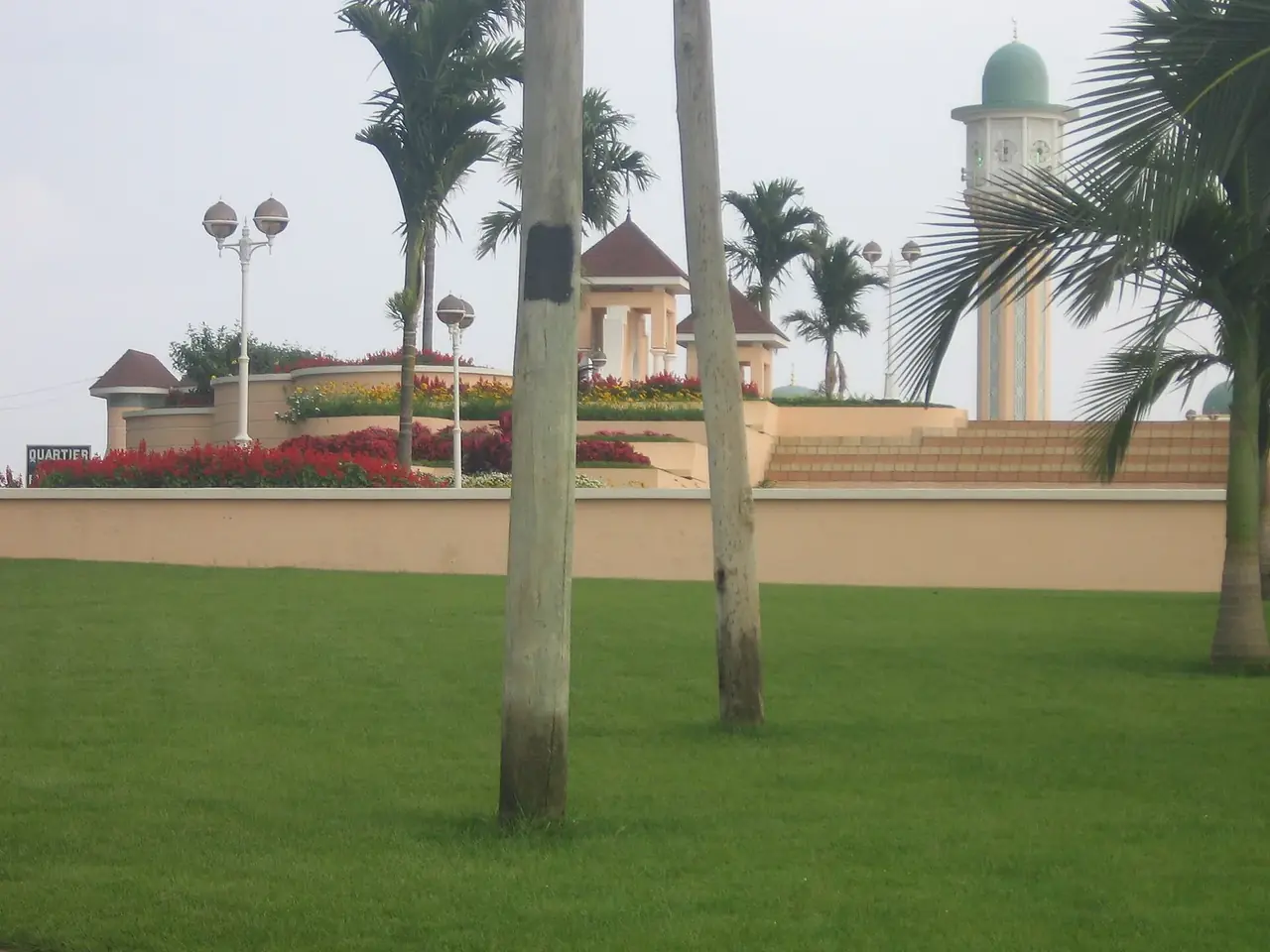
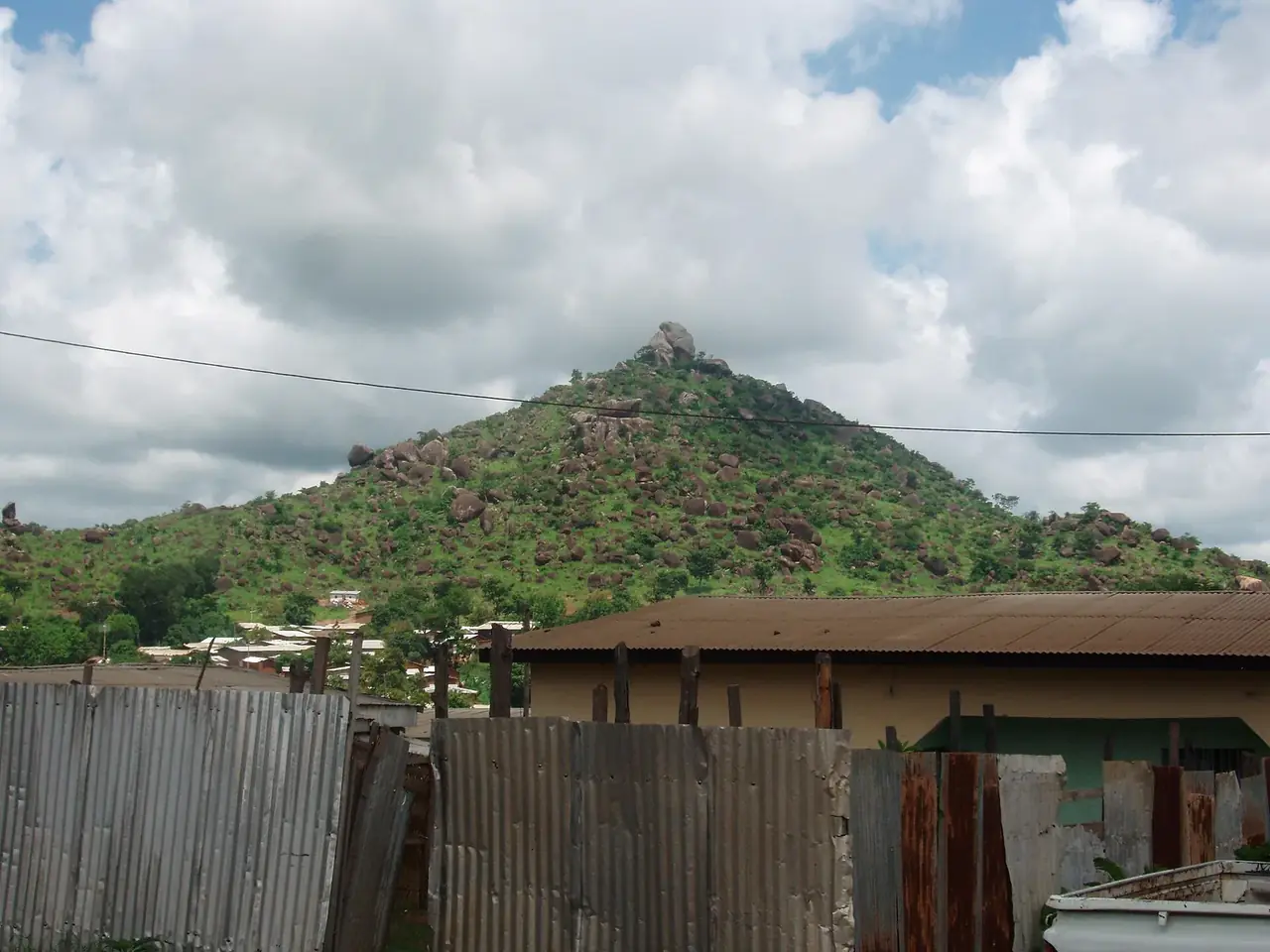
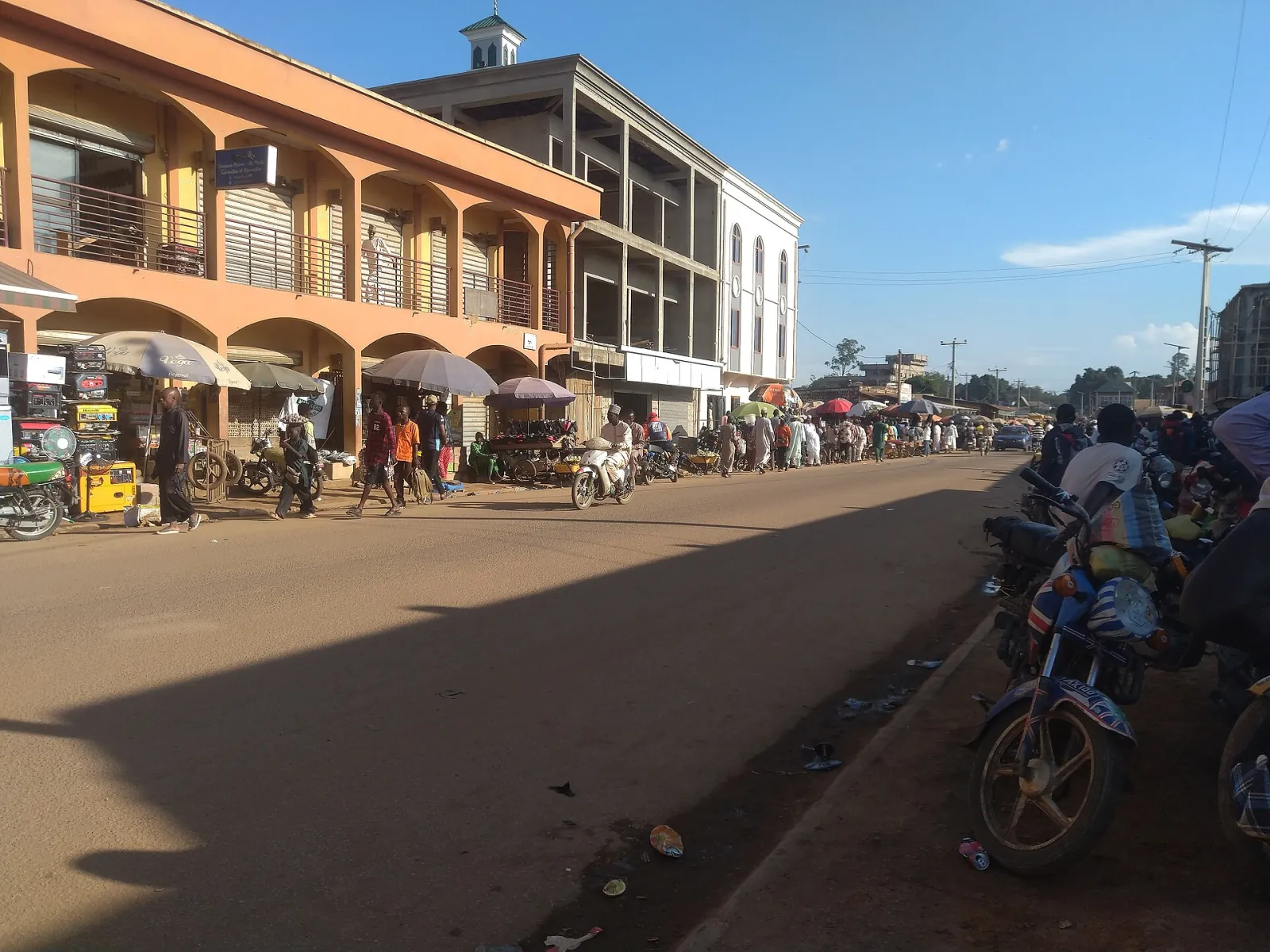
Residential district of Ngaoundéré

The region is a linguistic crossroads. Fulfulde, the language of the Fulani, serves as the lingua franca: it is heard in the markets of Ngaoundéré, in the palaces and on the radio stations. Alongside it, several savannah languages are spoken by communities long established in the area.

A landscape of languages

  • Fulfulde, the Fulani language, also spoken by the Mbororo herders;
  • Gbaya, found around Meiganga and Ngaoundal;
  • Mbum and Dii, associated with the plateaux of Ngaoundéré and Martap;
  • Vute, Tikar and Mambila, further west, towards Tibati and Banyo.

Passing on and documenting

Tales, proverbs, genealogies and songs of praise are oral archives that disappear with the elders. The delegation encourages recordings in the villages, literacy classes in national languages and bilingual radio programmes. This work feeds the linguistic heritage and the oral traditions.

For an overview of the country, see the national languages page. Teachers and associations can request support for transcription and for publishing small collections.

ℹ️
A tip

Before any recording, obtain the written or filmed consent of the person speaking and of their community.

Peoples and skills

Fulani, Mbororo, Gbaya and Mbum: the living arts of Adamaoua

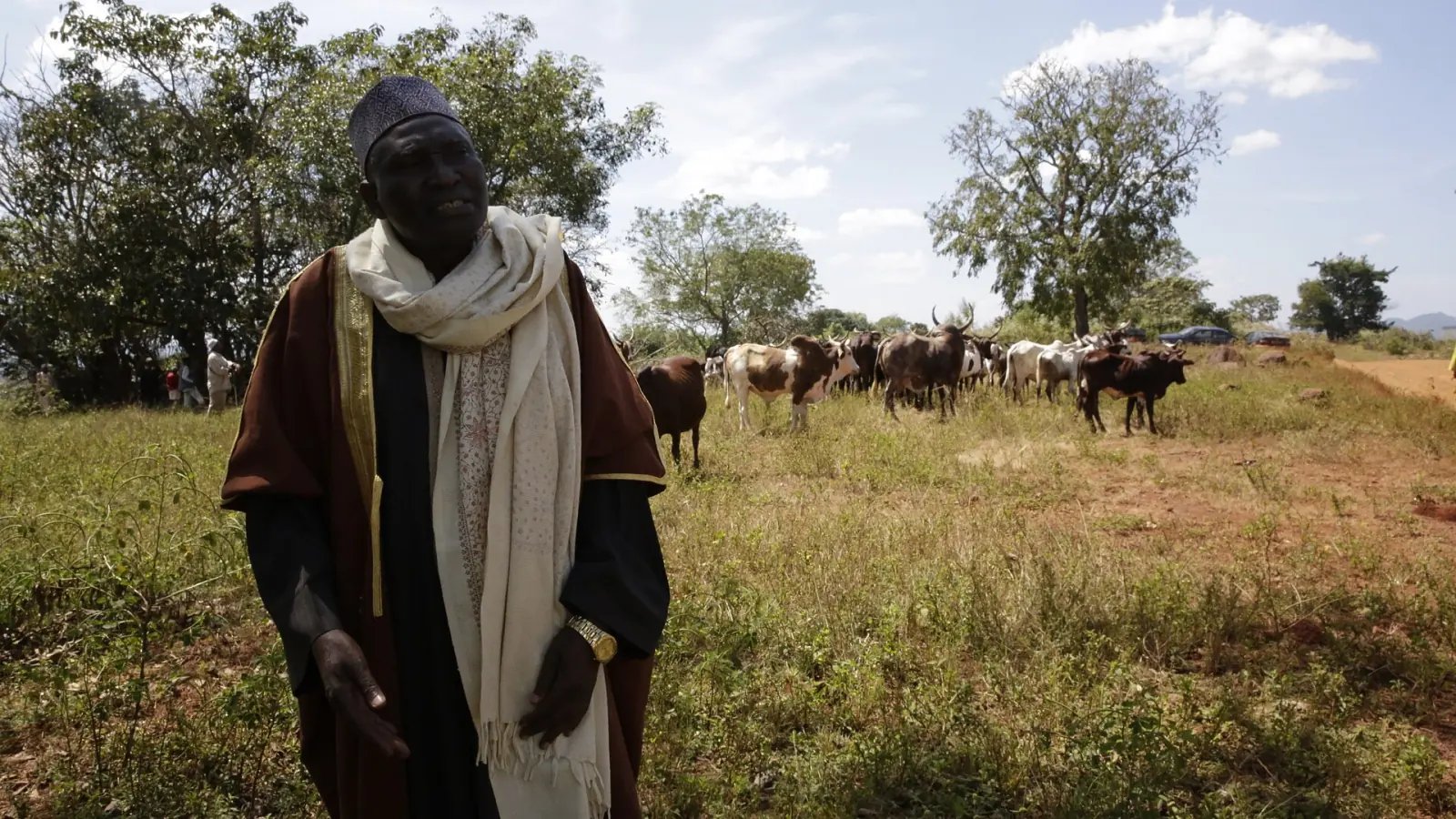
Fulani herder in a robe in front of his cattle herd in Adamawa

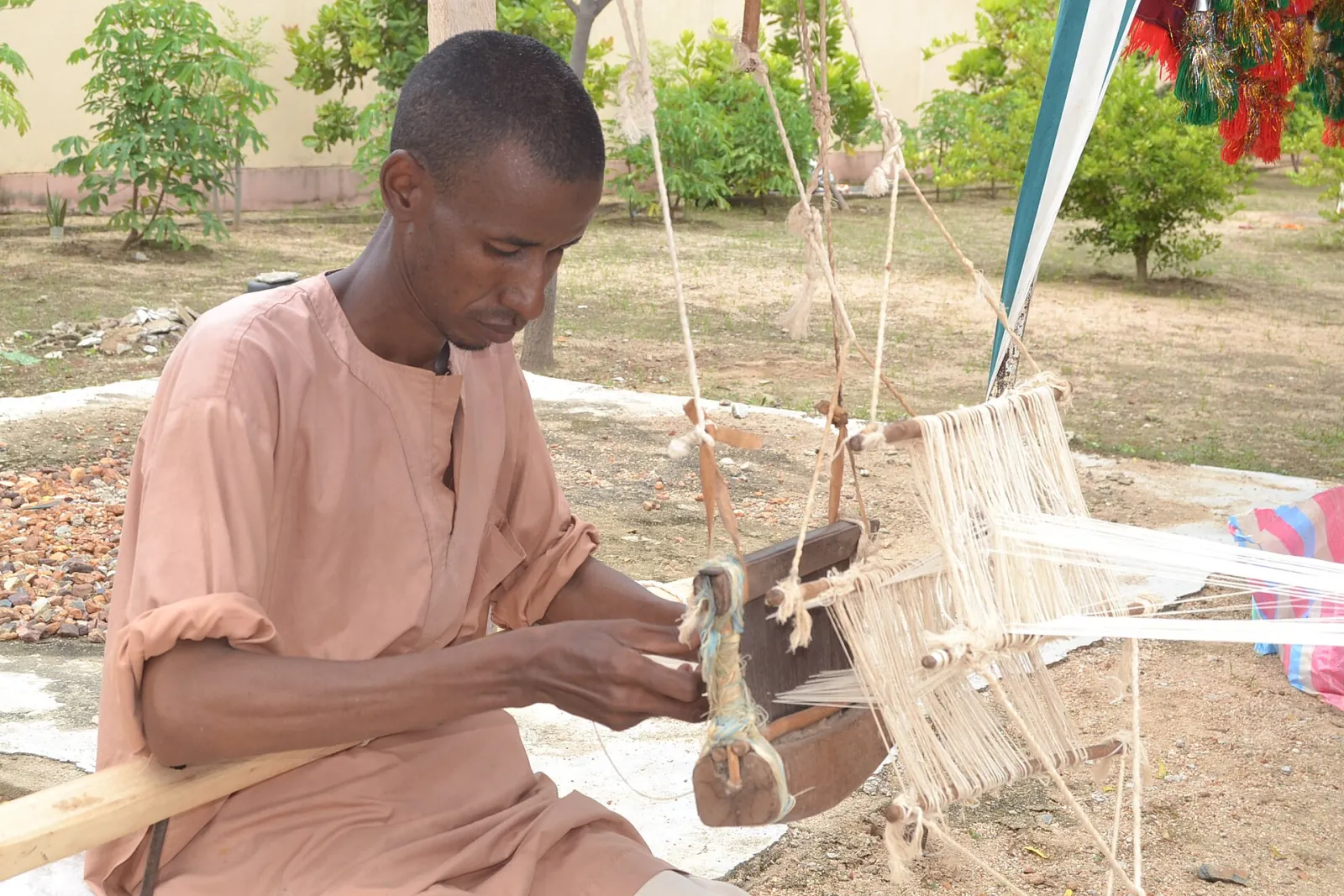
Adamaoua is the land of livestock and leather. Tanners work hides to make saddles, cushions, bags and cases; silversmiths shape silver into bracelets and pendants; women decorate calabashes and mats with geometric patterns. These trades, passed down within the family, belong to fine crafts and traditional skills.

Music and poetry

The courts of the lamidates have preserved ensembles of horns and drums that announce the sovereign, while praise singers recite genealogies. Among the Gbaya, alternating songs and savannah dances accompany work and festivals. To place these practices in context, see the music page.

At the table

Regional cuisine relies on grilled meat and soya, dried meat, fermented milk and maize porridges. The markets of Ngaoundéré are its showcase, just like the cultural tourism offer now being developed.

Step by step

Submitting a cultural file from Adamaoua

Define the project

Write a one-page note: nature of the activity, venue, expected audience, dates and local partners. State the language of the performance.

Meet the delegation

Present your project to the regional delegation, which checks that the file is complete and points out the procedures specific to Adamaoua.

Involve the local authorities

Inform the town hall and, where the venue falls under a chiefdom or a lamidate, obtain the agreement of the traditional authority. A message to the prefecture makes things easier.

Submit online

Create your account on the One-Stop Shop, attach the documents requested and confirm the application; a file number is given to you immediately.

Follow the review

Check the status of the file with your tracking number and respond quickly to requests for documents. Keep your number to hand.

Carry out and report

Once the activity has taken place, send the delegation a short report with photographs and attendance figures.

To act

The procedures to know in Adamaoua

Show authorisation

Every public performance in Adamaoua requires an authorisation, submitted online several weeks before the date.

Submit the application

Festival authorisation

Organisers of regional festivals submit their file with programme, security plan and provisional budget.

See the procedure

Event grant

Cultural associations in Adamaoua may request support from the Ministry for their projects of public interest.

Request support

Artist card

Musicians, dancers, visual artists and fine craftspeople of the region have their professional status recognised.

Apply
To explore

Adamaoua in the other sections

Voices from the region

Voices of Adamaoua

“
Thanks to the delegation’s help desk in Meiganga, our youth association submitted its authorisation application without travelling to Ngaoundéré.
An association president, Meiganga
Mbéré Division
“
My father taught me leatherwork; today I train six apprentices and we sell saddles and bags to visitors at the market.
A tanner craftsman, Ngaoundéré
Vina Division
“
We recorded the tales of the elder women in the Gbaya language and we broadcast them on Saturdays on the community radio.
A radio presenter, Meiganga
Mbéré Division
“
The Ramadan cavalcade is open to all; the delegation helps us organise the reception of the public and security.
A court notable, Tibati
Djérem Division

“With us, the palace speaks through its drums and the savannah through its tales: if we stop listening to them, an entire library closes.”

A notable of a lamidate, Adamaoua
To download

Resources for taking action in Adamaoua

Key facts

Adamaoua at a glance

FieldRegional landmarkDistinctive featureTo go further
Regional capitalNgaoundéré, town of the VinaRailway terminus and university townRegional Delegation
DivisionsVina, Djérem, Faro-et-Déo, Mbéré, Mayo-BanyoFive hubs of cultural activityCultural map
Traditional authorityFulani lamidatesPalaces, cavalcades and court musicPalaces and chiefdoms
PeoplesFulani, Mbororo, Gbaya, Mbum, Dii, Vute, TikarLivestock farming, agriculture and craftsIntangible heritage
LanguagesFulfulde, Gbaya, Mbum, Dii, Vute, TikarFulfulde serves as the lingua francaNational languages
CraftsLeather, silver, calabashes, matsFamily skills passed on through apprenticeshipArt crafts
LandscapesLake Tison, Tello falls, Tchabal MbaboNatural sites steeped in talesCultural routes
Calendar 2026-2027

The cultural agenda of Adamaoua

Glossary

The vocabulary of Adamaoua

Lamidate

Political and cultural entity headed by a lamido, inherited from the Fulani kingdoms of the 19th century.

Lamido

Traditional sovereign of a lamidate, surrounded by notables and a musical court.

Fulfulde

Language of the Fulani, used as a lingua franca in much of the region.

Mbororo

Community of semi-nomadic Fulani herders, known for their finery and songs.

Soya

Spiced meat skewer, grilled over a wood fire, a speciality of the markets of the North.

Transhumance

Seasonal movement of herds to better pastures.

Griot

Poet-musician who sings praises and preserves genealogies.

Cavalcade

Parade of riders in ceremonial dress during a major festival, also called fantasia.

Gbaya

Savannah people settled around Meiganga, rich in alternating songs and tales.

Regional Delegation

Decentralised service of the Ministry in charge of arts and culture in a region.

On the site

Continuing the exploration from Adamaoua

Resources

Useful links for culture in Adamaoua

Stakeholders

Who supports culture in Adamaoua?

Journey

Adamaoua through time

Before the 19th centuryPeoples of the savannah

The Gbaya, Mbum, Dii and Vute occupy the plateau, grow millet and practise hunting, forging and pottery.

19th centuryFounding of the lamidates

Fulani movements found lamidates around fortified capitals, which still shape political and cultural life.

Early twentieth centuryThe trade routes

Caravans, cattle markets and new communication routes make Ngaoundéré a crossroads between the North and the South.

1970sThe railway and the town

The arrival of the railway in Ngaoundéré turns the town into a dry port and speeds up cultural exchanges.

2010sPromotion

Associations, radio stations and chiefdoms begin the inventory of the region’s songs, tales and fine crafts.

2026-2027Regional cultural season

The delegation offers a lamidates week, a languages day and a leather fair in Ngaoundéré.

Questions

Your questions about culture in Adamaoua

Where can I submit a cultural file from Adamaoua?

You can either submit your application online to the One-Stop Shop, or go through the regional delegation in Ngaoundéré, which checks the documents and guides you. In both cases, you are given a file number to follow the processing.

How do I contact the regional delegation of Adamaoua?

Call the Ministry switchboard on +237 6 51 70 58 41 or write to contact@minac.gov.cm, stating the region and the purpose of your request. Your message is forwarded to the Ngaoundéré delegation, which replies or calls you back.

Can one visit the palace of a lamidate?

Yes, with the consent of the local authority. Notify the palace a few days in advance, respect the rules on dress and photography, and be accompanied by a local guide. Some ceremonies remain reserved for residents.

How can a skill such as leatherwork be recognised?

Fill in an inventory form with the craftspeople, describing the gestures, tools, bearers and the community’s agreement. The delegation forwards it to the Directorate of Cultural Heritage, which includes it in the inventory.

What status for a court musician or a griot?

Court musicians may apply for the artist card by proving their practice through certificates from the court, programmes or recordings. The delegation helps to assemble these documents.

How do I organise a festival open to the public?

Inform the town hall and the traditional authority, then submit an application for authorisation for a show or festival with the programme, the venue and the security arrangements, several weeks before the planned date.

Where can I find the languages and recordings of the region?

The resources are gathered in the pages devoted to national languages and linguistic heritage. The delegation can also point you to community radio stations and associations that keep recordings.

Can my association receive aid from the Ministry?

Yes, if it is declared and approved and its project is of public cultural interest. The grant file sets out the objectives, budget and timetable; the delegation gives a preliminary opinion.

Contact

Write to the Ministry: Adamawa

Specify your region and your request.

Delegation and Ministry

Contacting the Ministry from Adamaoua

Address

Ministry of Arts and Culture
Quartier du Lac – Ministerial Zone
P.O. Box 1053 Yaoundé, Centre Region, Cameroon

Reach us

+237 6 51 70 58 41

contact@minac.gov.cm

Opening hours

Monday to Friday, 8 am to 4 pm

A cultural project in Adamaoua?

Submit your file to the One-Stop Shop or meet the Ngaoundéré delegation to prepare it.

Open the One-Stop Shop
WhatsApp