Coat of arms of CameroonMinistry of Arts
and Culture
Republic of Cameroon
My procedures
Home
Minister’s message
News
Press releases
Cultural calendar
Official speeches
Press review
Photo library
Video library
Calls for projects
Job vacancies
Public procurement
Newsletter
Frequently asked questions
Site map
Contact
Press area
Podcast “The Voice of Culture”
Legal notices
Privacy policy
Cookies and trackers
The Ministry
Missions and responsibilities
Organisation
Organisation chart
Minister’s Office (Cabinet)
Management team
General Secretariat
General Inspectorate
Central directorates
Regional Delegations
Institutions under supervision
Legislative texts
Regulatory texts
Sector strategy
Major projects
Budget and reports
Partners
Careers
Archives
Institutional communication
Quality and accessibility
Arts
Visual and plastic arts
Visual arts
Performing arts
Theatre
Dance
Music
Literature and books
Cinema and audiovisual
Photography
Fashion and design
Digital arts
Art crafts
Artists’ directory
Residencies
Prizes and awards
Arts education
Urban arts
Heritage
Tangible heritage
Intangible heritage
UNESCO sites
National museums
Listed monuments
National inventory
Palaces and chiefdoms
Archaeology
Linguistic heritage
Oral traditions
Traditional know-how
Restitution of cultural property
Fight against illicit trafficking
Listing and protection
Conservation and restoration
Heritage Days
Cultural landscapes
Industries
Music and recording
Cinema
Publishing and books
Digital arts
Fashion and creativity
Crafts
Cultural tourism
Funding for culture
Support funds
Incubators
Cultural entrepreneurship
Culture Observatory
Vocational training
Studies and reports
Sector statistics
Export and outreach
Intellectual property
Copyright
Legal framework
Copyright and neighbouring rights
Collective management societies
Register a work
Licences
Private copying
Fight against piracy
Model contracts
Social status of artists
Mediation
Disputes
Training
Fee scales
Register of works
Contact
Digital neighbouring rights
Public domain
Festivals
National calendar
Ngondo
Nguon
Écrans Noirs
Heritage Days
Music Day
Regional festivals
Fairs and exhibitions
Biennials
National competitions
Cultural days
Organise a festival
Event grants
Ticketing
Archives
Volunteering
Diaspora festivals
Regions
Adamawa
Centre
East
Far North
Littoral
North
North-West
West
South
South-West
Cultural map
Regional Delegations
Traditional chiefdoms
National languages
Cultural routes
Decentralised cooperation
Regional observatory
Cooperation
UNESCO
Francophonie (OIF)
African Union
Commonwealth
CEMAC
Bilateral cooperation
Cultural agreements
Professional organisations
Scholarships
Artist exchanges
Cultural years
Diaspora
Funded projects
Embassies
Technical partners
International restitution
International monitoring and calls
Services
Artist card
Show authorisation
Filming authorisation
Festival authorisation
Deposit of a work
Export of works of art
Listing of a property
Grant application
Association accreditation
File tracking
Forms
Fees
Opening hours and addresses
Reporting
Online help
My account
One-Stop Shop
Regions

National languages

Atlas, language families, alphabets and teaching: everything you need to know to understand, write, teach and pass on the national languages of Cameroon.

Updated on 6 November 20264 sub-pages
Regions concerned10
Official languages2
Major language families3
Supported transmission workshops32
National languages

A mosaic of voices to preserve

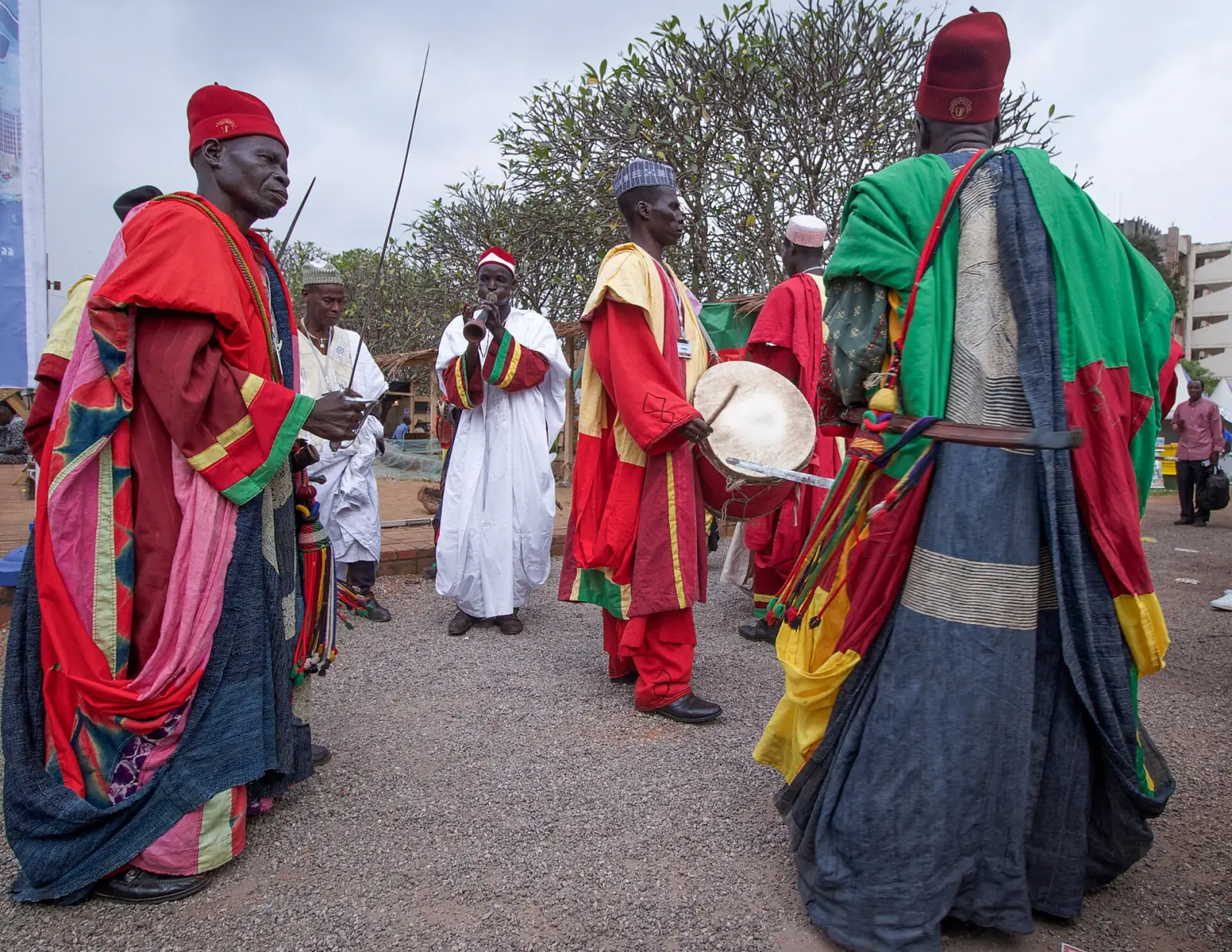
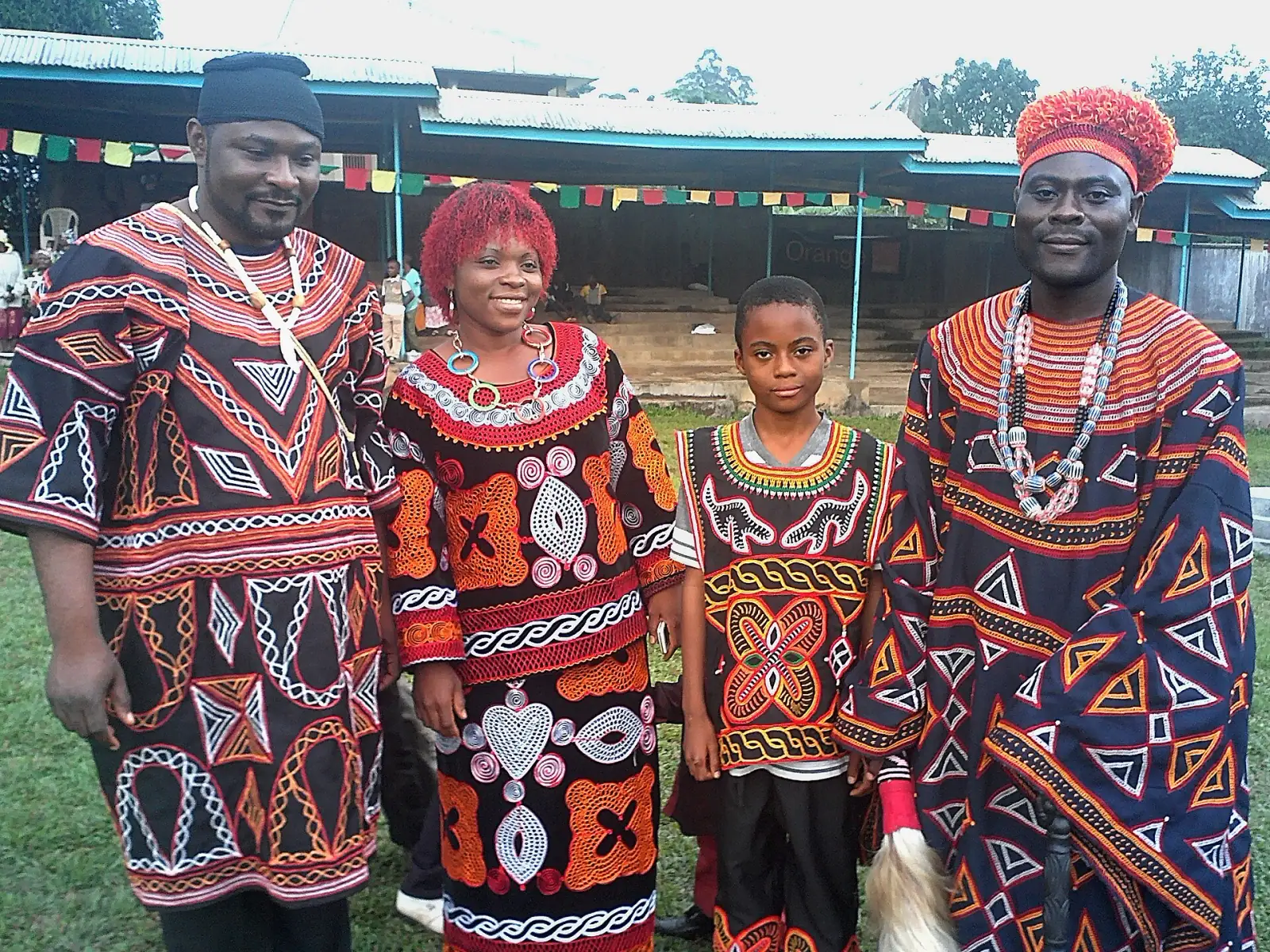
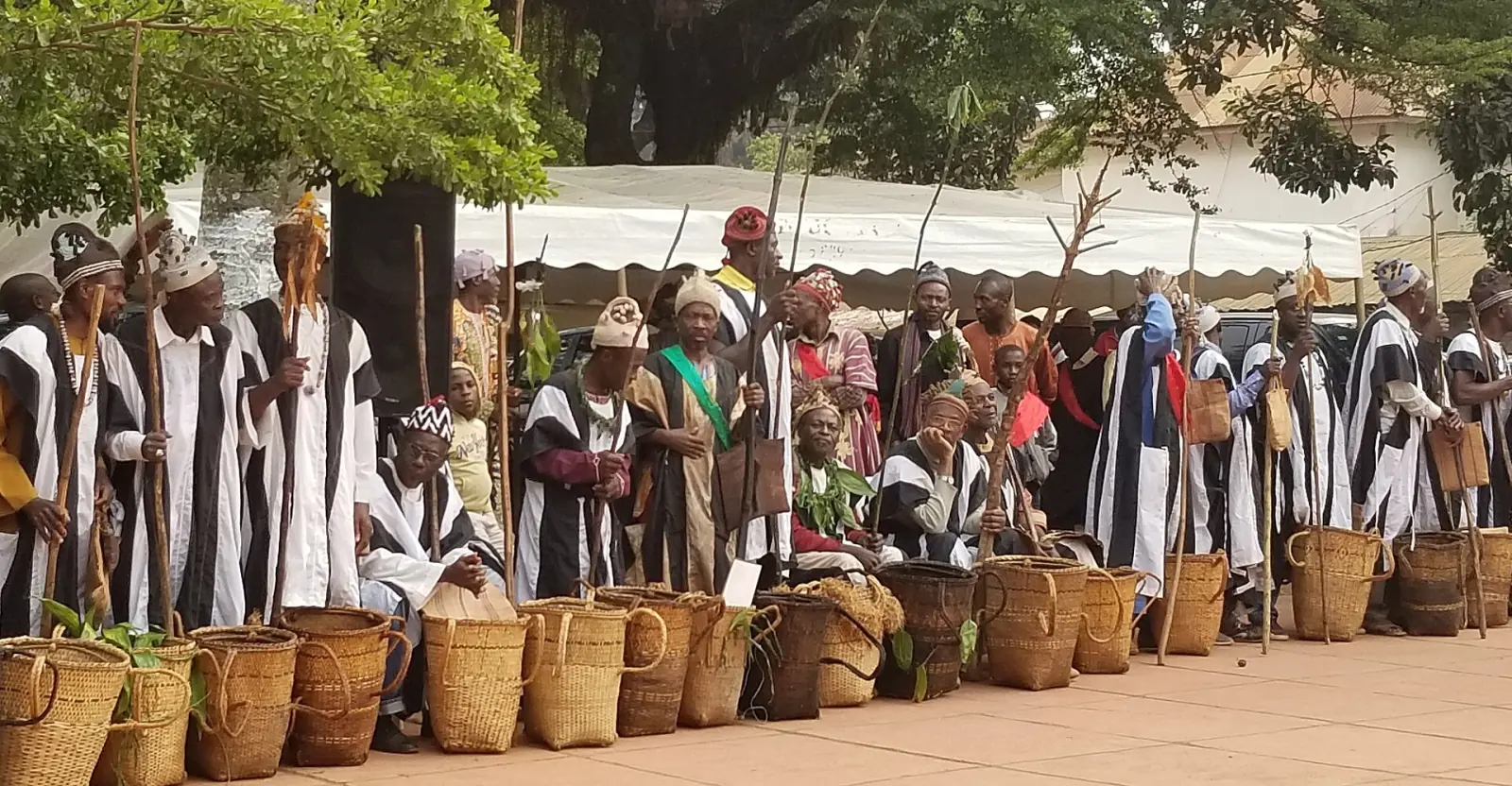
Assembly of notables in white and blue robes before baskets at a festival in Foumban

Cameroon is often described as Africa in miniature, and its languages are the best proof: several hundred tongues coexist, from the Fulfulde of the northern savannahs to the Ewondo of the Centre, from the Duala of the Littoral to the Ghomala’ of the West, not to mention the Pidgin English that circulates in markets and bus stations throughout the country. French and English, the official languages, thus stand alongside national languages that carry the memory of peoples.

This page brings together useful guidance for understanding this richness: the atlas and linguistic heritage, the major language families, alphabets, teaching and safeguarding procedures carried out with the regional delegations.

  • An atlas to locate each language on the territory
  • Alphabets to write and teach the national languages
  • Transmission workshops in the ten regions
Consult the linguistic atlas
Mapping

The linguistic atlas of Cameroon

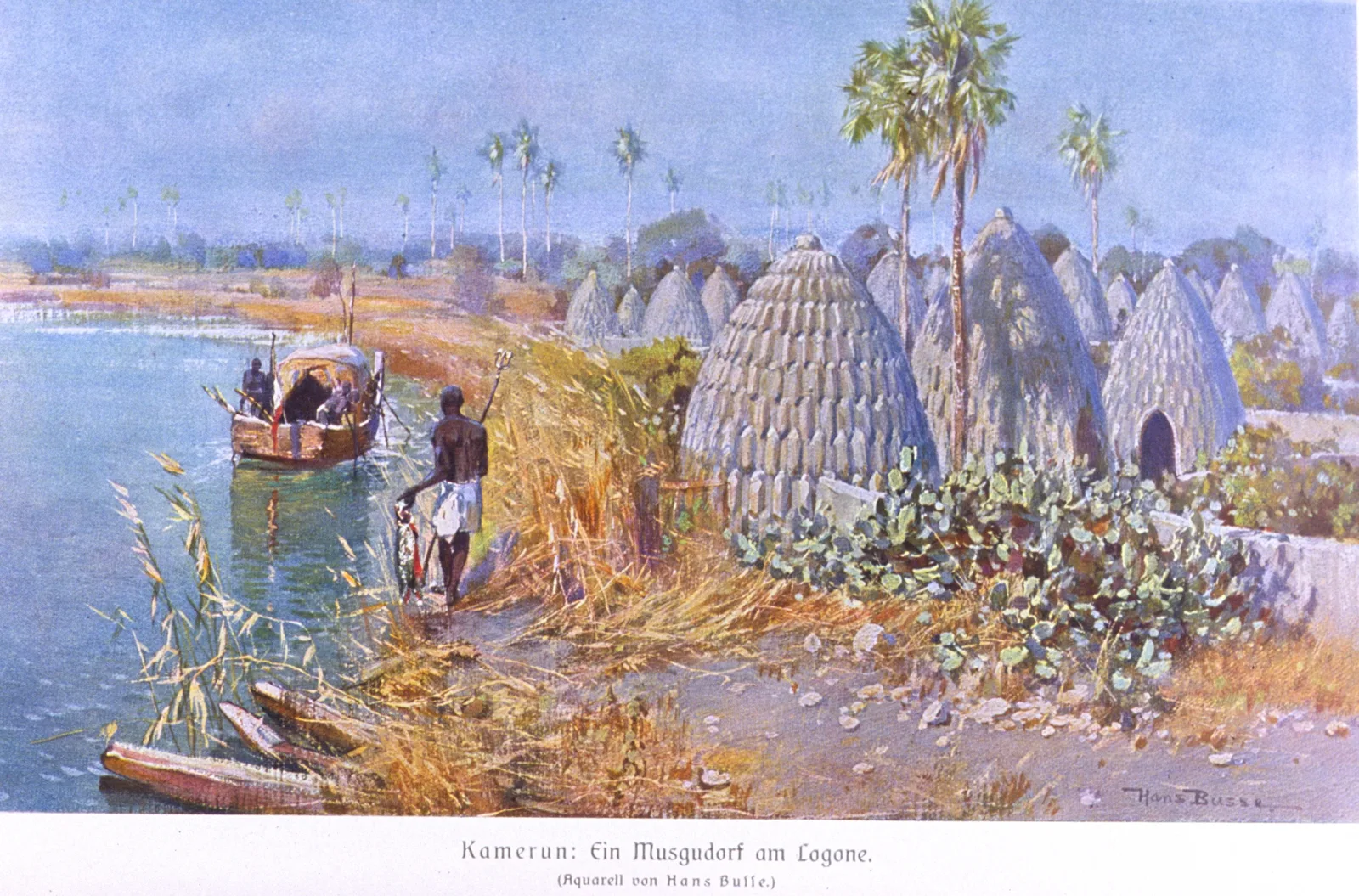
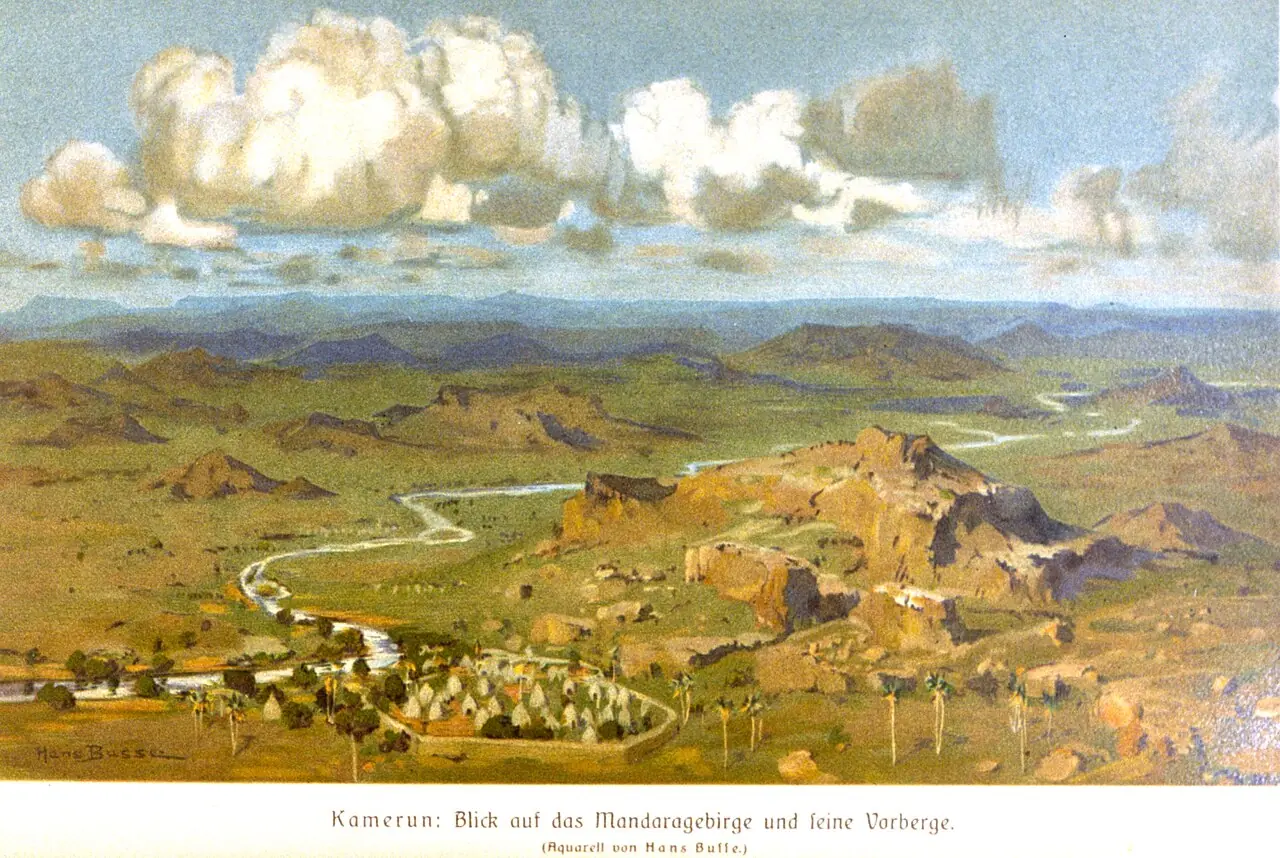
Old watercolour of a village in inland Cameroon and its mountains

A linguistic atlas aims to answer a question that is simple in appearance: which language is spoken, and where? In Cameroon, the answer requires decades of fieldwork, because language areas almost never coincide with administrative boundaries. A single language may extend over several regions, while a single sub-division may be home to several, spoken in neighbouring villages.

What an atlas shows

The maps locate each language, indicate its dialect variants, mark contact zones and make the most fragile languages visible. They are accompanied by descriptive sheets: name of the language and of its speakers, family of origin, existence of an alphabet, dictionaries or radio programmes. These sheets are linked to the cultural map so that languages, chiefdoms, festivals and sites can be cross-referenced.
How it is built

  • Surveys conducted with communities, in the presence of traditional chiefs and elders;
  • Sound recordings of word lists, tales and proverbs;
  • Scientific validation by linguists from higher education;
  • Transfer of the results to the national inventory of heritage.

The atlas is never finished: each campaign corrects boundaries, adds variants and enriches the recordings.

ℹ️
Report a language

A researcher, an association or a village can report a poorly located language by writing to the regional delegation concerned.

Classification

The language families of Cameroon

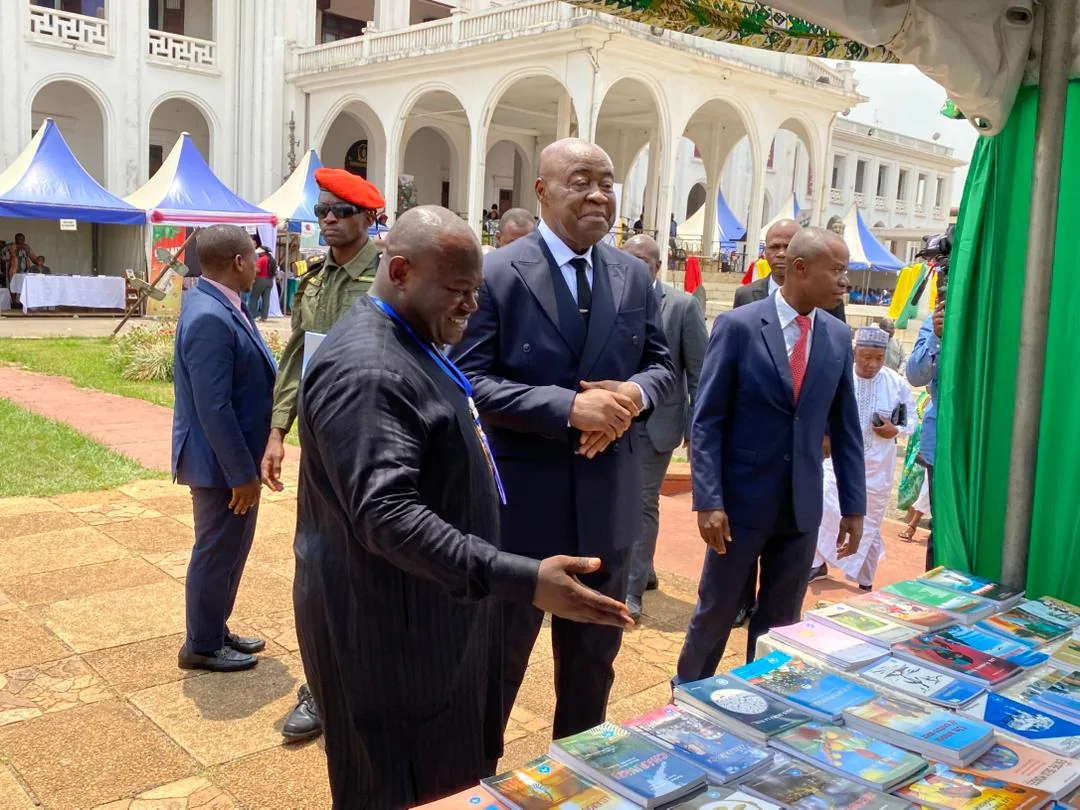
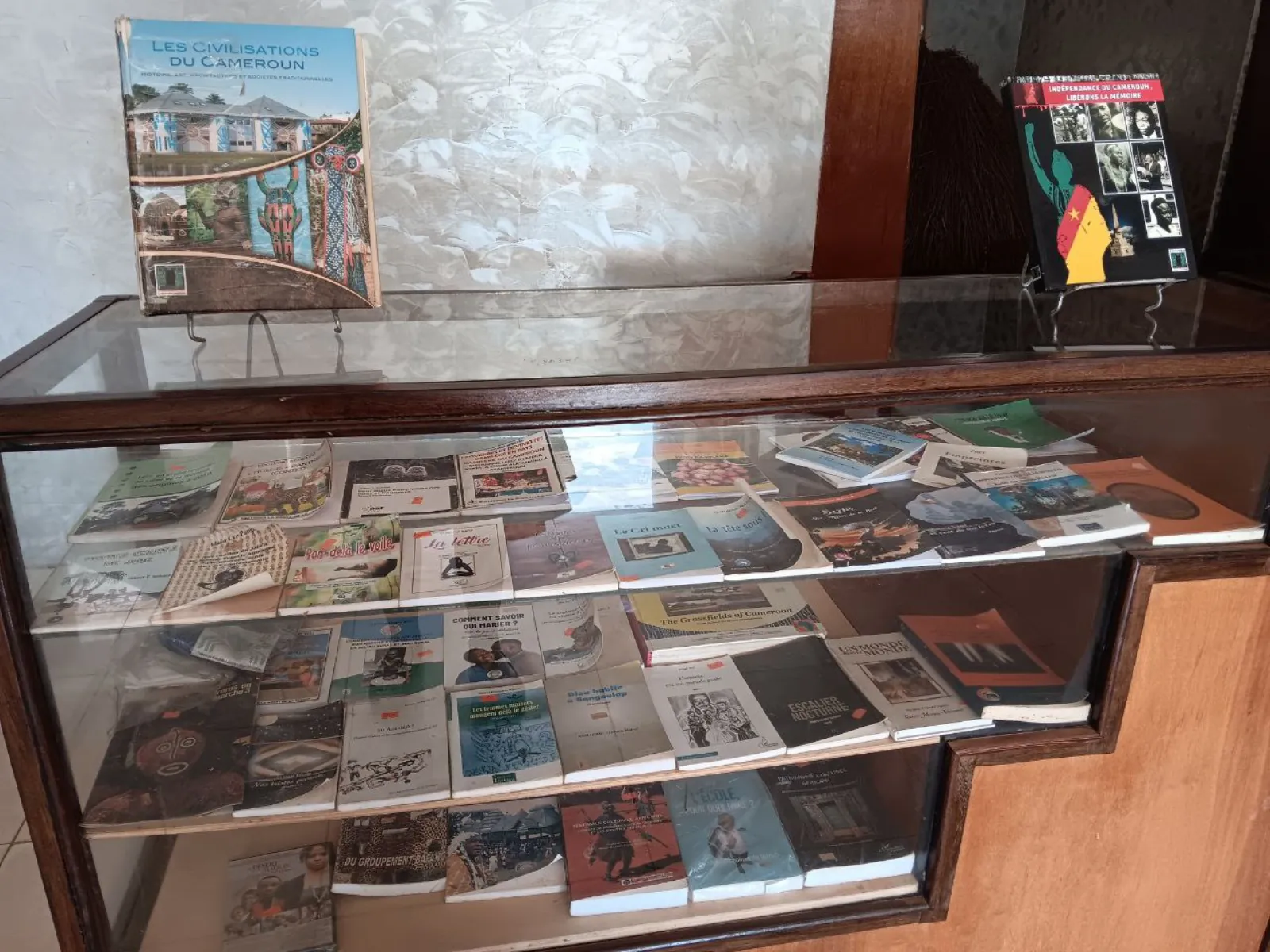
Display case of books and booklets in the library area of the Dschang civilisations museum

Linguists group the languages of Cameroon into major families according to their historical kinship. Three groups dominate, making the country a rare crossroads where several great branches of the continent meet.

Bantu and related languages

In the South, the Centre, the Littoral, the East and the West, languages of the vast Niger-Congo group are spoken: Ewondo and Bulu around Yaoundé and Ebolowa, Duala and Bassa on the coast, Bakweri at the foot of Mount Cameroon, but also the Grassfields languages, such as Ghomala’, Medumba, Yemba or the Shüpamem of the Bamoun.

The languages of Adamawa and the savannahs

Between Adamawa and the North are found languages belonging to the Adamawa-Ubangi group, such as those of the Gbaya and Mbum peoples, and Fulfulde, a Fulani language that has become a true means of communication between communities.

Chadic and Nilo-Saharan languages

The Far North is home to Chadic and Nilo-Saharan languages, spoken in the Mandara Mountains and around Lake Chad, as well as Shuwa Arabic in the lake basin.

To these families is added Pidgin English, a contact language born of trade, which has lively uses in the West, the Littoral and the two English-speaking regions. Find regional guidance on the West, North and Far North pages.

Writing

The alphabets of the national languages

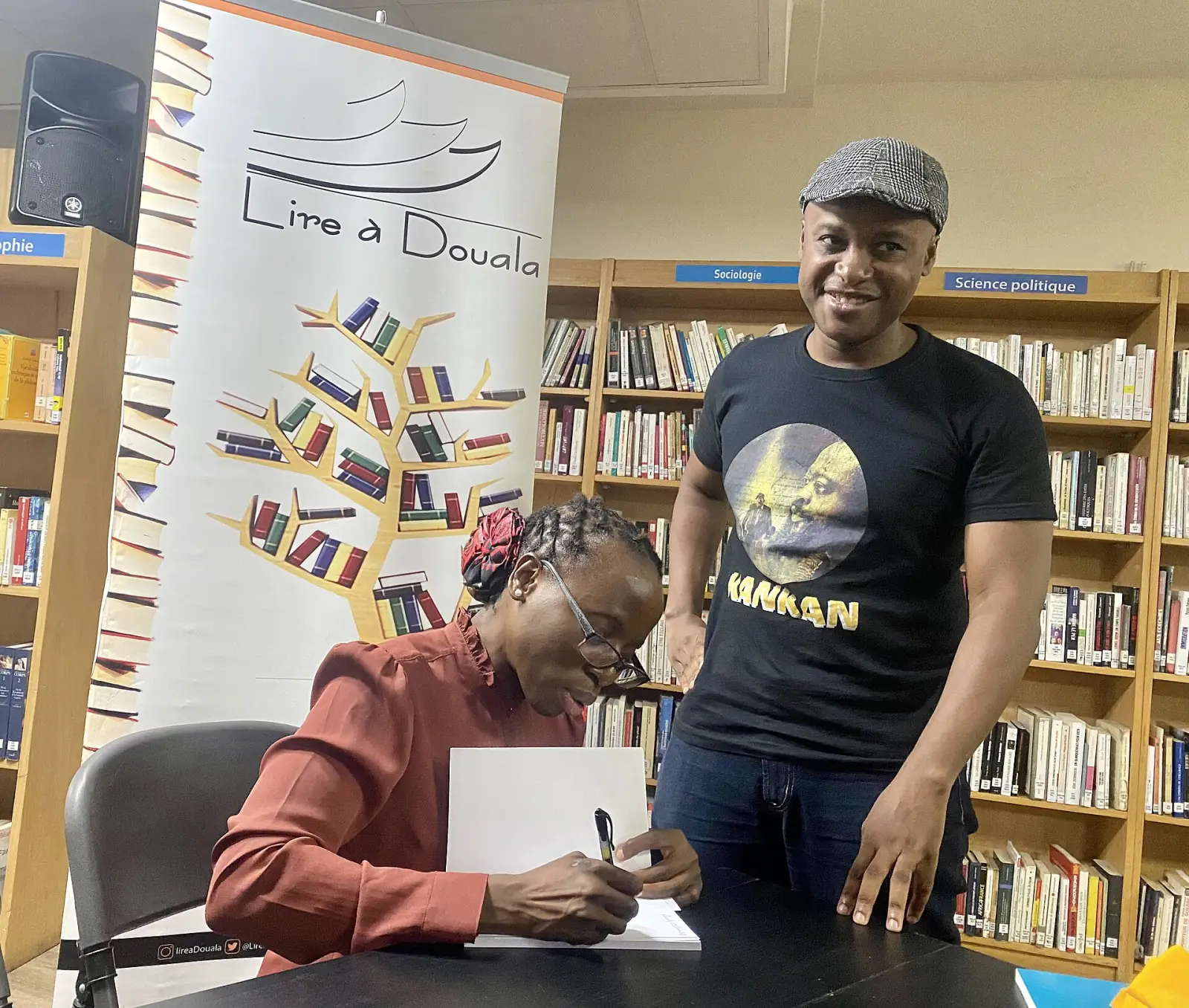
Author signing a book in a Douala bookshop in front of shelves

To write a language is to give it a chance to last. Several writing systems coexist in Cameroon, and each tells a particular story.

The general alphabet of Cameroonian languages

To provide the national languages with a common orthography, specialists have drawn up a general alphabet that uses the Latin letters and adds the signs needed for sounds specific to the country’s languages: open and closed vowels, nasal consonants, the glottal stop, and tones marked by accents. It makes it possible to produce consistent primers, textbooks and dictionaries from one language to another.

A script born in the Bamoun kingdom

At the end of the 19th century, a Bamoun sovereign devised an original writing system, perfected in several successive versions, which was used to record the history of the kingdom, medicinal recipes and palace archives. This creation, one of the few scripts invented in Africa, is presented at the museum and the palace of Foumban.

Today’s challenges

  • Harmonising orthographies for schools and the press;
  • Providing keyboards and fonts suited to special characters;
  • Publishing bilingual books with publishing houses;
  • Digitising manuscripts and recordings.
ℹ️
Fonts and keyboards

App creators and publishers can ask the Ministry for advice on correctly integrating the characters of the national languages.

Transmission

The teaching of national languages

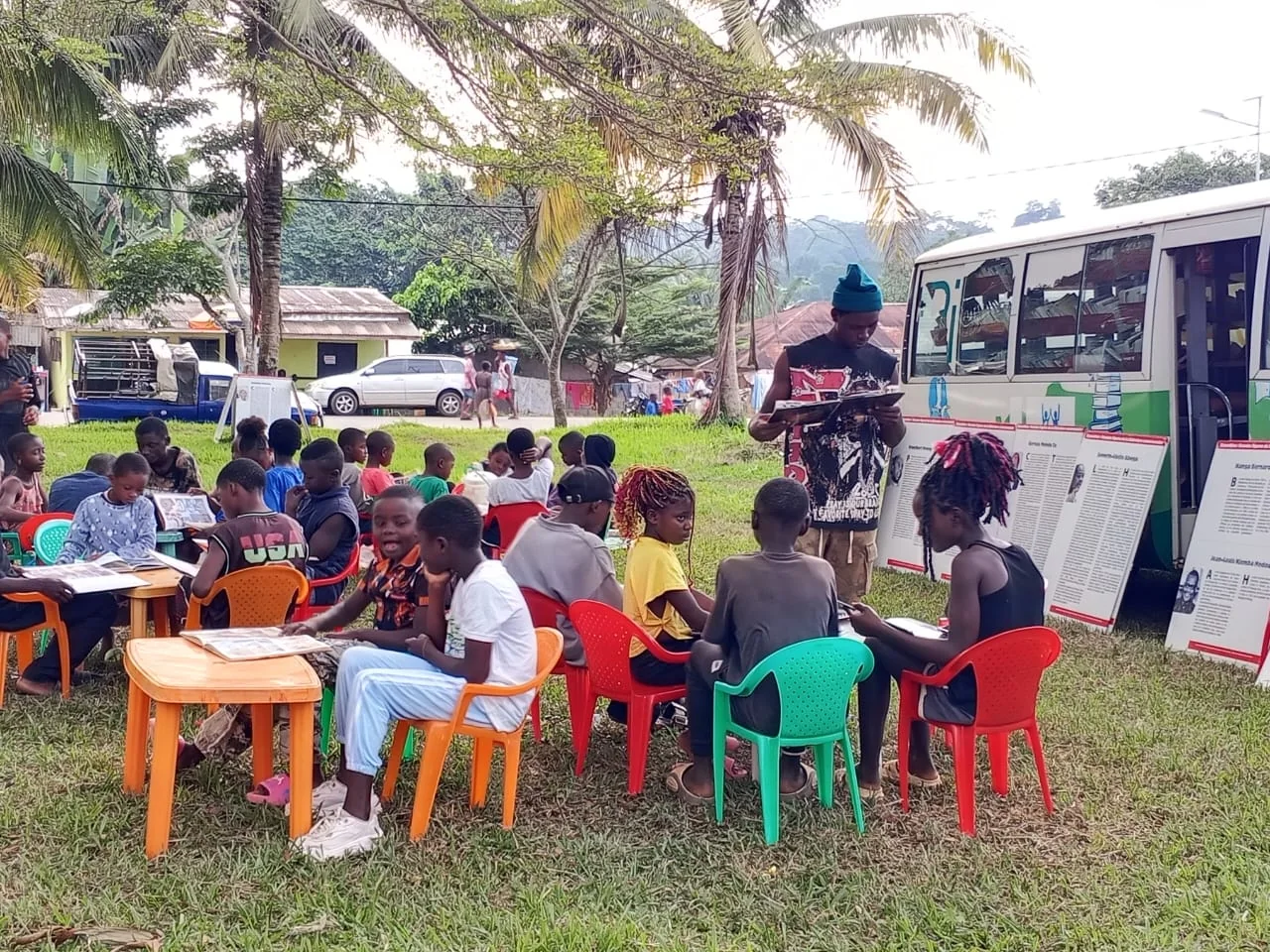
Children reading and writing at colourful tables on a lawn, next to a library bus

The 1996 Constitution and the framework law on education recognise the role of national languages in education and call on the State to promote them. In practice, their teaching is progressing in stages, through experiments and partnerships with communities.

At school

Pilot classes offer the learning of a national language alongside French or English, as part of an applied research programme on school bilingualism. Teachers receive specific training, and textbooks are written with linguists and primary school teachers from the region.

Outside school

Language committees, development associations and parishes organise evening classes, reading workshops and public speaking contests. Art workshops, storytelling evenings and radio programmes in local languages sustain oral practice.

At university

Departments of African languages train linguists, translators and teachers. Their work feeds the atlas, dictionaries and collections of linguistic heritage.

The Ministry supports these actions by funding transmission workshops, facilitating access to rooms in the cultural centres and promoting productions during the cultural days.

ℹ️
For teachers

Teachers can request educational resources in national languages from the regional delegation in their region.

Public policy

National languages and cultural policy

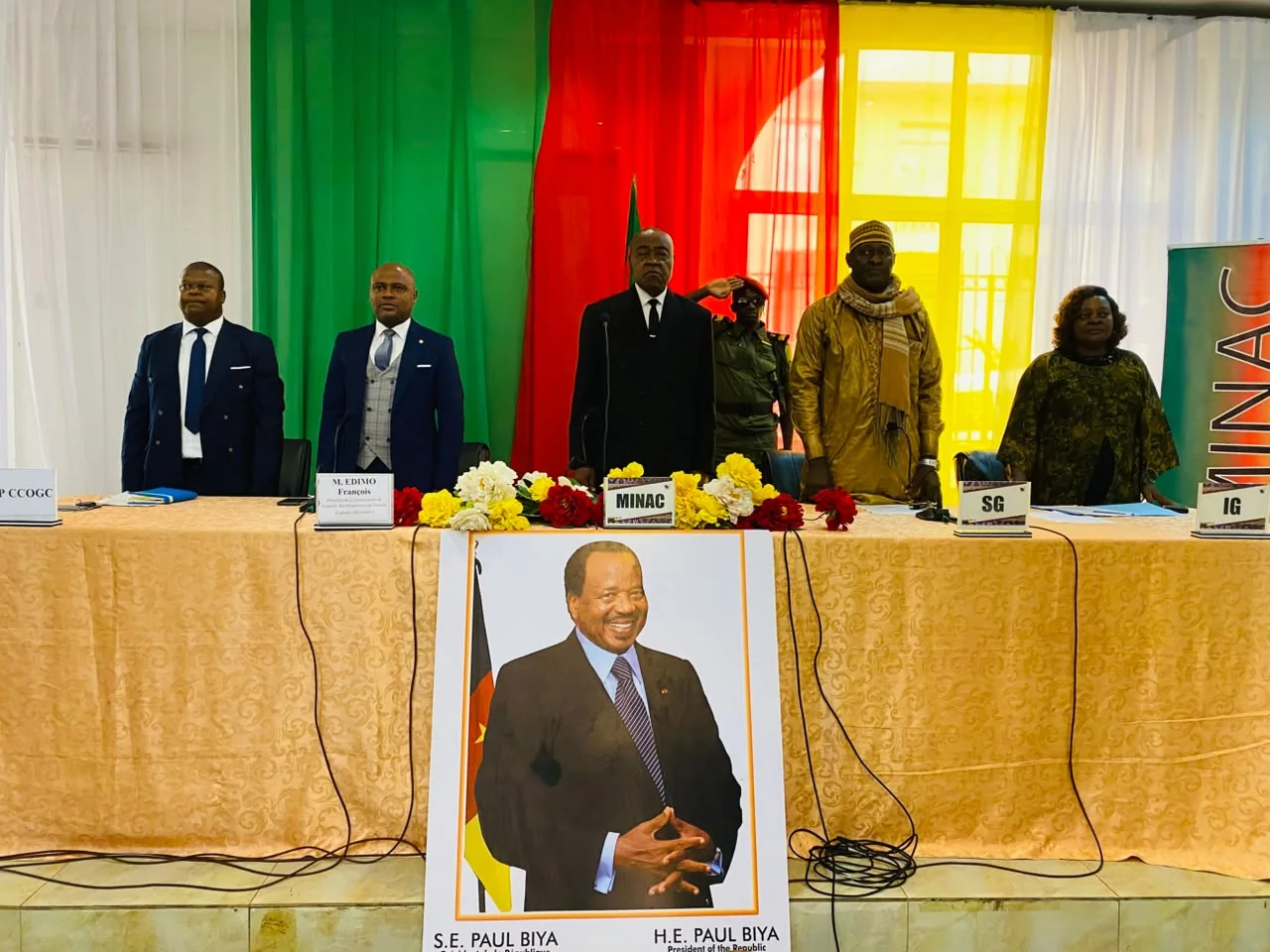
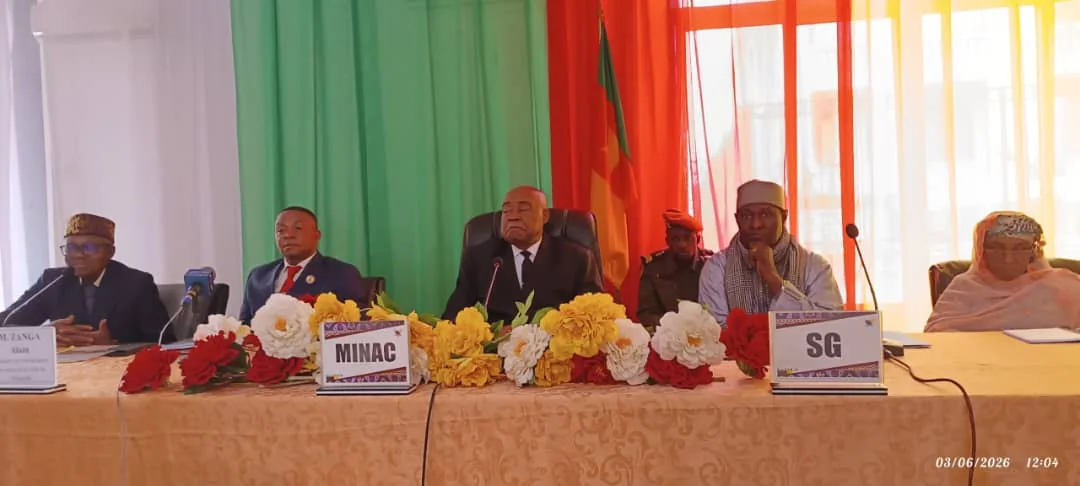
Opening session with the portrait of the Head of State in front of the panel table

The preservation of languages falls within culture, education and research alike. The Ministry acts within the framework of the law on cultural heritage, which protects knowledge transmitted orally, and of the national development strategy, whose orientations encourage the promotion of local identities.

In concrete terms, action operates on three levels. The first is documentation: recording elderly speakers, transcribing narratives and building consultable sound archives. The second is transmission: supporting workshops, pilot classes and festivals where people speak and sing in their own language. The third is visibility: making languages heard in the media, on tourist signage and along cultural itineraries.

Local authorities play a growing role: town halls and regional councils fund local radio stations, bilingual signs and classes in cultural centres.

Step by step

Documenting a language of your community

Bring the community together

Involve elders, chiefs and young people: the procedure only succeeds if the holders of the language agree.

Choose a focal person

Appoint a person or an association to coordinate the recordings and keep the media.

Record

Collect word lists, tales, songs and conversations with a recorder, noting the place, the date and the speaker.

Transcribe with a linguist

Have the transcriptions reviewed by a specialist in order to adopt an orthography consistent with the general alphabet.

Deposit in the inventory

Hand the files to the regional delegation so that they can be added to the inventory of intangible heritage.

Return

Organise a public presentation in the village or neighbourhood to share the results.

To act

Schemes for languages

Report a language

Have a language or variant included in the atlas by submitting its location, speakers and first recordings.

Contact the delegation

Transmission workshop

Obtain the Ministry’s support for a language course, a storytelling circle or an evening gathering in your neighbourhood.

Request support

Bilingual publishing

Publish a book or a dictionary in a national language with publishing support.

See the support funds

Heritage collection

Take part in the inventory by depositing recordings and testimonies.

Contribute to the inventory
To explore

Languages in other sections

To download

Resources for national languages

“A language that ceases to be spoken takes with it a unique way of naming the world: passing it on is bequeathing an entire library.”

A national language teacher, Centre
They pass it on

Voices that keep languages alive

/ University of Yaoundé
A linguist

“Every survey begins with listening: it is the elders who teach us how their language is really spoken.”

/ Bafoussam
A radio presenter

“My morning programme in the local language receives calls from across the department, including from the diaspora.”

/ Maroua
A primary school teacher

“Children read faster when they first discover letters in the language of their home.”

/ Ebolowa
A storyteller

“I tell stories in Bulu at nightfall; the little ones repeat the refrains before falling asleep.”

Key facts

The languages of the country by major area

AreaMain regionsEmblematic languagesCommon uses
Northern savannahsNorth, AdamawaFulfulde, Gbaya and Mbum languagesMarkets, lamidate ceremonies, radio
Mandara Mountains and Lake ChadFar NorthChadic languages, Shuwa ArabicHarvest festivals, cross-border trade
Plateaux of the Centre and SouthCentre, SouthEwondo, Bulu, Fang languagesEvening gatherings, churches, local radio
Coast and estuaryLittoral, South-WestDuala, Bassa, BakweriNgondo, fishing festivals, choirs
GrassfieldsWest, North-WestGhomala’, Medumba, Yemba, ShüpamemChiefdoms, funerals, village schools
Eastern forestEastBantu languages of the East, languages of forest peoplesTales, hunting, rites
Lingua francasAll regionsPidgin English, Fulfulde, French, EnglishMarkets, administration, media
Glossary

The vocabulary of languages

Linguistic atlas

Set of maps and sheets that locate languages and their variants on the territory.

National language

Language specific to a community of the country, distinct from the two official languages.

Official language

Language of administration, justice and school: French and English.

Lingua franca

Language used as a means of communication between speakers of different languages.

Pidgin English

Contact language of English origin, widely used in everyday exchanges.

Dialect

Regional variant of a language, with its own accents and words.

Tone

The pitch of the voice that changes the meaning of a word in many of the country’s languages.

Orthography

Way of writing the sounds of a language with a system of signs.

Speaker

Person who speaks a language daily.

Transcript

Written version of an oral recording.

Endangered language

Language whose transmission to children has weakened.

Language committee

Local association that develops the writing and teaching of a language.

On the site

Continue reading in the land of languages

Resources

Useful links for languages

Stakeholders

Who supports languages?

Journey

Languages through time

19th centuryScripts and first textbooks

Missionaries and sovereigns devise orthographies to record languages, including that of the Bamoun kingdom.

1960sTwo official languages

French and English become official languages, while national languages remain carried by social life.

1980sAtlas surveys

The first linguistic mapping campaigns gather field data.

1990sConstitution and experiments

The 1996 Constitution enshrines the promotion of national languages and pilot classes develop.

2010sDigitisation

Dictionaries, recordings and keyboards in local languages arrive on telephones and computers.

TodayA networked heritage

Communities, universities and delegations add their data to the inventory of intangible heritage.

Questions

Your questions on national languages

How many languages are spoken in Cameroon?

There are several hundred, grouped into major families. The figure varies depending on whether a distinction is made between language and dialect, which explains why the atlas also details variants. The official languages are French and English, to which are added lingua francas such as Fulfulde and Pidgin English.

Where can I consult the linguistic atlas?

The maps and sheets are linked to the cultural map and to the inventory of intangible heritage. The regional delegations can also direct you to the researchers and associations that carried out the surveys in your region.

How can I have my mother tongue written?

Approach the language committee of your community or a linguistics department. They will help you adopt an orthography based on the general alphabet of Cameroonian languages, then produce a primer and reading texts.

Are national languages taught at school?

Pilot classes offer them alongside the official languages. The extension of the scheme depends on resources, trained teachers and the agreement of communities. Out-of-school workshops also exist in the cultural centres.

How can I record a traditional storyteller or singer?

First ask for their written consent, state the intended use of the recordings and note the context. Then give a copy to the person and to the regional delegation, which adds it to the inventory with details of provenance.

Can I obtain support for a book in a national language?

Yes, publishing support funds and the grant application also cover bilingual works or works in a national language. Attach the manuscript, the educational project and a printing quotation.

Is Pidgin recognised as heritage?

Pidgin English is a living language, very present in music, popular theatre and radio. As such, its practices can be documented in the inventory of intangible heritage like other oral expressions.

Whom should I contact for a linguistic research project?

Write to the Directorate of Cultural Heritage, specifying the language, the survey area, the affiliated institution and the timetable. A field authorisation and an introduction to the delegation of the region can be facilitated.

Contact

Contacting linguistic heritage

Address

Directorate of Cultural Heritage
Ministry of Arts and Culture
Quartier du Lac – Ministerial Zone
P.O. Box 1053 Yaoundé, Centre Region, Cameroon

Reach us

+237 6 51 70 58 41

contact@minac.gov.cm

Opening hours

Monday to Friday, 8 am to 4 pm

A language to document?

Contact the delegation in your region to have your language entered in the atlas and the inventory.

Find my delegation
WhatsApp