Coat of arms of CameroonMinistry of Arts
and Culture
Republic of Cameroon
My procedures
Home
Minister’s message
News
Press releases
Cultural calendar
Official speeches
Press review
Photo library
Video library
Calls for projects
Job vacancies
Public procurement
Newsletter
Frequently asked questions
Site map
Contact
Press area
Podcast “The Voice of Culture”
Legal notices
Privacy policy
Cookies and trackers
The Ministry
Missions and responsibilities
Organisation
Organisation chart
Minister’s Office (Cabinet)
Management team
General Secretariat
General Inspectorate
Central directorates
Regional Delegations
Institutions under supervision
Legislative texts
Regulatory texts
Sector strategy
Major projects
Budget and reports
Partners
Careers
Archives
Institutional communication
Quality and accessibility
Arts
Visual and plastic arts
Visual arts
Performing arts
Theatre
Dance
Music
Literature and books
Cinema and audiovisual
Photography
Fashion and design
Digital arts
Art crafts
Artists’ directory
Residencies
Prizes and awards
Arts education
Urban arts
Heritage
Tangible heritage
Intangible heritage
UNESCO sites
National museums
Listed monuments
National inventory
Palaces and chiefdoms
Archaeology
Linguistic heritage
Oral traditions
Traditional know-how
Restitution of cultural property
Fight against illicit trafficking
Listing and protection
Conservation and restoration
Heritage Days
Cultural landscapes
Industries
Music and recording
Cinema
Publishing and books
Digital arts
Fashion and creativity
Crafts
Cultural tourism
Funding for culture
Support funds
Incubators
Cultural entrepreneurship
Culture Observatory
Vocational training
Studies and reports
Sector statistics
Export and outreach
Intellectual property
Copyright
Legal framework
Copyright and neighbouring rights
Collective management societies
Register a work
Licences
Private copying
Fight against piracy
Model contracts
Social status of artists
Mediation
Disputes
Training
Fee scales
Register of works
Contact
Digital neighbouring rights
Public domain
Festivals
National calendar
Ngondo
Nguon
Écrans Noirs
Heritage Days
Music Day
Regional festivals
Fairs and exhibitions
Biennials
National competitions
Cultural days
Organise a festival
Event grants
Ticketing
Archives
Volunteering
Diaspora festivals
Regions
Adamawa
Centre
East
Far North
Littoral
North
North-West
West
South
South-West
Cultural map
Regional Delegations
Traditional chiefdoms
National languages
Cultural routes
Decentralised cooperation
Regional observatory
Cooperation
UNESCO
Francophonie (OIF)
African Union
Commonwealth
CEMAC
Bilateral cooperation
Cultural agreements
Professional organisations
Scholarships
Artist exchanges
Cultural years
Diaspora
Funded projects
Embassies
Technical partners
International restitution
International monitoring and calls
Services
Artist card
Show authorisation
Filming authorisation
Festival authorisation
Deposit of a work
Export of works of art
Listing of a property
Grant application
Association accreditation
File tracking
Forms
Fees
Opening hours and addresses
Reporting
Online help
My account
One-Stop Shop
Copyright

Copyright and neighbouring rights

Who is protected, for which works and for how long: authors, performers, producers and broadcasters in Cameroon, with concrete situations and practical pointers for exercising their rights.

Updated on 6 November 20264 sub-pages
Term after death50 years
Resale right5 %
Protection formalityNone
Categories of beneficiariesAuthors, performers, producers
Understand

Rights for those who create

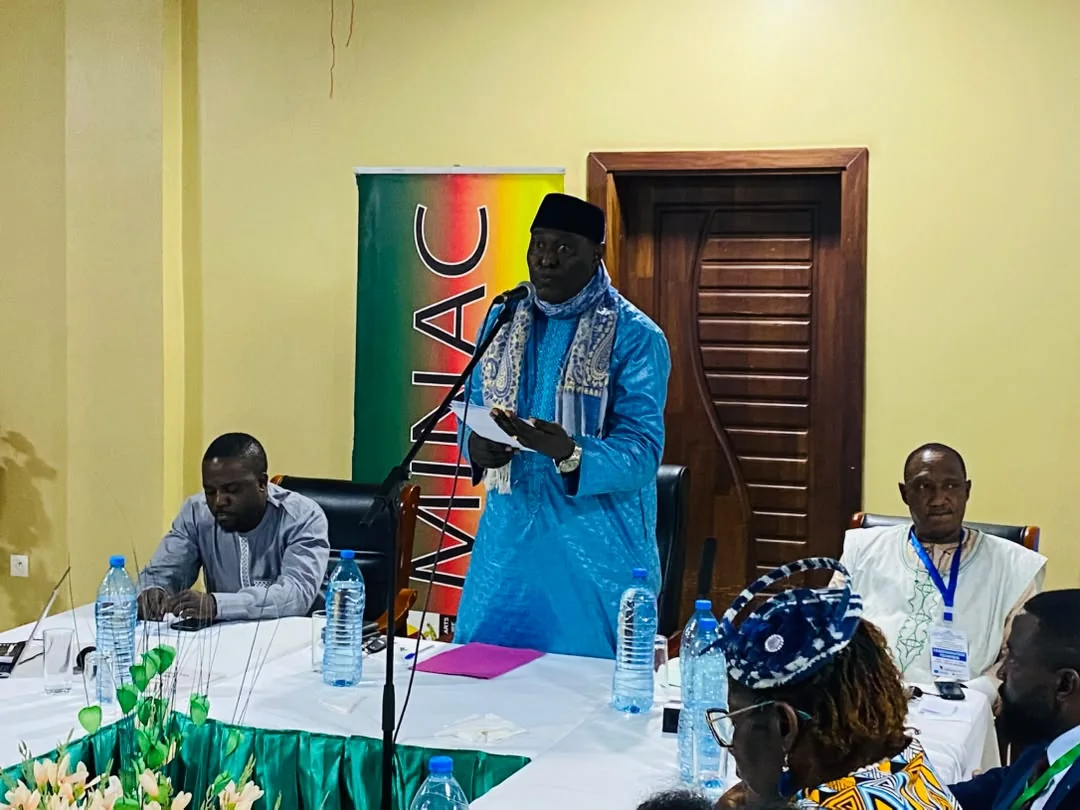
A speaker in a blue outfit addresses the room in front of a MINAC banner, at a meeting table set with water bottles and flowers.

Copyright protects intellectual works: a novel, a song, a choreography, a painting, a film, a piece of software. Neighbouring rights protect those who bring these works to life or broadcast them: performers, producers of phonograms and videograms, and audiovisual communication enterprises.

In Cameroon, Law No. 2000/011 of 19 December 2000 recognises these two families of rights. Protection arises from creation, without any formality, and lasts for the author’s whole lifetime and then fifty years after death. This page explains, with concrete situations, who holds what, for how long and how to enforce it.

  • Moral and economic rights of authors
  • Neighbouring rights of performers, producers and broadcasters
  • Protection that lasts for the author’s whole life and then 50 years
Authors’ rights
Authors

The rights of authors: moral and economic

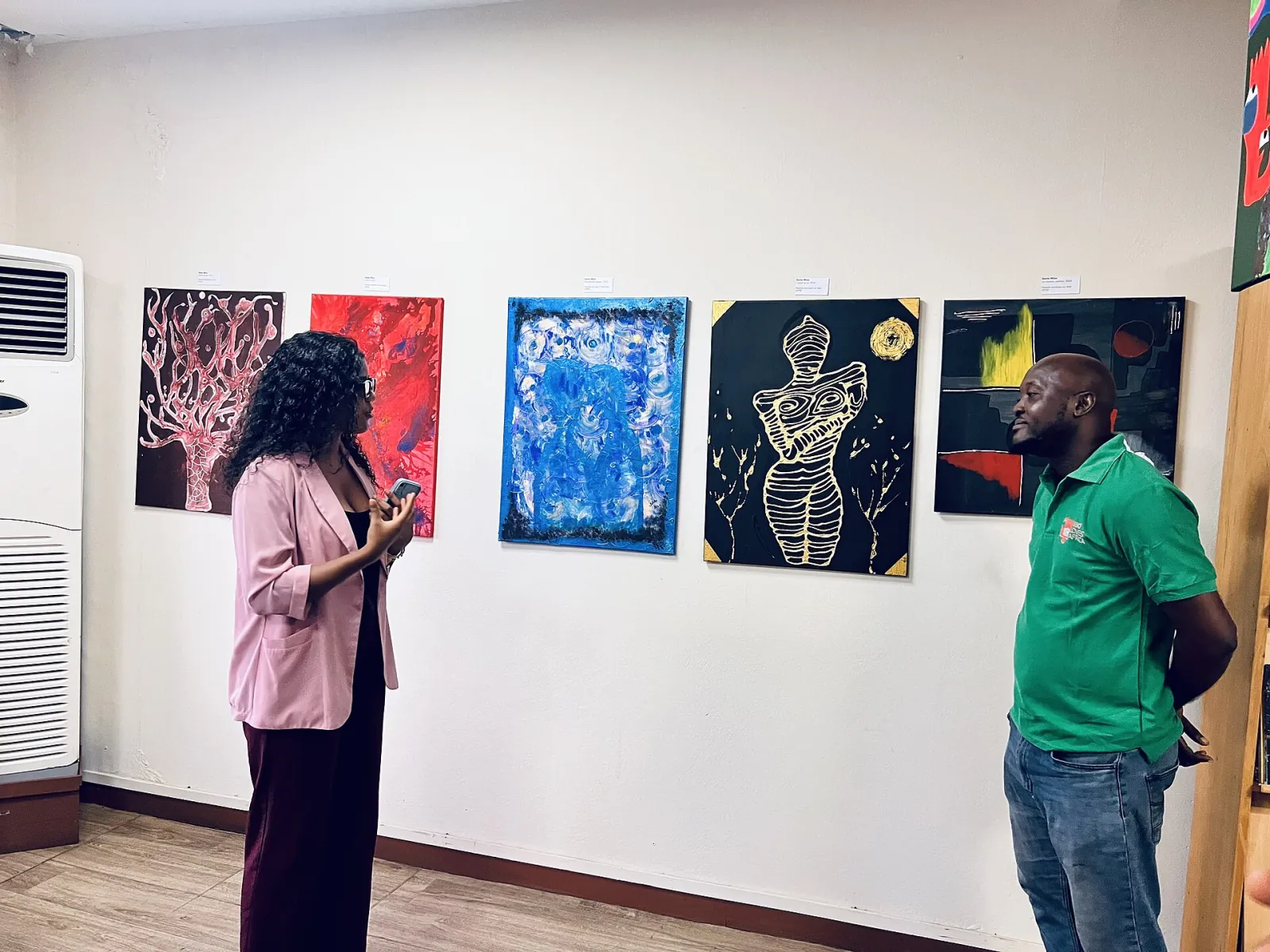
Visitors in front of abstract paintings hung on the walls of an art gallery

An author is the person who creates the work. Unless proven otherwise, the author is the person under whose name or pseudonym the work is published or declared to the competent collective management body, which is why it is worth declaring your works. A work may have several authors: in a work of joint authorship, the co-authors are the first joint holders of the rights.

Moral rights

They protect the author’s personality. The right of disclosure allows the author to decide whether, when and how the work is made public. The right of attribution requires that their name be mentioned. The right to the integrity of the work opposes any distortion or mutilation. These rights are attached to the person; they survive the assignment of exploitation rights.
Economic rights

They make it possible to earn income from the work: reproduction (printing, recording, photographing), performance (playing, screening, broadcasting), adaptation and translation. Any exploitation requires the author’s authorisation, generally given by an assignment contract or a licence. The model contracts help to set the scope, term, territory and remuneration.

Special situations

  • Commissioned work: the contract must specify precisely the rights assigned to the commissioning party;
  • Collective work: created on the initiative of a person who publishes it under their own name; the contributions merge into the whole;
  • Work inspired by folklore: composed from traditional cultural heritage, it is subject to specific exploitation rules; see intangible heritage;
  • Plastic arts: the artist receives a 5% resale right on resales of the original.
ℹ️
Practical case

A sculptor sells a piece to a collector, who later resells it through a gallery. On each resale, 5% of the price goes to the artist or their successors in title, without any deduction. See the visual arts page.

Performers

The rights of performers: actors, musicians, dancers

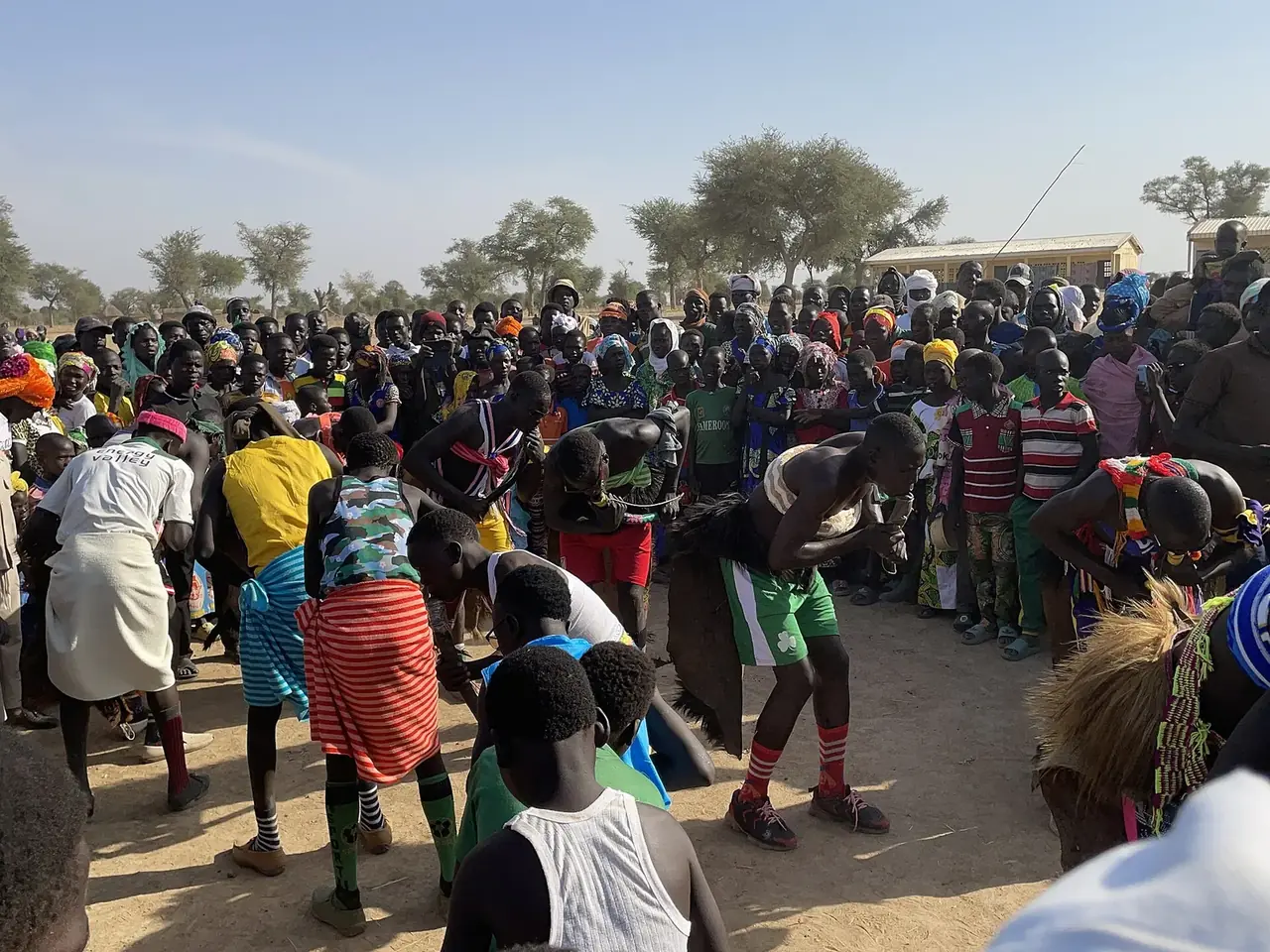
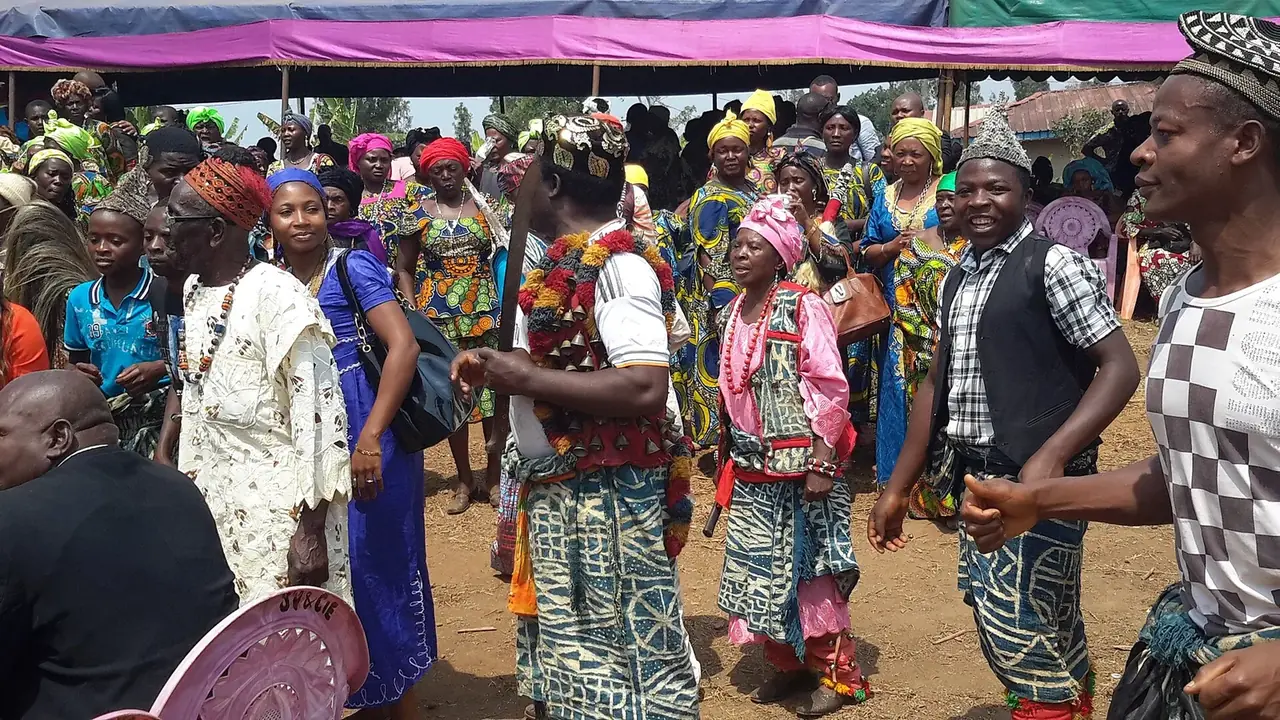
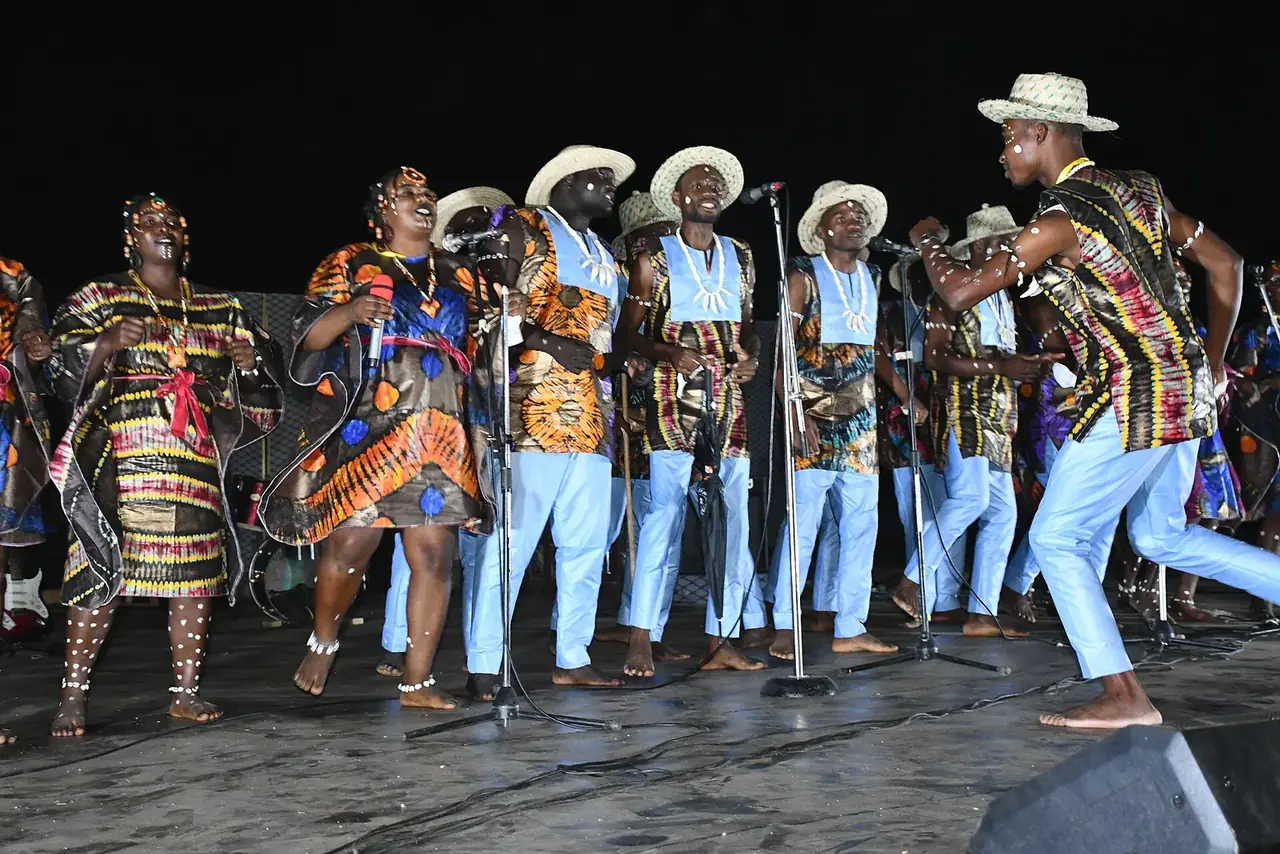
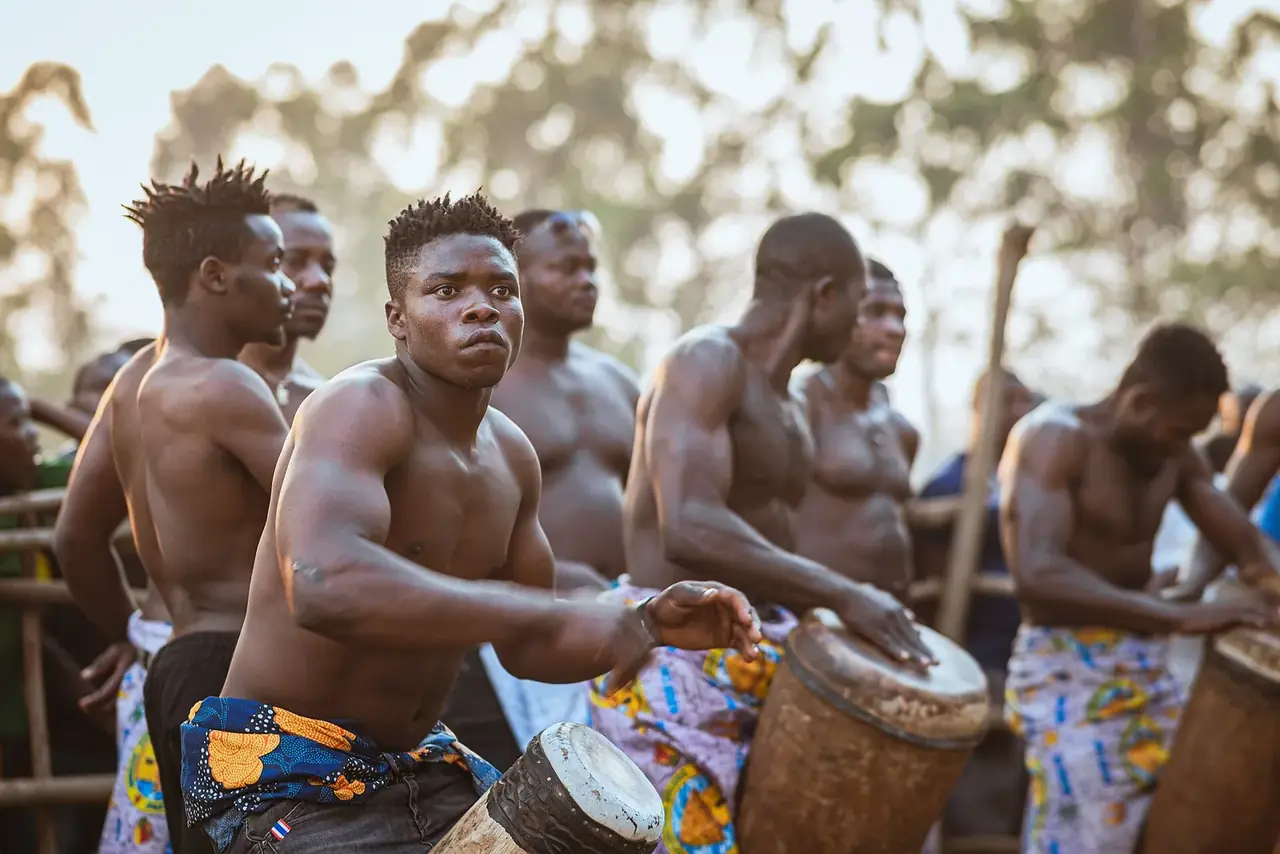
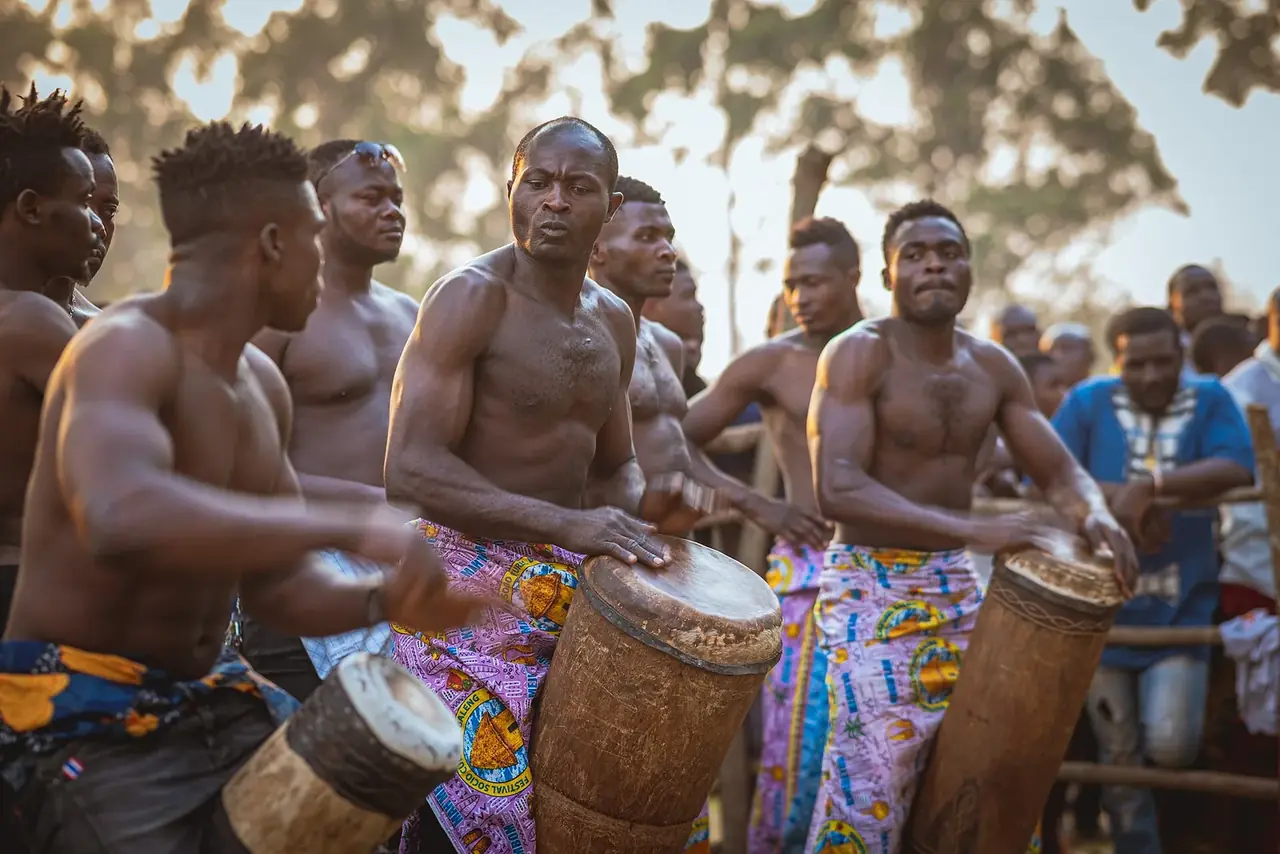
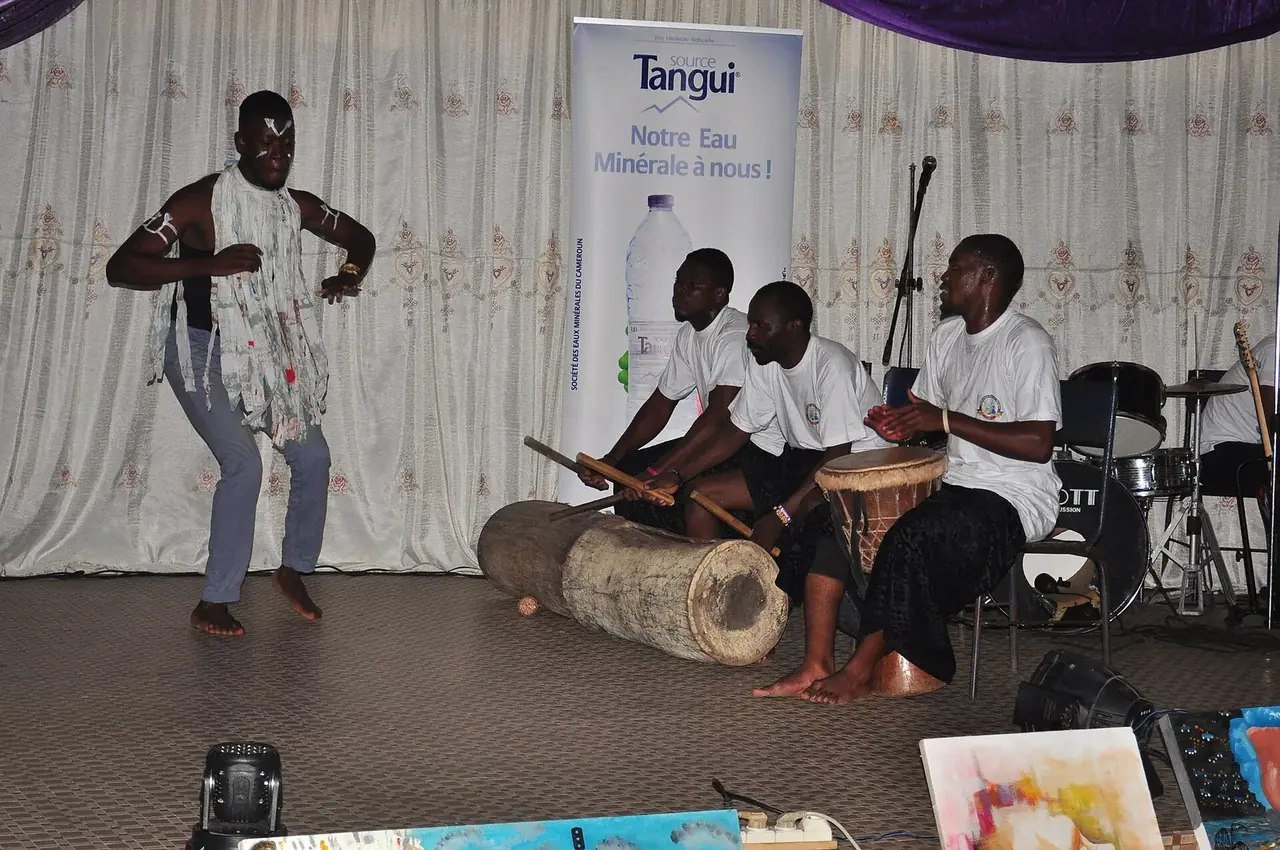
Dancer and drummers during a traditional dance show

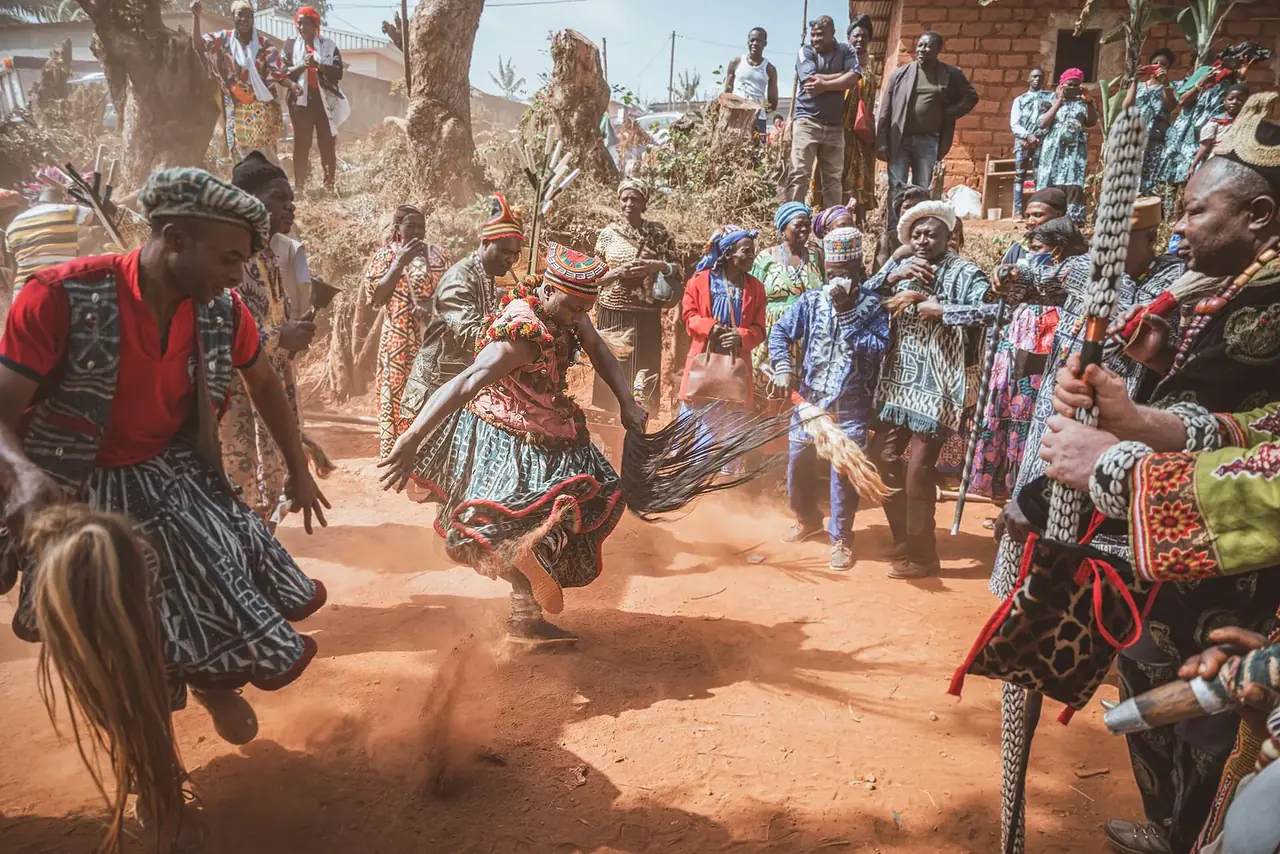
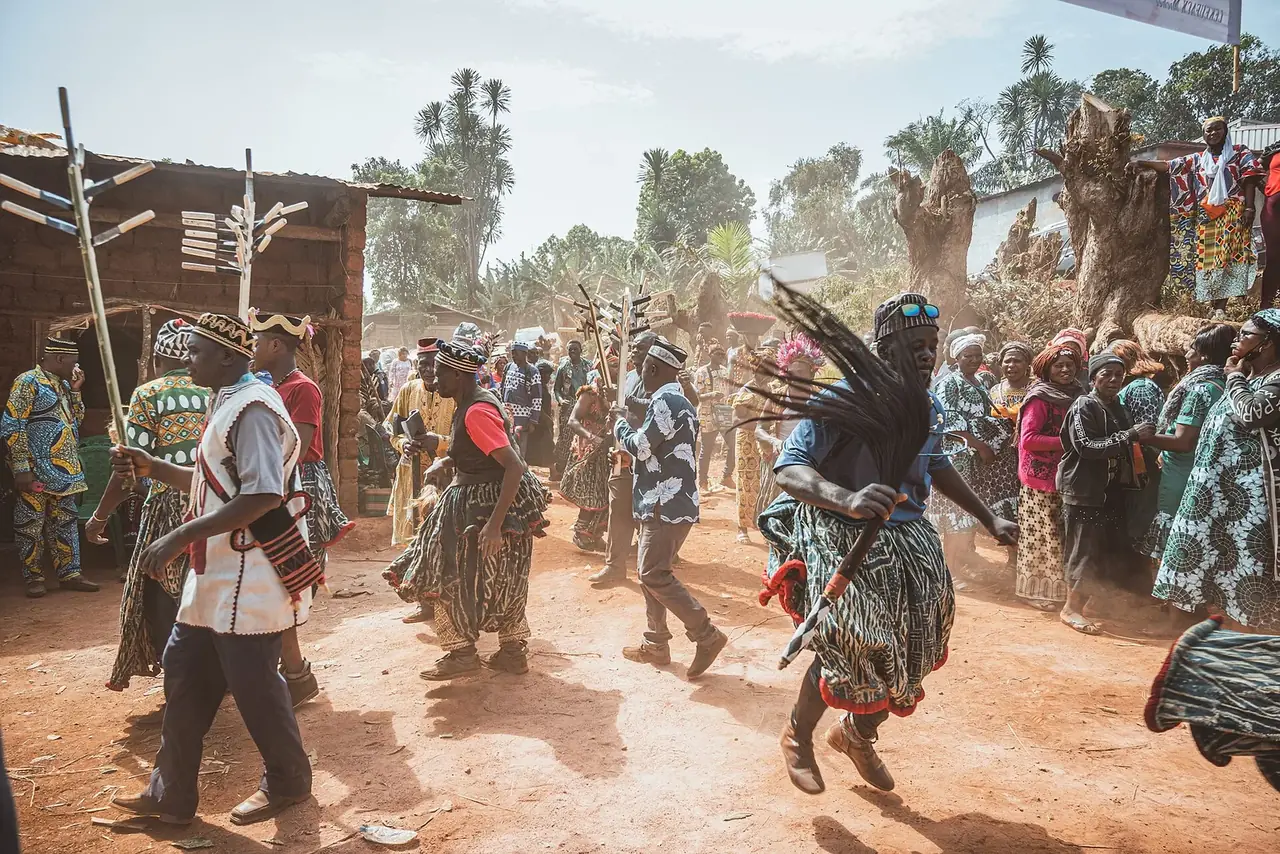
Performers are actors, singers, musicians, dancers and all persons who perform, sing, recite, play or otherwise execute a literary or artistic work, including expressions of folklore. A singer who covers a song from the repertoire, an actress who reads a text, a dancer who performs a choreography are performers.

What the neighbouring right protects

The performer is entitled to respect for their name and for the quality of their performance. Their performance may not be fixed, reproduced or broadcast without their authorisation where the law so requires. When a recording is exploited commercially, remuneration is due to performers, collected on their behalf by the competent society, the SCDV for neighbouring rights.

Performer and author: two hats

A singer-songwriter holds both statuses: they receive copyright on their song and neighbouring rights on their performance. A session musician hired for a recording keeps their performer’s rights, unless there is a written assignment. The engagement contract must therefore expressly cover the recording, term, territory and remuneration.

Producers

The rights of producers and broadcasters

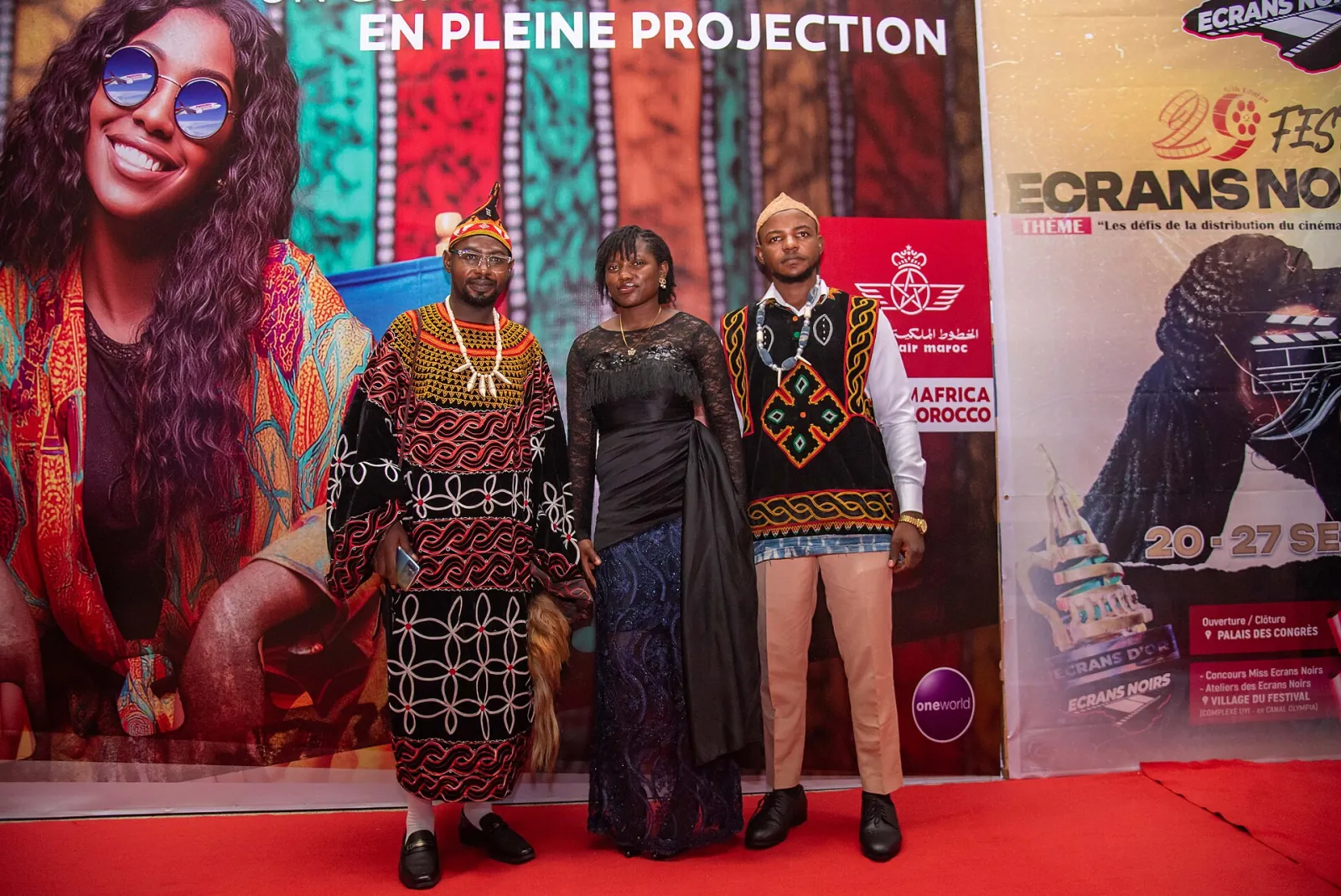
Closing ceremony of the Écrans noirs film festival in Yaoundé in front of the 2025 poster

A phonogram producer is the natural or legal person who first fixes the sounds of a performance or other sounds. A videogram producer does the same for images, with or without sounds. They bear the financial risk of the recording: studio hire, musicians’ fees, mixing, manufacture of media, promotion.

Rights in return for investment

The law grants these producers neighbouring rights: they authorise the reproduction, making available and communication of their recordings. When phonograms are used for commercial purposes, for example by a radio station, a bar or a hotel, royalties are due and are collected by the competent collective management body. In the event of disagreement on the conditions, the Arbitration Commission, placed under the Minister in charge of culture, rules finally.

Audiovisual communication enterprises

Radio stations, television channels and other broadcasters transmit programmes to the public. They too hold neighbouring rights in their broadcasts and must, in return, obtain the necessary authorisations to broadcast protected works. The exact programmes of uses must be communicated to the management body, which allows a fair distribution.

Good practices for a producer

  • sign a written contract with each artist, author and composer;
  • ensure the legal deposit and the declaration of works;
  • join the collective management societies of your sector;
  • consult the royalty rate schedule before negotiating with a broadcaster.
ℹ️
For producers

Cinema, music and publishing have their own practices: consult the section for your sector for contracts and distribution channels.

Term of protection

The term of protection of works, case by case

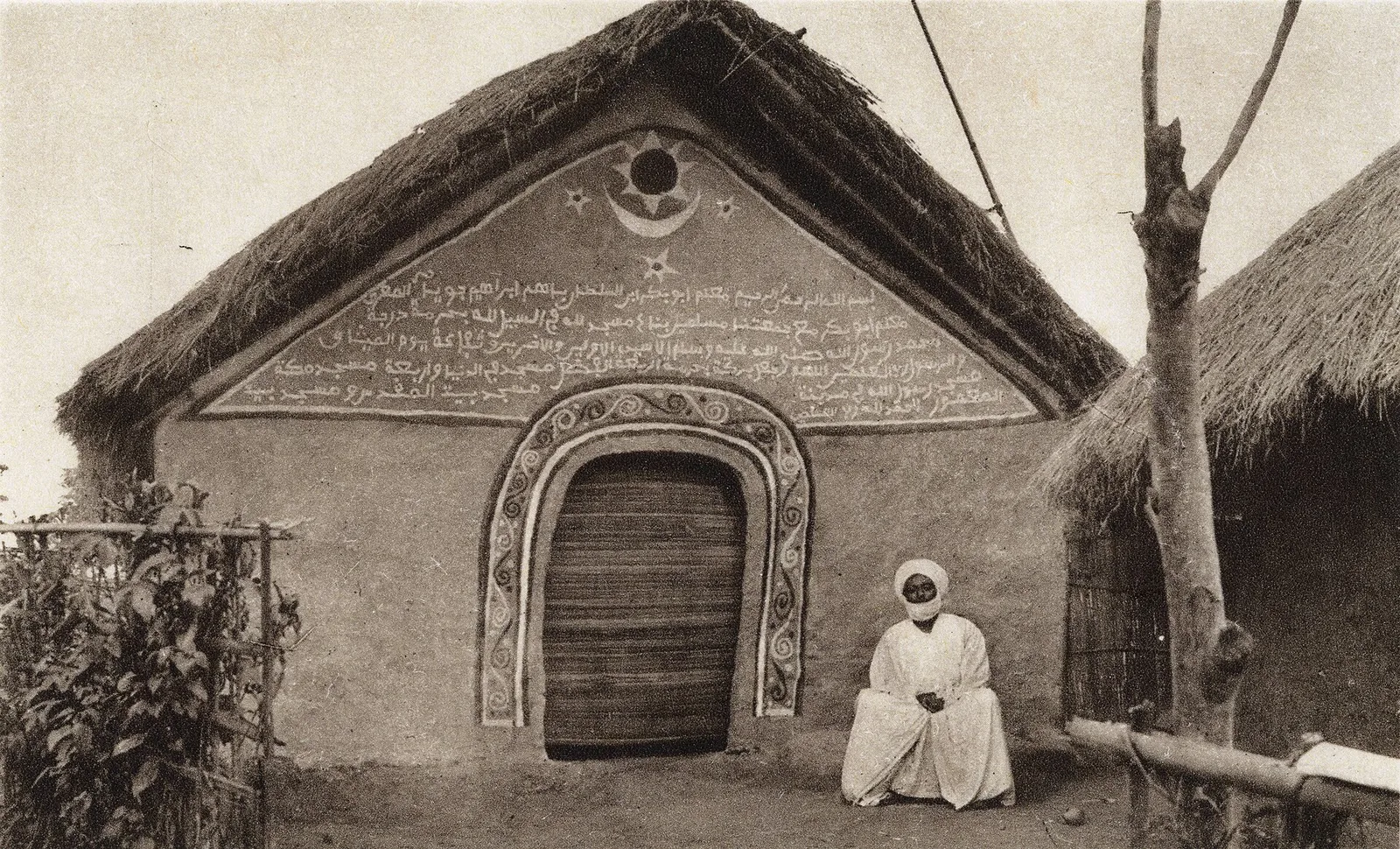
Mosque in Bamoun country, old photograph

The general rule is simple: the author’s economic rights last for their whole lifetime and persist after death for the current calendar year and the fifty years that follow. During this period, their heirs or assignees, the successors in title, authorise or refuse the exploitation of the work and receive the income from it.

Special cases

  • Work of joint authorship: the period runs from the death of the last surviving co-author;
  • Anonymous or pseudonymous work: fifty years after authorised publication;
  • Posthumous work: fifty years after authorised publication;
  • Audiovisual, applied art or collective work: fifty years from the end of the year of authorised publication.

And moral rights?

Moral rights are not calculated like economic rights: they protect the author’s name and the integrity of the work, and they must also be respected when exploiting a work that has fallen into the public domain.

After expiry

When the period expires, the exclusive right falls into the public domain. Any exploitation then requires a prior declaration addressed to the Minister in charge of culture, respect for moral rights and payment of a 50% royalty, paid into the account supporting cultural policy. An old work is therefore not free of charge; consult the list of declared works and the page dedicated to the public domain before republishing it or staging it.

ℹ️
Practical calculation

For an author who died in June 2020, the economic rights run until the end of 2020, the calendar year of death, and then for a further fifty years, that is until 31 December 2070.

Day to day

Enforcing your rights day to day

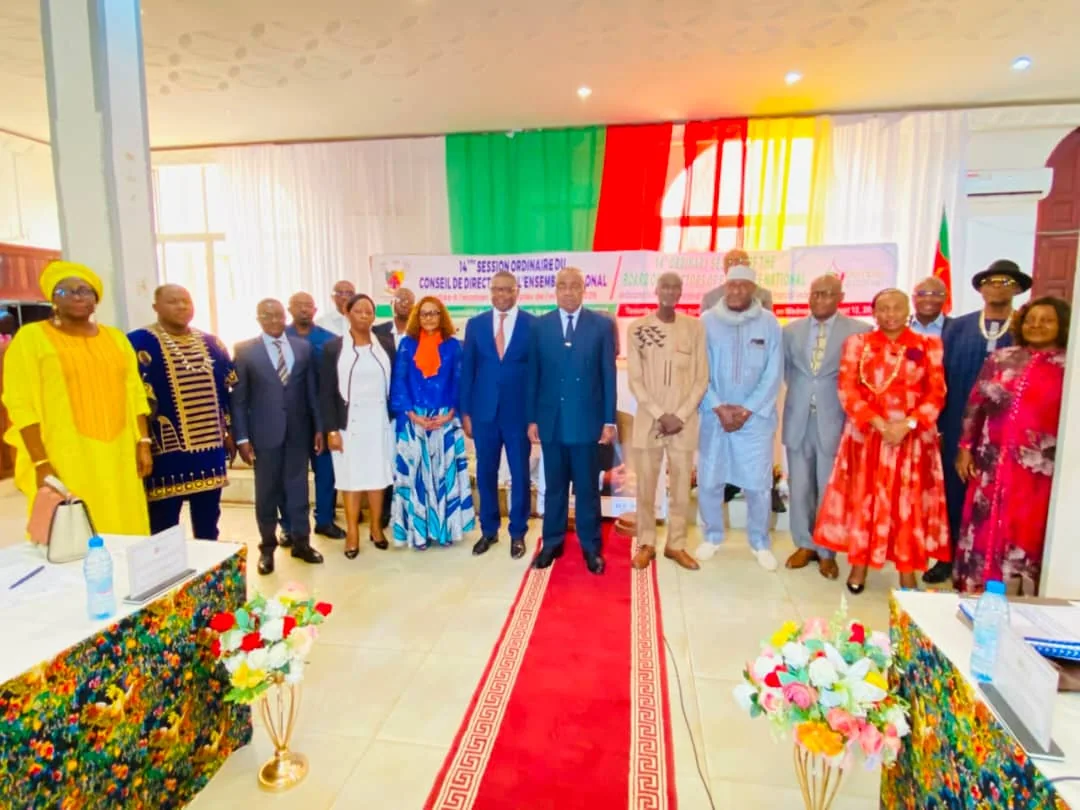
Board session of a Ministry institution, participants posing in the room

Knowing your rights is not enough: you must be able to exercise them. Three habits simplify creators’ lives. The first is to put everything in writing: a contract, even a brief one, is better than an agreement in principle. The second is to date: the receipt for the declaration of a work establishes priority. The third is to surround yourself with support: collective management societies, a lawyer, a mediator.

When a third party uses your work

A radio station plays your track, a restaurant screens your film, a website sells your photographs: first ask the user to show proof of authorisation. Failing that, report the facts to your management society or via the reporting form. The fight against piracy page details the steps.

When you are the user

Before using someone else’s work in a show, a book or a video, identify the rights holder and request a licence. Private uses are permitted within certain limits, notably private copying, which gives rise to remuneration.

Step by step

From idea to remuneration: an author’s journey

Creating

Your work is protected from the moment of its creation, with no deposit or formality, provided that it is original.

Date

Declare it at the One-Stop Shop to obtain a receipt that proves the date and authorship.

Contracting

Sign an assignment or licence contract that specifies the rights assigned, term, territory and remuneration.

Join

Join the collective management society for your field to authorise it to collect your rights.

Getting paid

Receive the distributions derived from the royalties paid by the users of your works.

Defend your rights

In the event of infringement, turn to mediation, the competent commission or the courts.

Key facts

Protection in a table

CaseStarting point of the periodTerm of protectionRemarks
Work by a single authorDeath of the authorLife + current year + 50 yearsGeneral rule
Work of joint authorshipDeath of the last surviving co-author50 yearsThe co-authors are joint holders
Anonymous or pseudonymous workAuthorised publication50 yearsIf the author is revealed, the general rule applies
Posthumous workAuthorised publication50 yearsMade accessible after death
Audiovisual workEnd of the year of authorised publication50 yearsFilms, series, videos
Applied artEnd of the year of authorised publication50 yearsDesign, fashion, created objects
Collective workEnd of the year of authorised publication50 yearsEncyclopaedias, newspapers
Resale rightOn each resale of the original5% of the pricePlastic works and manuscripts
Journey

A work over time

CreationImmediate protection

The work is protected as soon as it exists in a perceptible form, whether published or not, without formality.

First exploitationContracts and licences

The author authorises publication, production or broadcasting and sets their remuneration in a contract.

Author’s lifetimeEconomic rights

Income is collected directly or through a collective management society, which distributes the royalties.

Death of the authorTransmission to successors in title

The rights are transmissible on death; heirs and assignees continue the exploitation.

Fifty years laterPublic domain

The exclusive right expires: exploitation remains possible but is governed by a declaration and a 50% royalty.

To explore

Copyright and neighbouring rights in the other pages

“A work belongs first to the one who imagined it; the law allows it to travel without its name being erased.”

A lawyer specialising in intellectual property, Douala
Voices of creators

They assert their rights

“
I did not know that my performance was protected; since I started talking to producers about it, my contracts provide for remuneration on recordings.
A singer
Yaoundé
“
My photographs were circulating without my name; a letter citing the right of attribution was enough to obtain the correction.
A photographer
Limbé
“
We deposited the choreography before the tour, which reassured us when a foreign festival wanted to film it.
A choreographer
Bafoussam
“
My father left manuscripts; we now know that they remain protected for fifty years after his death and that we decide on their publication.
A writer’s heir
Ngaoundéré
To act

Procedures useful to authors and artists

Register a work

Obtain online a dated and numbered receipt that establishes your authorship and the priority of your creation, useful in the event of a dispute.

Deposit

Join a society

Authorise the society for your field to permit the uses of your works, collect your rights and pay them over to you.

See the societies

Obtain the artist card

Have your professional status as a performer or author recognised, with supporting documents for your artistic activity.

Apply

Training

Attend a practical session on contracts, licences, proof of authorship and collective management, open to all.

See the training courses
To download

Copyright fact sheets

Glossary

The words of copyright and neighbouring rights

Moral right

A right attached to the author’s person: disclosure, attribution, respect for the work.

Economic right

The right to authorise the exploitation of the work and to derive income from it.

Rights holder

A person who inherits an author’s rights or receives them by contract.

Work of joint authorship

A work resulting from the contribution of two or more authors.

Collective work

A work created on the initiative of a person who publishes it under their own name.

Performer

An actor, singer, musician, dancer or any person who performs a work.

Phonogram

The fixation of sounds from a performance or other sounds.

Videogram

The fixation of images, with or without sounds.

Resale right

The percentage of the resale price of a plastic work paid to the artist.

Assignment

A contract by which the author transmits all or part of their exploitation rights to a third party.

Public domain

The status of a work whose period of protection has expired.

On the site

Go further on rights

Resources

Useful links for authors and performers

Stakeholders

Who protects creators?

Questions

Your questions about creators’ rights

Is registration required to be protected?

No, protection arises from creation, without formality. Declaring a work is not compulsory, but it provides a dated receipt that facilitates proof of your authorship in the event of a challenge or dispute.

How long does protection last?

Economic rights last for the author’s whole lifetime, then the calendar year of death and the following fifty years. For audiovisual, applied art or collective works, the period is fifty years from the end of the year of authorised publication.

Who holds neighbouring rights?

Performers, producers of phonograms and videograms and audiovisual communication enterprises. Their rights are in addition to those of authors: a single song thus gives rise to rights for the author, the performer and the producer.

Can a co-author exploit the work alone?

In principle no: co-authors are joint holders of the rights and decide together, unless otherwise agreed. If the work can be divided into independent parts, each may exploit their own part, provided this does not harm the exploitation of the whole.

What should I do if my work is used without authorisation?

Gather the evidence, contact the user and your management society, then consider mediation. Infringement is punishable by five to ten years’ imprisonment and a fine of 500,000 to 10,000,000 FCFA, or by one of these penalties.

Can I assign all my rights for life?

The assignment must be specific: rights assigned, term, territory, remuneration. Authorisation to exploit all of your future works is void, unless it is given in favour of a collective management body. Have any contract reviewed by a professional.

How is the resale right calculated?

It is set at 5% of the resale price of the original of a plastic or graphic work, or of a manuscript, without deduction. The sum is levied by the dealer or the public officer involved in the sale, then paid to the artist or their successors in title.

Is a public domain work free of charge?

It may be exploited without the heirs’ authorisation, but exploitation requires prior notification to the Minister responsible for culture, respect for moral rights and payment of a 50% fee.

Where can I ask a question about my rights?

Use the contact form, stating your field and the situation. The copyright service will reply or refer you to the collective management society, a mediator or a lawyer.

Contact

Write to the Ministry: Copyright and neighbouring rights

A question about your rights?

Competent directorate

Contact the copyright service

Address

Directorate of Legal Affairs
Ministry of Arts and Culture
Quartier du Lac – Ministerial Zone
P.O. Box 1053 Yaoundé, Centre Region, Cameroon

Reach us

+237 6 51 70 58 41

contact@minac.gov.cm

Opening hours

Monday to Friday, 8 am to 4 pm

Register a work

Establish your proof of prior existence in a few minutes, online, at the One-Stop Shop.

Deposit a work
WhatsApp