Coat of arms of CameroonMinistry of Arts
and Culture
Republic of Cameroon
My procedures
Home
Minister’s message
News
Press releases
Cultural calendar
Official speeches
Press review
Photo library
Video library
Calls for projects
Job vacancies
Public procurement
Newsletter
Frequently asked questions
Site map
Contact
Press area
Podcast “The Voice of Culture”
Legal notices
Privacy policy
Cookies and trackers
The Ministry
Missions and responsibilities
Organisation
Organisation chart
Minister’s Office (Cabinet)
Management team
General Secretariat
General Inspectorate
Central directorates
Regional Delegations
Institutions under supervision
Legislative texts
Regulatory texts
Sector strategy
Major projects
Budget and reports
Partners
Careers
Archives
Institutional communication
Quality and accessibility
Arts
Visual and plastic arts
Visual arts
Performing arts
Theatre
Dance
Music
Literature and books
Cinema and audiovisual
Photography
Fashion and design
Digital arts
Art crafts
Artists’ directory
Residencies
Prizes and awards
Arts education
Urban arts
Heritage
Tangible heritage
Intangible heritage
UNESCO sites
National museums
Listed monuments
National inventory
Palaces and chiefdoms
Archaeology
Linguistic heritage
Oral traditions
Traditional know-how
Restitution of cultural property
Fight against illicit trafficking
Listing and protection
Conservation and restoration
Heritage Days
Cultural landscapes
Industries
Music and recording
Cinema
Publishing and books
Digital arts
Fashion and creativity
Crafts
Cultural tourism
Funding for culture
Support funds
Incubators
Cultural entrepreneurship
Culture Observatory
Vocational training
Studies and reports
Sector statistics
Export and outreach
Intellectual property
Copyright
Legal framework
Copyright and neighbouring rights
Collective management societies
Register a work
Licences
Private copying
Fight against piracy
Model contracts
Social status of artists
Mediation
Disputes
Training
Fee scales
Register of works
Contact
Digital neighbouring rights
Public domain
Festivals
National calendar
Ngondo
Nguon
Écrans Noirs
Heritage Days
Music Day
Regional festivals
Fairs and exhibitions
Biennials
National competitions
Cultural days
Organise a festival
Event grants
Ticketing
Archives
Volunteering
Diaspora festivals
Regions
Adamawa
Centre
East
Far North
Littoral
North
North-West
West
South
South-West
Cultural map
Regional Delegations
Traditional chiefdoms
National languages
Cultural routes
Decentralised cooperation
Regional observatory
Cooperation
UNESCO
Francophonie (OIF)
African Union
Commonwealth
CEMAC
Bilateral cooperation
Cultural agreements
Professional organisations
Scholarships
Artist exchanges
Cultural years
Diaspora
Funded projects
Embassies
Technical partners
International restitution
International monitoring and calls
Services
Artist card
Show authorisation
Filming authorisation
Festival authorisation
Deposit of a work
Export of works of art
Listing of a property
Grant application
Association accreditation
File tracking
Forms
Fees
Opening hours and addresses
Reporting
Online help
My account
One-Stop Shop
Festivals

Heritage Days

Each year, sites, museums, palaces and workshops open their doors: national programme, list of sites, procedures for proposing an activity and services offered to the press for the Heritage Days, in all regions of the country.

Updated on 6 November 20264 sub-pages
Sites open per edition120
Participating regions10
Activities offered350
Schoolchildren welcomed15 000
Heritage Days

Heritage open to all

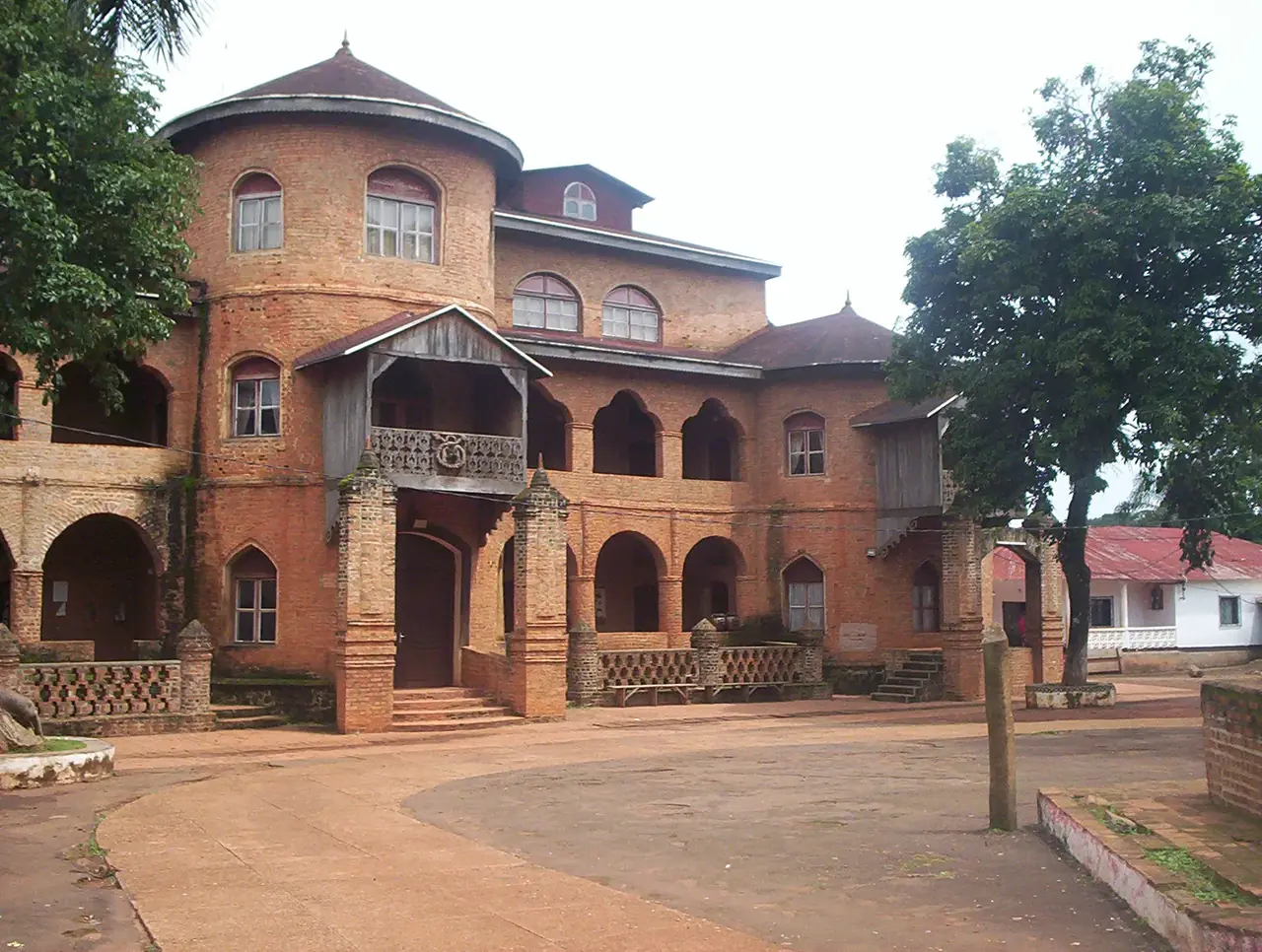
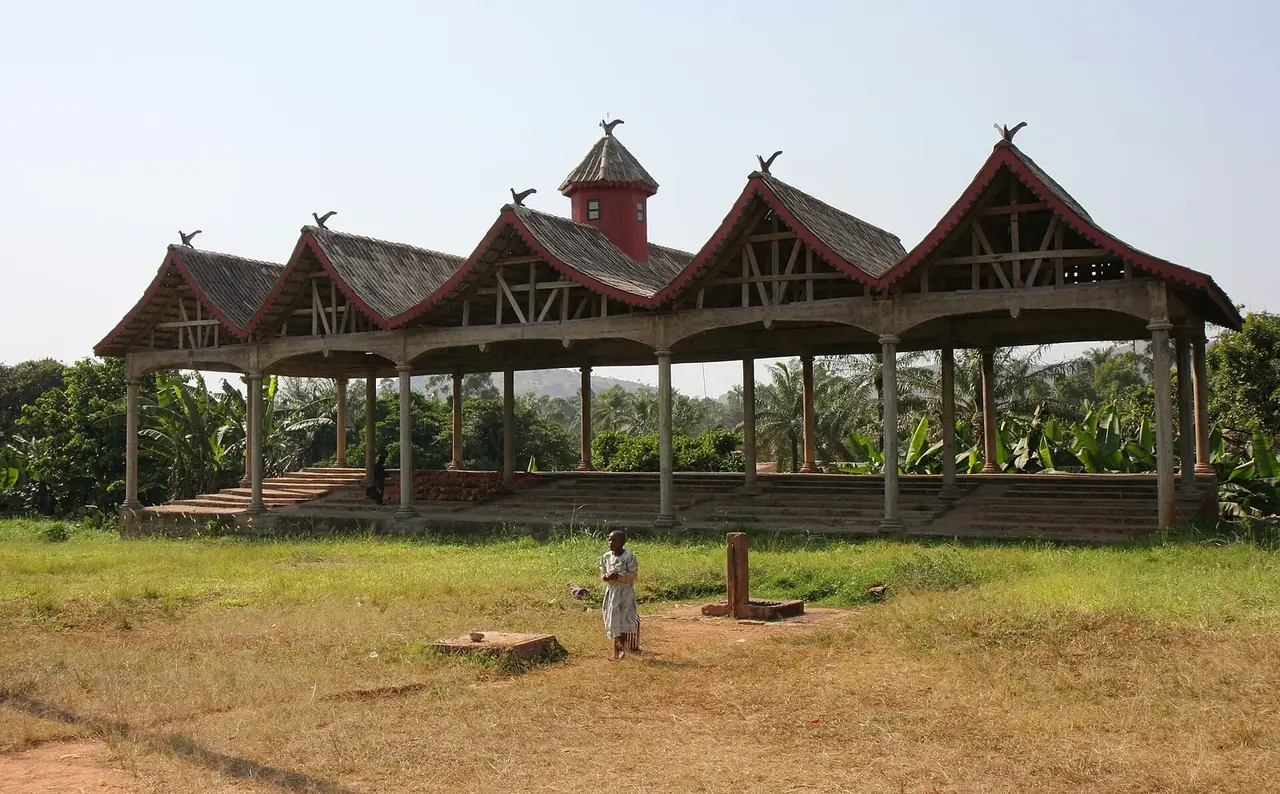
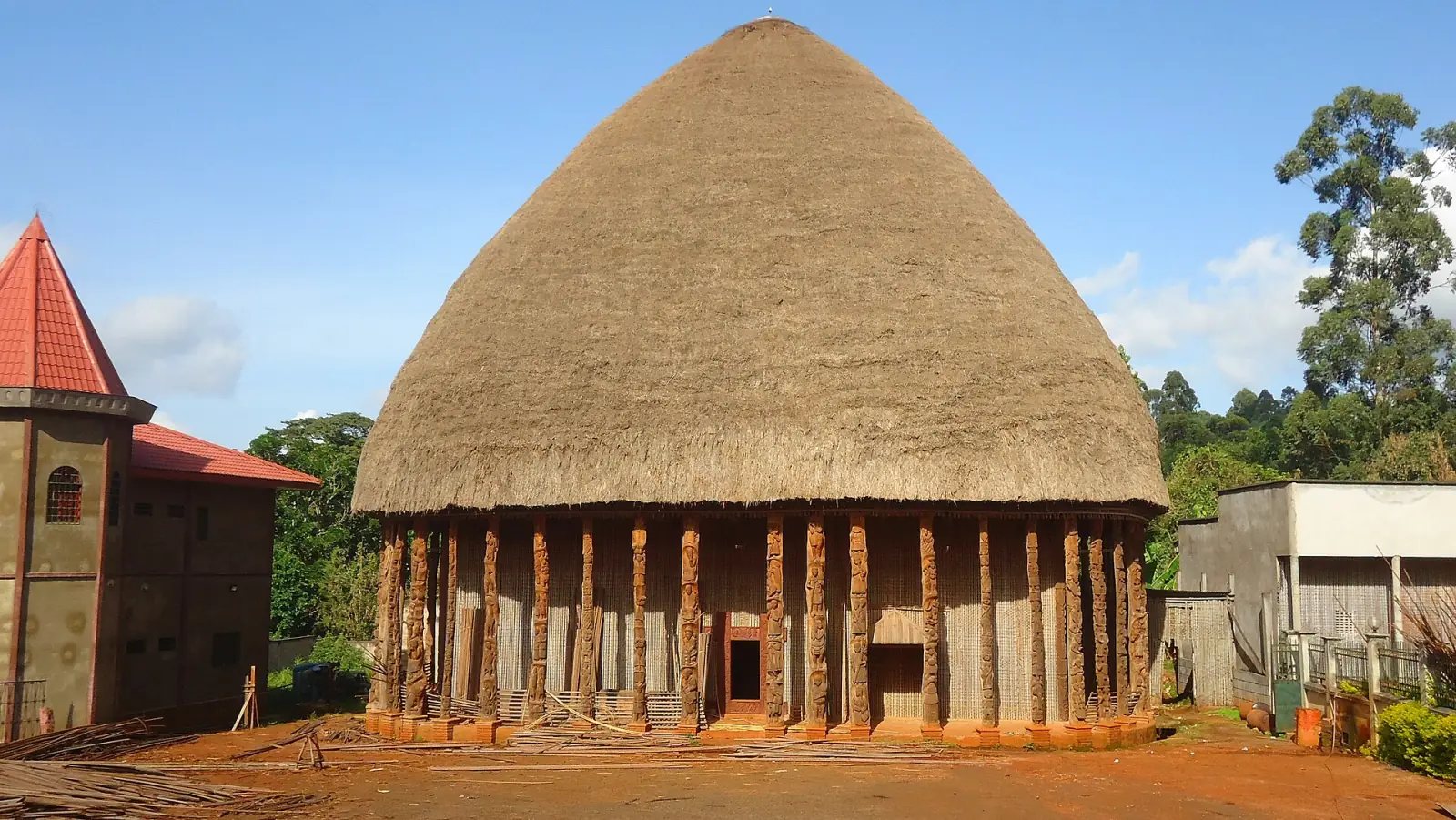
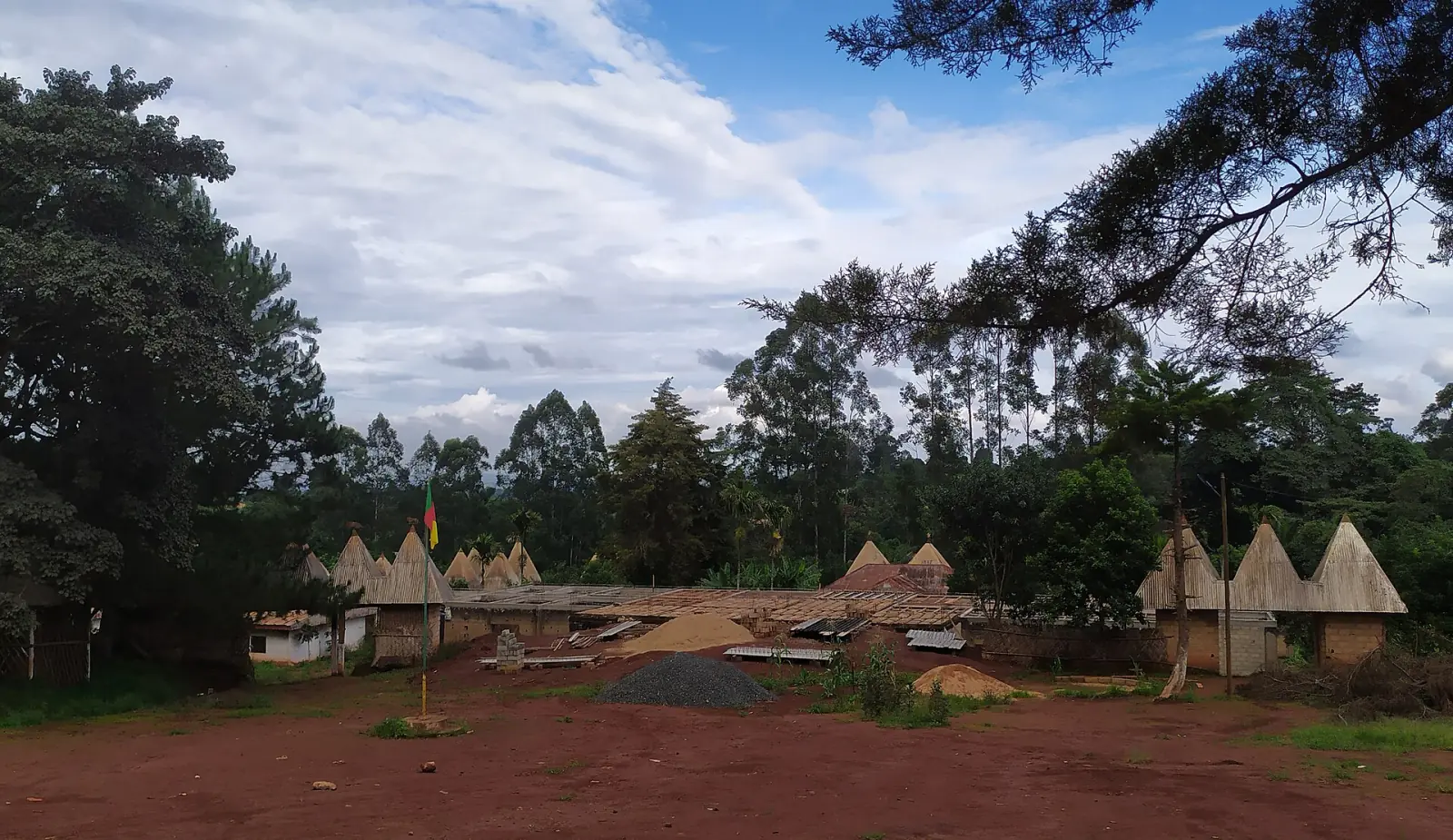
Red earth courtyard of the Batcham chiefdom with its conical-roofed huts

Once a year, Cameroon opens its doors: chiefdom palaces, museums, listed monuments, archaeological sites, libraries, archives and craft workshops welcome the public free of charge or at reduced rates. For several days, the Heritage Days turn the country into a vast open-air museum, where everyone can see, touch, listen to and understand what the country owes to its ancestors.

The event is based on Law 2013/003 on cultural heritage and on the joint action of the Directorate of Cultural Heritage, the regional delegations, local authorities and associations. This page details the programme, the list of open sites, the procedures for taking part as an organiser and the services offered to the press.

  • Sites open in all ten regions
  • Guided tours, workshops and lectures
  • A special welcome for classes and families
See the programme
Programme

The national programme of the Heritage Days

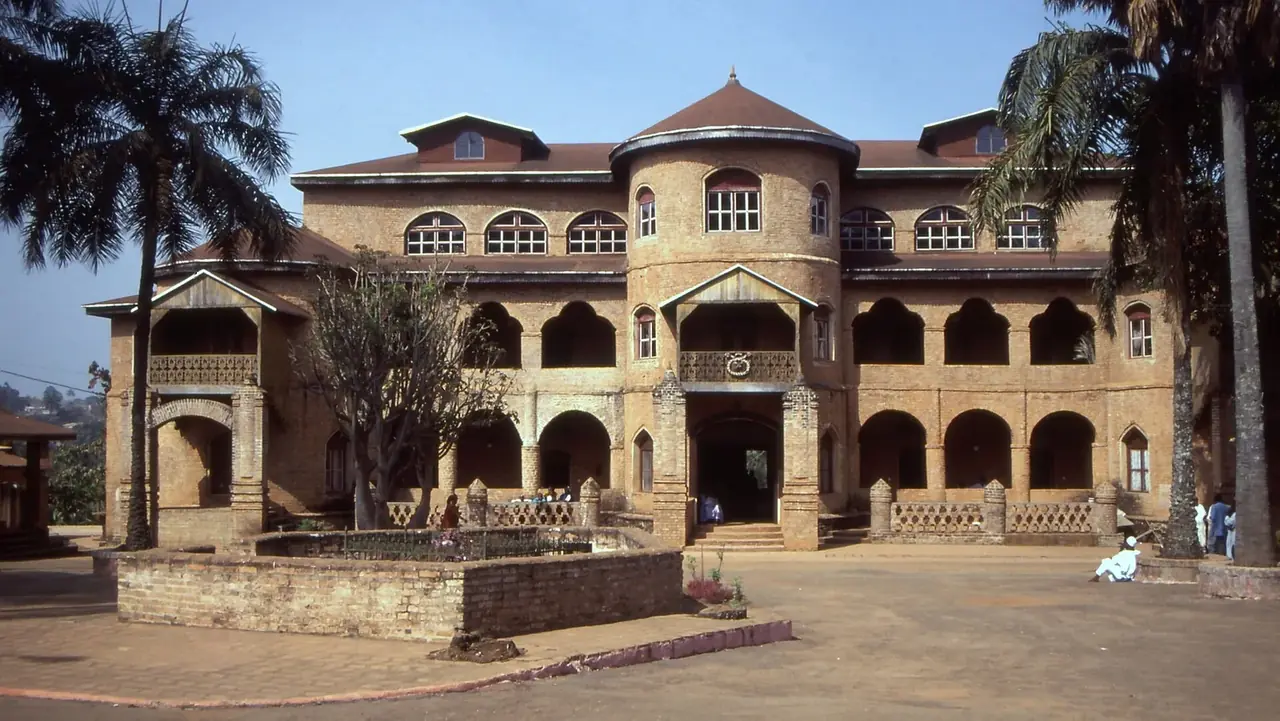
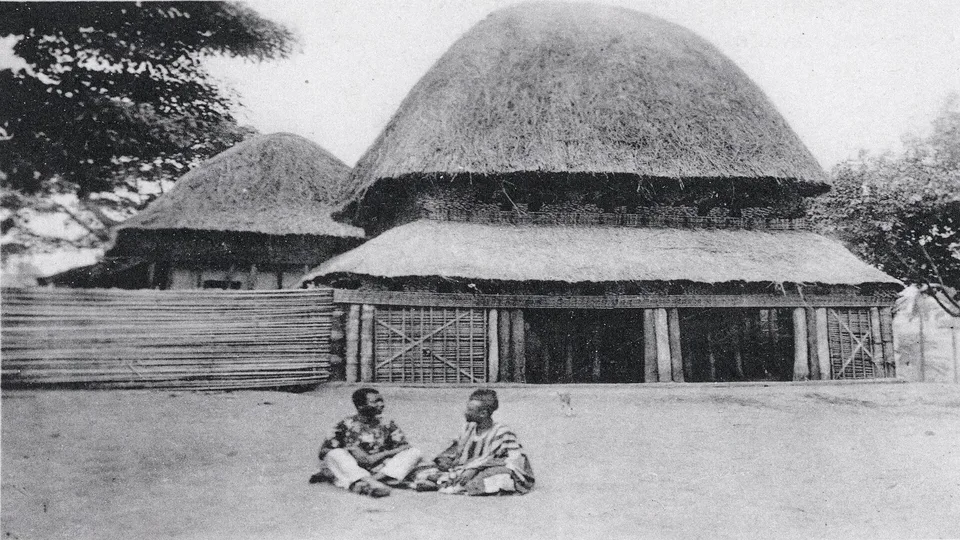
The Bamoun sultan’s palace in Foumban

The programme is built in two stages. At national level, the Directorate of Cultural Heritage sets a unifying theme, the dates of the edition and the major events: an opening ceremony in a host city, a scientific symposium, a travelling exhibition and a closing ceremony. Each region then completes this foundation with its own activities, developed by the regional delegations in liaison with traditional chiefs, museums and associations.

A typical four-day programme

  • Day one: official opening, inaugural visit to a listed site, opening of an exhibition of historic photographs;
  • Day two: schools day, discovery tour of the national museums and basketry, pottery or weaving workshops;
  • Day three: lectures, documentary film screenings, presentations of know-how and storytelling evenings drawn from the oral traditions;
  • Day four: heritage hiking circuits, court dances in the chiefdoms and a closing ceremony with honours for site custodians.

Where to find the times

The detailed programme, region by region, is posted online in the cultural agenda and included in the national festival calendar. Each sheet indicates the venue, the time, the target audience, the language of the visit and the accessibility of the site.

ℹ️
The theme of the edition

Each edition adopts a theme (earthen architecture, musical instruments, women’s know-how, memory of waterways…) that guides the exhibitions, lectures and school competitions.

Open sites

The sites open to the public

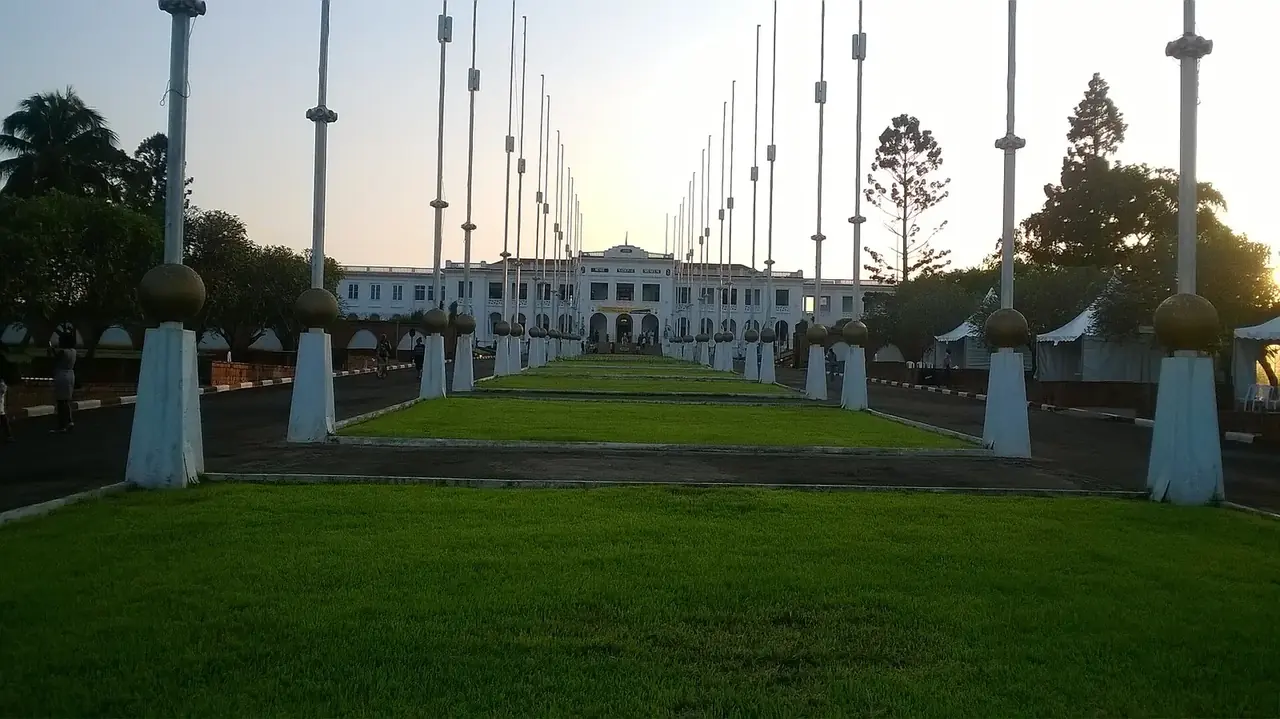
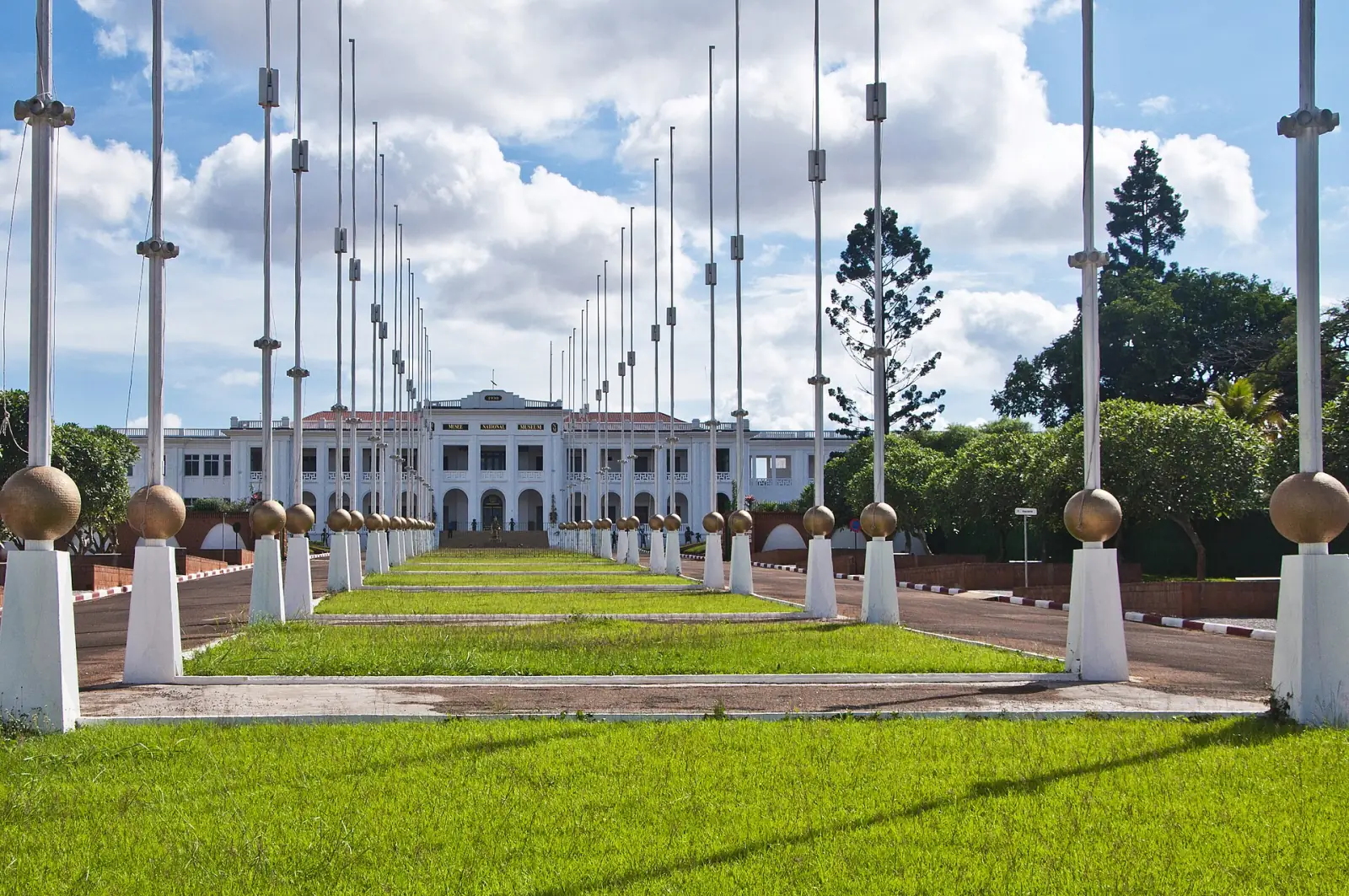
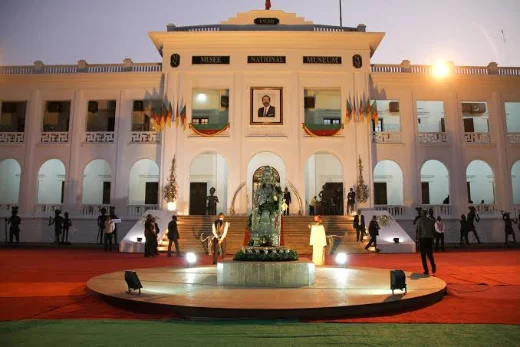
Avenue of flagpoles leading to the National Museum in Yaoundé at sunset

The open sites form a mosaic that reflects the diversity of the country. They are chosen with their managers – curators, traditional chiefs, private owners, local authorities – according to three criteria: heritage value, capacity to receive visitors safely and the possibility of offering quality mediation.

Four main families of places

  • Protected monuments and sites: buildings and complexes among the listed monuments, often closed to the public for the rest of the year;
  • The palaces and chiefdoms of the West, the North-West and the lamidates of the North, presented with their collections and ceremonies (see palaces and chiefdoms);
  • Museums and archive centres, which organise visits to storerooms, temporary exhibitions and object-handling workshops;
  • Natural and memorial sites: waterfalls, sacred forests, historic places, excavations opened on an archaeology day.

Visiting under good conditions

Each site sets its capacity, opening hours and rules of conduct: appropriate dress in sacred places, a ban on touching certain objects, prior authorisation for photography in royal compounds. Guides trained by the delegations accompany groups, and several visits are offered in a national language, in English and in French. Visitors with reduced mobility will find on each site’s sheet an indication of adapted access.

ℹ️
Opening your site

An owner or manager who wishes to open a heritage property to the public can approach the regional delegation: it assesses visitor reception and supports the preparation.

Take part

Taking part as an organiser or as a visitor

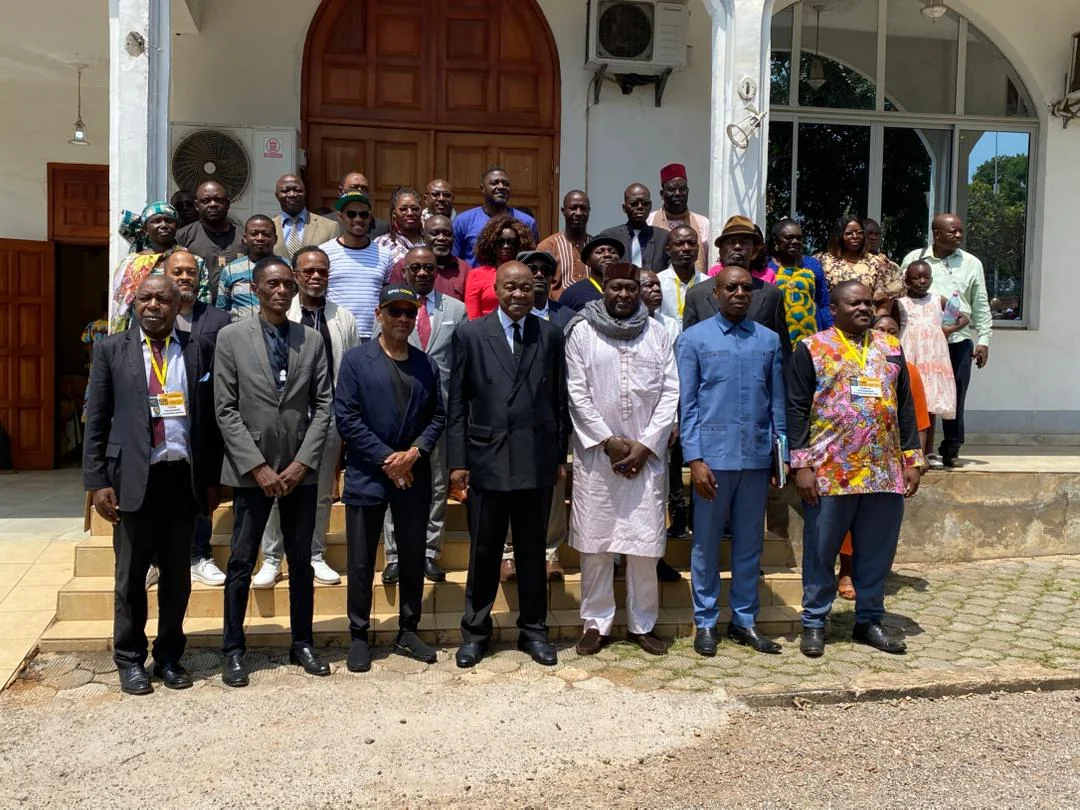
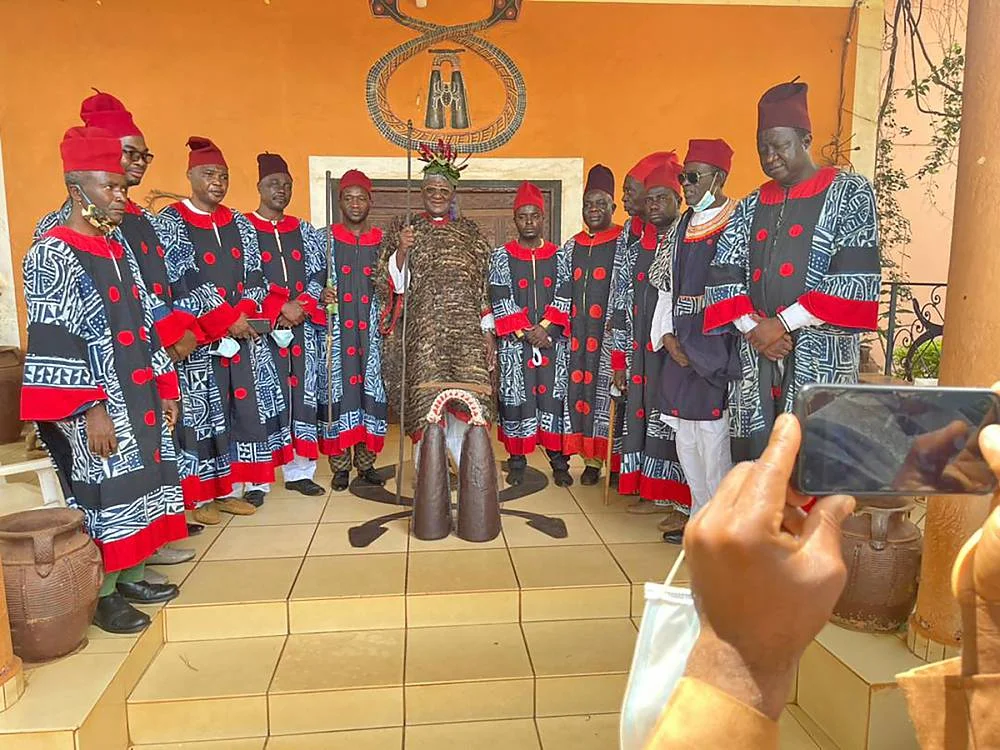
A group of men and women in varied outfits poses on the steps in front of a building entrance.

Any institution, association, school or local authority can propose an activity as part of the Days. The call for proposals is launched a few months before the edition; it specifies the theme, the formats expected and the deadline for responses.

Accepted formats

  • Guided visit or commented tour of a historic neighbourhood;
  • Practical workshop: engraving, heritage cooking, music, instrument making;
  • Lecture, round table or screening followed by a debate;
  • Exhibition, show, presentation of school work or memory-collection work.

Procedures to plan for

A public gathering requires a festival authorisation or, for a simple show, a show authorisation under Law 2004/001 on the regime for shows and its implementing decree. Files are submitted to the One-Stop Shop. When the activity takes place in a protected property, the opinion of the heritage service is required, in accordance with Law 2013/003.

For visitors

Simply consult the programme, choose a site and turn up. School groups and associations book with the delegation of their region. Would you like to help? Volunteering makes it possible to welcome and guide visitors.

ℹ️
Deadline

Activity proposals are received by the regional delegations, which forward them to the Directorate of Cultural Heritage for inclusion in the national programme.

Press

The Heritage Days press area

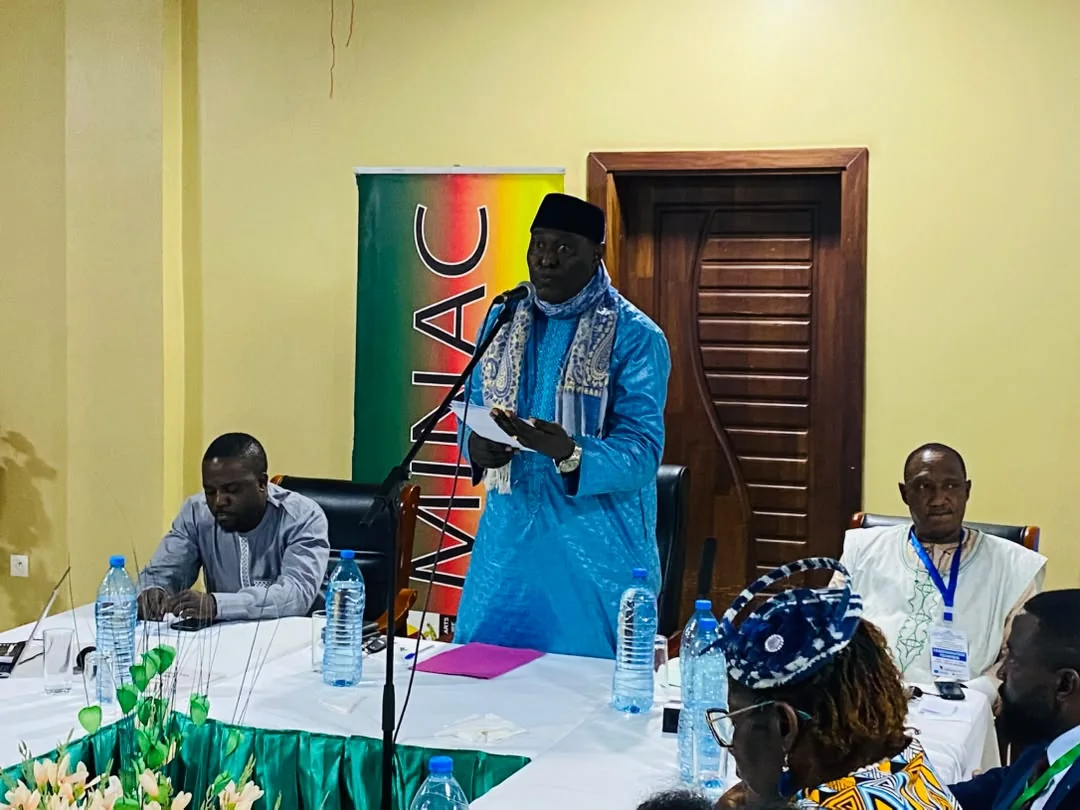
A speaker in a blue outfit addresses the room in front of a MINAC banner, at a meeting table set with water bottles and flowers.

The media are essential partners: they make the sites known, tell the stories they hold and invite the public to step through the door. The Ministry provides them with a complete package, centralised by the communication unit.

What an accredited journalist receives

  • A press kit presenting the theme, the programme, the list of sites and the figures of the previous edition;
  • Royalty-free visuals for communicating the event, with a mandatory credit line;
  • A list of resource persons: curators, heads of delegations, tradition bearers;
  • A calendar of highlights with opportunities for reports and interviews.

Getting accredited and covering the event

Accreditation requests are addressed to the Ministry’s press area. Photographers and videographers are asked to respect the instructions of each site, notably in sacred places. Press releases appear in the press releases section, and the images of each edition are added to the photo library and the video library.

After the event, a statistical report is published, with site attendance, the number of activities and public feedback.

History

Days born of a simple idea: opening the doors

National Museum of Cameroon at the end of an avenue of flagpoles in Yaoundé

The principle of heritage days was born in Europe in the 1980s, before spreading to many African countries. In Cameroon it found favourable ground: a very rich heritage, often kept by living communities, and a tradition of hospitality that makes visiting a natural gesture.

The first editions brought together a few museums and chiefdom palaces in the major cities. Gradually, the circuits extended to small localities, schools and natural sites. The work of the national inventory has made it possible to identify new places to open, while intangible heritage has taken on a growing place with presentations of dances, songs and know-how.

Impact

What the days change for the regions

Great hall of the Bafut chiefdom

Beyond the pleasure of the visit, the Heritage Days produce lasting effects. They restore visibility to little-known sites, encourage municipalities to maintain them and boost the local economy: craftspeople, guides, caterers, transporters and accommodation providers benefit directly, as seen in the work on cultural tourism.

They also have an educational effect. Children who visit a palace or a forge workshop with their class remember what they saw better than from a textbook; educators then build on these experiences, in connection with arts education. Finally, they strengthen the bond between generations, when a former guide shows the visit to his grandchildren.

Step by step

Preparing an activity for the days

Choose the theme

Link your idea to the theme of the edition and identify the target audience: families, schools, enthusiasts or heritage professionals.

Obtain the agreement of the venue

Meet the owner or manager of the site, and set the capacity, opening hours and conservation rules to be observed.

Submit the proposal

Send an activity sheet to the regional delegation before the deadline, with the running order, the team and the needs.

Declare the authorisations

Submit the show or festival authorisation to the One-Stop Shop if the activity gathers an audience.

Train and inform

Prepare the guides, volunteers and mediation materials; announce the event through the press and social networks.

Welcome and evaluate

Count the visitors, collect feedback and send a report to the delegation to inform the next edition.

Key facts

The activities at a glance

AnimationMain audienceUsual lengthTypical venue
Guided visitAll audiences, families45 minutes to 1 h 30Palace, museum, listed monument
Lecture or round tableAdults, students1 h 30 à 2 hMuseum hall, university
Practical workshopFamilies, children aged 8 and over1 h à 2 hCraftsperson’s workshop, chiefdom
School circuitPrimary and secondary classesHalf a dayMuseum, archaeological site
Film screeningAll audiences2 hCulture centre, school
Storytelling eveningFamilies, elders1 h 30Village square, palace courtyard
Heritage hikeWalkers, groups3 à 5 hCultural landscape, sacred forest
Temporary exhibitionAll audiencesFor the whole duration of the editionGallery, library, archives
Journey

From the programme to the visits: the calendar of an edition

Six months beforeChoosing the theme

The Directorate of Cultural Heritage sets the theme and the calendar, then informs the delegations and institutional partners.

Four months beforeCall for proposals

Associations, schools, museums and local authorities submit their activity projects to the regional delegations.

Two months beforeSelection and authorisations

Proposals are accepted, sites confirmed, and authorisation requests submitted to the One-Stop Shop.

One month beforePublication of the programme

The programme is posted online in the cultural agenda, relayed by the press and distributed in schools.

The daysVisits and activities

The sites open their doors, the guides welcome the public and the closing ceremony rewards the site custodians.

After the editionReview

Attendance figures, public feedback and photographs feed into the report submitted to the directorate.

To explore

Heritage in the other sections

“Opening the door of a palace or a museum is inviting every child of the country to recognise their own history.”

A museum curator, West
They take part

Voices of visitors and organisers

“
My class visited the chiefdom with the guide; the children asked a thousand questions and drew the sculptures all week.
A teacher
Secondary school, Bafoussam
“
We open our forge workshop once a year, and it is the day when the young people of the neighbourhood finally come to ask to learn.
A blacksmith
Maroua
“
The days gave us a reason to restore the exhibition hall; the municipality followed and visitors came back after the event.
A mayor
Littoral municipality
“
Covering these days taught me to look differently at the monuments I passed every day without seeing them.
A journalist
Print press, Yaoundé
To act

Procedures for organisers of visits

Festival authorisation

Mandatory for a public gathering around an activity; submit it online several weeks in advance.

Submit the application

Event grant

Activity organisers may request support for mediation, signage and reception.

See the criteria

Organise a festival

A guide to structuring the team, budget, security and communication of an event.

Read the guide

Become a volunteer

Welcome, direct and guide: join the teams that bring the days to life.

Get involved
To download

The resources for organisers

Glossary

The words of the heritage days

Open site

Heritage place accessible to the public during the event, according to hours and rules set with its manager.

Mediation

All the means that help the visitor understand a place: guides, panels, workshops, booklets.

Listed monument

Building or site protected by an official listing act, whose alteration is regulated.

Site custodian

Person responsible for watching over, maintaining and publicising a heritage property.

Visitor capacity

Maximum number of visitors admitted at the same time in a place, set for safety and conservation.

Press kit

Document given to the media presenting the event, its figures and its contacts.

Tradition bearer

Person who holds and passes on knowledge, a song or a gesture of intangible heritage.

Circuit

Route linking several sites around a theme or a territory.

Animation

Activity offered to the public: visit, workshop, lecture, screening or show.

Storage

Area of a museum where objects not on display are kept, sometimes opened during the days.

On the site

Continue the days on the site

Resources

Useful links for the days

Stakeholders

Who organises the days?

Questions

Your questions about the Heritage Days

Is admission to the sites free?

Access to most sites is free or at a reduced rate during the days. Each programme sheet indicates the conditions: some private places may ask for a modest contribution, and workshops with limited materials sometimes require a reservation with the manager.

How can I find out which sites are open near me?

Consult the programme in the cultural agenda, filtered by region, or contact the regional delegation for your area. The list is drawn up a few weeks before the event and updated if a site adds or withdraws an activity.

Can my association propose an activity?

Yes. Any association, school or institution may submit a proposal to the regional delegation during the call, stating the theme, venue, target audience and running order. If the activity draws a public audience, the corresponding authorisation must be requested from the One-Stop Shop.

What authorisation is needed for a show during the days?

Law 2004/001 and its implementing decree require a show authorisation for any public performance. The application is submitted online, several weeks before the date, with the programme, the venue and the security measures.

May I photograph the sites and objects?

Generally yes, but each site sets its own rules. In royal compounds and sacred places, prior authorisation from the custodian is required, and some objects may not be photographed. Always respect the guides’ instructions.

How can I bring my class?

Contact the regional delegation to book a school visit slot. A guide welcomes the class, and educational sheets are offered to teachers to prepare and follow up the visit in class.

Can a journalist obtain accreditation?

Yes. Accreditation requests are made to the Ministry’s press area, with a press card and the name of the media outlet represented. The press kit, visuals and the list of resource persons are then provided.

Can my private site take part?

Yes, if it is of heritage interest and can safely receive the public. The owner contacts the delegation, which visits the site, checks the reception arrangements and supports the preparation of the interpretation activities.

Contact

Write to the Ministry about the heritage days

Specify the edition, site or activity concerned: your message will be forwarded to the Directorate of Cultural Heritage.

Competent directorate

Contact the heritage days team

Address

Directorate of Shows and Creative Industries
Ministry of Arts and Culture
Quartier du Lac – Ministerial Zone
P.O. Box 1053 Yaoundé, Centre Region, Cameroon

Reach us

+237 6 51 70 58 41

contact@minac.gov.cm

Opening hours

Monday to Friday, 8 am to 4 pm

Explore heritage sites

Discover the listed monuments, museums and palaces that you can visit during the heritage days.

See the listed monuments
WhatsApp