Coat of arms of CameroonMinistry of Arts
and Culture
Republic of Cameroon
My procedures
Home
Minister’s message
News
Press releases
Cultural calendar
Official speeches
Press review
Photo library
Video library
Calls for projects
Job vacancies
Public procurement
Newsletter
Frequently asked questions
Site map
Contact
Press area
Podcast “The Voice of Culture”
Legal notices
Privacy policy
Cookies and trackers
The Ministry
Missions and responsibilities
Organisation
Organisation chart
Minister’s Office (Cabinet)
Management team
General Secretariat
General Inspectorate
Central directorates
Regional Delegations
Institutions under supervision
Legislative texts
Regulatory texts
Sector strategy
Major projects
Budget and reports
Partners
Careers
Archives
Institutional communication
Quality and accessibility
Arts
Visual and plastic arts
Visual arts
Performing arts
Theatre
Dance
Music
Literature and books
Cinema and audiovisual
Photography
Fashion and design
Digital arts
Art crafts
Artists’ directory
Residencies
Prizes and awards
Arts education
Urban arts
Heritage
Tangible heritage
Intangible heritage
UNESCO sites
National museums
Listed monuments
National inventory
Palaces and chiefdoms
Archaeology
Linguistic heritage
Oral traditions
Traditional know-how
Restitution of cultural property
Fight against illicit trafficking
Listing and protection
Conservation and restoration
Heritage Days
Cultural landscapes
Industries
Music and recording
Cinema
Publishing and books
Digital arts
Fashion and creativity
Crafts
Cultural tourism
Funding for culture
Support funds
Incubators
Cultural entrepreneurship
Culture Observatory
Vocational training
Studies and reports
Sector statistics
Export and outreach
Intellectual property
Copyright
Legal framework
Copyright and neighbouring rights
Collective management societies
Register a work
Licences
Private copying
Fight against piracy
Model contracts
Social status of artists
Mediation
Disputes
Training
Fee scales
Register of works
Contact
Digital neighbouring rights
Public domain
Festivals
National calendar
Ngondo
Nguon
Écrans Noirs
Heritage Days
Music Day
Regional festivals
Fairs and exhibitions
Biennials
National competitions
Cultural days
Organise a festival
Event grants
Ticketing
Archives
Volunteering
Diaspora festivals
Regions
Adamawa
Centre
East
Far North
Littoral
North
North-West
West
South
South-West
Cultural map
Regional Delegations
Traditional chiefdoms
National languages
Cultural routes
Decentralised cooperation
Regional observatory
Cooperation
UNESCO
Francophonie (OIF)
African Union
Commonwealth
CEMAC
Bilateral cooperation
Cultural agreements
Professional organisations
Scholarships
Artist exchanges
Cultural years
Diaspora
Funded projects
Embassies
Technical partners
International restitution
International monitoring and calls
Services
Artist card
Show authorisation
Filming authorisation
Festival authorisation
Deposit of a work
Export of works of art
Listing of a property
Grant application
Association accreditation
File tracking
Forms
Fees
Opening hours and addresses
Reporting
Online help
My account
One-Stop Shop
Regions

Centre

Political capital, seat of the Ministry, National Museum, Conference Centre and the Mbam’Art, Ya Jazz and SIILY festivals: the Centre region (regional capital Yaoundé) concentrates institutions, stages and Beti, Bassa and Tikar traditions.

Updated on 6 November 20264 sub-pages
Regional capitalYaoundé
Divisions10
2026 edition of Mbam’Art12e
2026 edition of Ya Jazz26e
Centre region

Culture in the Centre region

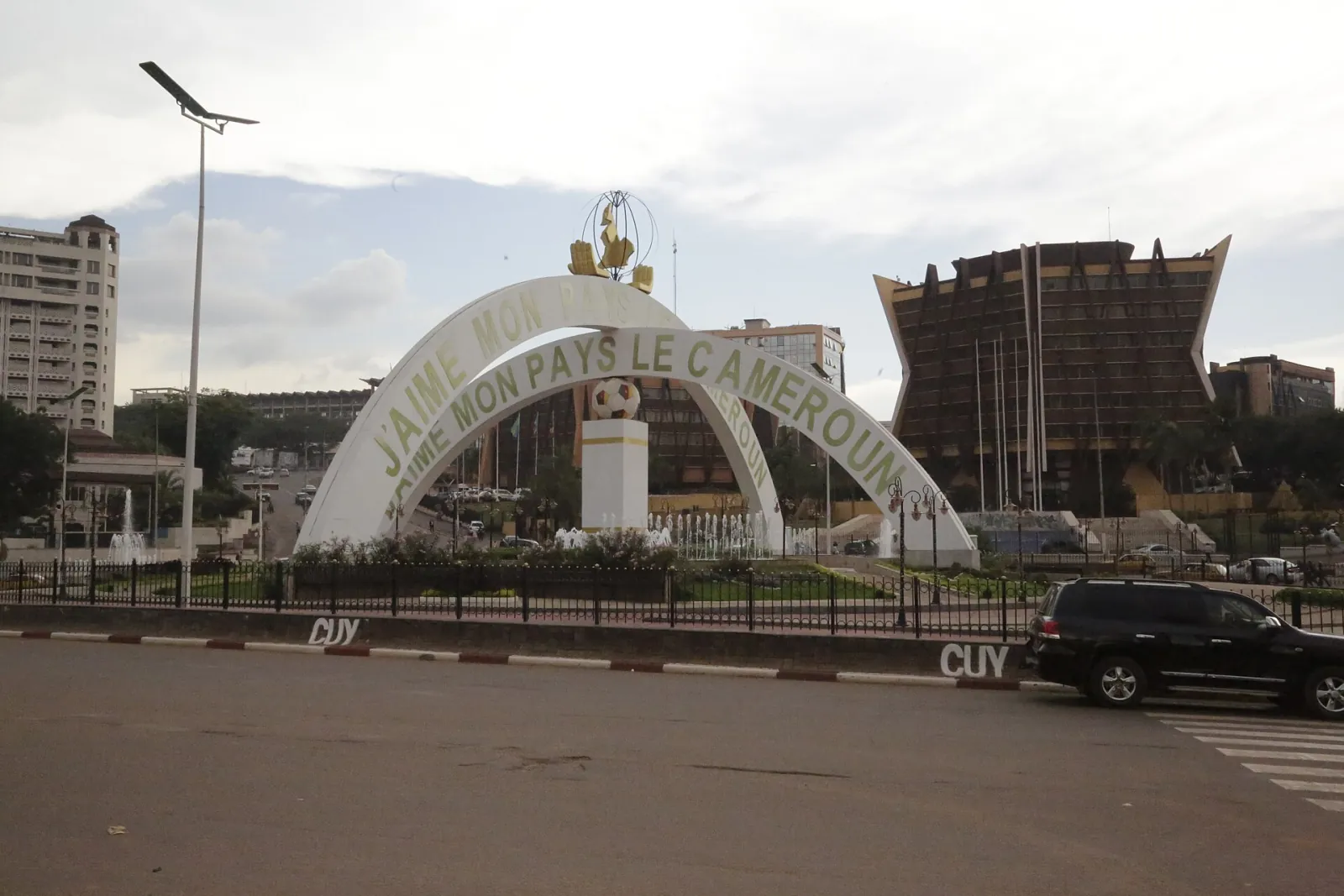
Panorama of Yaoundé at sunset from the Reunification Monument

The Centre region is the region of the capital, Yaoundé, built on seven hills, but also that of the Beti plateaux, the valleys of the Sanaga and the Mbam, and the forest roads to the South. It is home to the seat of the Ministry, the National Museum, the Conference Centre and numerous theatres, galleries and training institutions.

Its regional delegation of arts and culture is both a neighbour of the central administration and a relay to the divisions: Mfoundi, Lekié, Mbam-et-Inoubou, Mbam-et-Kim, Méfou-et-Afamba, Méfou-et-Akono, Nyong-et-Kéllé, Nyong-et-Mfoumou, Nyong-et-So’o and Haute-Sanaga.

  • A delegation in Yaoundé, close to the Ministry
  • National Museum, Conference Centre and leading festivals
  • Ewondo, Eton, Bassa, Tikar: living languages and traditions
The delegation and the sites
Delegation

The regional delegation of the Centre in Yaoundé

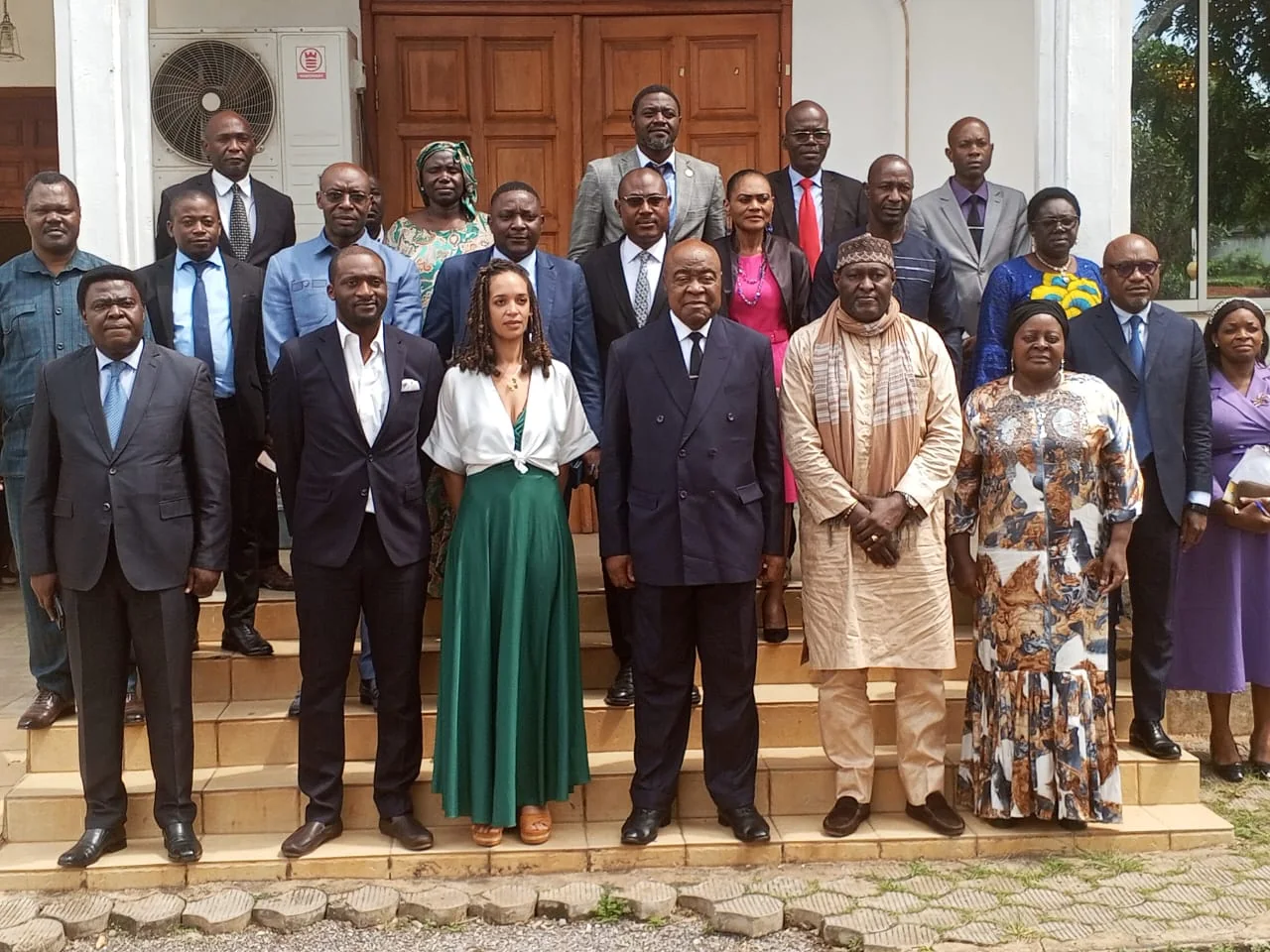
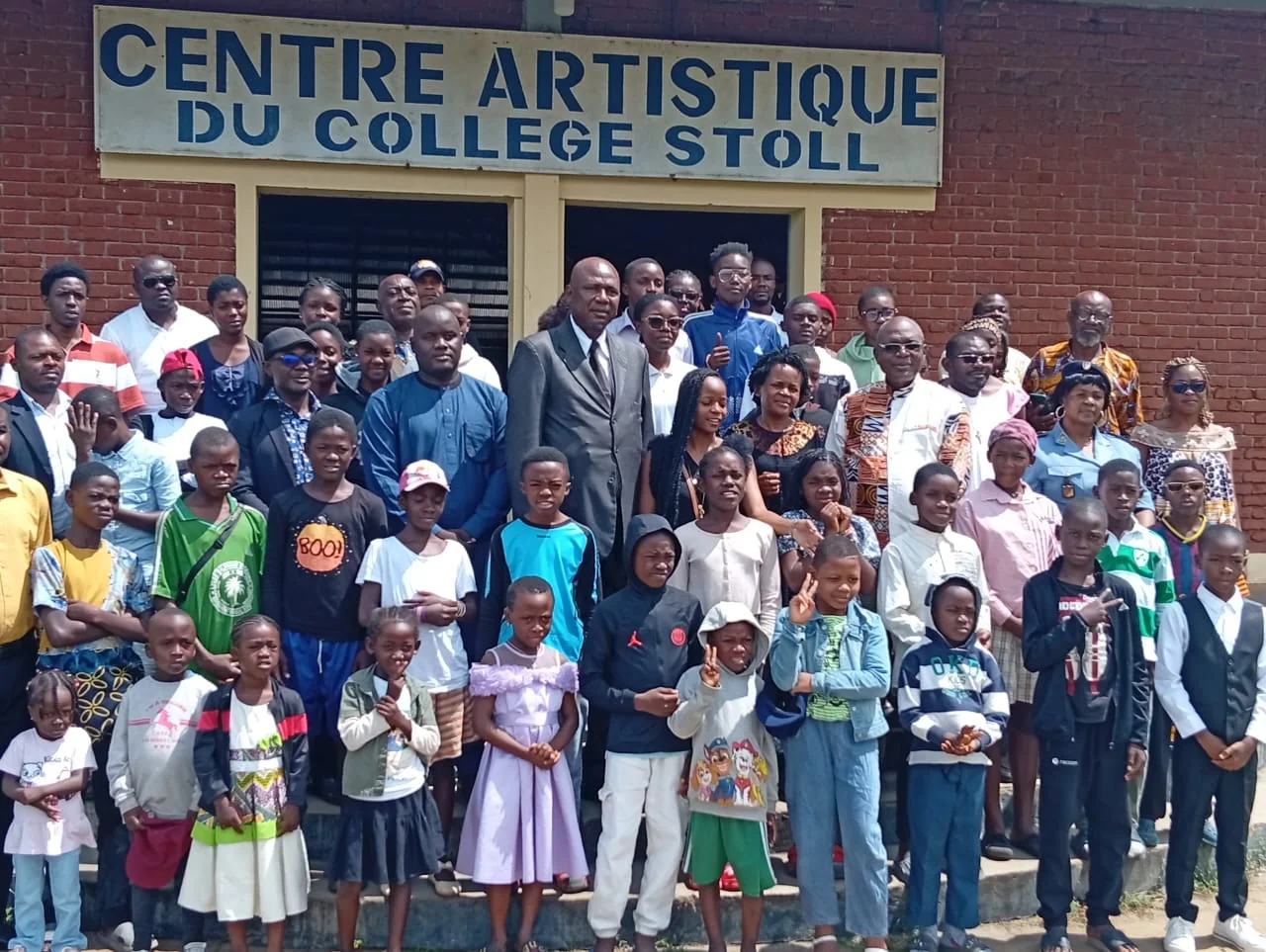
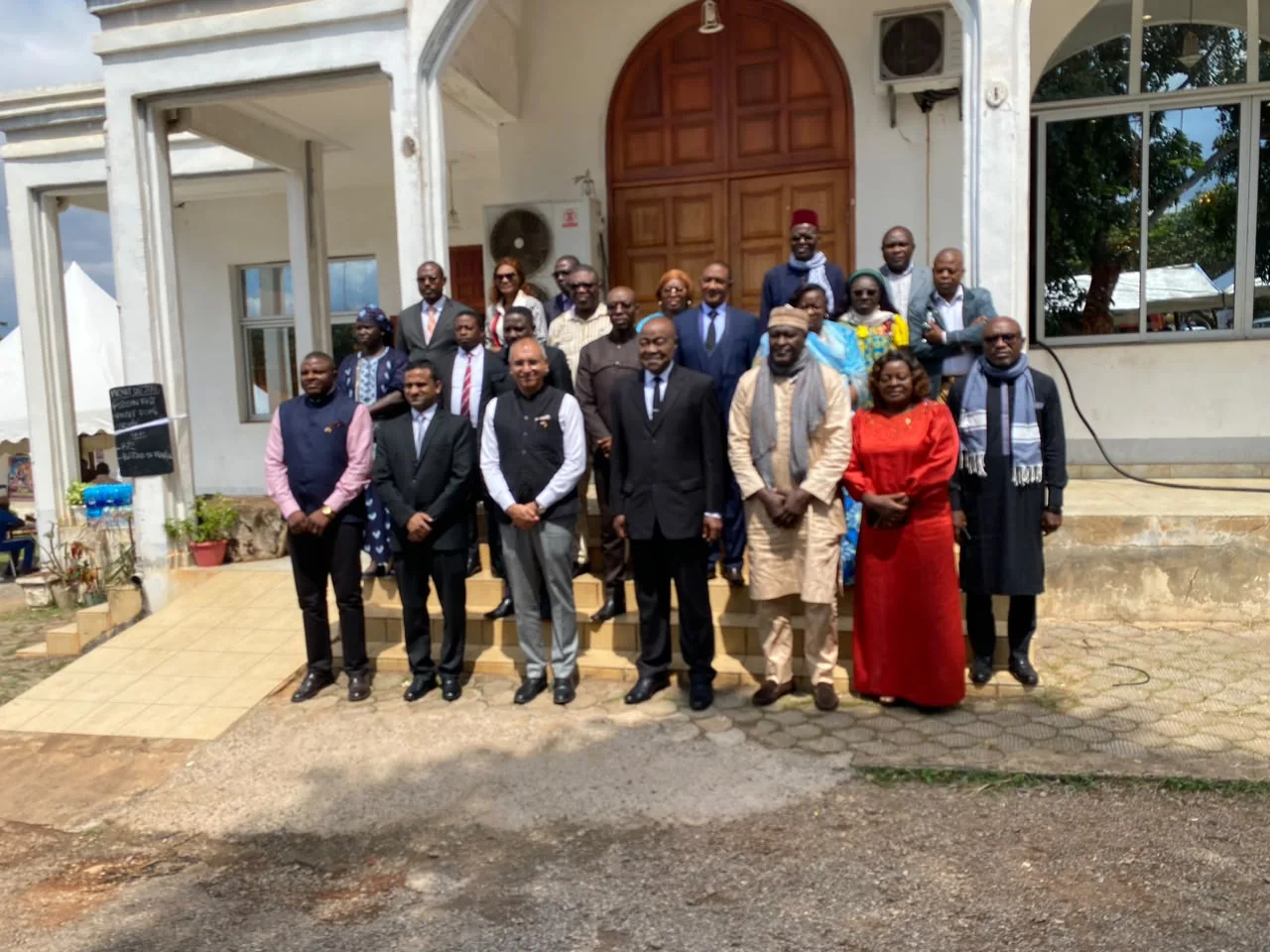
Ministry staff and officials posing in front of the building

The regional delegation of arts and culture of the Centre is based in Yaoundé. Its situation is unusual: it works alongside the central administration, the directorates and the institutions under supervision, yet its scope of action is that of a region, with its ten divisions, its rural councils and its second-degree chiefdoms. It ensures that residents of Mbalmayo, Bafia, Ntui or Akonolinga have the same access to the Ministry’s services as those in the capital.

Its missions

  • receiving and guiding artists, associations and organisers, and helping them to use the One-Stop Shop;
  • giving a preliminary opinion on applications for show authorisation and festival authorisation submitted in the regions;
  • taking stock of practices and skills in the villages for the national inventory;
  • supporting the major events of the Centre, from Mbam’Art to Ya Jazz;
  • linking the institutions of the capital with the remote divisions.

A community outreach programme in 2026-2027

The delegation organises quarterly workshops on preparing files, reception days for companies in Bafia and Mbalmayo, and an annual meeting of Yaoundé venue managers. It keeps up to date a directory of rehearsal and performance venues that emerging groups can use.

To contact it, use the Ministry switchboard or the regional delegations page.

ℹ️
Contacting the delegation

The switchboard +237 6 51 70 58 41 and the address contact@minac.gov.cm will direct you to the Centre delegation; see the contact page.

Sites and museums

The sites and museums of the Centre

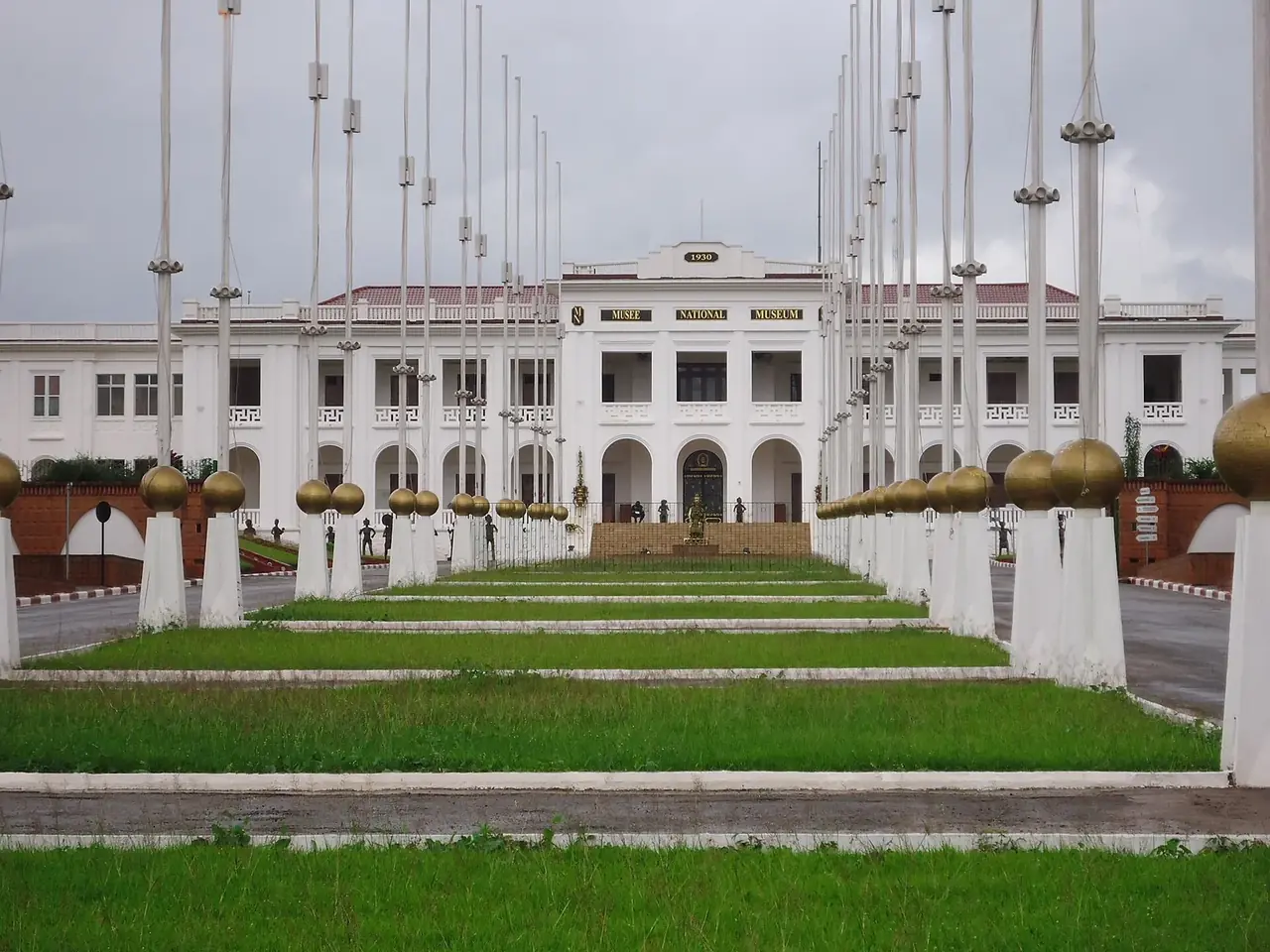
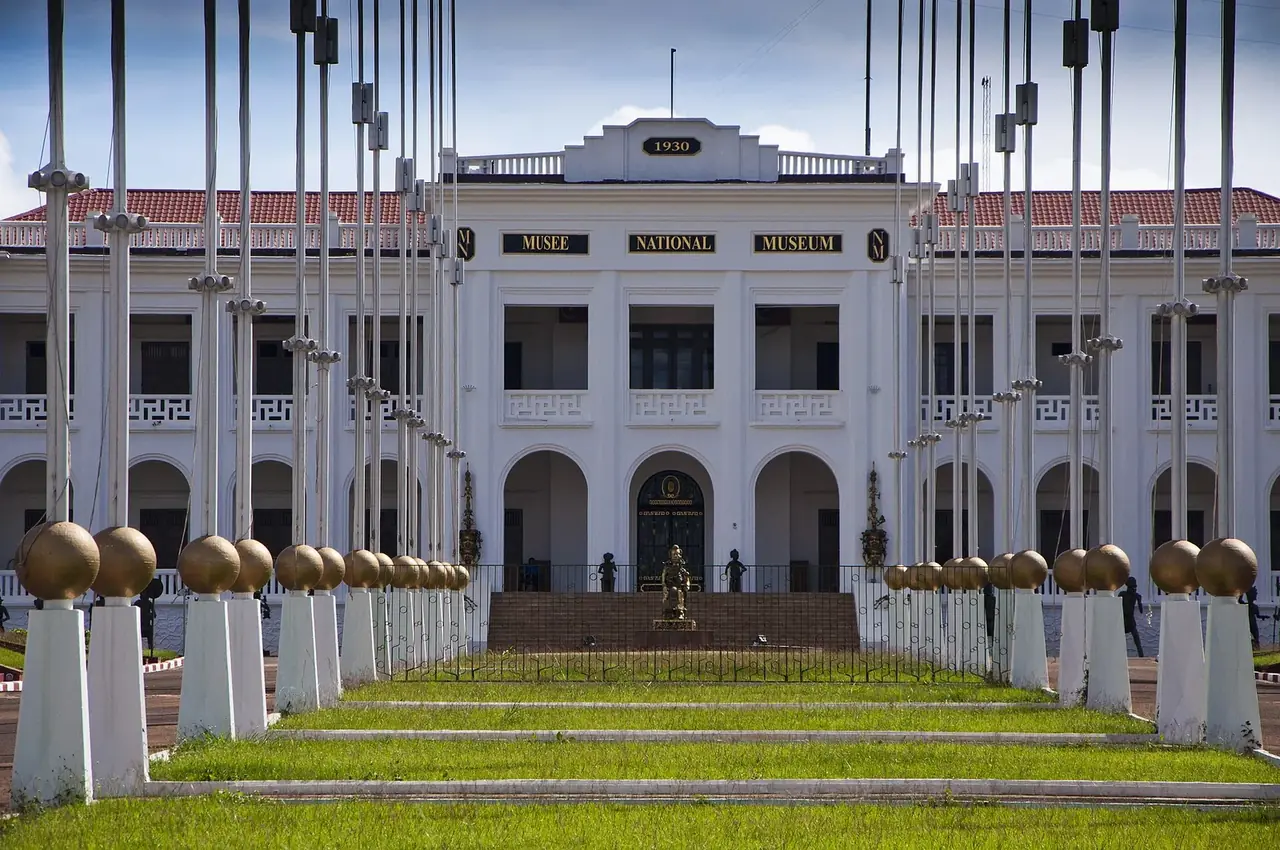
Avenue of flagpoles and lawn leading to the white building of the National Museum in Yaoundé

The Centre region brings together national institutions and sites of memory that tell the history of the country. Yaoundé is the natural starting point of a journey that then extends towards the valleys of the Mbam and the Sanaga.

In the heart of the capital

The National Museum, housed in the former presidential palace, holds collections of art and historical objects: statuary, masks, instruments and court objects. It is one of the Ministry’s institutions under supervision; its opening hours and visiting conditions are on the national museums page. The Conference Centre in Yaoundé hosts conferences, concerts and major cultural events. The Reunification Monument and the avenue alongside it recall the political history of the country.

Art and spirituality

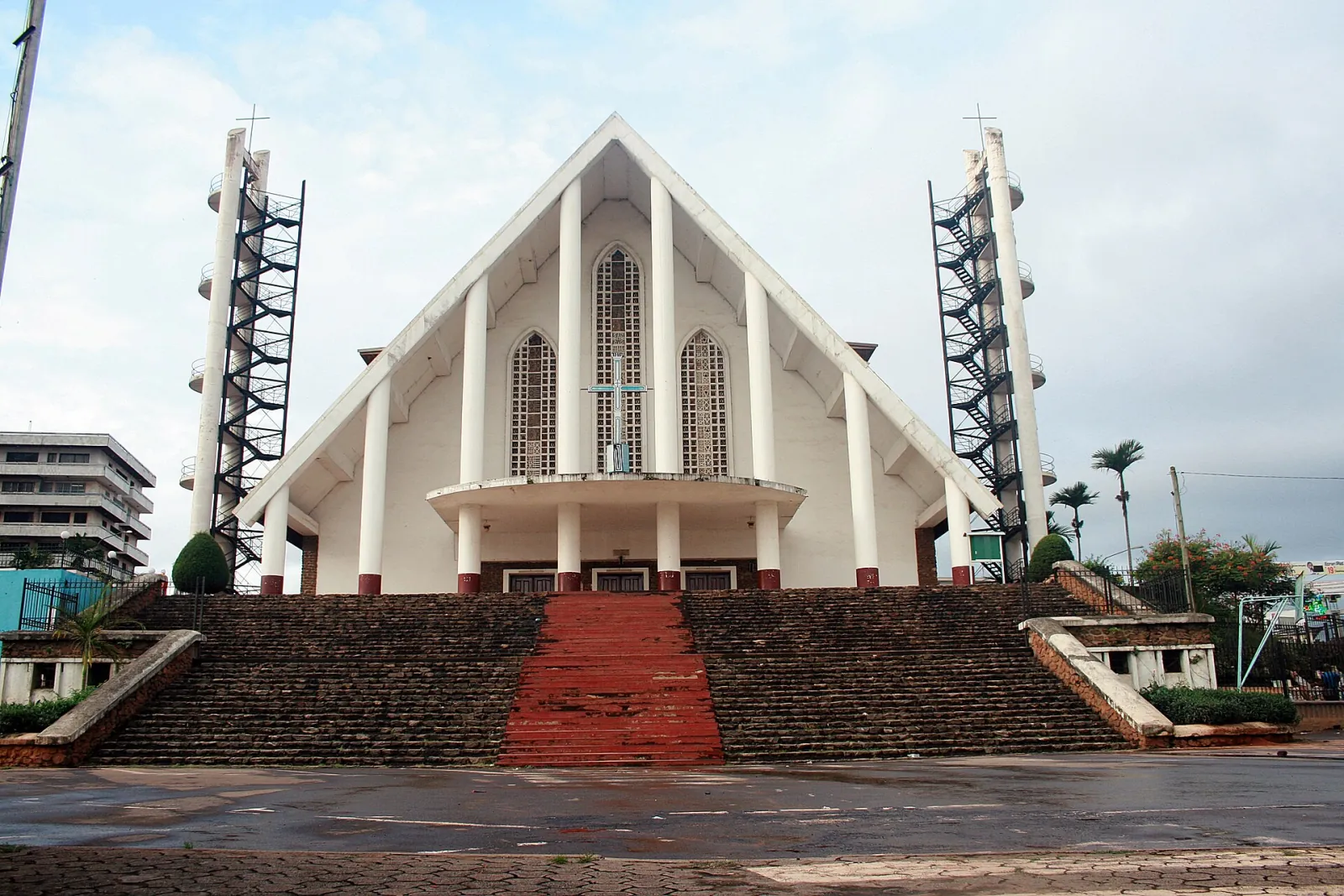
On the heights of the city, the Museum of Cameroonian Art, housed in a former Benedictine monastery, presents traditional and contemporary art. The Marian shrine of Mvolyé and the Cathedral of Our Lady of Victories are among the landmarks of the built heritage. The hills of Mbankolo and Fébé offer views over the city.

Beyond Yaoundé

In the Mbam, the Tikar and Bafia chiefdoms, the banks of the Sanaga and the forests of Ntui and Bafia trace out circuits that the delegation links to the cultural routes. Visitors will also find the region’s protected buildings in the section on listed monuments.

ℹ️
Planning your visit

Check the opening hours on the national museums page and verify closing days before you travel.

Festivals

The festivals of the Centre: Mbam’Art, Ya Jazz and SIILY

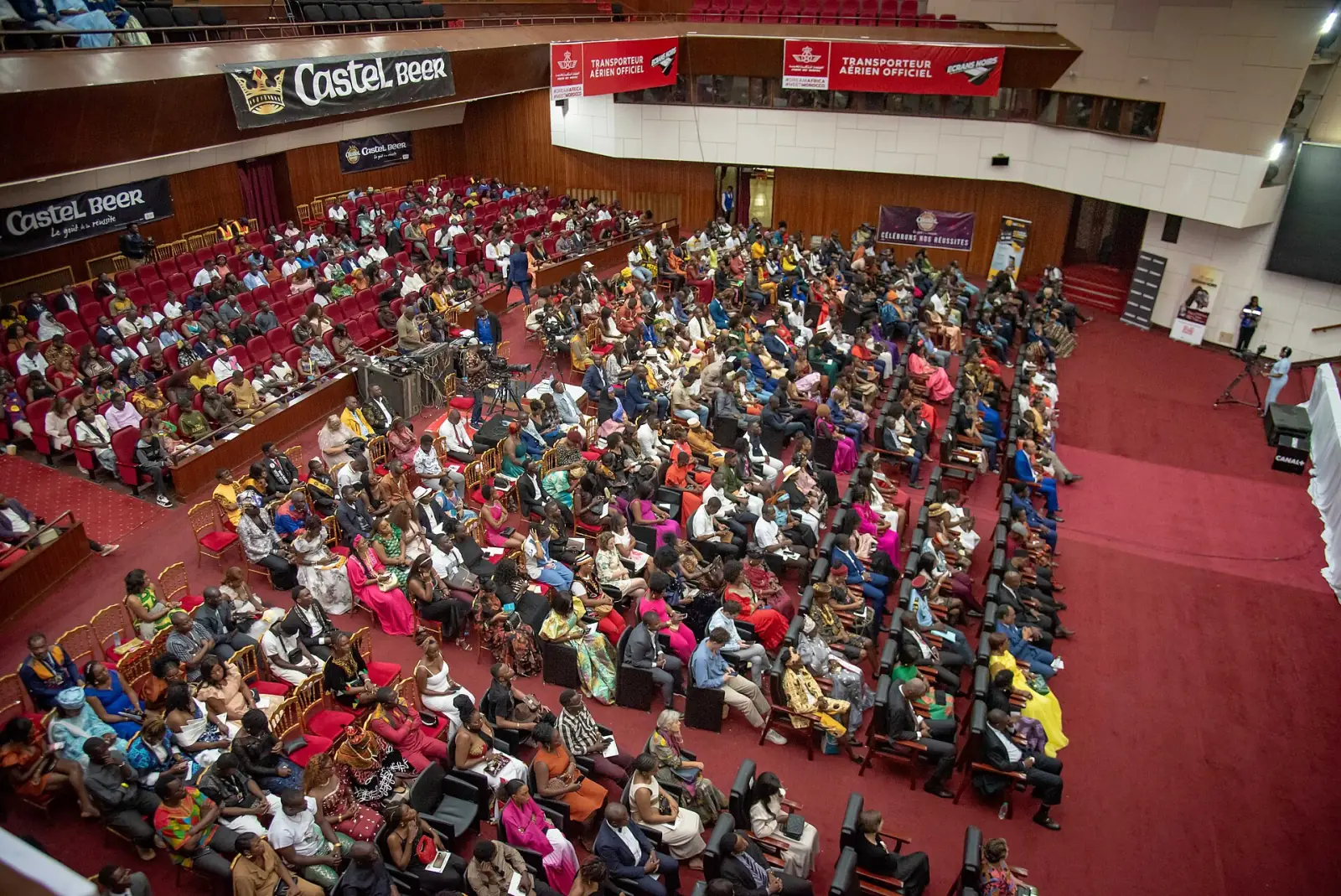
Aerial view of the full Yaoundé Conference Centre during the Écrans noirs festival closing

The Centre region hosts three events that matter in the national calendar, from rural heritage to urban music and books.

Mbam’Art, the Grand Mbam festival

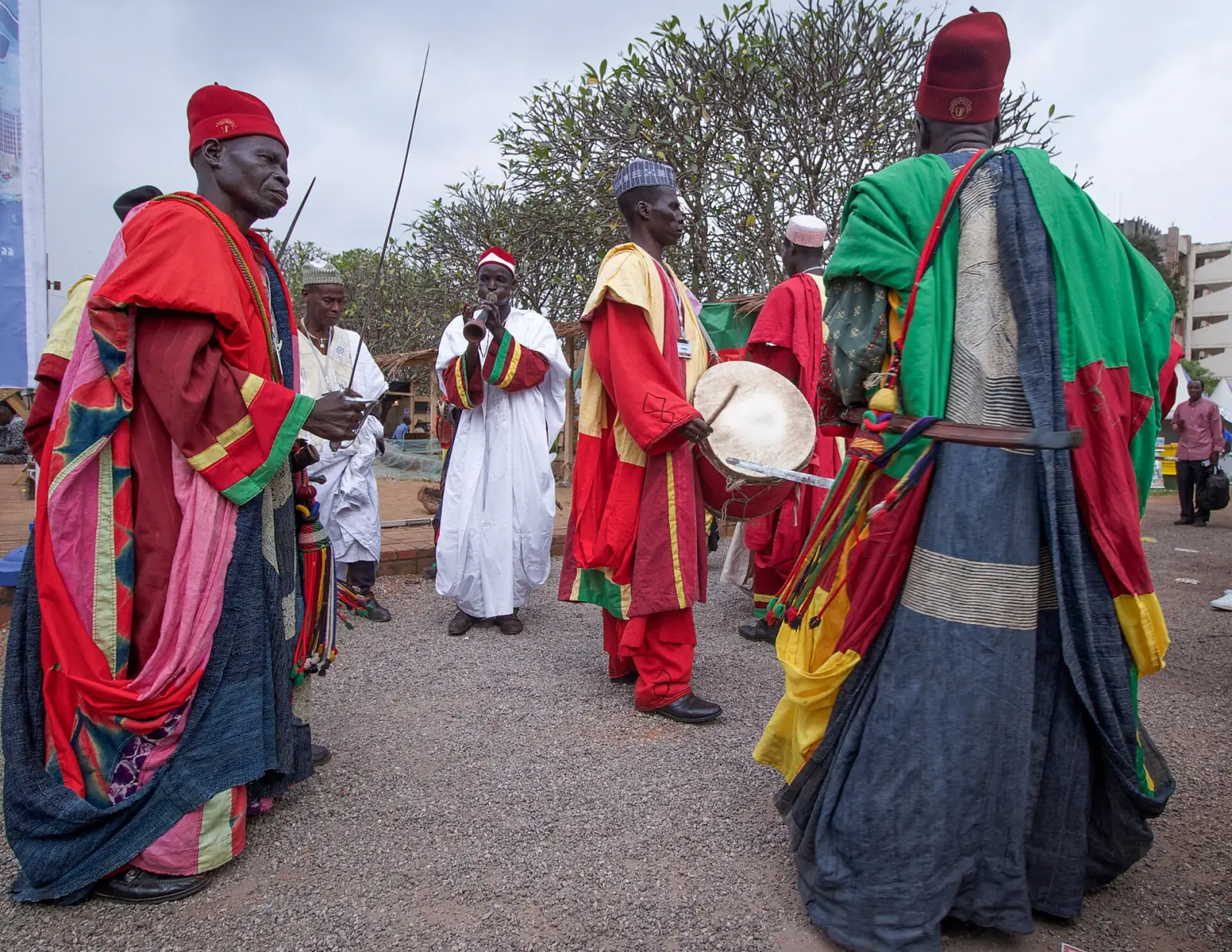
The Mbam’Art festival celebrates the heritage, crafts, dance and gastronomy of Grand Mbam. It reached its 12th edition in 2026, with the support of the Ministry. The usual programme includes chiefdom parades, craftspeople’s presentations, traditional dances and tastings. A 13th edition is announced for 2027; it is listed in the cultural agenda.

Ya Jazz, the Yaoundé Jazz Festival

The Yaoundé Jazz Festival (Ya Jazz) held its 26th edition in 2026. It brings together Cameroonian and African musicians and international guests on several stages in the capital, with free concerts, master classes and jam sessions. It extends the history of Cameroonian urban jazz, nourished by makossa, bikutsi and traditional rhythms. See also the music and records page.

ℹ️
Exhibitors and artists

Calls for participation are relayed by the delegation and by the calls for projects page.

Languages

The languages of the Centre

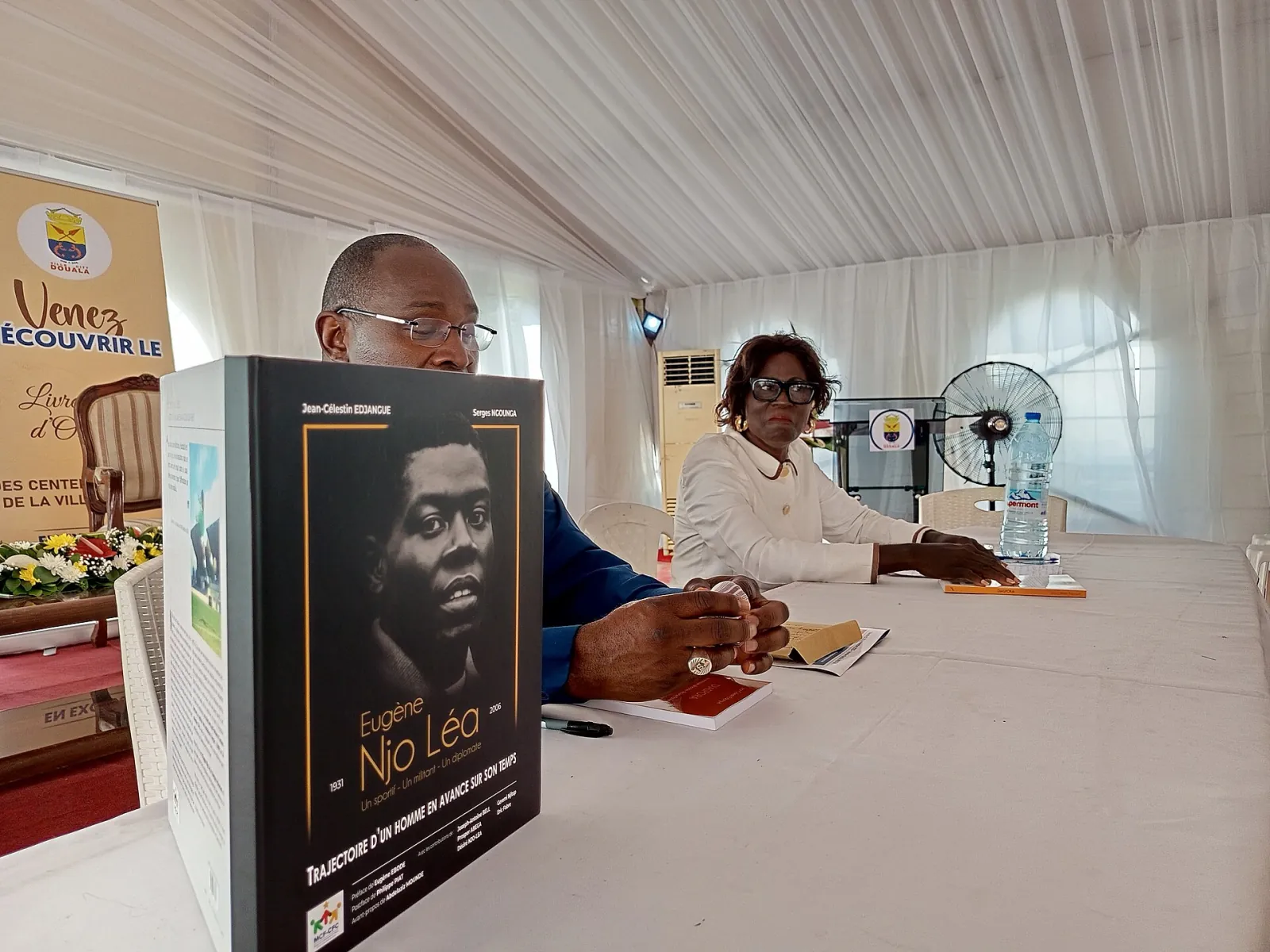
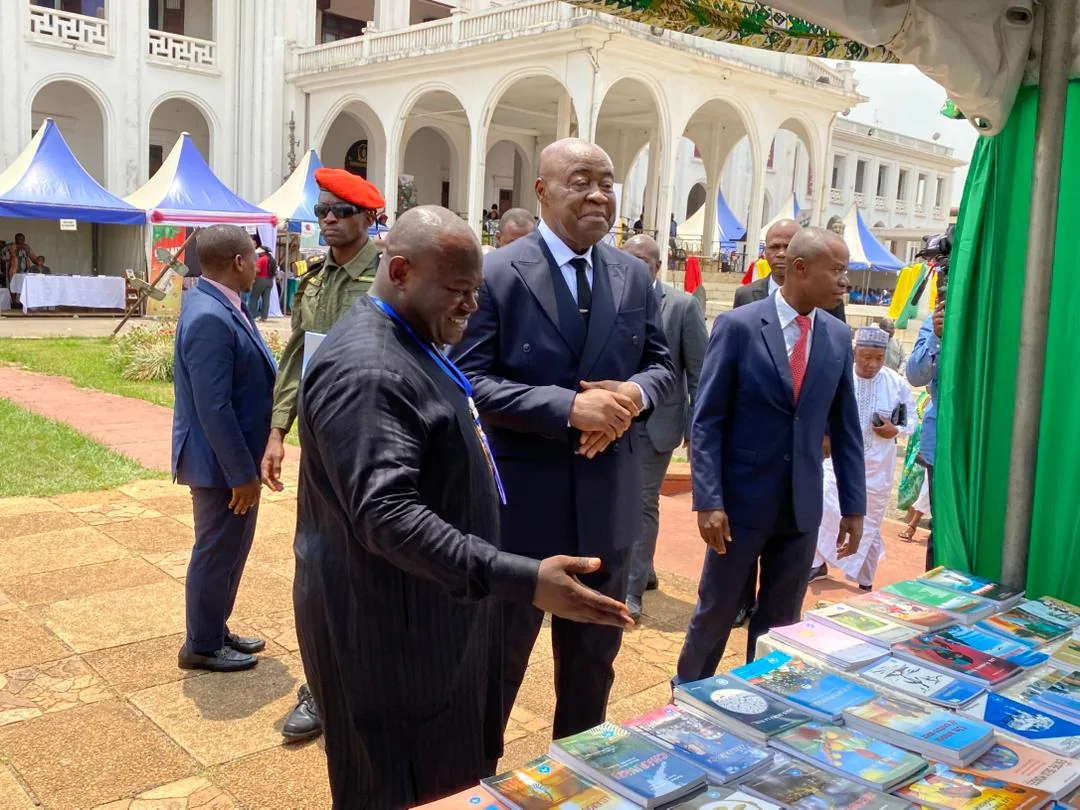
Book-signing session at a table under a marquee with the biography in the foreground

The Centre is a multilingual region where the city mixes all the languages of the country. In Yaoundé, Ewondo, the language of the people of the same name, serves as the language of everyday exchange alongside French and English, while Camfranglais, an urban speech, is constantly renewed among young people.

The major languages of the region

  • Ewondo and Eton, two Beti languages of the Lekié and the Mfoundi;
  • Bassa, spoken in the Nyong-et-Kéllé and as far as the Littoral;
  • Tikar, Bafia (Rikpa) and Yambassa, in the Mbam;
  • Mvele, Fang and other Beti languages around Akonolinga and Mbalmayo.

Transmission and creation

The languages of the Centre carry a rich repertoire of tales, proverbs and songs. The mvet, a sung epic accompanied by a harp-zither, is one of the best-known forms of Beti oral tradition. Bikutsi was born from the meeting of this repertoire with urban music.

The delegation supports writing workshops in national languages, tale competitions in secondary schools and recordings of elderly storytellers. These activities relate to the linguistic heritage, the oral traditions and the national languages page.

ℹ️
For teachers

A national languages workshop can be added to a school’s programme with the support of the delegation.

Peoples and traditions

Beti, Bassa, Tikar and Bafia: the traditions of the Centre

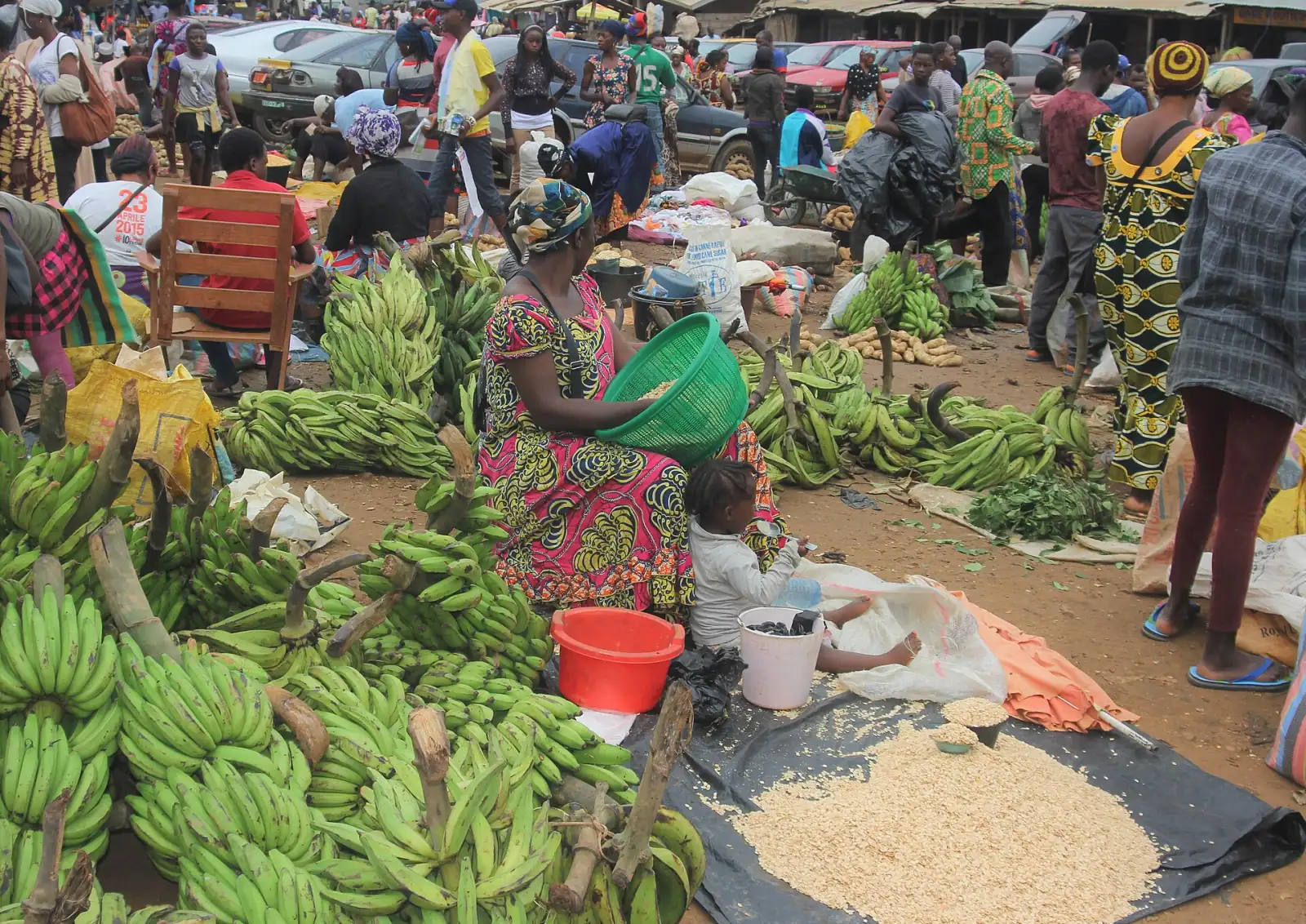
Women selling plantains and vegetables at the market in Bafia

The Beti, who include the Ewondo, the Eton and the Bané, have left their mark on Cameroonian music through bikutsi, a festive dance and rhythm in which balafons, women’s songs and hand-clapping build a pulse recognisable among all others. The Bassa preserve traditions of forging, song and funeral rites, the Tikar chiefdoms with rich sculptures, and the Bafia mask dances and long narratives.

Cuisine and skills

The Centre is the land of ndolé and okok, groundnut sauce, cassava stick and smoked fish. The markets of Yaoundé, Mbalmayo and Bafia are veritable conservatories of culinary gestures. As for crafts, raffia, basketry and carved wood are worked; see fine crafts and traditional skills.

The capital’s stage

Yaoundé is home to theatres, cultural centres and theatre and dance companies; the performing arts page gives an overview.

Step by step

Submitting a cultural file from the Centre region

Define the project

Write a one-page note: nature of the activity, venue, expected audience, dates and local partners. State the division.

Meet the delegation

Present your project to the regional delegation, which checks that the file is complete and points out the procedures specific to the Centre region.

Involve the local authorities

Inform the town hall and, where the venue falls under a chiefdom or a lamidate, obtain the agreement of the traditional authority. Second-degree chiefdoms must be informed.

Submit online

Create your account on the One-Stop Shop, attach the documents requested and confirm the application; a file number is given to you immediately.

Follow the review

Check the status of the file with your tracking number and respond quickly to requests for documents. Keep the number; the Yaoundé delegation can help you.

Carry out and report

Once the activity has taken place, send the delegation a short report with photographs and attendance figures.

To act

The procedures to know in the Centre

Show authorisation

Every public performance in the Centre requires an authorisation, submitted online several weeks before the date.

Submit the application

Festival authorisation

Organisers of regional festivals submit their file with programme, security plan and provisional budget.

See the procedure

Event grant

Cultural associations in the Centre region may request support from the Ministry for their projects of public interest.

Request support

Artist card

Musicians, dancers, visual artists and fine craftspeople of the region have their professional status recognised.

Apply
To explore

The Centre in the other sections

Voices from the region

Voices of the Centre

“
The Mbam’Art festival brought visitors from all over the region; our weavers and cooks sold more in three days than in a whole quarter.
A craftswoman of Grand Mbam
Mbam-et-Inoubou Division
“
The delegation helped us obtain authorisation for our street concert and notify the council in good time.
A concert organiser, Yaoundé
Mfoundi Division
“
In our school, the Ewondo storytelling workshop gave the grandparents a voice in front of all the pupils.
A teacher, Mbalmayo
Nyong-et-So’o Division
“
Ya Jazz gives us the chance every year to play with musicians from other countries, without leaving our city.
A saxophonist of the capital
Yaoundé jazz scene

“Yaoundé is the city where all the languages of the country meet, but the Mbam and the Lekié still keep the oldest songs.”

A storyteller of the Centre
To download

Resources for taking action in the Centre

Key facts

The Centre region at a glance

FieldRegional landmarkDistinctive featureTo go further
Regional capitalYaoundé, political capitalSeat of the Ministry and of the major institutionsOrganisation of the Ministry
InstitutionsNational Museum, Conference CentreInstitutions under supervision open to the publicInstitutions under supervision
FestivalsMbam’Art, Ya Jazz, SIILYRural heritage, jazz and booksNational calendar
PeoplesBeti, Bassa, Tikar, Bafia, YambassaChiefdoms, initiations and epicsIntangible heritage
LanguagesEwondo, Eton, Bassa, Tikar, BafiaCamfranglais in the cityNational languages
MusicBikutsi, mvet, urban jazzBalafon, harp-zither, guitarMusic
CuisineNdolé, okok, cassava stickMarkets of Yaoundé and the MbamKnow-how
DivisionsMfoundi, Lekié, Mbam-et-Inoubou and seven othersTen hubs of action for the delegationRegional Delegations
Calendar 2026-2027

The cultural agenda of the Centre

Glossary

The vocabulary of the Centre

Bikutsi

Music and dance of the Beti, built on balafons, women’s choirs and syncopated rhythms.

Mvet

Beti sung epic, accompanied by a string instrument that the reciter plays himself.

Ewondo

Beti language of the Mfoundi and the Lekié, widely spoken in Yaoundé.

Beti

Large group of forest peoples of the Centre and the South, including the Ewondo and the Eton.

Grand Mbam

Territory of the Mbam and Sanaga valleys, where the Mbam’Art festival is held.

Ndolé

Dish of bitter leaves, groundnuts and meat or fish, an emblem of Cameroonian cuisine.

Camfranglais

Urban speech mixing French, English and Cameroonian languages, very lively among young people.

National Museum

Institution under the Ministry’s supervision, based in Yaoundé, which preserves the national collections.

Second-degree chiefdom

Traditional district placed under the authority of a chief recognised by the administration.

Regional Delegation

Decentralised service of the Ministry in charge of arts and culture in a region.

On the site

Continuing the exploration from the Centre

Resources

Useful links for culture in the Centre

Stakeholders

Who supports culture in the Centre?

Journey

The Centre through time

Before the 19th centuryKingdoms and clans

The Beti, Bassa, Tikar and Bafia organise their society into clans, chiefdoms and initiatory brotherhoods in the forest and the savannahs.

1889A post in Yaoundé

The Germans establish a post in Yaoundé that gradually becomes the administrative capital of the country.

1960sCapital of the Republic

Yaoundé hosts the national institutions, the first art schools and the National Museum, in the former presidential palace.

1980sThe rise of bikutsi

Born from Beti dances, bikutsi establishes itself on urban stages and in the capital’s studios.

The 2000sFestivals take root

Mbam’Art, Ya Jazz and other events give the region a rich cultural calendar throughout the year.

2026Mbam’Art, Ya Jazz, SIILY

Mbam’Art celebrates its 12th edition, Ya Jazz its 26th and SIILY its 4th: three milestones for a region on the move.

Questions

Your questions about culture in the Centre

Where can I submit a cultural file from the Centre region?

Online, through the One-Stop Shop, or with the regional delegation in Yaoundé, which checks your file and guides you. For a procedure linked to a particular directorate, you can also contact the Ministry, whose seat is in the capital.

How do I contact the Centre delegation?

Through the Ministry switchboard on +237 6 51 70 58 41 or by e-mail at contact@minac.gov.cm, stating that your request concerns the Centre region. The message is forwarded to the regional delegation, which will contact you.

Where can I see the collections of the National Museum?

The National Museum is in Yaoundé. Opening hours, access conditions and guided tours are given on the national museums page. School groups can book a visit by writing to the institution.

What is Mbam’Art?

It is the festival of Grand Mbam, which celebrates the heritage, crafts, dance and gastronomy of this area. It held its 12th edition in 2026; craftspeople and troupes may offer to take part by contacting the organisers.

How do I take part in Ya Jazz?

Musicians submit an artistic file to the festival organisers: presentation, recording, technical sheet. The Yaoundé Jazz Festival held its 26th edition in 2026 and receives proposals from groups in the region every year.

Is SIILY open to the public?

Yes. The Yaoundé International Book Industry Fair, whose 4th edition took place in 2026, welcomes readers, school groups and professionals. Publishers and authors book a stand with the organisers.

Which language is spoken in Yaoundé?

French and English are the official languages; Ewondo is the most commonly heard local language, along with Eton, Bassa and many other languages. Camfranglais is widely used by young people in the city.

How do I have a dance or a recipe entered in the inventory?

Fill in an inventory form with the bearers and obtain the agreement of the community. The delegation examines it and forwards it to the Directorate of Cultural Heritage, which adds it to the national inventory.

Contact

Write to the Ministry: Centre

Specify your region and your request.

Delegation and Ministry

Contacting the Ministry and the Centre delegation

Address

Ministry of Arts and Culture
Quartier du Lac – Ministerial Zone
P.O. Box 1053 Yaoundé, Centre Region, Cameroon

Reach us

+237 6 51 70 58 41

contact@minac.gov.cm

Opening hours

Monday to Friday, 8 am to 4 pm

A cultural project in the Centre?

Submit your file to the One-Stop Shop or meet the Yaoundé delegation to prepare it.

Open the One-Stop Shop
WhatsApp