Coat of arms of CameroonMinistry of Arts
and Culture
Republic of Cameroon
My procedures
Home
Minister’s message
News
Press releases
Cultural calendar
Official speeches
Press review
Photo library
Video library
Calls for projects
Job vacancies
Public procurement
Newsletter
Frequently asked questions
Site map
Contact
Press area
Podcast “The Voice of Culture”
Legal notices
Privacy policy
Cookies and trackers
The Ministry
Missions and responsibilities
Organisation
Organisation chart
Minister’s Office (Cabinet)
Management team
General Secretariat
General Inspectorate
Central directorates
Regional Delegations
Institutions under supervision
Legislative texts
Regulatory texts
Sector strategy
Major projects
Budget and reports
Partners
Careers
Archives
Institutional communication
Quality and accessibility
Arts
Visual and plastic arts
Visual arts
Performing arts
Theatre
Dance
Music
Literature and books
Cinema and audiovisual
Photography
Fashion and design
Digital arts
Art crafts
Artists’ directory
Residencies
Prizes and awards
Arts education
Urban arts
Heritage
Tangible heritage
Intangible heritage
UNESCO sites
National museums
Listed monuments
National inventory
Palaces and chiefdoms
Archaeology
Linguistic heritage
Oral traditions
Traditional know-how
Restitution of cultural property
Fight against illicit trafficking
Listing and protection
Conservation and restoration
Heritage Days
Cultural landscapes
Industries
Music and recording
Cinema
Publishing and books
Digital arts
Fashion and creativity
Crafts
Cultural tourism
Funding for culture
Support funds
Incubators
Cultural entrepreneurship
Culture Observatory
Vocational training
Studies and reports
Sector statistics
Export and outreach
Intellectual property
Copyright
Legal framework
Copyright and neighbouring rights
Collective management societies
Register a work
Licences
Private copying
Fight against piracy
Model contracts
Social status of artists
Mediation
Disputes
Training
Fee scales
Register of works
Contact
Digital neighbouring rights
Public domain
Festivals
National calendar
Ngondo
Nguon
Écrans Noirs
Heritage Days
Music Day
Regional festivals
Fairs and exhibitions
Biennials
National competitions
Cultural days
Organise a festival
Event grants
Ticketing
Archives
Volunteering
Diaspora festivals
Regions
Adamawa
Centre
East
Far North
Littoral
North
North-West
West
South
South-West
Cultural map
Regional Delegations
Traditional chiefdoms
National languages
Cultural routes
Decentralised cooperation
Regional observatory
Cooperation
UNESCO
Francophonie (OIF)
African Union
Commonwealth
CEMAC
Bilateral cooperation
Cultural agreements
Professional organisations
Scholarships
Artist exchanges
Cultural years
Diaspora
Funded projects
Embassies
Technical partners
International restitution
International monitoring and calls
Services
Artist card
Show authorisation
Filming authorisation
Festival authorisation
Deposit of a work
Export of works of art
Listing of a property
Grant application
Association accreditation
File tracking
Forms
Fees
Opening hours and addresses
Reporting
Online help
My account
One-Stop Shop
Cooperation

International restitution

Negotiations, returns, loans and the national committee: how Cameroon organises the repatriation of illicitly exported cultural property, following the benchmarking mission carried out with Colombia in July 2026.

Updated on 6 November 20264 sub-pages
Benchmarking missionColombia
PeriodEarly July 2026
Working sessions on funding3
Diplomatic audiences in 20264
International restitution

Bringing back illicitly exported property

Colombian delegation welcomed by the Ministry on the restitution of cultural property

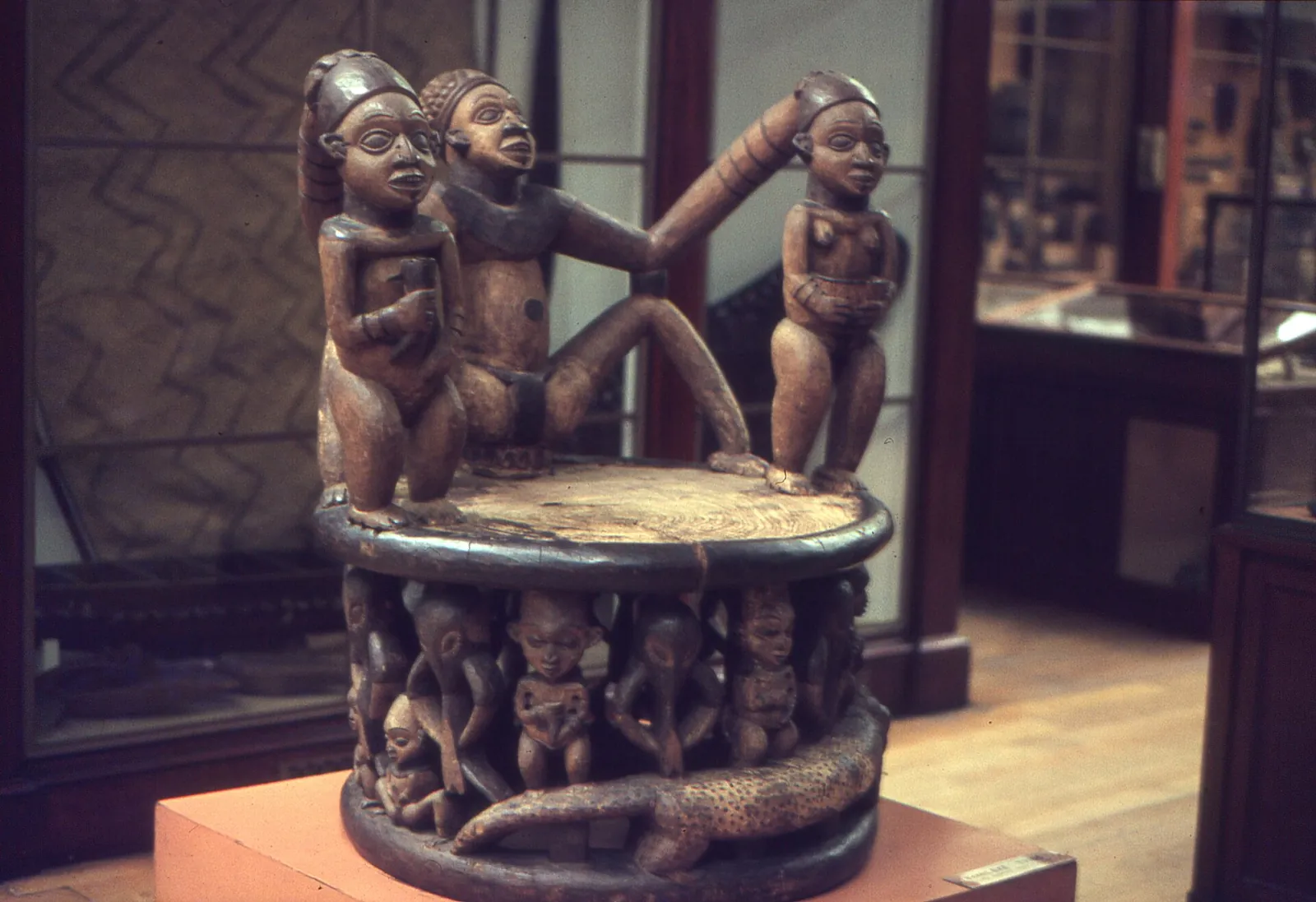
Masks, royal seats, statues, archaeological pieces: for more than a century, thousands of Cameroonian cultural objects have left the country in circumstances that can no longer be ignored. Bringing them back is a long-term undertaking, at once legal, diplomatic, financial and technical.

At the beginning of July 2026, a specialised committee carried out a benchmarking mission with Colombia, a country with experience in the repatriation of illicitly exported property. This page explains how Cameroon negotiates, how returns are organised, how loans are regulated and who sits on the national committee. It complements the restitution of cultural property page in the Heritage section.

  • A benchmarking mission with Colombia in July 2026
  • A law that enables the State to act: Law 2013/003
  • A national committee to steer each file
Understanding the negotiations
Negotiations

Restitution negotiations

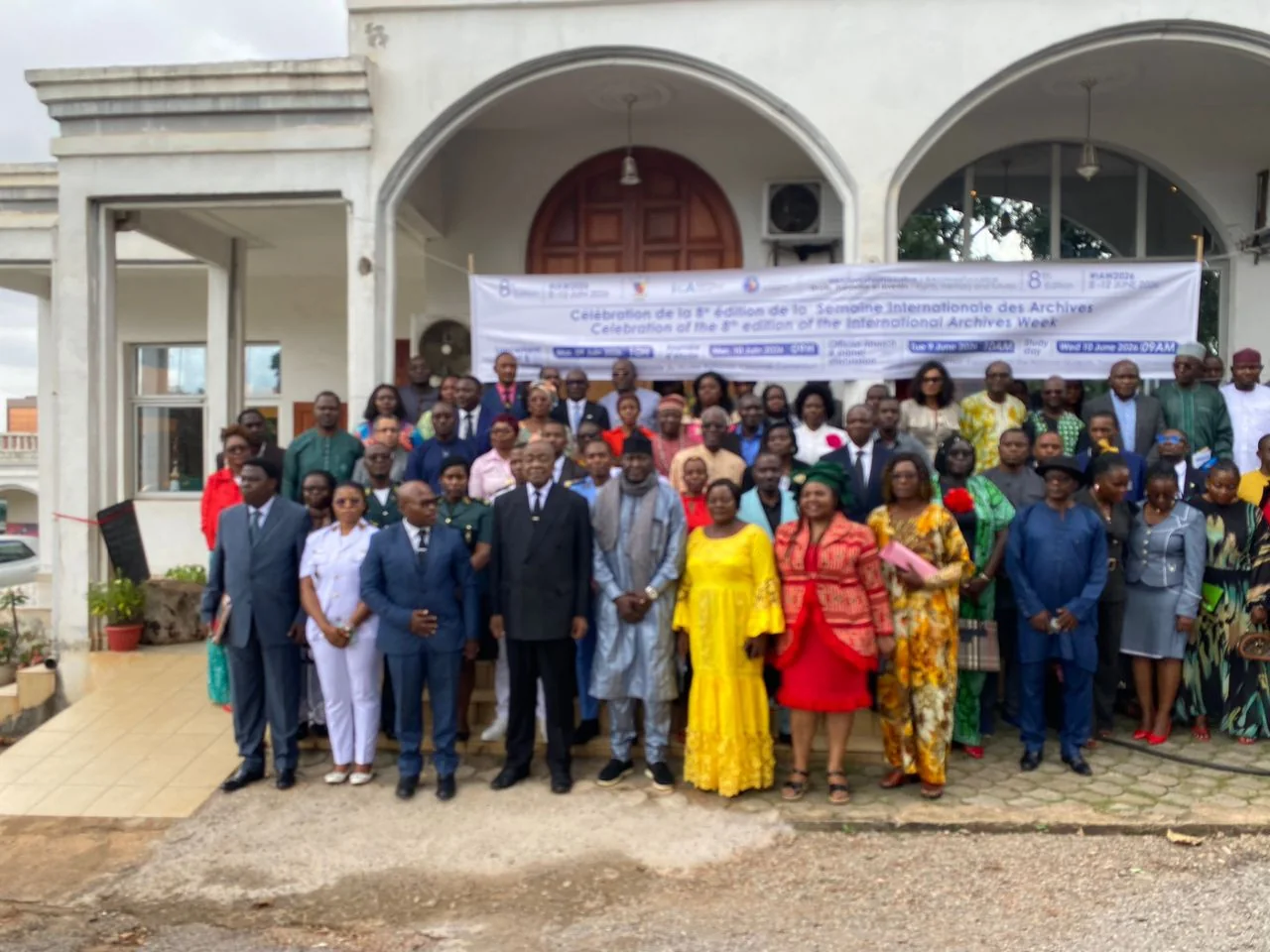
Regional delegates and Ministry staff gathered in front of a building

Restitution almost always begins with a discussion. Before any legal action, the Cameroonian State favours dialogue with the country, museum, collection or person holding a property: identification of the object, a reminder of its origin, examination of the circumstances in which it left the territory, then a search for a solution acceptable to all. Law 2013/003 reserves to the State the right to take all useful action to repatriate illicitly exported property, on the basis of both domestic and international law.

The three registers of negotiation

  • The legal register: proof of ownership, of the date and manner of departure, reading of the applicable conventions, in particular those the country has ratified with UNESCO;
  • The diplomatic register: referral to embassies, audiences with representatives of the holding countries, support from regional organisations such as the African Union;
  • The financial register: who pays for transport, conservation, insurance and customs formalities.

The principle of shared responsibility

The mission to Colombia stressed one point: holding countries must bear their share of financial responsibility in the return of property. Cameroon does not merely ask for a moral gesture; it proposes a clear division of costs and tasks. This groundwork draws on the agreements signed under bilateral cooperation and on the fight against illicit trafficking.

ℹ️
Guiding principle

No negotiation is conducted without a solid documentary file: inventory records, photographs, community testimonies. See the national inventory.

Returns

Returns of cultural property: from decision to exhibition

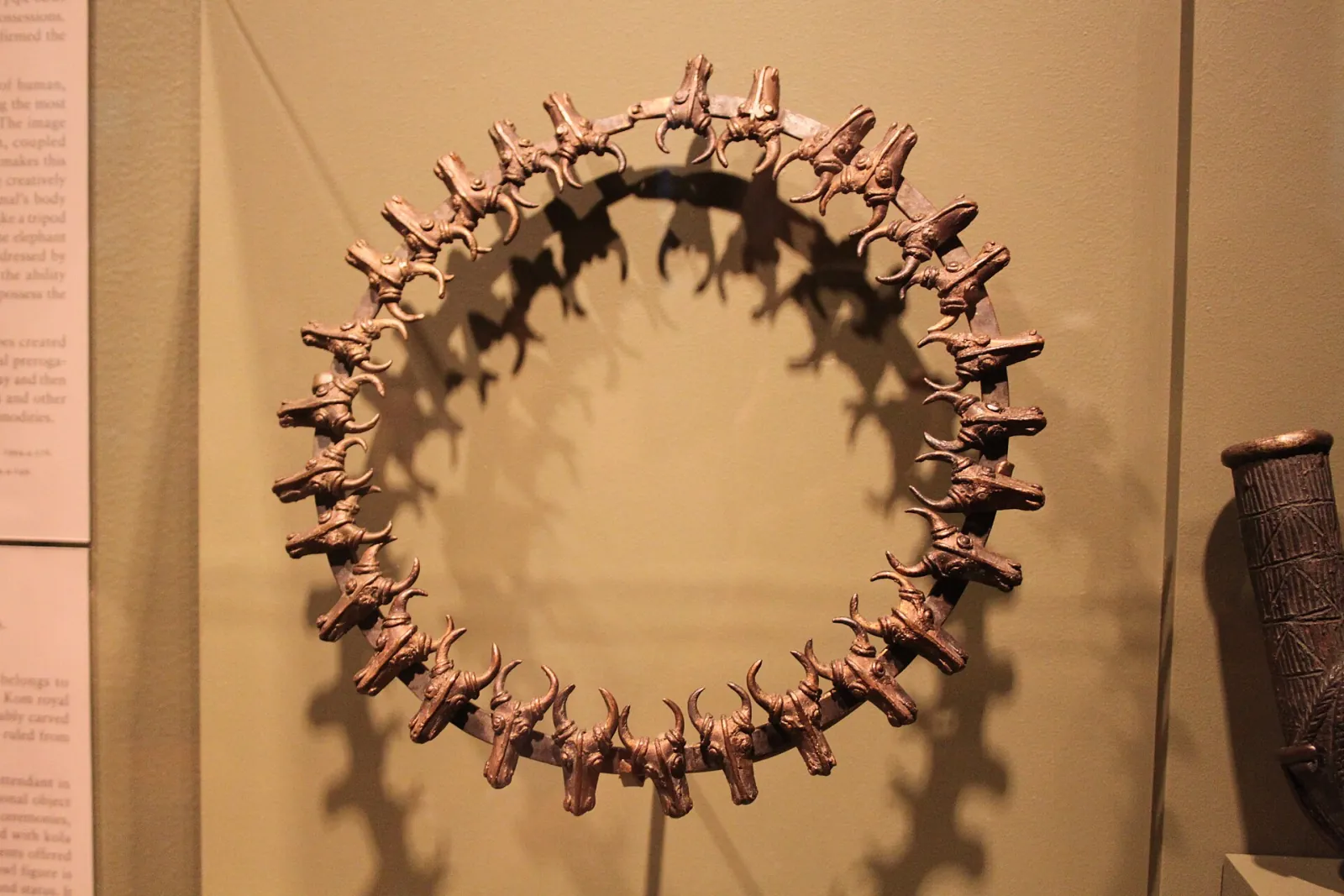
Bronze prestige collar decorated with small figures, displayed in a museum case

A return is more than a transport operation. Between the decision to restitute and the arrival of the object in a display case or a palace, a series of steps involving different services must be completed. Until official sources are available, the Ministry cites no particular return: this page describes the method, not individual files.

The chain of responsibility

The July 2026 mission worked on a complete chain of responsibility: who takes charge of the object at departure, who packs it, who accompanies it, who signs on arrival, who answers for any damage on the way. Each link is documented by a condition report and a handover record.

The logistics protocol

  • Condition report of the object before departure, with photographs and measurements;
  • Suitable packing, climate-controlled crate if necessary, end-to-end insurance;
  • Specialised courier and accompaniment by a committee officer;
  • Customs formalities arranged in advance to avoid any blockage on arrival;
  • Reception in an equipped institution, such as one of the national museums.

After arrival

The repatriated property is examined by restorers, entered in the inventory, then returned to the public or to the community of origin according to its status. The conservation and restoration teams prepare its enhancement, and the palaces and chiefdoms concerned are involved in decisions.

Loans

Loans of objects between institutions

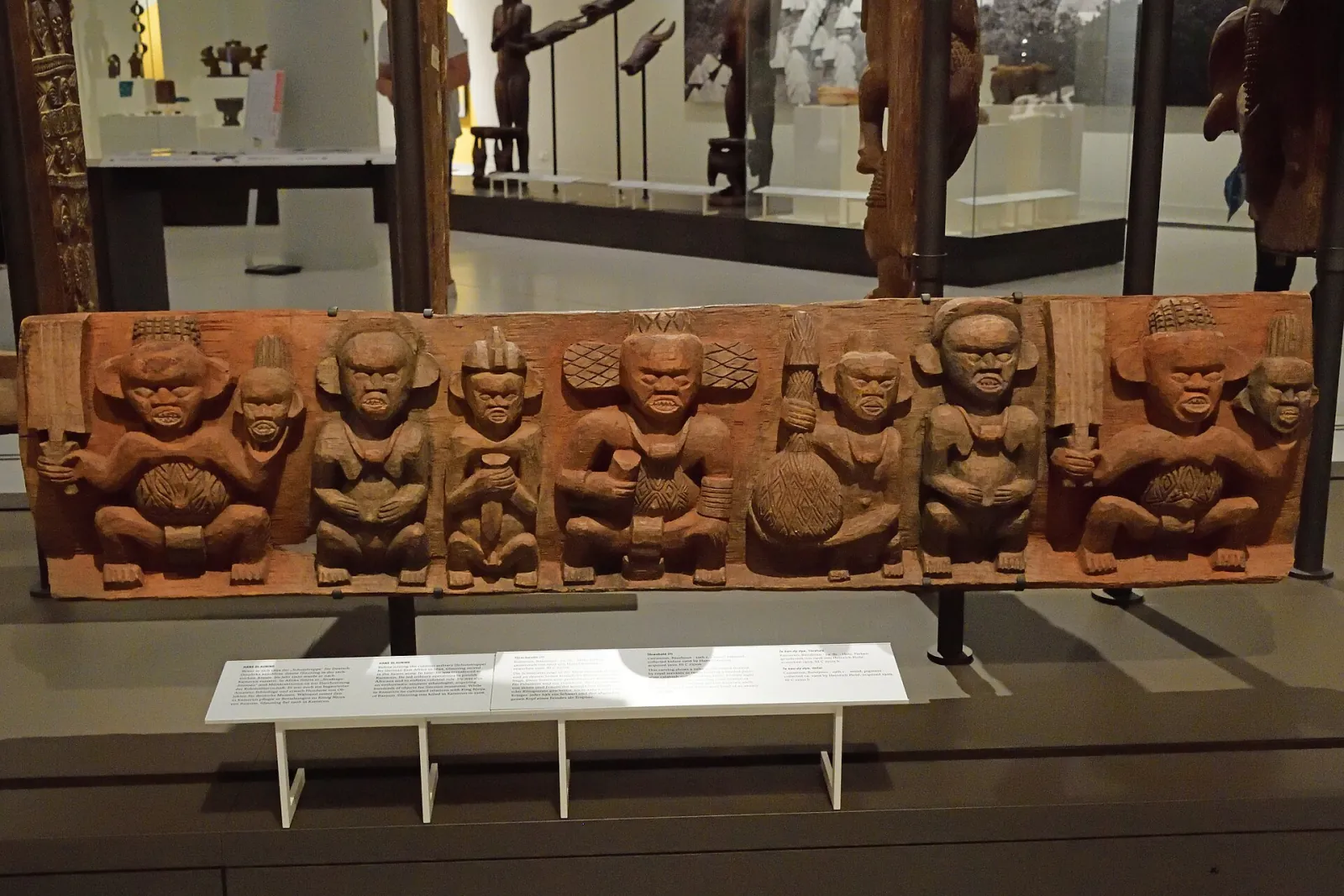
Wooden threshold lintel carved with a row of seated figures, in a museum display

Restitution is not the only route. A loan allows a museum or a private holder to make an object available to another institution for a defined period, without transfer of ownership. Used judiciously, the long-term loan is an instrument of cooperation: it makes the object accessible to Cameroonians while discussions on its status continue.

What a loan agreement covers

  • The duration of the loan, renewable by mutual agreement;
  • Conservation conditions: temperature, humidity, light, security;
  • Nail-to-nail insurance and the division of costs;
  • Reproduction rights and the acknowledgement of provenance;
  • The arrangements for early return if the object is at risk.

A loan is not a waiver of rights

The Ministry ensures that a loan never amounts to a waiver of a restitution claim. Each agreement says so. Cameroonian institutions wishing to borrow or lend a piece must also, for any temporary removal from the country, apply for an export authorisation for works of art.

Loans also feed the programming of biennials and major exhibitions, and form part of the cultural years organised with partner countries.

ℹ️
Good to know

A loaned object remains under the protection of Cameroonian cultural heritage law, including when it is exhibited abroad.

National committee

The national committee responsible for repatriation

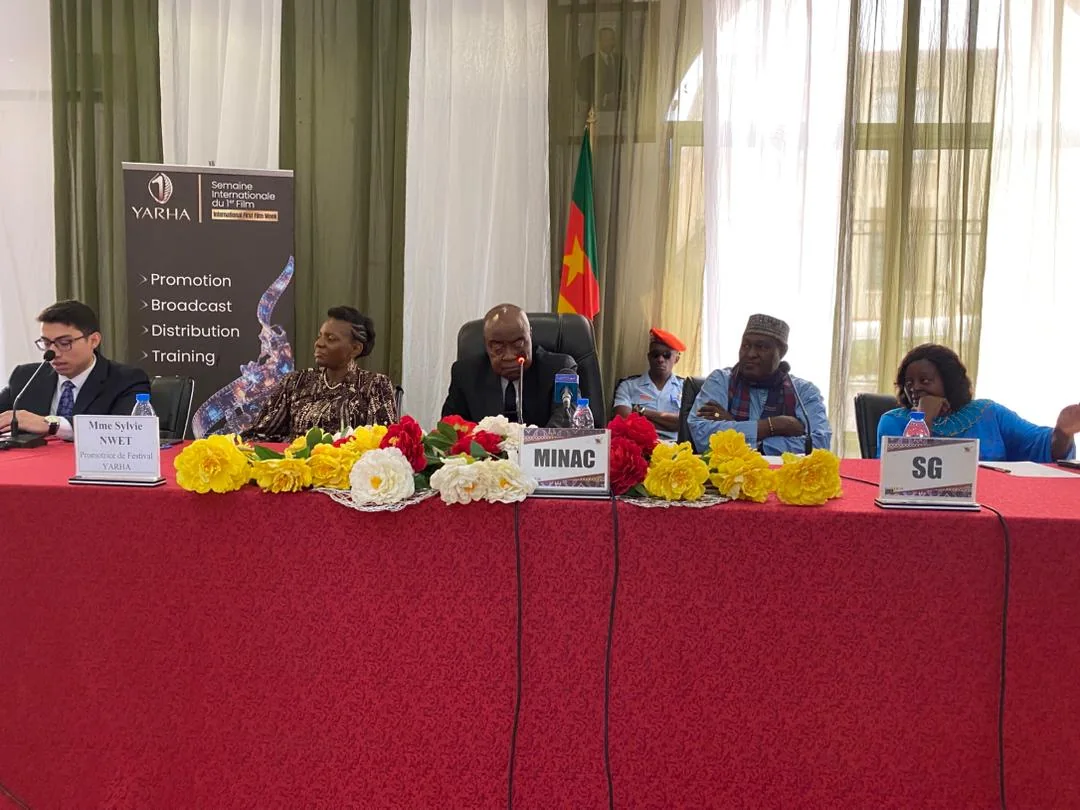
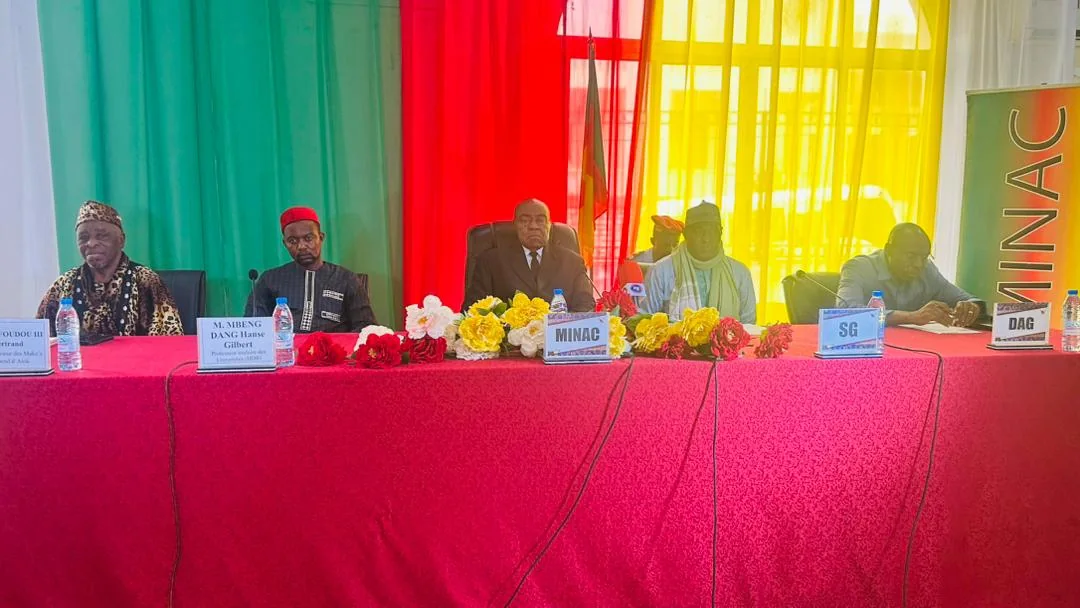
Ministry working meeting around a flower-decked table

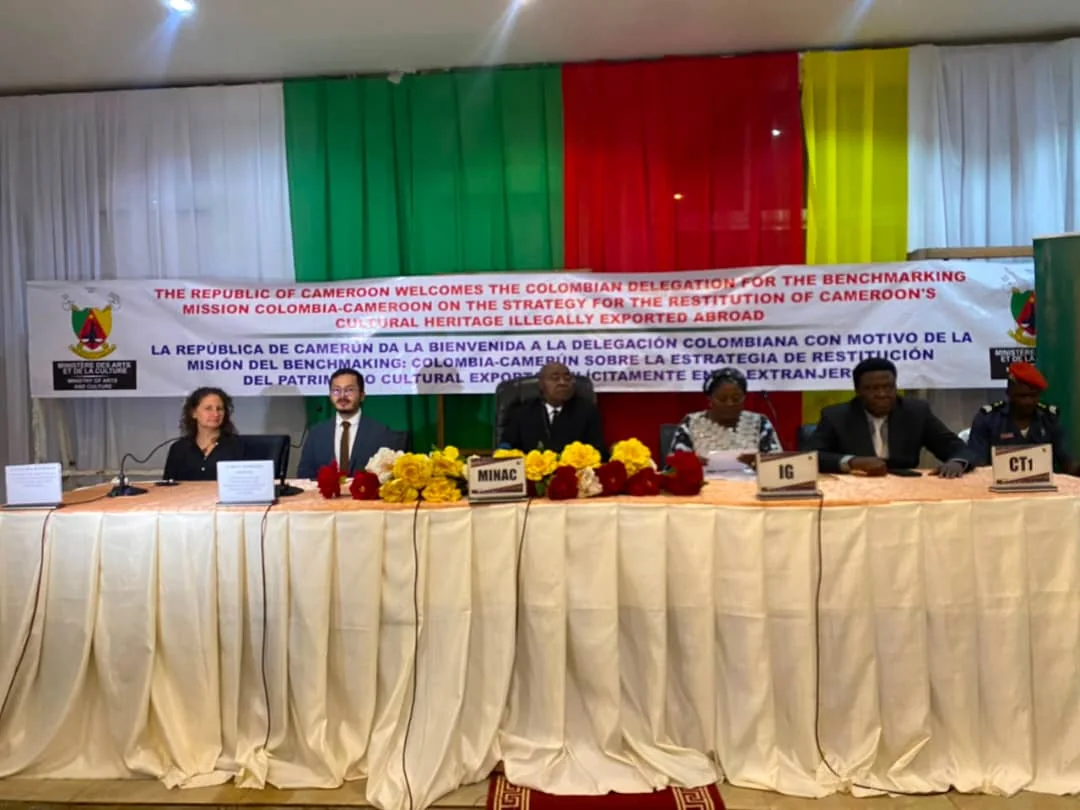
The committee responsible for the repatriation of illicitly exported cultural property brings together representatives of the Ministry’s services, heritage institutions and the administrations concerned with borders, justice and foreign affairs. It coordinates files, prepares negotiations and reports to the hierarchy. The Studies, Planning and Cooperation Unit provides the link with foreign partners.

The benchmarking mission in Colombia

At the beginning of July 2026, the committee took part in an exchange mission with Colombia. The sessions focused on the funding of repatriation: cost planning (transport, conservation, courier, customs), a strategy for holding countries to bear their share of financial responsibility, the logistics protocol and the chain of responsibility. Cameroon thus compared its practices with those of a country that has already carried out such returns.

Legal and institutional support

Law 2013/003 sets out three principles: repatriation is undertaken by the State, the situation of the good-faith possessor is taken into account, and costs are borne by the person guilty. The committee draws guidelines from this for each file. It also relies on mediation where an amicable agreement is possible, and on the Minister’s Office for high-level approaches.

The committee’s work is followed up with embassies and feeds into the reference legislative texts.

Step by step

Processing a repatriation file

Identify the property

Gather the inventory sheets, old photographs, community testimonies and publications that mention the object and its current location.

Establish provenance

Reconstruct the object’s journey: date of departure, intermediaries, circumstances of the sale or transfer, in order to characterise the export as illicit.

Use diplomatic channels

Inform the embassy concerned, request an audience, present the file to the holder and propose a timetable for discussions.

Negotiate the sharing of costs

Cost out transport, conservation, courier and customs, then agree on the share borne by the holder.

Organise the return

Apply the logistics protocol: condition report, packing, insurance, accompaniment, handover record signed at each stage.

Receive and showcase

Enter the property in the inventory, have it examined by restorers, then present it to the public or to the community of origin.

Journey

From the text of the law to the mission in Colombia

2013Law 2013/003

The legislator sets the framework: repatriation by the State, consideration of the good-faith possessor, costs borne by the guilty party.

Following yearsInventories and alerts

The Ministry’s services strengthen the inventory of property and the reporting of objects spotted abroad or on the market.

2026Ambassadors’ audiences

The Minister receives the ambassadors of Morocco, Japan and Equatorial Guinea, then a representative of India, and opens new areas of cooperation.

Early July 2026The mission to Colombia

The specialised committee studies Colombian practices in the funding and logistics of repatriation.

October 2026The Francophonie Games

The Cameroonian delegation is in Yerevan on 28 October 2026: an opportunity to establish contacts useful for heritage cooperation.

To act

Report, consult, get informed

Report an object

Have you spotted a Cameroonian property in a sale or collection abroad? Send the link and photographs.

Make a report

Export a work

Any removal of a work of art, even temporary, requires prior authorisation from the Ministry.

See the procedure

List a property

A listed property is better protected and easier to claim if it leaves the territory.

Request a listing

Track a file

Check the progress of your application using the number received at submission.

Track my file
Perspectives

What those involved in repatriation say

“
A good return file comes in three parts: proof of origin, the transport plan and the agreement on who pays. Without any one of them, everything stops.
A legal officer of the Ministry, Yaoundé
National committee
“
Before departure, we photograph every side of the object. On arrival, we compare. This simple step protects everyone.
A curator, national museum
Conservation
“
The elders want to know when the object will return and in what place it will be received. They also want to be involved in the choice.
A chiefdom notable, West
Community of origin
“
Customs can block everything if it is not notified. We prepare the documents several weeks in advance.
A liaison officer, repatriation committee
Logistics

“Requiring holding countries to bear their share of financial responsibility: that is the line the committee defended in Bogotá as in Yaoundé.”

A member of the repatriation committee
References

The texts and sheets on restitution

Key facts

The benchmarking mission at a glance

SubjectContent addressedSignificance for Cameroon
Cost planningTransport, conservation, courier, customsKnowing what a return costs before committing
Responsibility of holding countriesFinancial share borne by the holder of the propertyAvoiding the State bearing the burden of the return alone
Logistics protocolCondition report, packing, insurance, accompanimentGuaranteeing the integrity of the object during the journey
Chain of responsibilitySignature at each transfer, handover recordsKnowing who is responsible for what at each stage
Legal frameworkLaw 2013/003, international conventionsBasing the claim on solid texts
Lessons learnedPractices of the partner countryAdapting proven methods to the Cameroonian context
Glossary

The words of repatriation and loans

Repatriation

Return of a cultural property to the territory of its country of origin, at the initiative of the State.

Restitution

Handing over of a property to its rightful owner or to the community from which it comes.

Benchmarking

Methodical comparison of one’s practices with those of a partner in order to draw improvements.

Illicit export

Removal of a property from the territory without the authorisation required by law.

Possessor in good faith

Person who holds a property without knowing that it comes from an illegal export.

Provenance

Complete history of the places and successive owners of an object.

Condition report

Written and photographic description of the condition of an object before and after a move.

Nail to nail

Insurance that covers the object from its hanging at departure until its hanging on arrival.

Courier service

Carrier specialised in the secure transport of artworks and fragile objects.

Handover record

Signed document certifying the transfer of an object from one party to another.

Long-term loan

Making an object available for several years without transfer of ownership.

On the site

Continuing after restitution

Resources

Useful links for the restitution of property

Stakeholders

Who works on repatriation?

To explore

Restitution in other sections

Questions

Your questions about the repatriation of cultural property

Who decides whether to start a repatriation?

It is the State, through the Ministry of Arts and Culture. Law 2013/003 reserves to it the right to undertake all necessary action. The national committee examines the files, prepares the negotiation and submits its proposals to the hierarchy, which decides on the priorities and the diplomatic steps to be taken.

What happened during the mission to Colombia?

In early July 2026, the committee travelled to Colombia on a benchmarking mission. The sessions covered the financing of repatriation, cost planning (transport, conservation, courier services, customs), the logistics protocol and the chain of responsibility, as well as the financial share to be borne by the countries holding the objects.

Can objects that have already returned be cited?

The Ministry does not cite any return until official sources are available. This page describes the method and the principles. Announcements of returns are published in the press releases and news of the site, with details of the object, its origin and its place of reception.

Who pays for the return of a property?

Law 2013/003 provides that costs are borne by the person guilty of the illicit export. In practice, Cameroon maintains that the holding countries bear their share of financial responsibility, and negotiates in each case the division of the costs of transport, conservation, courier services and customs.

What happens to a good-faith possessor?

The law takes into account the situation of the good-faith possessor, that is, someone who was unaware of the illicit origin of the property. This does not extinguish the State’s claim, but steers the discussion towards a negotiated solution, such as mediation, rather than immediate litigation.

Can a foreign museum lend an object to Cameroon?

Yes, by a loan agreement. The text sets out the duration, conservation conditions, insurance and division of costs. The object remains the property of its holder, and the loan never amounts to a waiver of a restitution claim. The Ministry studies each proposal with the host institutions.

How can a Cameroonian object seen abroad be reported?

Use the One-Stop Shop reporting form, attaching the link to the advertisement or collection, photographs and any information on the origin. The committee checks the information, cross-checks it against the national inventory and decides on follow-up: request for information, diplomatic referral or alert to partners.

How can a community be involved?

The chiefdoms, families and associations concerned are consulted on the origin of the object, its significance and the preferred place of reception. They may contact the regional delegation or write to the Ministry. Their testimony is often an essential element of the provenance file.

Where should I write to propose cooperation on restitution?

Write to the Unit for Studies, Planning and Cooperation, through the contact form of the site, by e-mail at contact@minac.gov.cm or by telephone on +237 6 51 70 58 41. Specify the institution, the country and the nature of the proposal: exchange of experience, technical support, training or loan.

Contact

Write to the repatriation committee

Specify the institution, the country concerned and the subject of your message: it will be forwarded to the Cooperation Unit.

Cooperation

Contact the cooperation unit on restitution

Address

Unit for Studies, Planning and Cooperation
Ministry of Arts and Culture
Quartier du Lac – Ministerial Zone
P.O. Box 1053 Yaoundé, Centre Region, Cameroon

Reach us

+237 6 51 70 58 41

contact@minac.gov.cm

Opening hours

Monday to Friday, 8 am to 4 pm

Property to report?

Send us the information you hold: every report enriches the committee’s file.

Make a report
WhatsApp